Usuba
Usuba
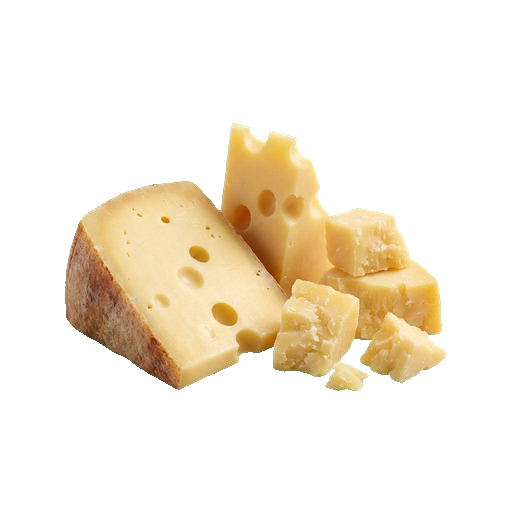
Gruyère cheese
A hard Swiss cheese with a dense structure and a slightly sweet nutty flavor that becomes more pronounced with age. Gruyère melts well and is perfect for casseroles, fondue, soups, and hot sandwiches, while also working excellently as a standalone appetizer. When selecting, pay attention to the characteristic crystalline specks on the cut surface — they indicate the quality and proper aging of the cheese.
Micronutrients
per 100 g
Minerals
Vitamins
- AVitamin A (RAE)271mcg32% DV
- DVitamin D0.6mcg4% DV
- EVitamin E0.28mg2% DV
- KVitamin K2.7mcg2% DV
- B1Vitamin B1 (thiamin)0.06mg4% DV
- B2Vitamin B2 (riboflavin)0.28mg16% DV
- B3Vitamin B3 (niacin)0.11mg1% DV
- B5Vitamin B5 (pantothenic acid)0.56mg11% DV
- B6Vitamin B60.08mg4% DV
- B9Vitamin B9 (folate, DFE)10mcg3% DV
- B12Vitamin B121.6mcg53% DV
About
Gruyère is a hard cheese that is known and loved not only in Europe but far beyond its borders. Its main feature is that it is equally good in hot dishes and as a standalone appetizer. The cheese has a dense consistency with small crystalline inclusions that crunch between your teeth and give it a characteristic nutty-buttery flavor.
Aroma and Taste
Gruyère smells of butter with subtle sweet notes. The taste features nutty, creamy, and pleasantly salty characteristics. The longer the cheese is aged, the more pronounced its character becomes — young Gruyère is softer and more delicate, while mature cheese is more intense and complex. It leaves a long, pleasant aftertaste on the palate.
Role in dishes
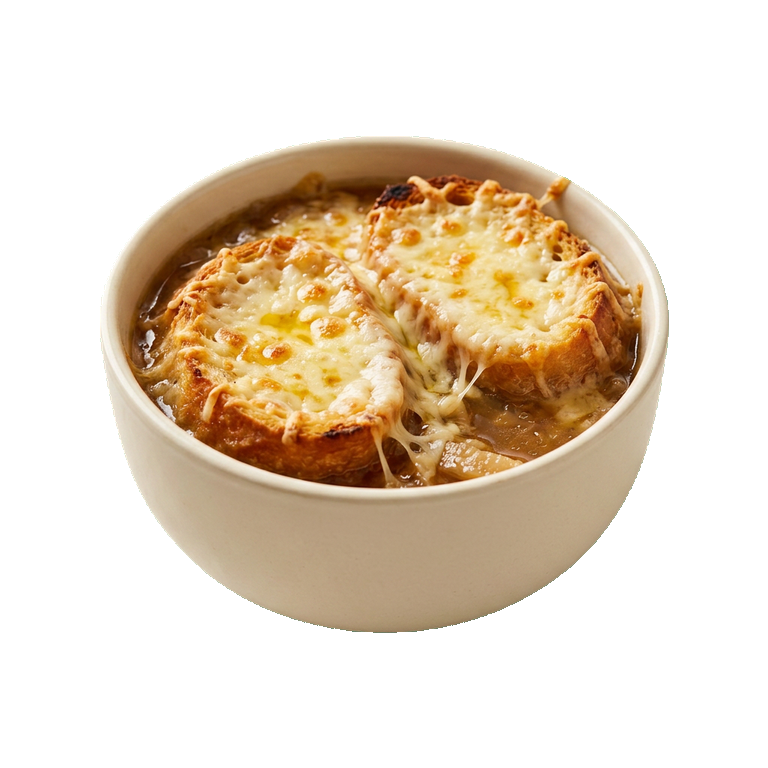
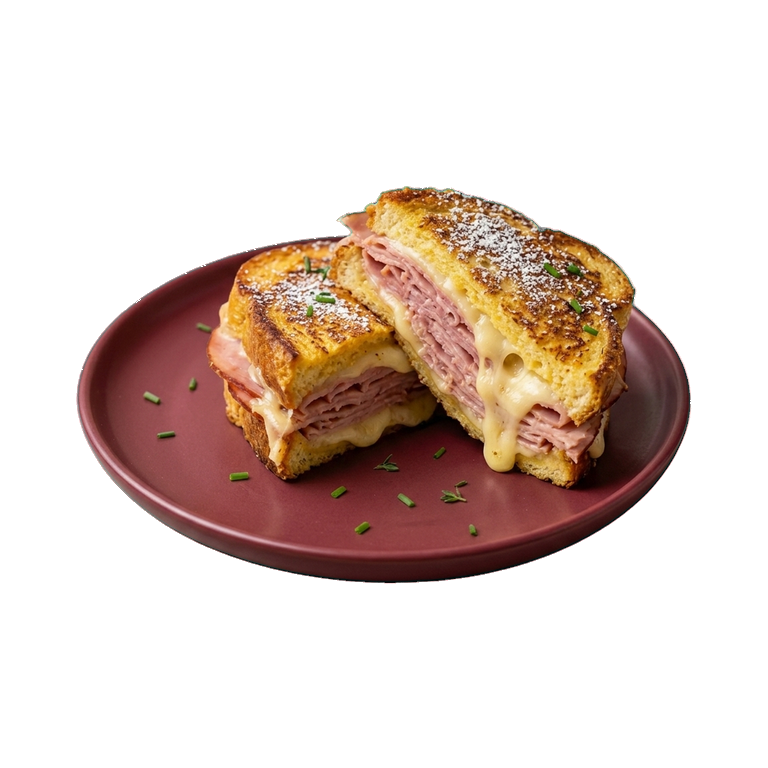
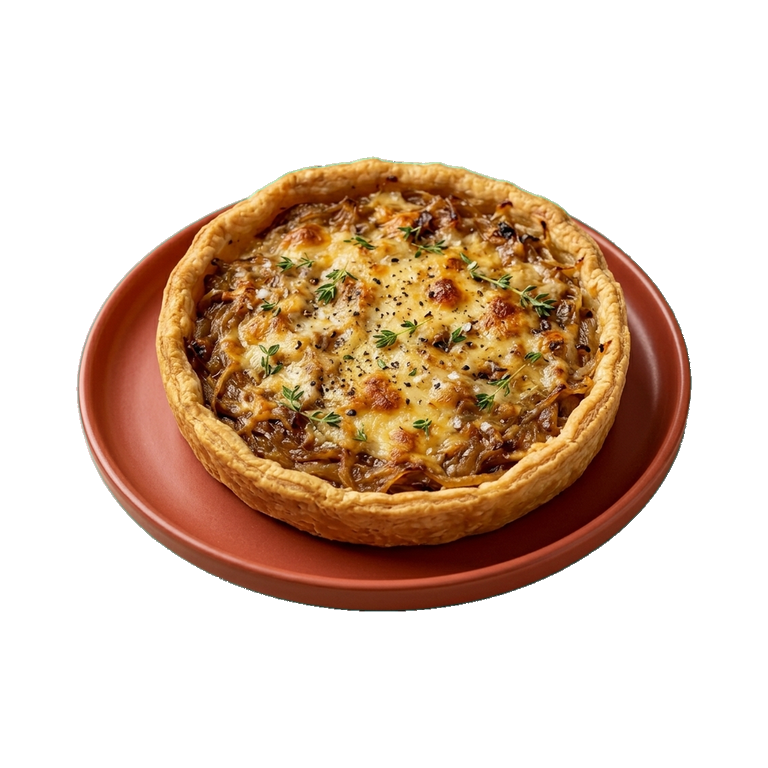
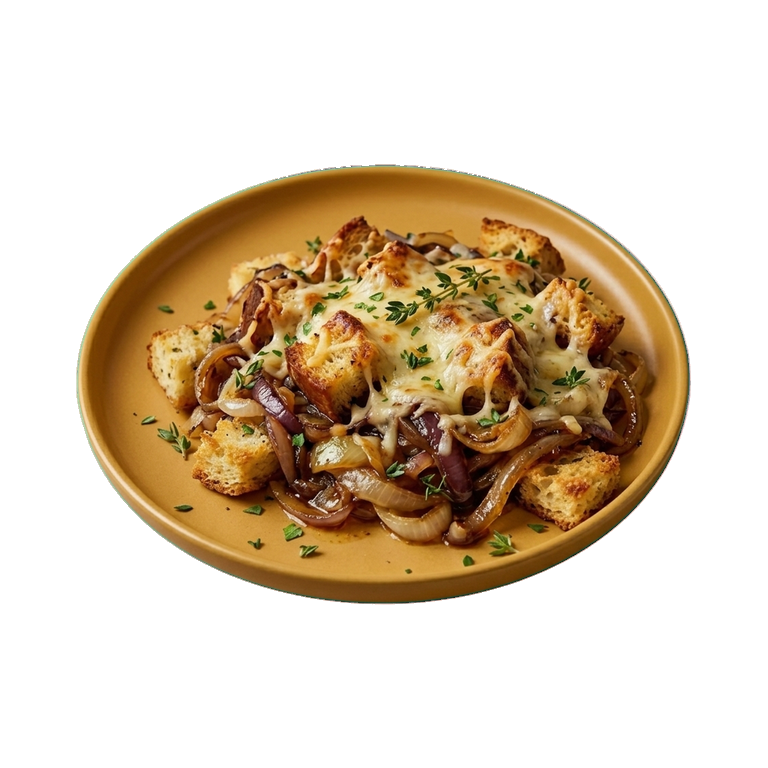
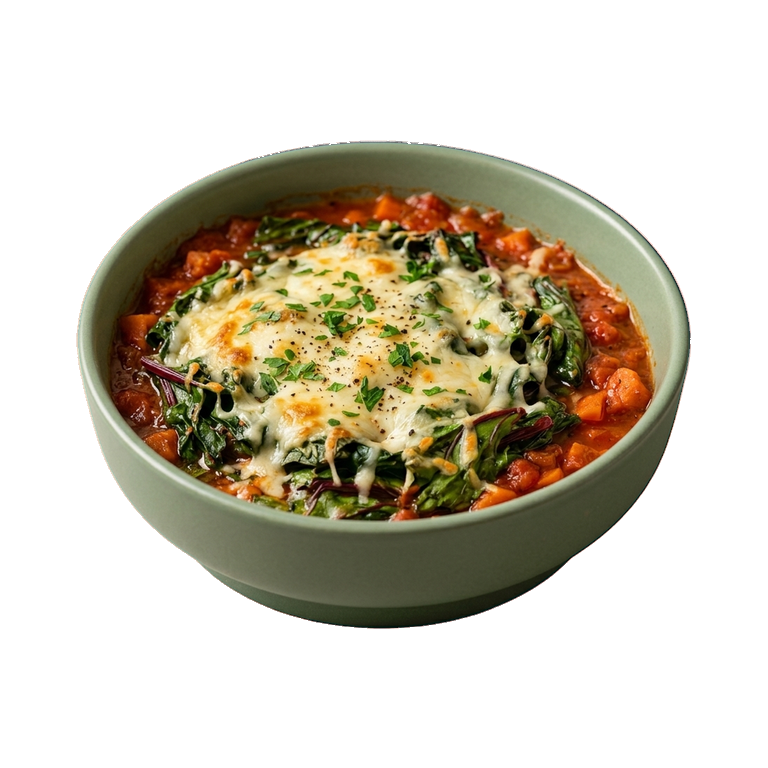
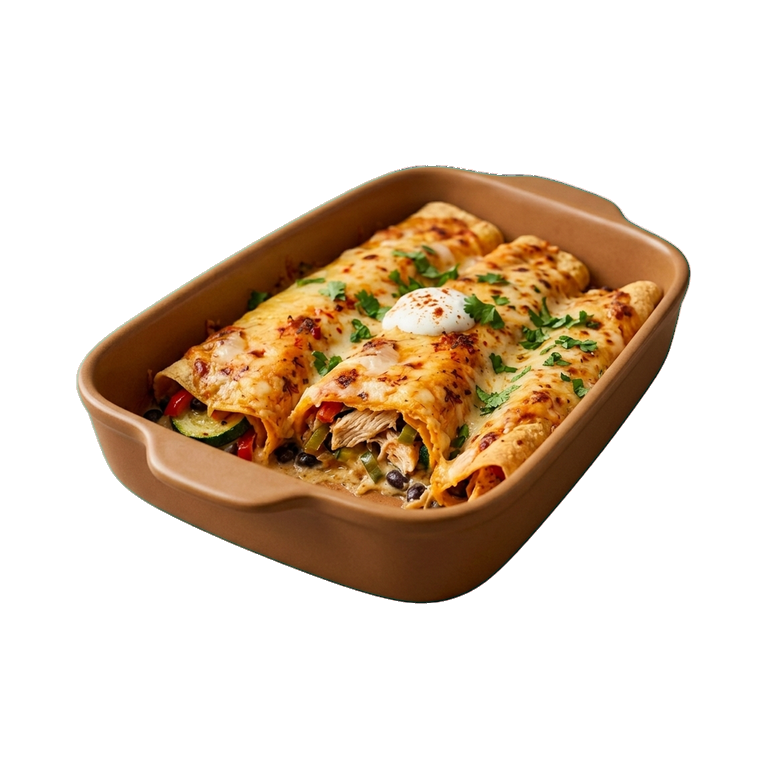
Gruyère is a versatile cheese. It is added to French onion soup, sprinkled over baked dishes to create a crispy golden crust. It is ideal for fondue because it melts evenly and doesn't become a stringy mass. In omelets and scrambled eggs, Gruyère reveals its creamy potential, and in appetizer platters it demonstrates nobility and elegance.
Pairings
- Bread: wheat, rye, buckwheat, any crispy crispbread
- Fruits: pear, apple, grapes, figs
- Vegetables: sweet pepper, tomatoes, mushrooms, onion
- Proteins: ham, bacon, chicken, fish
- Drinks: white wine, light beer, apple cider
Selection and Storage
When choosing Gruyère, look at the color — it should be golden-yellow, without gray spots or mold. The smell should be pleasant, nutty, without any sourness. A piece of good Gruyère is dense, doesn't crumble, but doesn't stick to the knife either. If you're buying a whole wheel — this is a rarity in stores, but if it happens, check for cracks and voids inside.
Store Gruyère best in the refrigerator, wrapped in parchment or special cheese paper — regular plastic wrap won't let it breathe. Keep it on a shelf, not in the freezer. Before serving, remove from the refrigerator 15–20 minutes before to let the cheese reveal its flavor. With proper storage, Gruyère will keep for several weeks without any problems.
Gruyère is good because it doesn't require any tricks — just slice it, put it on bread with butter, and you already have a full-fledged appetizer that will satisfy any cheese lover.
Nutrition
per 100 g
- Calories
- 413 kcal
- Protein
- 29 g
- Fat
- 32 g
- Carbs
- 0.4 g
Micronutrients
per 100 g
Macronutrients
- Fiber
- 0 g
- Sugars
- 0.36 g
- Saturated fat
- 18.913 g
- Monounsaturated fat
- 10.043 g
- Polyunsaturated fat
- 1.733 g
- Omega-3 (EPA + DHA)
- 0 g
- Cholesterol
- 110 mg
- Water
- 33.19 g
Minerals
- Sodium
- 714 mg
- Potassium
- 81 mg
- Calcium
- 1011 mg
- Magnesium
- 36 mg
- Phosphorus
- 605 mg
- Iron
- 0.17 mg
- Zinc
- 3.9 mg
- Copper
- 0.03 mg
- Manganese
- 0.02 mg
- Selenium
- 14.5 mcg
Vitamins
- Vitamin A (RAE)
- 271 mcg
- Vitamin D
- 0.6 mcg
- Vitamin E
- 0.28 mg
- Vitamin K
- 2.7 mcg
- Vitamin C
- 0 mg
- Vitamin B1 (thiamin)
- 0.06 mg
- Vitamin B2 (riboflavin)
- 0.28 mg
- Vitamin B3 (niacin)
- 0.11 mg
- Vitamin B5 (pantothenic acid)
- 0.56 mg
- Vitamin B6
- 0.08 mg
- Vitamin B9 (folate, DFE)
- 10 mcg
- Vitamin B12
- 1.6 mcg
Measures and weight
- 1 slice
- 25 g
Measure calculator
- Weight
- 100 g
- Calories
- 413 kcal