Usuba
Usuba
Chicken liver
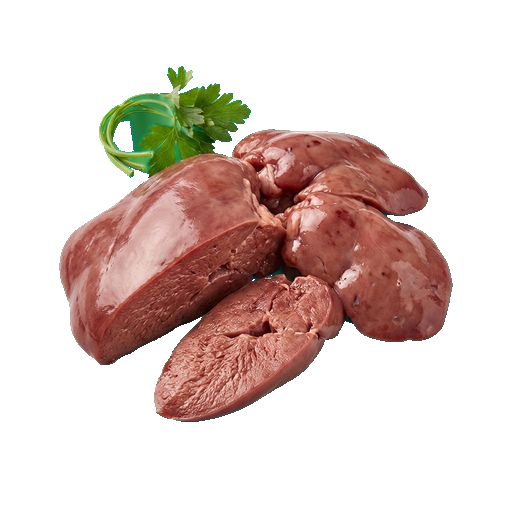
Chicken liver is a tender offal with a soft texture and rich, iron-forward flavor that becomes more delicate with proper heat treatment. It is used in pâtés, risotto, salads, and quick sears over high heat to retain juiciness. When selecting, pay attention to uniform color without spots, and before cooking, remove the gallbladder if present to avoid bitterness.
Micronutrients
per 100 g
Minerals
Vitamins
- AVitamin A (RAE)3296mcg388% DV
- EVitamin E0.7mg5% DV
- CVitamin C17.9mg18% DV
- B1Vitamin B1 (thiamin)0.31mg21% DV
- B2Vitamin B2 (riboflavin)1.78mg99% DV
- B3Vitamin B3 (niacin)9.73mg49% DV
- B5Vitamin B5 (pantothenic acid)6.23mg125% DV
- B6Vitamin B60.85mg43% DV
- B9Vitamin B9 (folate, DFE)588mcg147% DV
- B12Vitamin B1216.6mcg553% DV
About
Chicken liver is one of the most accessible and nutritious offal products that deserves a permanent place in your kitchen. It's not just an economical choice: liver contains a concentrated set of iron, B vitamins, and selenium that are difficult to obtain from other affordable products. With proper preparation, it becomes the basis for many dishes — from pâtés to quick weeknight dinners.
Taste and Aroma
Chicken liver has a tender, slightly sweet taste with a characteristic metallic note that frightens many novice cooks. This note disappears if you prepare the product correctly: soak it in milk for half an hour before cooking or simply rinse it thoroughly. The aroma during cooking becomes pronounced but not sharp — rather pleasant and appetizing, especially if you add onion and herbs.
Liver has a delicate and soft texture; it quickly loses its firmness when overheated, so the main rule is not to overcook it. Cooked liver should be moist inside, slightly pinkish, not gray. If you dry it out, the dish will become tasteless and crumbly.
Where to use
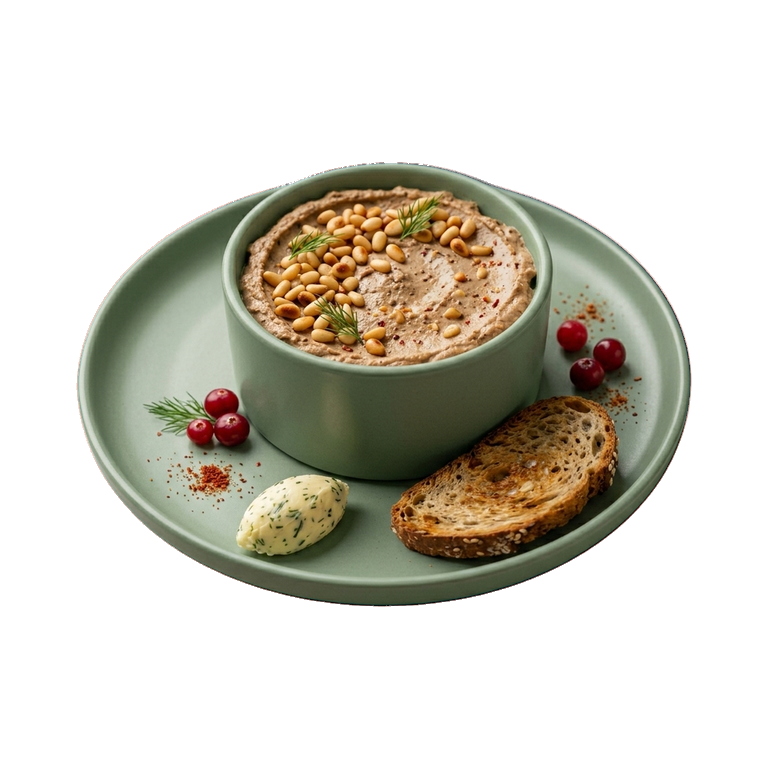
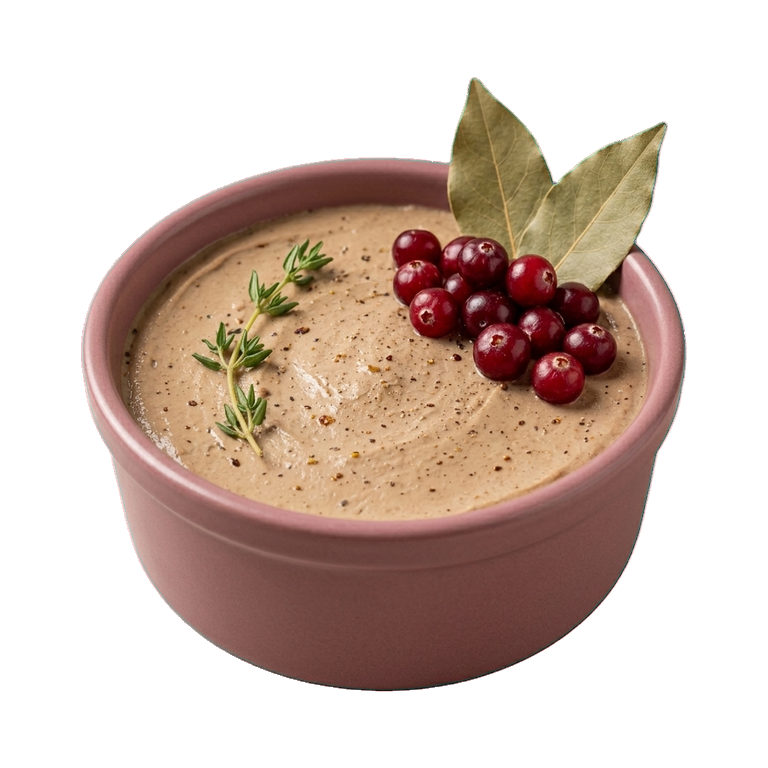
- Pâtés and terrines — liver is rubbed with butter, spices and sometimes cognac
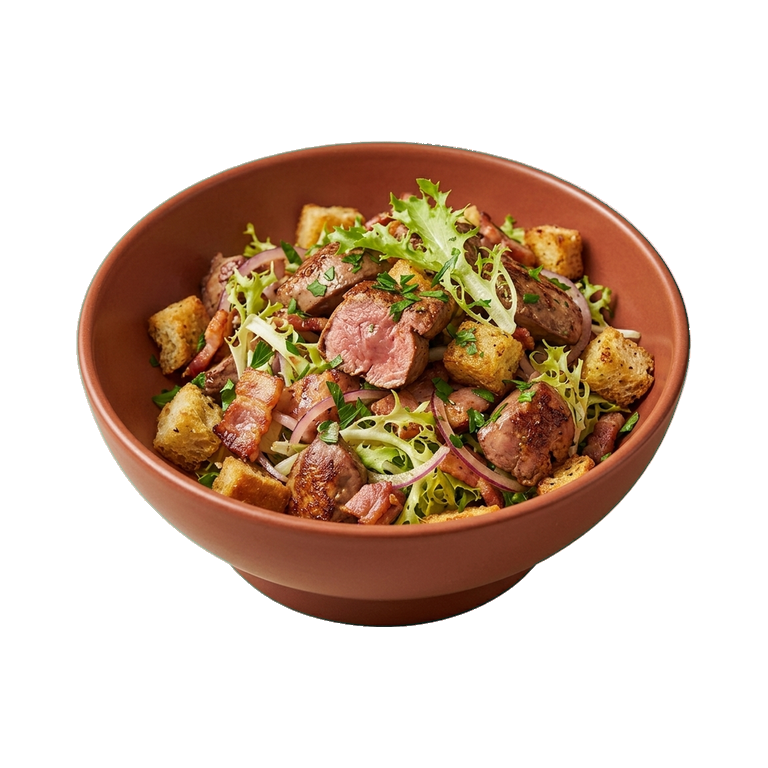
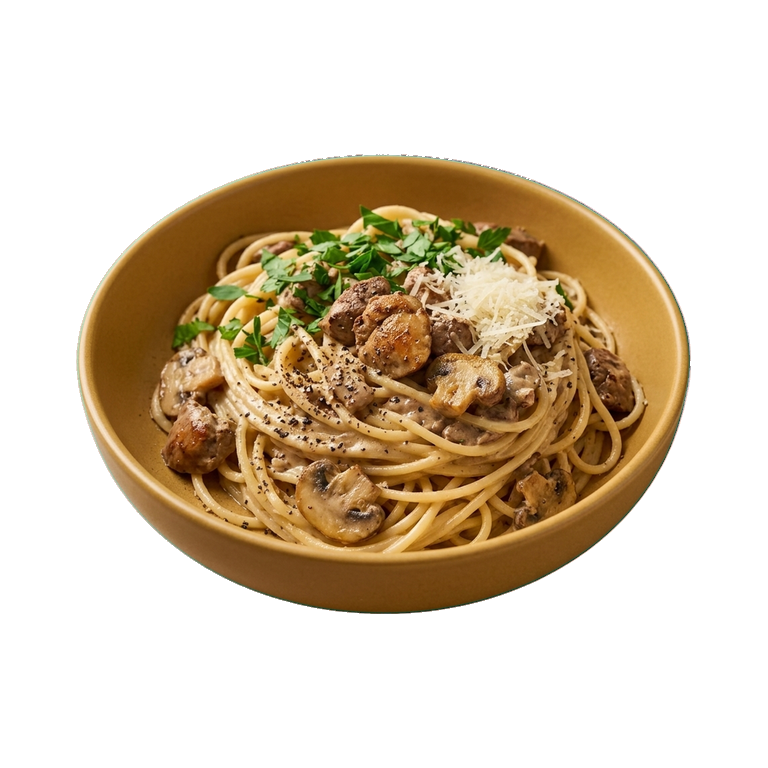
- Quick sautés with onions and mushrooms — prepared in 10–15 minutes over high heat
- Stews and braised dishes — liver is cut into pieces and braised with vegetables in sour cream or tomato
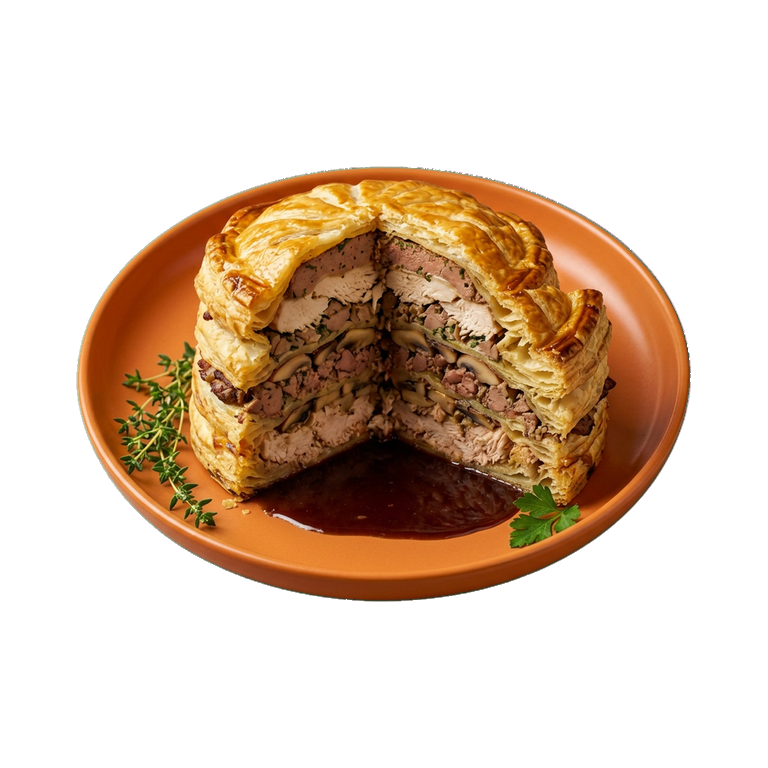
- Fillings for pies and pancakes — mixed with rice, onions and eggs
- Liver cutlets and meatballs — ground with bread and eggs
- Soups and broths — added for richness and nutritional value
Flavor Pairings
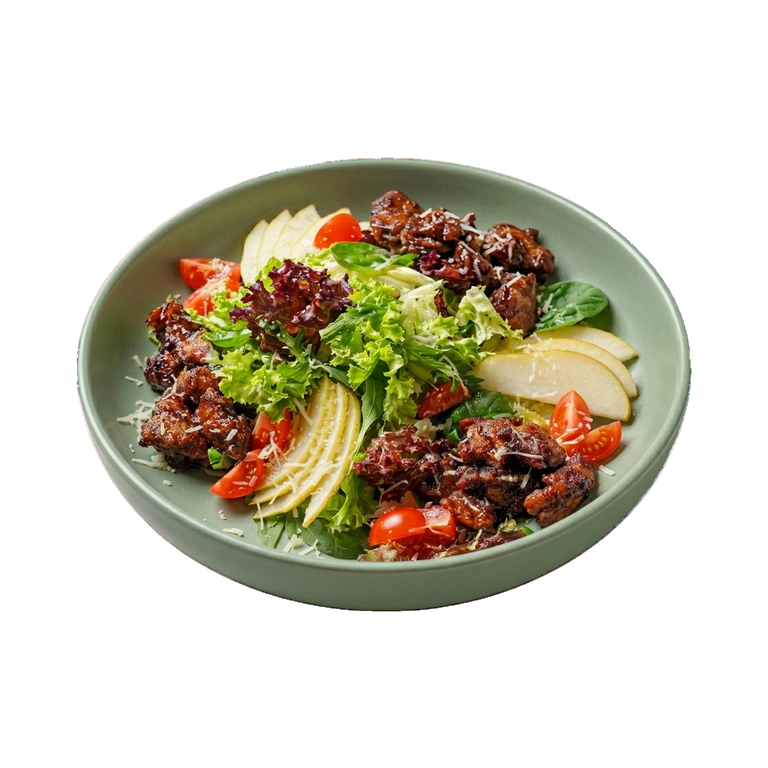
Chicken liver pairs well with classic flavors: onion, garlic, mustard, and herbs like thyme or parsley. Butter and sour cream soften its character, making the dish more delicate. Acidic components — vinegar, wine, lemon — help neutralize the metallic aftertaste and add freshness.
- Butter, sour cream, cream
- Onion, garlic, shallot
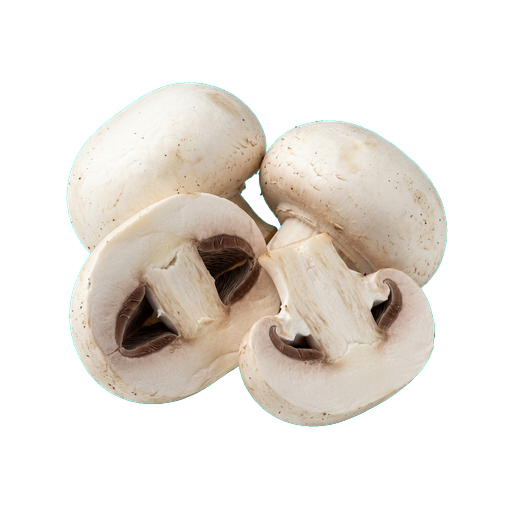
- Mushrooms (button mushrooms, porcini mushrooms)
- Mustard, capers, olives
- Tomatoes and tomato paste
- White wine, cognac, port wine
Selection and Storage
When purchasing, pay attention to the color: good liver has an even brown or dark red hue without spots and darkening. The surface should be moist, but not slippery, and the smell should be fresh, without mustiness. If the liver smells like ammonia or looks gray, it's better to avoid the purchase.
Store liver in the refrigerator for no more than two days in an airtight container on the coldest shelf. For long-term storage, freeze it in a bag or container — this way it will keep for up to three months. Before cooking, thaw it in the refrigerator, not at room temperature, to prevent bacterial growth.
The main secret to delicious liver is not to overcook it and don't forget to soak it in milk. These two rules solve 90 percent of the problems that arise when cooking this offal.
Nutrition
per 100 g
- Calories
- 136 kcal
- Protein
- 19.1 g
- Fat
- 5.6 g
- Carbs
- 0 g
Micronutrients
per 100 g
Macronutrients
- Fiber
- 0 g
- Sugars
- 0 g
- Saturated fat
- 1.563 g
- Monounsaturated fat
- 1.249 g
- Polyunsaturated fat
- 1.306 g
- Omega-3 (EPA + DHA)
- 0 g
- Cholesterol
- 345 mg
- Water
- 76.46 g
Minerals
- Sodium
- 71 mg
- Potassium
- 230 mg
- Calcium
- 8 mg
- Magnesium
- 19 mg
- Phosphorus
- 297 mg
- Iron
- 8.99 mg
- Zinc
- 2.67 mg
- Copper
- 0.49 mg
- Manganese
- 0.26 mg
- Selenium
- 54.6 mcg
Vitamins
- Vitamin A (RAE)
- 3296 mcg
- Vitamin D
- 0 mcg
- Vitamin E
- 0.7 mg
- Vitamin K
- 0 mcg
- Vitamin C
- 17.9 mg
- Vitamin B1 (thiamin)
- 0.31 mg
- Vitamin B2 (riboflavin)
- 1.78 mg
- Vitamin B3 (niacin)
- 9.73 mg
- Vitamin B5 (pantothenic acid)
- 6.23 mg
- Vitamin B6
- 0.85 mg
- Vitamin B9 (folate, DFE)
- 588 mcg
- Vitamin B12
- 16.6 mcg
Measures and weight
- 1 pcs
- 30 g
Measure calculator
- Weight
- 100 g
- Calories
- 136 kcal