Usuba
Usuba
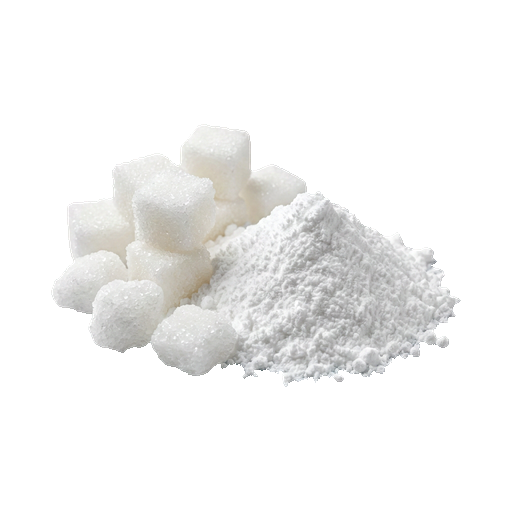
Powdered Sugar
Finely ground sugar with added starch to prevent caking, featuring a delicate consistency that dissolves completely in liquids and dough. Used for dusting baked goods, making glazes, creams and desserts, as well as sweetening beverages without a grainy sensation. Store in an airtight container in a dry place, as the powder quickly absorbs moisture and tends to clump.
Micronutrients
per 100 g
About
Powdered sugar is not just finely ground sugar. It is a working tool in the kitchen that changes the consistency of a dish, its appearance, and even the sensation in your mouth. Thanks to its ultra-fine grinding, the powder dissolves instantly, leaving no granules, and creates a smooth, uniform texture where regular sugar would fail.
When powder is needed and when it's not
Powdered sugar is the number one choice for creams, glazes, and fillings. When you whip butter with powder, you get an airy, delicate mass without grains. For raw desserts like no-bake cheesecake or buttercream, powder is simply indispensable: it completely dissolves in liquid components without requiring additional time to dissolve.
Baking is more complex. For dough that requires prolonged kneading and gluten development, regular sugar often works better — it dissolves more slowly, creating the necessary consistency. But for delicate sponge cakes, meringues, and pavlovas, powdered sugar has an advantage: it doesn't weigh down the structure and guarantees smoothness.
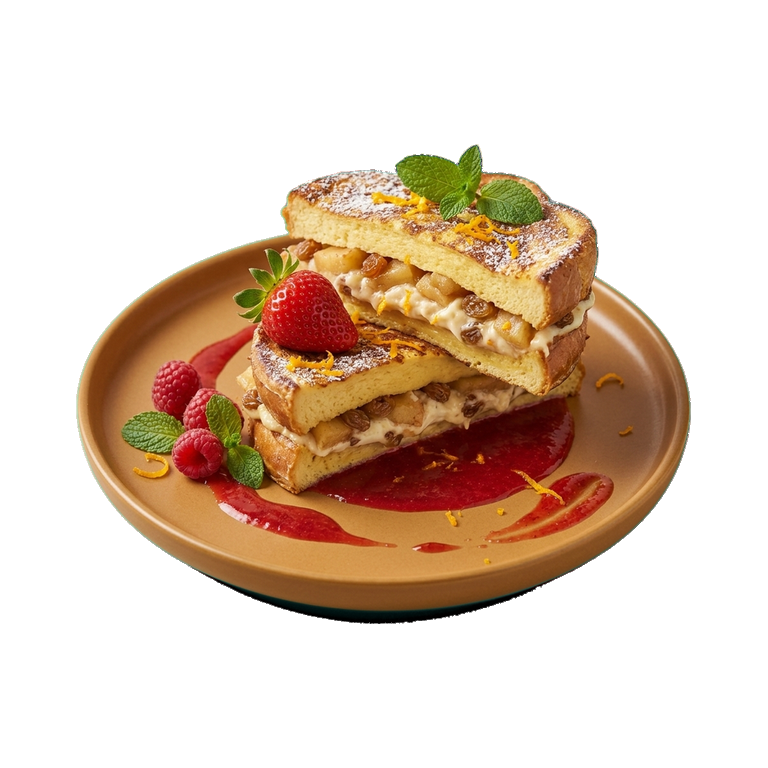
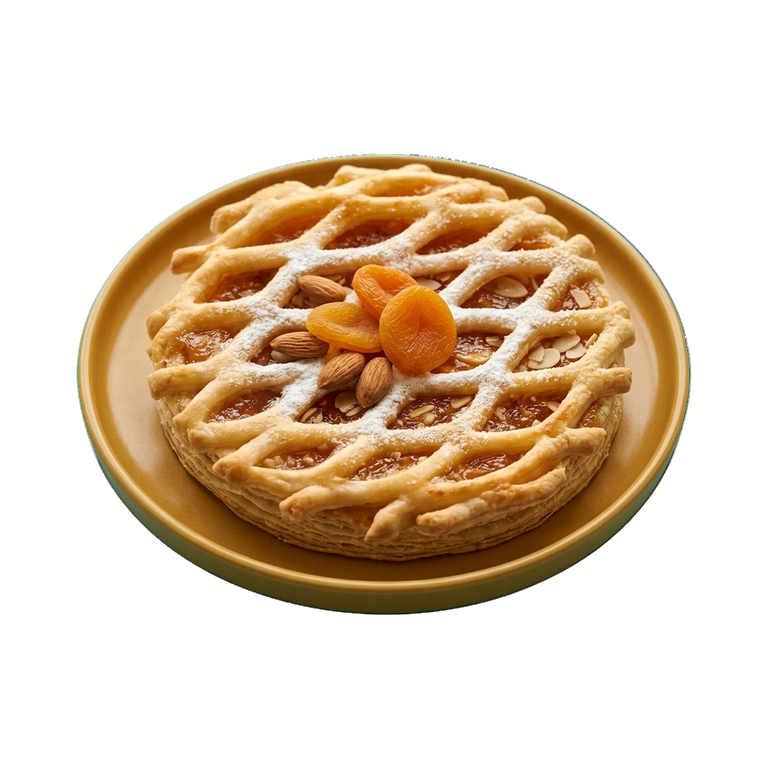
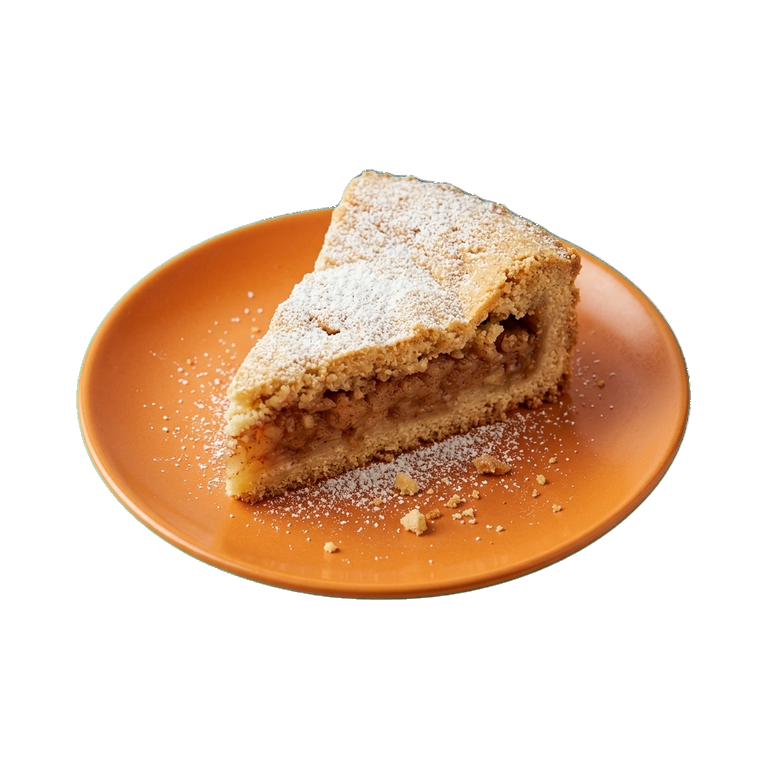
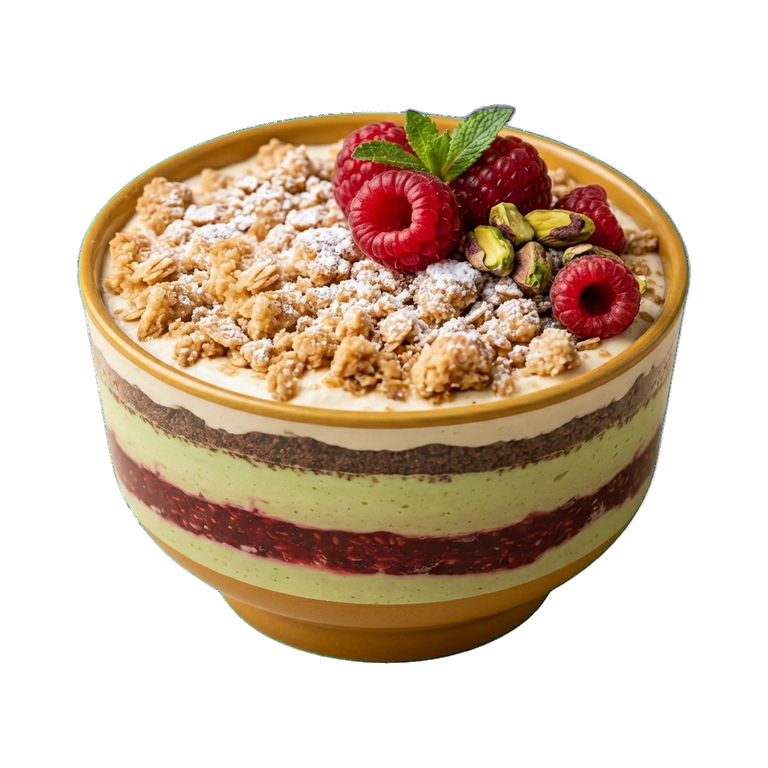
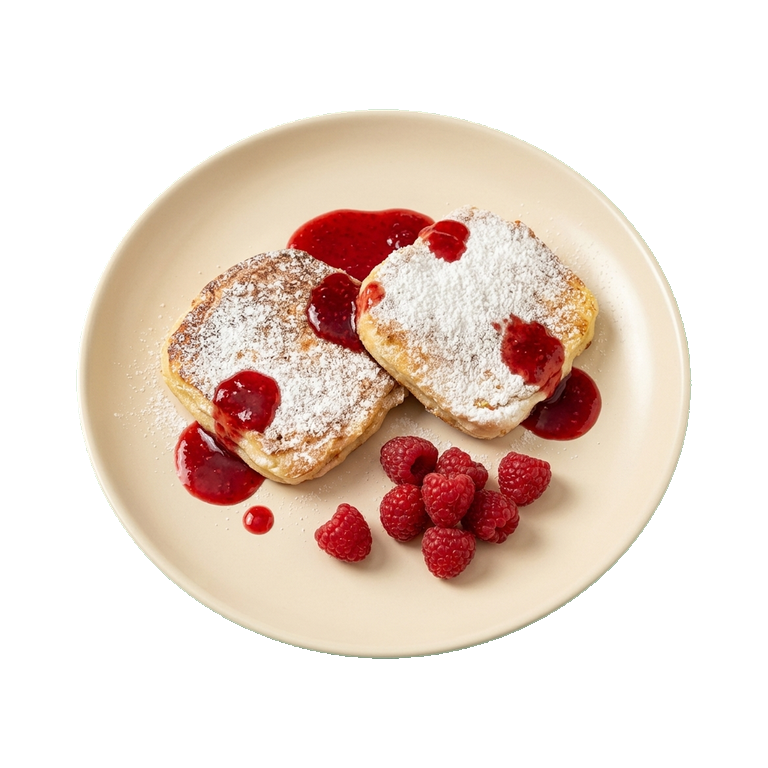
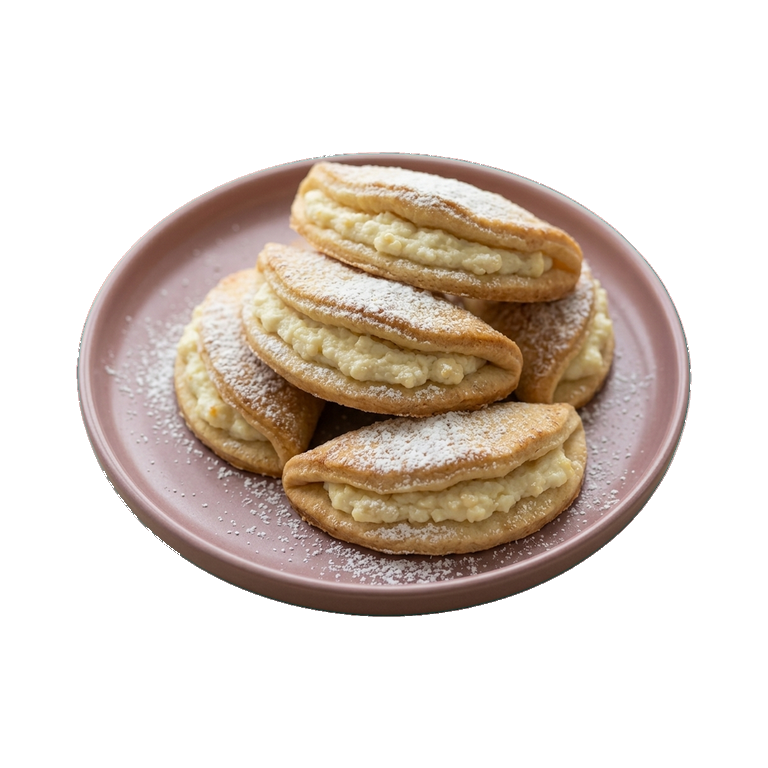
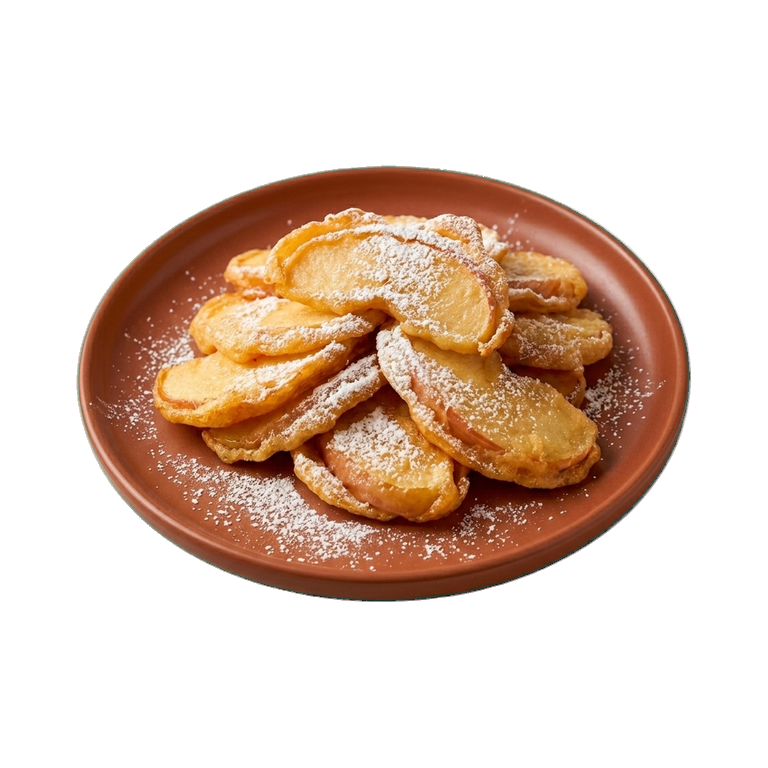
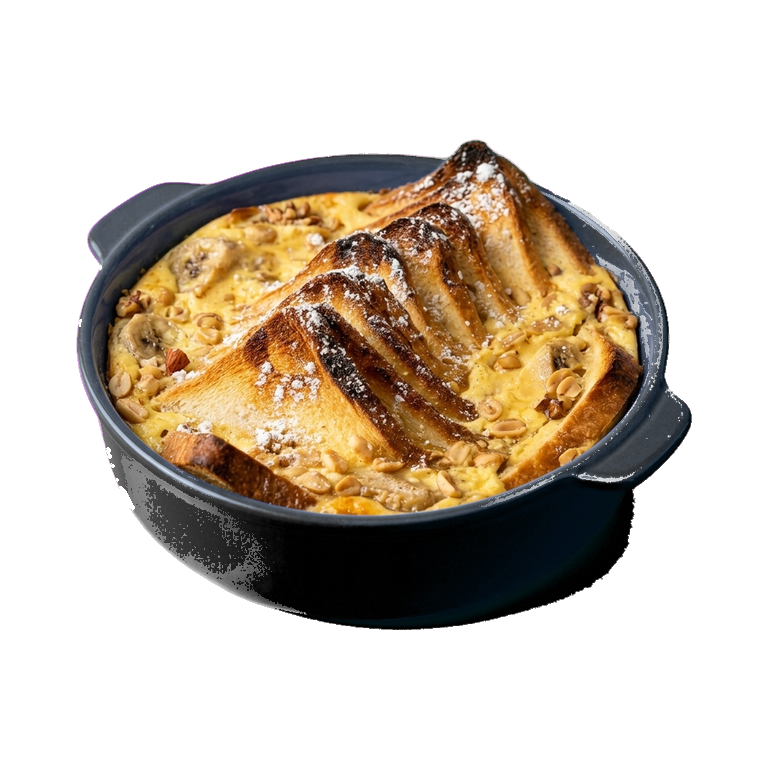
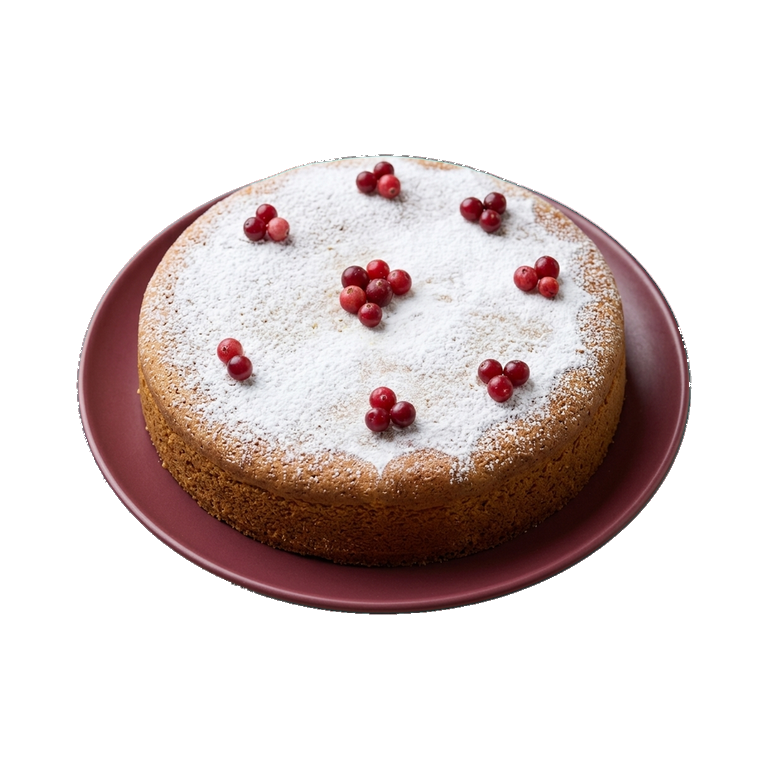
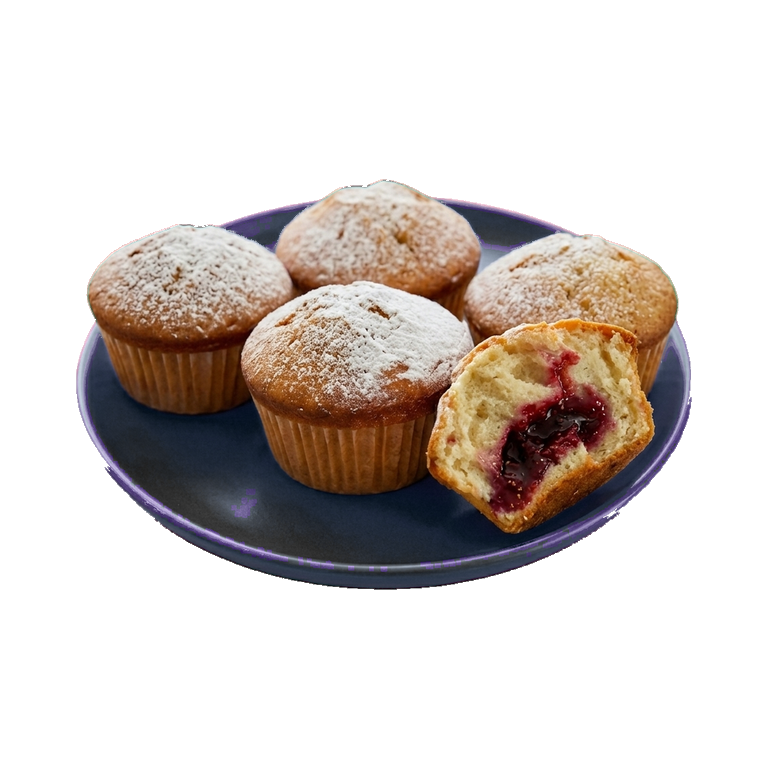
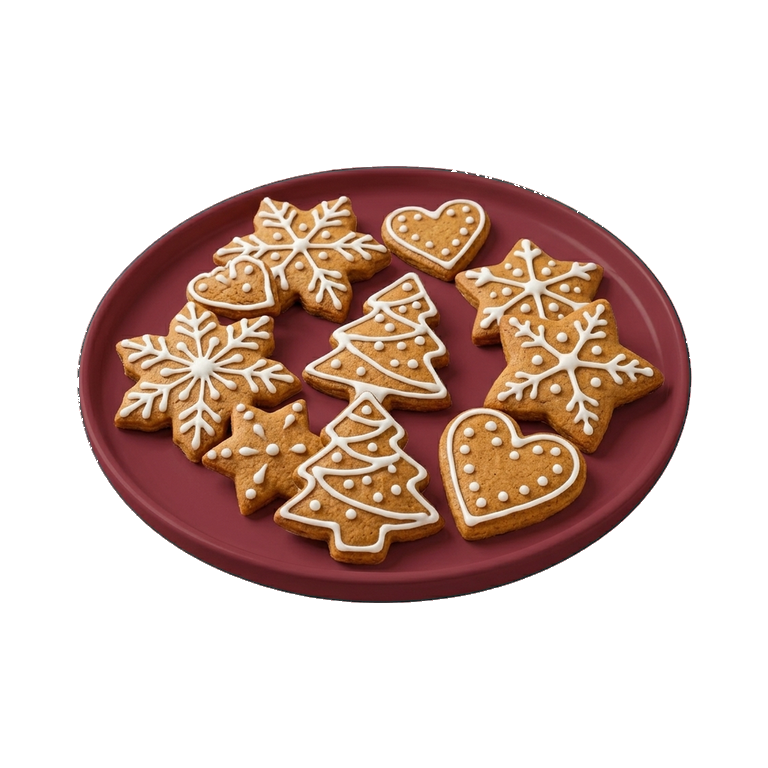
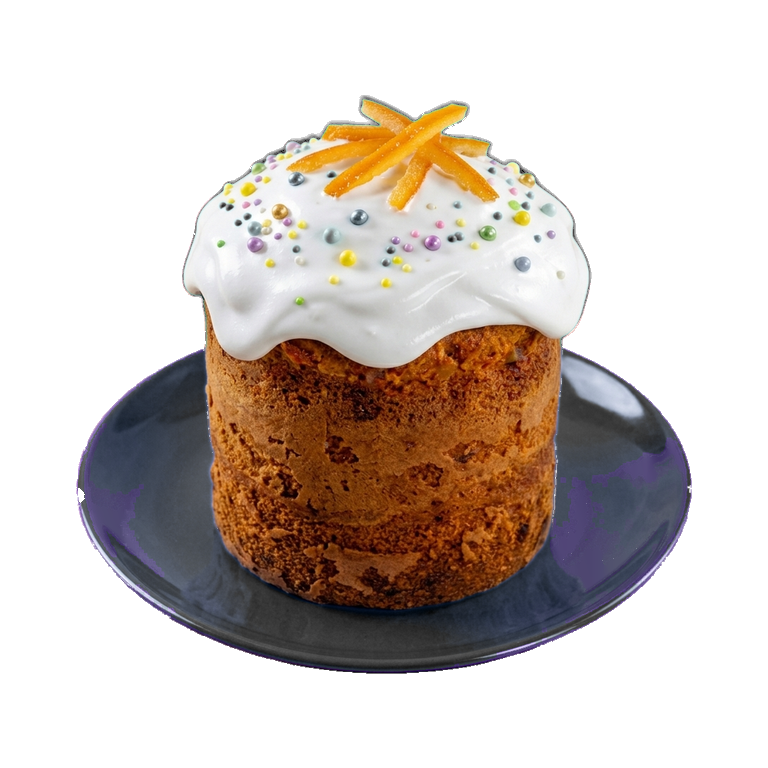
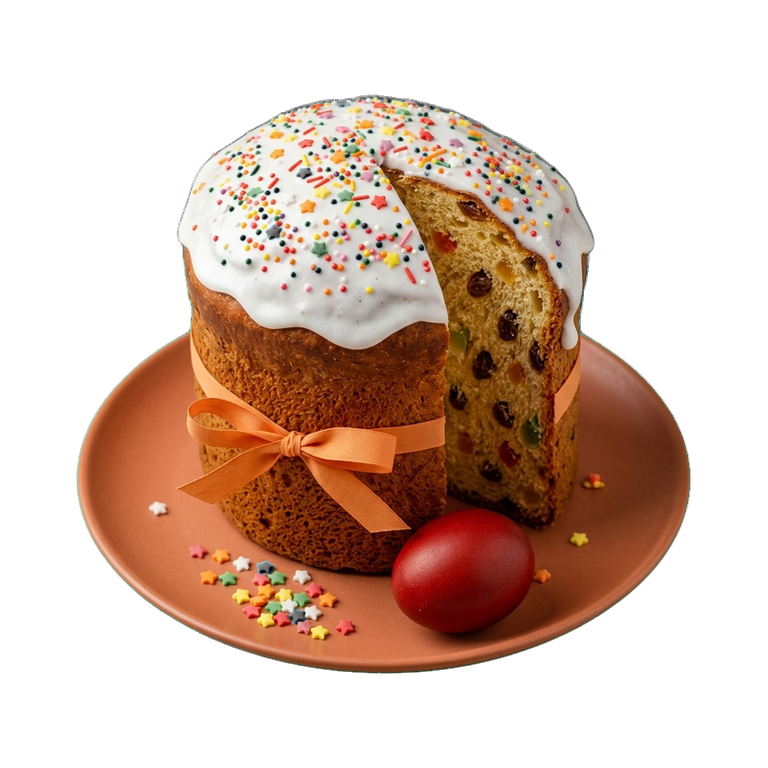
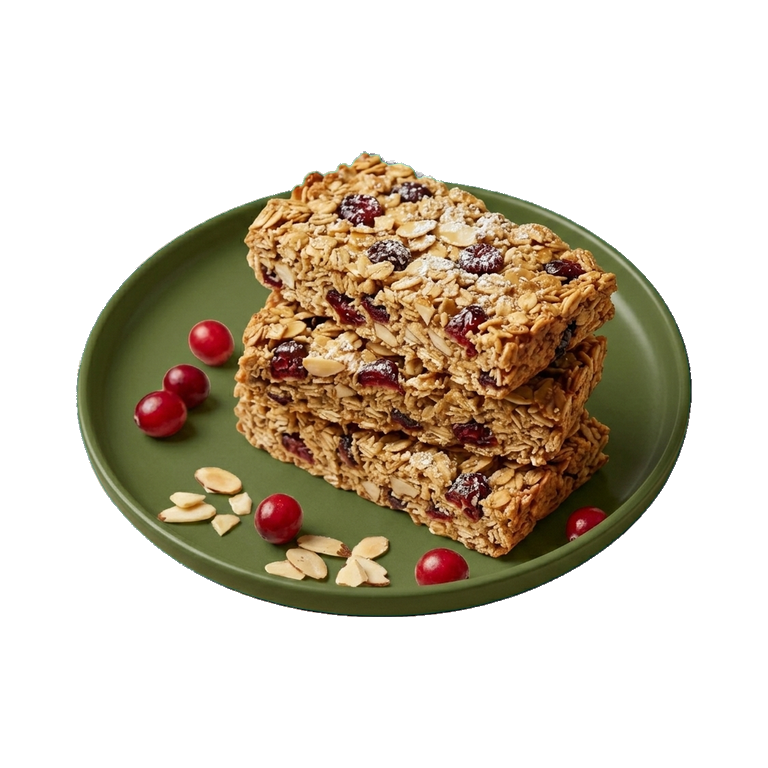
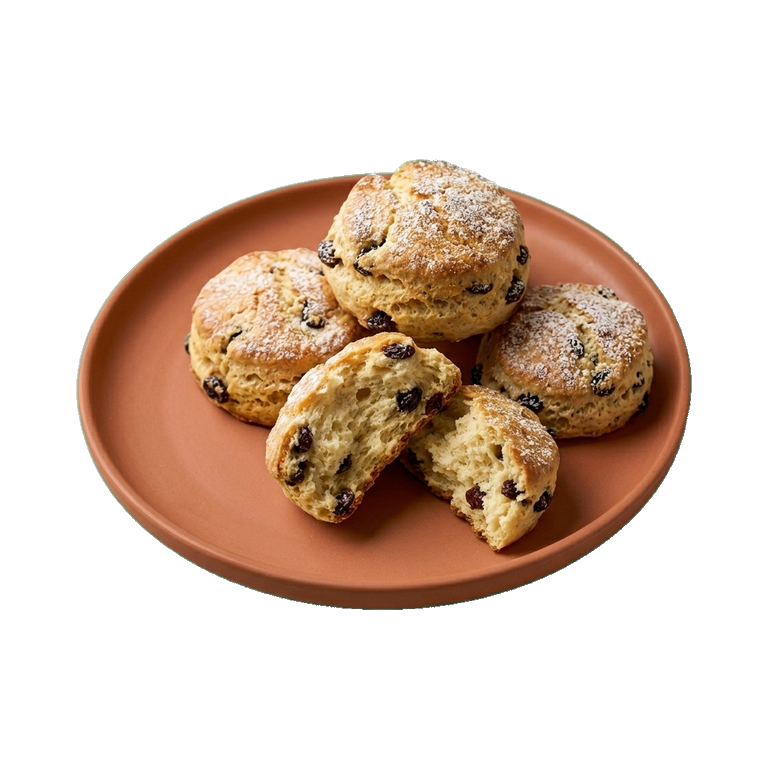
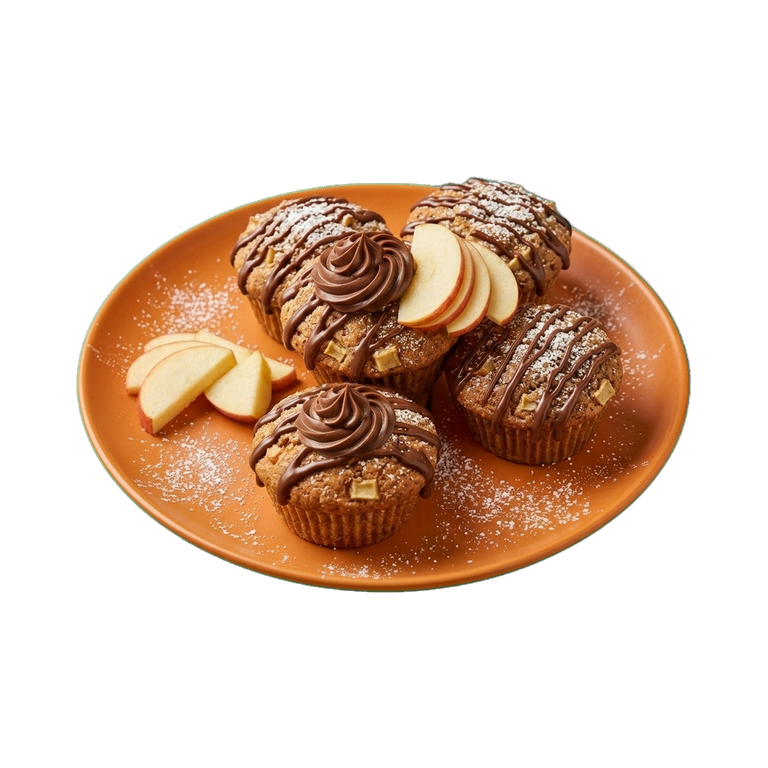
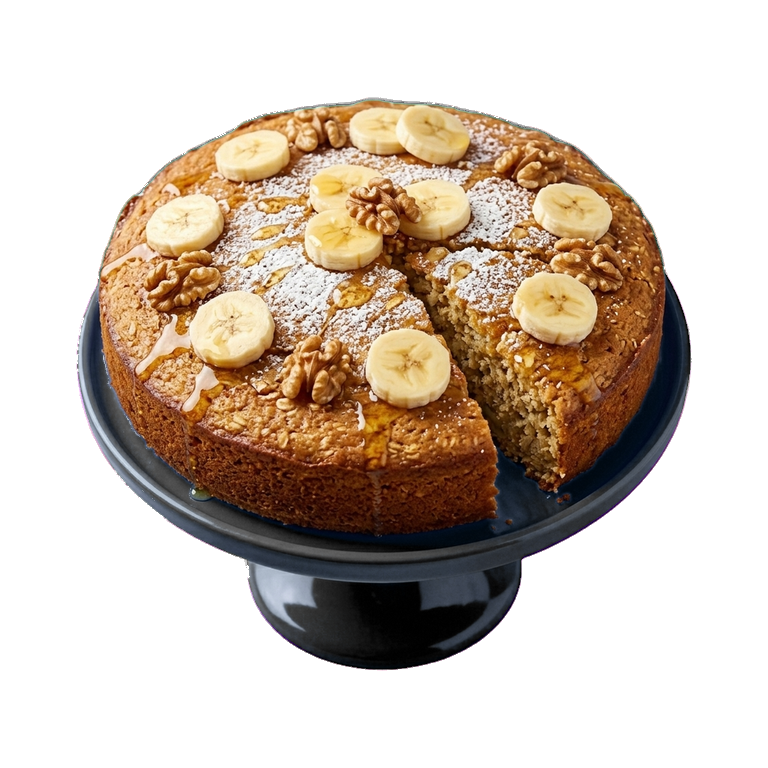
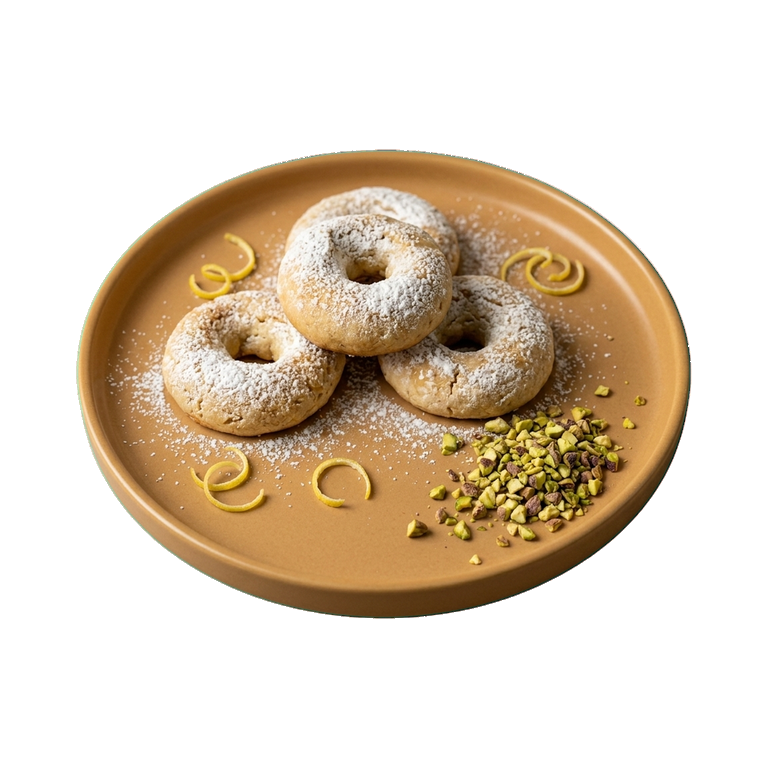
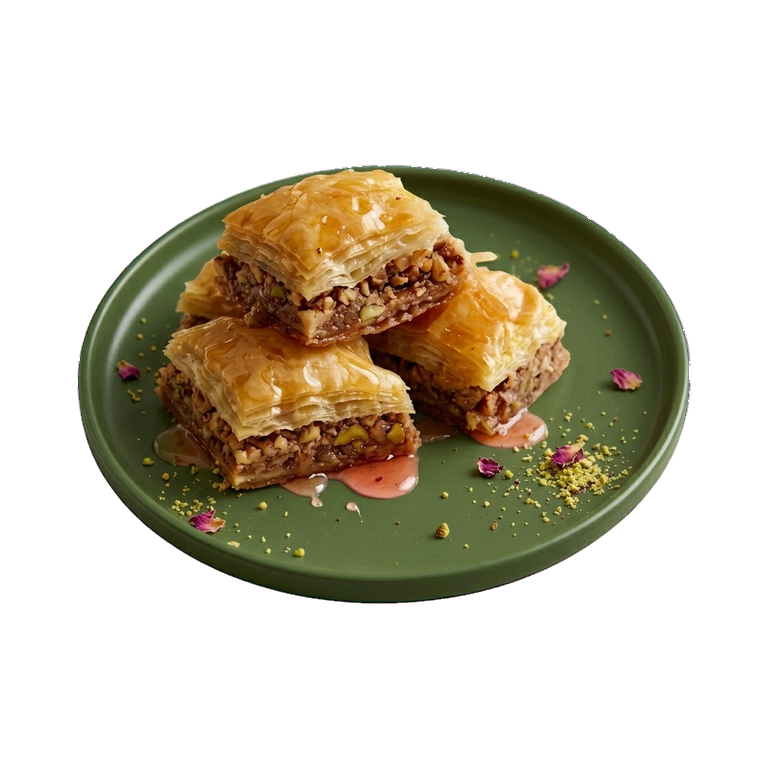
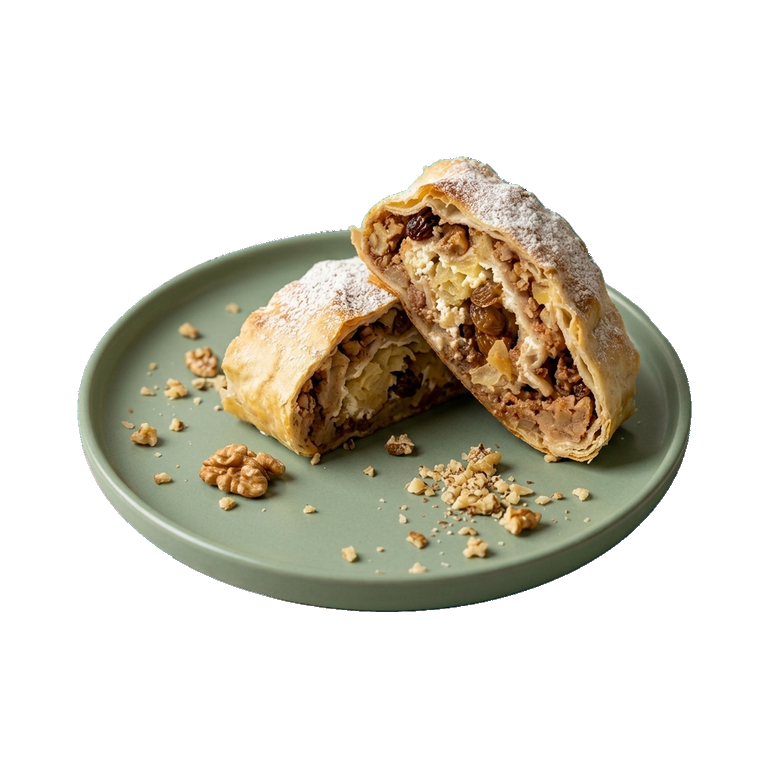
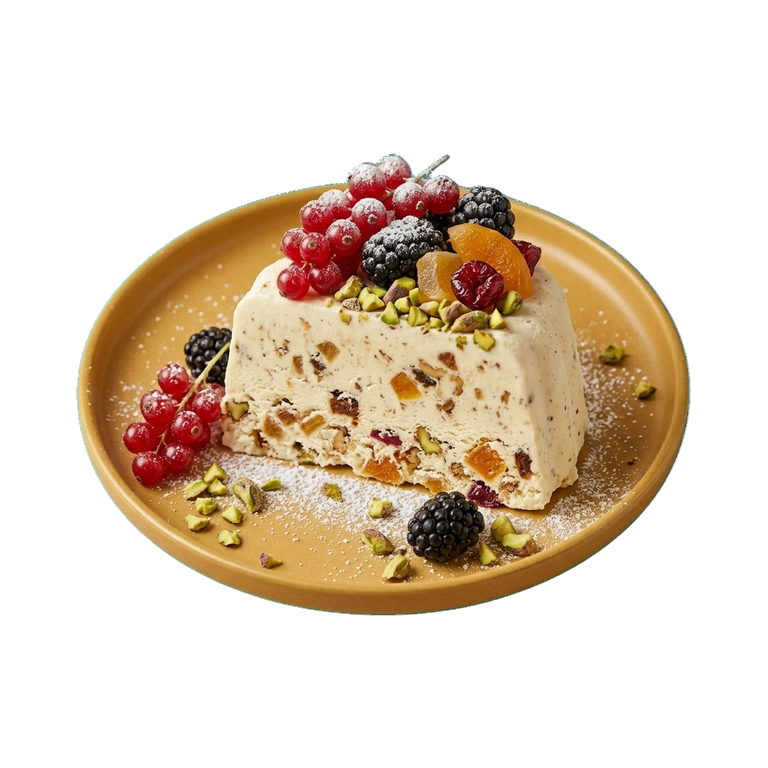
Toppings are a special case. Powder settles on the surface of creams, cakes, and cookies, creating a decorative effect. But remember: it quickly absorbs moisture and can clump together if the dish is stored in the refrigerator.
Features in Operation
The main characteristic of powdered sugar is its hygroscopic nature. It absorbs moisture from the air and from ingredients. If you are making a butter-based cream, the powder will dissolve quickly. If you are making a glaze based on milk or cream, add the powder gradually and check the consistency — it may become thicker than expected.
Some manufacturers add starch to powdered sugar to prevent clumping. This affects the result: starch can make the glaze less glossy or slightly more matte. If you need a glossy shine, check the ingredients or sift the powder before using — this will remove lumps and add airiness.
Selection and Storage
When purchasing, pay attention to the packaging: it should be sealed and intact. The powder should not be caked or lumpy — this is a sign of improper storage in the warehouse. A good product is crumbly and uniform, without any smell of mold or mustiness.
Store the powder at home in a tightly closed container at room temperature, away from direct sunlight and sources of moisture. The bathroom is the worst choice. A kitchen cabinet away from the stove is ideal. With proper storage, powder retains its properties for years.
If the powder has clumped together, don't rush to throw it away. Sift it through a fine sieve or whisk it with a fork — this often solves the problem. Lumps that don't break up can be dissolved in a small amount of liquid and used in syrups or glazes.
Powdered sugar is not a luxury, but a practical ingredient that saves time and improves results. It works where regular sugar fails, and becomes indispensable in the arsenal of anyone who takes desserts seriously.
Nutrition
per 100 g
- Calories
- 387 kcal
- Protein
- 0 g
- Fat
- 0 g
- Carbs
- 99.8 g
Micronutrients
per 100 g
Macronutrients
- Fiber
- 0 g
- Sugars
- 97.81 g
- Saturated fat
- 0 g
- Monounsaturated fat
- 0 g
- Polyunsaturated fat
- 0 g
- Omega-3 (EPA + DHA)
- 0 g
- Cholesterol
- 0 mg
- Water
- 0.23 g
Minerals
- Sodium
- 2 mg
- Potassium
- 2 mg
- Calcium
- 1 mg
- Magnesium
- 0 mg
- Phosphorus
- 0 mg
- Iron
- 0.06 mg
- Zinc
- 0.01 mg
- Copper
- 0.01 mg
- Manganese
- 0 mg
- Selenium
- 0.6 mcg
Vitamins
- Vitamin A (RAE)
- 0 mcg
- Vitamin D
- 0 mcg
- Vitamin E
- 0 mg
- Vitamin K
- 0 mcg
- Vitamin C
- 0 mg
- Vitamin B1 (thiamin)
- 0 mg
- Vitamin B2 (riboflavin)
- 0.02 mg
- Vitamin B3 (niacin)
- 0 mg
- Vitamin B5 (pantothenic acid)
- 0 mg
- Vitamin B6
- 0 mg
- Vitamin B9 (folate, DFE)
- 0 mcg
- Vitamin B12
- 0 mcg
Measures and weight
- 1 tbsp
- 12 g
- 1 tsp
- 4 g
- 1 cup
- 200 g
Measure calculator
- Weight
- 100 g
- Calories
- 387 kcal