Usuba
Usuba
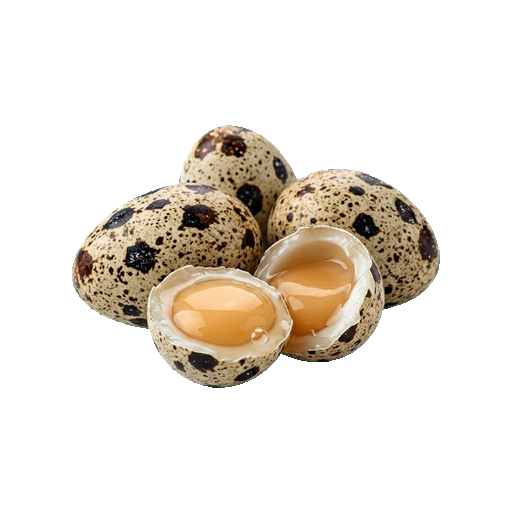
Quail egg
A quail egg is a miniature version of a chicken egg with a delicate speckled shell and a richer, slightly fattier yolk. In cooking, it is used predominantly whole due to its compact size, though it requires gentler heat treatment due to its thin shell. When substituting with a chicken egg, keep in mind that one quail egg equals approximately one third of a chicken egg, and when hard-boiled, 2–3 minutes is sufficient.
Micronutrients
per 100 g
Minerals
Vitamins
- AVitamin A (RAE)156mcg18% DV
- DVitamin D1.4mcg9% DV
- EVitamin E1.08mg7% DV
- KVitamin K0.3mcg0% DV
- B1Vitamin B1 (thiamin)0.13mg9% DV
- B2Vitamin B2 (riboflavin)0.79mg44% DV
- B3Vitamin B3 (niacin)0.15mg1% DV
- B5Vitamin B5 (pantothenic acid)1.76mg35% DV
- B6Vitamin B60.15mg8% DV
- B9Vitamin B9 (folate, DFE)66mcg17% DV
- B12Vitamin B121.6mcg53% DV
About
A small egg with great potential
Quail eggs are not just a miniature version of chicken eggs. They are denser, richer in composition, and work completely differently in the kitchen. One quail egg weighs only 10–12 grams, but the concentration of beneficial substances in it is higher than in chicken eggs. The yolk takes up a large part of the volume, which makes the egg more nutritious and more brightly colored.
Quail eggs taste more delicate and refined. The whites are firmer, and the yolks are creamy with a rich buttery flavor. The shell is thin but strong, with characteristic speckled patterns. They cook quickly — hard-boiled in 3 minutes, soft-boiled in 2, which is convenient for precise doneness control.
Where they work in the kitchen
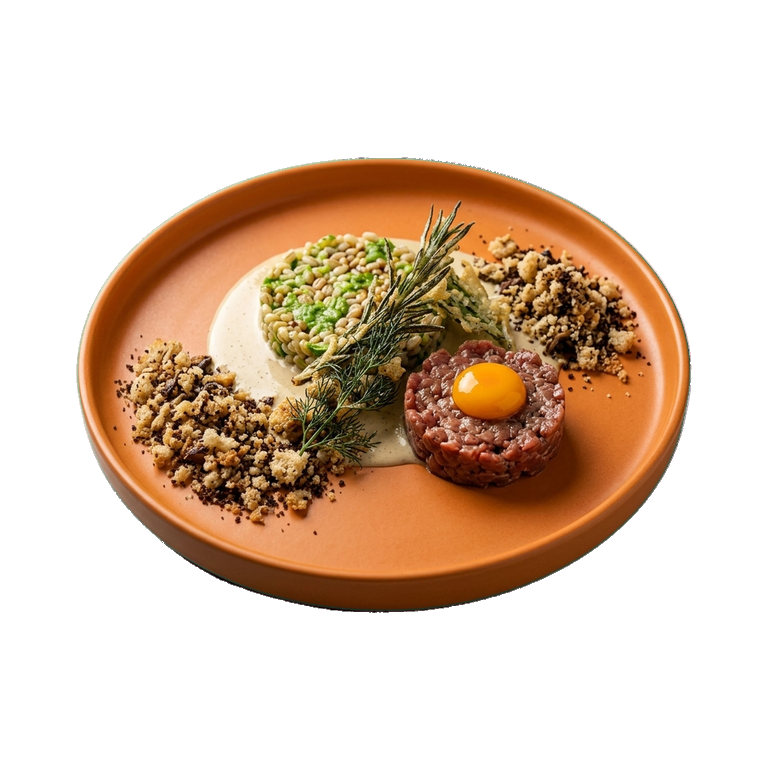
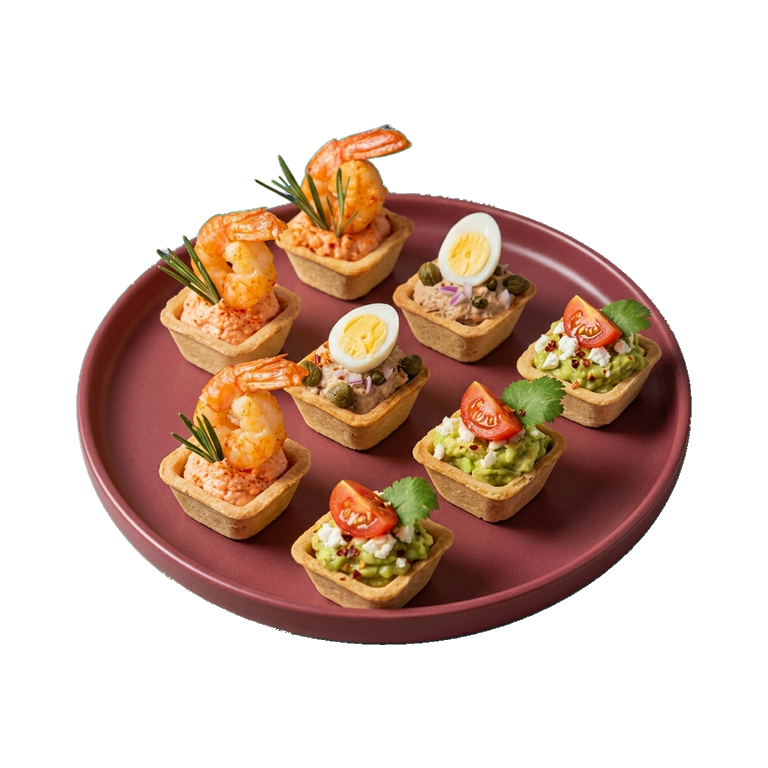
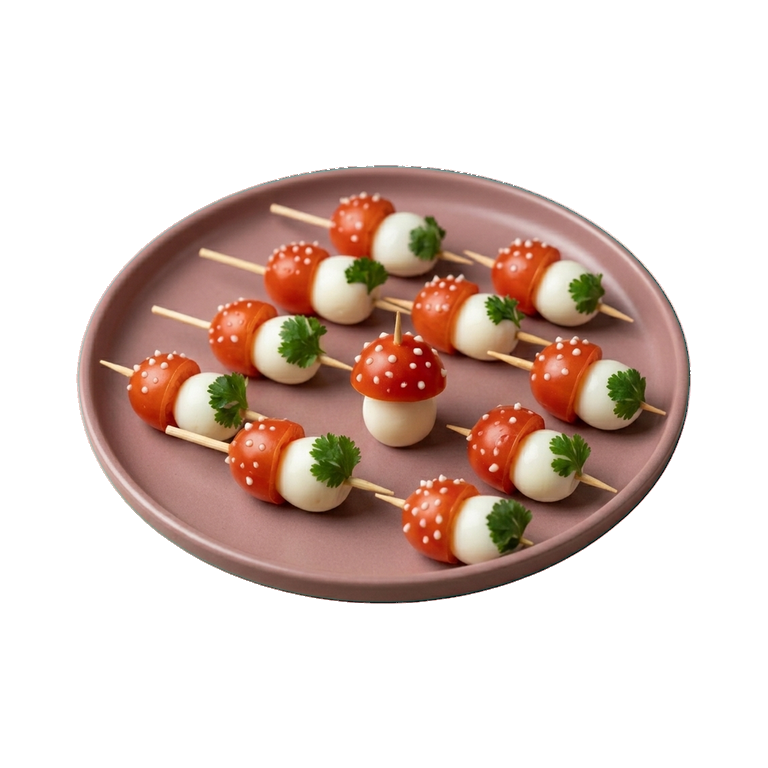
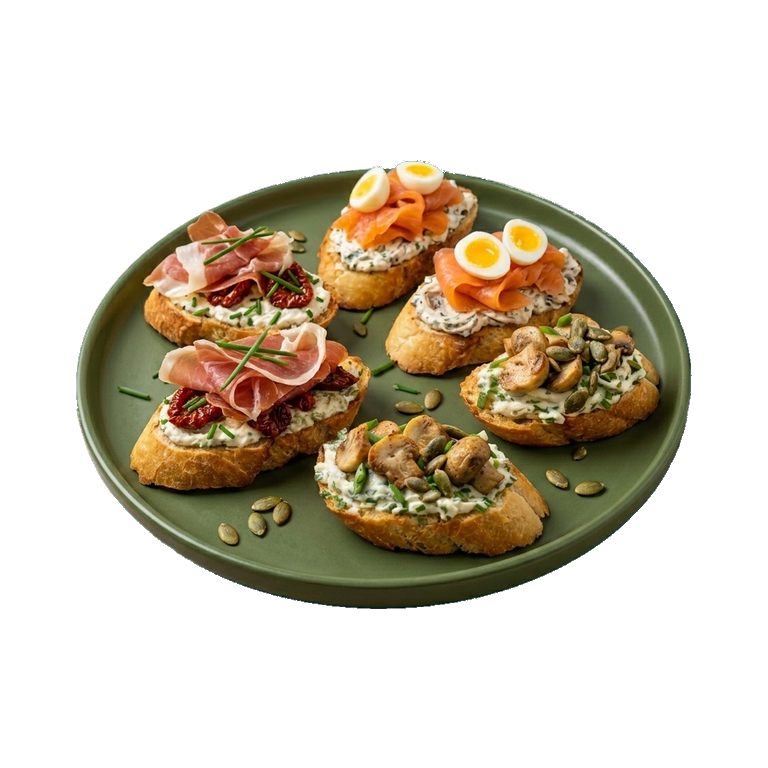
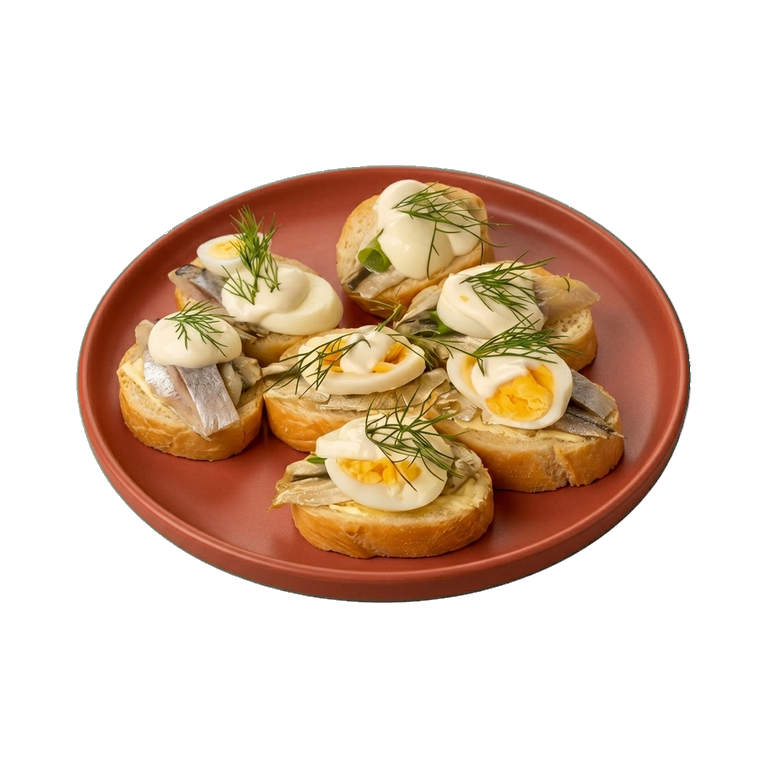
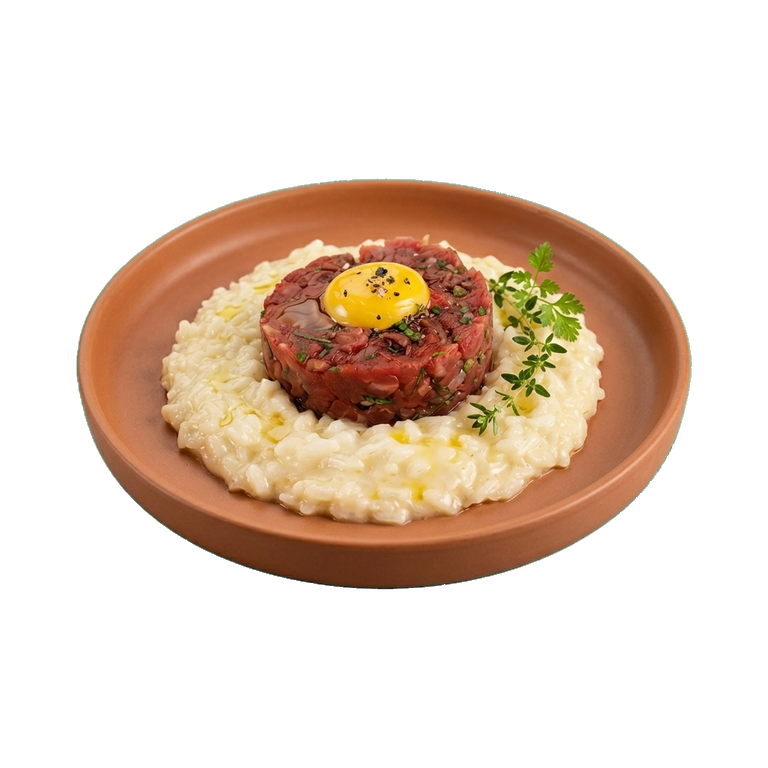
Quail eggs are a find for appetizers and cold dishes. They look beautiful on sandwiches, in salads, on canapés thanks to their compact size and attractive yolk. A whole boiled egg becomes a decorative element, not just an ingredient. In risotto, paella, or risotto al osso buco, such an egg creates a dramatic effect when the runny yolk spreads across the hot rice.
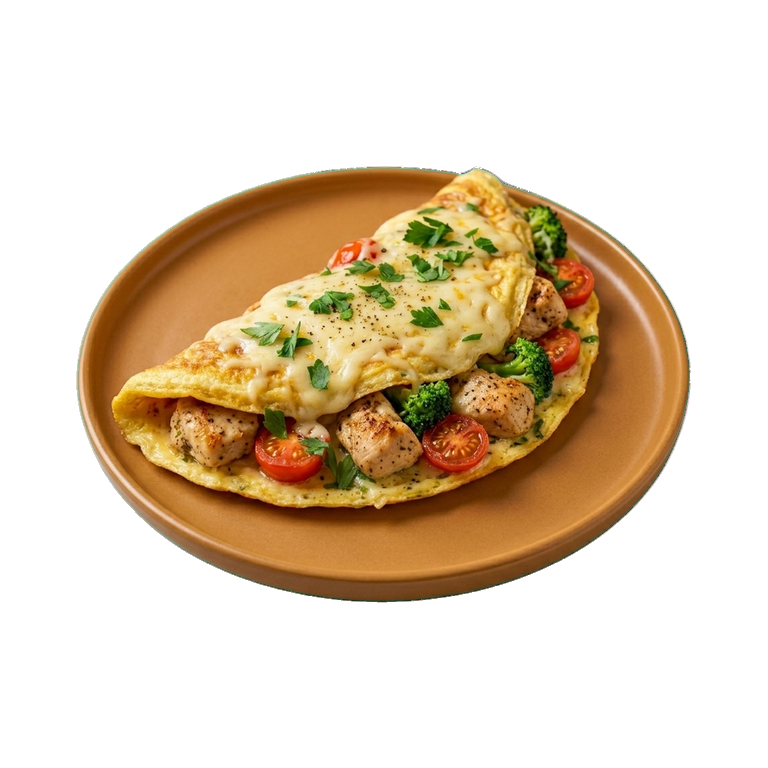
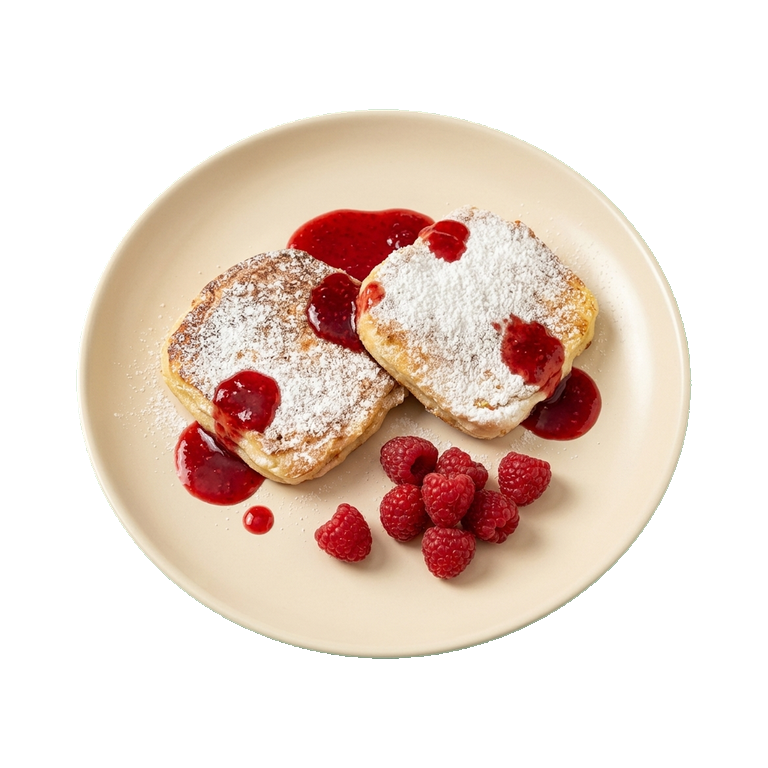
Quail eggs are less practical for baking and omelets — you need a lot of shell for a small volume. However, in dough for delicate pastries or in sauces like hollandaise, they add a special delicacy. Raw quail eggs are sometimes served in Japanese cuisine as part of ramen or as a topping for sushi.
Pairings and Harmonies
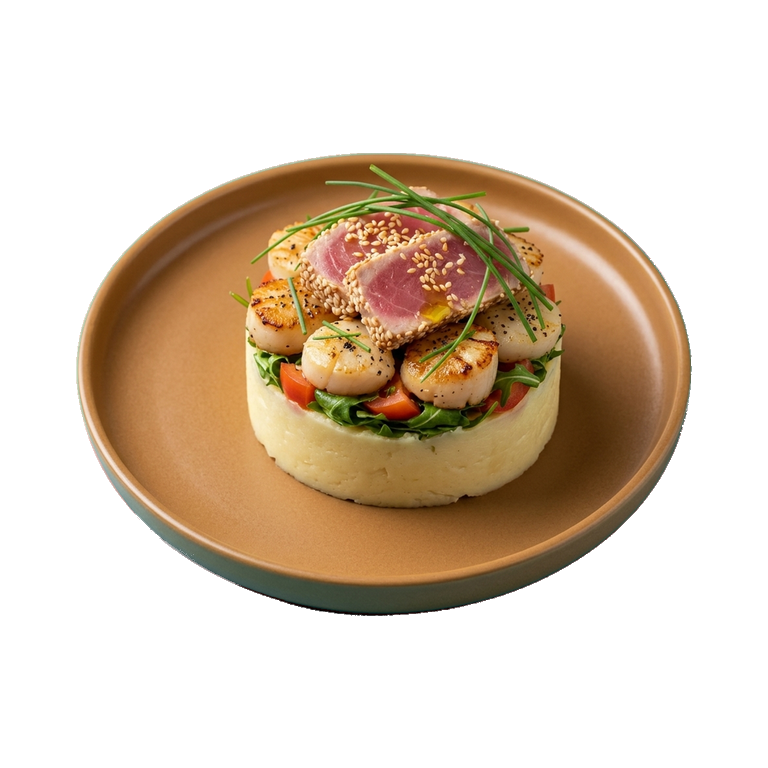
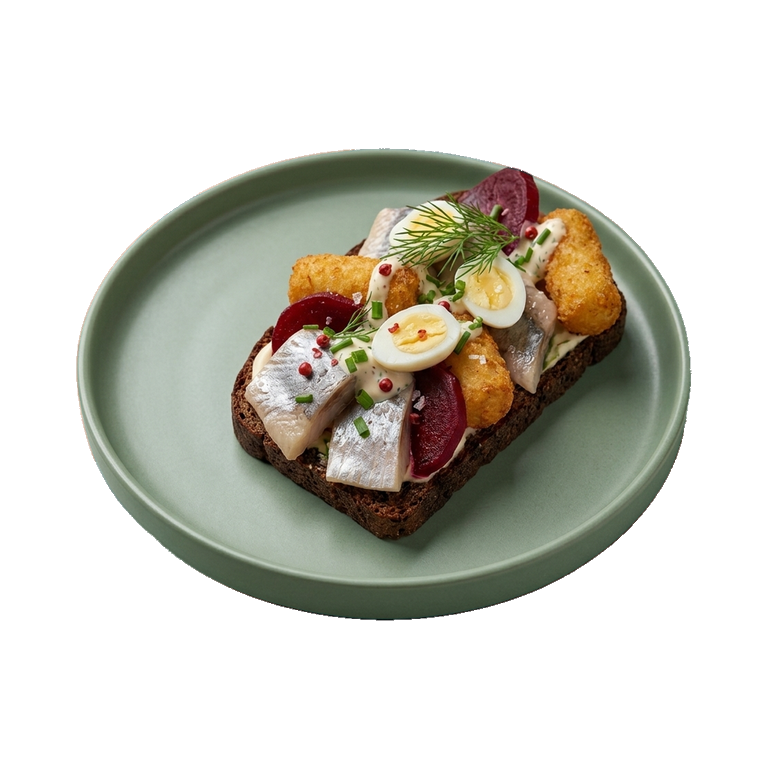
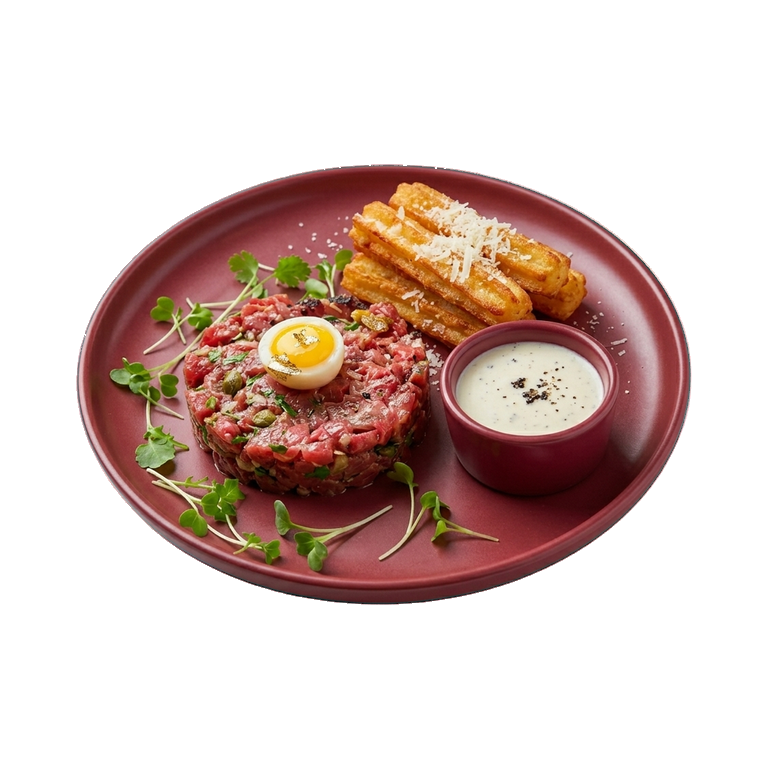
Quail eggs work well with delicate flavors: smoked fish, avocado, fresh herbs, soft cheeses. They don't overpower but enhance them. On black bread with butter and salt — already a complete appetizer. With truffle, caviar, or other delicacies, a quail egg becomes an exquisite element of a festive table. They pair well with hot seafood dishes and light sauces.
Selection and Storage
When purchasing, check that the shell is intact and clean. A good sign is that the egg should be cool. If you place it in water, it should sink. Store quail eggs in the refrigerator in a separate compartment or container — they easily absorb odors. When stored properly, they last longer than chicken eggs, up to 30 days.
Remove eggs from the refrigerator 10 minutes before cooking. Boiling water, a pinch of salt, and they're ready. Raw eggs are best used on the day of purchase if you're unsure about the source. To peel a boiled egg, use a simple method: carefully roll it on the table to crack the shell, then peel it under running water.
Nutrition
per 100 g
- Calories
- 155 kcal
- Protein
- 13.1 g
- Fat
- 11.1 g
- Carbs
- 0.4 g
Micronutrients
per 100 g
Macronutrients
- Fiber
- 0 g
- Sugars
- 0.4 g
- Saturated fat
- 3.557 g
- Monounsaturated fat
- 4.324 g
- Polyunsaturated fat
- 1.324 g
- Omega-3 (EPA + DHA)
- 0 g
- Cholesterol
- 844 mg
- Water
- 74.35 g
Minerals
- Sodium
- 141 mg
- Potassium
- 132 mg
- Calcium
- 64 mg
- Magnesium
- 13 mg
- Phosphorus
- 226 mg
- Iron
- 3.65 mg
- Zinc
- 1.47 mg
- Copper
- 0.06 mg
- Manganese
- 0.04 mg
- Selenium
- 32 mcg
Vitamins
- Vitamin A (RAE)
- 156 mcg
- Vitamin D
- 1.4 mcg
- Vitamin E
- 1.08 mg
- Vitamin K
- 0.3 mcg
- Vitamin C
- 0 mg
- Vitamin B1 (thiamin)
- 0.13 mg
- Vitamin B2 (riboflavin)
- 0.79 mg
- Vitamin B3 (niacin)
- 0.15 mg
- Vitamin B5 (pantothenic acid)
- 1.76 mg
- Vitamin B6
- 0.15 mg
- Vitamin B9 (folate, DFE)
- 66 mcg
- Vitamin B12
- 1.6 mcg
Measures and weight
- 1 pcs
- 10 g
Measure calculator
- Weight
- 100 g
- Calories
- 155 kcal