Usuba
Usuba
Skim milk
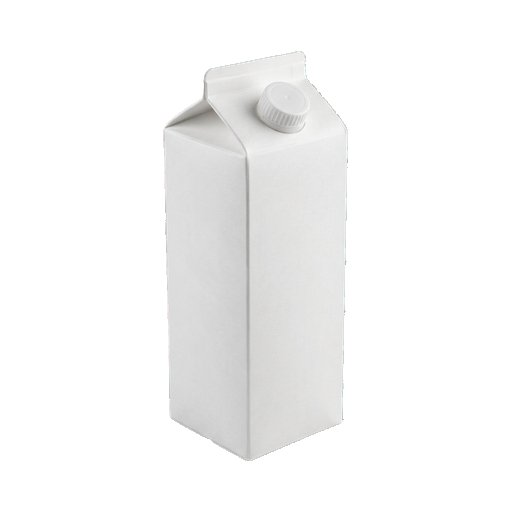
Milk with minimal fat content (no more than 0.5%) is obtained through separation and cream removal, while retaining proteins, lactose, and most micronutrients. In cooking, it is used for baking, sauces, and beverages when a fat-free liquid is needed, but keep in mind that such milk has a less creamy taste and may produce drier results in doughs compared to full-fat milk. When replacing full-fat milk with skim milk in recipes, it is worth compensating for the loss of fat by adding butter or eggs to maintain the desired consistency and softness of the finished dish.
Micronutrients
per 100 ml
Minerals
About
Skim milk is milk from which almost all fat has been removed, leaving proteins, lactose, and minerals. In the kitchen, it works not as a watery substitute, but as an independent ingredient with its own logic. It is chosen not only for caloric reasons, but also because in some dishes, this particular consistency gives the desired result.
Taste and Texture
Skimmed milk tastes similar to regular milk, but without that creamy enveloping sensation. It has a more 'clean' taste, with a distinctly audible milk flavor. The consistency is liquid, almost like water, but with milk density. This is not a drawback — it's a property that will come in handy at the right moment.
Where it works
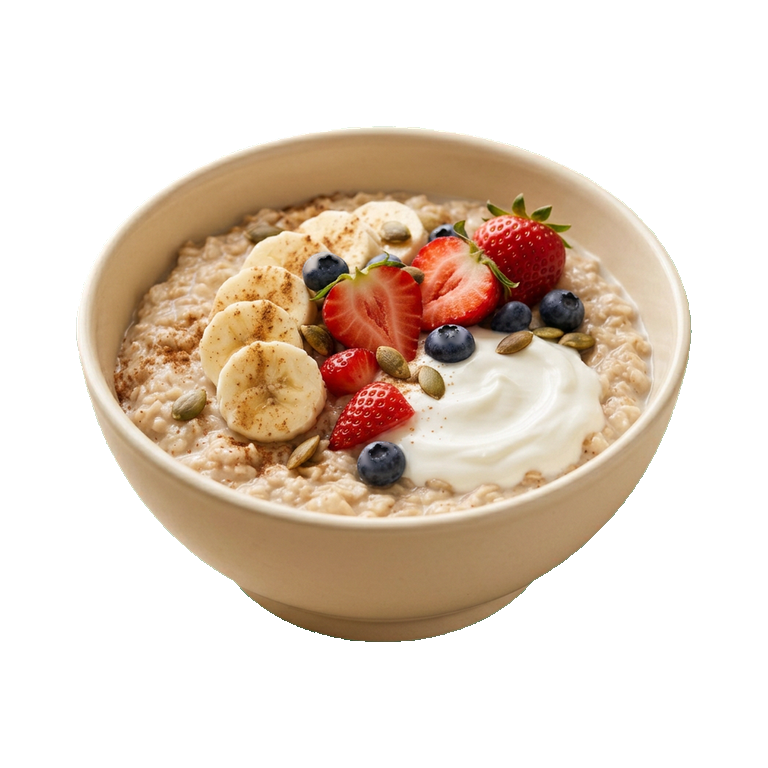
Skimmed milk works well in beverages — coffee, cocoa, tea — where thick creaminess is not needed. In baking, it produces a lighter crumb than whole milk. For porridges — oatmeal, rice — it is ideal: there is a milk flavor, but the dish remains airy. In sauces and gravies, it is used when a liquid base without fat is needed. For yogurts and cottage cheese, skimmed milk is the standard choice.
Pairings and Techniques
Skim milk absorbs flavors well: cinnamon, vanilla, and cardamom are felt more vividly in it than in whole milk. It pairs excellently with honey, cocoa powder, and fruit purees. In omelets and pancakes, it helps create a more delicate texture. For milk porridges, it is often diluted with water in equal parts to achieve the desired consistency.
Selection and Storage
When shopping, pay attention to the date: skim milk has a slightly shorter shelf life than whole milk because fat is a natural preservative. Keep an open carton or bottle in the refrigerator on a shelf, away from the door where it's warmer. If the milk smells sour or you see flakes on the surface, it's a sign that it has spoiled. You can freeze skim milk, but after thawing its consistency will change slightly, so it's better to use it for cooking rather than drinking it plain.
Skim milk is not a compromise or a substitute, but simply a different tool. It provides lightness where it's needed and doesn't add unnecessary fat. If you're preparing diet dishes or simply prefer airier textures, this milk will become your constant kitchen assistant.
Nutrition
per 100 ml
- Calories
- 35 kcal
- Protein
- 3.5 g
- Fat
- 0.1 g
- Carbs
- 5 g
Micronutrients
per 100 ml
Macronutrients
- Fiber
- 0 g
- Sugars
- 5.243 g
- Saturated fat
- 0.121 g
- Monounsaturated fat
- 0.048 g
- Polyunsaturated fat
- 0.007 g
- Omega-3 (EPA + DHA)
- 0 g
- Cholesterol
- 2.06 mg
- Water
- 93.565 g
Minerals
- Sodium
- 43.26 mg
- Potassium
- 160.68 mg
- Calcium
- 125.66 mg
- Magnesium
- 11.33 mg
- Phosphorus
- 104.03 mg
- Iron
- 0.03 mg
- Zinc
- 0.43 mg
- Copper
- 0.01 mg
- Manganese
- 0 mg
- Selenium
- 3.2 mcg
Vitamins
- Vitamin A (RAE)
- 2.1 mcg
- Vitamin D
- 0 mcg
- Vitamin E
- 0.01 mg
- Vitamin K
- 0 mcg
- Vitamin C
- 0 mg
- Vitamin B1 (thiamin)
- 0.05 mg
- Vitamin B2 (riboflavin)
- 0.19 mg
- Vitamin B3 (niacin)
- 0.1 mg
- Vitamin B5 (pantothenic acid)
- 0.37 mg
- Vitamin B6
- 0.04 mg
- Vitamin B9 (folate, DFE)
- 5.2 mcg
- Vitamin B12
- 0.5 mcg
Measures and weight
- 1 tbsp
- 15.5 g
- 1 tsp
- 5.2 g
- 1 cup
- 257.5 g
Measure calculator
- Weight
- 100 g
- Calories
- 34 kcal