Usuba
Usuba
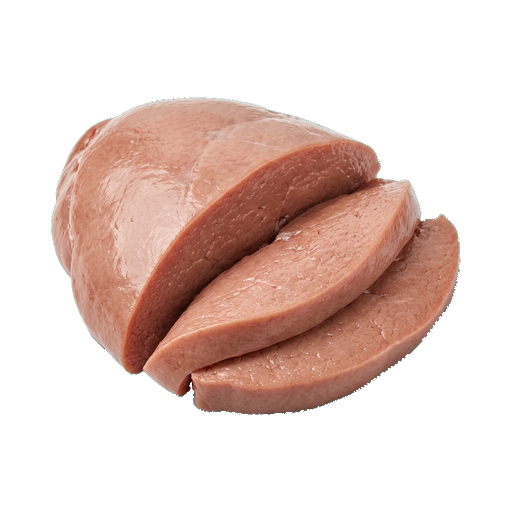
Calf liver
Veal liver is a tender offal meat with a delicate flavor and soft texture that cooks faster than the liver of adult animals. It absorbs sauces and seasonings well, which is why it's often used in classic dishes with onions, butter, or wine sauces. When selecting, pay attention to a light pink or light brown color and the absence of odor — the fresher the liver, the more tender the finished dish will be, and overcooking by even a few minutes will make it tough and bitter.
Micronutrients
per 100 g
Minerals
Vitamins
- AVitamin A (RAE)11707mcg1377% DV
- EVitamin E0.37mg2% DV
- KVitamin K0.9mcg1% DV
- CVitamin C0.7mg1% DV
- B1Vitamin B1 (thiamin)0.17mg11% DV
- B2Vitamin B2 (riboflavin)2.44mg136% DV
- B3Vitamin B3 (niacin)10.55mg53% DV
- B5Vitamin B5 (pantothenic acid)6.07mg121% DV
- B6Vitamin B60.96mg48% DV
- B9Vitamin B9 (folate, DFE)125mcg31% DV
- B12Vitamin B1259.9mcg1997% DV
About
Veal liver is one of the most tender offal cuts, valued by chefs for its delicate flavor and soft texture. Unlike the liver of an adult animal, it has no bitterness or sharp aroma, making it well-suited for those who are cautious about offal. Its light brown or pinkish color signals the animal's youth and the product's high quality.
Taste and texture
The main advantage of veal liver is its tenderness. When properly prepared, it literally melts in your mouth without requiring prolonged chewing. The taste is mild, slightly sweet, with a barely noticeable metallic note that is not off-putting at all. The aroma is subtle, milky, without that sharp "liver" smell that repels many people.
Role in Dishes
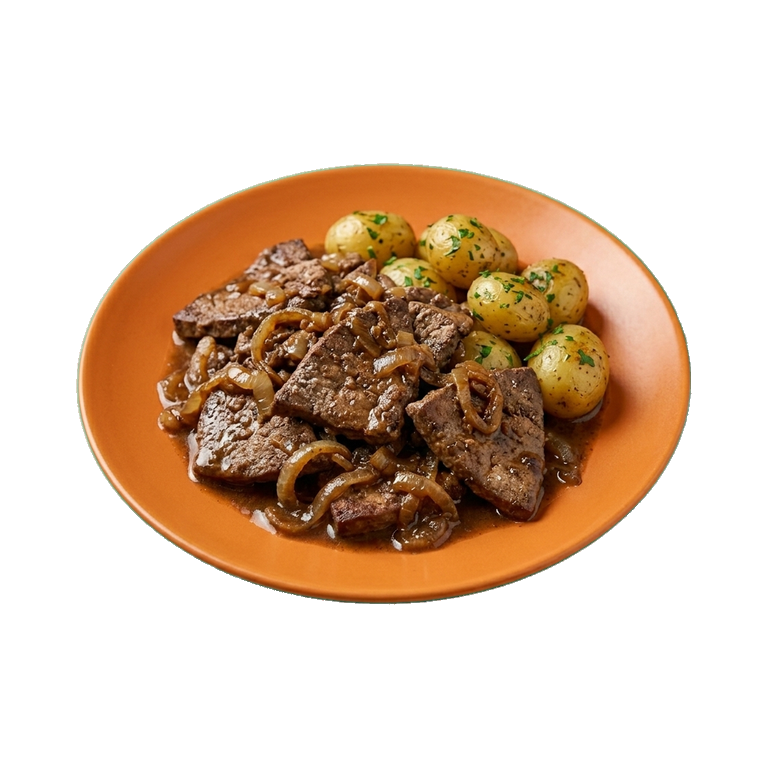
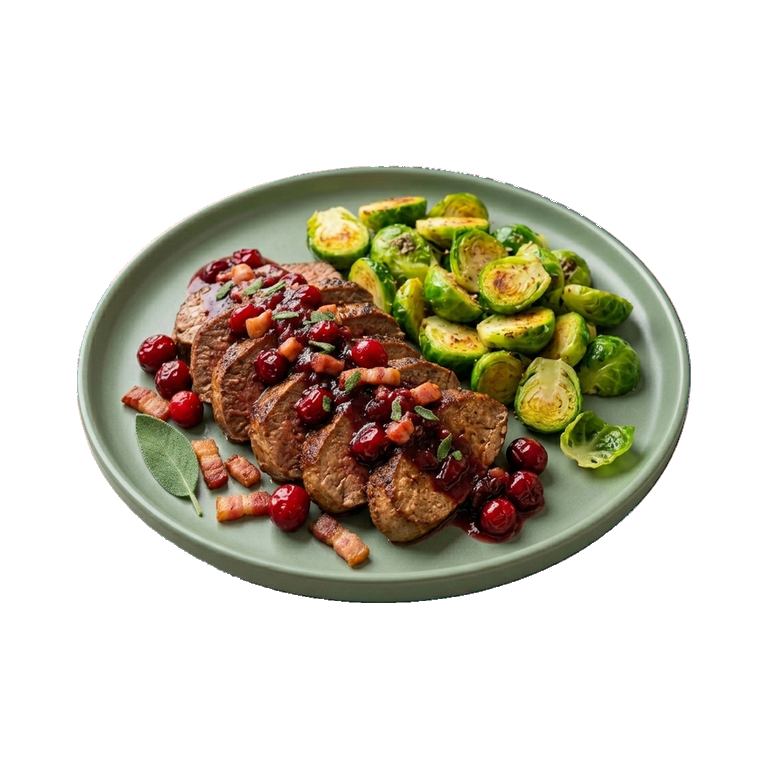
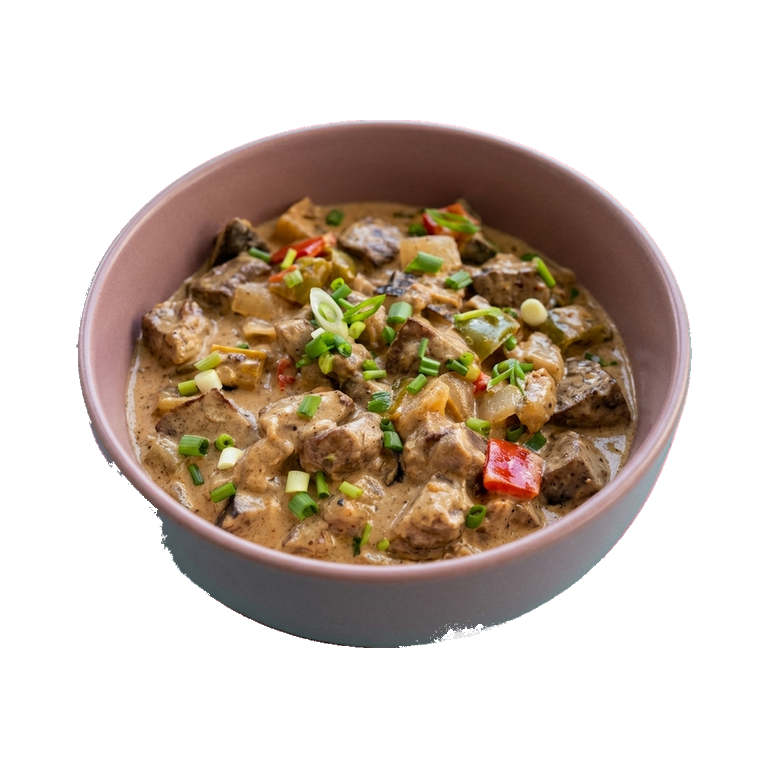
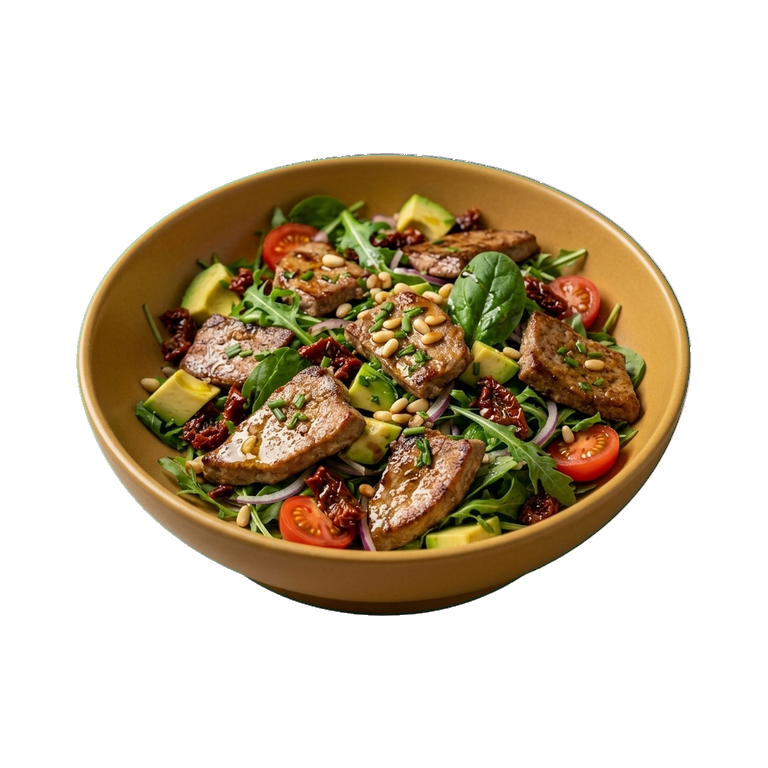
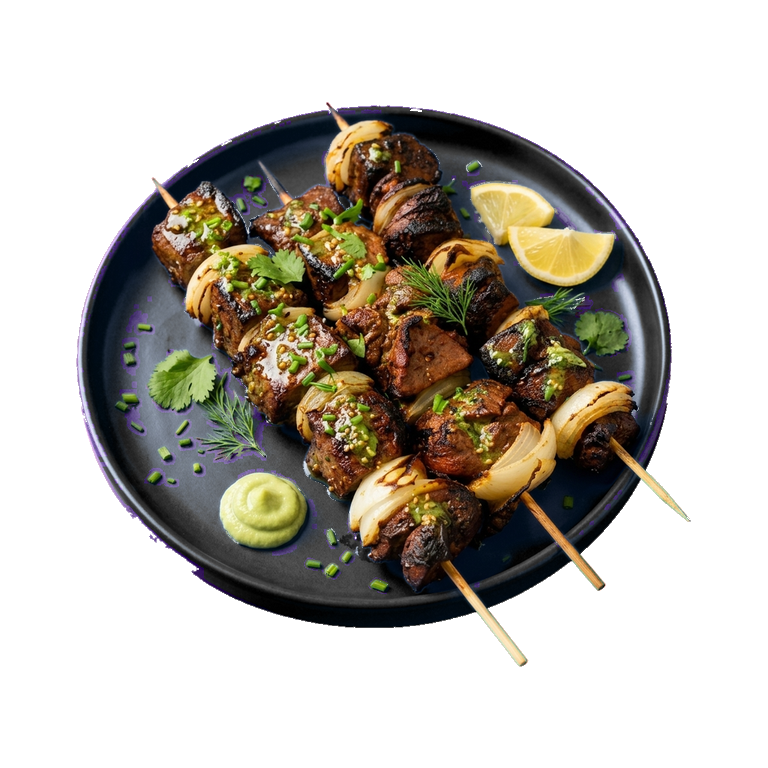
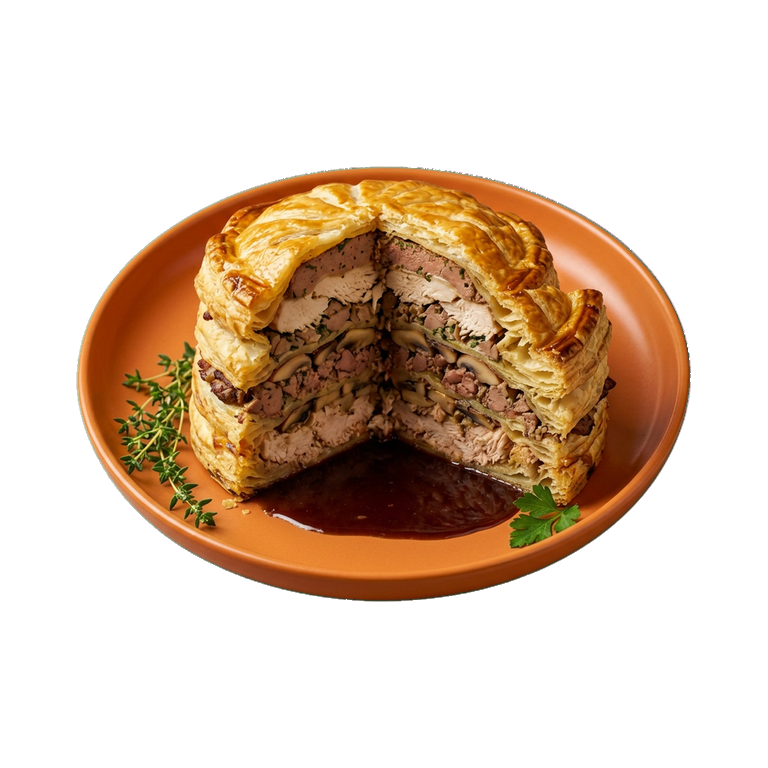
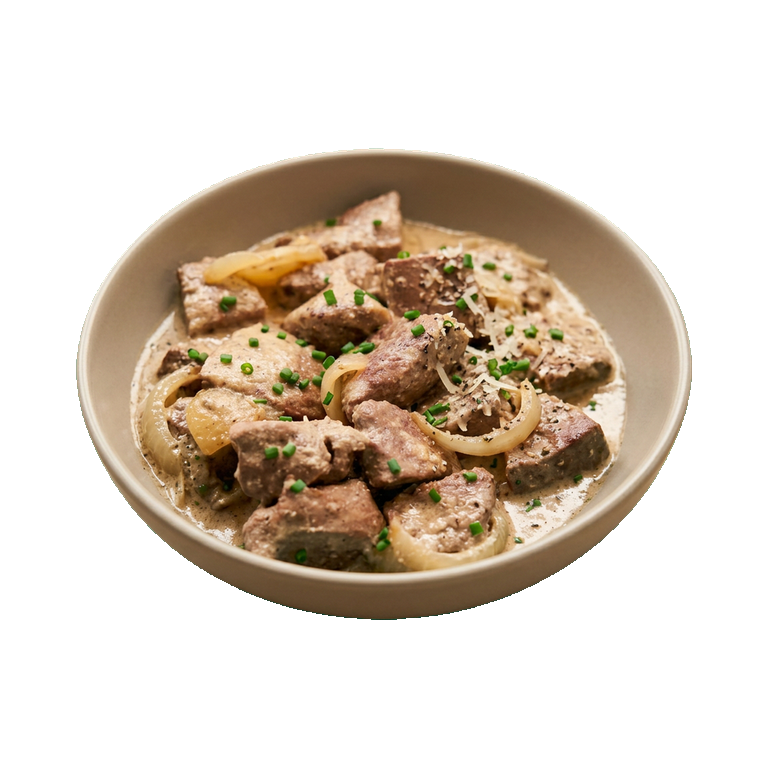
Veal liver is versatile: it can be quickly fried in a pan with onions, baked in a creamy sauce, stewed with vegetables, or used for pâté. The main rule is not to overcook it. Even two or three minutes of extra heat will turn the tender meat into a rubber-like piece. It reveals itself best in simple dishes where nothing distracts from its delicate flavor.
What goes well with
- Onion — a classic combination that softens and balances the flavor
- Butter and cream — emphasize tenderness, create a creamy texture
- Acidic sauces (with vinegar, lemon, mustard) — contrast and refresh the dish
- Mushrooms — add an earthy aroma and depth
- White wine — delicately complements without overpowering the delicate taste
Selection and Storage
When purchasing, pay attention to the color: the liver should be light, evenly colored, without dark spots or bruises. The surface should be moist, but not sticky. Fresh smell — without ammonia notes. Veal liver spoils quickly, so cook it the day of purchase or freeze it in an airtight package for up to three months.
Preparation
- Remove the liver from the refrigerator 15–20 minutes before cooking to bring it to room temperature
- Rinse under cold water and pat dry with paper towels
- Remove the film and ducts with a sharp knife — they are bitter and tough
- Cut into slices 1–1.5 cm thick for quick and even cooking
If liver tastes bitter, soak it in milk for 30 minutes — this will soften the flavor and remove unpleasant notes.
Nutrition
per 100 g
- Calories
- 109 kcal
- Protein
- 18.3 g
- Fat
- 3.6 g
- Carbs
- 0 g
Micronutrients
per 100 g
Macronutrients
- Fiber
- 0 g
- Sugars
- 0 g
- Saturated fat
- 1.56 g
- Monounsaturated fat
- 0.968 g
- Polyunsaturated fat
- 0.829 g
- Omega-3 (EPA + DHA)
- 0 g
- Cholesterol
- 334 mg
- Water
- 70.89 g
Minerals
- Sodium
- 77 mg
- Potassium
- 308 mg
- Calcium
- 5 mg
- Magnesium
- 20 mg
- Phosphorus
- 379 mg
- Iron
- 6.4 mg
- Zinc
- 12.02 mg
- Copper
- 11.87 mg
- Manganese
- 0.26 mg
- Selenium
- 22.7 mcg
Vitamins
- Vitamin A (RAE)
- 11707 mcg
- Vitamin E
- 0.37 mg
- Vitamin K
- 0.9 mcg
- Vitamin C
- 0.7 mg
- Vitamin B1 (thiamin)
- 0.17 mg
- Vitamin B2 (riboflavin)
- 2.44 mg
- Vitamin B3 (niacin)
- 10.55 mg
- Vitamin B5 (pantothenic acid)
- 6.07 mg
- Vitamin B6
- 0.96 mg
- Vitamin B9 (folate, DFE)
- 125 mcg
- Vitamin B12
- 59.9 mcg
Measure calculator
- Weight
- 100 g
- Calories
- 109 kcal