Usuba
Usuba
White cabbage
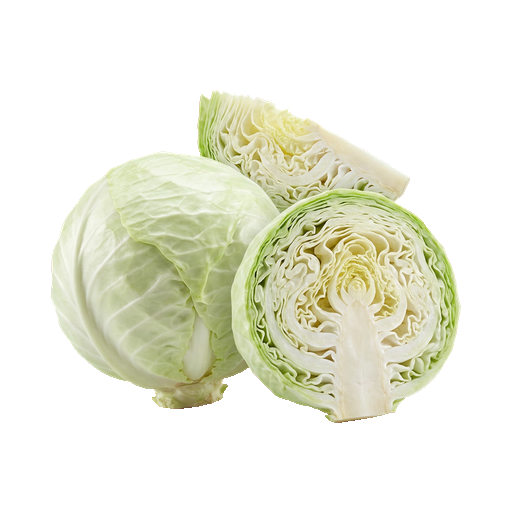
White cabbage is a versatile vegetable with dense, pale leaves, featuring a mild, slightly sweet flavor and crispy texture. It works well for fresh salads, stewing, fermentation, and boiling while maintaining its shape during heat treatment. When selecting, pay attention to the density of the head and absence of damage, and when stored in the refrigerator, cabbage remains fresh for several weeks.
Micronutrients
per 100 g
Minerals
About
Taste and Aroma
White cabbage is a vegetable with a mild, slightly sweet taste that becomes even more tender when heat-treated. Raw cabbage is crispy and provides freshness, while boiled or stewed cabbage acquires a creamy texture. Young cabbage is more tender and sweeter than late varieties, which are denser and store longer. The aroma is barely perceptible in its fresh form, but becomes apparent when heated — this is the characteristic cabbage smell that attracts many people, but repels others.
Where and how it is prepared
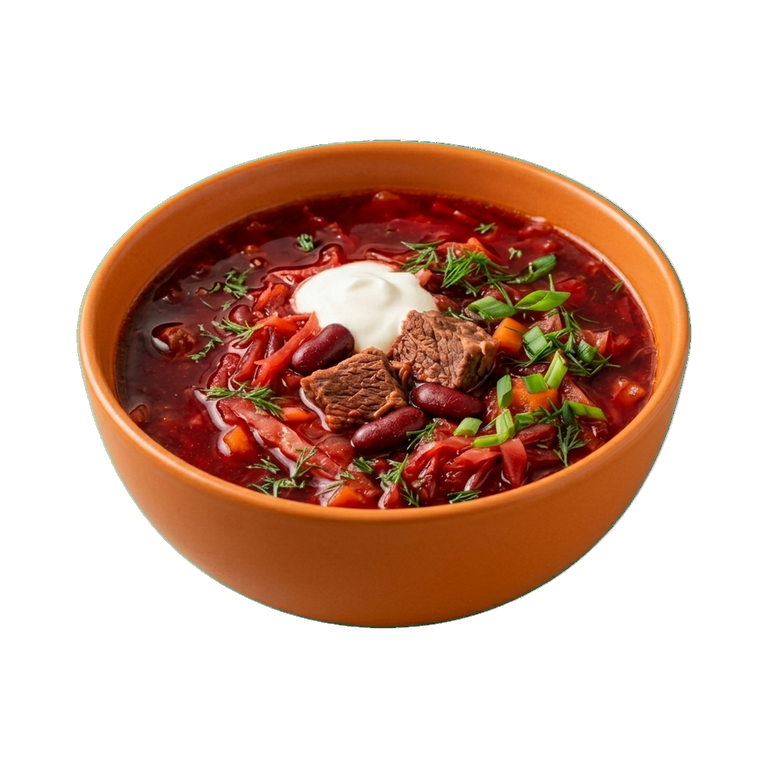
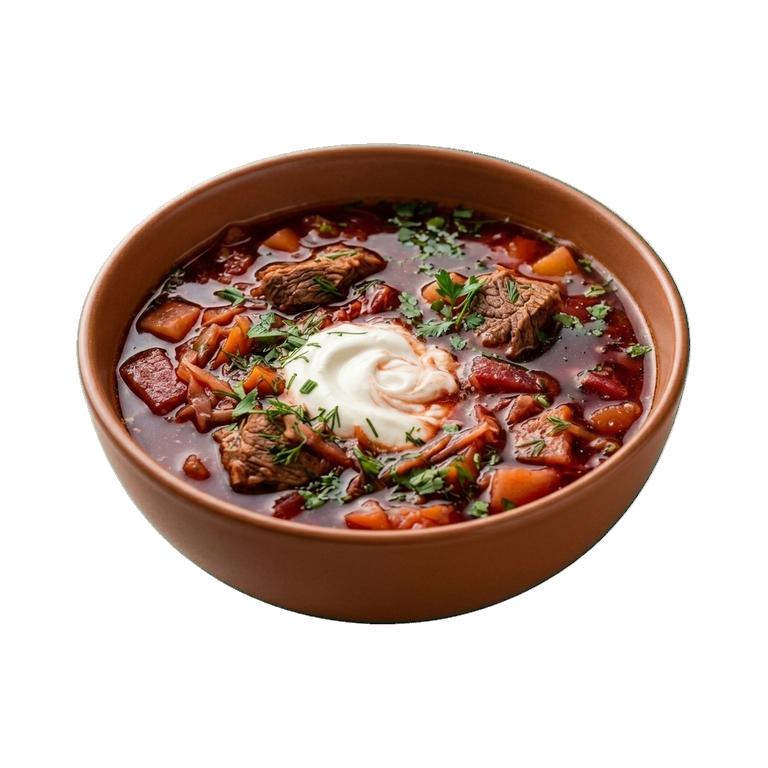
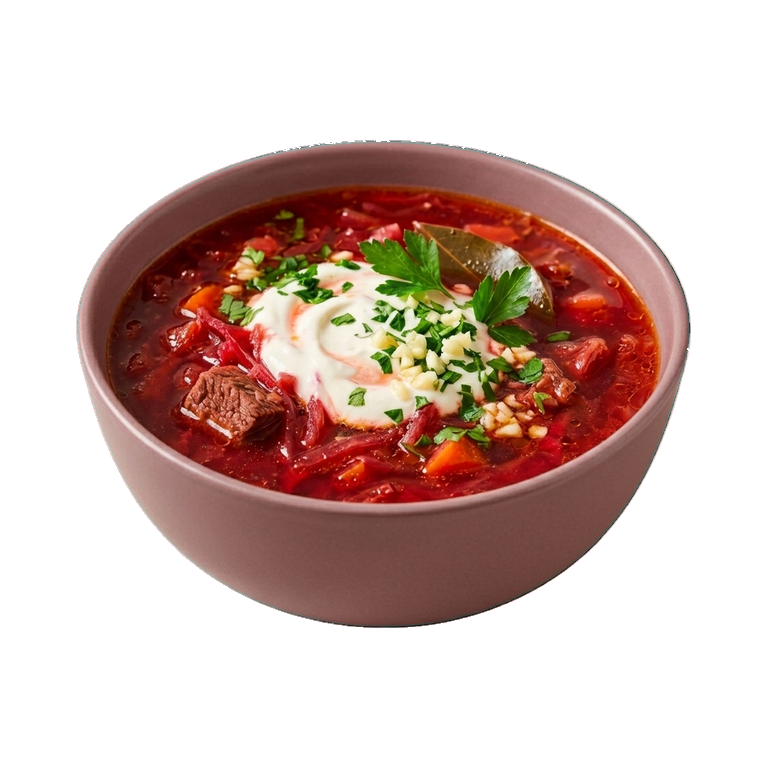
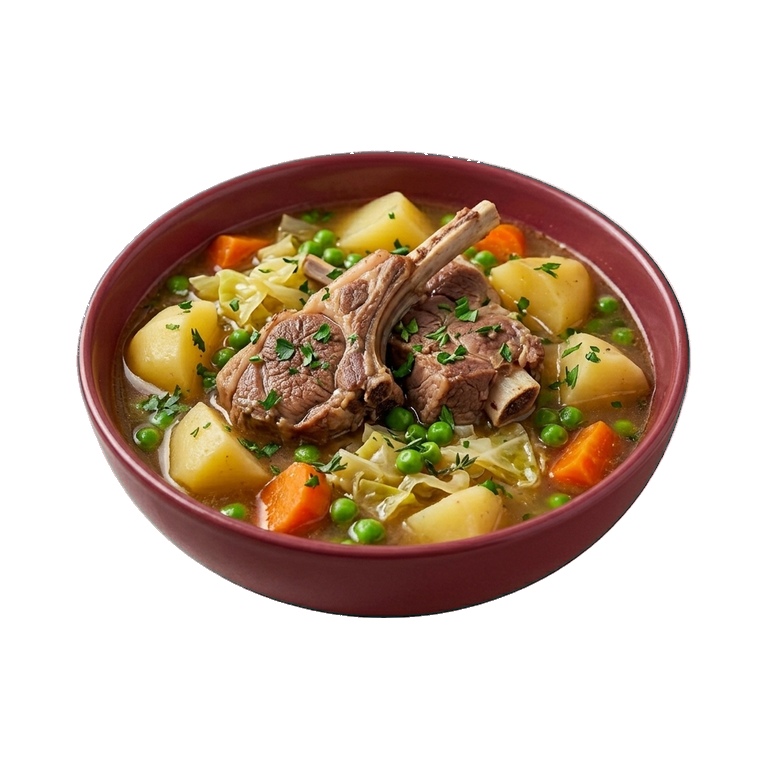
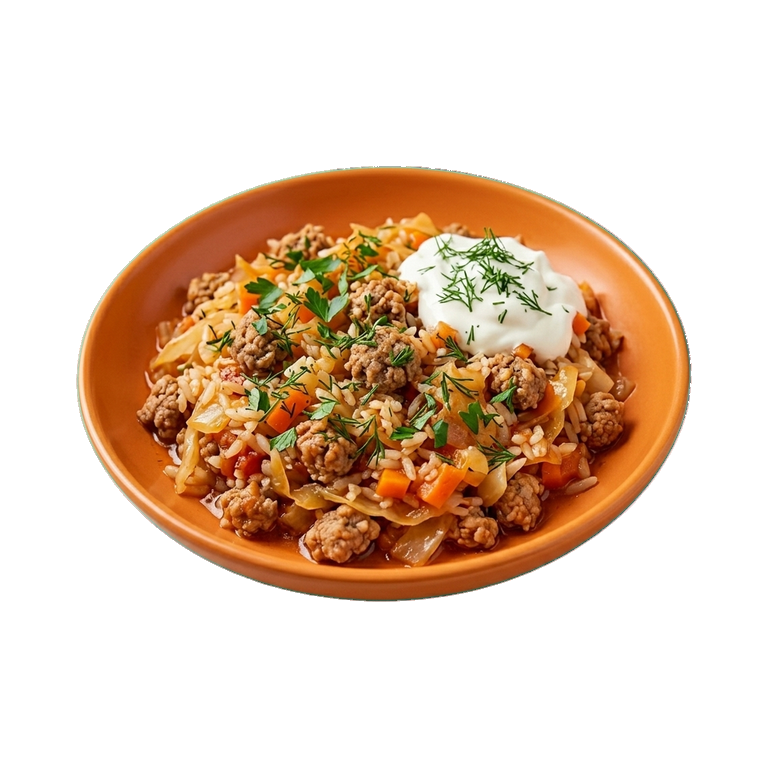
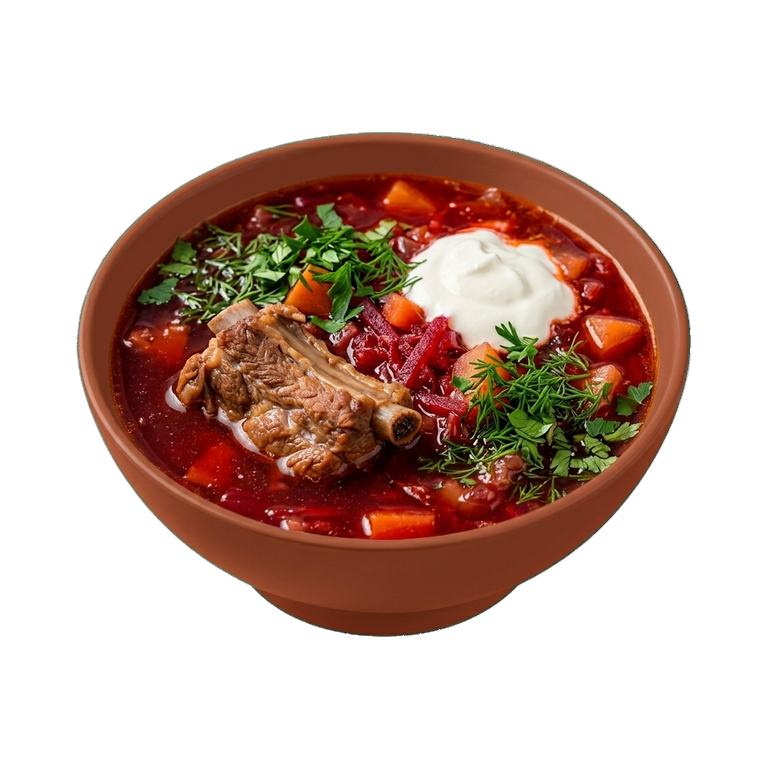
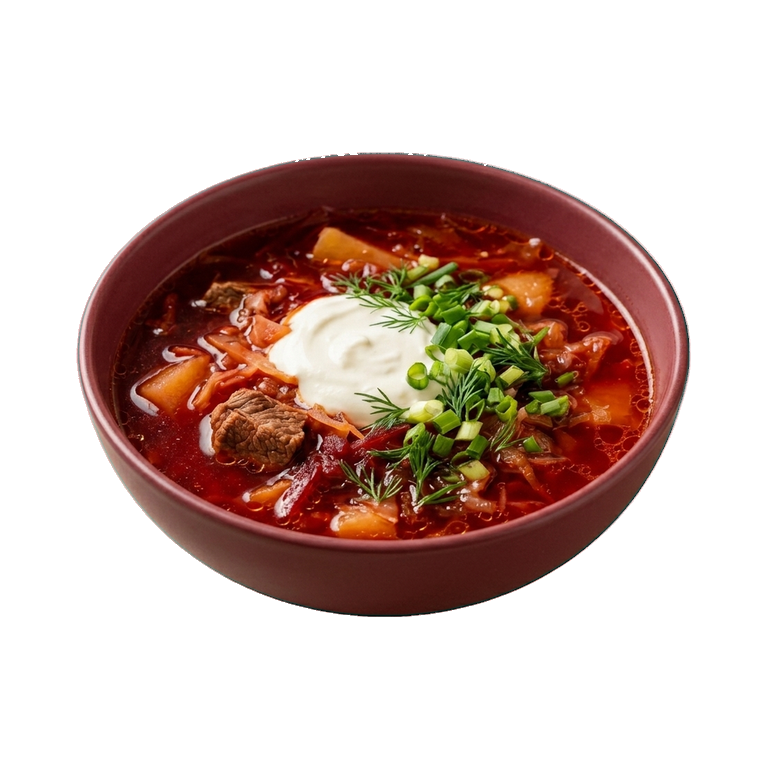
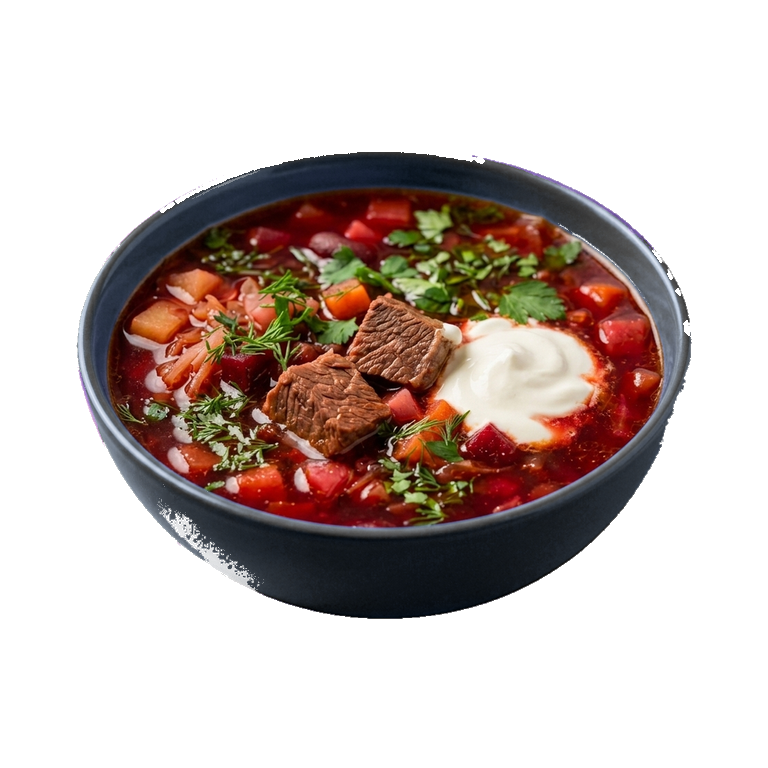
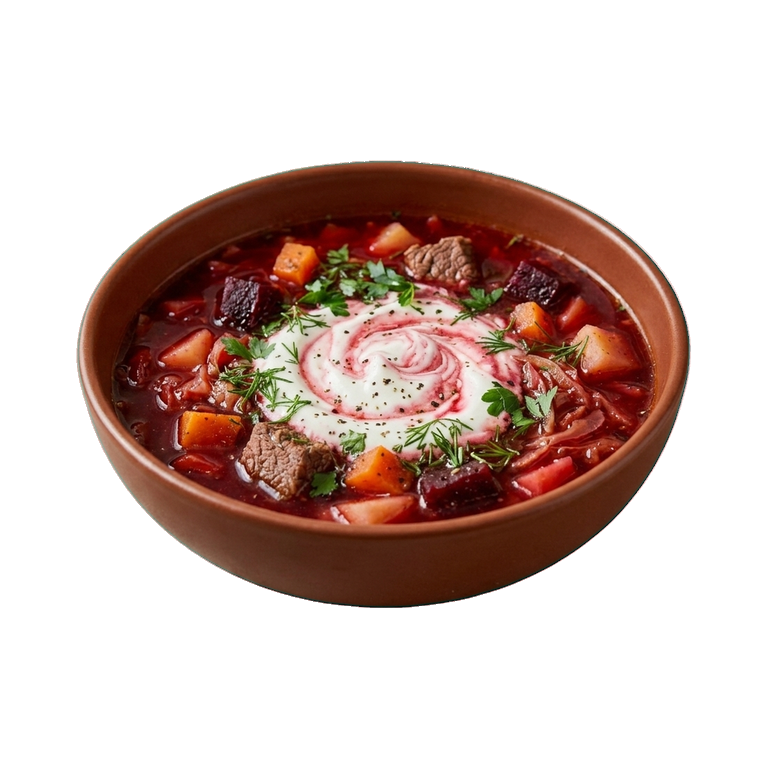
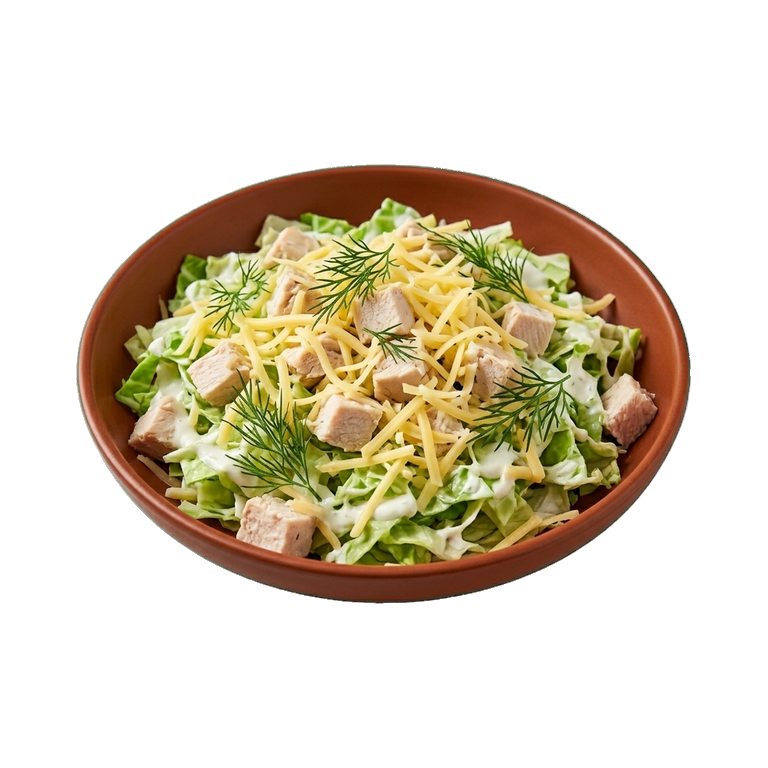
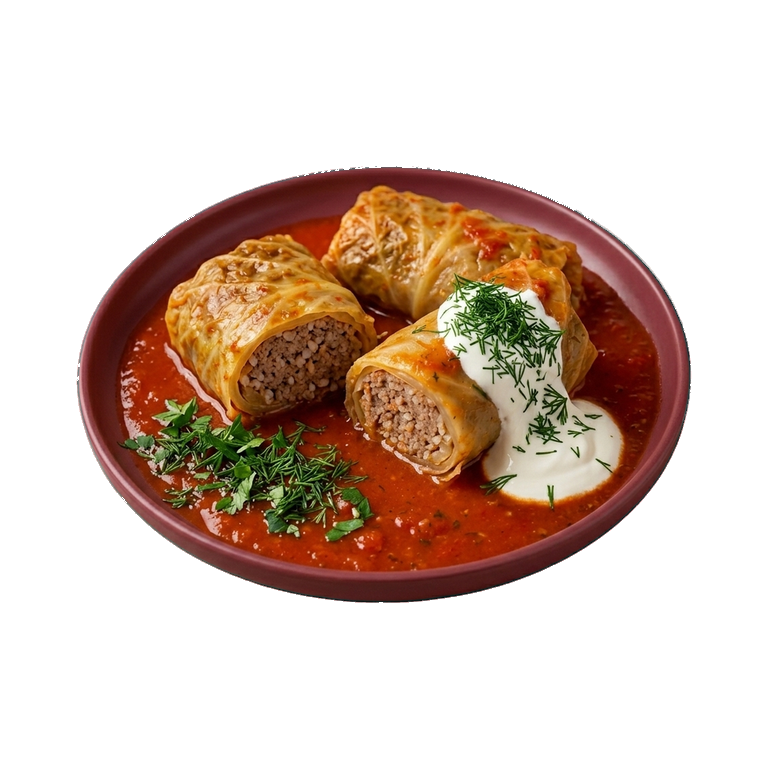
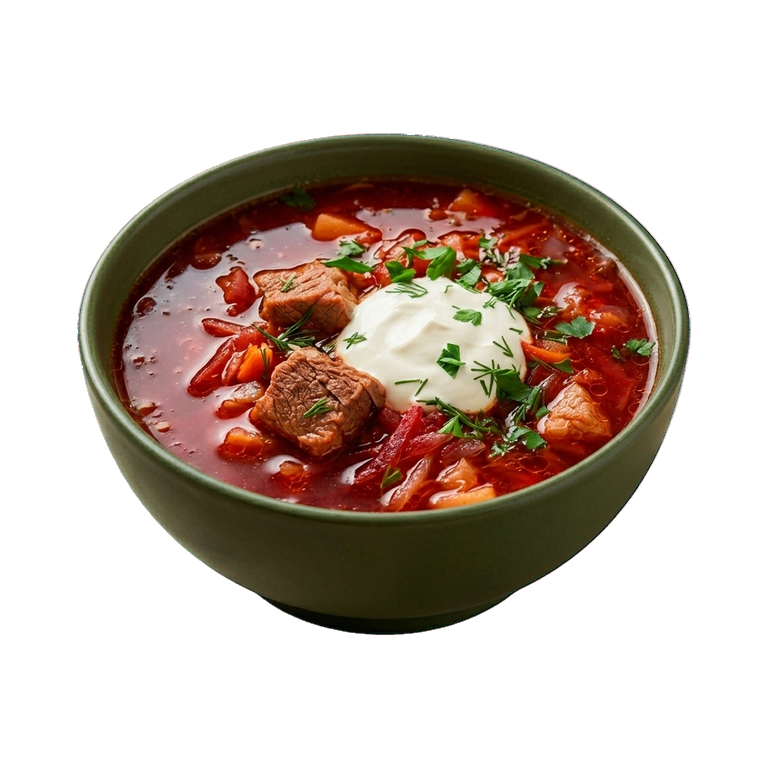
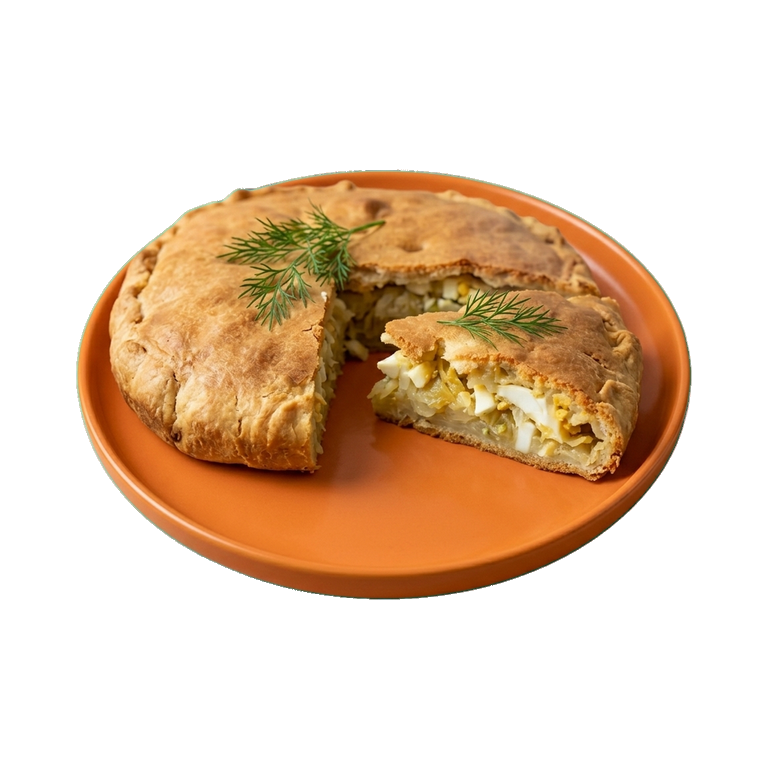
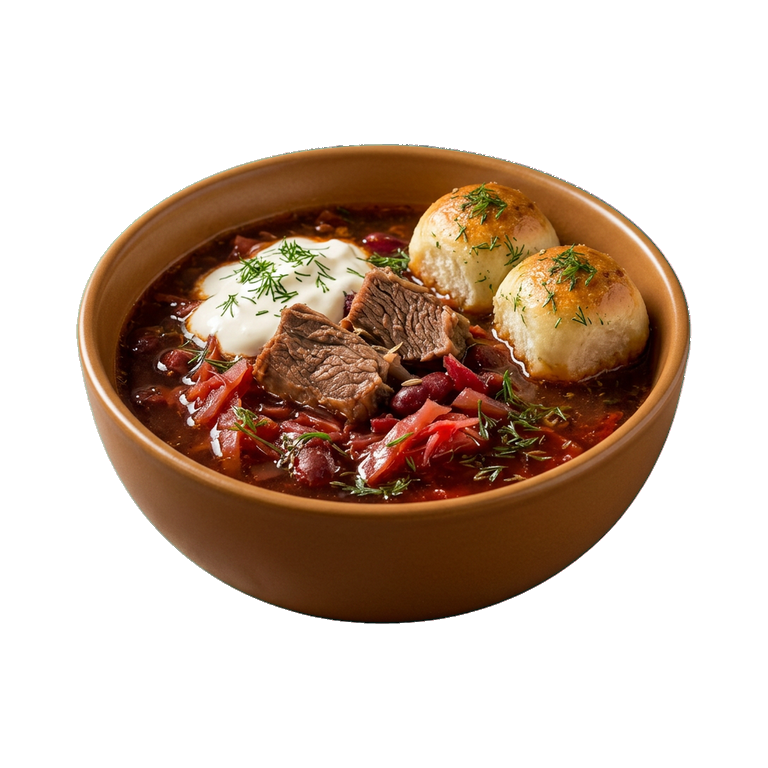
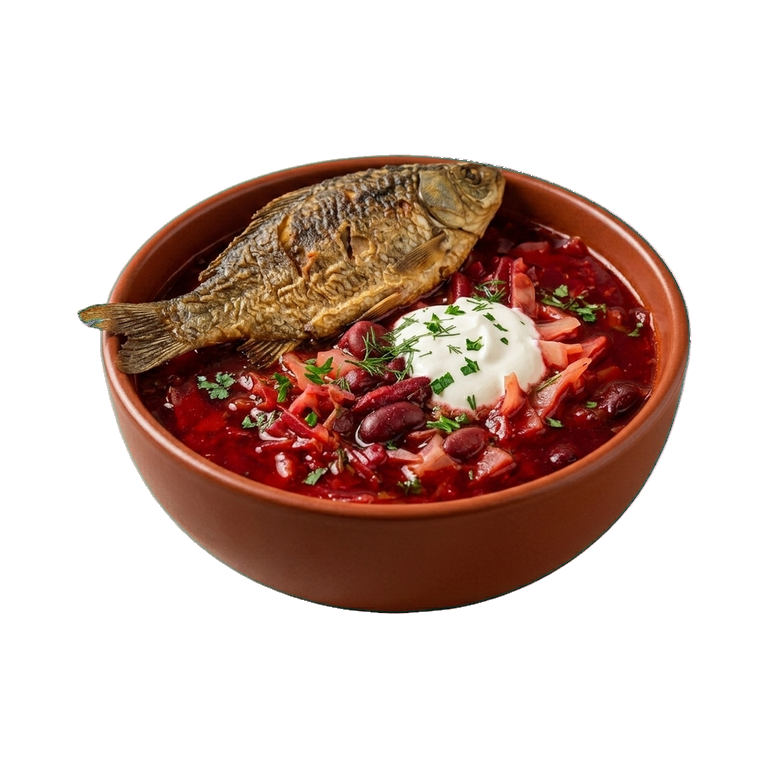
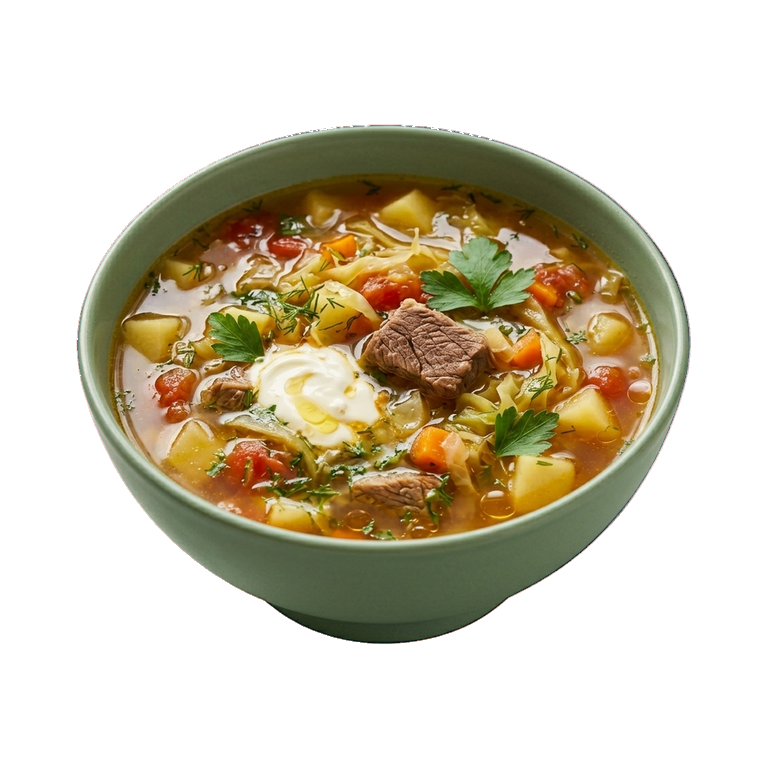
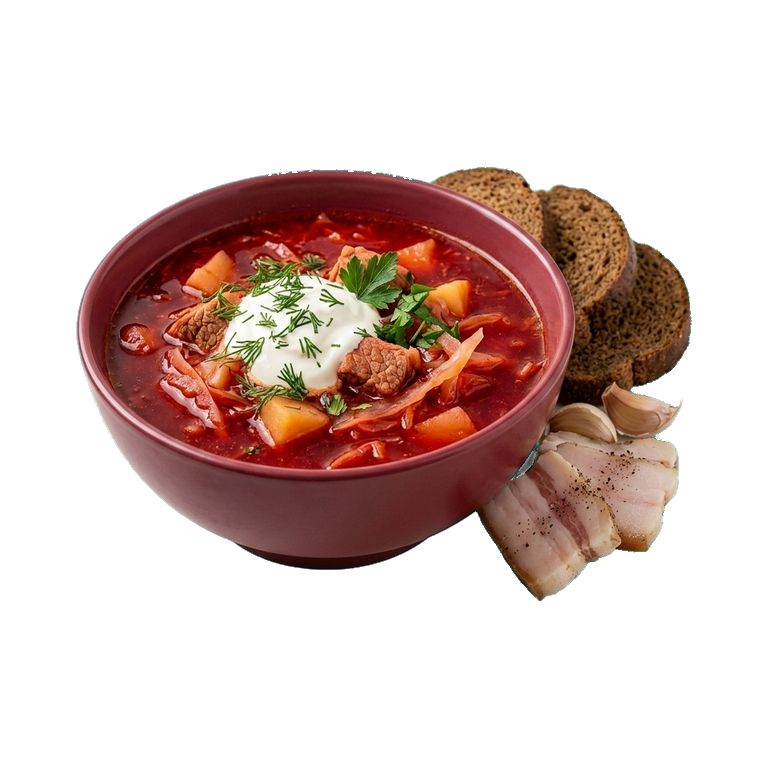
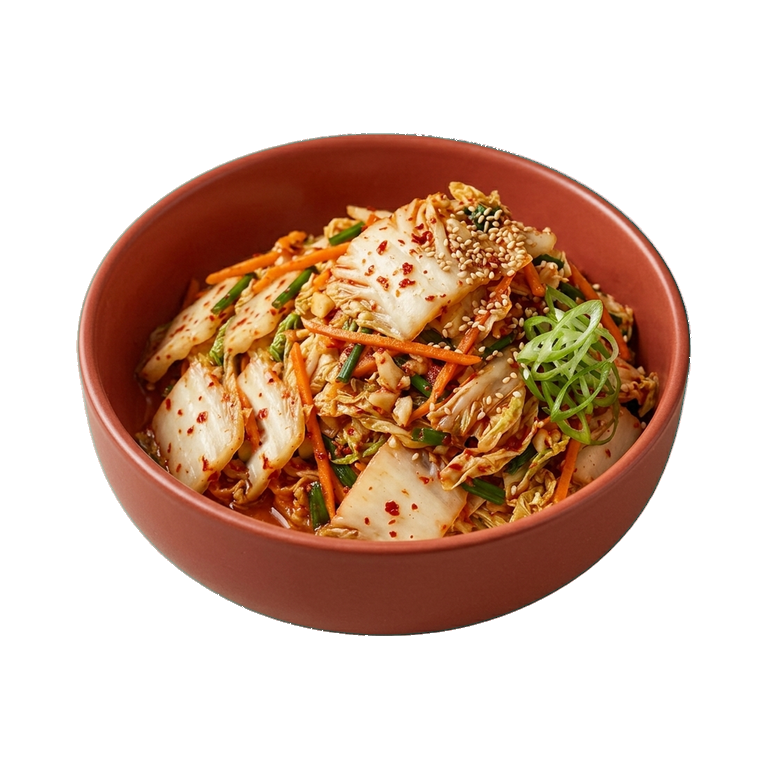
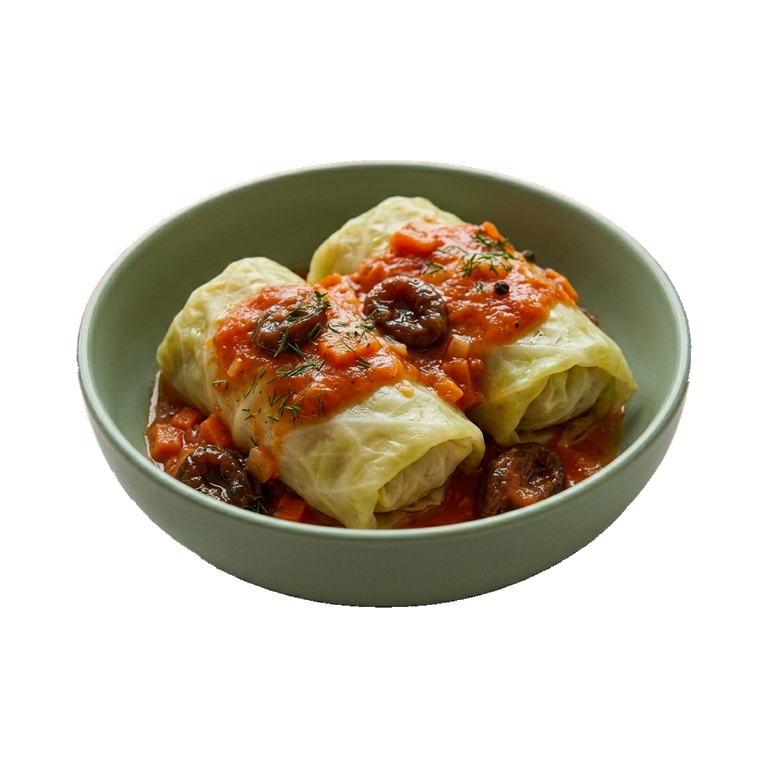
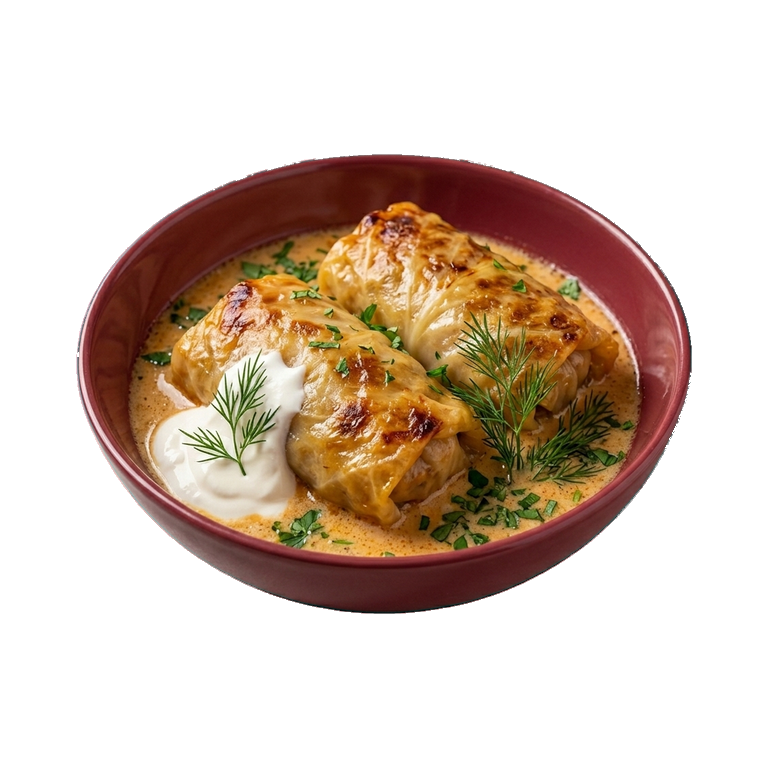
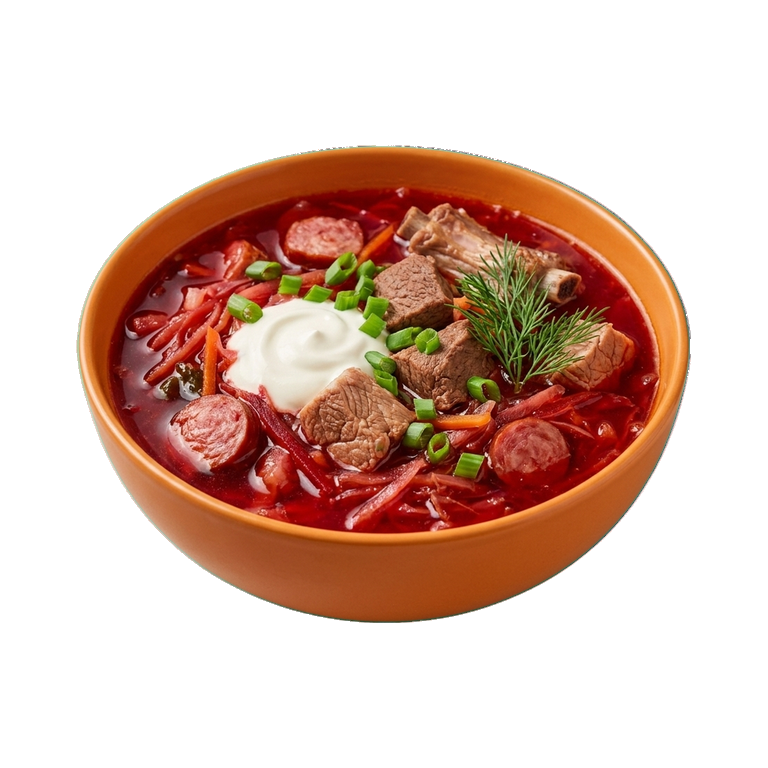
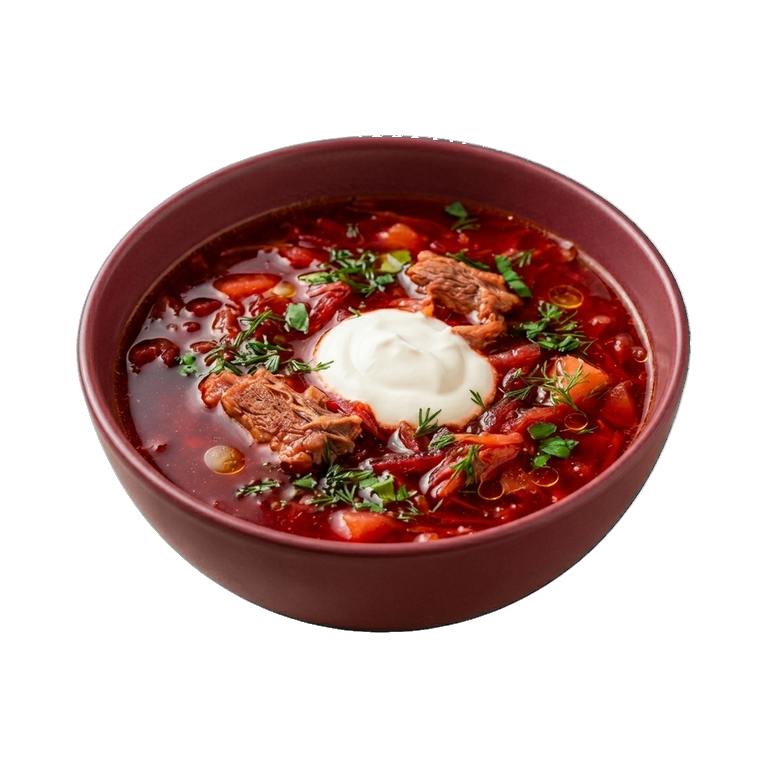
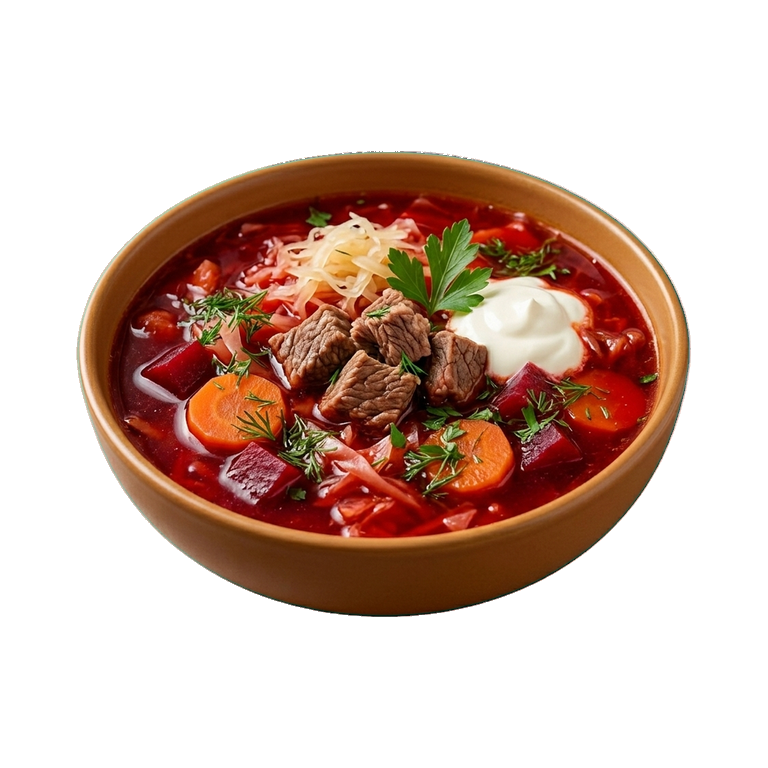
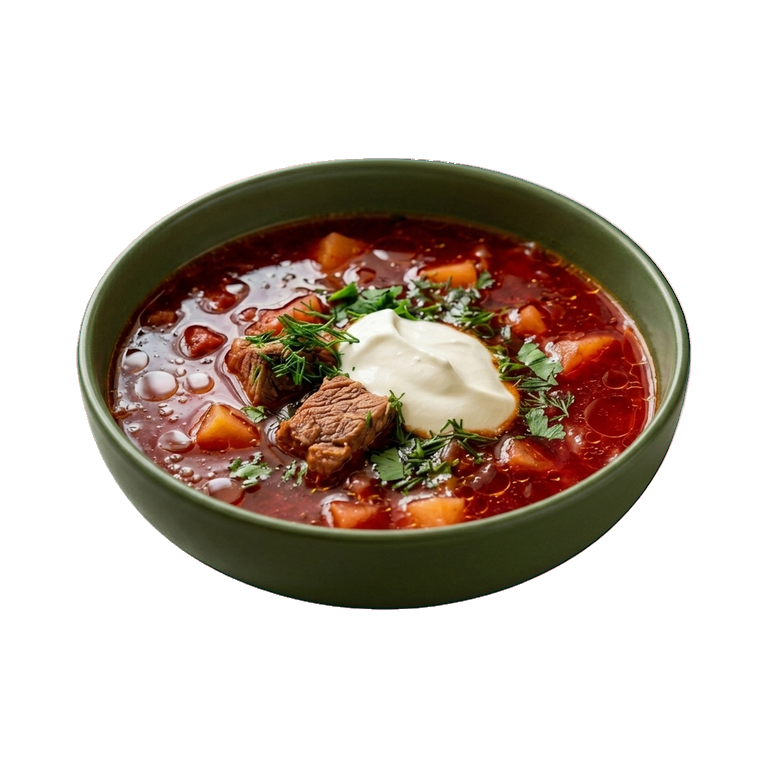
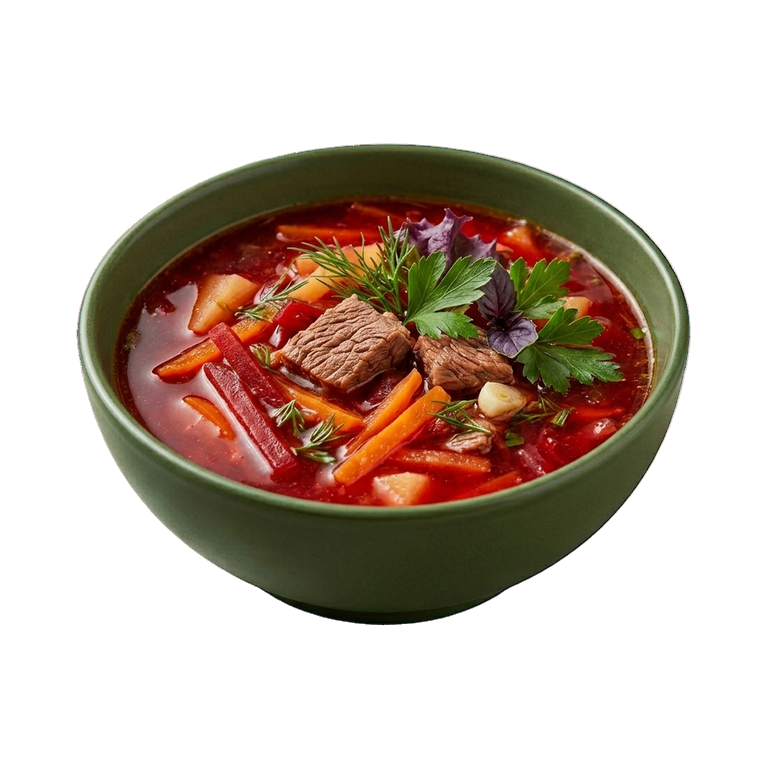
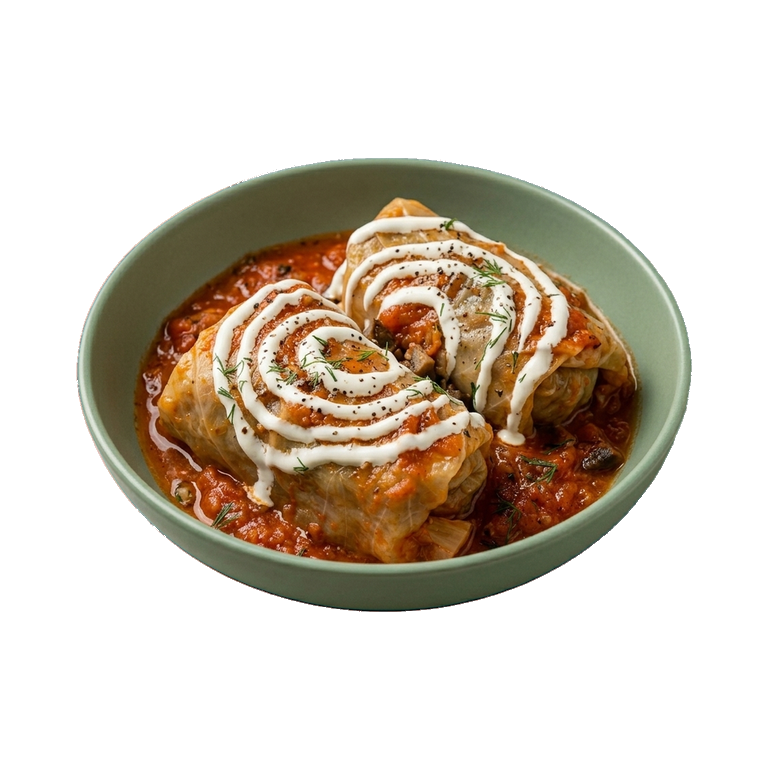
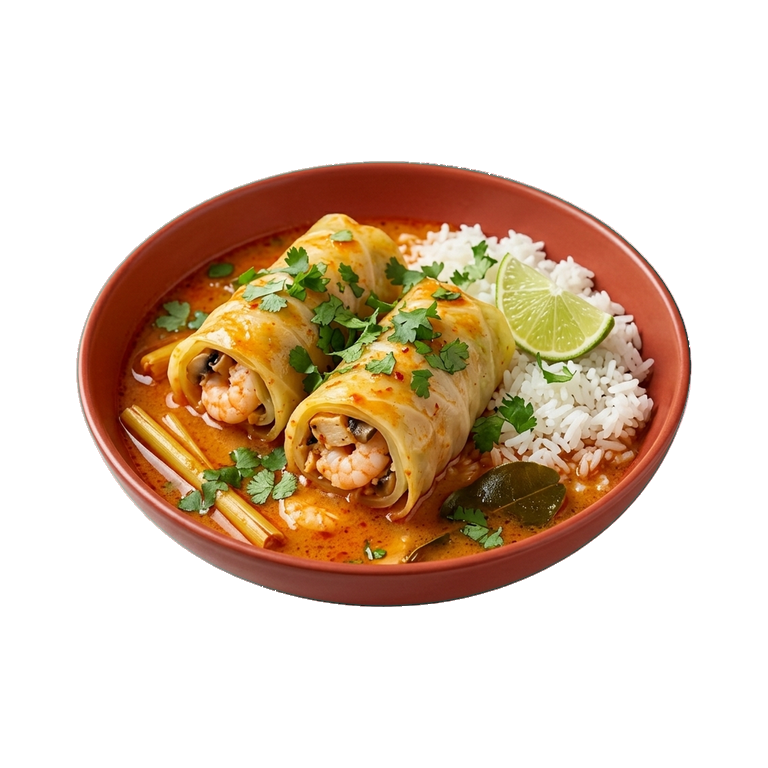
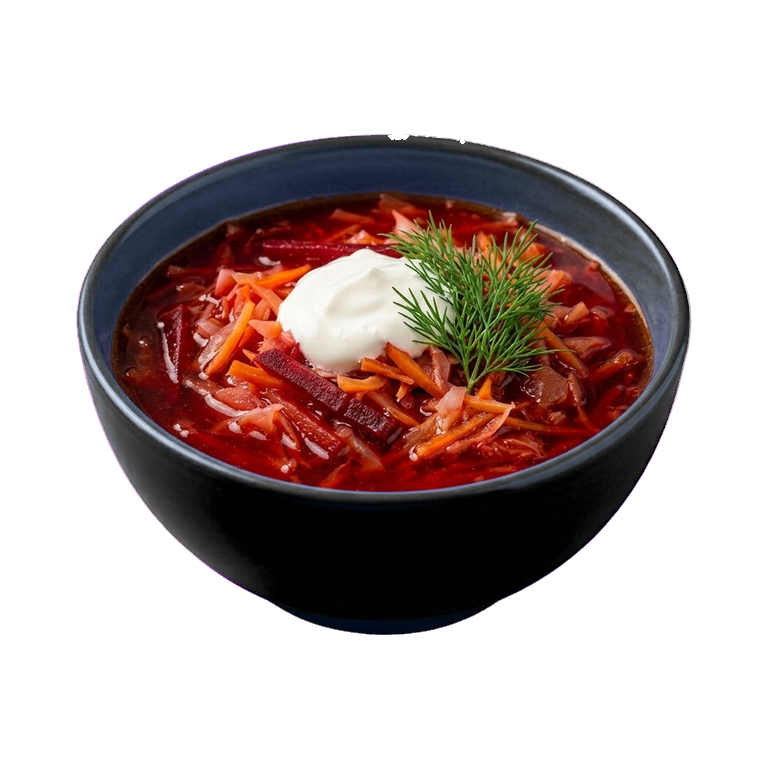
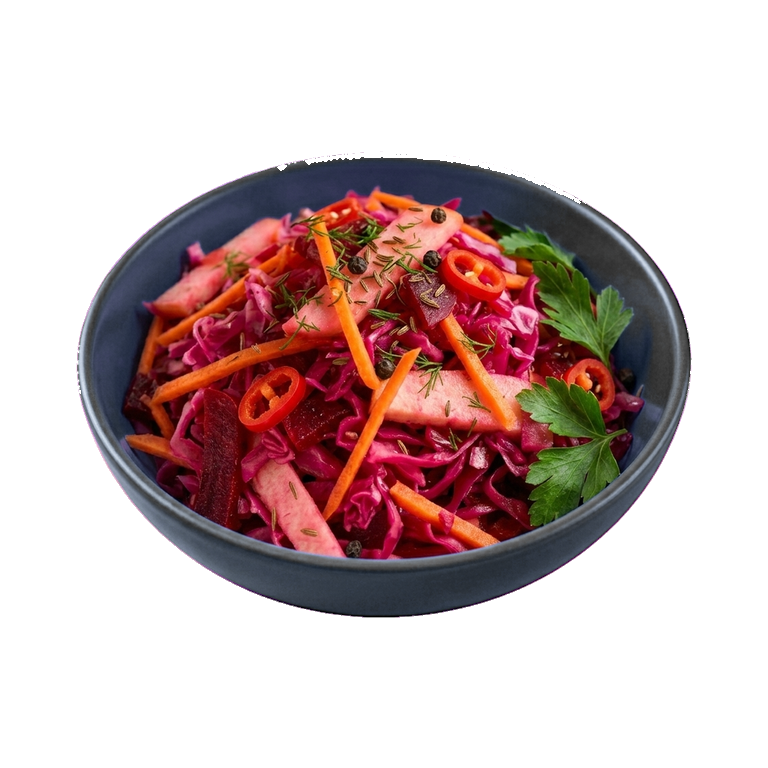
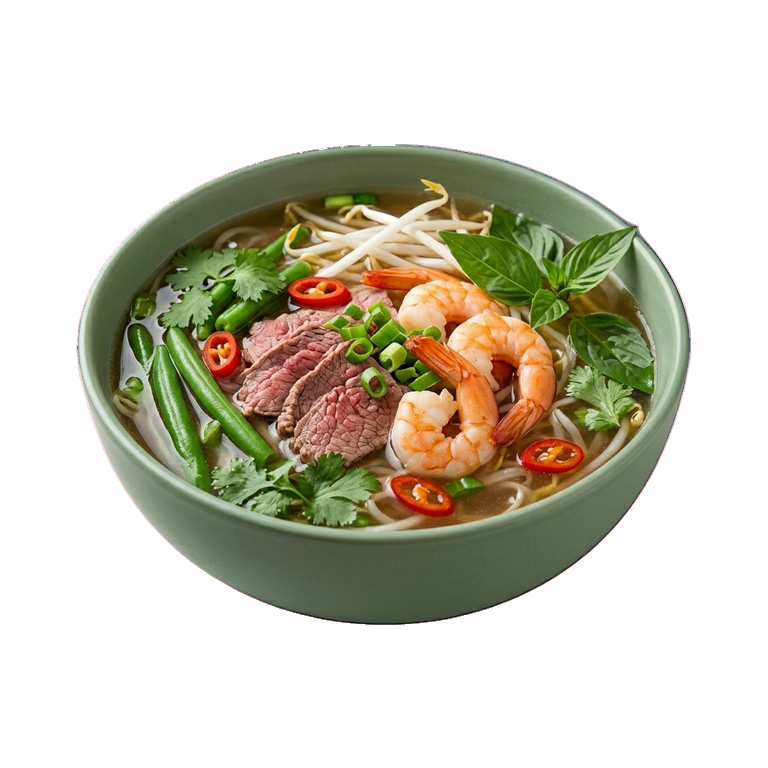
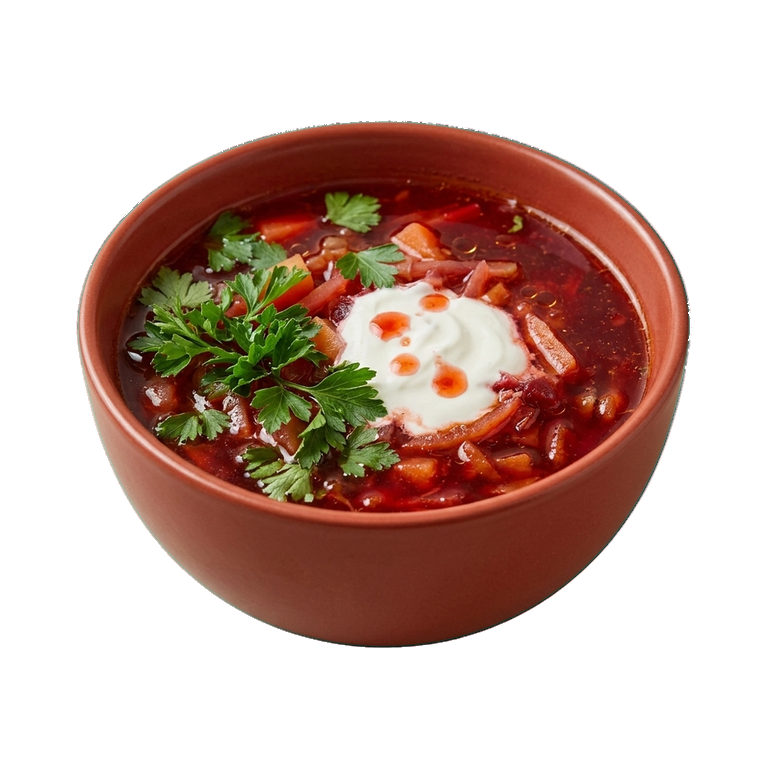
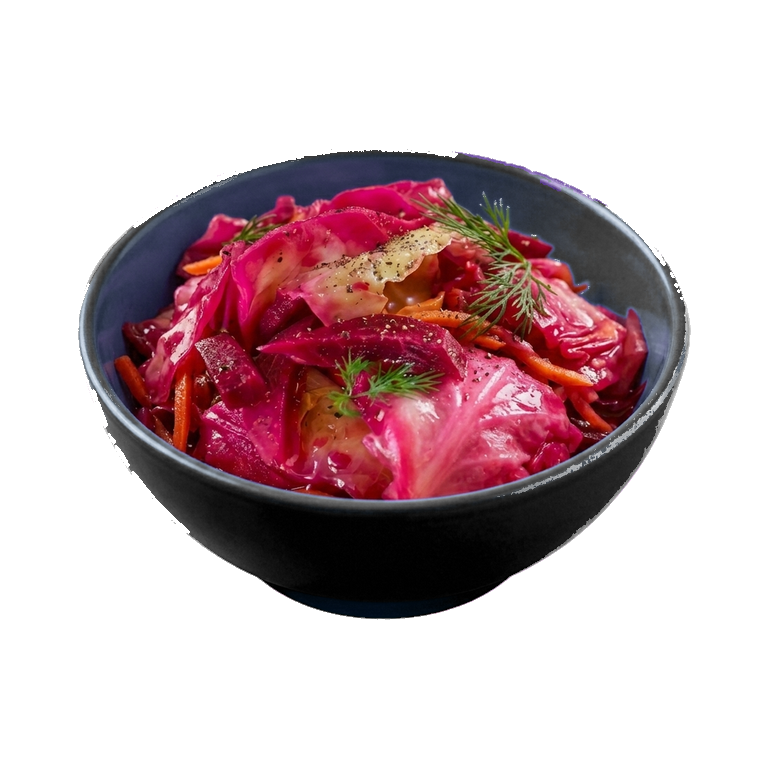
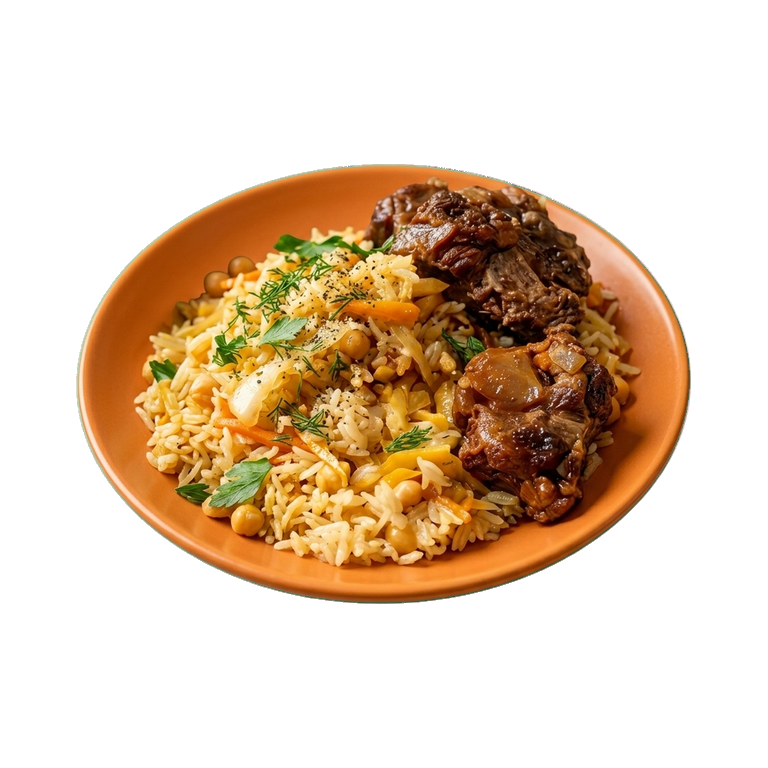
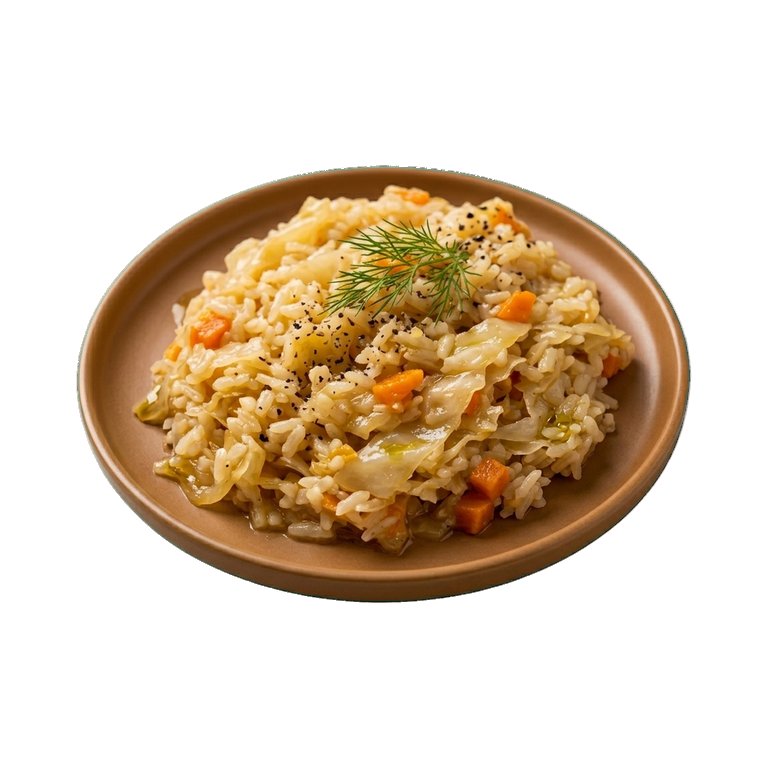
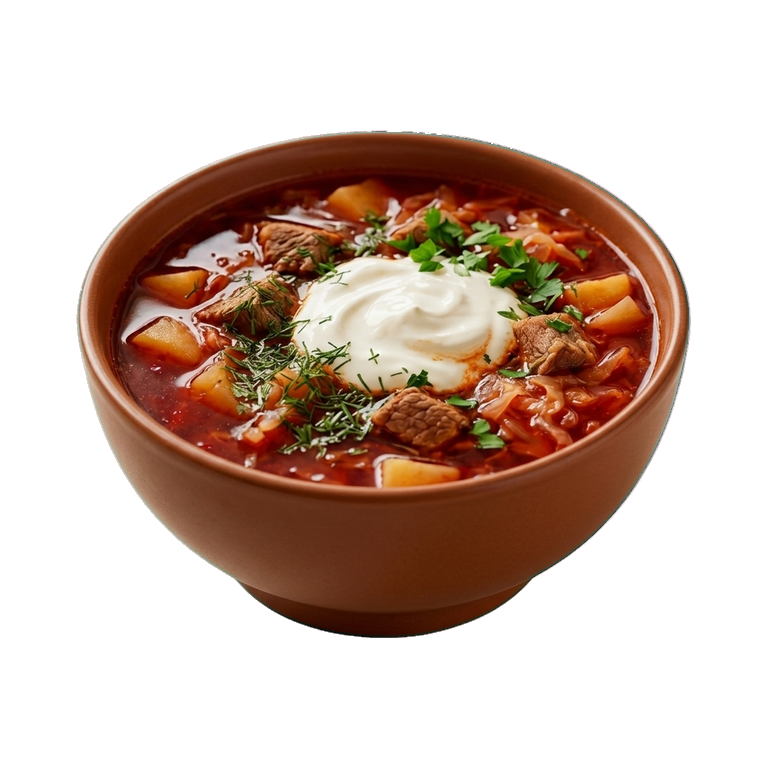
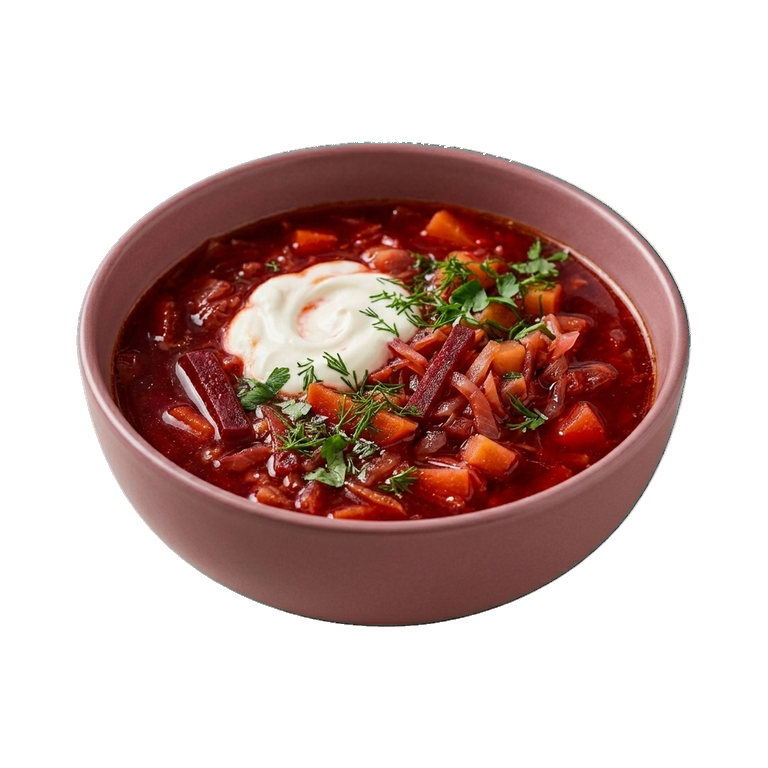
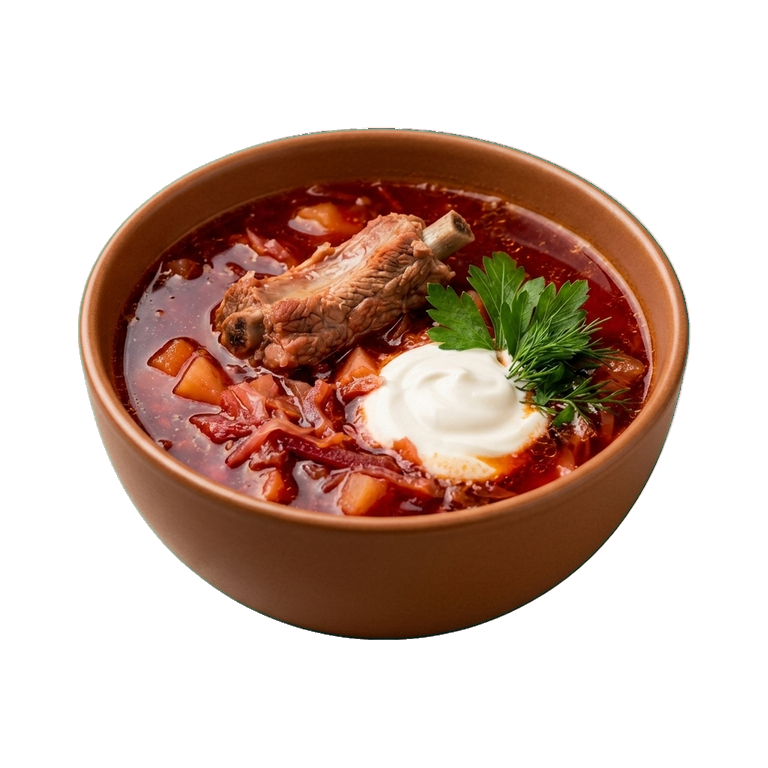
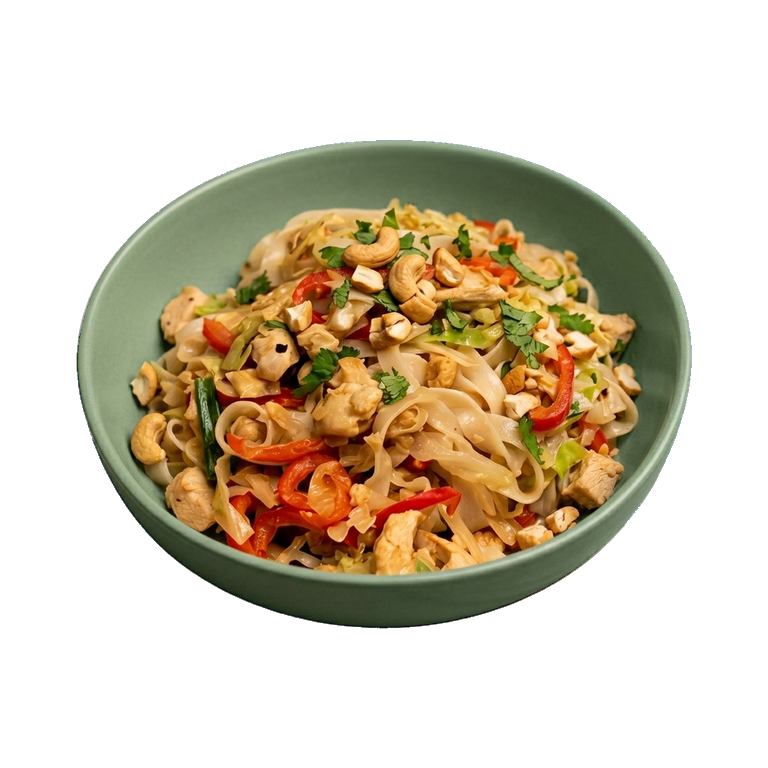
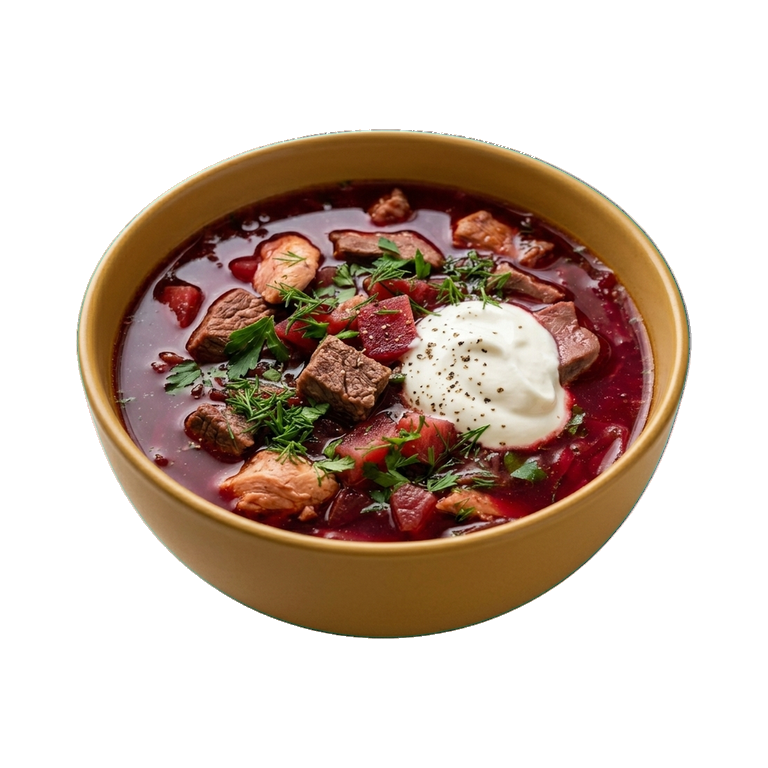
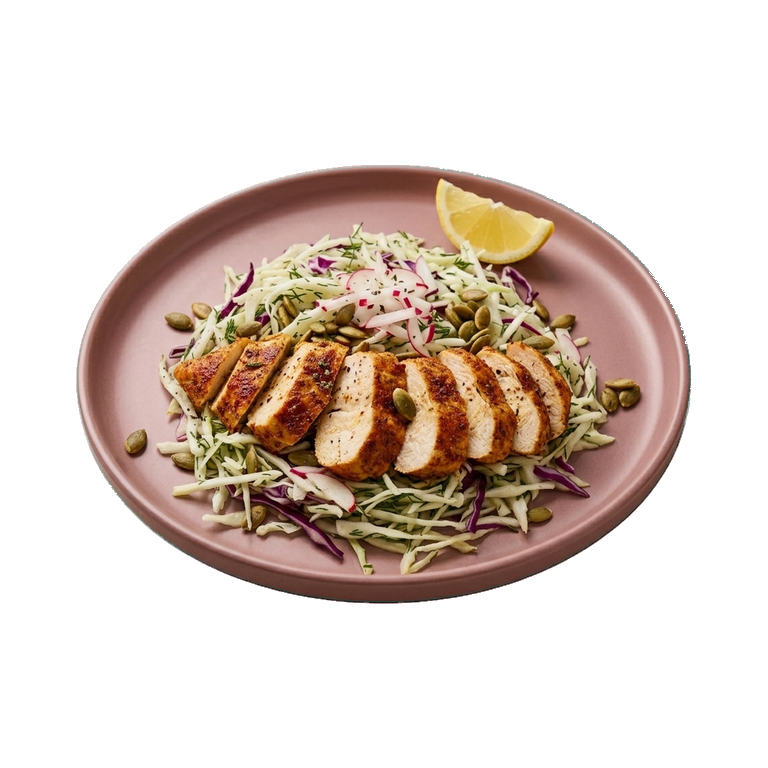
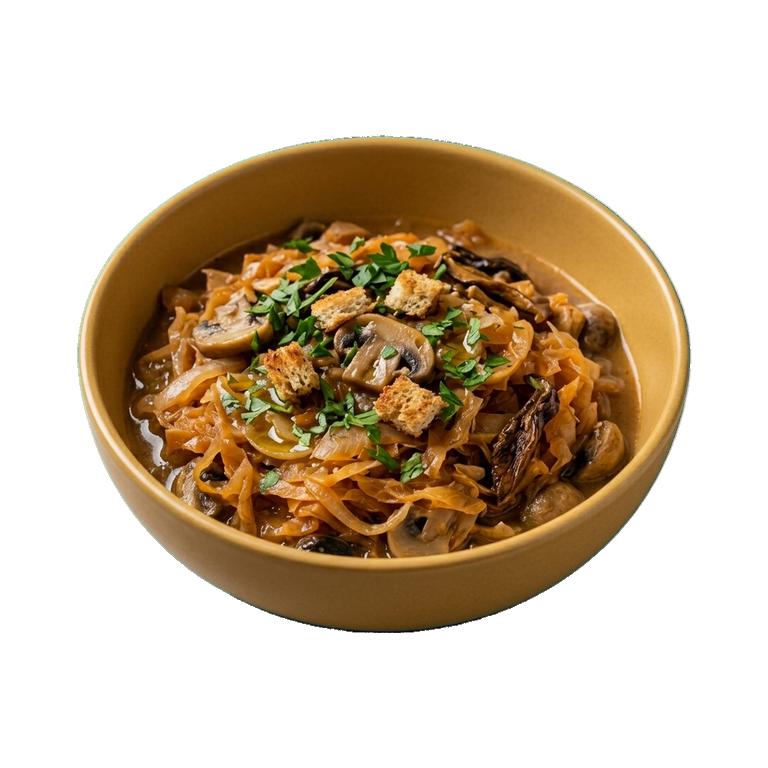
White cabbage is a versatile vegetable that works almost everywhere. It is fermented for appetizers and side dishes, added to shchi and borscht, stewed with meat, used to make cabbage rolls and kapustniki. Sliced into thin strips, it becomes the base for fresh salads and coleslaw. In Asian cuisine, it is quickly stir-fried in a wok, in European cuisine, it is steamed with cream or boiled in broth.
Pairs with
- Meat: beef, pork, chicken — cabbage absorbs their juices and softens the richness
- Dairy products: sour cream, kefir, yogurt — create creamy, cozy dishes
- Spices: cumin, bay leaf, black pepper, mustard — enhance its character
- Acids: vinegar, lemon, fermentation — highlight freshness and aid digestion
- Root vegetables: carrots, beets, potatoes — classic companions in soups and stews
How to Choose and Store
Choose cabbage with a tight head, without cracks or dark spots. The leaves should be firm, without soft areas. Light cabbage is often old and dry inside. Tap on the head — the sound should be crisp.
White cabbage keeps well for a long time — in the refrigerator on the vegetable shelf it lasts two to three weeks, and in a cool basement or cellar it can last several months. Wrap the head in plastic wrap or put it in a bag so it doesn't dry out. If the cabbage starts to wilt, place it in cold water for an hour — it will regain its firmness.
Practical Tips
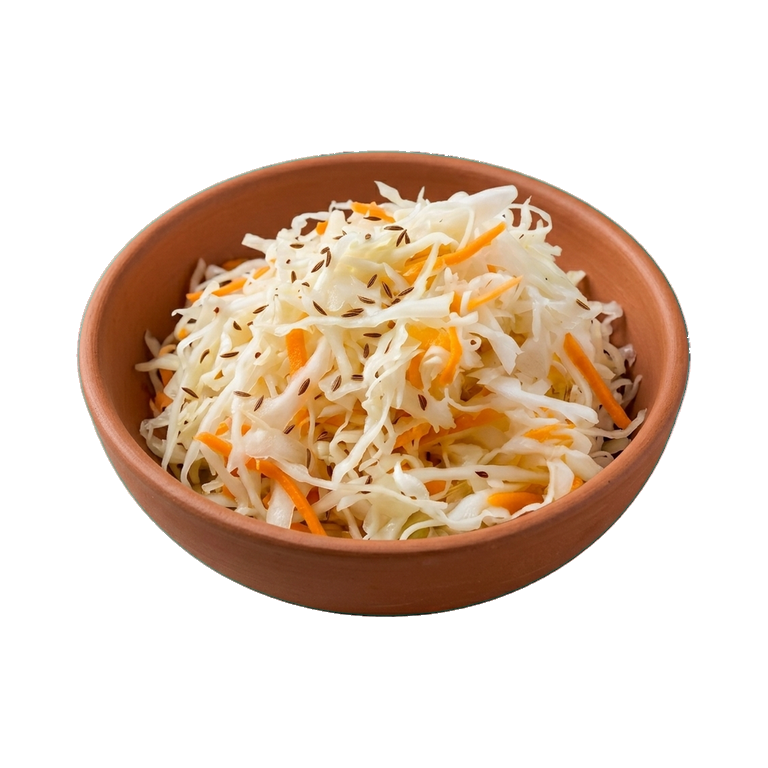
- For salad, slice the cabbage thinly and lightly salt it — it will become softer and release its juice
- In soups, add cabbage at the end of cooking so it doesn't turn into mush
- If you're worried about the smell while cooking, add a piece of bread or a little vinegar to the pot
- For fermentation, choose late varieties — they are denser and crunchier
- Don't throw away the outer leaves — use them for broths or compost them
Nutrition
per 100 g
- Calories
- 25 kcal
- Protein
- 1.3 g
- Fat
- 0.1 g
- Carbs
- 5.2 g
Micronutrients
per 100 g
Macronutrients
- Fiber
- 2.3 g
- Saturated fat
- 0.023 g
- Monounsaturated fat
- 0.013 g
- Polyunsaturated fat
- 0.087 g
- Cholesterol
- 0 mg
- Water
- 92.52 g
Minerals
- Sodium
- 18 mg
- Potassium
- 246 mg
- Calcium
- 47 mg
- Magnesium
- 15 mg
- Phosphorus
- 23 mg
- Iron
- 0.56 mg
- Zinc
- 0.18 mg
- Copper
- 0.02 mg
- Manganese
- 0.16 mg
- Selenium
- 0.9 mcg
Vitamins
- Vitamin A (RAE)
- 6 mcg
- Vitamin D
- 0 mcg
- Vitamin C
- 51 mg
- Vitamin B1 (thiamin)
- 0.05 mg
- Vitamin B2 (riboflavin)
- 0.03 mg
- Vitamin B3 (niacin)
- 0.3 mg
- Vitamin B5 (pantothenic acid)
- 0.14 mg
- Vitamin B6
- 0.1 mg
- Vitamin B9 (folate, DFE)
- 57 mcg
- Vitamin B12
- 0 mcg
Measures and weight
- 1 pcs
- 1500 g
- 1 head
- 1500 g
- 1 slice
- 50 g
Measure calculator
- Weight
- 100 g
- Calories
- 25 kcal