Usuba
Usuba

Worcestershire sauce
This is a sharp brown sauce with a deep, slightly tangy flavor and piquant notes. Made from anchovies, tamarind, molasses, and spices, it delivers a characteristic spicy aroma with a hint of umami. In cooking, it's used as a condiment for meat, added to marinades, sauces, and cocktails, and works well for adding complexity to broths and stews — use it sparingly, as the sauce is highly concentrated and can easily overpower other flavors.
Micronutrients
per 100 ml
Minerals
About
Worcestershire sauce is a dark, spicy liquid that has become one of the most recognizable ingredients in world cuisine. Its sharp, multi-layered flavor with notes of fish, vinegar, and spices makes it a versatile helper: it works equally well in marinades, sauces, cocktails, and as a condiment for finished dishes. Just a few drops can dramatically change a dish's flavor profile, so it should be used with respect.
Taste and Aroma
Worcestershire sauce strikes with complexity. At first glance, it seems simply spicy and salty, but upon careful tasting, an entire palette unfolds: the sweetness of molasses, the acidity of vinegar, umami from anchovies and fish sauce, the warmth of spices. The aroma is sharp, piercing, with a distinct smell of vinegar and garlic. This is not a sauce eaten by the spoonful — it is a concentrated condiment that works in small quantities.
Where and how to use
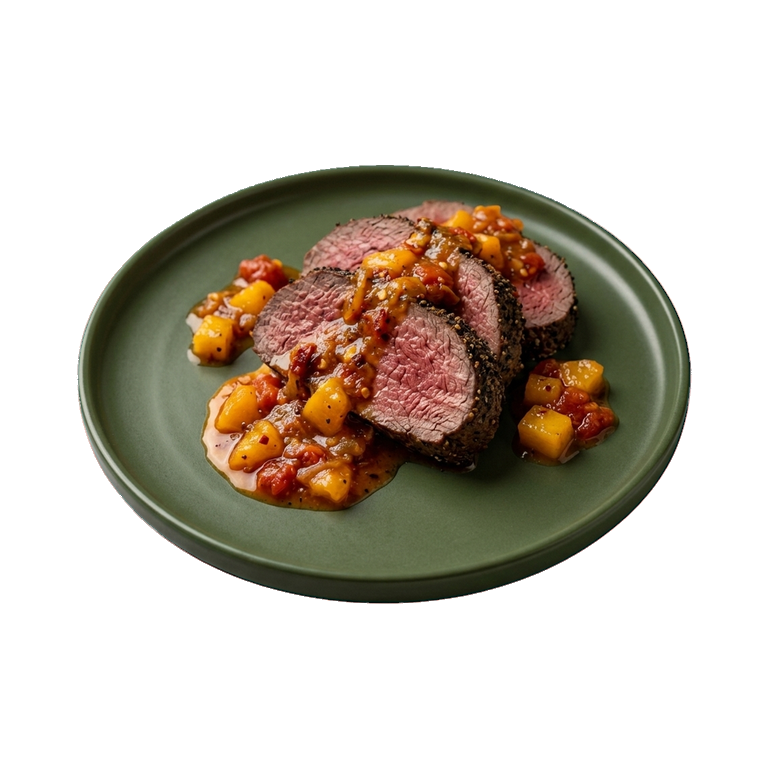
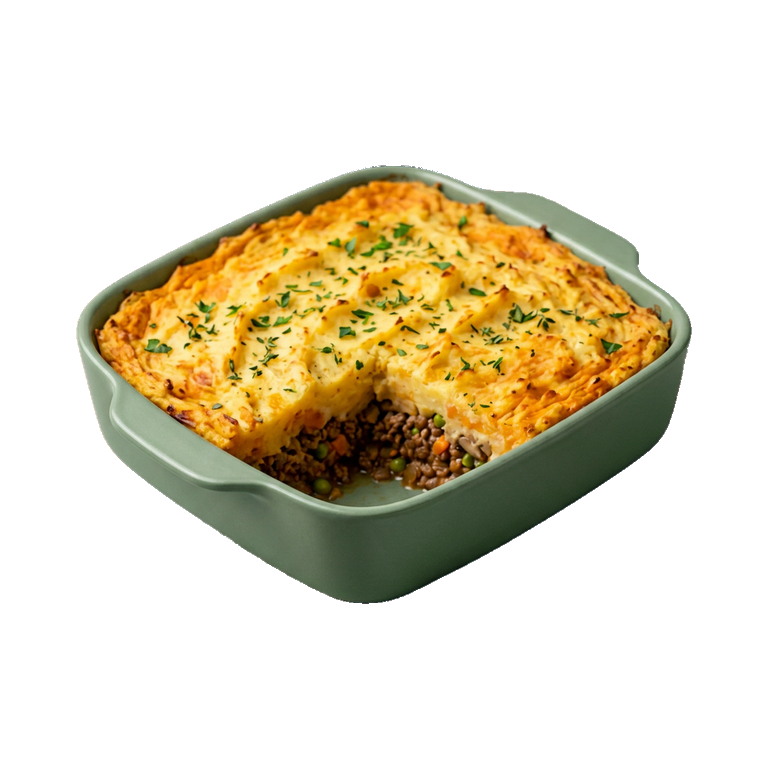
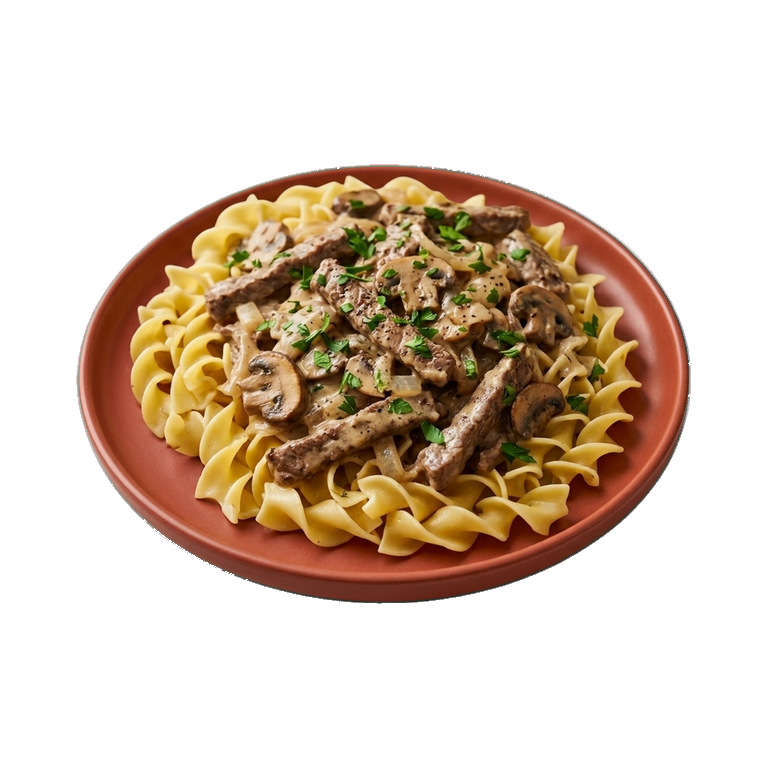
The classic application is as a condiment for meat: a few drops on steak, ribs, or roast add depth and pungency. But that's not where its role ends. Worcestershire sauce works great in marinades for poultry and fish, in pasta sauces, soups, and stews. It's added to Bloody Mary and other cocktails. Even a few drops in ordinary tomato sauce create unexpected flavor complexity.
- Marinades for meat and fish
- Sauces for prepared dishes
- Cocktails and drinks
- Soups, stews, braised dishes
- Breakfast seasonings: eggs, bacon
Combinations with other ingredients
Worcestershire sauce pairs easily with any type of meat — beef, pork, lamb, chicken. Its sharpness is well balanced by creamy sauces, mayonnaise, or sour cream. With vegetables, it works more selectively: best with tomatoes, onions, celery. Remember that this sauce already contains salt and acidity, so when using it, reduce the amount of vinegar and salt in the recipe.
Selection and Storage
When choosing, pay attention to the composition: quality Worcestershire sauce contains anchovies, tamarind, molasses, vinegar, and spices. The simpler the composition, the better. There are vegetarian versions without fish components — they are milder in taste, but lose the characteristic depth. The bottle should be dark (to protect from light) and hermetically sealed. The sauce keeps for a long time — thanks to its acidity and salt content, it practically does not spoil. After opening, keep it in the refrigerator, although at room temperature it will also last for months.
Practical Tips
- Start small: add drop by drop and taste. It's easy to overdo it, but harder to add more
- Mix with oil and lemon juice for a fish marinade
- Add at the end of cooking soup or stew to preserve sharp notes
- If the sauce seems too hot, dilute it with water or broth
- Use as a substitute for soy sauce in some recipes for new flavor notes
Worcestershire sauce is an investment in your culinary pantry. One bottle will last a long time as it is used sparingly. If you haven't tried cooking with it yet, start with something simple: add a few drops to a steak or soup. This sauce will quickly become your helper in creating more interesting and complex dishes.
Nutrition
per 100 ml
- Calories
- 88 kcal
- Protein
- 1.5 g
- Fat
- 0.1 g
- Carbs
- 17 g
Micronutrients
per 100 ml
Macronutrients
- Fiber
- 0 g
- Sugars
- 11.033 g
- Saturated fat
- 0 g
- Monounsaturated fat
- 0 g
- Polyunsaturated fat
- 0 g
- Omega-3 (EPA + DHA)
- 0 g
- Cholesterol
- 0 mg
- Water
- 86.394 g
Minerals
- Sodium
- 1430 mg
- Potassium
- 880 mg
- Calcium
- 117.7 mg
- Magnesium
- 14.3 mg
- Phosphorus
- 66 mg
- Iron
- 5.83 mg
- Zinc
- 0.21 mg
- Copper
- 0.22 mg
- Selenium
- 0.6 mcg
Vitamins
- Vitamin A (RAE)
- 5.5 mcg
- Vitamin D
- 0 mcg
- Vitamin E
- 0.09 mg
- Vitamin K
- 1.1 mcg
- Vitamin C
- 14.3 mg
- Vitamin B1 (thiamin)
- 0.08 mg
- Vitamin B2 (riboflavin)
- 0.14 mg
- Vitamin B3 (niacin)
- 0.77 mg
- Vitamin B6
- 0 mg
- Vitamin B9 (folate, DFE)
- 8.8 mcg
- Vitamin B12
- 0 mcg
Measures and weight
- 1 tbsp
- 16.5 g
- 1 tsp
- 5.5 g
- 1 cup
- 275 g
Measure calculator
- Weight
- 100 g
- Calories
- 80 kcal