Usuba
Usuba
Basil leaves
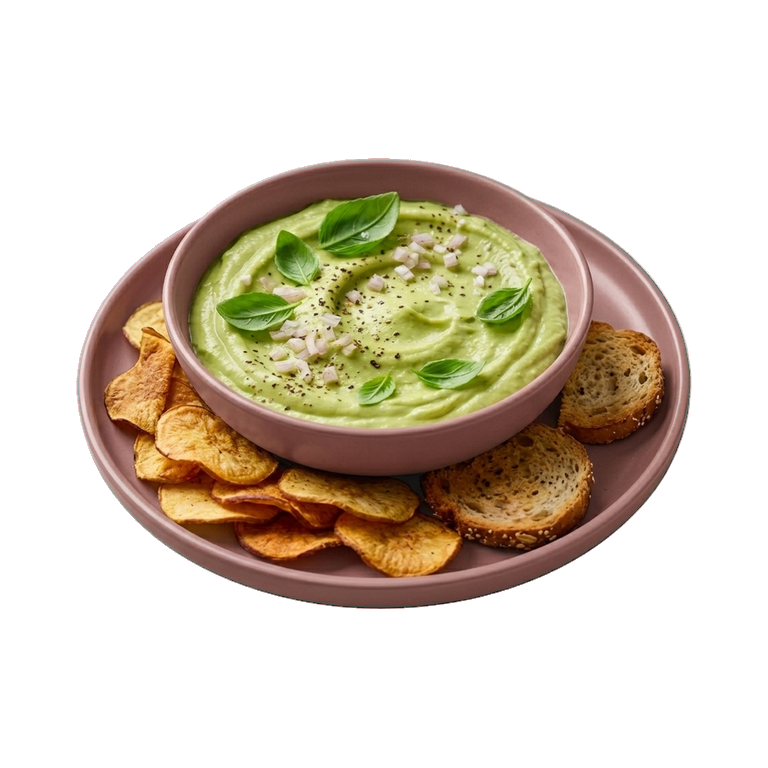
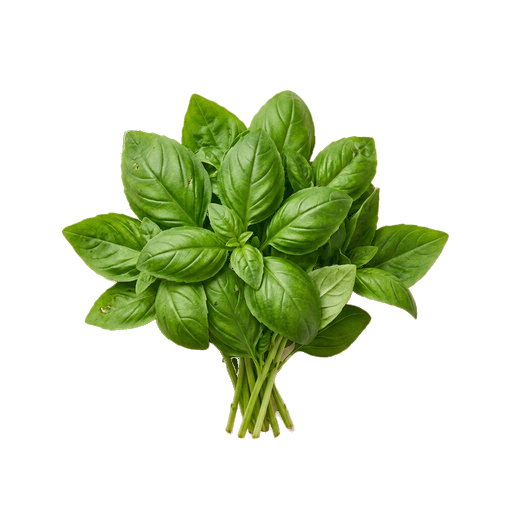
Basil leaves are aromatic greens with a spicy, slightly peppery taste and a pronounced sweet aroma, sensitive to heat and best enjoyed fresh. Add them at the end of cooking to tomatoes, olive oil, meat and fish dishes, or use in sauces and salads. When selecting, look for firm leaves without darkening; oregano or mint can be used as substitutes, though the flavor will be noticeably different.
Micronutrients
per 100 g
Minerals
Vitamins
About
Basil is one of those herbs that can completely change the character of a dish. Fresh leaves smell simultaneously sweet and sharp, with subtle peppery notes and a barely perceptible minty undertone. When you crumple a leaf between your fingers, the aroma becomes even more vibrant, almost explosive. It's not just a garnish for pasta — it's a tool that you need to know how to use.
Aroma and taste
The taste of basil depends directly on how you handle it. A fresh leaf added at the end of cooking or right in the finished dish gives a bright, clean bitterness with a fruity undertone. If you boil or fry the leaves for a long time, they become softer, lose their sharpness and acquire a more subtle, herbal character. Young leaves are more tender and sweeter than mature ones — this is important to remember when choosing.
Where and how to use
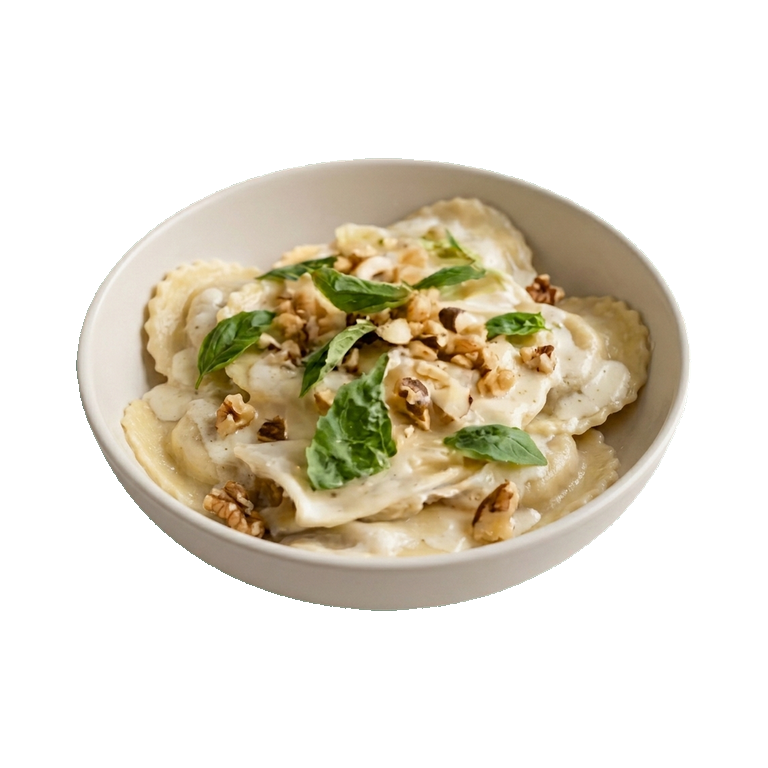
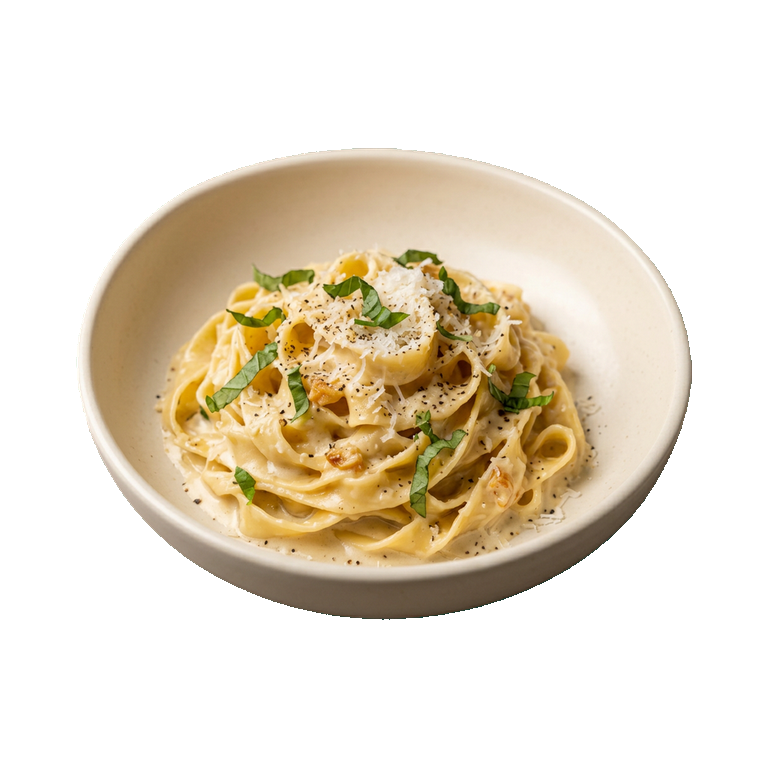
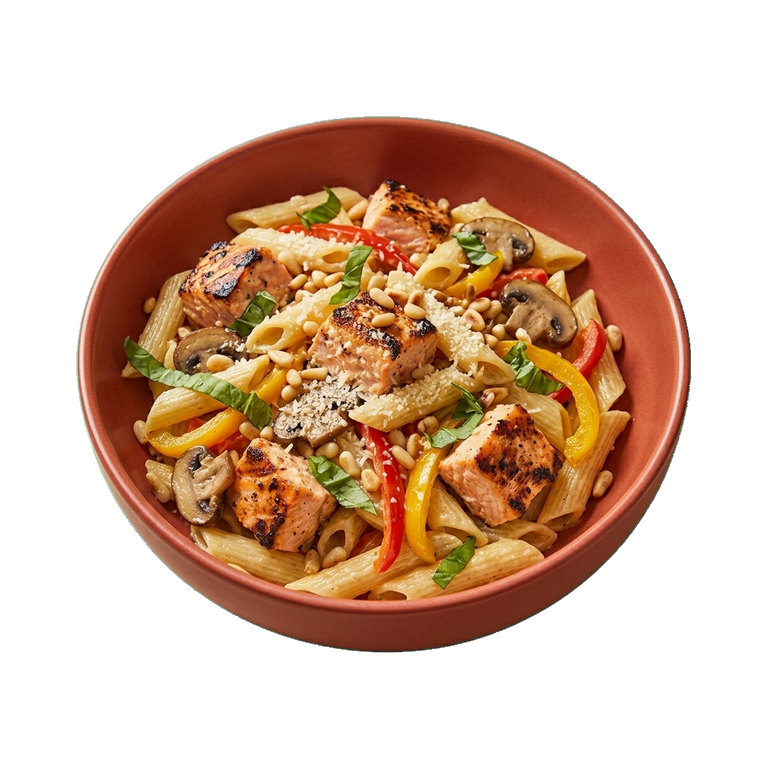
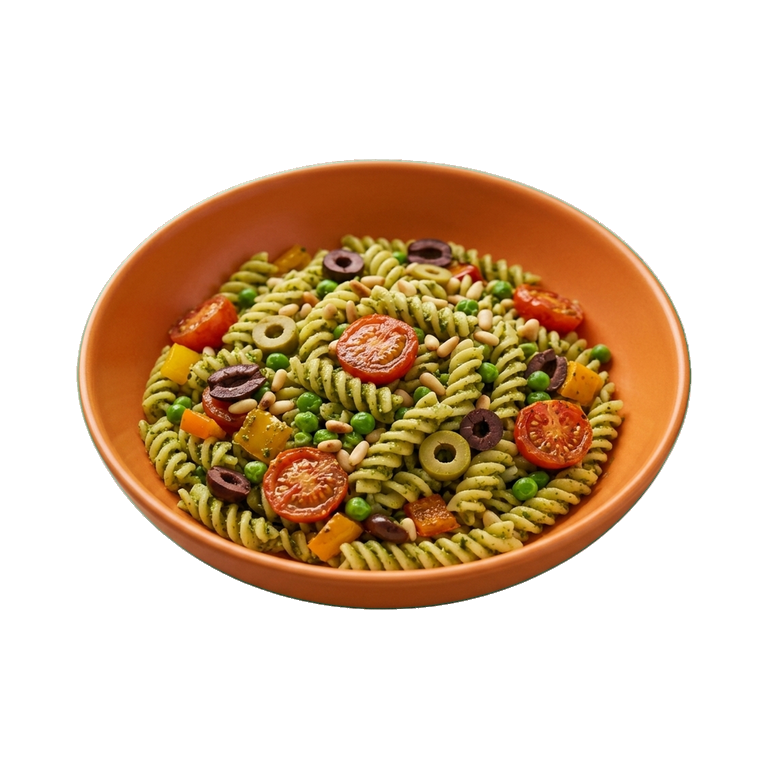
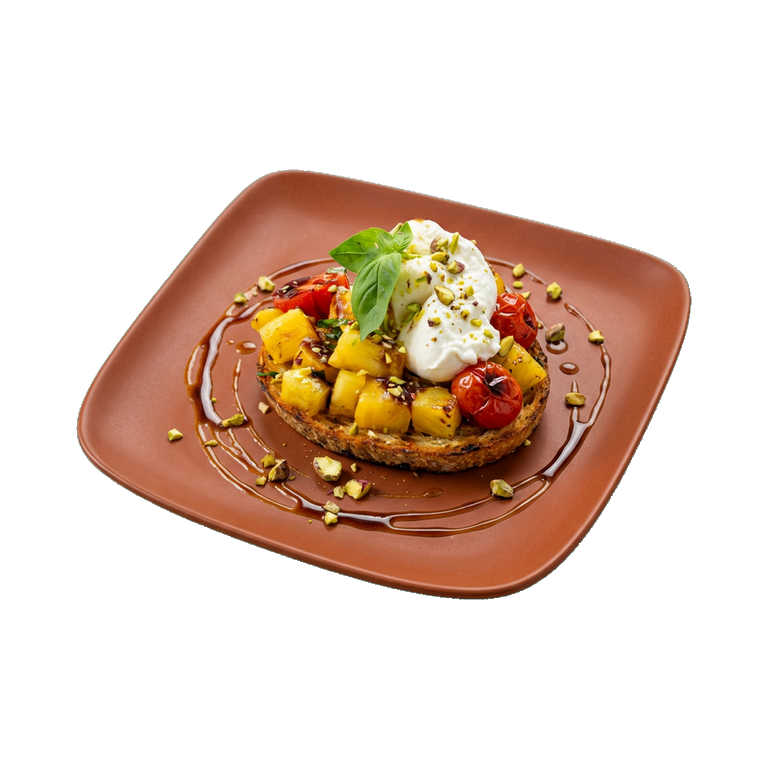
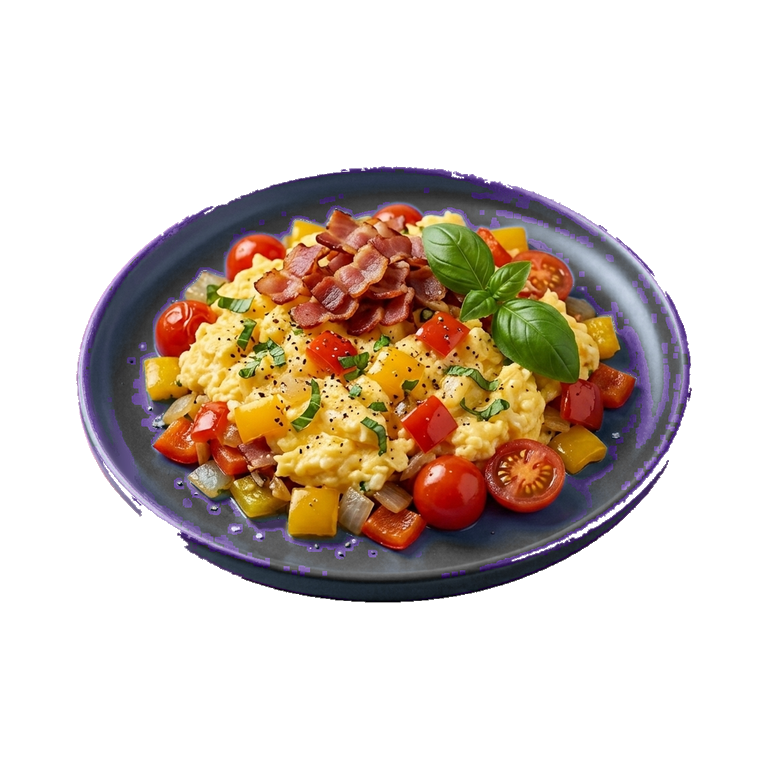
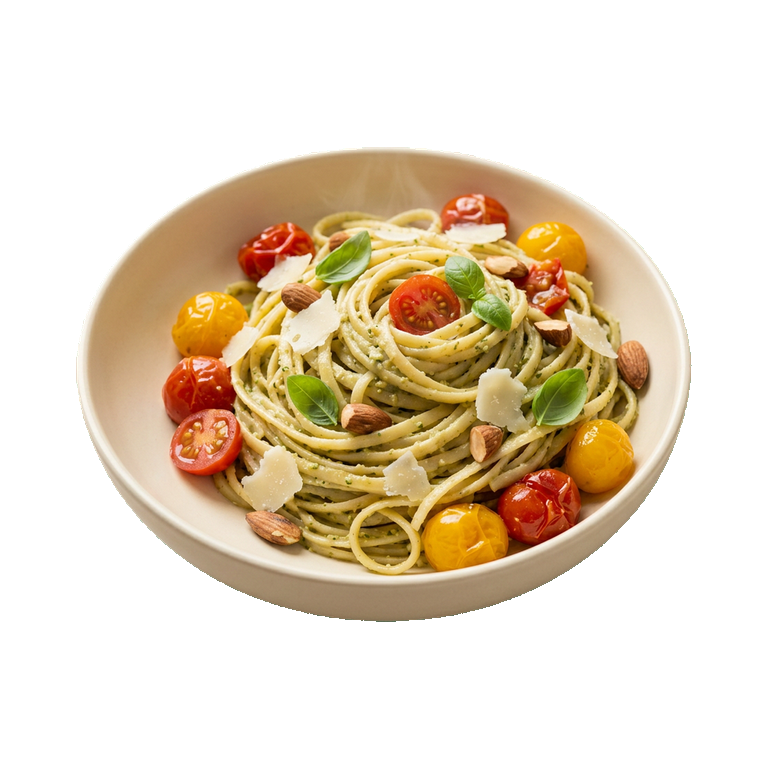
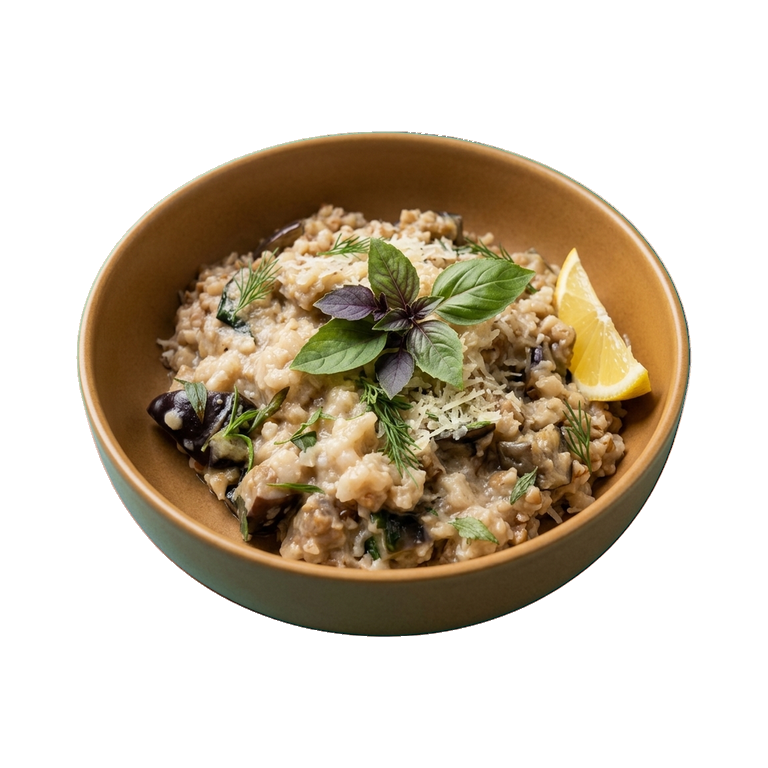
Basil works in two modes. The first is the final touch: you place torn leaves on a hot dish at the very last moment so they warm through but remain firm and aromatic. The second is as a component of sauces and pastes, where leaves are chopped and mixed with oil, garlic, and other ingredients. Classic pesto is the best example of this approach.
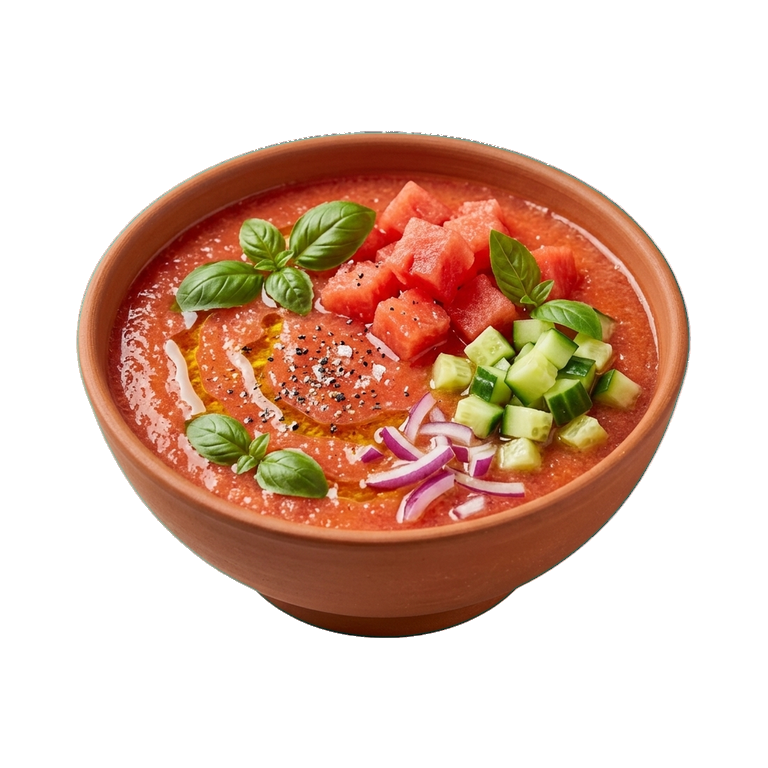
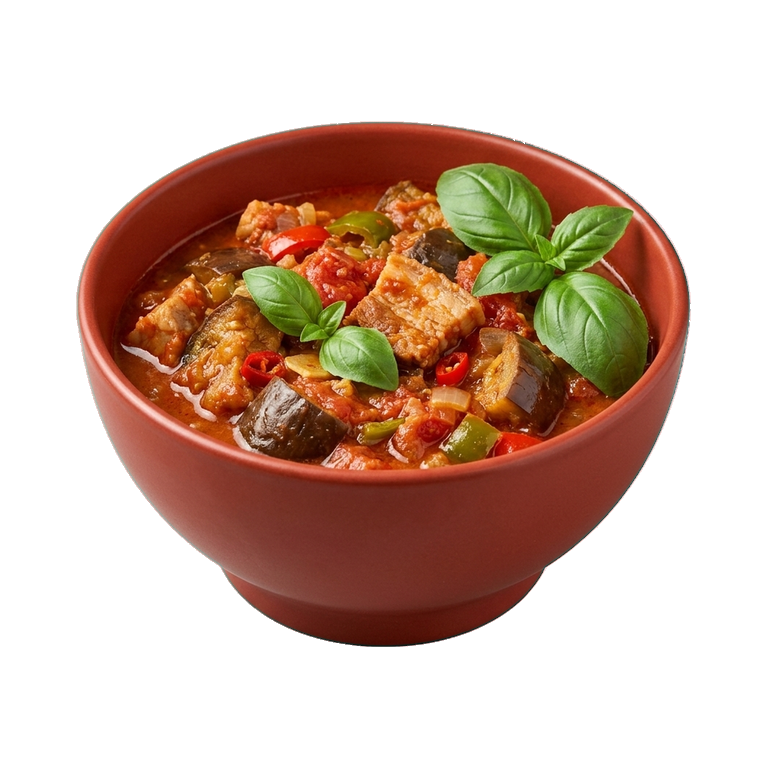
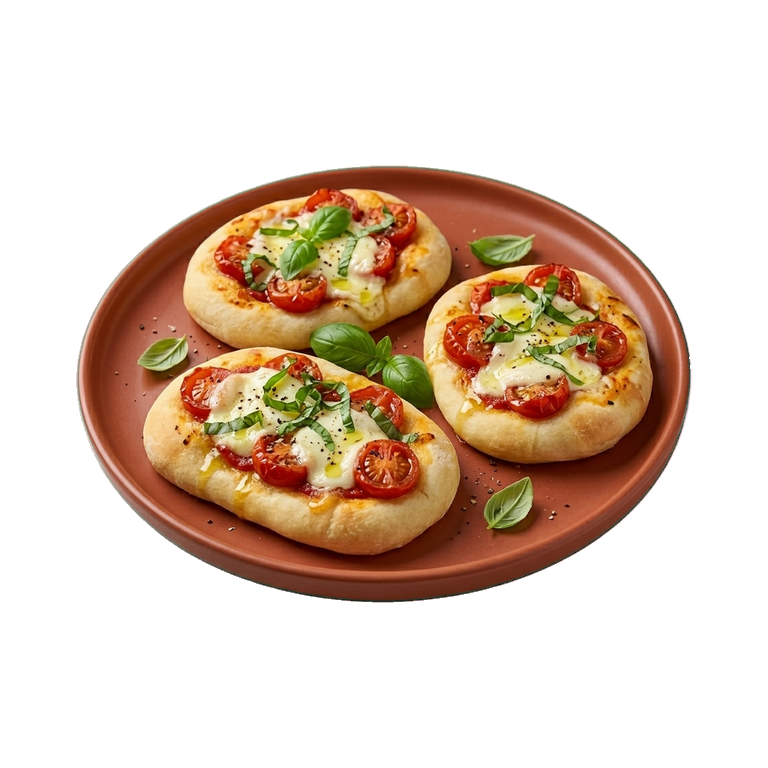
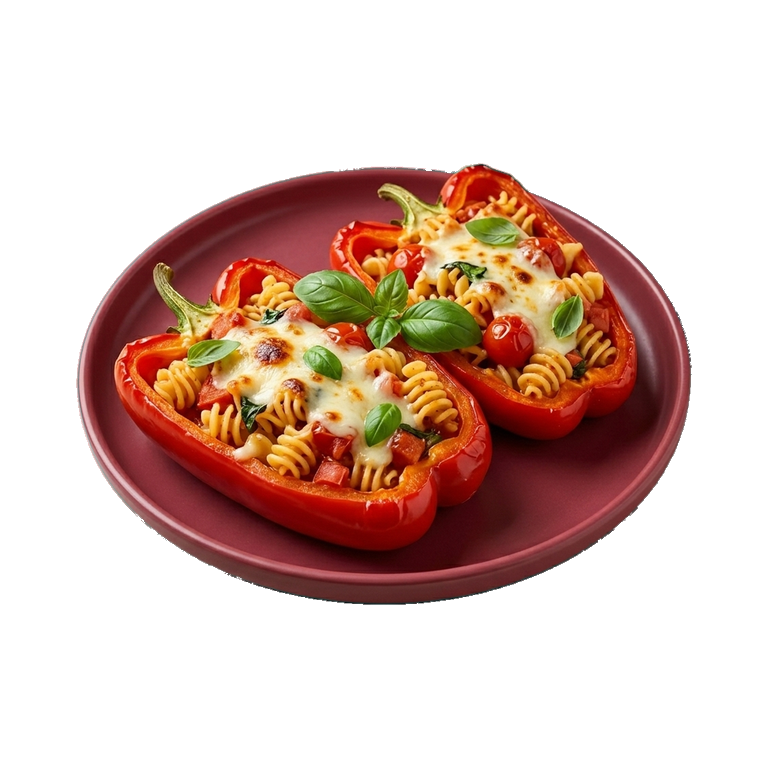
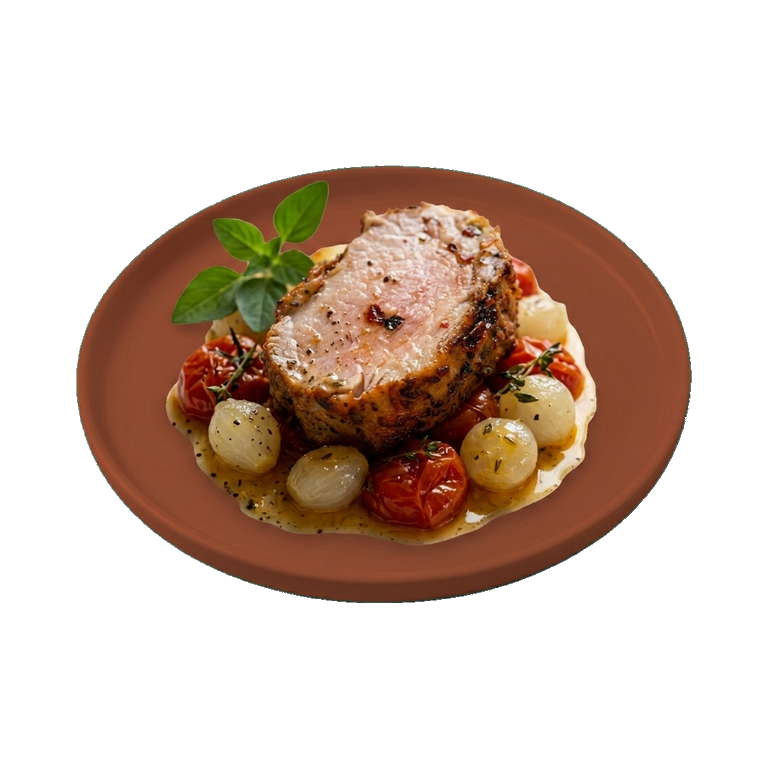
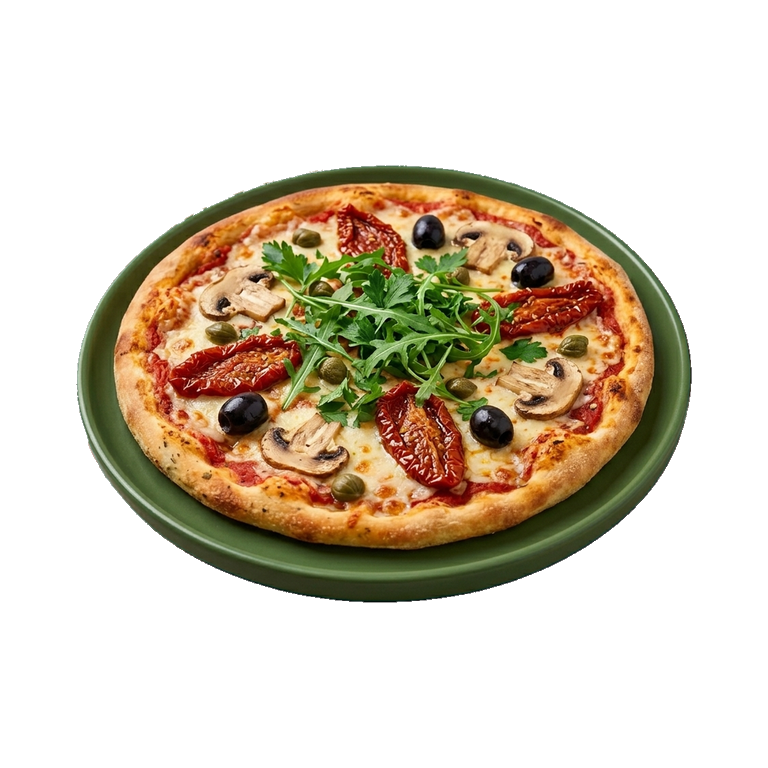
- Tomatoes and tomato sauces — basil is almost essential here
- Olive oil and soft cheeses — a classic trio
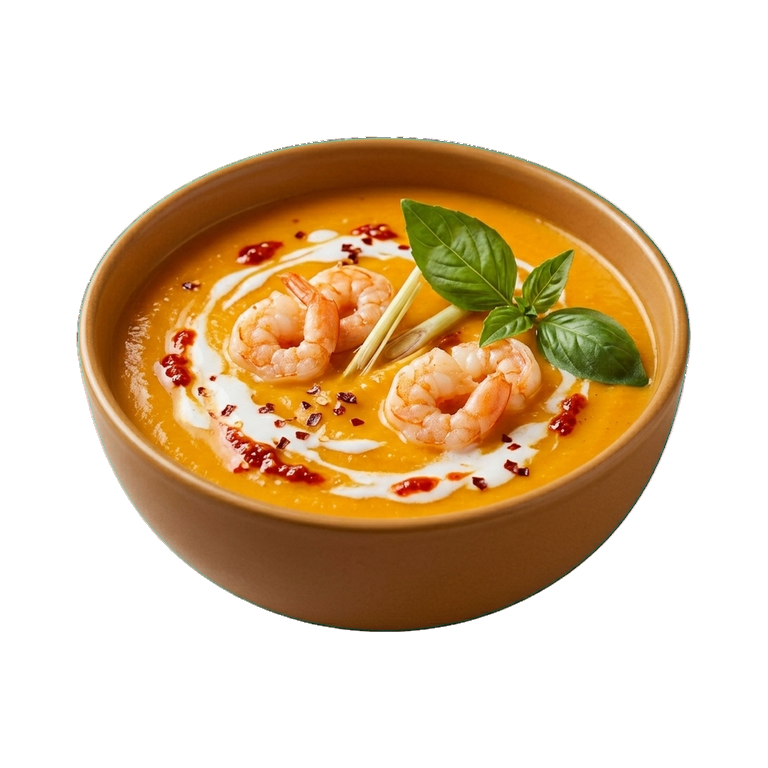
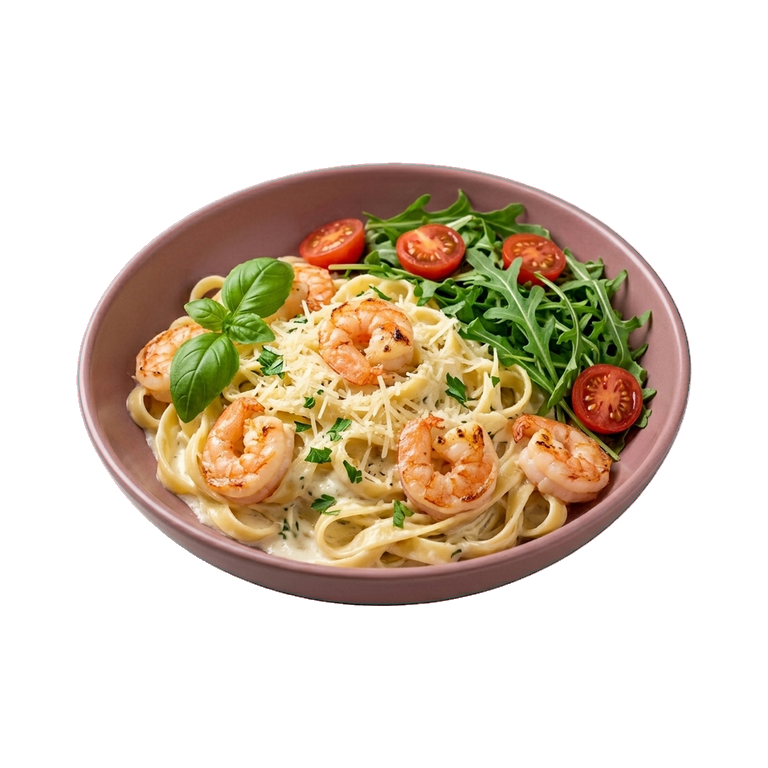
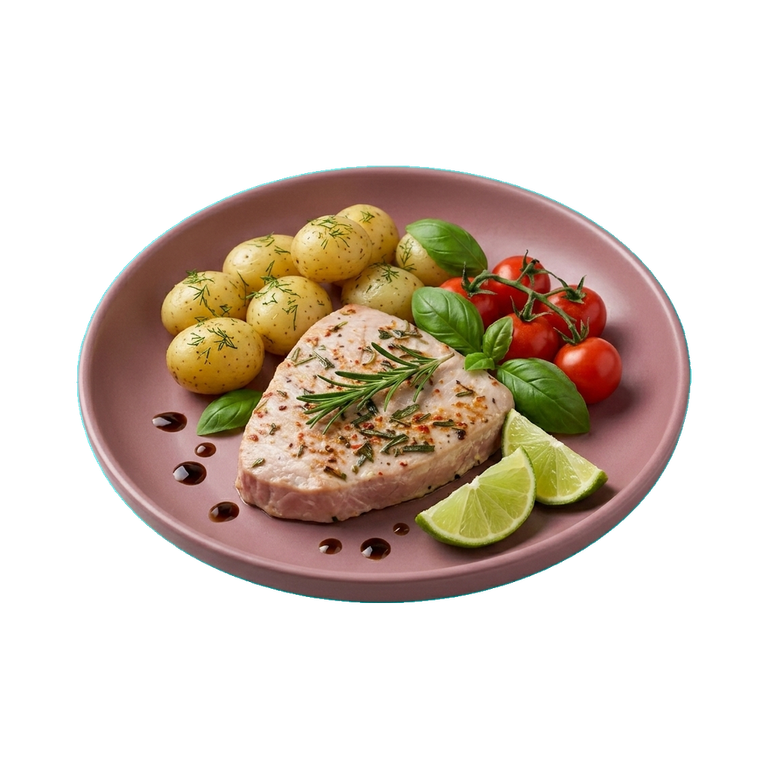
- Seafood — especially shrimp and mussels
- Eggs and omelets — fresh basil adds lightness
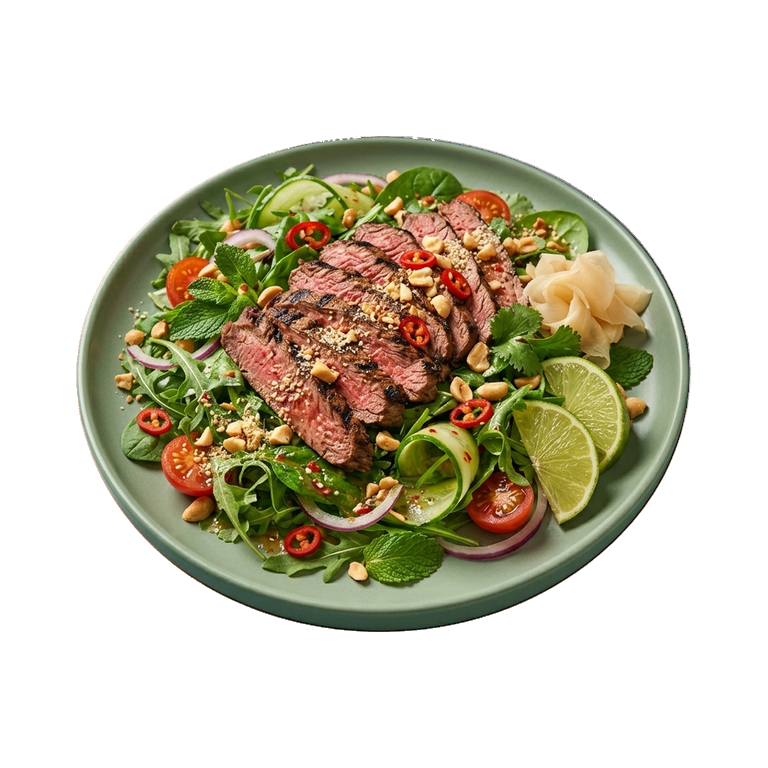
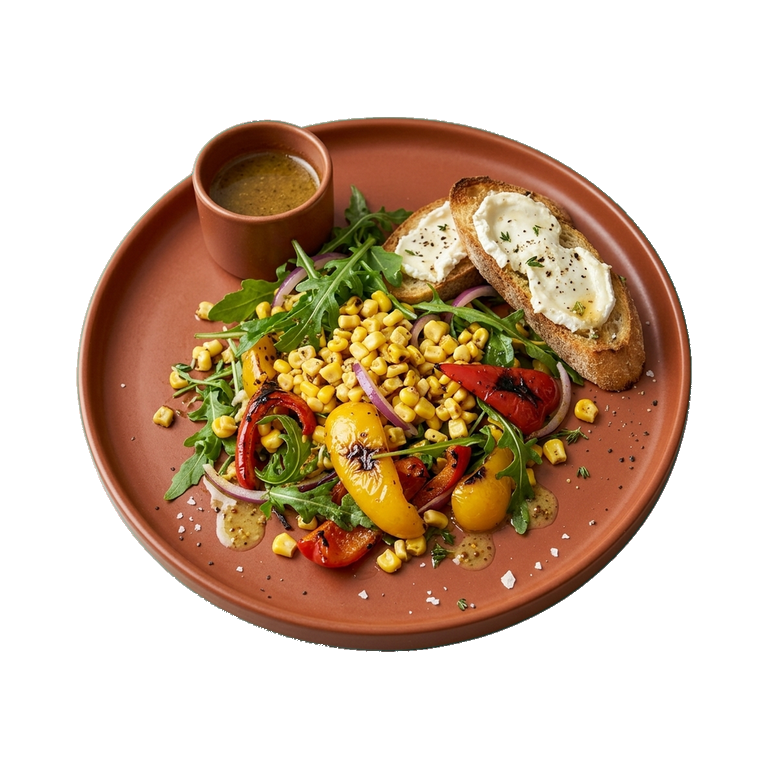
- Salads with vegetables, mozzarella and balsamic
- Soups — add at the end of cooking
Selection and Storage
When buying, look at the color of the leaves — they should be bright green, without dark spots or signs of wilting. The leaves should not be slimy or emit an unpleasant odor. Fresh basil is best stored in a glass of water at room temperature, covered with a plastic bag — this way it will last a week or more. The refrigerator is an enemy for fresh basil: the cold kills its aroma and damages the texture of the leaves.
If you've bought too much, you can freeze the leaves in olive oil in ice cube trays — such cubes are then convenient to drop into hot dishes. Or dry the leaves by spreading them on fabric in a dry place. Dried basil concentrates the flavor, but becomes more bitter, so it needs to be used with caution and in smaller quantities.
Main rule: fresh basil is afraid of prolonged heat. Add it at the end, and it will reveal itself in all its glory.
Nutrition
per 100 g
- Calories
- 23 kcal
- Protein
- 3.2 g
- Fat
- 0.6 g
- Carbs
- 2.7 g
Micronutrients
per 100 g
Macronutrients
- Fiber
- 1.6 g
- Sugars
- 0.3 g
- Saturated fat
- 0.041 g
- Monounsaturated fat
- 0.088 g
- Polyunsaturated fat
- 0.389 g
- Omega-3 (EPA + DHA)
- 0 g
- Cholesterol
- 0 mg
- Water
- 92.06 g
Minerals
- Sodium
- 4 mg
- Potassium
- 295 mg
- Calcium
- 177 mg
- Magnesium
- 64 mg
- Phosphorus
- 56 mg
- Iron
- 3.17 mg
- Zinc
- 0.81 mg
- Copper
- 0.39 mg
- Manganese
- 1.15 mg
- Selenium
- 0.3 mcg
Vitamins
- Vitamin A (RAE)
- 264 mcg
- Vitamin D
- 0 mcg
- Vitamin E
- 0.8 mg
- Vitamin K
- 414.8 mcg
- Vitamin C
- 18 mg
- Vitamin B1 (thiamin)
- 0.03 mg
- Vitamin B2 (riboflavin)
- 0.08 mg
- Vitamin B3 (niacin)
- 0.9 mg
- Vitamin B5 (pantothenic acid)
- 0.21 mg
- Vitamin B6
- 0.16 mg
- Vitamin B9 (folate, DFE)
- 68 mcg
- Vitamin B12
- 0 mcg
Measures and weight
- 1 tbsp
- 2.3 g
- 1 tsp
- 0.8 g
- 1 cup
- 37.5 g
- 1 bunch
- 25 g
- 1 sprig
- 3 g
Measure calculator
- Weight
- 100 g
- Calories
- 23 kcal