Usuba
Usuba
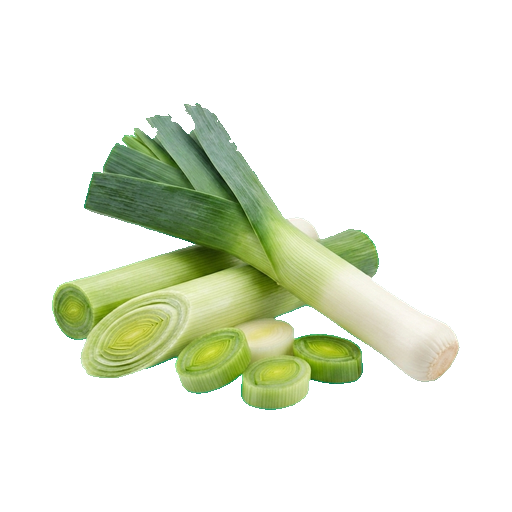
Leek
Leek is a vegetable with a mild, slightly sweet flavor and tender texture, distinguished from regular onion by its less pungent taste and greater delicacy. In cooking, both the white underground part and the light-green leaves are used, which work well in soups, stews, side dishes, and baked dishes. When selecting, prefer firm stems without damage or yellowing, and before use, it is important to rinse the layers thoroughly to remove the soil that often gets trapped between them.
Micronutrients
per 100 g
About
Leek is a delicate vegetable, often called the aristocrat among onions. Unlike regular onions, it is not aggressive, but gentle and refined. The white and light green parts of the stem are what we are interested in the kitchen. This is a vegetable that unfolds in slow, thoughtful dishes and is completely versatile at the same time.
Aroma and taste
Leek has a mild onion flavor with barely noticeable sweetness. It doesn't sting the tongue and throat like sharp onion does, but envelops them with tenderness. When heated, it becomes even sweeter — the starch in the stem caramelizes, and the vegetable acquires a deep, almost creamy flavor note. The aroma of fresh leek is pleasant, herbaceous, without harshness.
Role in dishes
- In soups and broths — the base for aromatic broth, especially in potato and cream soups
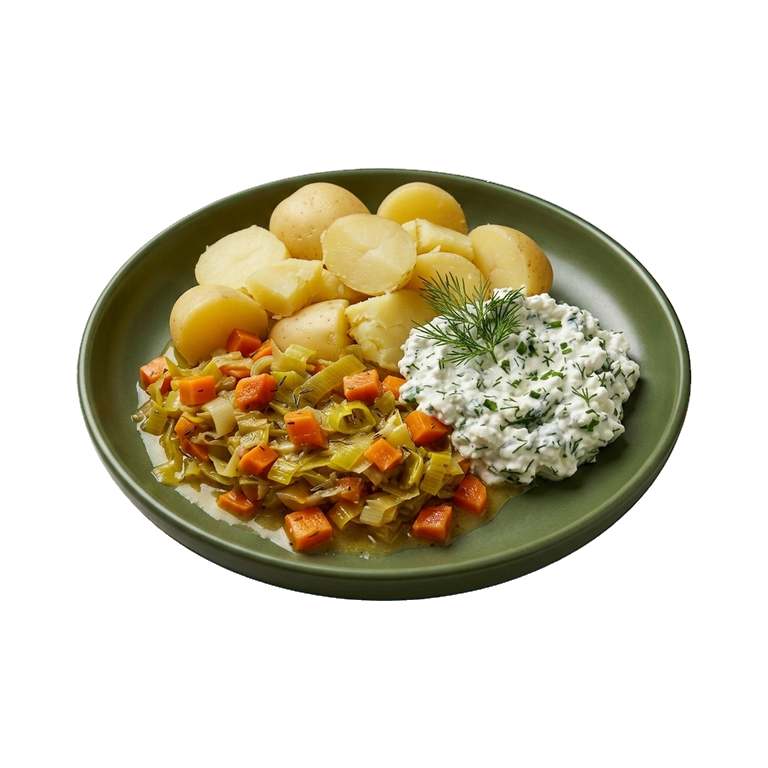
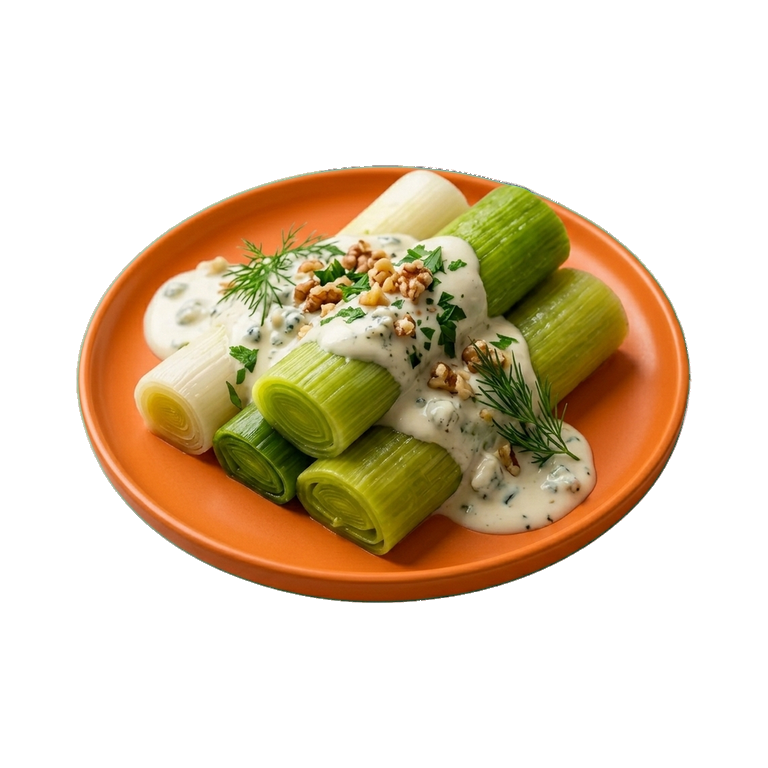
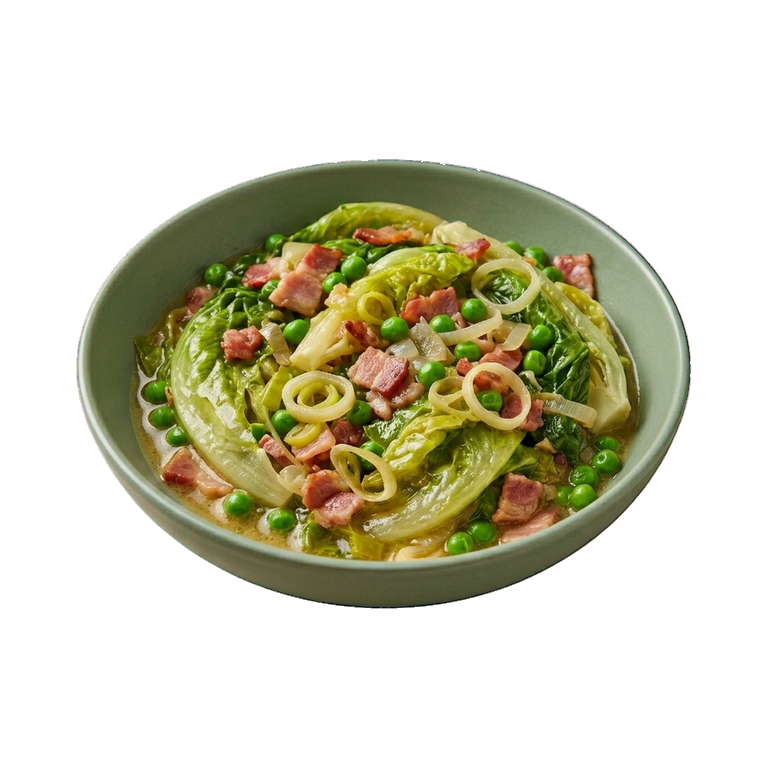
- In stews and side dishes — leek is stewed whole or in rings, becoming soft and sweet
- In pies and quiches — an excellent filling, especially combined with cheese and egg
- In salads — the white part is sliced thinly and used raw or lightly braised
- In meat and fish dishes — complements the main ingredient without overpowering its flavor
Combinations and Harmony
Leek pairs well with potatoes, carrots, and celery — this classic trio is perfect for broths and stews. It works beautifully with butter, cream, and cheese. White wine enhances its delicate flavor. It combines well with thyme, bay leaf, and black pepper. If you're cooking fish or seafood, leek is your reliable companion: its mild flavor doesn't compete with the tenderness of fish but complements it.
Selection and Storage
Look for leeks with white and light green parts, without dark spots or wilting. The stem should be firm, and the leaves should be crisp. The thicker the stem, the more tender it is — don't be afraid of large specimens. Remember that soil often accumulates inside the stem, so when preparing it, cut it lengthwise and rinse thoroughly between the layers.
Leek can be stored in the refrigerator for two to three weeks in the vegetable compartment, wrapped in a bag or paper. You can freeze chopped leek — it works great for soups and stews, although for raw dishes it's better to use fresh. Dried leek is rare, but when dried it becomes even more aromatic and stores for months.
Practical tip
Don't throw away the dark green leaves of leeks — they're perfect for broths. Put them in the freezer and use them when cooking broth together with carrots and celery. The white part remains for the main dish, but the leaves will also contribute to the depth of flavor.
Nutrition
per 100 g
- Calories
- 61 kcal
- Protein
- 1.5 g
- Fat
- 0.3 g
- Carbs
- 14.2 g
Micronutrients
per 100 g
Macronutrients
- Fiber
- 3 g
- Water
- 87.43 g
Minerals
- Sodium
- 17.66 mg
- Potassium
- 319 mg
- Calcium
- 51.41 mg
- Magnesium
- 15.68 mg
- Phosphorus
- 34.56 mg
- Iron
- 0.76 mg
- Zinc
- 0.29 mg
- Copper
- 0.06 mg
- Manganese
- 0.12 mg
Vitamins
- Vitamin B6
- 0.21 mg
Measures and weight
- 1 head
- 250 g
- 1 stalk
- 150 g
Measure calculator
- Weight
- 100 g
- Calories
- 61 kcal