Usuba
Usuba
Oatmeal
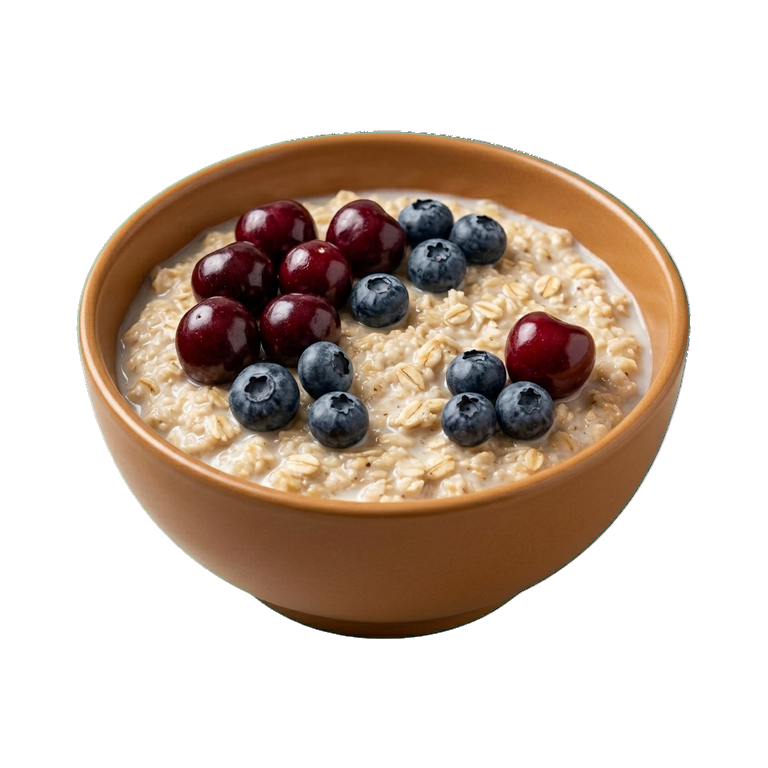
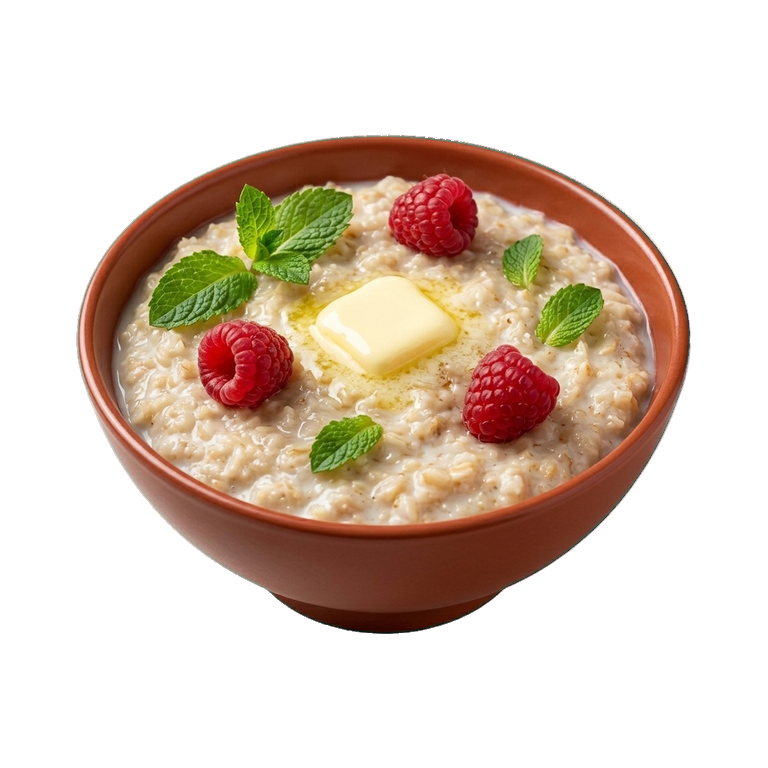
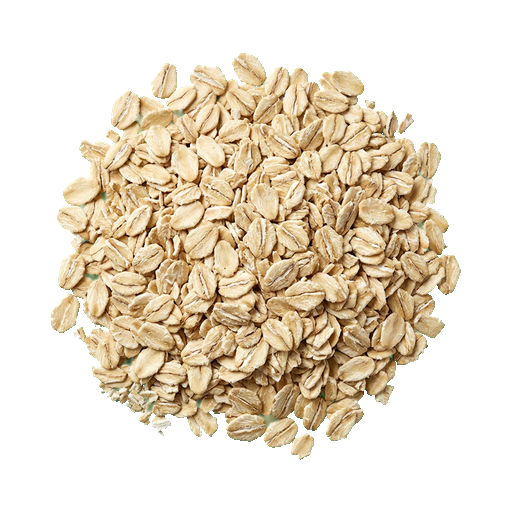
Oatmeal is pressed oat grains that cook quickly and readily absorb liquid and flavors from other ingredients. It serves as a base for porridges, is added to cookies, bread and bars, and is used to thicken soups and sauces. When choosing, pay attention to the degree of processing: thin flakes cook for 3–5 minutes, while large flakes require 15–20 minutes, which affects the consistency of the finished dish.
About
Oatmeal is not just a breakfast, but a versatile ingredient that works everywhere: in porridge, baking, smoothies, and even as a breading for cutlets. They are produced by steaming and pressing oat grains, so they cook quickly and retain the maximum beneficial properties of the original product.
In the kitchen, it's important to understand the difference between types: large flakes require more cooking time and produce a looser texture, while fine flakes cook in just a couple of minutes and create a creamy consistency. Your choice depends on what you're preparing and what result you expect.
Taste and Aroma
Oatmeal has a soft, slightly nutty flavor with barely noticeable sweetness. The aroma is neutral and delicate, so it doesn't overpower other ingredients but instead serves as an ideal base. When heated, the nutty note becomes more pronounced — this is especially noticeable if you lightly toast the oats in a dry pan before cooking.
Raw flakes have a crispy and light texture, and when cooked they absorb liquid and become soft, almost creamy. This property makes them convenient for experimentation: you can cook them until completely softened or leave them slightly al dente for contrast.
Where to use
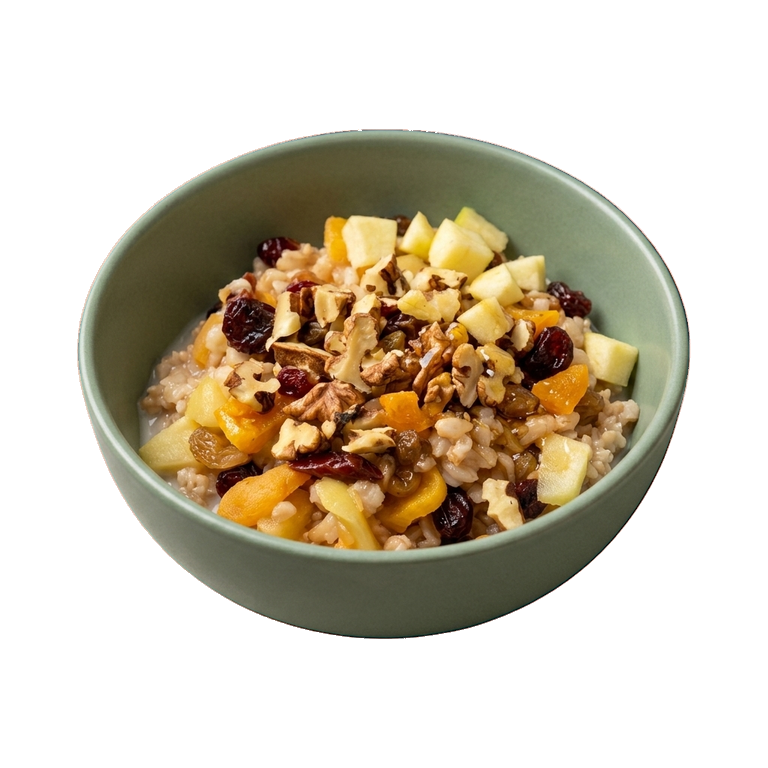
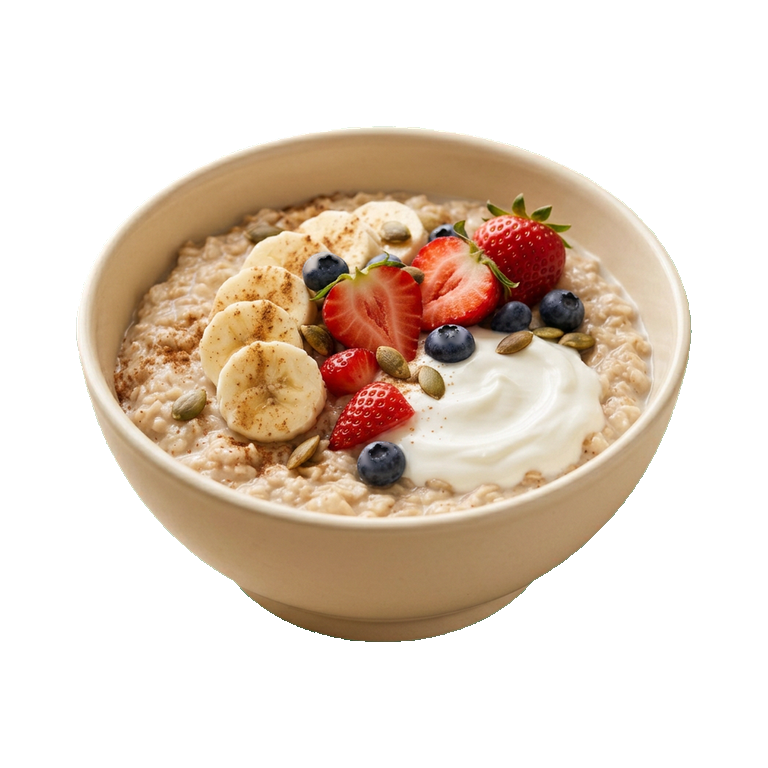
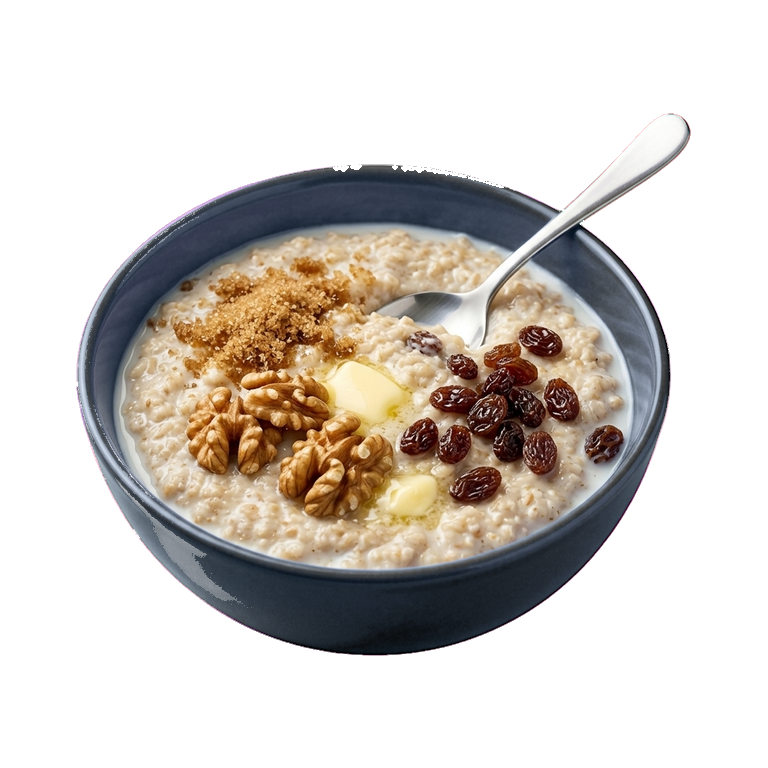
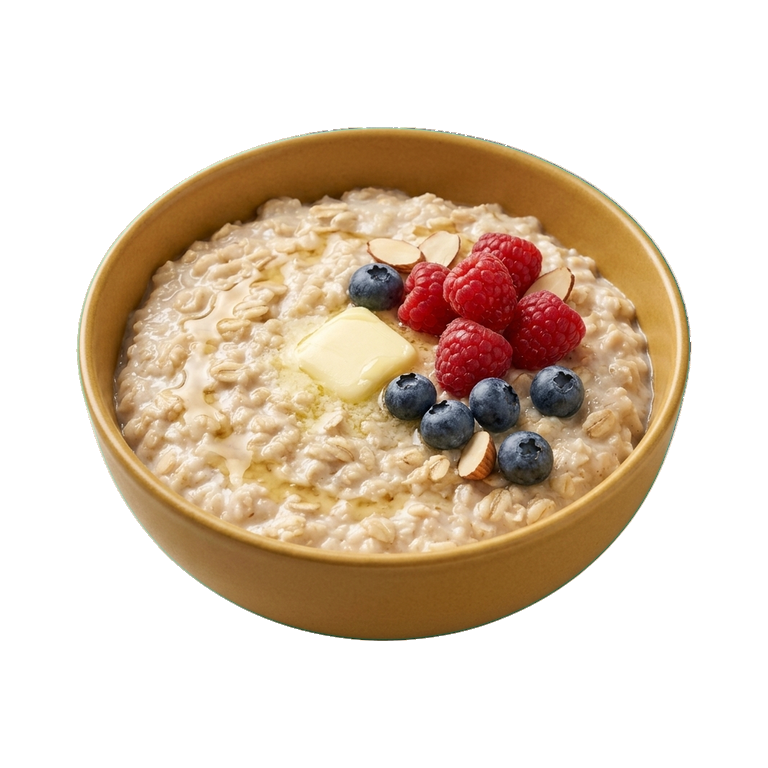
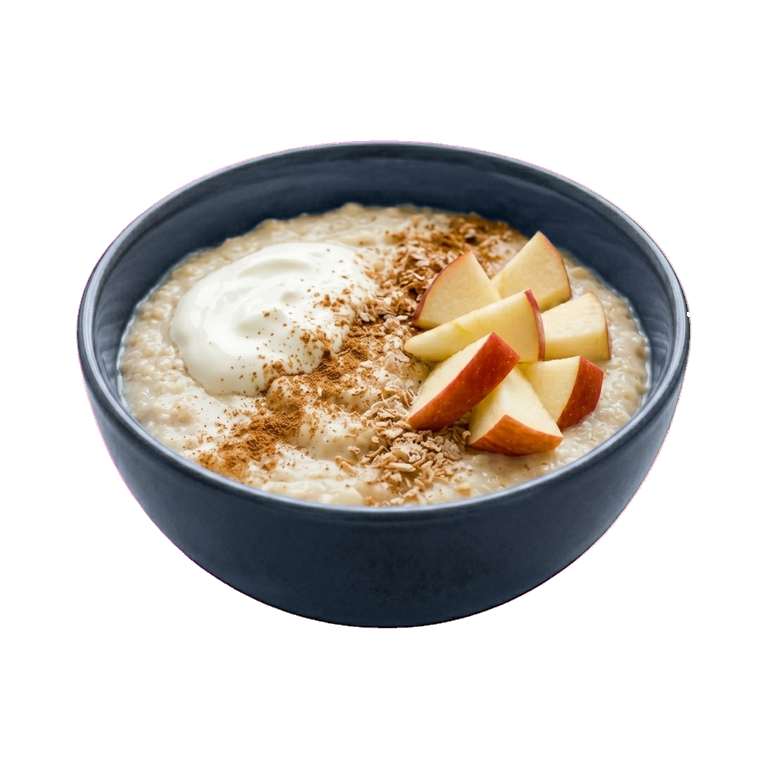
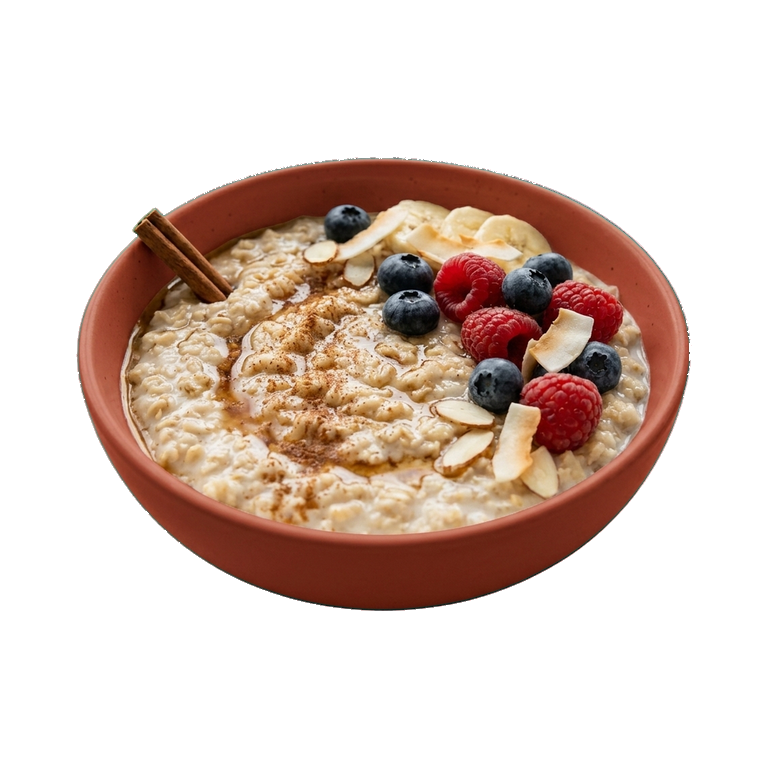
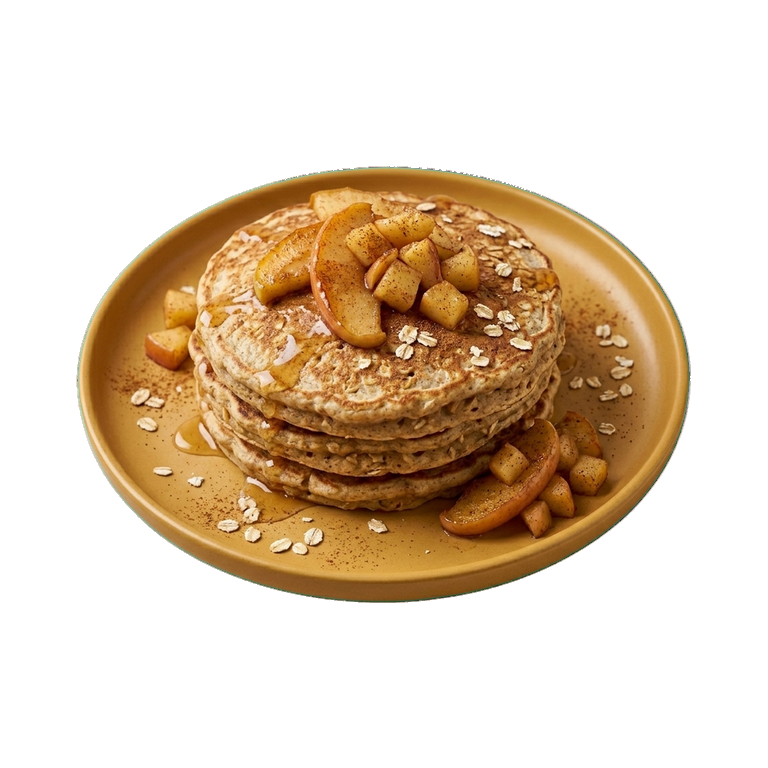
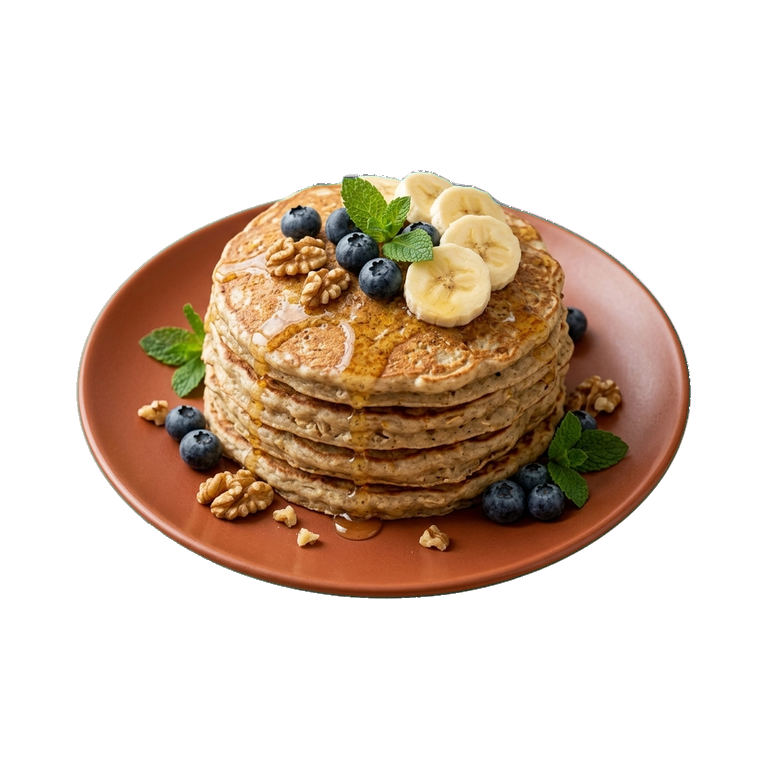
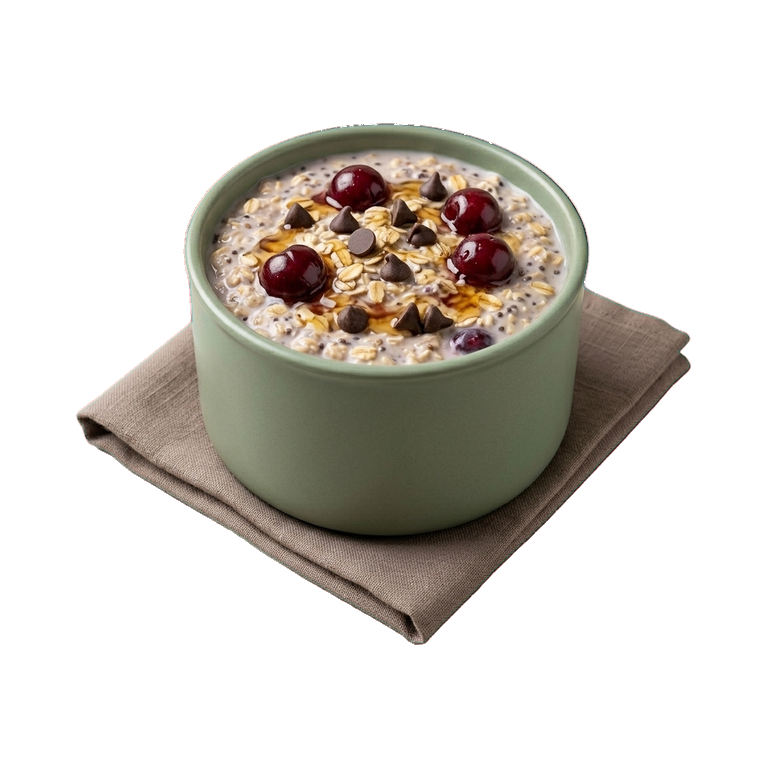
- Porridges and milk porridges — a classic that works every time
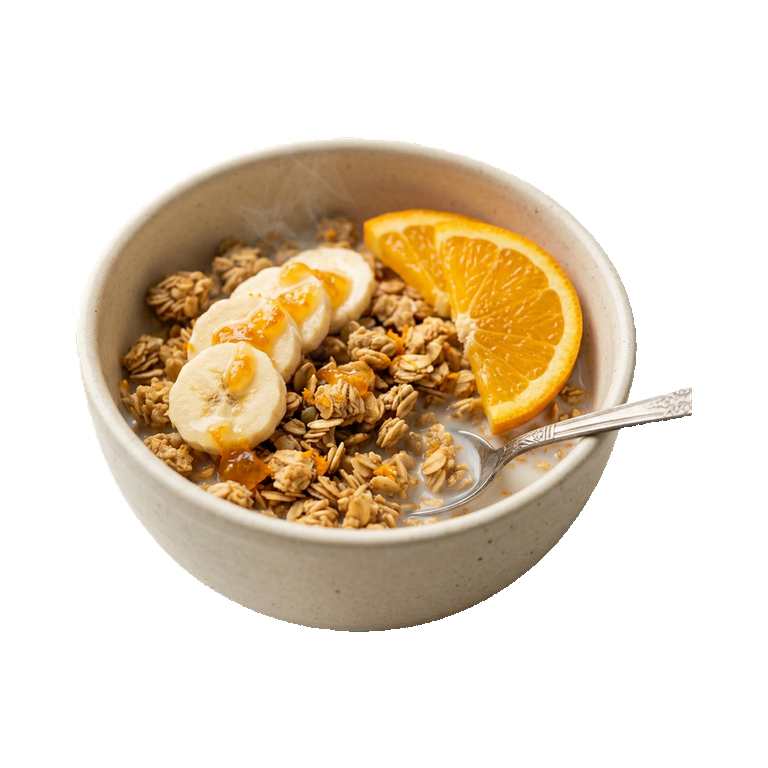
- Smoothies and smoothie bowls — add satiety and creaminess
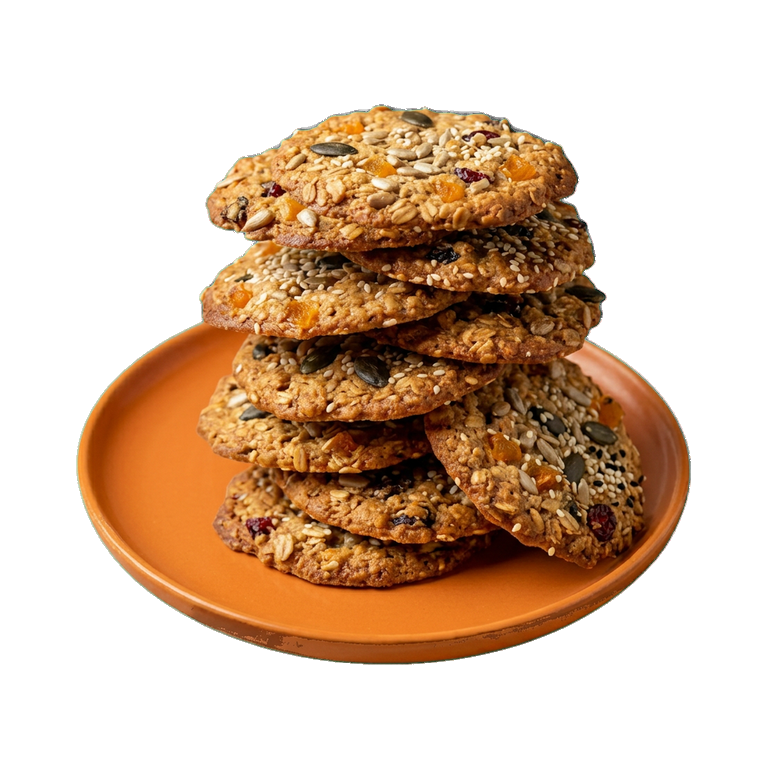
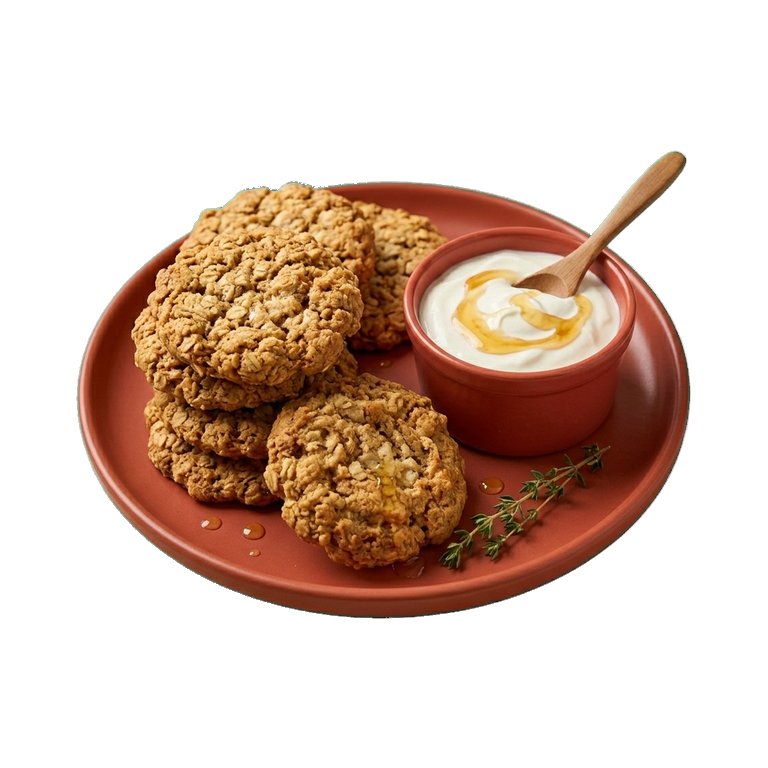
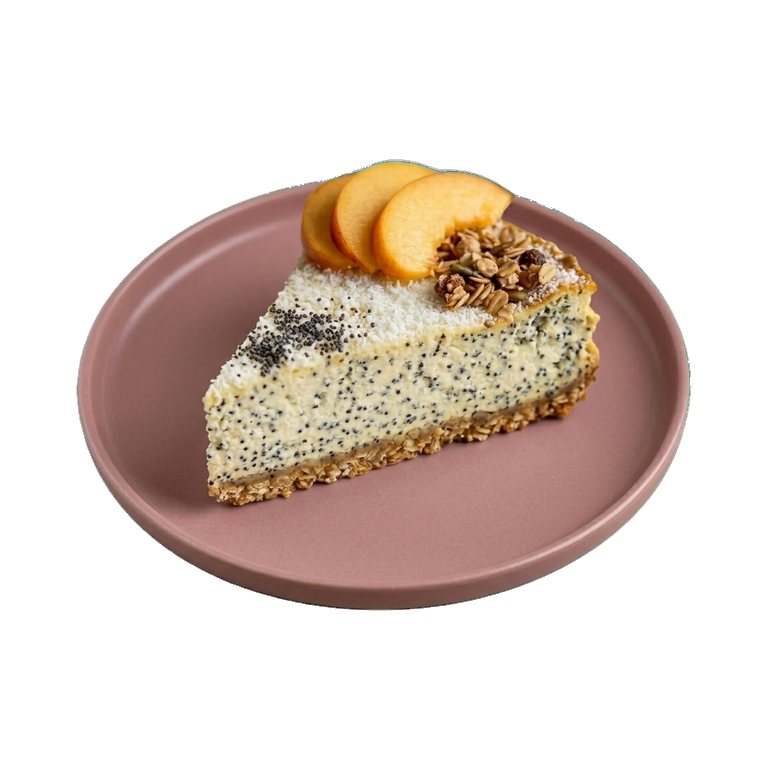
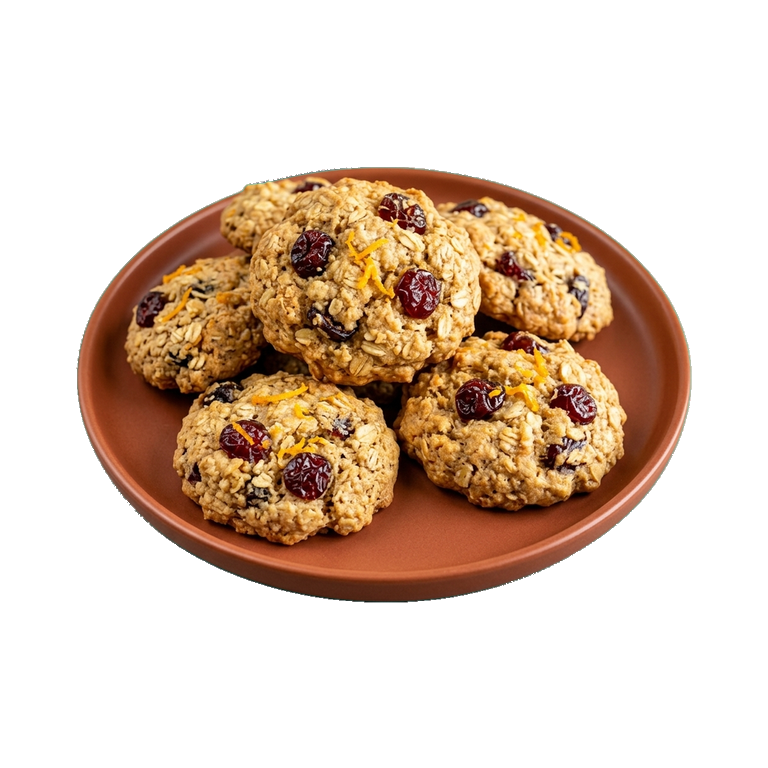
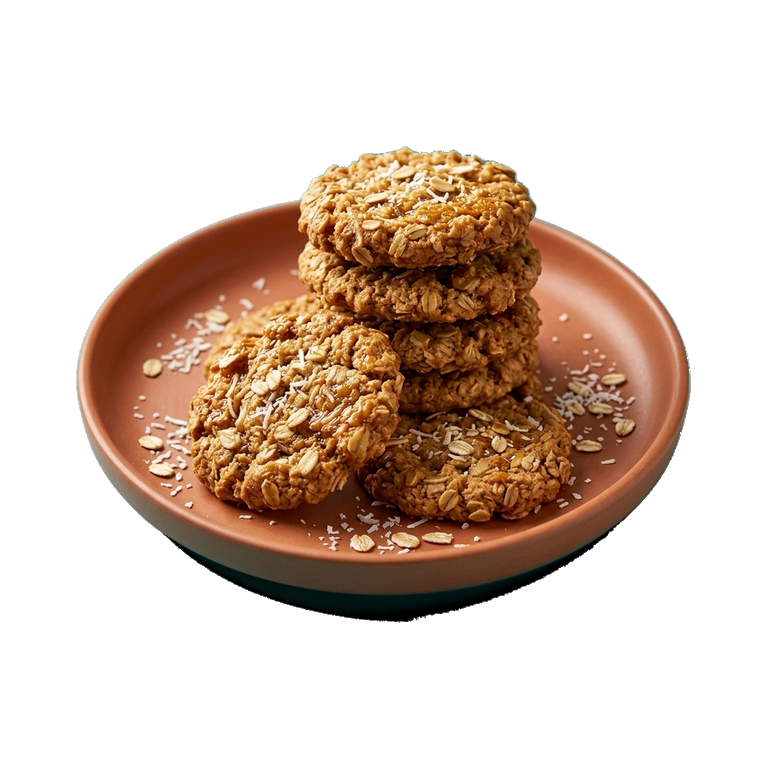
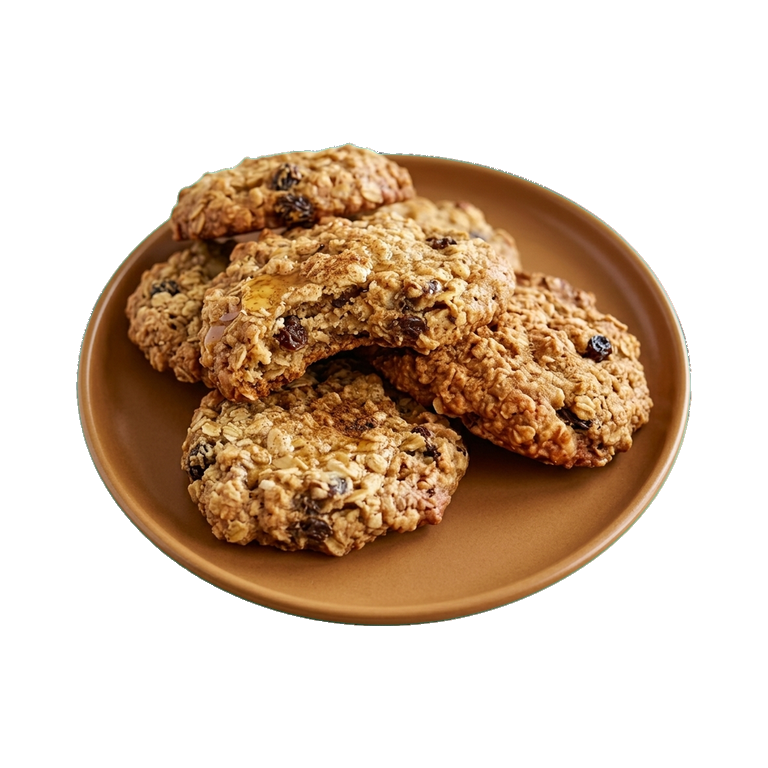
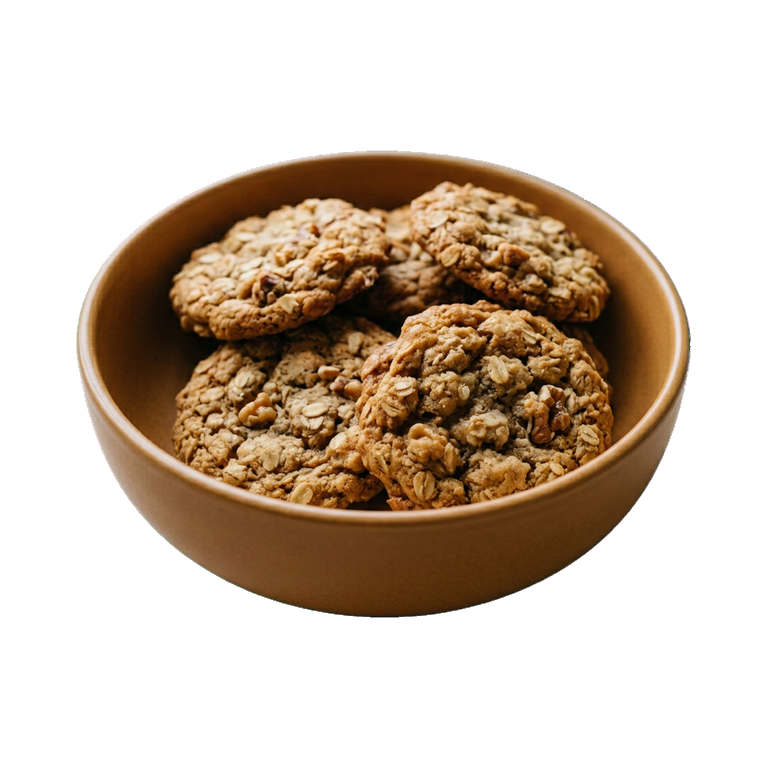
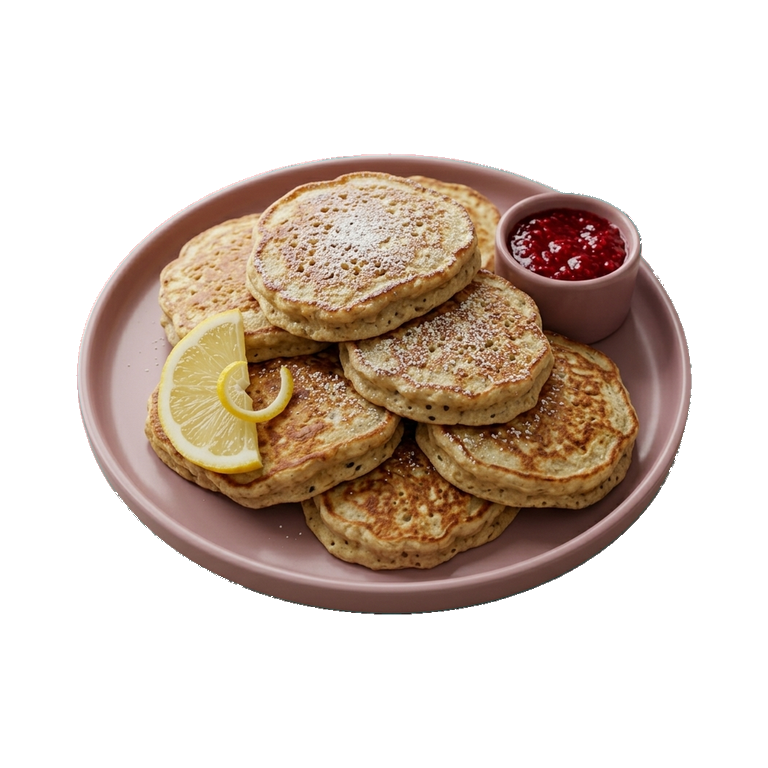
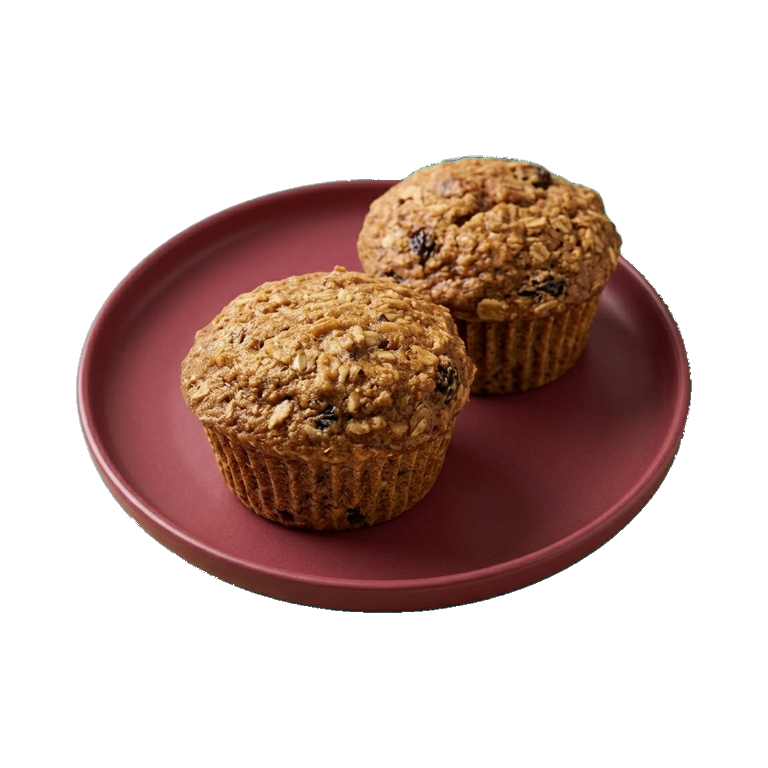
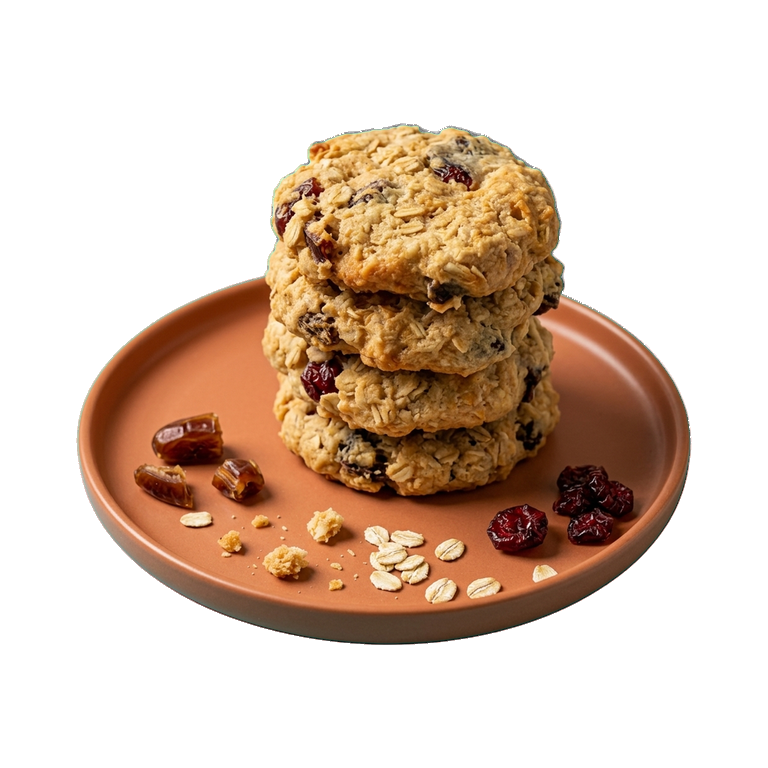
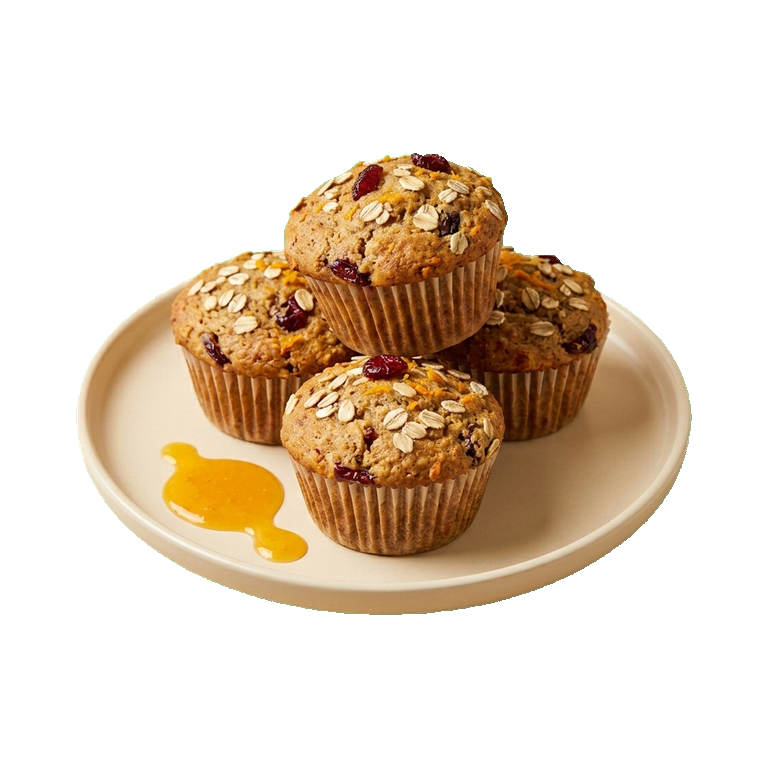
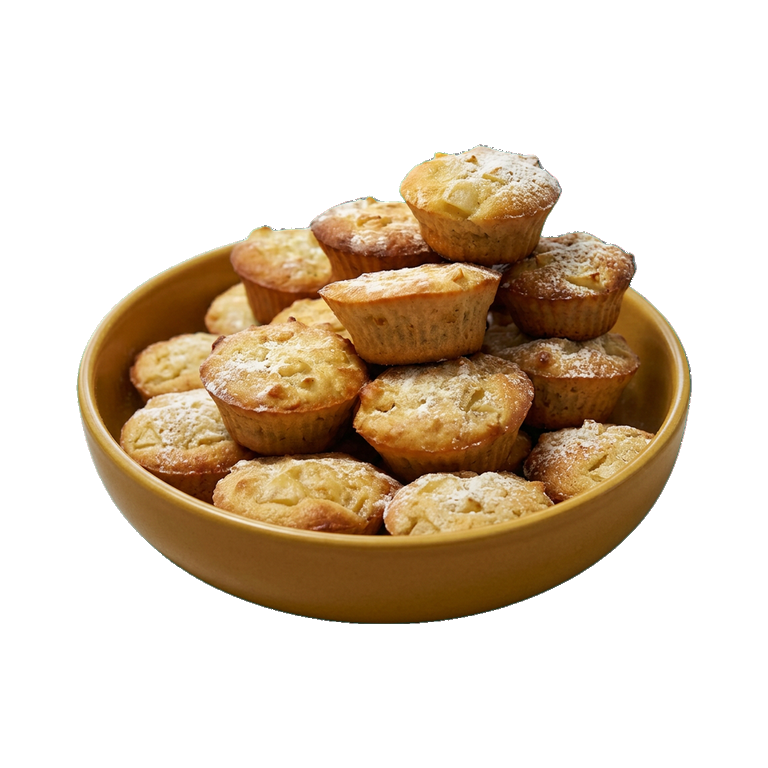
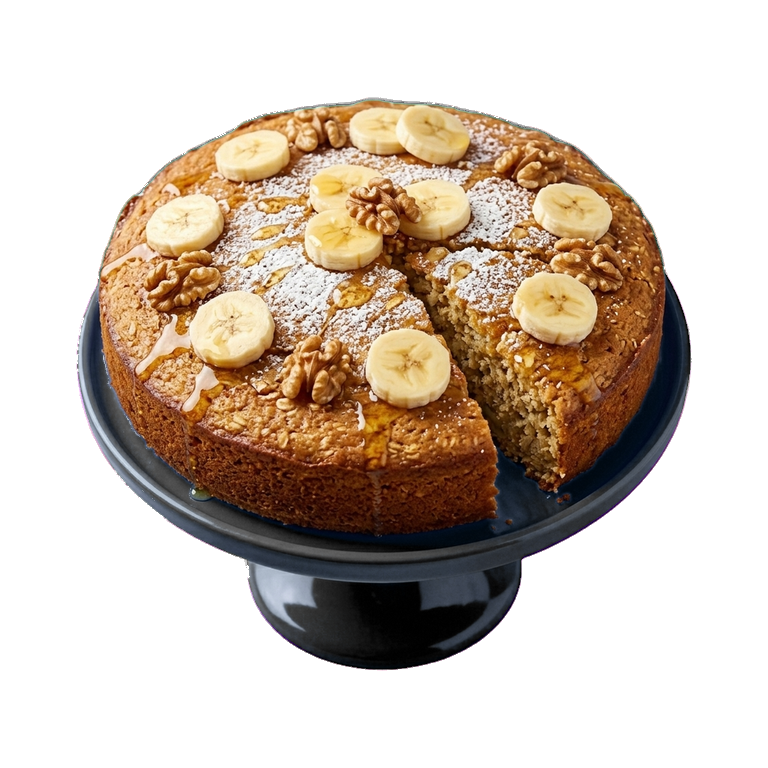
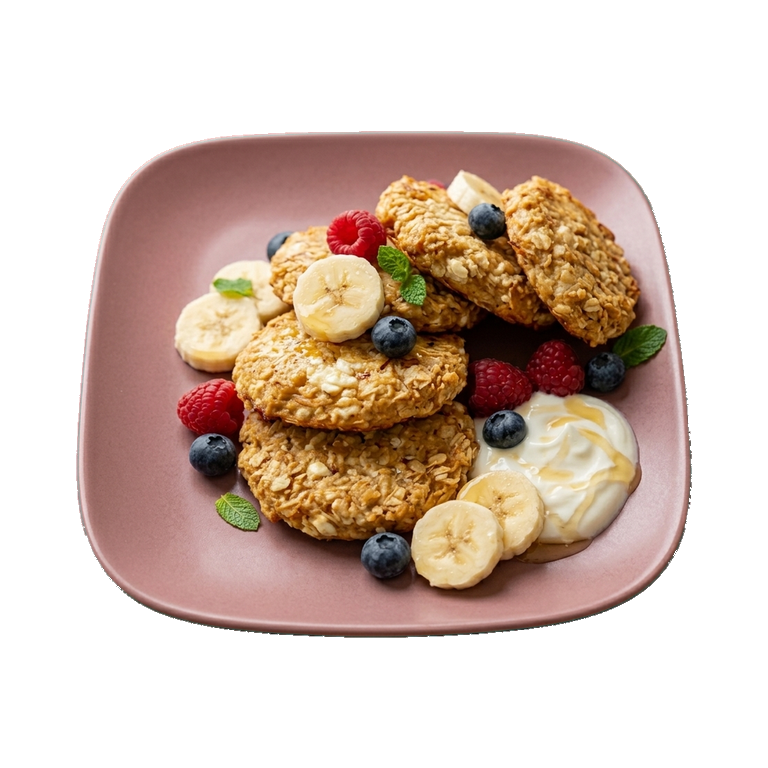
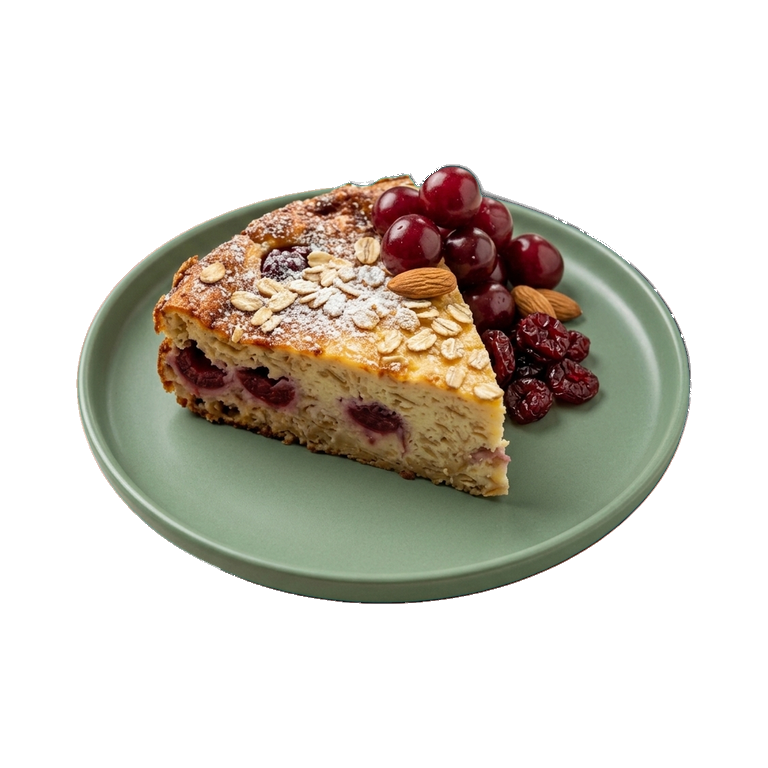
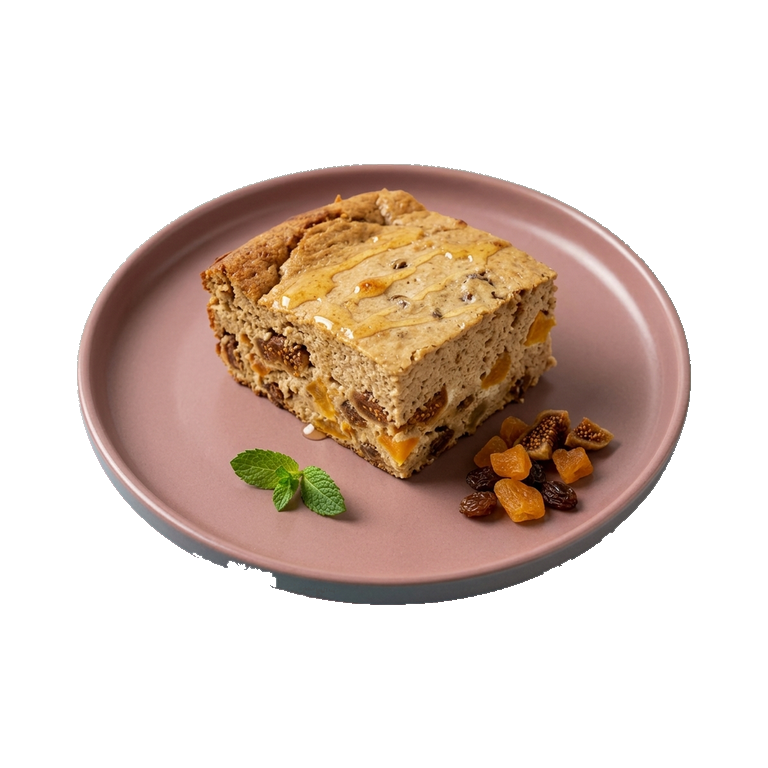
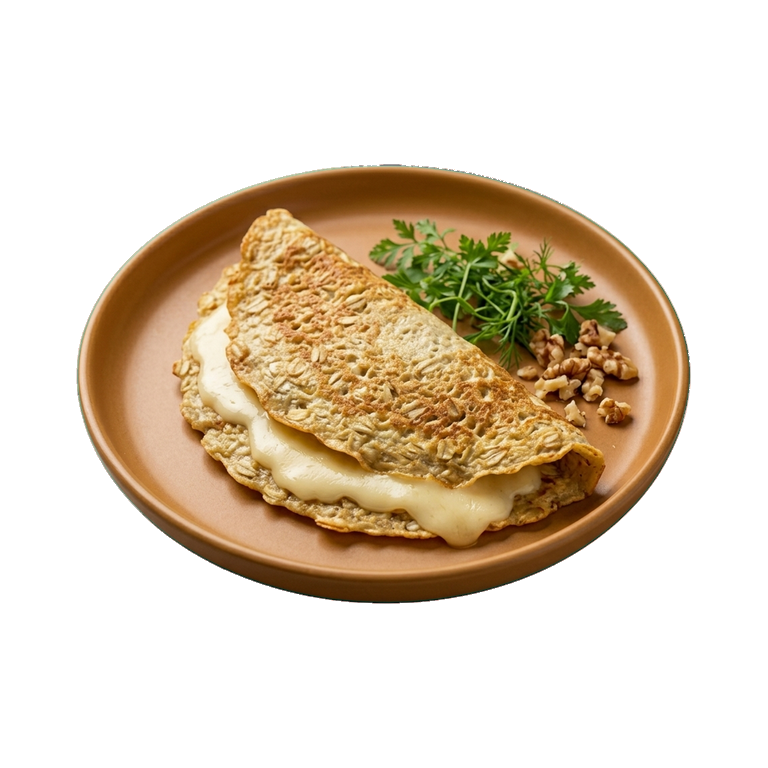
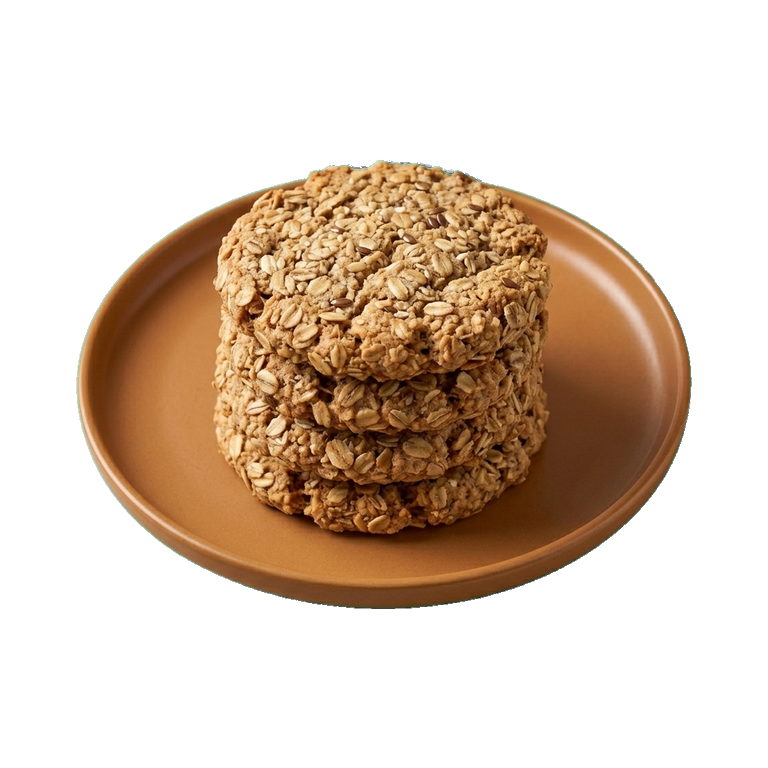
- Cookies, cupcakes, bread — flakes make baked goods more moist and fluffy
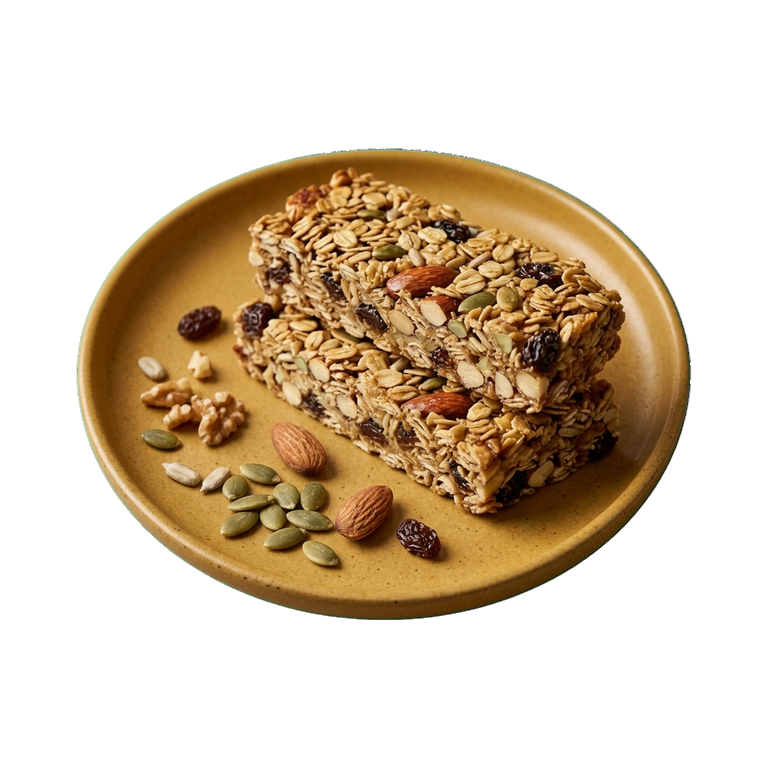
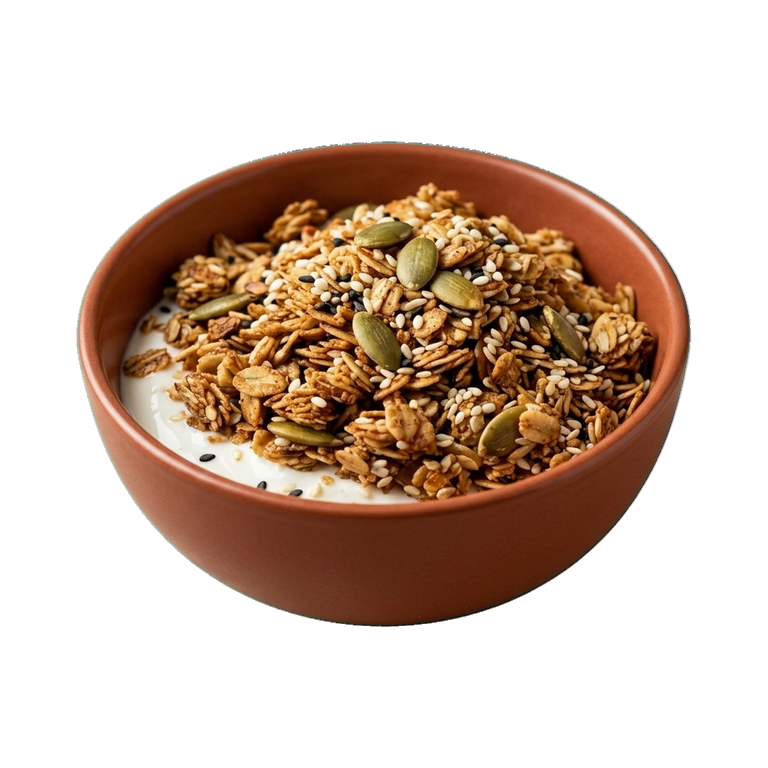
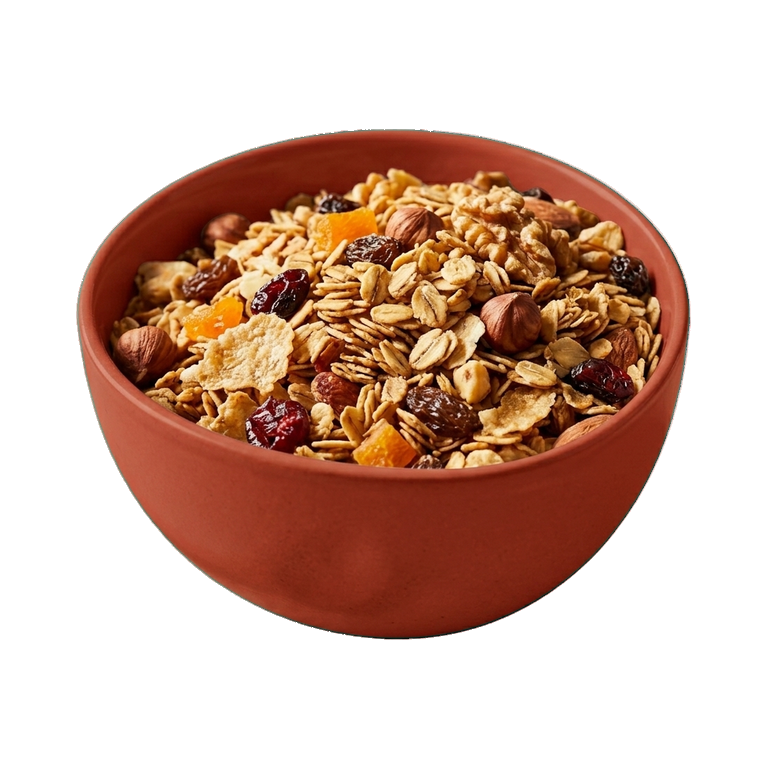
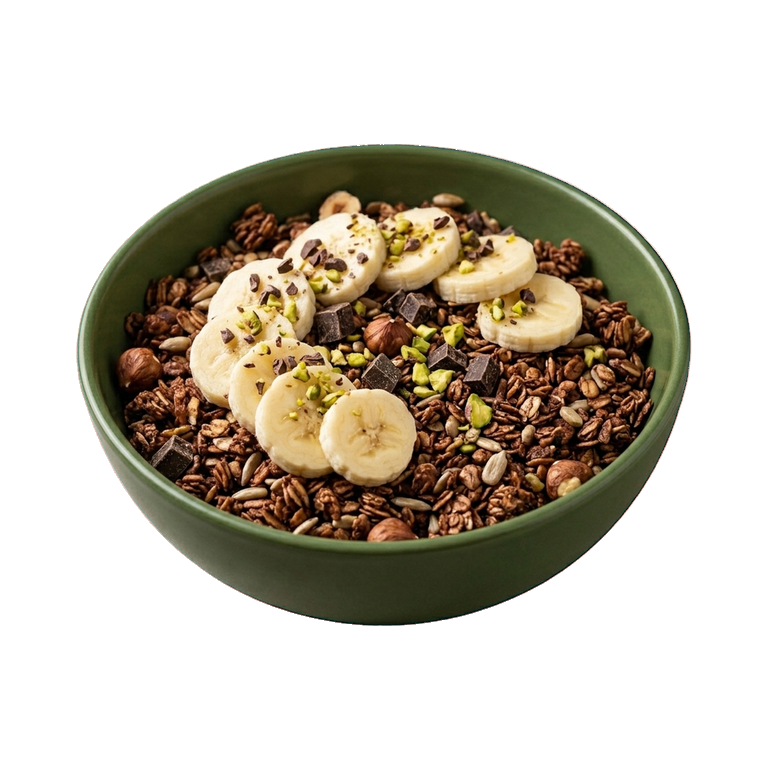
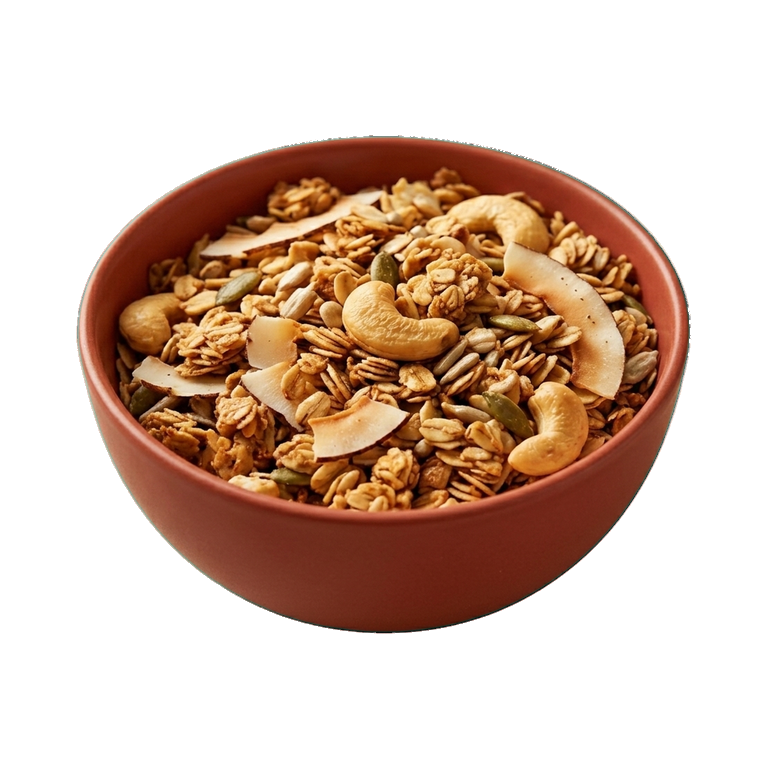
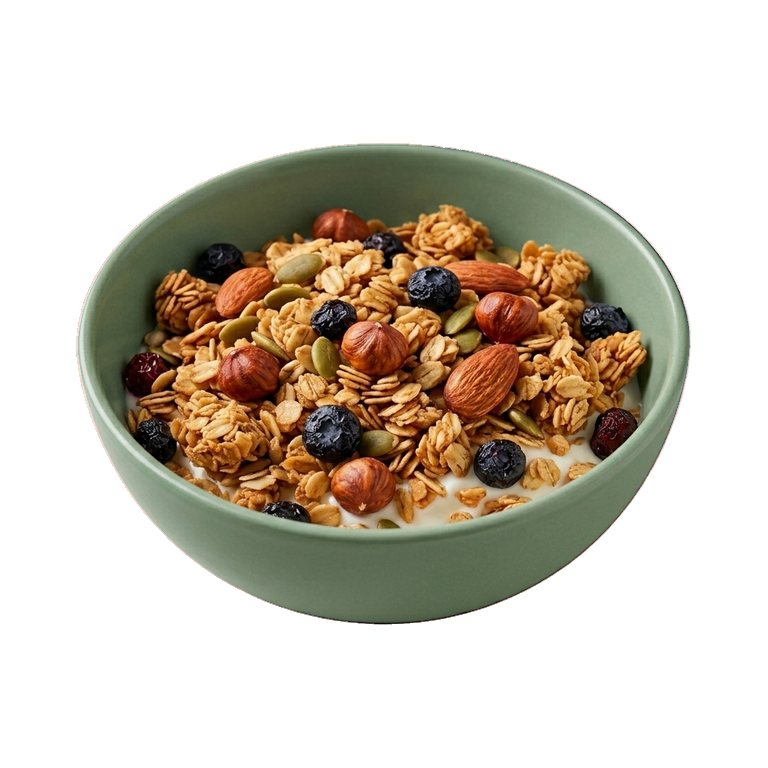
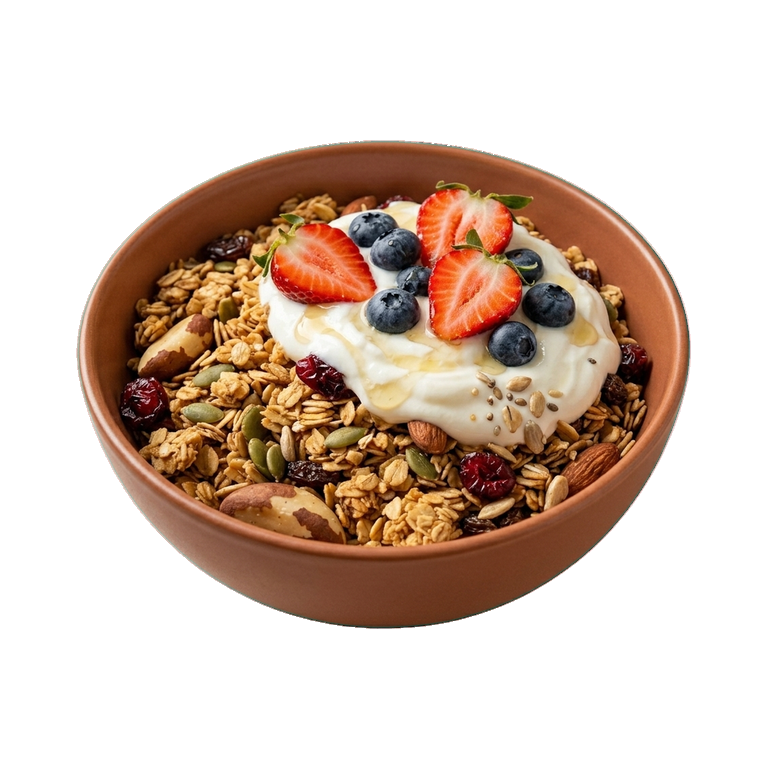
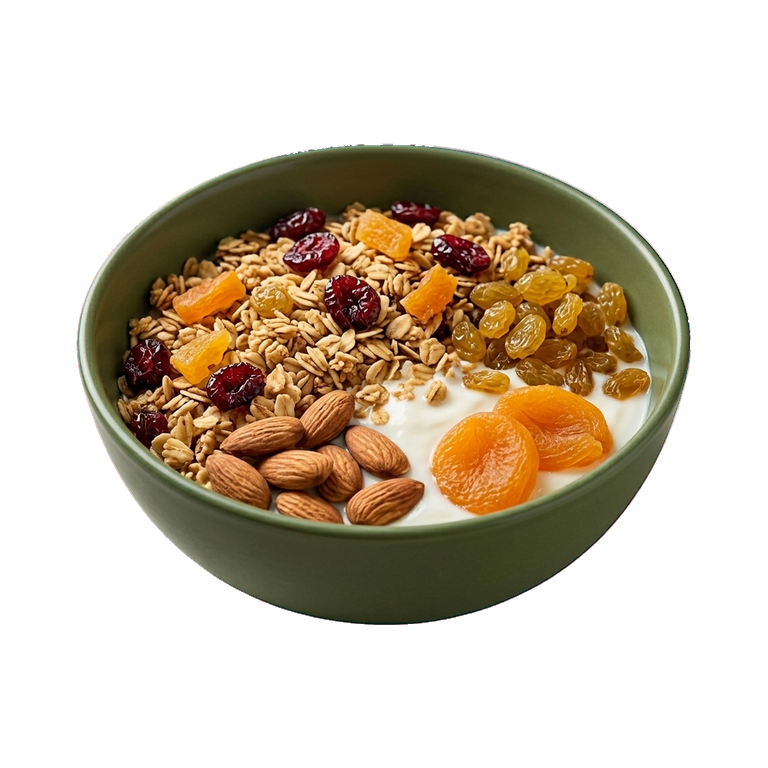
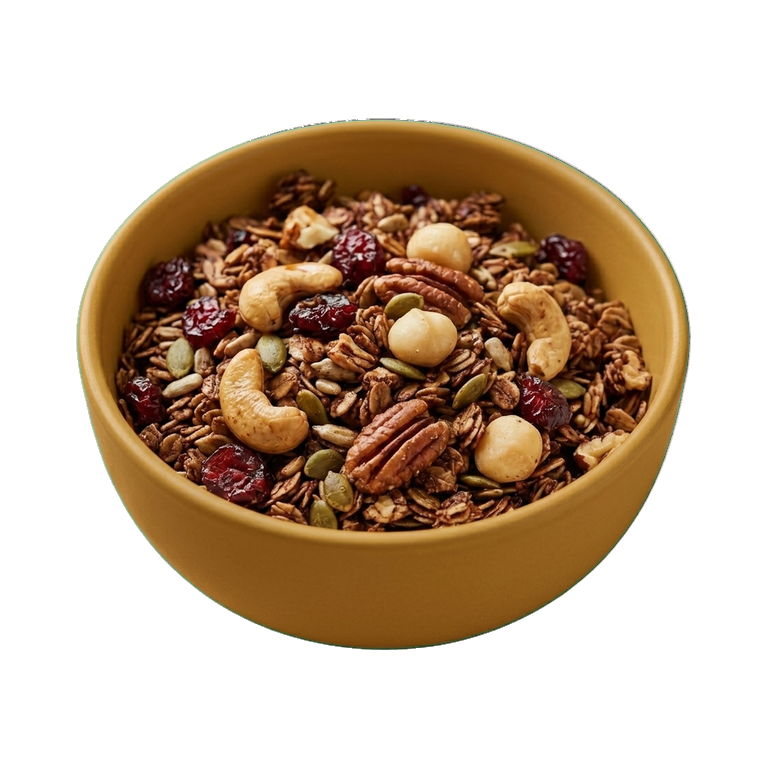
- Granola and muesli — the base for homemade mixes
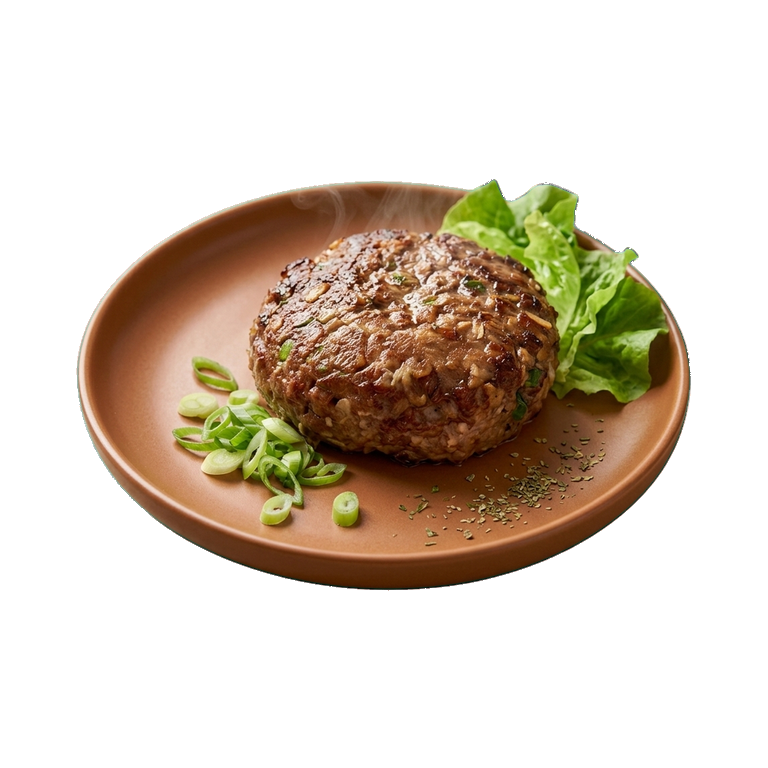
- Breading for fish and poultry — instead of regular flour or breadcrumbs
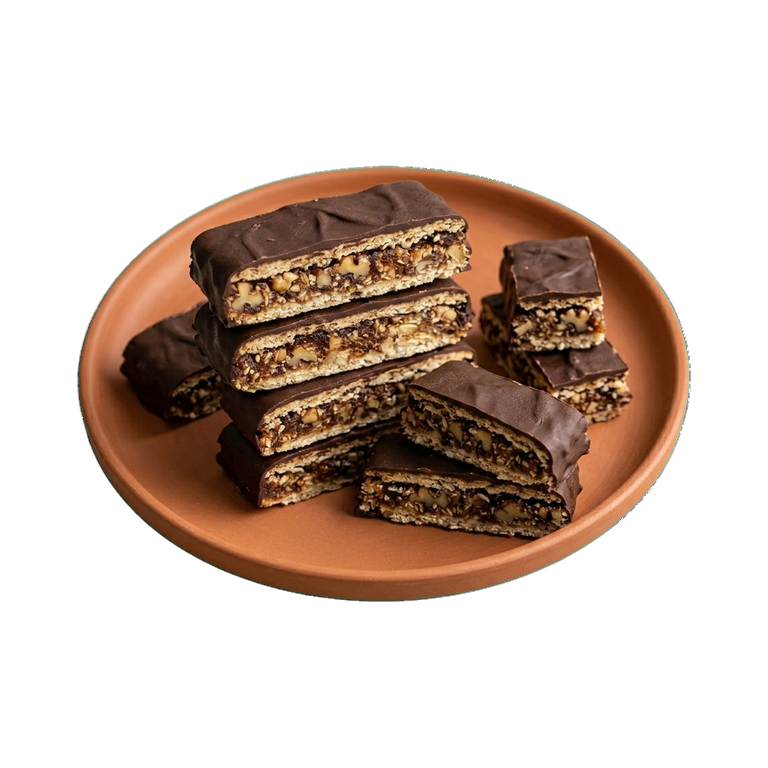
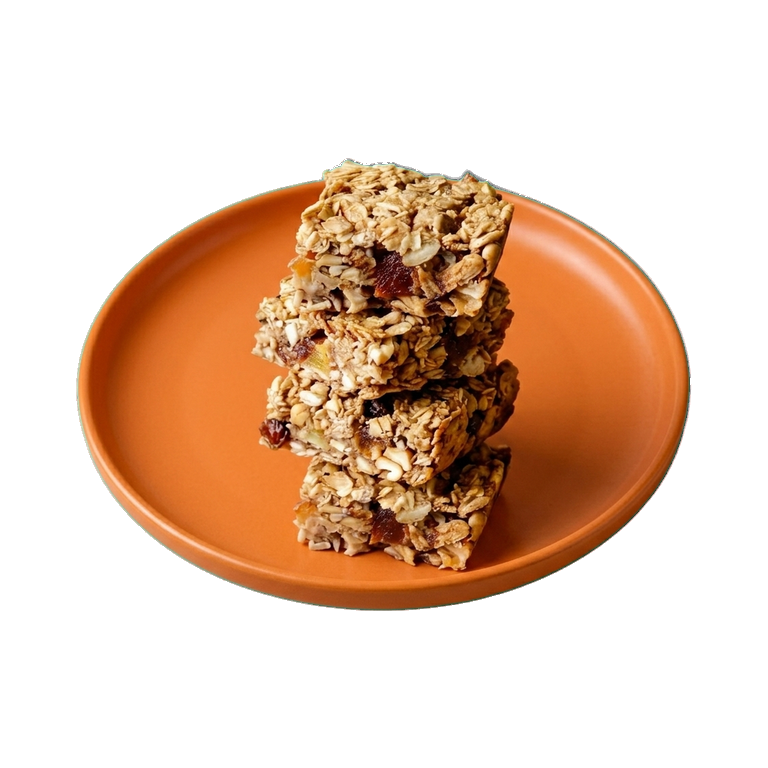
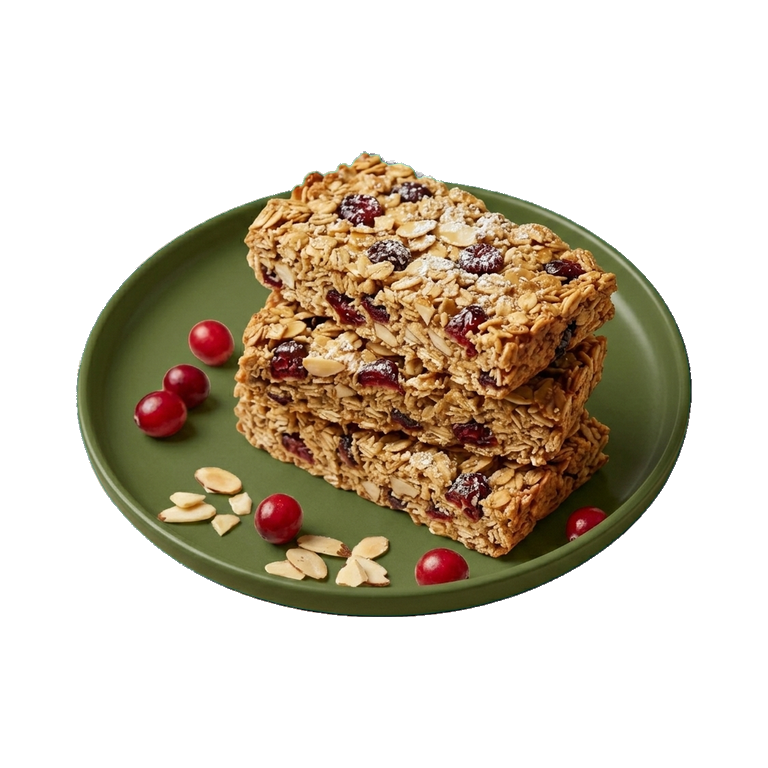
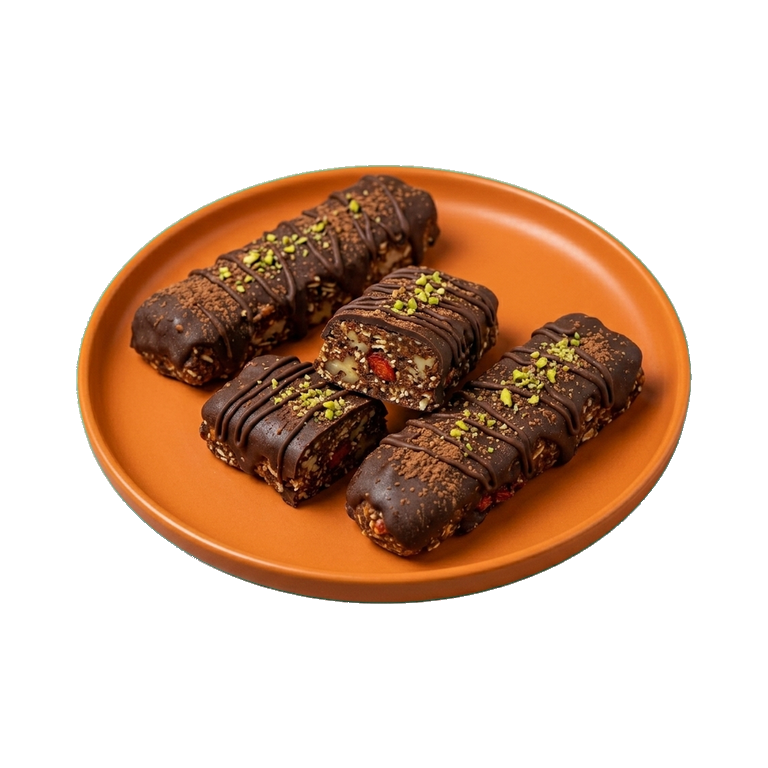
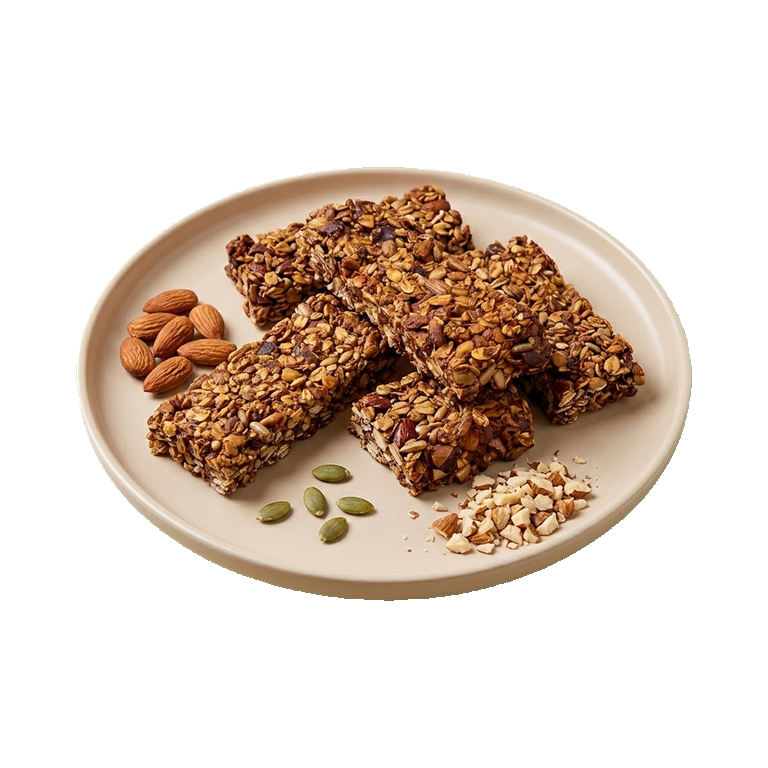
- Energy bars and truffles — bind ingredients and add texture
Perfect Pairings
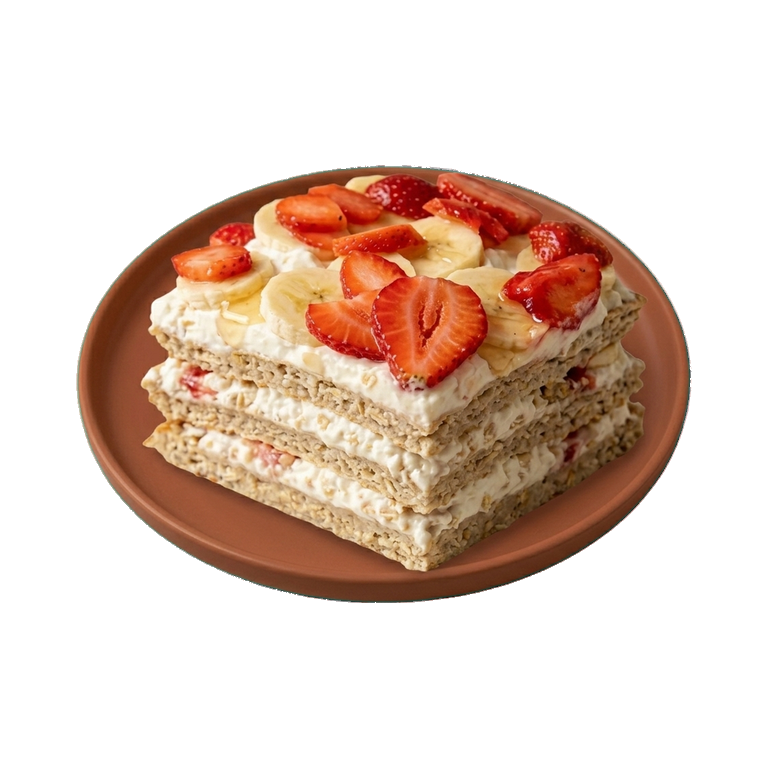
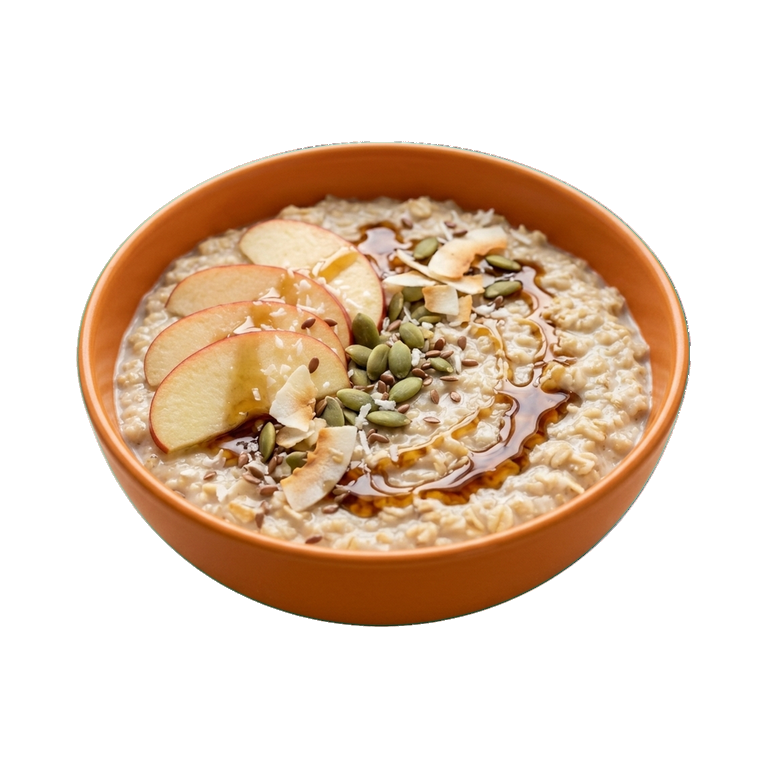
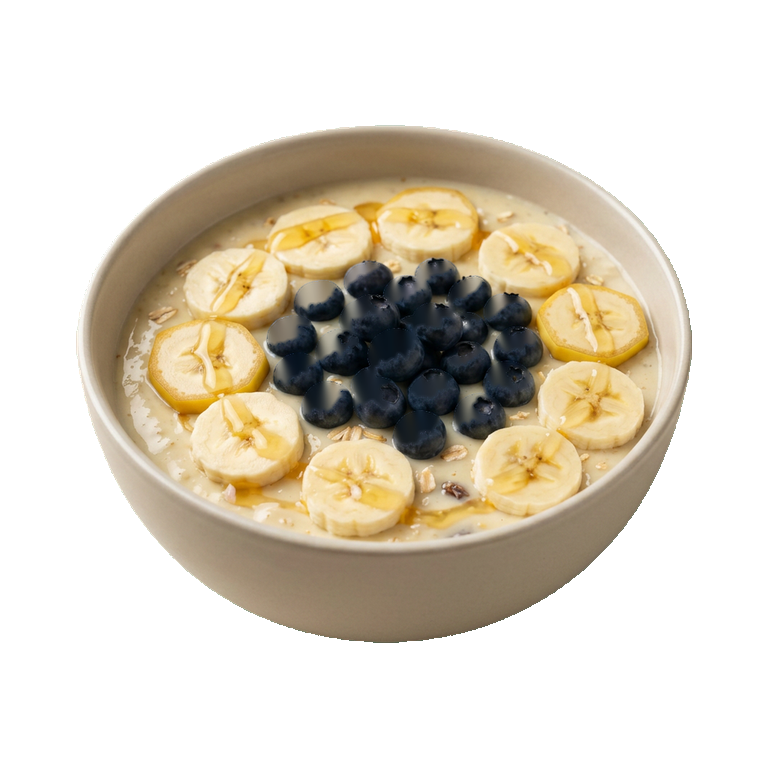
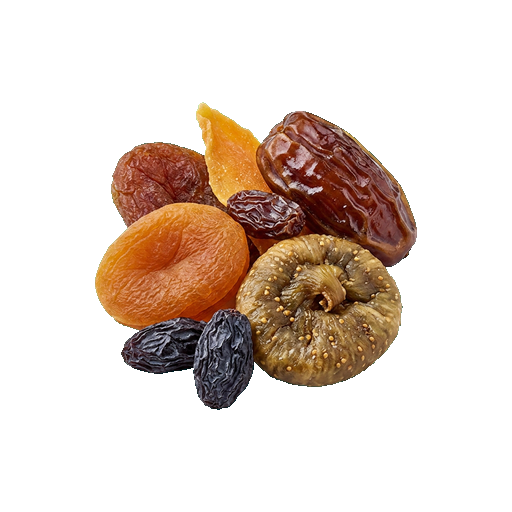
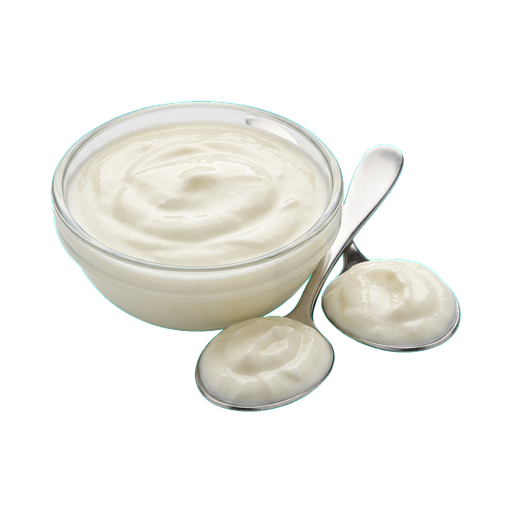
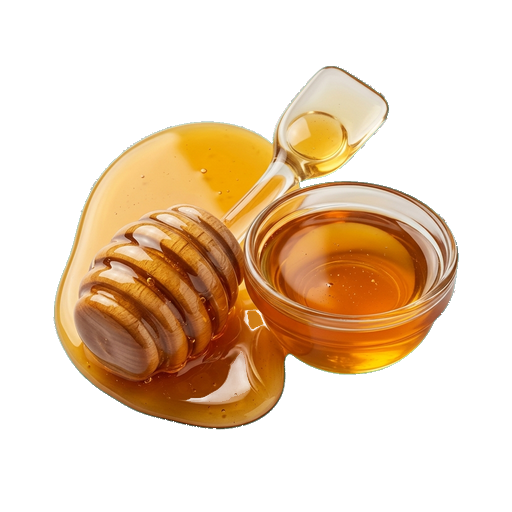
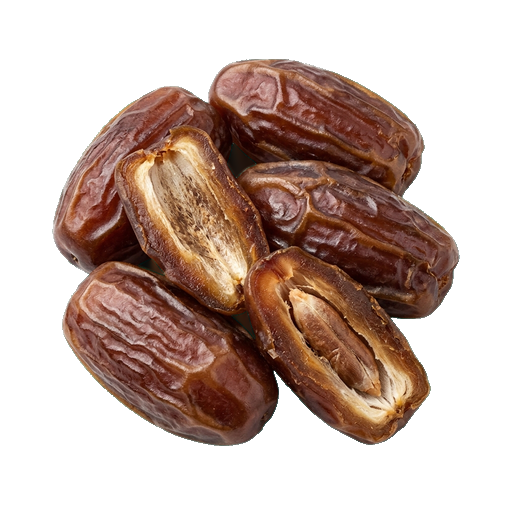
Oatmeal pairs well with fruits — especially apples, bananas, and berries. Spices like cinnamon and cardamom highlight the nutty undertone. Honey, maple syrup, and brown sugar enhance sweetness. Combined with dairy products (yogurt, cottage cheese, milk), they create hearty and complete dishes. Nuts, seeds, and dried fruits add textural contrast.
How to Choose and Store
- Pay attention to the packaging date — fresh flakes have a more pronounced aroma
- Check for lumps or moisture in the package — this is a sign of improper storage
- Choose flakes without added sugar and flavorings if you're preparing sweet dishes yourself
- Store in a tightly closed container in a cool, dry place — moisture is the enemy of flakes
- With proper storage, flakes remain fresh for 6–8 months, but it's better to use them within 3–4 months
If you want to fully reveal the flavor of oatmeal, lightly roast it in a dry pan before cooking. It will only take 2–3 minutes, but the aroma will become noticeably richer.
Nutrition
per 100 g
- Calories
- 389 kcal
- Protein
- 10.7 g
- Fat
- 6.9 g
- Carbs
- 66.3 g
Measures and weight
- 1 tbsp
- 7.5 g
- 1 tsp
- 2.5 g
- 1 cup
- 125 g
Measure calculator
- Weight
- 100 g
- Calories
- 389 kcal