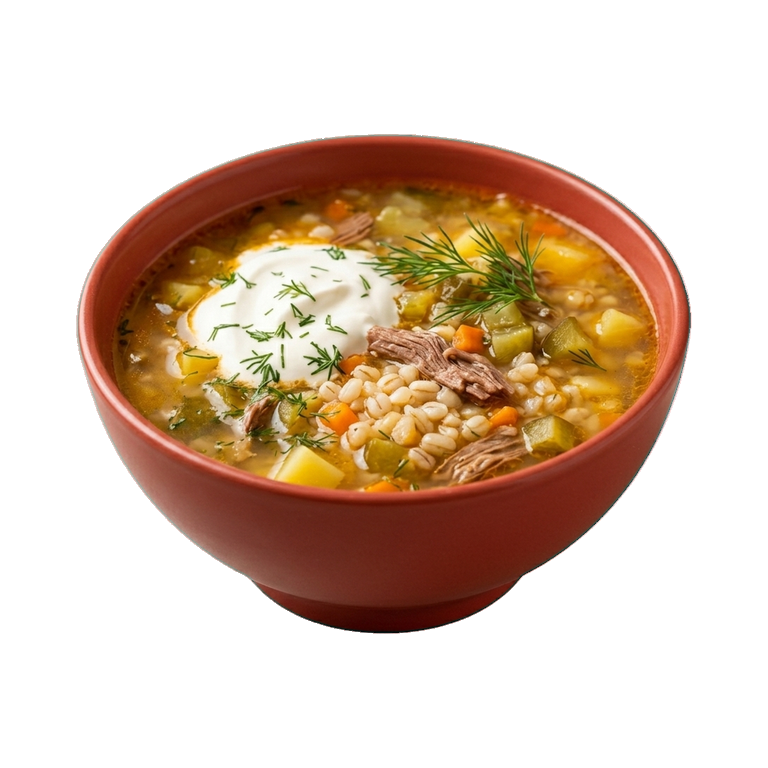
Usuba
Usuba
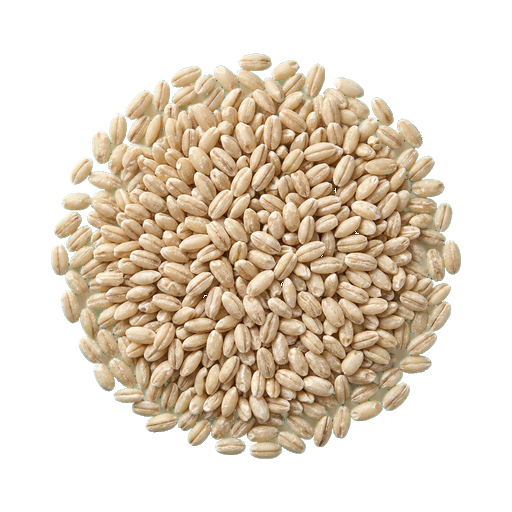
Pearl barley
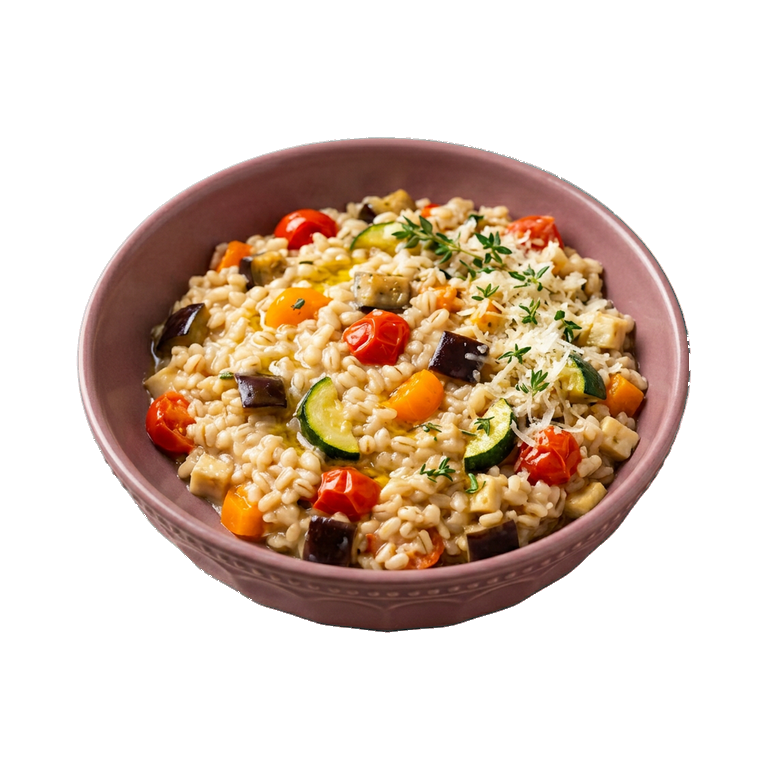
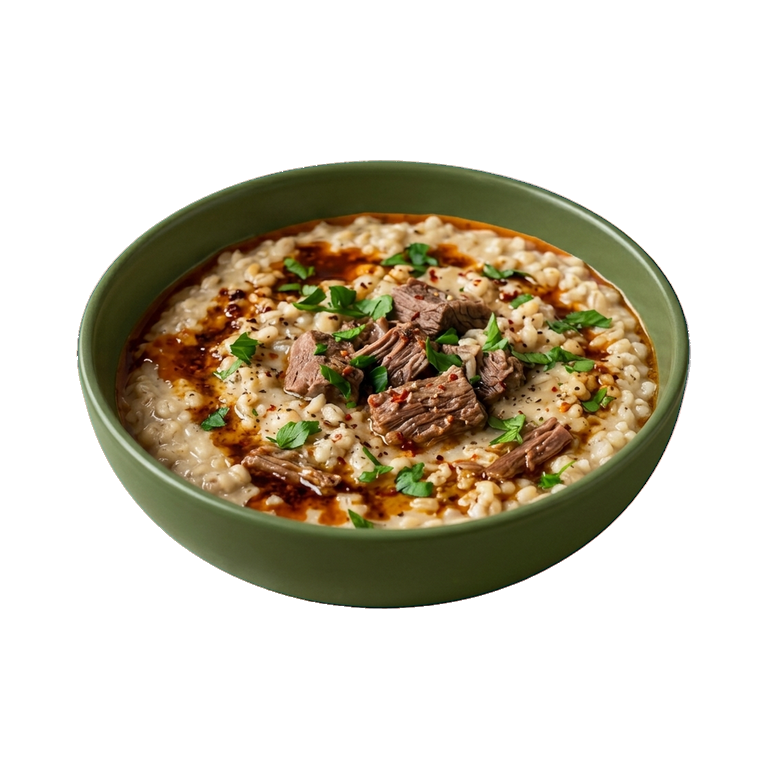
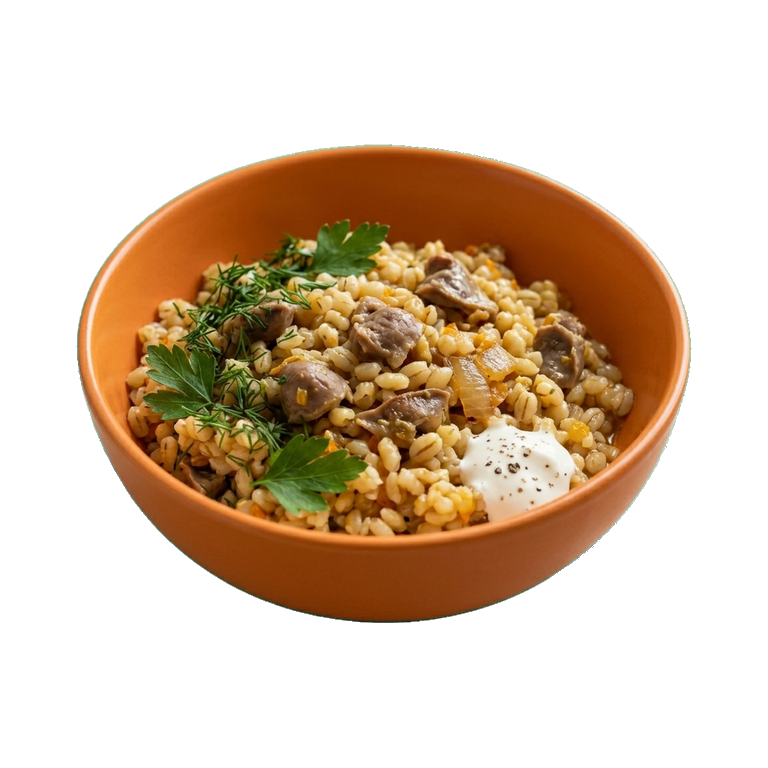
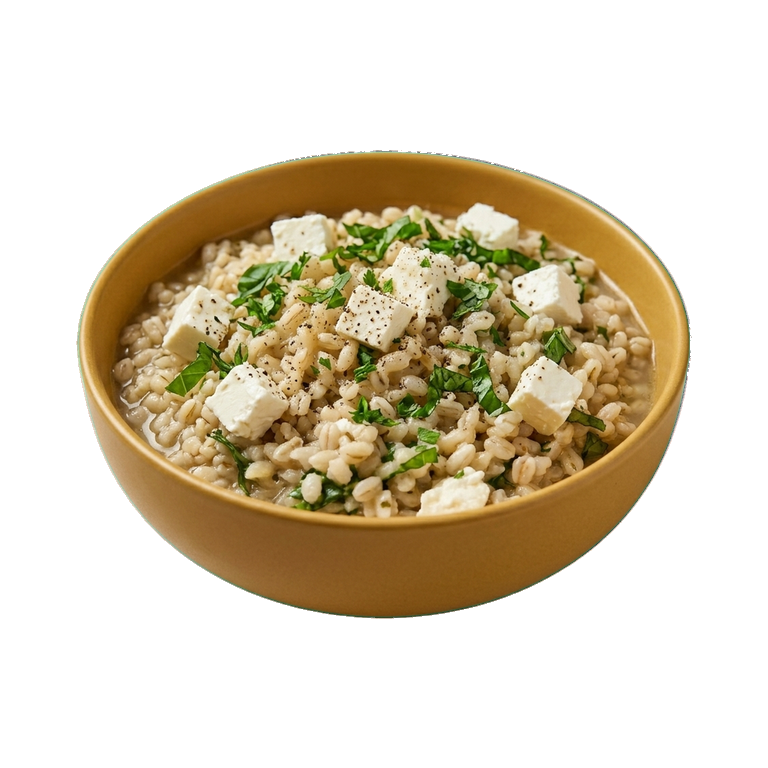
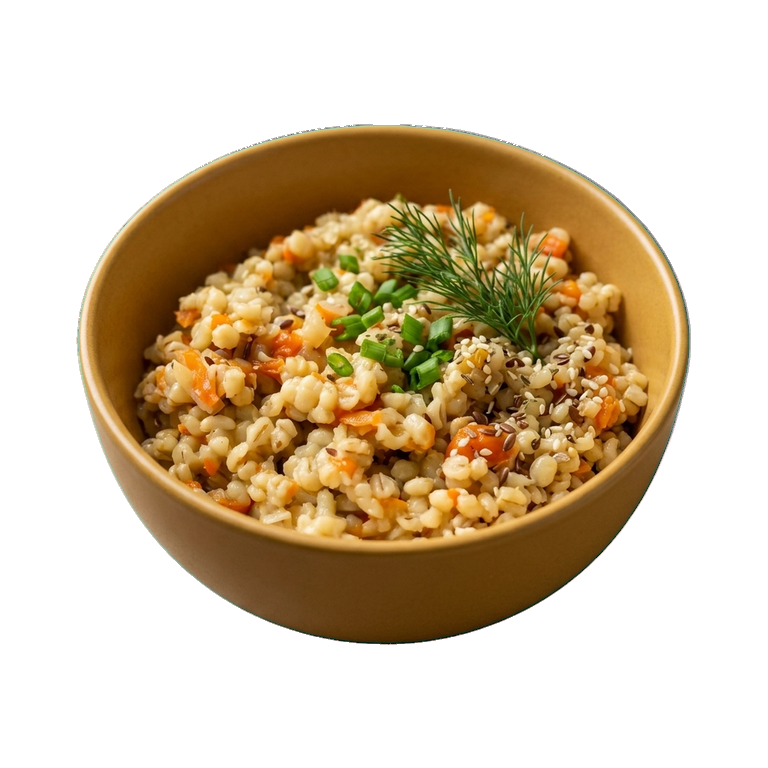
Pearl barley is cleaned and polished barley grains with an elongated shape and beige-white color. When cooked, the grains swell significantly, absorb liquid, and become soft with a slight viscous texture, making it an ideal base for hearty soups, porridges, and side dishes. Pearl barley has a neutral, slightly nutty flavor and requires prolonged cooking (40–60 minutes), so it is often pre-soaked to speed up the preparation process.
Micronutrients
per 100 g
Minerals
About
Pearl barley is cleaned and polished barley grains that are often underestimated in modern cuisine. In fact, it is a versatile ingredient that holds its shape during cooking, absorbs the flavors of broths and sauces, and remains affordable. If you've only cooked pearl barley in a school cafeteria, it's time to reconsider your attitude toward it.
Taste and Texture
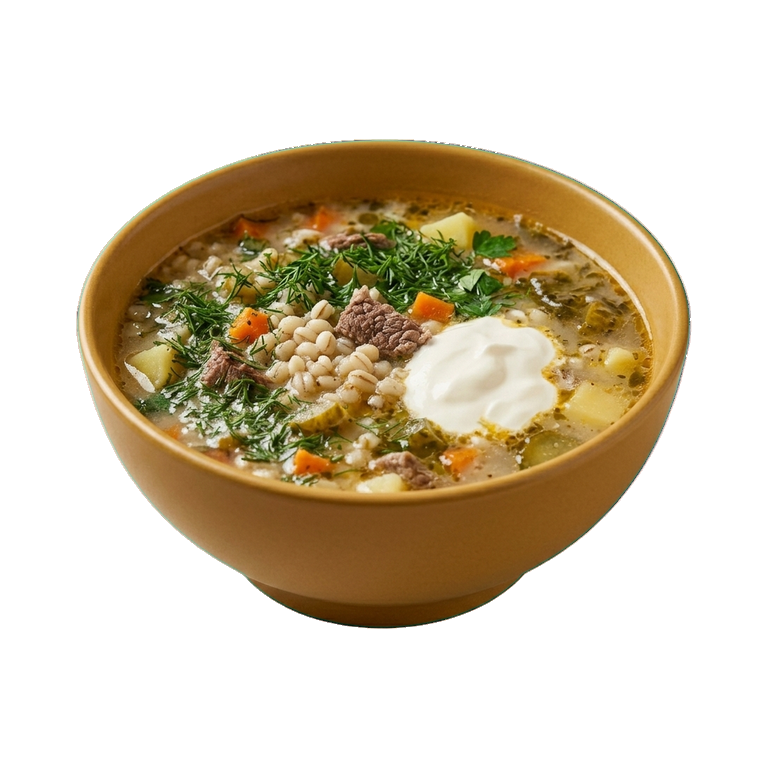
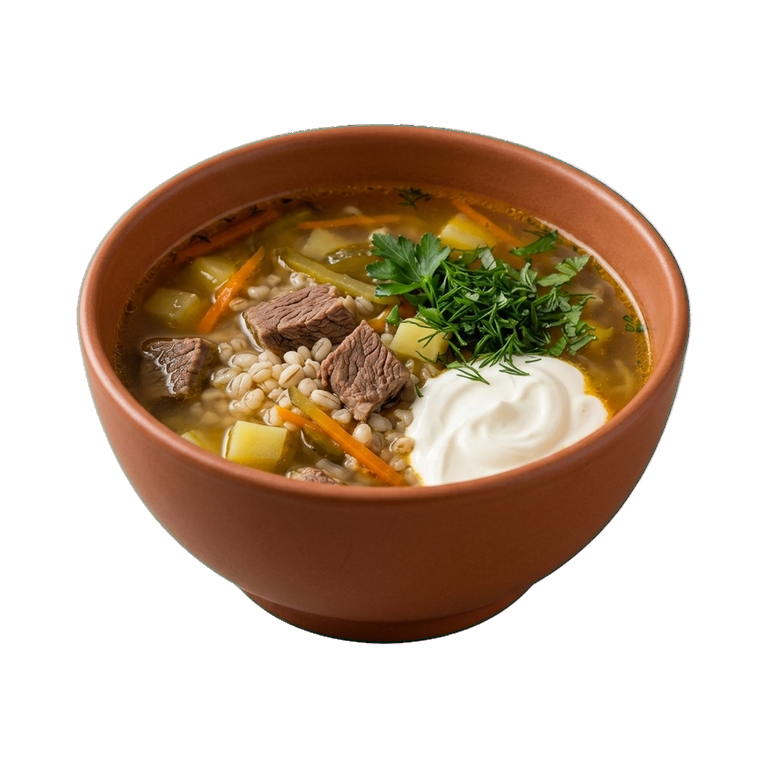
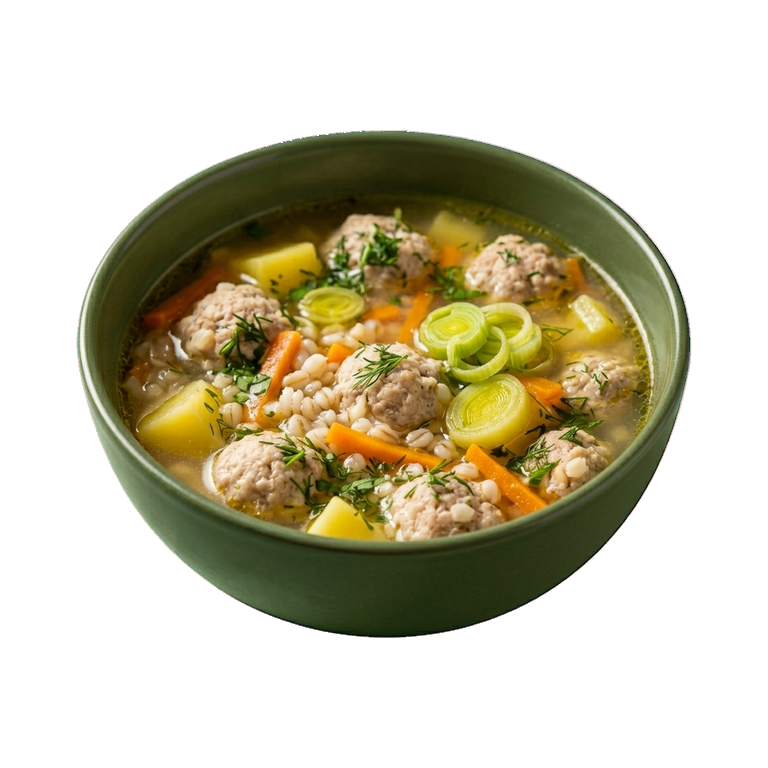
Barley has a soft, slightly nutty flavor with barely noticeable sweetness. When cooked properly, the grains become tender but do not fall apart — they retain their elasticity and are distinctly felt when chewed. This quality makes it ideal for soups, where the grain should remain an independent element of the dish rather than turning into porridge.
How to Cook and Pair
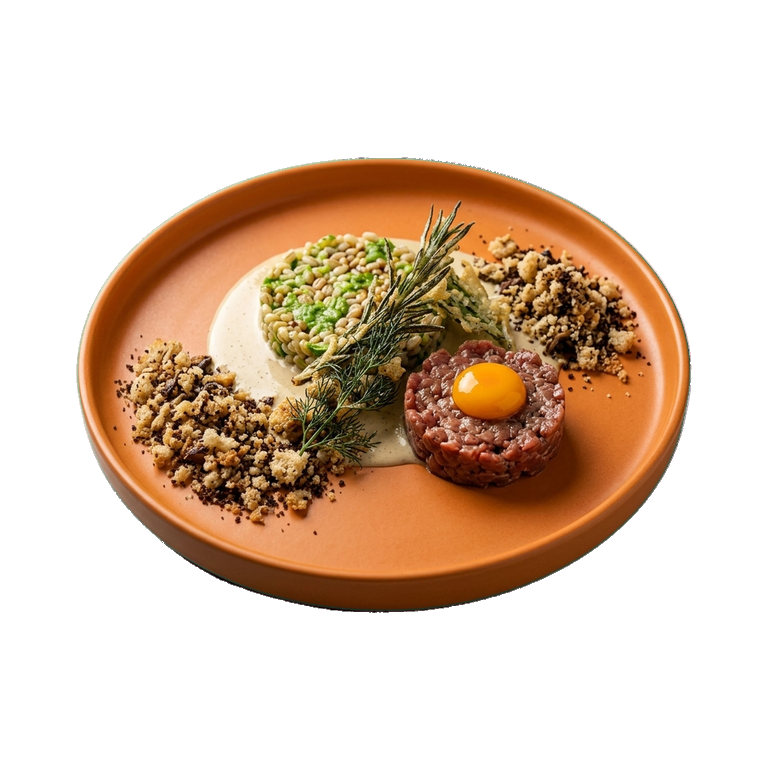
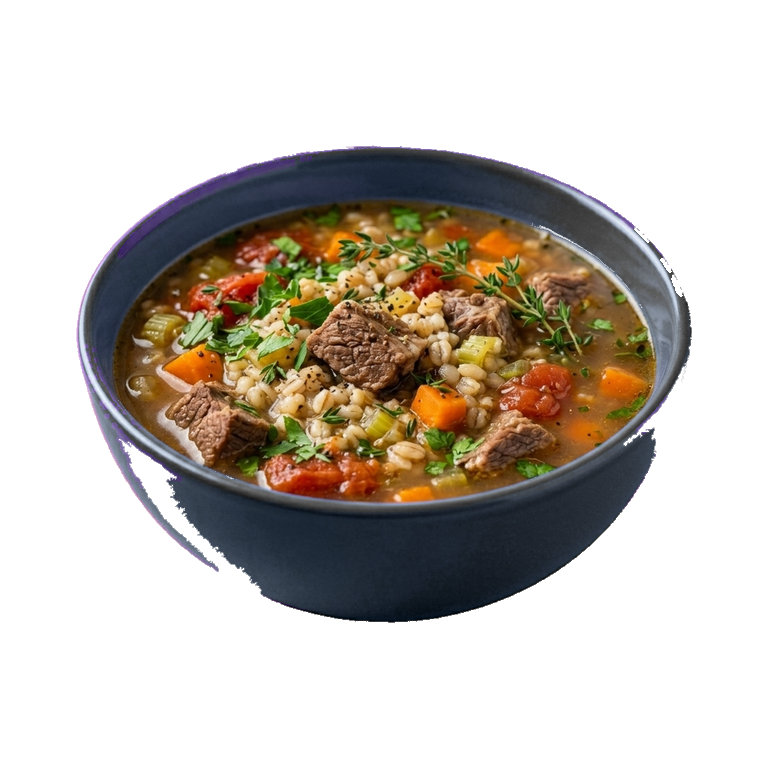
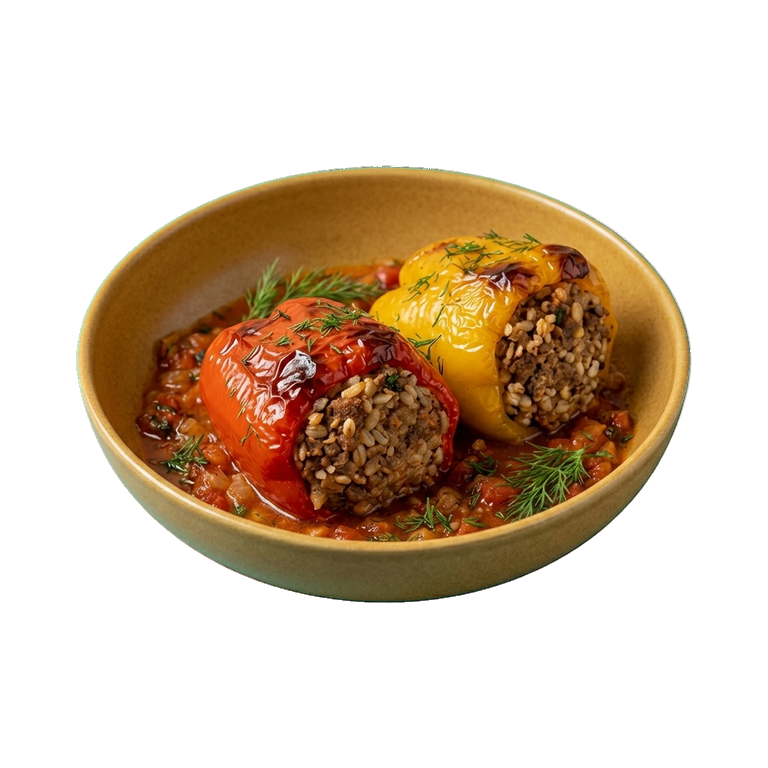
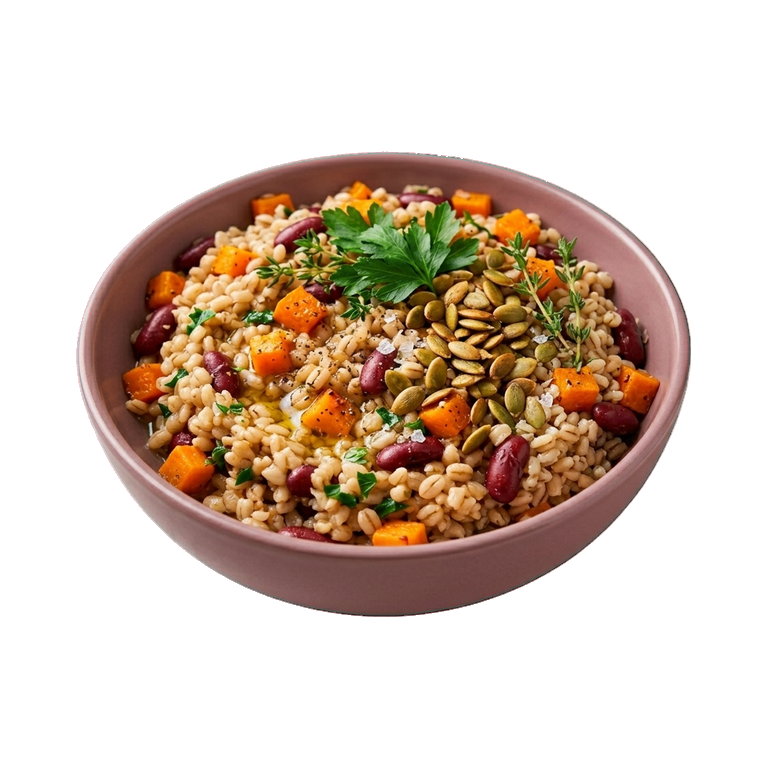
Pearl barley requires pre-soaking for several hours or even overnight — this reduces cooking time and makes the grains soften more evenly. After soaking, cook it for 40–50 minutes in salted water or broth. The grain works excellently in meat soups, especially with beef or pork — its nutty flavor enhances the depth of the broth. It is good in stews, as part of pilaf, or as a side dish to braised meat.
- With mushrooms — pearl barley absorbs their earthy aroma
- With vegetables (carrots, celery, onions) — a classic trio for soups
- With tomatoes and spices — creates a dense, hearty dish
- With meat broth — reveals the full potential of the grain
Selection and Storage
When buying, pay attention to the uniformity of the grains — they should be approximately the same size and color. Good pearl barley is light brown or creamy, without spots and foreign inclusions. Store the cereal in a tightly closed container in a cool, dry place — with proper storage it can last a year or even longer without loss of quality.
Pearl barley is not just a budget option for a Lenten menu. It's an ingredient with character that adds body and texture to soups and stews, absorbs the flavors of surrounding components, and yet remains recognizable. Give it a second chance in your kitchen.
Nutrition
per 100 g
- Calories
- 315 kcal
- Protein
- 9.9 g
- Fat
- 1.1 g
- Carbs
- 68.3 g
Micronutrients
per 100 g
Macronutrients
- Fiber
- 15.6 g
- Sugars
- 0.8 g
- Saturated fat
- 0.244 g
- Monounsaturated fat
- 0.149 g
- Polyunsaturated fat
- 0.56 g
- Omega-3 (EPA + DHA)
- 0 g
- Cholesterol
- 0 mg
- Water
- 10.09 g
Minerals
- Sodium
- 9 mg
- Potassium
- 280 mg
- Calcium
- 29 mg
- Magnesium
- 79 mg
- Phosphorus
- 221 mg
- Iron
- 2.5 mg
- Zinc
- 2.13 mg
- Copper
- 0.42 mg
- Manganese
- 1.32 mg
- Selenium
- 37.7 mcg
Vitamins
- Vitamin A (RAE)
- 1 mcg
- Vitamin D
- 0 mcg
- Vitamin E
- 0.02 mg
- Vitamin K
- 2.2 mcg
- Vitamin C
- 0 mg
- Vitamin B1 (thiamin)
- 0.19 mg
- Vitamin B2 (riboflavin)
- 0.11 mg
- Vitamin B3 (niacin)
- 4.6 mg
- Vitamin B5 (pantothenic acid)
- 0.28 mg
- Vitamin B6
- 0.26 mg
- Vitamin B9 (folate, DFE)
- 23 mcg
- Vitamin B12
- 0 mcg
Measures and weight
- 1 tbsp
- 11.3 g
- 1 tsp
- 3.8 g
- 1 cup
- 187.5 g
Measure calculator
- Weight
- 100 g
- Calories
- 315 kcal