Usuba
Usuba
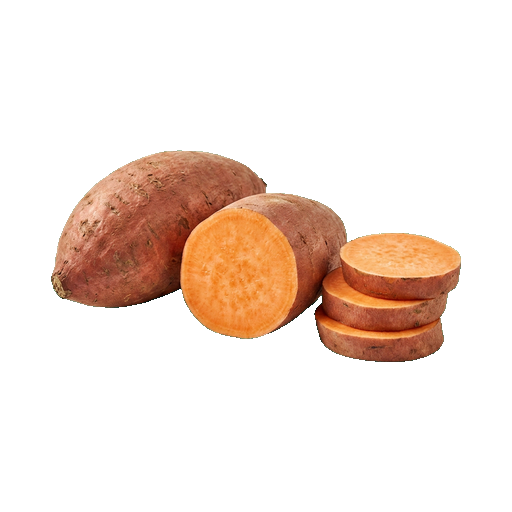
Sweet potato
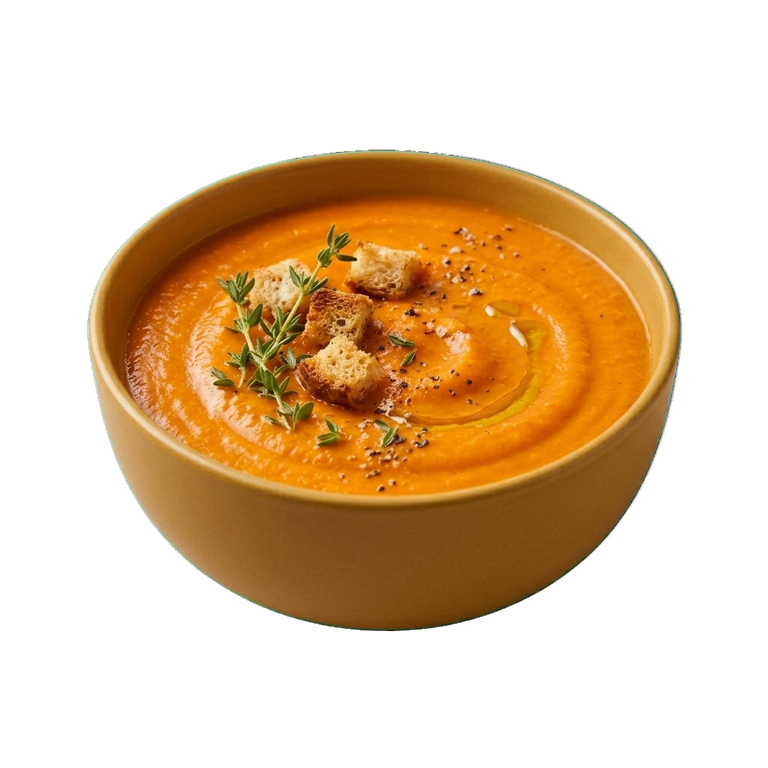
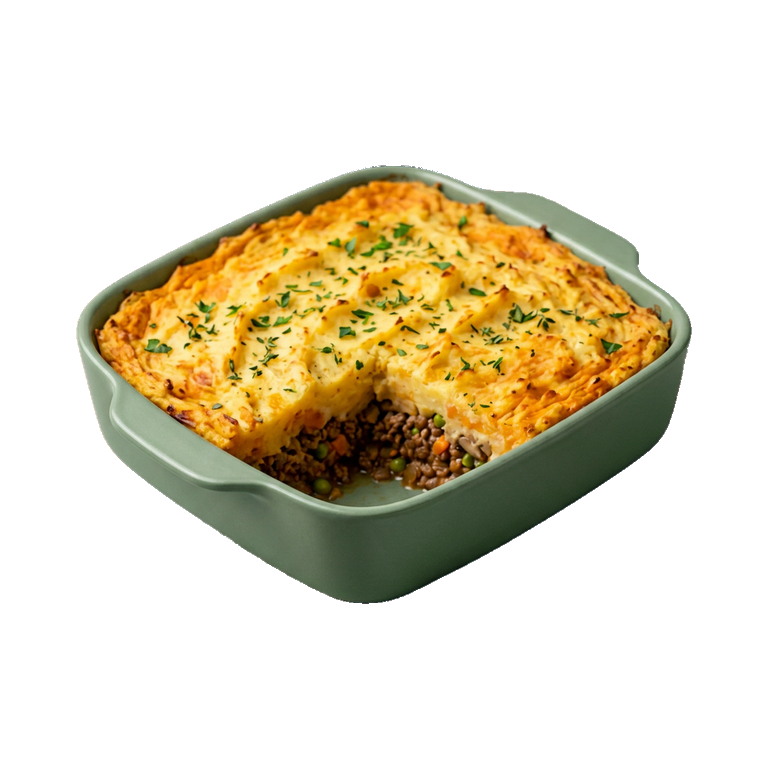
Sweet potato is a root vegetable with orange or white flesh, featuring a delicate sweet flavor with nutty notes. In cooking, it's used in both sweet dishes — purees, casseroles, and desserts — and savory preparations — side dishes, soups, and salads. When selecting, choose firm tubers without soft spots. When cooking, keep in mind that sweet potatoes cook faster than regular potatoes and contain more moisture, so cooking time should be reduced accordingly.
Micronutrients
per 100 g
Minerals
Vitamins
About
Sweet potato is often confused with regular potatoes, but it's a completely different root vegetable with its own character. Its flesh is slightly sweet, dense, with nutty notes, and the color can range from creamy to bright orange — it all depends on the variety. When sweet potato hits the pan or goes into the oven, it reveals itself quite differently than the vegetables we're used to.
Aroma and Taste
The taste of sweet potato depends on the cooking method. When baked or fried, it becomes sweeter, almost like caramel, with a light nutty undertone. Boiled sweet potato has a softer, more neutral flavor. Orange varieties contain more natural sweetness than white or yellow ones. This doesn't prevent sweet potato from working in savory dishes — it all depends on how you cook it and what you pair it with.
How to Cook Sweet Potato
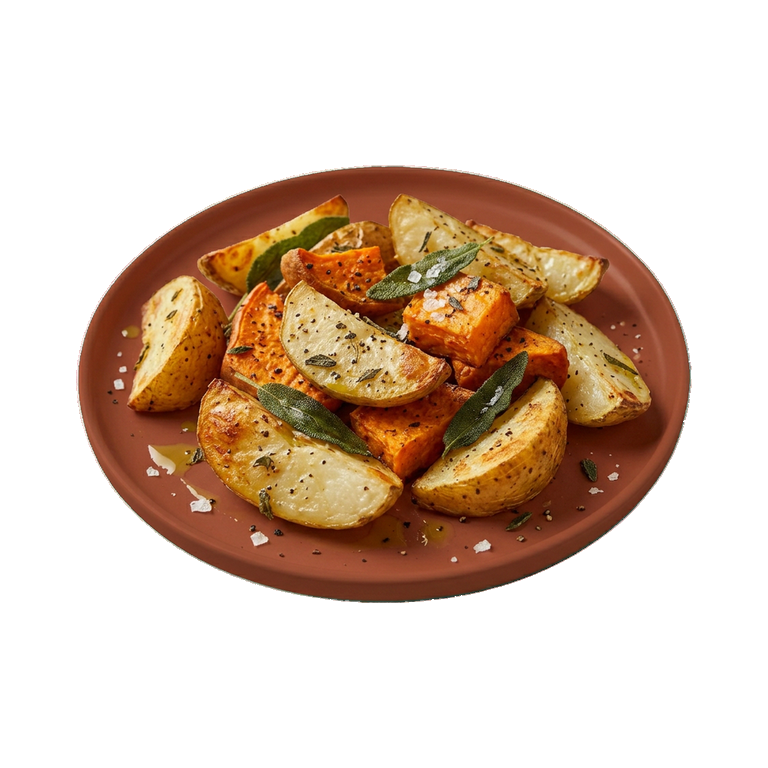
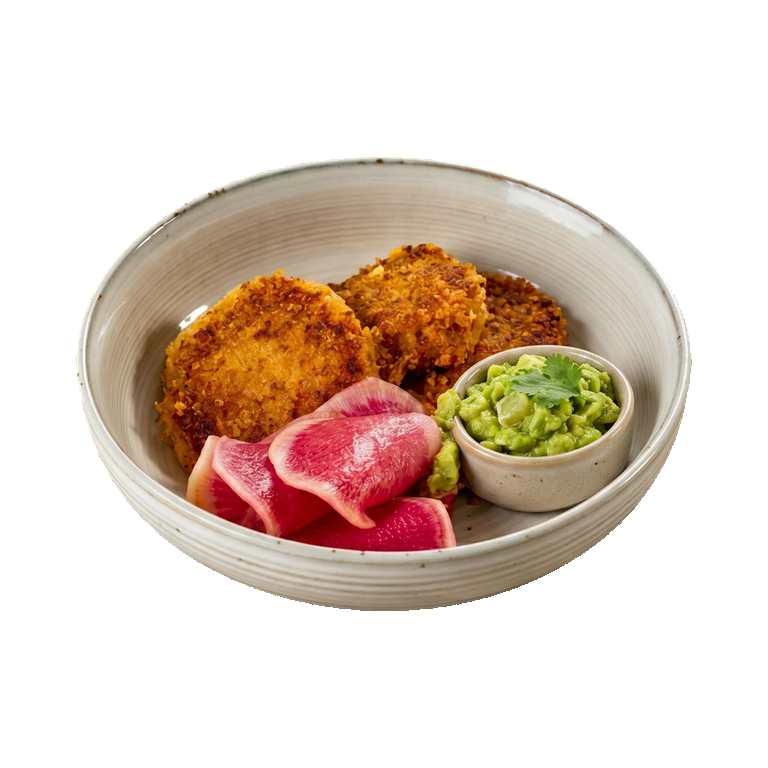
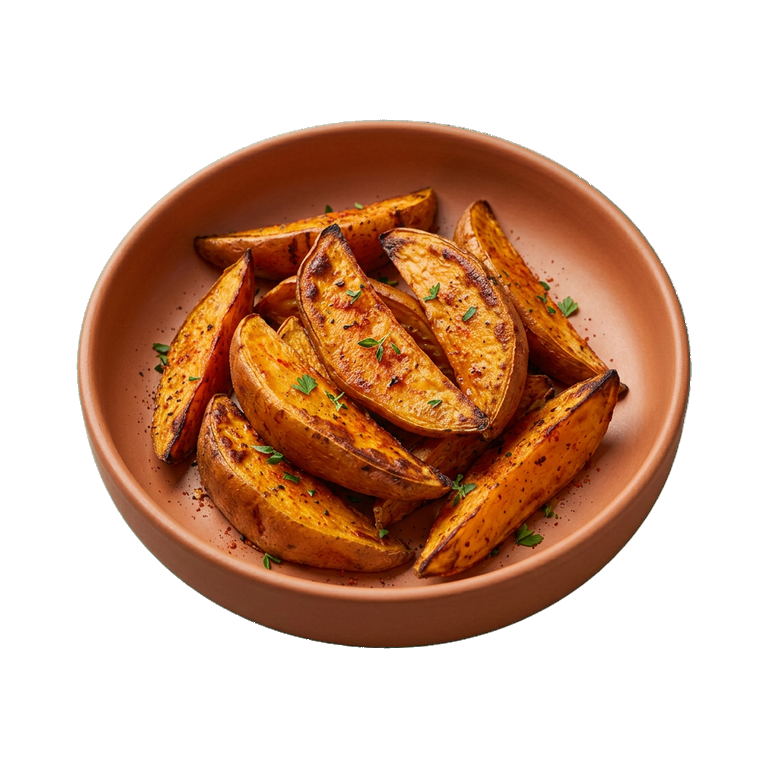
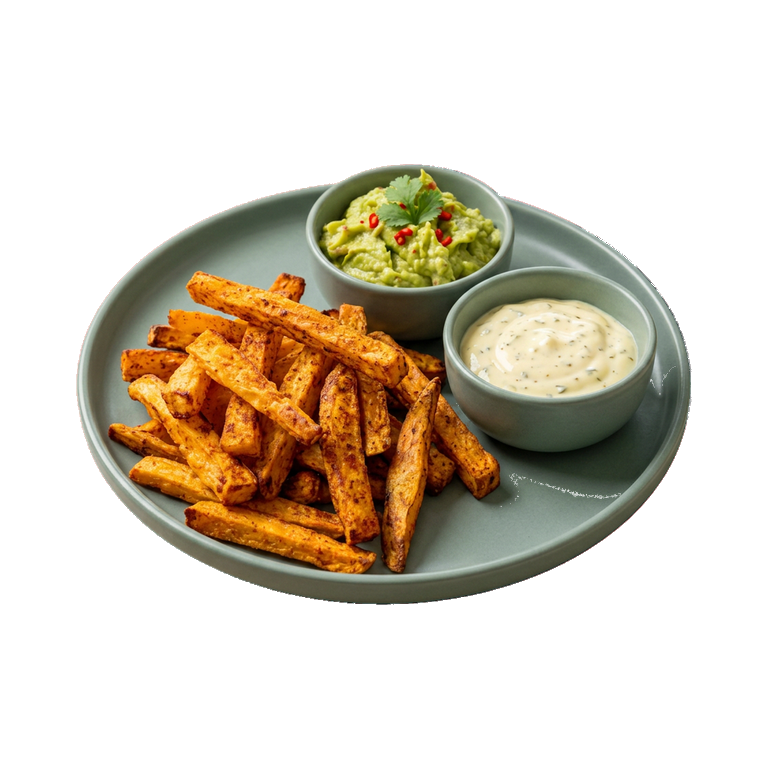
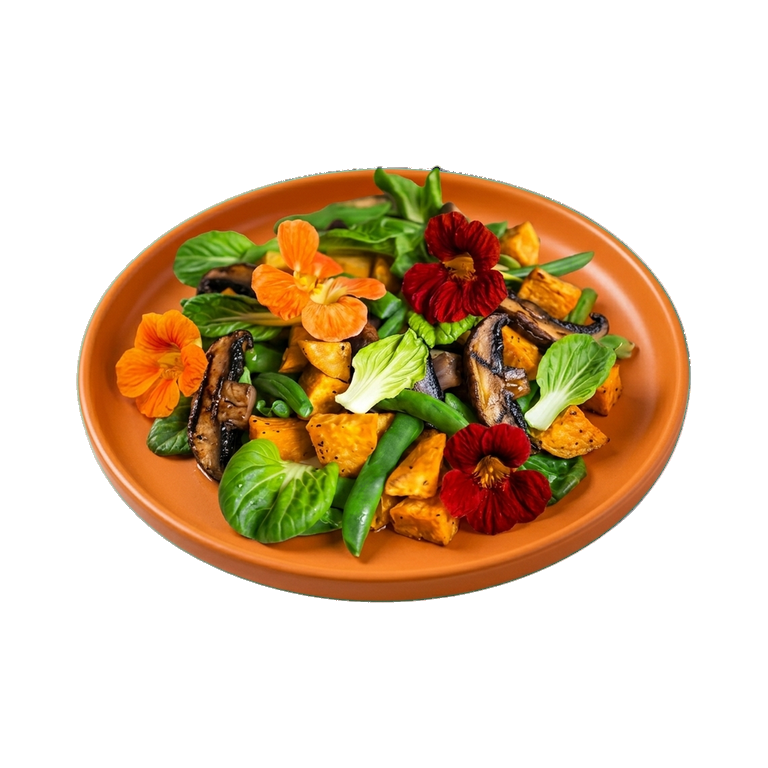
Sweet potato is versatile in the kitchen. You can bake it whole in the oven, slice it and fry it in oil until golden, add it to soup or stew, grate it for pancakes, turn it into puree or paste. Cooking time is usually shorter than regular potatoes — the flesh is softer. The skin can be left on (if well washed) or removed before cooking or after.
Pairings and Role in Dishes
- With spicy spices: cumin, paprika, chili, ginger — sweet potato loves them
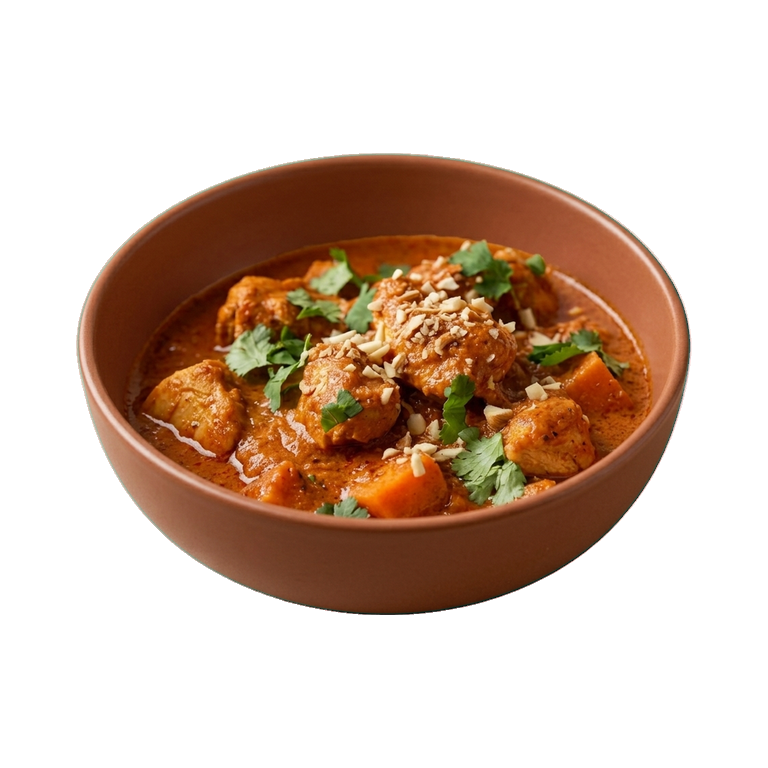
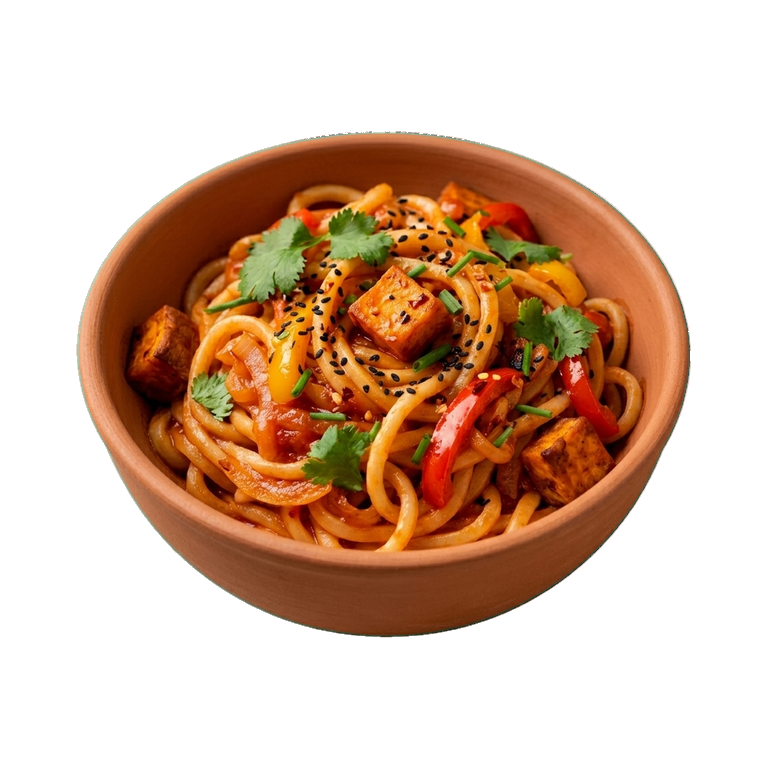
- With coconut milk and Asian sauces in curries and soups
- With herbs: rosemary, thyme, cilantro highlight its depth well
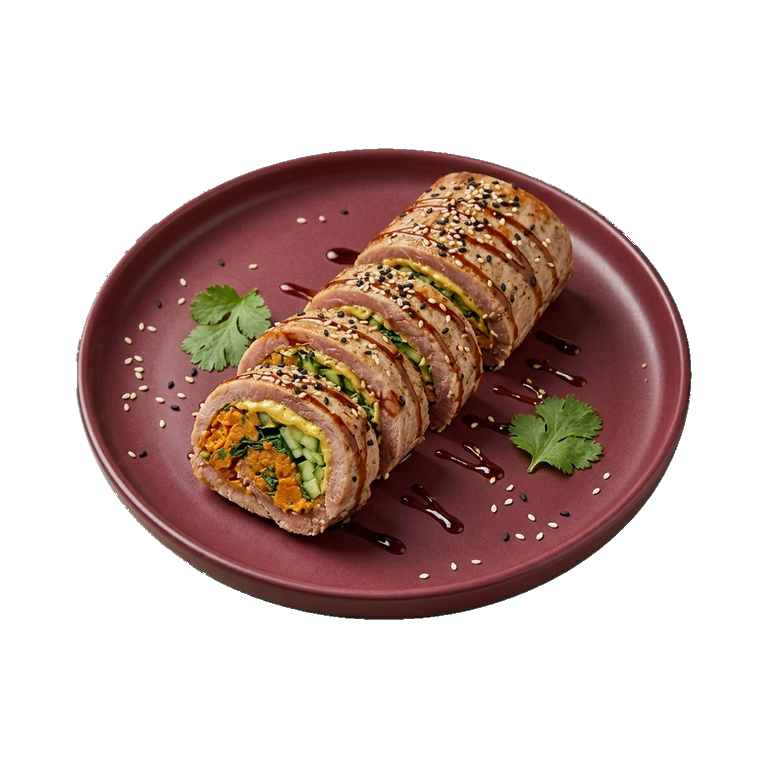
- In side dishes with meat and fish — sweet potato doesn't compete, it complements
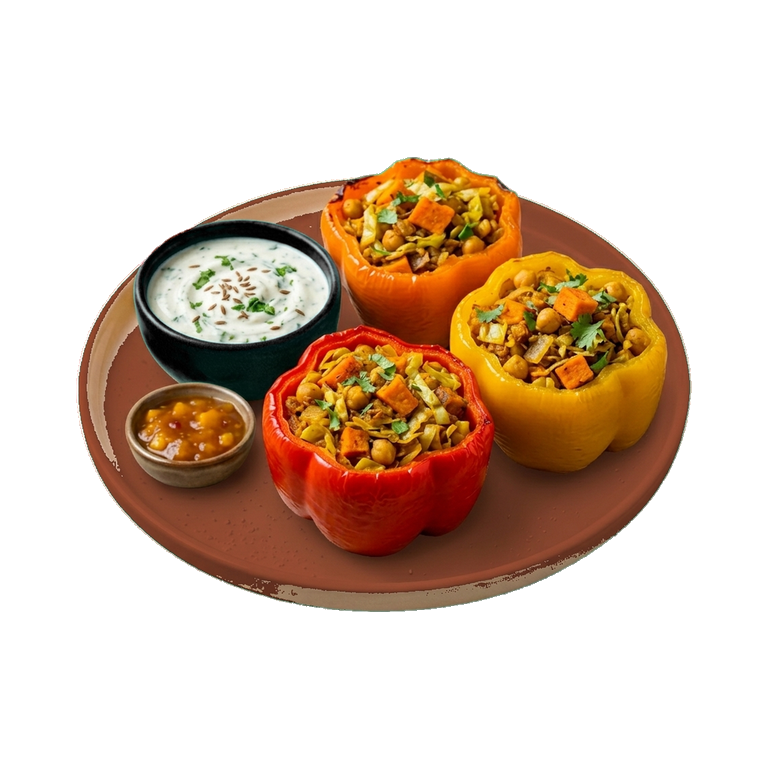
- In vegan and fasting dishes thanks to its nutritional value and texture
Selection and Storage
Choose medium-sized sweet potatoes without soft spots or skin damage. Overly large specimens may be fibrous. When pressed, the tuber should be firm. Sweet potatoes store well — in a cool, dark place (but not in the refrigerator) they last several weeks, sometimes a month. The key is to avoid moisture and light, otherwise sprouting will occur.
Sweet potato loses moisture faster than regular potato, so after cutting it's best to cook it right away or keep it in water if you need to delay cooking.
Nutrition
per 100 g
- Calories
- 86 kcal
- Protein
- 1.6 g
- Fat
- 0.1 g
- Carbs
- 20.1 g
Micronutrients
per 100 g
Macronutrients
- Fiber
- 3 g
- Sugars
- 4.18 g
- Saturated fat
- 0.018 g
- Monounsaturated fat
- 0.001 g
- Polyunsaturated fat
- 0.014 g
- Omega-3 (EPA + DHA)
- 0 g
- Cholesterol
- 0 mg
- Water
- 77.28 g
Minerals
- Sodium
- 55 mg
- Potassium
- 337 mg
- Calcium
- 30 mg
- Magnesium
- 25 mg
- Phosphorus
- 47 mg
- Iron
- 0.61 mg
- Zinc
- 0.3 mg
- Copper
- 0.15 mg
- Manganese
- 0.26 mg
- Selenium
- 0.6 mcg
Vitamins
- Vitamin A (RAE)
- 709 mcg
- Vitamin D
- 0 mcg
- Vitamin E
- 0.26 mg
- Vitamin K
- 1.8 mcg
- Vitamin C
- 2.4 mg
- Vitamin B1 (thiamin)
- 0.08 mg
- Vitamin B2 (riboflavin)
- 0.06 mg
- Vitamin B3 (niacin)
- 0.56 mg
- Vitamin B5 (pantothenic acid)
- 0.8 mg
- Vitamin B6
- 0.21 mg
- Vitamin B9 (folate, DFE)
- 11 mcg
- Vitamin B12
- 0 mcg
Measures and weight
- 1 pcs
- 150 g
Measure calculator
- Weight
- 100 g
- Calories
- 86 kcal