Usuba
Usuba
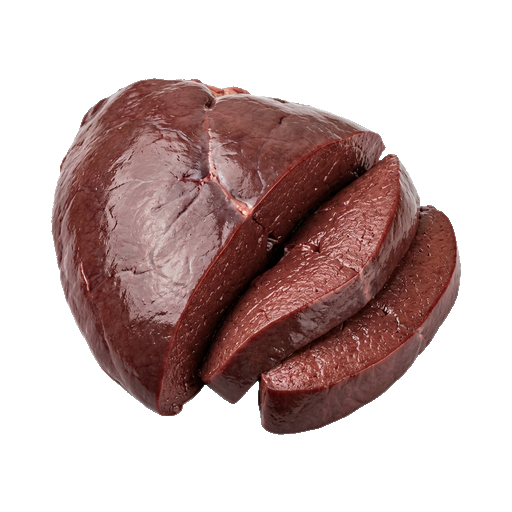
Beef liver
Beef liver is an offal with a dense structure and a rich, slightly metallic flavor that requires proper preparation before cooking. It is traditionally soaked in milk or water to soften its distinctive taste and make the meat more tender. In cooking, liver is fried to medium-rare, made into pâtés, added to ground meat mixtures, and braised with vegetables — the key is not to overcook it, otherwise it becomes tough and bitter.
Micronutrients
per 100 g
Minerals
Vitamins
- AVitamin A (RAE)4968mcg584% DV
- DVitamin D1.2mcg8% DV
- EVitamin E0.38mg3% DV
- KVitamin K3.1mcg3% DV
- CVitamin C1.3mg1% DV
- B1Vitamin B1 (thiamin)0.19mg13% DV
- B2Vitamin B2 (riboflavin)2.76mg153% DV
- B3Vitamin B3 (niacin)13.18mg66% DV
- B5Vitamin B5 (pantothenic acid)7.17mg143% DV
- B6Vitamin B61.08mg54% DV
- B9Vitamin B9 (folate, DFE)290mcg73% DV
- B12Vitamin B1259.3mcg1977% DV
About
Beef liver is one of the most nutritious offal products that novice cooks often underestimate. It is meat with a characteristic iron-like flavor, a dense yet tender texture, and a dark brown color. Properly cooked liver becomes the foundation of hearty dishes: from classic pâtés to quick pan-fried dinners.
Aroma and Taste
Beef liver has a pronounced, almost medal-like flavor with a slight bitterness. This taste may not appeal to everyone at first, but it is easily softened by proper preparation. Soaking in milk an hour before cooking significantly reduces the intensity and makes the meat more tender. The aroma during boiling or frying is quite strong, so make sure to ventilate your kitchen well.
Why liver is worth cooking
The liver contains a huge amount of iron, B vitamins, and other micronutrients. This makes it a valuable product for replenishing energy and maintaining health. At the same time, liver is prepared quickly — main dishes take 15–20 minutes in a pan. The calorie content is moderate, which allows it to be included in a variety of menus.
How to Cook Liver Correctly
- Soak the liver in milk for 30–60 minutes before cooking — this is the main secret to tenderness
- Slice thinly (5–7 mm) — this way it will heat evenly
- Coat in flour or cornstarch before frying for a crispy crust
- Fry on high heat for no more than 3–4 minutes on each side — overcooked liver becomes rubbery
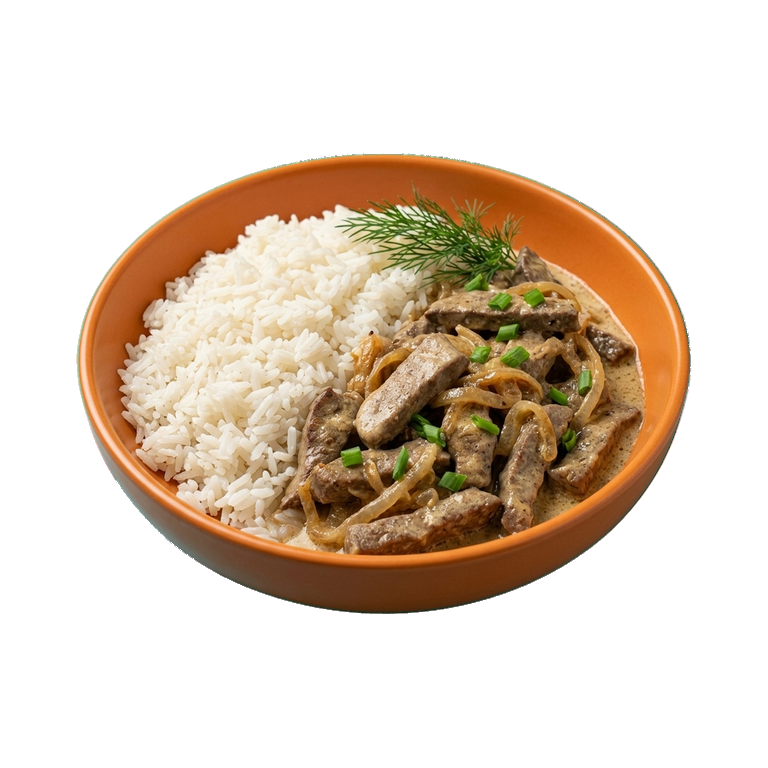
- Cook with onions: they mask the specific flavor and add sweetness
Where to use liver
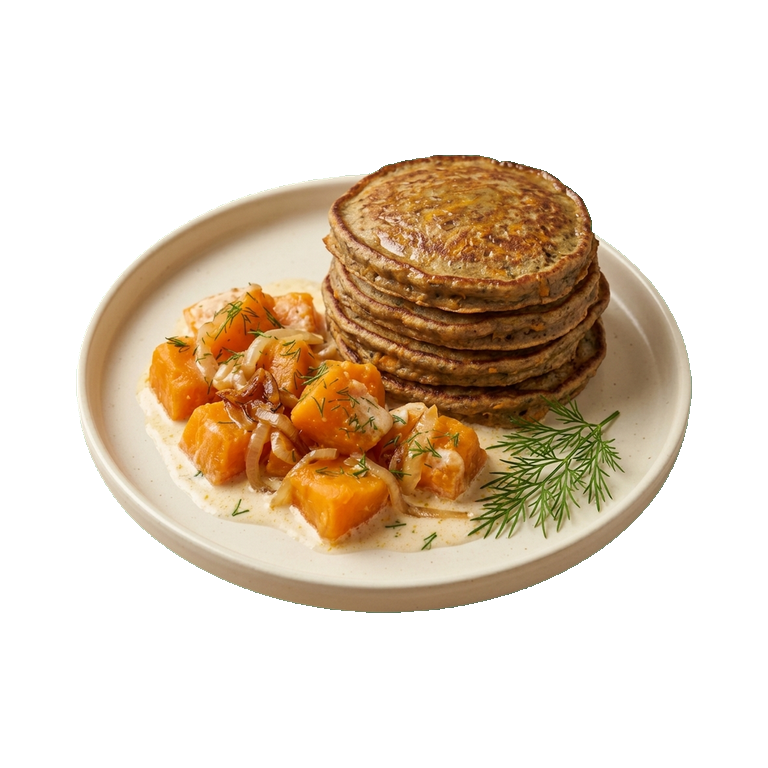
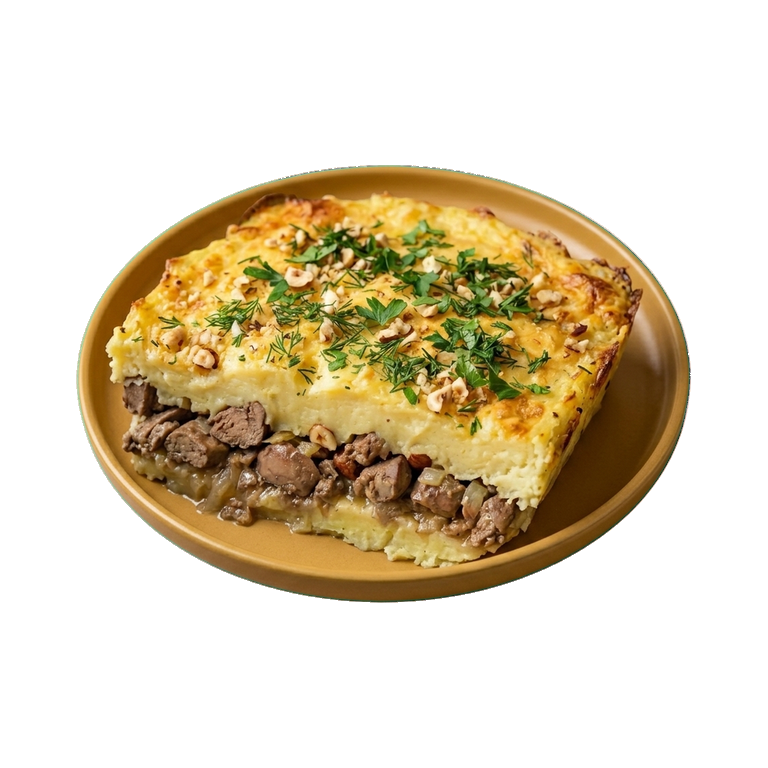
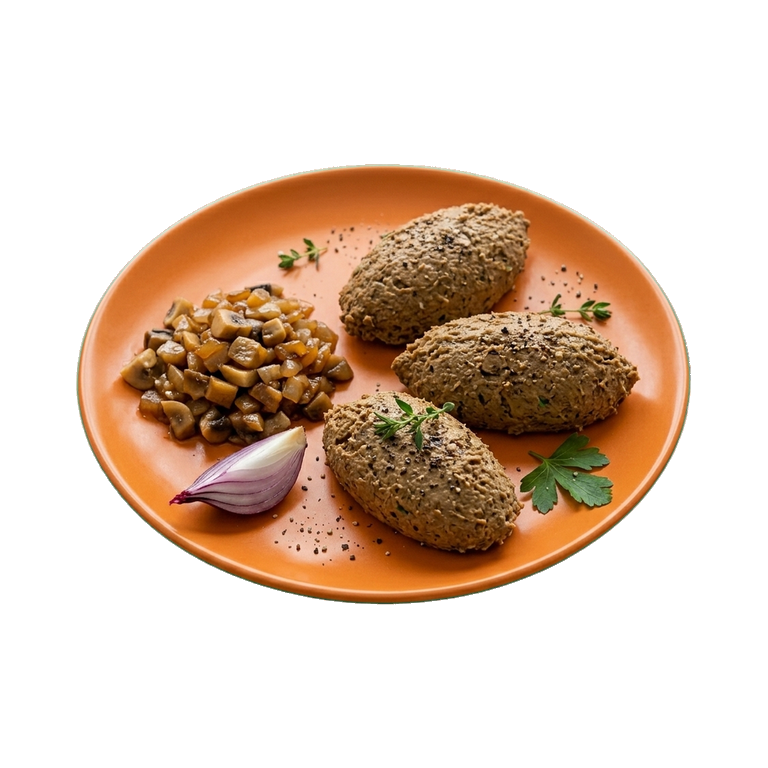
The classic version is liver with onions: a quick and hearty dinner dish. Liver works great in pâtés, where it's blended with butter, cream, and spices. It's used as a filling for pies, added to ground meat for cutlets and meatballs, and cooked in sour cream or tomato sauce. Liver works wonderfully in soups and broths, giving them depth and richness.
What goes with liver
- Onions in all forms — fried, caramelized, fresh
- Sour cream and butter — soften the taste and create a creamy sauce
- Tomatoes and tomato paste — add acidity and brightness
- Herbs: parsley, thyme, sage — mask the gamey aftertaste
- Garlic and spices: black pepper, nutmeg, paprika
- Side dishes: mashed potatoes, rice, buckwheat, pasta
Selection and Storage
Quality liver should be dark brown or reddish-brown in color, moist and firm to the touch. Avoid liver with gray spots, unpleasant odor, or slimy coating — these are signs of spoilage. Fresh liver is best cooked on the day of purchase, but it can be stored in the refrigerator for 2–3 days. Frozen liver can be kept for several months, however, thaw it slowly in the refrigerator to preserve its juiciness.
Beef liver is not a delicacy, but a practical, affordable product that deserves a place on your table. Once you try properly cooked liver with onions, you'll understand why it's so popular in home cooking. The main thing is not to be afraid to experiment and remember to use milk when soaking.
Nutrition
per 100 g
- Calories
- 130 kcal
- Protein
- 26.3 g
- Fat
- 3.6 g
- Carbs
- 0 g
Micronutrients
per 100 g
Macronutrients
- Fiber
- 0 g
- Sugars
- 0 g
- Saturated fat
- 1.233 g
- Monounsaturated fat
- 0.479 g
- Polyunsaturated fat
- 0.465 g
- Omega-3 (EPA + DHA)
- 0 g
- Cholesterol
- 275 mg
- Water
- 70.81 g
Minerals
- Sodium
- 69 mg
- Potassium
- 313 mg
- Calcium
- 5 mg
- Magnesium
- 18 mg
- Phosphorus
- 387 mg
- Iron
- 4.9 mg
- Zinc
- 4 mg
- Copper
- 9.76 mg
- Manganese
- 0.31 mg
- Selenium
- 39.7 mcg
Vitamins
- Vitamin A (RAE)
- 4968 mcg
- Vitamin D
- 1.2 mcg
- Vitamin E
- 0.38 mg
- Vitamin K
- 3.1 mcg
- Vitamin C
- 1.3 mg
- Vitamin B1 (thiamin)
- 0.19 mg
- Vitamin B2 (riboflavin)
- 2.76 mg
- Vitamin B3 (niacin)
- 13.18 mg
- Vitamin B5 (pantothenic acid)
- 7.17 mg
- Vitamin B6
- 1.08 mg
- Vitamin B9 (folate, DFE)
- 290 mcg
- Vitamin B12
- 59.3 mcg
Measure calculator
- Weight
- 100 g
- Calories
- 130 kcal