Usuba
Usuba
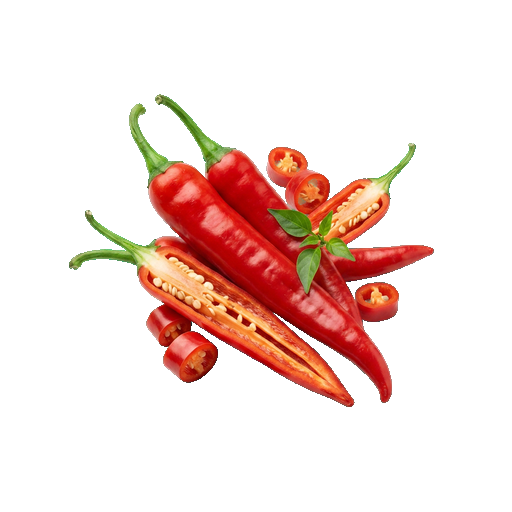
Cayenne pepper
Sharp red chili pepper with a fiery taste and fruity notes that adds heat and depth to any dish. Used both ground and as whole pods to add piquancy to soups, sauces, meat and fish dishes, as well as in Eastern and Mexican cuisine. When using ground cayenne pepper, start with a small amount — its heat can be unexpected, and it's always easier to add more than to remove excess.
Micronutrients
per 100 g
Minerals
About
Cayenne pepper is not just a spicy seasoning, but a genuine workhorse in the kitchen. Its heat is easily dosed, with a clean and straightforward flavor, without unnecessary aromatic distractions. Ground pepper quickly imparts its heat to a dish, making it convenient to use when you need predictable spiciness without experimentation.
Spiciness and Flavor Profile
Cayenne pepper's heat is its main characteristic, but not the only one. Behind the burn lies a subtle fruitiness and barely perceptible smokiness. Ground pepper works more gently than whole pods: it dissolves quickly in sauces and gravies, distributing heat evenly throughout the dish. If you need controlled heat without surprises, this is your choice.
Where to use it
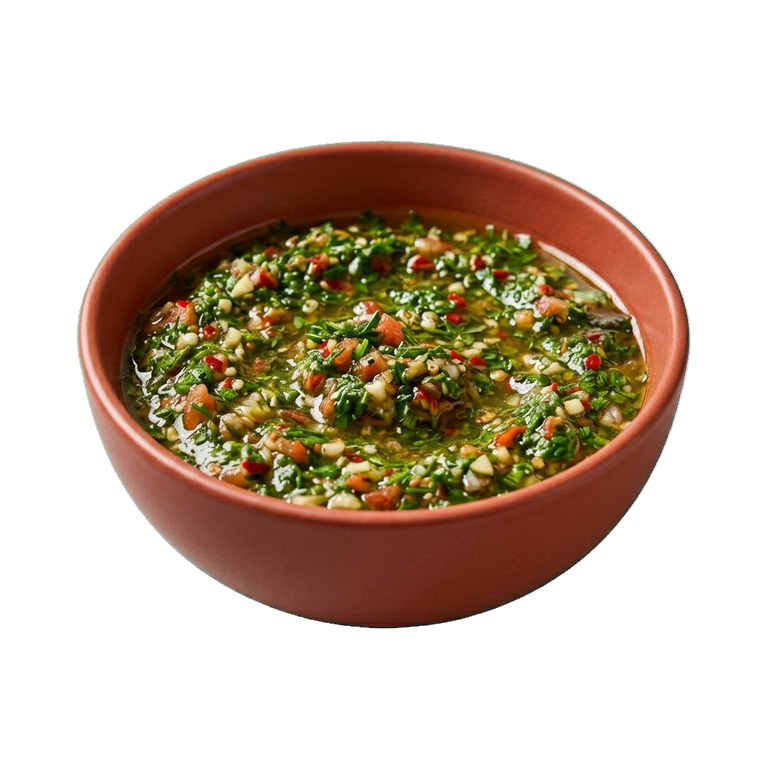
- Hot sauces and marinades — cayenne pepper is the base for many piquant sauces, from spicy meat sauces to savory dips
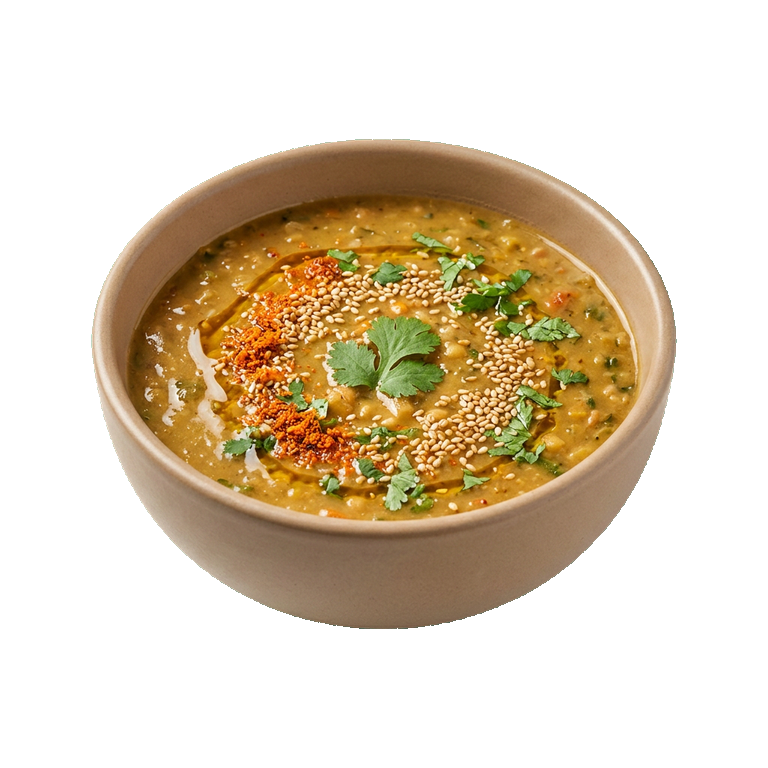
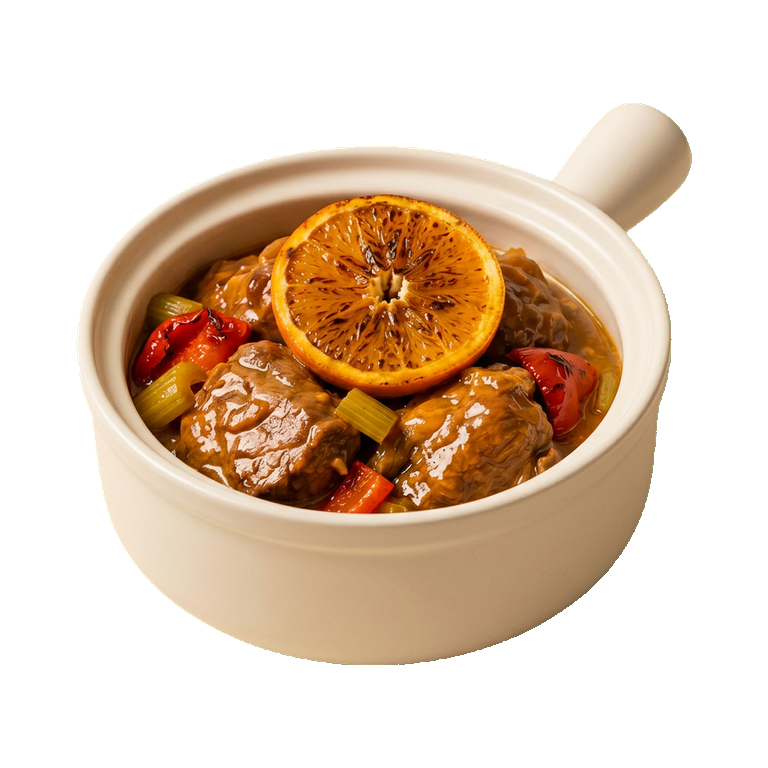
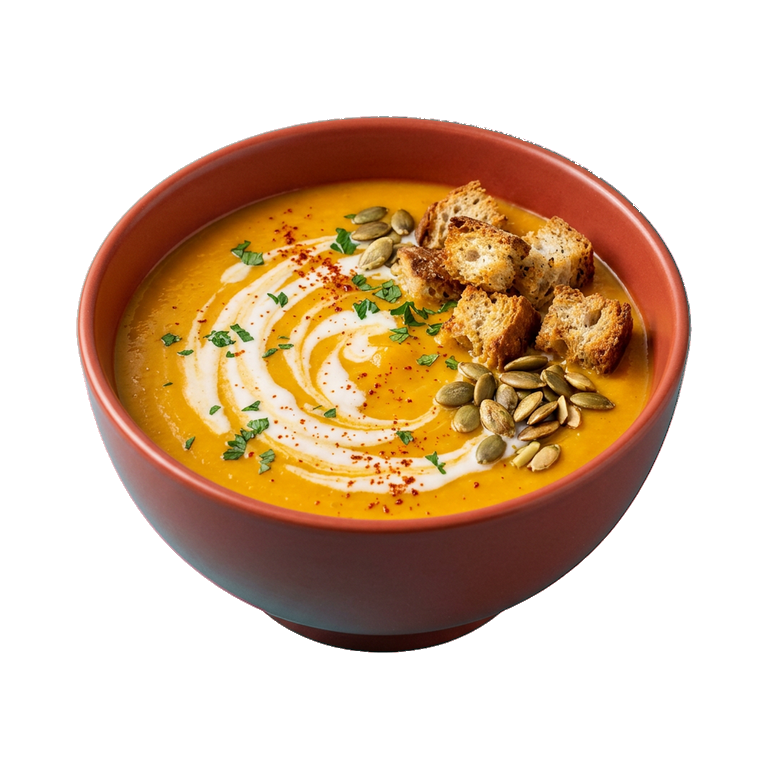
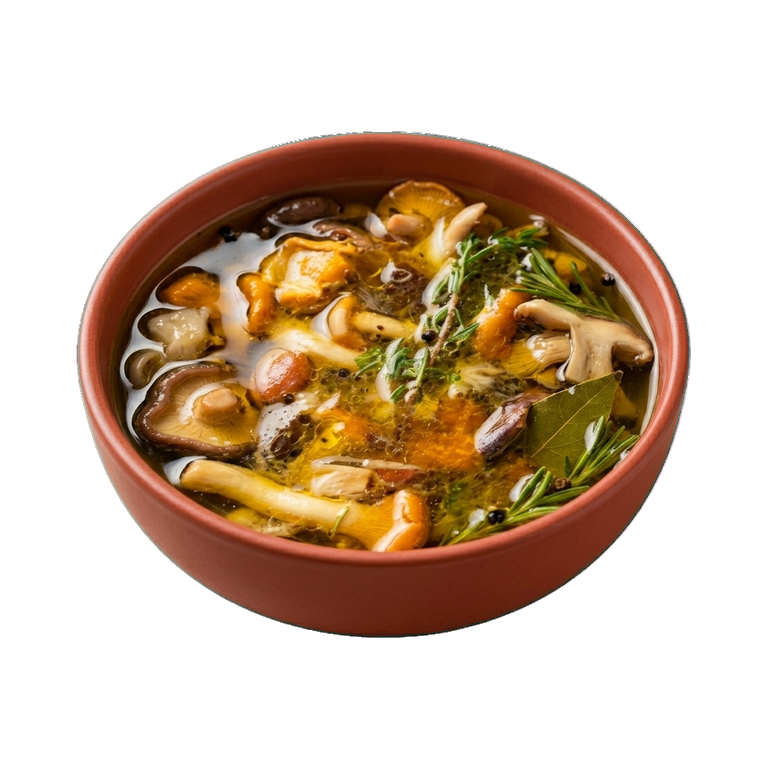
- Soups and stews — a pinch of ground pepper livens up heavy dishes without overpowering the main flavors
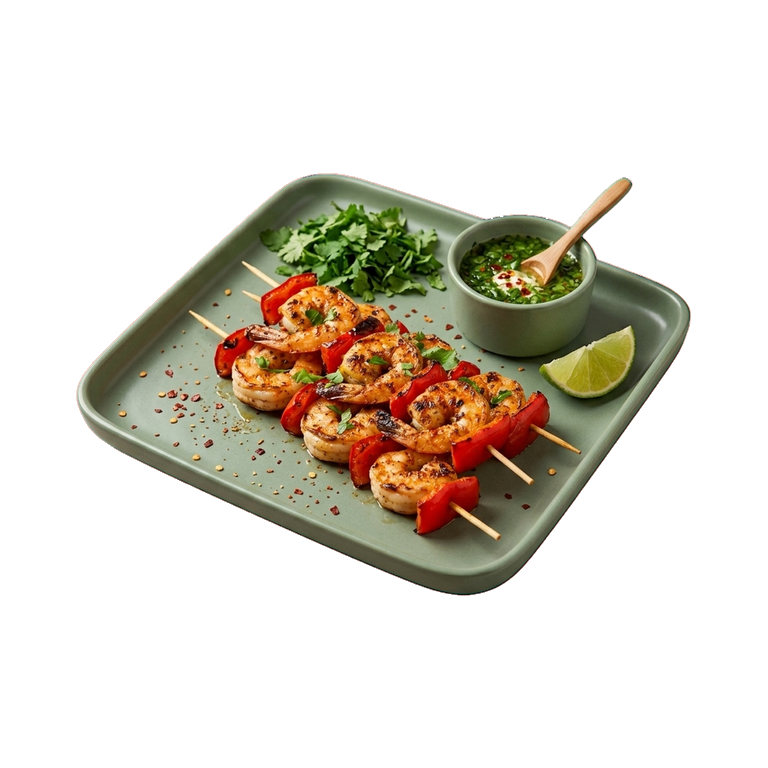
- Seafood — works especially well with shrimp, crab, and fish in tomato sauces
- Egg dishes — omelets and hard-boiled eggs gain a new dimension with a pinch of cayenne
- Cheese and cream sauces — the spiciness balances richness and creaminess
Successful Combinations
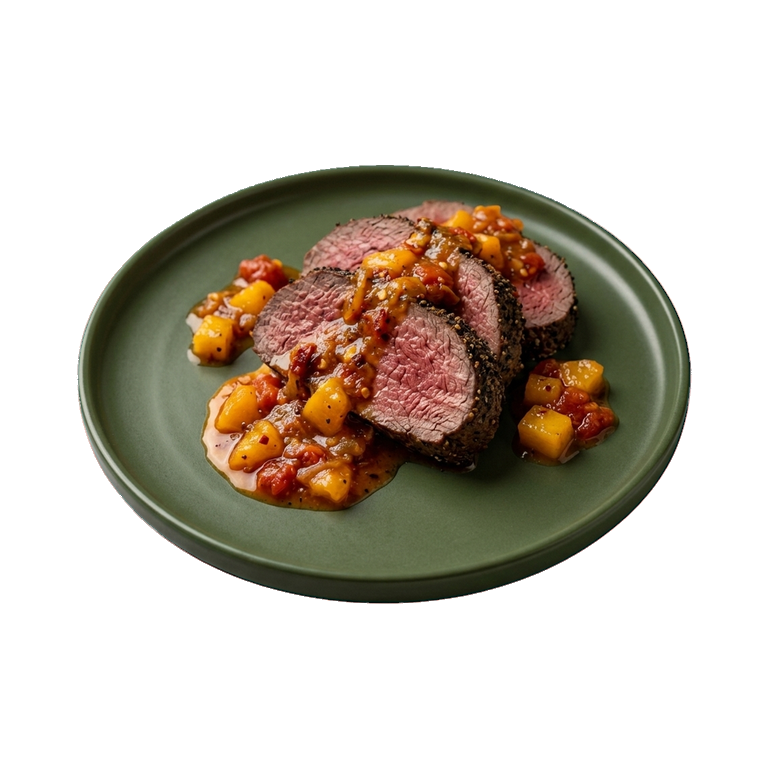
Cayenne pepper pairs well with garlic, lemon, and tomatoes — this trio creates a classic spicy profile. It doesn't conflict with turmeric, coriander, and black pepper, so it's easy to incorporate into complex spice blends. With honey and sugar, it creates an interesting contrast of sweet and hot, which works well in poultry sauces or marinades.
Selection and Storage
Ground cayenne pepper should be bright red, without lumps or moisture. If the pepper has darkened or acquired a brownish tint — it is old and its pungency weakens. Store in a tightly sealed container, away from light and moisture: under such conditions, pepper retains its properties for up to six months. Whole pods last longer, but ground pepper is more convenient for everyday cooking.
Dosage and practical tips
- Start with a quarter teaspoon per serving — cayenne pepper is tricky, it's easier to add than to remove
- Add at the end of cooking for maximum heat or at the beginning if you want a milder effect
- In cold dishes (salads, cold sauces) pepper opens up more slowly — give it time to infuse
- If you've overdone the heat, save the dish with butter, sour cream, or milk — they neutralize the burn
Cayenne pepper is a reliable helper for those who want to add spice without chaos. Its predictability and simplicity make it ideal for everyday cooking, and its versatility allows you to experiment across different cuisines.
Nutrition
per 100 g
- Calories
- 318 kcal
- Protein
- 12 g
- Fat
- 17.3 g
- Carbs
- 56.6 g
Micronutrients
per 100 g
Macronutrients
- Fiber
- 27.2 g
- Sugars
- 10.34 g
- Saturated fat
- 3.26 g
- Monounsaturated fat
- 2.75 g
- Polyunsaturated fat
- 8.37 g
- Omega-3 (EPA + DHA)
- 0 g
- Cholesterol
- 0 mg
- Water
- 8.05 g
Minerals
- Sodium
- 30 mg
- Potassium
- 2014 mg
- Calcium
- 148 mg
- Magnesium
- 152 mg
- Phosphorus
- 293 mg
- Iron
- 7.8 mg
- Zinc
- 2.48 mg
- Copper
- 0.37 mg
- Manganese
- 2 mg
- Selenium
- 8.8 mcg
Vitamins
- Vitamin A (RAE)
- 2081 mcg
- Vitamin D
- 0 mcg
- Vitamin E
- 29.83 mg
- Vitamin K
- 80.3 mcg
- Vitamin C
- 76.4 mg
- Vitamin B1 (thiamin)
- 0.33 mg
- Vitamin B2 (riboflavin)
- 0.92 mg
- Vitamin B3 (niacin)
- 8.7 mg
- Vitamin B6
- 2.45 mg
- Vitamin B9 (folate, DFE)
- 106 mcg
- Vitamin B12
- 0 mcg
Measures and weight
- 1 tbsp
- 13.5 g
- 1 tsp
- 4.5 g
- 1 cup
- 225 g
- 1 pcs
- 5 g
Measure calculator
- Weight
- 100 g
- Calories
- 318 kcal