Usuba
Usuba
Pickles
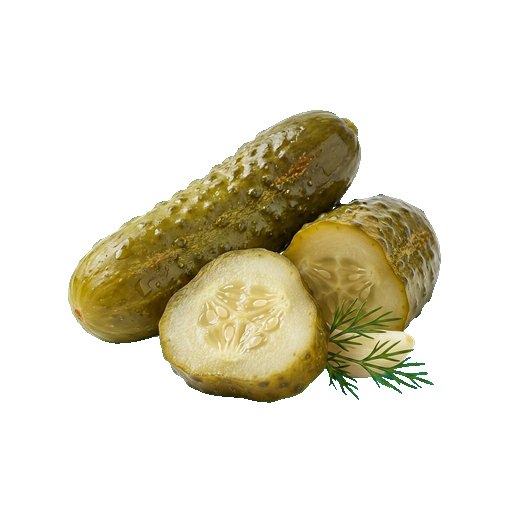
Pickled cucumbers are fresh cucumbers preserved in brine with salt, vinegar, and spices. They have a distinctive sour and salty taste, a crispy texture, and serve as a popular appetizer or side dish to main courses. When selecting, pay attention to the density of the cucumber and the absence of soft spots, and when using in hot dishes, keep in mind that their acidity may affect the overall balance of flavor.
Micronutrients
per 100 g
Minerals
About
Pickles are not just a snack, but a versatile ingredient that plays several roles in the kitchen at once. They add piquancy, acidity, and a characteristic crunch to dishes, while their brine becomes a valuable component for marinades and sauces. Unlike vinegar-pickled cucumbers, salted ones retain a milder, more natural taste thanks to fermentation in a salt solution.
Taste and Texture
A good salted cucumber crunches when bitten and has a pronounced salty taste with a slight tang. The flesh remains firm and elastic, not softening if the cucumbers are properly pickled. The aroma is fresh, with notes of dill and garlic if added to the brine. The intensity of flavor depends on fermentation time: young cucumbers, pickled for a few days, are milder; those that have been stored longer become more pronounced.
Where and how to use
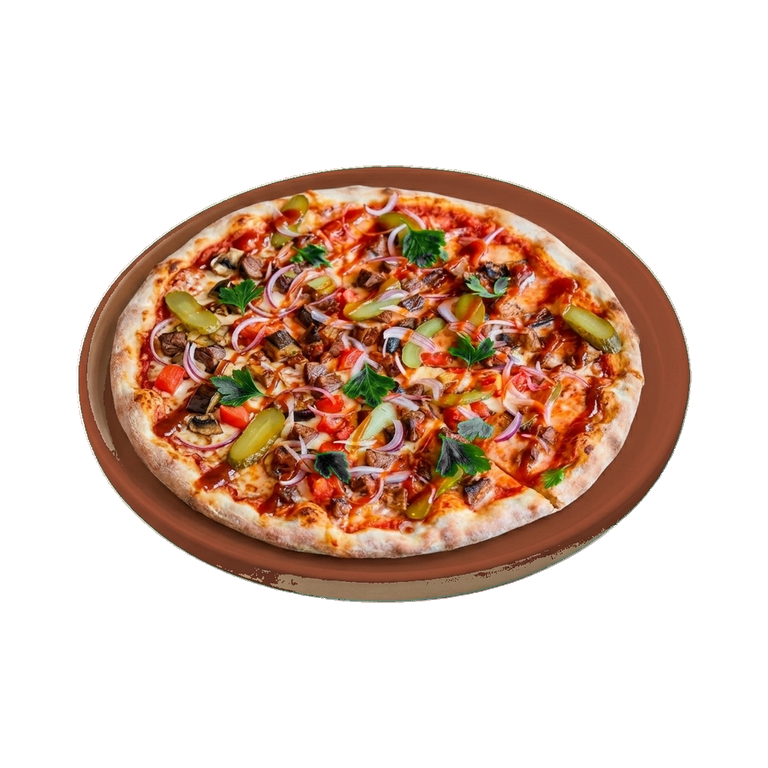
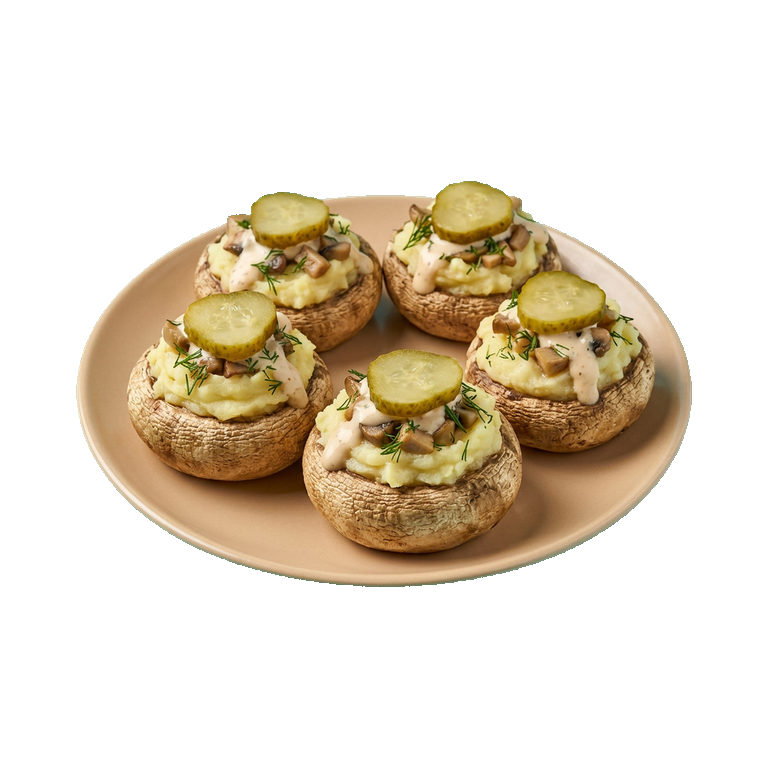
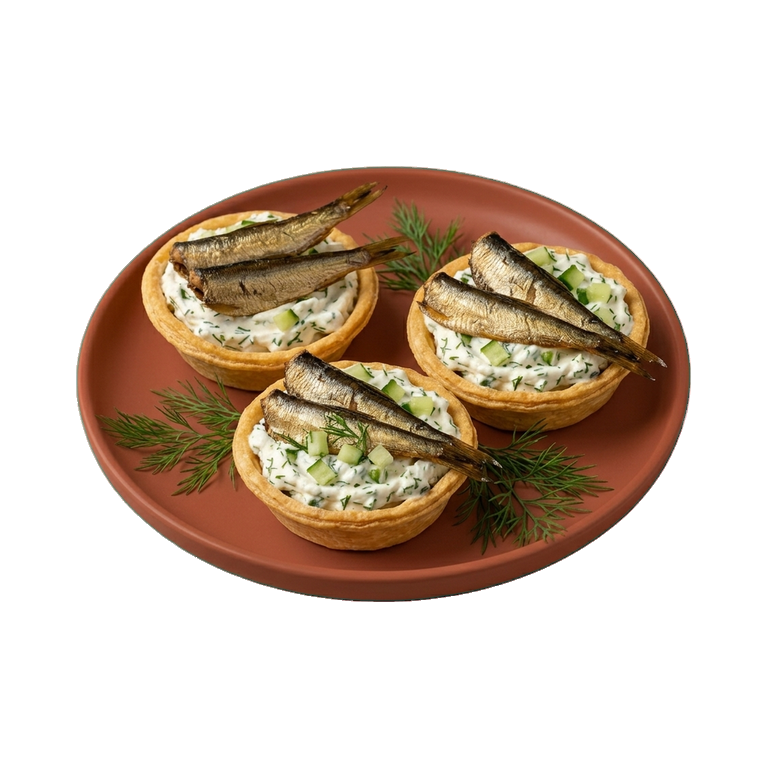
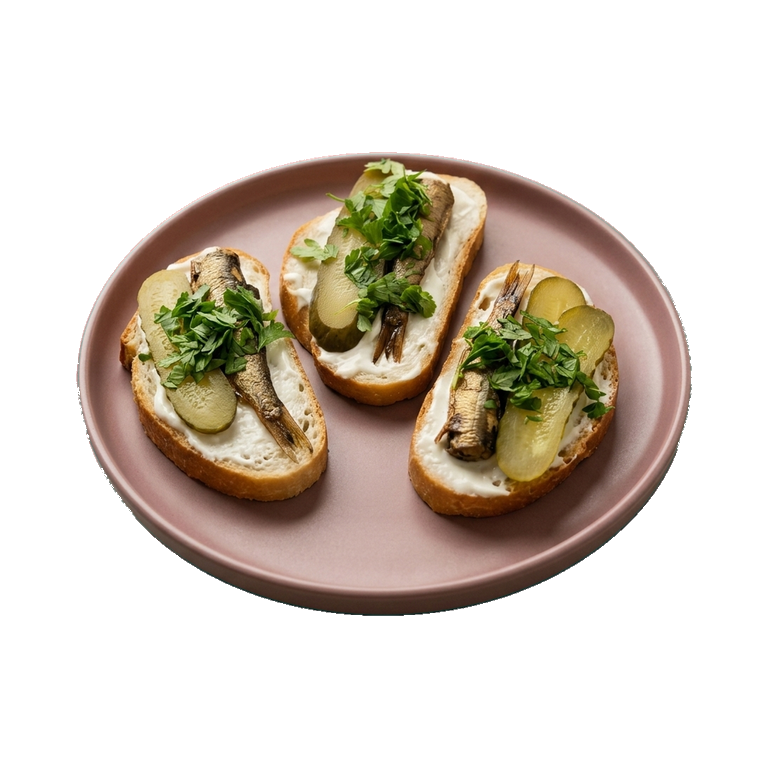
- In appetizers and on a cold table — sliced into circles or served whole as a standalone dish
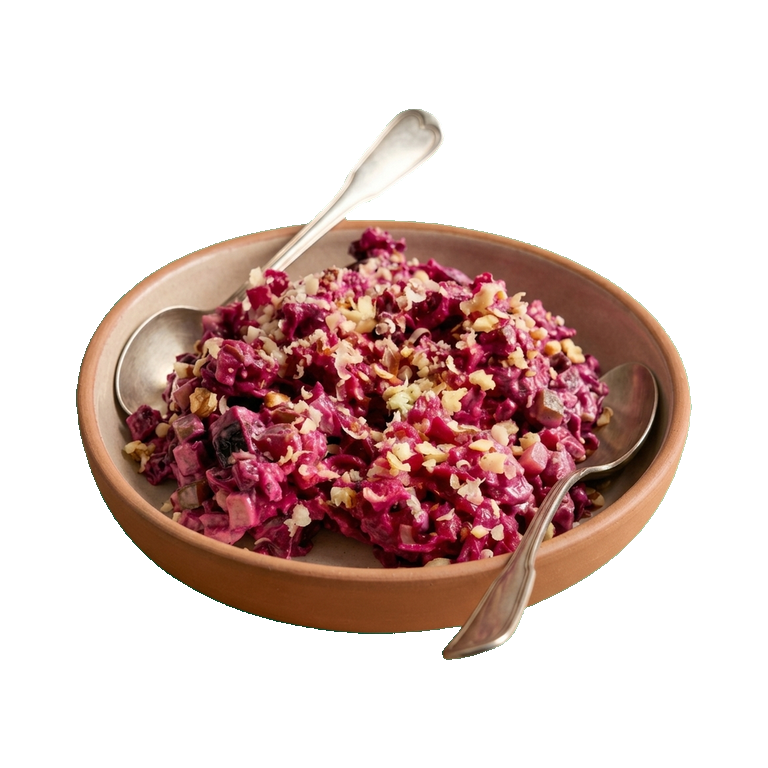
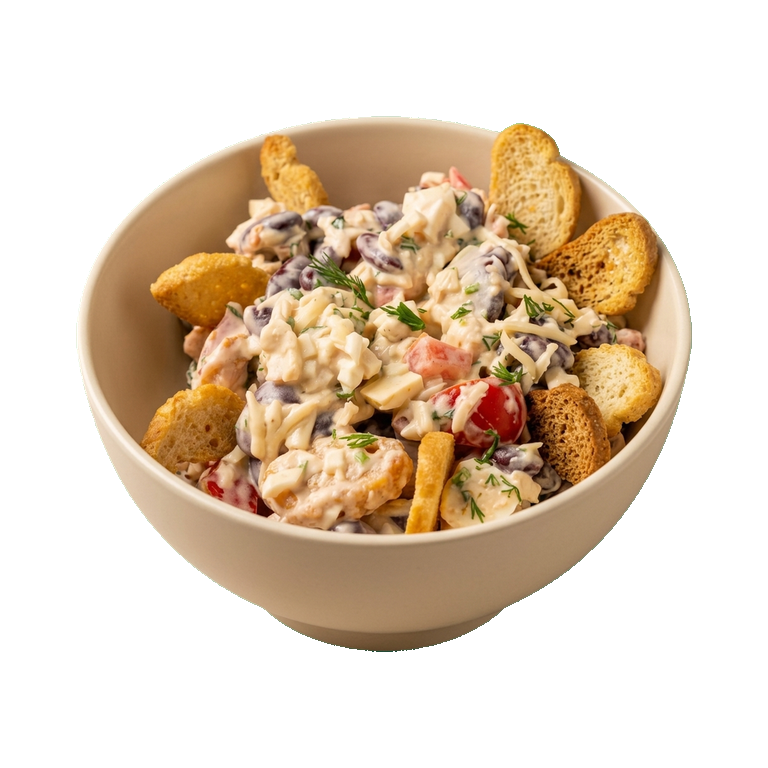
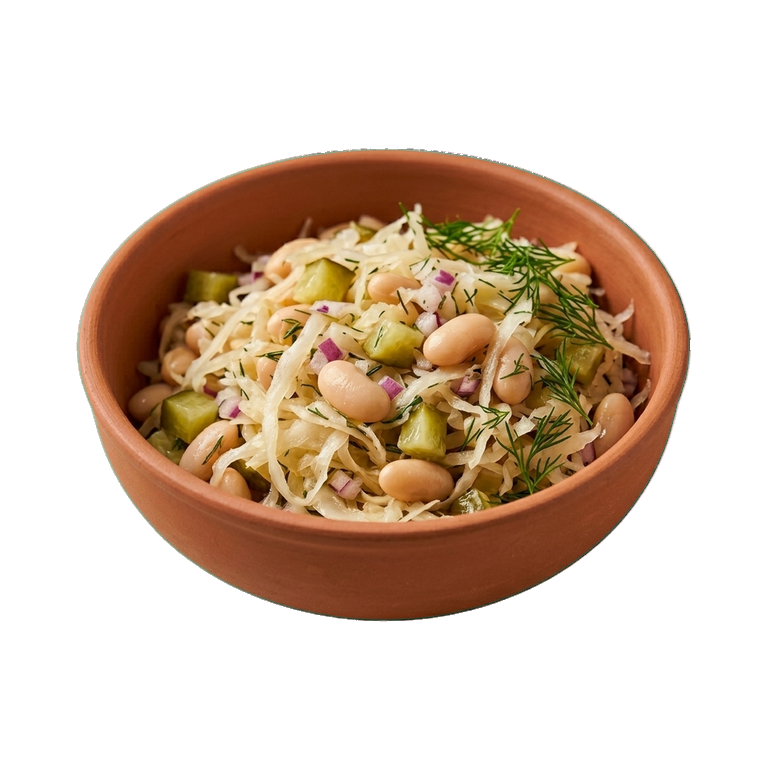
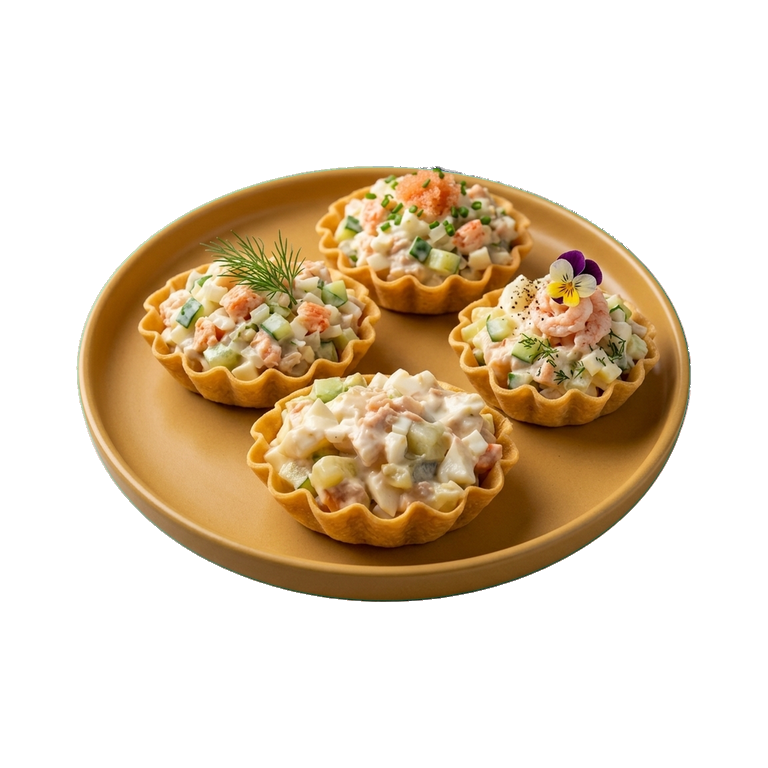
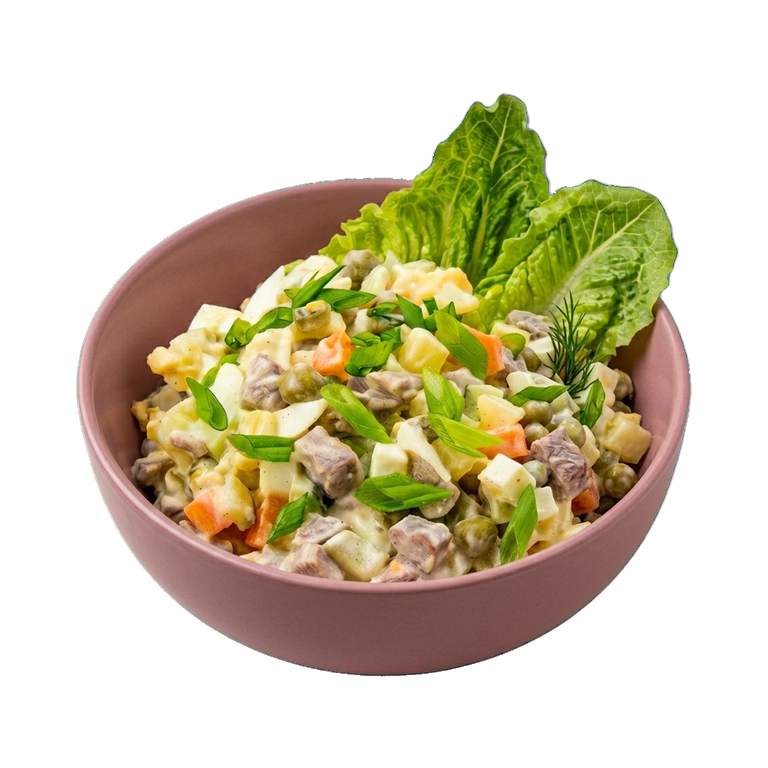
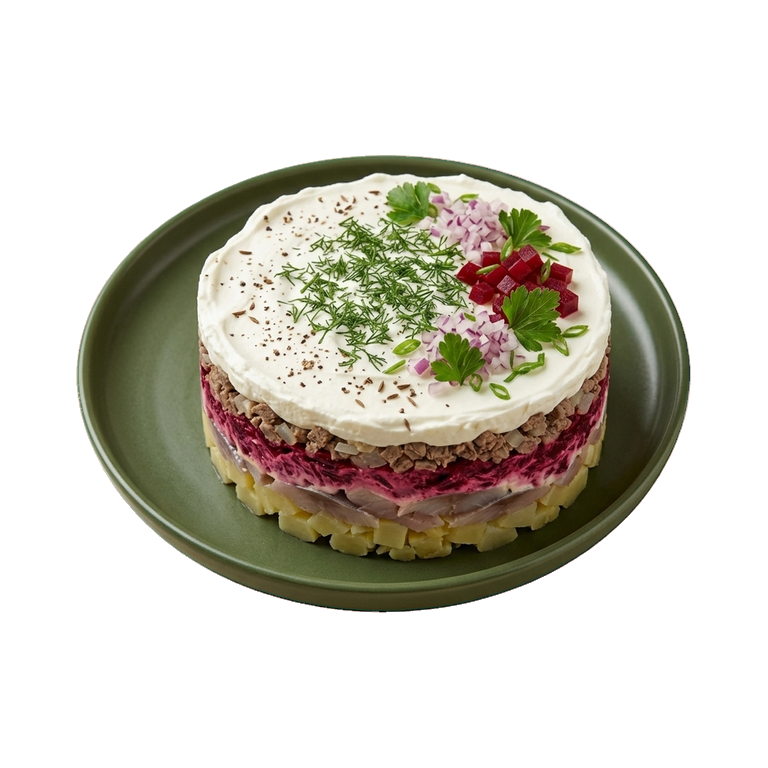
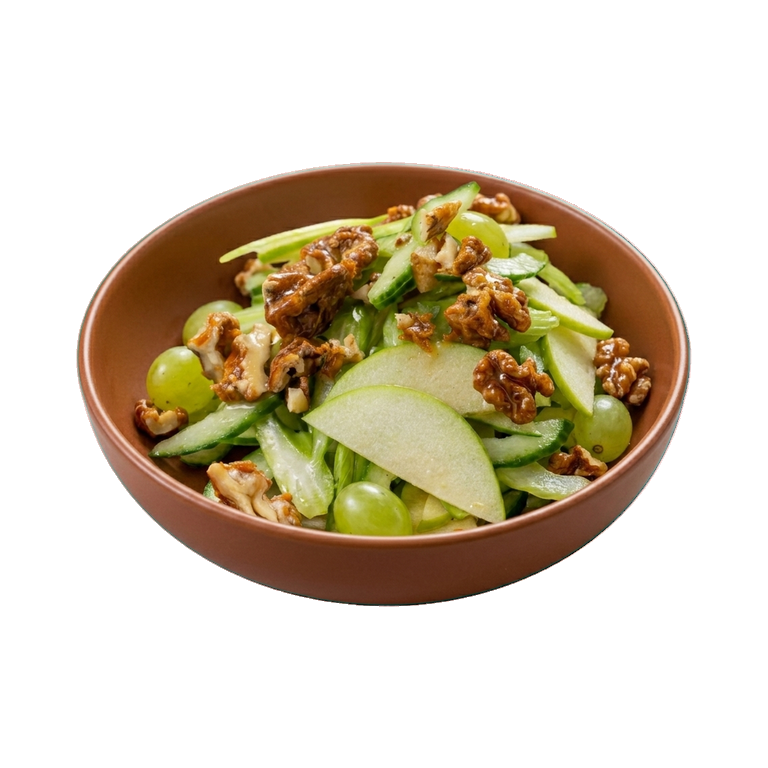
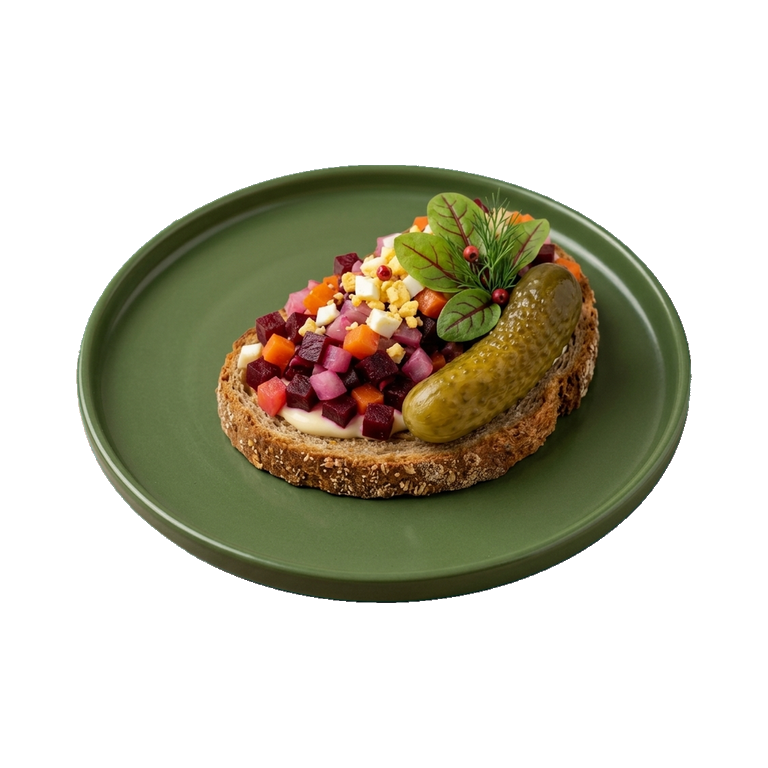
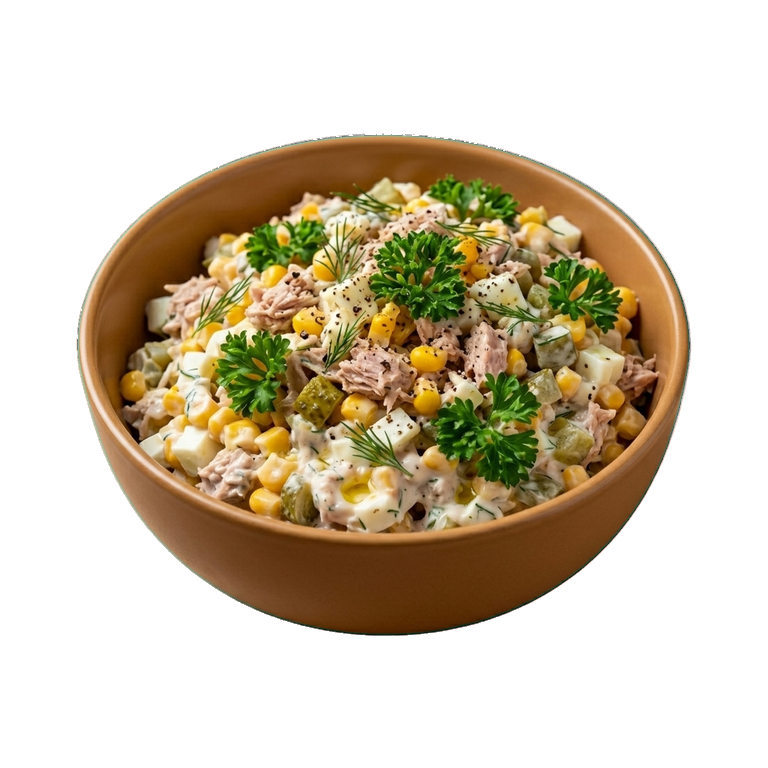
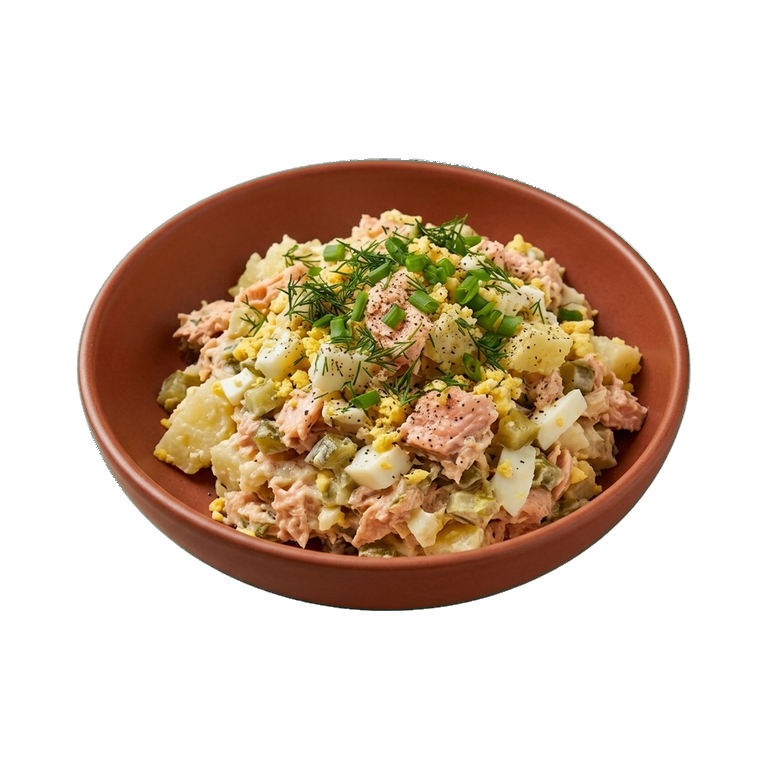
- In salads — add acidity and crunch, especially good in olivier and vinaigrettes
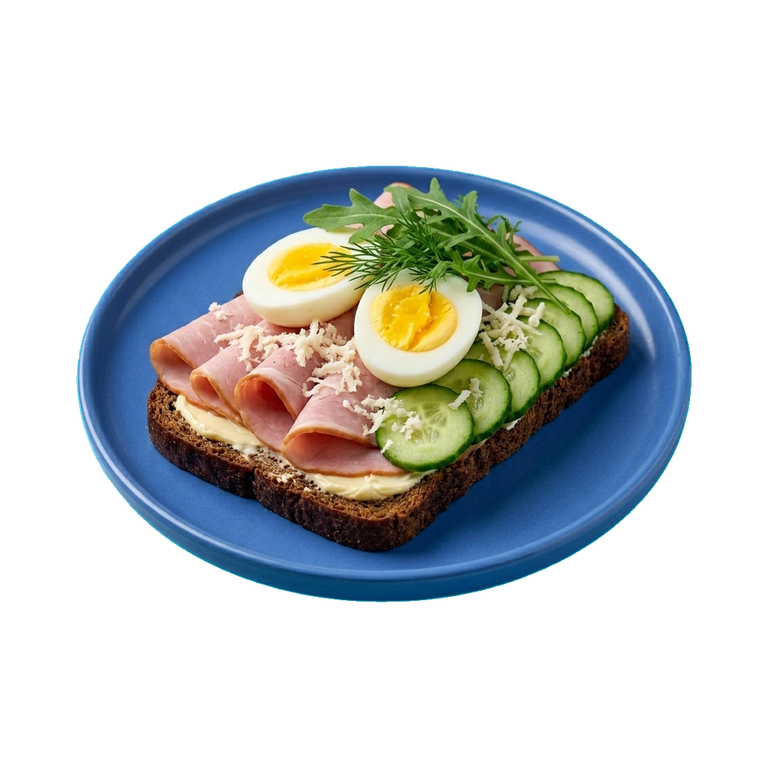
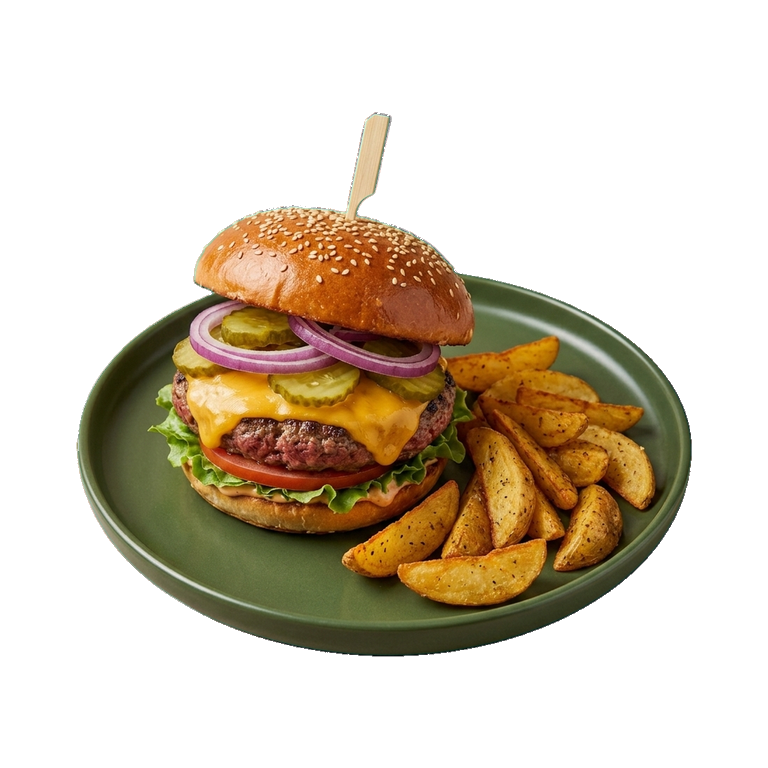
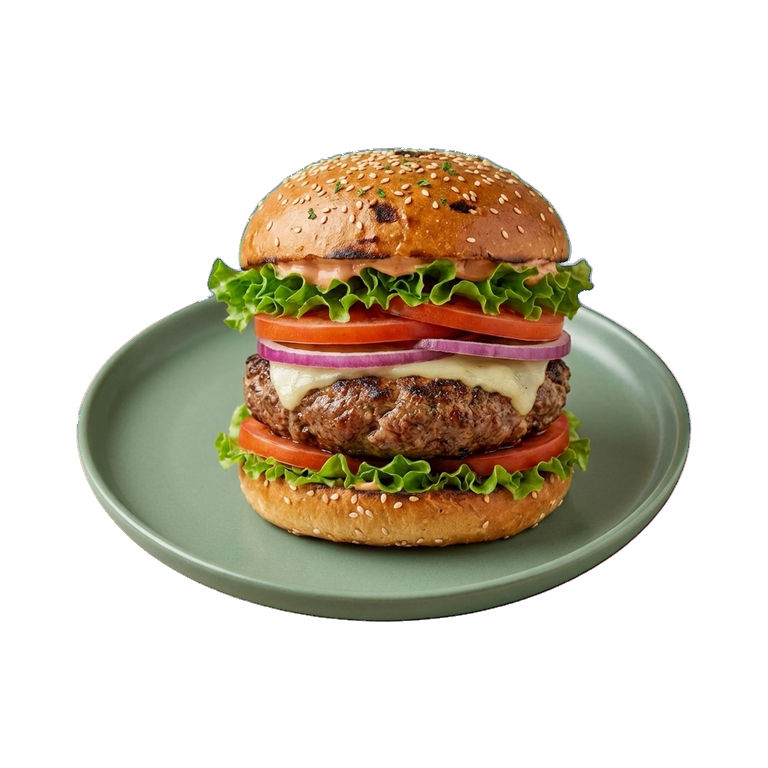
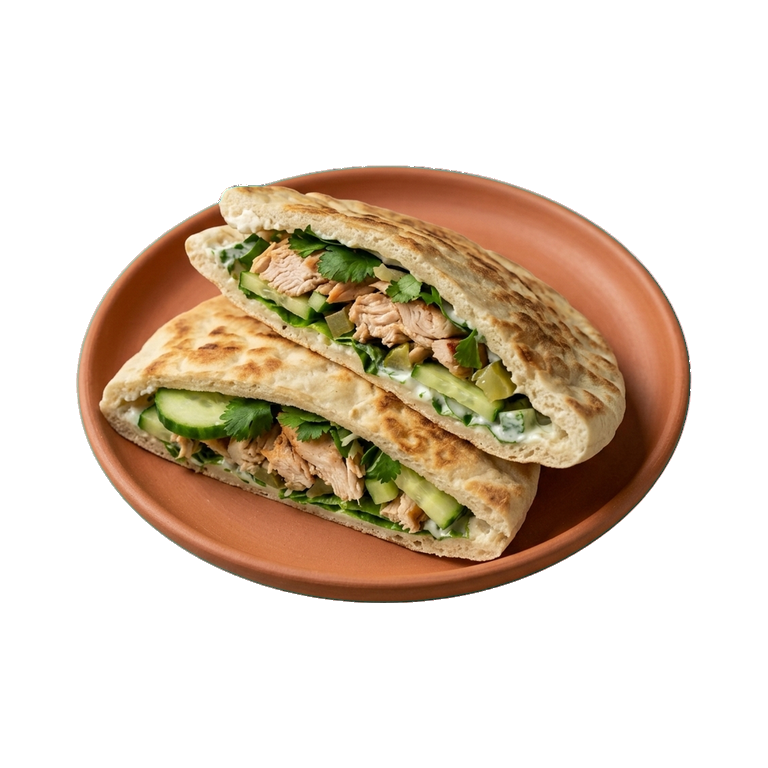
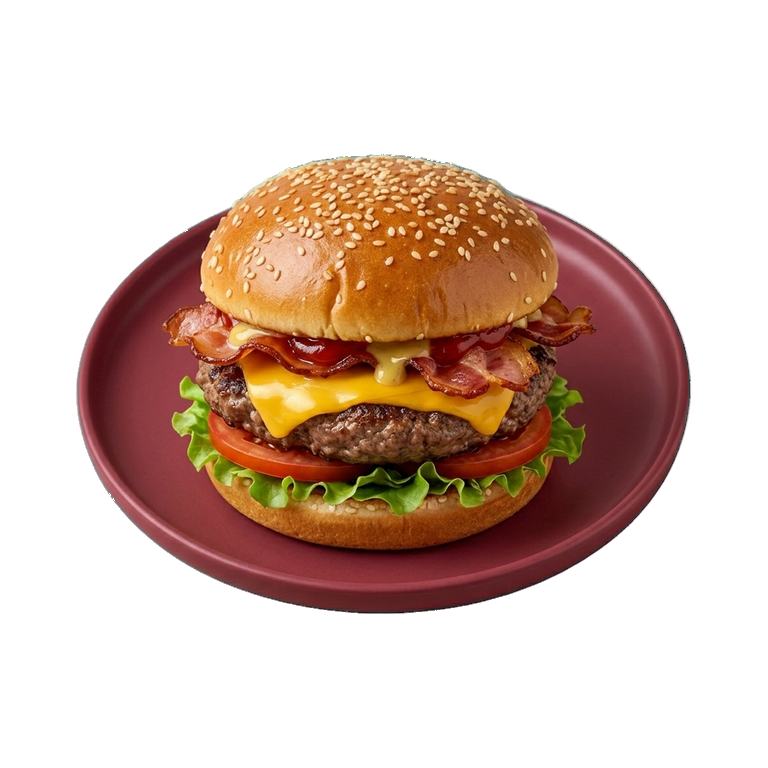
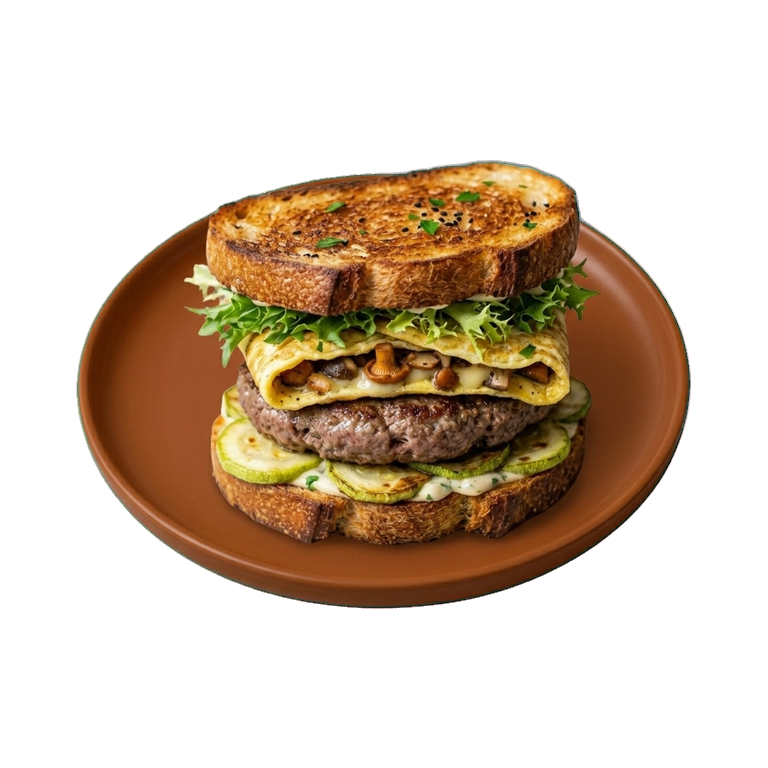
- In sandwiches — a slice of pickled cucumber refreshes and balances rich fillings
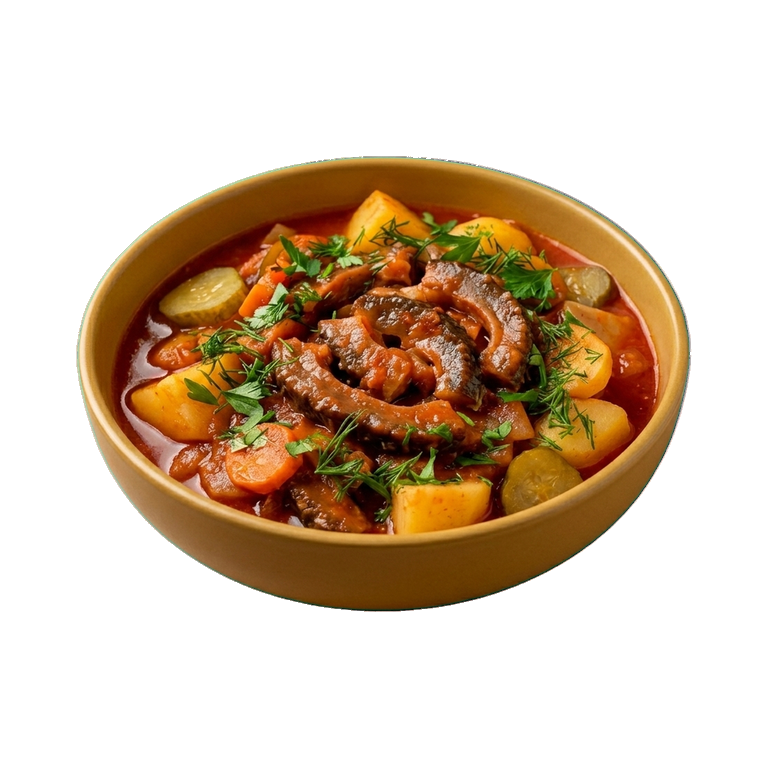
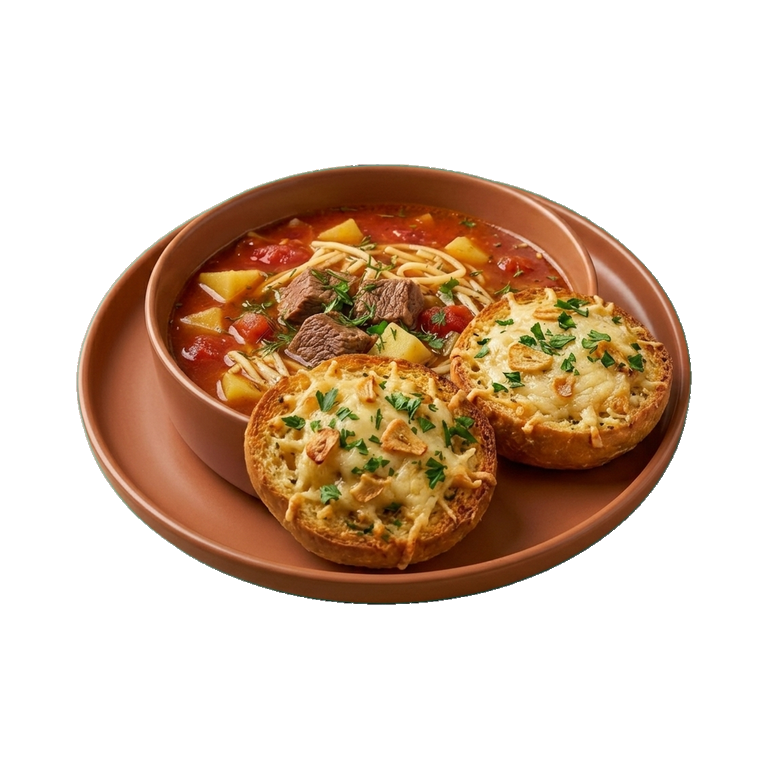
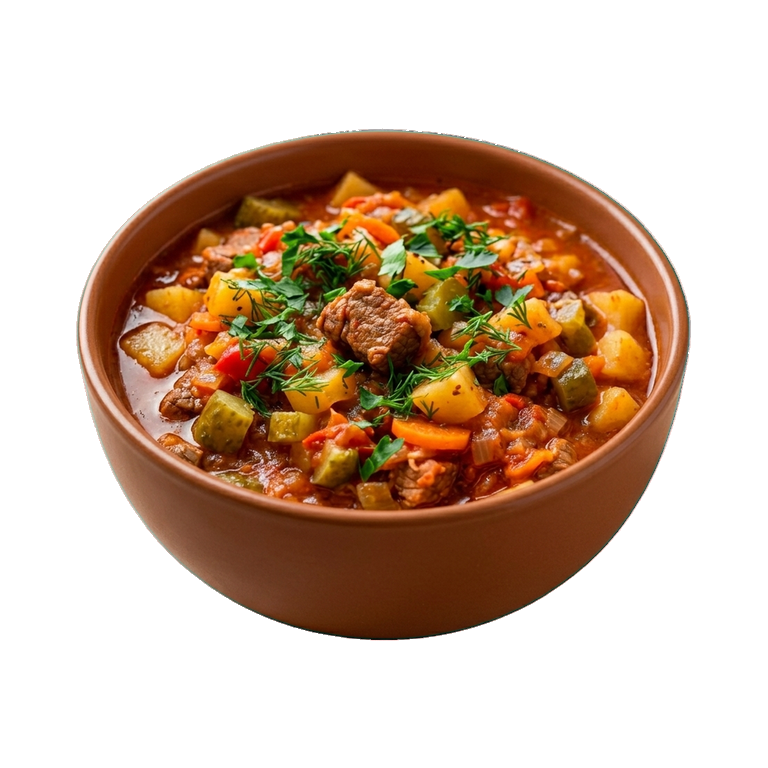
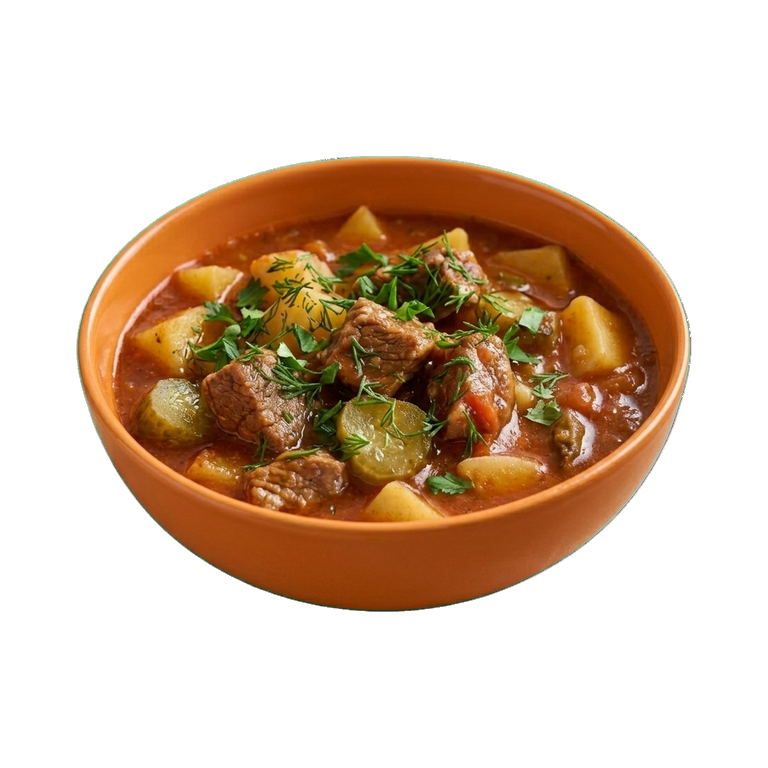
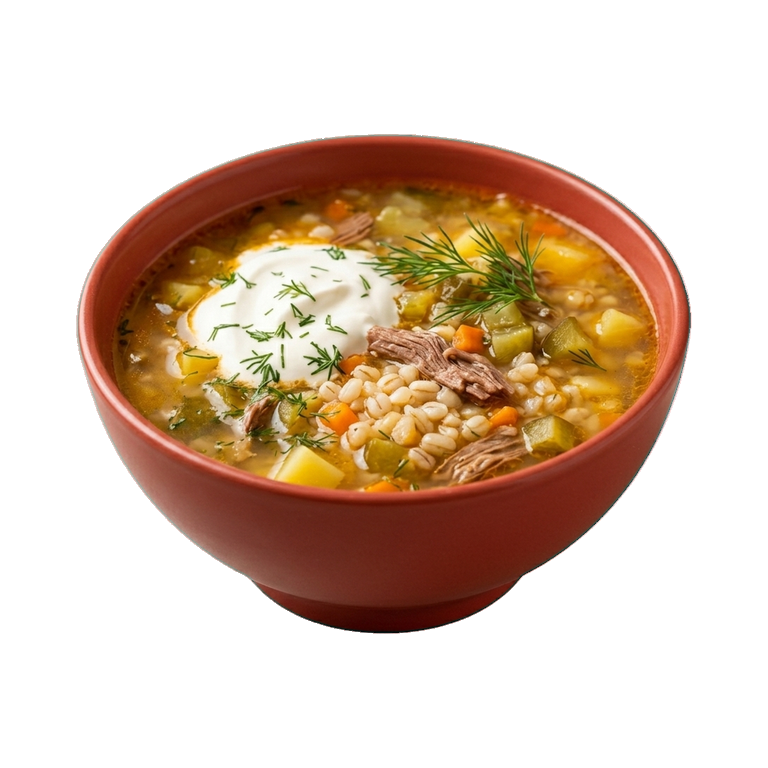
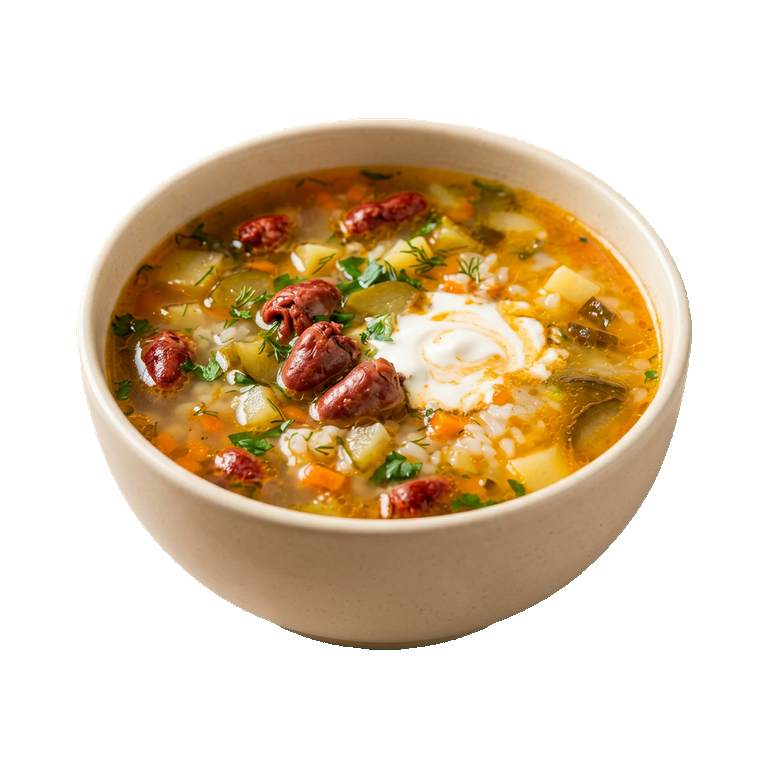
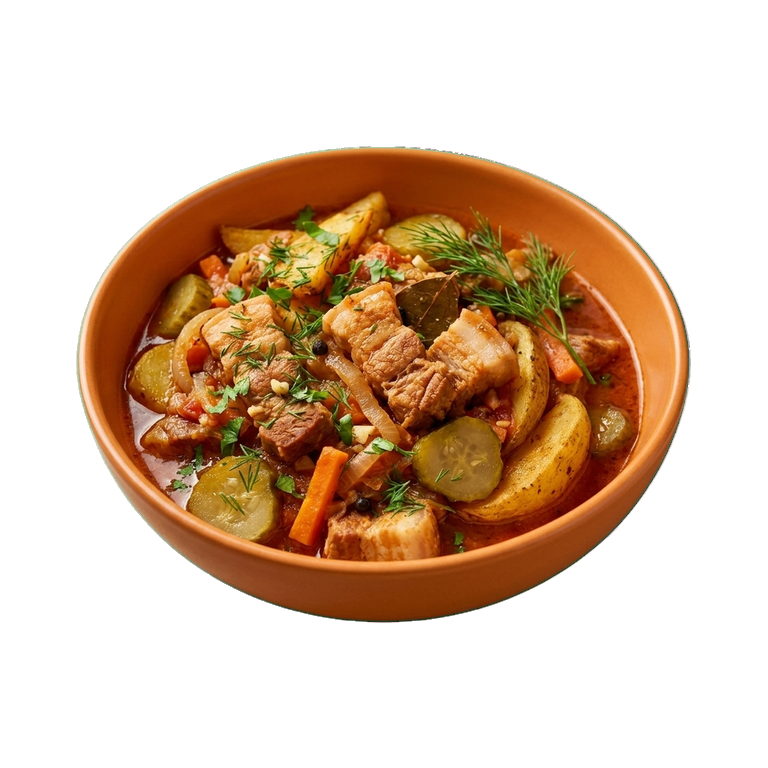
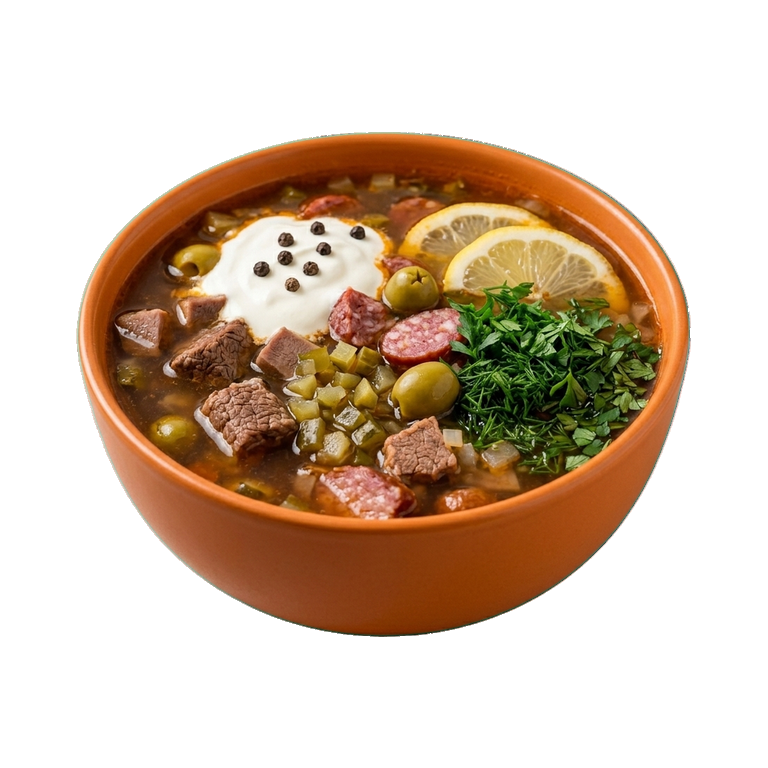
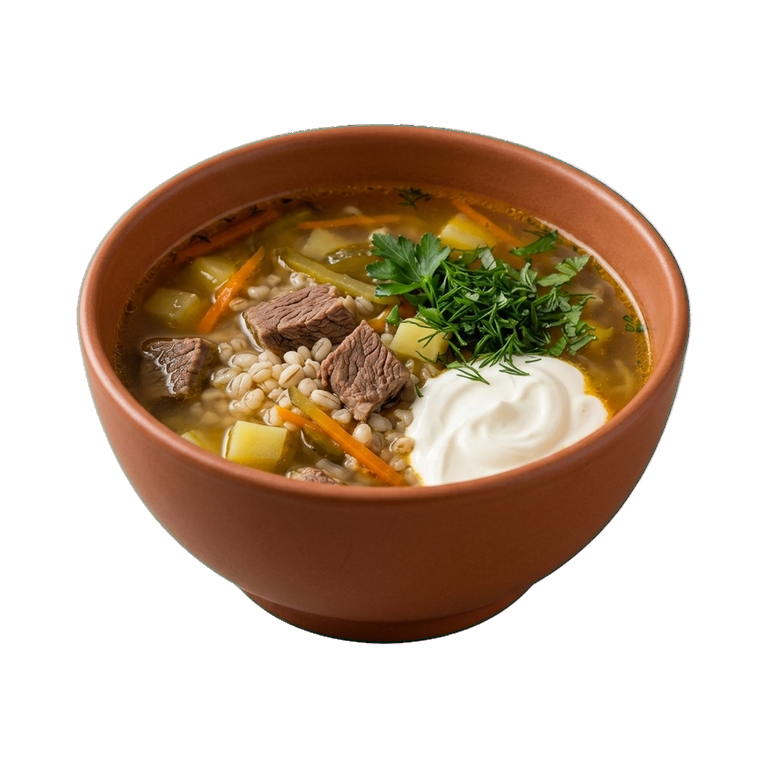
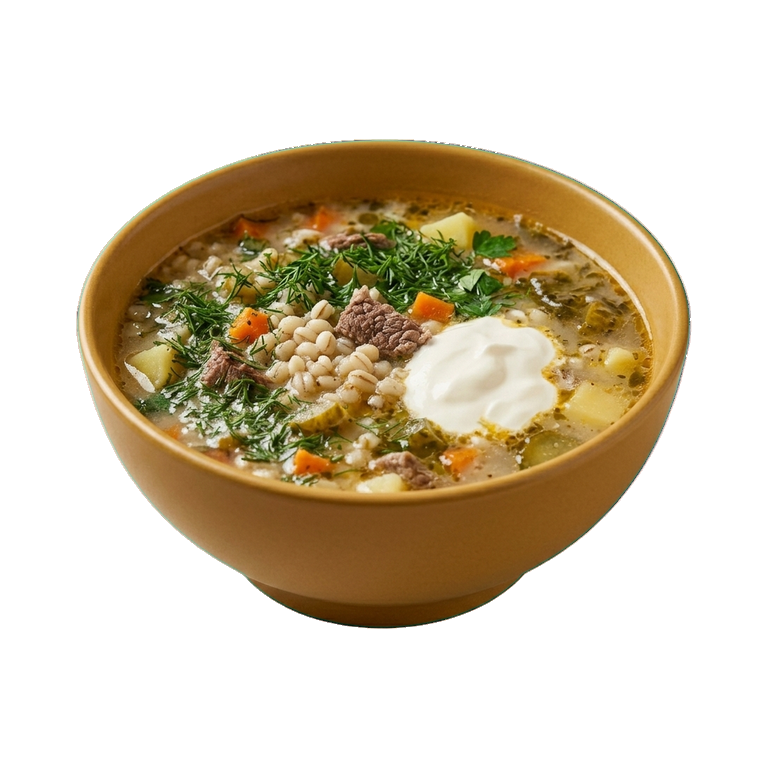
- In soups — sliced cucumbers and their brine are used in okroshka and rassolnik
- In marinades and sauces — brine serves as a base for dressings and marinades for meat and fish
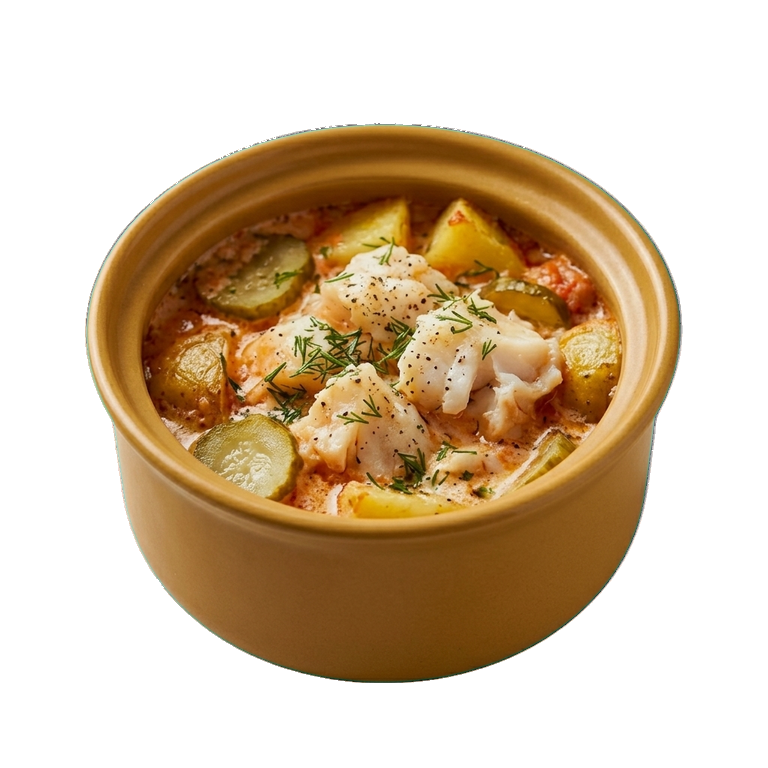
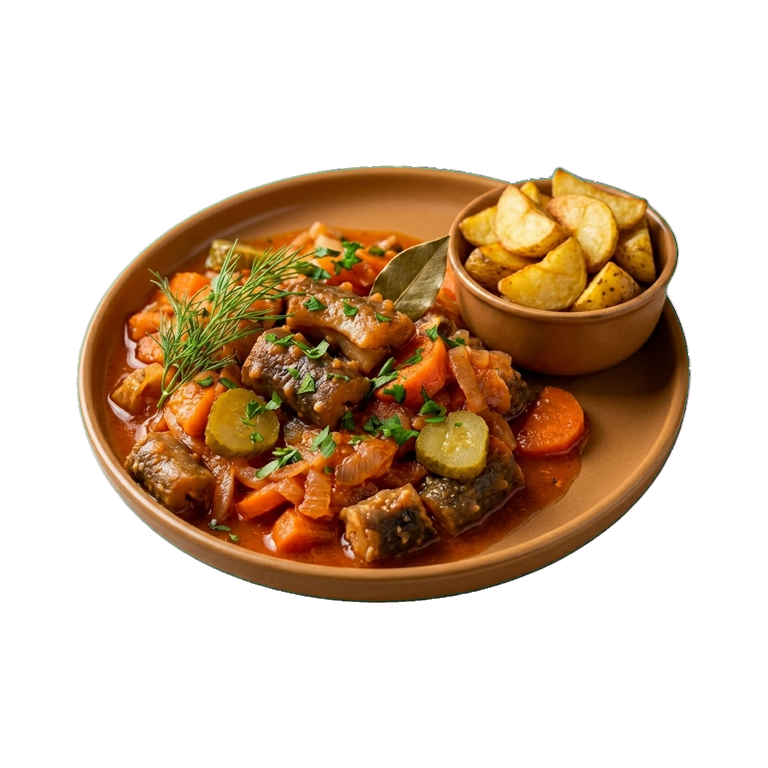
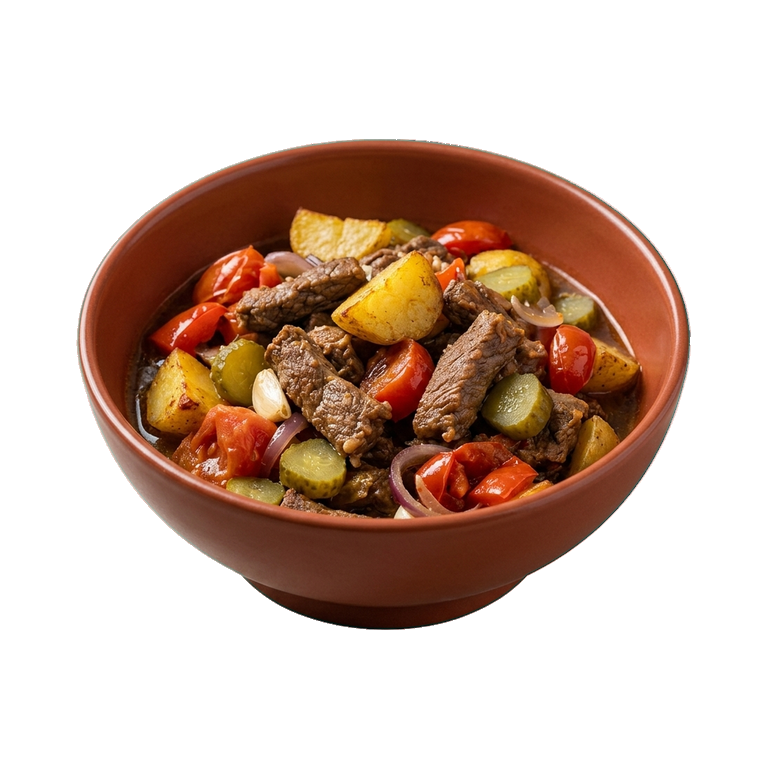
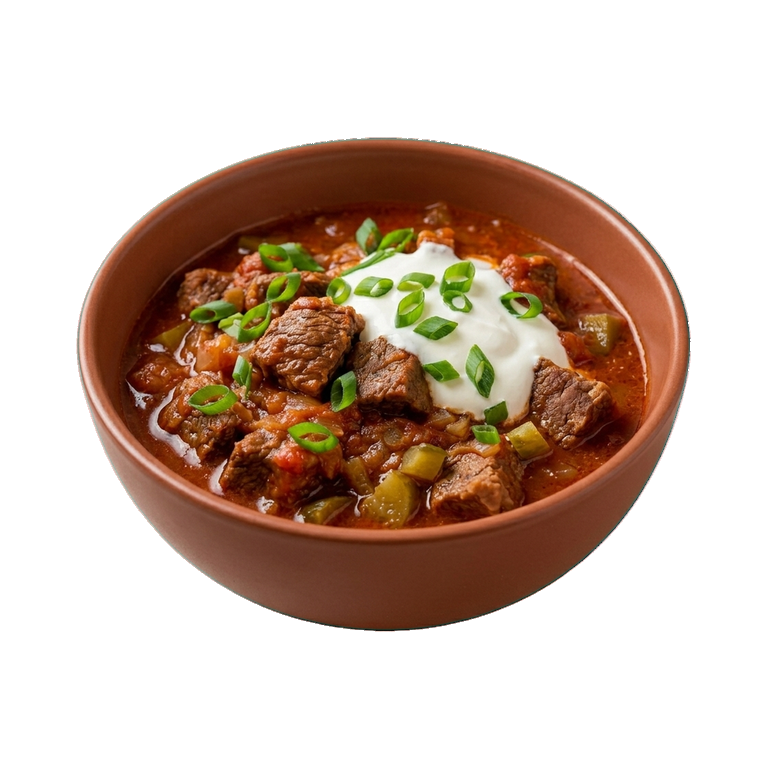
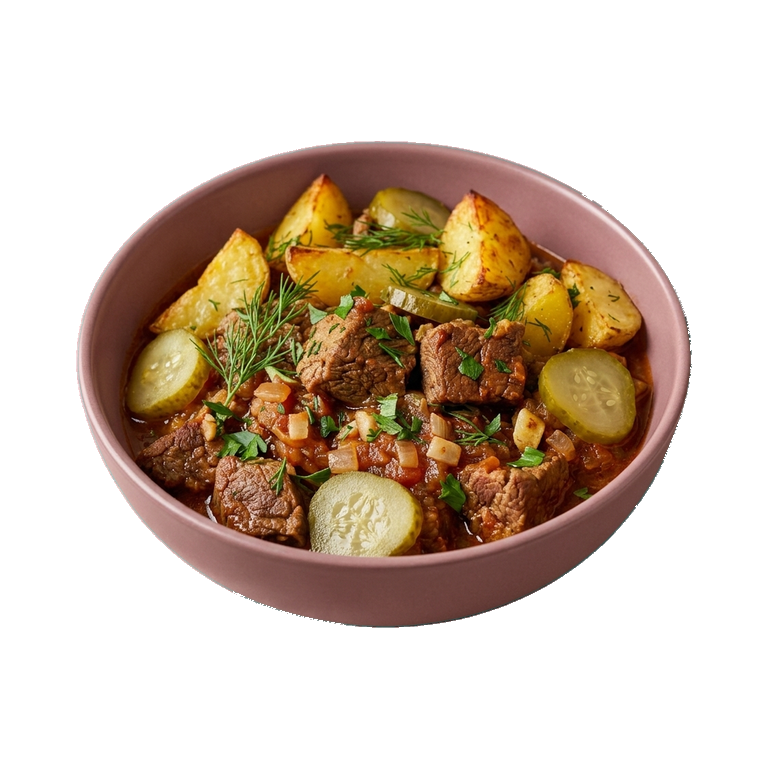
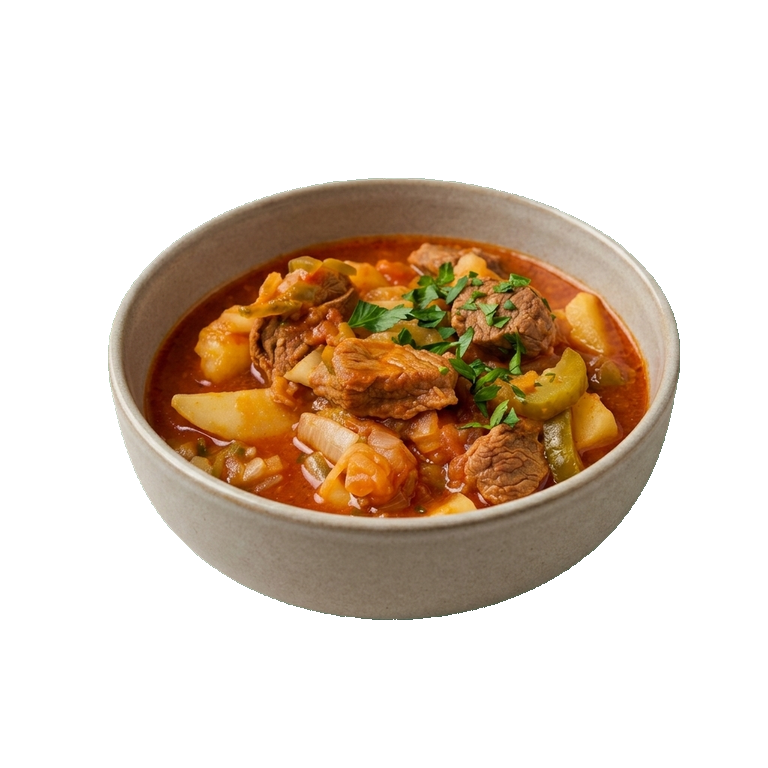
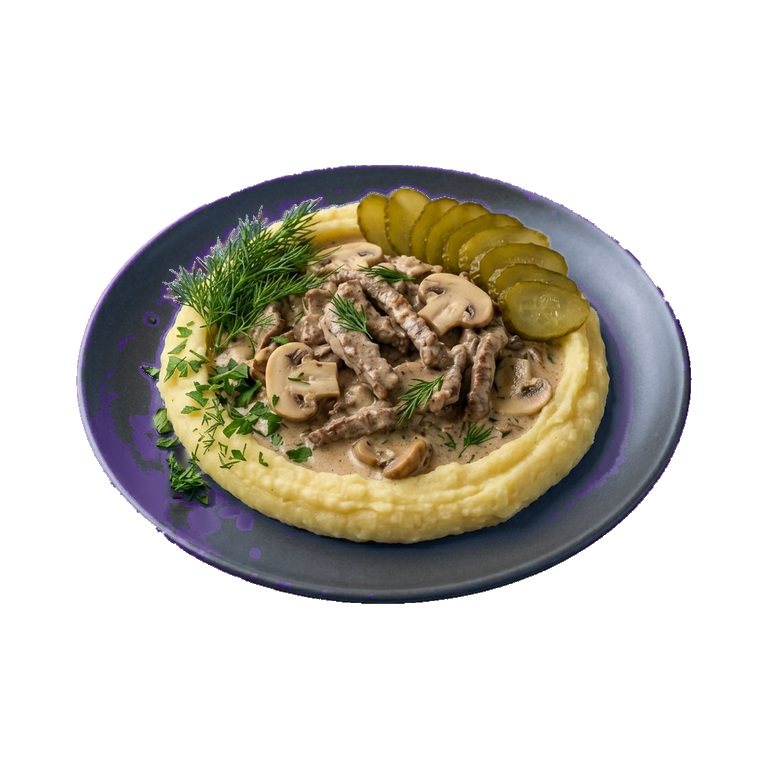
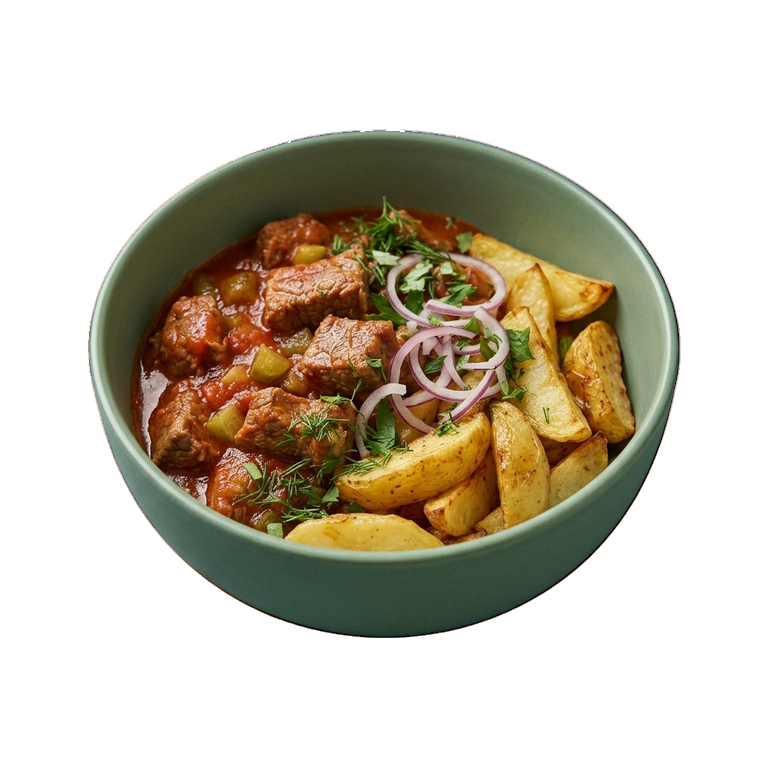
- As a side dish for hot meals — pickled cucumbers complement fatty meat, smoked products and fish
Pickles pair excellently with potatoes, sour cream, dill, mustard, onions, and smoked products. Their acidity balances fatty dishes and aids digestion. The brine can be used as a base for cold soups or added to pie dough — it adds moisture and an interesting flavor note.
Selection and Storage
When selecting, pay attention to appearance: cucumbers should be firm, without soft spots and mold. The color varies from light green to darker depending on the variety and fermentation time. Make sure they are completely covered with brine — this ensures proper storage and prevents oxidation.
- Store in the refrigerator in an airtight container or jar with brine at a temperature of 4–8 degrees
- Storage time — several months if cucumbers are always completely submerged in brine
- Remove cucumbers with a clean fork or spoon to avoid introducing bacteria
- If mold appears on the surface of the brine, remove it and boil the brine before use
Pickles are a product that always comes in handy in the kitchen. They have a long shelf life, require no additional preparation before serving, and instantly lift the mood of a simple meal or complement a festive table. Even the brine shouldn't be thrown away — it will come in handy for marinades, dressings, and even as a base for unusual drinks.
Nutrition
per 100 g
- Calories
- 16 kcal
- Protein
- 1.1 g
- Fat
- 0.1 g
- Carbs
- 2.6 g
Micronutrients
per 100 g
Macronutrients
- Fiber
- 1.2 g
- Sugars
- 1.06 g
- Saturated fat
- 0.052 g
- Monounsaturated fat
- 0.003 g
- Polyunsaturated fat
- 0.081 g
- Omega-3 (EPA + DHA)
- 0 g
- Cholesterol
- 0 mg
- Water
- 94.08 g
Minerals
- Sodium
- 1208 mg
- Potassium
- 23 mg
- Calcium
- 0 mg
- Magnesium
- 4 mg
- Phosphorus
- 14 mg
- Iron
- 0.4 mg
- Zinc
- 0.02 mg
- Copper
- 0.09 mg
- Manganese
- 0.01 mg
- Selenium
- 0 mcg
Vitamins
- Vitamin A (RAE)
- 10 mcg
- Vitamin D
- 0 mcg
- Vitamin E
- 0.09 mg
- Vitamin K
- 47 mcg
- Vitamin C
- 1 mg
- Vitamin B1 (thiamin)
- 0 mg
- Vitamin B2 (riboflavin)
- 0.01 mg
- Vitamin B3 (niacin)
- 0 mg
- Vitamin B5 (pantothenic acid)
- 0.04 mg
- Vitamin B6
- 0.01 mg
- Vitamin B9 (folate, DFE)
- 1 mcg
- Vitamin B12
- 0 mcg
Measures and weight
- 1 pcs
- 65 g
Measure calculator
- Weight
- 100 g
- Calories
- 16 kcal