Usuba
Usuba
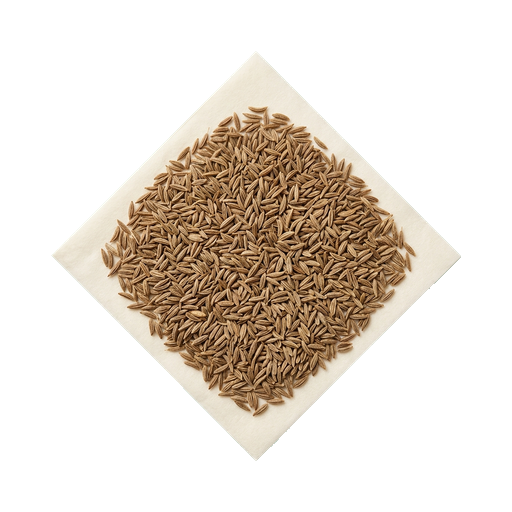
Cumin seeds
Cumin is a spice with a sharp, slightly bitter taste and a characteristic warm aroma with nutty notes. The seeds are used whole or ground in Eastern cuisine, especially in Indian, Mexican, and Central Asian dishes, adding depth and pungency to rice side dishes, meat stews, and legumes. When selecting, prefer fresh seeds with a pronounced aroma, and when storing, keep in an airtight container in a cool place to preserve the essential oils.
Micronutrients
per 100 g
Minerals
About
Cumin is a spice that works in the kitchen like an invisible helper. Its seeds are small, elongated, with characteristic ridges, and seem unremarkable until they hit a hot skillet. Then they reveal their rich, slightly nutty aroma with earthy notes. This is exactly the spice that makes a dish recognizable, even if you can't name what exactly is so special about it.
Aroma and Taste
Freshly ground cumin smells of warmth and spice simultaneously — it's neither sharp nor sweet, but something in between, deep and cozy. On the tongue, it gives a slight bitterness and warmth that slowly unfolds. If the spice sits in an open jar for a long time, the aroma fades away, so it's worth buying whole seeds and grinding them as needed.
Role in dishes
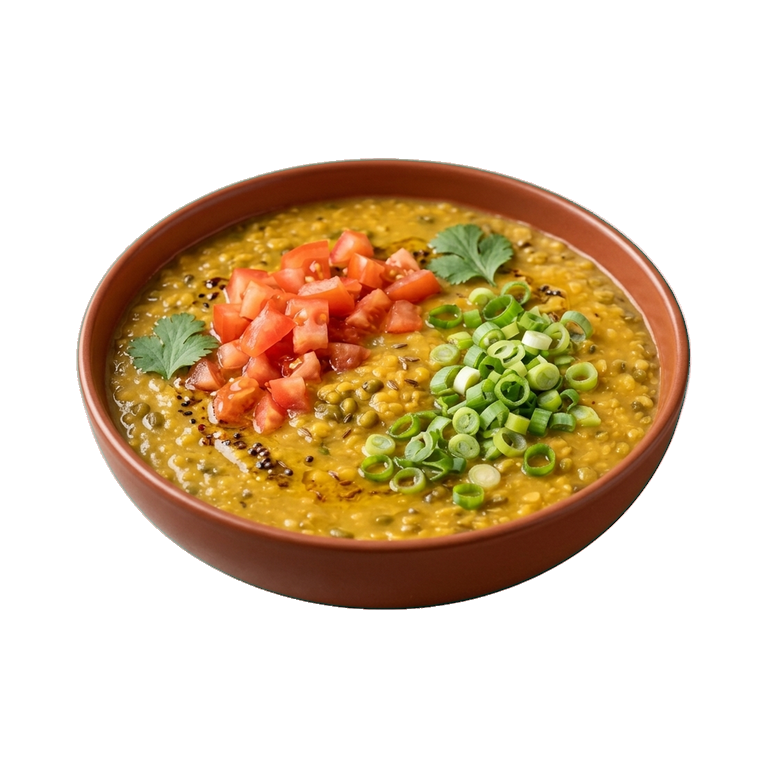
- In Indian cuisine, cumin is the foundation of many curries and dals. It is roasted in oil at the beginning of cooking to release all its potential.
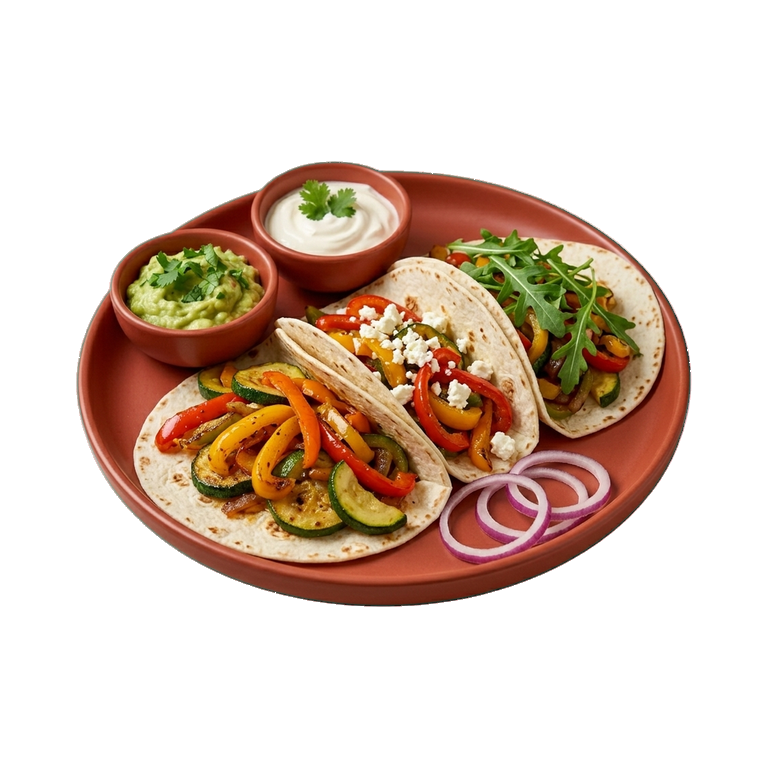
- In Mexican cooking, cumin seeds are part of meat spice blends and are used in chili and stewed dishes.
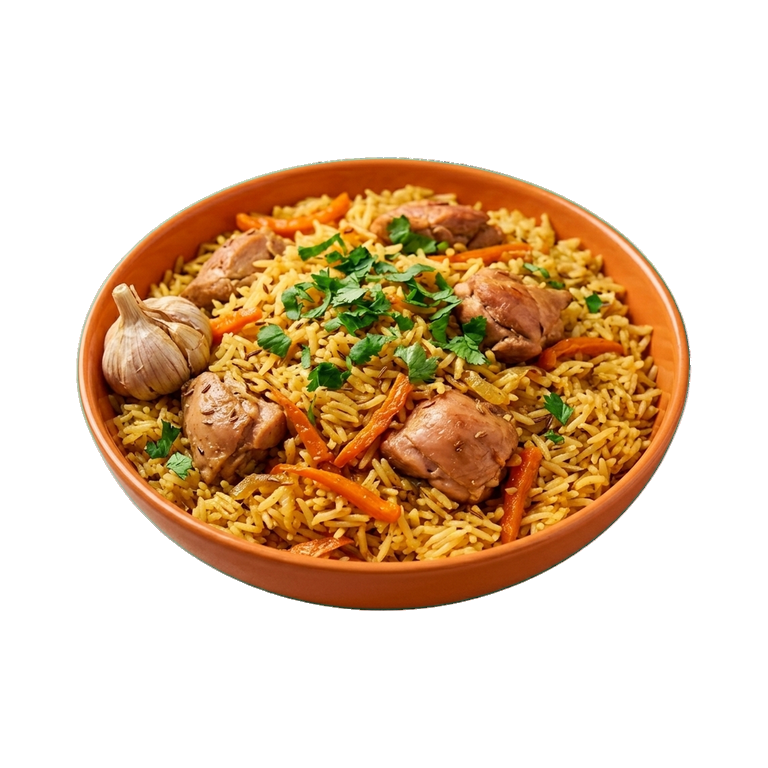
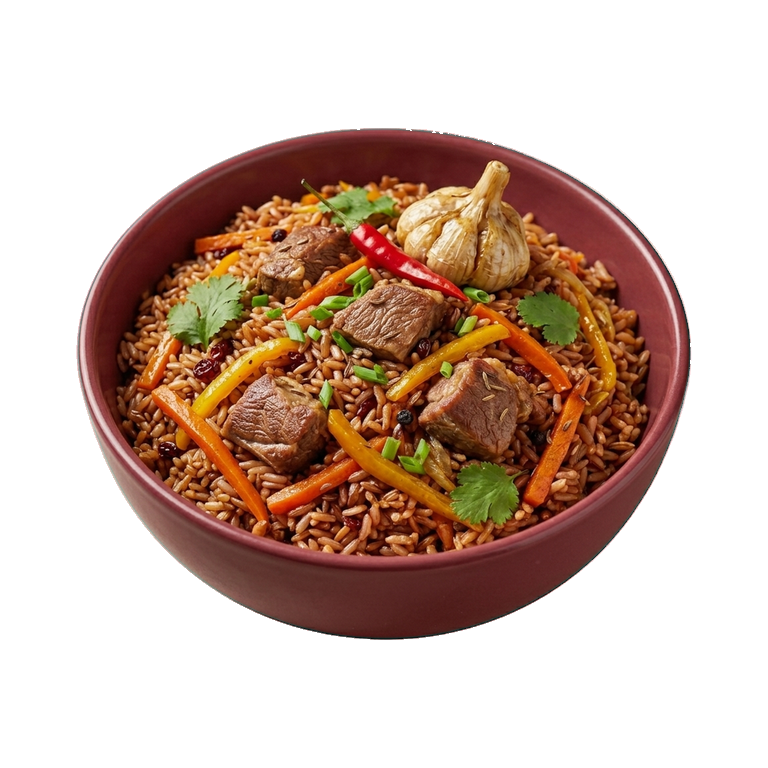
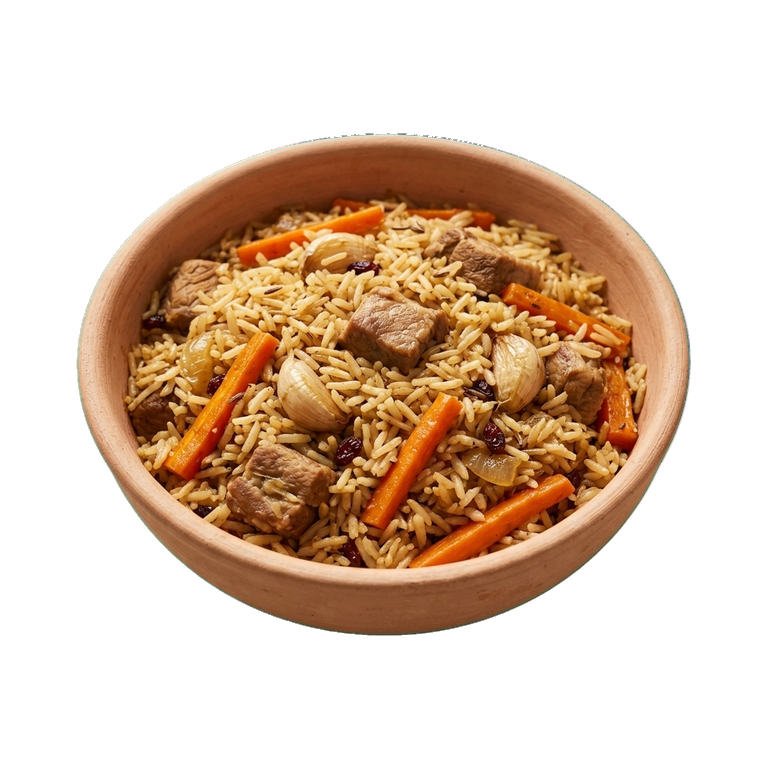
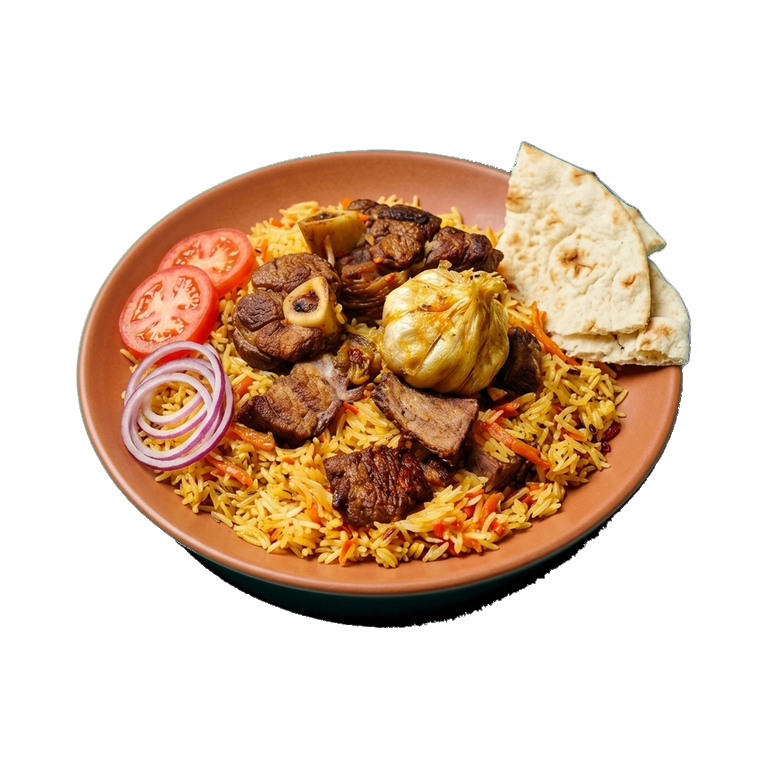
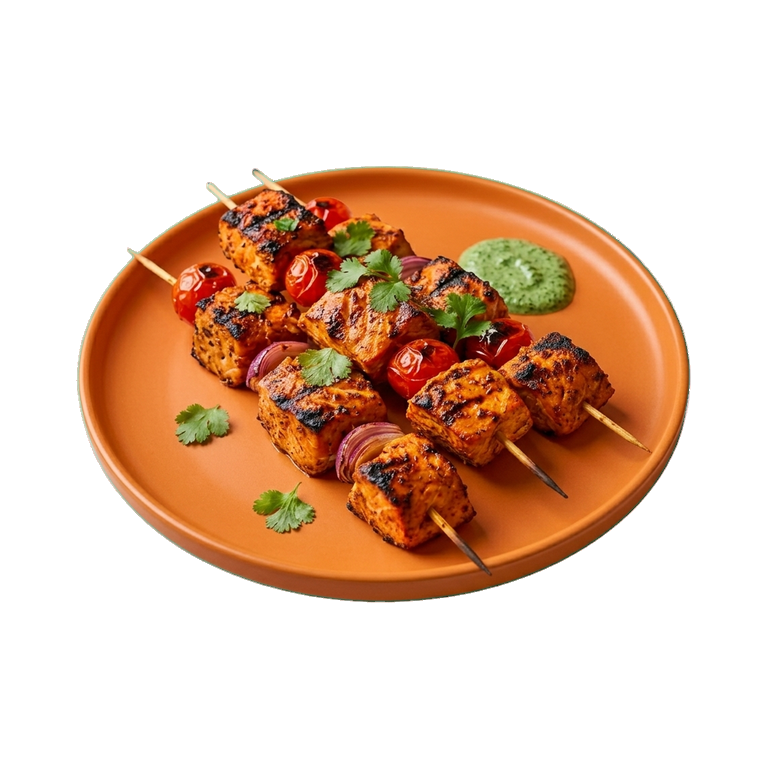
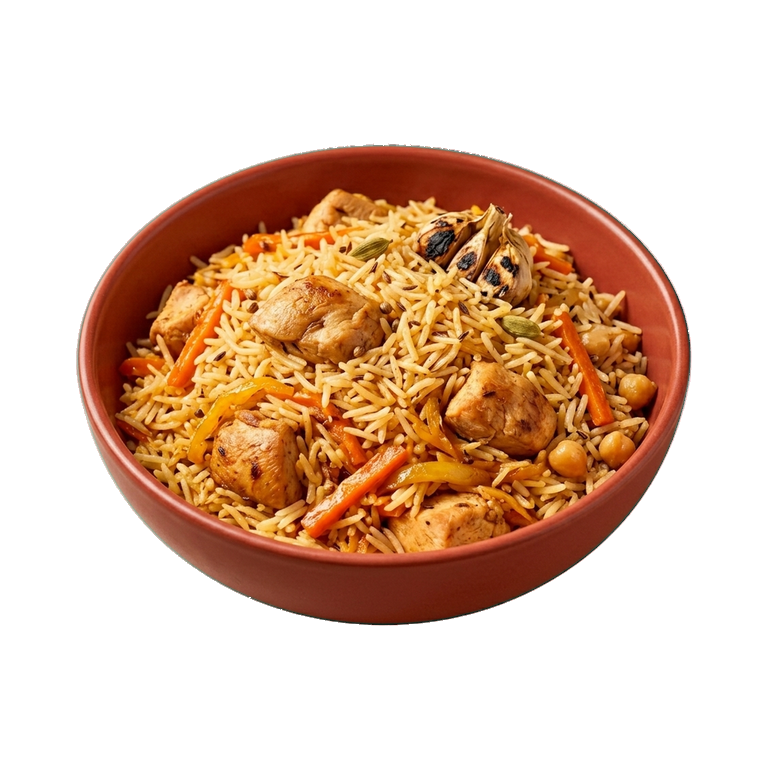
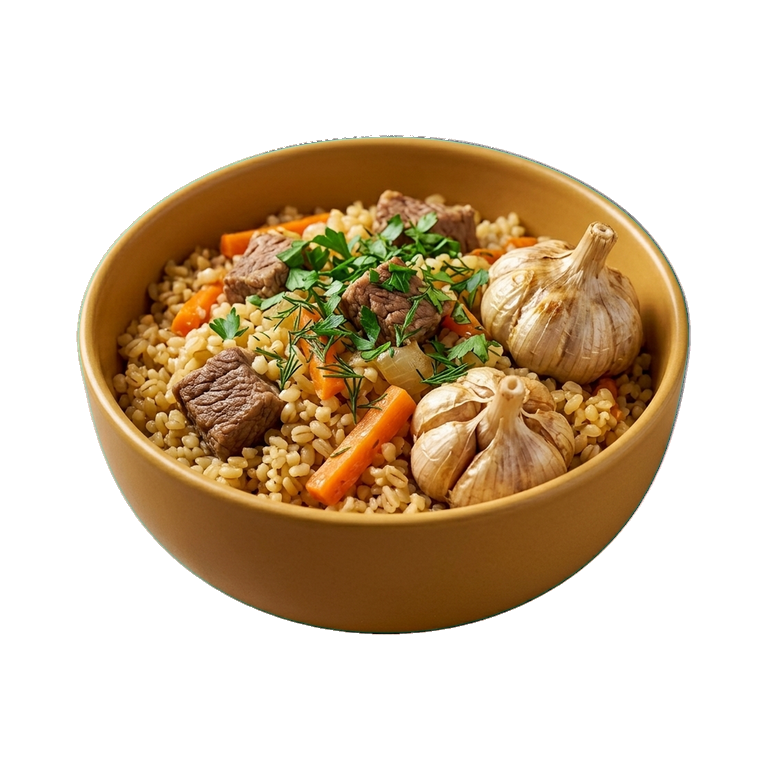
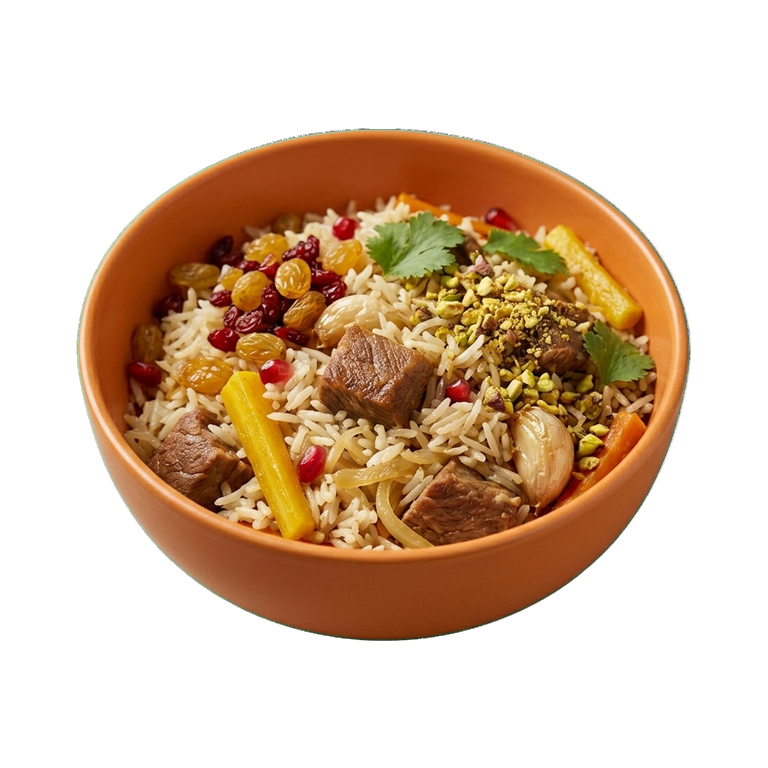
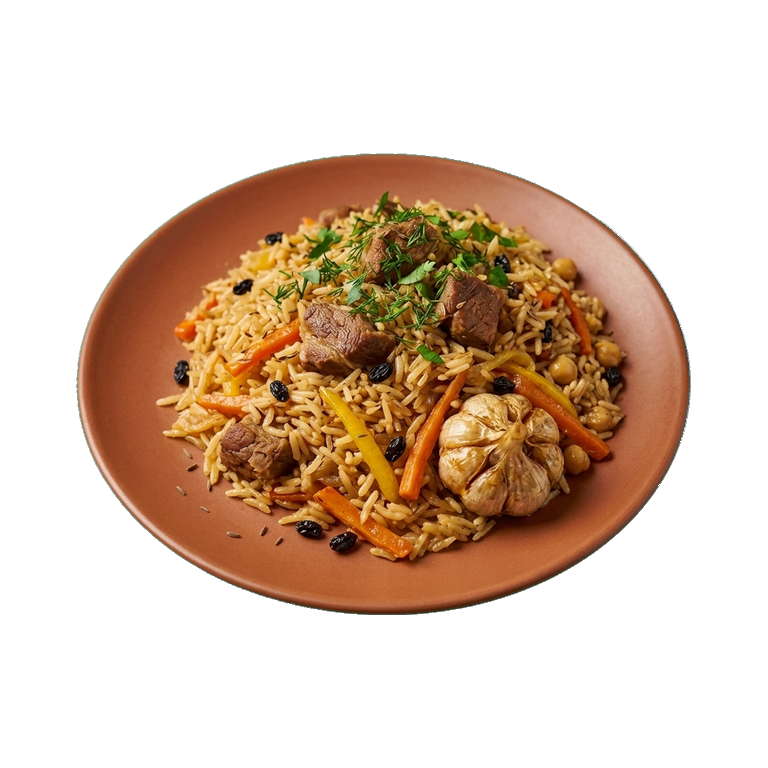
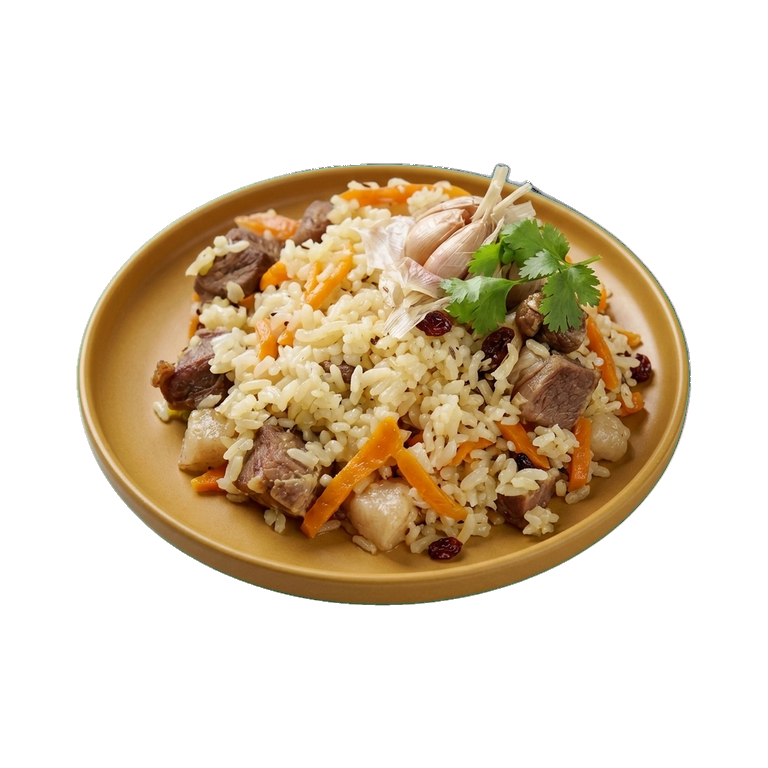
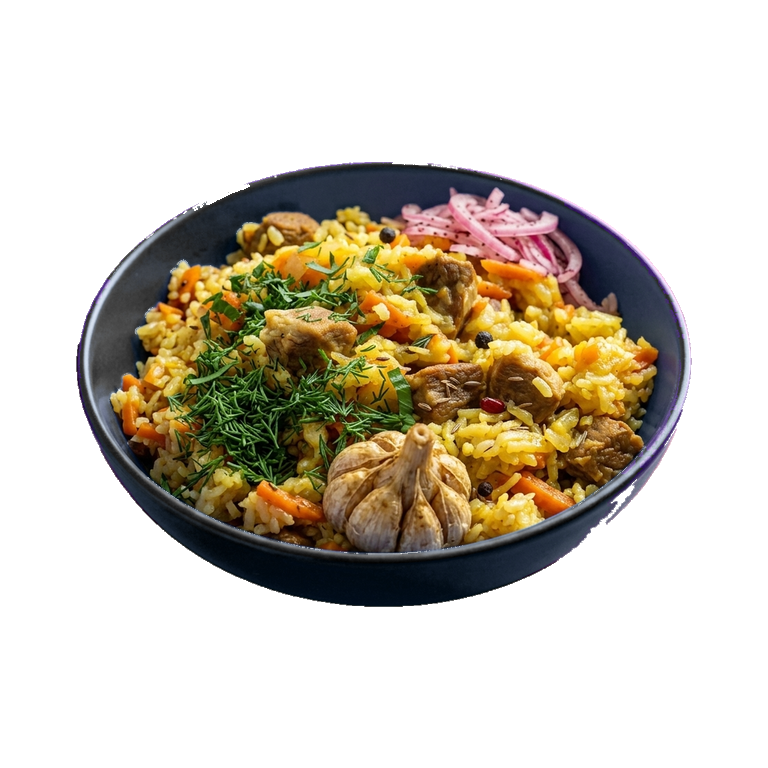
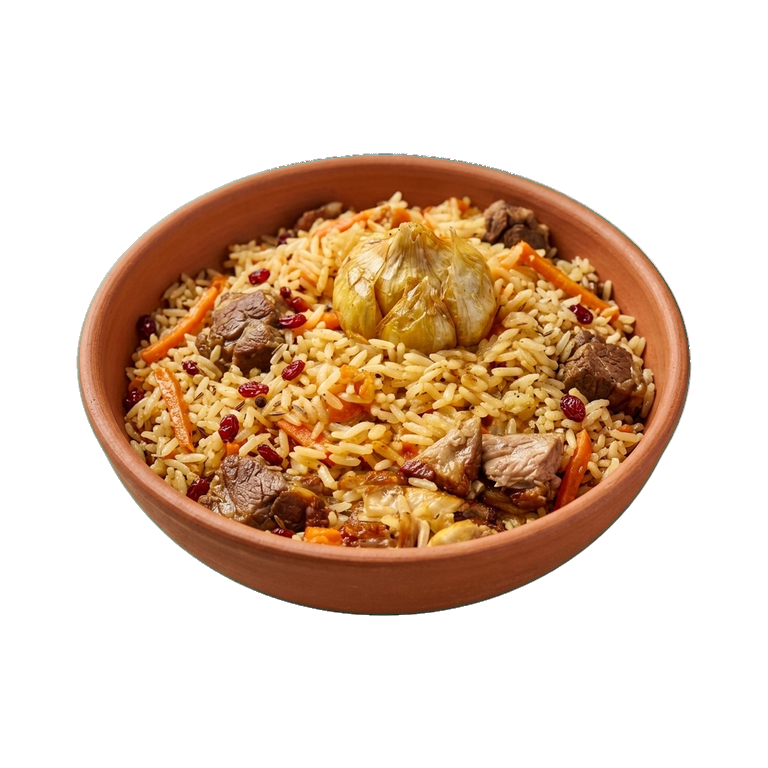
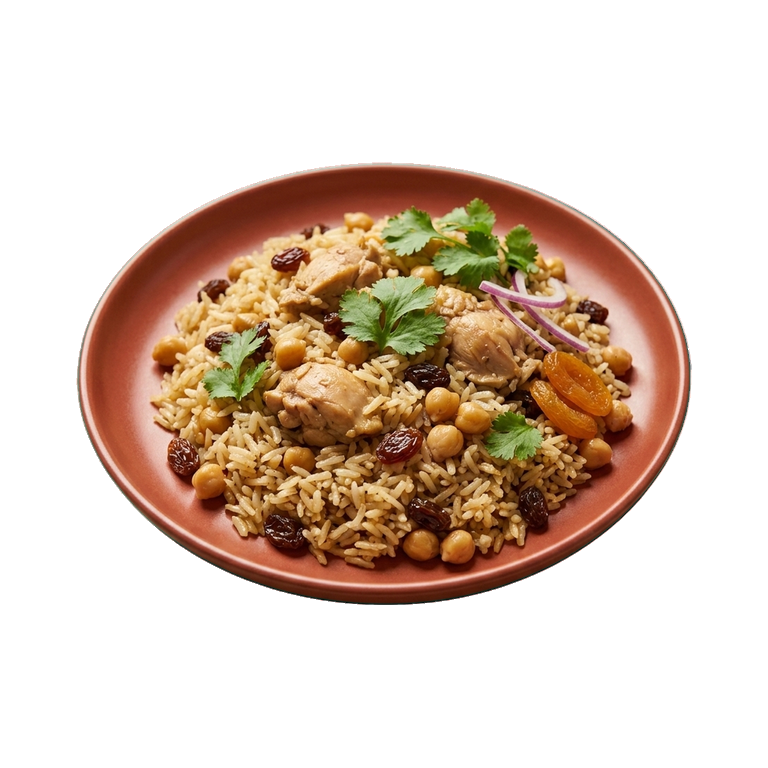
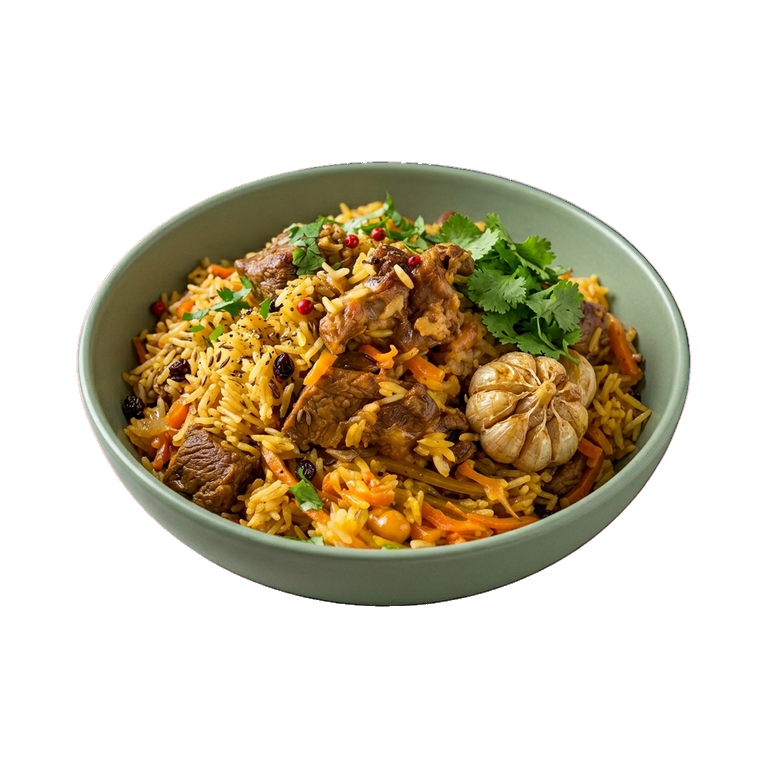
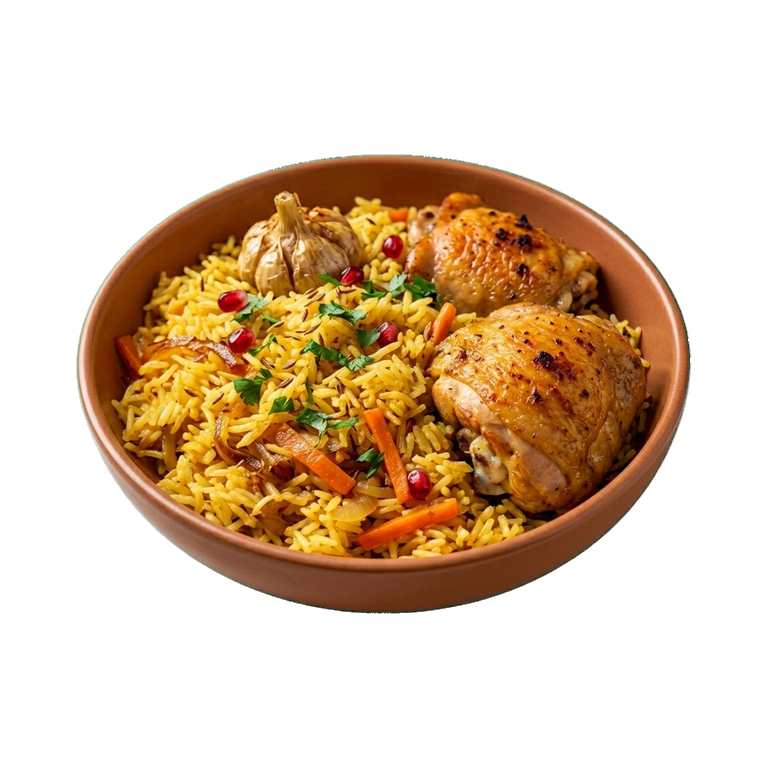
- In the Middle East and Central Asia, it is added to pilaf, soups, and marinades for meat.
- Even in European cuisine, cumin has found its place — it works well with vegetable side dishes, in marinades, and in pickling.
What pairs well with
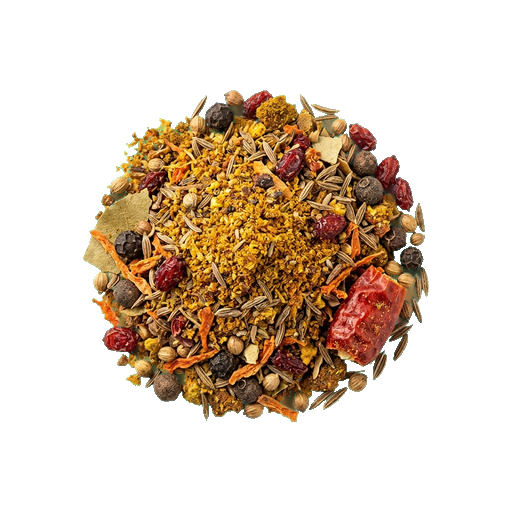
Cumin pairs well with coriander, turmeric, and black pepper — together they create the foundation for spice blends. It works well with garlic, ginger, and onion. If you're cooking meat, cumin will enhance its flavor without overpowering it. With rice and legumes, it creates a harmony that feels natural and balanced.
Selection and Storage
Choose whole cumin seeds rather than ground ones — they retain their aroma and flavor longer. The smell should be distinct and pleasant, without any mustiness. Store in an airtight glass jar in a cool, dark place, away from sunlight and heat sources. Whole seeds can last a year or more, while ground spice begins to lose its potency after a few months.
Practical tip
Toast the cumin seeds in a dry pan over medium heat for 1–2 minutes until fragrant, then immediately transfer them to a cutting board or mortar. This simple action will awaken the spice and make its flavor more vibrant. Grind the seeds in a mortar or coffee grinder right before use — the difference will be noticeable even in plain rice.
Nutrition
per 100 g
- Calories
- 375 kcal
- Protein
- 17.8 g
- Fat
- 22.3 g
- Carbs
- 44.2 g
Micronutrients
per 100 g
Macronutrients
- Fiber
- 10.5 g
- Sugars
- 2.25 g
- Saturated fat
- 1.535 g
- Monounsaturated fat
- 14.04 g
- Polyunsaturated fat
- 3.279 g
- Omega-3 (EPA + DHA)
- 0 g
- Cholesterol
- 0 mg
- Water
- 8.06 g
Minerals
- Sodium
- 168 mg
- Potassium
- 1788 mg
- Calcium
- 931 mg
- Magnesium
- 366 mg
- Phosphorus
- 499 mg
- Iron
- 66.36 mg
- Zinc
- 4.8 mg
- Copper
- 0.87 mg
- Manganese
- 3.33 mg
- Selenium
- 5.2 mcg
Vitamins
- Vitamin A (RAE)
- 64 mcg
- Vitamin D
- 0 mcg
- Vitamin E
- 3.33 mg
- Vitamin K
- 5.4 mcg
- Vitamin C
- 7.7 mg
- Vitamin B1 (thiamin)
- 0.63 mg
- Vitamin B2 (riboflavin)
- 0.33 mg
- Vitamin B3 (niacin)
- 4.58 mg
- Vitamin B6
- 0.44 mg
- Vitamin B9 (folate, DFE)
- 10 mcg
- Vitamin B12
- 0 mcg
Measures and weight
- 1 tbsp
- 9 g
- 1 tsp
- 3 g
- 1 cup
- 150 g
Measure calculator
- Weight
- 100 g
- Calories
- 375 kcal