Usuba
Usuba
Brown sugar
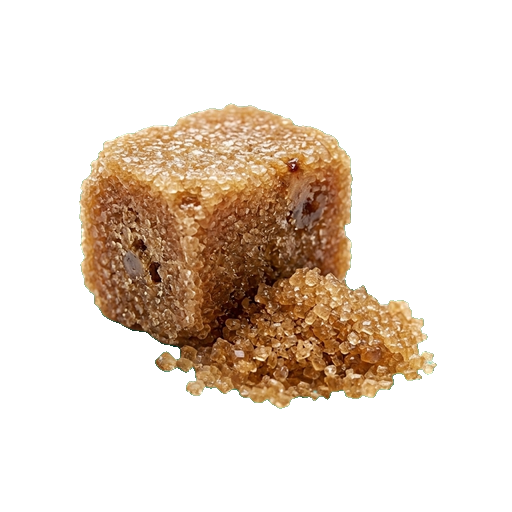
Brown sugar is crystallized sugar with molasses added, which gives it moisture, dark color, and deep caramel flavor with a subtle bitterness. It is slightly softer and denser than white sugar, making it well-suited for baking, sauces, and marinades where more pronounced sweetness and texture are desired. When substituting white sugar with brown sugar, keep in mind that it has a stronger effect on dough moisture, and its aroma can alter the character of a dish, especially in delicate desserts.
Micronutrients
per 100 g
Minerals
About
Brown sugar is white sugar coated with a thin layer of molasses, the very byproduct that remains during production. Thanks to this layer, it acquires moisture, lumpiness, and a deep caramel flavor. Unlike white sugar, brown sugar doesn't just sweeten — it adds warmth and complexity to dishes.
Aroma and Taste
Open the package — and you'll feel a soft, almost vanilla aroma with hints of molasses and light caramel. The taste is sweet, but not one-dimensional: it has a slight bitterness and depth that white sugar won't provide. The intensity of the taste depends on the degree of processing: light brown sugar is softer and more delicate, dark brown sugar is more pronounced and rich.
Role in dishes
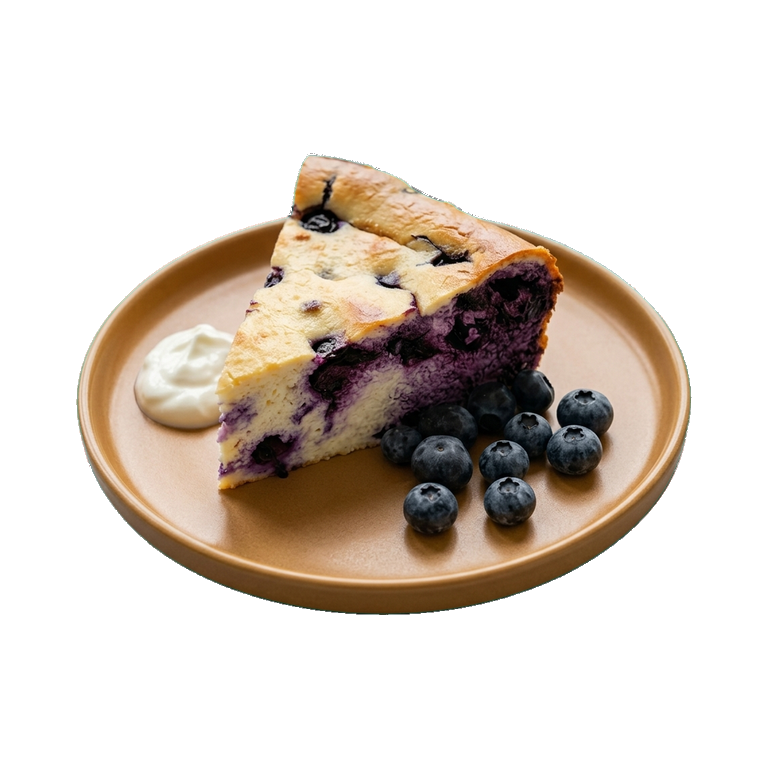
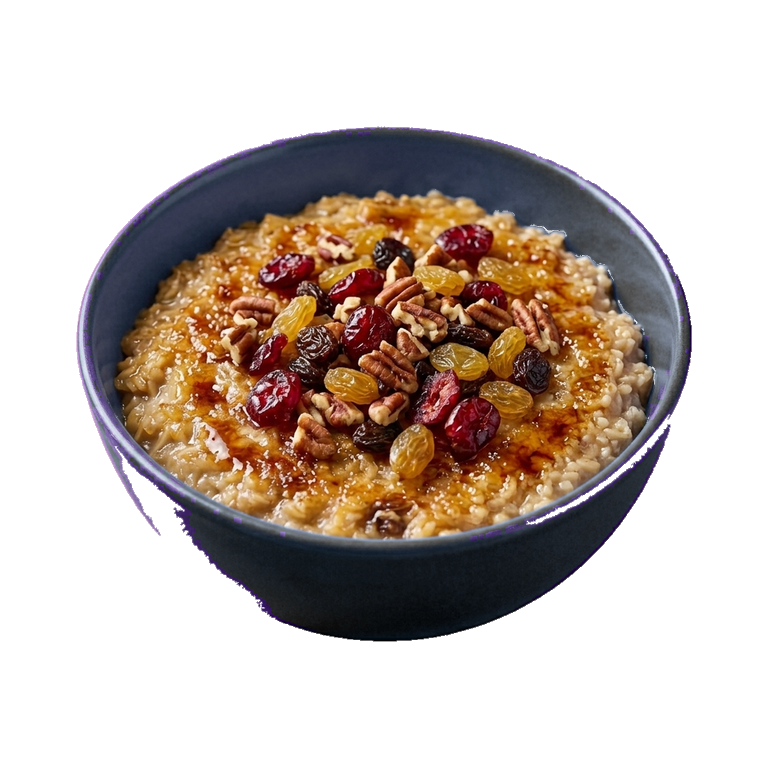
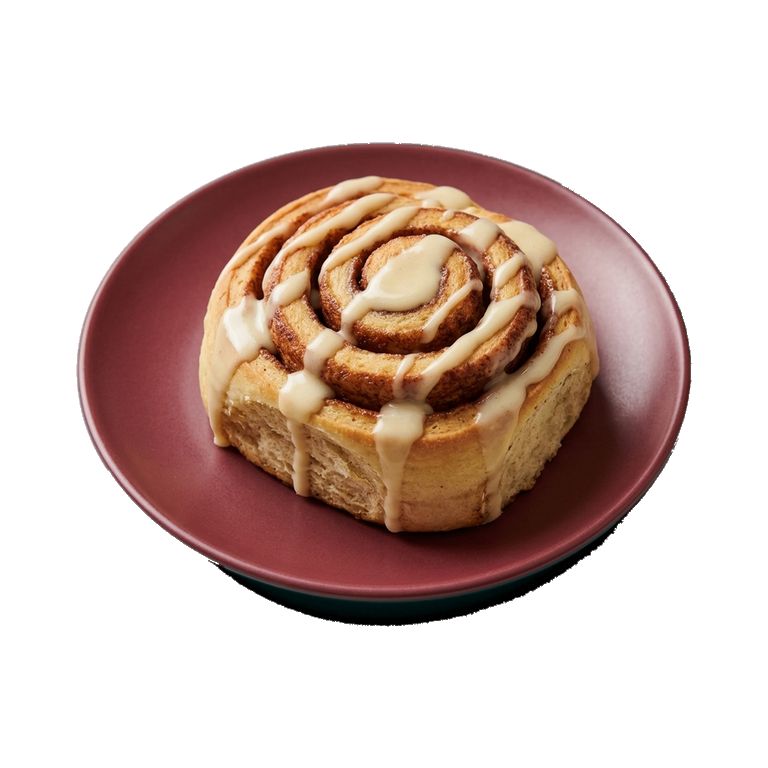
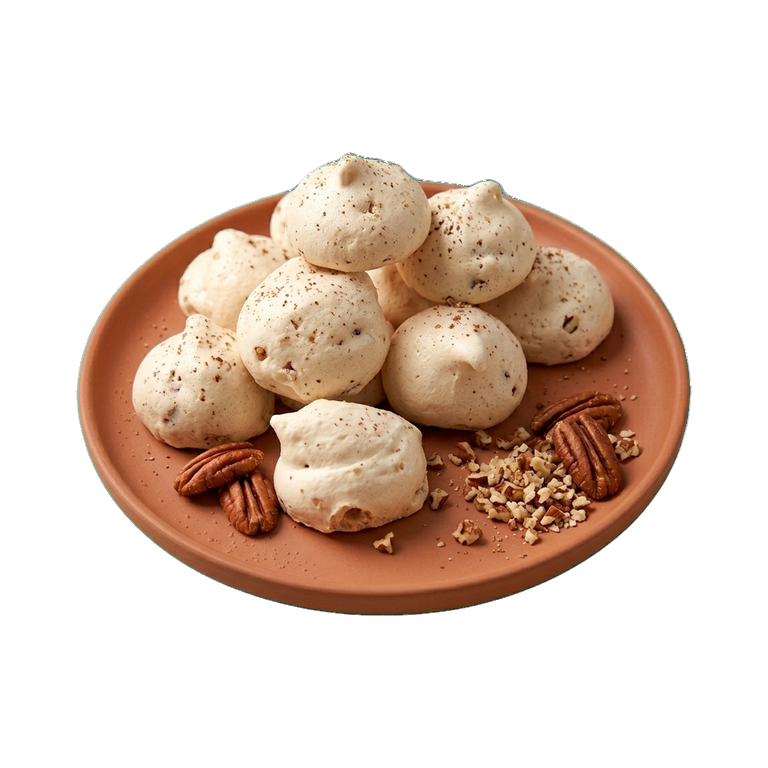
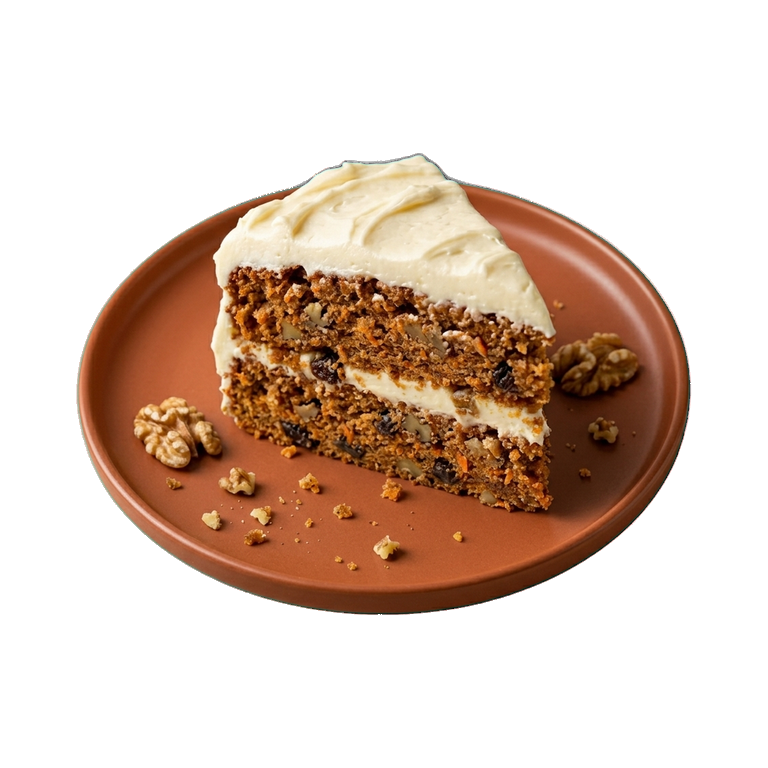
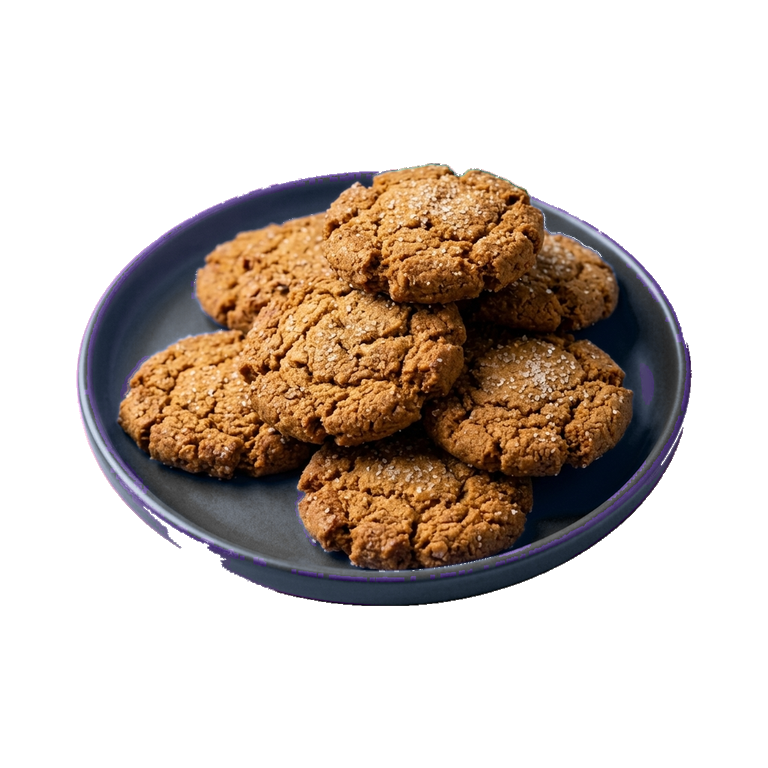
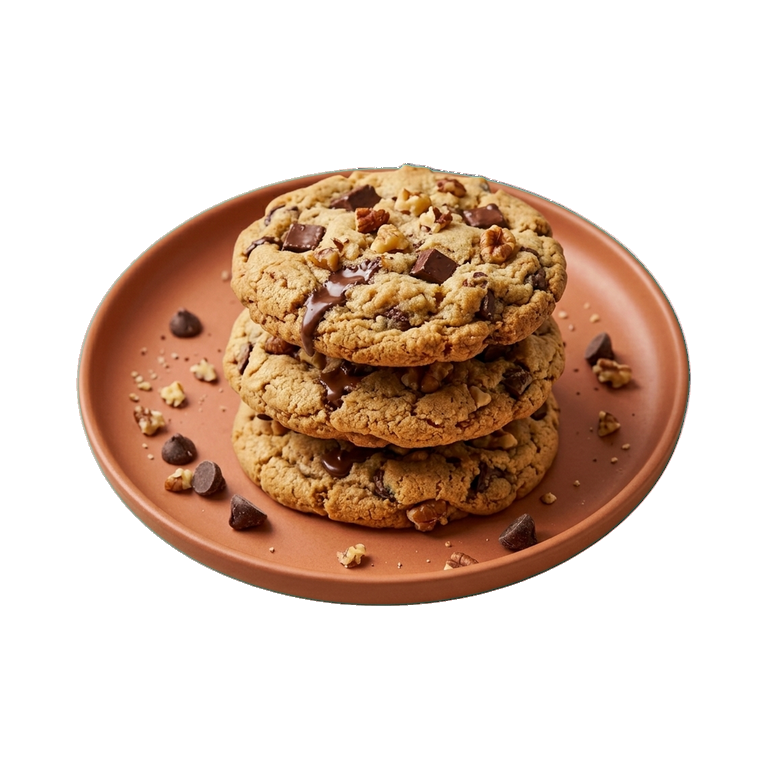
Brown sugar is not just a substitute for white sugar. It works differently in baking: it makes cookies softer and chewier thanks to its moisture, gives dough for pies and cakes softness and depth of flavor. In sauces and marinades, it creates a glaze with character, in porridge or oatmeal it adds coziness, in beverages it reveals new notes.
Pairings and Uses
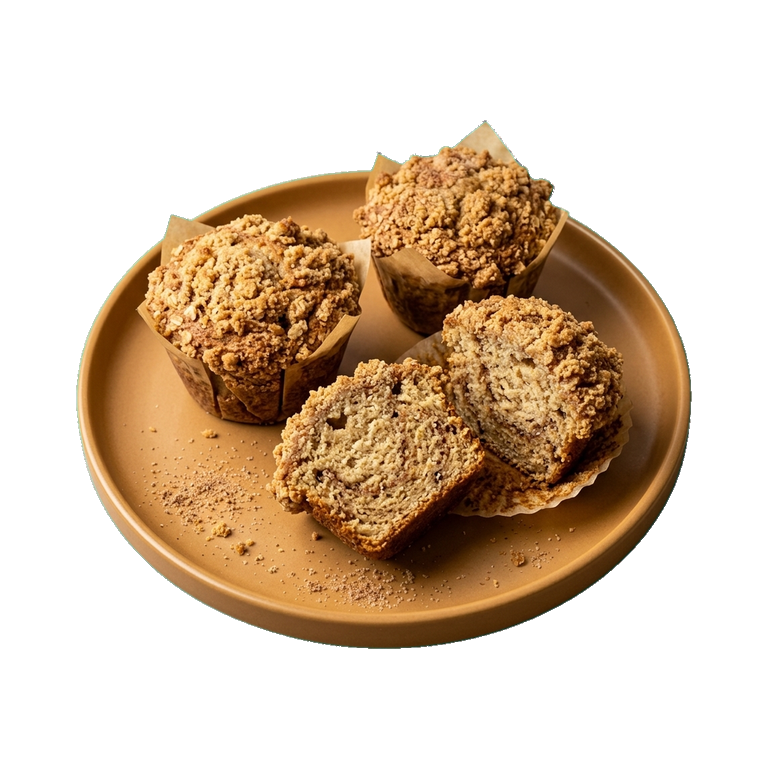
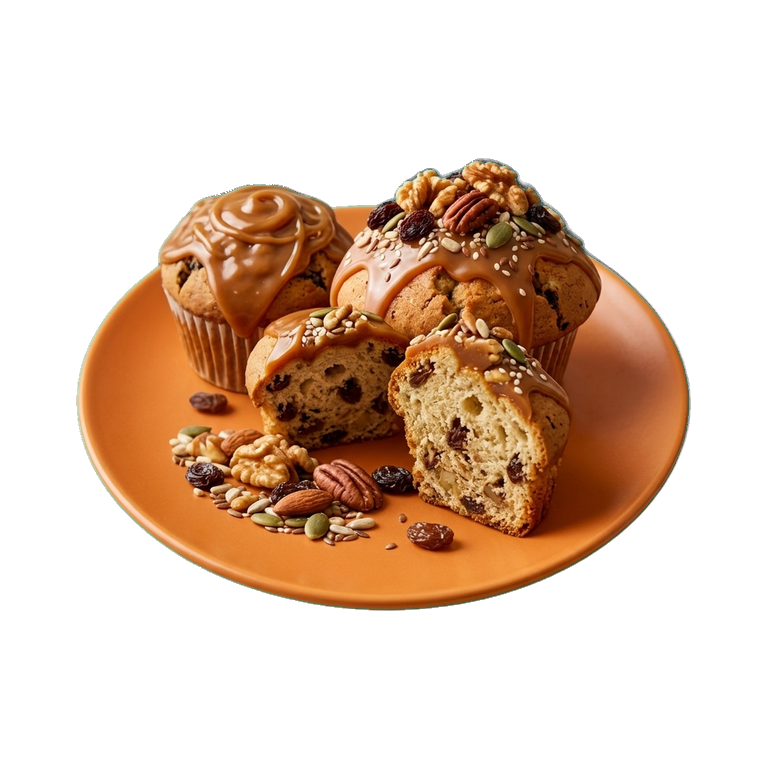
- Baking: cookies, cupcakes, gingerbread, brownies — brown sugar improves texture and taste everywhere
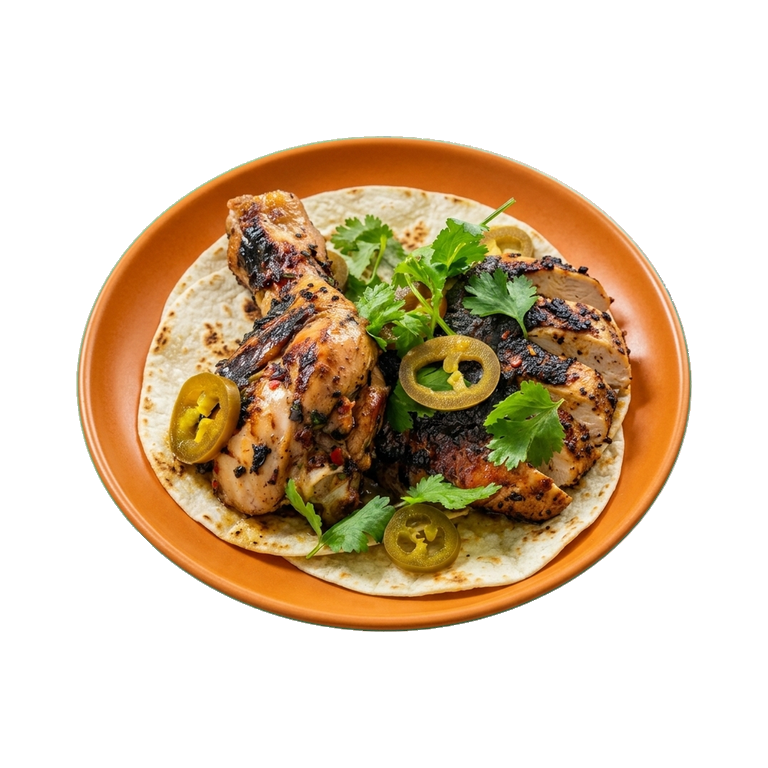
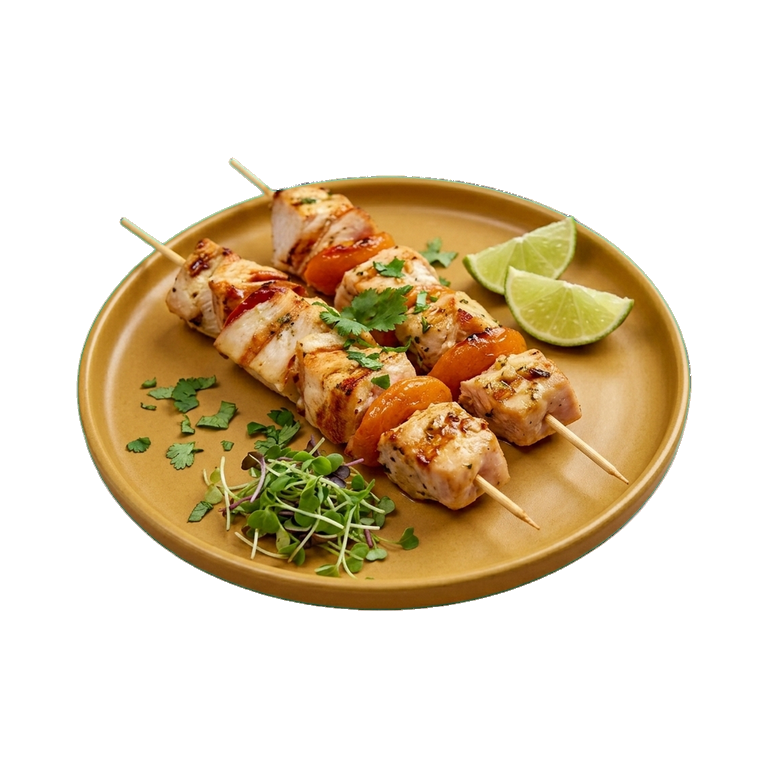
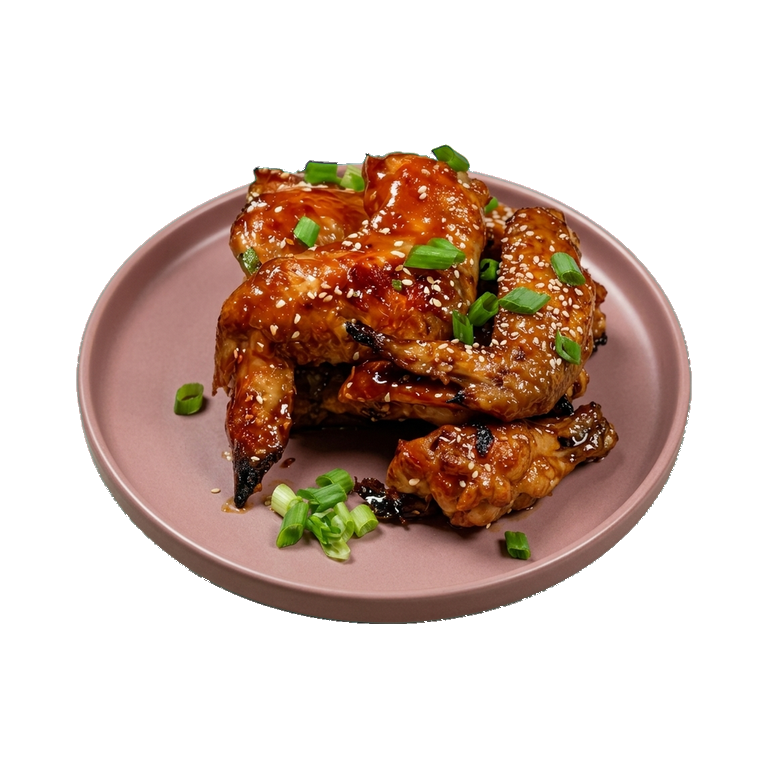
- Sauces and marinades: for meat, fish, vegetables — creates a caramel crust and depth
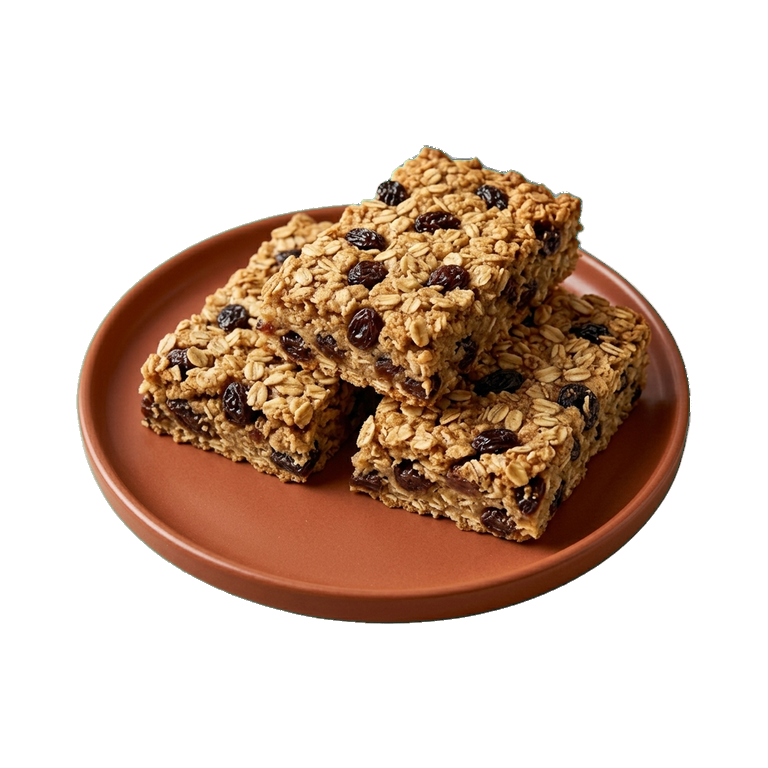
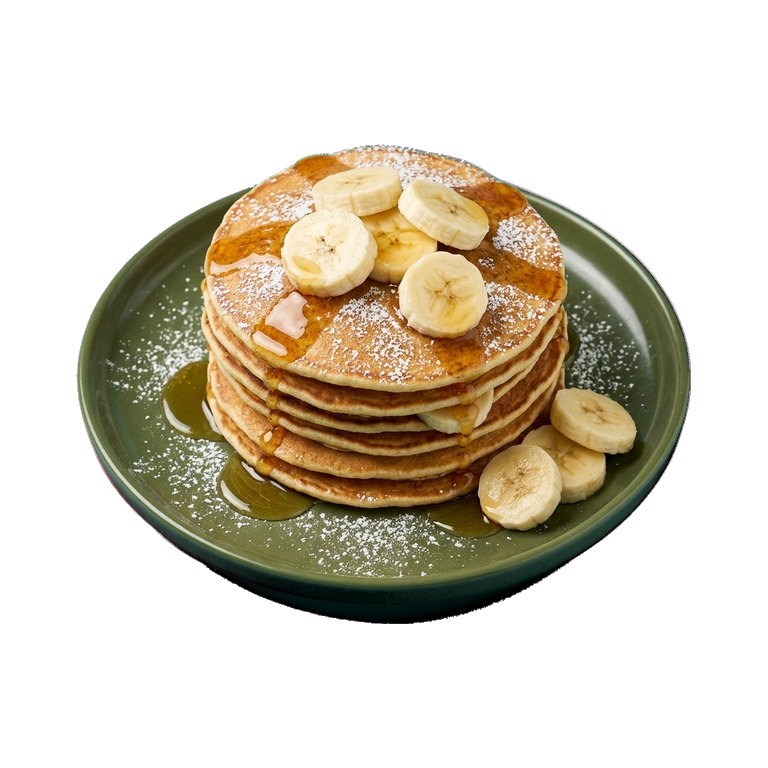
- Breakfast: porridge, muesli, yogurt — adds sweetness with character
- Drinks: coffee, tea, cocktails — dissolves slower than white sugar, but flavor is brighter
- Caramel and candies: used in homemade recipes for more complex flavor
Selection and Storage
When purchasing, pay attention to the packaging: brown sugar should be moist and crumbly, but not hardened into a solid block. If the sugar has clumped together, this is normal — simply crumble it or place it in a container with a piece of bread for an hour. Store it best in an airtight container at room temperature, away from moisture and direct sunlight. With proper storage, it retains its properties for months.
If a recipe calls for brown sugar and you don't have any, don't rush to substitute it with white sugar. Instead, mix white sugar with black molasses or molasses in a 1:1 ratio by weight. This way, you'll get the closest possible result and won't be disappointed with the dish.
Nutrition
per 100 g
- Calories
- 380 kcal
- Protein
- 0.2 g
- Fat
- 0.1 g
- Carbs
- 97.3 g
Micronutrients
per 100 g
Macronutrients
- Fiber
- 0 g
- Sugars
- 97.02 g
- Saturated fat
- 0 g
- Monounsaturated fat
- 0 g
- Polyunsaturated fat
- 0 g
- Omega-3 (EPA + DHA)
- 0 g
- Cholesterol
- 0 mg
- Water
- 1.34 g
Minerals
- Sodium
- 28 mg
- Potassium
- 133 mg
- Calcium
- 83 mg
- Magnesium
- 9 mg
- Phosphorus
- 4 mg
- Iron
- 0.71 mg
- Zinc
- 0.03 mg
- Copper
- 0.05 mg
- Manganese
- 0.06 mg
- Selenium
- 1.2 mcg
Vitamins
- Vitamin A (RAE)
- 0 mcg
- Vitamin D
- 0 mcg
- Vitamin E
- 0 mg
- Vitamin K
- 0 mcg
- Vitamin C
- 0 mg
- Vitamin B1 (thiamin)
- 0 mg
- Vitamin B2 (riboflavin)
- 0 mg
- Vitamin B3 (niacin)
- 0.11 mg
- Vitamin B5 (pantothenic acid)
- 0.13 mg
- Vitamin B6
- 0.04 mg
- Vitamin B9 (folate, DFE)
- 1 mcg
- Vitamin B12
- 0 mcg
Measures and weight
- 1 tbsp
- 13.2 g
- 1 tsp
- 4.4 g
- 1 cup
- 220 g
Measure calculator
- Weight
- 100 g
- Calories
- 380 kcal