Usuba
Usuba
Chicken thighs
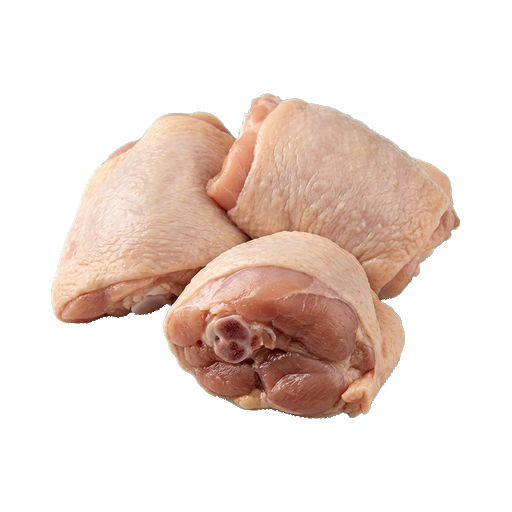
Chicken thighs are dark meat with high fat content that remains juicy and tender even with prolonged cooking. Thanks to their dense structure and rich flavor, thighs absorb marinades and spices well, making them ideal for frying, stewing, baking, and grilling. When selecting, prefer thighs with pink skin without dark spots, and when substituting with white meat, keep in mind that it will require shorter cooking time and may turn out dry.
Micronutrients
per 100 g
Minerals
Vitamins
- AVitamin A (RAE)23mcg3% DV
- DVitamin D0.1mcg1% DV
- EVitamin E0.21mg1% DV
- KVitamin K2.1mcg2% DV
- B1Vitamin B1 (thiamin)0.07mg5% DV
- B2Vitamin B2 (riboflavin)0.14mg8% DV
- B3Vitamin B3 (niacin)4.63mg23% DV
- B5Vitamin B5 (pantothenic acid)0.19mg4% DV
- B6Vitamin B60.35mg18% DV
- B9Vitamin B9 (folate, DFE)3mcg1% DV
- B12Vitamin B120.6mcg20% DV
About
Chicken thighs are something everyone who loves cooking should keep in the freezer. They forgive beginner mistakes and inspire experienced cooks. The meat here is juicy, flavorful, and almost impossible to dry out, even if you get distracted for ten minutes.
Taste and Texture
Thighs contain more fat than breast, and that is their main advantage. The fat keeps the meat moist with any cooking method — frying, stewing, boiling, or baking. The flavor is richer and deeper, with a slight sweetness. The meat is dark, with a characteristic dense structure that holds its shape well and doesn't fall apart in the dish.
If you've ever eaten chicken that turned out to be dry and tasteless, it was likely the breast. This won't happen with thighs. They remain tender even during prolonged cooking, and their natural flavor absorbs spices and sauce aromas well.
How to cook and what to pair with
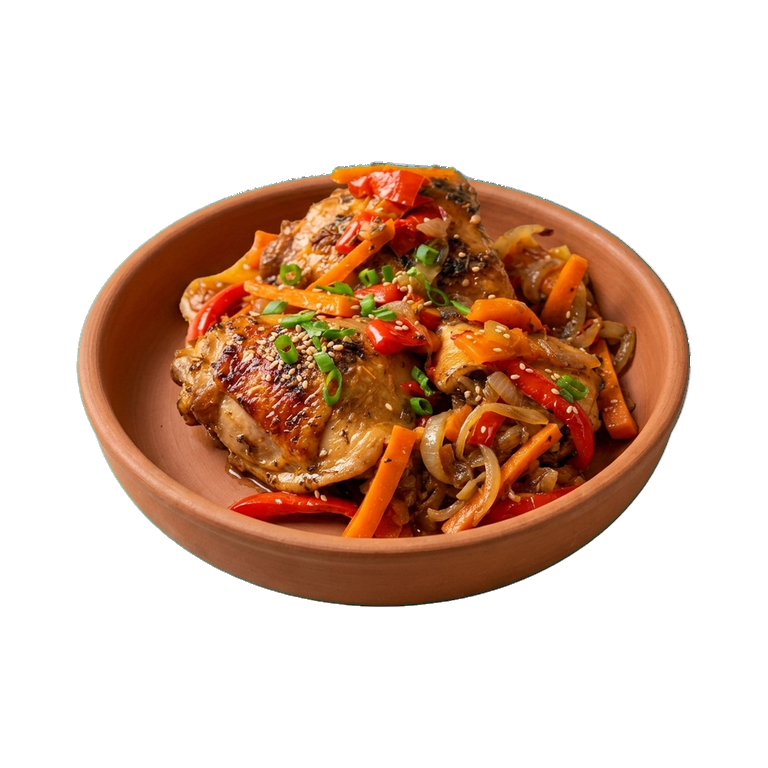
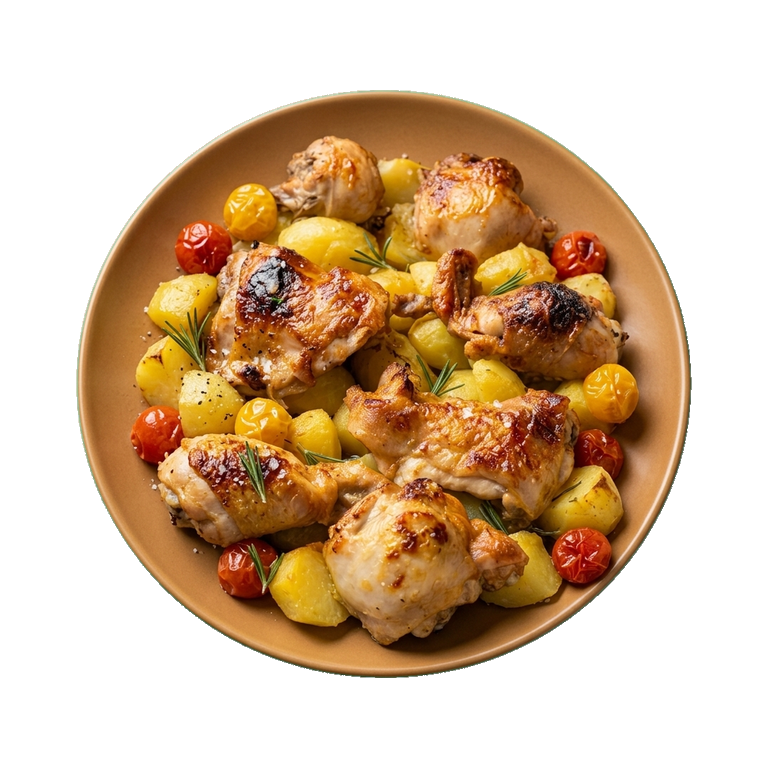
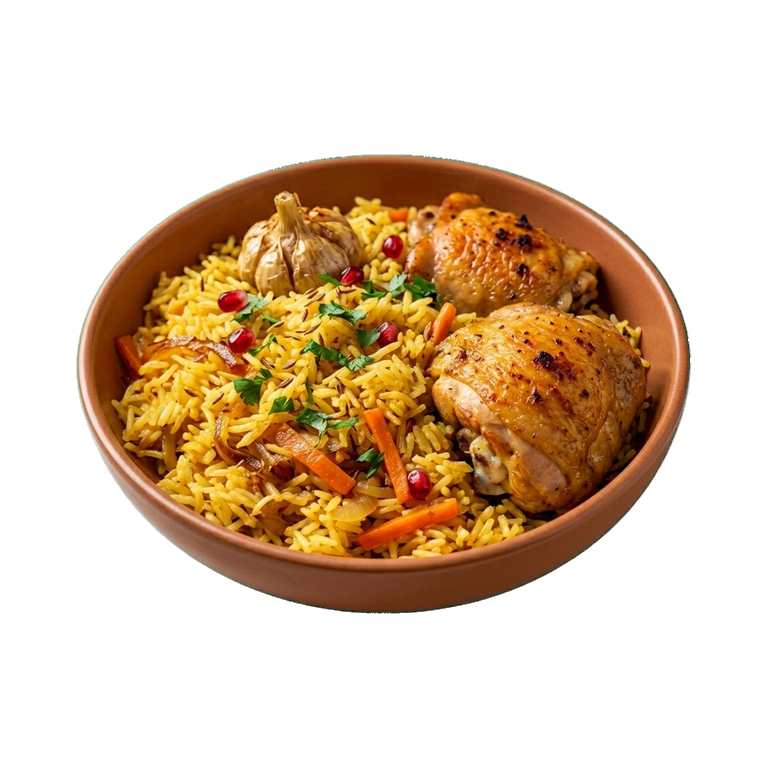
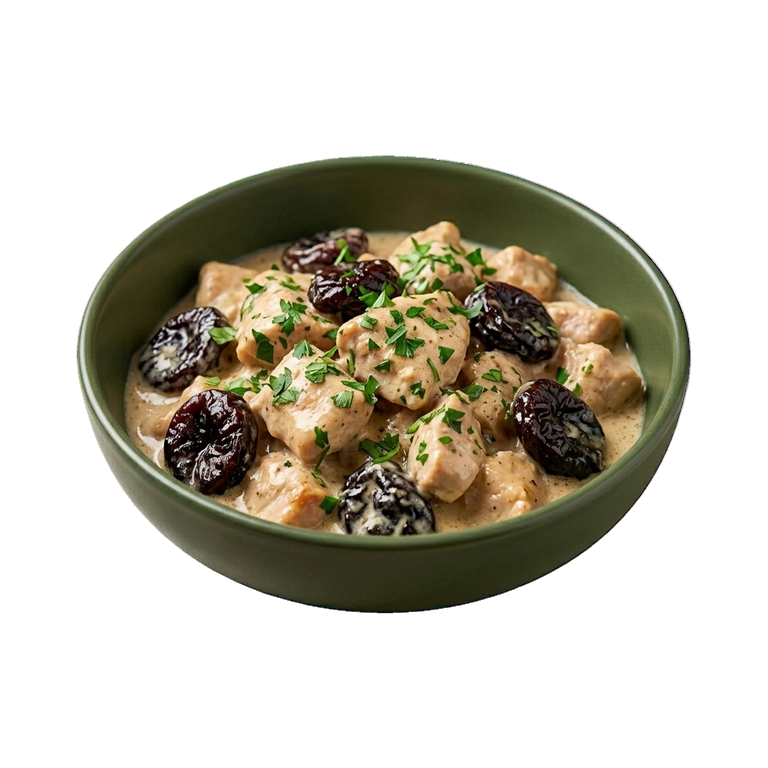
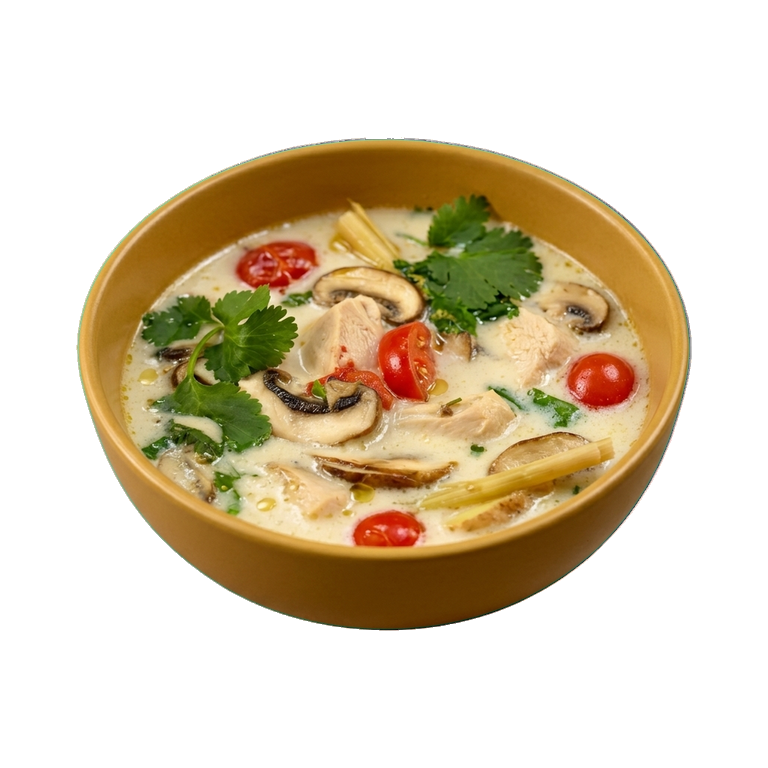
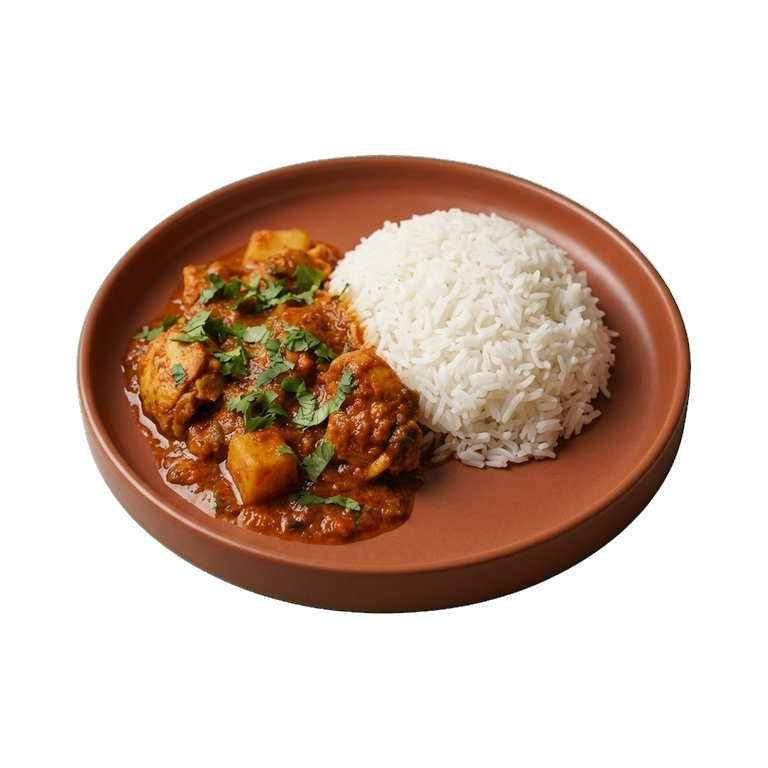
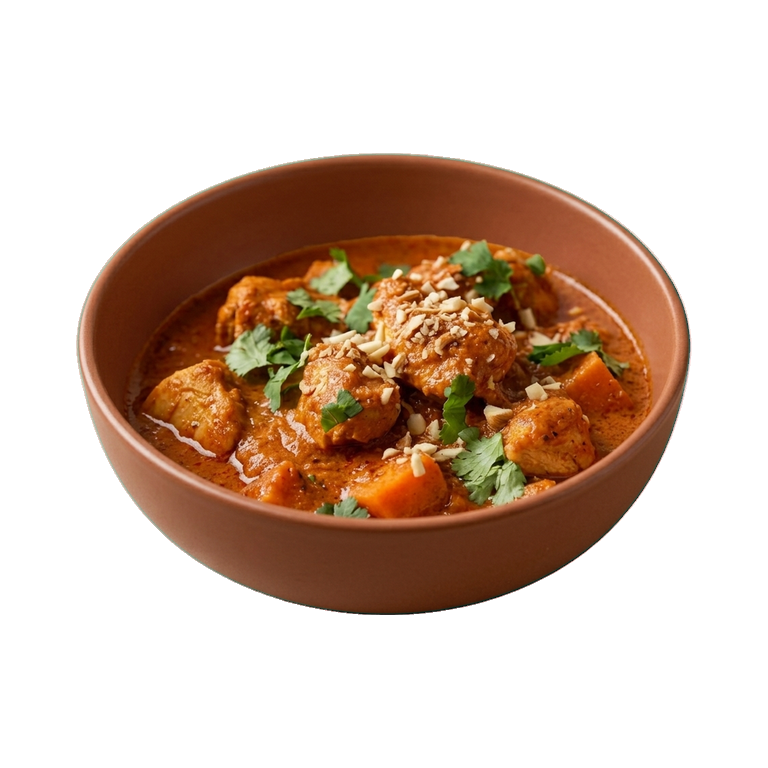
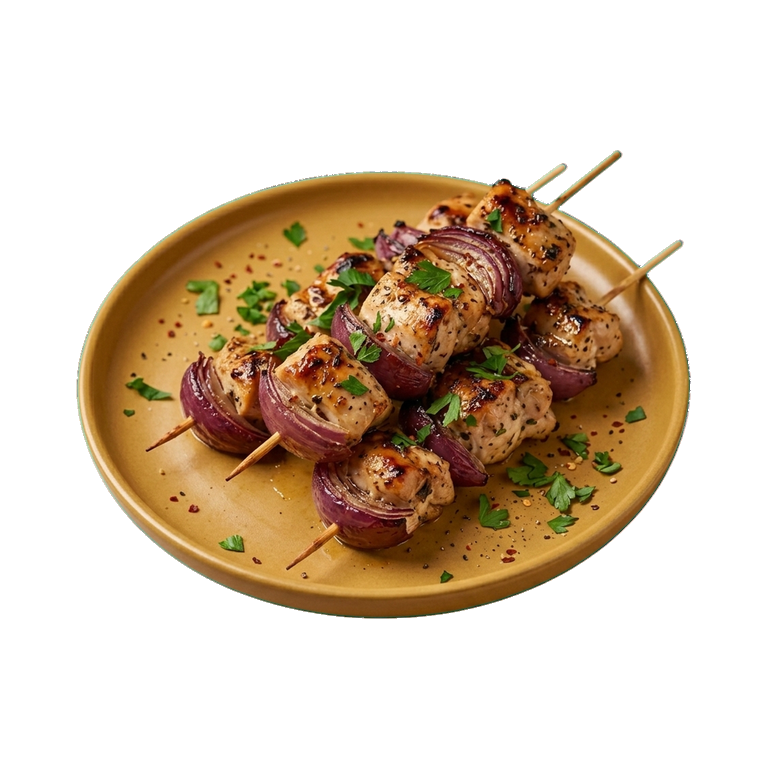
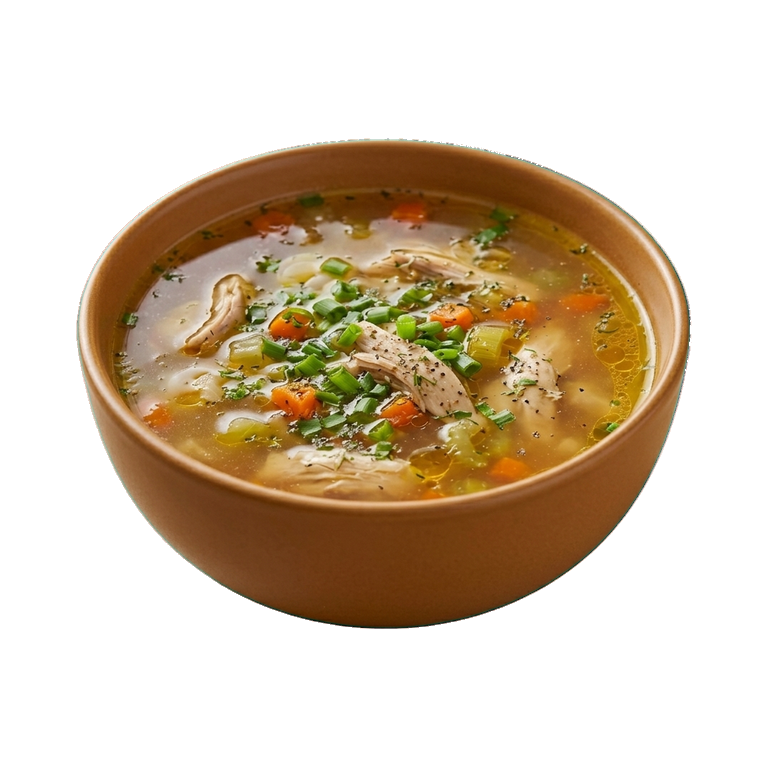
Thighs are versatile — they work in soups, stews, pan-fried with vegetables, on the grill, in the oven. For soup or broth, they give a rich flavor and beautiful color. For roasts or braised dishes — they hold their shape and don't fall apart. On the grill or pan, the skin becomes crispy while the meat inside stays juicy.
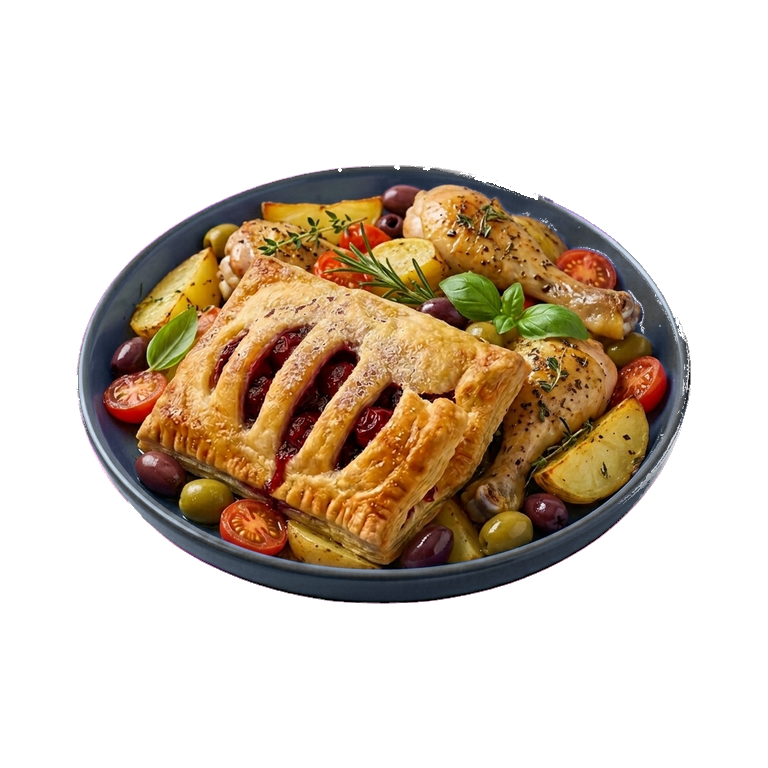
Thigh pairs well with acidic sauces — tomato-based, vinegar, and lemon. Spices and herbs shine through: rosemary, thyme, garlic, and hot pepper. Vegetables — potatoes, carrots, onions, celery — become more flavorful when cooked together with thigh, absorbing its juices.
Selection and Storage
- The color should be even, light pink or pale yellow. Dark spots or a gray tint are signs of age.
- Skin without damage, meat is firm, not sticky. If a finger leaves a dent that doesn't recover — the product is not fresh.
- The smell should be neutral, chicken-like. A sour or unpleasant smell is a signal to refuse.
- In the freezer, thighs are stored for 3–4 months, in the refrigerator — 1–2 days. Thaw on the lower shelf of the refrigerator, not at room temperature.
Chicken thighs are an investment in a successful dinner. They're cheaper than breast, tastier, and more reliable. If you haven't made them a permanent resident of your kitchen yet, it's time to start.
Nutrition
per 100 g
- Calories
- 165 kcal
- Protein
- 19.3 g
- Fat
- 9.7 g
- Carbs
- 0 g
Micronutrients
per 100 g
Macronutrients
- Fiber
- 0 g
- Sugars
- 0 g
- Saturated fat
- 4.524 g
- Monounsaturated fat
- 6.94 g
- Polyunsaturated fat
- 3.467 g
- Omega-3 (EPA + DHA)
- 0.011 g
- Cholesterol
- 98 mg
- Water
- 66.47 g
Minerals
- Sodium
- 81 mg
- Potassium
- 204 mg
- Calcium
- 7 mg
- Magnesium
- 18 mg
- Phosphorus
- 157 mg
- Iron
- 0.68 mg
- Zinc
- 1.29 mg
- Copper
- 0.05 mg
- Manganese
- 0.01 mg
- Selenium
- 18.9 mcg
Vitamins
- Vitamin A (RAE)
- 23 mcg
- Vitamin D
- 0.1 mcg
- Vitamin E
- 0.21 mg
- Vitamin K
- 2.1 mcg
- Vitamin C
- 0 mg
- Vitamin B1 (thiamin)
- 0.07 mg
- Vitamin B2 (riboflavin)
- 0.14 mg
- Vitamin B3 (niacin)
- 4.63 mg
- Vitamin B5 (pantothenic acid)
- 0.19 mg
- Vitamin B6
- 0.35 mg
- Vitamin B9 (folate, DFE)
- 3 mcg
- Vitamin B12
- 0.6 mcg
Measures and weight
- 1 pcs
- 150 g
Measure calculator
- Weight
- 100 g
- Calories
- 165 kcal