Usuba
Usuba
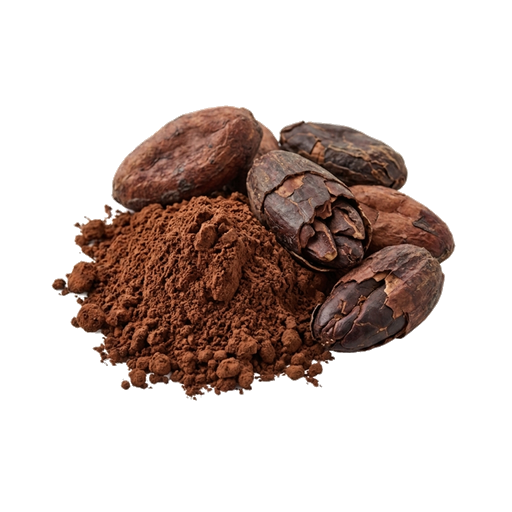
Cocoa powder
Cocoa powder is produced from cocoa beans through roasting, fermentation, and removal of cocoa butter, leaving a concentrated dry product with an intense bitter taste and rich aroma. It is versatile in baking, desserts, and beverages, adding deep chocolate flavor without excess fat. When choosing, pay attention to the cocoa content — the higher the percentage, the more bitter and fuller the taste; natural powder (without sugar) is preferable for most recipes, as it allows better control over the sweetness of the finished dish.
Micronutrients
per 100 g
Minerals
About
Cocoa powder is a concentrated product derived from cocoa beans after most of the fat has been removed. In cooking, it works as a universal tool: it simultaneously colors, flavors, and adds depth even to simple dishes. Its main advantage is intense flavor with minimal weight in the recipe.
Aroma and Taste
Quality cocoa powder has an intense and recognizable aroma — the smell of processed cocoa beans with bitter, slightly earthy notes. The taste depends on the degree of processing: natural powder is more acidic and bitter, alkali-processed (dutched) — smoother, with a rounded flavor profile and better solubility. When choosing, focus on what you need: a bright bitterness or a delicate background.
Role in dishes
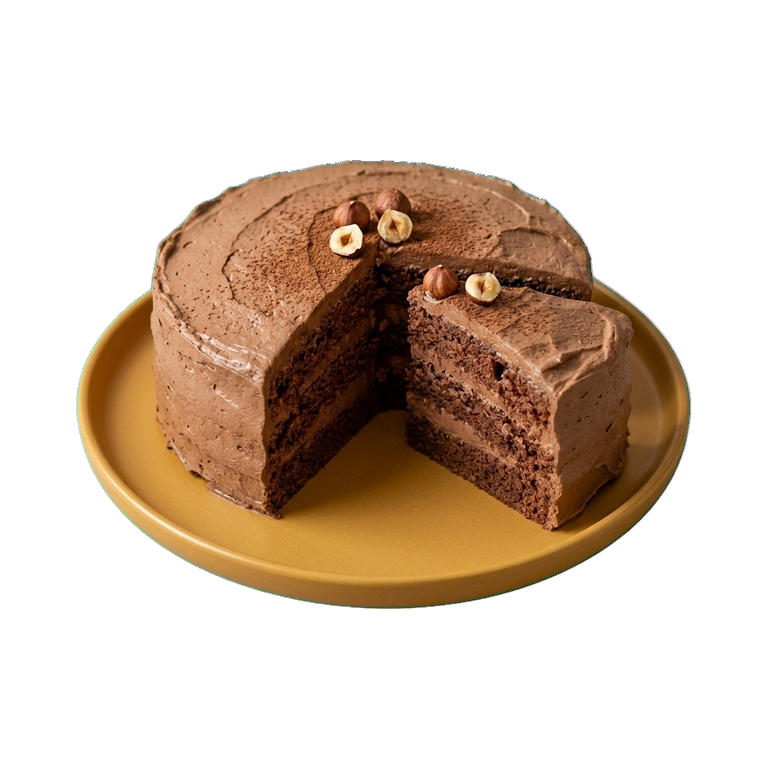
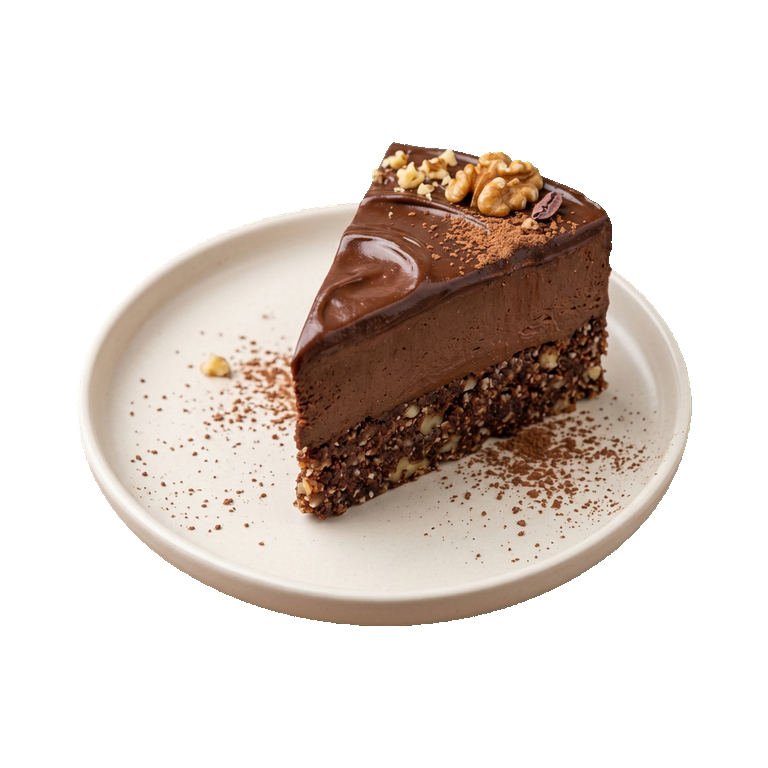
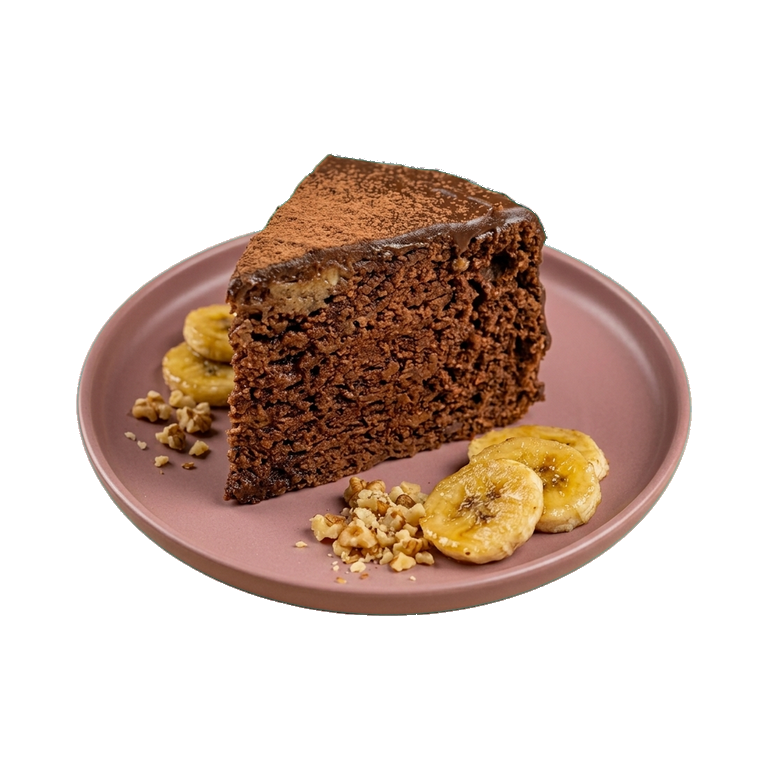
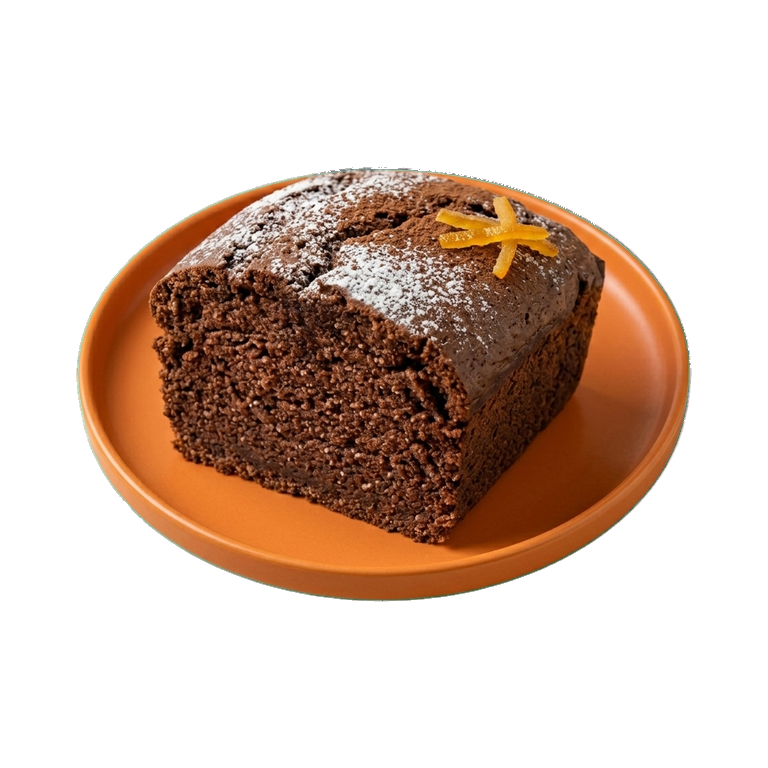
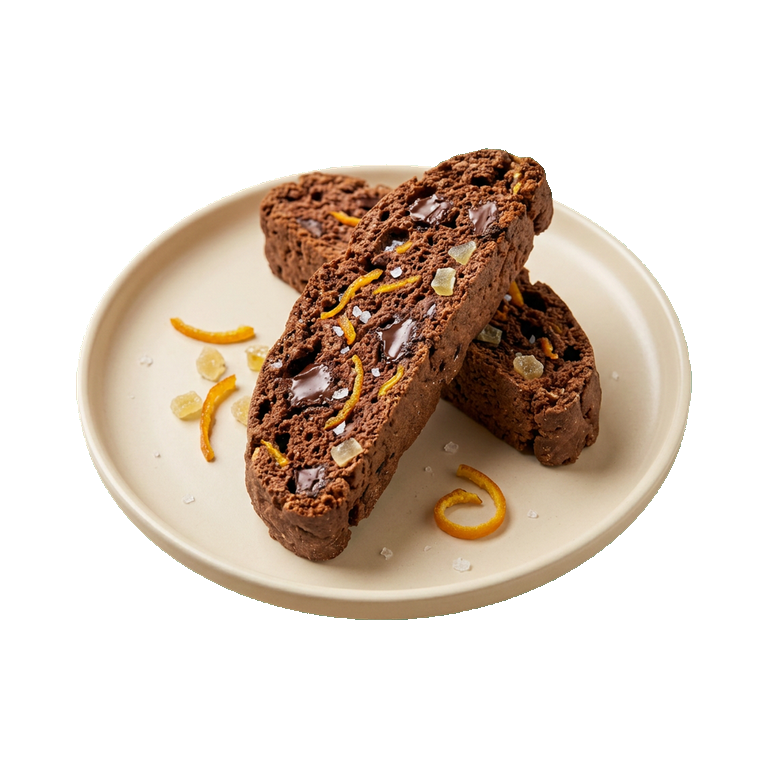
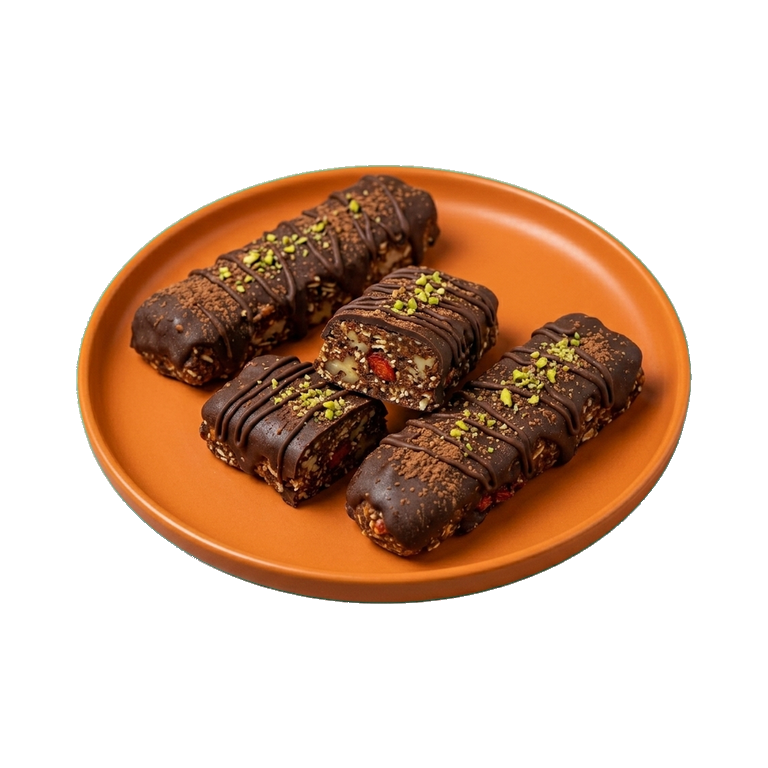
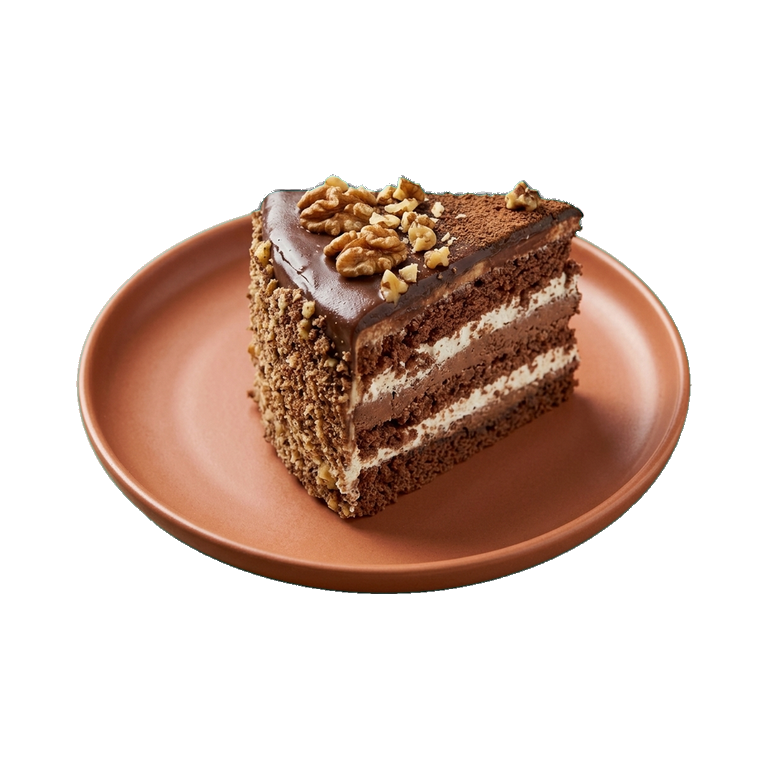
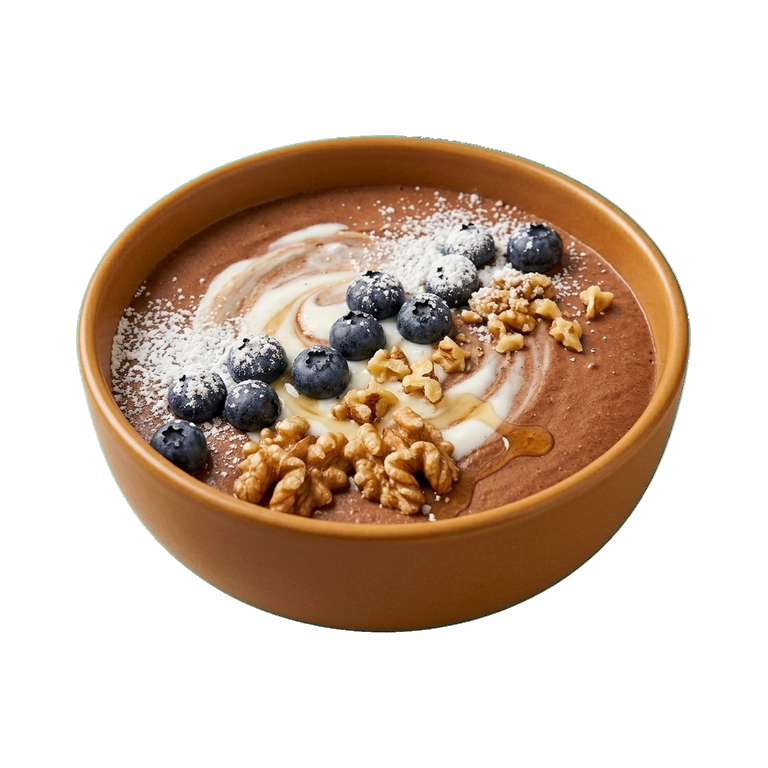
Cocoa powder works in two modes: as a main ingredient (hot chocolate, cocoa drinks, chocolate cakes) and as a subtle flavor enhancer in savory dishes. In Mexican cuisine, it is added to meat sauces, in modern cooking — to coffee desserts, caramel, even in pasta and game sauces. A small amount reveals the complexity of flavor without making the dish sweet.
Pairings and Uses
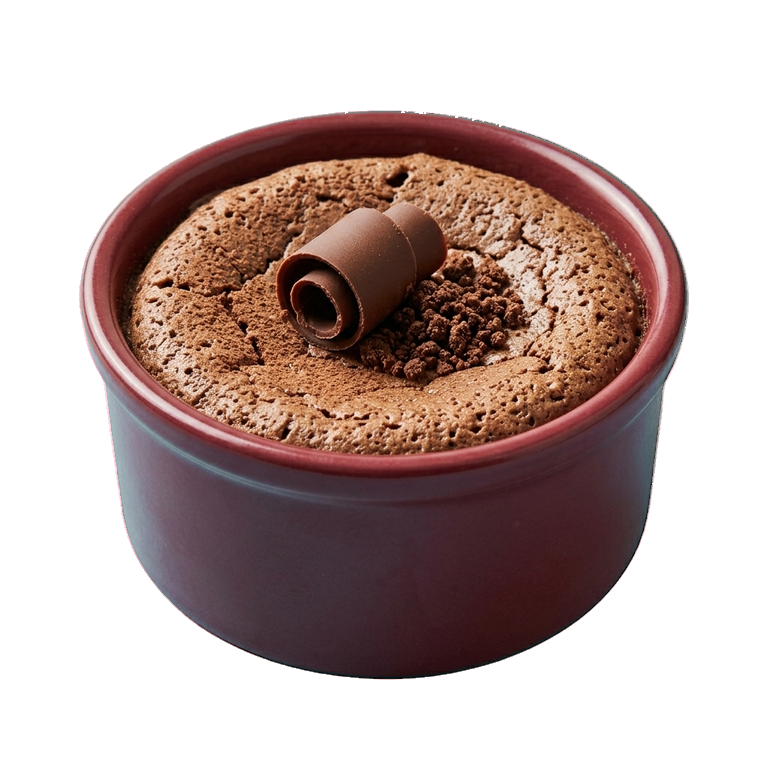
- With coffee and milk — a classic for hot drinks and mousse
- With red wine, cinnamon and pepper — in sauces for beef and game
- With vanilla, sugar and cocoa butter — the base for chocolate candies and ganaches
- With mint and orange — in light desserts and beverages
- With black pepper and salt — an unexpected accent in dark chocolate creams
Selection and Storage
When buying, pay attention to the color: a dark, almost black shade indicates good processing. Smell it — the aroma should be clean, without moldy or musty notes. Check the packaging for airtightness: cocoa powder absorbs moisture and foreign odors. Store in a tightly closed container in a cool, dry place, away from sunlight and strong aromas. With proper storage, quality is preserved for up to a year.
Tip: if cocoa powder clumps when added to liquid, first dissolve it in a small amount of cold water or milk in a separate container, then pour it into the main dish. This will prevent lump formation and ensure a smooth texture.
Nutrition
per 100 g
- Calories
- 290 kcal
- Protein
- 12 g
- Fat
- 12 g
- Carbs
- 47 g
Micronutrients
per 100 g
Macronutrients
- Fiber
- 37 g
- Sugars
- 1.75 g
- Saturated fat
- 8.07 g
- Monounsaturated fat
- 4.57 g
- Polyunsaturated fat
- 0.44 g
- Omega-3 (EPA + DHA)
- 0 g
- Cholesterol
- 0 mg
- Water
- 3 g
Minerals
- Sodium
- 21 mg
- Potassium
- 1524 mg
- Calcium
- 128 mg
- Magnesium
- 499 mg
- Phosphorus
- 734 mg
- Iron
- 13.86 mg
- Zinc
- 6.81 mg
- Copper
- 3.79 mg
- Manganese
- 3.84 mg
- Selenium
- 14.3 mcg
Vitamins
- Vitamin A (RAE)
- 0 mcg
- Vitamin D
- 0 mcg
- Vitamin E
- 0.1 mg
- Vitamin K
- 2.5 mcg
- Vitamin C
- 0 mg
- Vitamin B1 (thiamin)
- 0.08 mg
- Vitamin B2 (riboflavin)
- 0.24 mg
- Vitamin B3 (niacin)
- 2.19 mg
- Vitamin B5 (pantothenic acid)
- 0.25 mg
- Vitamin B6
- 0.12 mg
- Vitamin B9 (folate, DFE)
- 32 mcg
- Vitamin B12
- 0 mcg
Measures and weight
- 1 tbsp
- 13.5 g
- 1 tsp
- 4.5 g
- 1 cup
- 225 g
Measure calculator
- Weight
- 100 g
- Calories
- 290 kcal