Usuba
Usuba
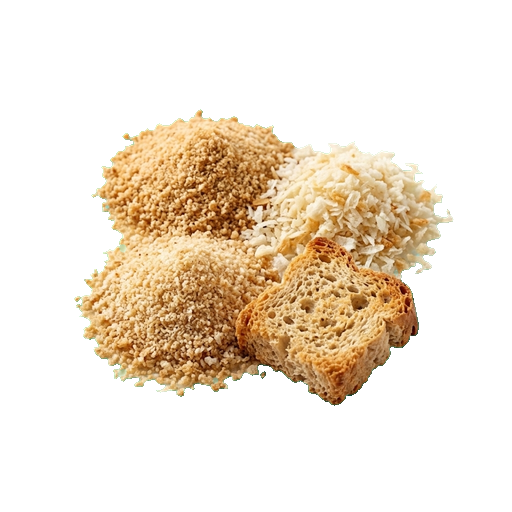
Breadcrumbs
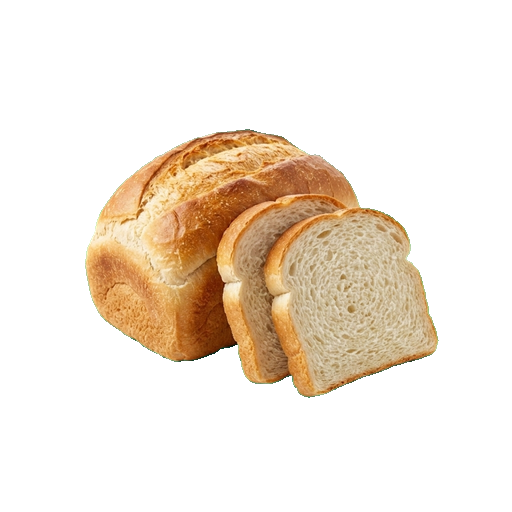
Breadcrumbs are finely ground pieces of dried bread used to create a crispy coating when frying and baking. They adhere evenly to the moist surface of a product, forming a protective layer that keeps the inside juicy and gives an appetizing crunch. When choosing breadcrumbs, pay attention to the uniformity of the grind and the absence of lumps — large particles create uneven coating, while overly fine breadcrumbs may burn before the dish itself is fully cooked.
About
Breadcrumbs are one of the most versatile helpers in the kitchen. They create a crispy crust, protect food from drying out during frying, and give the dish an appetizing appearance. If you want to achieve perfectly golden coating without unnecessary hassle, breadcrumbs will be your reliable ally.
Texture and role in cooking
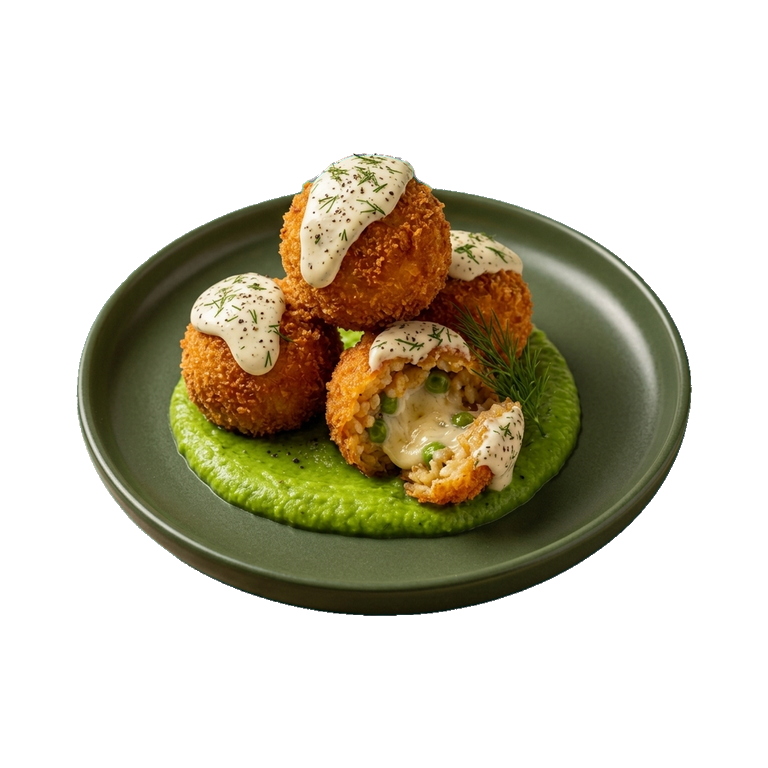
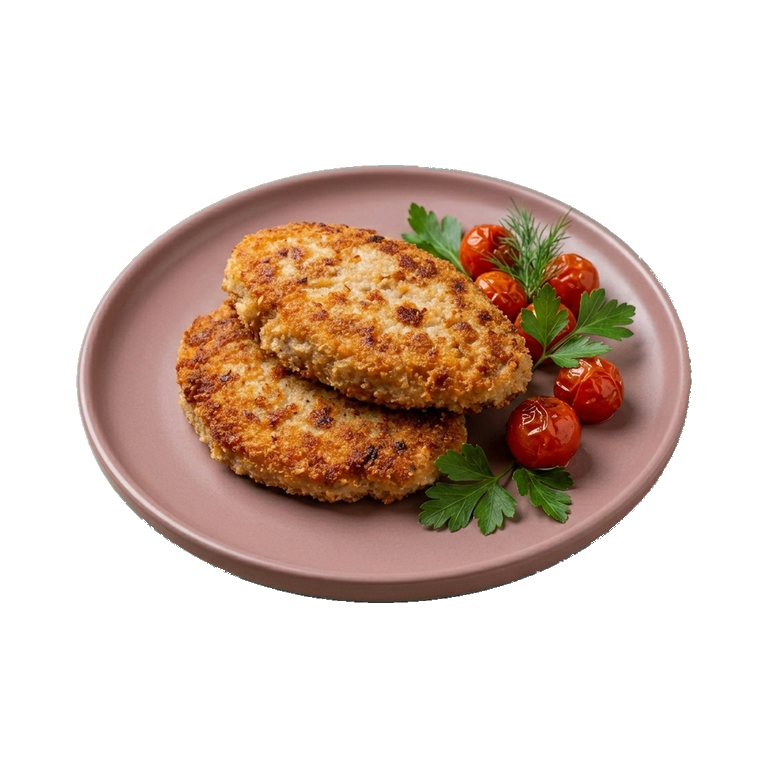
Breadcrumbs are distinguished by their fine, uniform structure, which distributes evenly over the product's surface. When you coat meat, fish, or vegetables in them, they adhere thanks to moisture (egg, milk, or simply water) and form a dense protective layer when heated. This layer is not only aesthetically pleasing but also functional: it prevents juice from leaking out and helps retain moisture inside the product.
Breadcrumbs come in many varieties. Classic white ones are neutral in flavor and work well with almost everything. Coating made from dark bread provides a deeper flavor and darker color. There are also special blends with added spices, cheese, or herbs — they immediately bring additional aromas to the dish.
Where and how to use
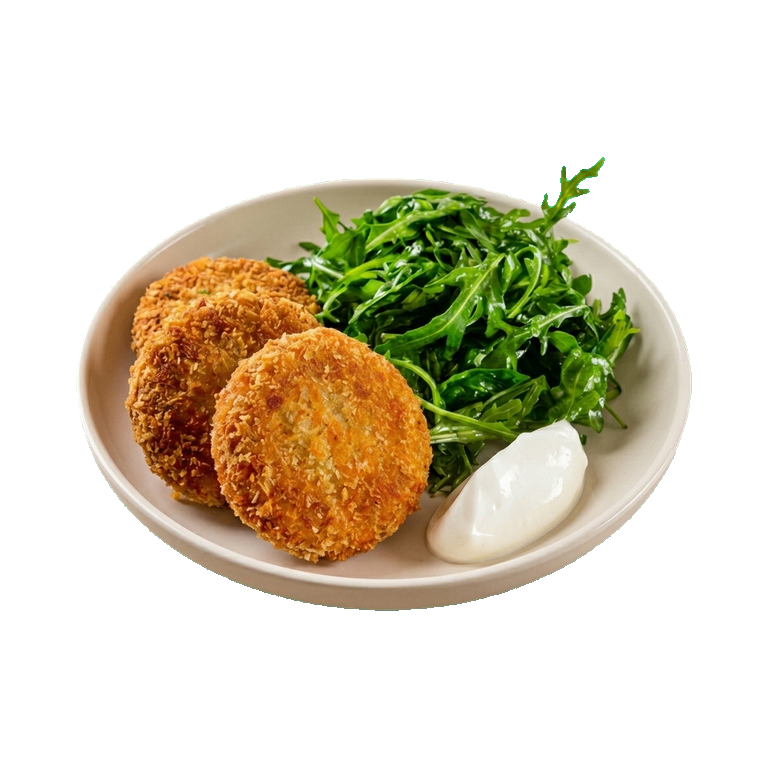
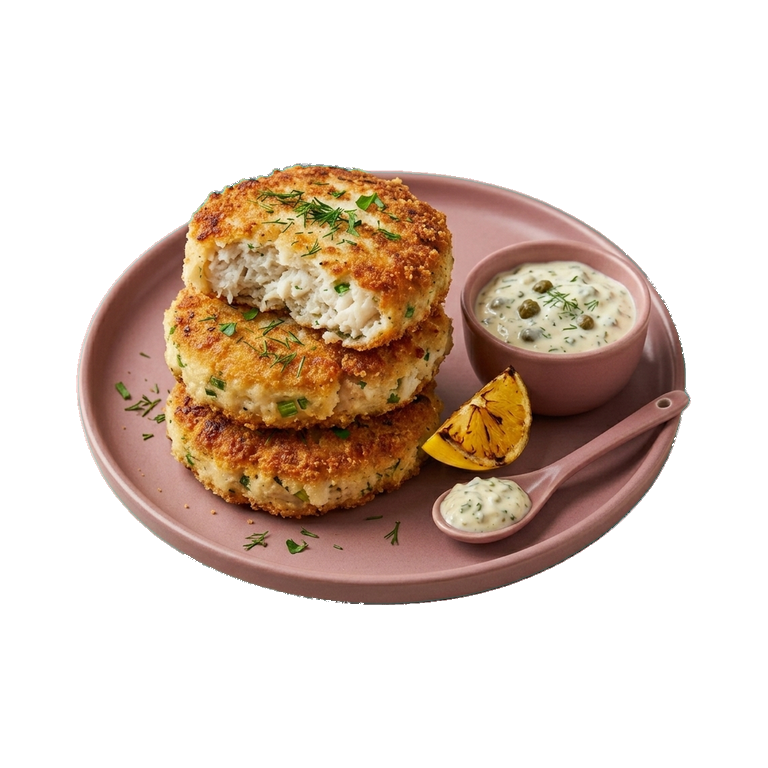
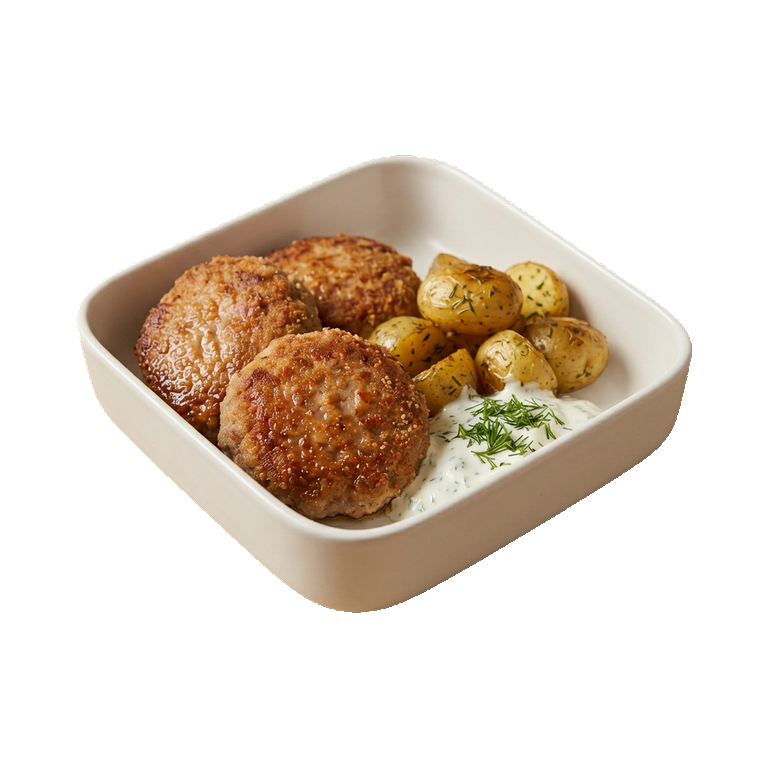
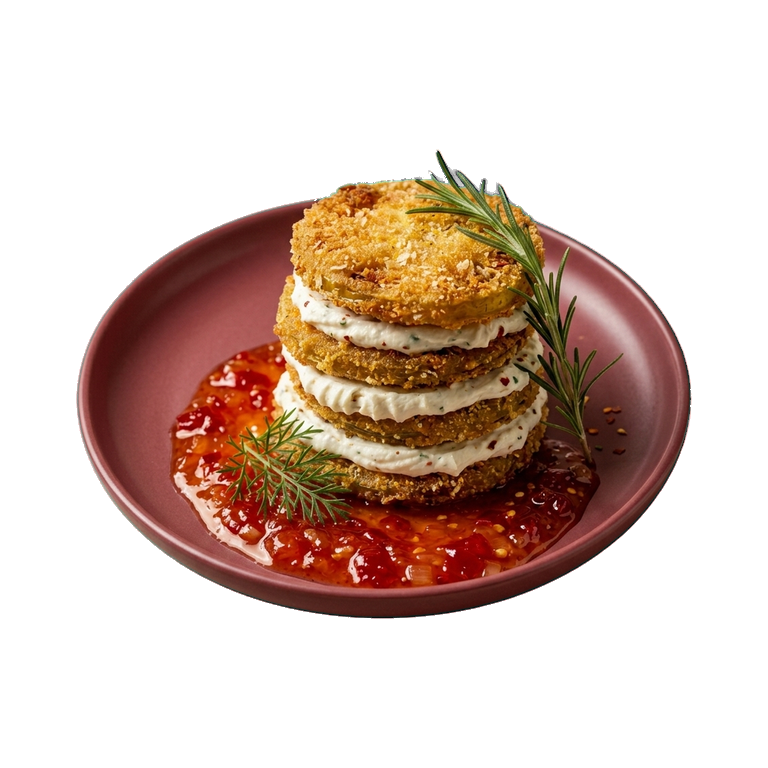
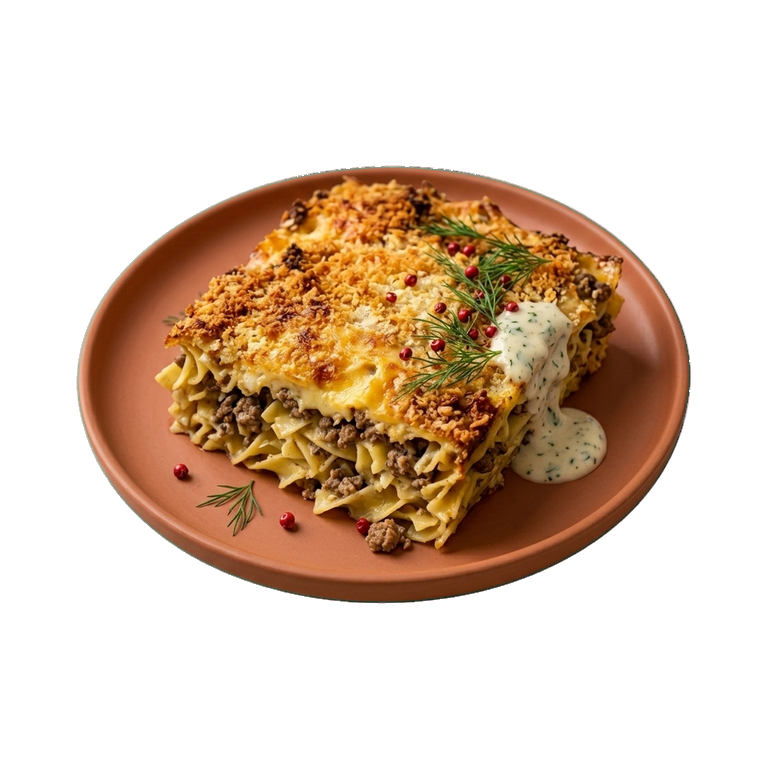
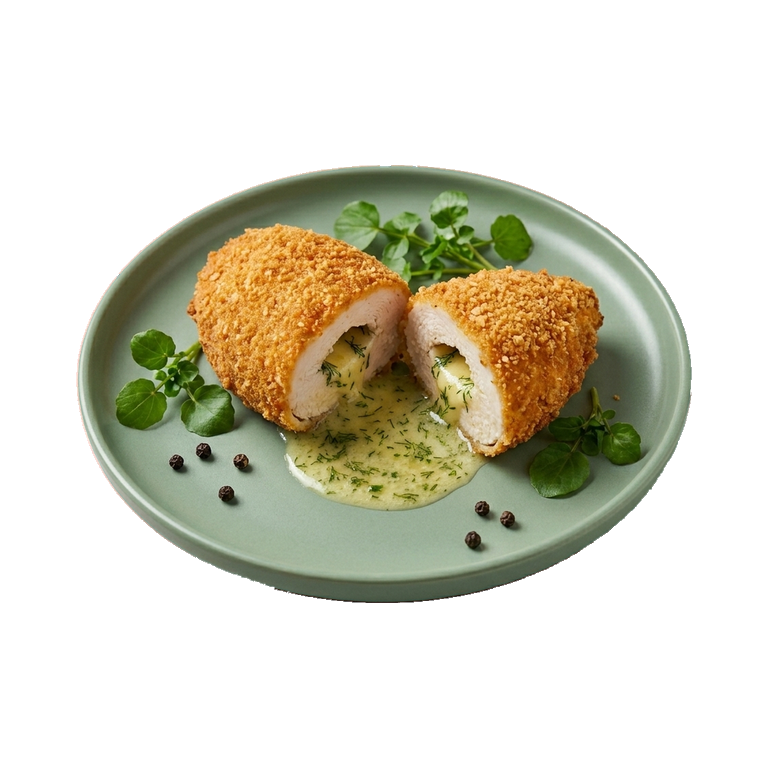
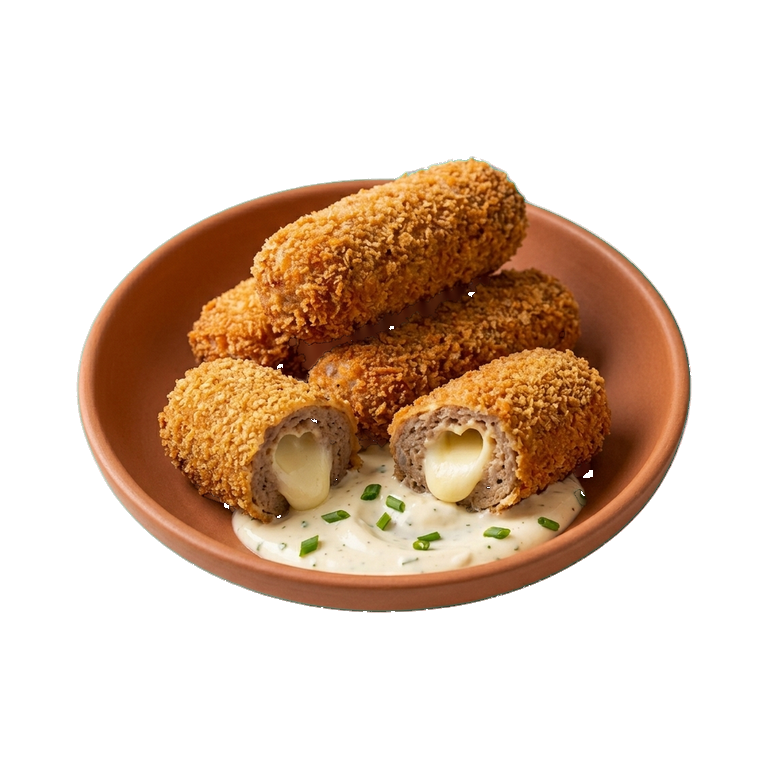
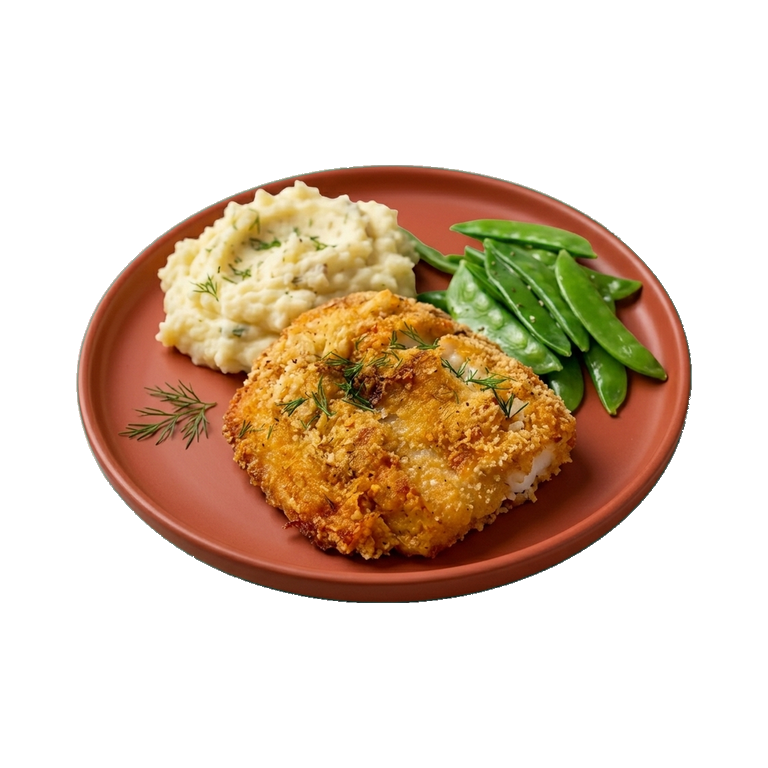
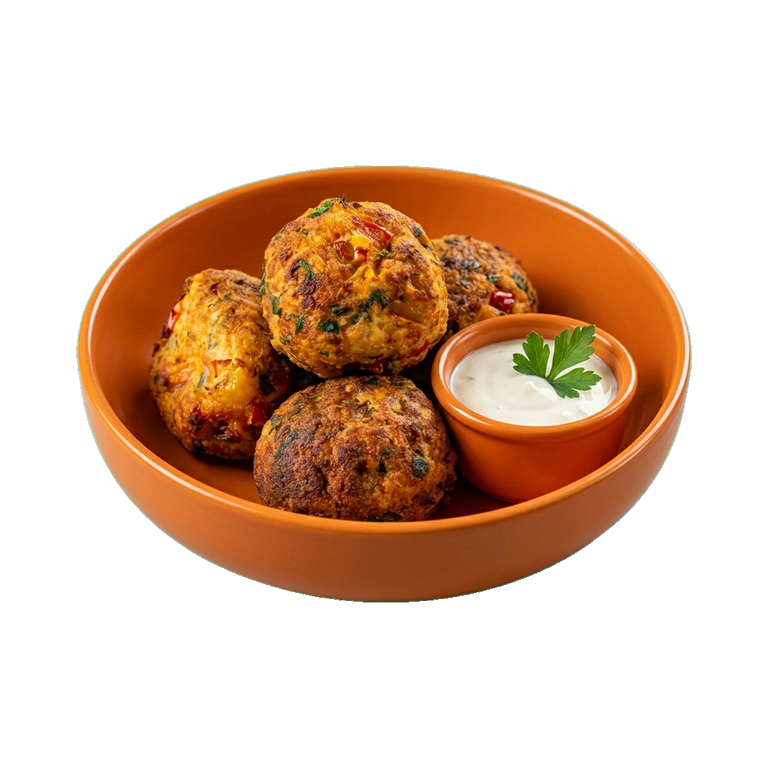
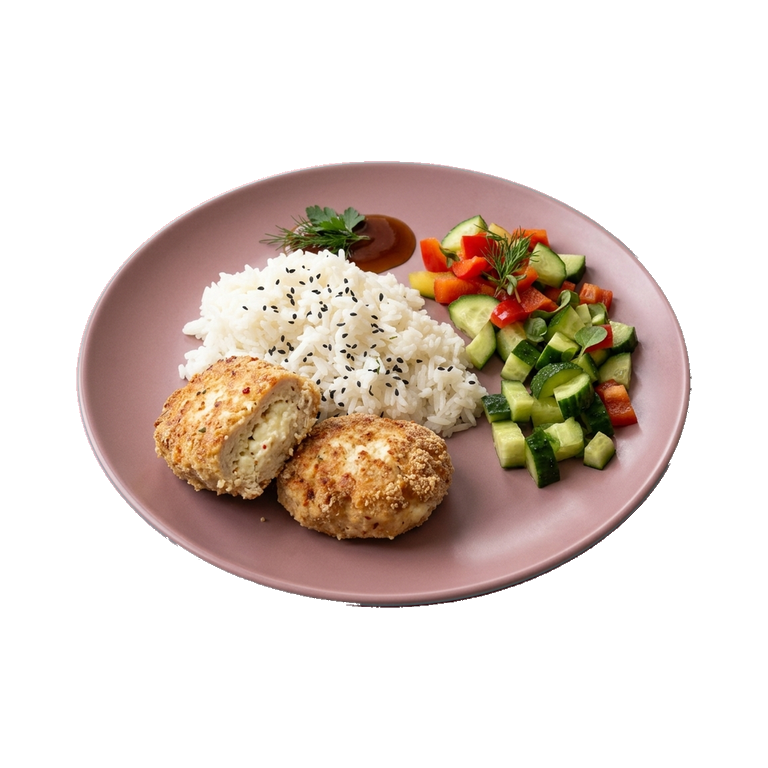
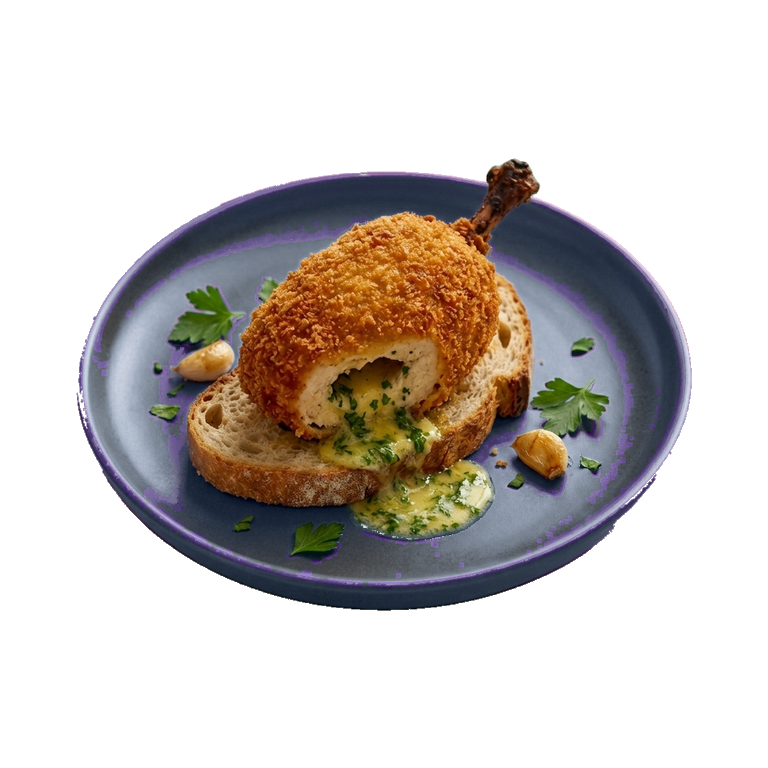
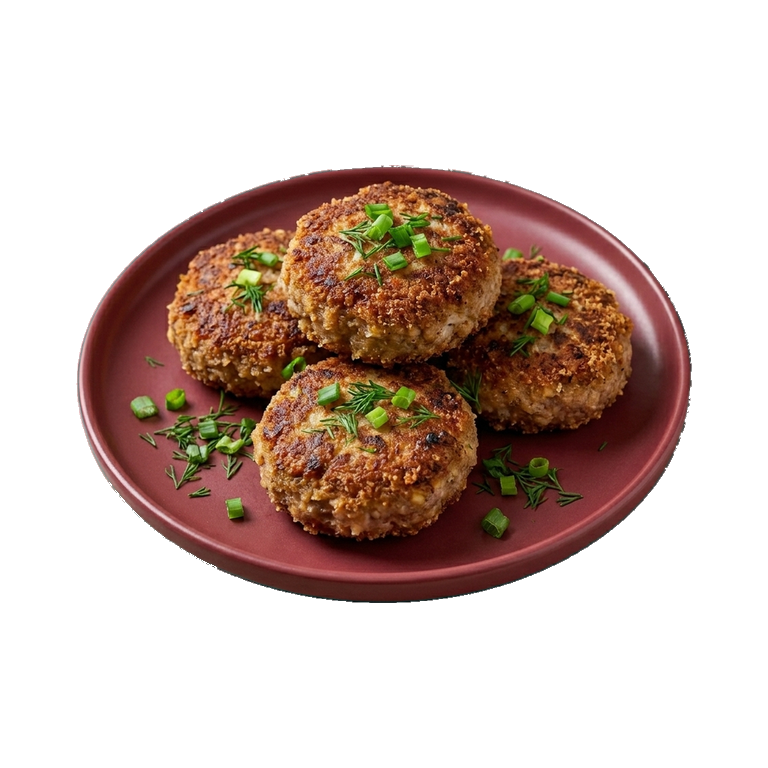
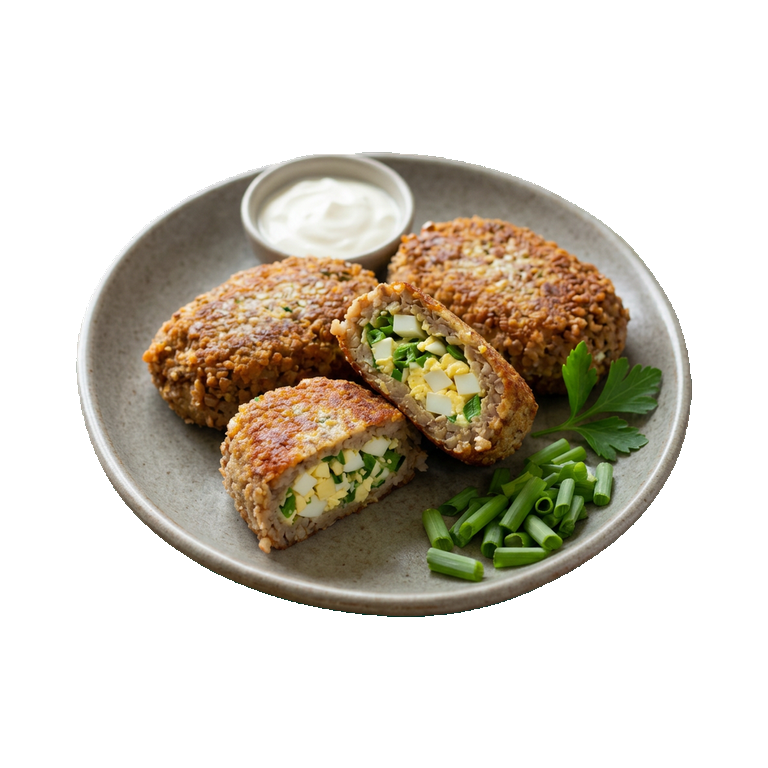
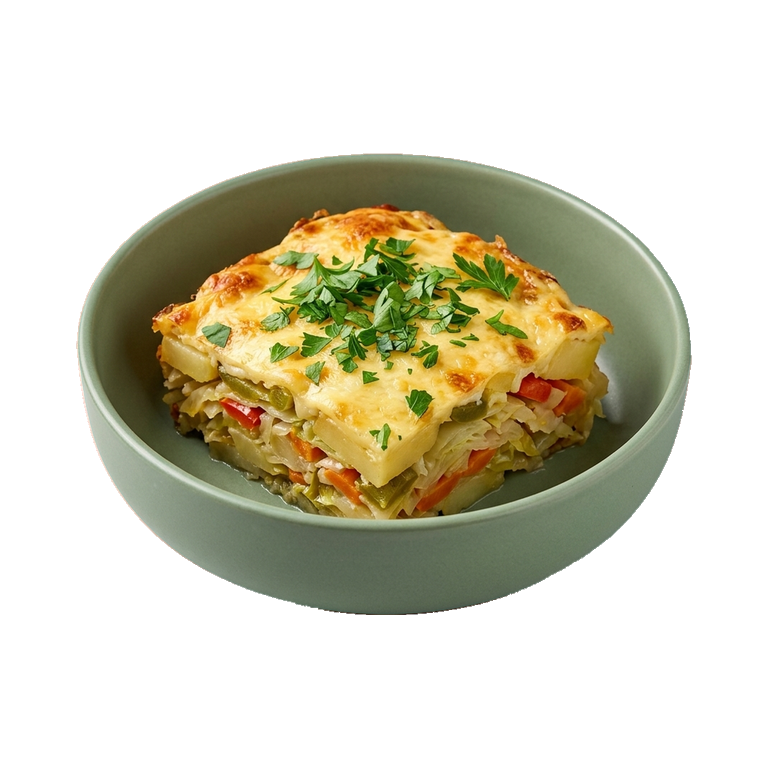
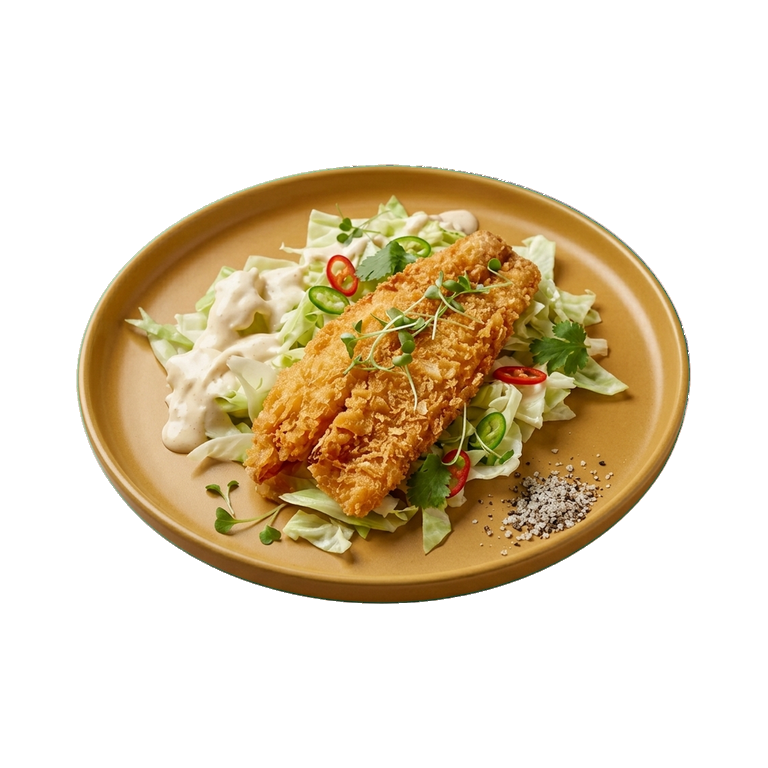
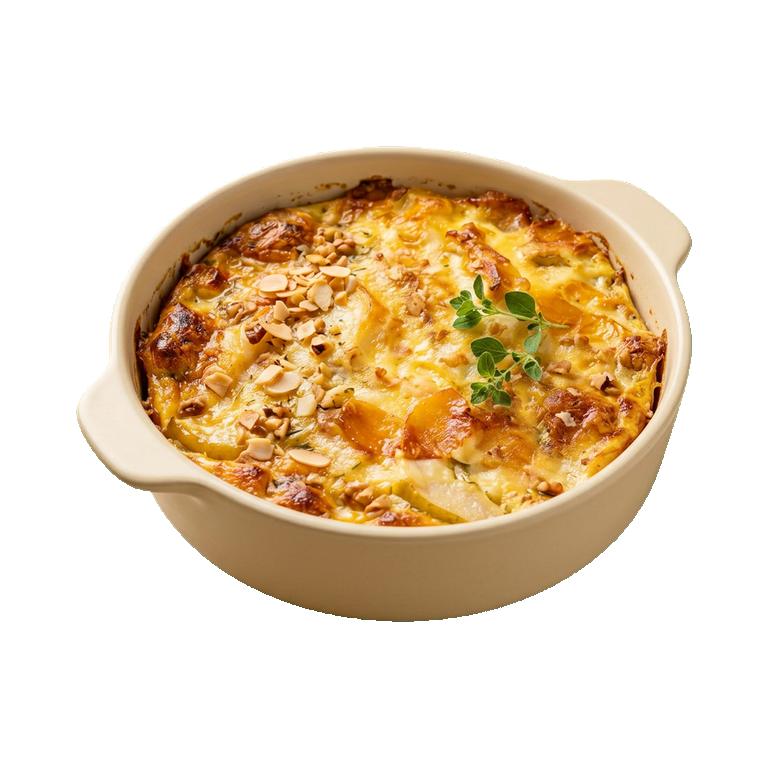
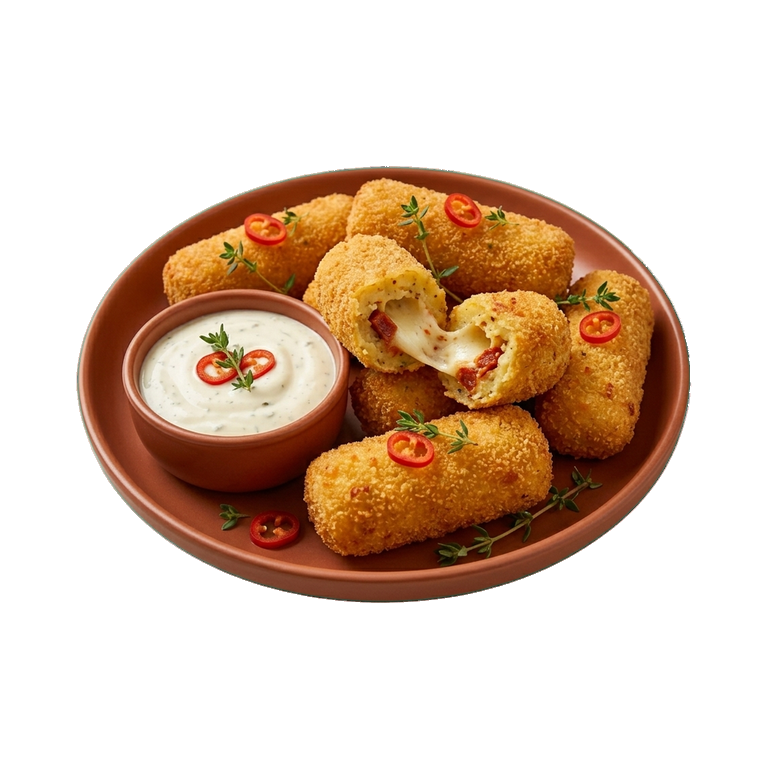
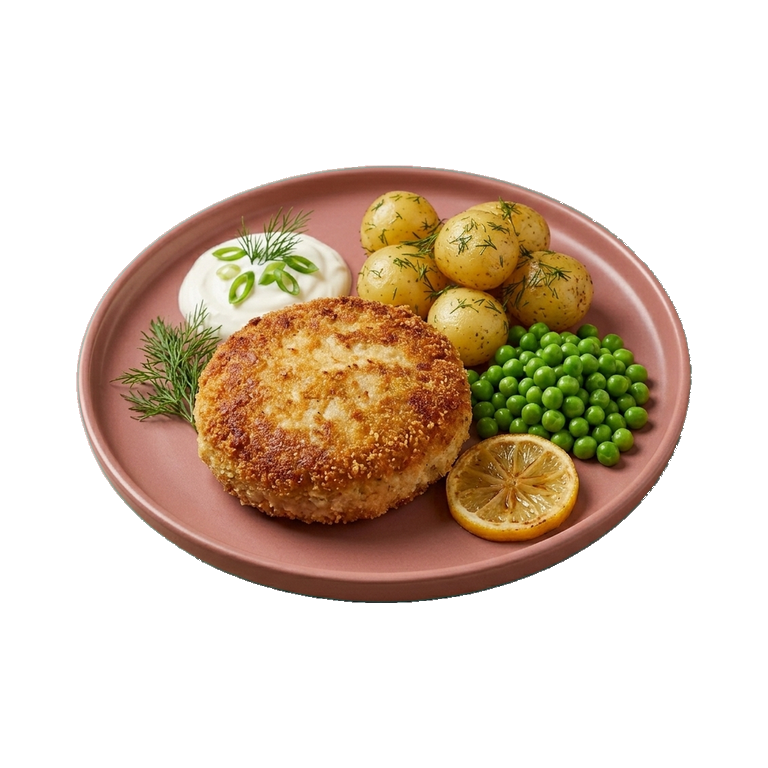
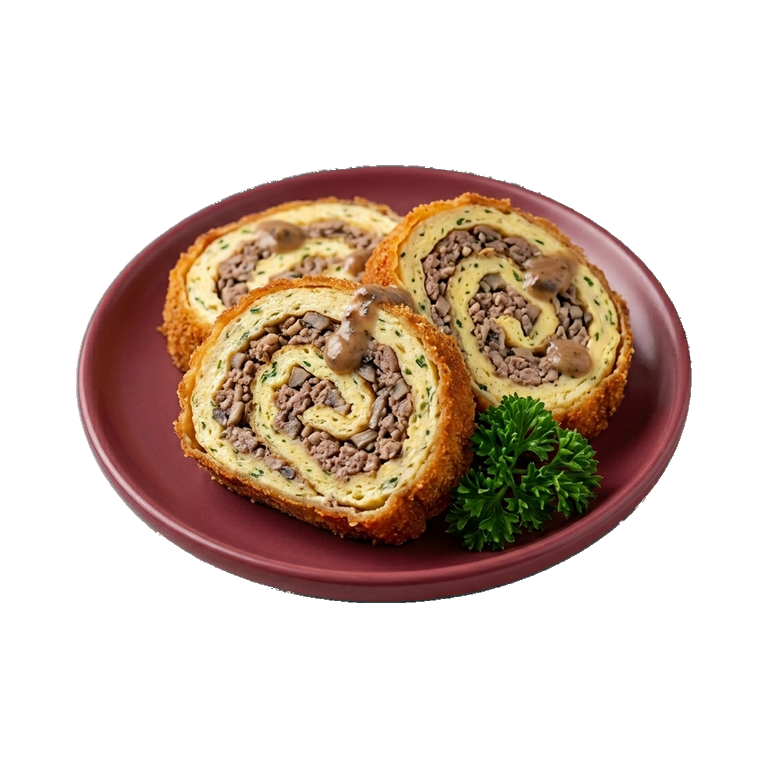
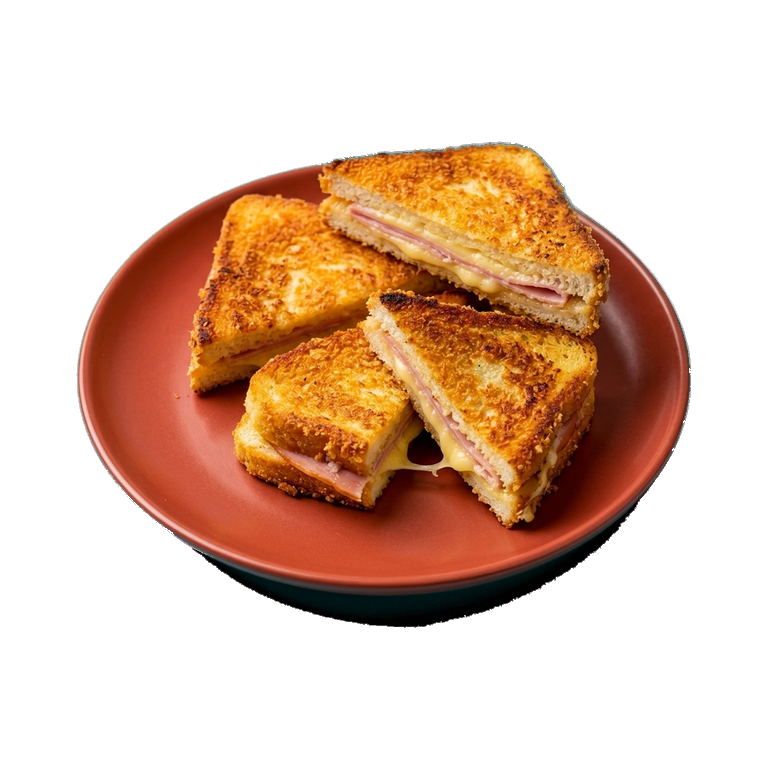
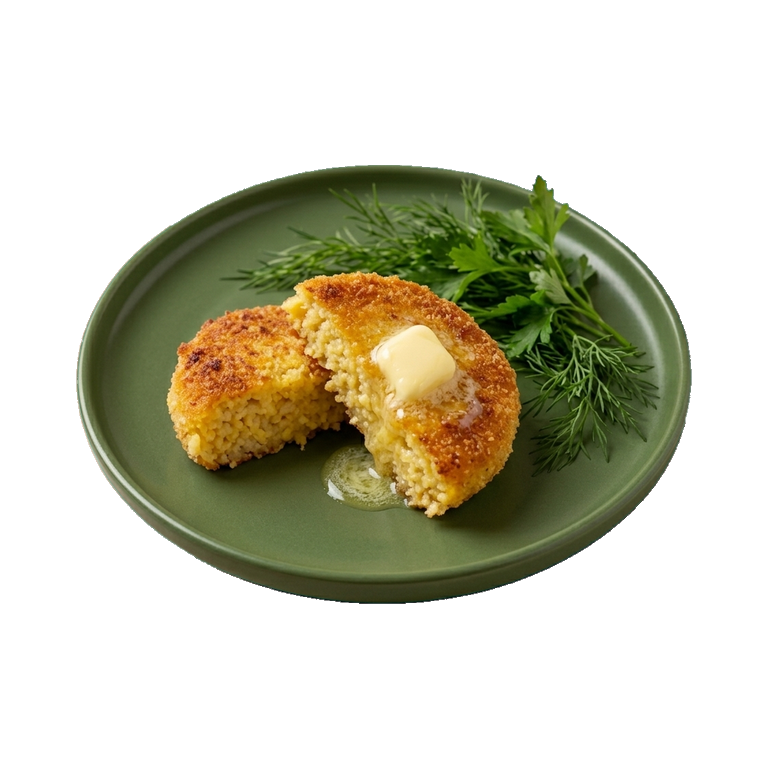
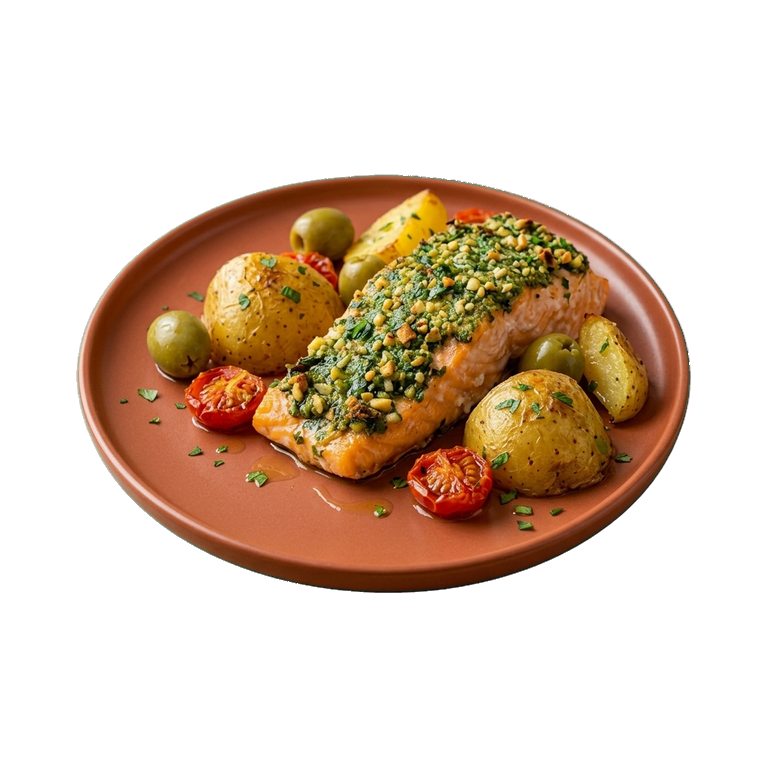
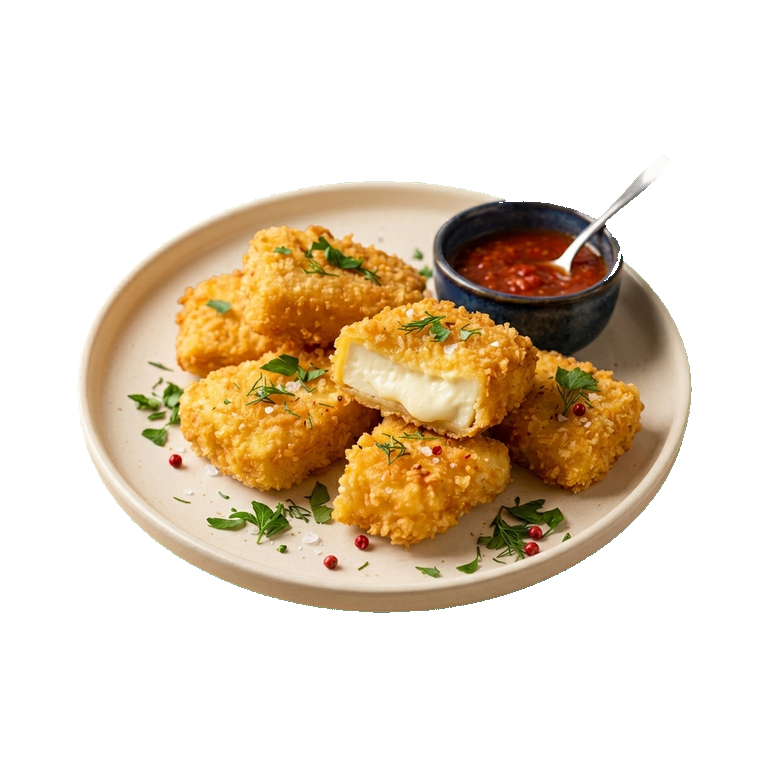
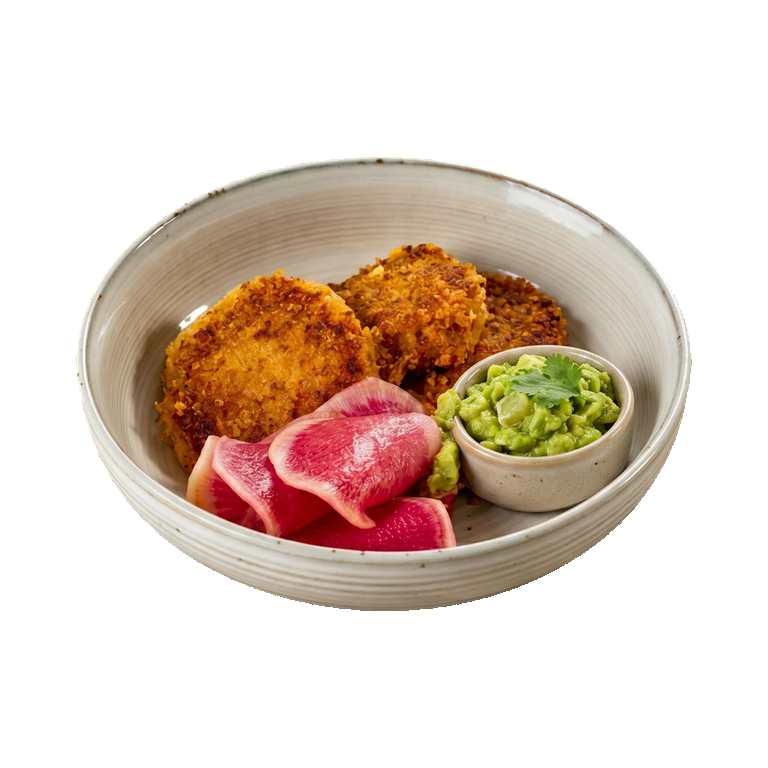
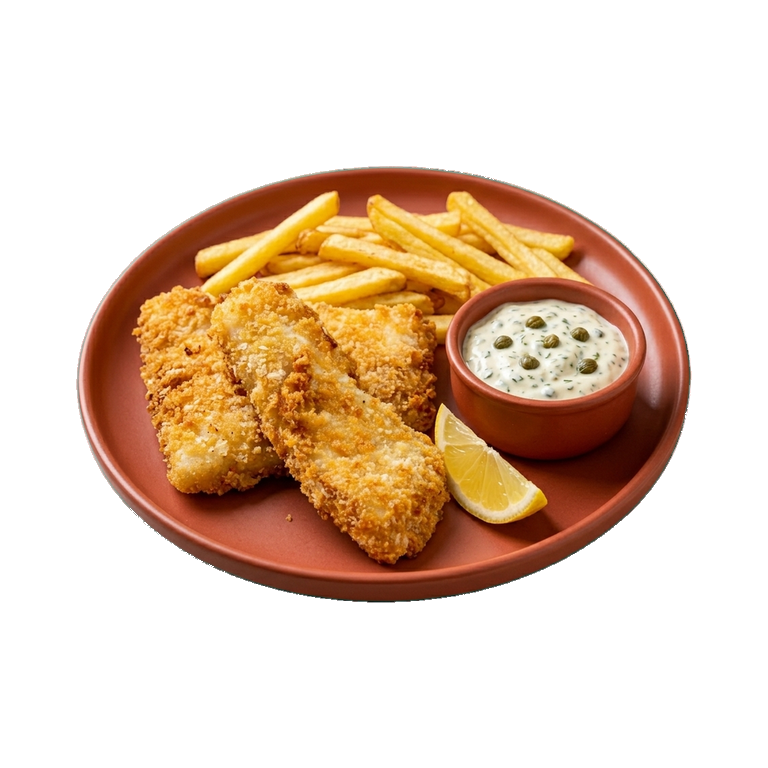
Breadcrumbs work everywhere you need a crispy crust. Cutlets, schnitzel, chicken wings, fish fillet — classic fried dishes. But don't limit yourself to just frying: breadcrumbs are perfect for baked dishes, help create a crispy top in casseroles, and serve as a base for coating when deep frying.
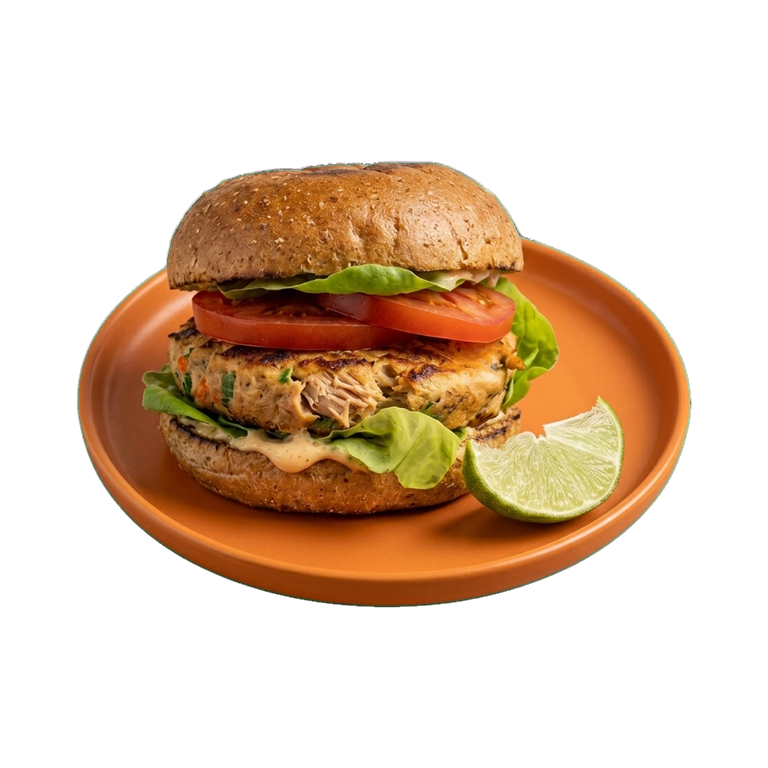
- Meat and poultry: cutlets, chops, wings, nuggets
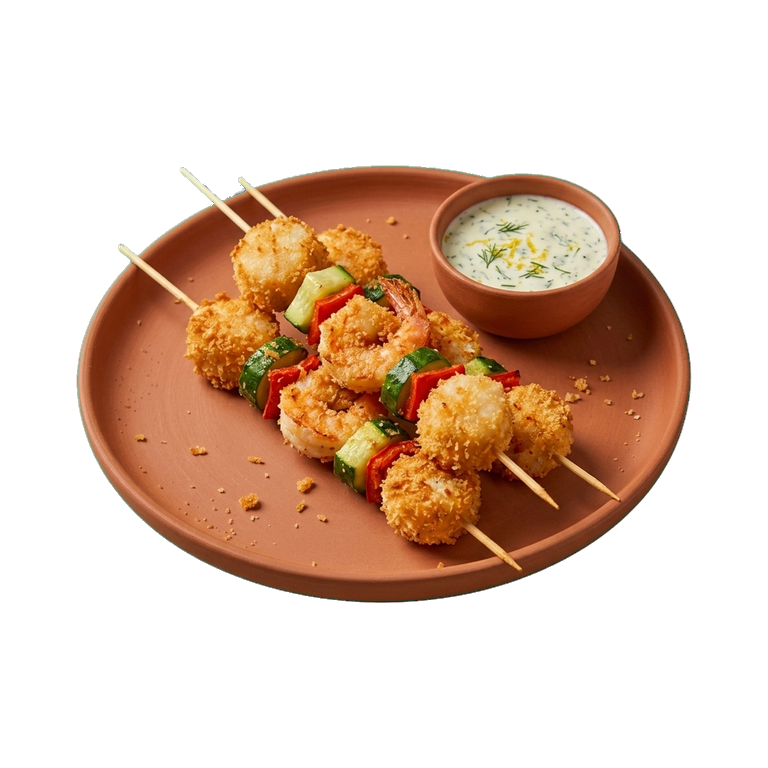
- Fish and seafood: fillet, shrimp, squid
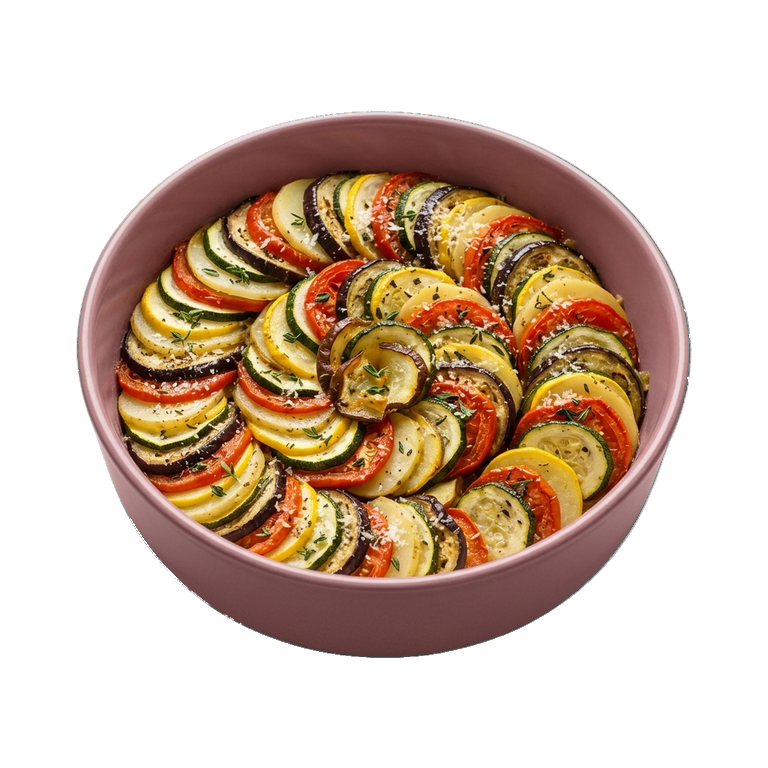
- Vegetables: eggplant, zucchini, tomatoes, mushrooms
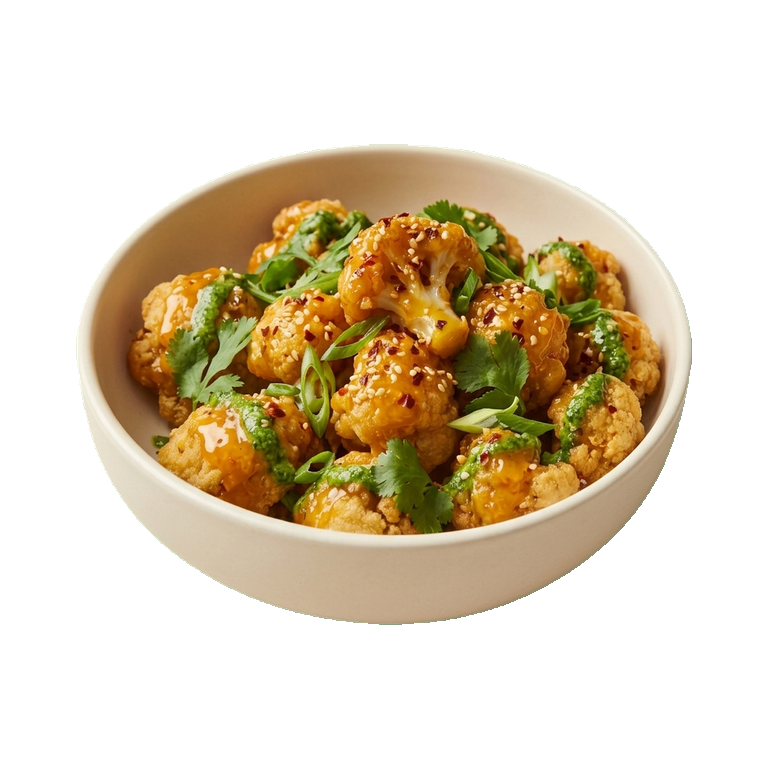
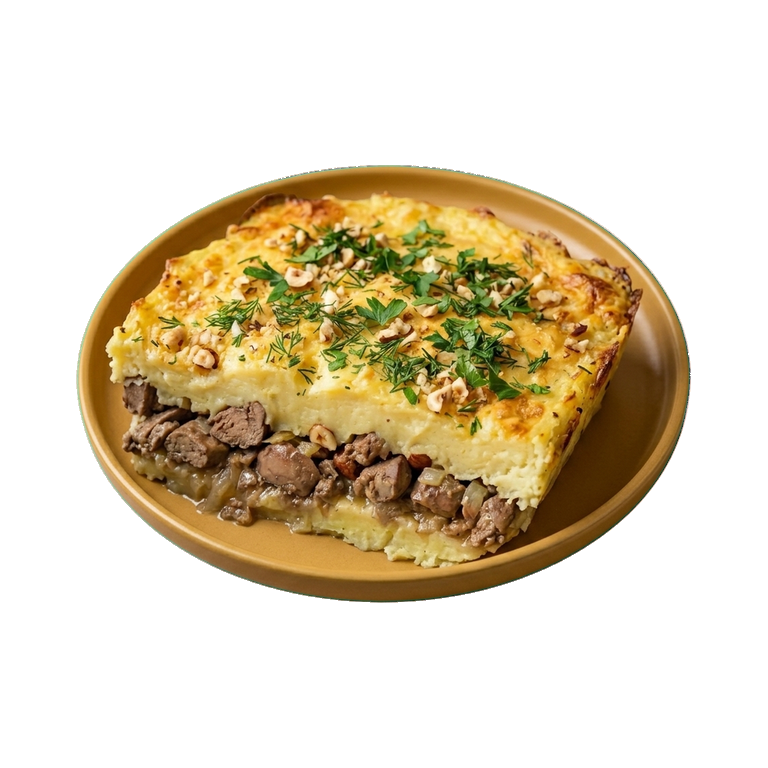
- Casseroles and side dishes: pasta bake, potato casserole
- Bread products: croutons, salad and soup croutons
Selection and Storage
When choosing breadcrumbs, pay attention to the crumb size — breadcrumbs that are too coarse look rough, while those that are too fine may cake into a dense lump. Good breadcrumbs have a light or uniform color without dark spots and lumps. Check the expiration date: although breadcrumbs have a long shelf life, fresh ones give better results.
Store breadcrumbs in an airtight container in a dry place at room temperature. Moisture is the enemy of breadcrumbs, so make sure the packaging is tightly sealed. If the breadcrumbs have become damp or compacted, they can easily be revived in the oven at low temperature for a few minutes. Many chefs make their own breadcrumbs by drying sliced bread and grinding it in a blender — this gives complete control over the taste and texture.
Breadcrumbs are a simple ingredient, but the results they deliver are impressive. The right breading transforms an ordinary dish into a restaurant-quality meal. Keep them always on hand and experiment with different varieties to find your perfect option.
Nutrition
per 100 g
- Calories
- 350 kcal
- Protein
- 11 g
- Fat
- 2.5 g
- Carbs
- 72 g
Measures and weight
- 1 tbsp
- 6.8 g
- 1 tsp
- 2.3 g
- 1 cup
- 112.5 g
Measure calculator
- Weight
- 100 g
- Calories
- 350 kcal