Usuba
Usuba
Pears
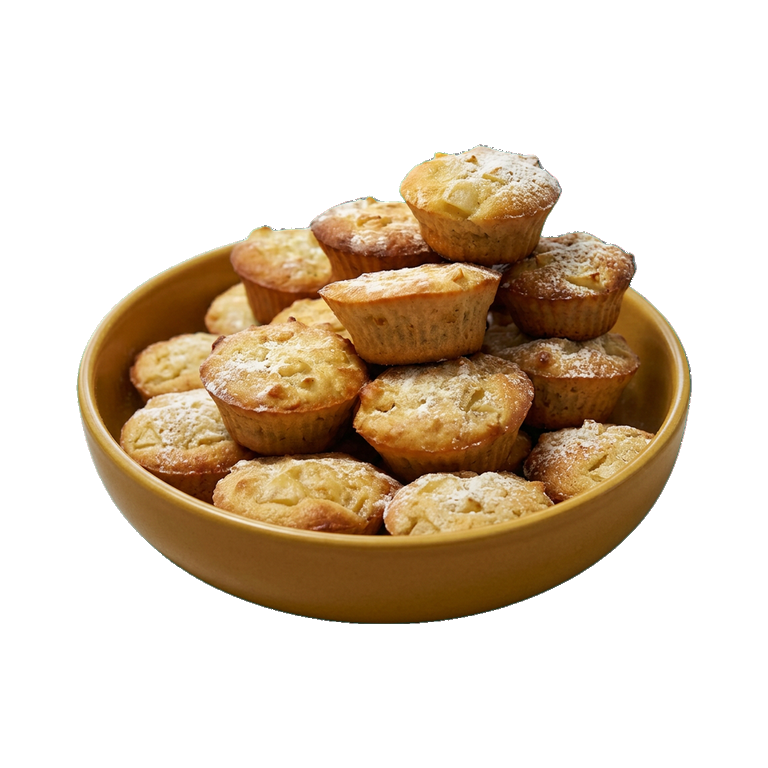
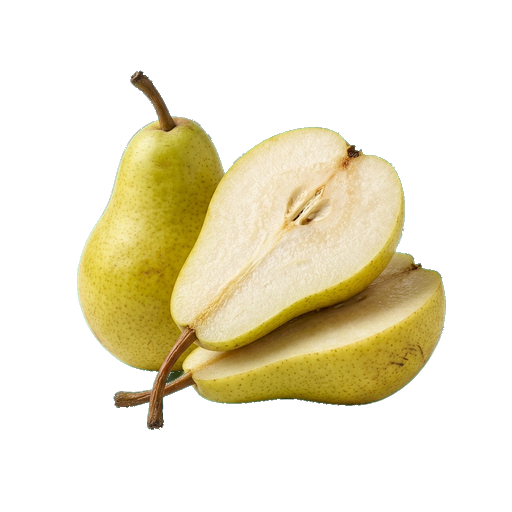
Sweet pears with tender flesh and distinctive aroma are ideal for desserts, compotes, and fresh salads. When selecting, pay attention to the firmness of the fruit — a ripe pear yields slightly to pressure at the base, but should not be soft. In cooking, pears pair well with chocolate, cheese, nuts, and spices, and when heat-treated, they develop an intense sweet flavor and are used for jams, baking, and beverage preparation.
Micronutrients
per 100 g
Minerals
About
Aroma and taste
Pear — a fruit with a delicate, almost honeyed aroma and gentle sweetness that doesn't seem cloying. The flesh melts on your tongue, leaving a light astringency in the throat. The taste depends on the variety: some pears have floral notes, others taste of caramel or a light herbal hint. A ripe pear has a buttery consistency, while an unripe one is firmer and crunchier.
Maturity level is critical: a pear picked from a tree often ripens at home over several days. A slightly underripe pear is better suited for slicing into salads as it won't fall apart, while a fully ripe one is ideal for compotes, desserts, and simply eating with a spoon.
Role in dishes
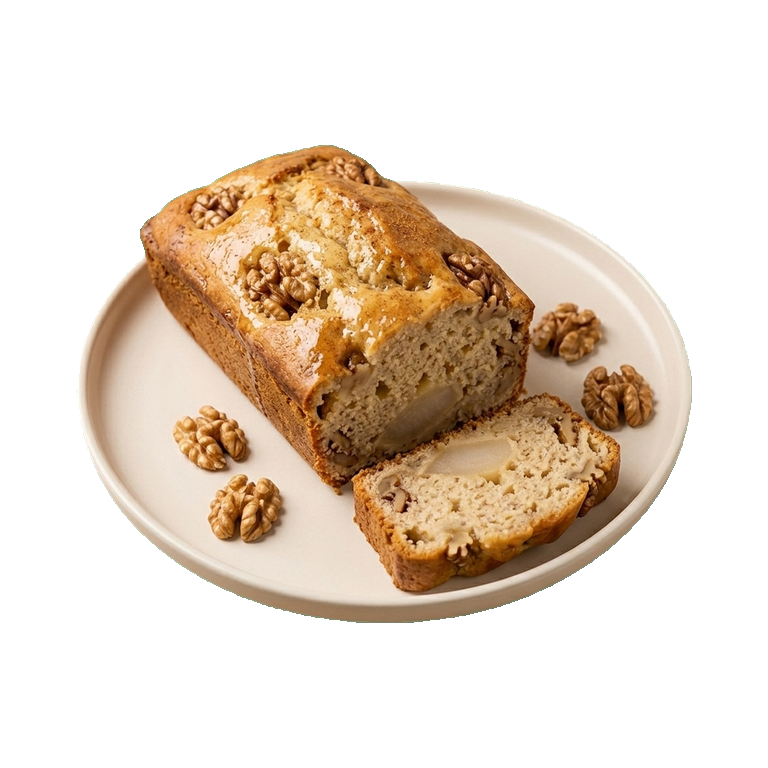
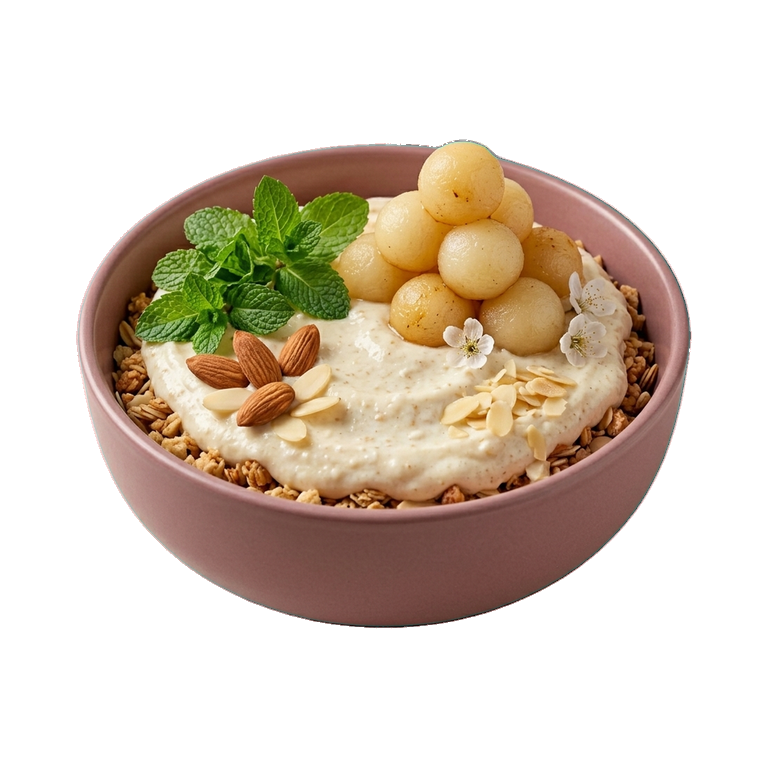
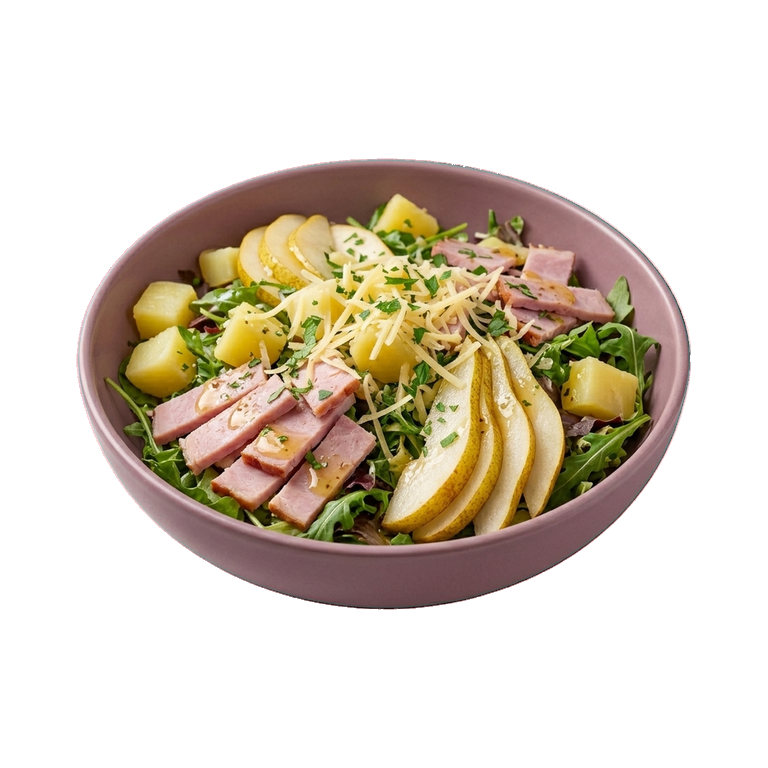
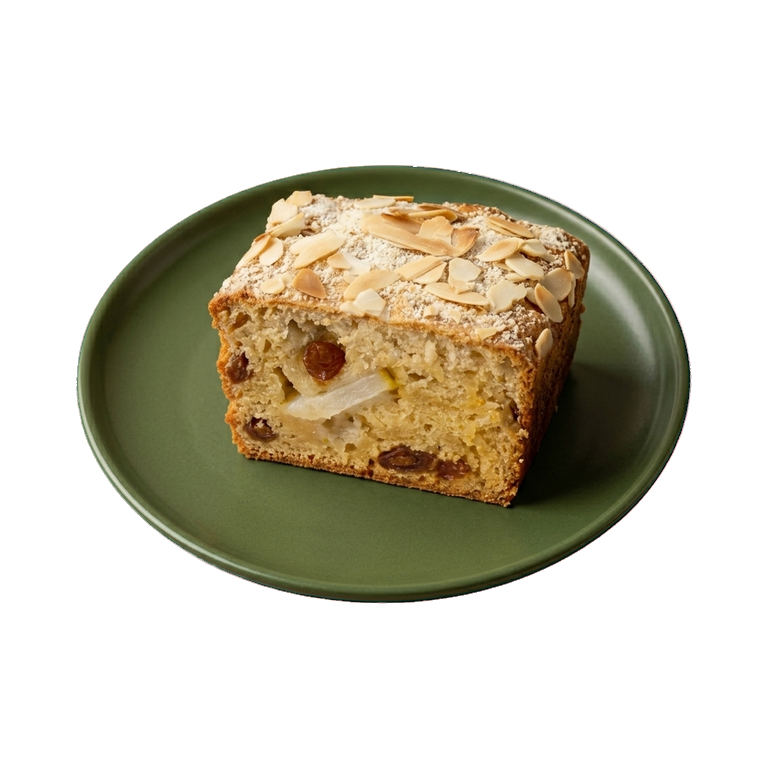
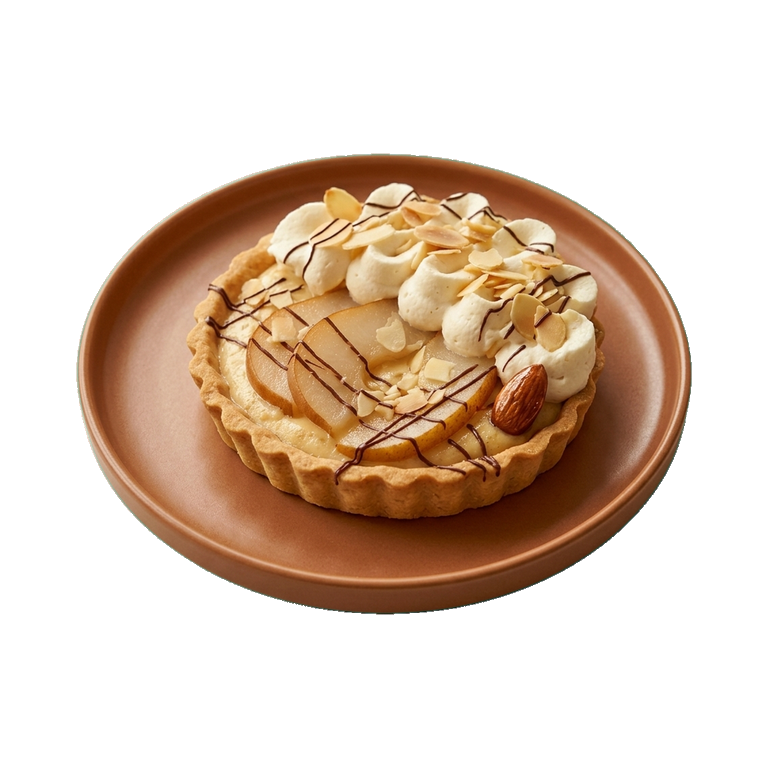
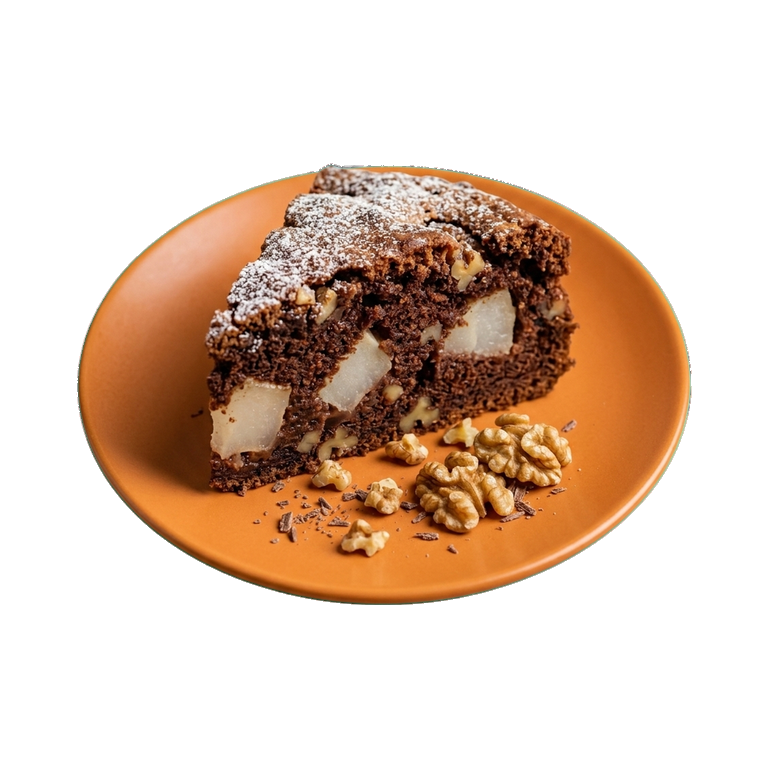
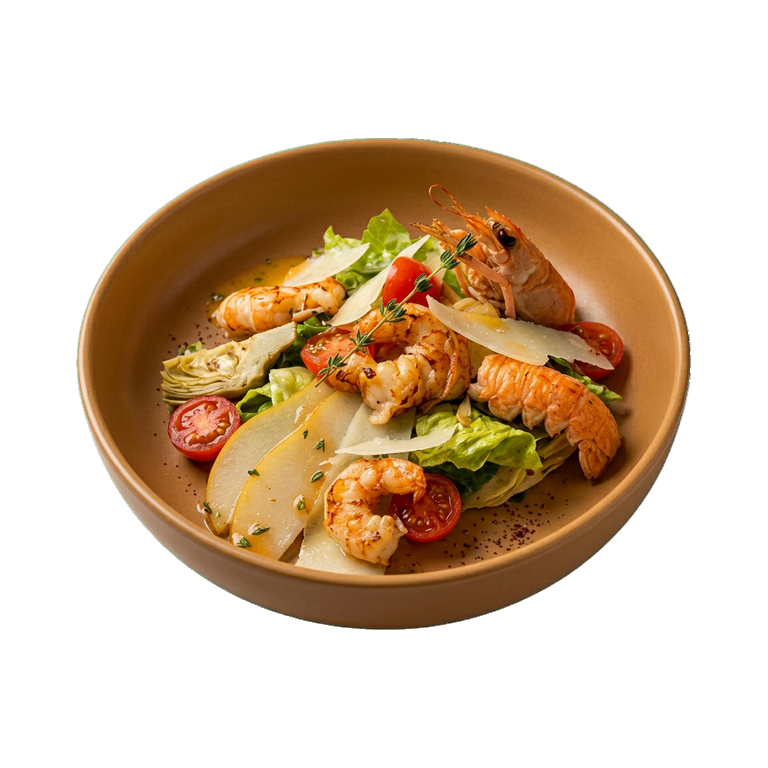
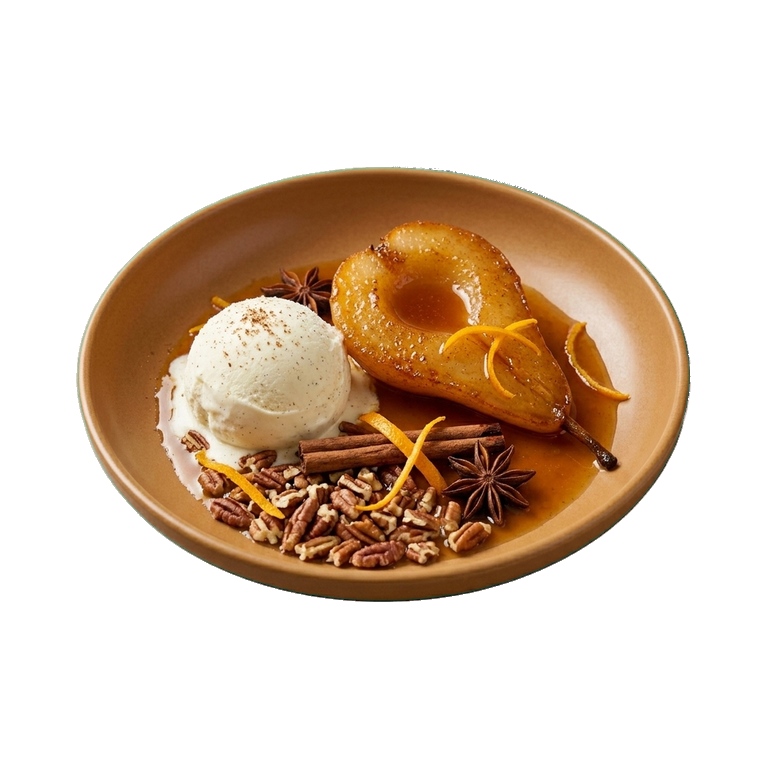
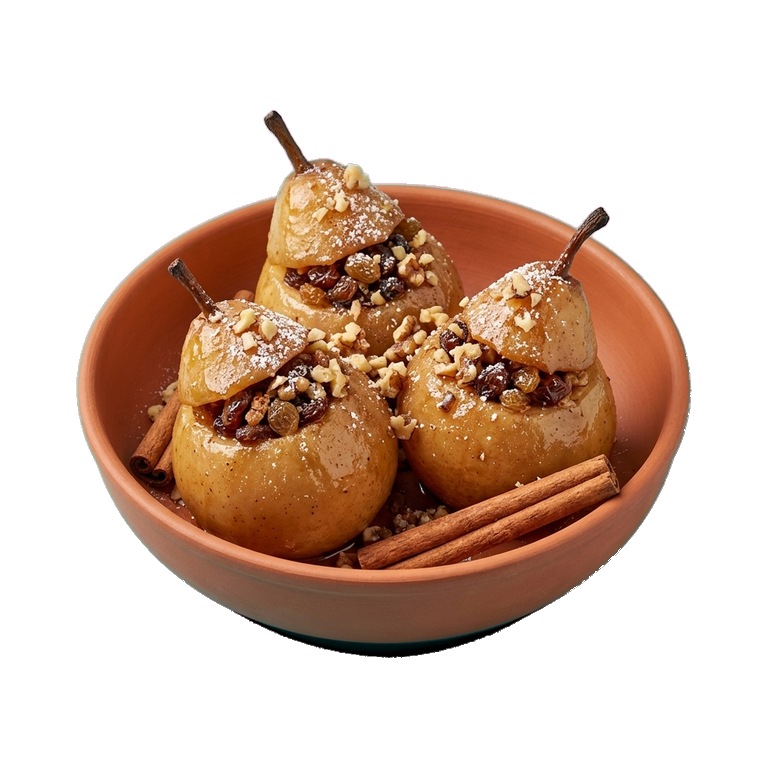
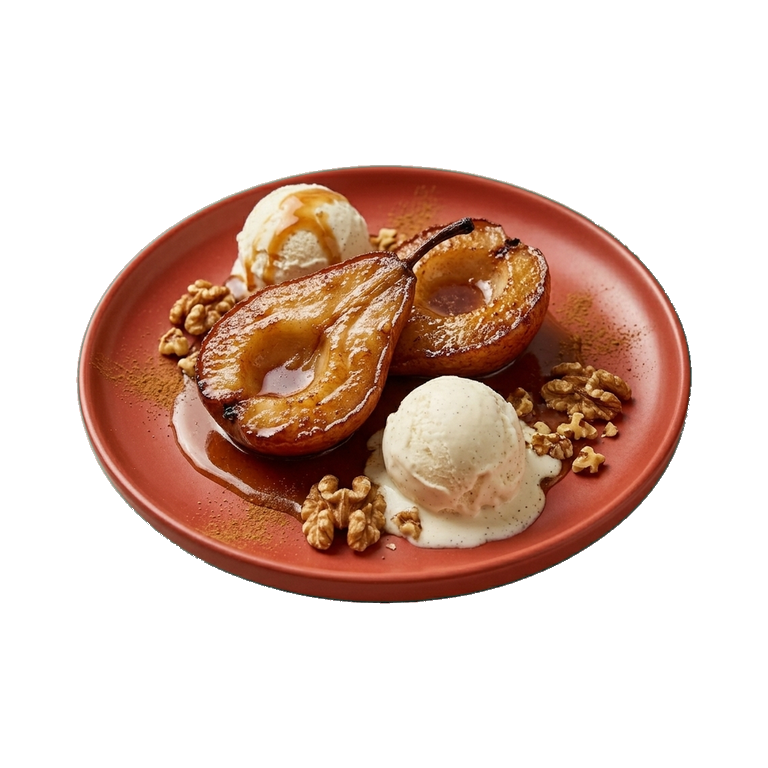
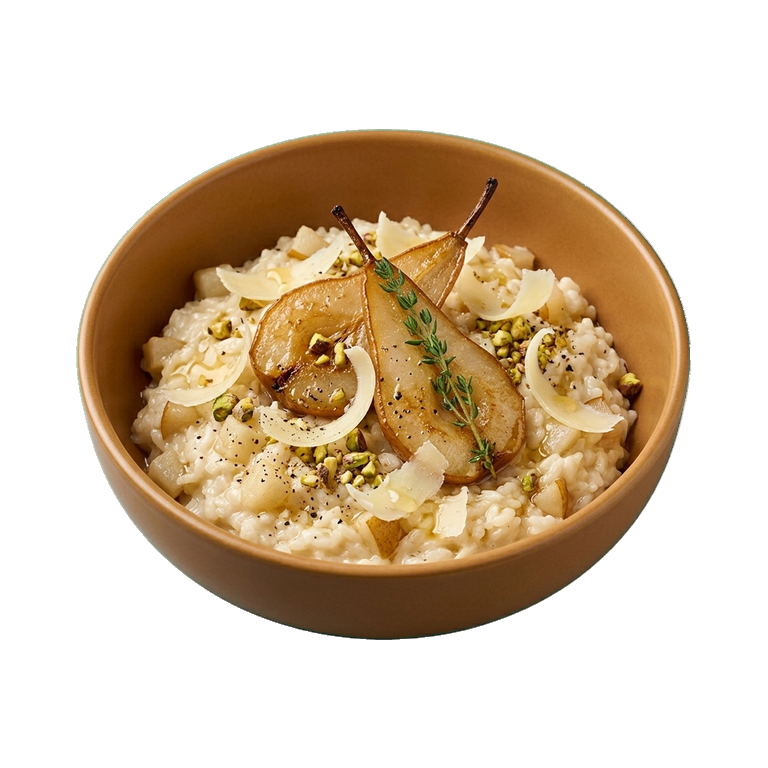
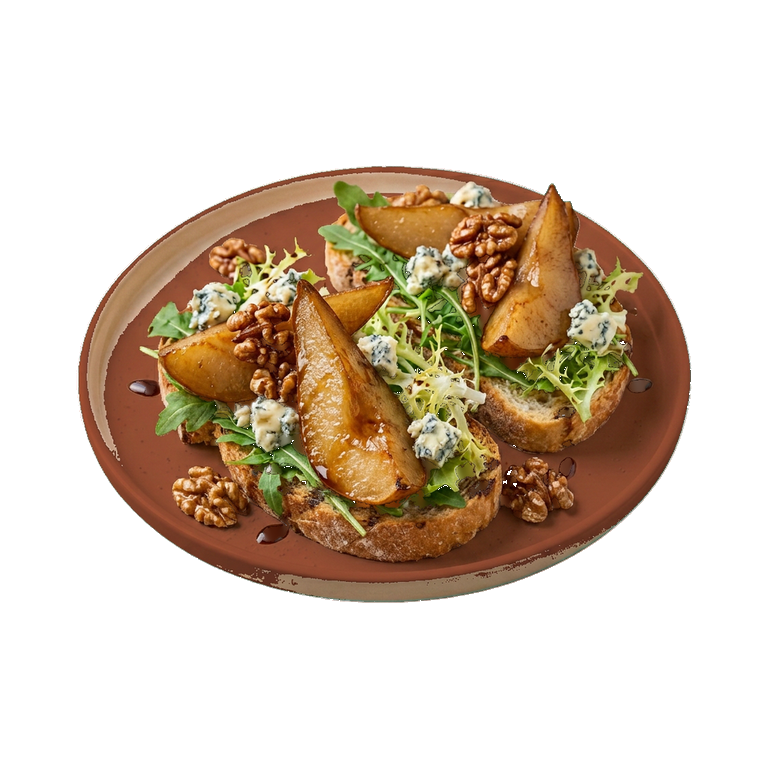
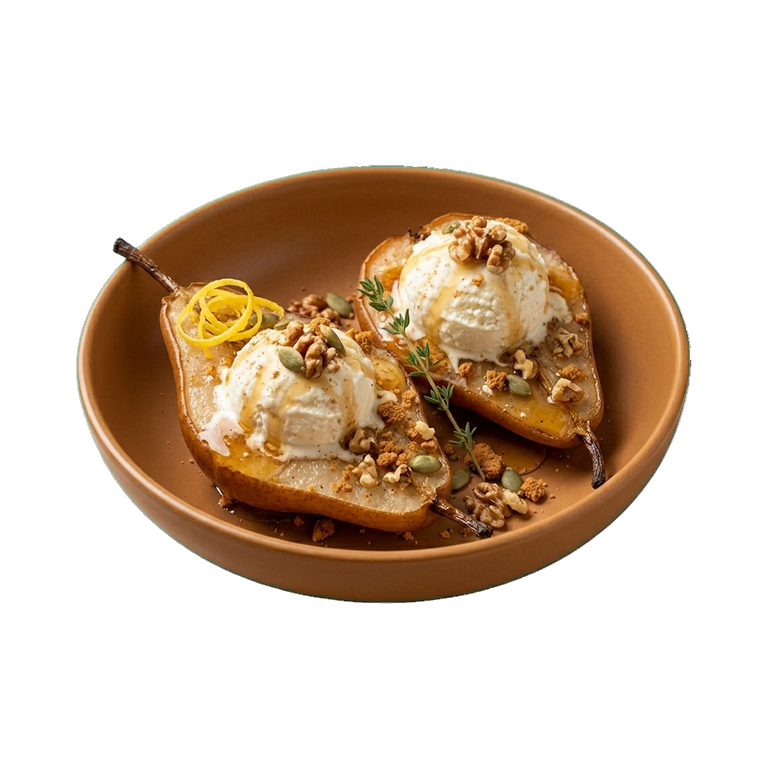
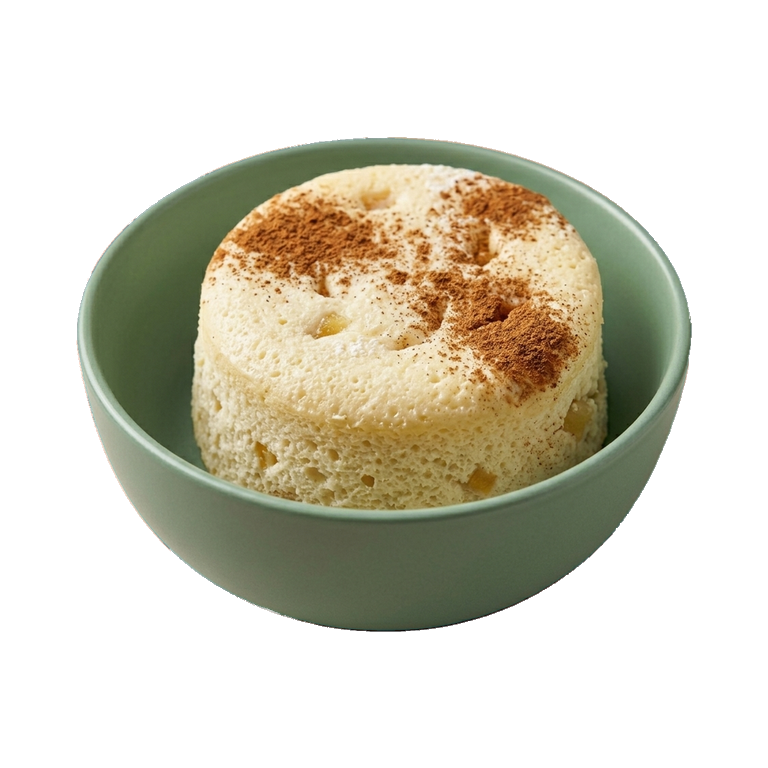
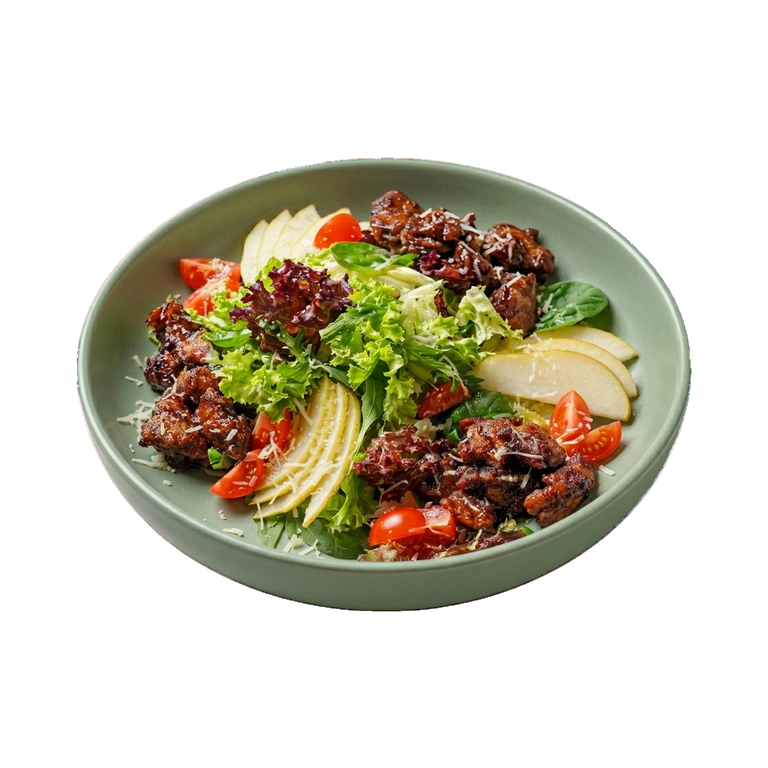
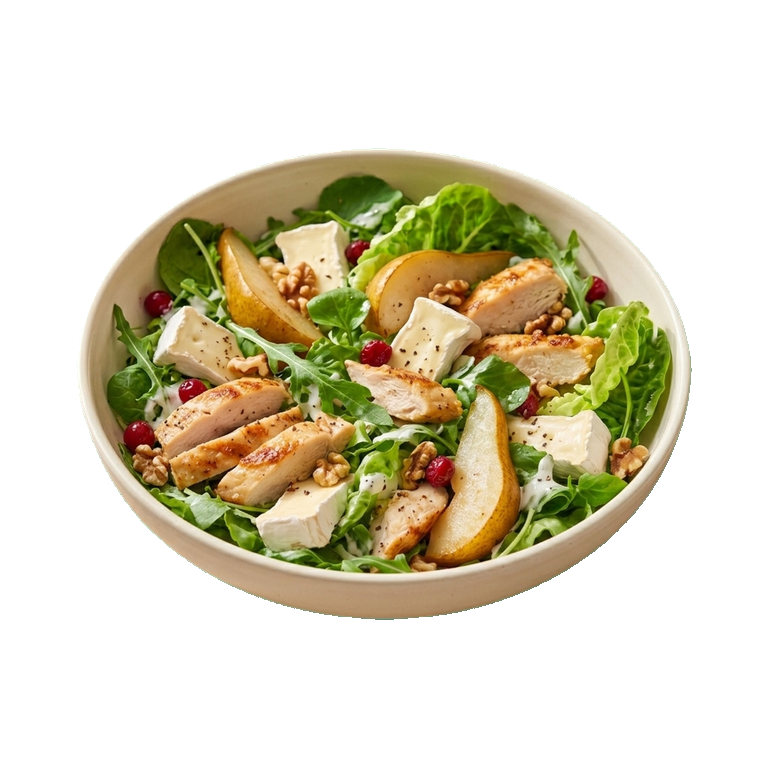
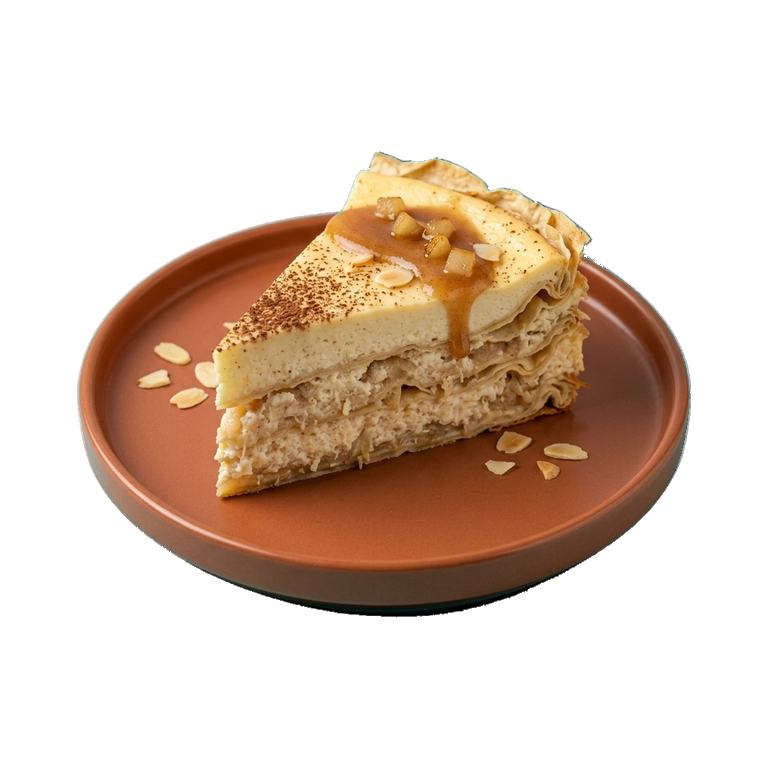
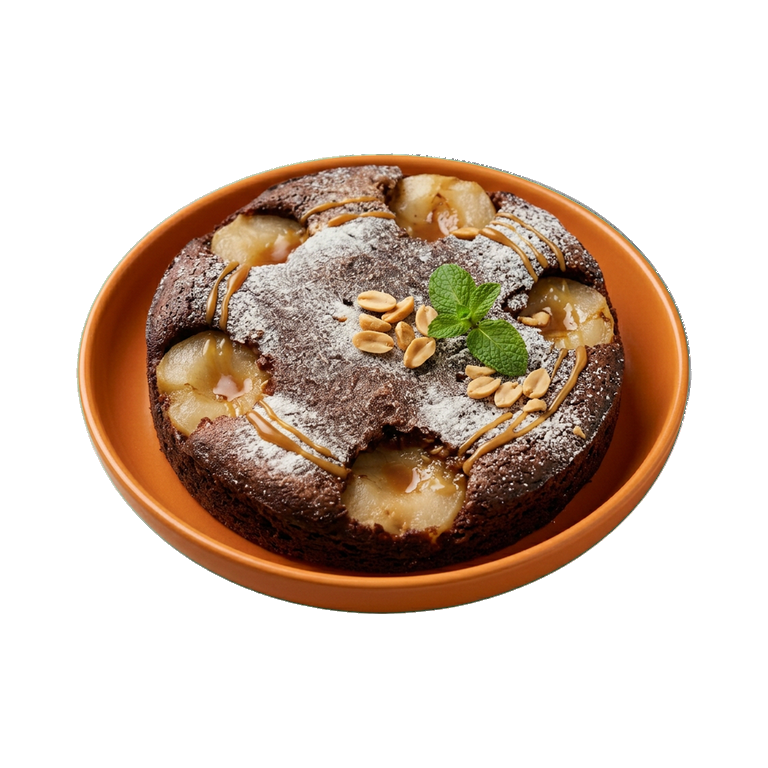
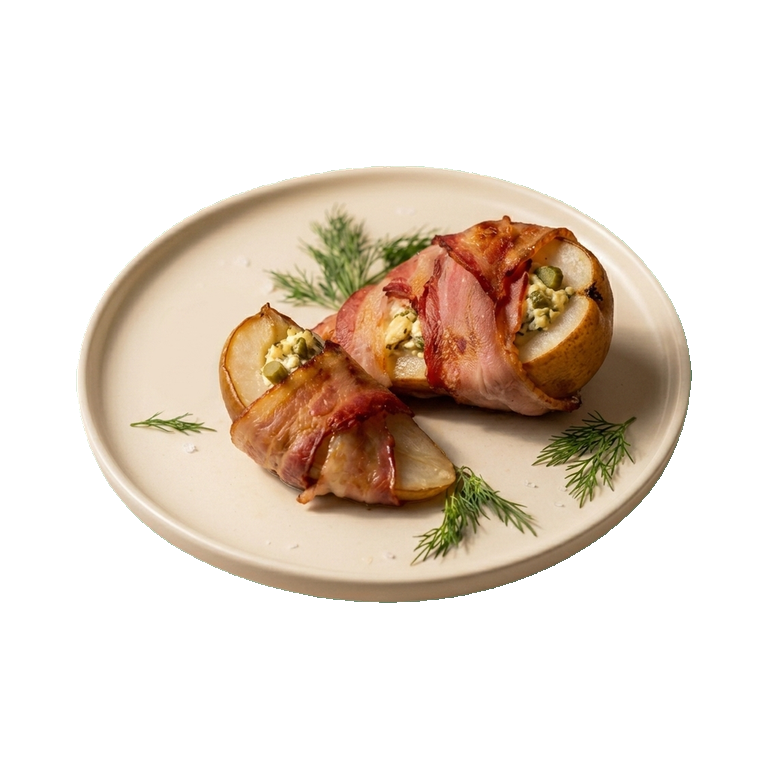
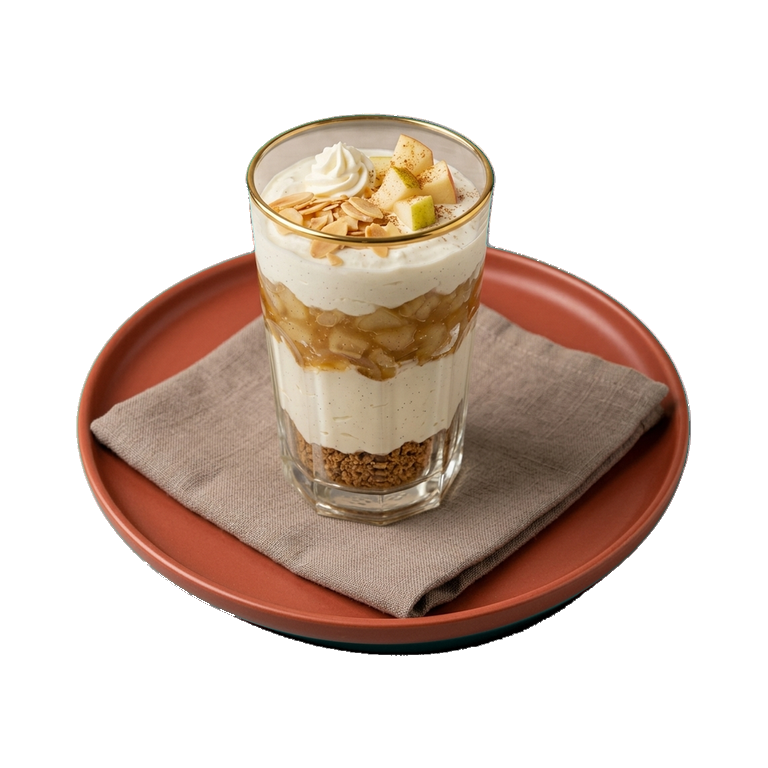
Pear works equally well in sweet and savory contexts. In desserts, it becomes the foundation for pies, tarts, mousse, or jam. In salads with arugula and cheese, pear adds freshness and contrast. It can be baked with cinnamon and honey, stewed with red wine, added to smoothies or juice.
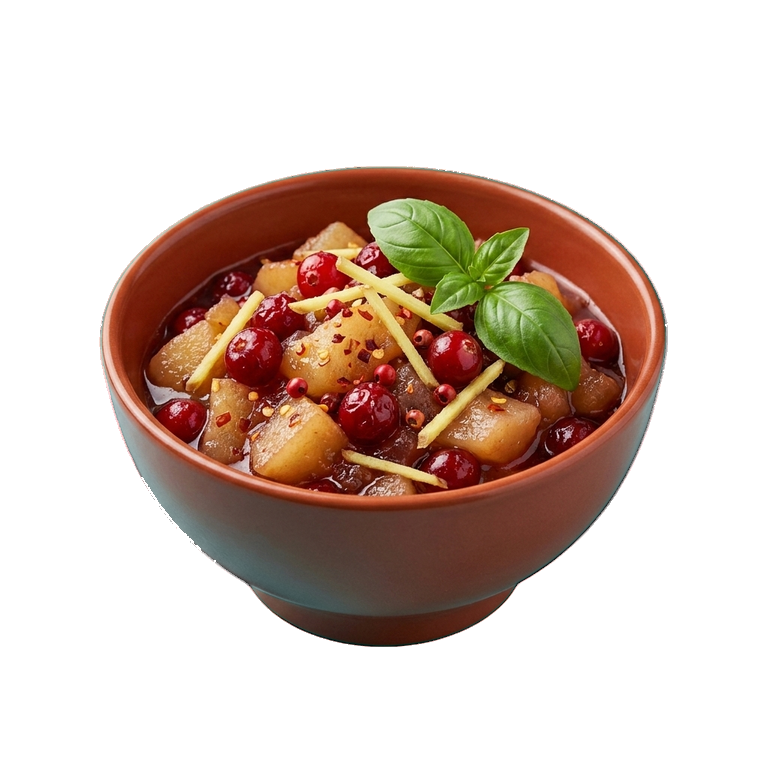
When heated, pears become softer and sweeter. If you're making compote, add pears towards the end of cooking so they don't fall apart into mush. For puree or sauces, raw pear works best — it's easy to blend. Sliced pear darkens quickly in air, so sprinkle it with lemon juice if you're preparing it in advance.
Successful Combinations
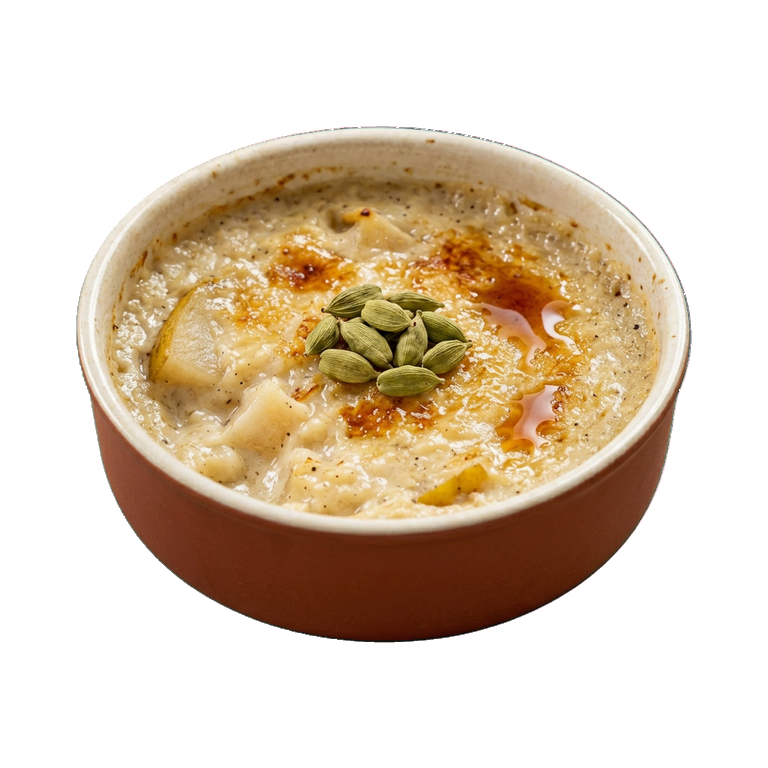
- Spices: cinnamon, cardamom, ginger, vanilla, anise
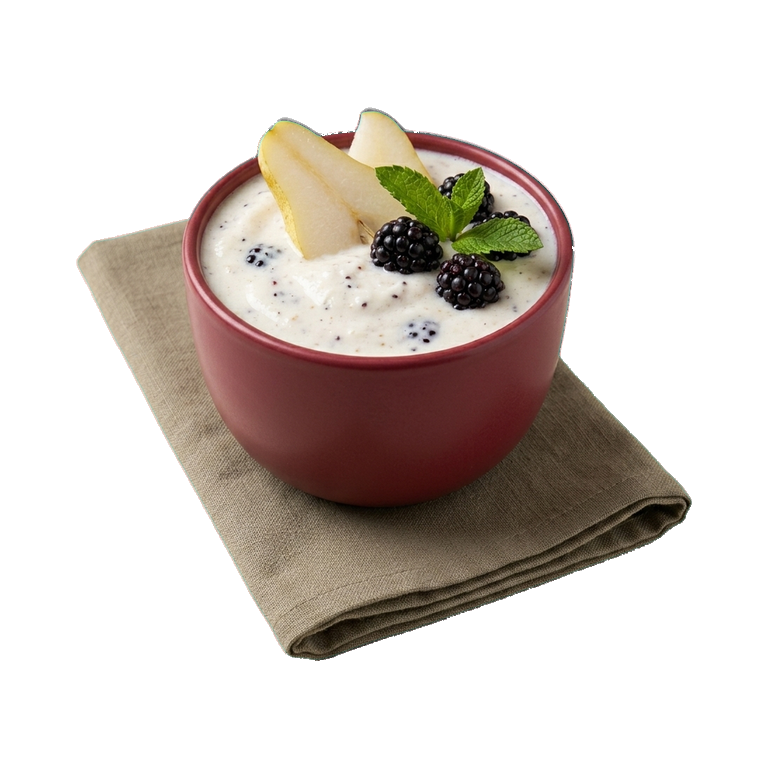
- Dairy products: cream cheese, mascarpone, yogurt, cream
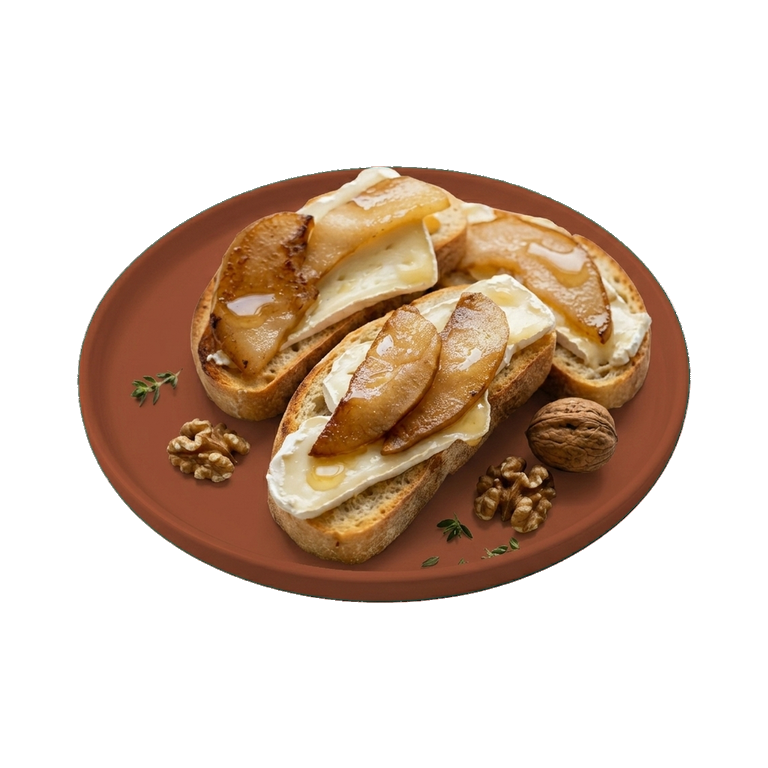
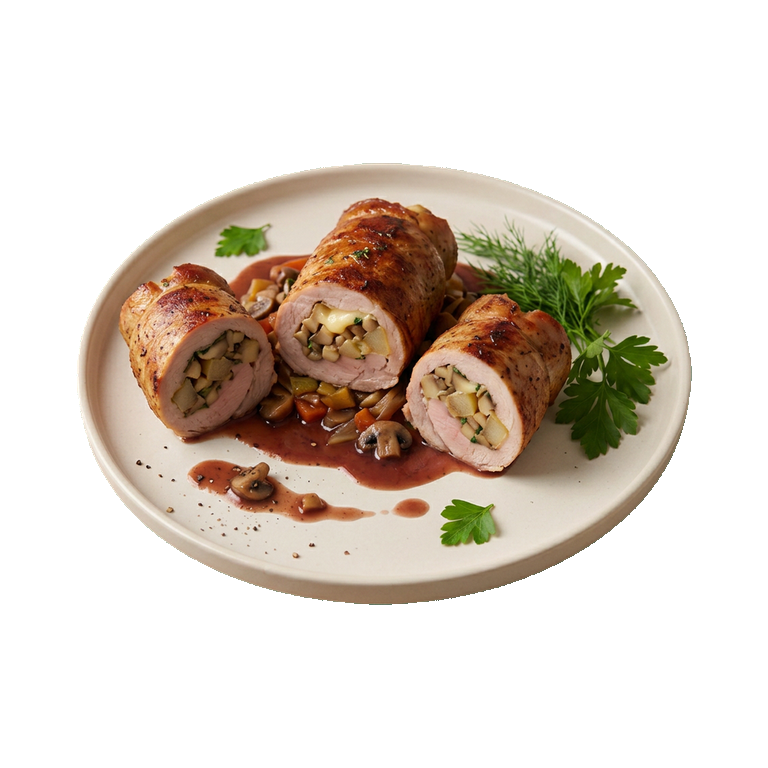
- Proteins: chicken, duck, pork, gorgonzola
- Beverages: red wine, champagne, tea, coffee
- Sweets: chocolate, caramel, honey, almonds
Selection and Storage
When buying, look at the skin — it should be free of dents and dark spots. The pear should not be too soft (a sign of overripeness) or hard as stone (it won't ripen). It's better to choose a slightly underripe fruit: it will ripen at room temperature in 2–4 days. A ripe pear yields slightly to pressure near the stem.
It is best to store pears in the refrigerator in a separate compartment or bag — they quickly absorb odors from other products. Ripe pears keep for 3–5 days, while underripe ones ripen at room temperature on the counter. If a pear is already very soft, use it immediately or freeze it for future compotes and purees.
A pear is a fruit that requires attention to detail: the right degree of ripeness, delicate handling, and good companions in a dish will turn it from a simple snack into the main decoration of the table.
Nutrition
per 100 g
- Calories
- 57 kcal
- Protein
- 0.4 g
- Fat
- 0.1 g
- Carbs
- 15.2 g
Micronutrients
per 100 g
Macronutrients
- Fiber
- 3.1 g
- Sugars
- 9.75 g
- Saturated fat
- 0.022 g
- Monounsaturated fat
- 0.084 g
- Polyunsaturated fat
- 0.094 g
- Omega-3 (EPA + DHA)
- 0 g
- Cholesterol
- 0 mg
- Water
- 83.96 g
Minerals
- Sodium
- 1 mg
- Potassium
- 116 mg
- Calcium
- 9 mg
- Magnesium
- 7 mg
- Phosphorus
- 12 mg
- Iron
- 0.18 mg
- Zinc
- 0.1 mg
- Copper
- 0.08 mg
- Manganese
- 0.05 mg
- Selenium
- 0.1 mcg
Vitamins
- Vitamin A (RAE)
- 1 mcg
- Vitamin D
- 0 mcg
- Vitamin E
- 0.12 mg
- Vitamin K
- 4.4 mcg
- Vitamin C
- 4.3 mg
- Vitamin B1 (thiamin)
- 0.01 mg
- Vitamin B2 (riboflavin)
- 0.03 mg
- Vitamin B3 (niacin)
- 0.16 mg
- Vitamin B5 (pantothenic acid)
- 0.05 mg
- Vitamin B6
- 0.03 mg
- Vitamin B9 (folate, DFE)
- 7 mcg
- Vitamin B12
- 0 mcg
Measures and weight
- 1 pcs
- 180 g
- 1 slice
- 20 g
Measure calculator
- Weight
- 100 g
- Calories
- 57 kcal