Usuba
Usuba
Red onion
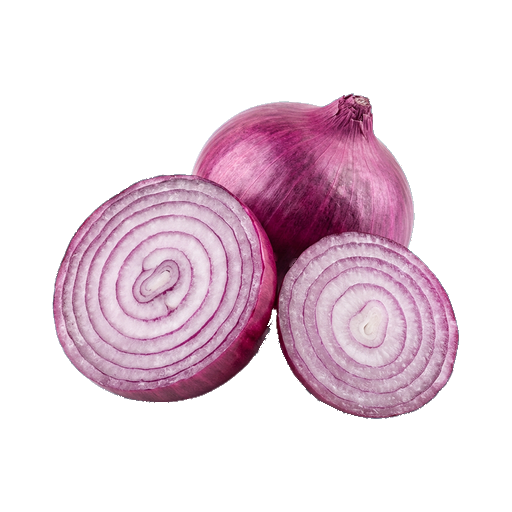
Red onion, with its mild, slightly sweet flavor and purple color, is ideal for fresh salads, marinades, and appetizers where it doesn't require prolonged heat treatment. When heated, its sharpness mellows, but the rich color can fade, so it's often added at the end of cooking or used raw. Choose firm bulbs without soft spots, and when substituting white onion, keep in mind that red onion is less sharp and will give the dish a more delicate flavor.
Micronutrients
per 100 g
About
Red onion is not just a vegetable with a beautiful color. Its sweet taste and tender texture make it a versatile helper in the kitchen. Unlike sharp onions, red onion retains its noble flavor even when raw, which is why chefs often choose it for salads, appetizers, and marinades.
Aroma and Taste
Red onion has a delicate aroma with barely noticeable sharpness. When you cut it, the smell is much milder than its white or yellow counterpart. The flavor is dominated by sweetness — this quality is enhanced by heat treatment. If you sauté red onion over low heat, it caramelizes and becomes almost dessert-like.
Raw red onion maintains its crunchiness and doesn't irritate the mucous membrane as aggressively as sharp varieties. This makes it ideal for those who don't like a sharp onion aftertaste but appreciate its presence in a dish.
Where it works best
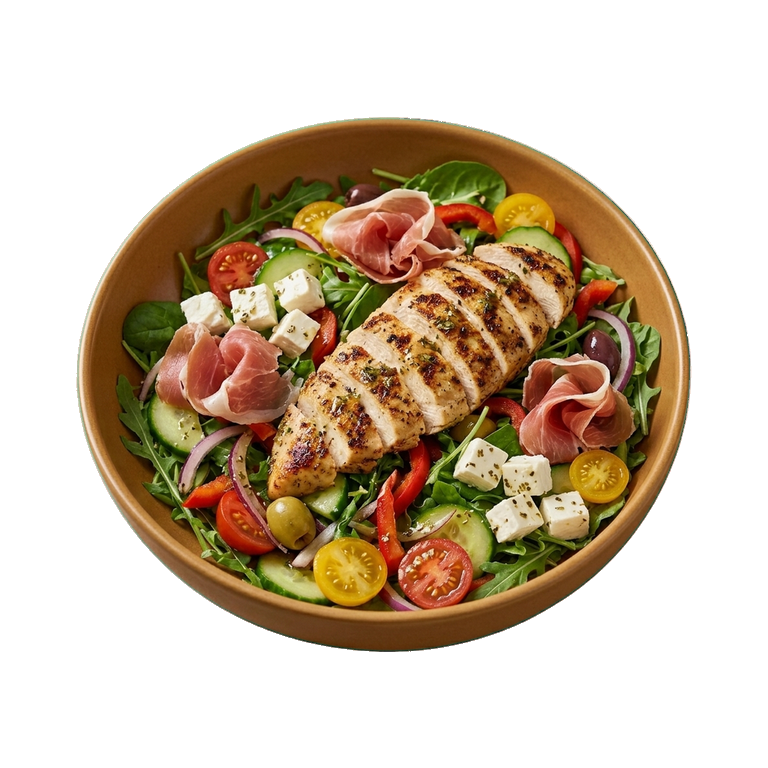
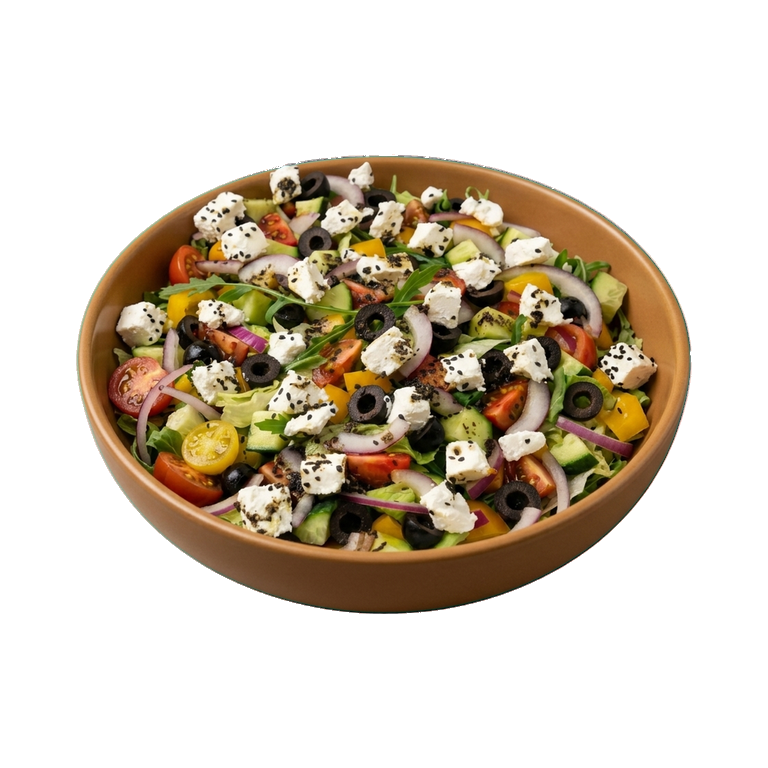
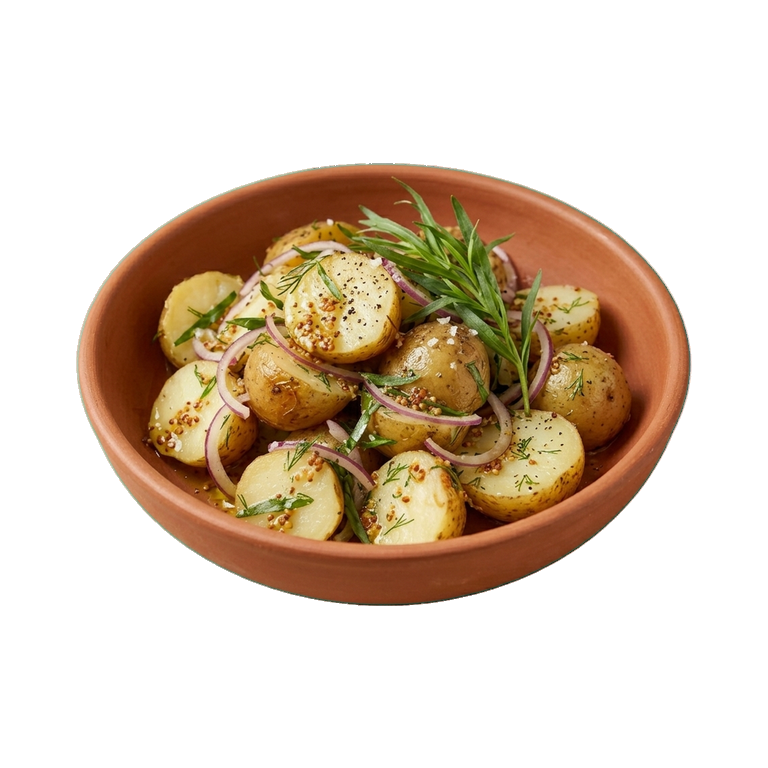
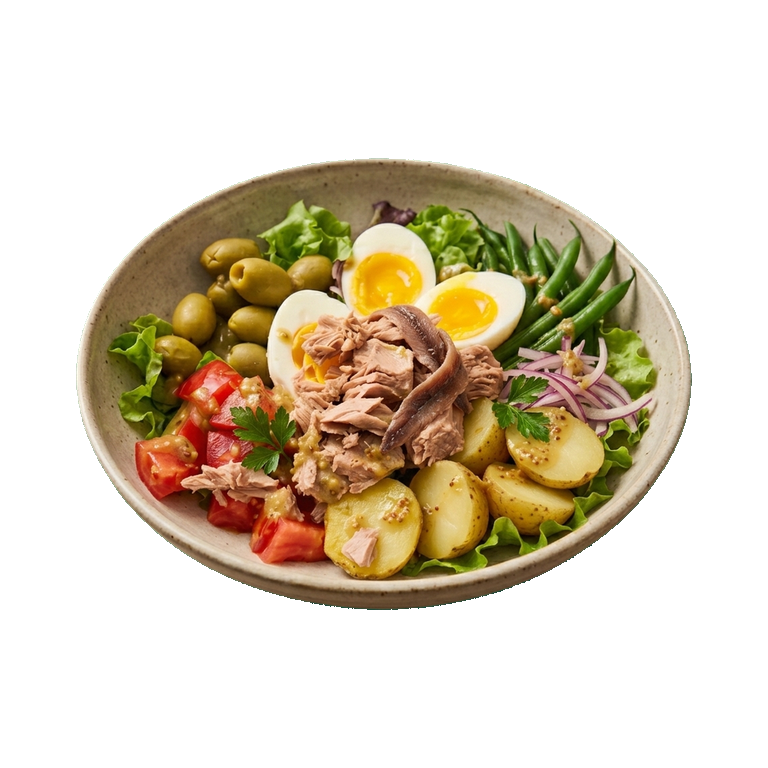
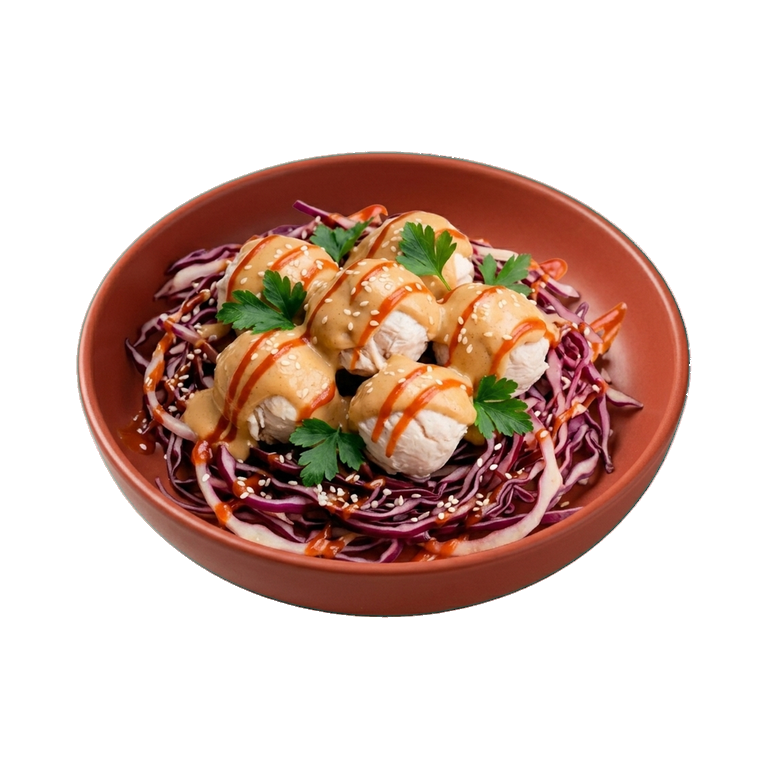
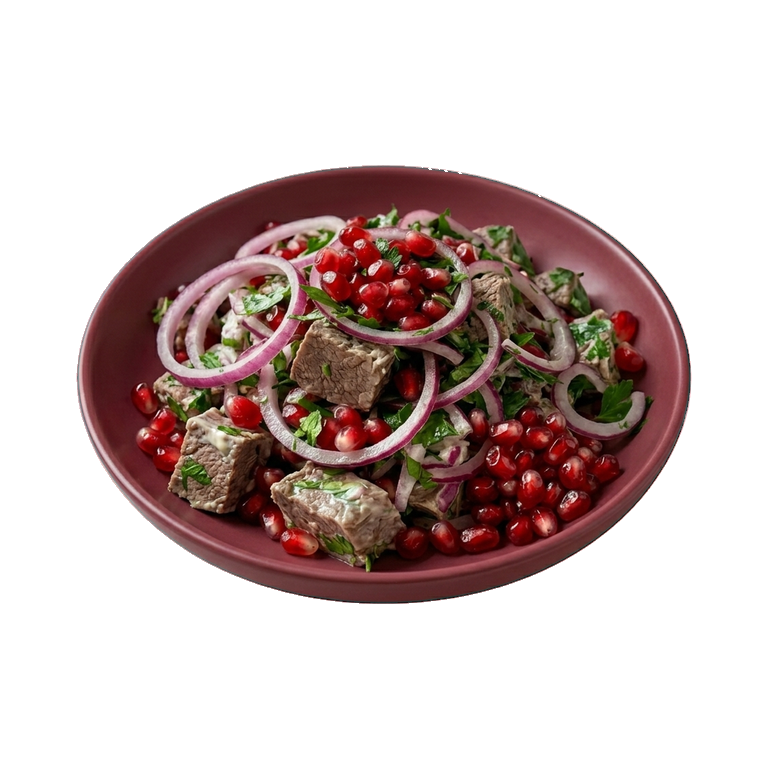
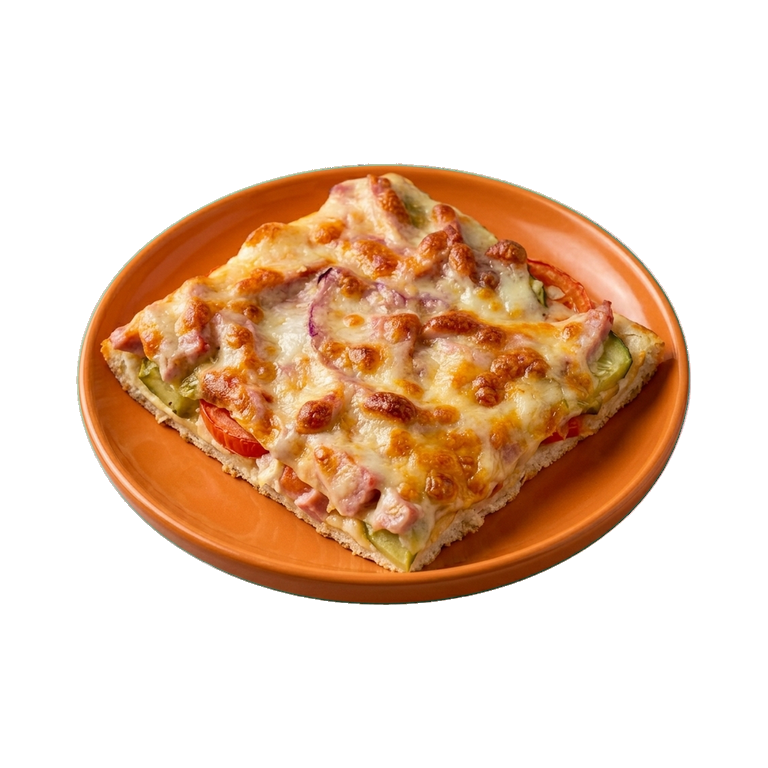
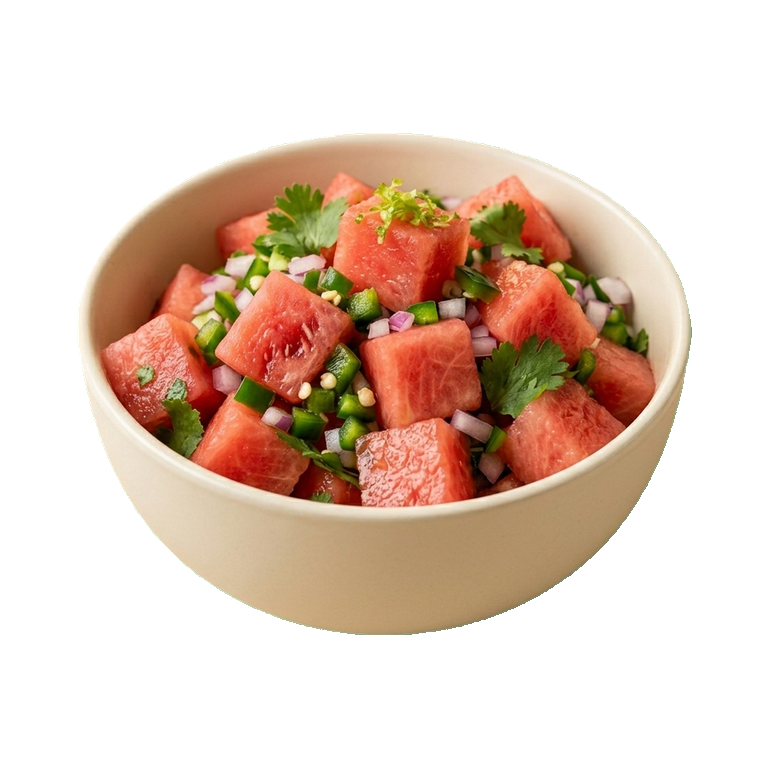
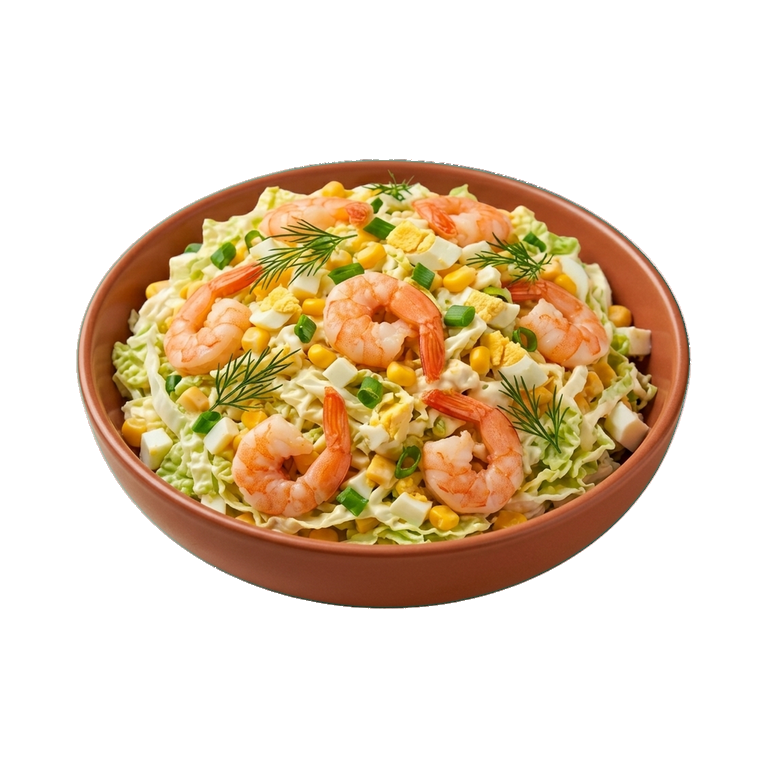
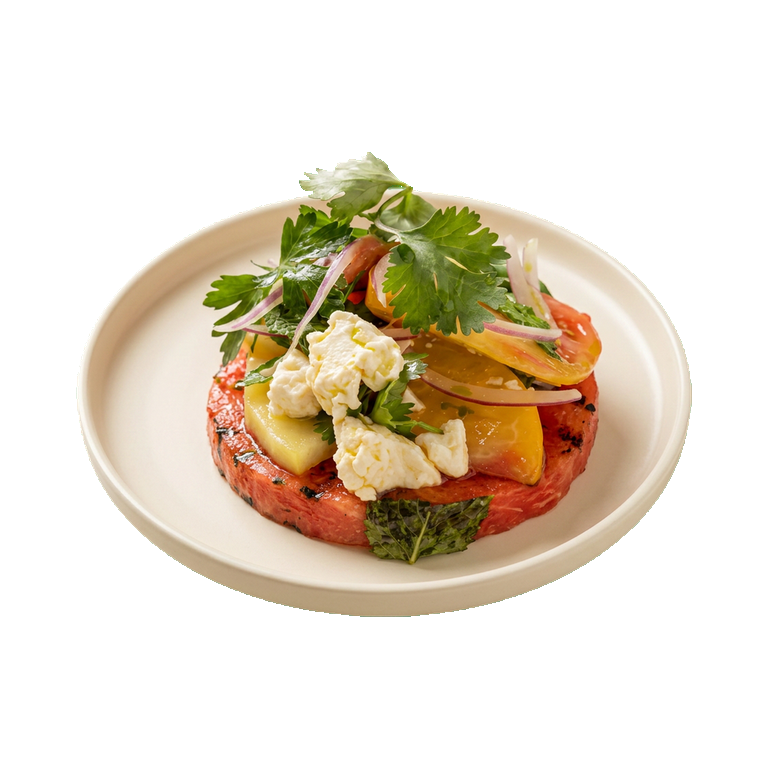
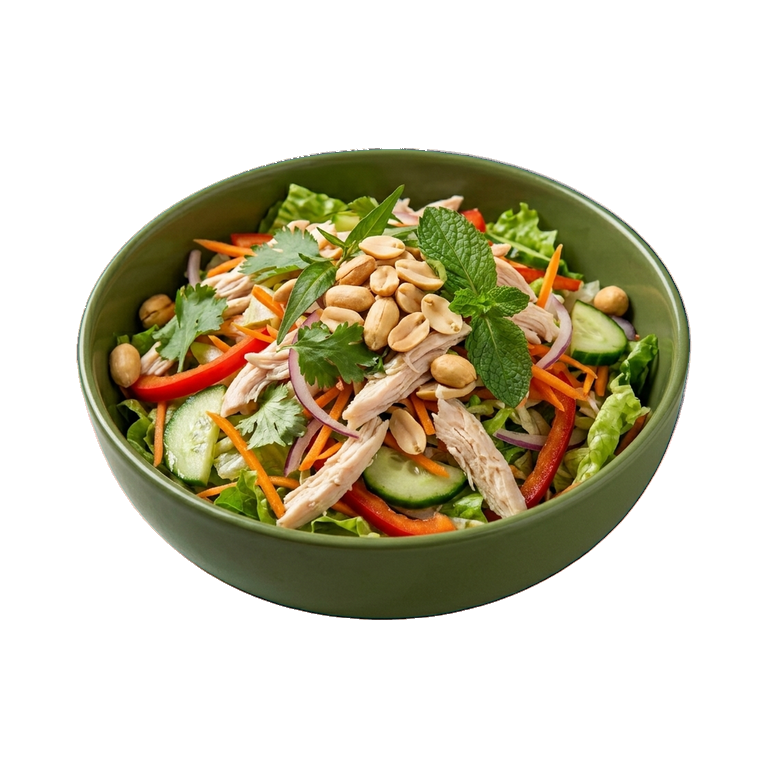
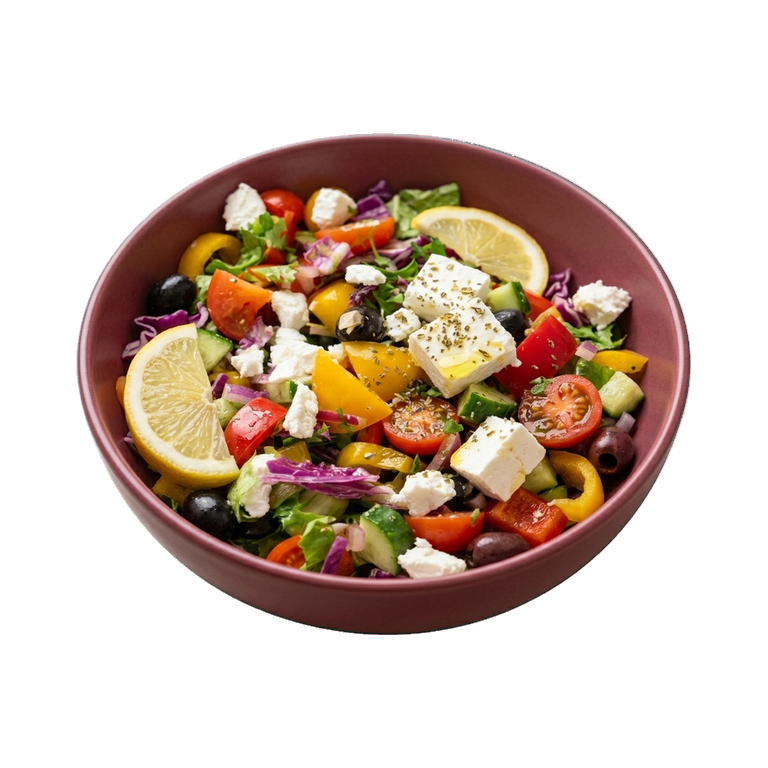
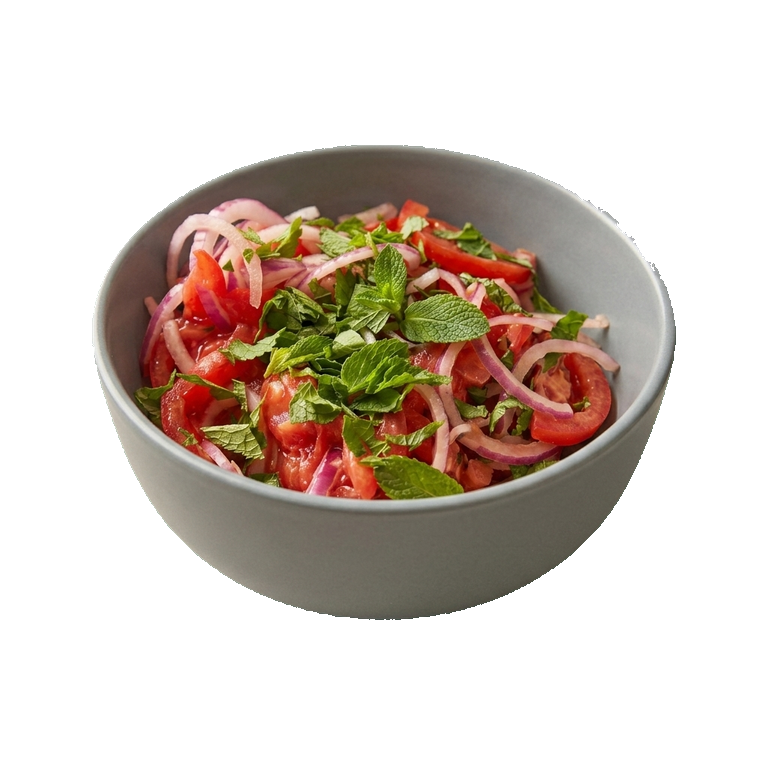
- Fresh salads — thinly sliced red onion adds sweetness and visual contrast
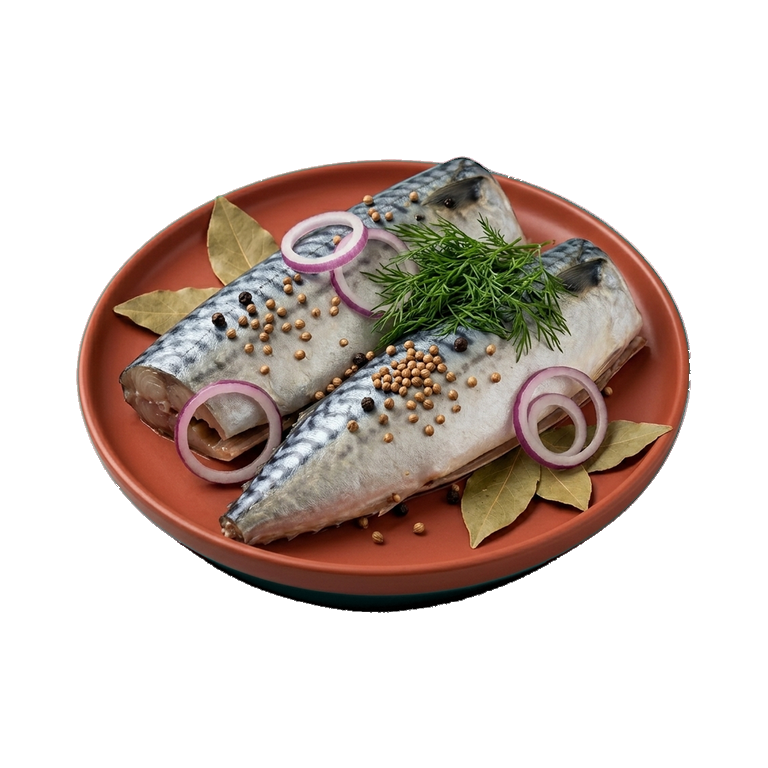
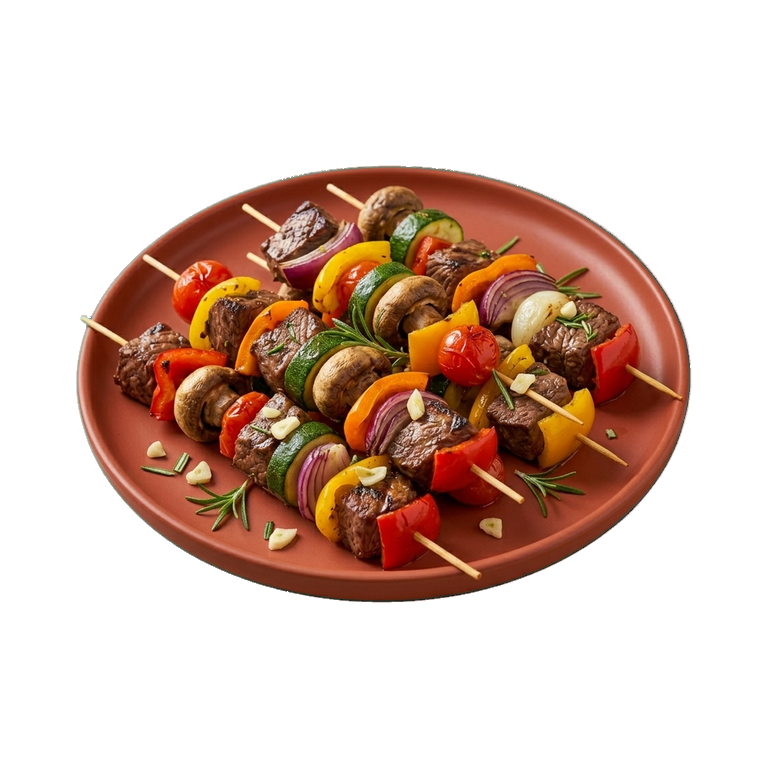
- Marinades and preservation — its mild flavor doesn't overpower the main ingredient
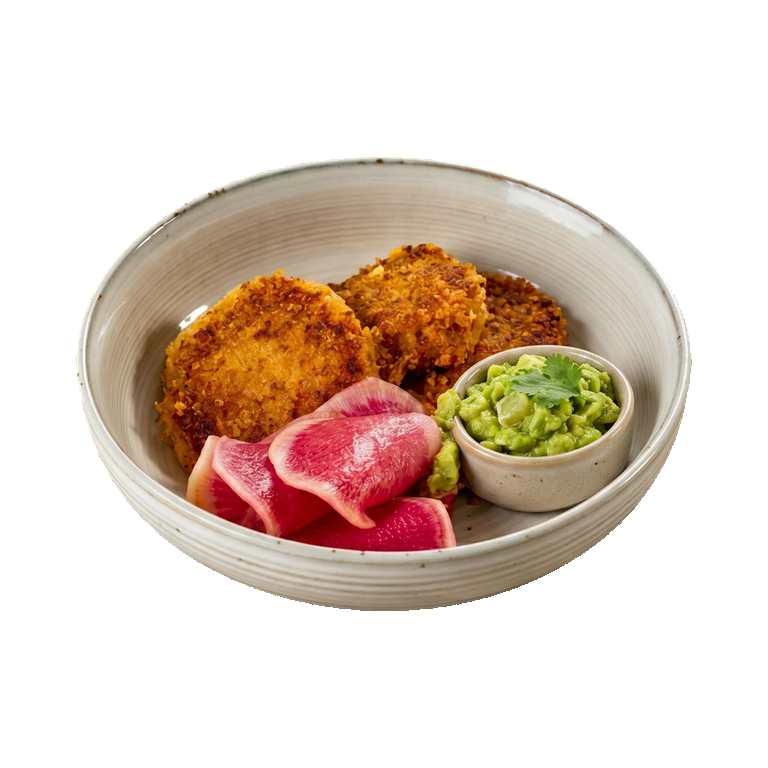
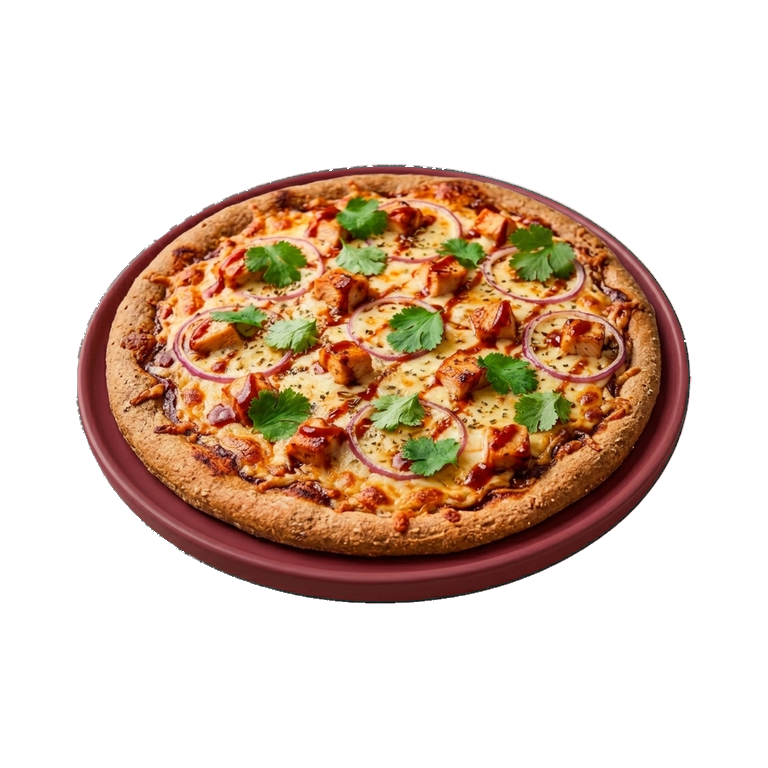
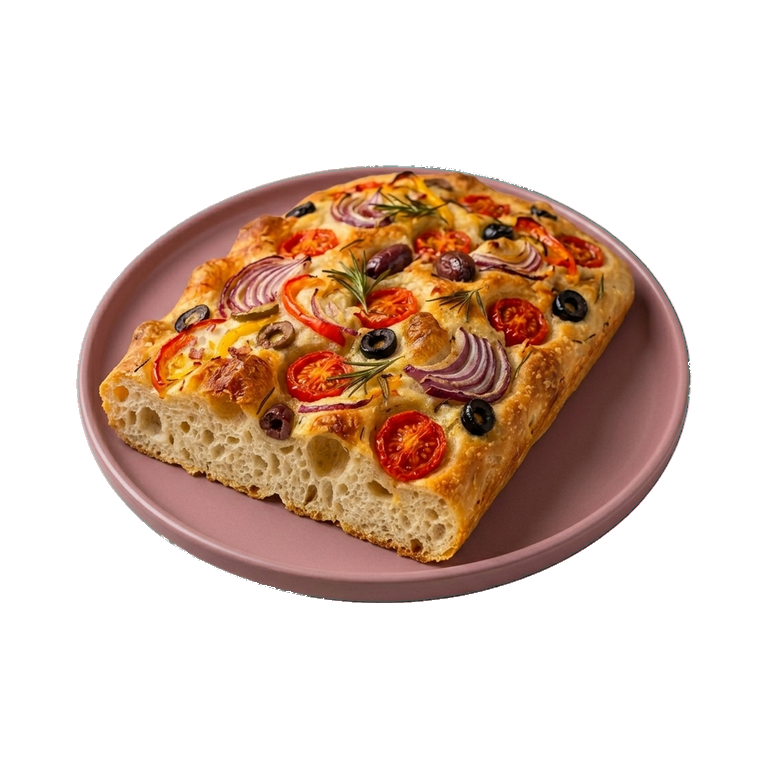
- Garnishes and appetizers — looks great on a board with cheese and cured meats
- Mexican dishes — traditional choice for salsa and guacamole
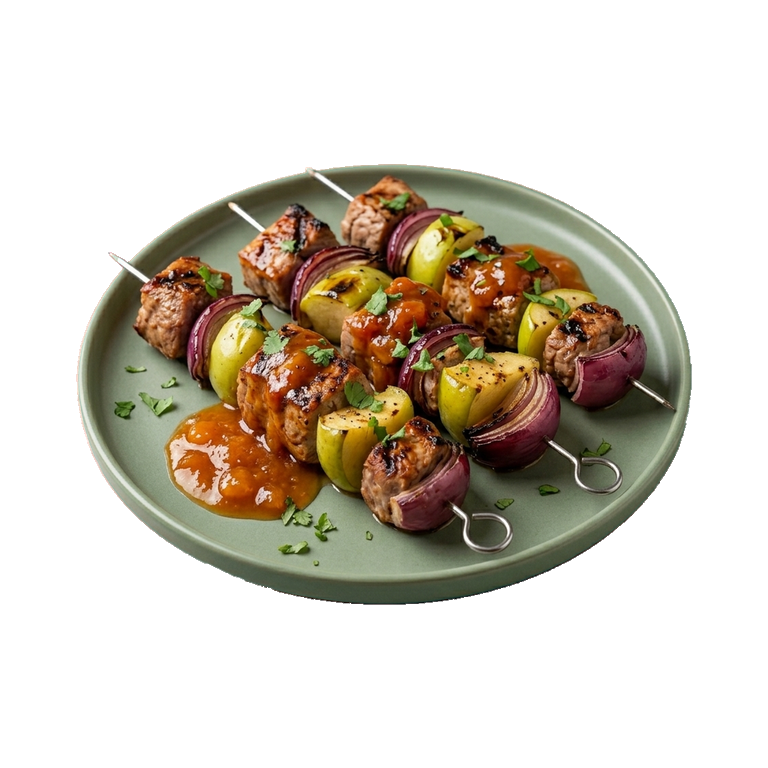
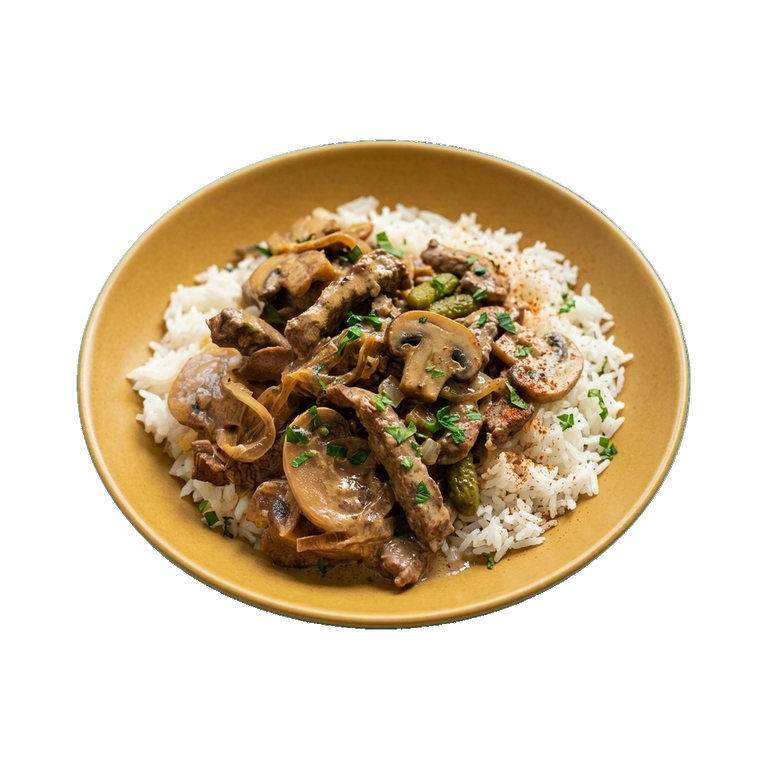
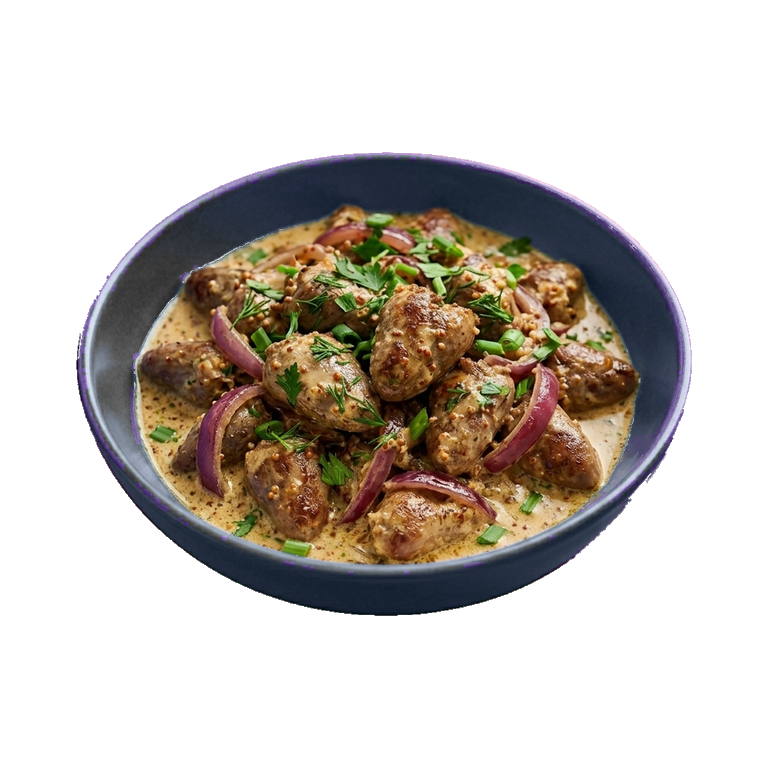
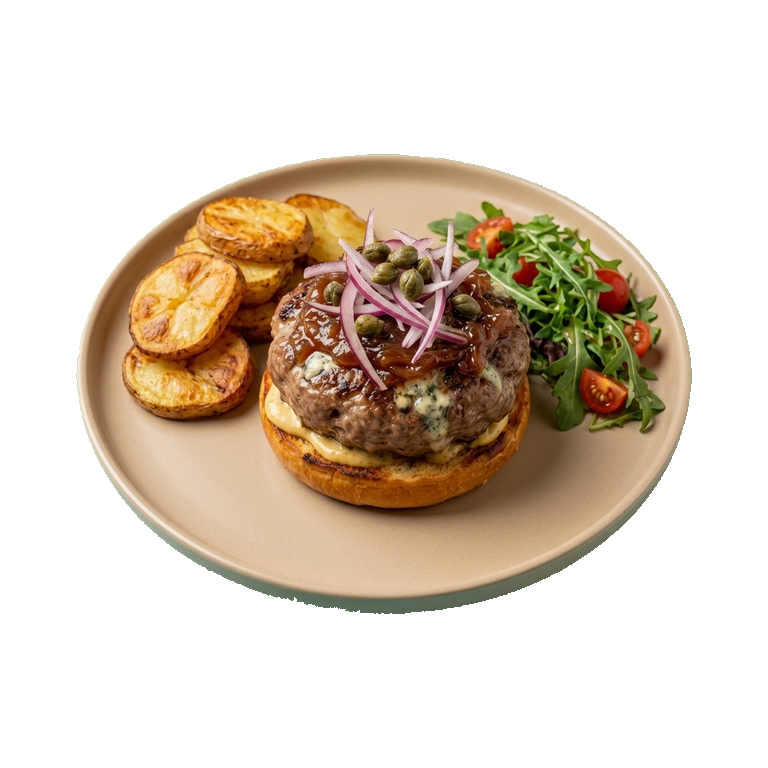
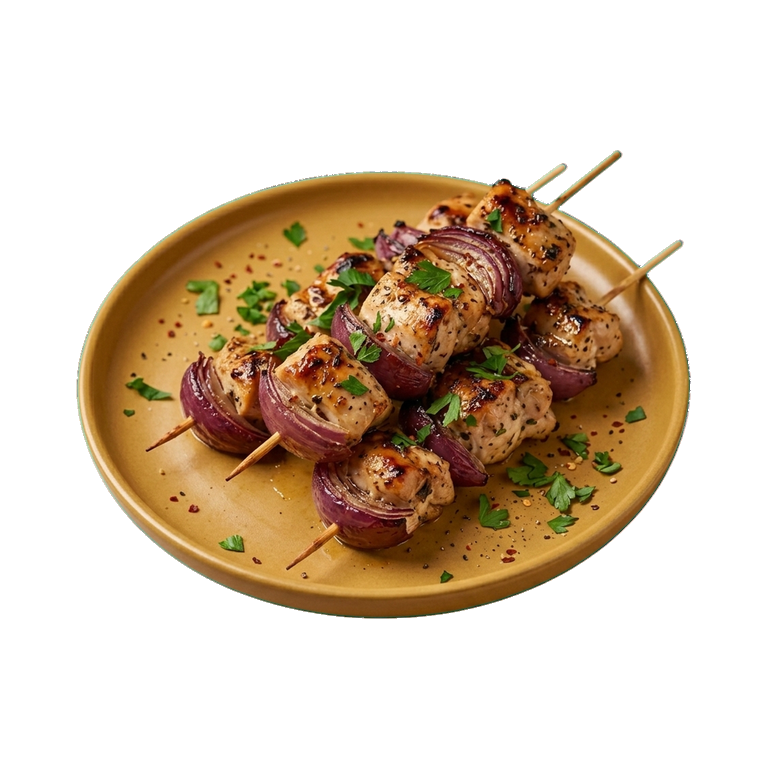
- Caramelization — when slowly stewed, it becomes a tender and sweet side dish for meat
- Piquant sauces — its sweetness balances heat and acidity
Successful Pairings
Red onion pairs well with citrus — lemon juice or orange zest emphasize its sweetness. With garlic and pepper, it creates a vibrant base for marinades. Vinegar (especially red wine vinegar) makes red onion even more expressive, which is why it's often marinated in this way.
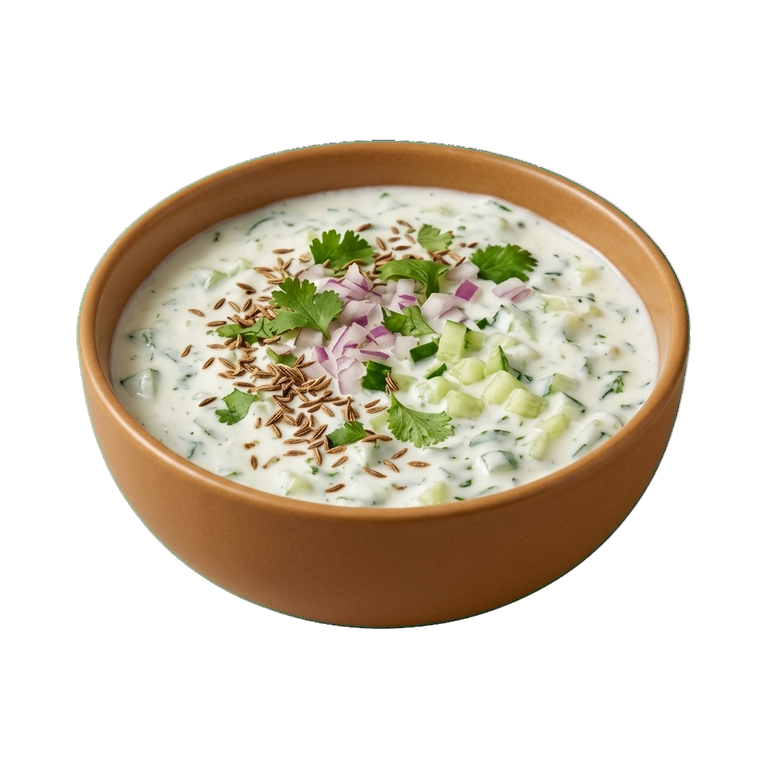
Spices — cumin, coriander, paprika — reveal the depth of its flavor. With herbs (parsley, cilantro, basil) red onion creates fresh, vibrant combinations. Don't forget about oil: olive or sesame will emphasize its delicate taste.
How to Choose and Store
Look for bulbs with tight skin without soft spots and damage. The color should be deep purple or burgundy — the brighter, the more beneficial substances it contains and the more pronounced the flavor. Good red onion feels slightly heavier than it looks, which is a sign of juiciness.
- Store in a cool, dry place (cellar, lower refrigerator shelf) — this way it will last 2–3 weeks
- Avoid moisture — red onion spoils faster in humid conditions
- Sliced onion is best used on the day it's cut or stored in an airtight container for no more than a day
- If you've sliced it but won't use it right away — soak it in cold water to soften the sharpness and preserve crispness
Red onion is an onion for those who want to add depth and sweetness without overwhelming the dish with a sharp taste. Keep it in stock for salads, marinades, and side dishes. It is versatile, stores well for a long time, and is always ready to help you create something delicious.
Nutrition
per 100 g
- Calories
- 43 kcal
- Protein
- 1.1 g
- Fat
- 0.1 g
- Carbs
- 10.1 g
Micronutrients
per 100 g
Macronutrients
- Fiber
- 2.2 g
- Water
- 88.6 g
Minerals
- Sodium
- 1 mg
- Potassium
- 197 mg
- Calcium
- 17 mg
- Magnesium
- 11.4 mg
- Phosphorus
- 41 mg
- Iron
- 0.24 mg
- Zinc
- 0.17 mg
- Copper
- 0.06 mg
- Manganese
- 0.12 mg
- Selenium
- 0.5 mcg
- Iodine
- 0 mcg
Vitamins
- Vitamin C
- 8.1 mg
Measures and weight
- 1 pcs
- 120 g
- 1 head
- 150 g
- 1 slice
- 30 g
Measure calculator
- Weight
- 100 g
- Calories
- 43 kcal