Usuba
Usuba
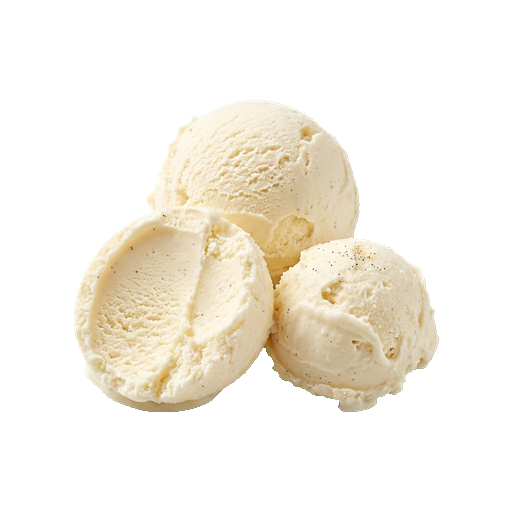
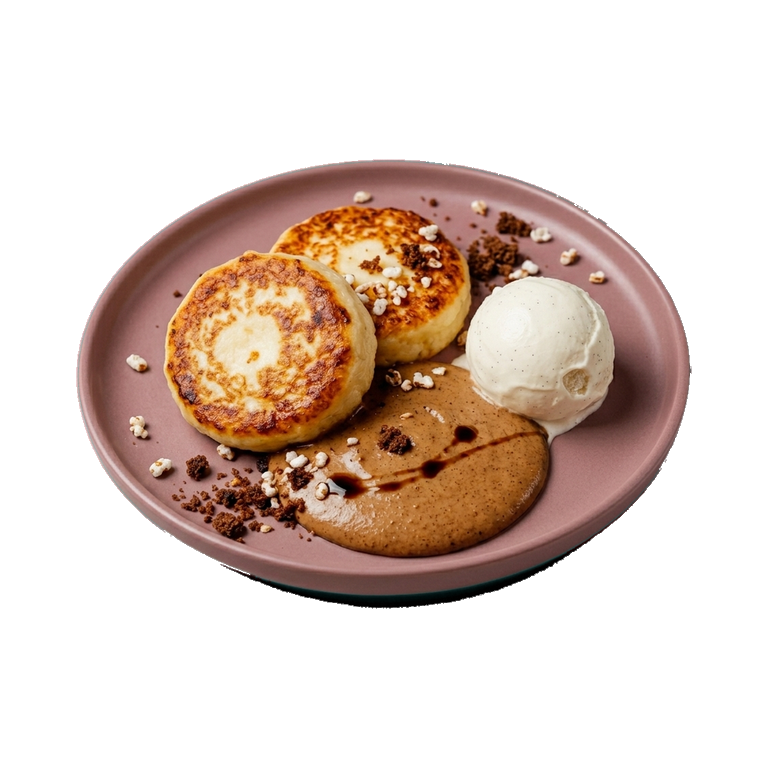
Vanilla ice cream
Tender and creamy ice cream with a sweet vanilla aroma serves as a versatile base for desserts and complements pies, fruits, and hot beverages perfectly. Its soft texture and delicate flavor don't overpower other ingredients, which is why it's often used in combinations with more pronounced flavors — berries, caramel, chocolate. When choosing, pay attention to the cream content and the presence of natural vanilla, as this affects the quality and depth of flavor in the finished dish.
Micronutrients
per 100 g
Minerals
Vitamins
- AVitamin A (RAE)118mcg14% DV
- DVitamin D0.2mcg1% DV
- EVitamin E0.3mg2% DV
- KVitamin K0.3mcg0% DV
- CVitamin C0.6mg1% DV
- B1Vitamin B1 (thiamin)0.04mg3% DV
- B2Vitamin B2 (riboflavin)0.24mg13% DV
- B3Vitamin B3 (niacin)0.12mg1% DV
- B5Vitamin B5 (pantothenic acid)0.58mg12% DV
- B6Vitamin B60.05mg3% DV
- B9Vitamin B9 (folate, DFE)5mcg1% DV
- B12Vitamin B120.4mcg13% DV
About
Taste that works everywhere
Vanilla ice cream is not just a dessert, it is a universal tool in the hands of a chef. Its delicate, slightly sweet flavor with barely noticeable spice does not overpower, but rather emphasizes other ingredients. Good vanilla ice cream has a creamy texture that melts on the tongue, leaving a pleasant aftertaste. Quality depends on fat content — the higher the percentage of cream, the richer and softer the ice cream becomes.
The source of vanilla also affects the taste. Natural vanilla offers a complex, multifaceted aroma with a subtle bitterness, while vanillin (a synthetic alternative) produces a more straightforward, almost chemical flavor. In home cooking, the difference is immediately noticeable — natural ice cream smells vibrant and warm, not one-dimensionally sweet.
Role in dishes and pairings
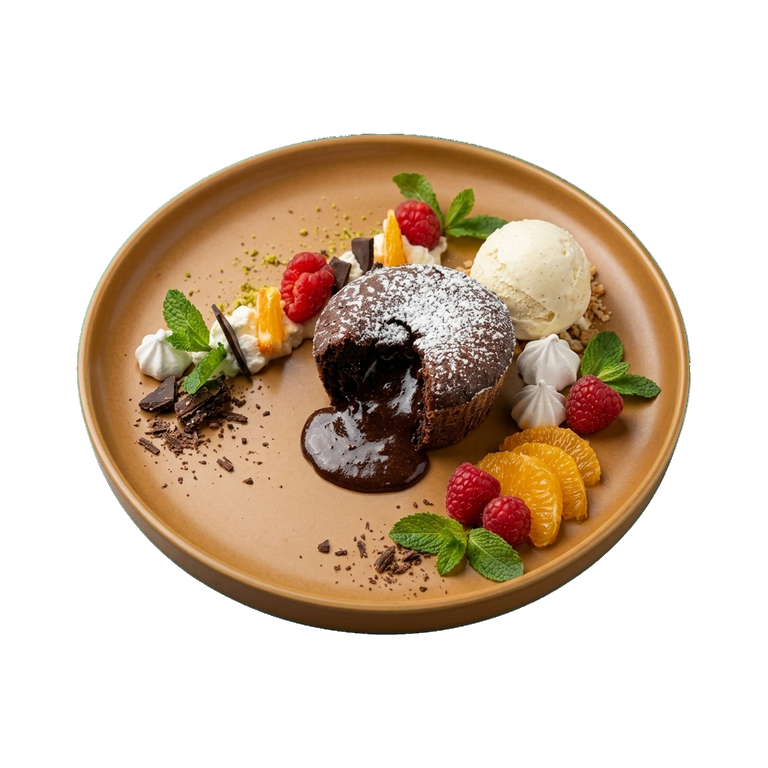
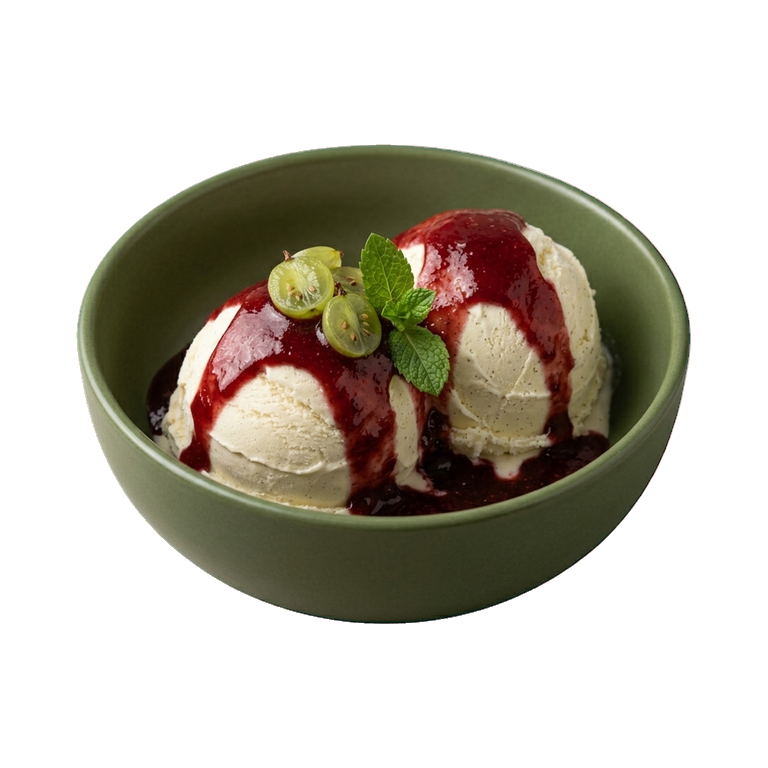
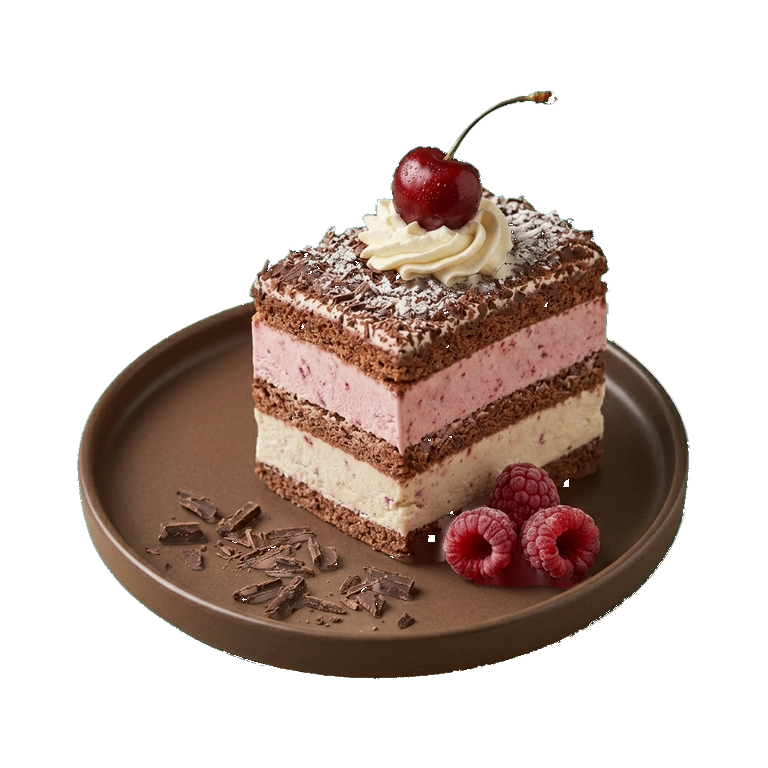
Vanilla ice cream works in two modes: as a standalone dessert and as a component of a complex dish. In the first case, it is served simply in a creole or waffle cone, sometimes with fruit sauce. In the second — it becomes the basis for parfait ice cream, an addition to warm pies and fruit compotes, a partner for chocolate sauces.
- With hot chocolate or caramel sauce — the contrast of temperatures and flavors creates a classic combination
- With sour berries (raspberry, currant, strawberry) — acidity balances the sweetness of ice cream
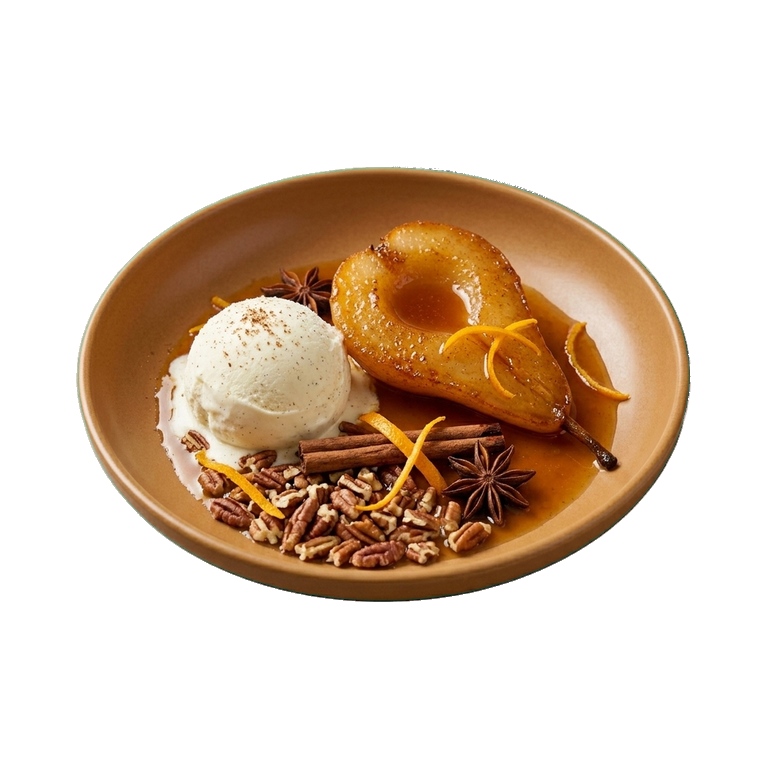
- With spices (cinnamon, cardamom, nutmeg) — adds depth, especially in compotes and pies
- With nuts (walnuts, pecans, almonds) — textural contrast and nutty richness
- With caramelized fruits or pear in red wine — a classic harmonious combination
Selection and Storage
When choosing, pay attention to the composition. Good ice cream contains cream, milk, sugar, and vanilla — without thickeners and emulsifiers (although they are inevitable in commercial ice cream). The color should be cream-white or slightly yellow, but not bright white — this is a sign of excess additives. The texture when thawing should not be icy or grainy.
Store ice cream in the freezer at a temperature not exceeding minus 18 degrees. Temperature fluctuations lead to ice formation and loss of creaminess. If you are making ice cream at home, let it freeze completely before serving — this will take 4–6 hours. Before serving, take it out of the freezer for 5–10 minutes so it softens slightly and reveals its full flavor.
Vanilla ice cream is not a boring default choice. It is the foundation on which many delicious combinations are built, and with the right quality, it is capable of becoming the star of any dessert.
Nutrition
per 100 g
- Calories
- 207 kcal
- Protein
- 3.5 g
- Fat
- 11 g
- Carbs
- 24 g
Micronutrients
per 100 g
Macronutrients
- Fiber
- 0.7 g
- Sugars
- 21.22 g
- Saturated fat
- 6.79 g
- Monounsaturated fat
- 2.969 g
- Polyunsaturated fat
- 0.452 g
- Omega-3 (EPA + DHA)
- 0.003 g
- Cholesterol
- 44 mg
- Water
- 61 g
Minerals
- Sodium
- 80 mg
- Potassium
- 199 mg
- Calcium
- 128 mg
- Magnesium
- 14 mg
- Phosphorus
- 105 mg
- Iron
- 0.09 mg
- Zinc
- 0.69 mg
- Copper
- 0.02 mg
- Manganese
- 0.01 mg
- Selenium
- 1.8 mcg
Vitamins
- Vitamin A (RAE)
- 118 mcg
- Vitamin D
- 0.2 mcg
- Vitamin E
- 0.3 mg
- Vitamin K
- 0.3 mcg
- Vitamin C
- 0.6 mg
- Vitamin B1 (thiamin)
- 0.04 mg
- Vitamin B2 (riboflavin)
- 0.24 mg
- Vitamin B3 (niacin)
- 0.12 mg
- Vitamin B5 (pantothenic acid)
- 0.58 mg
- Vitamin B6
- 0.05 mg
- Vitamin B9 (folate, DFE)
- 5 mcg
- Vitamin B12
- 0.4 mcg
Measures and weight
- 1 tbsp
- 8.3 g
- 1 tsp
- 2.8 g
- 1 cup
- 137.5 g
Measure calculator
- Weight
- 100 g
- Calories
- 207 kcal