Usuba
Usuba
Broccoli
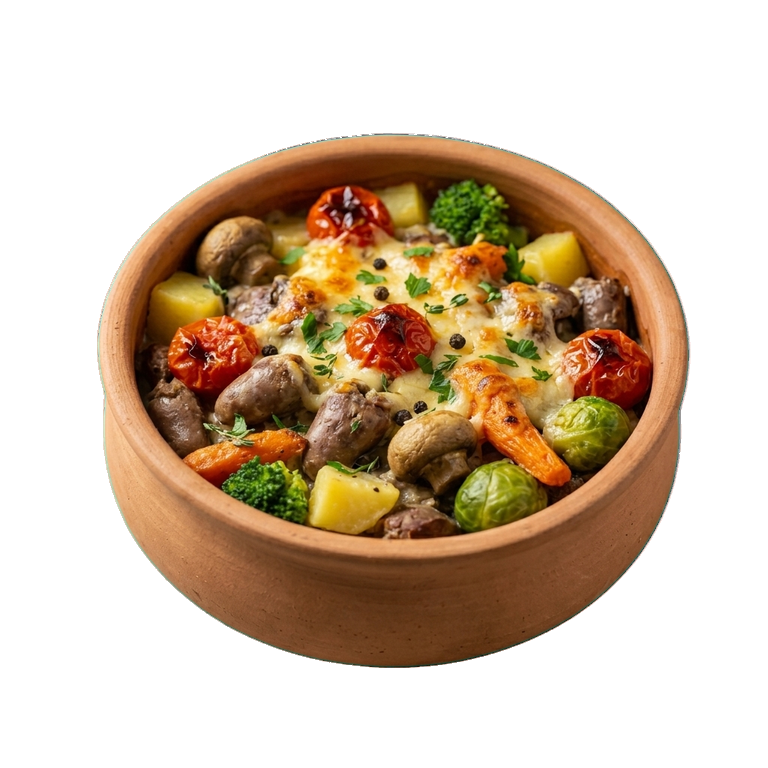
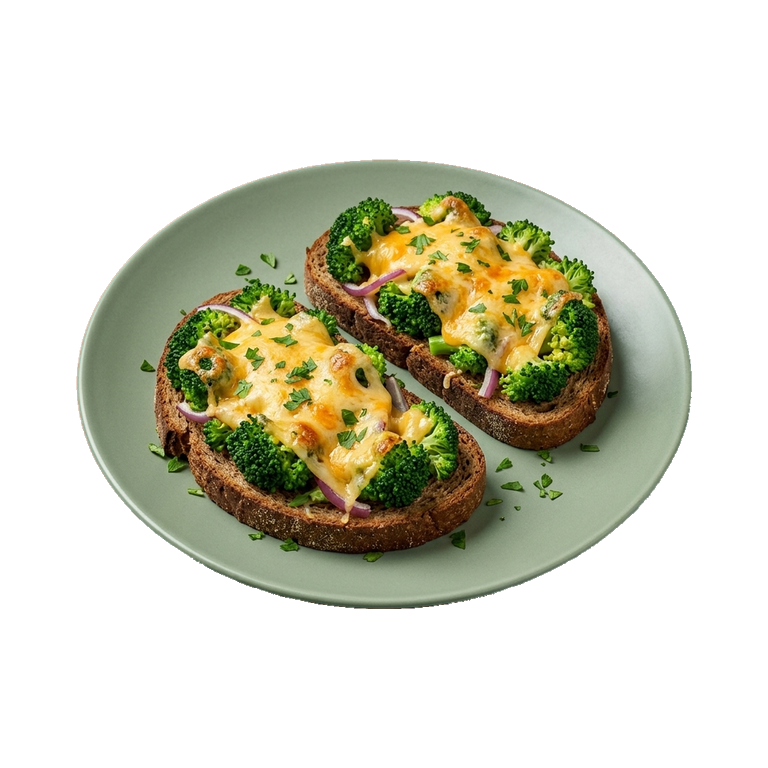
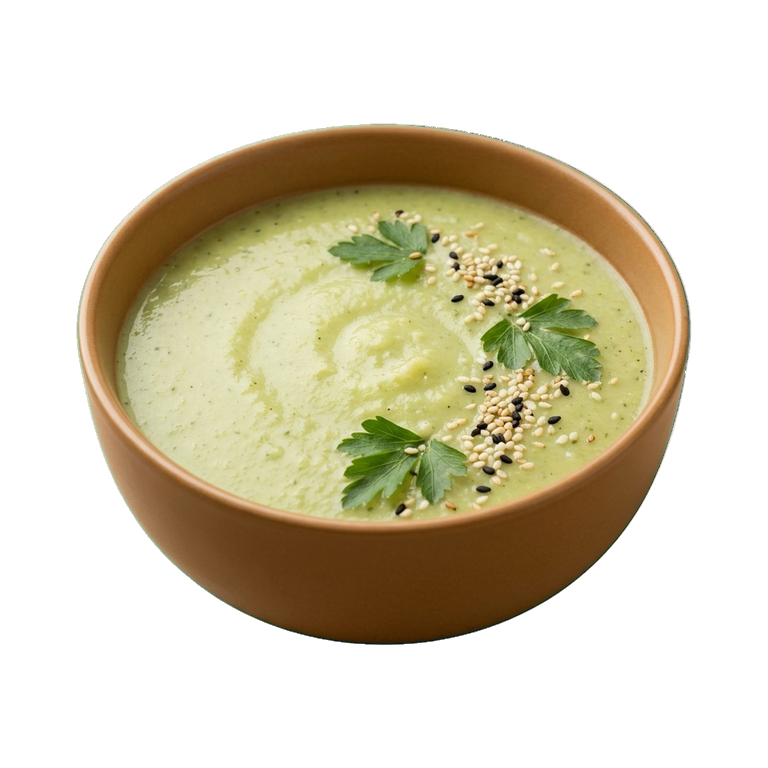
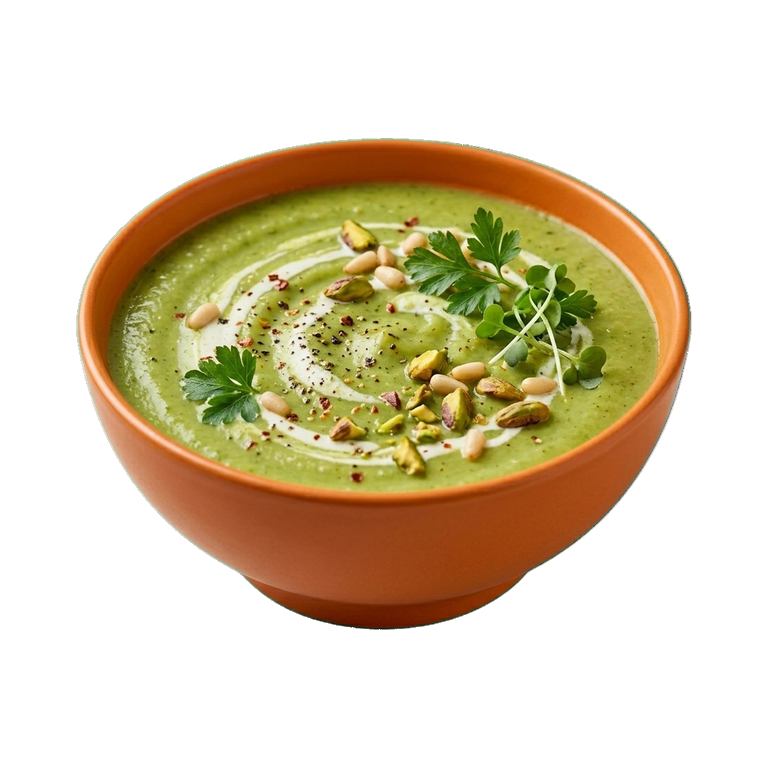
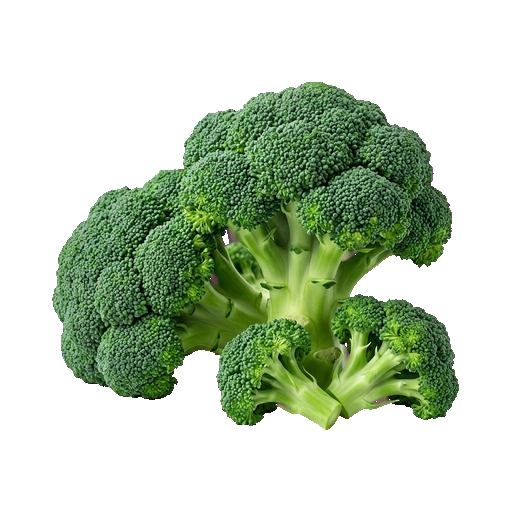
Broccoli is a cruciferous vegetable with dense florets of dark green color and a thick stem, featuring a mild nutty flavor with a slight bitterness. When cooked, the florets become tender, while the stem retains a pleasant crunchiness if the vegetable is not overcooked. Broccoli is versatile in cooking: it can be boiled, stewed, fried, steamed, and added to soups, side dishes, and salads; however, it is important not to overcook it to preserve its vibrant color, beneficial nutrients, and pleasant texture.
Micronutrients
per 100 g
Minerals
About
Broccoli is not just a vegetable, but a real find for the kitchen. Its dense florets with thin stems are perfect for both a quick dinner and a complex side dish. It takes about fifteen minutes to prepare, and the result always turns out great.
Aroma and taste
Fresh broccoli smells slightly like herbaceous greens with a barely perceptible sweetness. It tastes milder than its relative cabbage, with a delicate bitterness that disappears with heat treatment. Young florets are more tender and sweeter than large ones.
How to cook and what to pair with
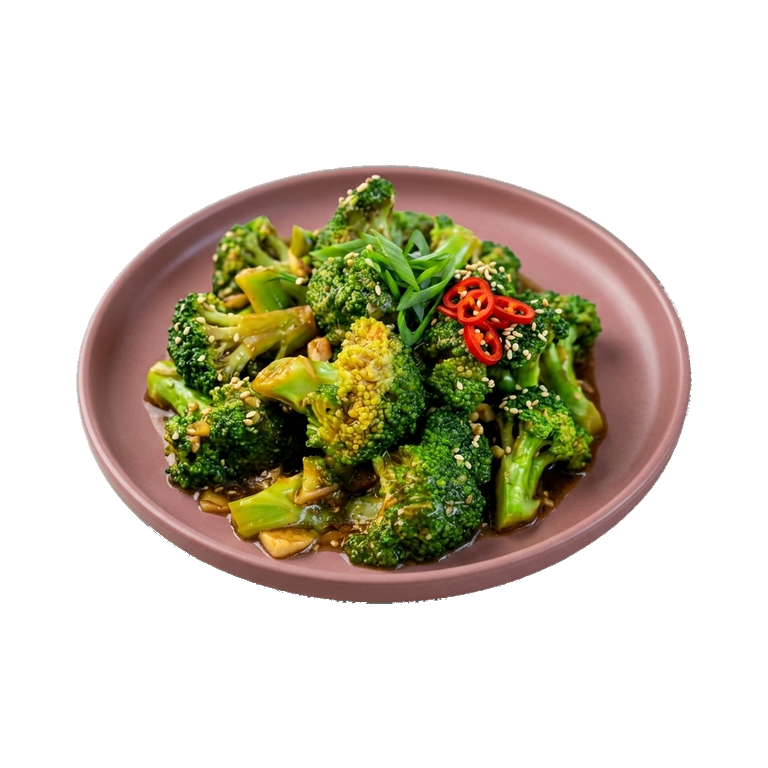
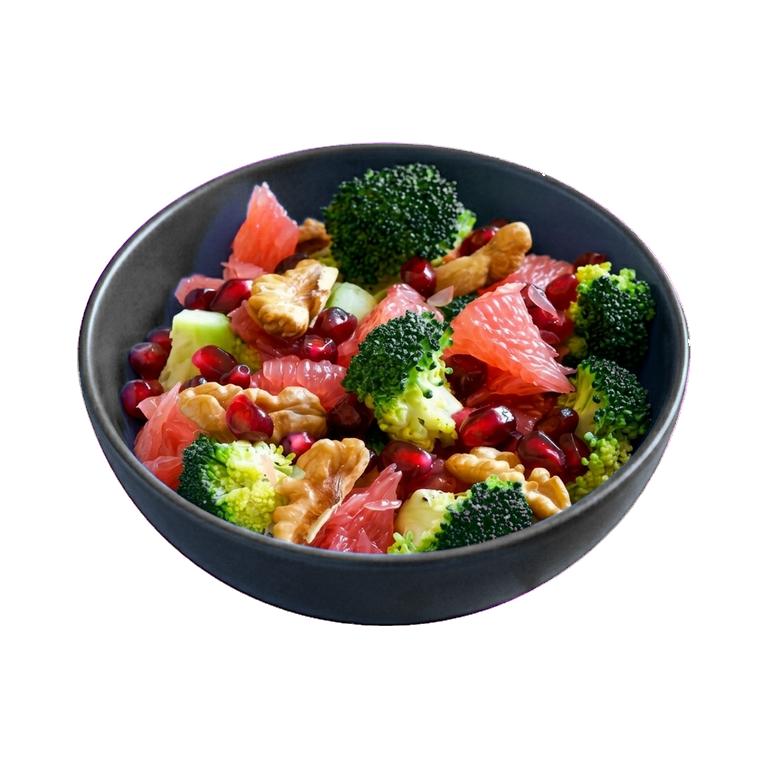
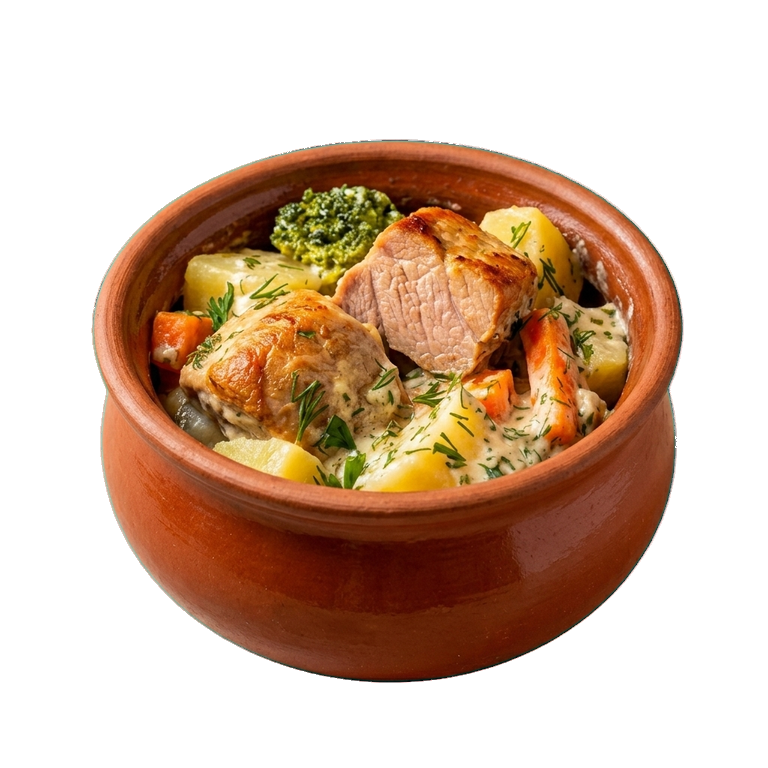
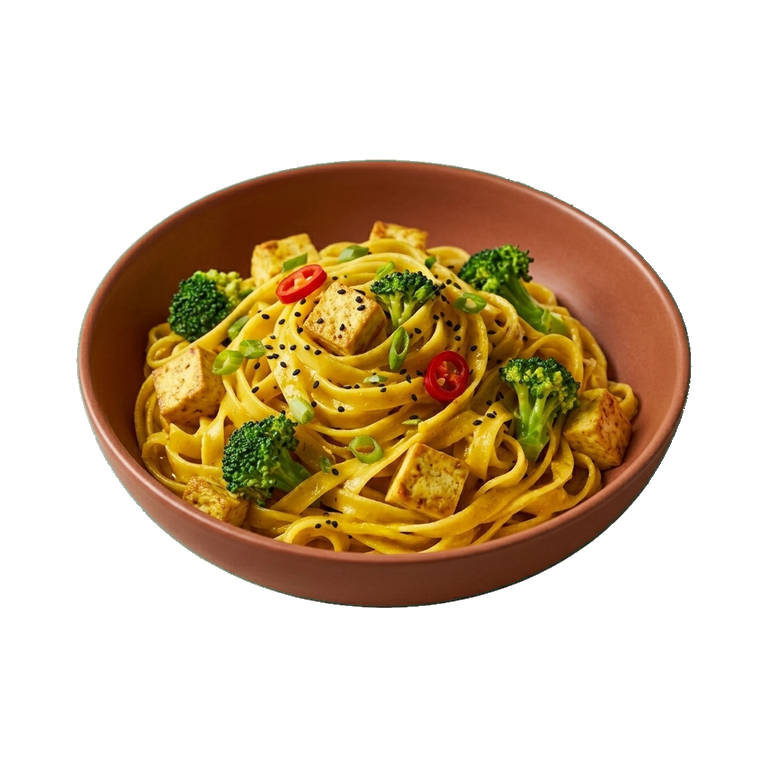
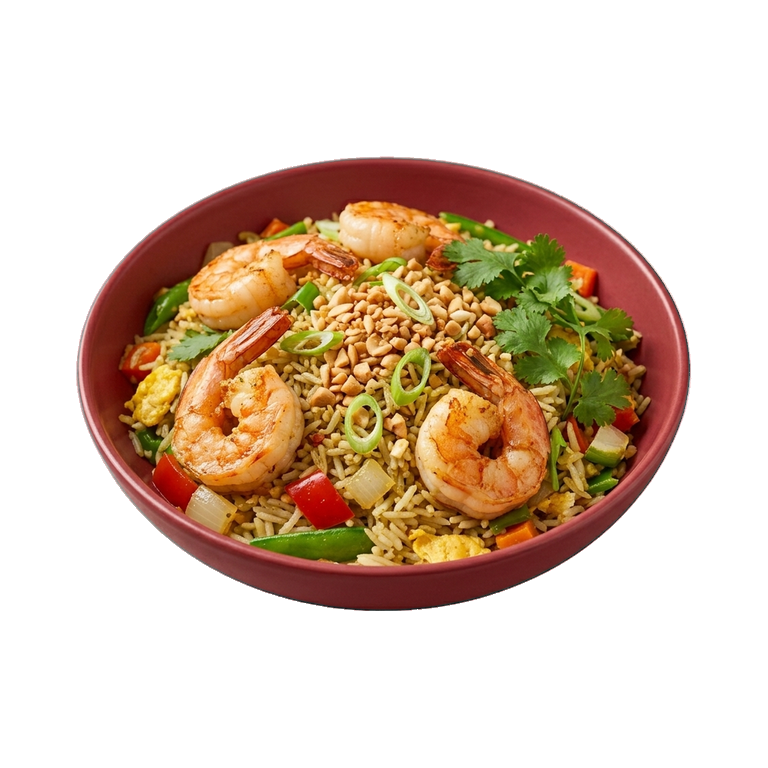
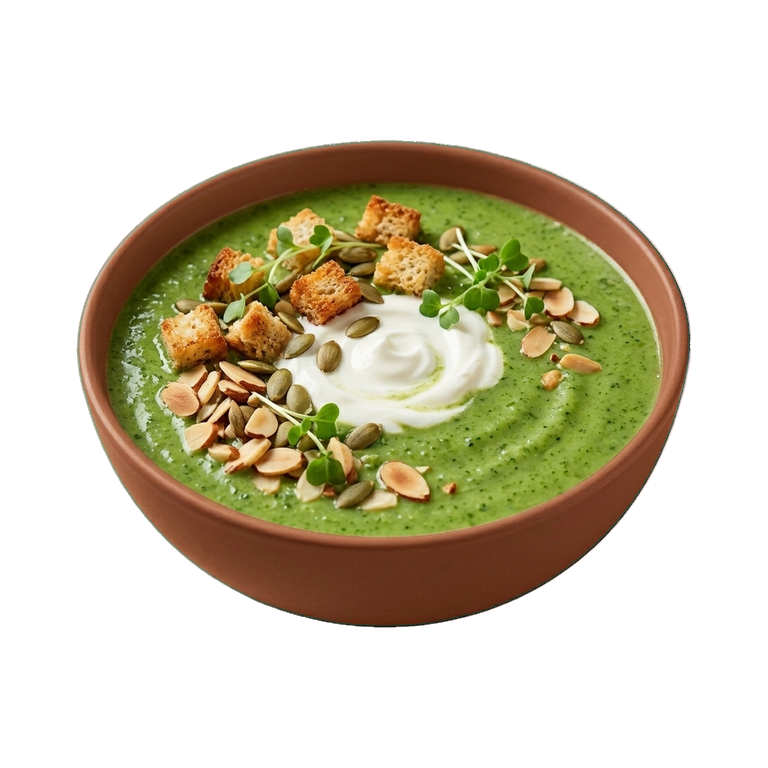
Broccoli is versatile: it can be boiled, fried, stewed, steamed, or even eaten raw in salads. The main thing is not to overcook it, otherwise it will become mushy and lose its bright green color. Broccoli cooks for 5–7 minutes when steamed, and 3–4 minutes is enough when frying over high heat.
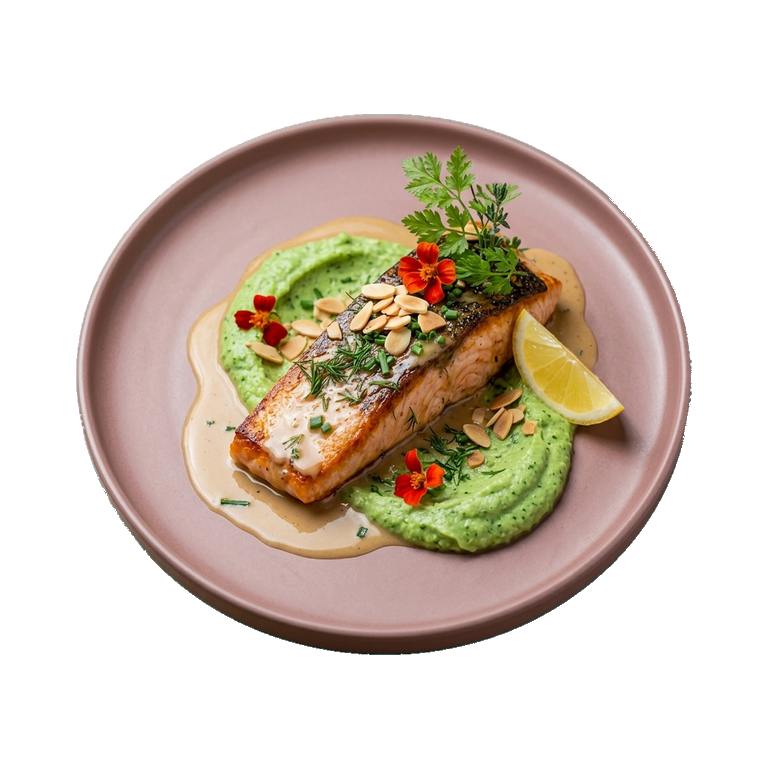
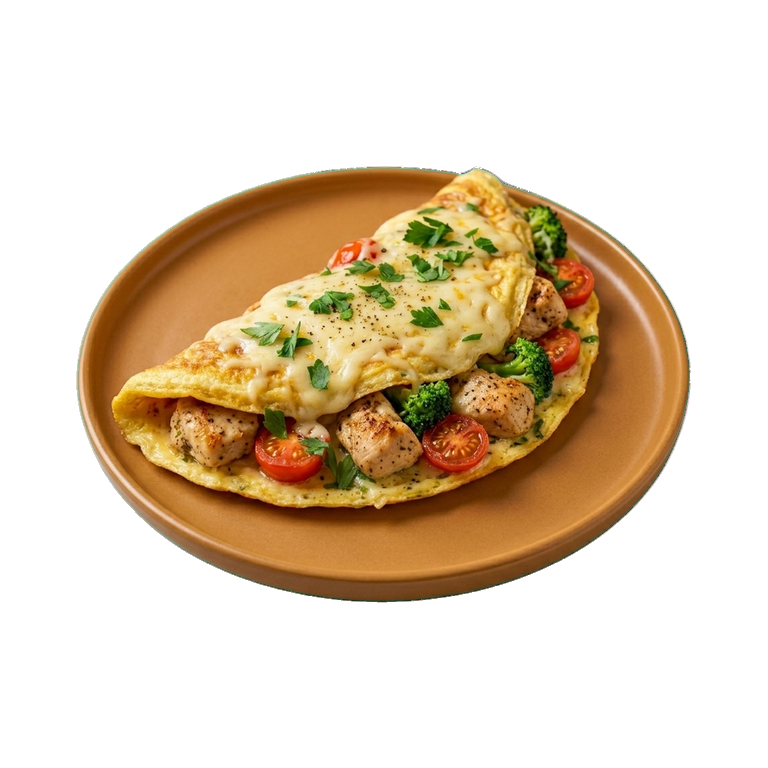
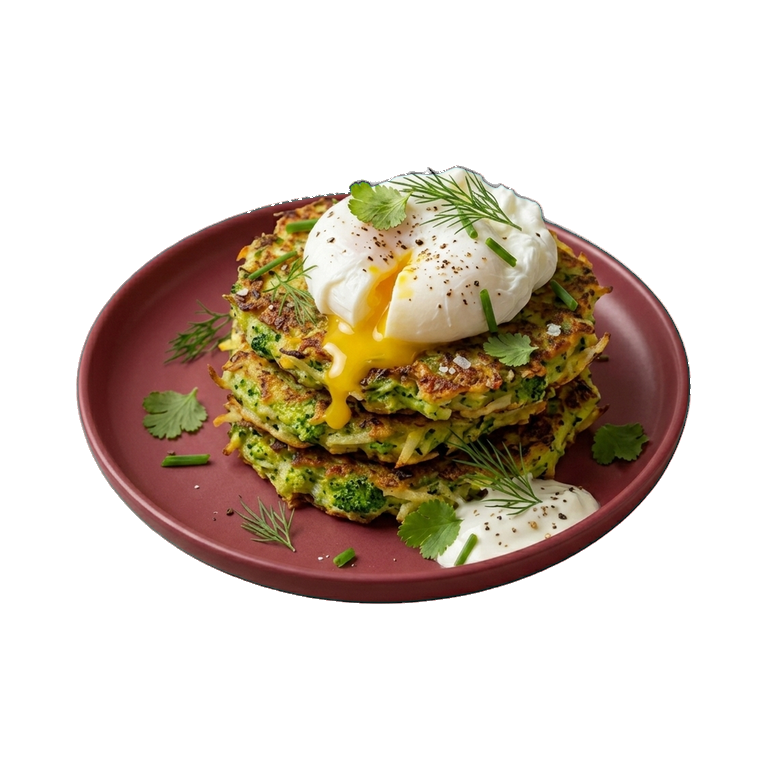
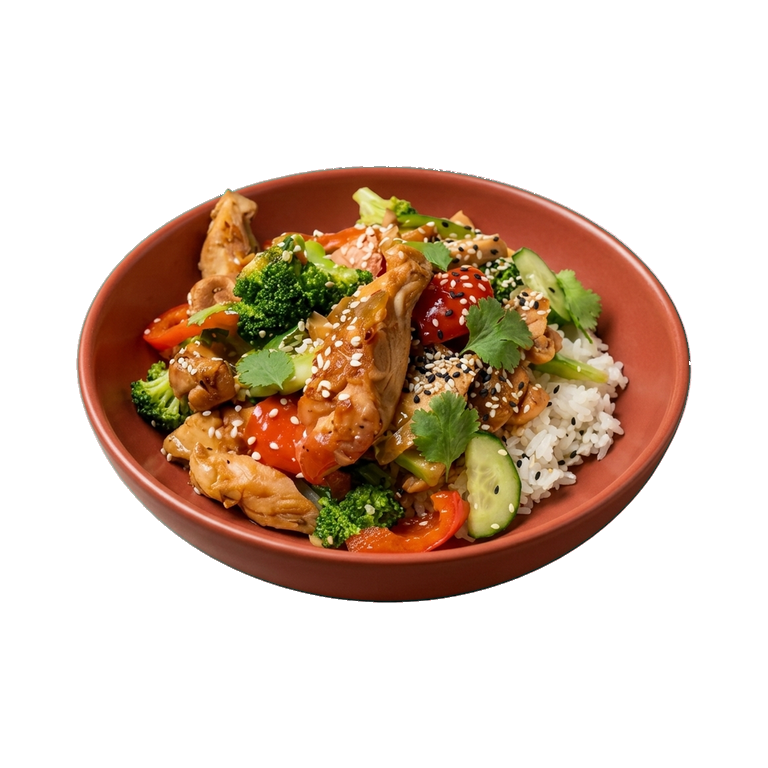
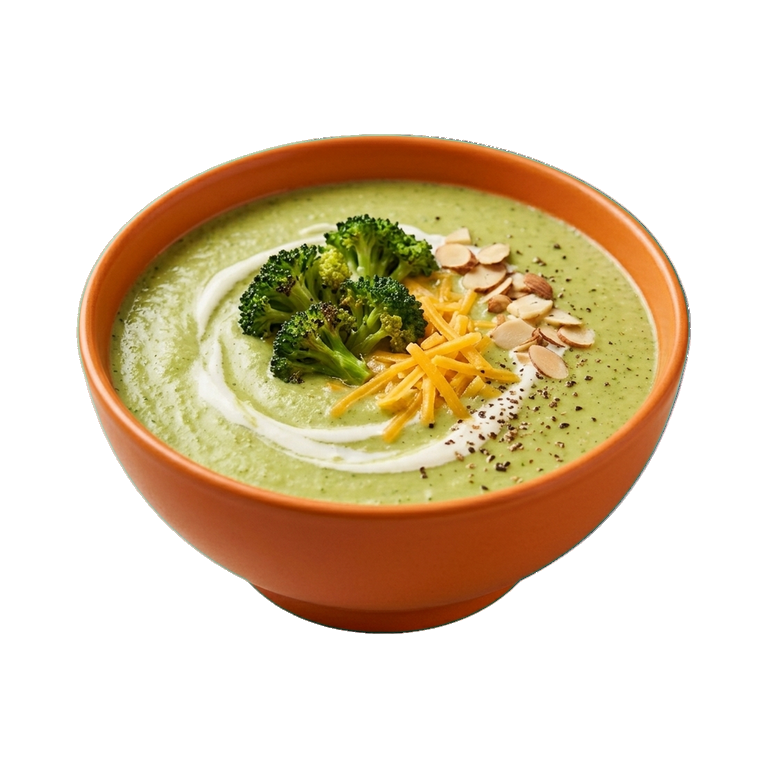
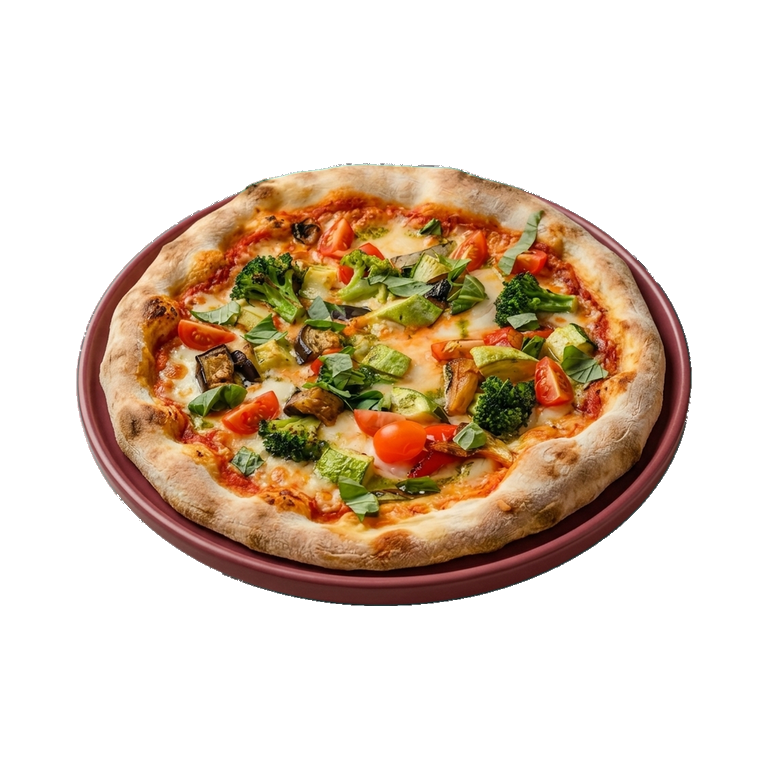
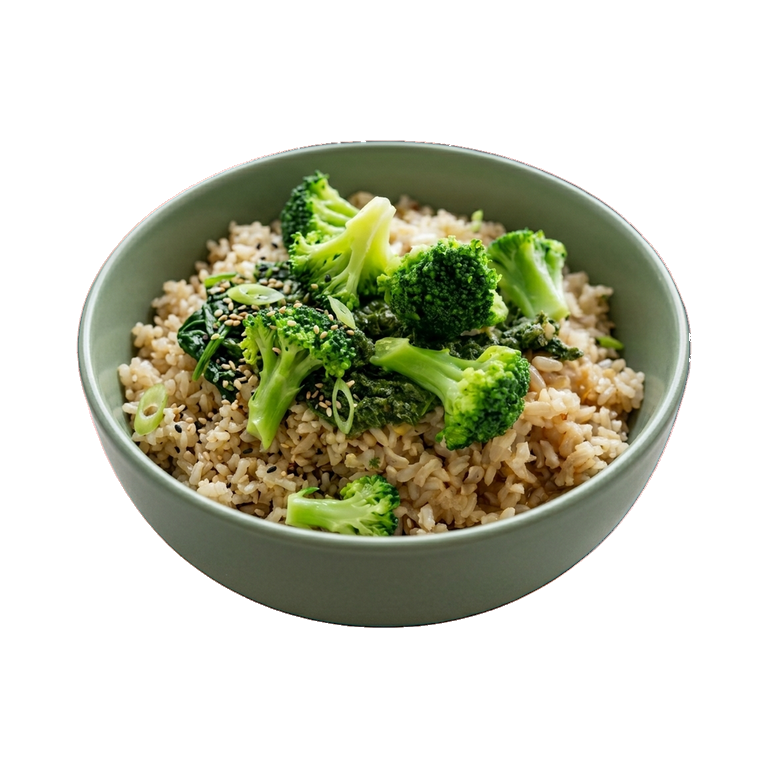
Works perfectly with garlic, lemon, chili pepper, and olive oil. Pairs well with rice, pasta, and potatoes. In Asian cuisine, broccoli is often prepared with soy sauce and ginger. With cheese, cream, and bacon, it makes a hearty side dish.
Selection and Storage
When shopping, look for tight, dark green florets without yellow spots or soft areas. The stem should be firm and the cut surface fresh. Size doesn't matter: large broccoli will be just as delicious if it's young.
Broccoli in the refrigerator keeps for a week when wrapped in paper towels or a bag. Don't place it in an airtight container — air circulation is needed. Frozen broccoli retains nutrients and is convenient for quick meals, cooking directly from the freezer without thawing.
Nutrition
per 100 g
- Calories
- 34 kcal
- Protein
- 2.8 g
- Fat
- 0.4 g
- Carbs
- 7 g
Micronutrients
per 100 g
Macronutrients
- Fiber
- 2.4 g
- Saturated fat
- 0.039 g
- Monounsaturated fat
- 0.011 g
- Polyunsaturated fat
- 0.017 g
- Water
- 90 g
Minerals
- Sodium
- 36 mg
- Potassium
- 303 mg
- Calcium
- 46 mg
- Magnesium
- 21 mg
- Phosphorus
- 67 mg
- Iron
- 0.69 mg
- Zinc
- 0.42 mg
- Copper
- 0.06 mg
- Manganese
- 0.2 mg
- Selenium
- 1.6 mcg
Vitamins
- Vitamin A (RAE)
- 8 mcg
- Vitamin E
- 0.15 mg
- Vitamin K
- 102 mcg
- Vitamin C
- 91.3 mg
- Vitamin B1 (thiamin)
- 0.08 mg
- Vitamin B2 (riboflavin)
- 0.11 mg
- Vitamin B3 (niacin)
- 0.64 mg
- Vitamin B5 (pantothenic acid)
- 0.61 mg
- Vitamin B6
- 0.19 mg
Measures and weight
- 1 pcs
- 300 g
- 1 head
- 500 g
- 1 sprig
- 50 g
Measure calculator
- Weight
- 100 g
- Calories
- 34 kcal