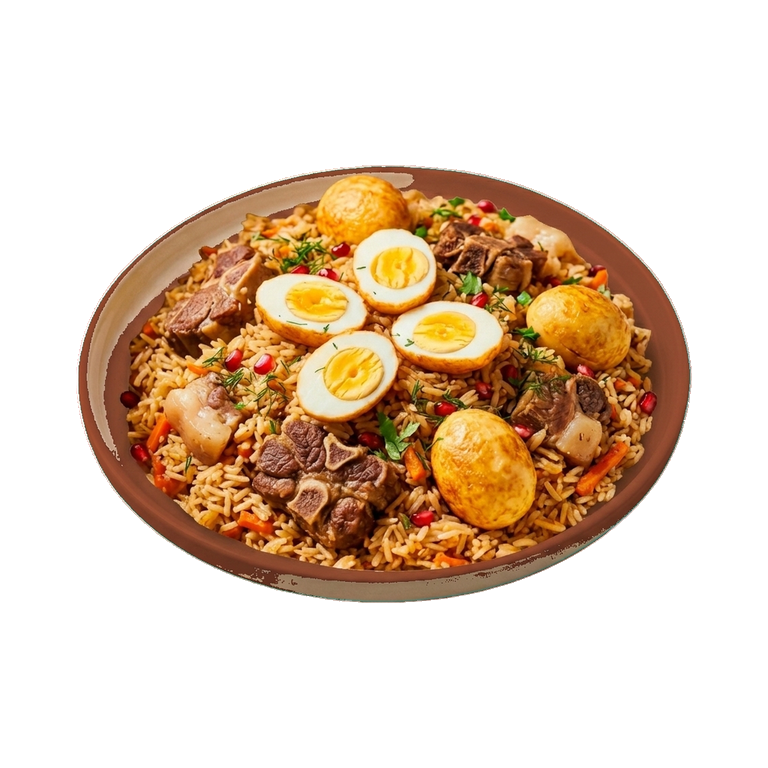
Usuba
Usuba

Carrot
A sweet orange root vegetable with tender flesh and a characteristic earthy aroma. In cooking, carrots are used both raw for salads and in stewed, boiled, and fried dishes — they serve as a base for sautéing, adding sweetness and body to soups and stews. When selecting, prefer firm medium-sized roots without soft spots, and when substituting, keep in mind that young carrots cook faster and have a more delicate flavor.
Micronutrients
per 100 g
Minerals
About
Sweetness and crunchiness — the main trump cards
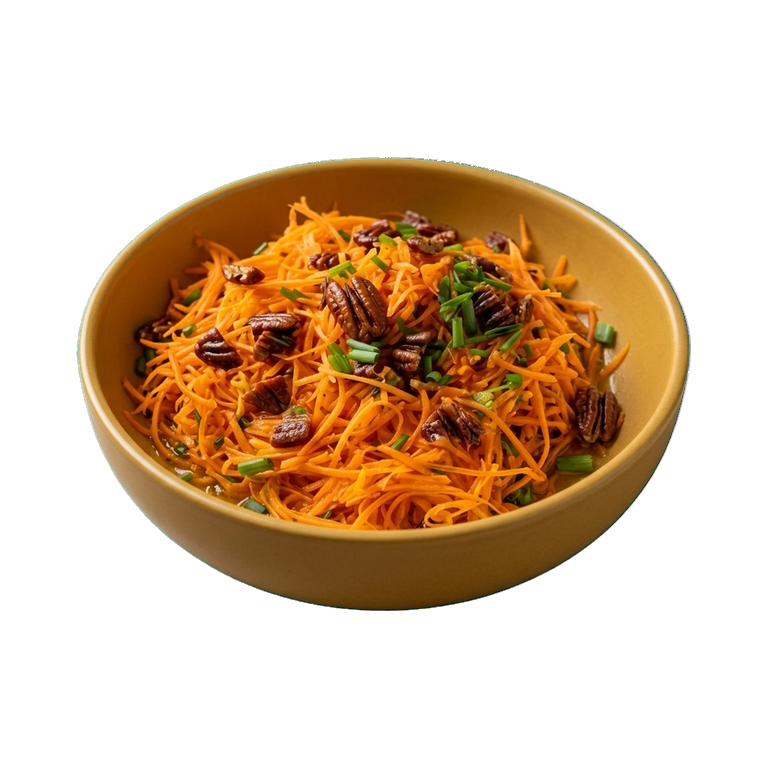
Carrots are one of those vegetables that work equally well both raw and after heat treatment. Their characteristic sweetness is enhanced when boiled and fried: the sugars caramelize, creating a deep, almost honey-like flavor. Raw carrots are crispy and refreshing, perfect for salads and appetizers. The bright orange color is not just beauty, it's a sign of high beta-carotene content, which the body converts into vitamin A.
Where carrots are indispensable
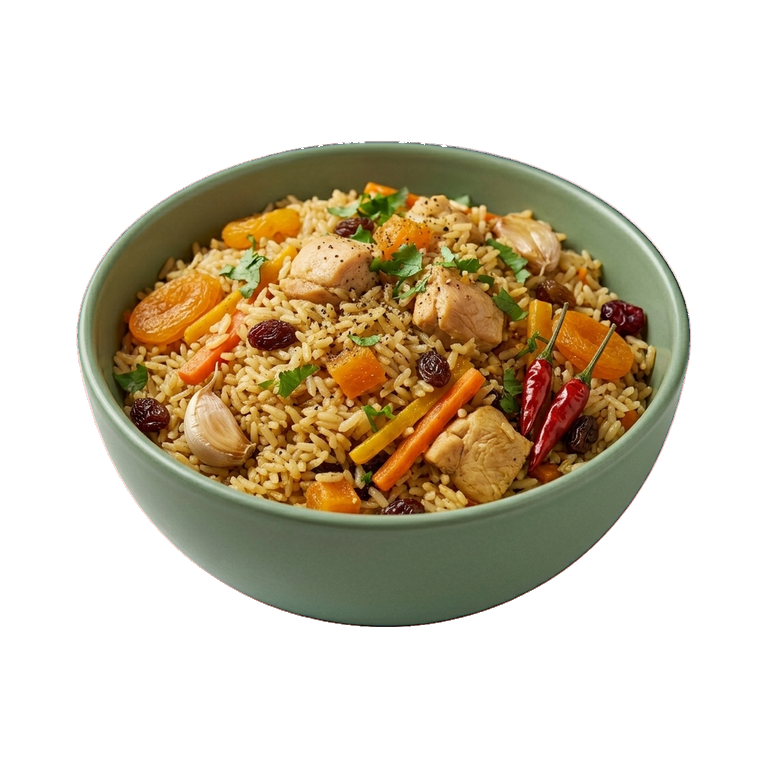
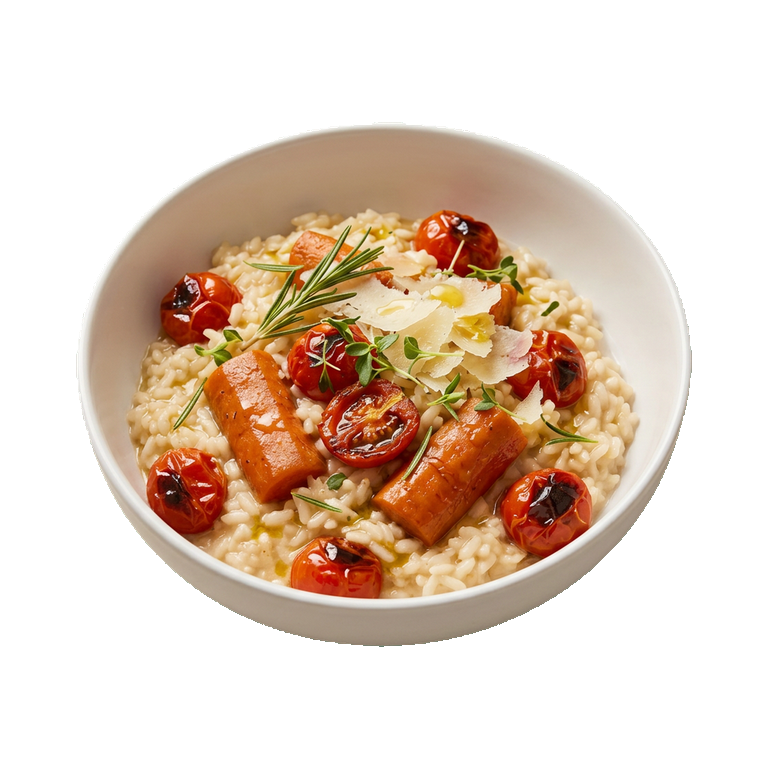
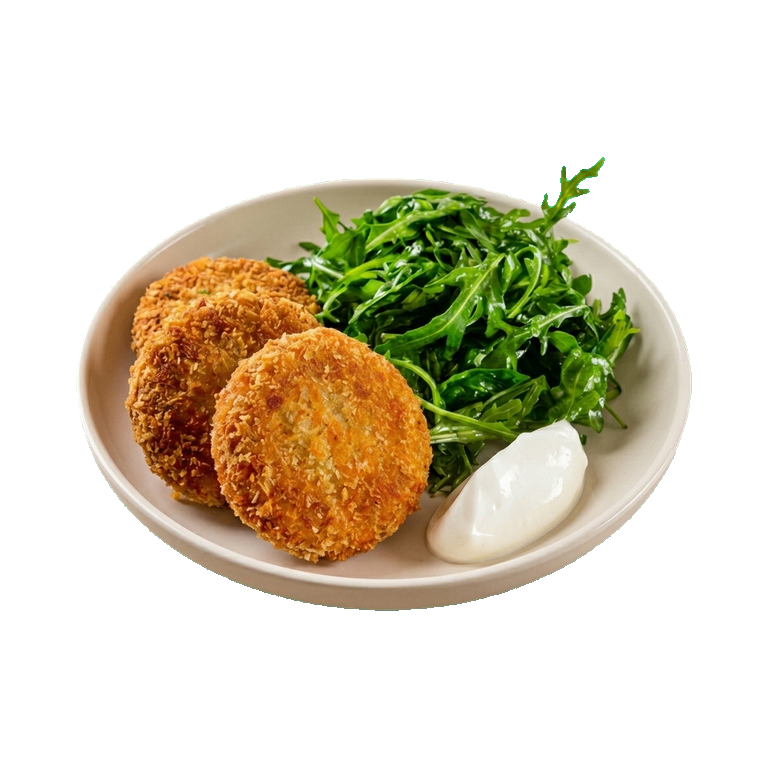
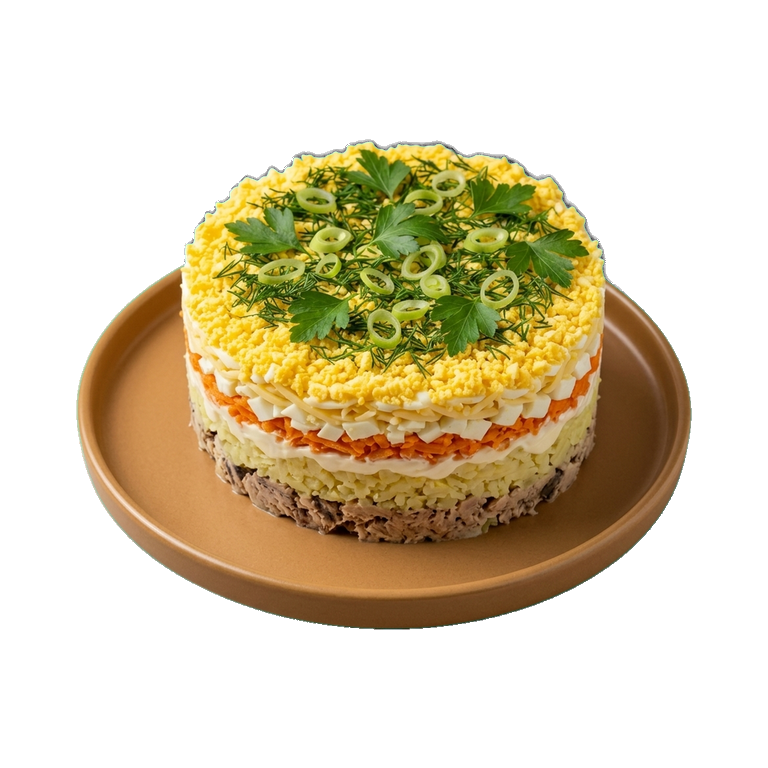
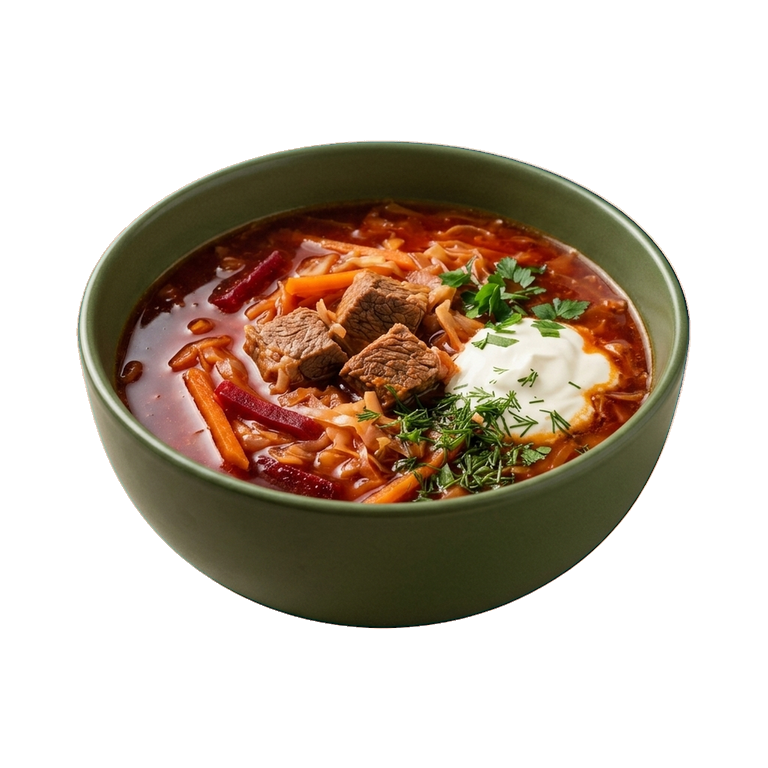
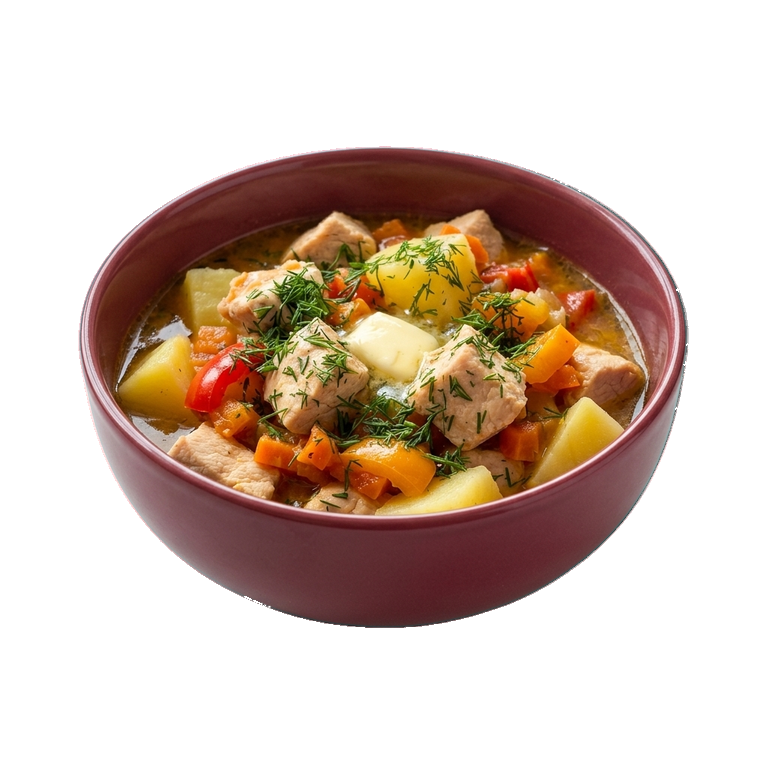
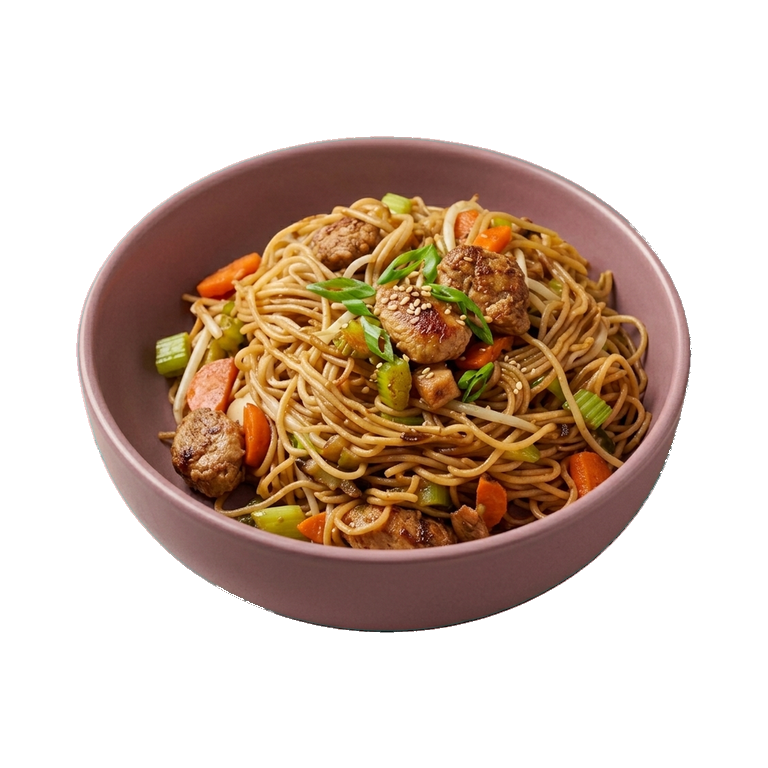
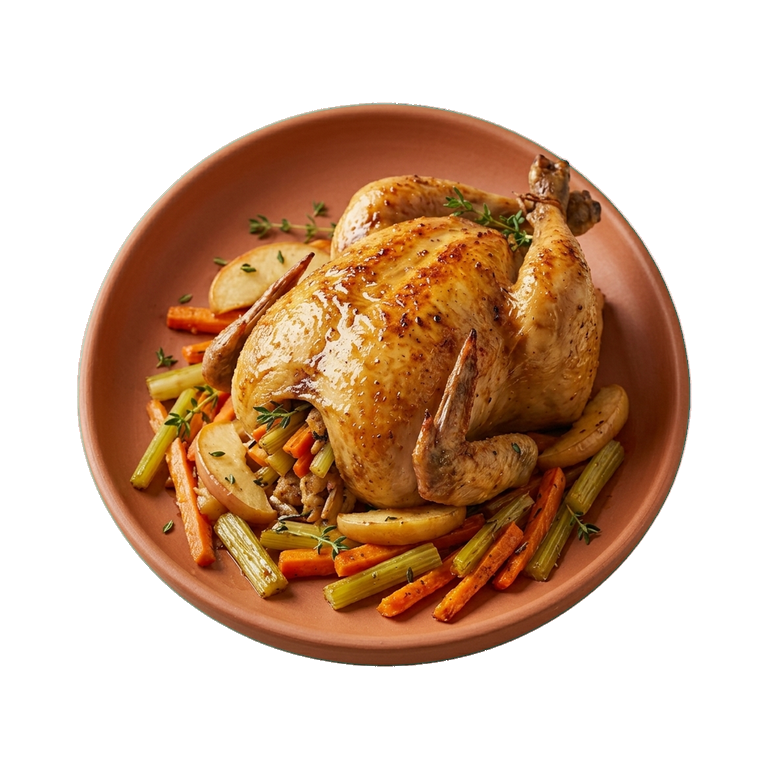
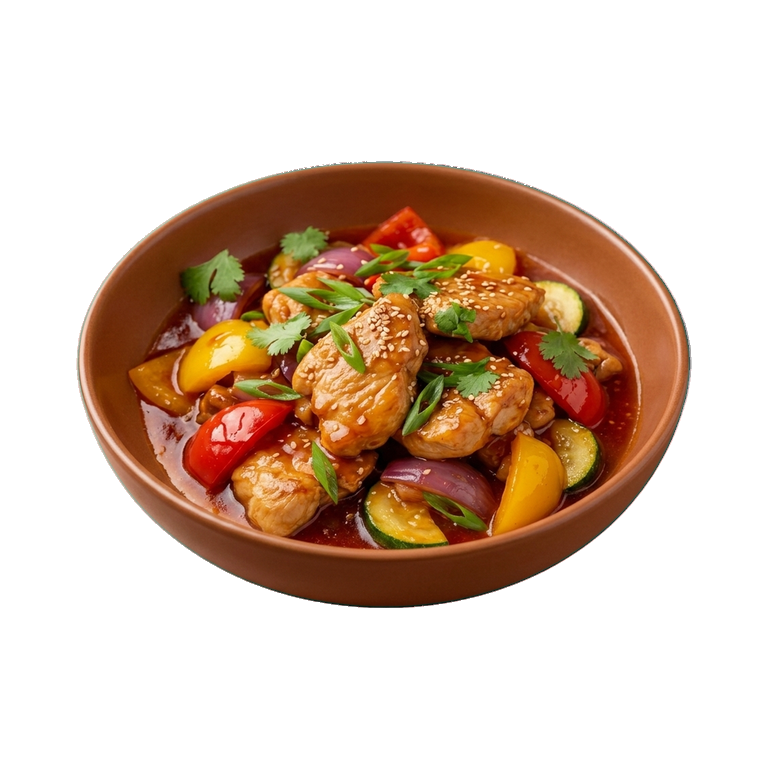
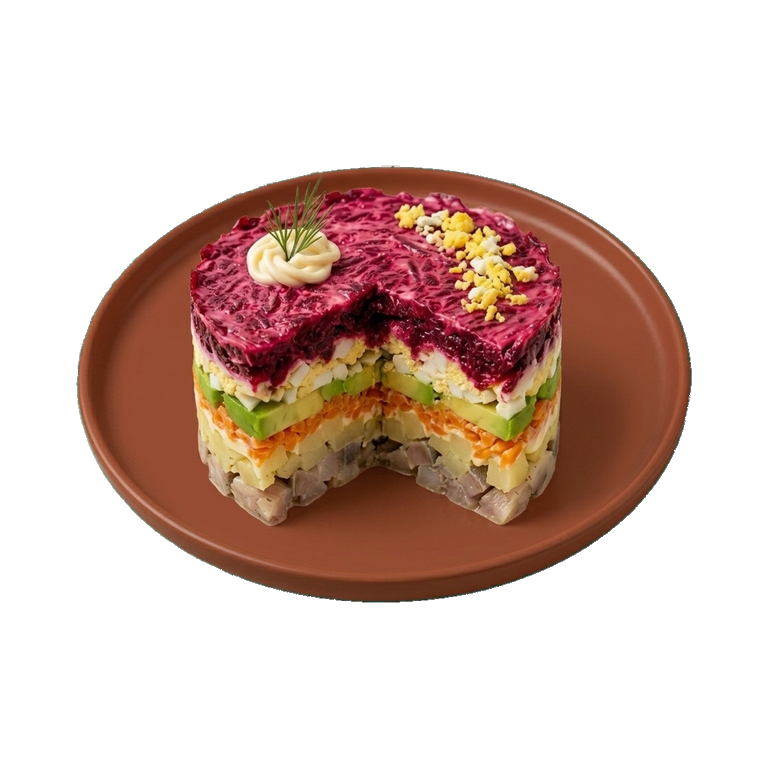
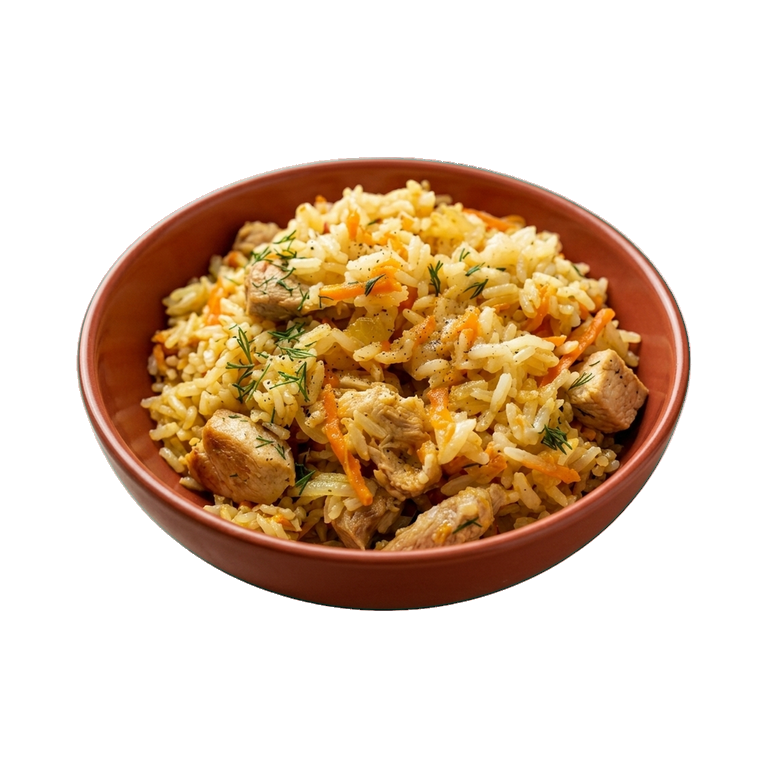
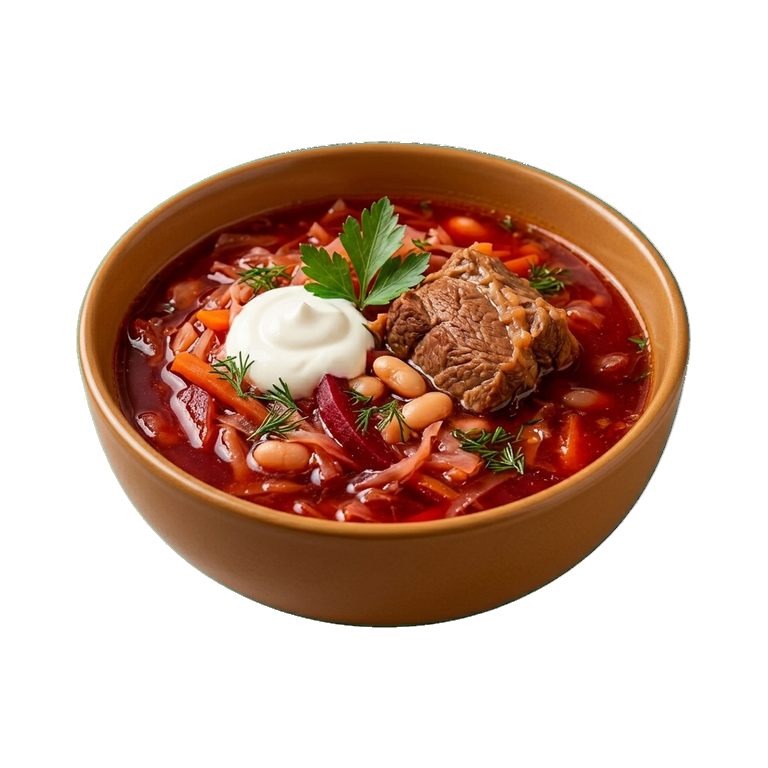
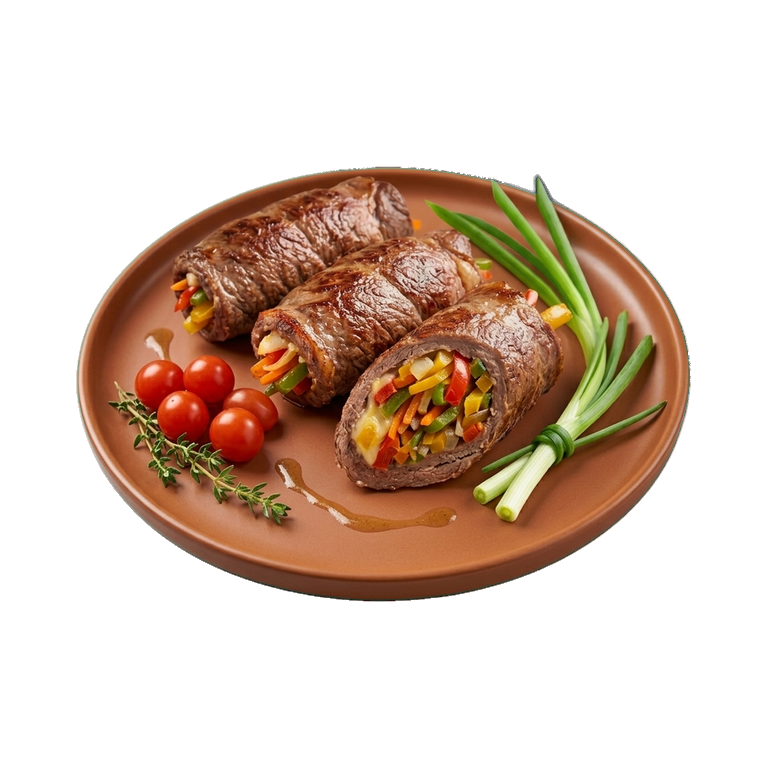
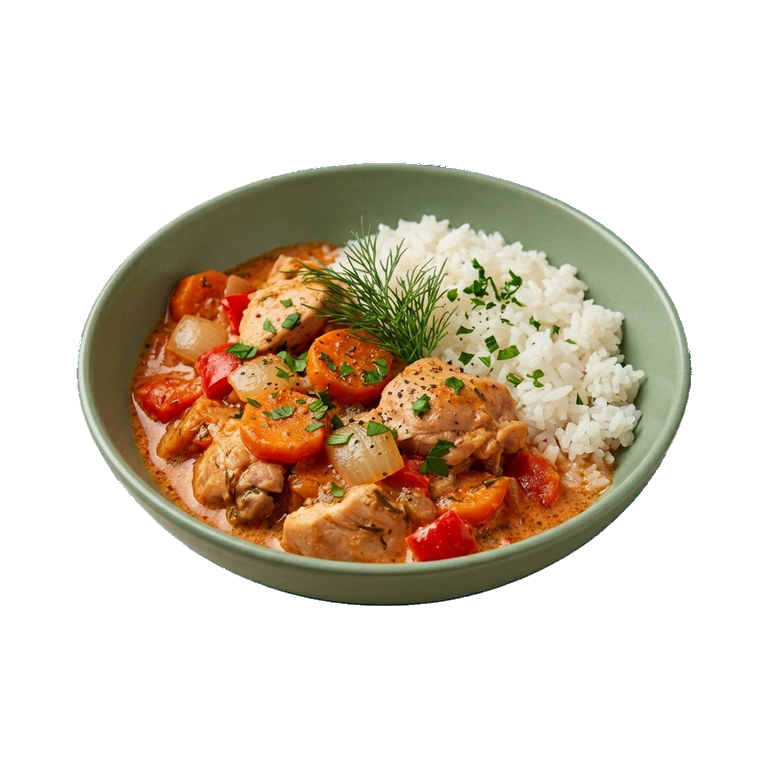
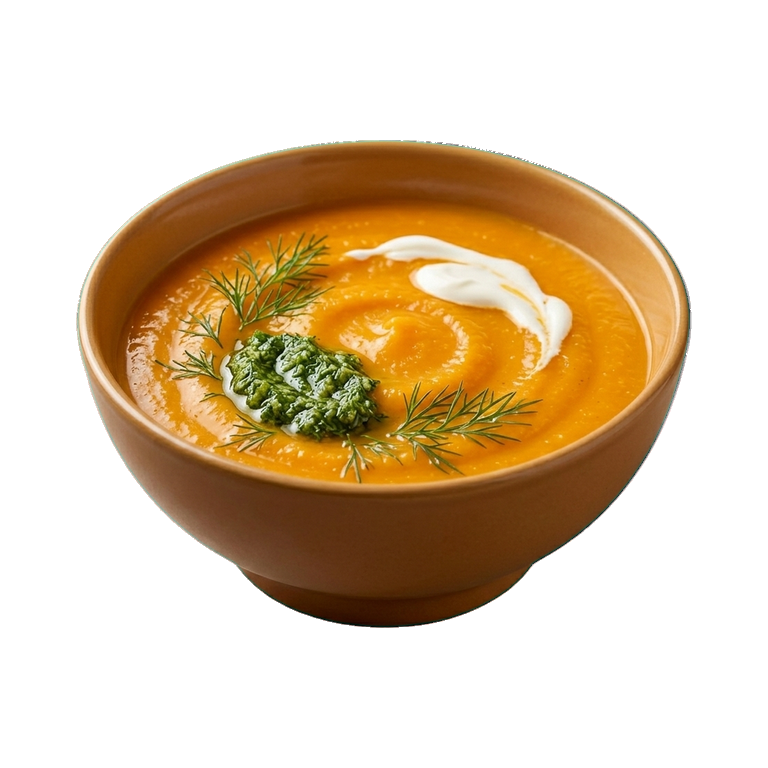
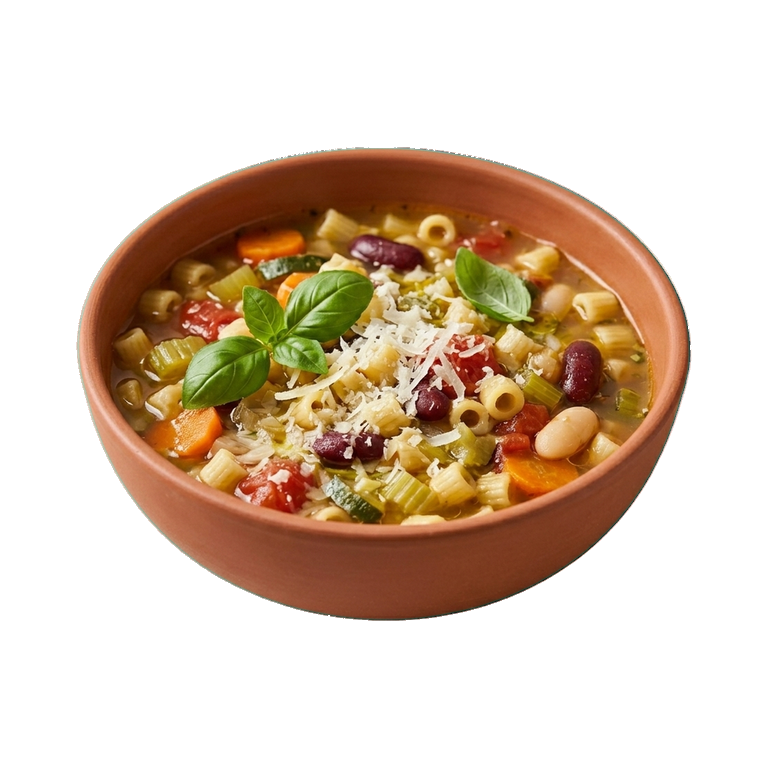
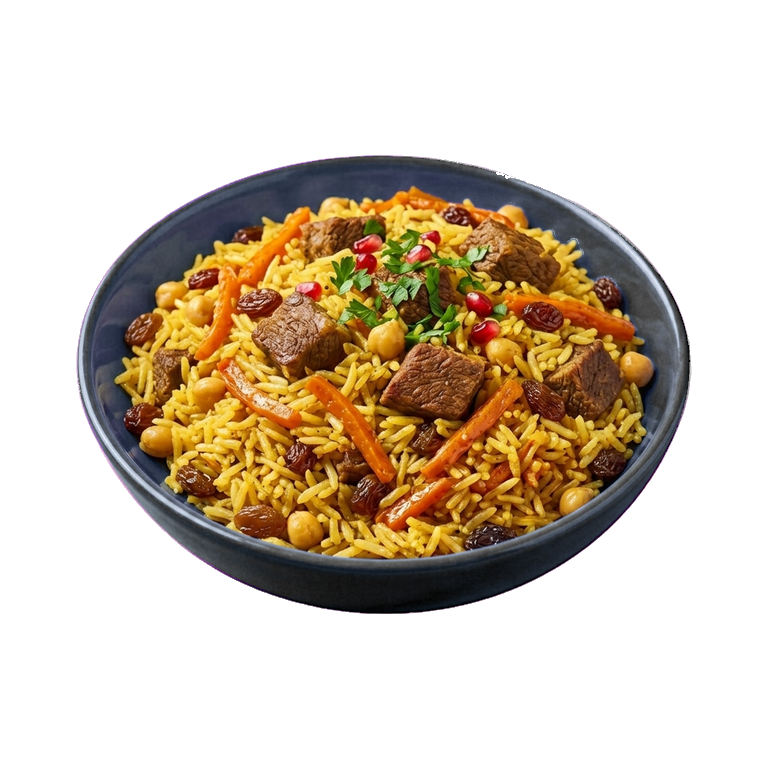
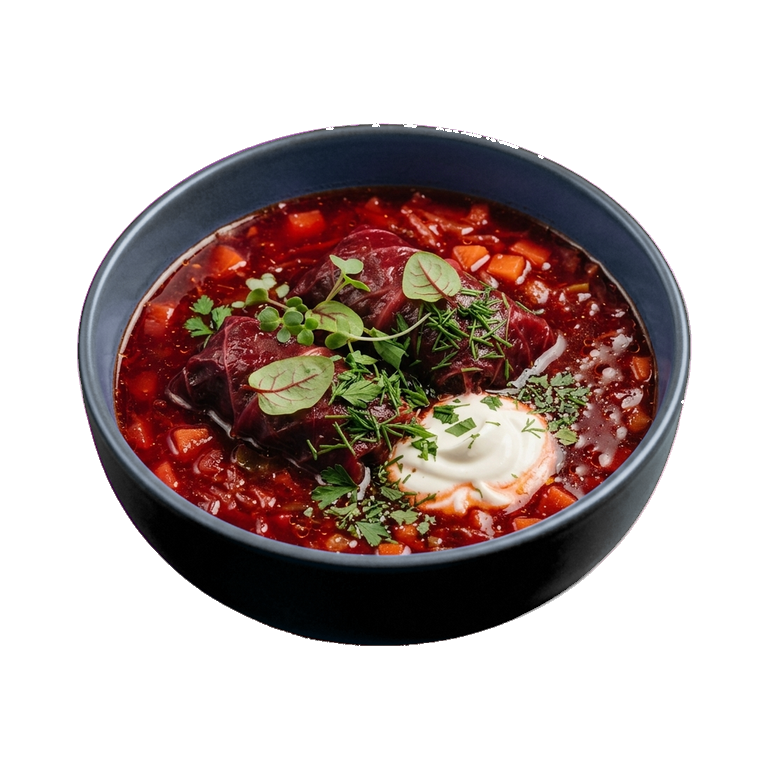
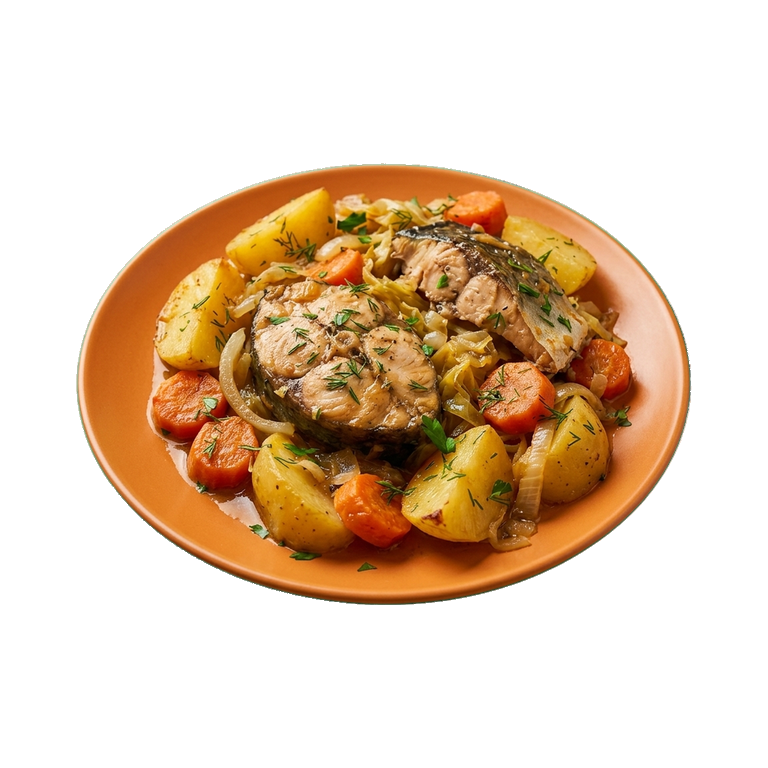
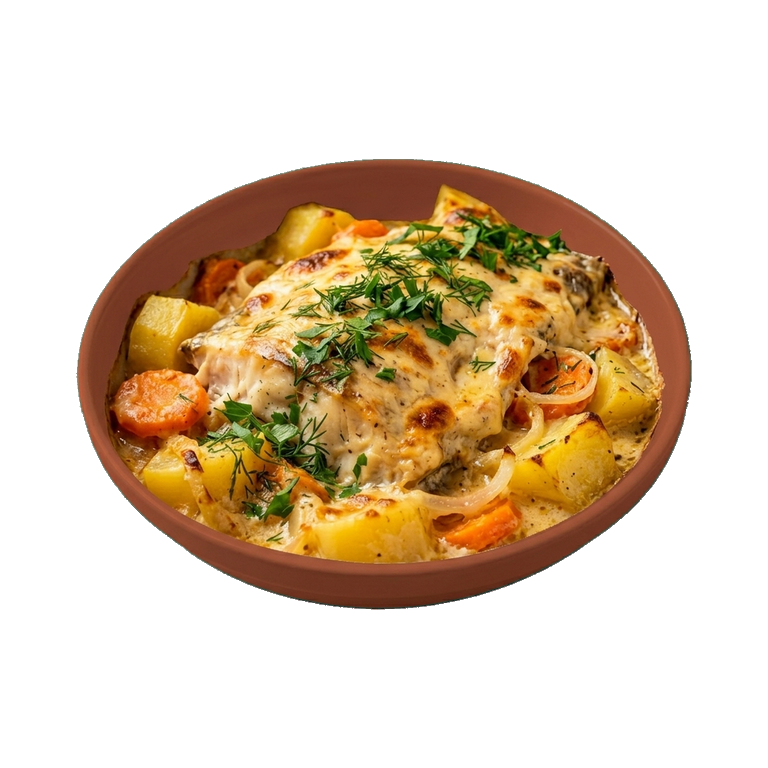
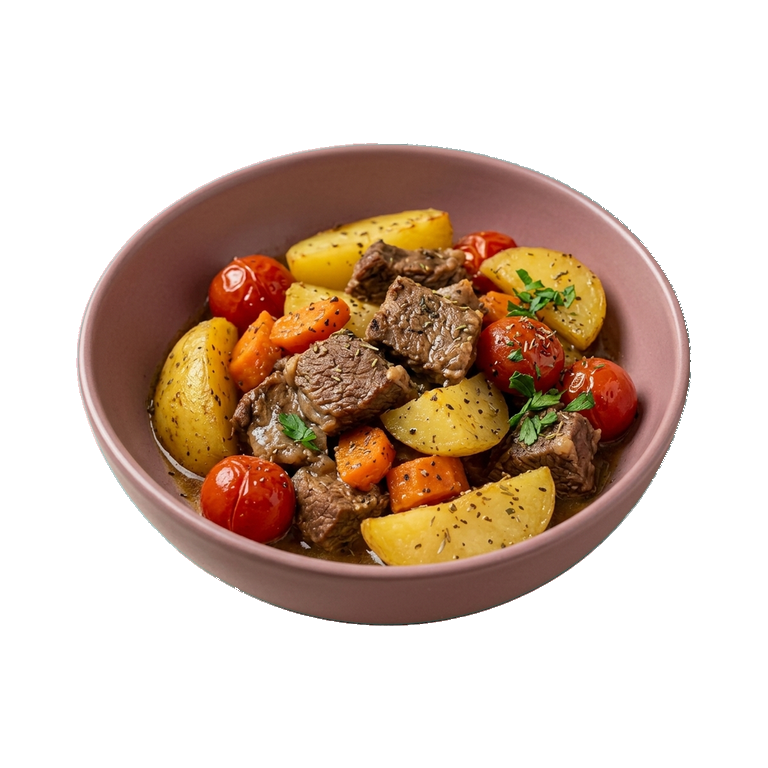
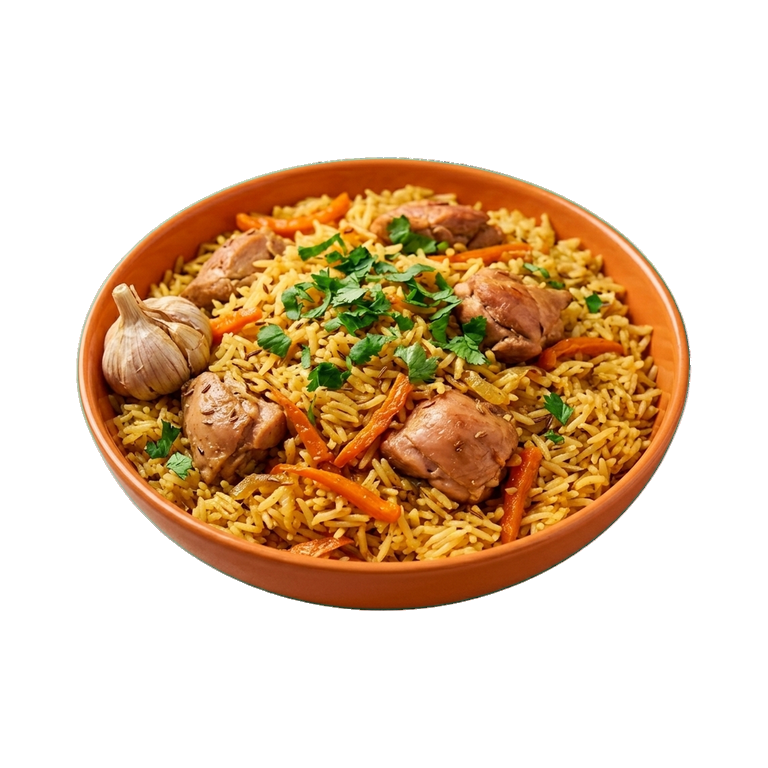
Carrot is a universal player in the kitchen. It serves as an aromatic base for soups and stews, adds sweetness to meat and fish dishes, and becomes the star ingredient in purees and side dishes. Grated carrot is ideal for baking — muffins and pies, where it adds moisture and natural sweetness. Carrot juice and puree are the base for sauces and dressings.
How to Choose and Store
- Choose firm medium-sized carrots without soft spots and cracks
- Young carrots are more tender and sweeter, they can be cooked whole
- Store in the refrigerator in the vegetable compartment — carrots keep for 2–3 weeks
- Before storing, remove the tops so the vegetable doesn't wilt
- Keep peeled carrots in water in the refrigerator, but use within a few days
Combinations that work
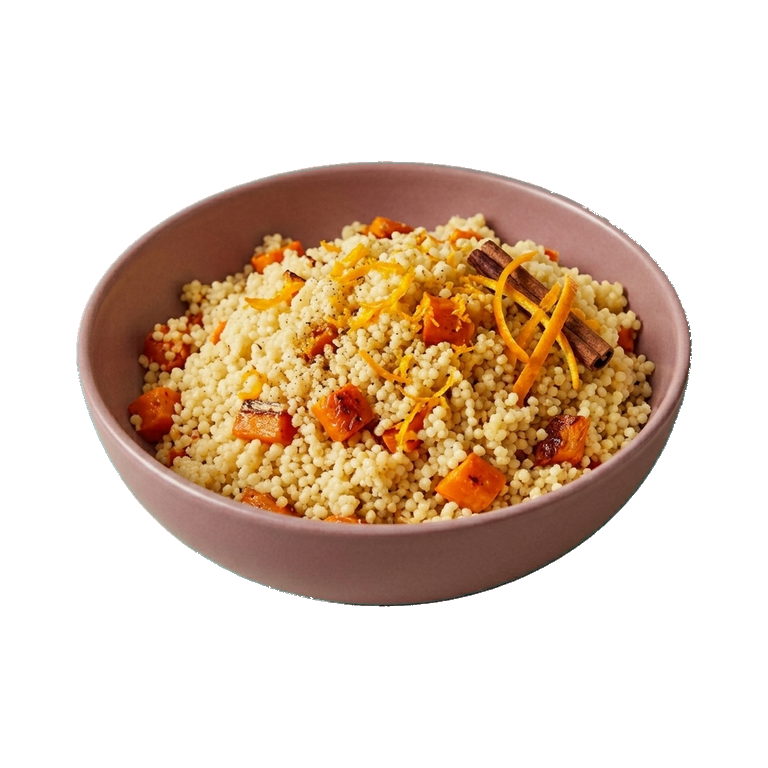
Carrot pairs easily with other vegetables — onions, celery, tomatoes. Its sweetness is balanced by acidity (vinegar, lemon) and heat (ginger, chili). With spices, carrot reveals itself in new ways: turmeric emphasizes earthiness, cinnamon enhances sweetness, coriander adds warmth. Works well with any type of meat, fish, combined with coconut milk and oriental spices.
Practical cooking tips
- Cut carrots evenly so they cook uniformly
- For quick cooking, slice thinly or grate
- Fry over medium heat so they caramelize rather than burn
- Young carrots can be boiled or steamed whole — they will be ready in 10–15 minutes
- If making puree, cook carrots until completely soft, then the blender will handle it effortlessly
Nutrition
per 100 g
- Calories
- 41 kcal
- Protein
- 0.9 g
- Fat
- 0.2 g
- Carbs
- 9.6 g
Micronutrients
per 100 g
Macronutrients
- Fiber
- 3.095 g
- Water
- 87.72 g
Minerals
- Sodium
- 86.65 mg
- Potassium
- 279.6 mg
- Calcium
- 30.48 mg
- Magnesium
- 12.45 mg
- Phosphorus
- 39.81 mg
- Iron
- 0.15 mg
- Zinc
- 0.24 mg
- Copper
- 0.06 mg
- Manganese
- 0.13 mg
- Selenium
- 0 mcg
Vitamins
- Vitamin B1 (thiamin)
- 0.07 mg
- Vitamin B2 (riboflavin)
- 0.1 mg
- Vitamin B3 (niacin)
- 1.41 mg
- Vitamin B6
- 0.15 mg
Measures and weight
- 1 pcs
- 100 g
Measure calculator
- Weight
- 100 g
- Calories
- 41 kcal