Usuba
Usuba
Cranberry
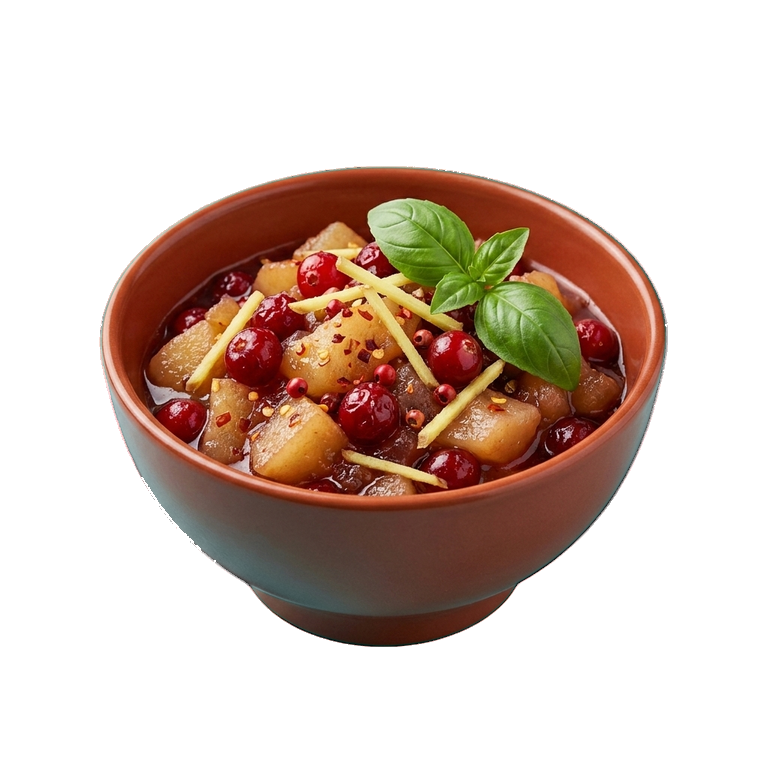
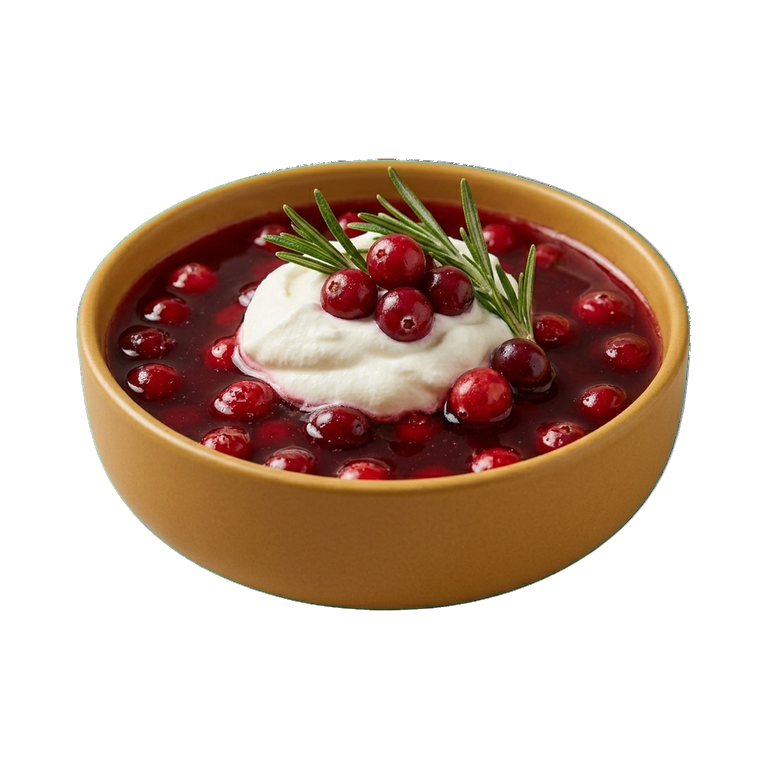
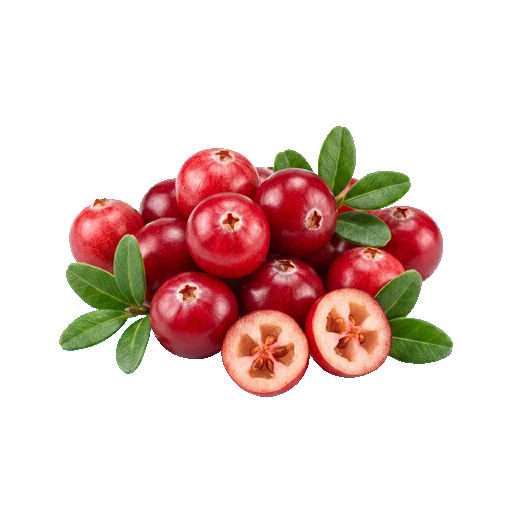
Cranberry is a berry with a bright red color and a characteristic tart, slightly bitter taste that keeps well thanks to its high content of natural preservatives. In cooking, it is used to make cranberry drinks, compotes, sauces for meat and game, as well as added to baked goods and jam. When choosing, prefer firm berries without soft spots, and when substituting, keep in mind that cranberry provides more pronounced acidity and astringency than lingonberry or red currant.
Micronutrients
per 100 g
Minerals
About
Cranberry is a berry that demands respect. Its acidity is so distinctive that in its fresh form it is rarely eaten, but in cooking it becomes a magician: it transforms a dull sauce into a vibrant accompaniment, adds depth to fruit drinks and compotes, and makes baked goods more interesting. Working with cranberries is simple — you only need to understand what it brings to a dish.
Taste and Aroma
Cranberry is pure acidity with a barely perceptible bitterness and slight astringency. Fresh berries have an almost neutral aroma, but when heated, it unfolds: delicate berry notes with a slightly herbaceous quality emerge. Sweetness is minimal, so cranberry naturally calls for sugar, honey, or other sweeteners — not as a mask, but as a harmonious complement.
Where cranberry works best
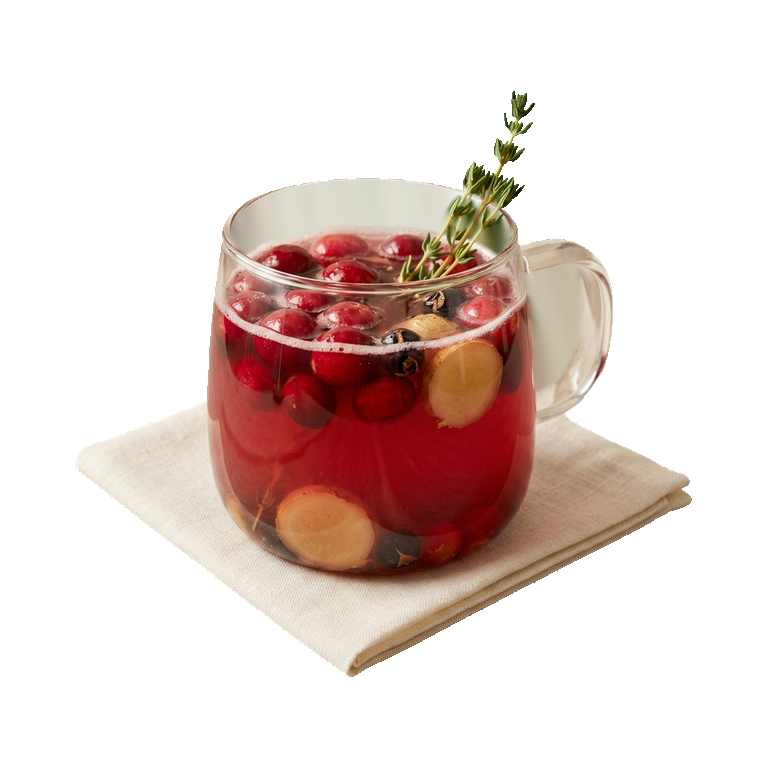
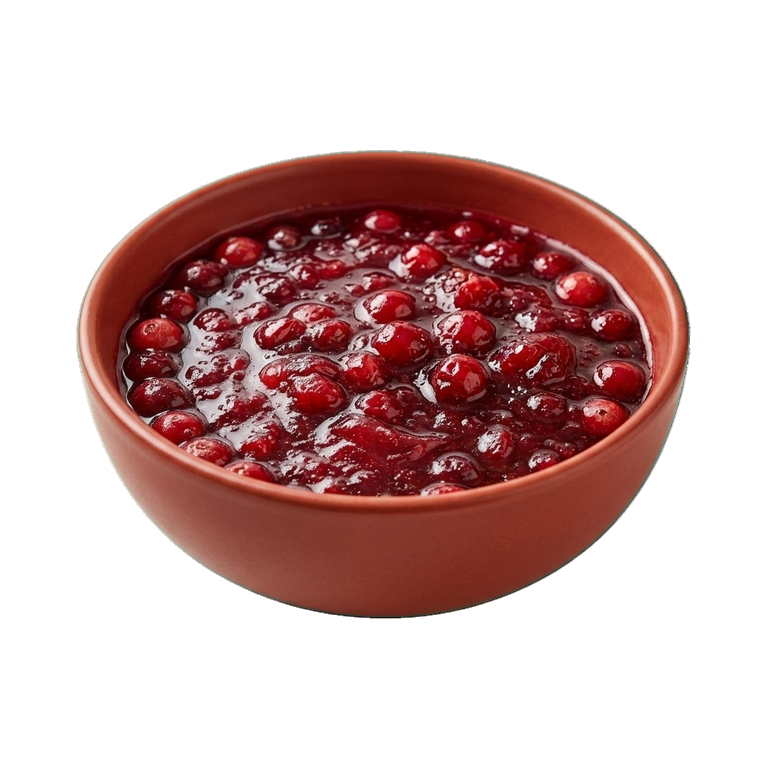
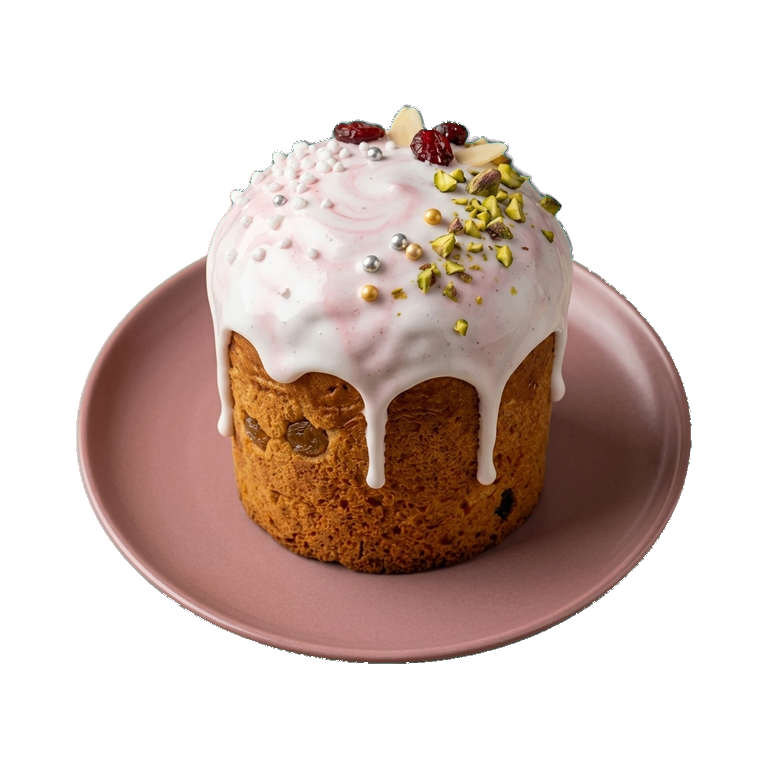
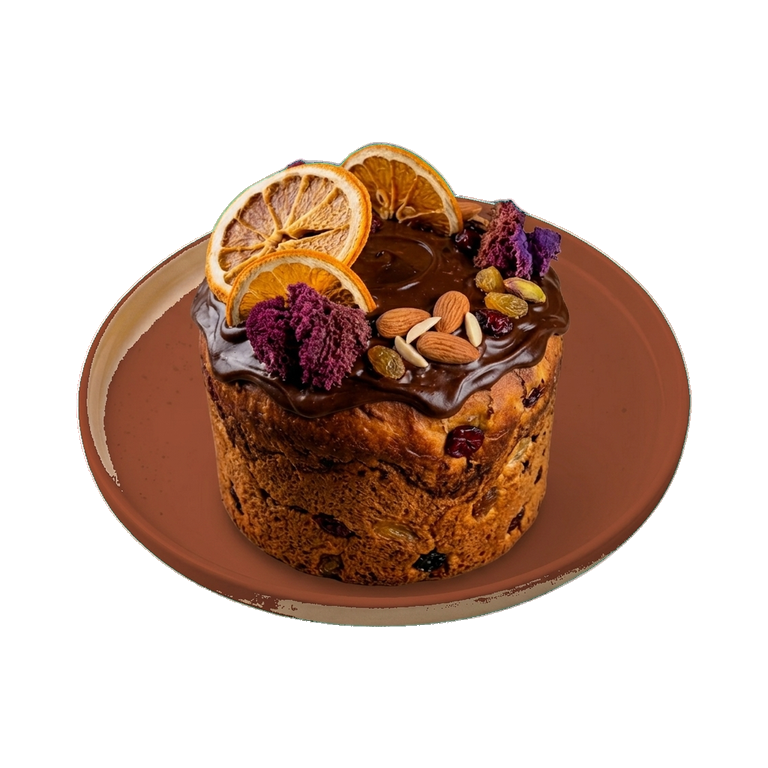
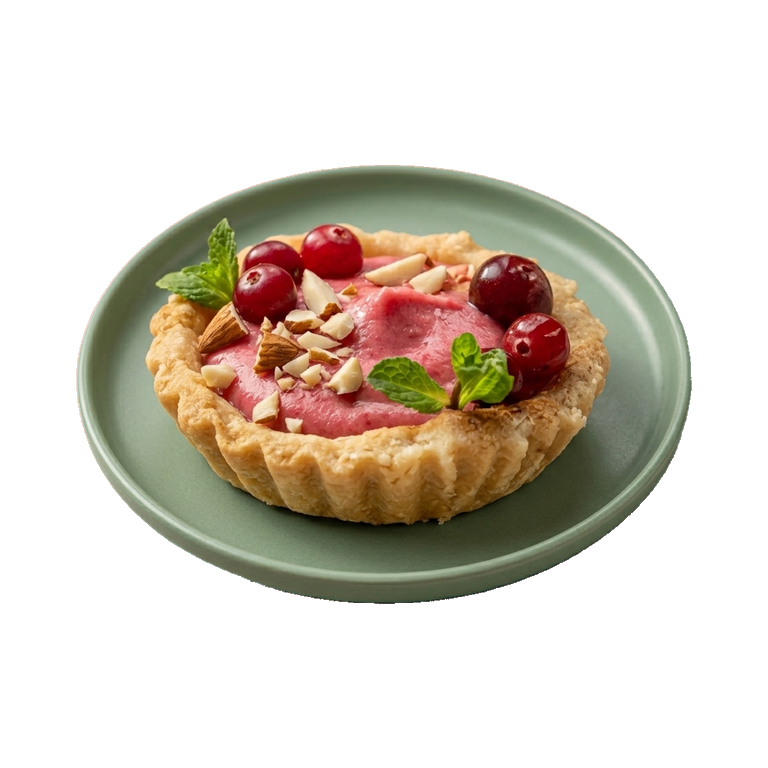
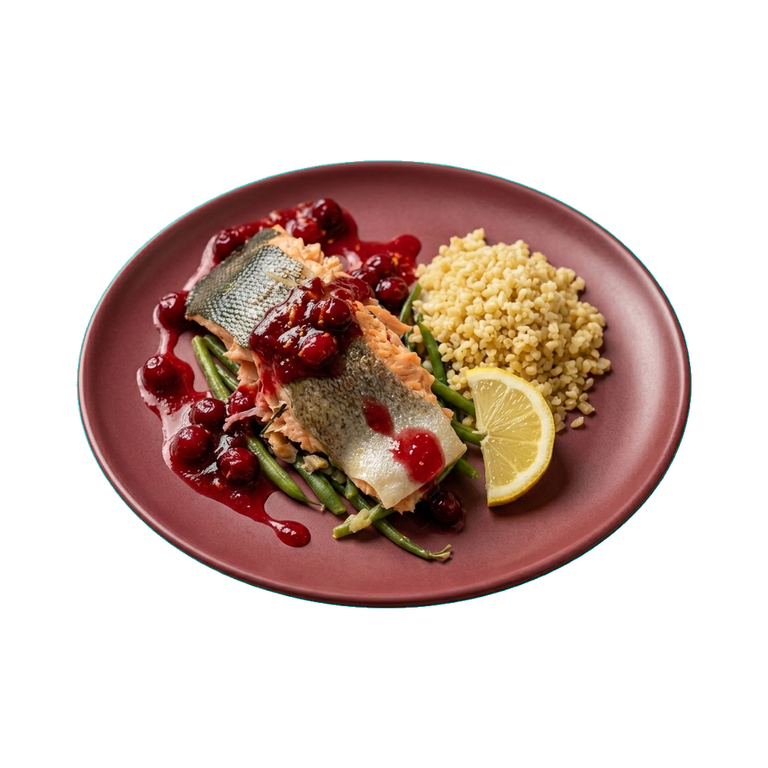
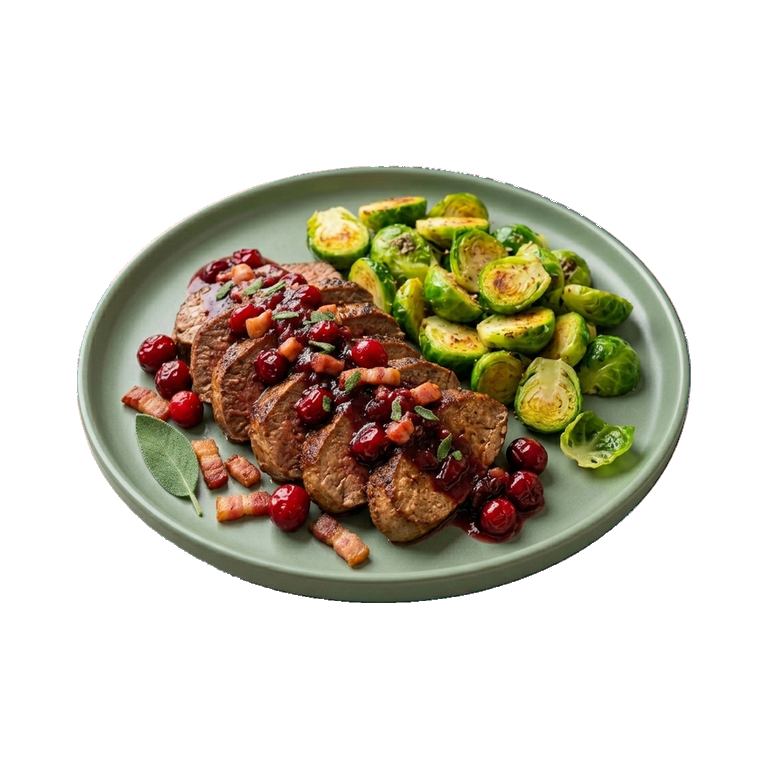
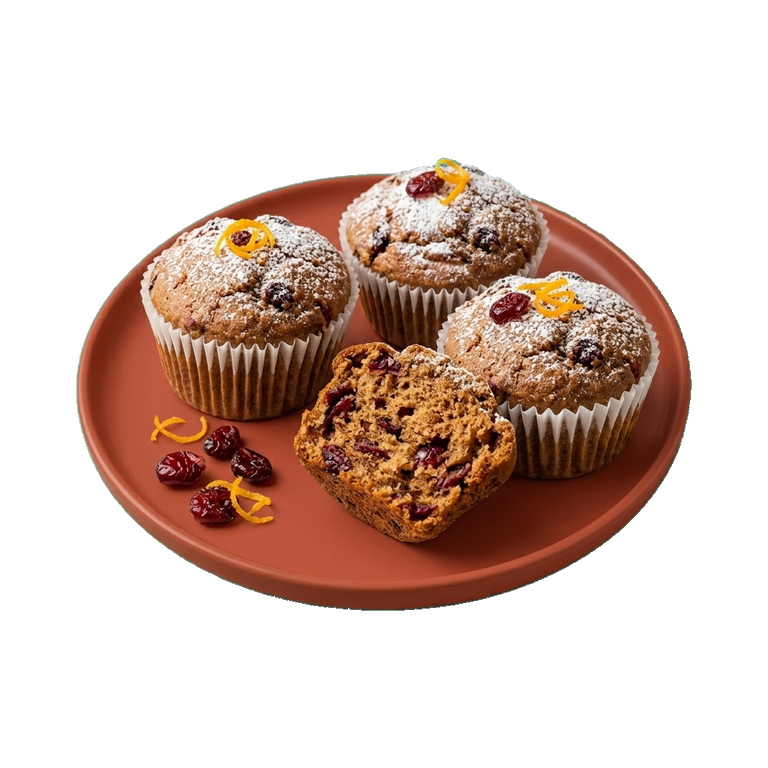
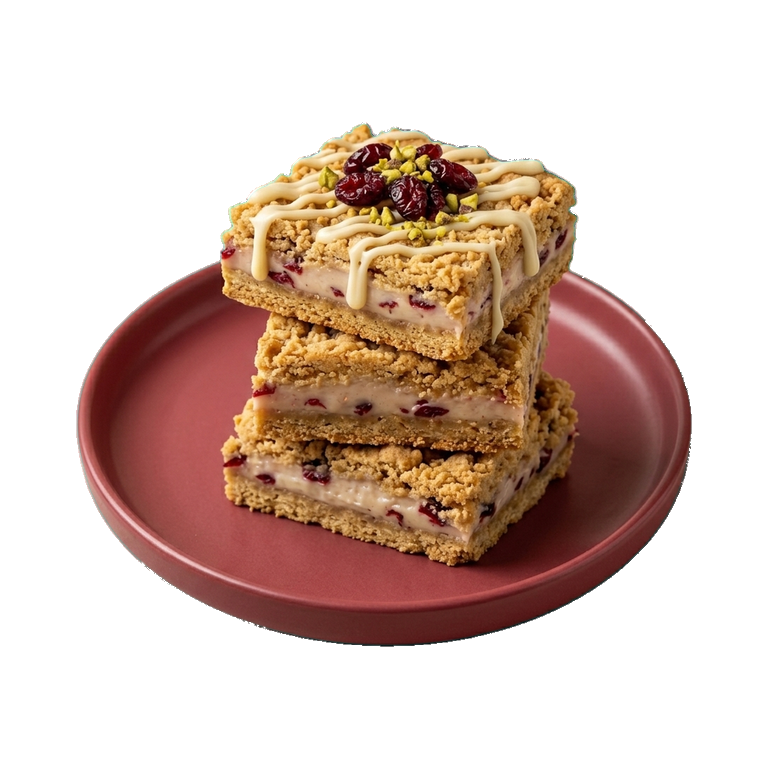
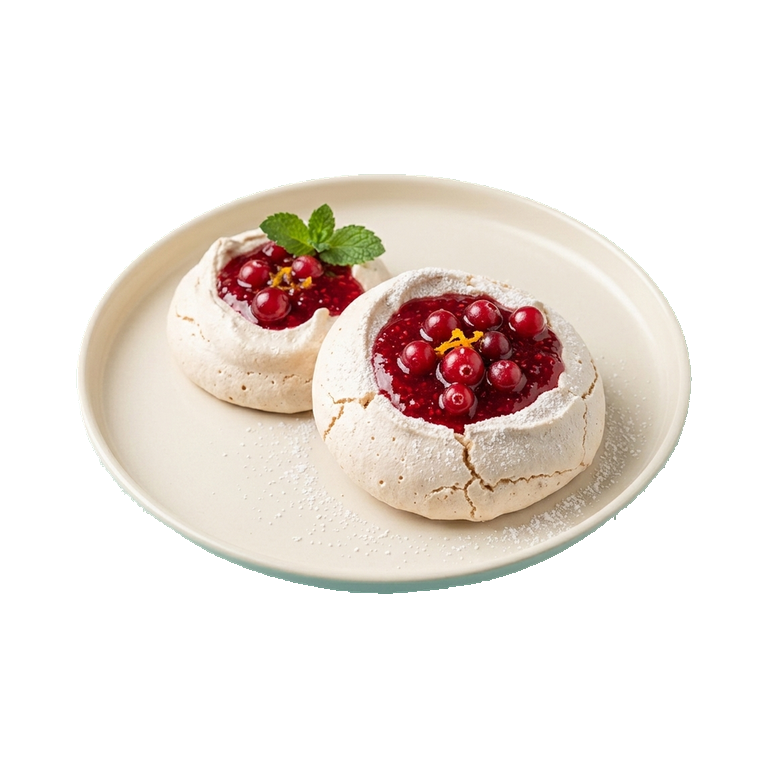
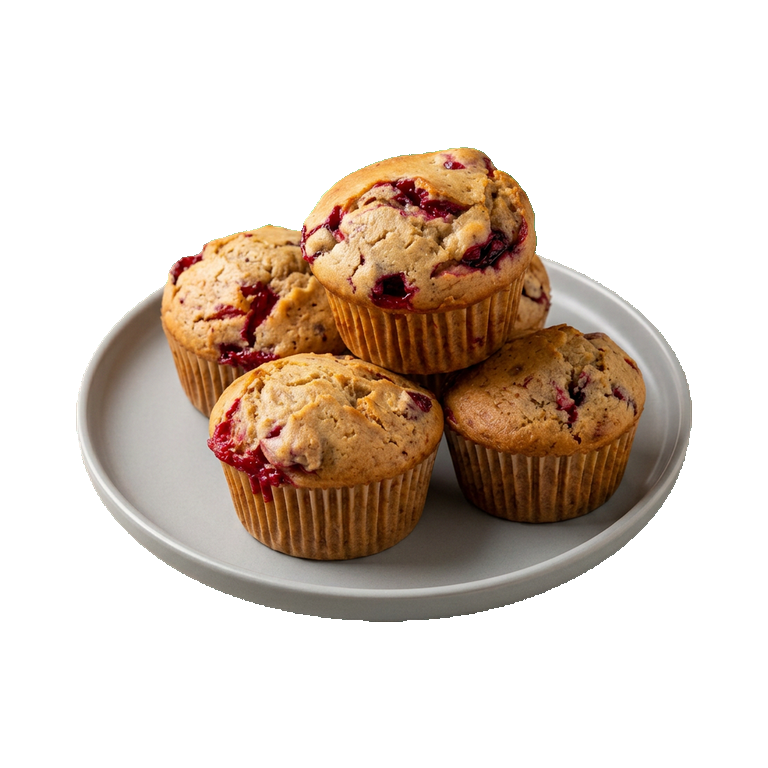
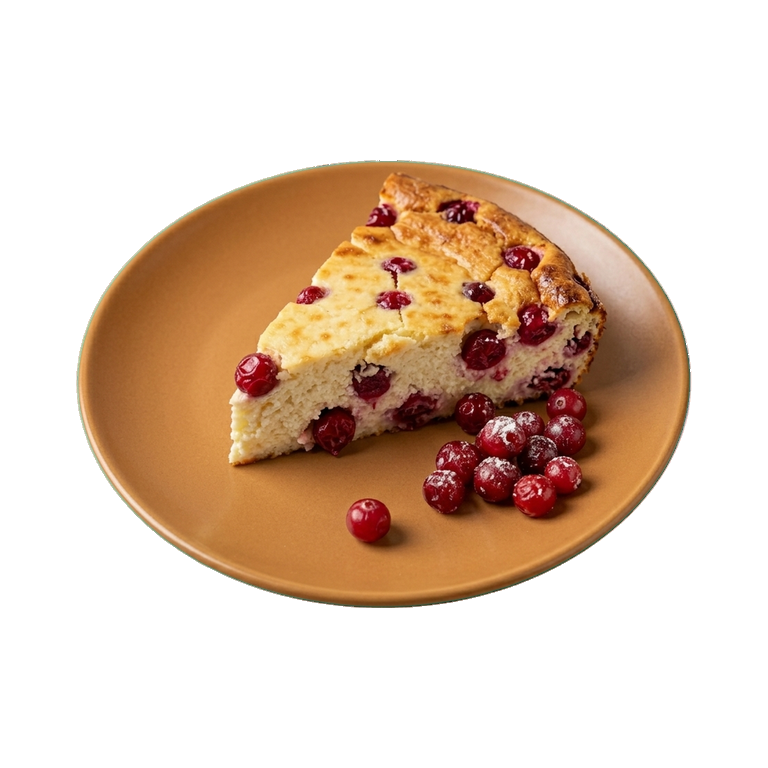
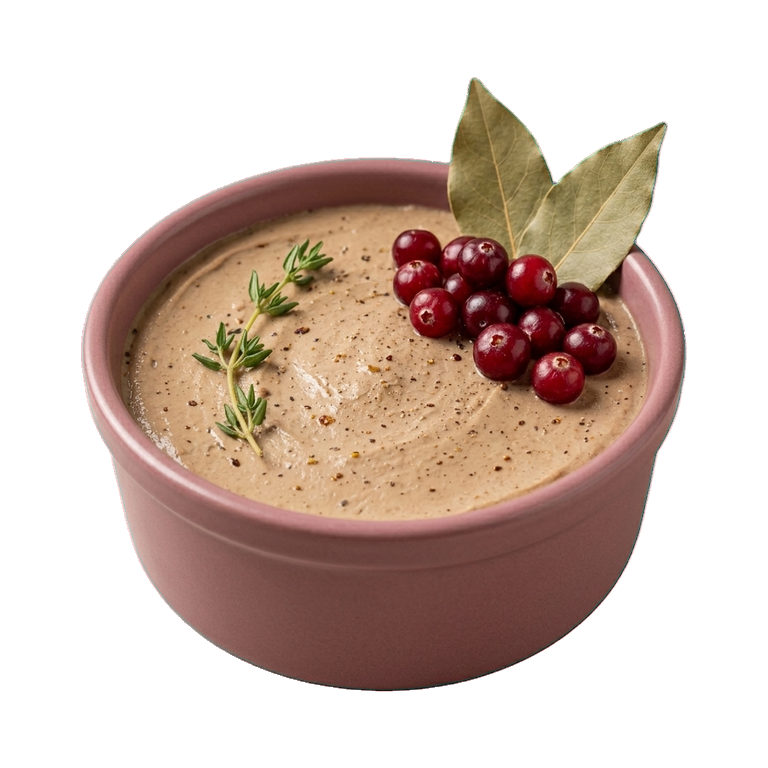
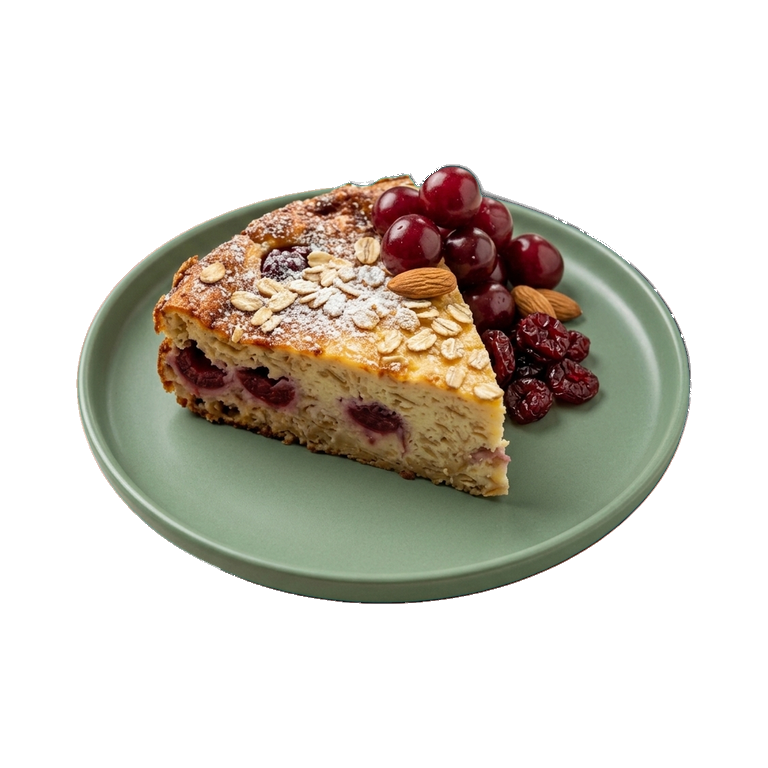
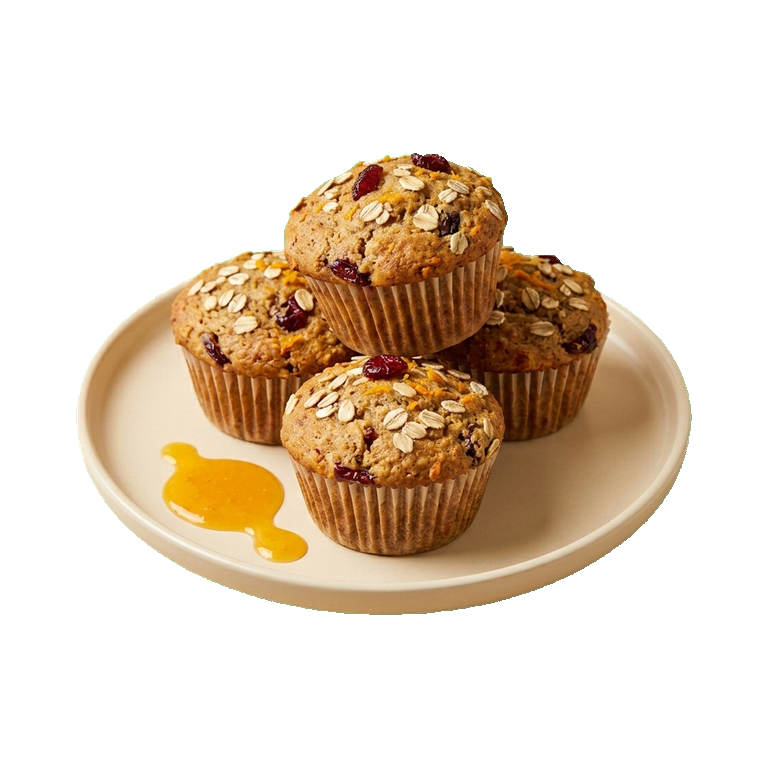
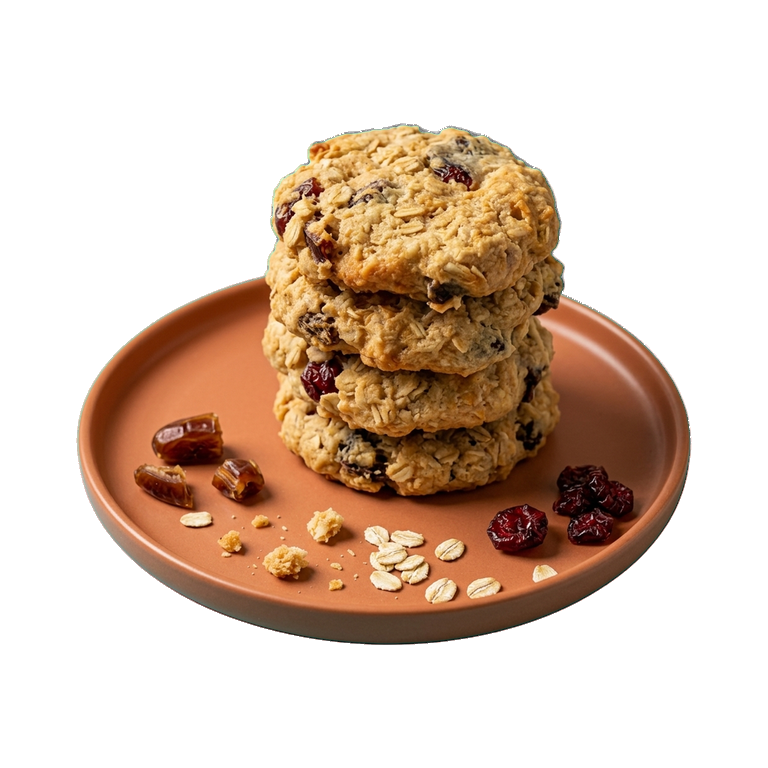
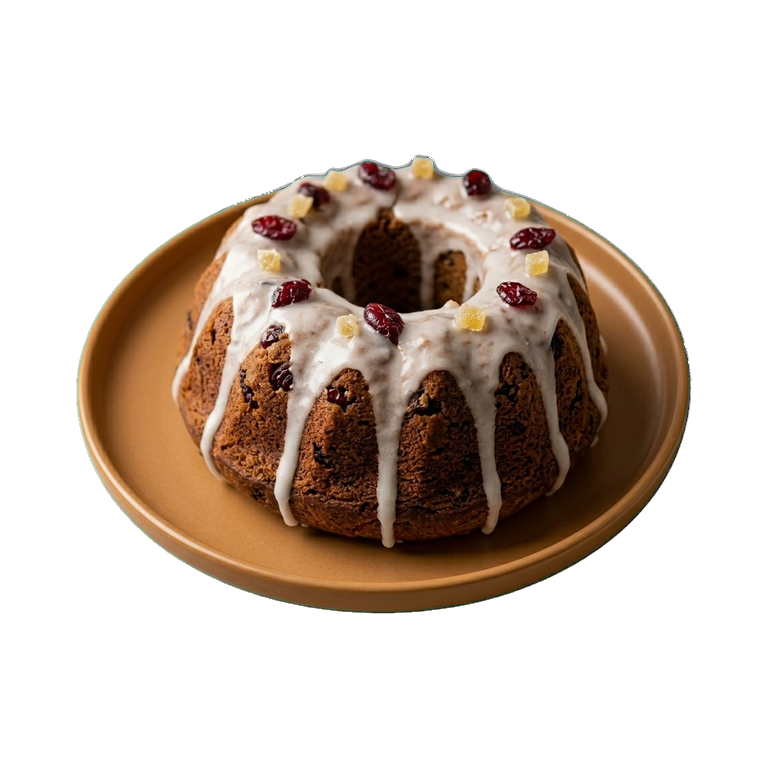
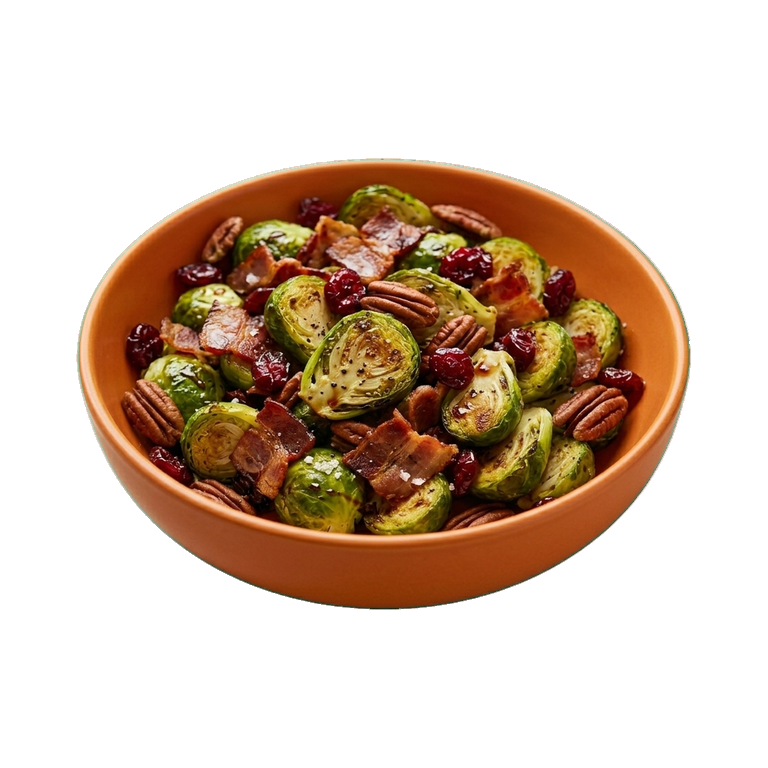
Cranberry's main role is to provide contrast. Its acidity enlivens fatty meat dishes: duck, goose, pork, game. Cranberry sauces are served with poultry and red meat because they cut through fat and awaken the appetite. In baking, cranberry adds brightness: to pies, cupcakes, cookies, buns. In beverages — fruit drinks, compotes, fruit jellies — it creates the foundation on which all the flavor is built.
Successful Combinations
- With orange and ginger — a classic trio for sauces and jams
- With cinnamon and cloves — in compotes and baked goods
- With vanilla — softens acidity in desserts
- With rosemary — surprisingly good in meat sauces
- With white wine — for refined sauces
Forms and Methods of Use
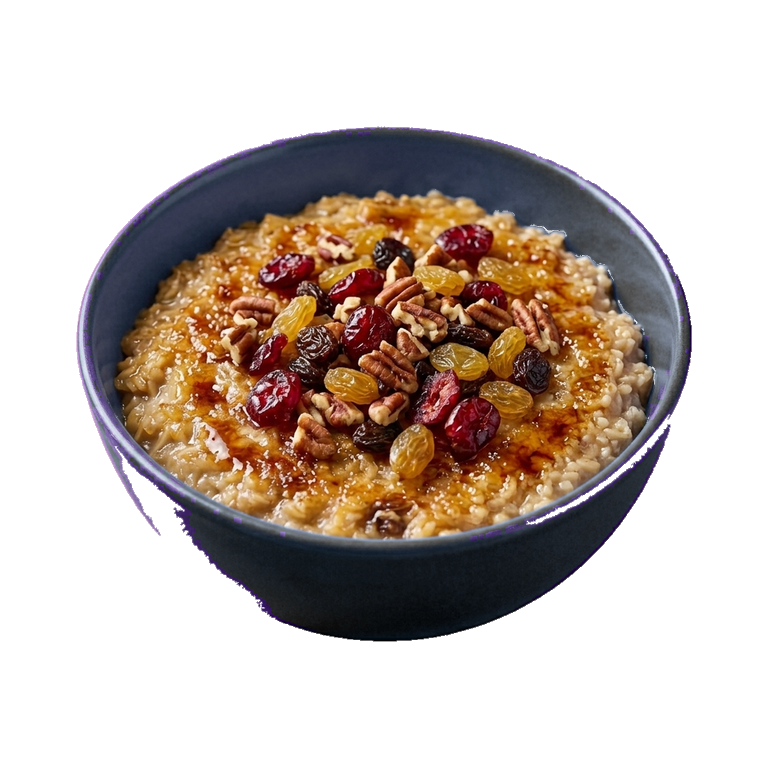
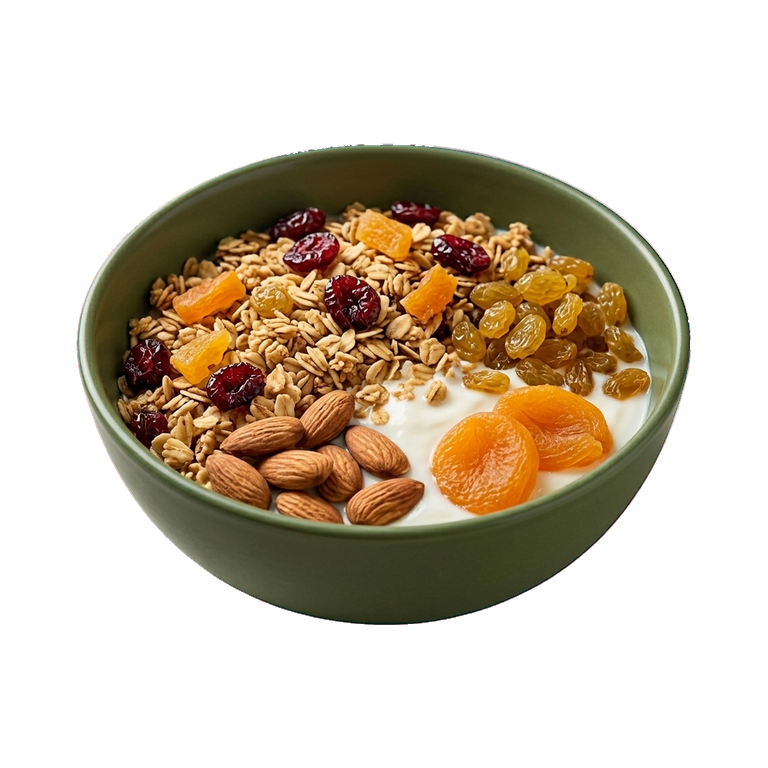
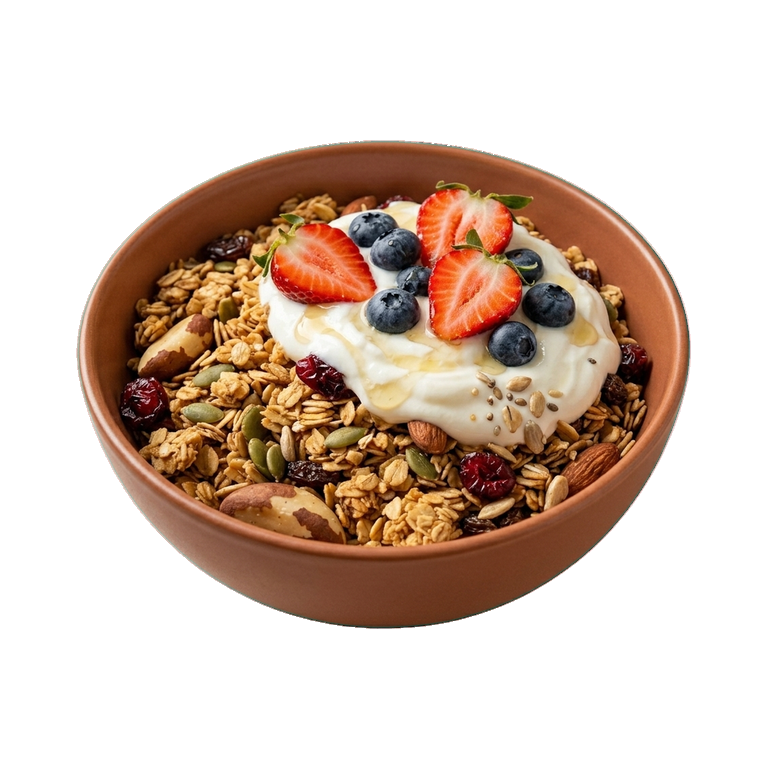
Fresh cranberry is good in sauces, it is cooked with sugar for 10–15 minutes until the berries fall apart. Frozen works the same way, thawing can be skipped. Dried cranberry is a different ingredient: it's sweeter, softer, suitable for compotes, porridges, salads. Cranberry juice drink is made from fresh or frozen berries: crushed, filled with water, infused, strained. Cranberry jam requires a lot of sugar (roughly 1:1 with berries), but it keeps for a long time and remains bright and tart.
Selection and Storage
Choose fresh cranberries that are firm, without dents or mold, and bright red in color. Soft or dull berries are a sign of spoilage. Fresh cranberries keep in the refrigerator for a month, in the freezer for a year. Frozen berries lose their shape but not their taste, making them ideal for sauces and beverages. Store dried cranberries in an airtight container in a cool place — they keep well for a long time.
Practical tip
If you're making cranberry sauce and it turns out too tart, don't rush to add sugar. Try adding a little butter or cream first — they will soften the acidity and make the sauce velvety. For sweet dishes, sugar is necessary, but add it gradually, tasting as you go. Cranberry is forgiving of experiments: it works equally well in traditional recipes and in unexpected combinations.
Nutrition
per 100 g
- Calories
- 28 kcal
- Protein
- 0.5 g
- Fat
- 0.1 g
- Carbs
- 3.7 g
Micronutrients
per 100 g
Macronutrients
- Fiber
- 3.6 g
- Sugars
- 4.27 g
- Saturated fat
- 0.008 g
- Monounsaturated fat
- 0.018 g
- Polyunsaturated fat
- 0.055 g
- Omega-3 (EPA + DHA)
- 0 g
- Cholesterol
- 0 mg
- Water
- 87.32 g
Minerals
- Sodium
- 2 mg
- Potassium
- 80 mg
- Calcium
- 8 mg
- Magnesium
- 6 mg
- Phosphorus
- 11 mg
- Iron
- 0.23 mg
- Zinc
- 0.09 mg
- Copper
- 0.06 mg
- Manganese
- 0.27 mg
- Selenium
- 0.1 mcg
Vitamins
- Vitamin A (RAE)
- 3 mcg
- Vitamin D
- 0 mcg
- Vitamin E
- 1.32 mg
- Vitamin K
- 5 mcg
- Vitamin C
- 14 mg
- Vitamin B1 (thiamin)
- 0.01 mg
- Vitamin B2 (riboflavin)
- 0.02 mg
- Vitamin B3 (niacin)
- 0.1 mg
- Vitamin B5 (pantothenic acid)
- 0.3 mg
- Vitamin B6
- 0.06 mg
- Vitamin B9 (folate, DFE)
- 1 mcg
- Vitamin B12
- 0 mcg
Measures and weight
- 1 tbsp
- 9 g
- 1 tsp
- 3 g
- 1 cup
- 150 g
- 1 pcs
- 2 g
Measure calculator
- Weight
- 100 g
- Calories
- 28 kcal