Usuba
Usuba
Dry yeast
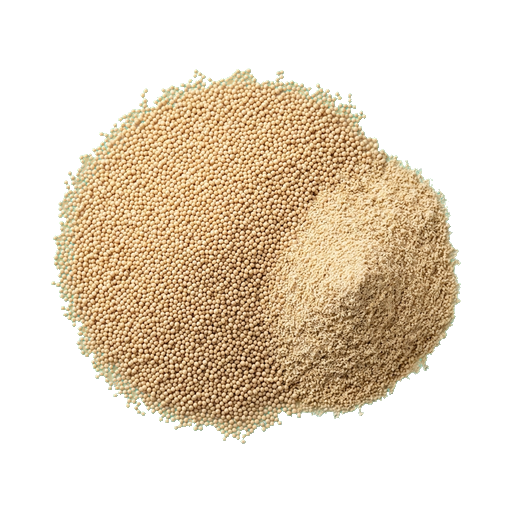
Dry yeast is a concentrate of microorganisms that have been dried for long-term storage and convenient use in home baking and fermentation. It works more slowly than fresh yeast but provides consistent dough rise and requires activation in warm water before adding to the mixture. When choosing, pay attention to the expiration date and package seal integrity, as moisture and heat reduce yeast activity.
Micronutrients
per 100 g
Minerals
About
Dry yeast is a concentrated form of living microorganisms that make dough rise and give it airiness. Unlike fresh yeast, it keeps for months and requires minimal care. If you bake bread, buns, or make pizza from time to time, dry yeast will become your reliable kitchen assistant.
How they work and how to use them
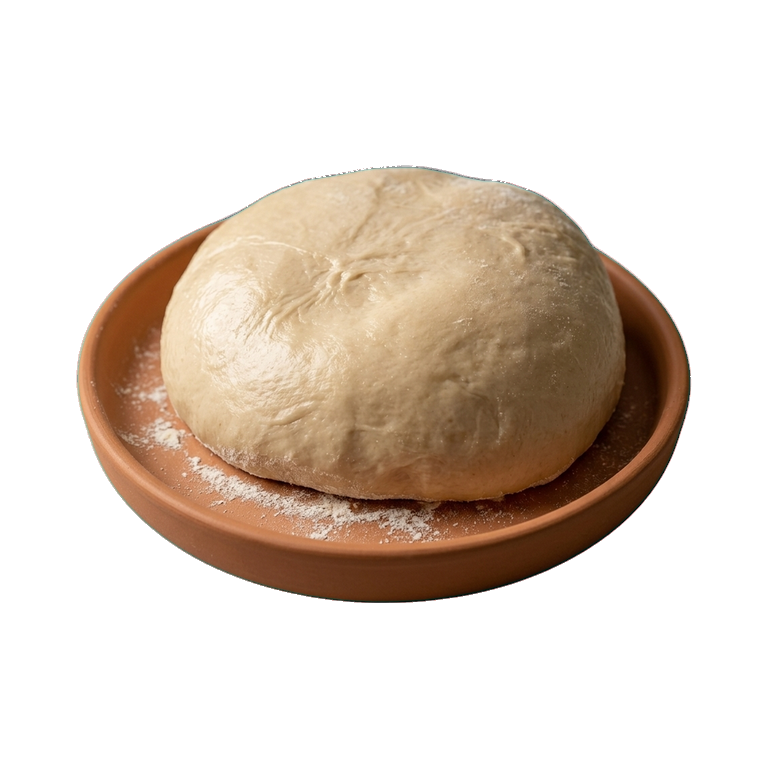
Dry yeast needs to be "activated" before adding to the dough. Pour it into warm water (not hot — about 40 degrees) with a pinch of sugar and wait 5–10 minutes. Foam should appear — this is a sign that the yeast is alive and ready to work. If there is no foam, the yeast is dead, and it's better to get a fresh package.
Usually one packet (7 grams) is enough for 500 grams of flour. If you're in a hurry, you can increase the amount of yeast — the dough will rise faster, but the flavor may become less interesting. Slow fermentation at room temperature produces more aromatic and elastic dough.
Selection and Storage
- Buy yeast in a sealed package with an expiration date indicated — this guarantees its activity.
- Check that the packet is intact and not clumped inside.
- Store in a cool dry place, preferably in the refrigerator or freezer after opening — this will keep the yeast potent longer.
- A closed packet lasts several months, an open one — about two weeks if sealed tightly.
Where they are used
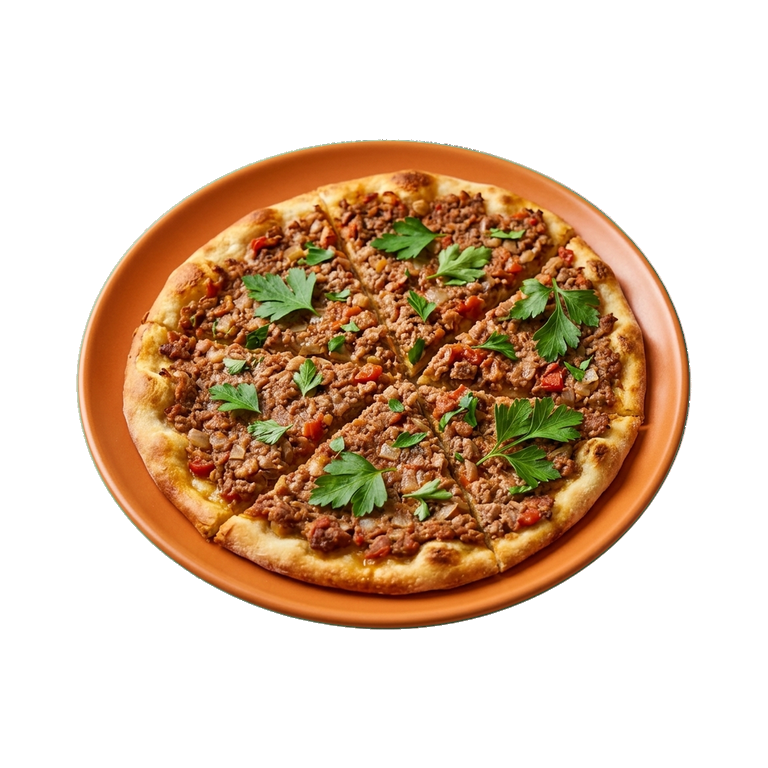
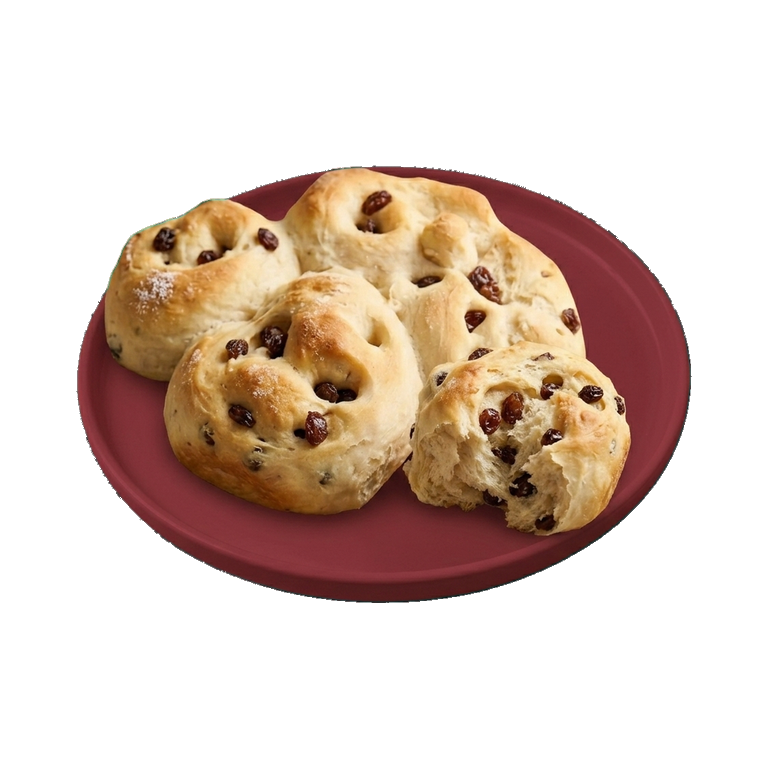
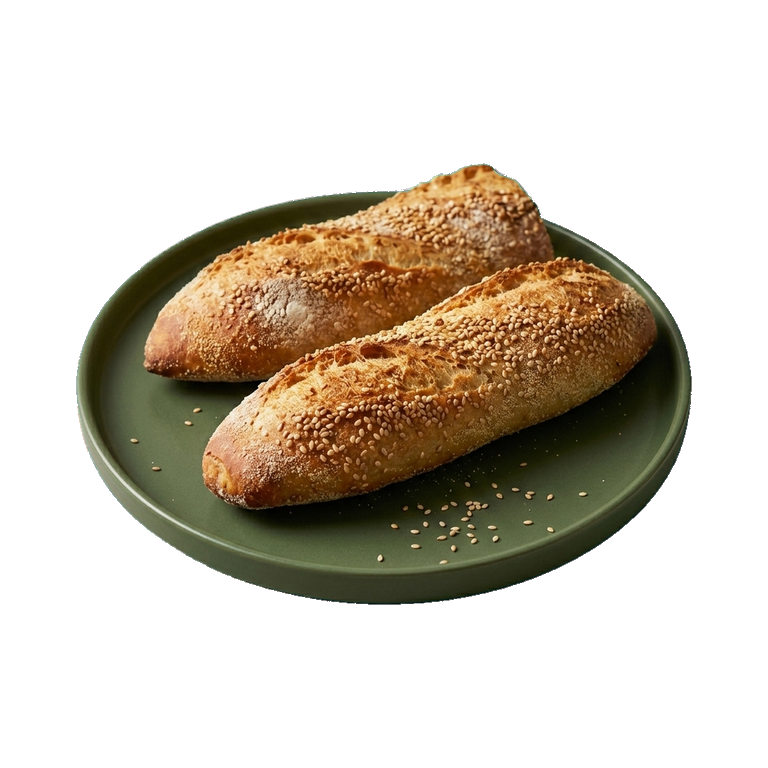
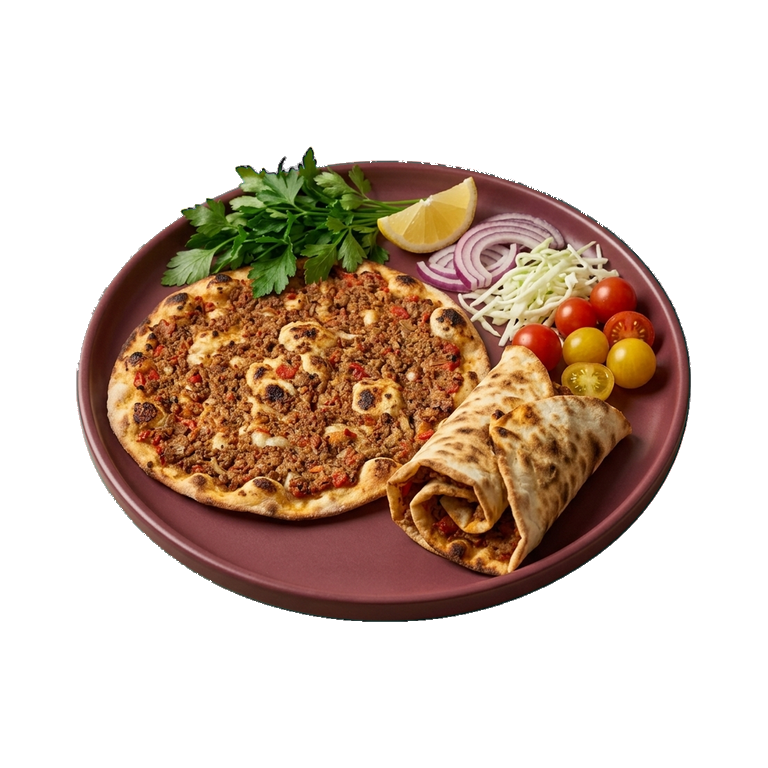
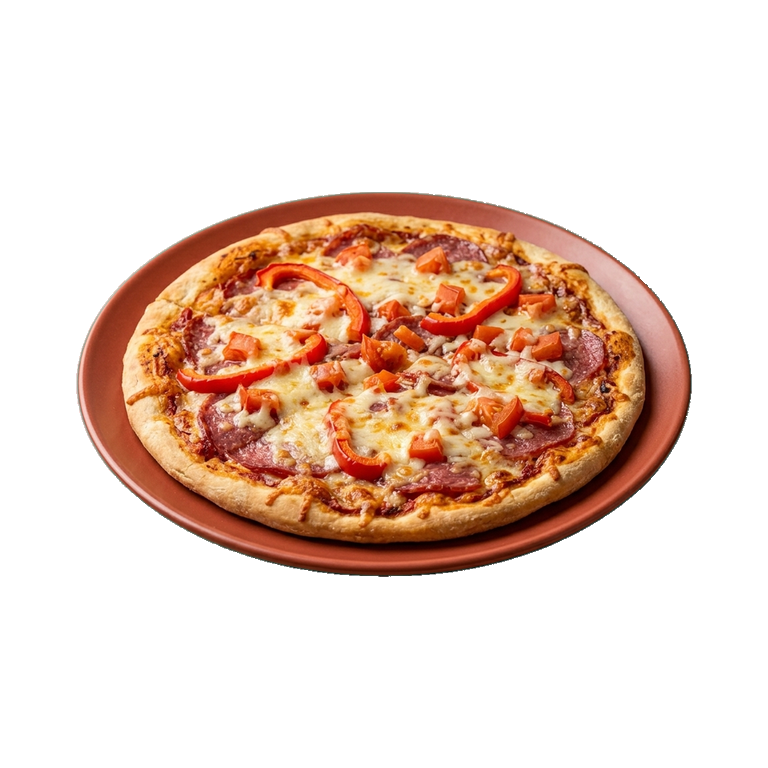
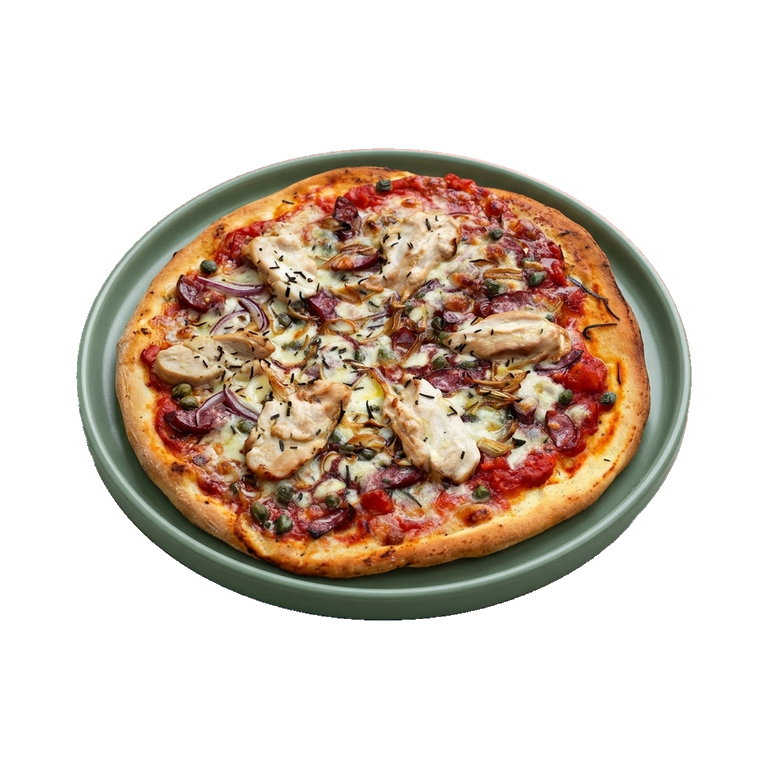
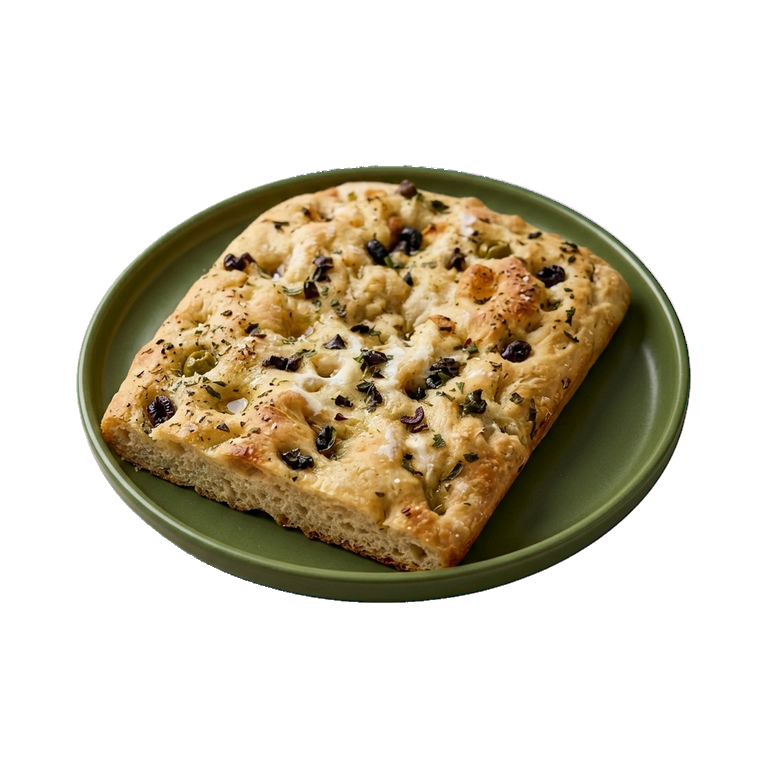
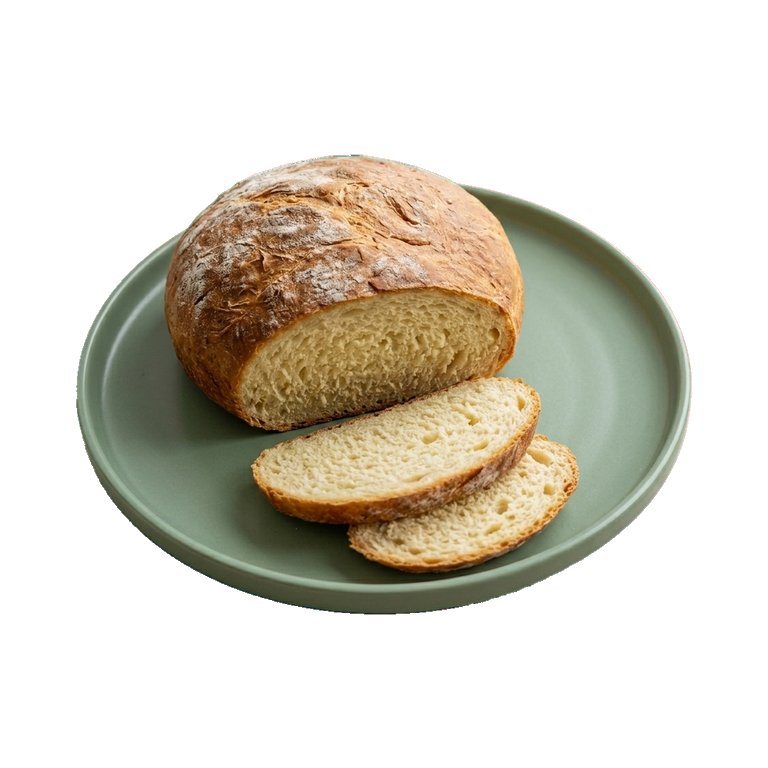
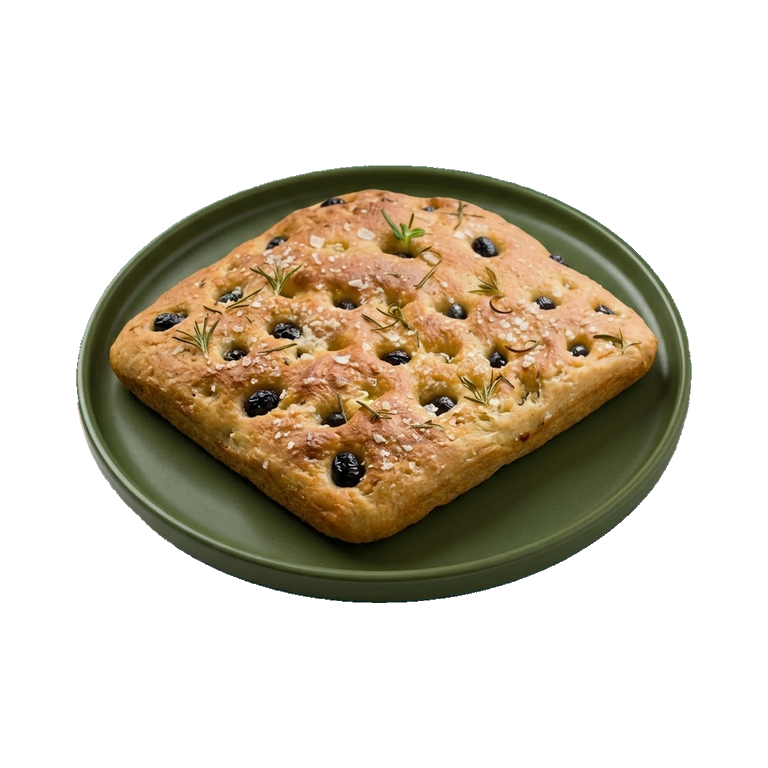
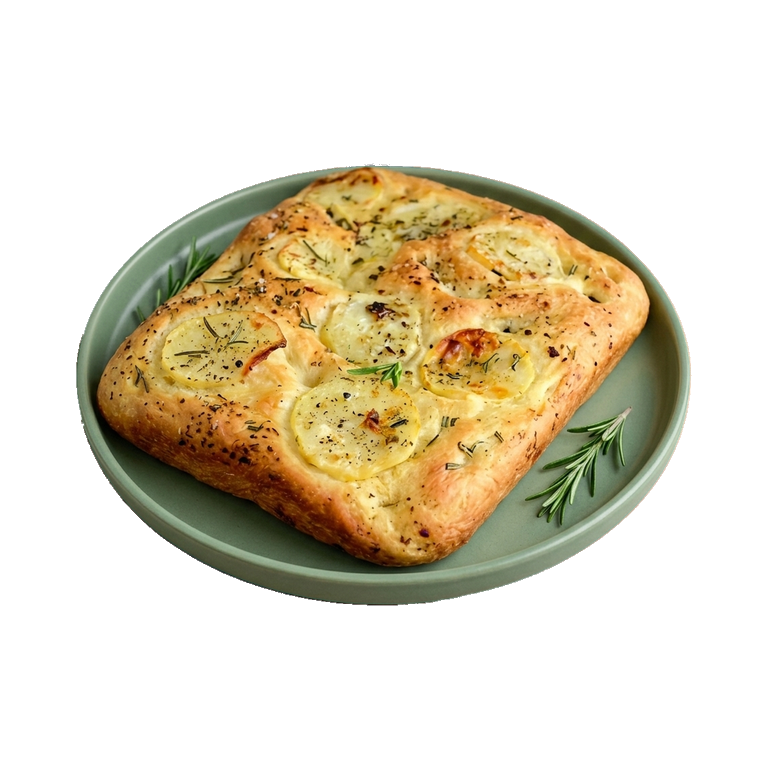
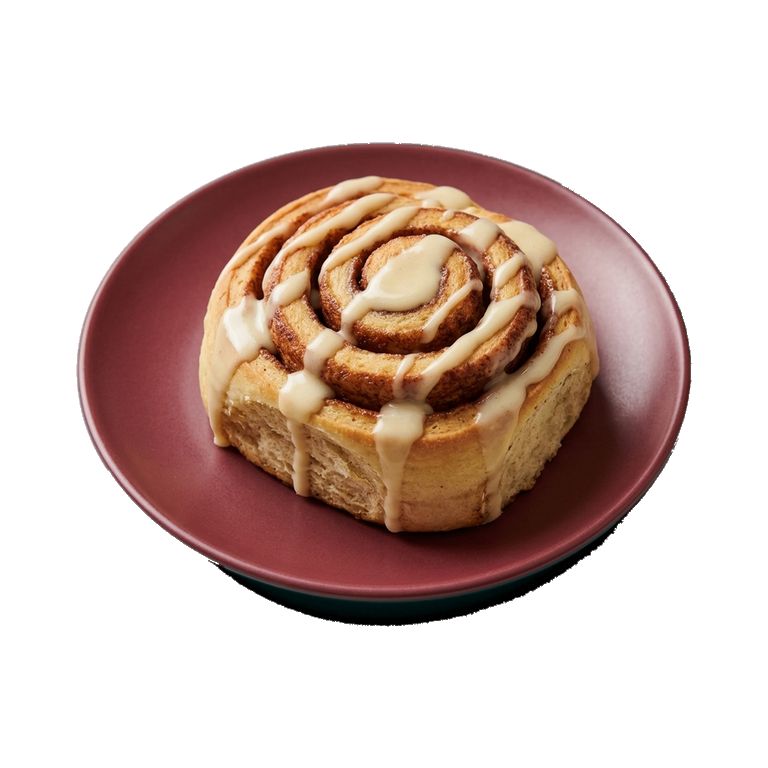
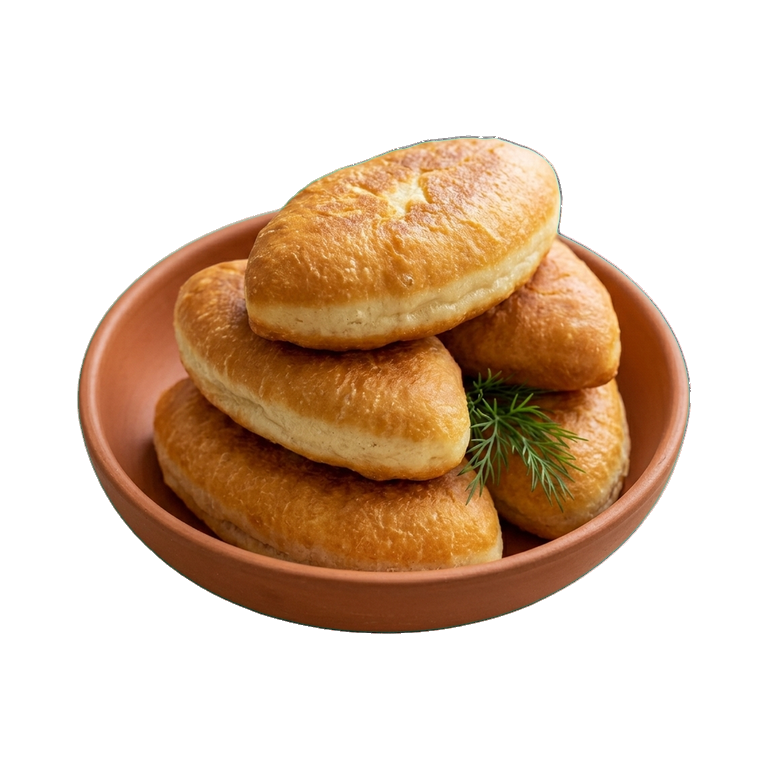
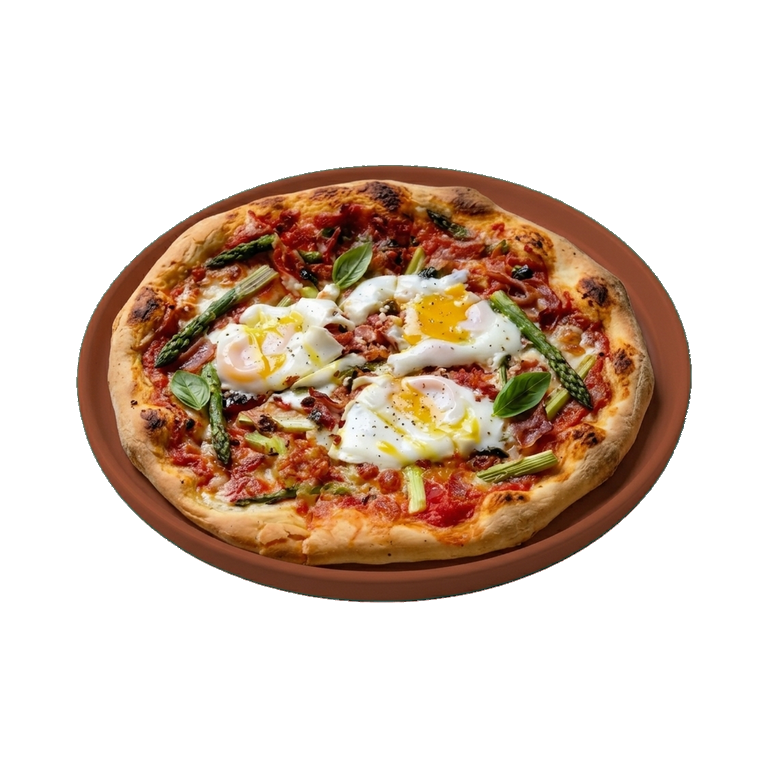
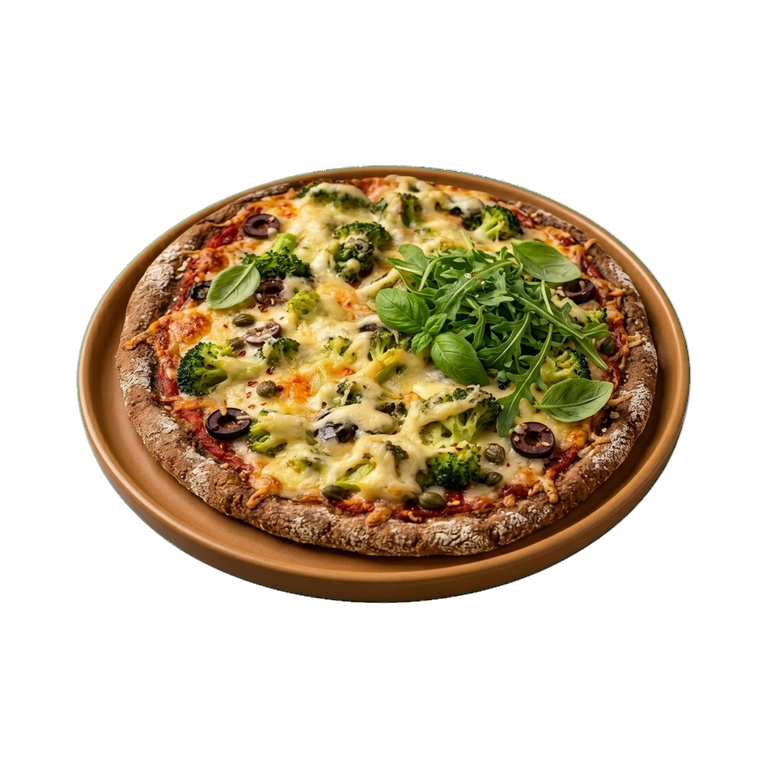
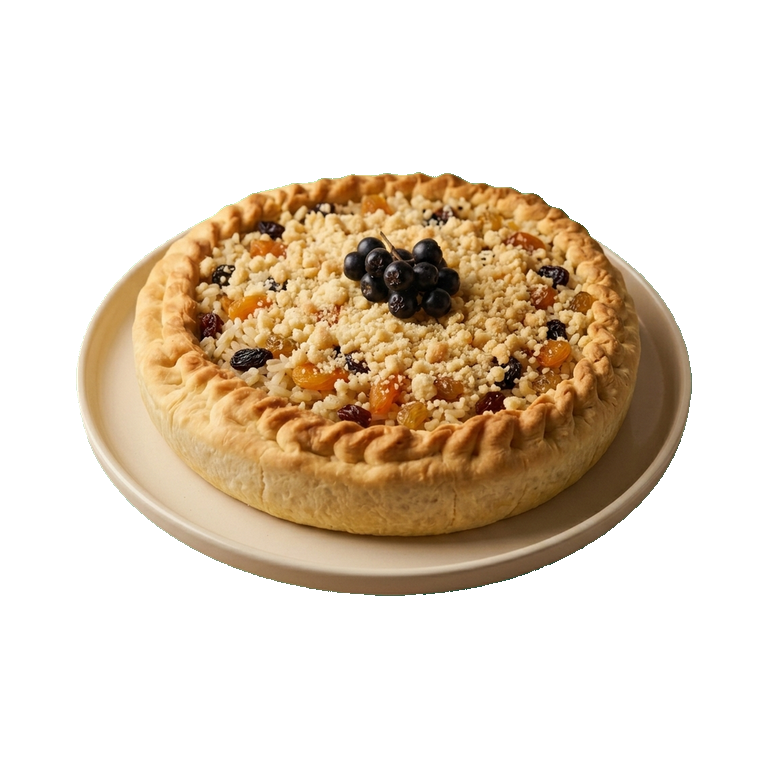
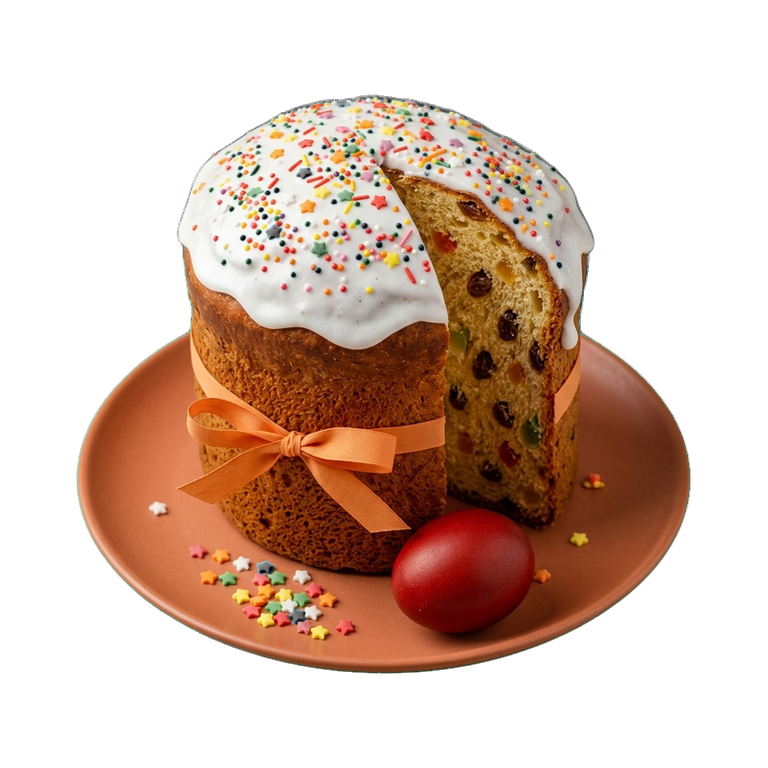
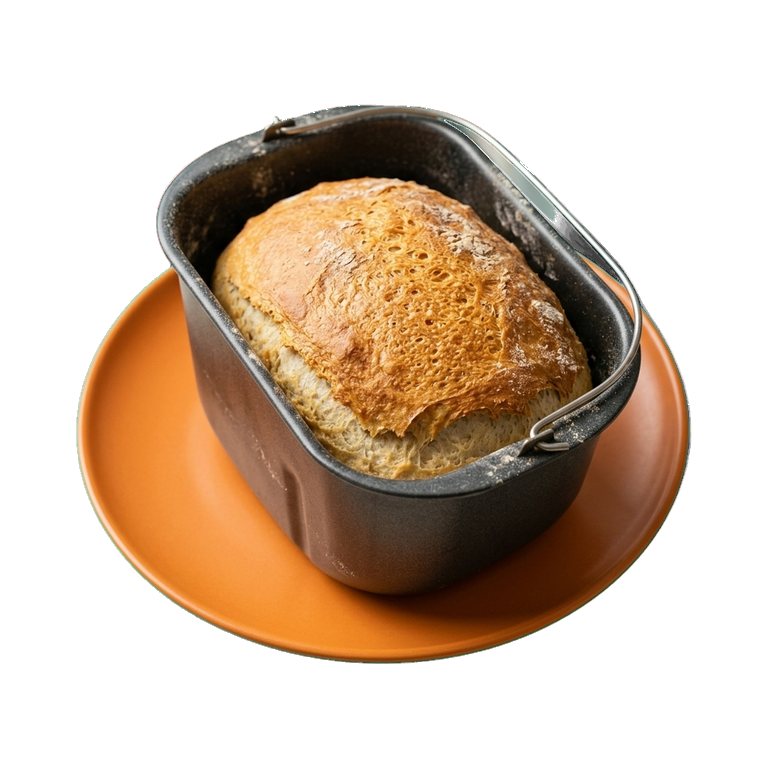
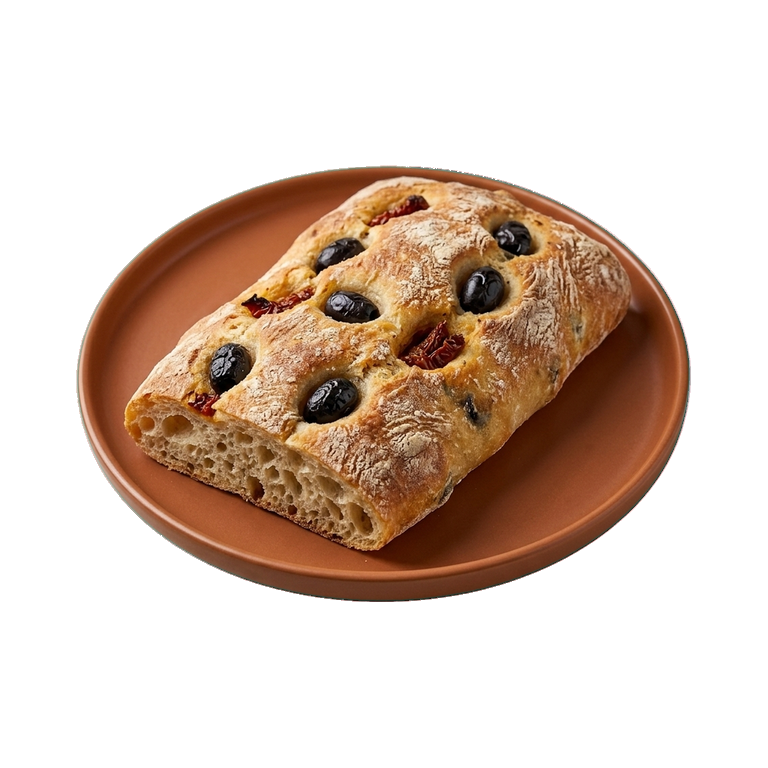
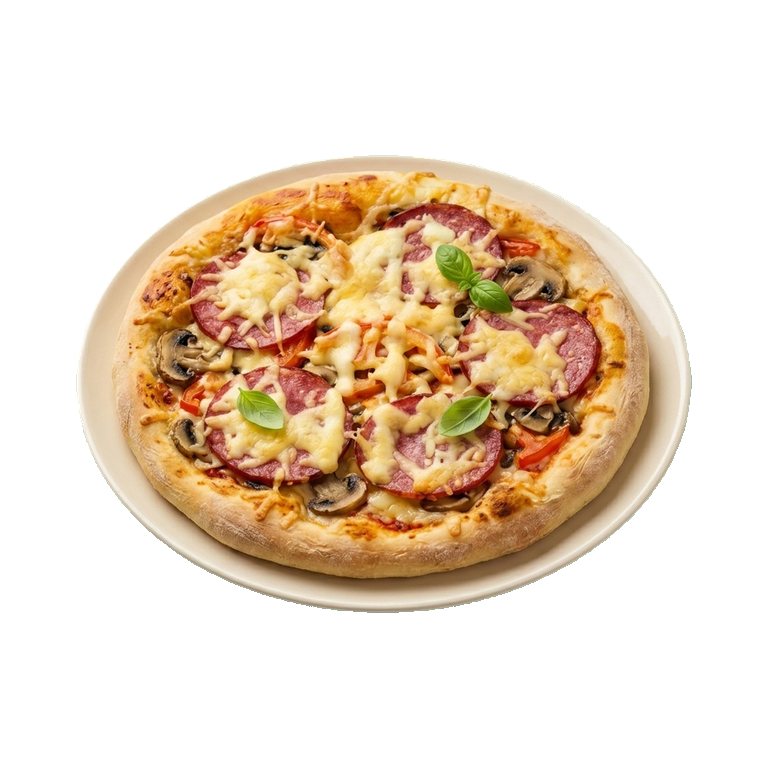
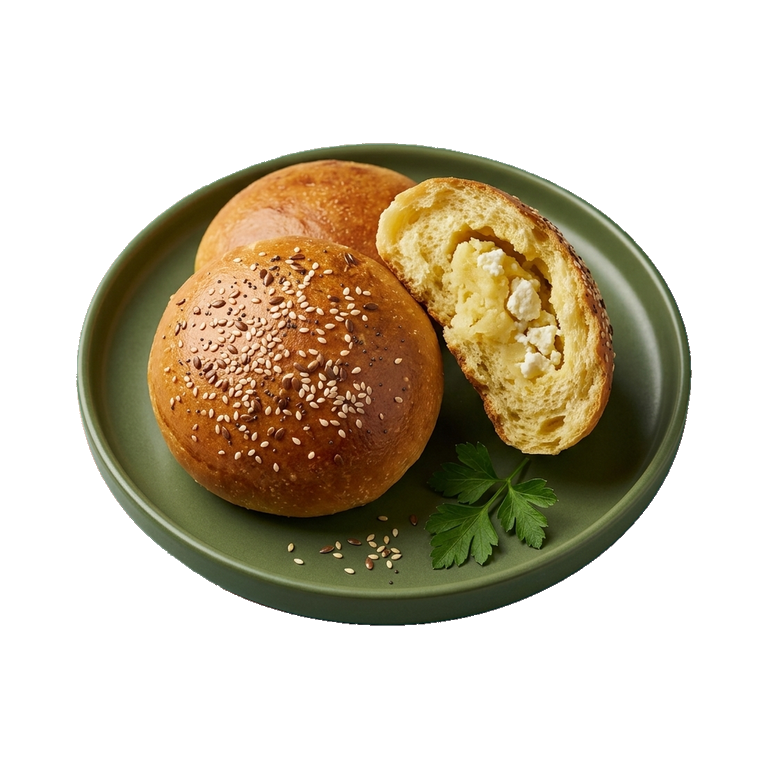
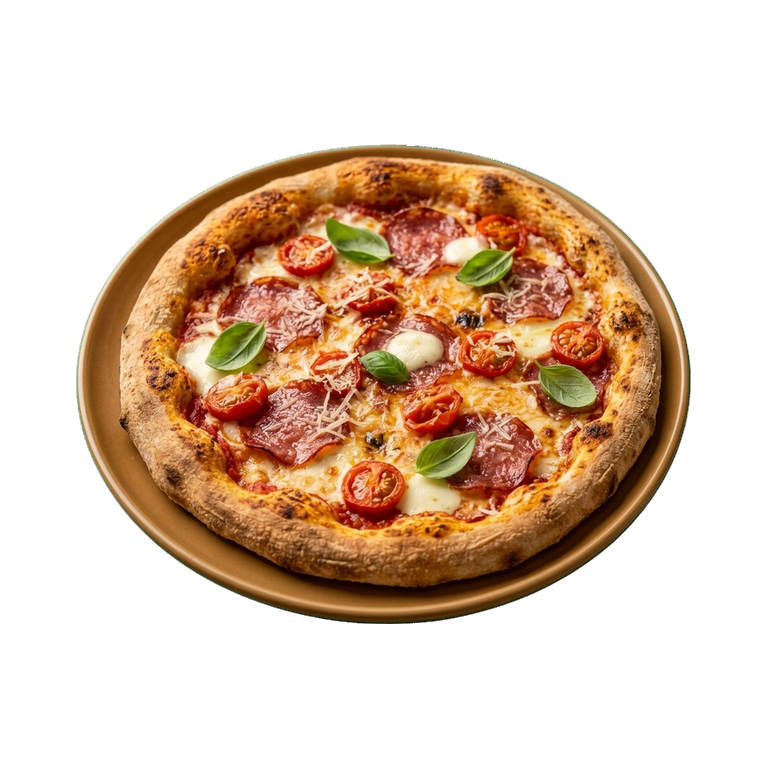
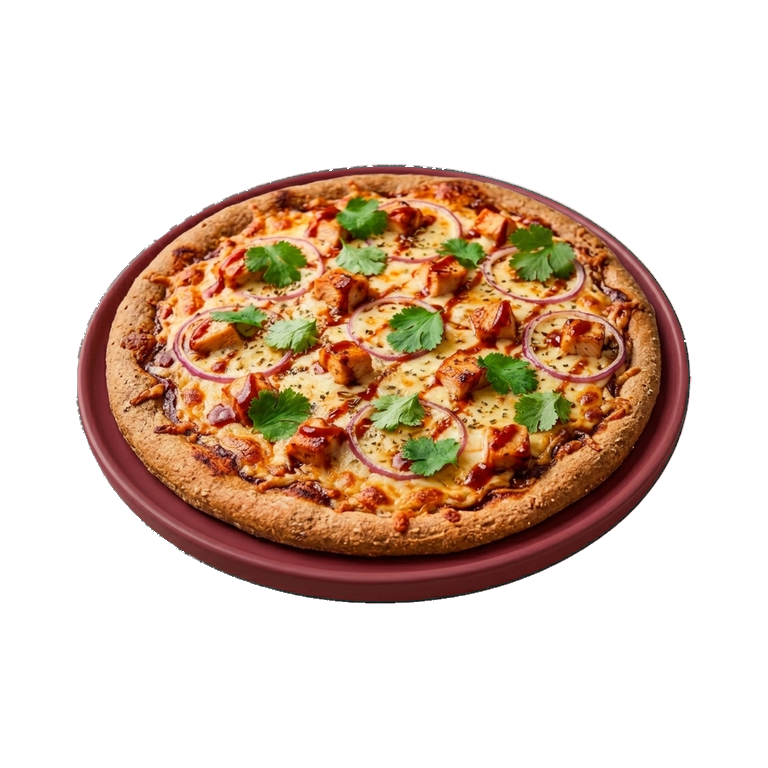
Dry yeast is versatile: suitable for wheat and rye bread, buns, pies, pizza, focaccia, and even homemade kvass. They work in any dough where fluffiness and airiness are needed. The only limitation is not to use them in very cold dough or in dishes where the unique flavor of live yeast is important (in this case, fresh yeast will provide a more pronounced aroma).
Main rule: always check yeast for activity before using. It's better to spend 10 minutes on activation than to end up with flat, risen dough.
Nutrition
per 100 g
- Calories
- 335 kcal
- Protein
- 46.7 g
- Fat
- 7 g
- Carbs
- 38 g
Micronutrients
per 100 g
Macronutrients
- Fiber
- 26.9 g
- Sugars
- 0 g
- Saturated fat
- 1.001 g
- Monounsaturated fat
- 4.309 g
- Polyunsaturated fat
- 0.017 g
- Omega-3 (EPA + DHA)
- 0 g
- Cholesterol
- 0 mg
- Water
- 5.08 g
Minerals
- Sodium
- 51 mg
- Potassium
- 955 mg
- Calcium
- 30 mg
- Magnesium
- 54 mg
- Phosphorus
- 637 mg
- Iron
- 2.17 mg
- Zinc
- 7.94 mg
- Copper
- 0.44 mg
- Manganese
- 0.31 mg
- Selenium
- 7.9 mcg
Vitamins
- Vitamin A (RAE)
- 0 mcg
- Vitamin D
- 0 mcg
- Vitamin E
- 0 mg
- Vitamin K
- 0.4 mcg
- Vitamin C
- 0.3 mg
- Vitamin B1 (thiamin)
- 10.99 mg
- Vitamin B2 (riboflavin)
- 4 mg
- Vitamin B3 (niacin)
- 40.2 mg
- Vitamin B5 (pantothenic acid)
- 13.5 mg
- Vitamin B6
- 1.5 mg
- Vitamin B9 (folate, DFE)
- 2340 mcg
- Vitamin B12
- 0.1 mcg
Measures and weight
- 1 tbsp
- 9.8 g
- 1 tsp
- 3.3 g
- 1 cup
- 162.5 g
Measure calculator
- Weight
- 100 g
- Calories
- 335 kcal