Usuba
Usuba
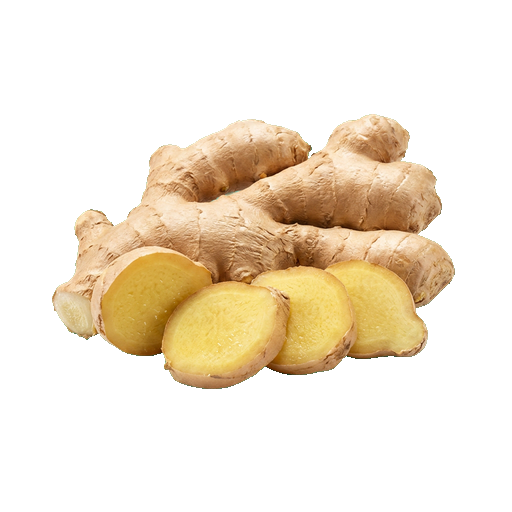
Ginger root
A sharp and slightly sweet root with a pungent flavor and characteristic spicy aroma. Used fresh, ground, or pickled in Asian cuisine, baking, beverages, and sauces. When selecting, prefer dense rhizomes without wrinkles and soft spots, and when storing, keep in the refrigerator wrapped in paper towel or in the freezer to preserve the sharpness and aroma.
Micronutrients
per 100 g
Minerals
About
Ginger is not just a spice, but a full-fledged ingredient that changes the character of a dish. Its sharp pungency, warm sweetness, and camphor aroma make it equally valuable in Asian noodles, European cookies, and hot beverages. Ginger root works on both taste and sensation: it warms, invigorates, and adds depth and complexity where other spices simply "sound."
Aroma and Taste
Fresh ginger is a sharp spice with lemon notes and a warm peppery aftertaste. When you cut or grate the root, you feel a piercing, almost coniferous aroma that quickly fills the kitchen. This sharpness softens when heated, becoming more rounded and slightly sweet. Dried ground ginger sounds different — more pungent, with spicy and slightly bitter undertones, often with hints of clove and cinnamon.
Role in dishes
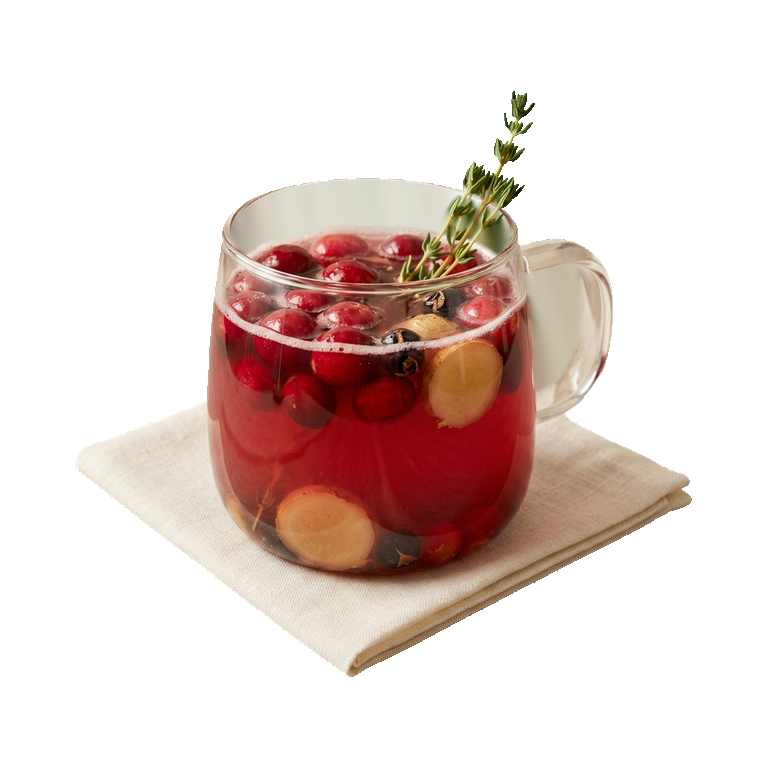
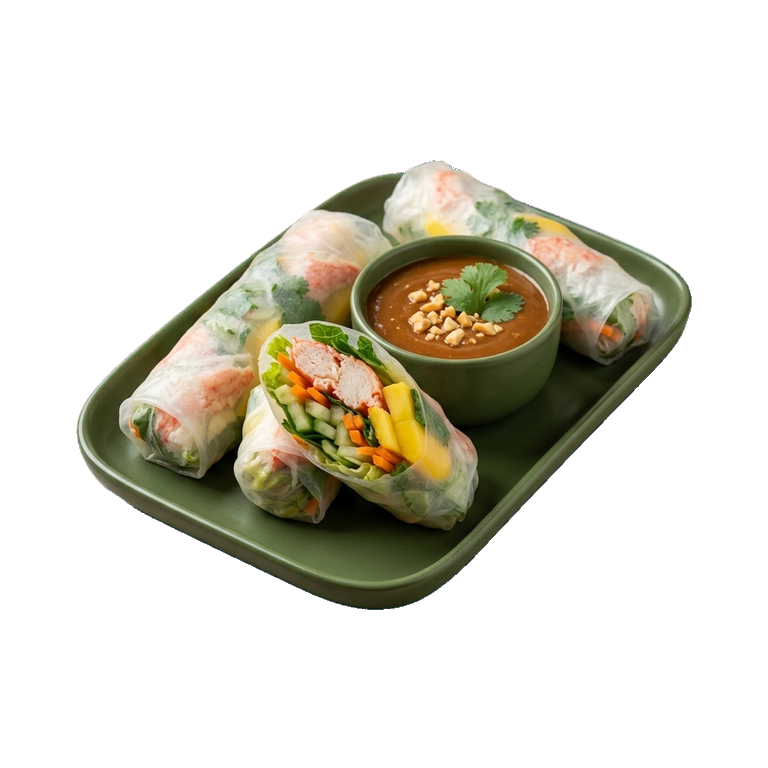
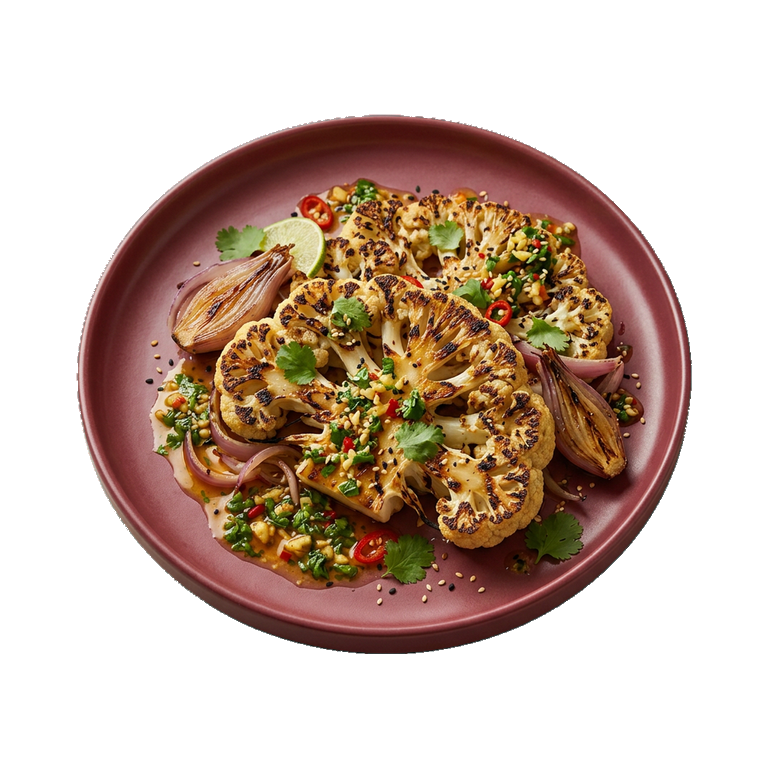
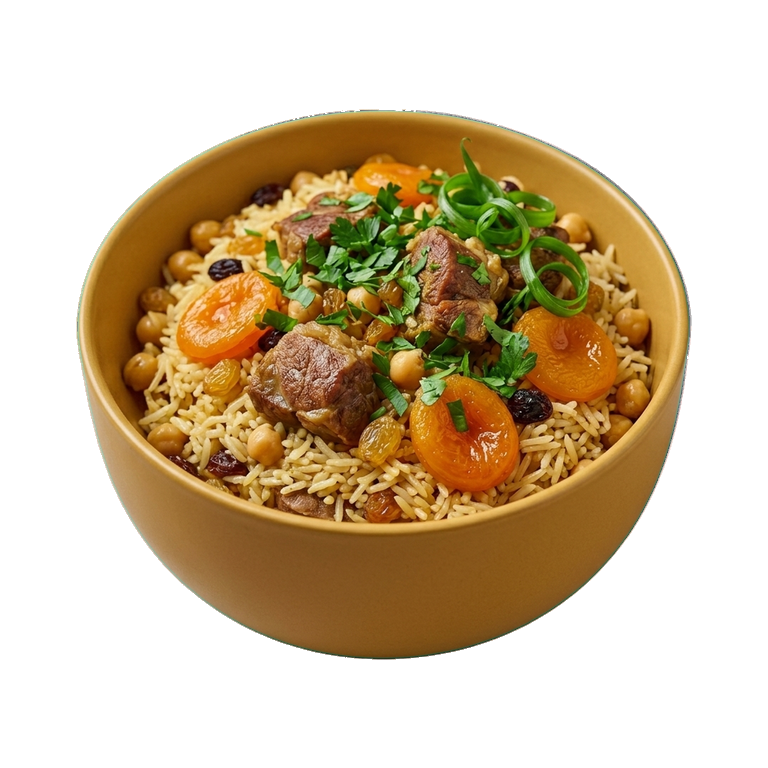
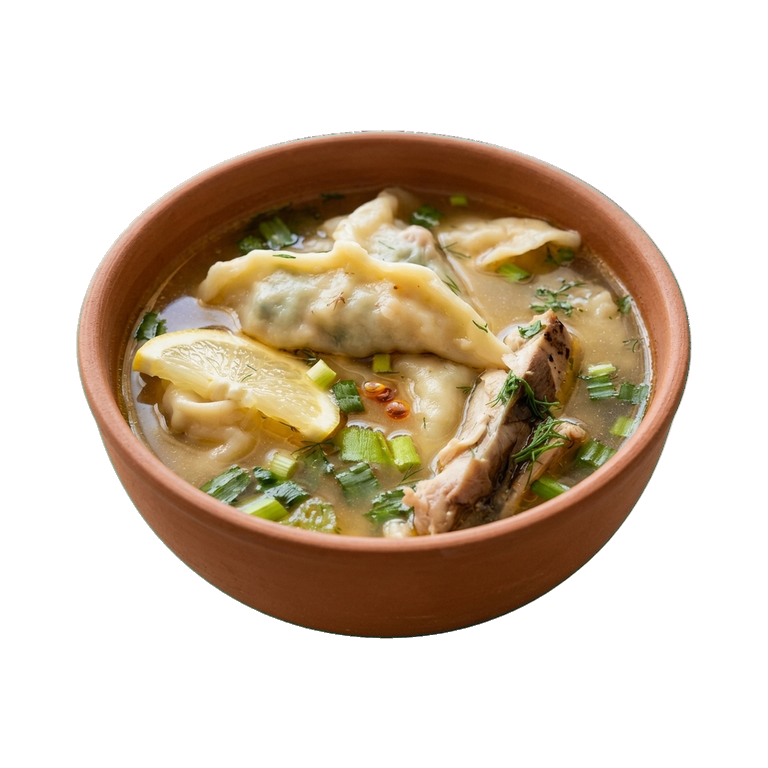
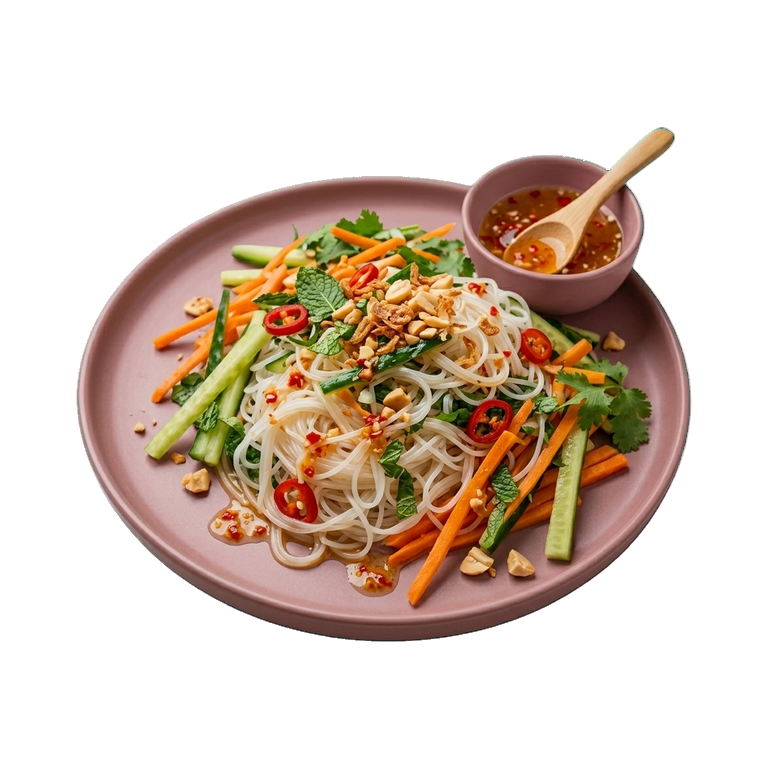
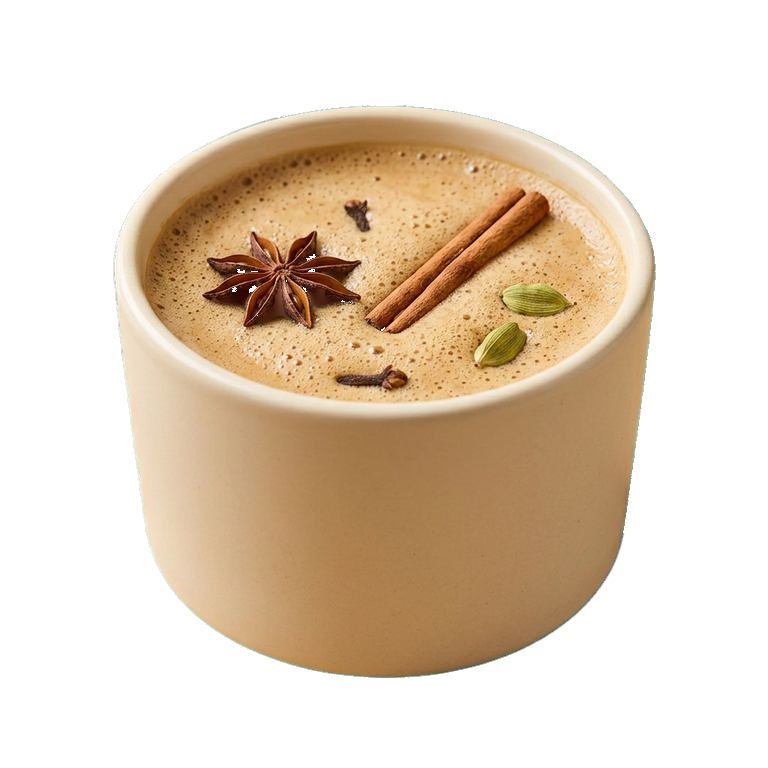
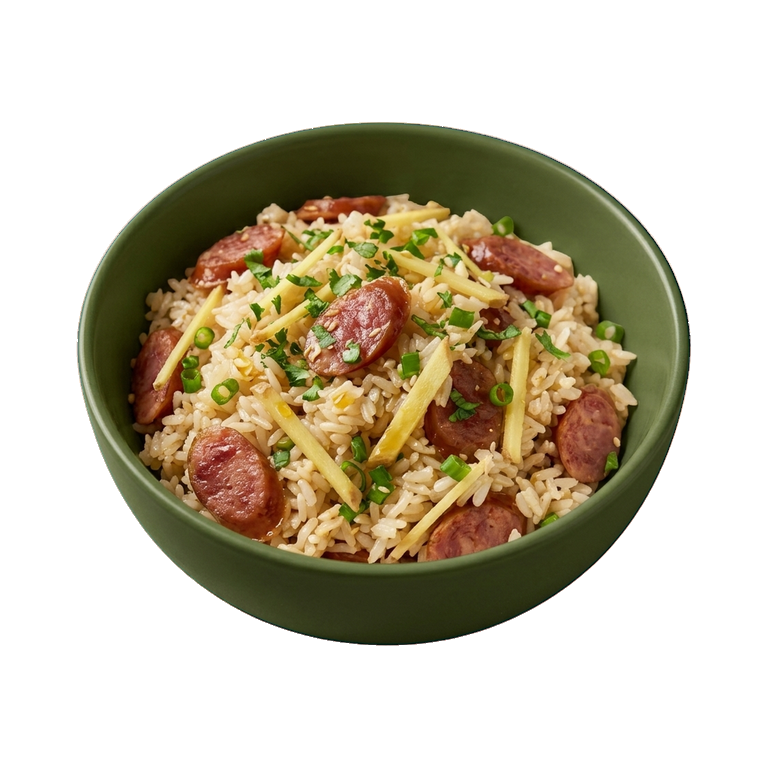
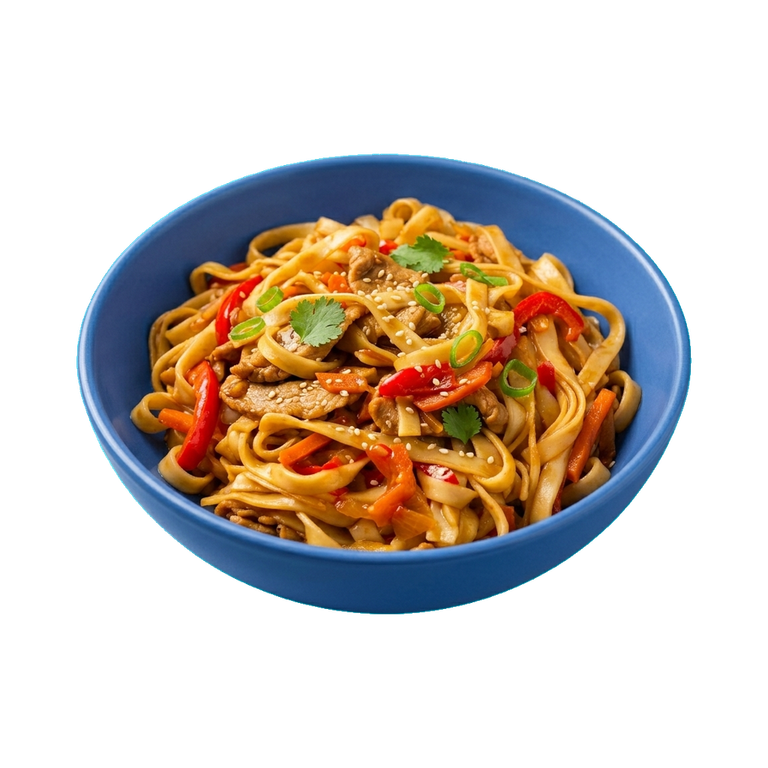
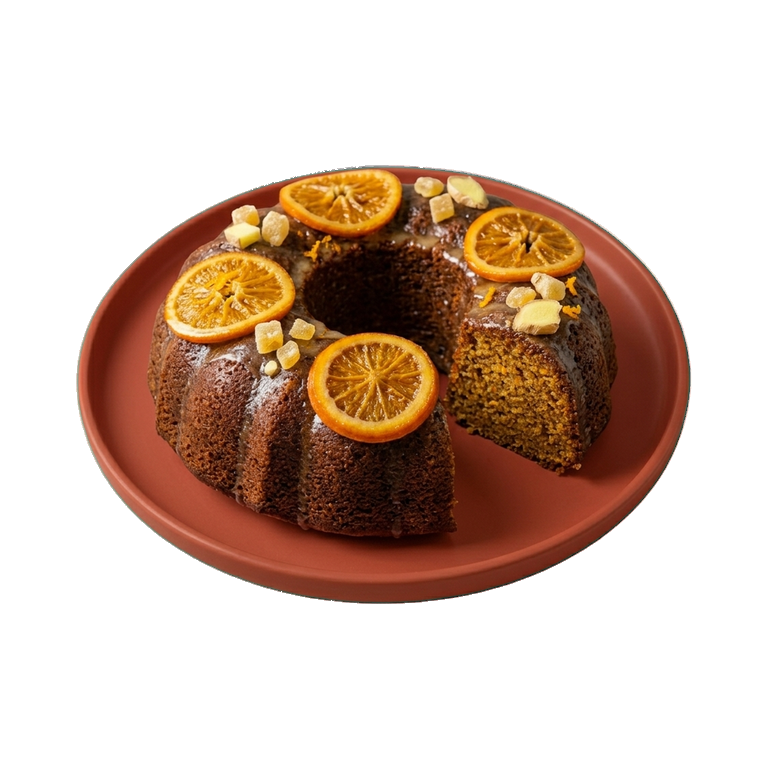
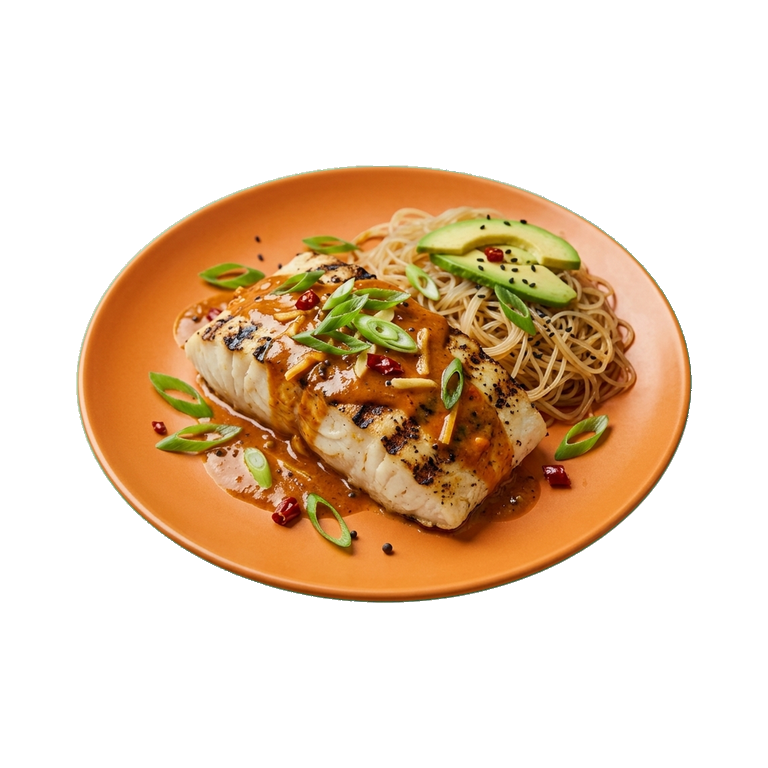
In Asian cuisine, ginger is a basic component: it is added to marinades, sauces, soups, and stir-fries. It enhances the flavor of seafood, softens the smell of meat and fish, and adds liveliness to vegetable dishes. In European baking, ground ginger creates a recognizable spicy profile of gingerbread and sponge cakes. In beverages — from tea to cocktails — the root works as a warming and invigorating element.
What pairs with
- Garlic and onion — a classic trio for Asian dishes
- Soy sauce, fish sauce — enhance umami
- Lemon, lime — freshness and acidity balance the heat
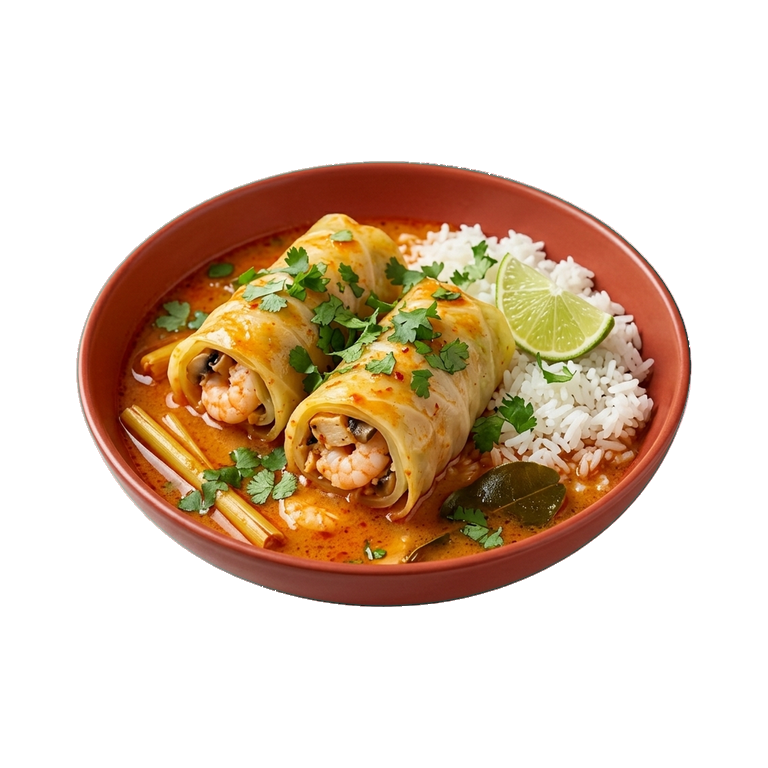
- Coconut milk — softens the spice, creates creaminess
- Cinnamon, cloves, cardamom — harmonious spicy partners
- Honey — sweetness contrasts with the heat
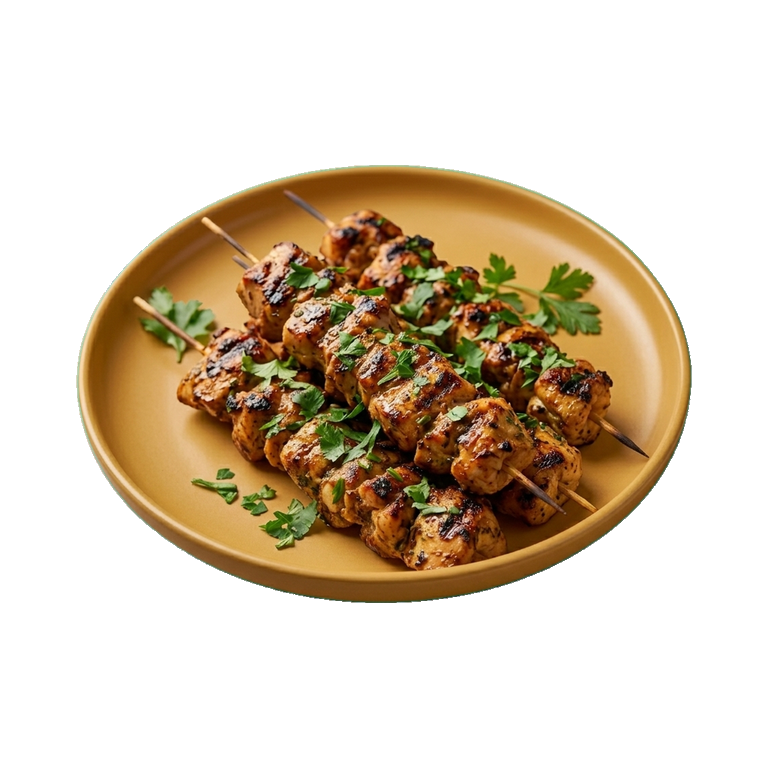
- Seafood, chicken — classic pairings
Selection and Preparation
Fresh ginger root should be firm, without soft spots or mold. Young ginger (with thin skin) is more tender and less fibrous — ideal for marinades and beverages. Mature ginger (with thick skin) is spicier and stores longer. Before use, the skin can be peeled with a knife or spoon, although for tea or decoction it's not necessary. A grater, knife, or specialized ginger grater — the choice depends on whether you need paste, thin slices, or large chunks.
Storage
Fresh root is stored in the refrigerator for 2–3 weeks in a paper bag or plastic wrap. For long-term storage, you can freeze the whole root or sliced pieces — they will remain usable for several months and can be easily grated directly from the freezer. Keep ground ginger in an airtight container in a dark place; its aroma weakens over time, so check the smell before using.
Practical Tips
- Add fresh ginger at the end of cooking if you want sharpness and freshness; at the beginning if you want a mild, integrated flavor
- For drinks, a thin slice or a teaspoon of grated root per cup is sufficient
- Ground ginger is more concentrated than fresh — use 2–3 times less by volume
- If the dish becomes too spicy, dilute it with coconut milk, yogurt, or sour cream
- Ginger juice (from fresh root) — a concentrated ingredient for marinades and sauces
Nutrition
per 100 g
- Calories
- 80 kcal
- Protein
- 1.8 g
- Fat
- 0.8 g
- Carbs
- 17.8 g
Micronutrients
per 100 g
Macronutrients
- Fiber
- 2 g
- Sugars
- 1.7 g
- Saturated fat
- 0.203 g
- Monounsaturated fat
- 0.154 g
- Polyunsaturated fat
- 0.154 g
- Omega-3 (EPA + DHA)
- 0 g
- Cholesterol
- 0 mg
- Water
- 78.89 g
Minerals
- Sodium
- 13 mg
- Potassium
- 415 mg
- Calcium
- 16 mg
- Magnesium
- 43 mg
- Phosphorus
- 34 mg
- Iron
- 0.6 mg
- Zinc
- 0.34 mg
- Copper
- 0.23 mg
- Manganese
- 0.23 mg
- Selenium
- 0.7 mcg
Vitamins
- Vitamin A (RAE)
- 0 mcg
- Vitamin D
- 0 mcg
- Vitamin E
- 0.26 mg
- Vitamin K
- 0.1 mcg
- Vitamin C
- 5 mg
- Vitamin B1 (thiamin)
- 0.03 mg
- Vitamin B2 (riboflavin)
- 0.03 mg
- Vitamin B3 (niacin)
- 0.75 mg
- Vitamin B5 (pantothenic acid)
- 0.2 mg
- Vitamin B6
- 0.16 mg
- Vitamin B9 (folate, DFE)
- 11 mcg
- Vitamin B12
- 0 mcg
Measures and weight
- 1 pcs
- 25 g
Measure calculator
- Weight
- 100 g
- Calories
- 80 kcal