Usuba
Usuba
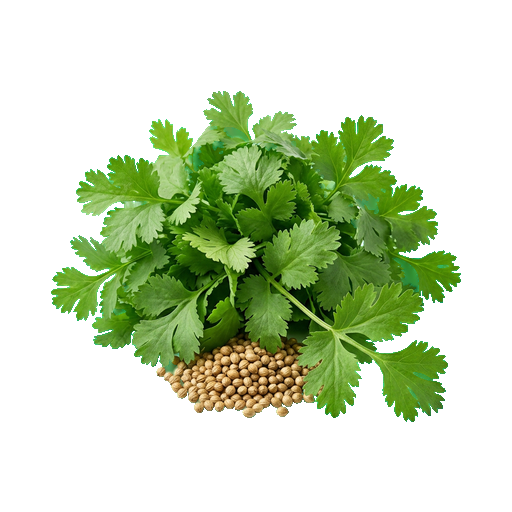
Fresh cilantro (coriander)
Fresh herbs with a distinctive sharp aroma and slightly spicy flavor that not everyone enjoys. Cilantro leaves are added to Asian dishes, salads, sauces, and side dishes at the end of cooking to preserve the bright taste and aroma. When selecting, pay attention to firm, non-wilted leaves without dark spots, and when storing, keep in the refrigerator in a container or wrapped in a damp towel.
Micronutrients
per 100 g
Minerals
Vitamins
About
Aroma and taste: sharp freshness with peppery notes
Fresh cilantro is an herb with a sharp, almost piercing aroma that either wins you over immediately or repels you. Its smell is pungent, with a slight peppery sharpness and a barely perceptible sweetness. The taste matches the aroma: sharp, somewhat bitter, with a cooling effect on the tongue. The leaves crunch when you chew them, and the stems deliver a more concentrated flavor.
The intensity of flavor depends on how long ago the herb was cut and how it was stored. Fresh-cut cilantro from the refrigerator has the brightest flavor. If the leaves begin to wilt or darken, the sharpness becomes less pronounced, and bitterness may become more intense.
Role in dishes: final touch and main component
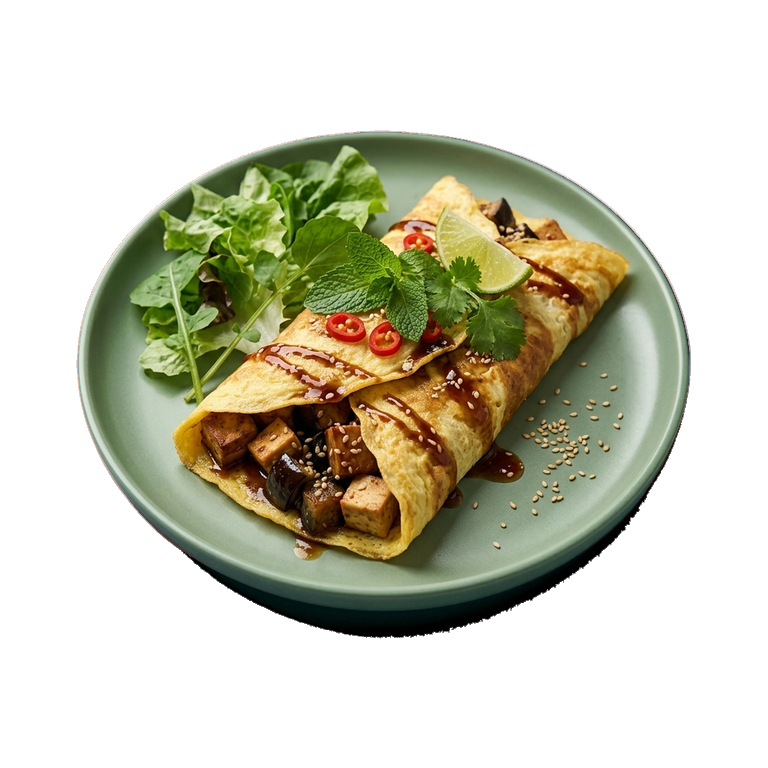
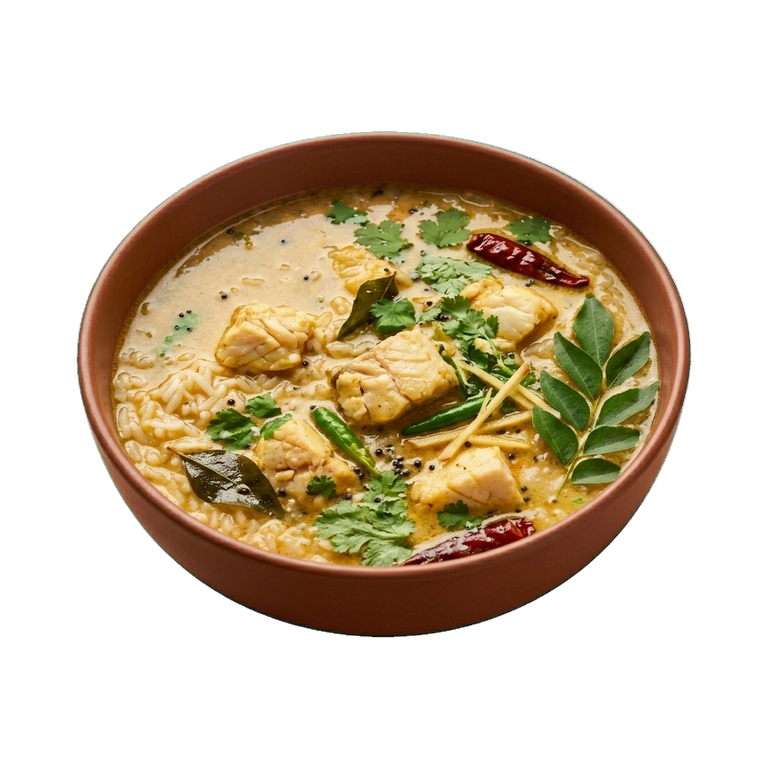
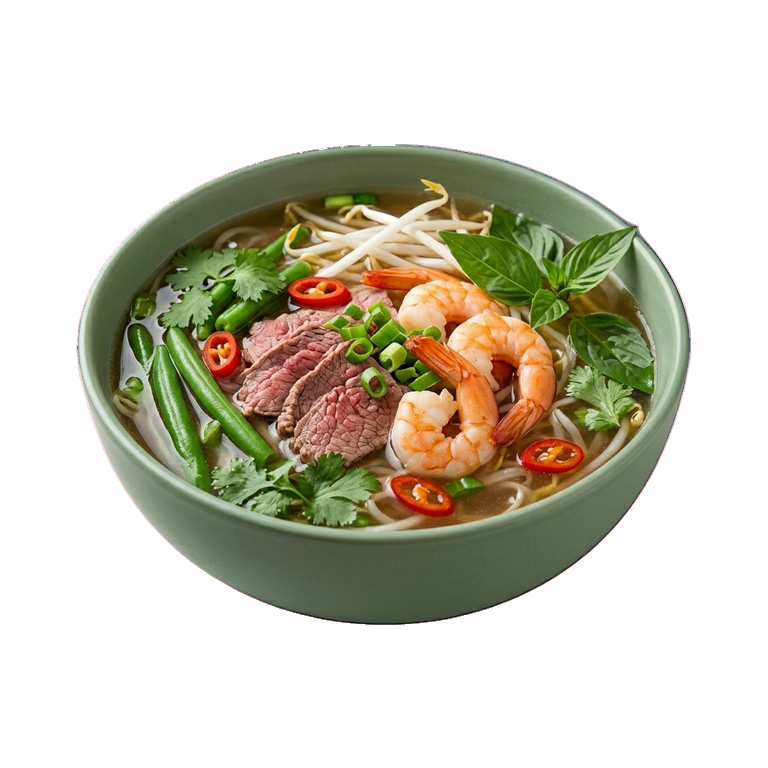
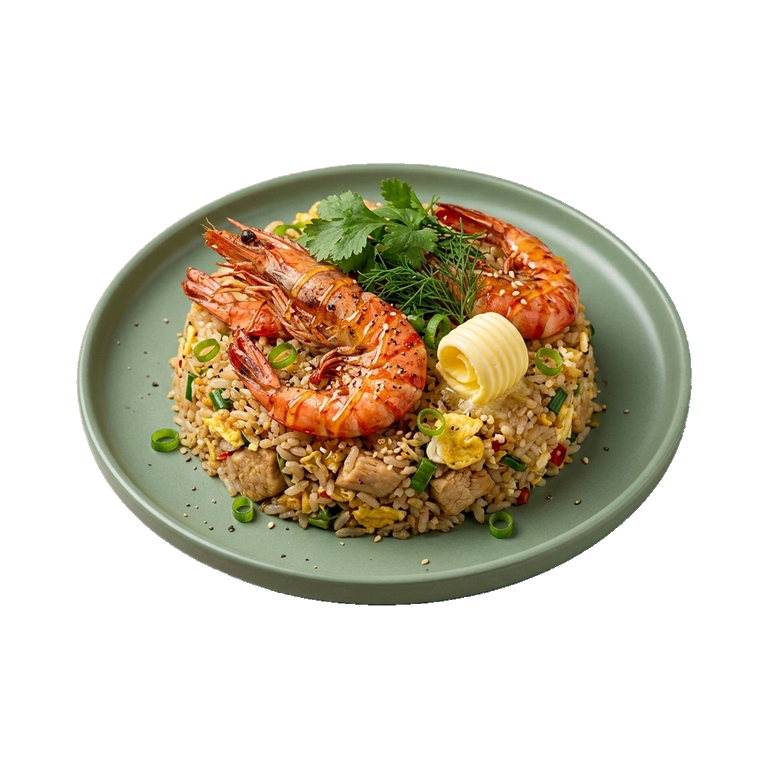
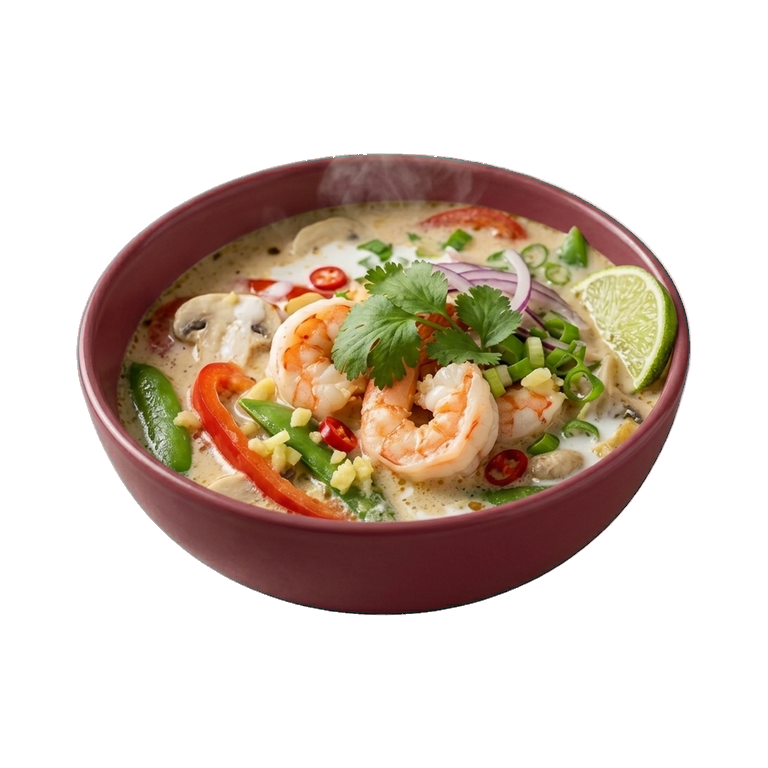
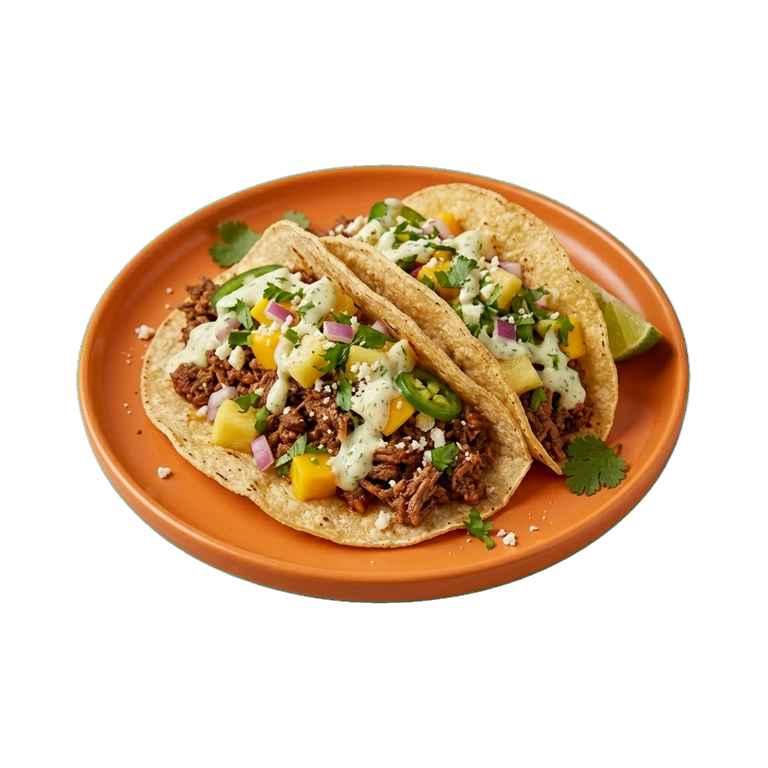
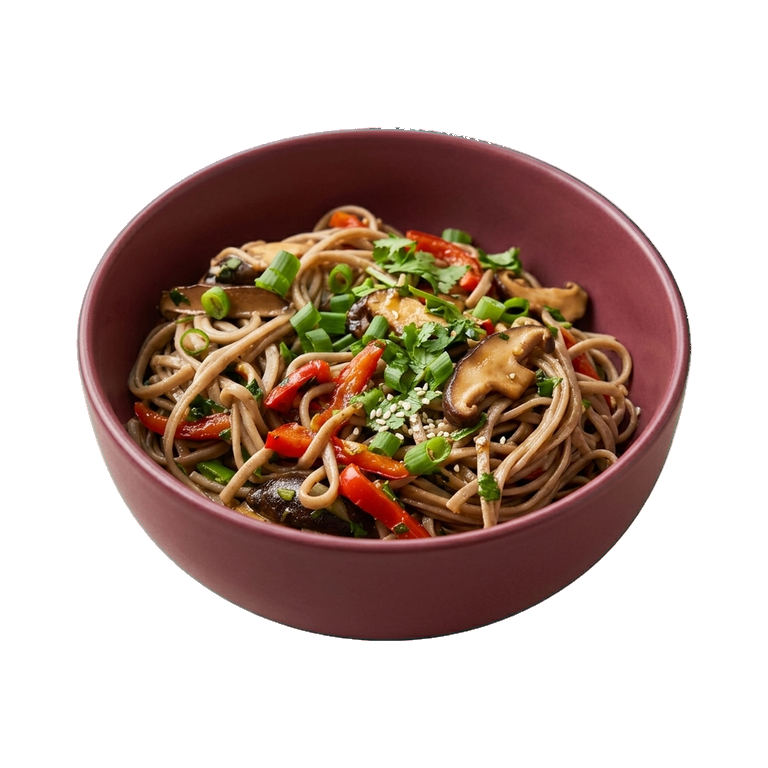
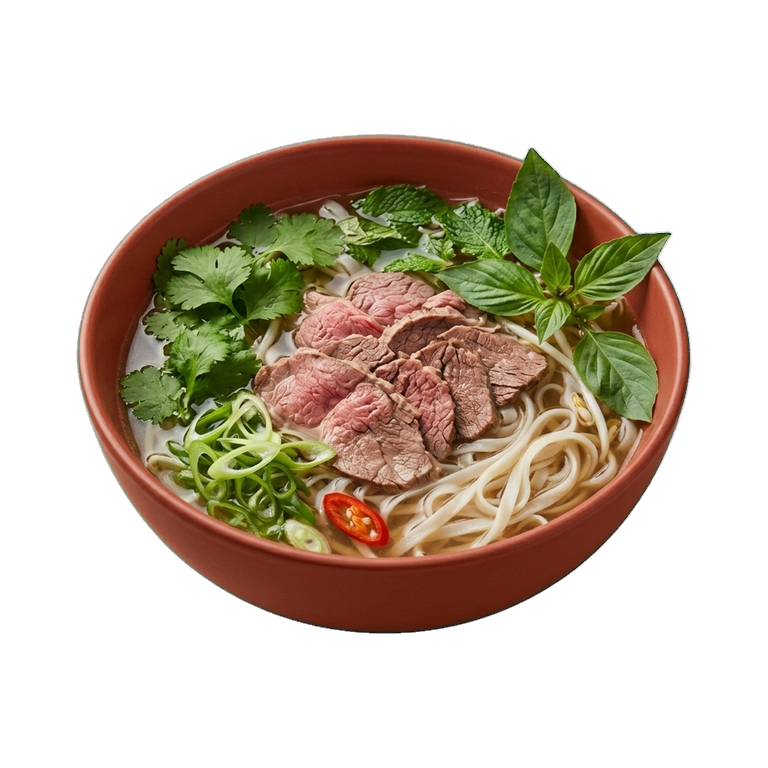
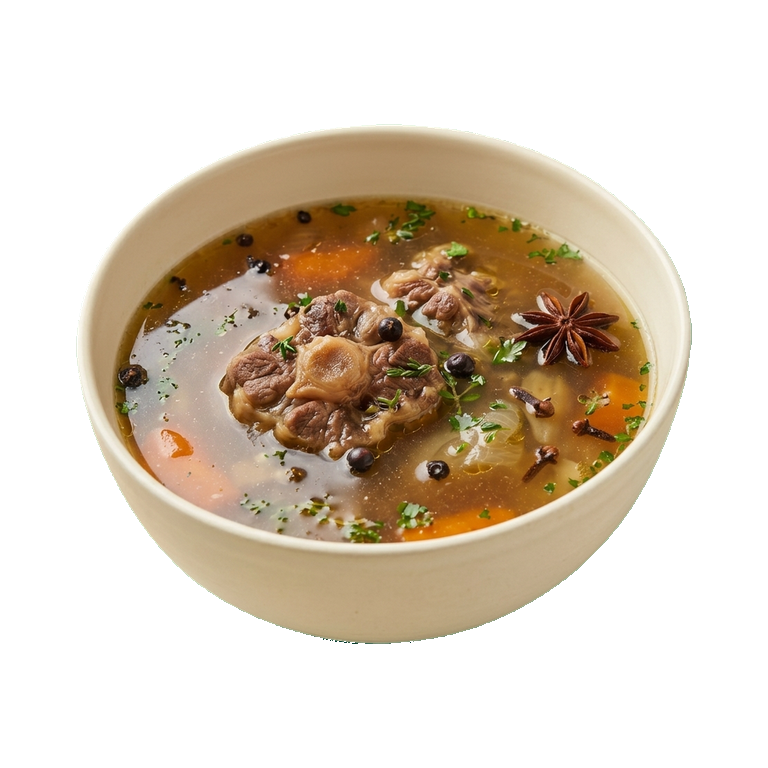
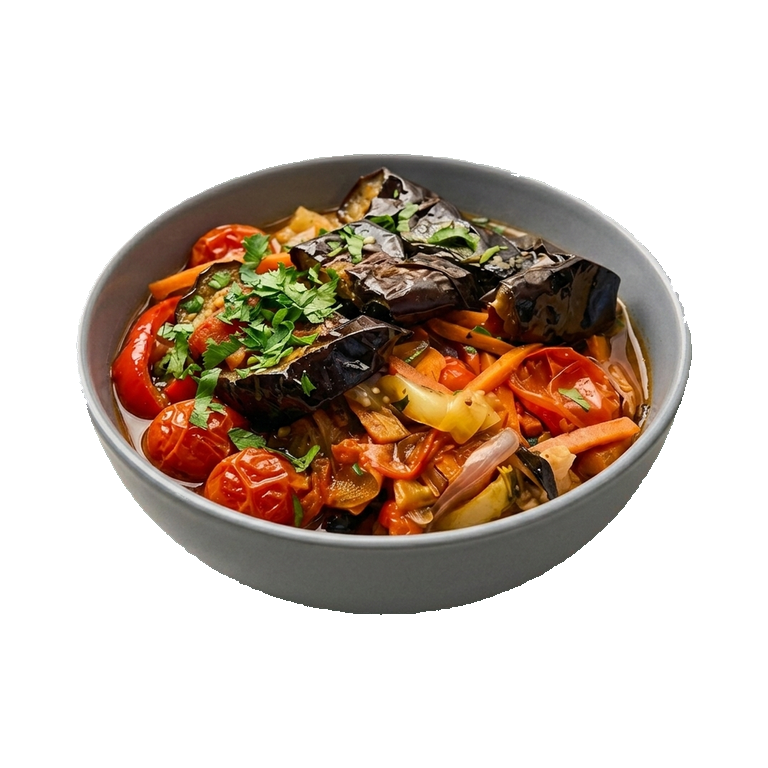
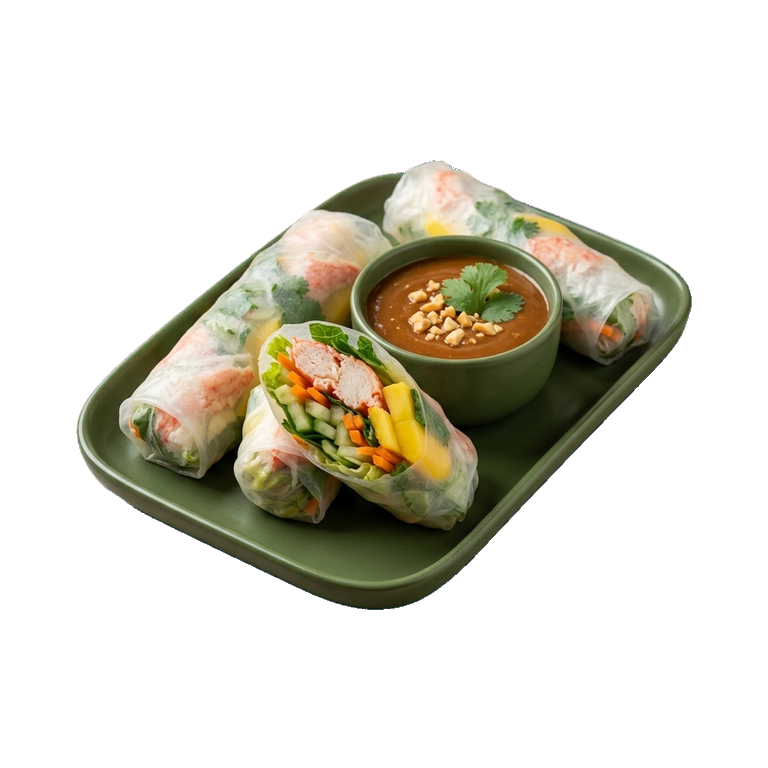
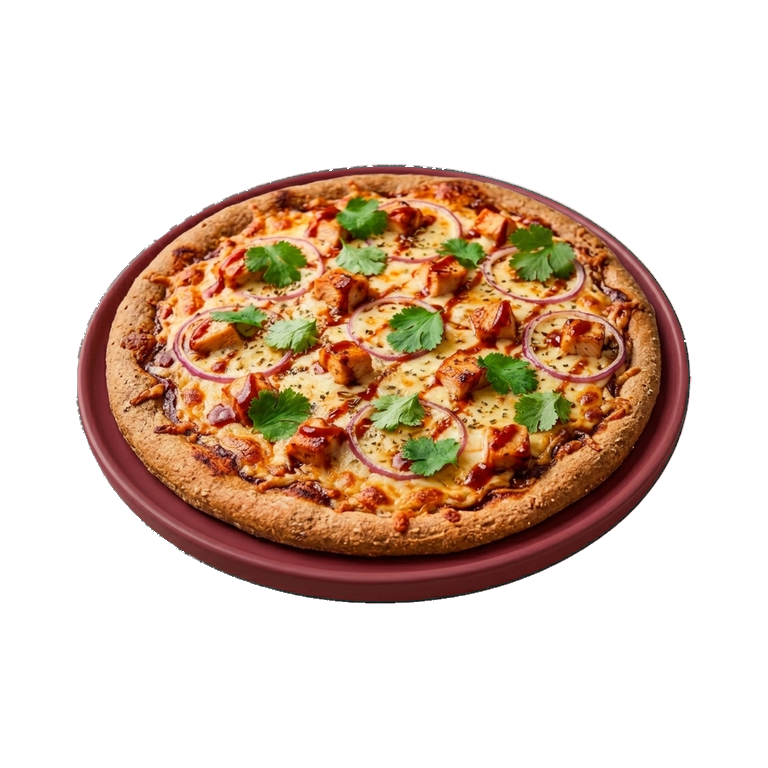
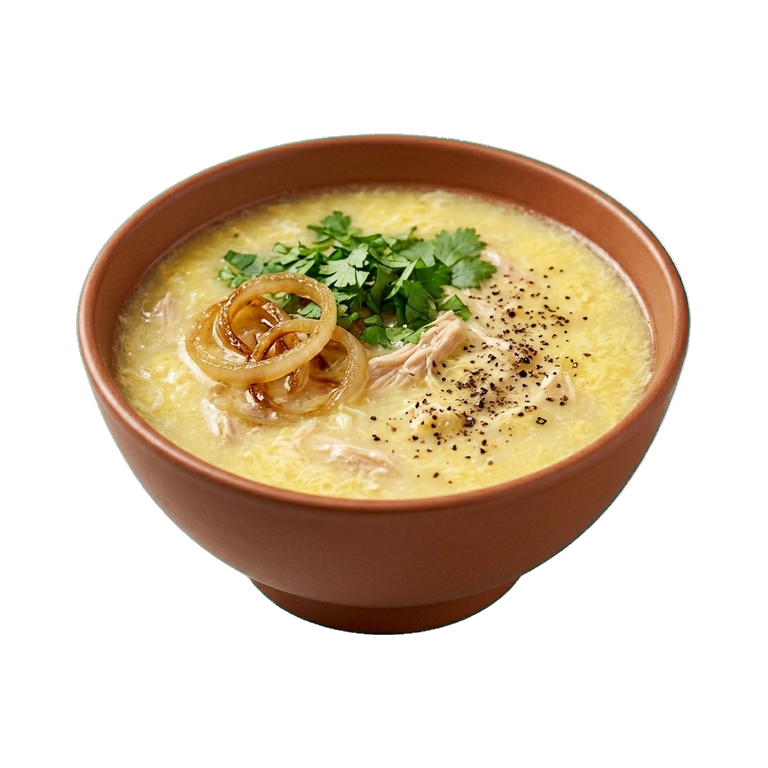
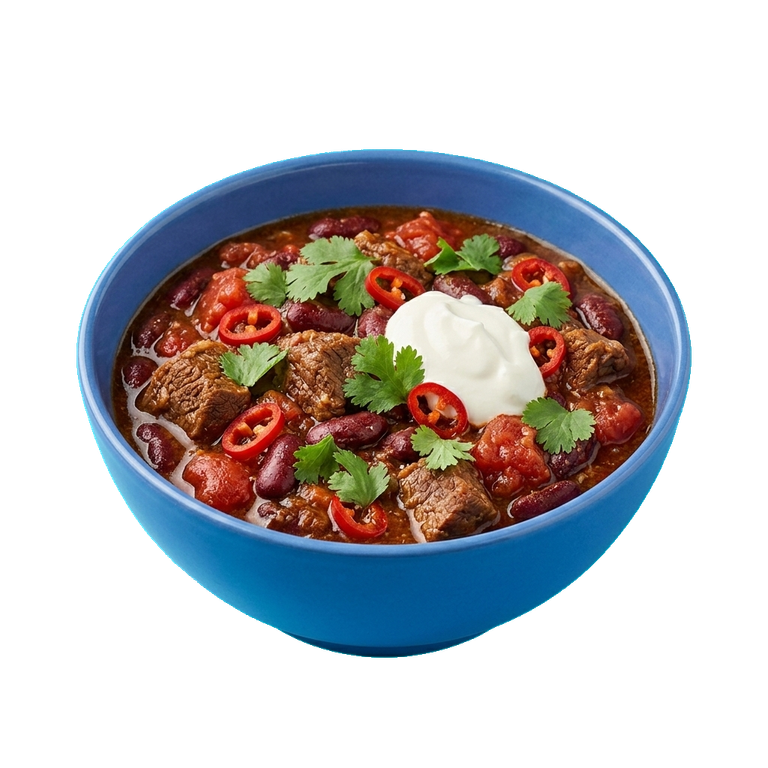
Cilantro works in two modes: as a garnish and flavoring at the end of cooking or as a full-fledged ingredient that is boiled, stewed, and fried. In Asian cuisine, it is added to soups, curries, and sauces, where it softens and becomes part of the composition. In Mediterranean and Latin American cuisine, cilantro often remains raw — it is chopped into salsa, guacamole, and sprinkled on meat before serving.
Main rule: if you want to preserve brightness and freshness, add cilantro at the last moment. If you need a softer, integrated note, add it together with other ingredients at the cooking stage. The stems are also useful — chop them finely and use them in broths, marinades, and pastes.
Pairings: what cilantro goes best with
- Lime and lemon — a classic pair that highlights the acidity of cilantro and softens its bitterness
- Hot pepper and garlic — natural allies that together create a fiery, piercing base
- Coconut milk — neutralizes the heat, allowing the aroma of cilantro to sound softer
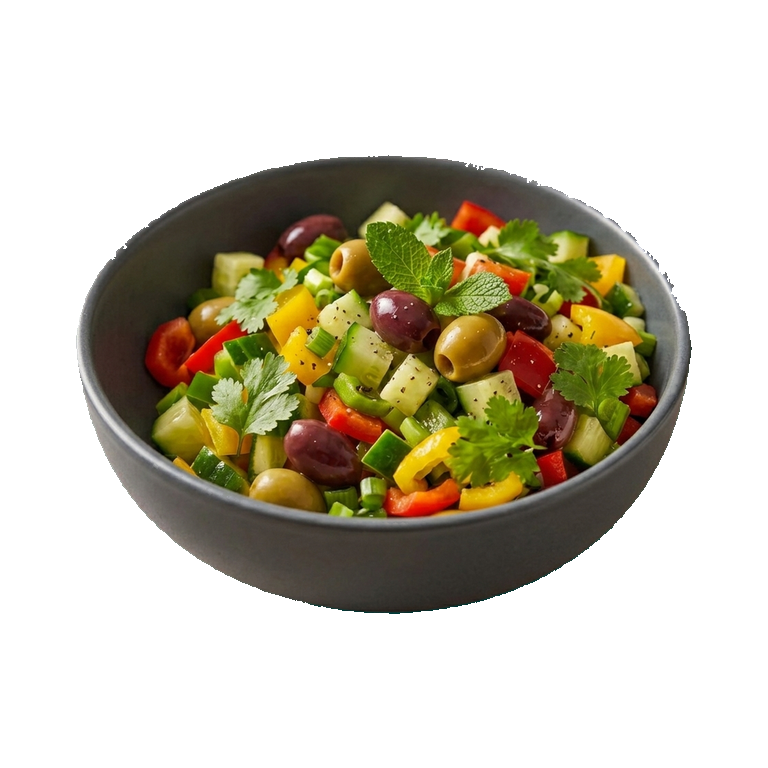
- Tomatoes and cucumbers — vegetables that balance the sharpness of the herb with freshness and sweetness
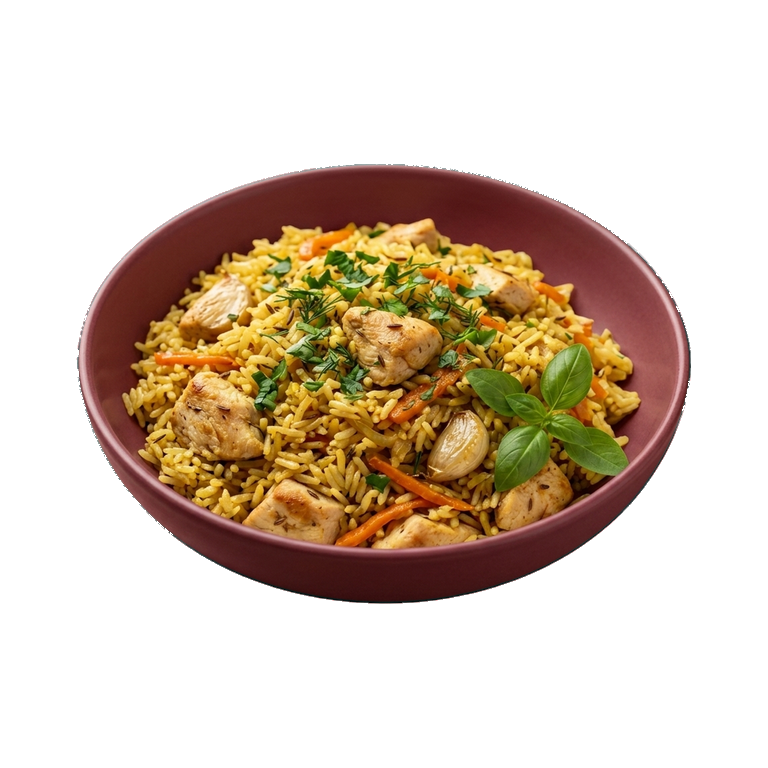
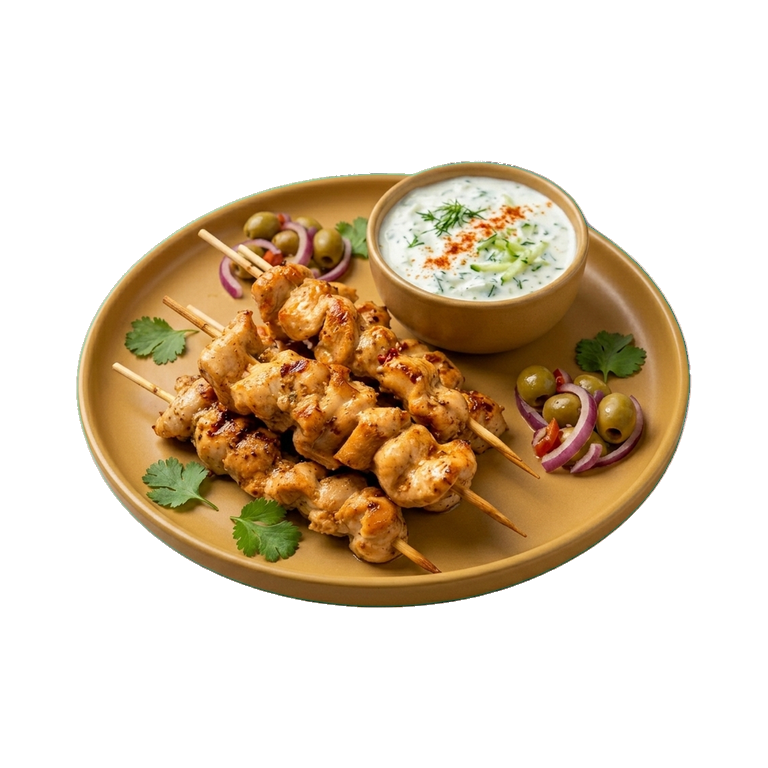
- Chicken and fish — cilantro doesn't overpower, but complements their taste, refreshing the dish
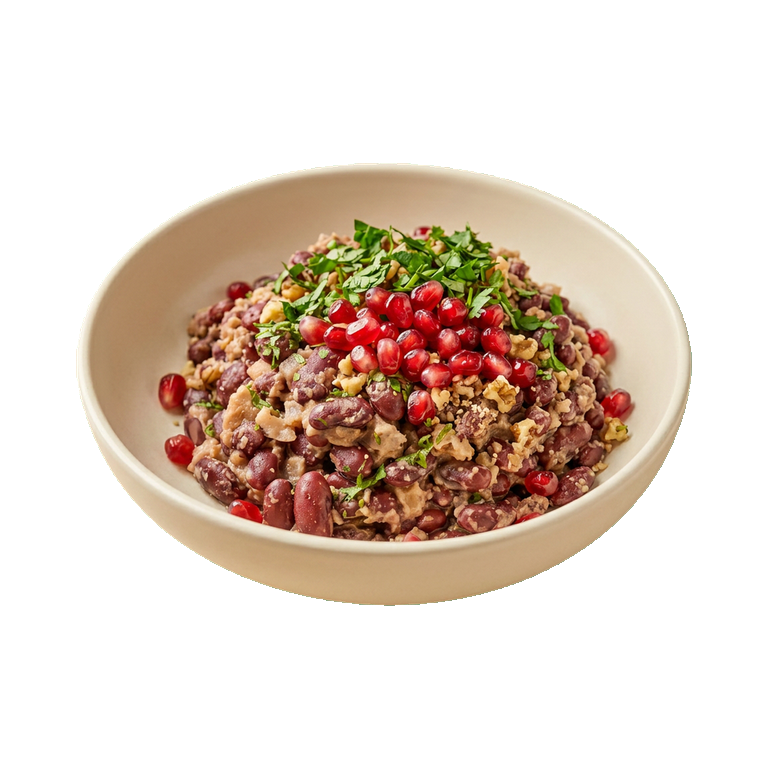
- Rice and legumes — absorb the aroma of cilantro without competing with it
Selection and Storage: How Not to Make a Mistake
When buying, look at the leaves: they should be bright green, firm, without dark spots or slime. The smell should be fresh, sharp, and pleasant. If cilantro smells like mold or mustiness, it's a sign of spoilage. The stems should not be wilted or blackened at the base.
It's best to store cilantro in the refrigerator, wrapped in a damp towel or placed in a container with a paper towel on the bottom — it will absorb excess moisture. This way, the herb stays fresh for 5–7 days. You can also place a bunch in a glass of water, cover it with a plastic bag, and refrigerate it — it will last longer. Freezing cilantro is possible, but after thawing it becomes soft and is only suitable for cooked dishes, not raw ones.
If cilantro has started to wilt, you can revive it for 15–20 minutes by dipping it in ice water. This will restore firmness to the leaves, although the aroma won't be as intense as in freshly cut herbs.
Cilantro is a herb that demands respect for its character. It's not for everyone and not for every dish, but when it's appropriate, it's irreplaceable.
Nutrition
per 100 g
- Calories
- 23 kcal
- Protein
- 2.1 g
- Fat
- 0.5 g
- Carbs
- 3.7 g
Micronutrients
per 100 g
Macronutrients
- Fiber
- 2.8 g
- Sugars
- 0.87 g
- Saturated fat
- 0.014 g
- Monounsaturated fat
- 0.275 g
- Polyunsaturated fat
- 0.04 g
- Omega-3 (EPA + DHA)
- 0 g
- Cholesterol
- 0 mg
- Water
- 92.21 g
Minerals
- Sodium
- 46 mg
- Potassium
- 521 mg
- Calcium
- 67 mg
- Magnesium
- 26 mg
- Phosphorus
- 48 mg
- Iron
- 1.77 mg
- Zinc
- 0.5 mg
- Copper
- 0.23 mg
- Manganese
- 0.43 mg
- Selenium
- 0.9 mcg
Vitamins
- Vitamin A (RAE)
- 337 mcg
- Vitamin D
- 0 mcg
- Vitamin E
- 2.5 mg
- Vitamin K
- 310 mcg
- Vitamin C
- 27 mg
- Vitamin B1 (thiamin)
- 0.07 mg
- Vitamin B2 (riboflavin)
- 0.16 mg
- Vitamin B3 (niacin)
- 1.11 mg
- Vitamin B5 (pantothenic acid)
- 0.57 mg
- Vitamin B6
- 0.15 mg
- Vitamin B9 (folate, DFE)
- 62 mcg
- Vitamin B12
- 0 mcg
Measures and weight
- 1 tbsp
- 4.5 g
- 1 tsp
- 1.5 g
- 1 cup
- 75 g
- 1 bunch
- 50 g
- 1 sprig
- 2 g
- 1 stalk
- 2 g
Measure calculator
- Weight
- 100 g
- Calories
- 23 kcal