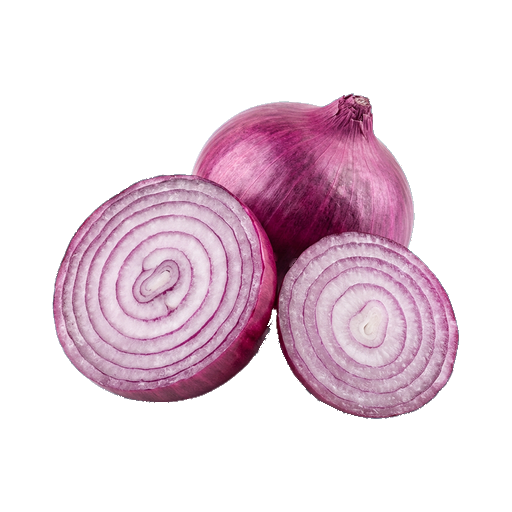
Usuba
Usuba
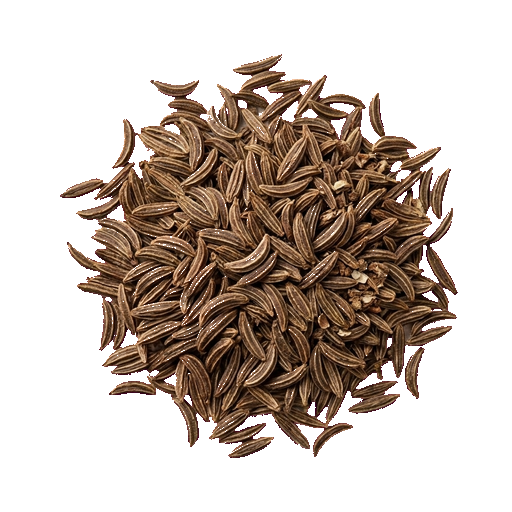
Caraway
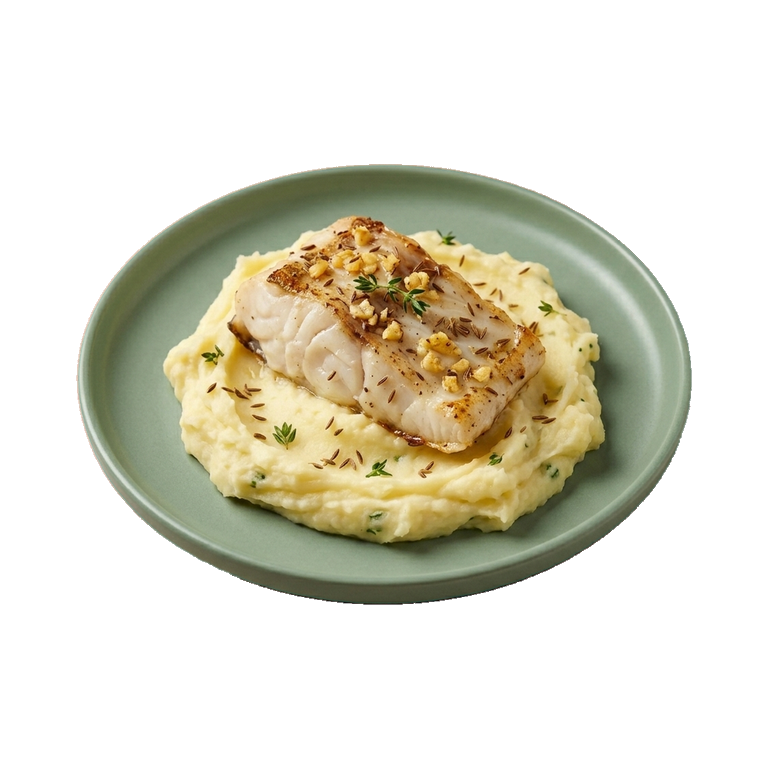
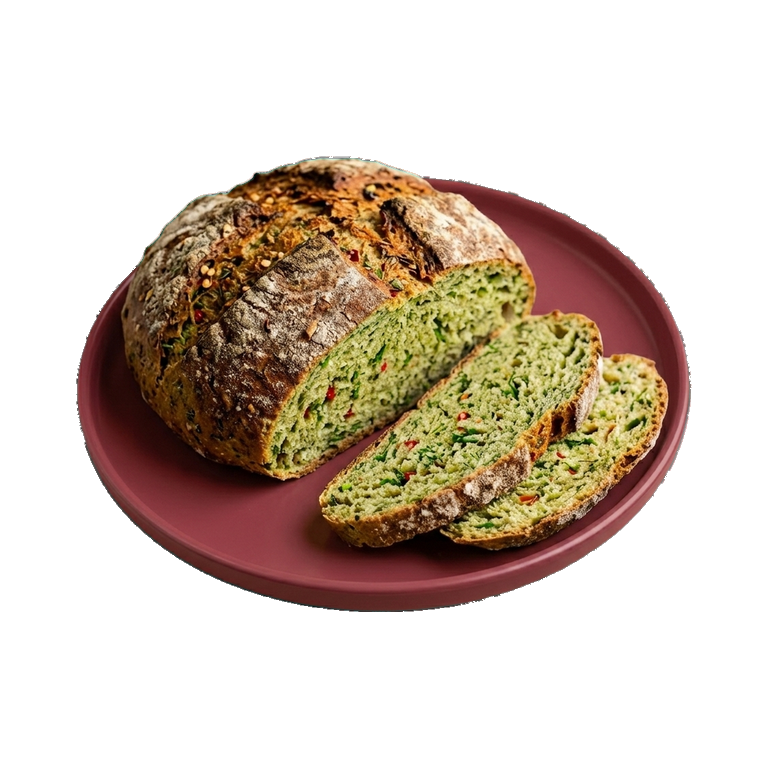
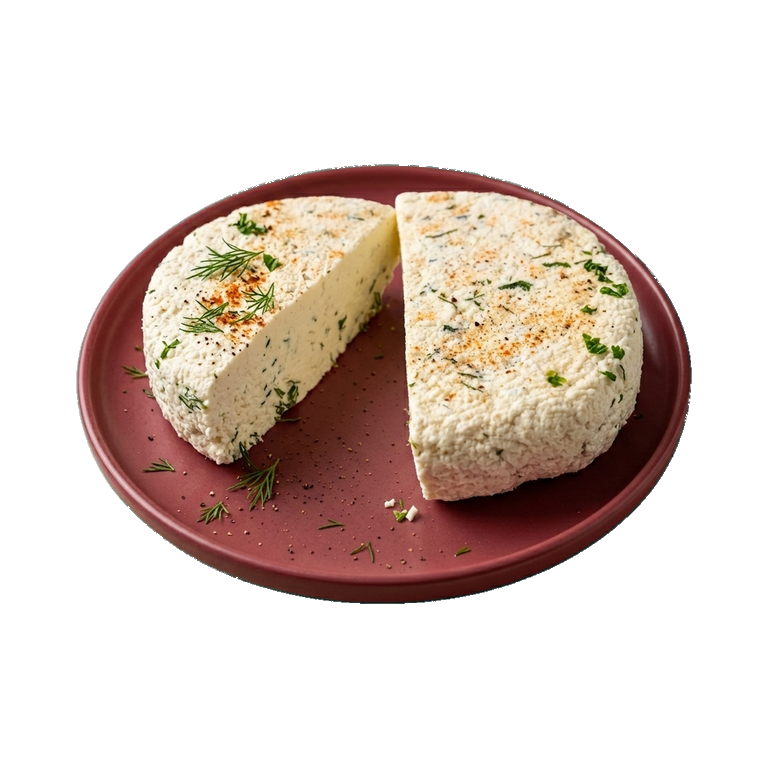
Caraway is a sharp spice with a characteristic warm, slightly bitter taste and an intense aroma that is noticeable even in ground form. The seeds are used whole or ground in bread, cheese, meat dishes, and vegetable side dishes, particularly in European and Asian cuisine. When choosing, prefer fresh seeds with a bright aroma, and when substituting, keep in mind that caraway has a more pronounced flavor than the similar coriander, so less of it is needed.
Micronutrients
per 100 g
Minerals
About
Cumin is a seed that is often confused with coriander, but they are completely different. Brown, elongated grains with characteristic ridges have a warm, slightly sharp taste and a pungent aroma. When you open a jar of cumin, you immediately feel this recognizable note — not sweet, not bitter, but distinctly spicy and a bit earthy.
Taste and Aroma
Cumin reveals itself differently depending on how you use it. If you throw whole seeds into hot oil, they begin to crackle and release an even more intense, almost nutty aroma. Ground cumin works more gently, distributes more evenly throughout the dish, and provides a smoother flavor profile. There's a slight bitterness to it and a certain piquancy that awakens the taste buds and makes the food more vibrant.
Where cumin works best
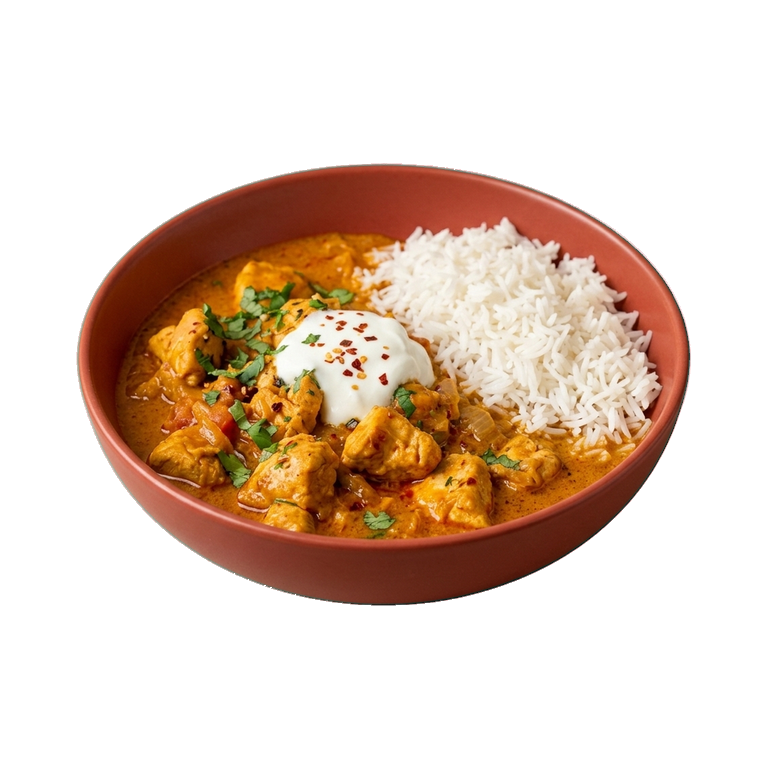
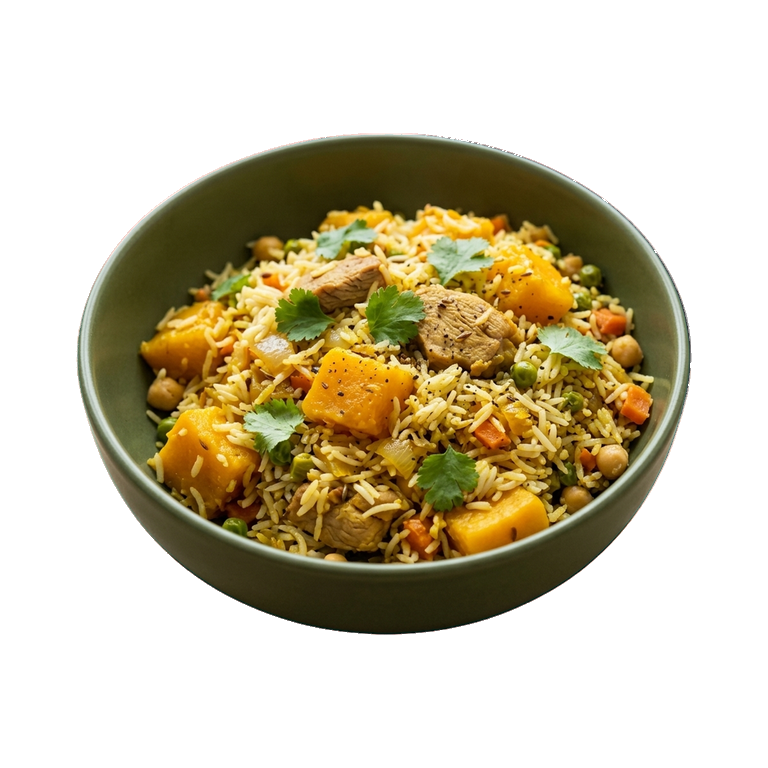
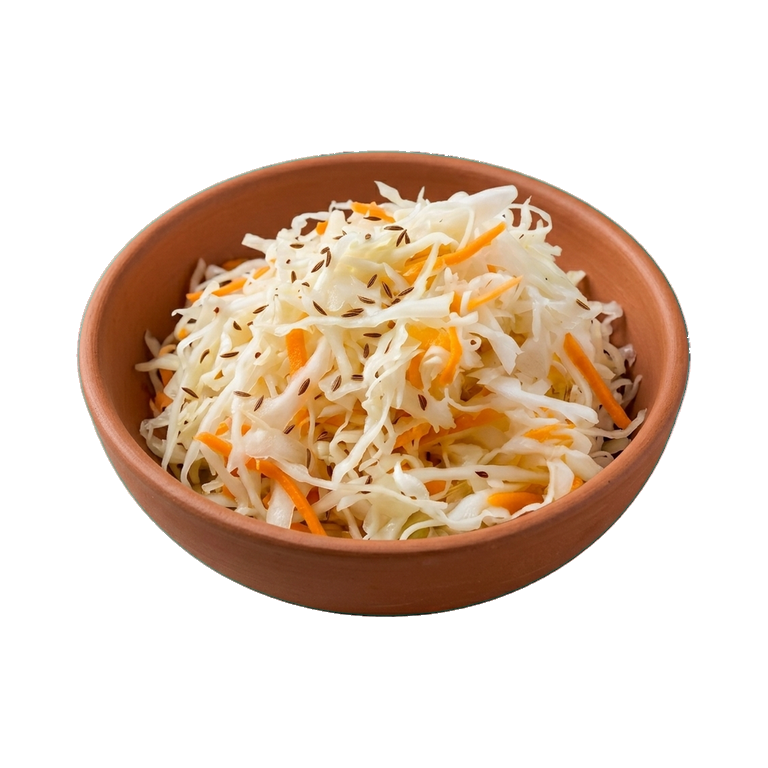
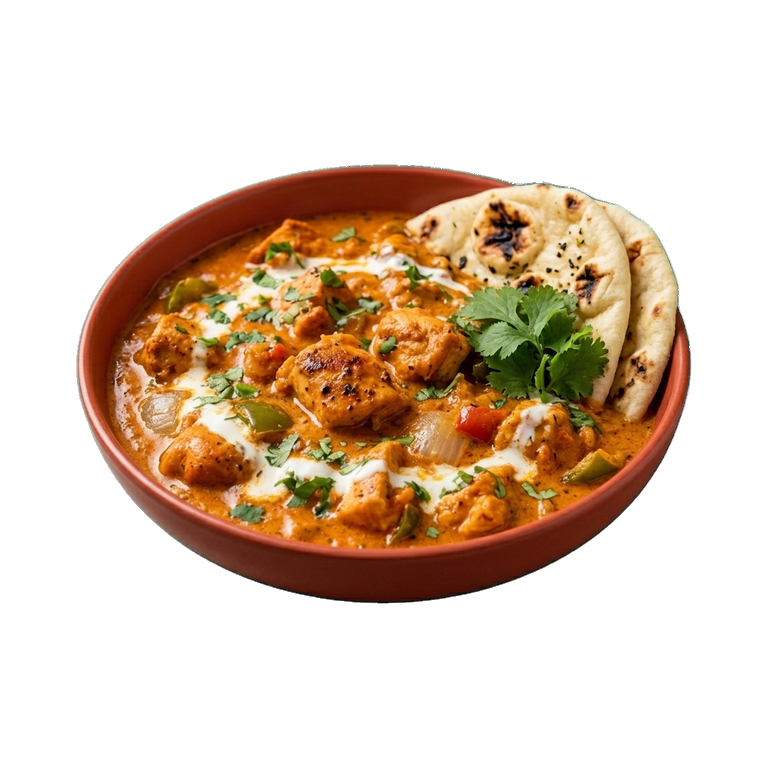
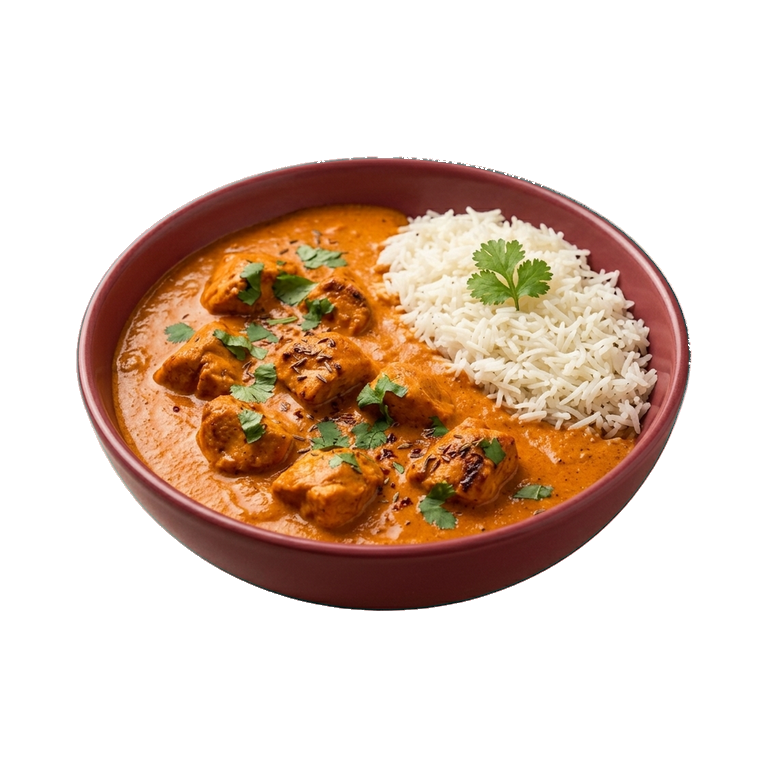
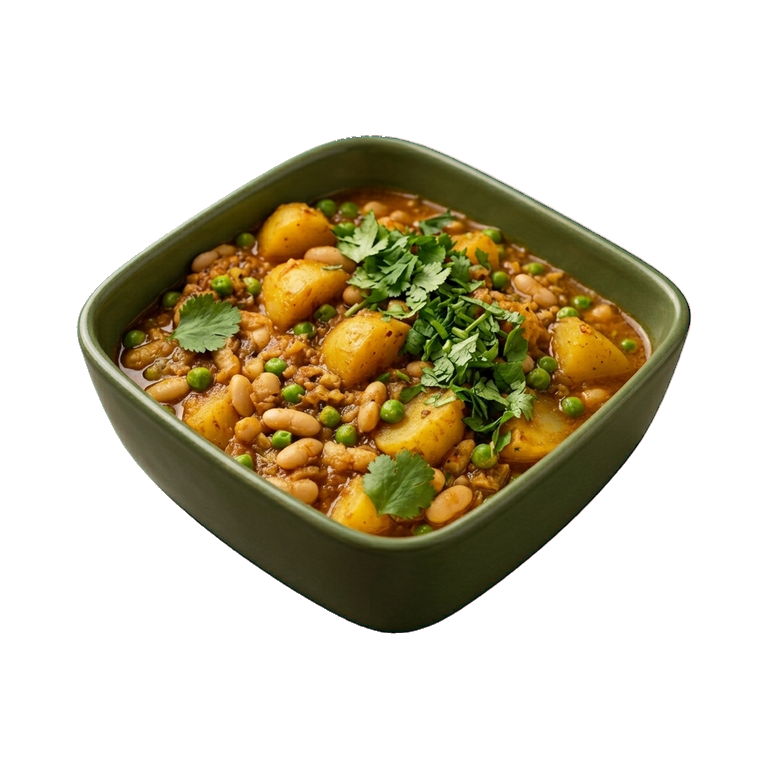
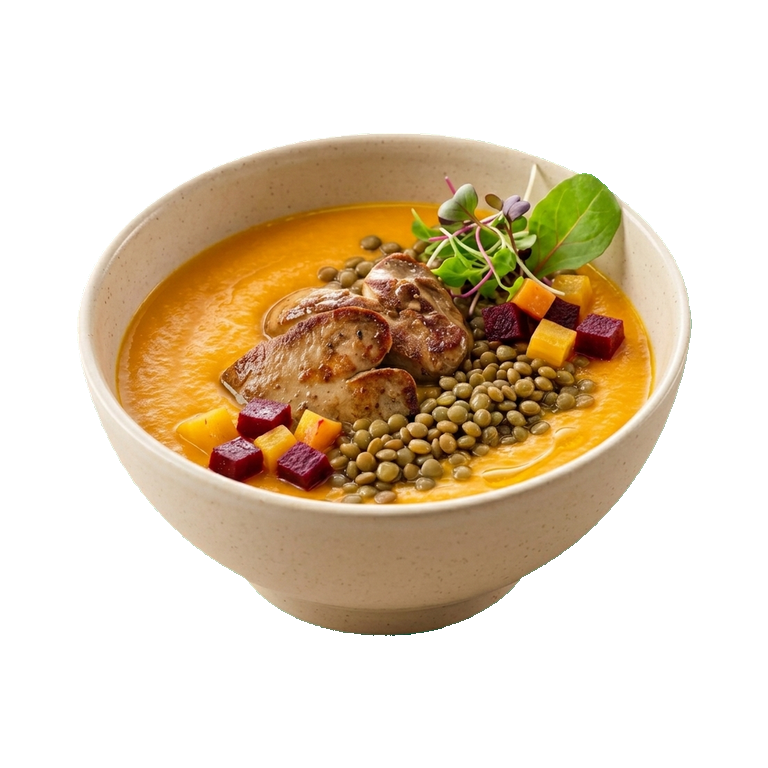
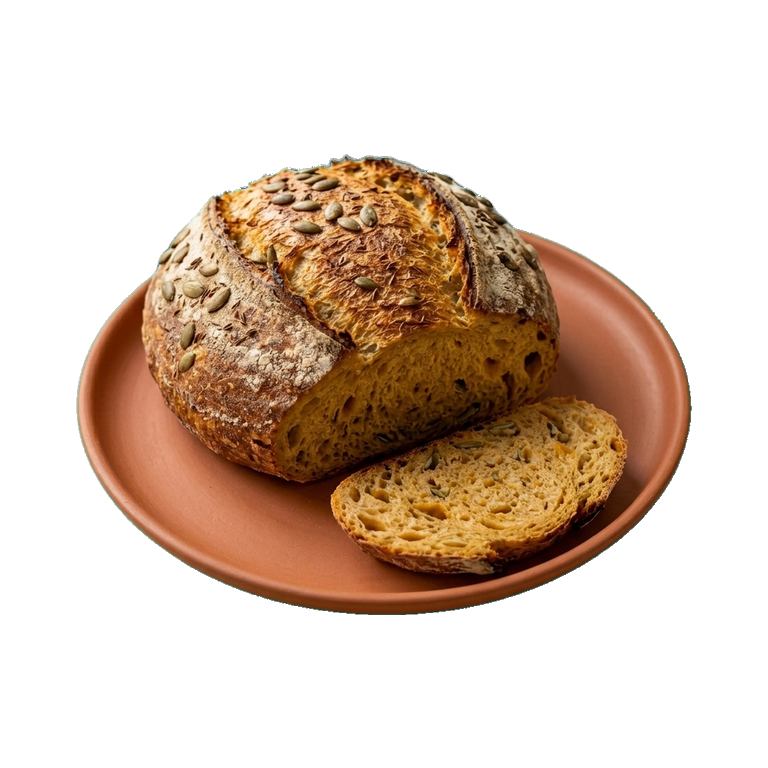
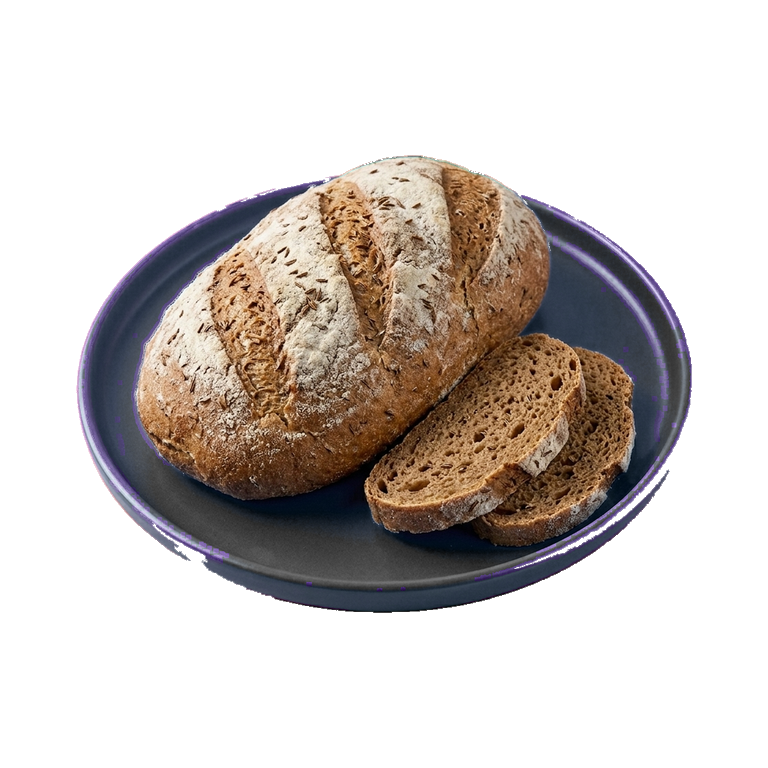
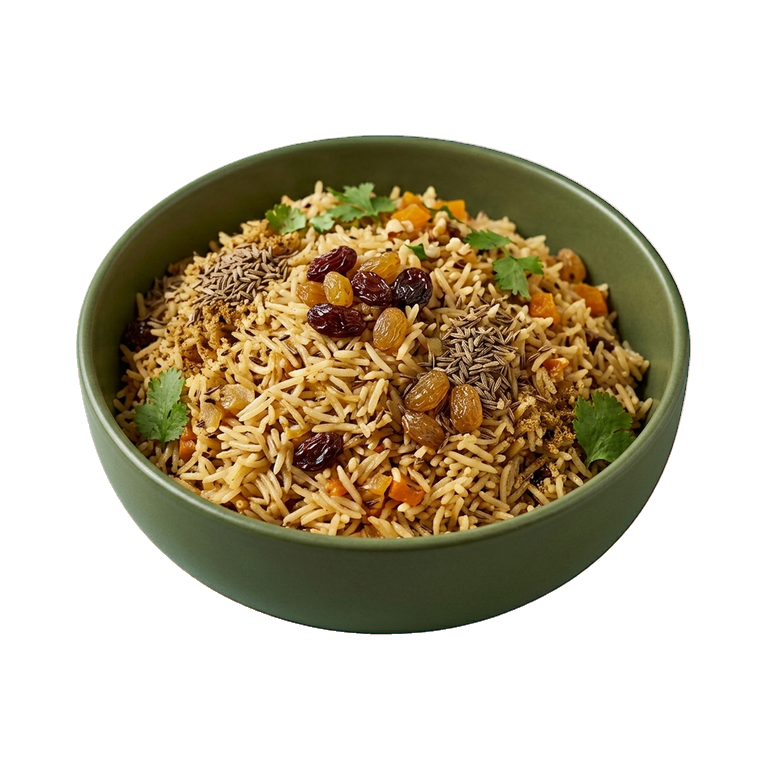
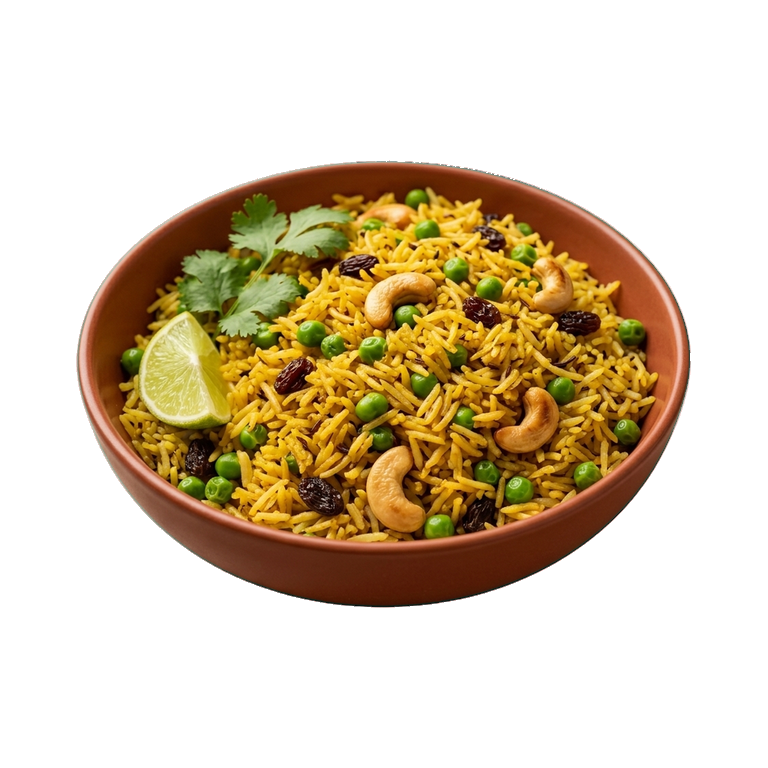
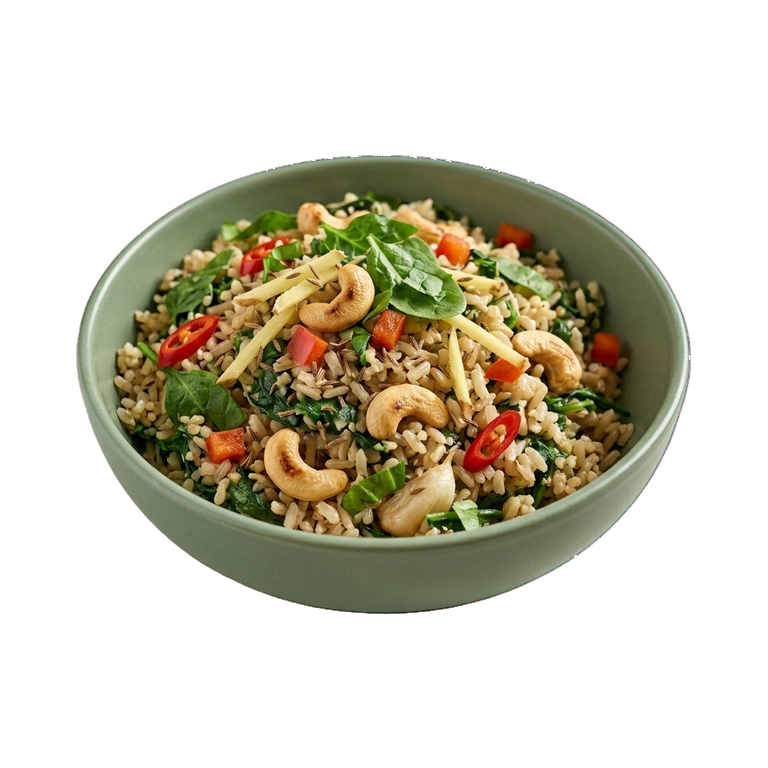
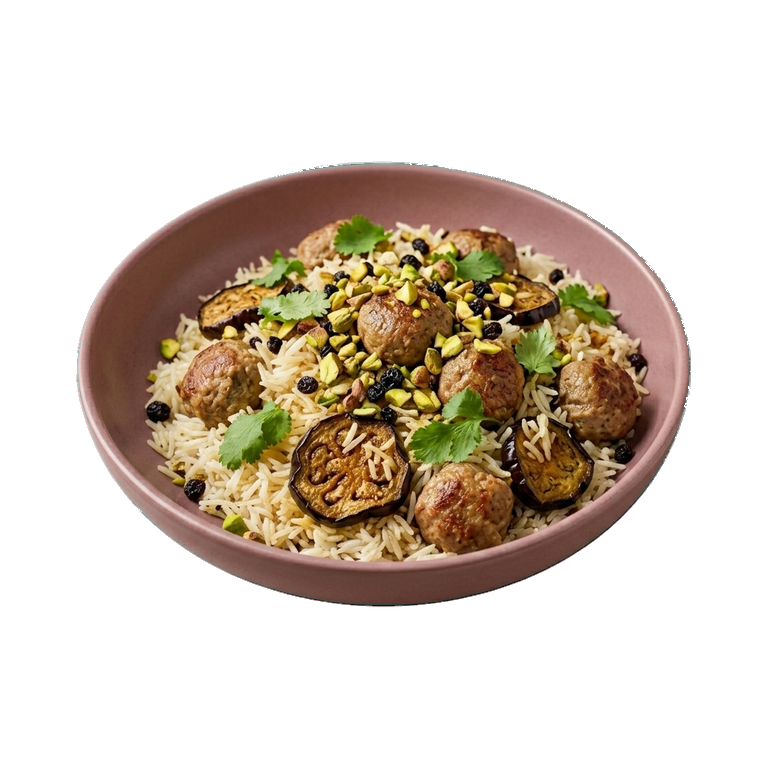
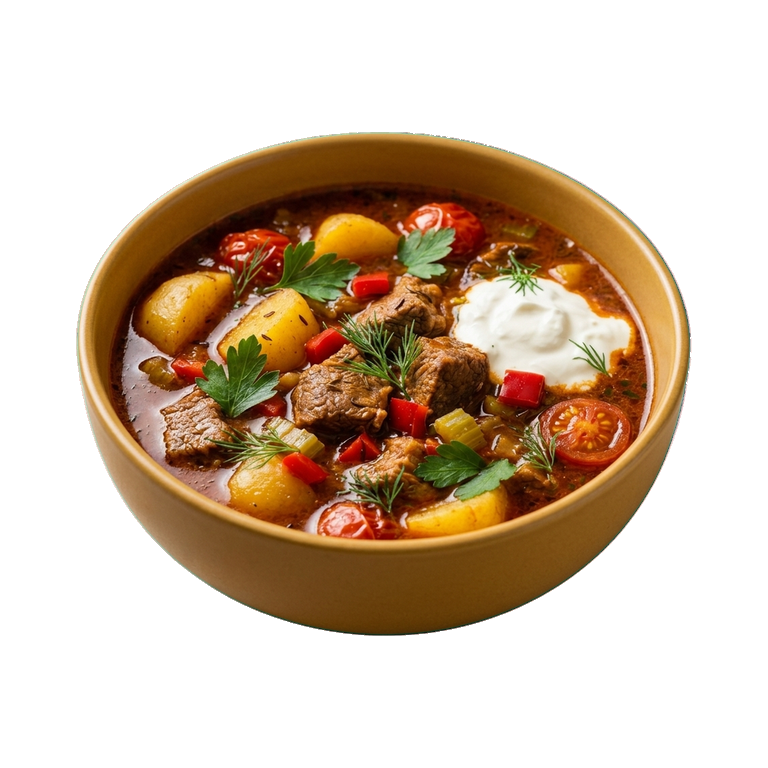
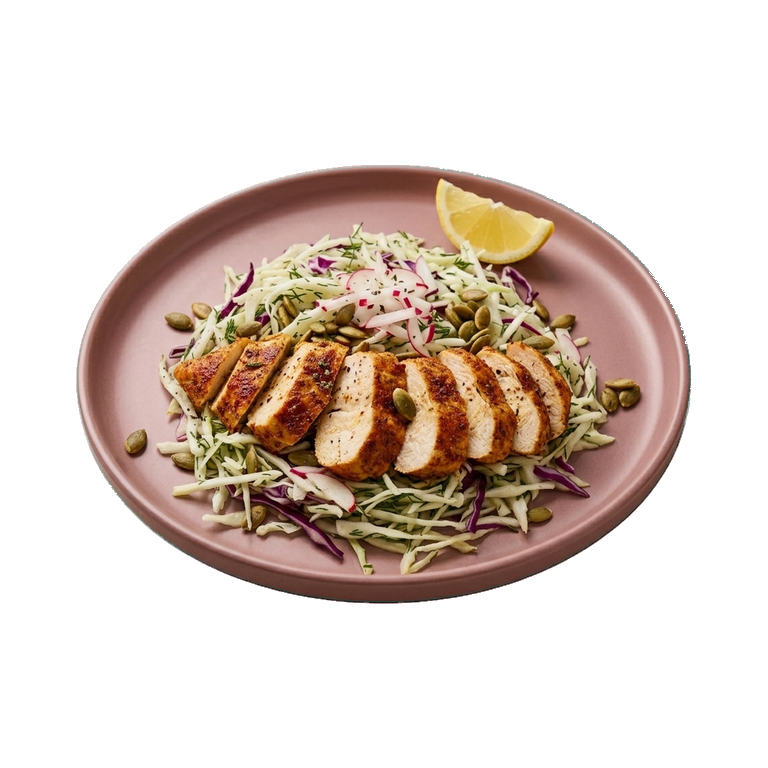
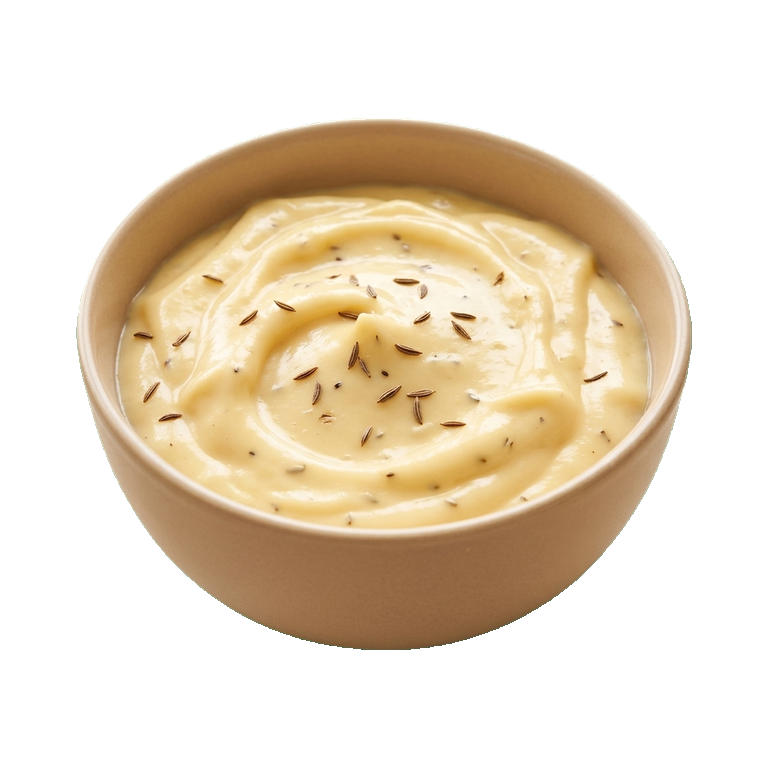
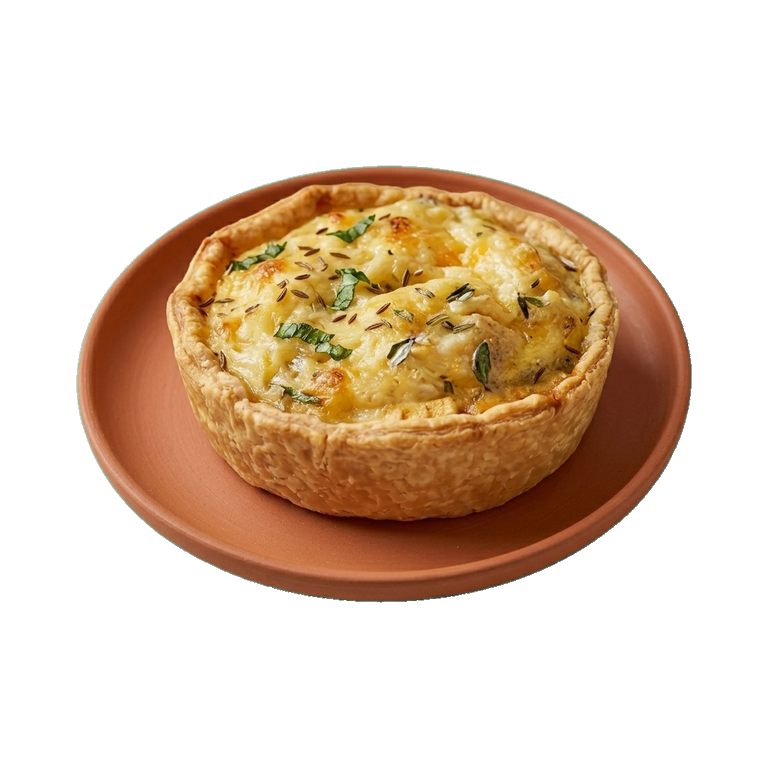
Cumin is the star ingredient in Indian cuisine. It's added to curries, dal, vegetable dishes, and rice. In Mexican cuisine, cumin is an essential part of chili and marinades. Europeans add it to bread, cheese, and sauerkraut. But don't limit yourself to traditions: try adding a pinch of ground cumin to soup, stewed meat, or even a marinade for chicken.
- Whole seeds are great for tempering oil at the beginning of cooking — they release oils and flavor the entire dish
- Ground cumin is more convenient for marinades, dry spice blends and mixes
- Roast cumin in a dry pan before grinding — the flavor will become deeper and more intense
Selection and Storage
Buy cumin from trusted sources where spices are stored properly. Whole seeds are always better than ground — they retain their aroma and flavor longer. If you choose ground cumin, check the packaging date: over time the spice loses its potency. The smell should be distinctly cumin-like, without mustiness or mold.
Store cumin in an airtight container, away from light, heat, and moisture. Whole seeds in proper conditions last one to two years, ground cumin lasts about six months. If the seeds have lost their aroma, they won't help your dish. It's better to buy a fresh batch than to use stale spice.
Cumin is not just a spice, but a way to add depth and character to any dish. Start small: a pinch in soup or rice, and you'll understand why this humble spice is so valued in kitchens around the world.
Nutrition
per 100 g
- Calories
- 375 kcal
- Protein
- 19.8 g
- Fat
- 22.3 g
- Carbs
- 35 g
Micronutrients
per 100 g
Macronutrients
- Fiber
- 38 g
- Sugars
- 0.64 g
- Saturated fat
- 0.62 g
- Monounsaturated fat
- 7.125 g
- Polyunsaturated fat
- 3.272 g
- Omega-3 (EPA + DHA)
- 0 g
- Cholesterol
- 0 mg
- Water
- 9.87 g
Minerals
- Sodium
- 17 mg
- Potassium
- 1351 mg
- Calcium
- 689 mg
- Magnesium
- 258 mg
- Phosphorus
- 568 mg
- Iron
- 16.23 mg
- Zinc
- 5.5 mg
- Copper
- 0.91 mg
- Manganese
- 1.3 mg
- Selenium
- 12.1 mcg
Vitamins
- Vitamin A (RAE)
- 18 mcg
- Vitamin D
- 0 mcg
- Vitamin E
- 2.5 mg
- Vitamin K
- 0 mcg
- Vitamin C
- 21 mg
- Vitamin B1 (thiamin)
- 0.38 mg
- Vitamin B2 (riboflavin)
- 0.38 mg
- Vitamin B3 (niacin)
- 3.61 mg
- Vitamin B6
- 0.36 mg
- Vitamin B9 (folate, DFE)
- 10 mcg
- Vitamin B12
- 0 mcg
Measures and weight
- 1 tbsp
- 11.3 g
- 1 tsp
- 3.8 g
- 1 cup
- 187.5 g
- 1 bunch
- 20 g
Measure calculator
- Weight
- 100 g
- Calories
- 375 kcal