Usuba
Usuba

Lemon juice
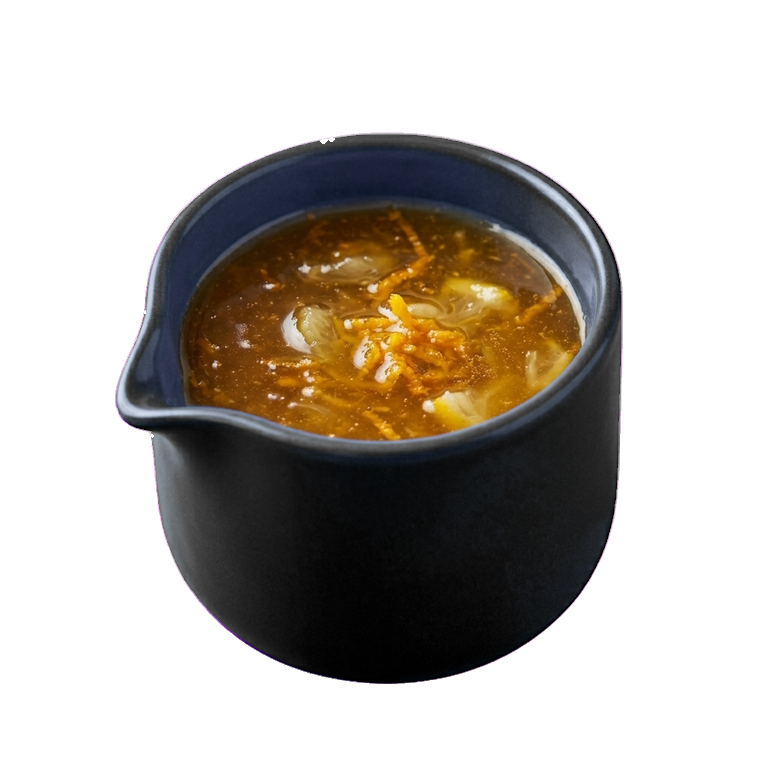
Fresh lemon juice has a pronounced acidity and tangy aroma that refreshes dishes and brings out their flavor nuances. It is used in dressings, marinades, beverages, and desserts both to add tartness and to prevent browning of cut fruits and vegetables. When choosing, prefer freshly squeezed juice over concentrate — it provides a more complex flavor, although in some recipes concentrate can serve as a suitable substitute when properly diluted.
Micronutrients
per 100 ml
Minerals
About
Lemon juice is one of the most versatile ingredients in the kitchen, functioning simultaneously as a seasoning, preservative, and chemical reagent. Its acidity can transform a dish, enhancing the flavors of other ingredients or completely changing their perception. It's no wonder that it appears in recipes from cuisines around the world — from marinades to desserts.
Taste and Aroma
Freshly squeezed lemon juice has a pronounced acidity with a slight bitterness and floral notes. It's not just acid — it's a complex flavor profile where subtle sweet and herbal undertones can be felt. The intensity of taste depends on the ripeness of the fruit: more yellow lemons give a milder juice, while greenish ones produce a sharper and more acidic flavor.
Fresh juice quickly loses its aroma and some of its beneficial properties, so it's best to use it within a few hours of pressing. If you need to store it longer, place it in the refrigerator in an airtight container — this way it will keep for a week or two. Frozen juice in ice cubes is convenient for everyday use and keeps for several months.
Role in Dishes
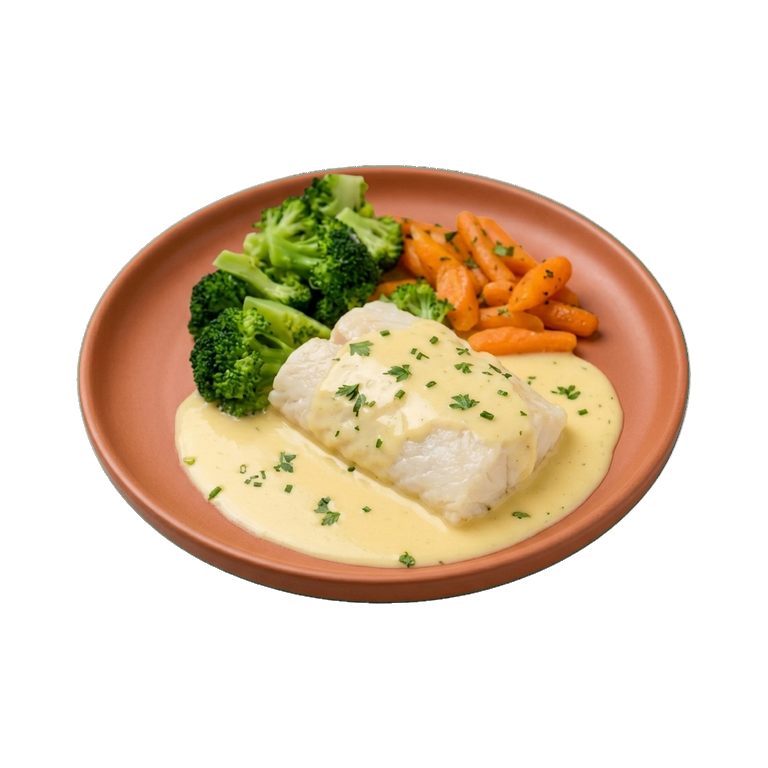
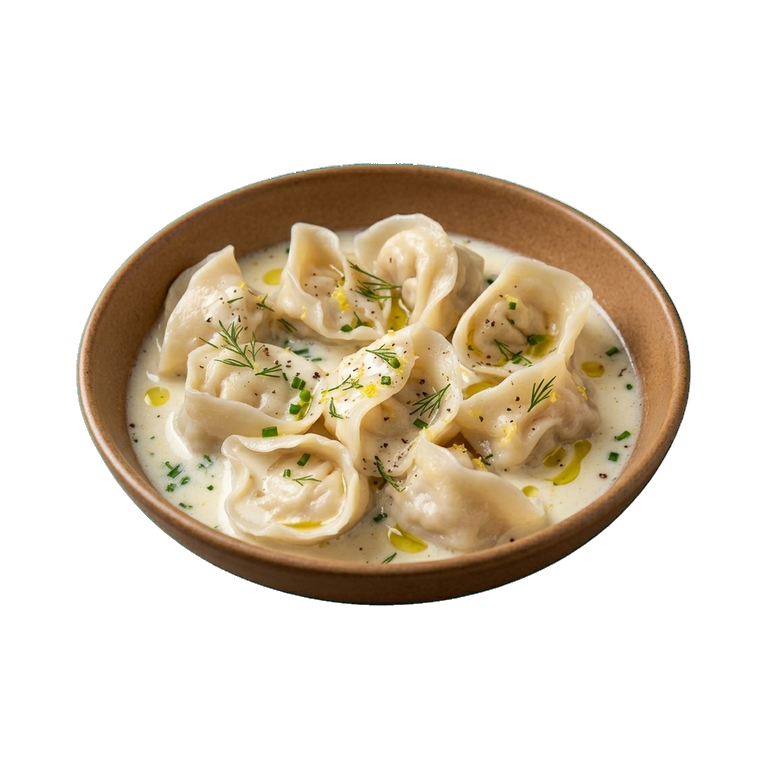
Lemon juice works on several levels at once. It elevates the taste of seafood and fish, making them fresher and brighter. In meat marinades, the acid softens the fibers and adds piquancy. In sauces and dressings, the juice balances richness and creates the right acidity. Even in sweet dishes, a few drops of lemon juice enhance berry and fruit flavors, making them more expressive.
Pairings and practical tips
- With herbs: parsley, dill, mint and basil reveal themselves in a new way alongside citric acid
- With garlic: a classic combination for marinades, dressings and vegetable sauces
- With olive oil: the foundation for most light dressings and dips
- With seafood: indispensable for oysters, shrimp, white fish and squid
- With berries and fruits: enhances their natural sweetness and freshness
To get the maximum juice from a lemon, gently roll the fruit in your hand before squeezing or briefly place it in the microwave. It's better to add the juice at the end of cooking — this way it will retain its freshness and aroma. If you're preparing a salad in advance, don't dress it with lemon juice until serving, otherwise the vegetables will lose their firmness.
Selection and Storage
Choose heavy lemons with smooth skin free of soft spots and damage. They should be firm, not woody. Store them in a cool place — at room temperature they keep for a week or two, in the refrigerator — for a month or longer. If you use lemon juice often, it makes sense to keep both fresh fruits and frozen juice in ice cubes on hand.
Lemon juice is not just an acid in a bottle, it is a tool that changes how we perceive other ingredients. Learn to feel its quantity and the right moment to add it, and your dishes will become much more interesting and delicious.
Nutrition
per 100 ml
- Calories
- 29 kcal
- Protein
- 0.4 g
- Fat
- 0.2 g
- Carbs
- 9.3 g
Micronutrients
per 100 ml
Macronutrients
- Fiber
- 0.309 g
- Sugars
- 2.596 g
- Saturated fat
- 0.041 g
- Monounsaturated fat
- 0.006 g
- Polyunsaturated fat
- 0.022 g
- Omega-3 (EPA + DHA)
- 0 g
- Cholesterol
- 0 mg
- Water
- 95.079 g
Minerals
- Sodium
- 1.03 mg
- Potassium
- 106.09 mg
- Calcium
- 6.18 mg
- Magnesium
- 6.18 mg
- Phosphorus
- 8.24 mg
- Iron
- 0.08 mg
- Zinc
- 0.05 mg
- Copper
- 0.02 mg
- Manganese
- 0.01 mg
- Selenium
- 0.1 mcg
Vitamins
- Vitamin A (RAE)
- 0 mcg
- Vitamin D
- 0 mcg
- Vitamin E
- 0.15 mg
- Vitamin K
- 0 mcg
- Vitamin C
- 39.86 mg
- Vitamin B1 (thiamin)
- 0.02 mg
- Vitamin B2 (riboflavin)
- 0.02 mg
- Vitamin B3 (niacin)
- 0.09 mg
- Vitamin B5 (pantothenic acid)
- 0.13 mg
- Vitamin B6
- 0.05 mg
- Vitamin B9 (folate, DFE)
- 20.6 mcg
- Vitamin B12
- 0 mcg
Measures and weight
- 1 tbsp
- 15.5 g
- 1 tsp
- 5.2 g
- 1 cup
- 257.5 g
Measure calculator
- Weight
- 100 g
- Calories
- 28 kcal