Usuba
Usuba
Turmeric
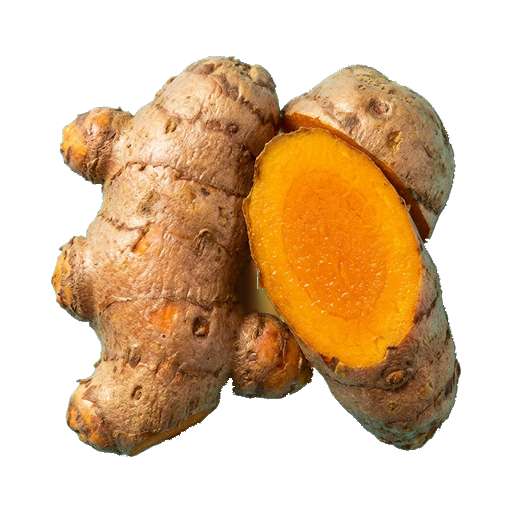
Turmeric is a spice made from the rhizome of a plant in the ginger family with a warm, slightly bitter taste and earthy aroma. In cooking, it is used both in ground form and fresh, giving dishes a golden hue and characteristic piquant flavor. When choosing, prefer bright yellow powder with a rich aroma, and remember that turmeric stains surfaces easily, while its flavor unfolds more fully when heated with oil or other fats.
Micronutrients
per 100 g
Minerals
About
Golden spice in your kitchen
Turmeric is not just a yellow powder in a jar. It is a rhizome of a plant that brings warmth, a subtle bitterness, and a characteristic earthy aroma to dishes. When you open a packet of turmeric, you immediately feel its presence: a spicy, slightly sharp smell that fills the kitchen. Its taste is complex — it starts with a mild bitterness, transitions into piquancy, and leaves a long aftertaste.
What chefs value turmeric for most is its ability to color dishes in a rich golden hue. Even a pinch changes the appearance of rice, sauce, or soup. This is not merely aesthetics: the bright color signals the presence of the active substance curcumin, which gives the spice its beneficial properties.
Where turmeric works best
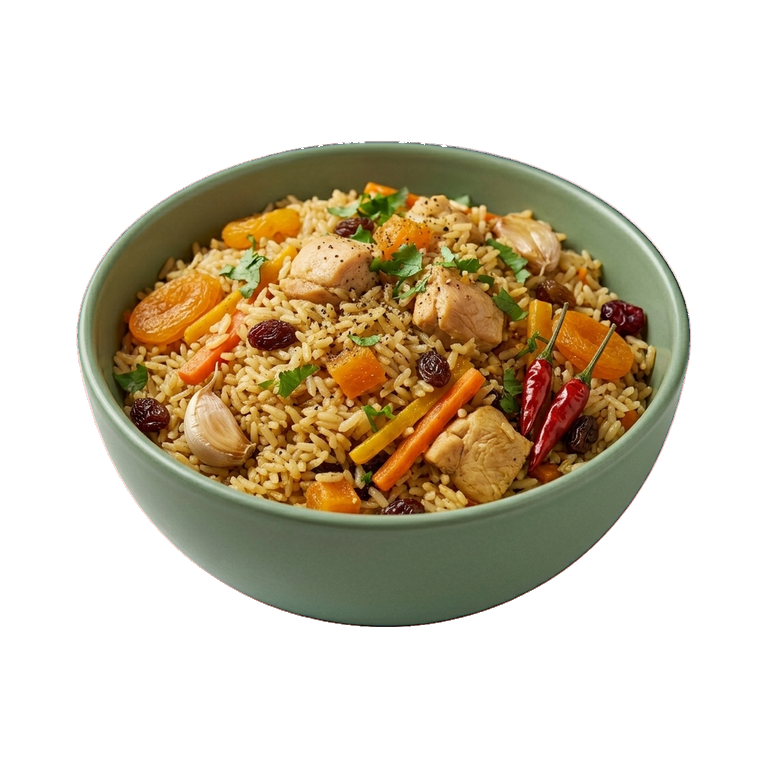
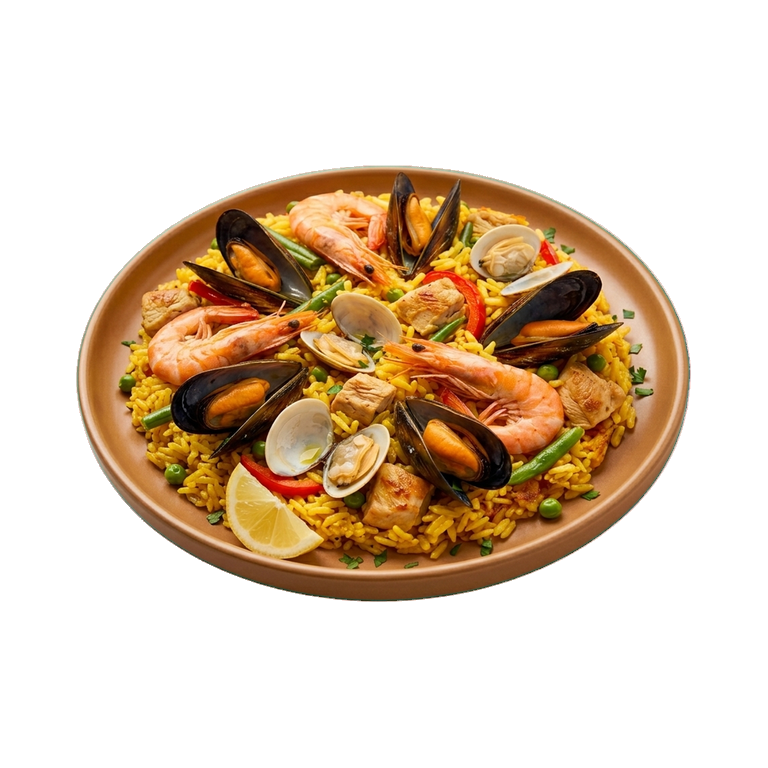
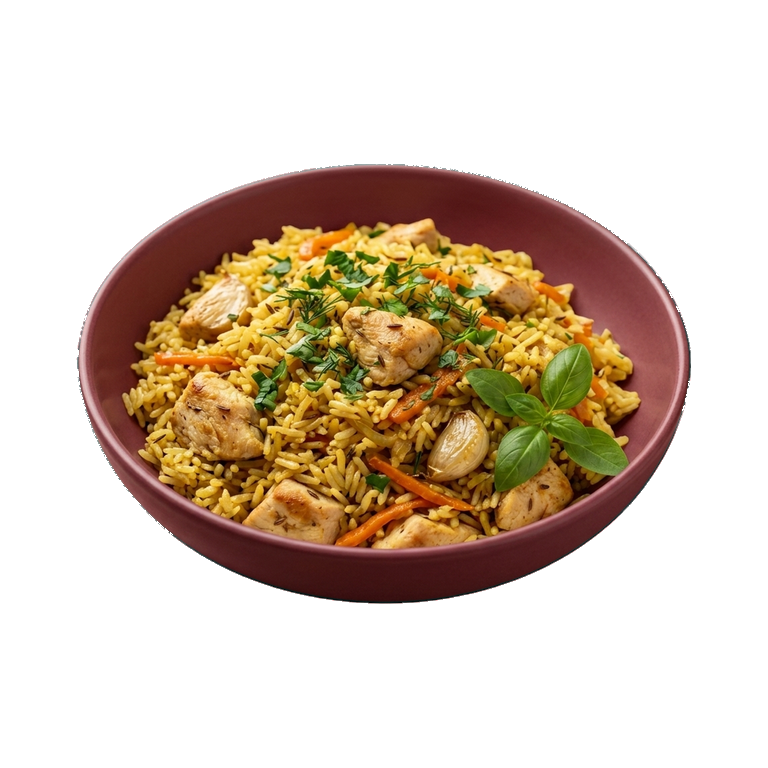
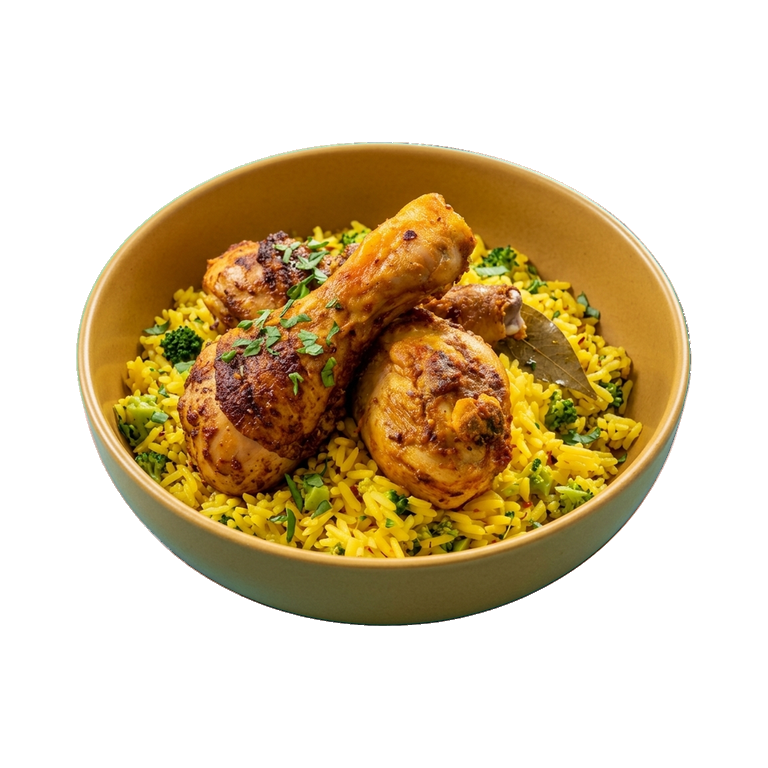
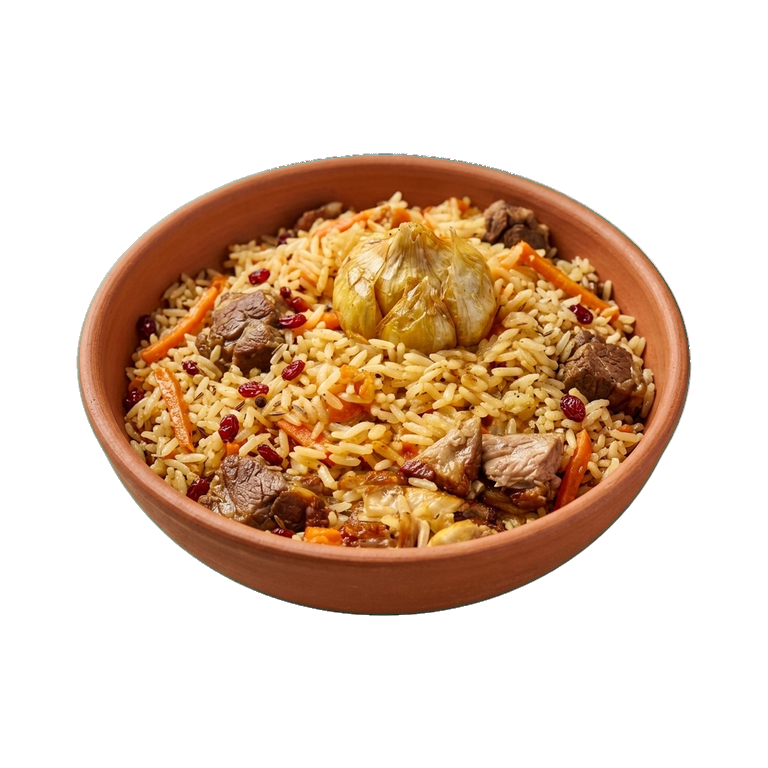
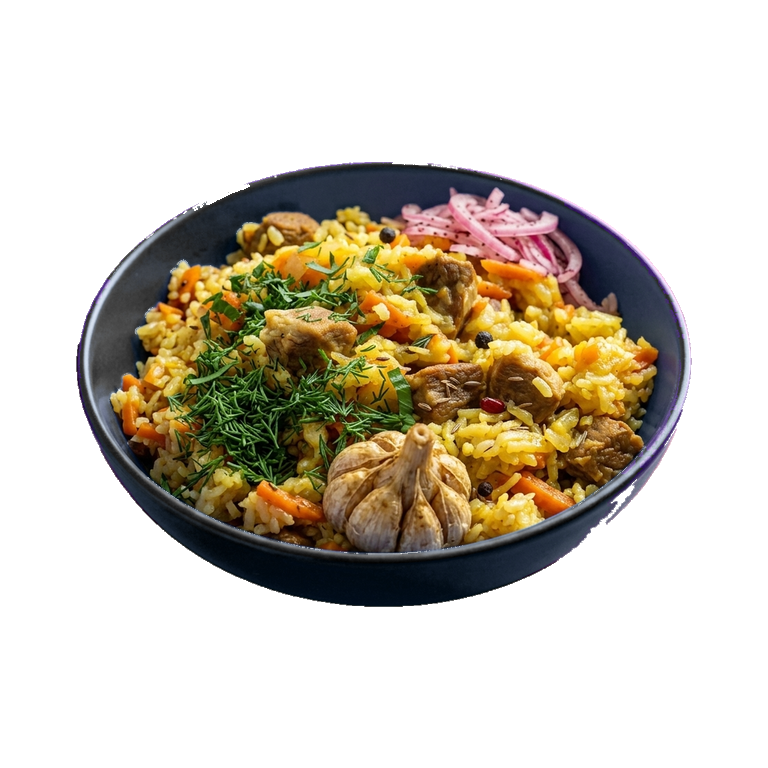
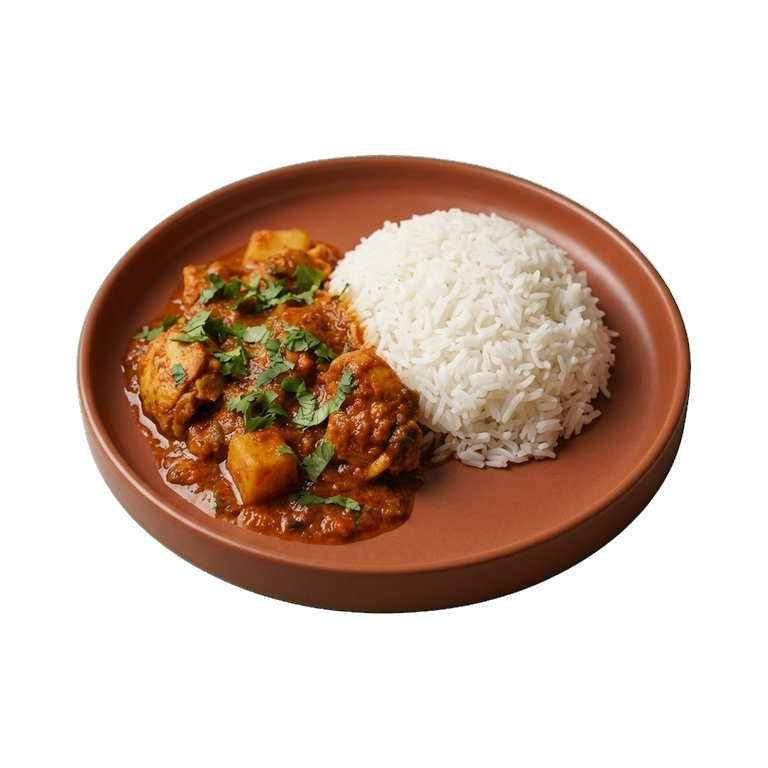
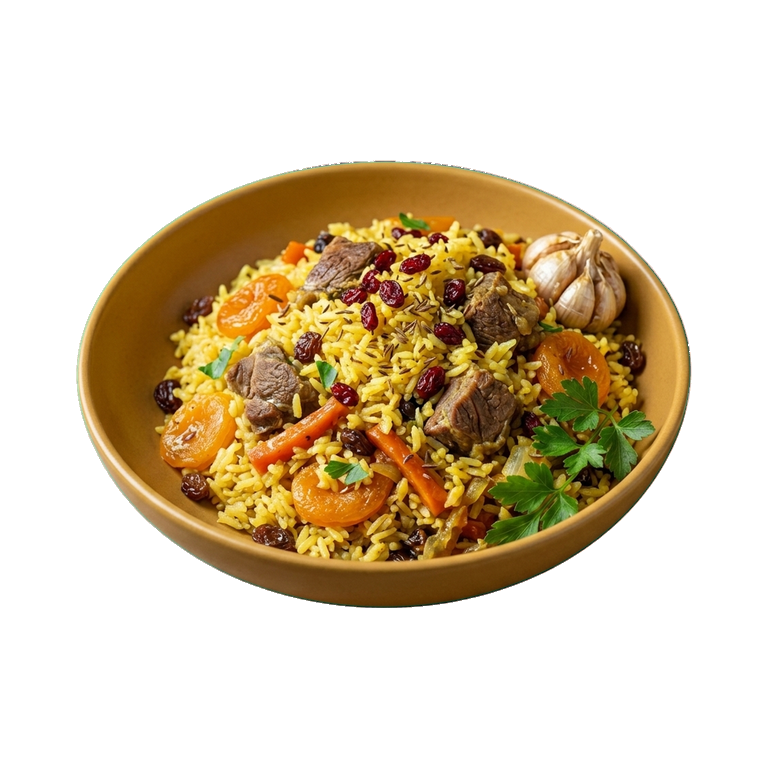
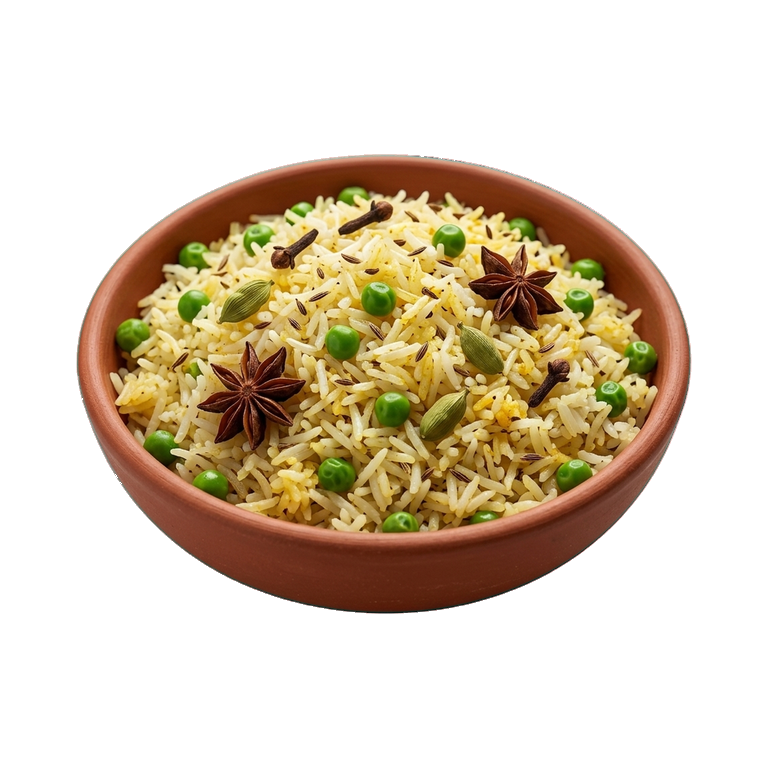
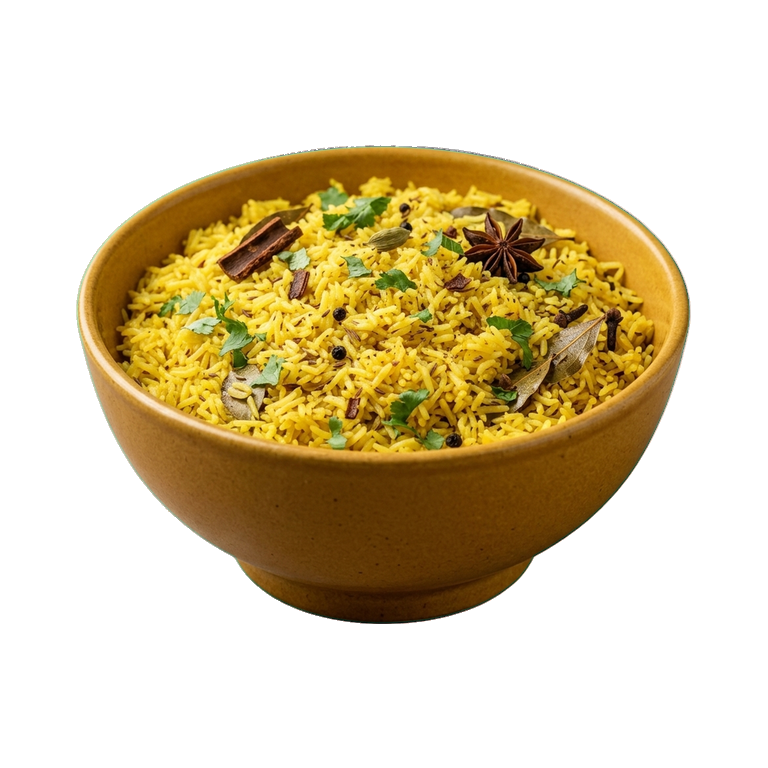
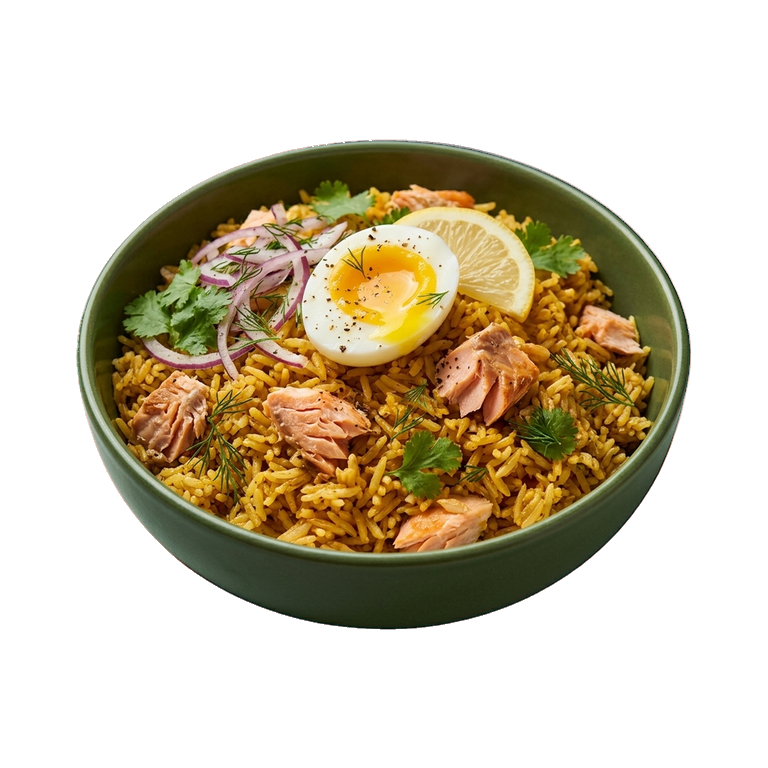
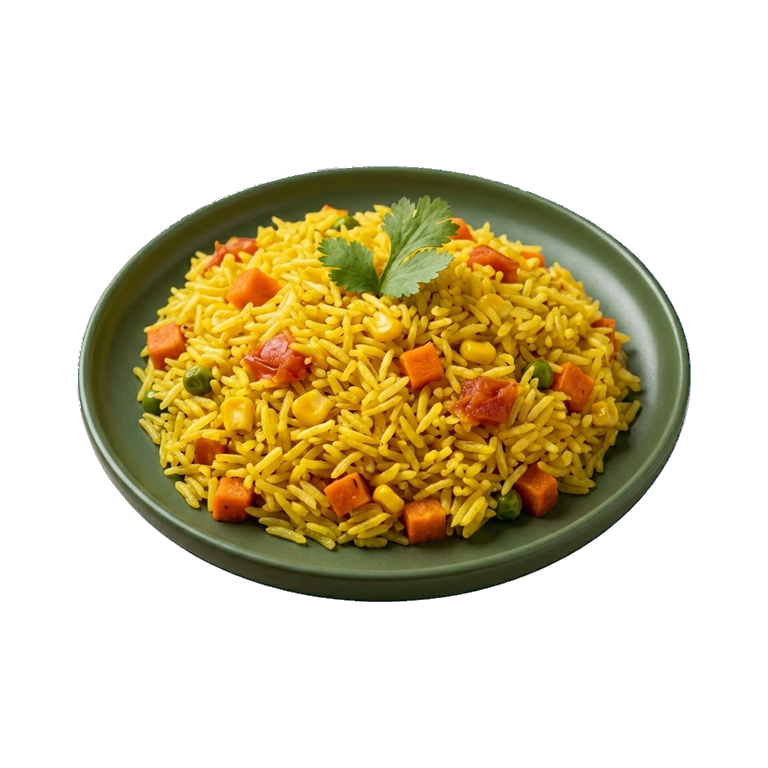
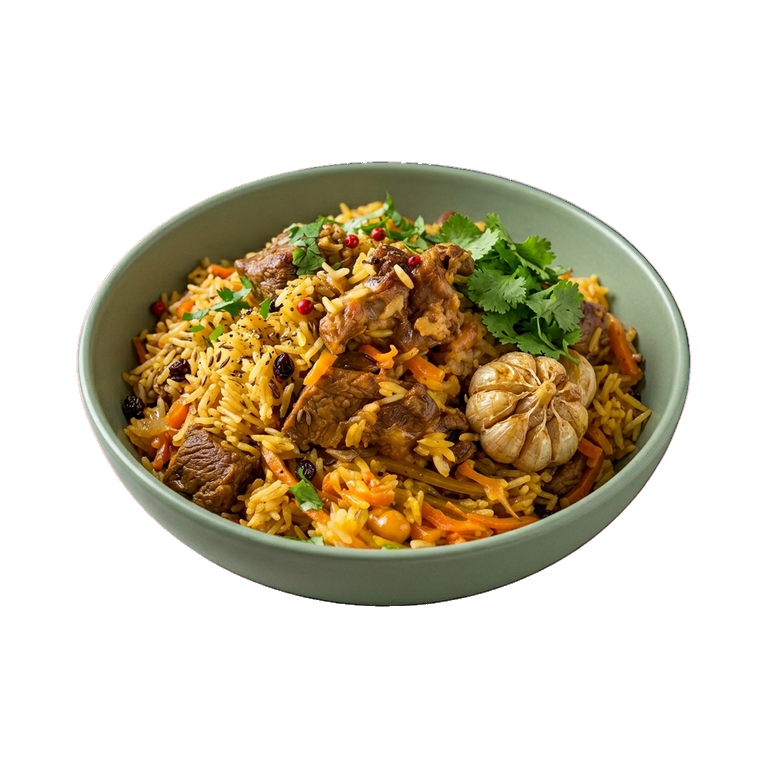
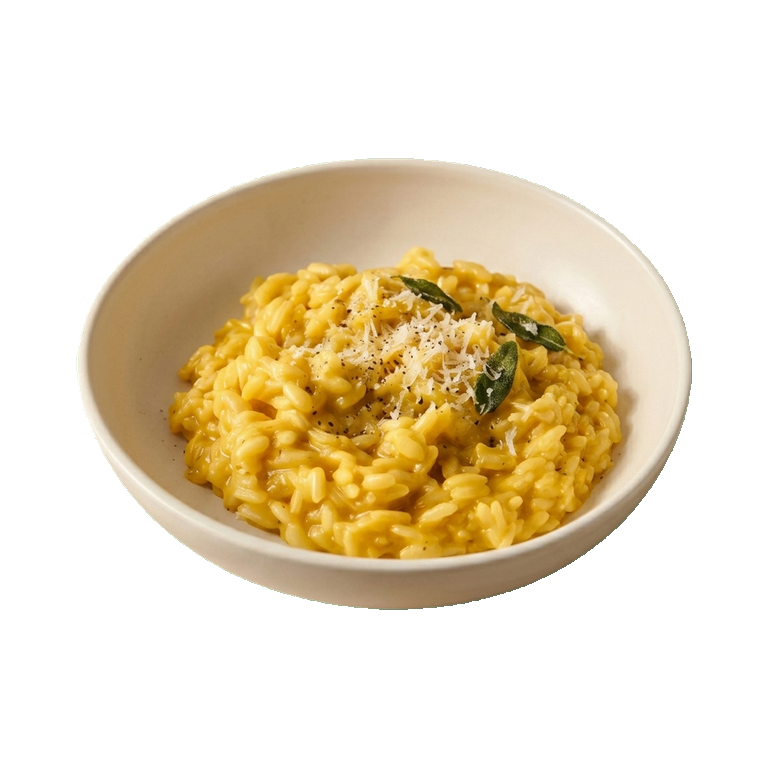
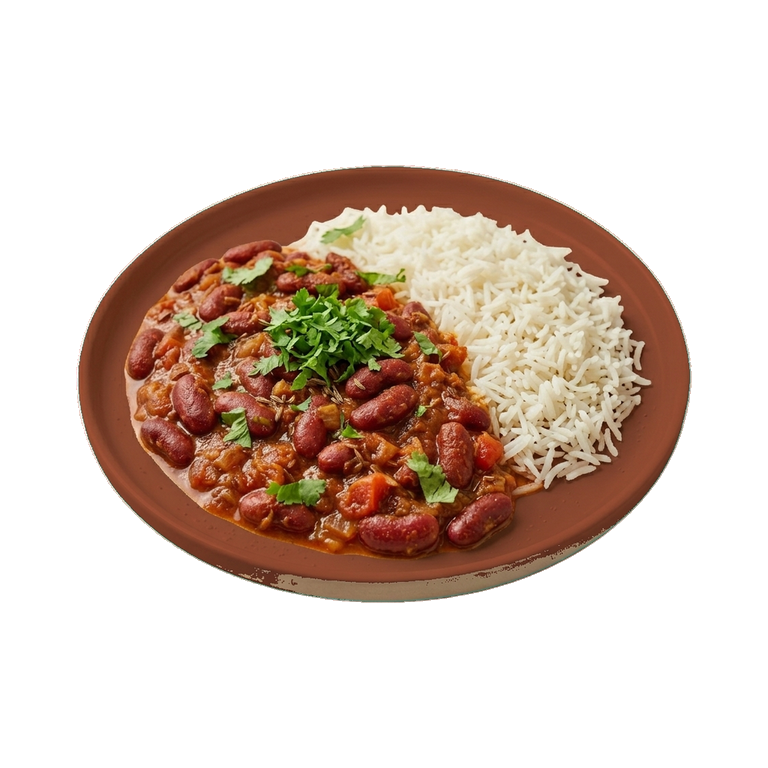
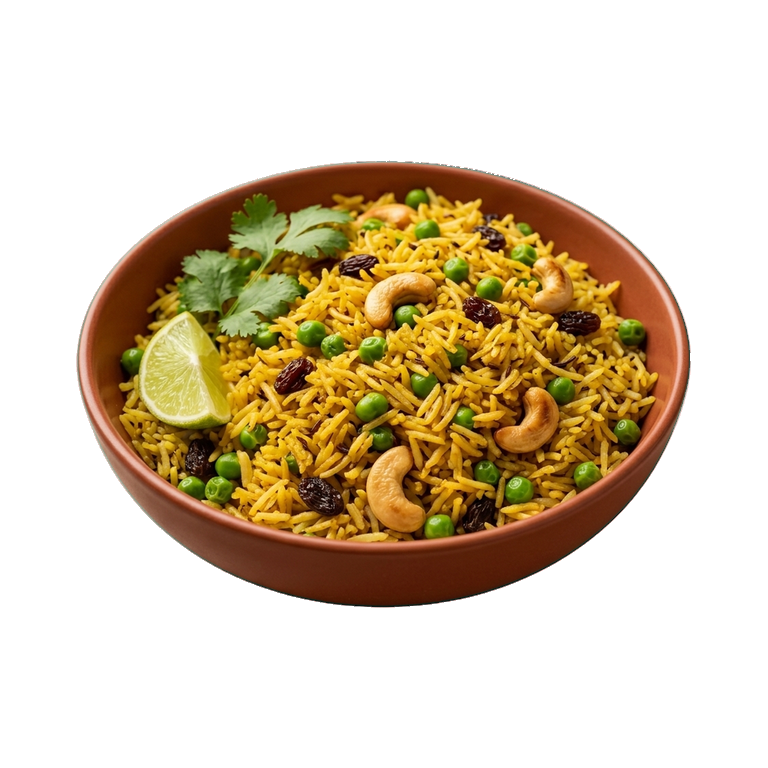
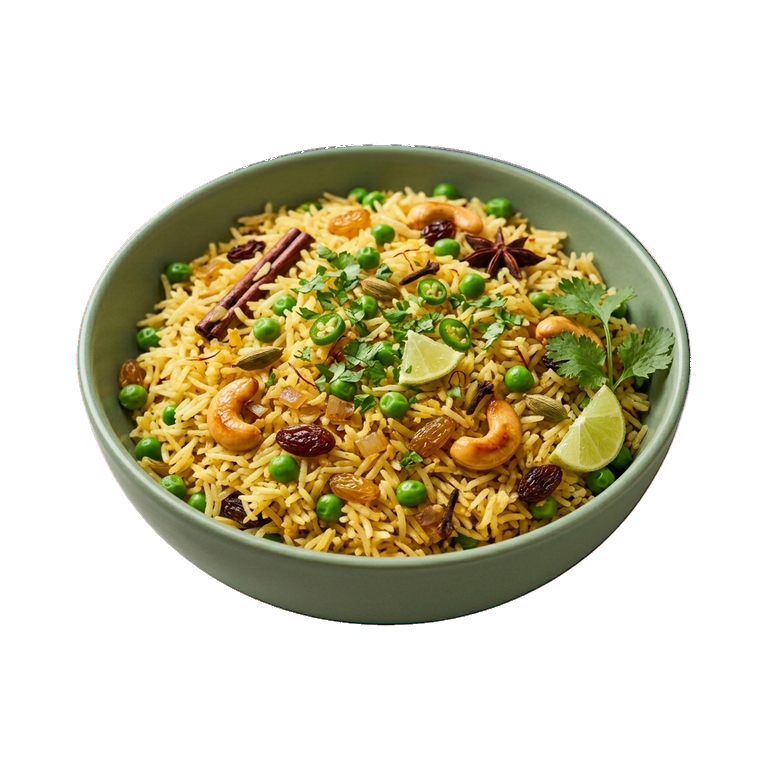
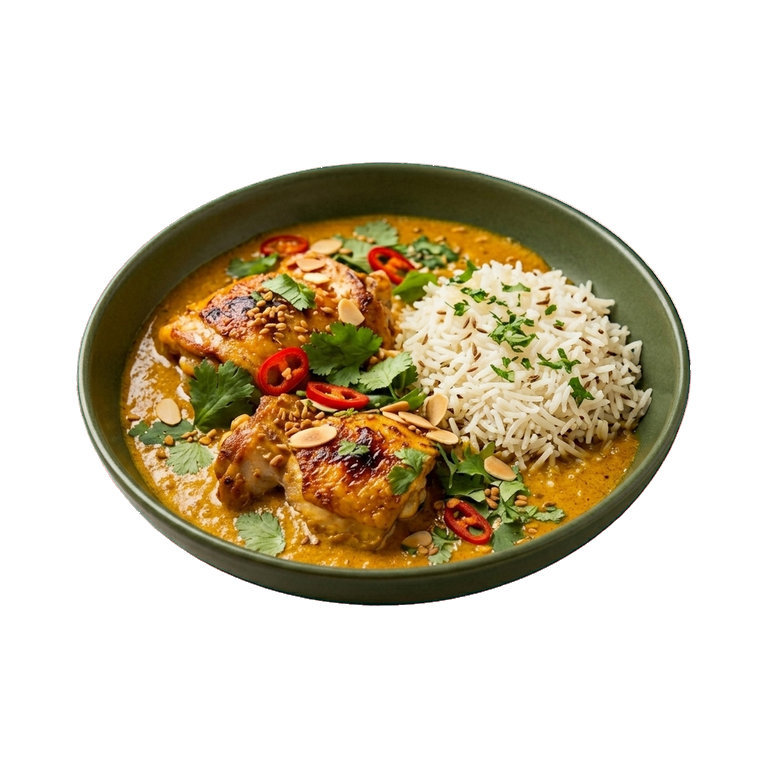
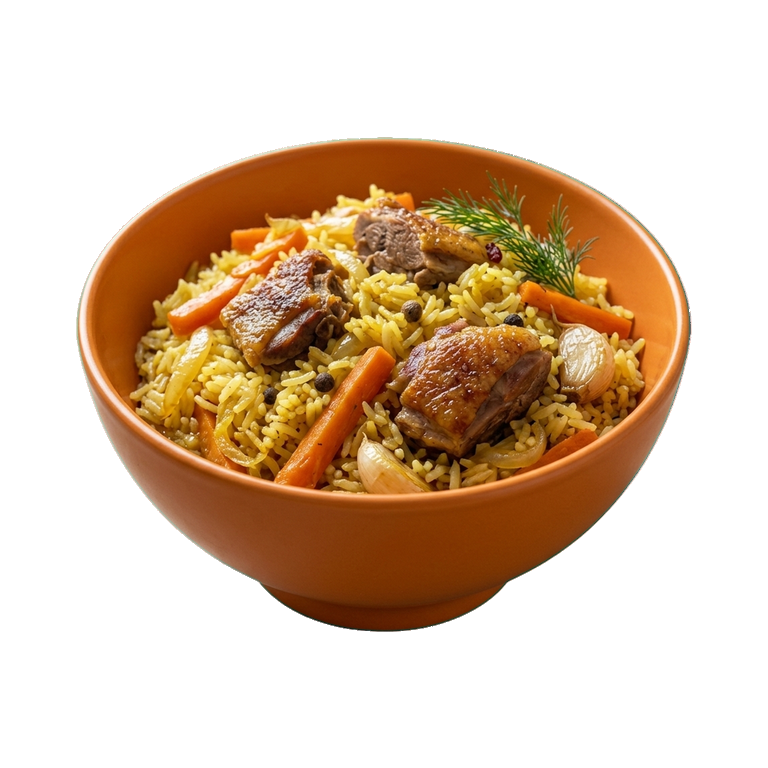
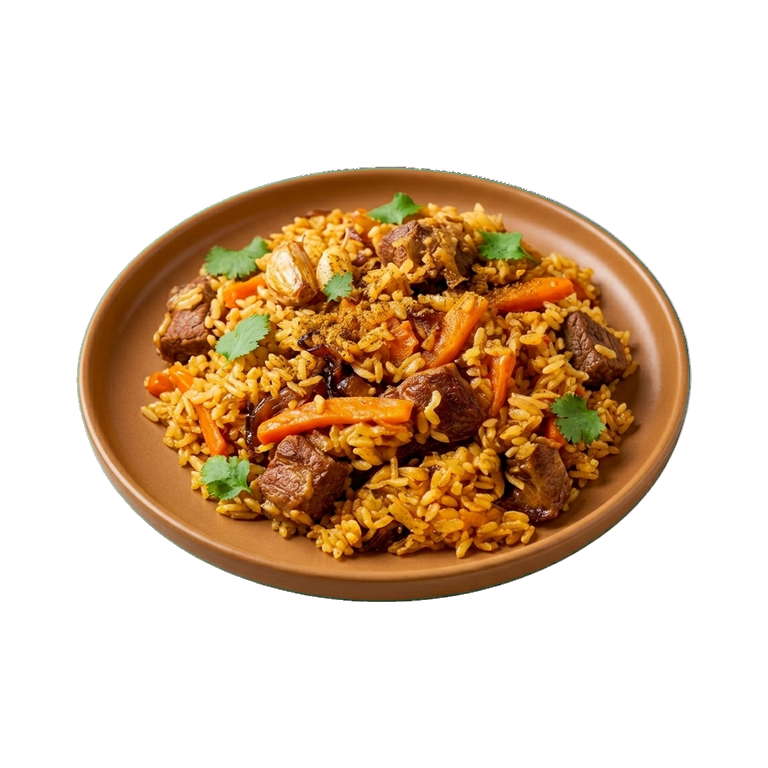
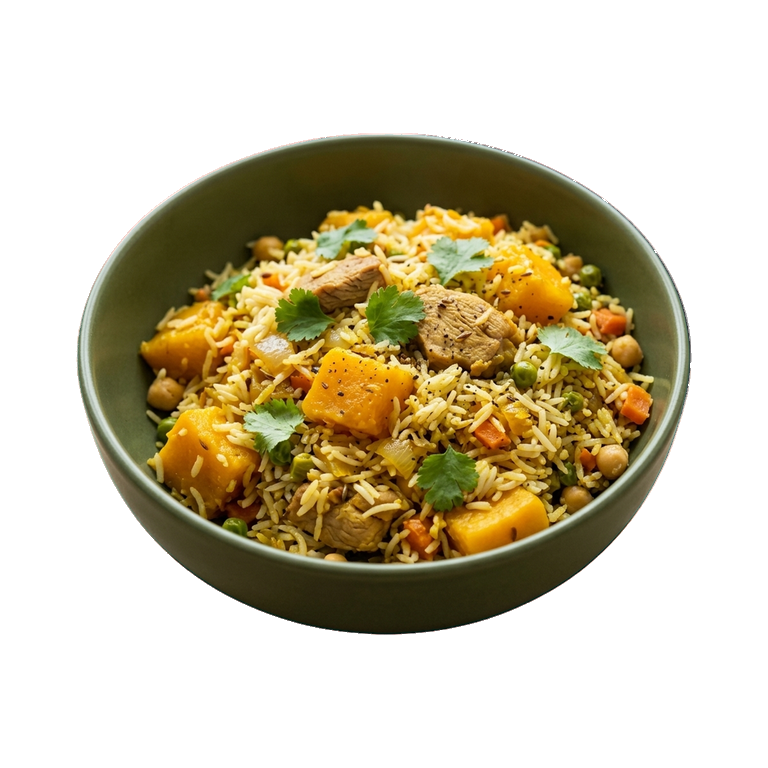
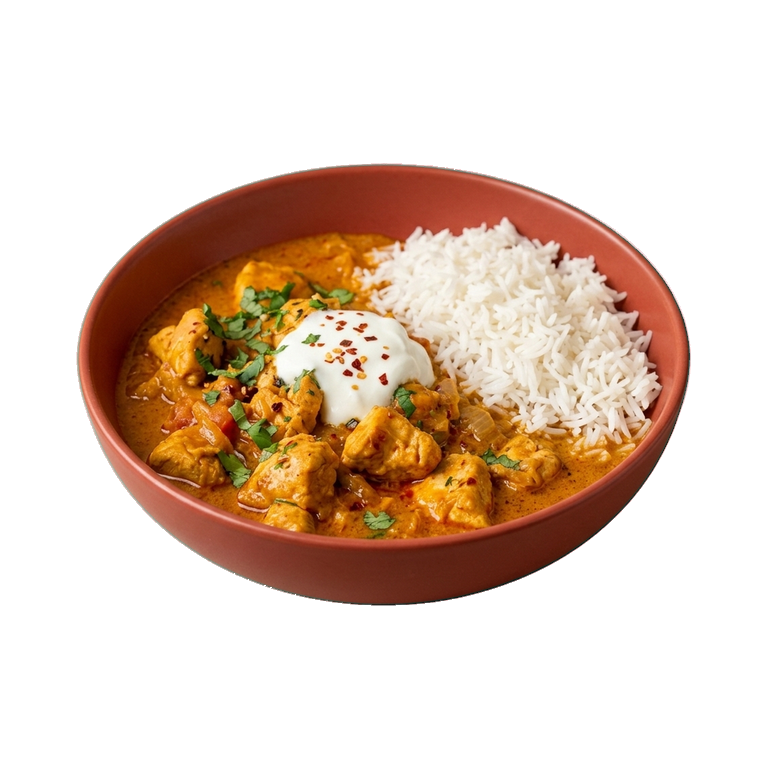
Turmeric is the queen of rice dishes. A pinch in boiling water before cooking rice, and you get a beautiful yellow side dish with a delicate aroma. It is indispensable in curry: it blends with other spices, creating that very complex, layered base that defines the character of the dish.
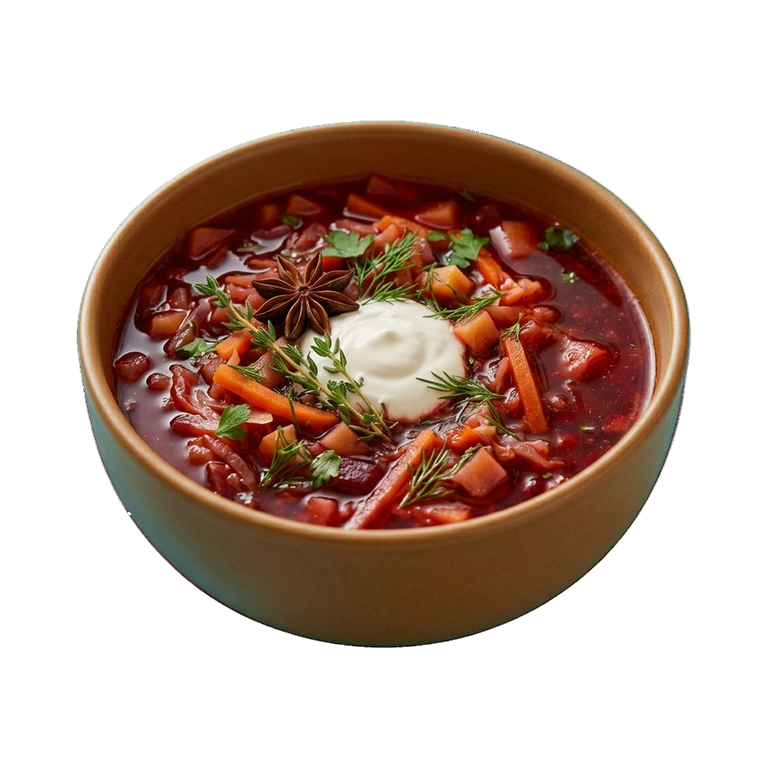
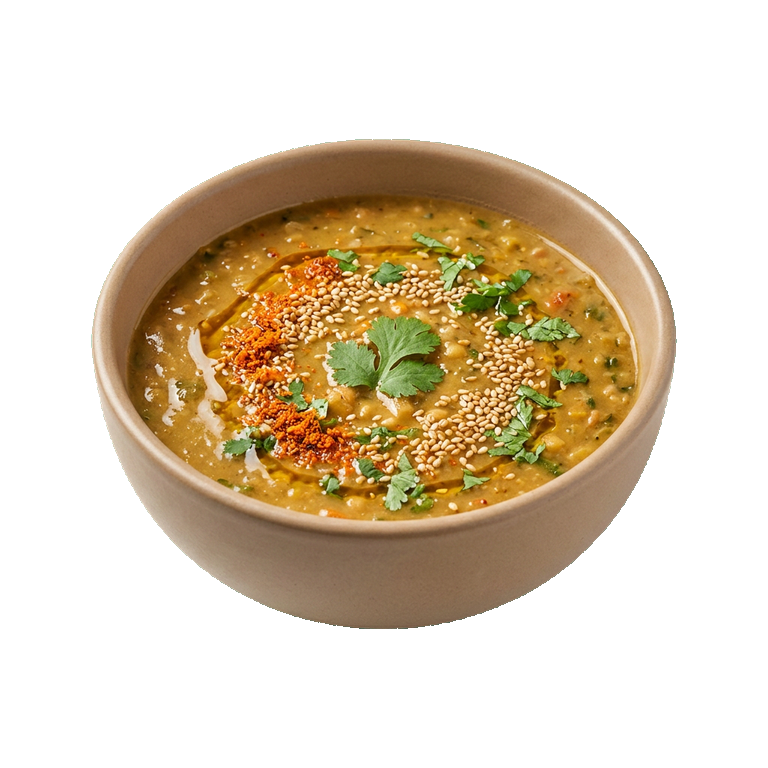
- Soups and broths — turmeric adds depth and warm tones
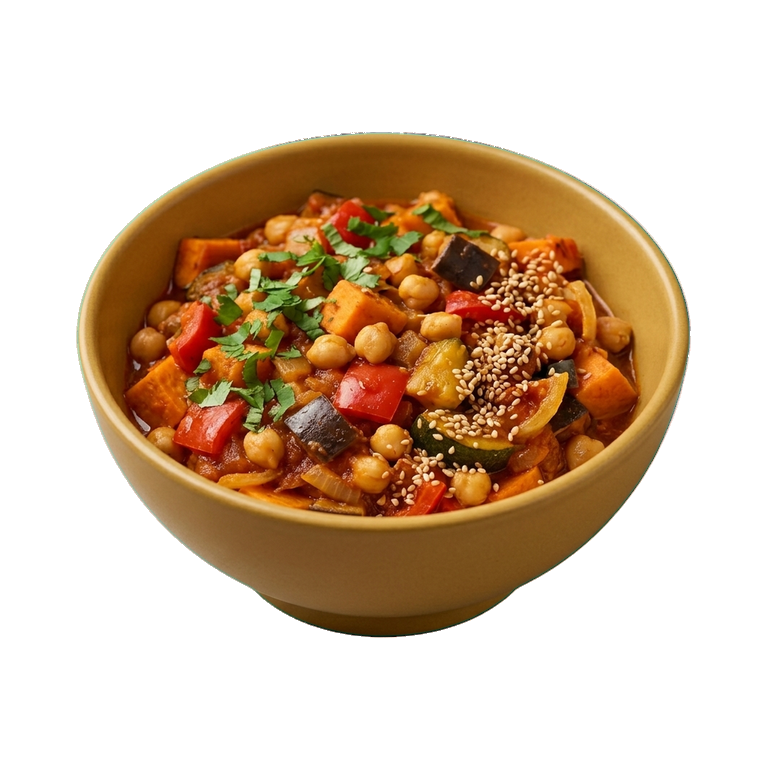
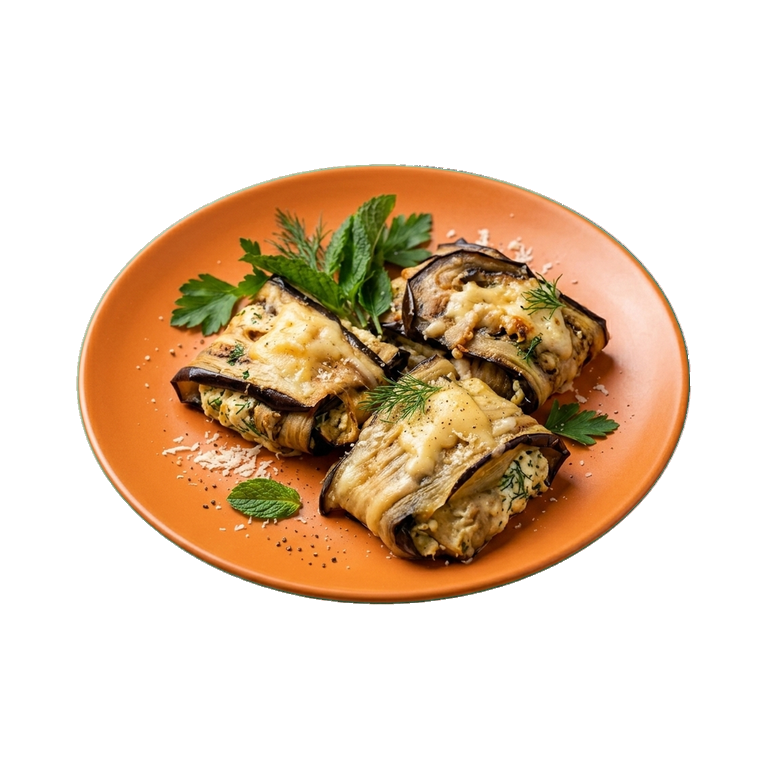
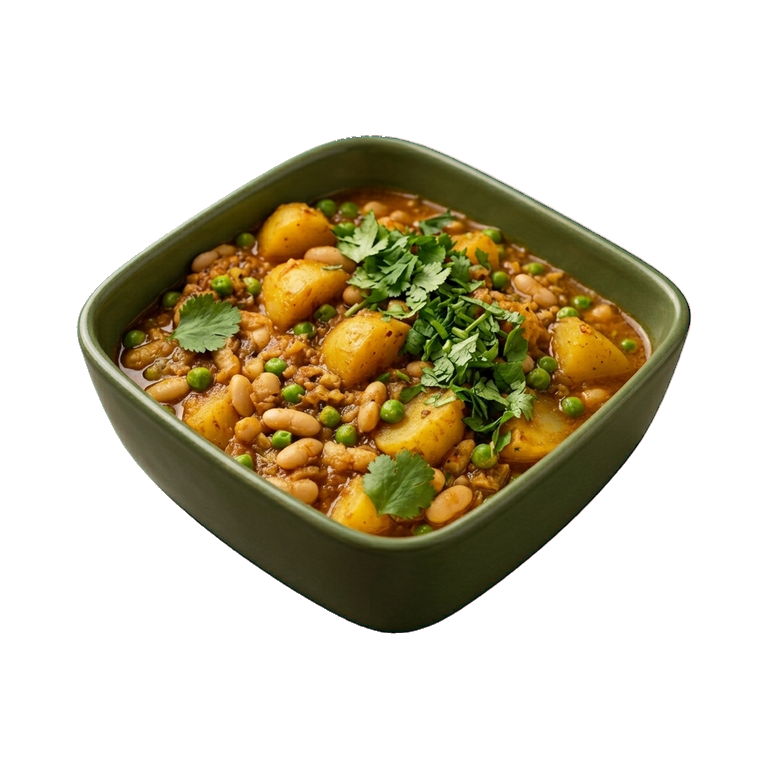
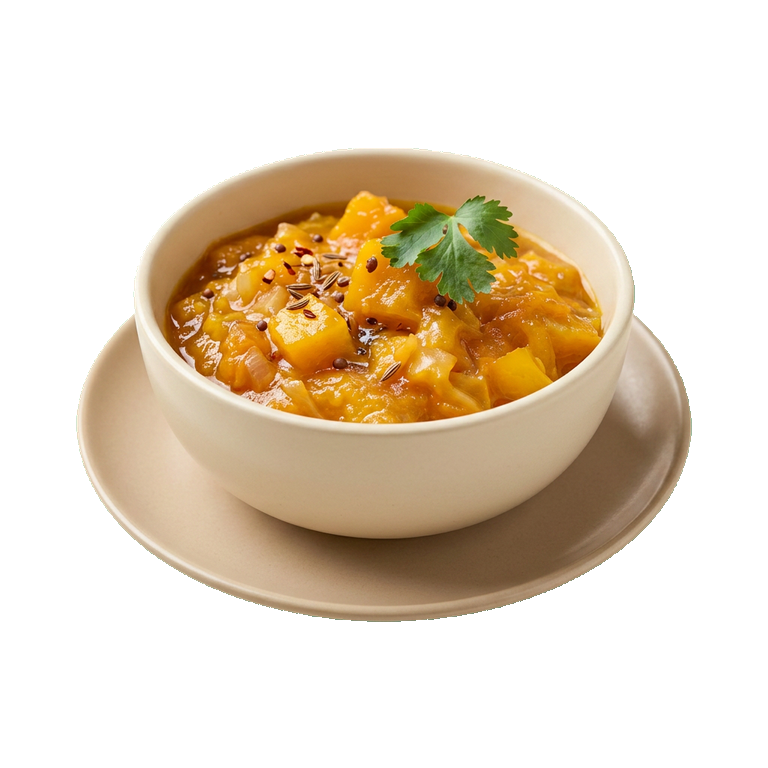
- Vegetable stews and braised dishes — works well with carrots, potatoes, chickpeas
- Dairy drinks like golden milk — turmeric really shines here
- Marinades and sauces — gives them color and piquancy
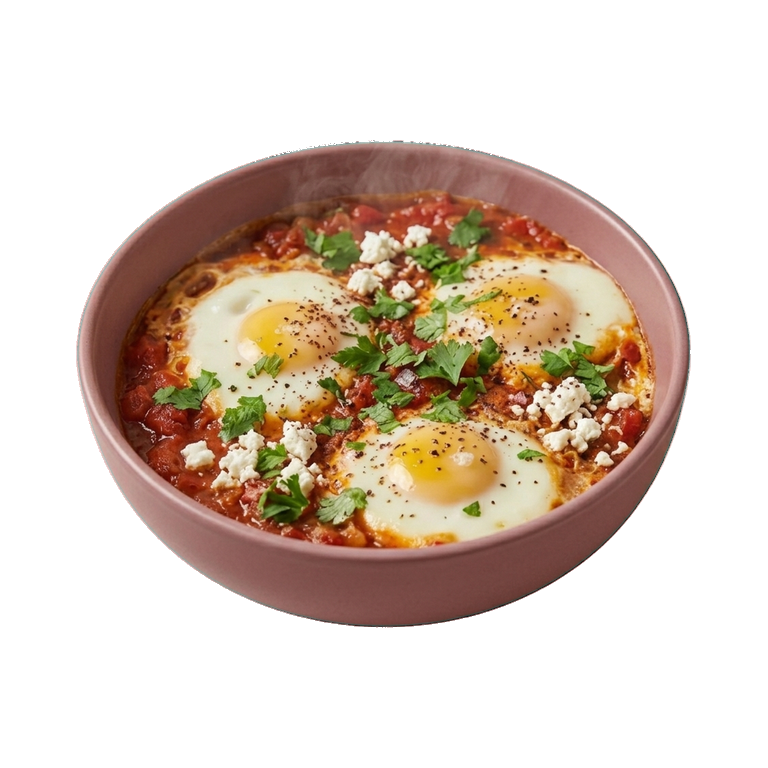
- Eggs and cottage cheese — surprisingly good combination
Turmeric in the company of other ingredients
Turmeric doesn't like to be alone. It shines best alongside black pepper — it enhances curcumin absorption and makes the flavor more expressive. With ginger, it creates a warming duet; with coriander — a softer, floral chord. Cumin and turmeric — a classic combination in Indian cuisine, where they work as the foundation for spice blends.
Remember: turmeric is a fat-soluble spice. This means it reveals its flavor more vividly in oil, cream, or coconut milk. If you simply sprinkle turmeric on a cold dish, it won't give its full taste. Add it to heated oil at the beginning of cooking, let it sit for a couple of minutes to release its aroma, and then introduce the remaining ingredients.
How to Choose and Store
Choose turmeric that is bright yellow in color, without gray or brown spots. The smell should be fresh and spicy, not musty. If turmeric looks dull orange, it may mean it has been stored for a long time or was stored incorrectly. Fresh turmeric has a more intense flavor and aroma.
Store turmeric in an airtight container in a dark place, away from light and moisture. A shelf in your kitchen cabinet is an ideal option. When stored properly, turmeric retains its properties for a year to a year and a half. If you notice that the spice has lost its vibrant color or the aroma has become weak, it's time to replace it.
Start small: a pinch of turmeric can transform a dish, but excess will make it bitter. Over time, you will find your own measure.
Nutrition
per 100 g
- Calories
- 354 kcal
- Protein
- 7.8 g
- Fat
- 9.9 g
- Carbs
- 67.1 g
Micronutrients
per 100 g
Macronutrients
- Fiber
- 22.7 g
- Sugars
- 3.21 g
- Saturated fat
- 1.838 g
- Monounsaturated fat
- 0.449 g
- Polyunsaturated fat
- 0.756 g
- Omega-3 (EPA + DHA)
- 0 g
- Cholesterol
- 0 mg
- Water
- 12.85 g
Minerals
- Sodium
- 27 mg
- Potassium
- 2080 mg
- Calcium
- 168 mg
- Magnesium
- 208 mg
- Phosphorus
- 299 mg
- Iron
- 55 mg
- Zinc
- 4.5 mg
- Copper
- 1.3 mg
- Manganese
- 19.8 mg
- Selenium
- 6.2 mcg
Vitamins
- Vitamin A (RAE)
- 0 mcg
- Vitamin D
- 0 mcg
- Vitamin E
- 4.43 mg
- Vitamin K
- 13.4 mcg
- Vitamin C
- 0.7 mg
- Vitamin B1 (thiamin)
- 0.06 mg
- Vitamin B2 (riboflavin)
- 0.15 mg
- Vitamin B3 (niacin)
- 1.35 mg
- Vitamin B5 (pantothenic acid)
- 0.54 mg
- Vitamin B6
- 0.11 mg
- Vitamin B9 (folate, DFE)
- 20 mcg
- Vitamin B12
- 0 mcg
Measures and weight
- 1 tbsp
- 13.5 g
- 1 tsp
- 4.5 g
- 1 cup
- 225 g
Measure calculator
- Weight
- 100 g
- Calories
- 354 kcal