Usuba
Usuba
Vanilla extract
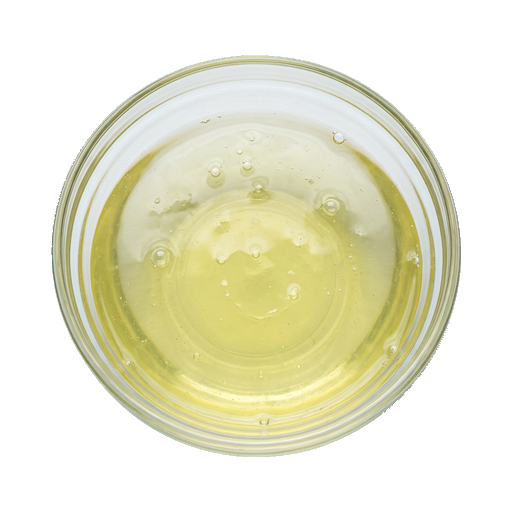
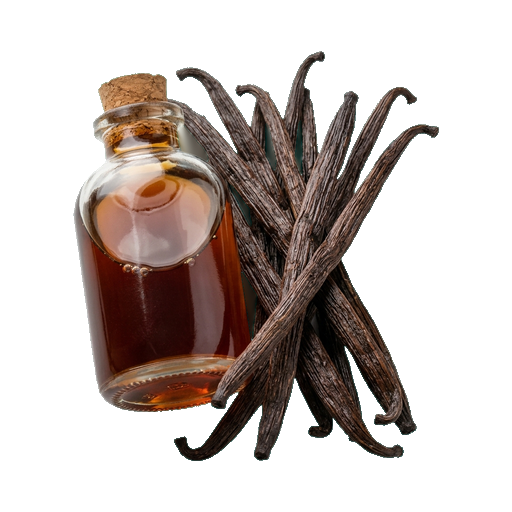
Vanilla extract is a concentrated infusion from vanilla pods obtained by steeping in alcohol or propylene glycol. It imparts a deep sweet aroma with subtle spicy notes to baked goods, desserts, and beverages, enhancing the overall flavor profile. When using it, remember that the extract quickly loses its aroma when heated above 80 degrees, so it's best added at the end of cooking or to cold dishes, and to dough—as the final step before baking.
Micronutrients
per 100 ml
Minerals
About
Vanilla extract is a concentrated liquid that transforms desserts from good to unforgettable. Its role is simple: it highlights sweetness, adds depth, and creates that very complex aroma that makes people ask "what is this miracle?" But at the same time, vanilla remains in the background — it doesn't shout about itself, but works as part of a team with other ingredients.
Aroma and taste
The smell of the extract is sharp and rich — this is normal. When you open the bottle, you will notice an alcoholic note that evaporates when heated. Beneath it lies a sweet, almost floral vanilla with a slight woody character. In the finished dish, the alcohol dissipates, leaving only a harmonious sweetness that doesn't overpower other flavors.
The main difference of quality extract is its 'purity'. Cheap options often contain synthetic vanillin, which gives a flat, one-dimensional taste. Natural extract has a more complex profile with subtle notes. The difference is noticeable in simple dishes like vanilla cream or cookies, where vanilla is the star.
Where and how to use
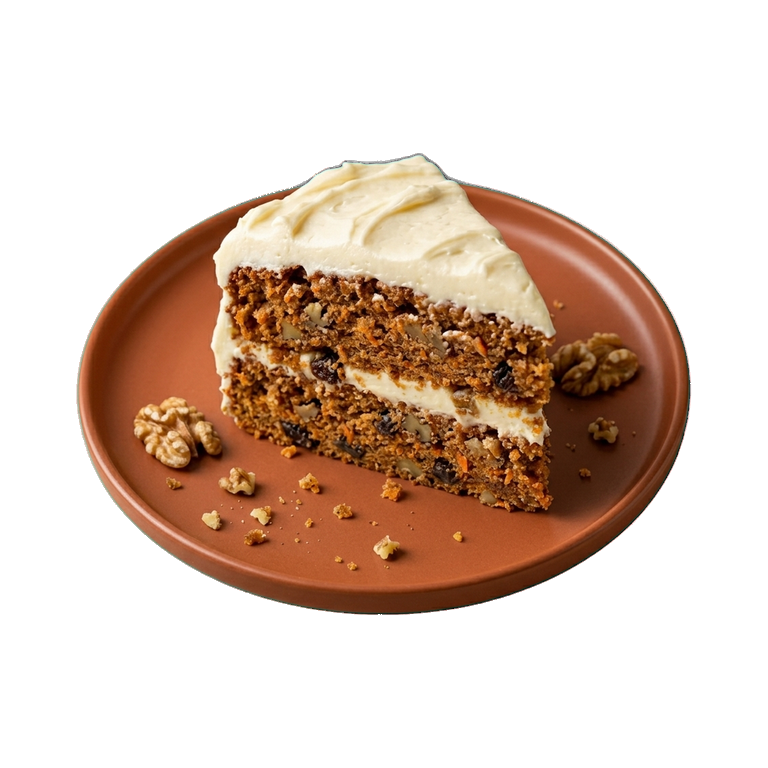
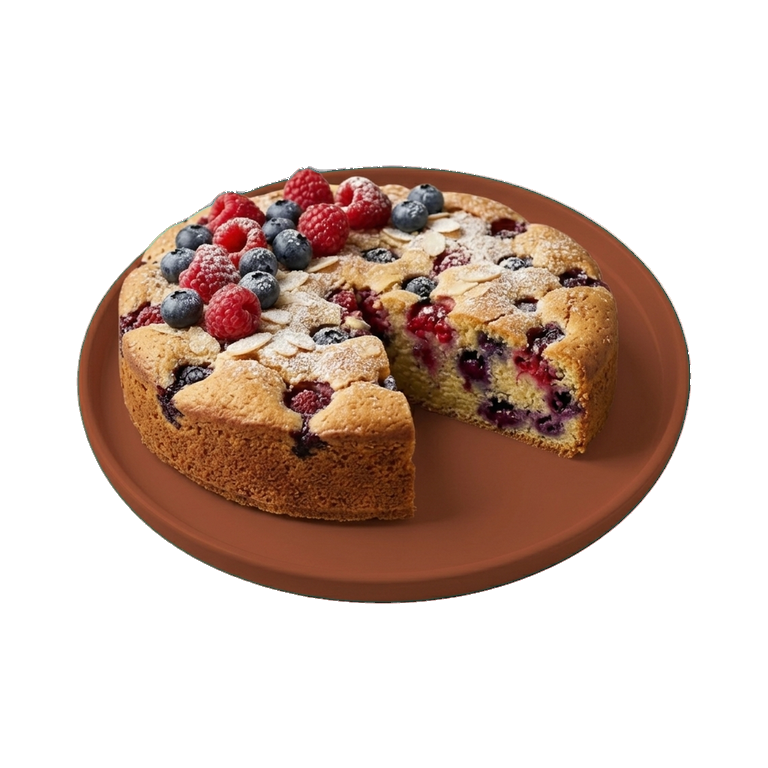
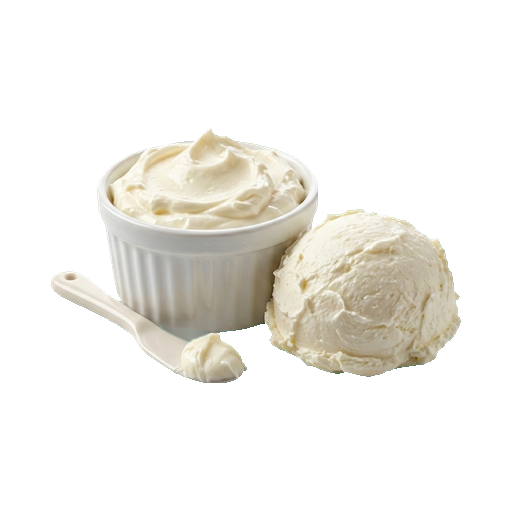
Extract works everywhere vanilla is needed, but in liquid form. It's an ideal choice for tests, creams, drinks, and sauces. In cookies and cakes, it's added to the dough, in ice cream — to the base before freezing, in hot chocolate — at the end of cooking. A few drops can change the character of a dish.
- Creams and crème brûlée — add to the hot mixture before cooling
- Cookies and pastries — introduce into the dough together with liquid ingredients
- Ice cream and sorbets — mix with the base before freezing
- Drinks and cocktails — add at the end to preserve the aroma
- Compotes and jams — a few drops will enhance the fruity flavor
Dosage and Proportions
The extract is highly concentrated, so caution is needed. Typical dosage is from half to a full teaspoon per kilogram of dough or liter of liquid base. Start with a smaller amount and test: you can always add more, but you cannot remove it. Excess creates a bitter, alcoholic aftertaste that spoils the dish.
Combinations and pairings
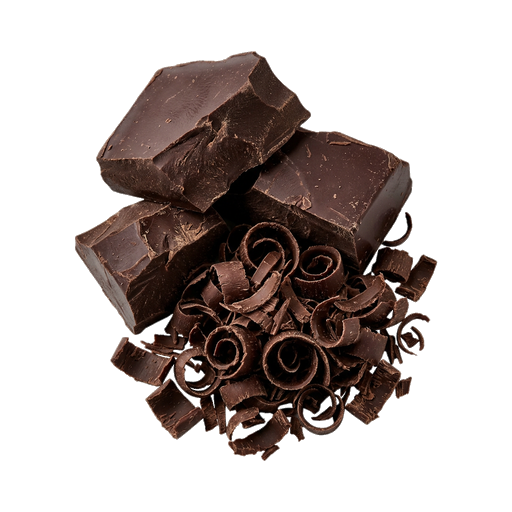
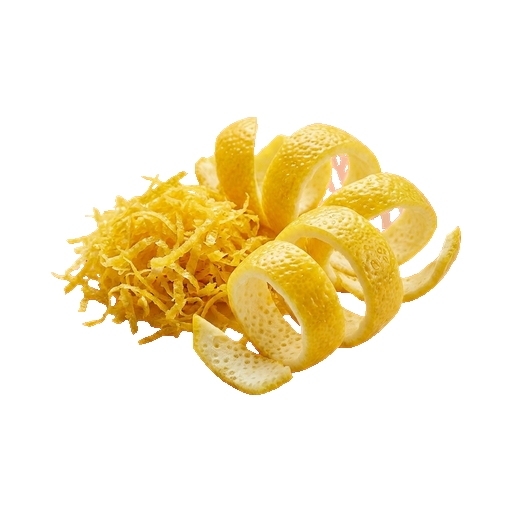
Vanilla is a universal companion. It pairs well with cinnamon, nutmeg, and cardamom in spiced desserts. With cocoa and chocolate, it creates a classic combination. It works well with lemon and orange, softening their acidity. Even in savory dishes, like caramel sauces for meat, a few drops add sophistication.
Selection and Storage
When choosing, check the label: natural extract contains vanilla pods and alcohol, synthetic contains vanillin and water. Natural is more expensive, but the taste is noticeably better. The color should be dark, almost black, with visible black vanilla specks.
The extract is stored for a long time in a dark bottle, away from light and heat. The alcohol that is part of its composition is a natural preservative. Even after a year or two, the quality won't decline if the bottle is tightly sealed. Some chefs deliberately leave the bottle open so the alcohol evaporates and a more concentrated vanilla syrup remains, but this requires months.
Remember: vanilla extract is not a mandatory ingredient, but a helper. Its task is to make what is already good even better. Use it judiciously, and it will reward you with subtle yet powerful flavor support.
Nutrition
per 100 ml
- Calories
- 288 kcal
- Protein
- 0.1 g
- Fat
- 0.1 g
- Carbs
- 12.7 g
Micronutrients
per 100 ml
Macronutrients
- Fiber
- 0 g
- Sugars
- 11.132 g
- Saturated fat
- 0.009 g
- Monounsaturated fat
- 0.009 g
- Polyunsaturated fat
- 0.004 g
- Omega-3 (EPA + DHA)
- 0 g
- Cholesterol
- 0 mg
- Water
- 46.27 g
Minerals
- Sodium
- 7.92 mg
- Potassium
- 130.24 mg
- Calcium
- 9.68 mg
- Magnesium
- 10.56 mg
- Phosphorus
- 5.28 mg
- Iron
- 0.11 mg
- Zinc
- 0.1 mg
- Copper
- 0.06 mg
- Manganese
- 0.2 mg
- Selenium
- 0 mcg
Vitamins
- Vitamin A (RAE)
- 0 mcg
- Vitamin D
- 0 mcg
- Vitamin E
- 0 mg
- Vitamin K
- 0 mcg
- Vitamin C
- 0 mg
- Vitamin B1 (thiamin)
- 0.01 mg
- Vitamin B2 (riboflavin)
- 0.08 mg
- Vitamin B3 (niacin)
- 0.37 mg
- Vitamin B5 (pantothenic acid)
- 0.03 mg
- Vitamin B6
- 0.02 mg
- Vitamin B9 (folate, DFE)
- 0 mcg
- Vitamin B12
- 0 mcg
Measures and weight
- 1 tbsp
- 13.2 g
- 1 tsp
- 4.4 g
- 1 cup
- 220 g
Measure calculator
- Weight
- 100 g
- Calories
- 327 kcal