Usuba
Usuba
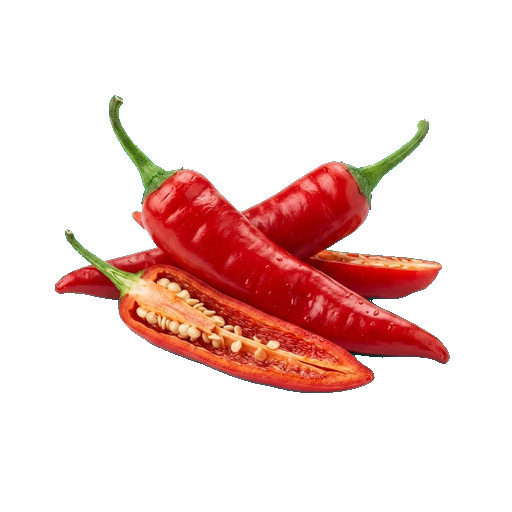
Red chili pepper
Hot red pepper with thin skin and meaty flesh, featuring a pungent taste with fruity notes. Used fresh, dried, or ground for preparing sauces, marinades, spicy dishes, and seasonings. When selecting, look for vibrant color and firm texture; remember that heat is concentrated in the seeds and white partitions — remove them if you prefer a milder version.
Micronutrients
per 100 g
Minerals
Vitamins
About
Red chili pepper is not just a spicy seasoning, but a multifaceted ingredient that changes the character of a dish. When the pepper fully ripens and turns red, it becomes sweeter and more aromatic than its green counterpart. The heat remains, but fruity and smoky notes emerge that work not against the dish, but together with it.
Aroma and Flavor
Fresh red chili peppers smell herbaceous and slightly fruity, with undertones of green. When you cut it, essential oil is released, which gives the space around you a sharp, piercing aroma. To the taste it is hot, but not flat: there is sweetness, a slight bitterness, and even floral notes in the aftertaste. Dried peppers become more concentrated — the aroma deepens, with smoky and almost tobacco-like notes appearing.
How to use in the kitchen
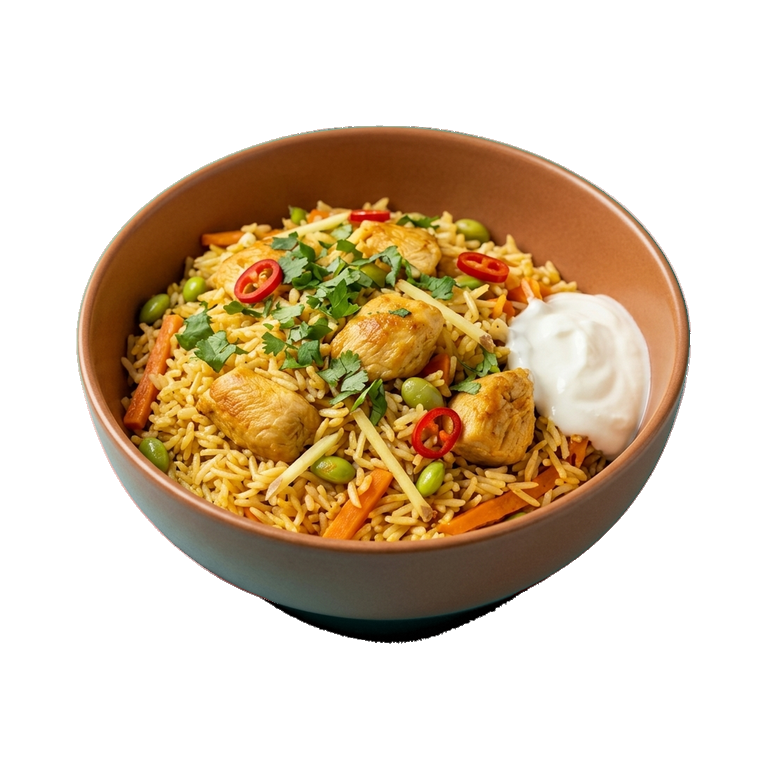
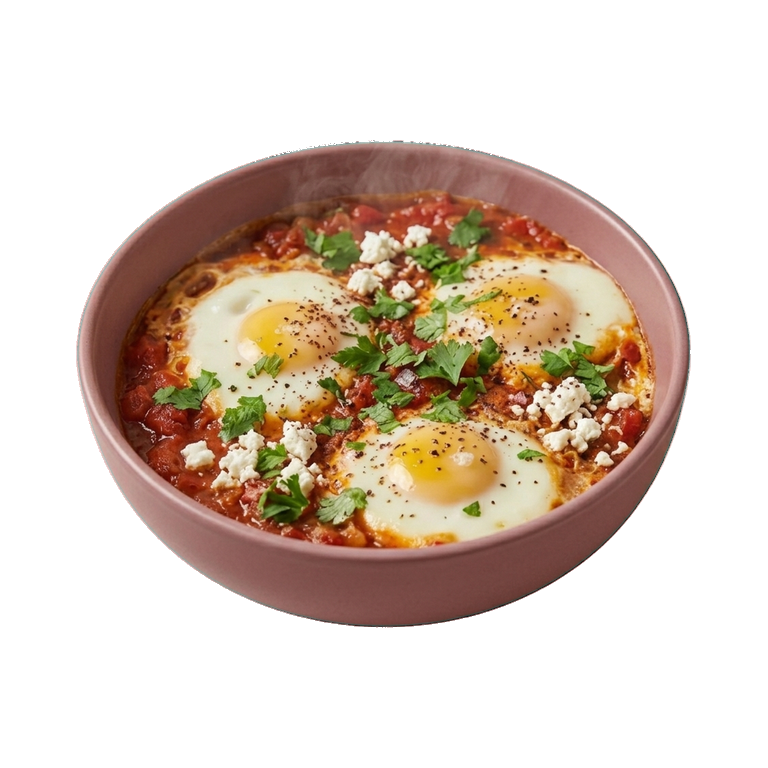
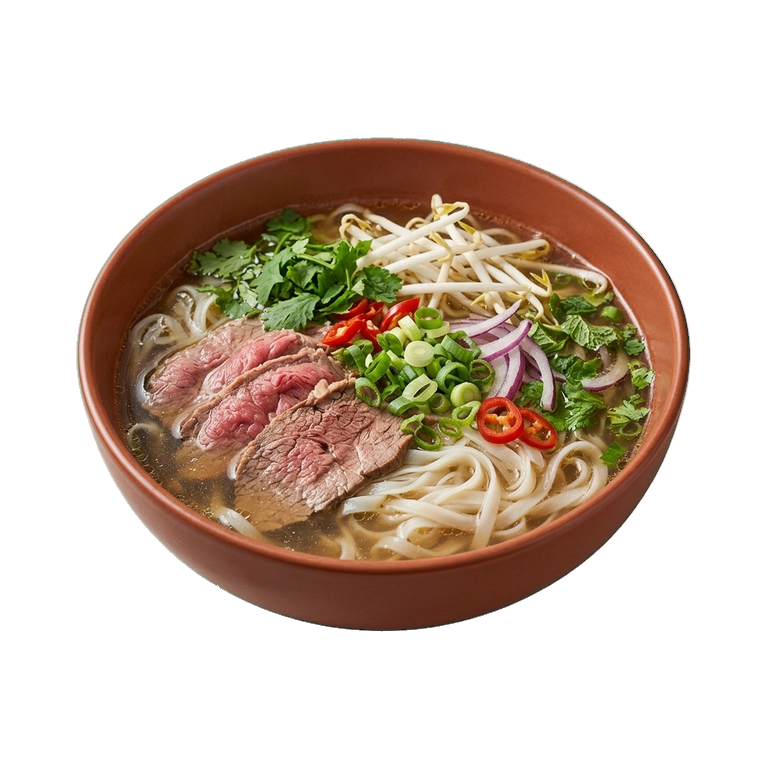
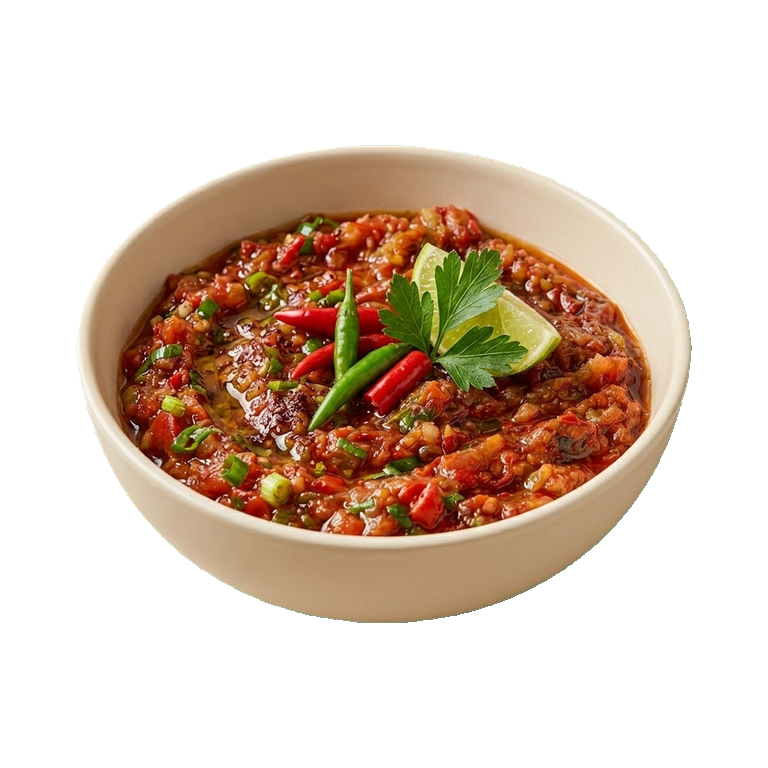
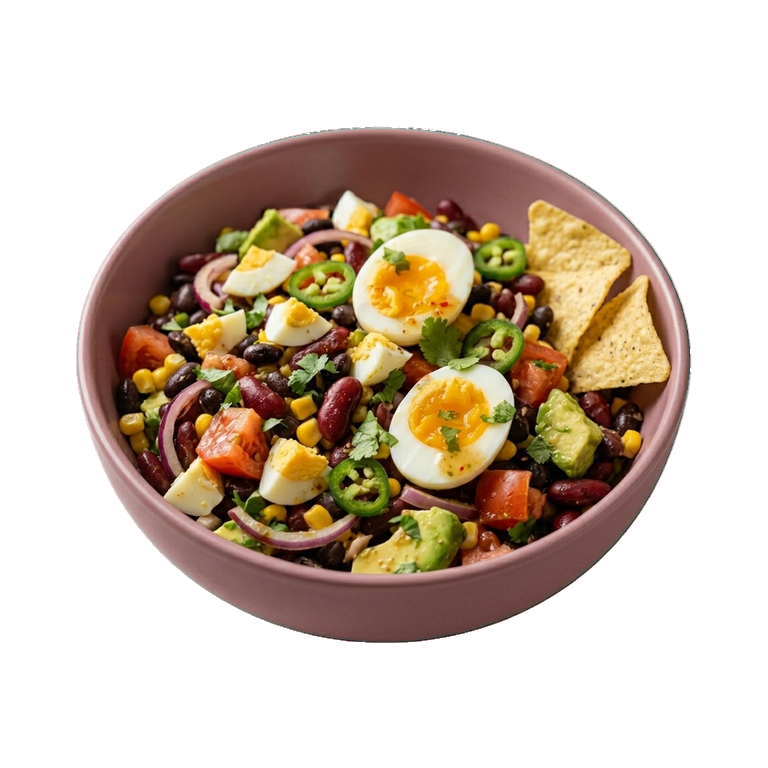
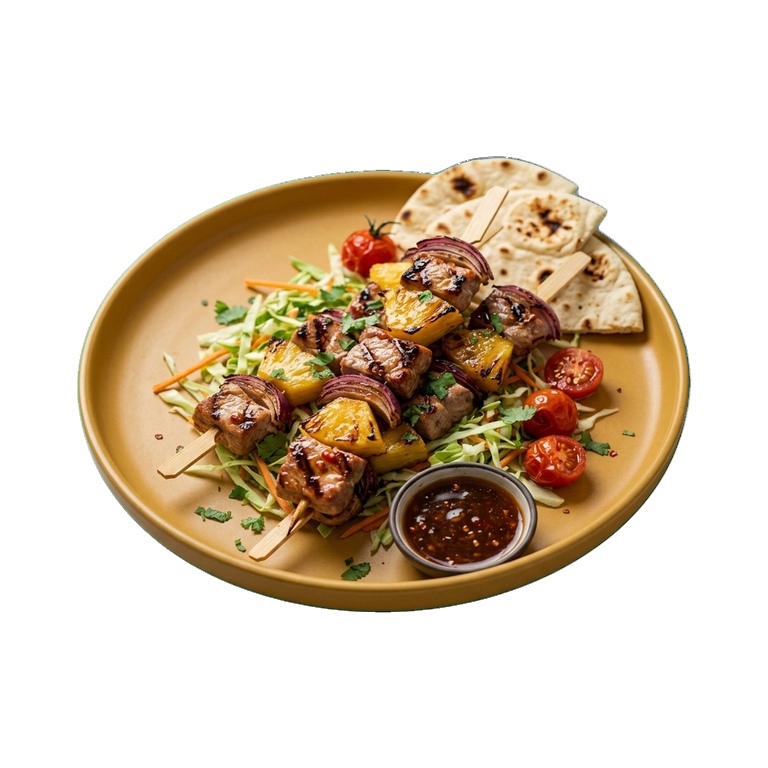
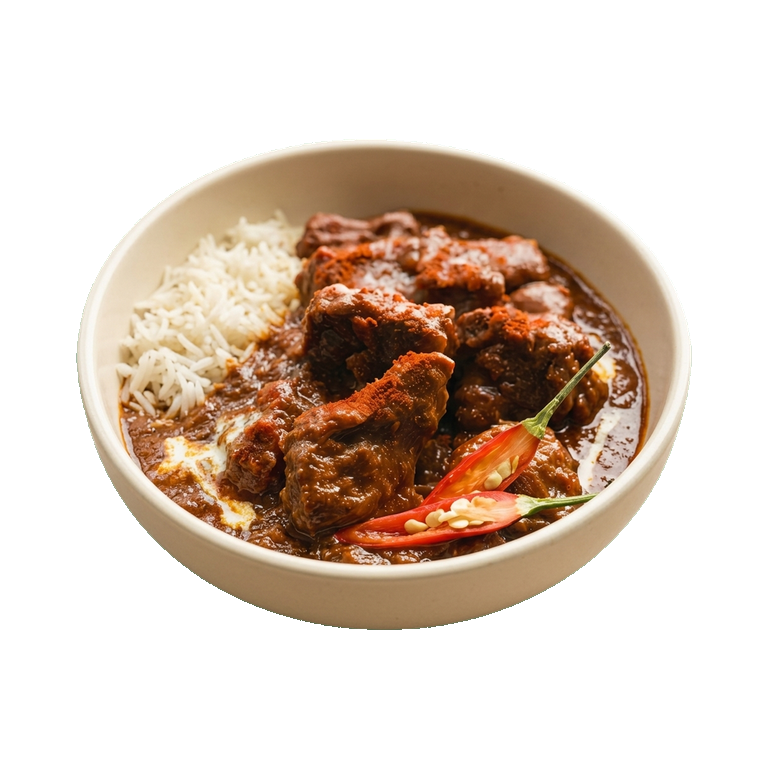
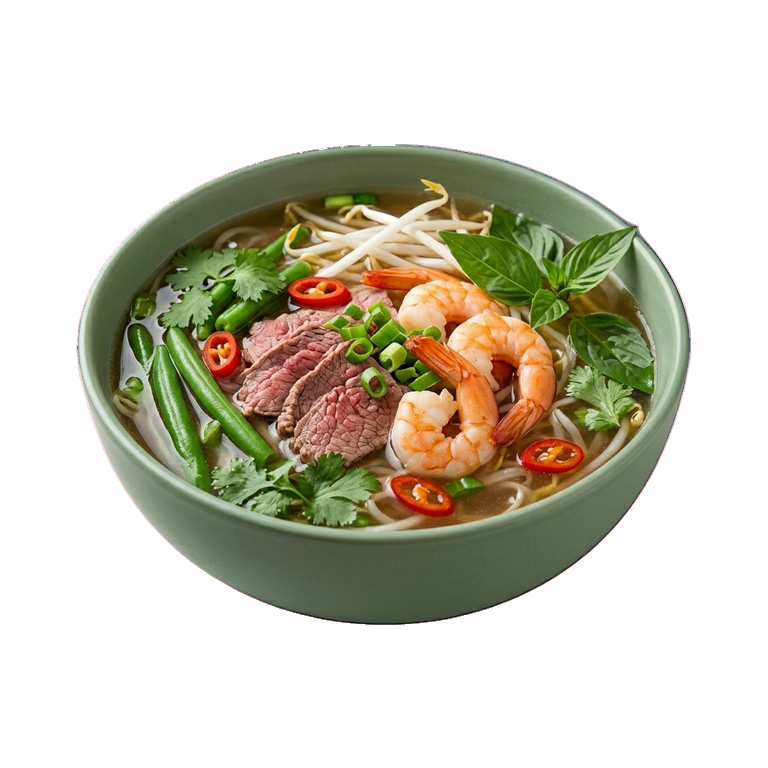
Fresh peppers are great raw — in salsa, guacamole, or simply sliced into a salad. If you want to reduce the heat, remove the seeds and white partitions inside: that's where most of the spiciness is concentrated. Cooking peppers over fire is an excellent idea: on a pan or grill, they soften, lose some of their heat, and become slightly sweet. In soups and stews, you can add them whole or in chunks so they impart flavor while remaining recognizable pieces.
- Fresh pepper in salsa and side dishes
- Roasted or charred on the grill for pasta and sauces
- Dried and ground into powder for seasoning
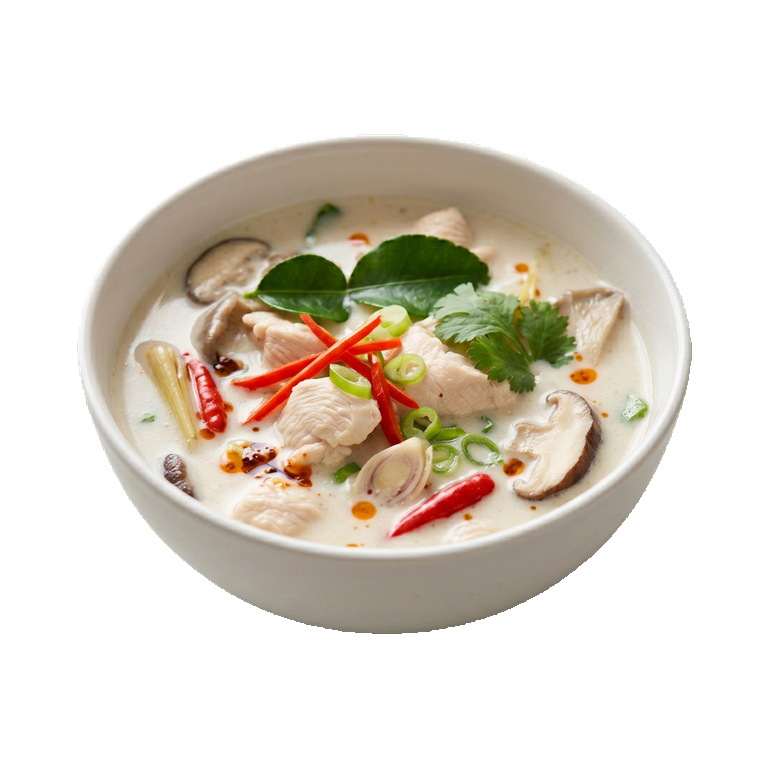
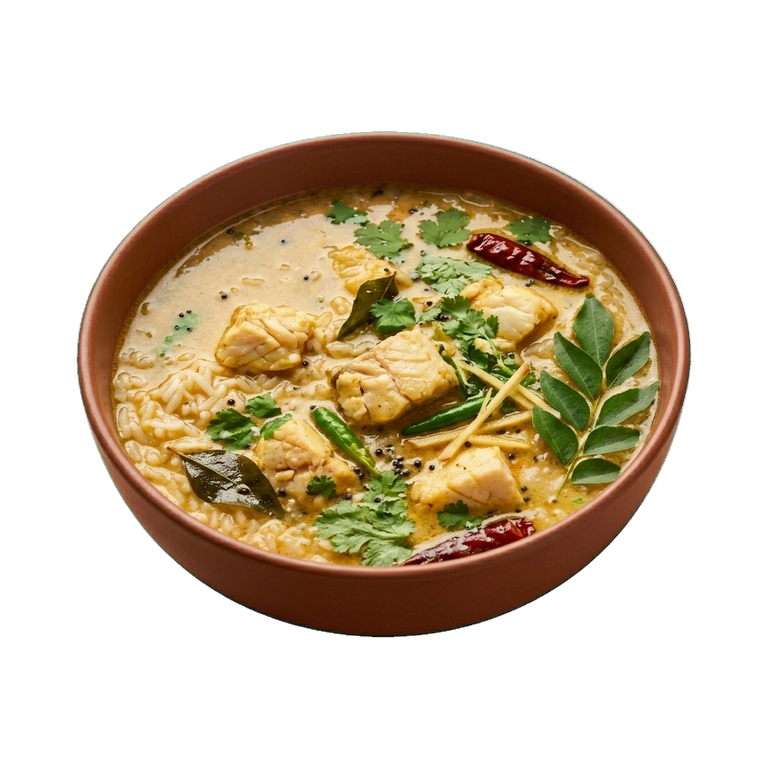
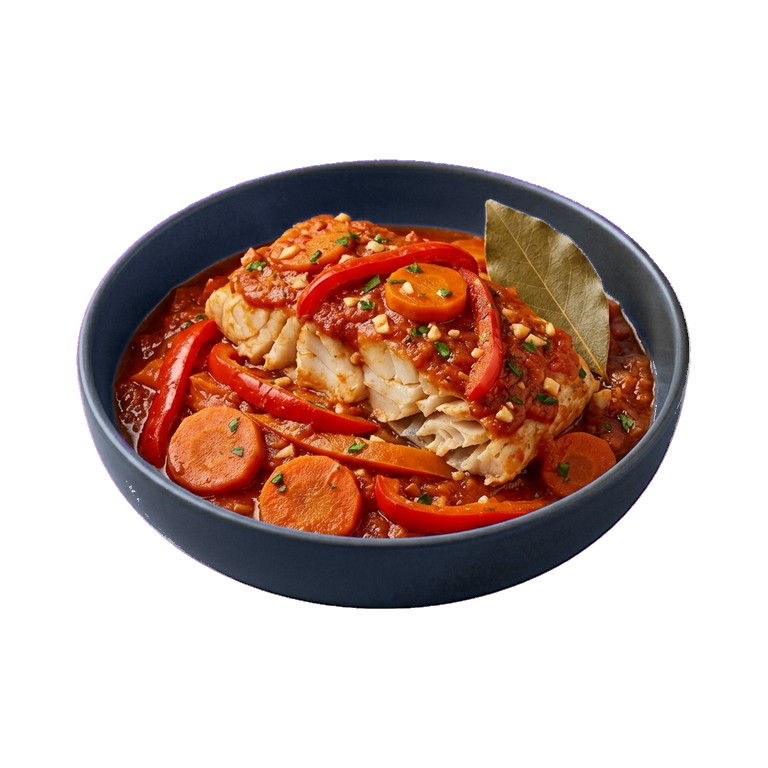
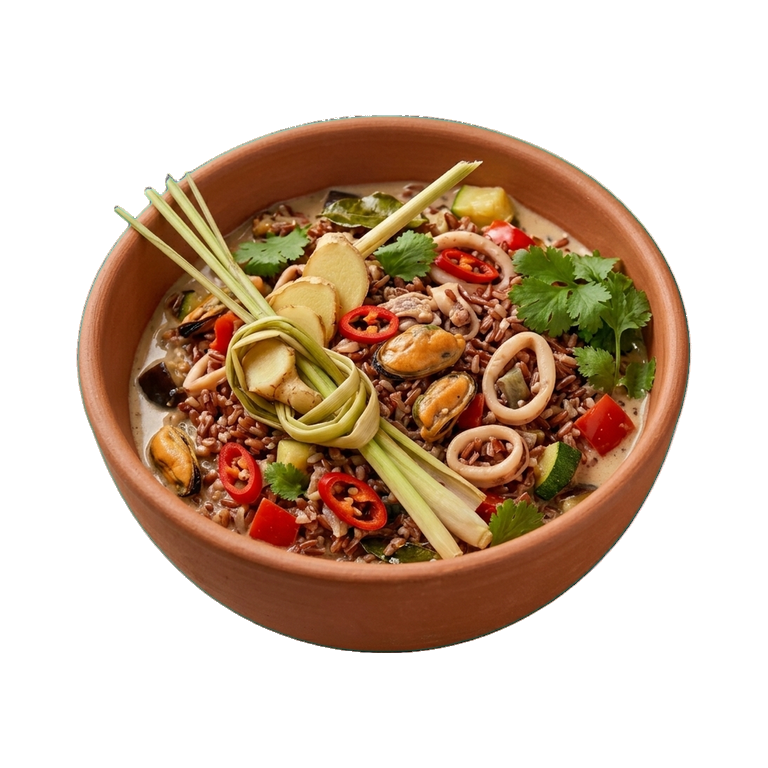
- Whole in soups and stewed dishes
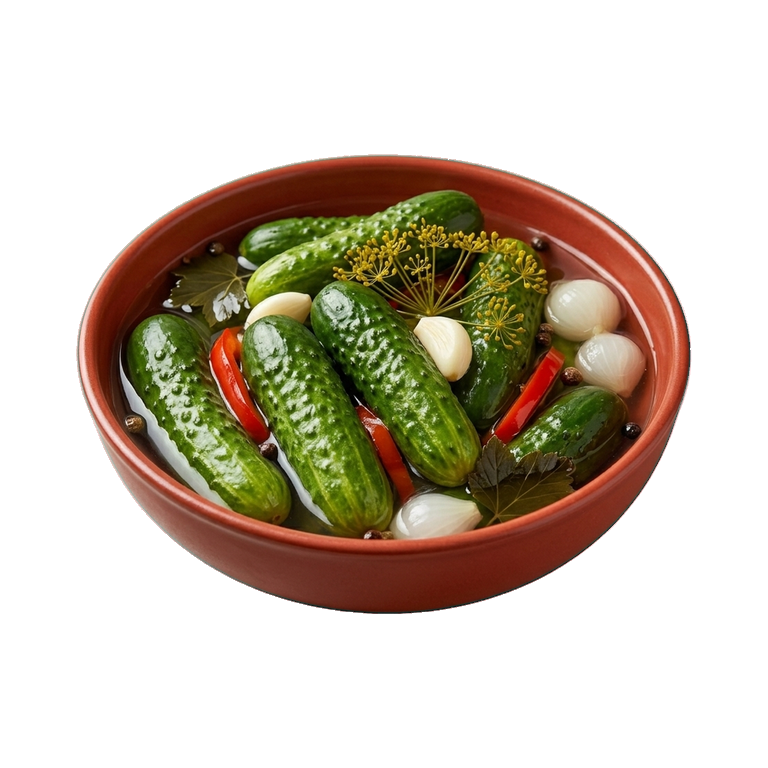
- Pickled in vinegar as an appetizer or ingredient
Combinations and Harmony
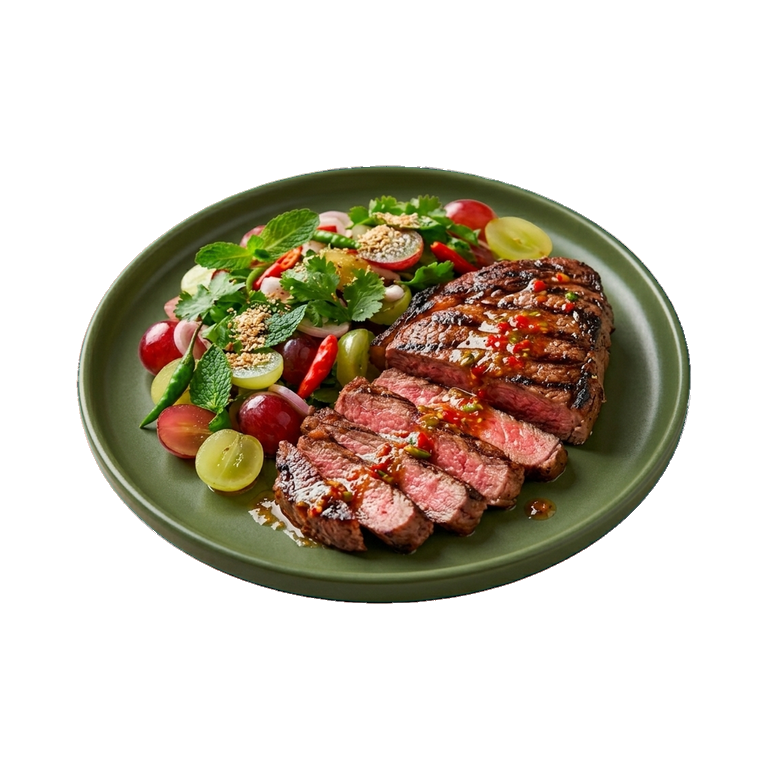
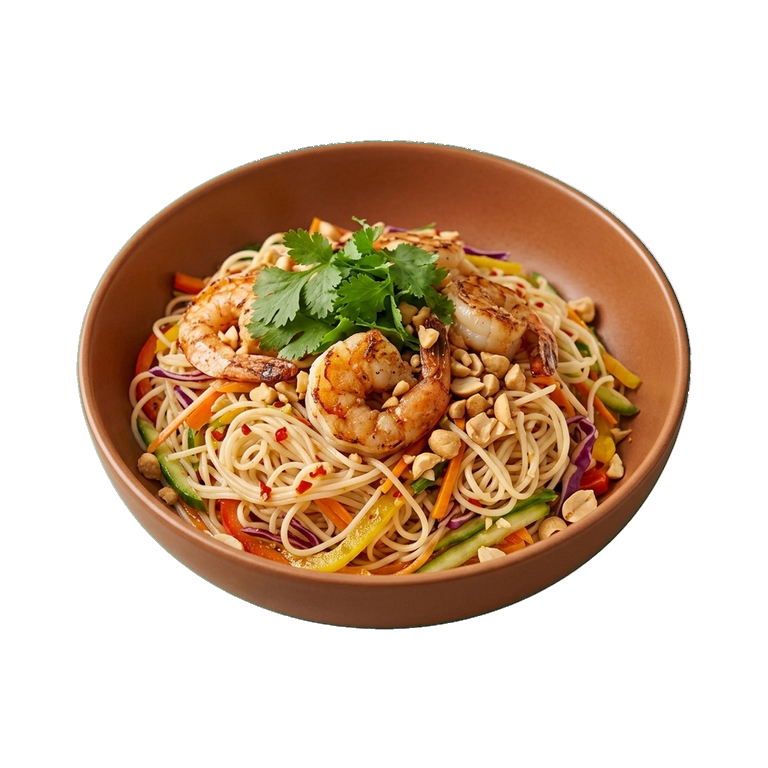
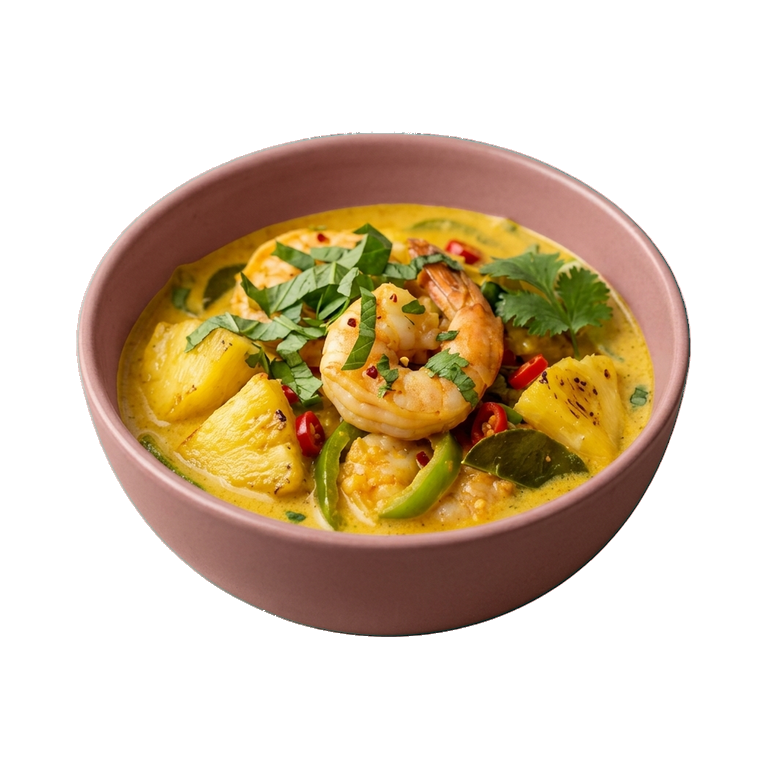
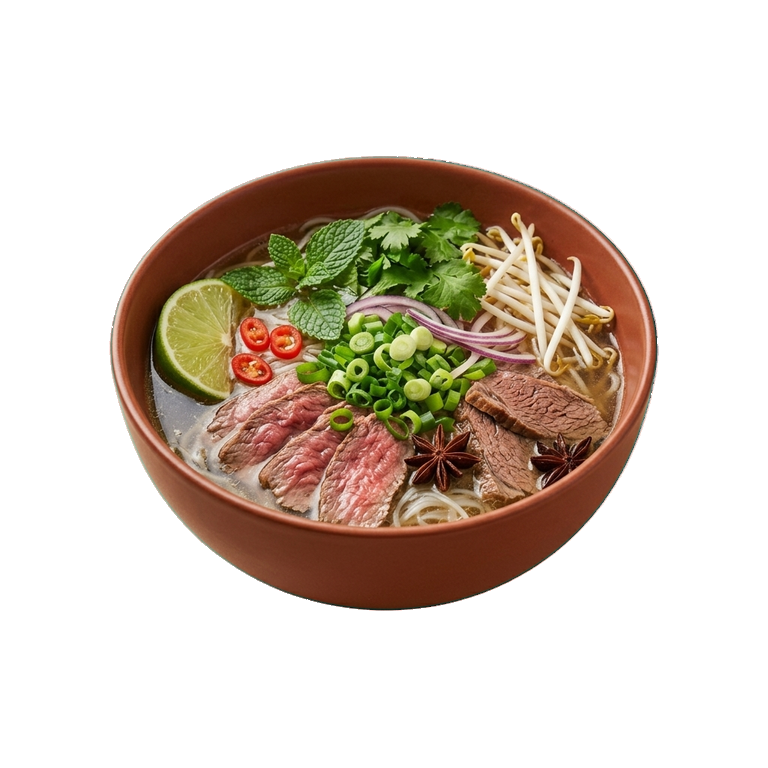
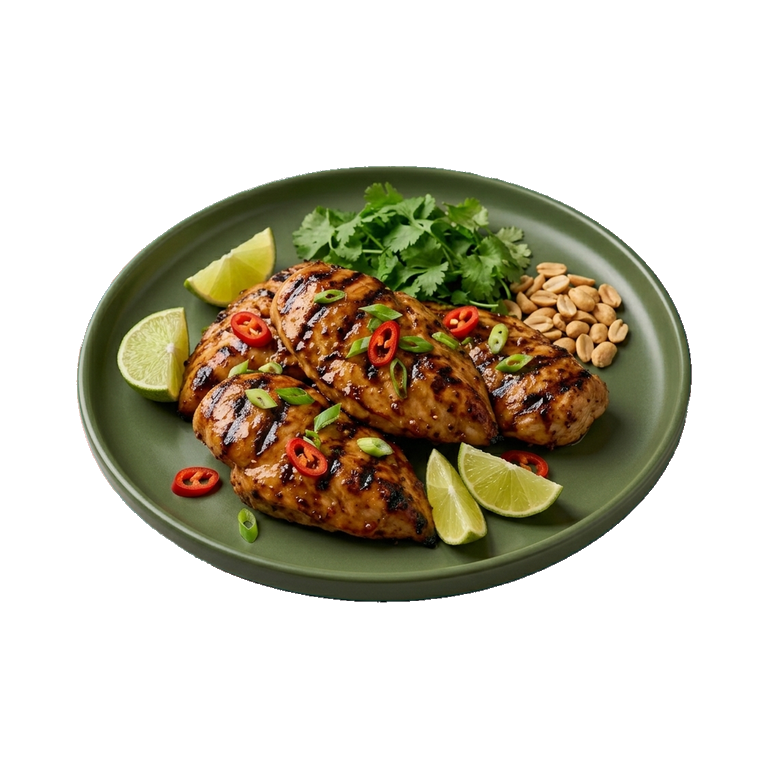
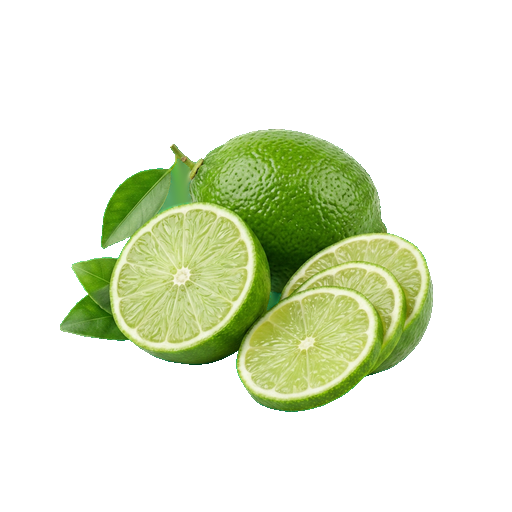
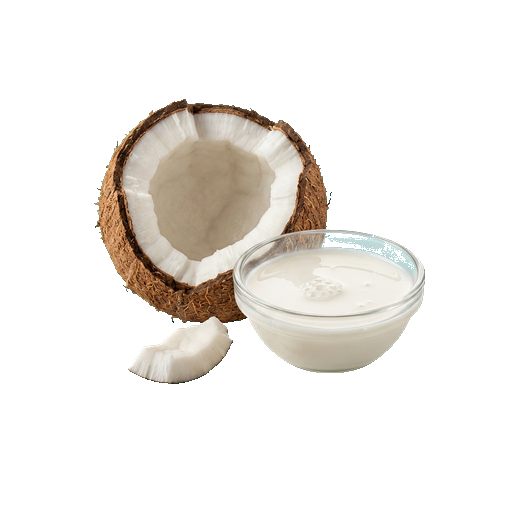
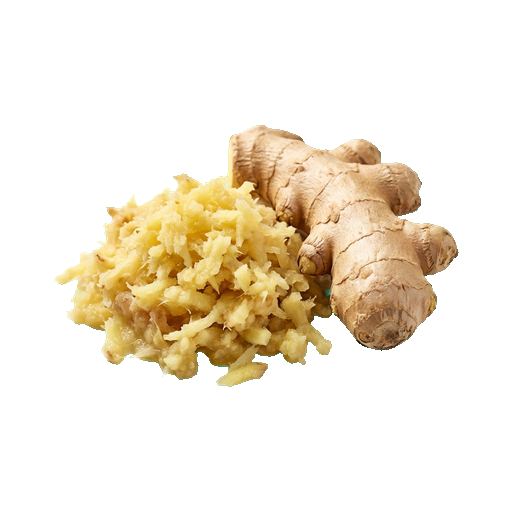
Red chili pepper pairs wonderfully with garlic, ginger, and lime — this classic trio in Asian cuisine. Combined with tomatoes and onions, it forms the base of Mexican sauces. In European cuisine, pepper works well with olive oil, oregano, and basil. The heat of pepper creates an excellent contrast with dairy products: sour cream, cream cheese, or yogurt soften the spice and create a complex flavor profile. With sweet ingredients — honey, coconut milk, or caramel — pepper reveals itself in a new way, bringing an interesting intensity.
Selection and Storage
When choosing fresh pepper, pay attention to the skin: it should be smooth, shiny, without dark spots or wrinkles. The pepper should be firm, not soft. The smell should be fresh and herbaceous, without mustiness. It is best to store fresh pepper in the refrigerator in a bag or container: this way it will last two to three weeks. If the pepper begins to wilt, you can freeze it whole or sliced — the texture will change when thawed, but this is not a problem for cooking. Dried pepper in an airtight container lasts for months, and ground powder for several months, but gradually loses its aroma.
- Fresh pepper: refrigerator, 2–3 weeks
- Frozen pepper: freezer, up to 6 months
- Dried pepper: airtight container in a cool place, 6–12 months
- Ground powder: airtight container, away from light and heat, 3–4 months
Red chili pepper is an ingredient that teaches you to listen to your dish. Its heat should not overpower the flavor, but complement it. Start with half a pepper, taste it, understand how it works in your specific recipe. Over time, you will learn to feel its potential and use it not as a seasoning, but as a full-fledged component of culinary composition.
Nutrition
per 100 g
- Calories
- 40 kcal
- Protein
- 2 g
- Fat
- 0.4 g
- Carbs
- 9 g
Micronutrients
per 100 g
Macronutrients
- Fiber
- 1.5 g
- Sugars
- 5.3 g
- Saturated fat
- 0.042 g
- Monounsaturated fat
- 0.024 g
- Polyunsaturated fat
- 0.239 g
- Omega-3 (EPA + DHA)
- 0 g
- Cholesterol
- 0 mg
- Water
- 88.02 g
Minerals
- Sodium
- 9 mg
- Potassium
- 322 mg
- Calcium
- 14 mg
- Magnesium
- 23 mg
- Phosphorus
- 43 mg
- Iron
- 1.03 mg
- Zinc
- 0.26 mg
- Copper
- 0.13 mg
- Manganese
- 0.19 mg
- Selenium
- 0.5 mcg
Vitamins
- Vitamin A (RAE)
- 48 mcg
- Vitamin D
- 0 mcg
- Vitamin E
- 0.69 mg
- Vitamin K
- 14 mcg
- Vitamin C
- 143.7 mg
- Vitamin B1 (thiamin)
- 0.07 mg
- Vitamin B2 (riboflavin)
- 0.09 mg
- Vitamin B3 (niacin)
- 1.24 mg
- Vitamin B5 (pantothenic acid)
- 0.2 mg
- Vitamin B6
- 0.51 mg
- Vitamin B9 (folate, DFE)
- 23 mcg
- Vitamin B12
- 0 mcg
Measures and weight
- 1 pcs
- 45 g
Measure calculator
- Weight
- 100 g
- Calories
- 40 kcal