Usuba
Usuba
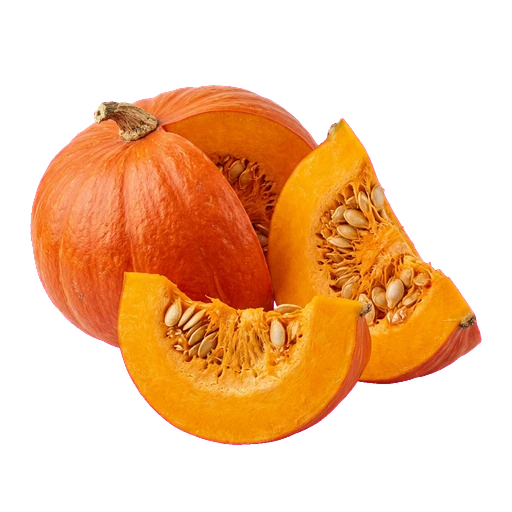
Pumpkin
Pumpkin's sweet flesh has a delicate nutty flavor and soft texture after cooking, making it a versatile ingredient for soups, side dishes, and desserts. When selecting, prefer medium-sized fruits with firm skin free of damage — they contain more nutrients and store better. Pumpkin pairs well with spices, butter, and dairy products, and its neutral taste allows you to easily substitute it in recipes with sweet potato or carrot if needed.
Micronutrients
per 100 g
Minerals
About
Aroma and taste
Pumpkin is one of the most versatile vegetables in the kitchen, changing depending on the variety and cooking method. Sweet varieties offer a delicate, almost honey-like flavor with a light earthy note, while denser varieties maintain a neutral, slightly nutty profile. The smell of fresh pumpkin is barely perceptible in its raw form, but when baked, it reveals a warm, enveloping aroma with a hint of caramel.
The flesh varies from loose and fibrous to dense and creamy. This is the main thing to pay attention to when choosing: for purees and soups, a loose structure is suitable, while for baking and side dishes, a denser one is better so that the slices don't fall apart during cooking.
Role in dishes
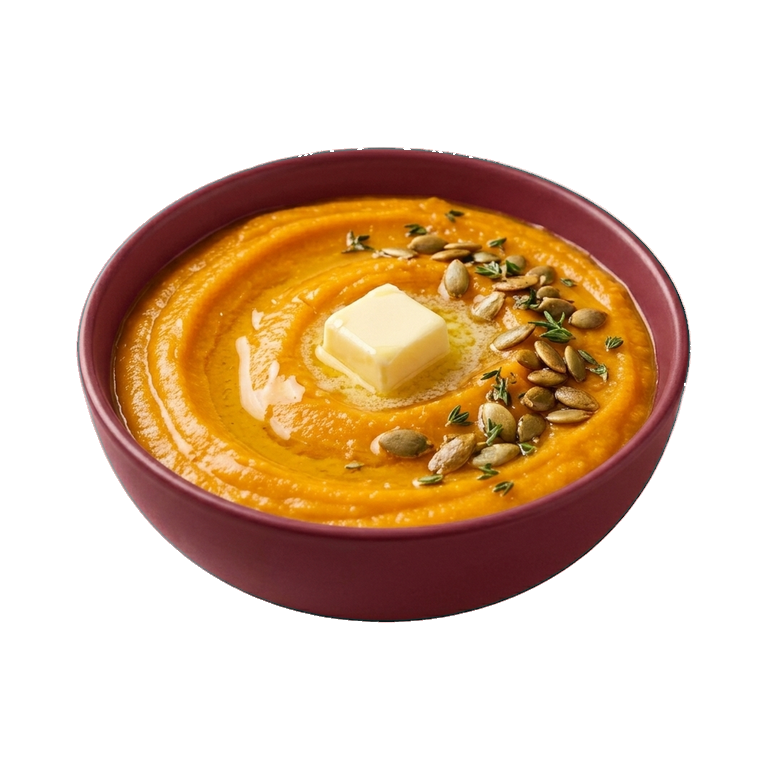
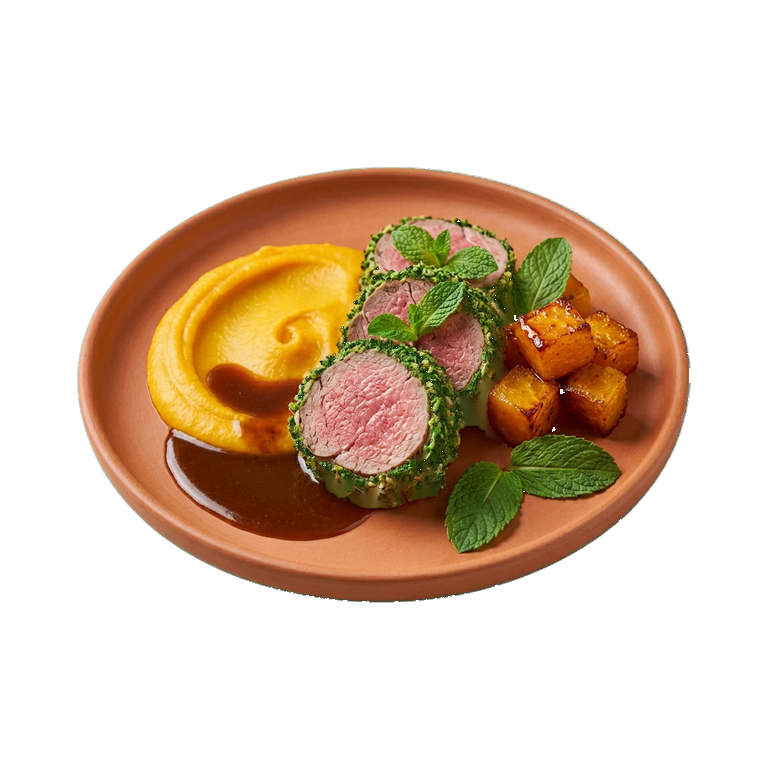
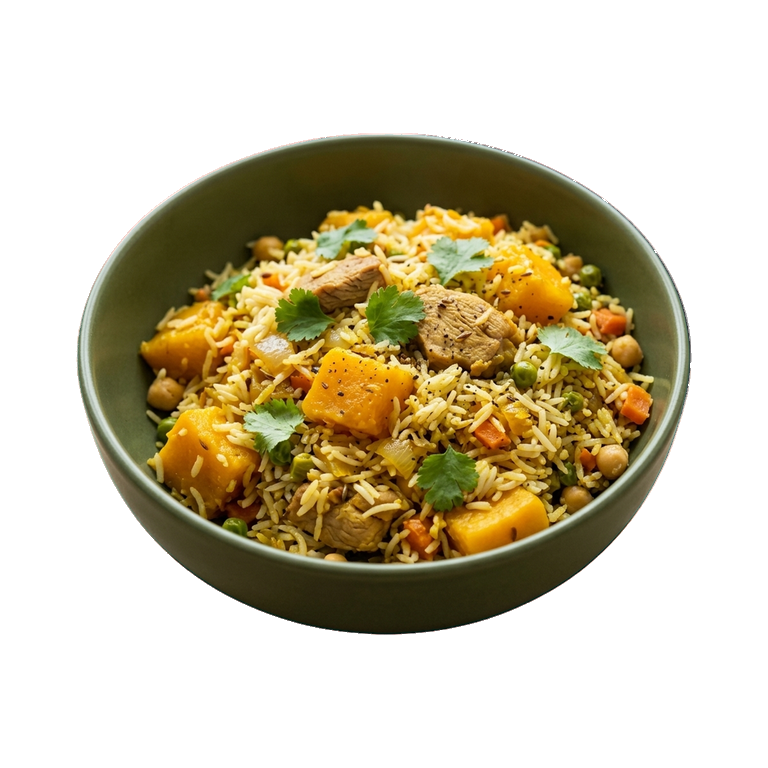
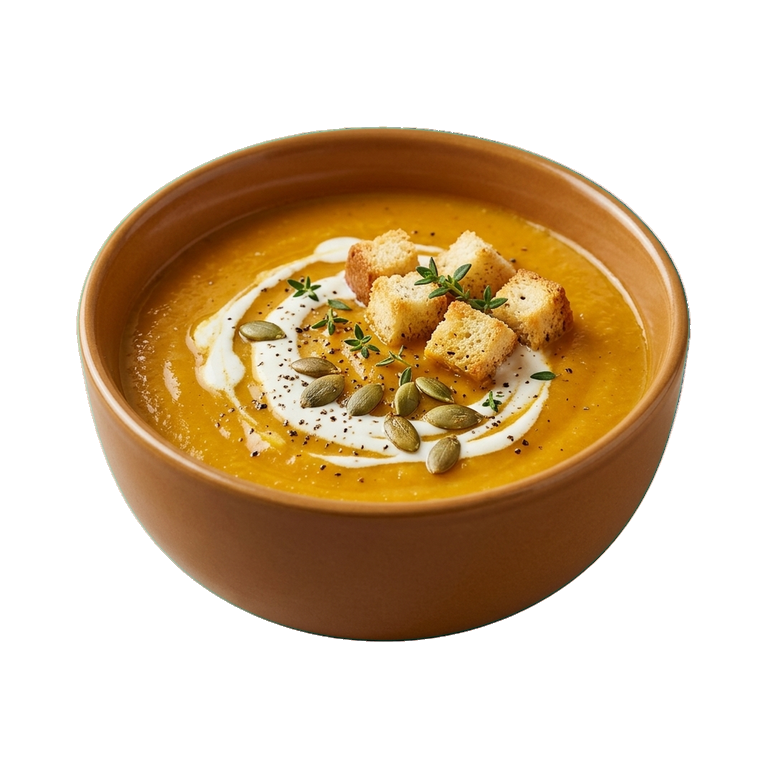
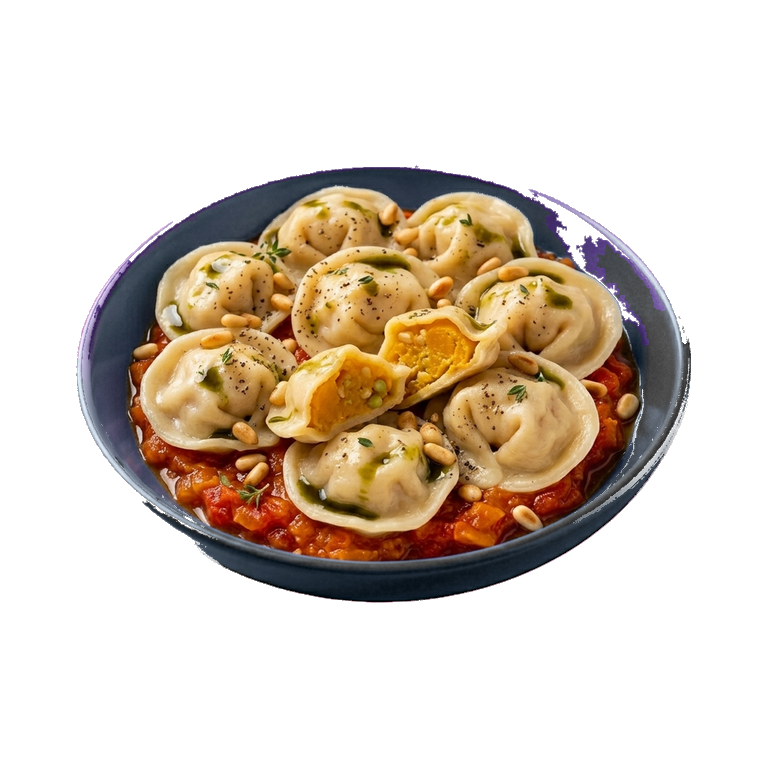
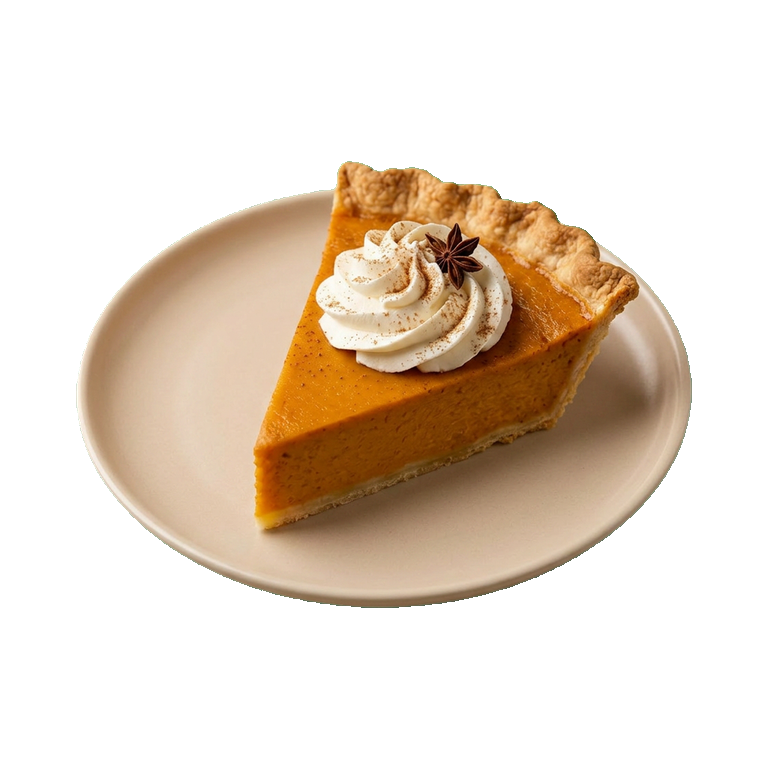
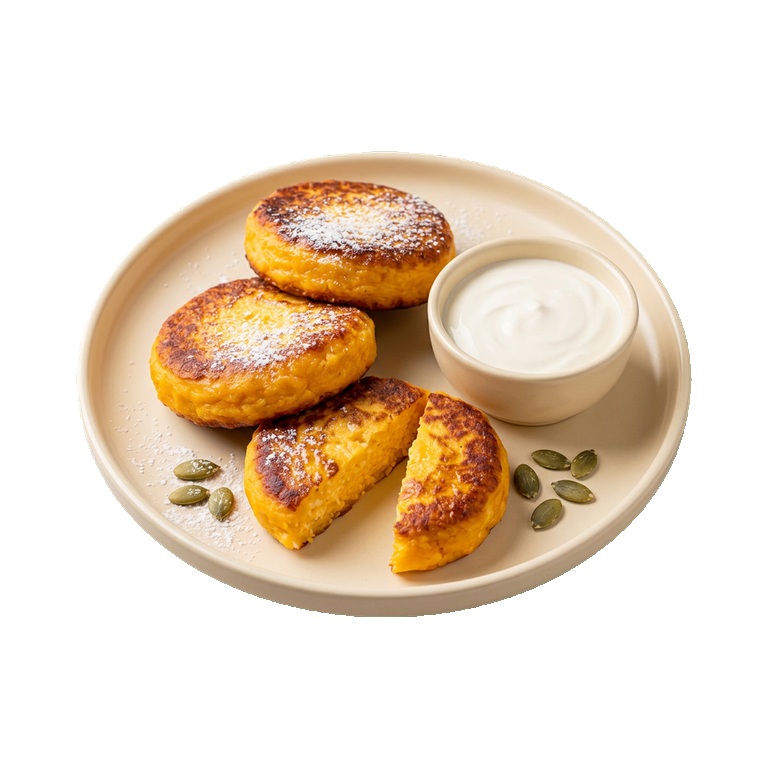
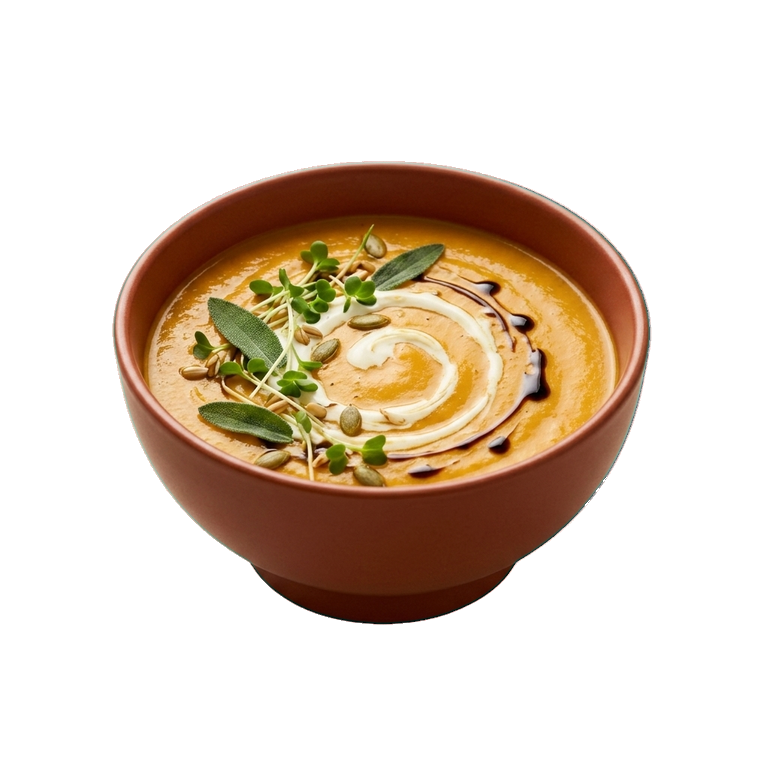
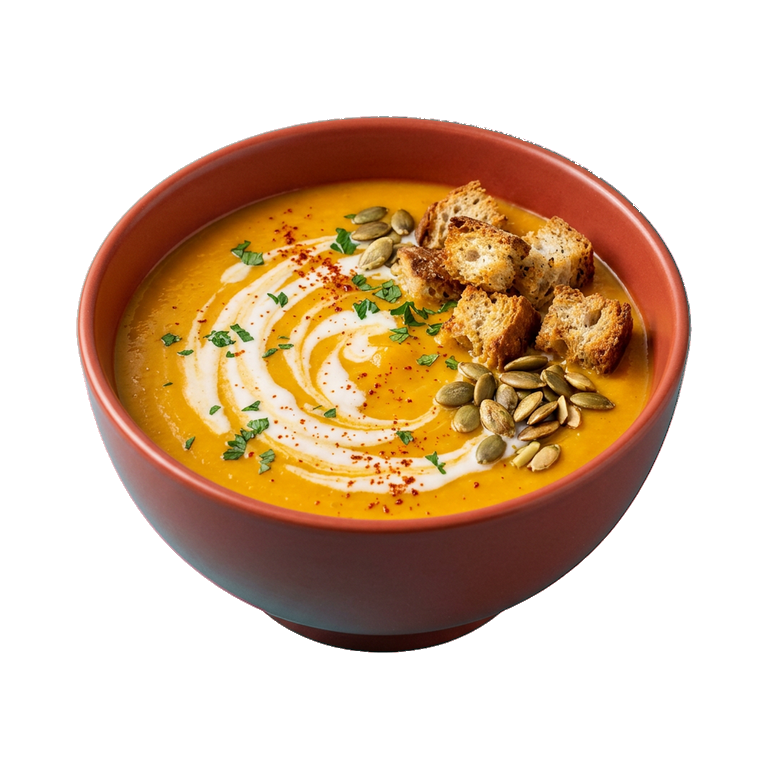
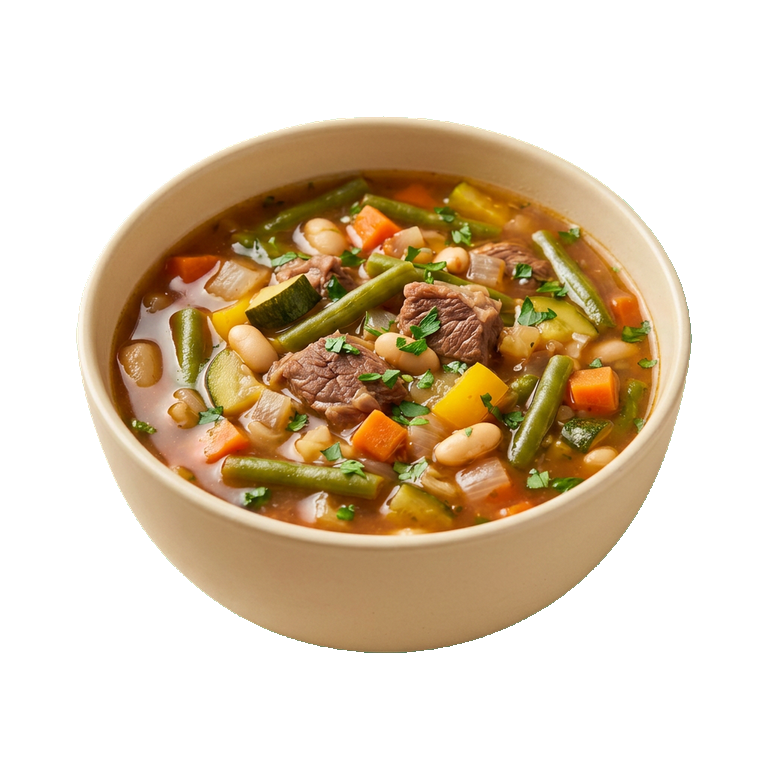
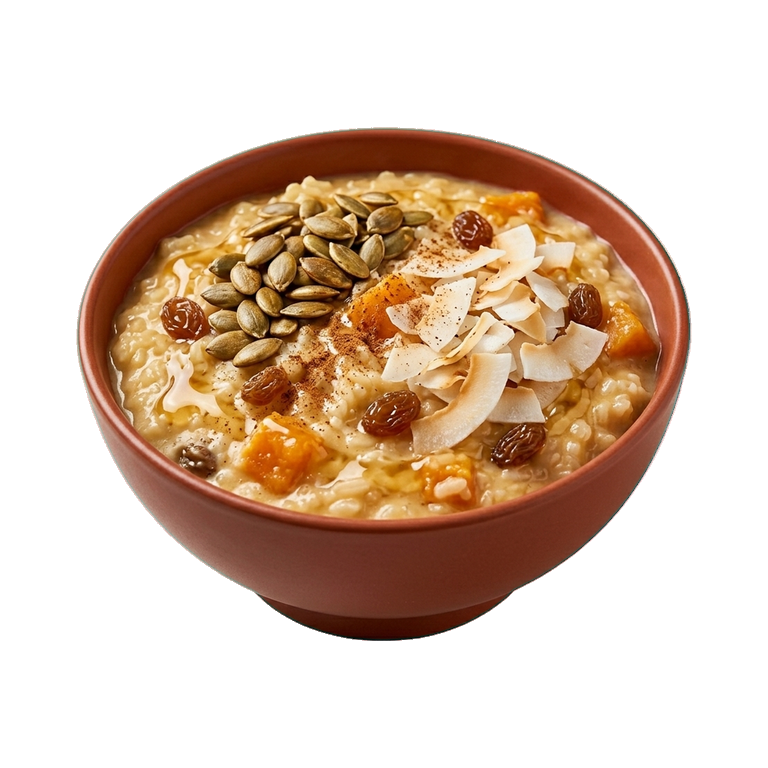
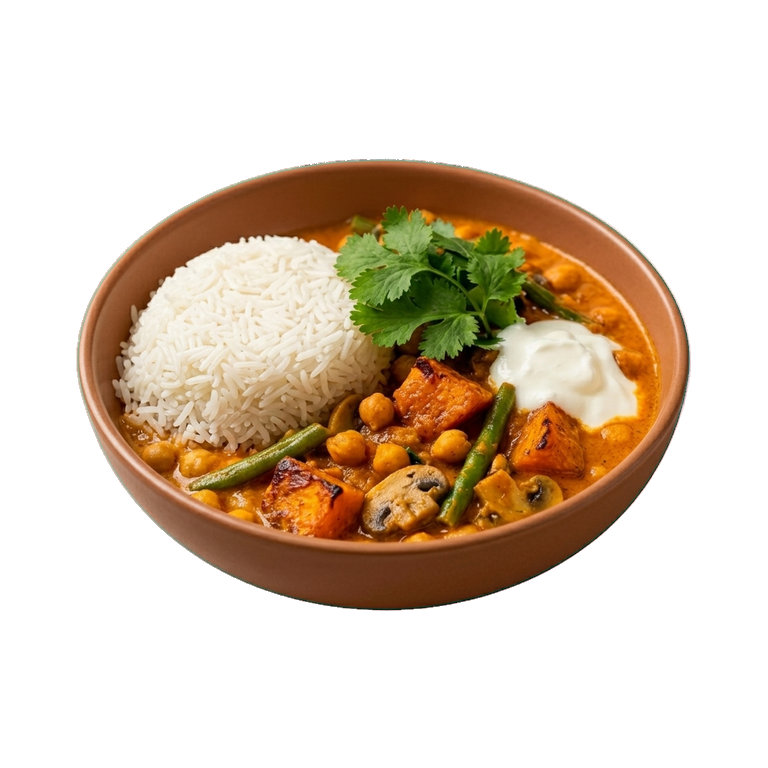
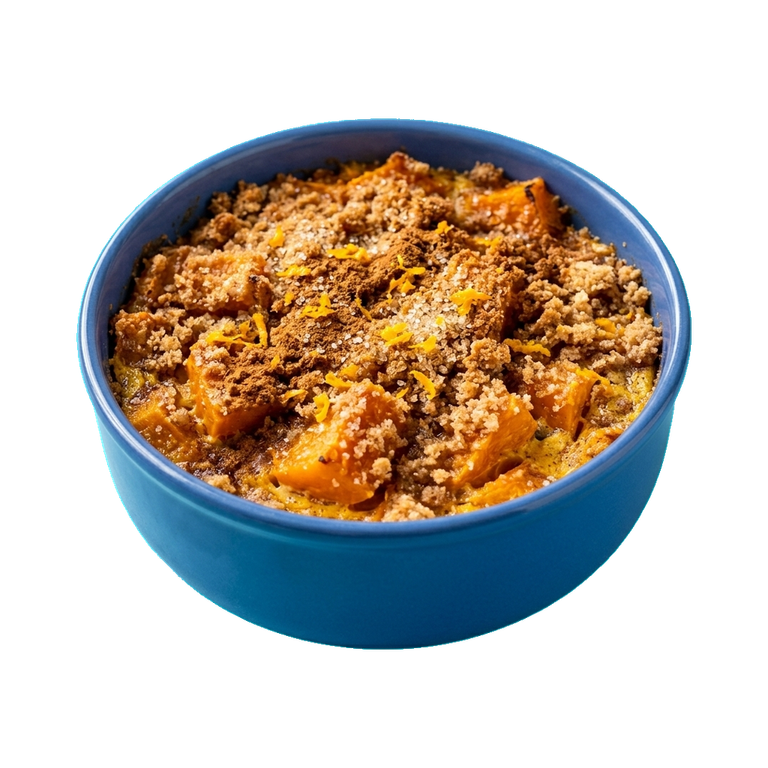
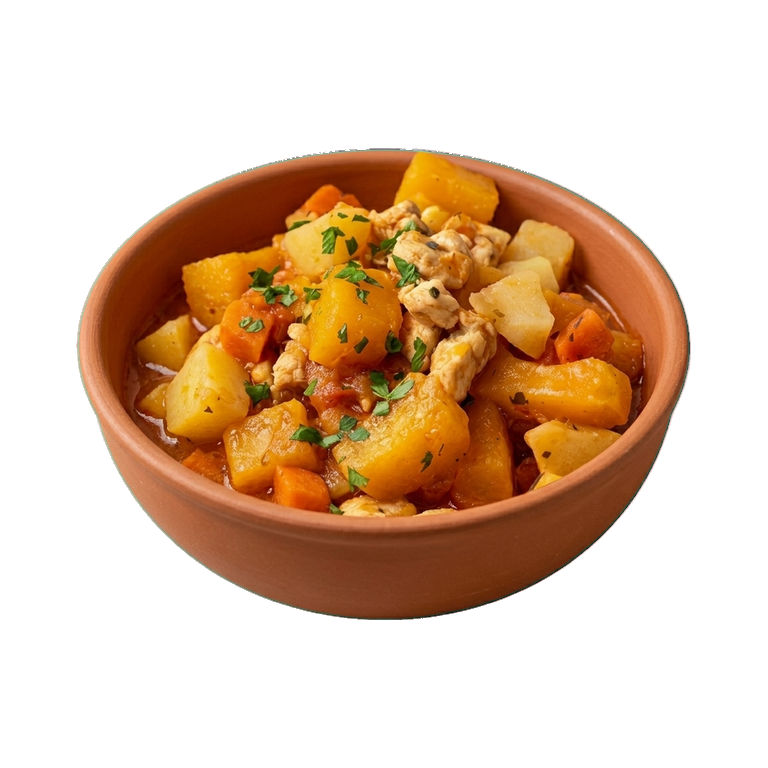
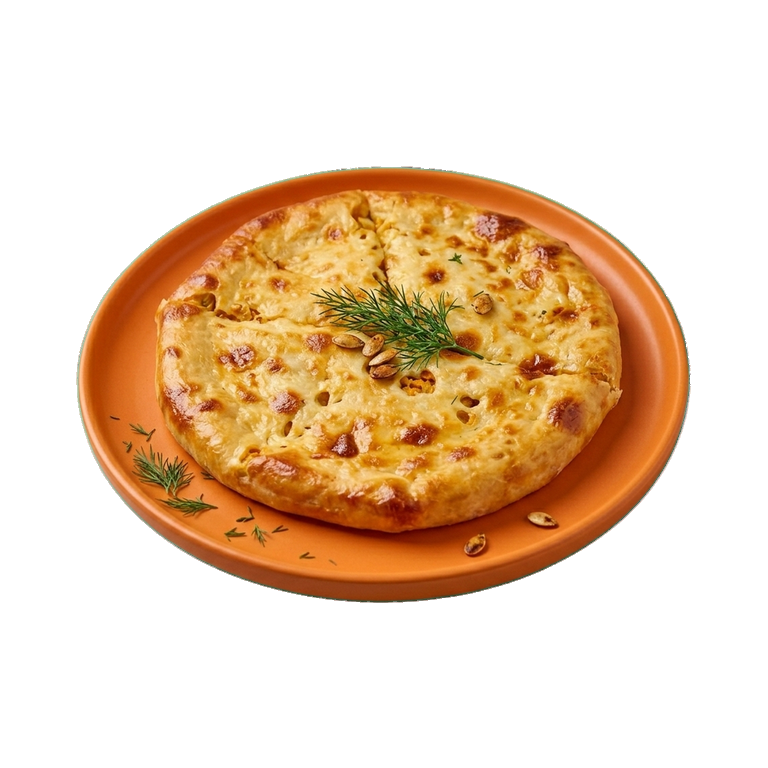
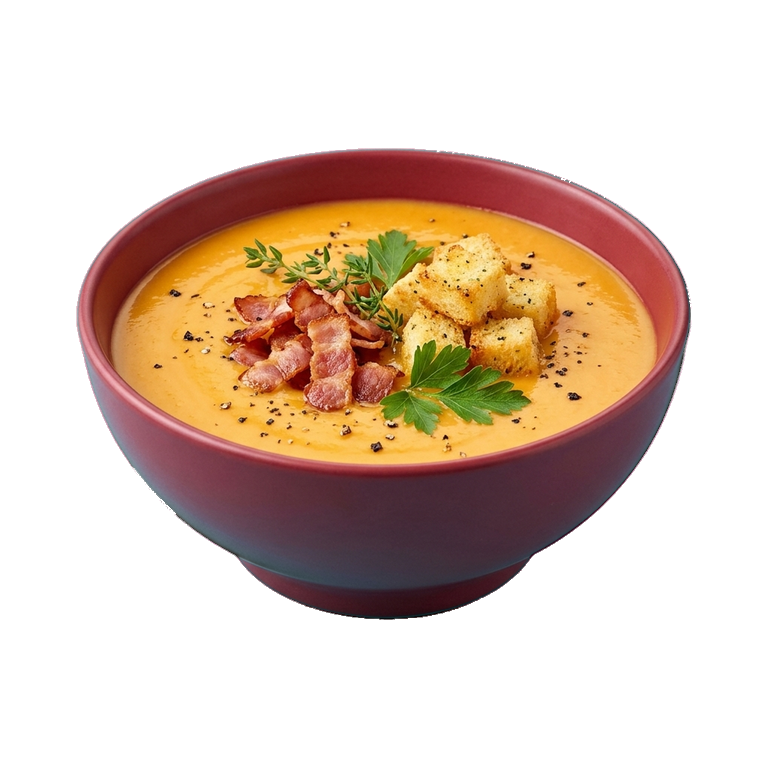
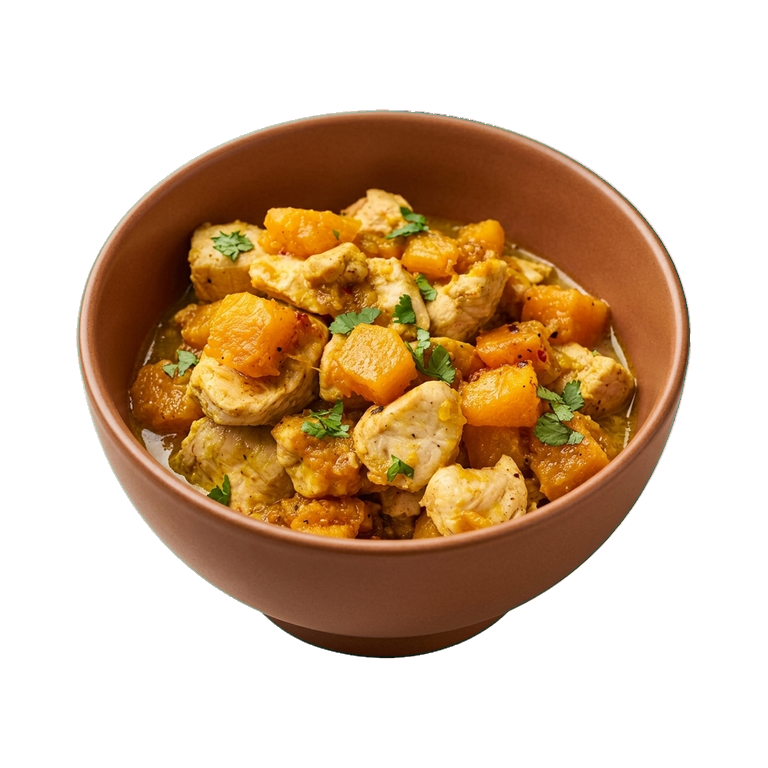
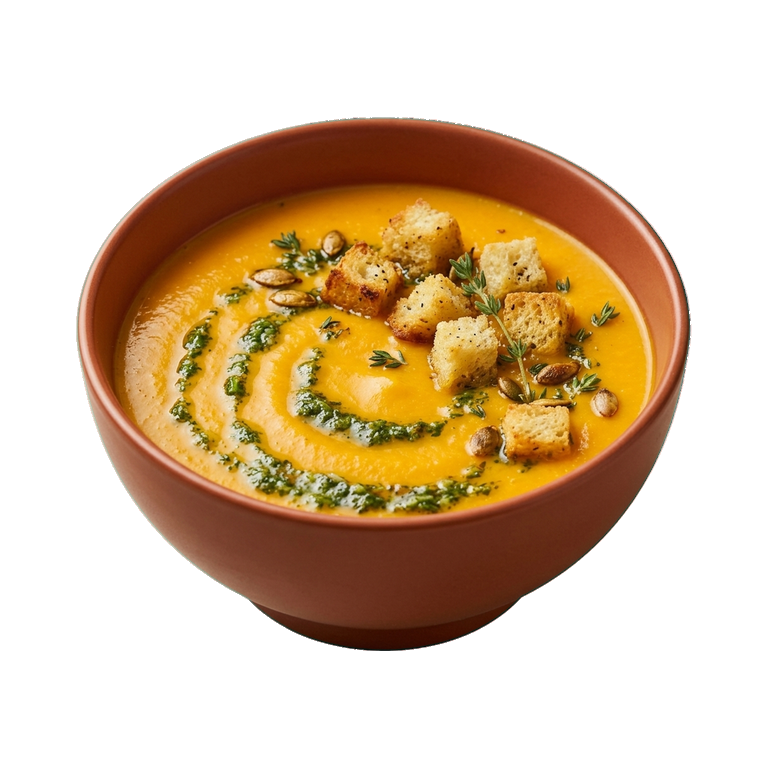
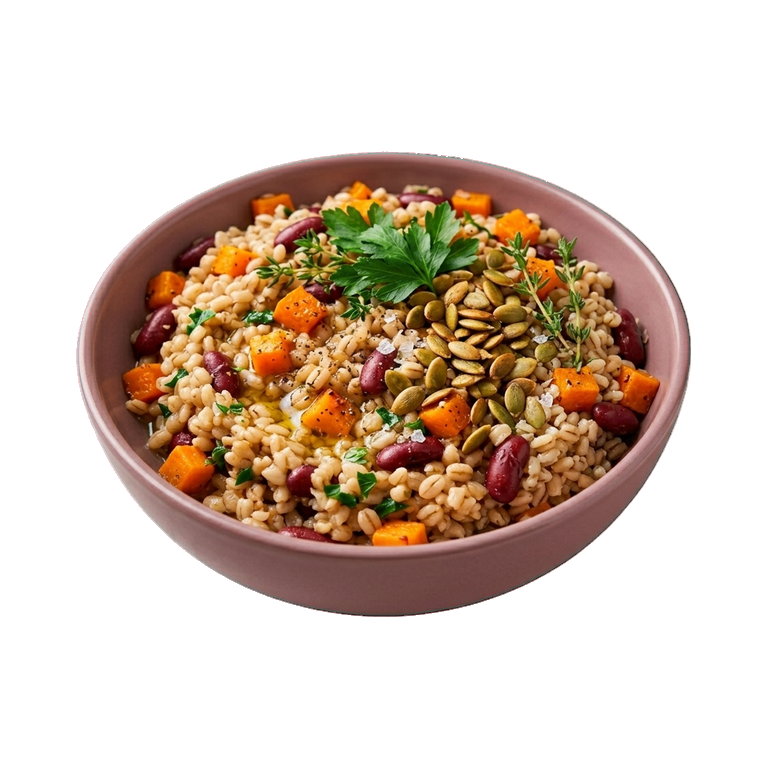
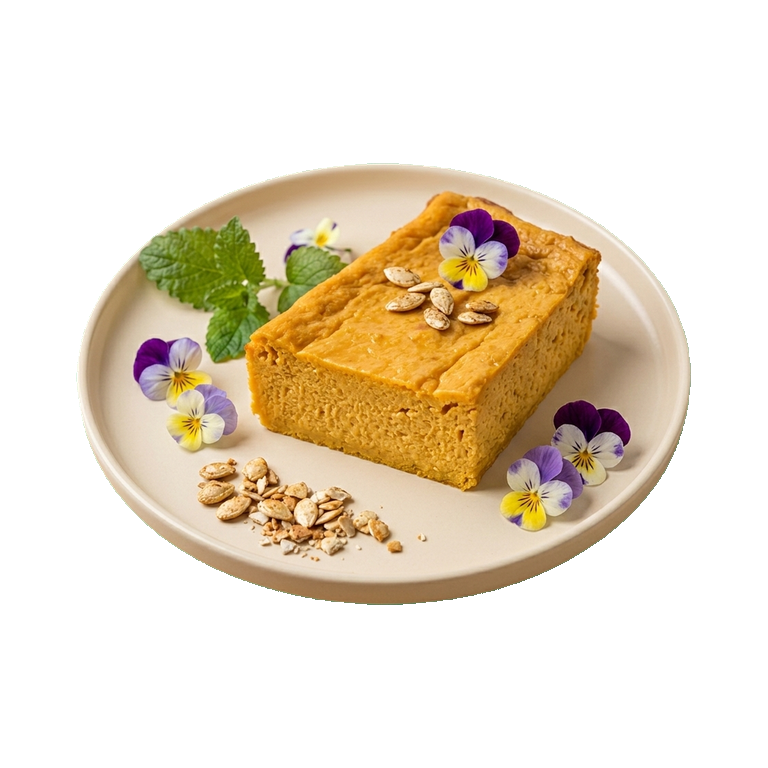
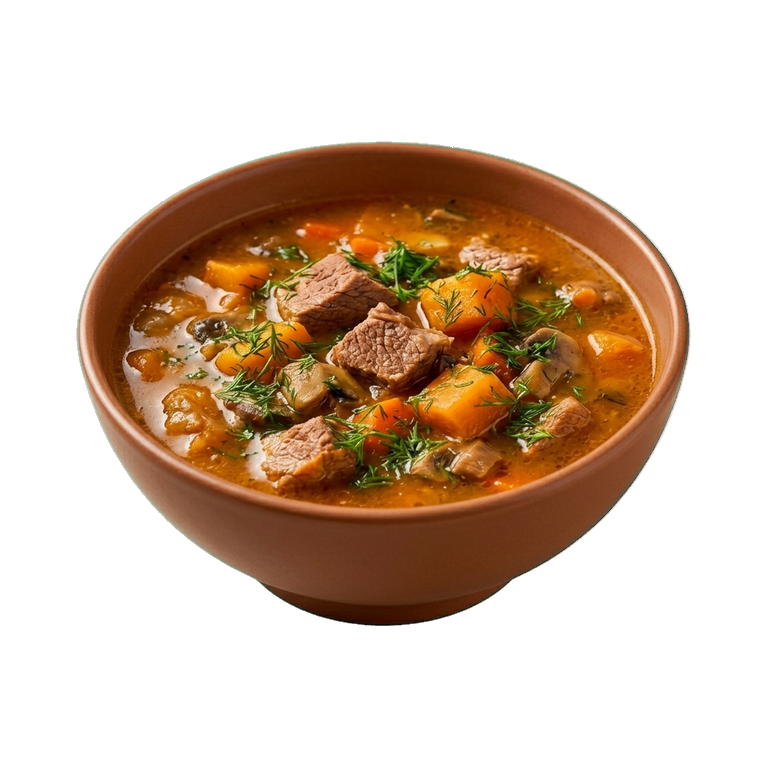
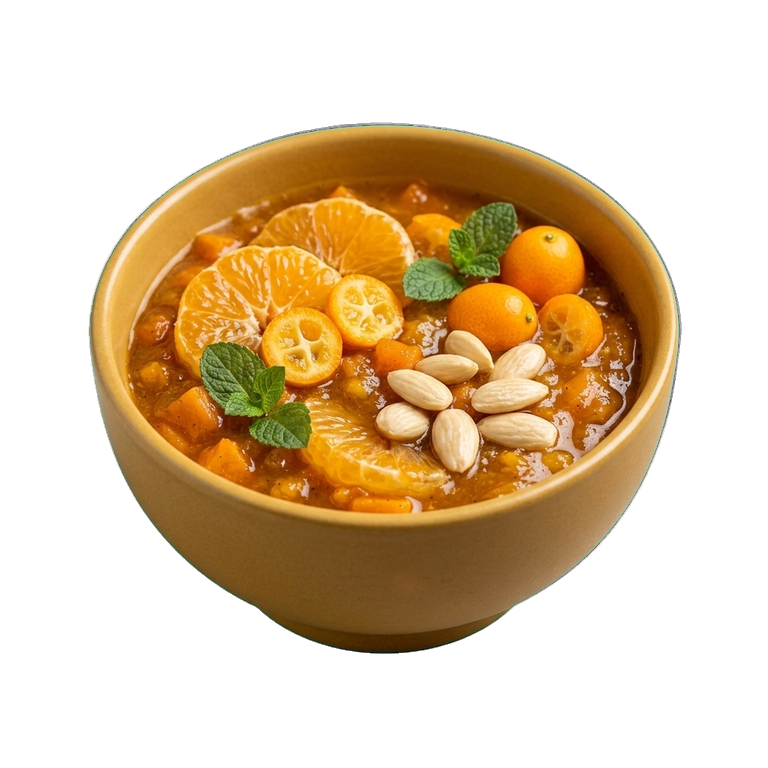
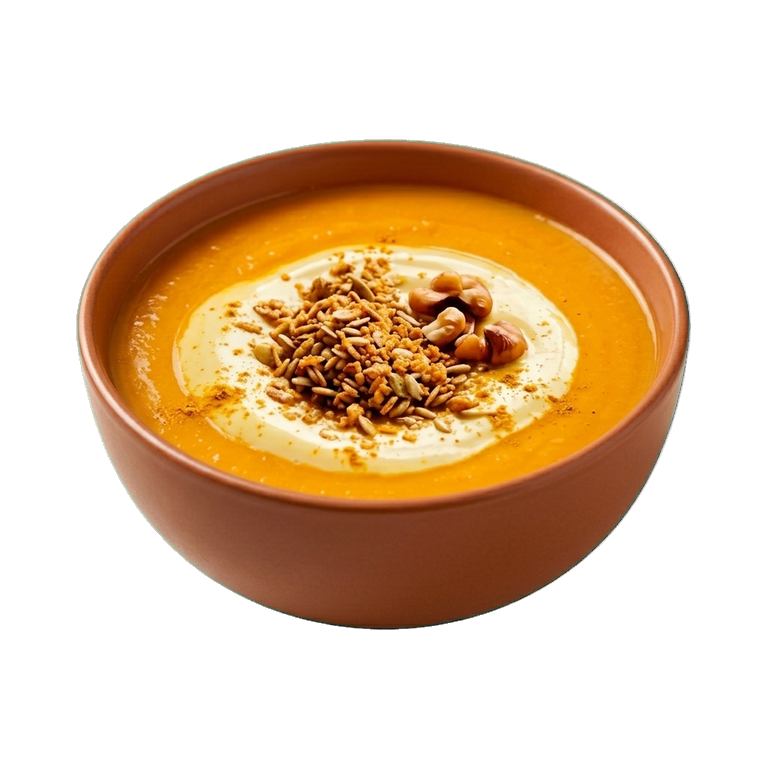
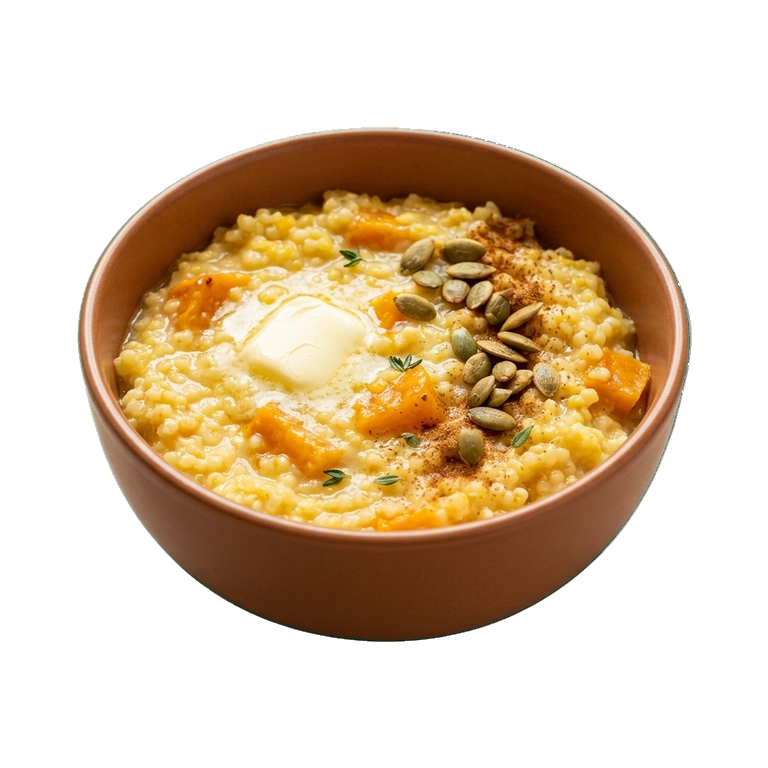
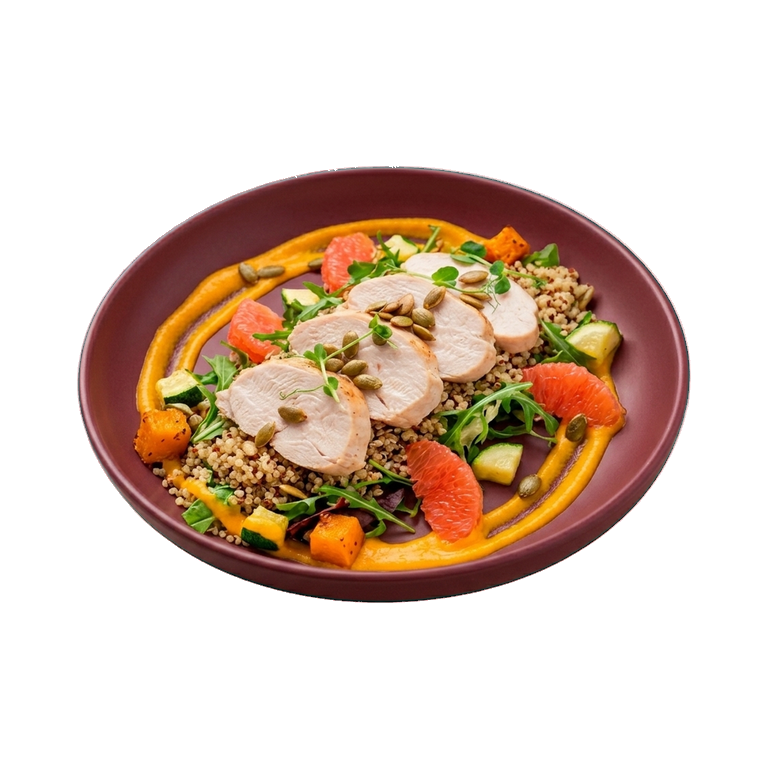
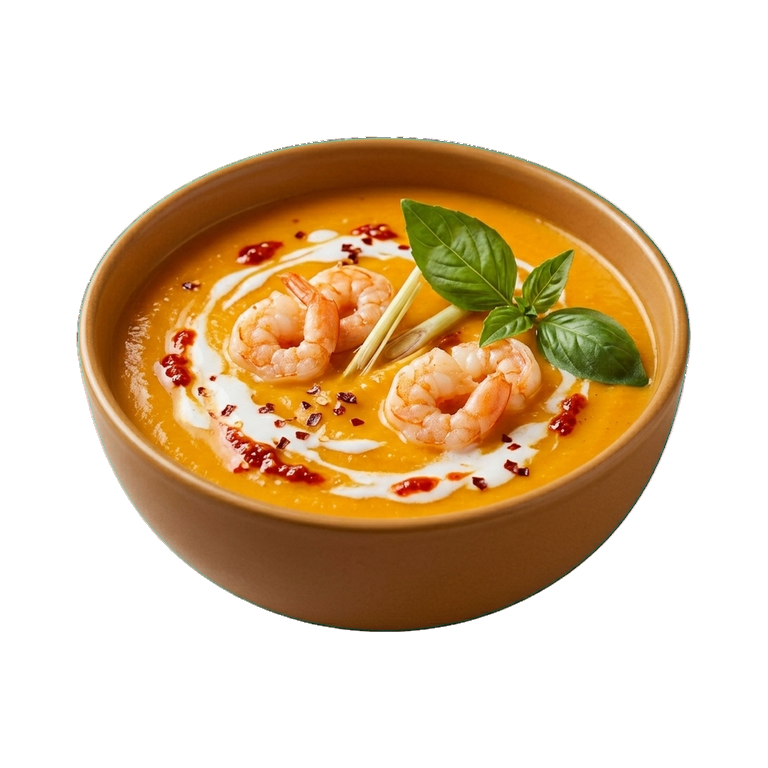
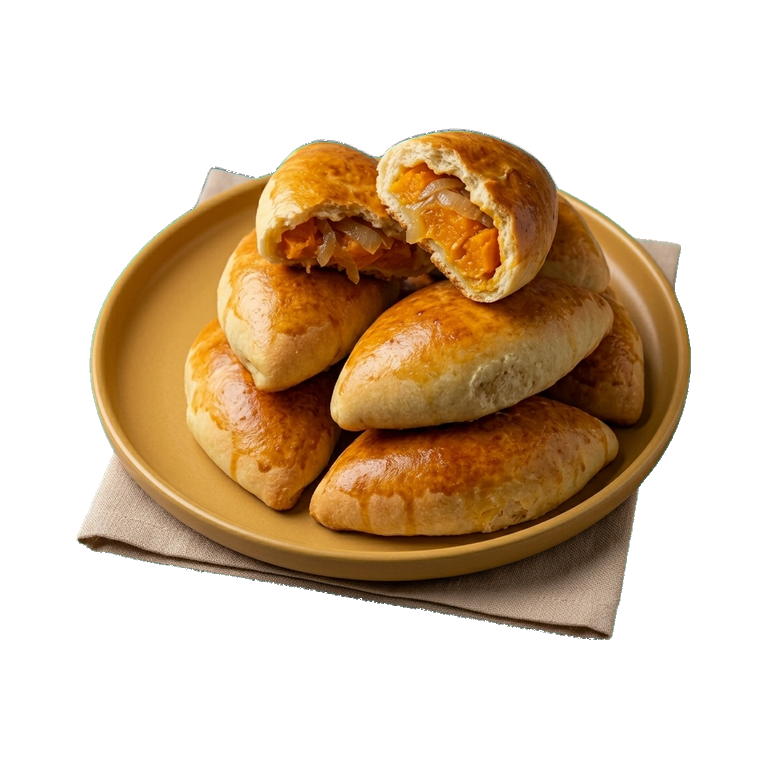
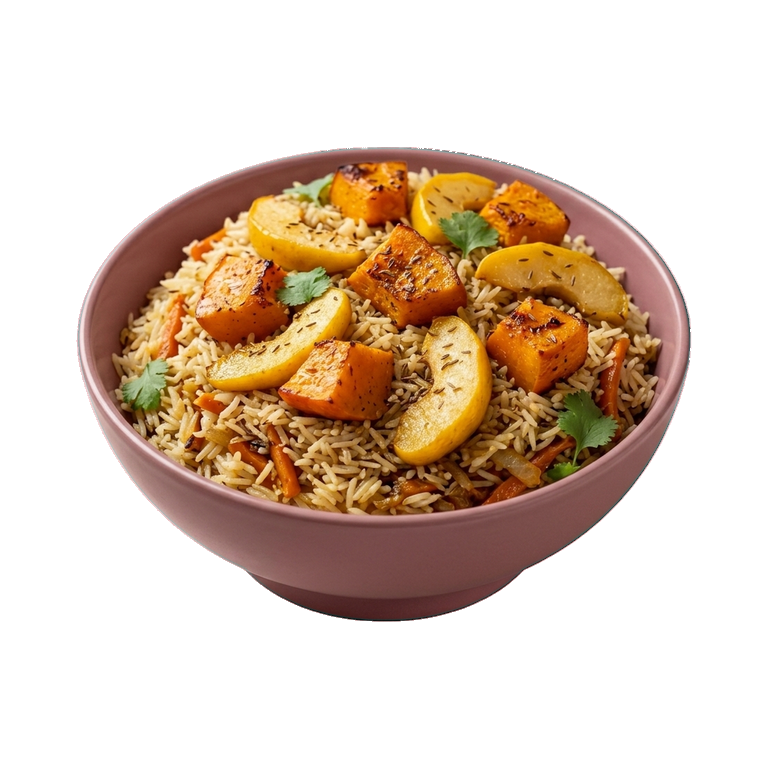
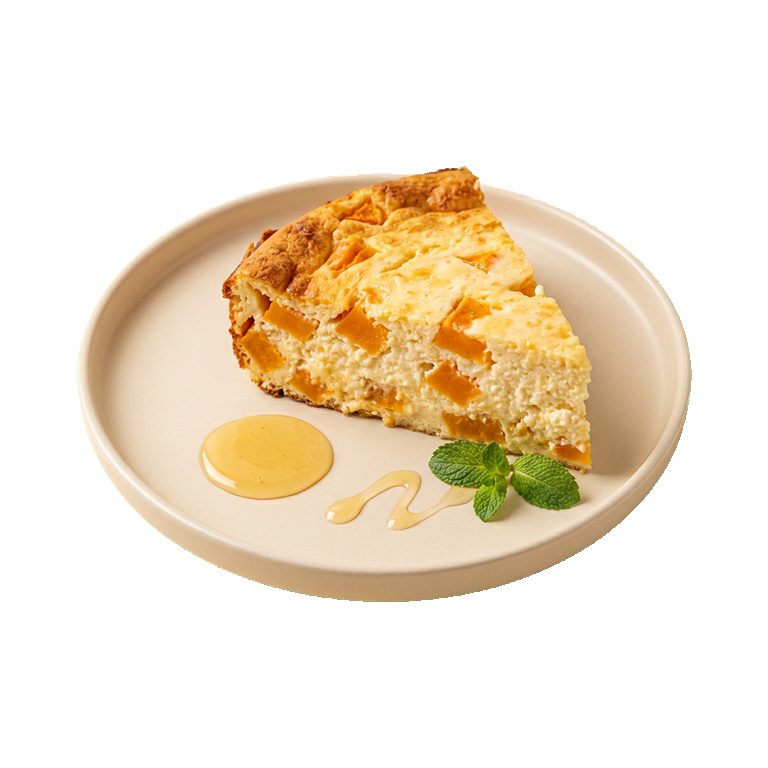
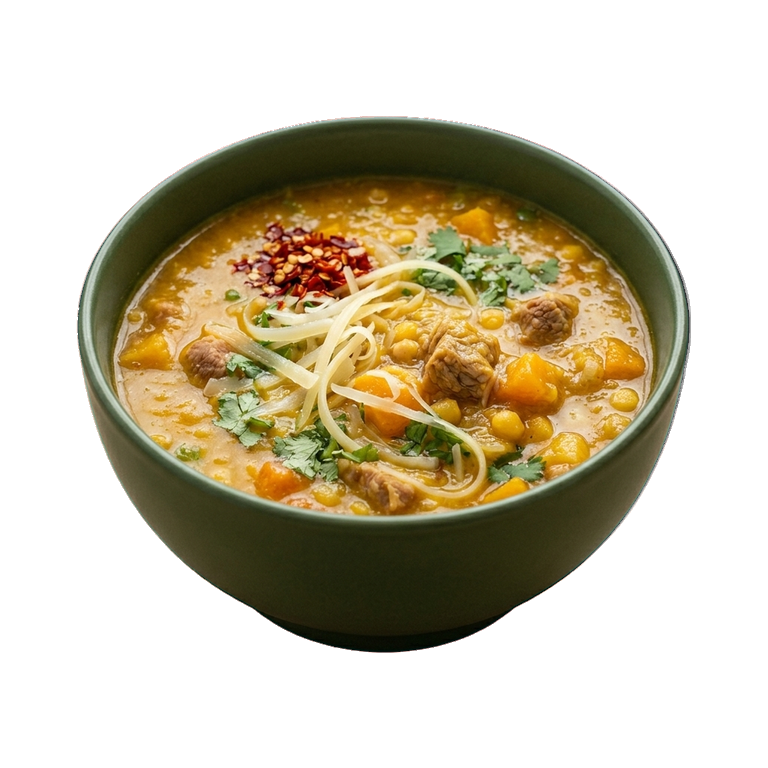
Pumpkin works everywhere: from soups and porridges to desserts and baked goods. In soups, it becomes the base that gives the dish sweetness and a creamy consistency without cream. In side dishes and stews, it serves as a neutral background that absorbs sauces and spices. In sweet dishes — pies, cupcakes, jam — it reveals its natural sugar content.
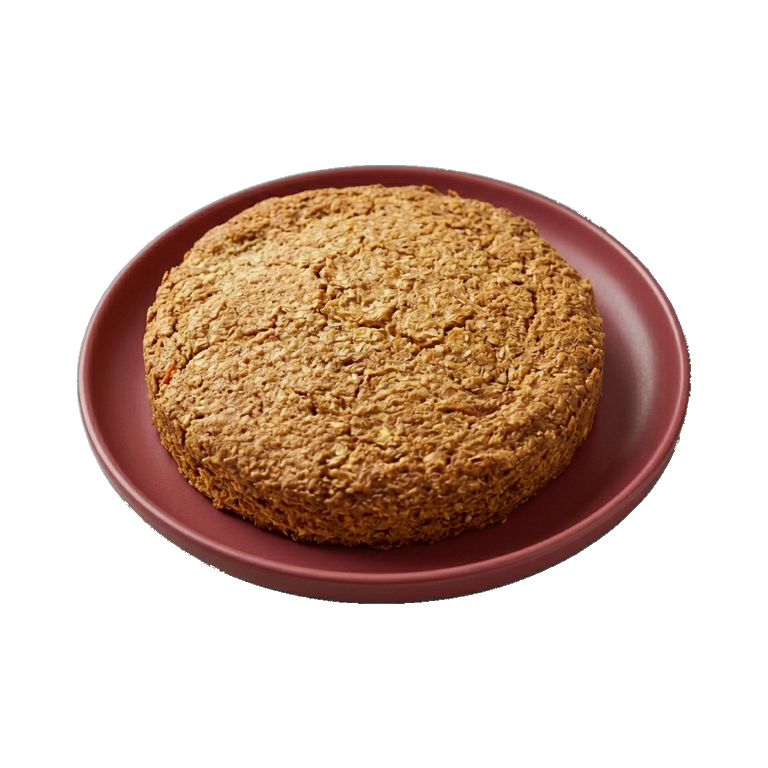
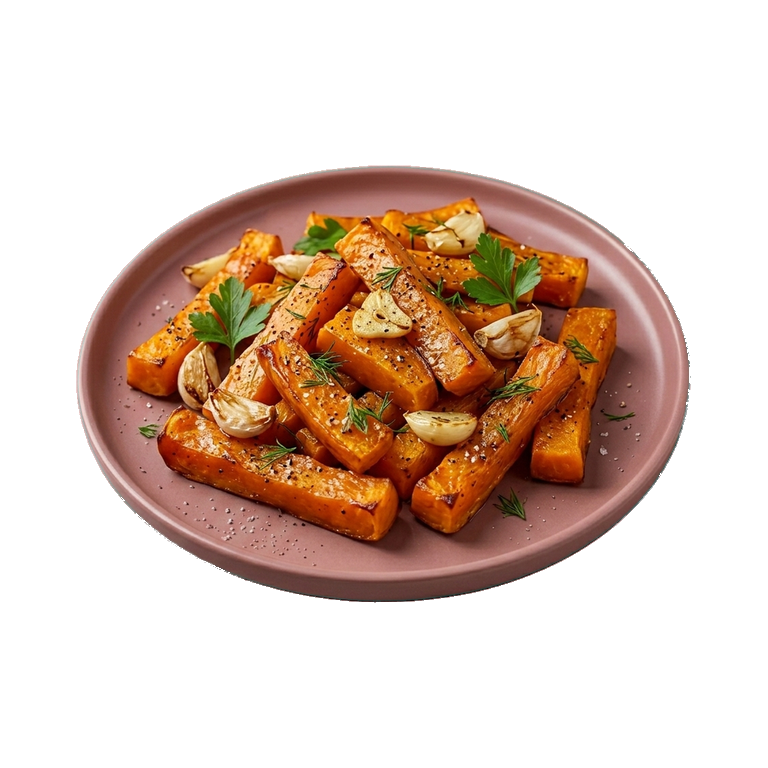
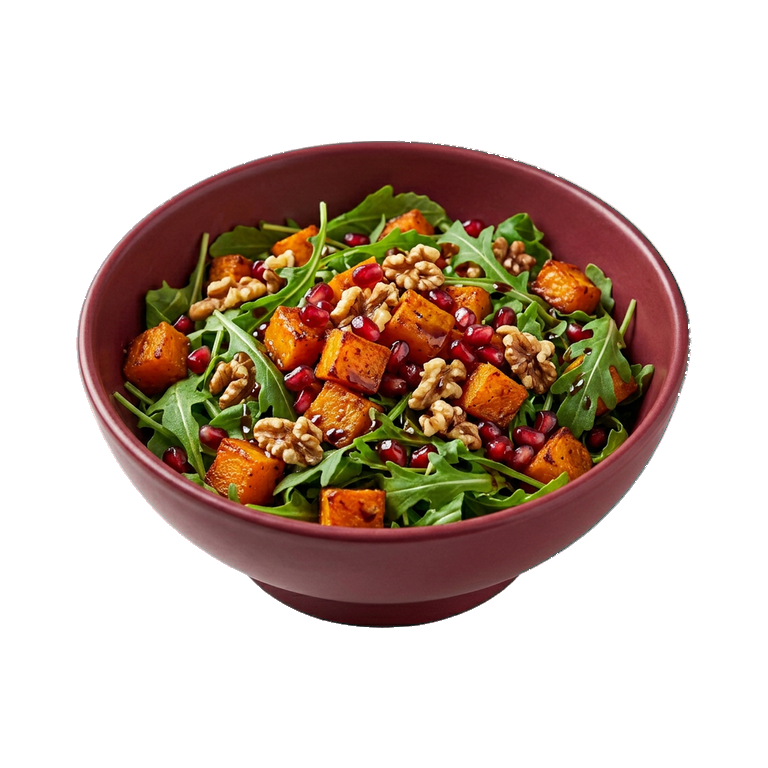
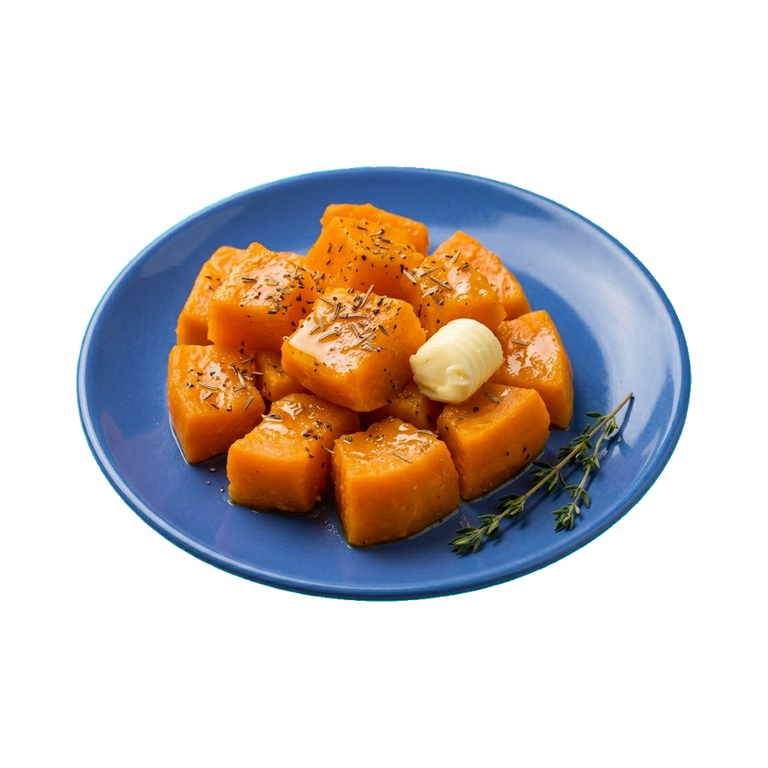
- Baking: sliced or halved pumpkin becomes soft and sweet, perfect as a standalone dish or base for puree
- Boiling: a quick method for soups and porridges, pieces cook through in 15–20 minutes
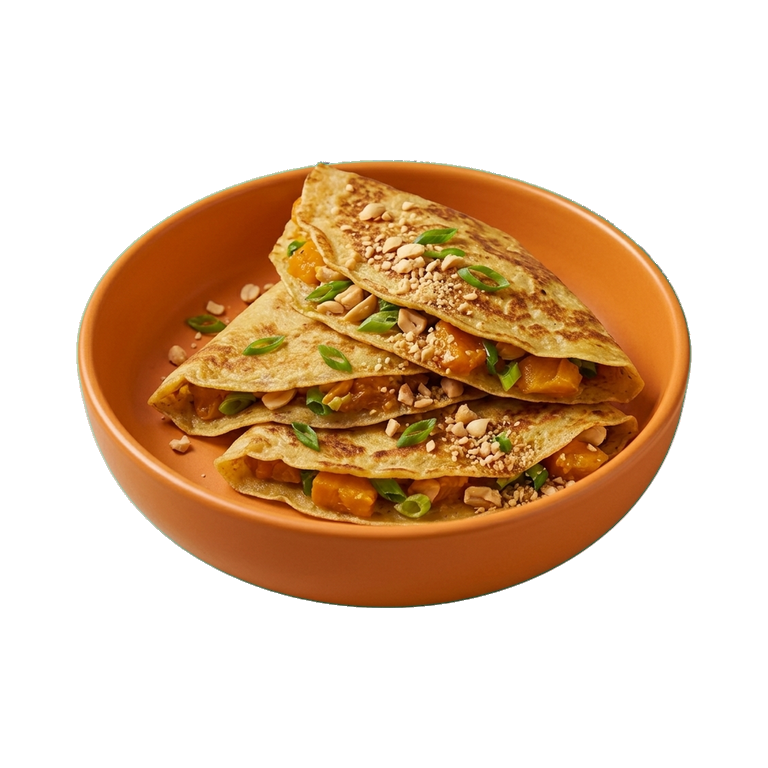
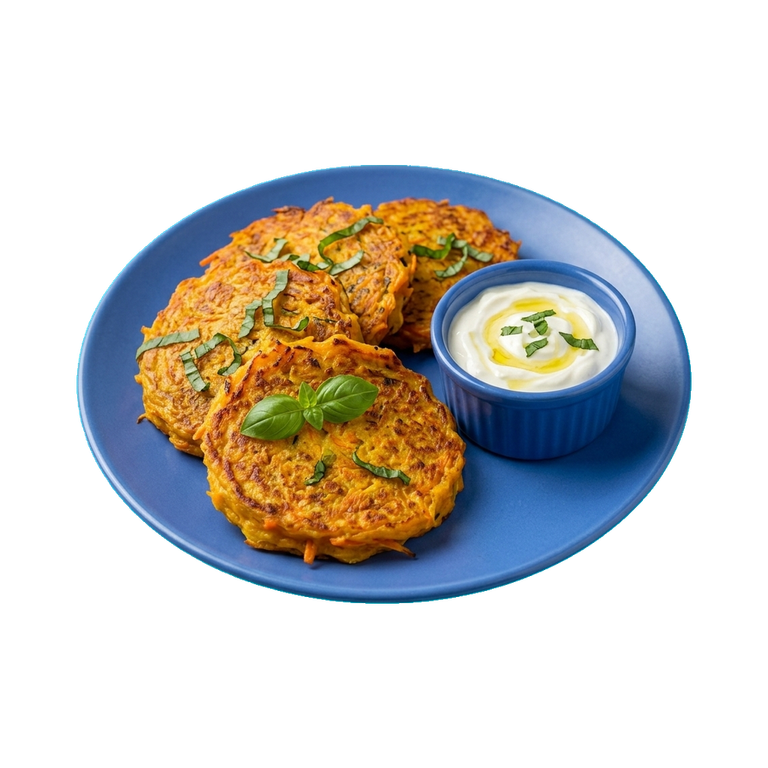
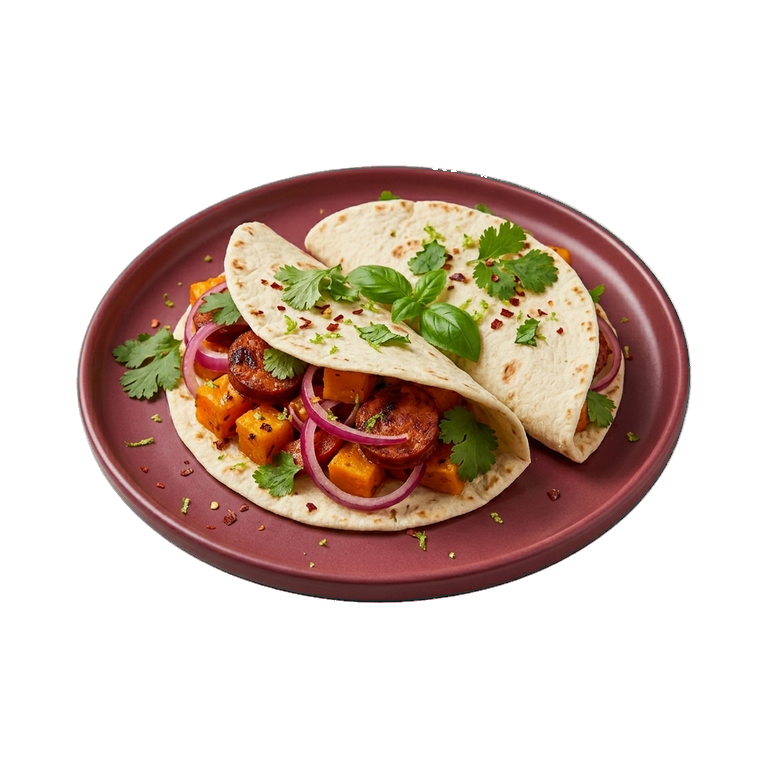
- Frying: crispy on the outside and tender on the inside, slices work well as a side dish or appetizer
- Steaming: preserves more nutrients and natural flavor
Pairings and Spices
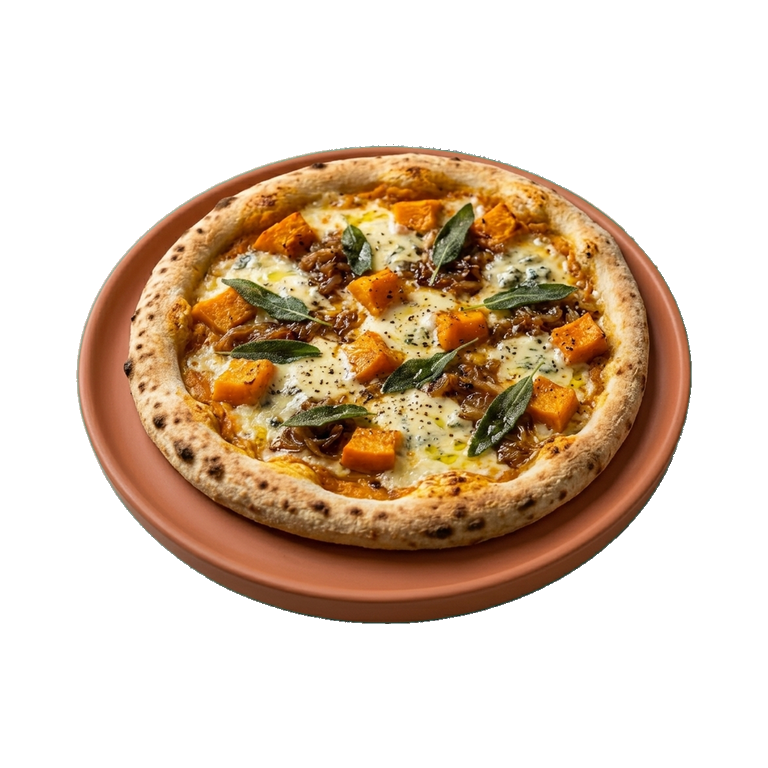
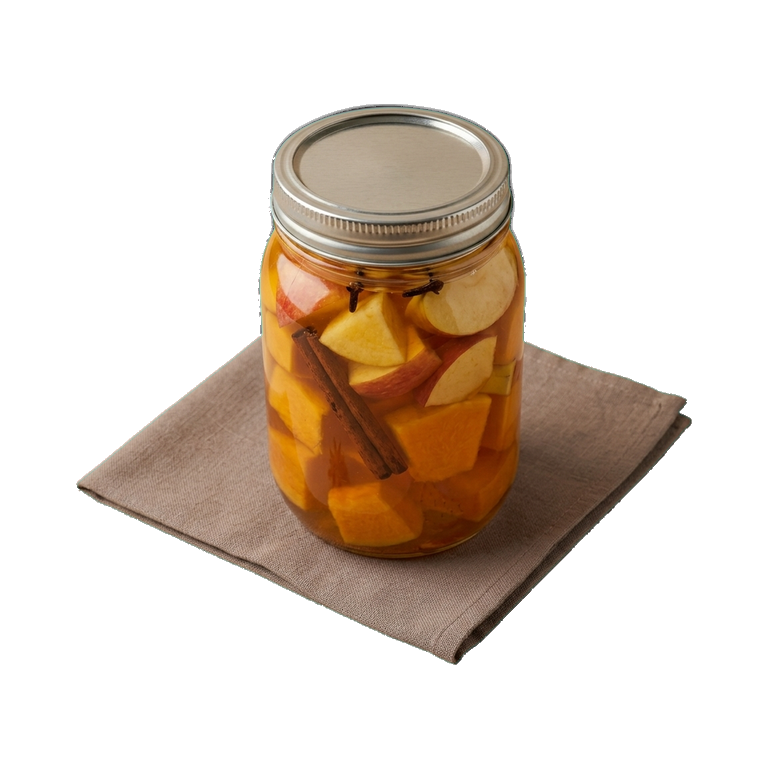
Pumpkin loves warmth and spice. Cinnamon, nutmeg, and ginger highlight its sweetness and add depth. Black pepper and paprika contrast with its natural sugary notes, creating balance. Sage and thyme add a herbal, slightly bitter accent to the dish, especially good in stews.
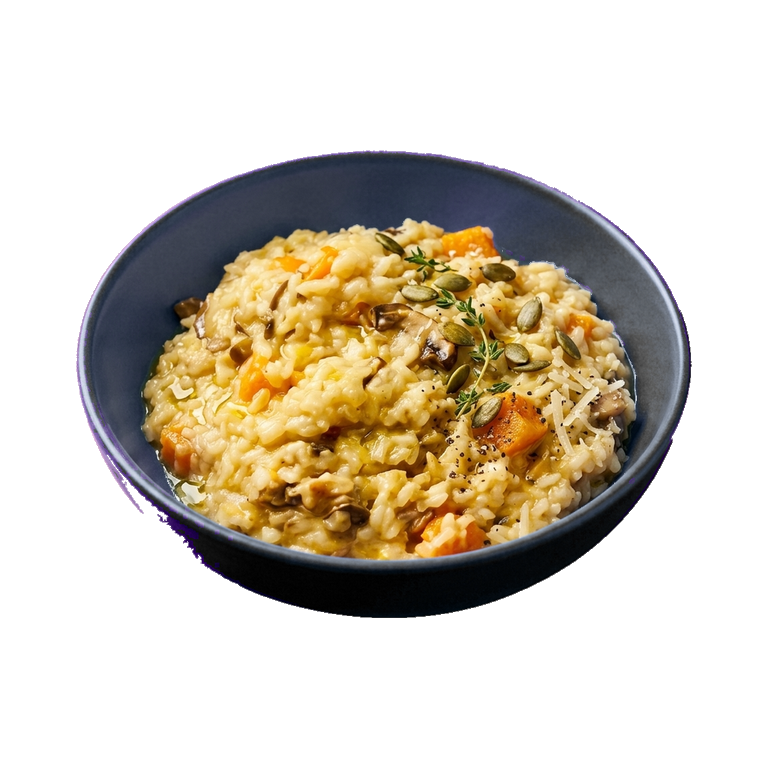
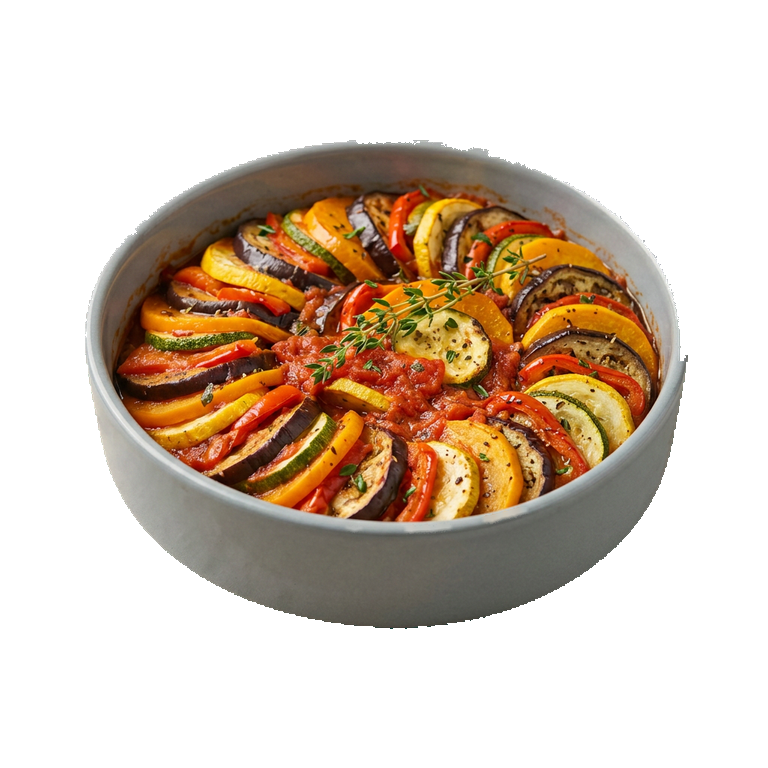
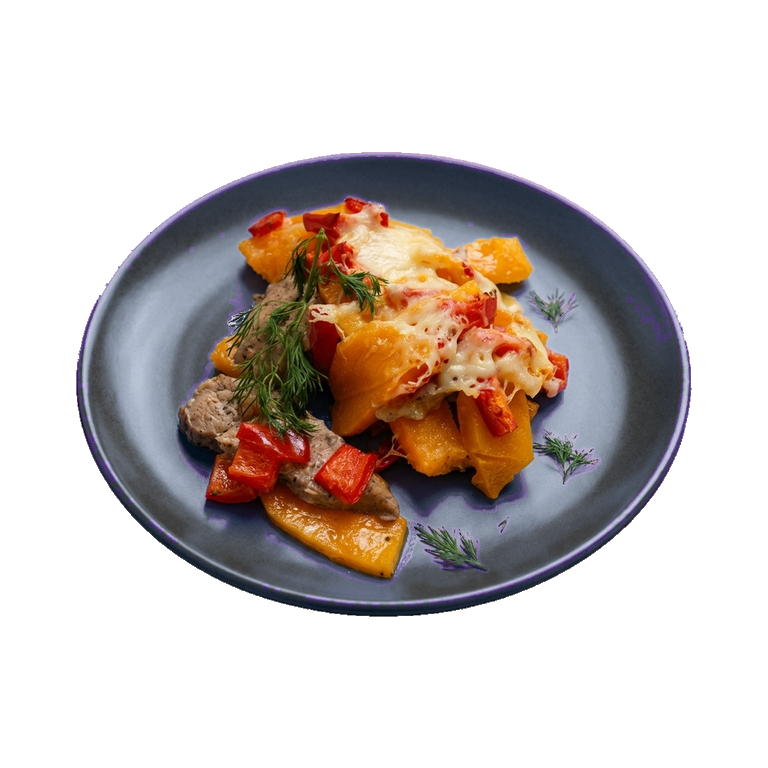
Pumpkin reveals its best qualities when paired with certain ingredients: butter and cream enhance its creaminess, garlic adds a savory note, onion forms the base for soups. It works well with coconut milk in Asian dishes, with bacon and parmesan in European side dishes, and with red pepper and tomatoes in vegetable stews.
Selection and Storage
When choosing a pumpkin, pay attention to its weight: a ripe pumpkin should be heavy for its size. The skin should be hard, without soft spots or damage. If you tap on the pumpkin, the sound should be dull, not hollow. Sweet varieties are usually smaller in size and have a more saturated orange color compared to large watery types.
A whole ripe pumpkin can be stored for months in a cool, dry place at a temperature of 10-15 degrees. Cut pumpkin lasts a week in the refrigerator and several months in the freezer. Pumpkin puree can be frozen in containers or portioned in ice cube trays, which is convenient for future soups and baking.
Tip: if you need sweet pumpkin for desserts, choose nutmeg varieties of small size. For soups, larger and more watery varieties are suitable — they cook faster and provide better consistency.
Nutrition
per 100 g
- Calories
- 26 kcal
- Protein
- 1 g
- Fat
- 0.1 g
- Carbs
- 6.5 g
Micronutrients
per 100 g
Macronutrients
- Fiber
- 0.5 g
- Sugars
- 2.76 g
- Saturated fat
- 0.052 g
- Monounsaturated fat
- 0.013 g
- Polyunsaturated fat
- 0.005 g
- Omega-3 (EPA + DHA)
- 0 g
- Cholesterol
- 0 mg
- Water
- 91.6 g
Minerals
- Sodium
- 1 mg
- Potassium
- 340 mg
- Calcium
- 21 mg
- Magnesium
- 12 mg
- Phosphorus
- 44 mg
- Iron
- 0.8 mg
- Zinc
- 0.32 mg
- Copper
- 0.13 mg
- Manganese
- 0.13 mg
- Selenium
- 0.3 mcg
Vitamins
- Vitamin A (RAE)
- 426 mcg
- Vitamin D
- 0 mcg
- Vitamin E
- 1.06 mg
- Vitamin K
- 1.1 mcg
- Vitamin C
- 9 mg
- Vitamin B1 (thiamin)
- 0.05 mg
- Vitamin B2 (riboflavin)
- 0.11 mg
- Vitamin B3 (niacin)
- 0.6 mg
- Vitamin B5 (pantothenic acid)
- 0.3 mg
- Vitamin B6
- 0.06 mg
- Vitamin B9 (folate, DFE)
- 16 mcg
- Vitamin B12
- 0 mcg
Measures and weight
- 1 pcs
- 2000 g
Measure calculator
- Weight
- 100 g
- Calories
- 26 kcal