Usuba
Usuba
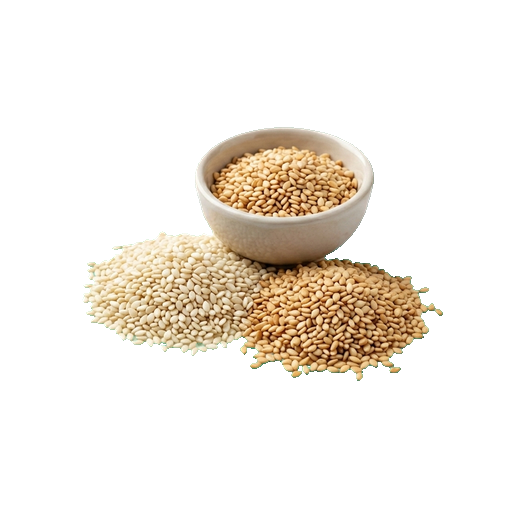
Sesame seeds
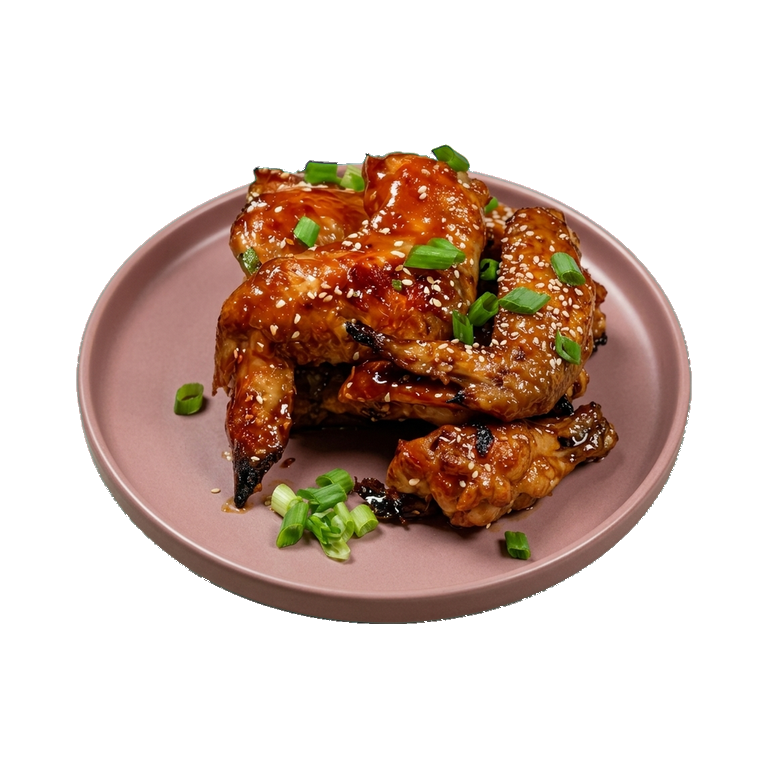
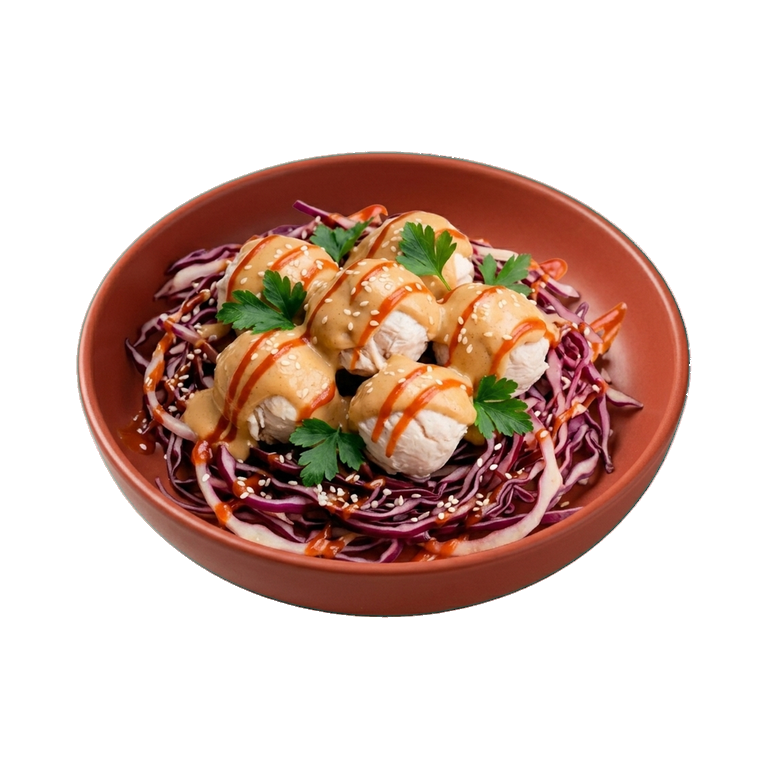
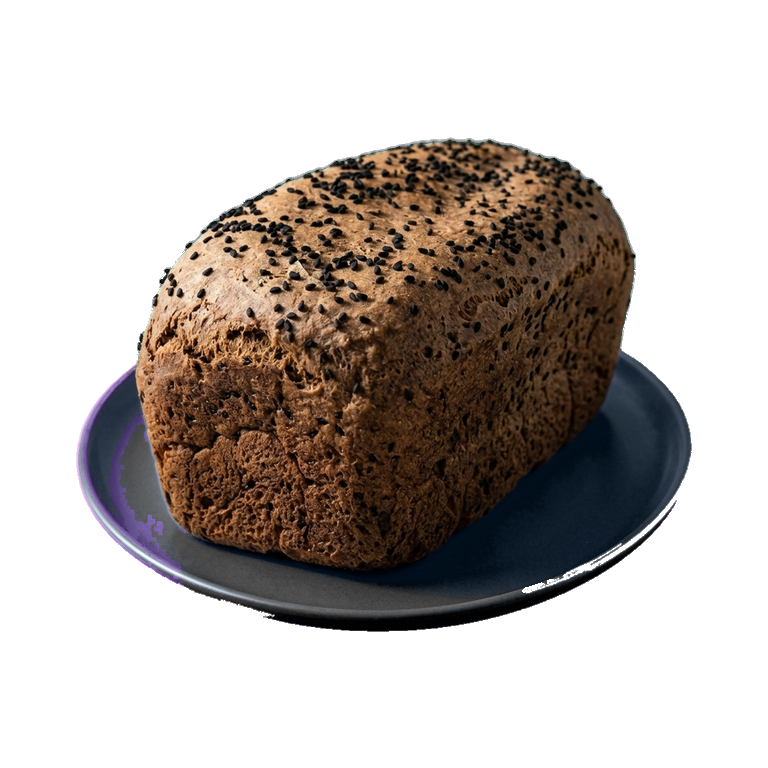
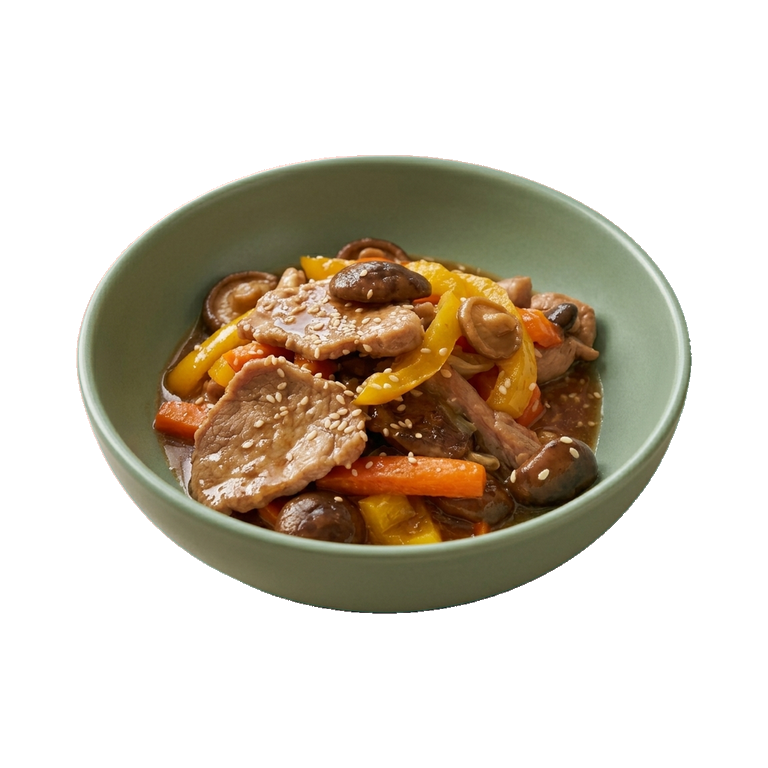
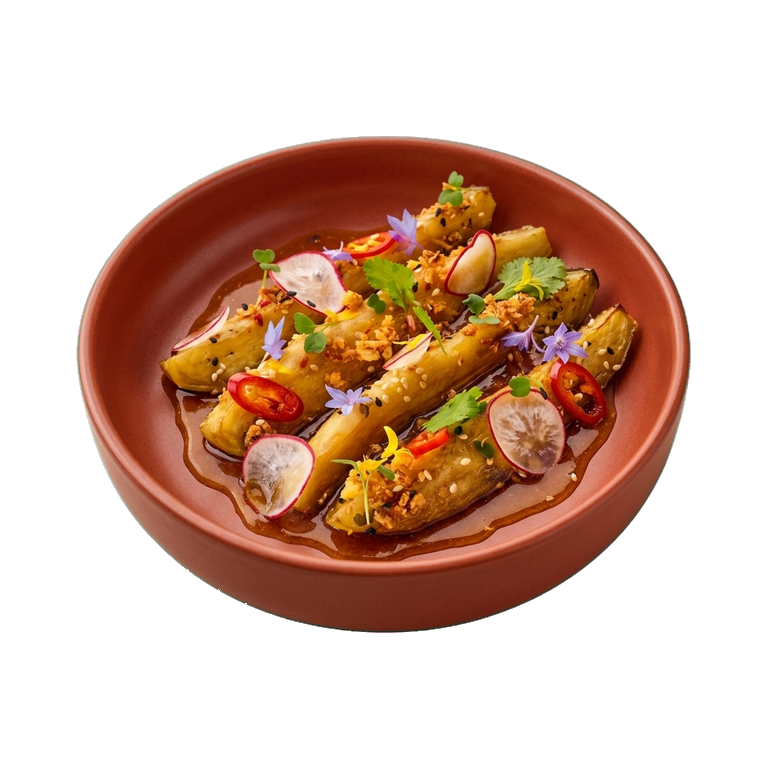
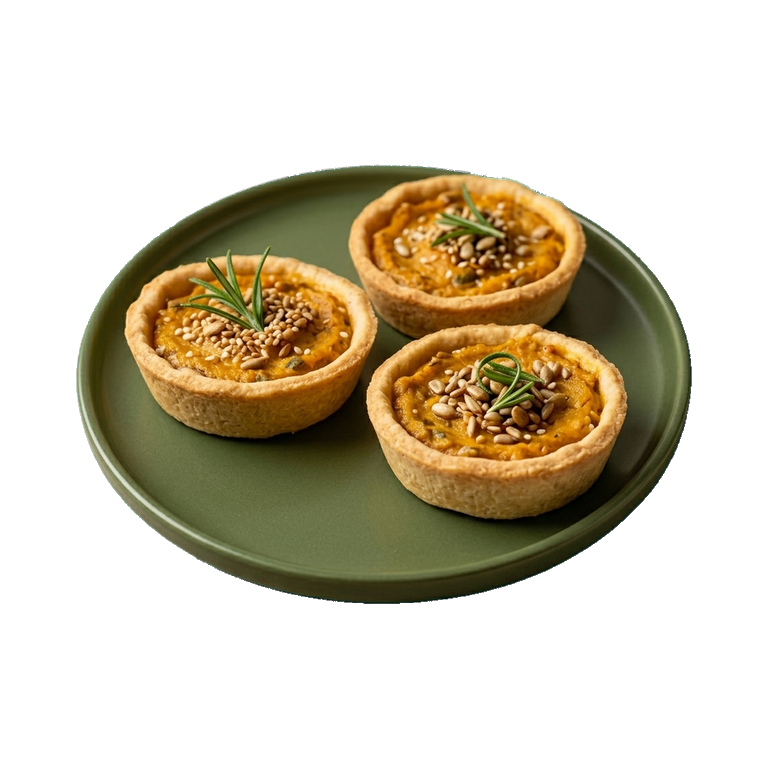
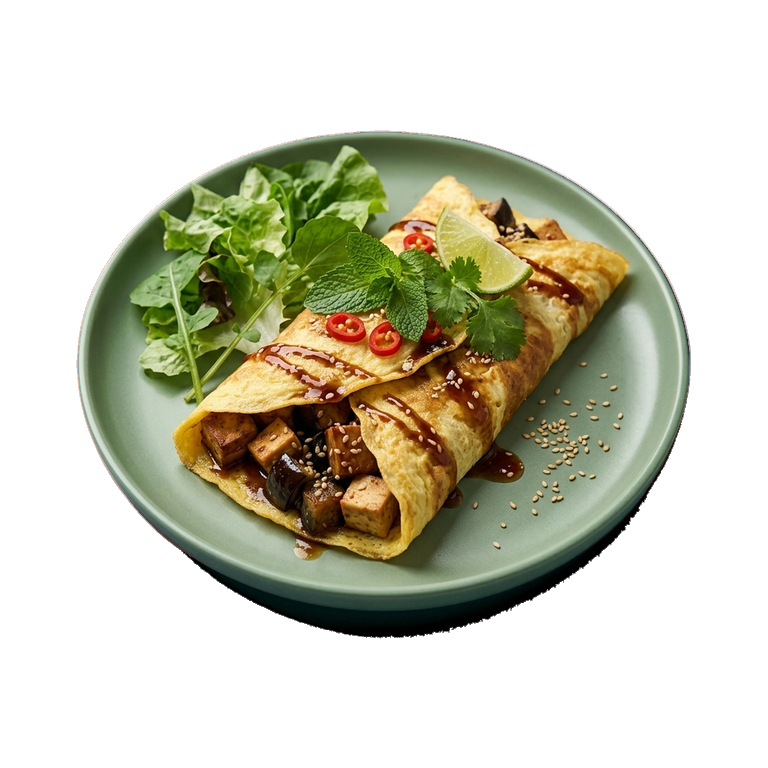
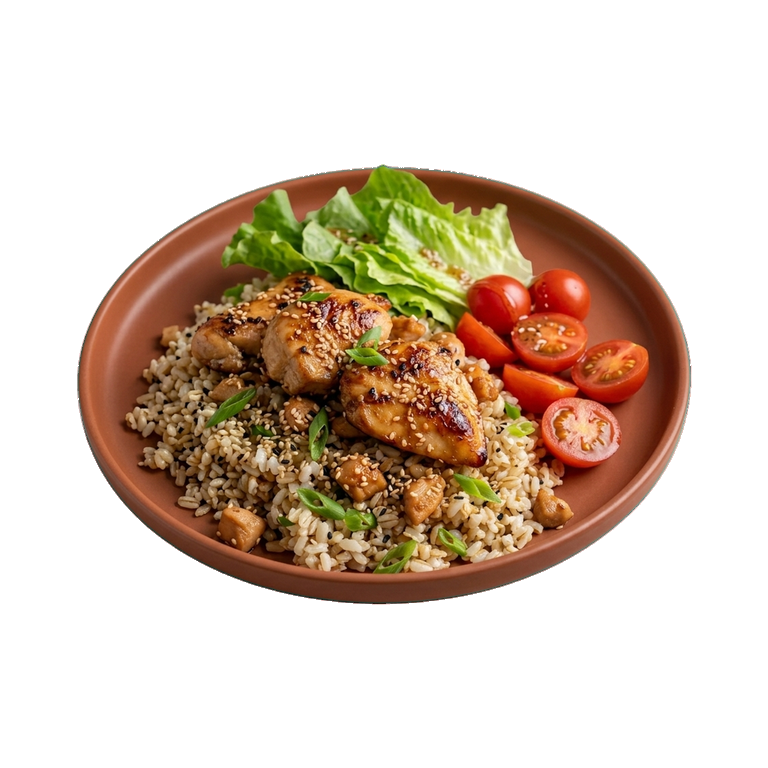
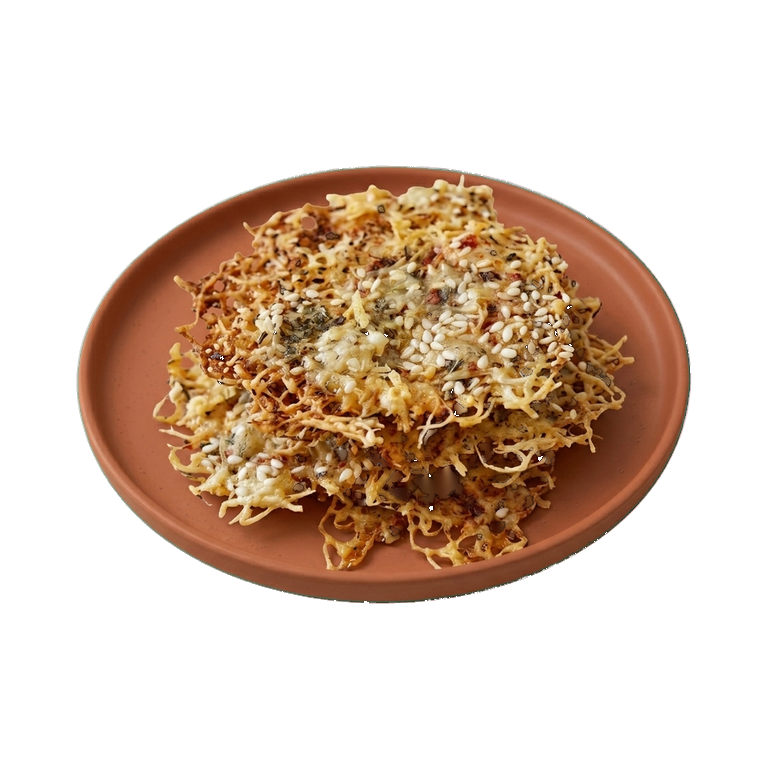
Small flat seeds with a nutty flavor and characteristic sweet aroma, added to dishes both raw and roasted. Roasting enhances the taste, making it richer and deeper, which is why they are often lightly heated before use. Sesame is indispensable in Asian cuisine for coating, sprinkling on bread and sushi, and is an ingredient in tahini and halva. It pairs well with meat, vegetables, and herbs.
Micronutrients
per 100 g
Minerals
About
Sesame seeds are one of those ingredients that work simultaneously on taste and texture. They are good both as a modest background and as an independent accent. Small but noticeable, they add a nutty note, a light bitterness, and a pleasant crunch to a dish. It is no wonder that they are used in cuisines around the world — from Asian to Mediterranean.
Aroma and Taste
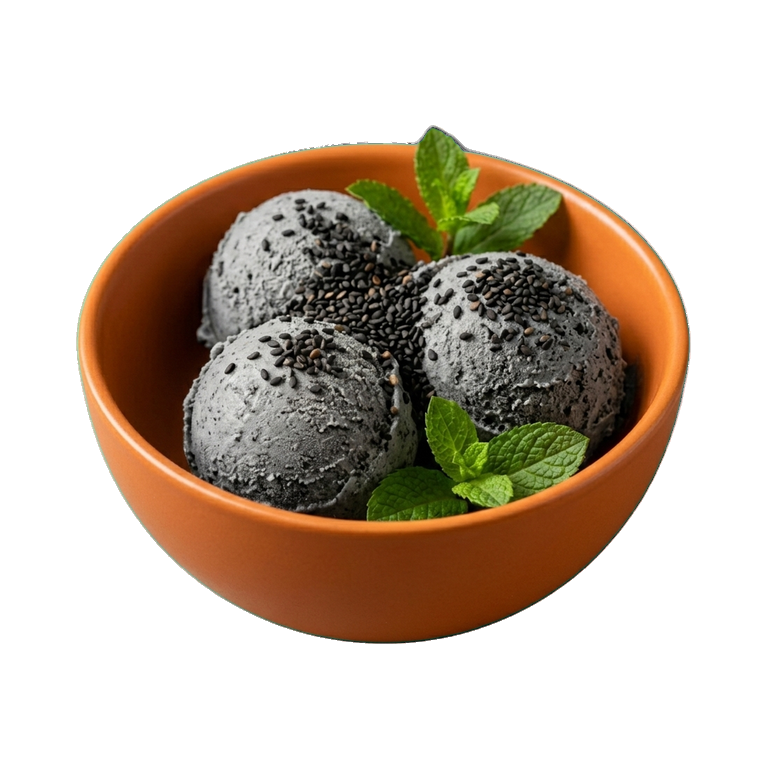
Raw sesame seeds have a mild, barely noticeable nutty aroma. But once you roast them a little — they open up in a completely different way. Roasted seeds smell more intense, their taste becomes more expressive, with a slight bitterness and depth. White seeds are milder in taste, black ones — slightly more astringent and aromatic.
Where they work
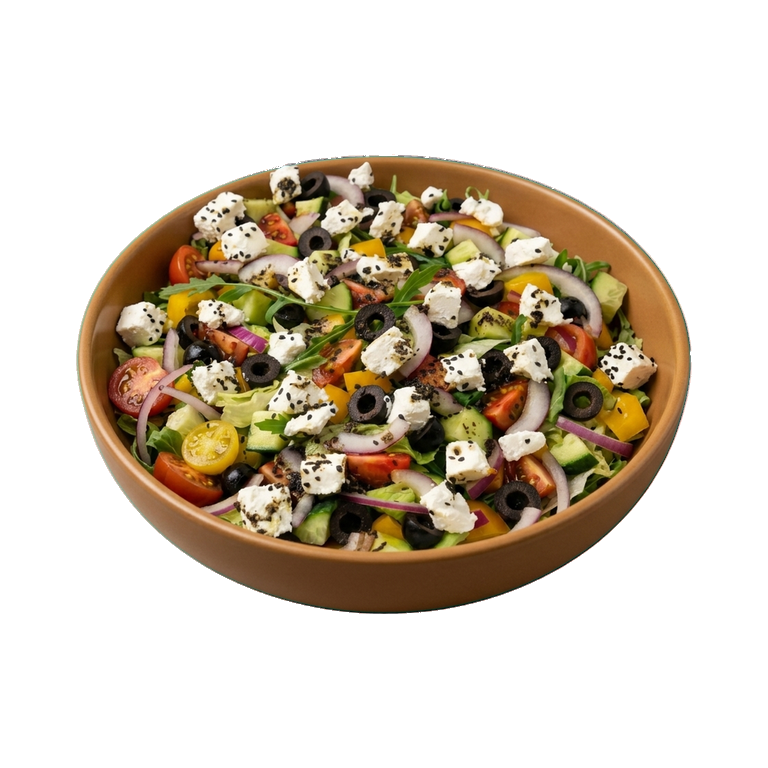
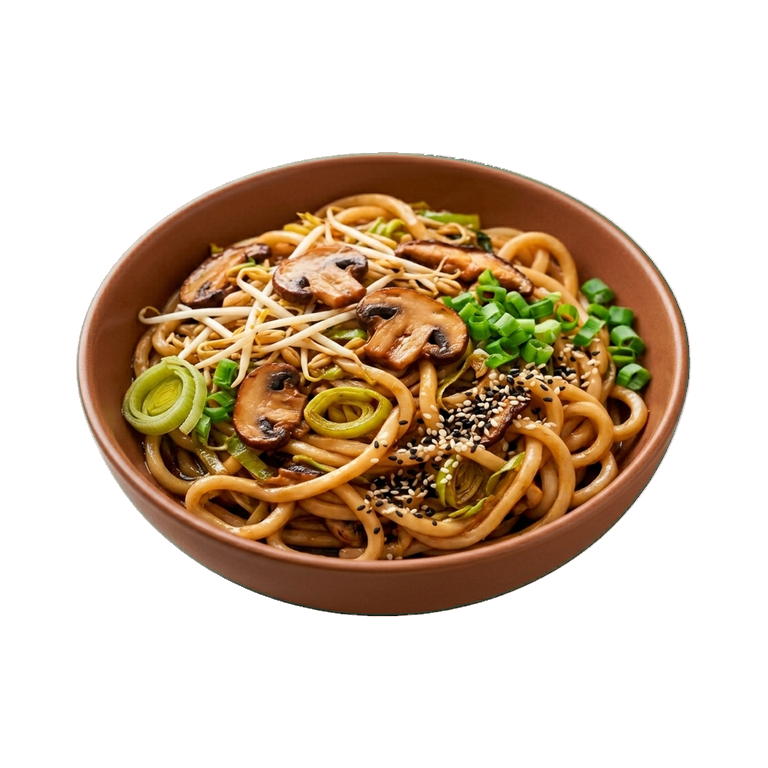
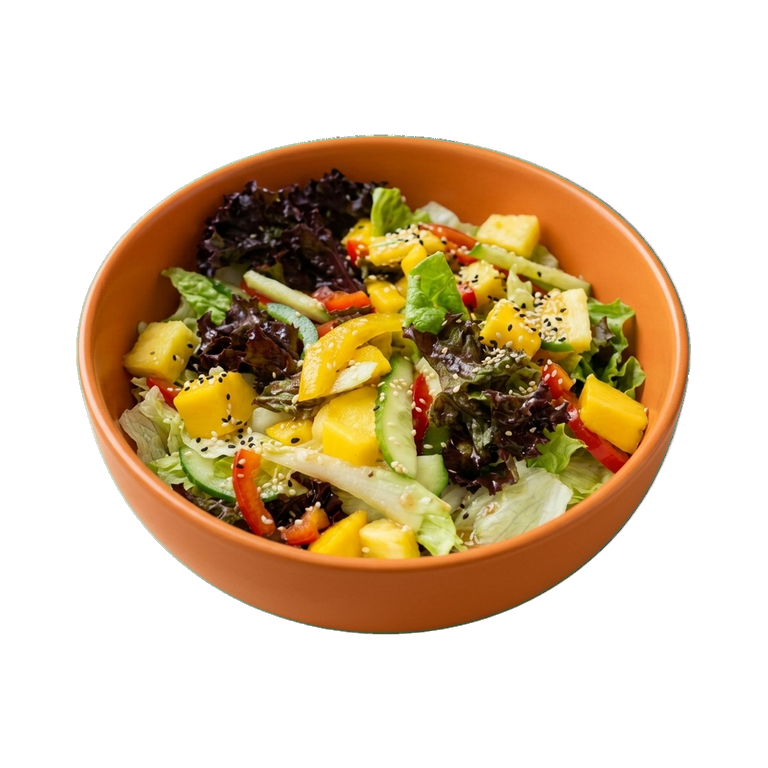
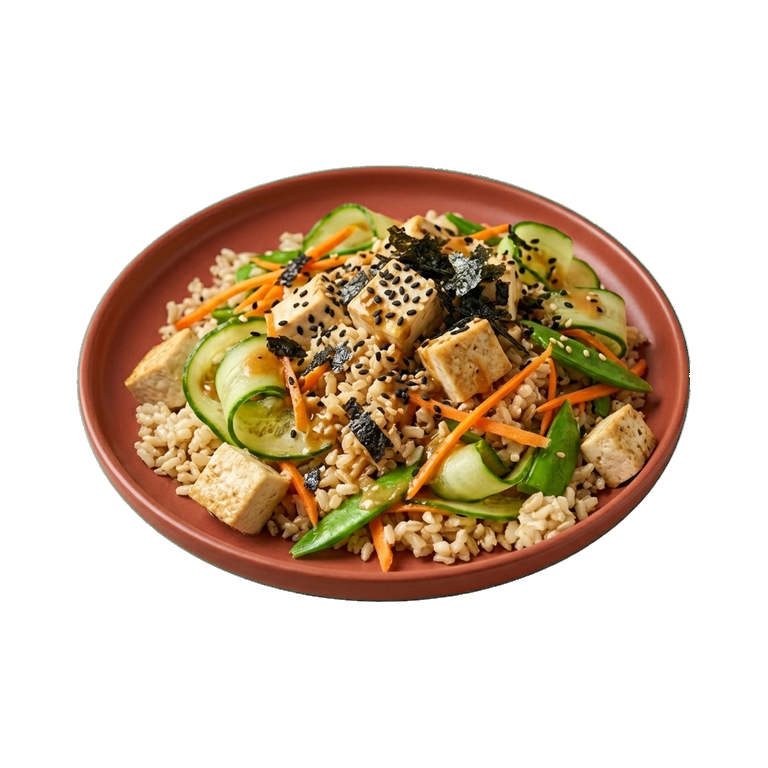
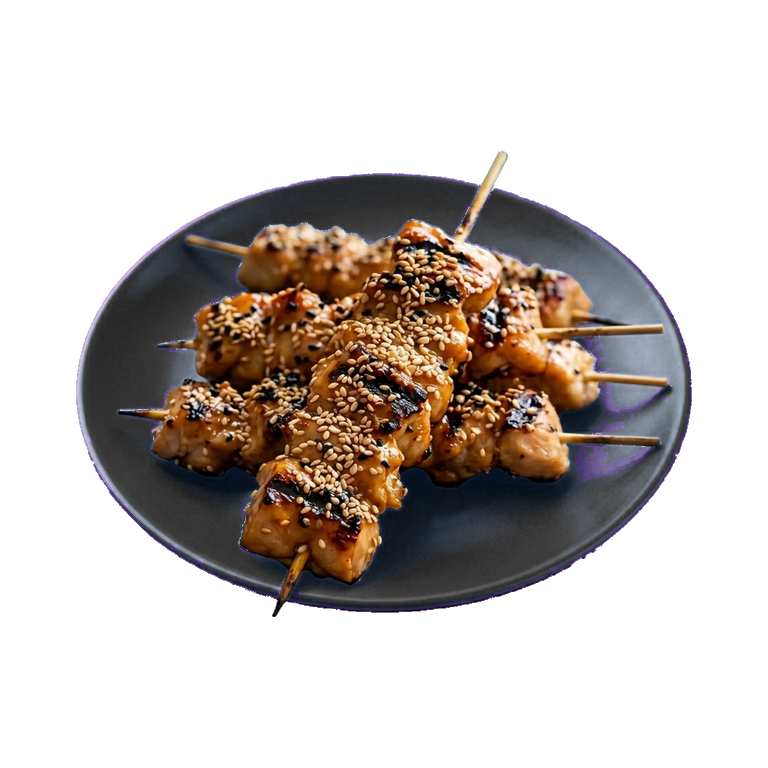
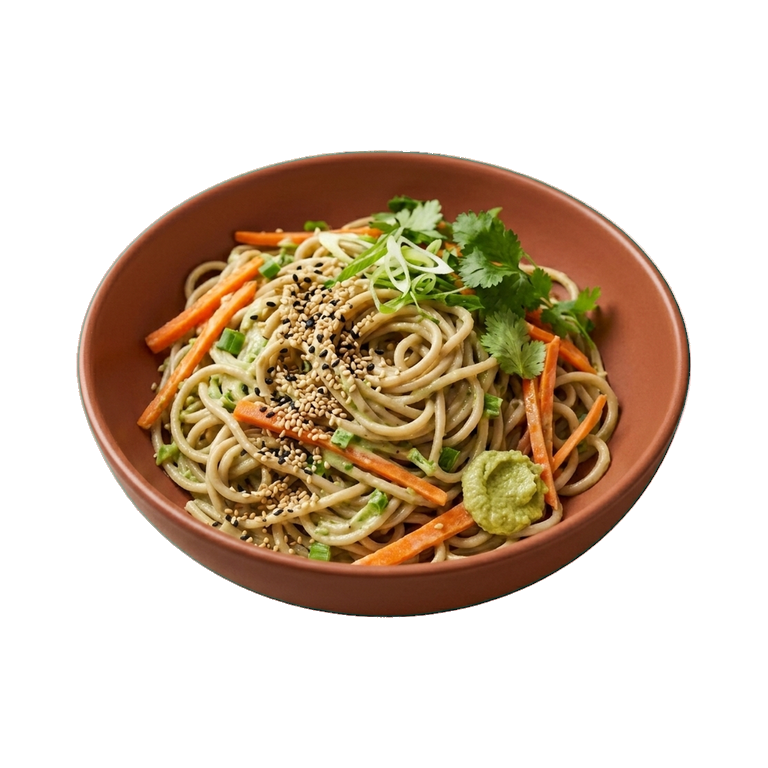
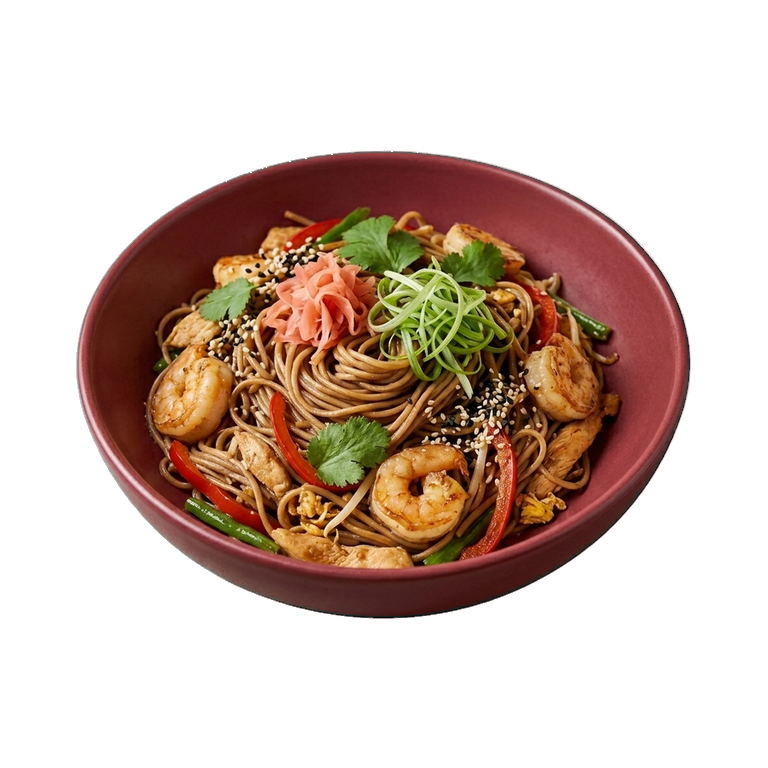
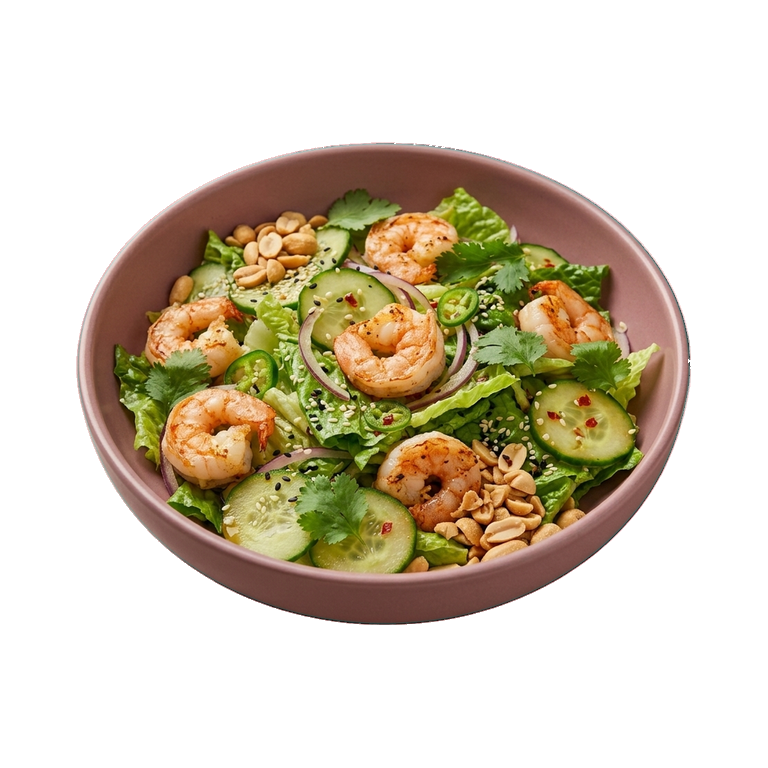
- In sushi and Asian salads — add crunch and a nutty note
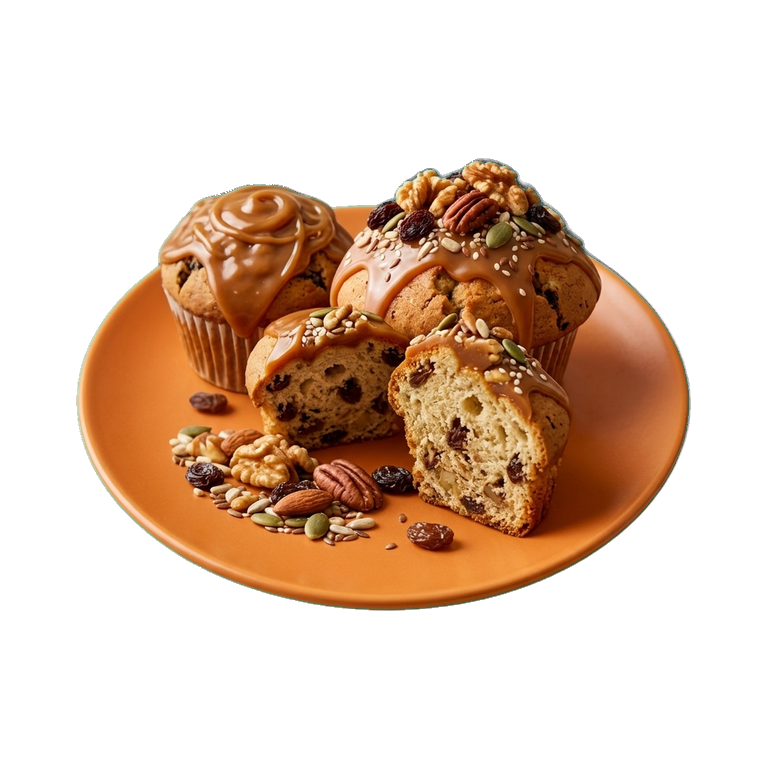
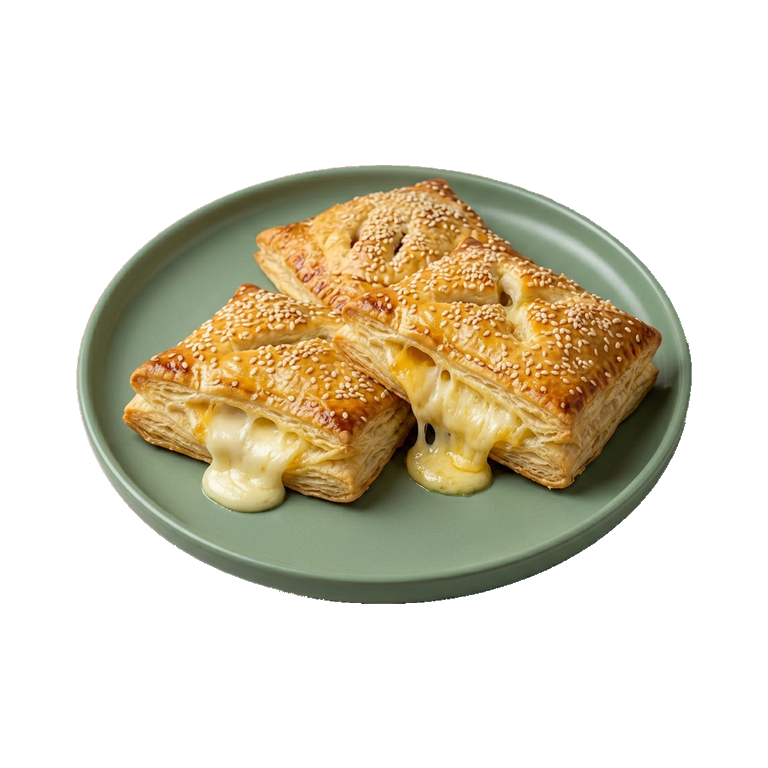
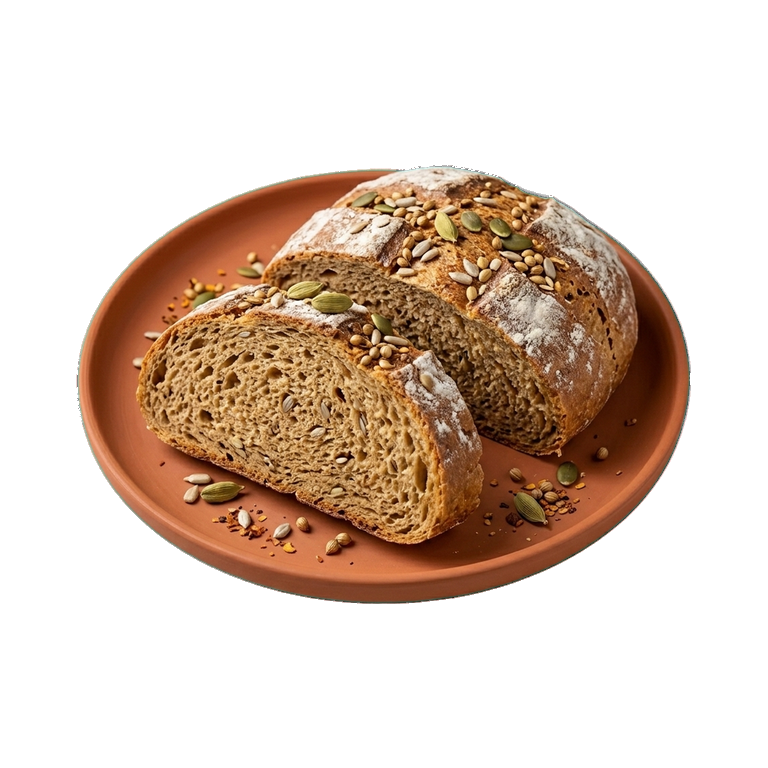
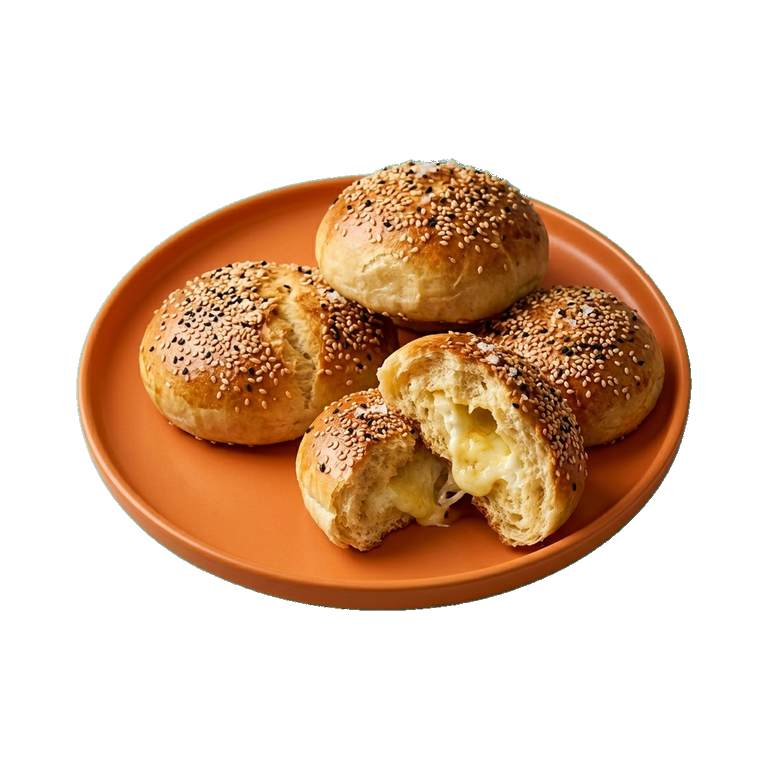
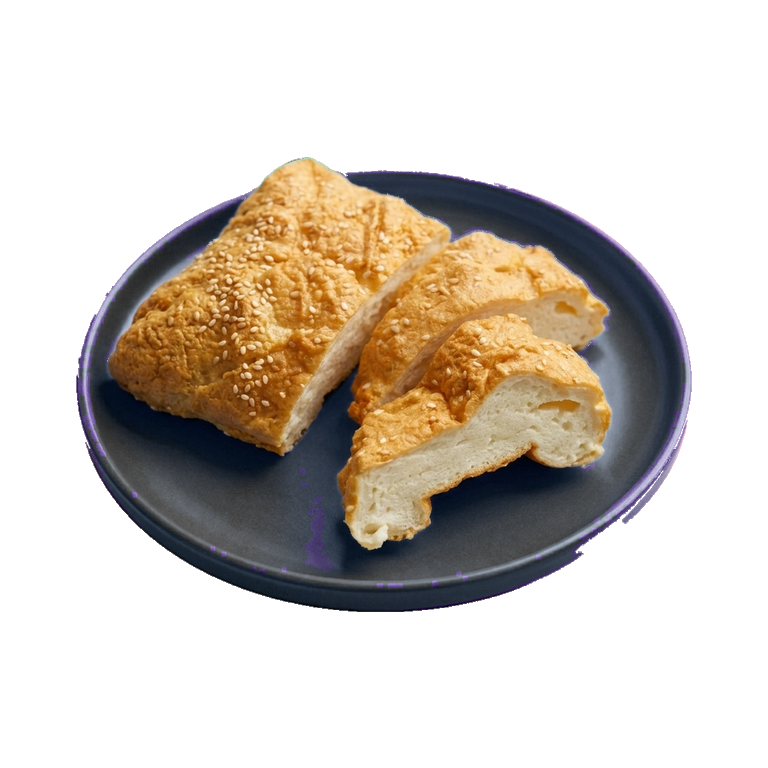
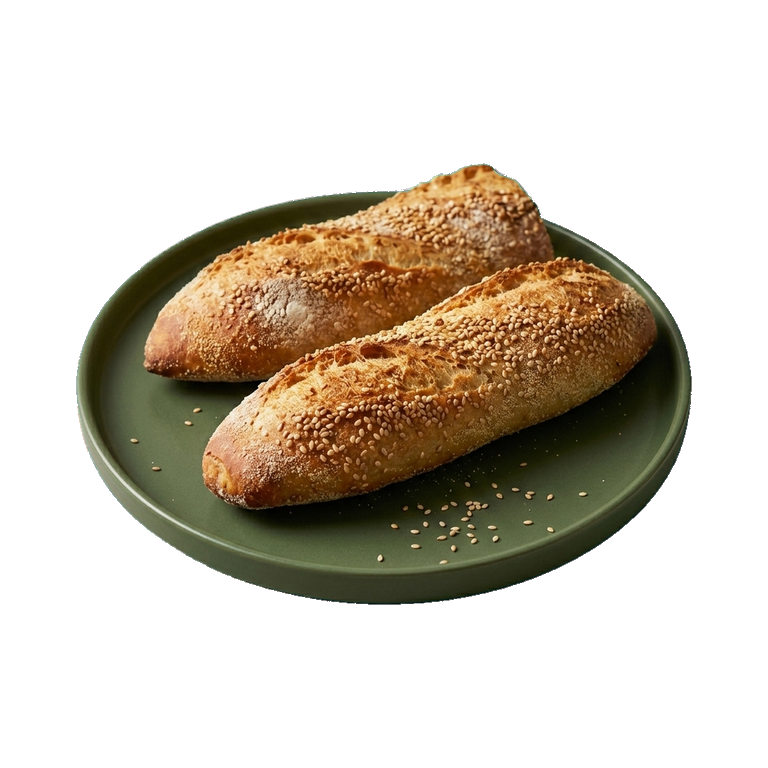
- In baked goods and buns — a topping that sticks to the dough and gives a pleasant taste
- In sauces like tahini or sesame paste — the main ingredient
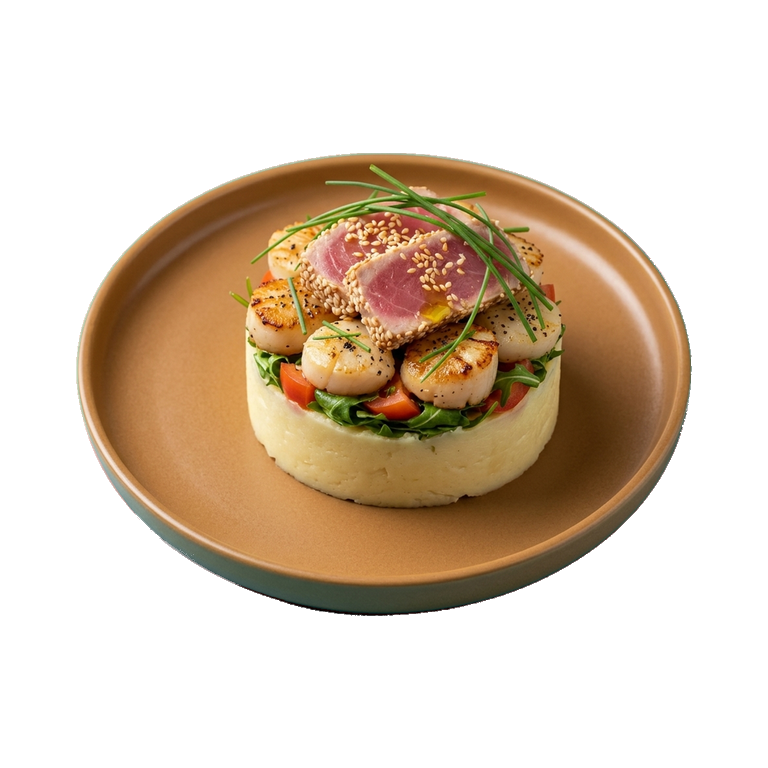
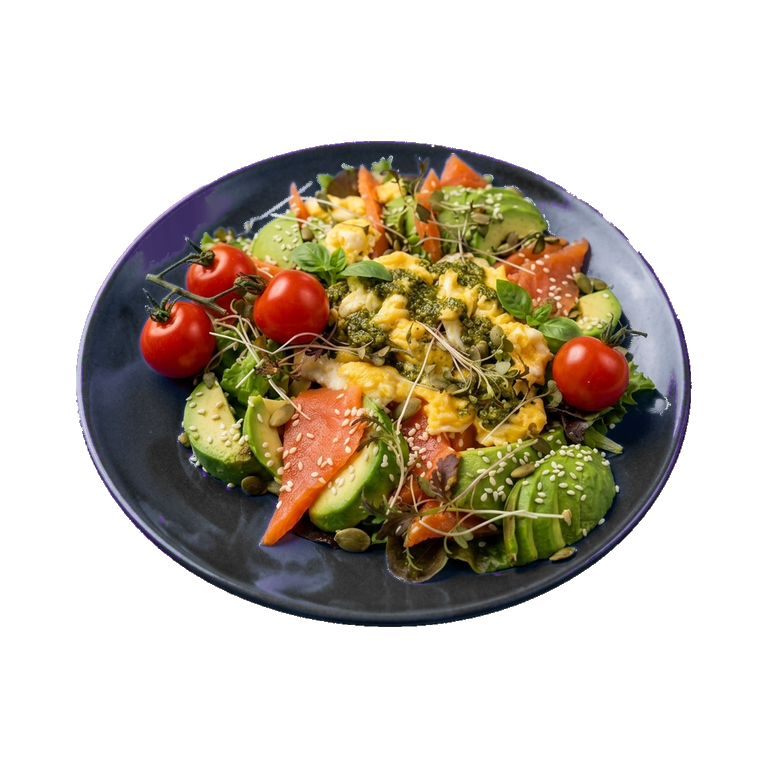
- On side dishes and vegetable plates — the final touch that changes how you perceive the dish
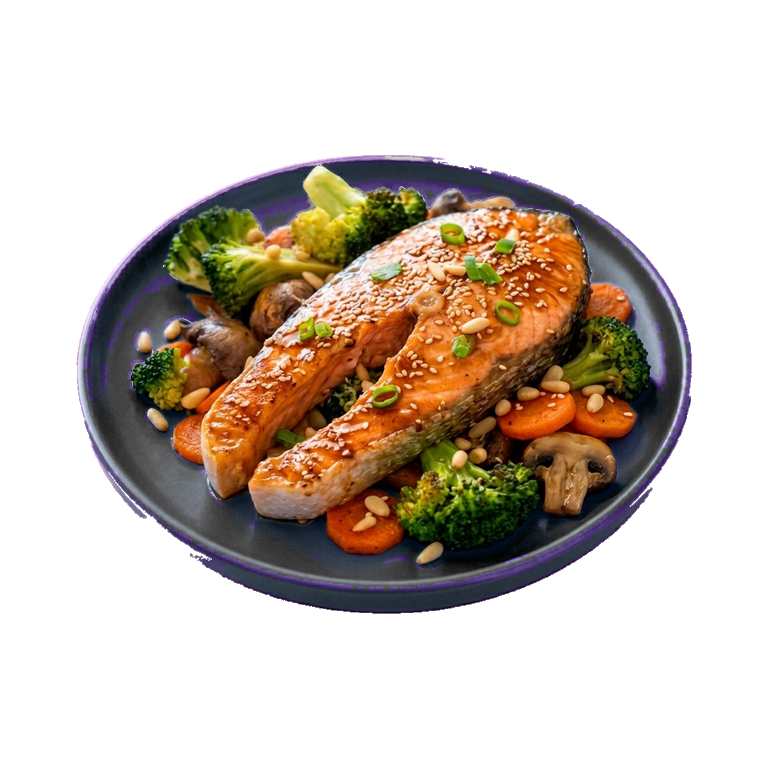
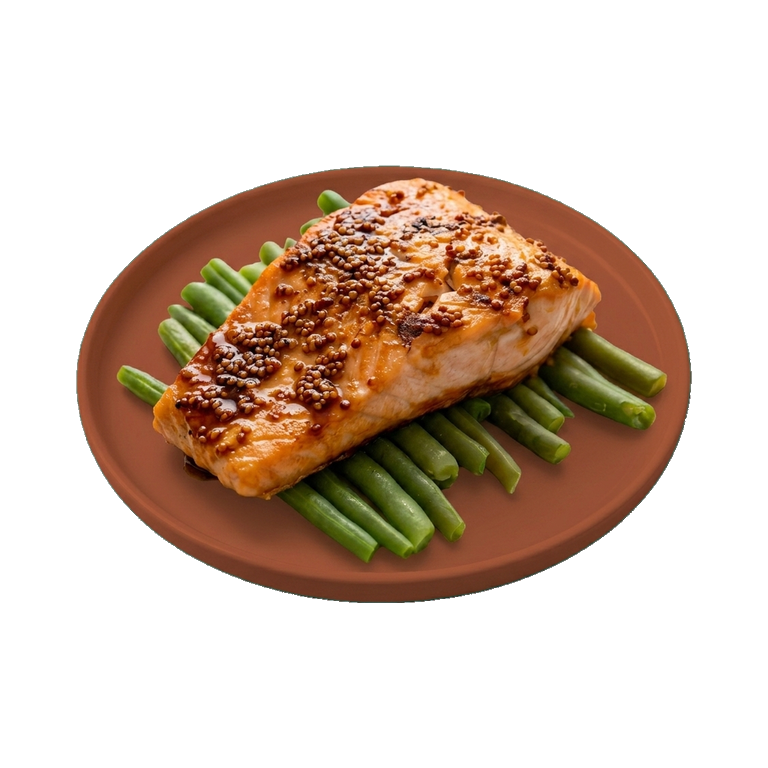
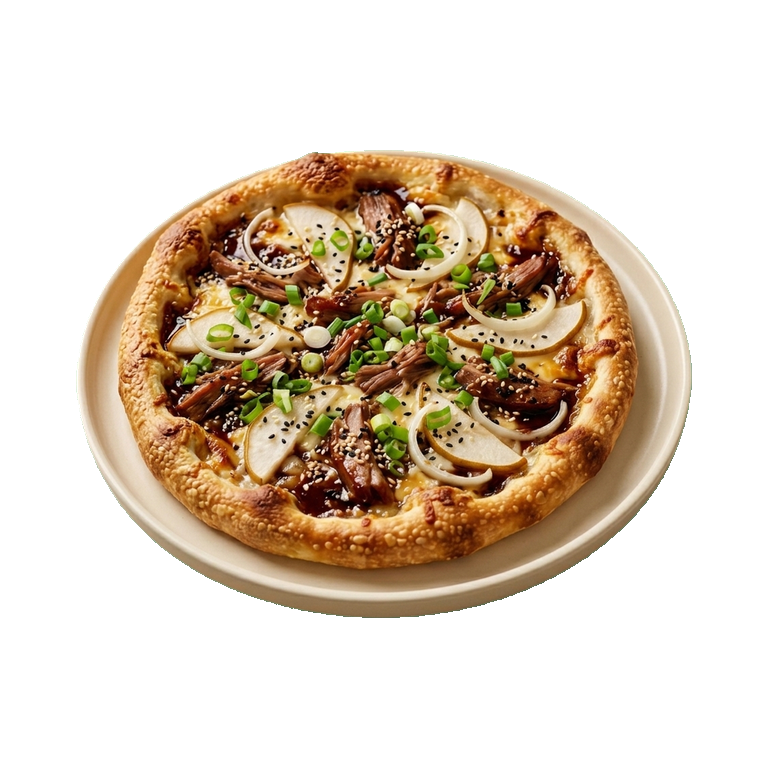
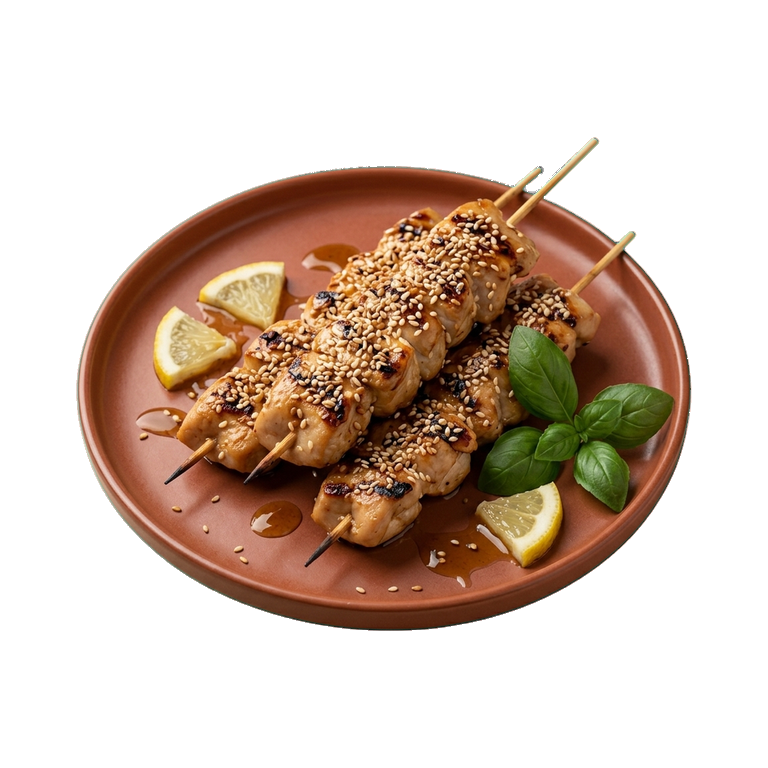
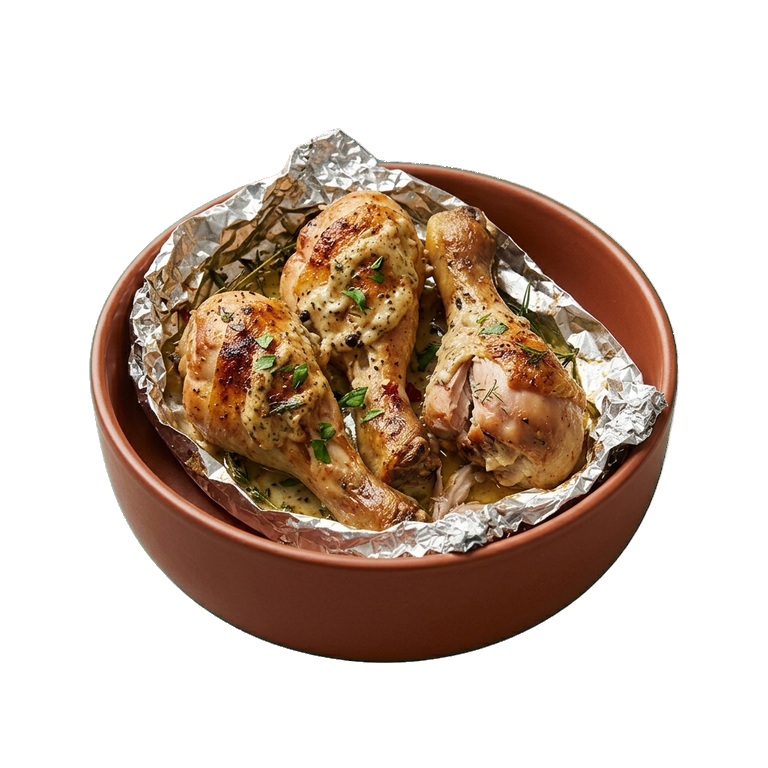
- In meat marinades and breadings — give the crust texture and flavor
How to cook with them
If you want maximum aroma and flavor, roast the seeds in a dry pan over medium heat for 2–3 minutes, stirring occasionally. They should darken and start to emit a nutty aroma. Don't overdo it — they quickly go from perfect to burnt. Raw seeds work well if you need a light texture without strong aromas, for example in salads or on bread.
Selection and Storage
Choose seeds in airtight packaging — they should be dry, without lumps and foreign odors. Roasted seeds are often more aromatic than raw ones, but also more expensive. If you cook frequently, raw seeds are more economical — you control the roasting degree yourself. Store them best in a sealed jar in a cool place or in the refrigerator; this way they will retain their freshness longer.
What pairs well
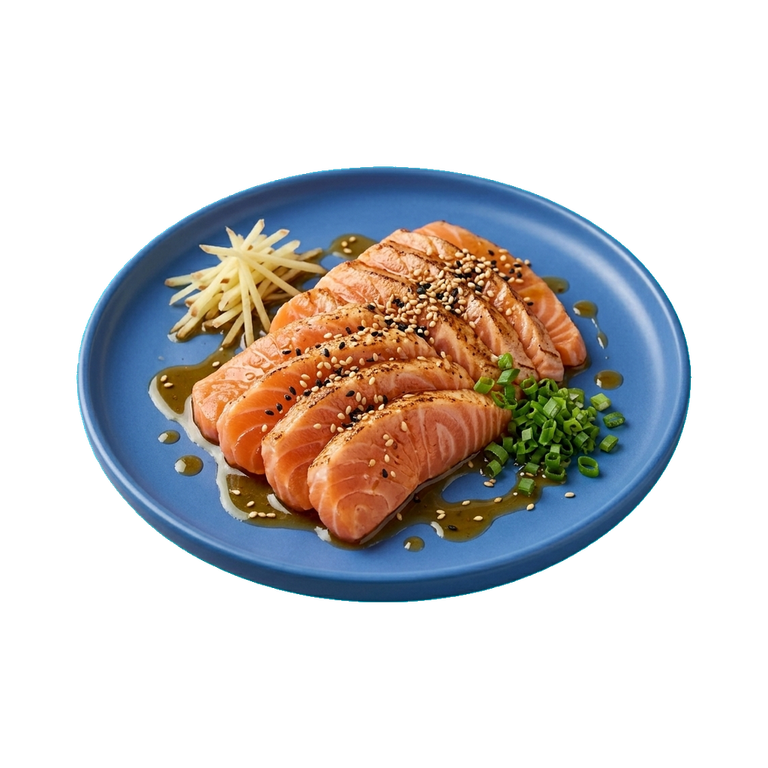
- Soy sauce and ginger — a classic Asian trio
- Lemon and garlic — in dressings for vegetables
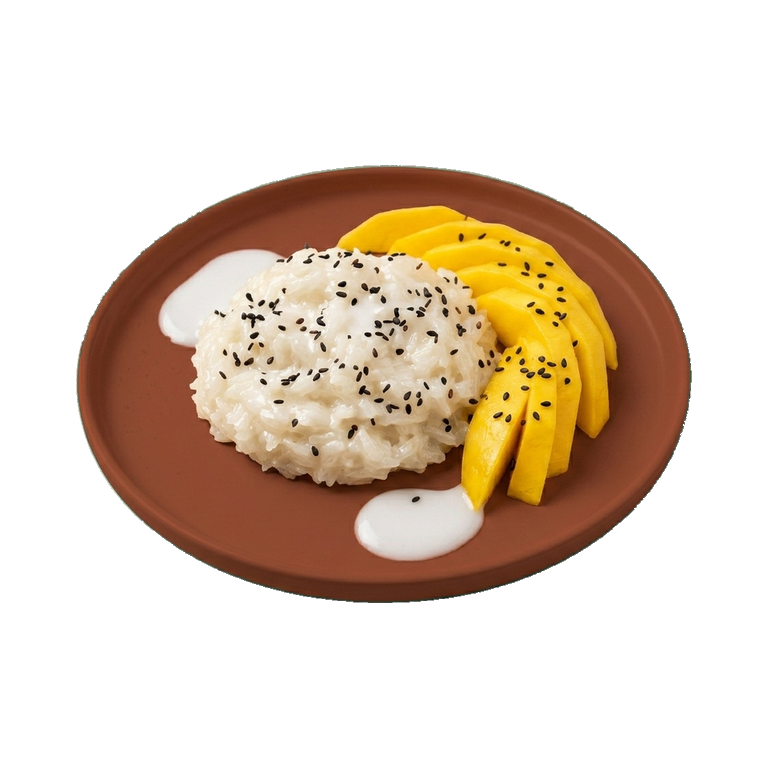
- Honey — in sweet side dishes and on buns
- Sesame oil — if you're already using seeds, the oil will enhance the effect
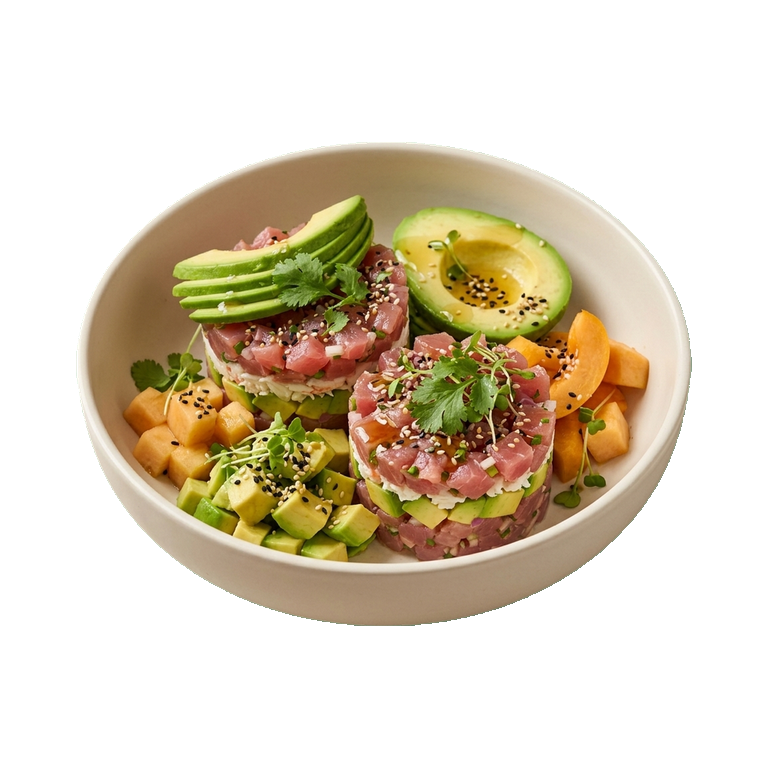
- Nori and avocado — in sushi and Asian appetizers
Sesame seeds are one of those ingredients you should always keep on hand. They are versatile, have a long shelf life, and each time add something new to your familiar dishes. Start simple — sprinkle them on a salad or soup, and you'll understand why they are so popular in cooking.
Nutrition
per 100 g
- Calories
- 563 kcal
- Protein
- 19.4 g
- Fat
- 50.8 g
- Carbs
- 23.5 g
Micronutrients
per 100 g
Macronutrients
- Fiber
- 11.8 g
- Sugars
- 0.3 g
- Saturated fat
- 6.957 g
- Monounsaturated fat
- 18.759 g
- Polyunsaturated fat
- 21.773 g
- Omega-3 (EPA + DHA)
- 0 g
- Cholesterol
- 0 mg
- Water
- 4.69 g
Minerals
- Sodium
- 11 mg
- Potassium
- 468 mg
- Calcium
- 975 mg
- Magnesium
- 351 mg
- Phosphorus
- 629 mg
- Iron
- 14.55 mg
- Zinc
- 7.75 mg
- Copper
- 4.08 mg
- Manganese
- 2.46 mg
- Selenium
- 34.4 mcg
Vitamins
- Vitamin A (RAE)
- 0 mcg
- Vitamin D
- 0 mcg
- Vitamin E
- 0.25 mg
- Vitamin K
- 0 mcg
- Vitamin C
- 0 mg
- Vitamin B1 (thiamin)
- 0.79 mg
- Vitamin B2 (riboflavin)
- 0.25 mg
- Vitamin B3 (niacin)
- 4.51 mg
- Vitamin B5 (pantothenic acid)
- 0.05 mg
- Vitamin B6
- 0.79 mg
- Vitamin B9 (folate, DFE)
- 97 mcg
- Vitamin B12
- 0 mcg
Measures and weight
- 1 tbsp
- 11.3 g
- 1 tsp
- 3.8 g
- 1 cup
- 187.5 g
Measure calculator
- Weight
- 100 g
- Calories
- 563 kcal