Usuba
Usuba
Honey
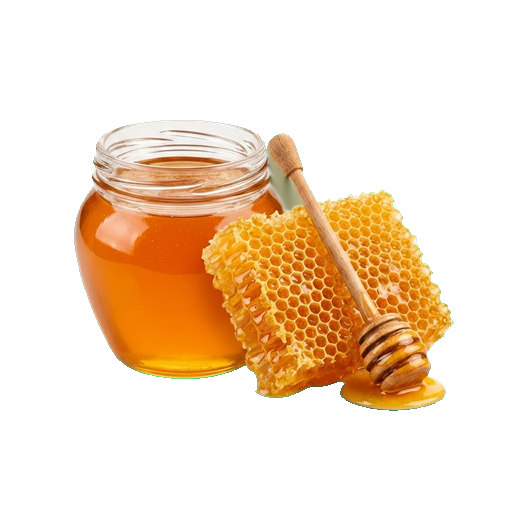
Honey is a sweet product produced by bees from flower nectar. Its taste varies from floral and delicate to rich and caramel-like depending on the nectar source, and its consistency can be liquid, creamy, or crystallized. In cooking, honey is used as a sweetener in beverages, baked goods, and sauces, and is also added to marinades and dressings to add depth of flavor and natural shine to finished dishes.
Micronutrients
per 100 g
Minerals
About
What you need to know about honey in the kitchen
Honey is one of the most versatile sweeteners in the kitchen, and its value goes far beyond simple sugar. It's not just a sweetness, but an ingredient with character: each variety has its own flavor profile, consistency, and behavior when heated. If you want your dish to turn out exactly as you envisioned it, it's worth understanding which honey is suitable for what.
Taste and aroma are the main differences
Light honey — acacia, linden, sunflower — is usually softer and more delicate. It doesn't overpower other flavors, making it ideal for baked goods where subtle sweetness is needed, or for beverages where honey should dissolve unobtrusively. Dark honey — buckwheat, chestnut — is much more expressive. It has a rich, sometimes even slightly bitter taste with caramel notes. This type of honey isn't afraid to compete with other ingredients and works excellently in sauces, marinades, and dark baked goods.
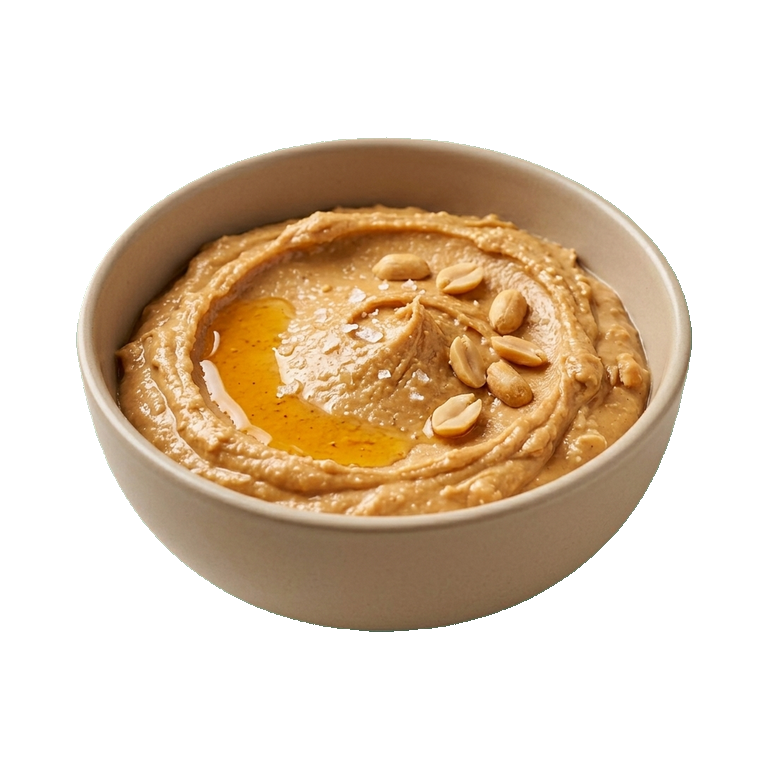
Consistency matters too. Liquid honey mixes easily and distributes evenly — it's convenient for beverages, dressings, and glazes. Thick, crystallized honey holds its shape better and works well for fillings and decoration. If honey has crystallized, it can be gently reheated in a water bath — this will restore its fluidity without losing flavor.
Honey in dishes and drinks
Honey sweetens, but that's not all. It softens dough, adds moisture to baked goods, and helps them stay fresh longer. In marinades and sauces, honey creates deep flavor and a beautiful glossy crust when frying or baking. In drinks — from tea to cocktails — it doesn't dissolve immediately, so it's best to dilute it in warm water beforehand or add it to already hot liquid.
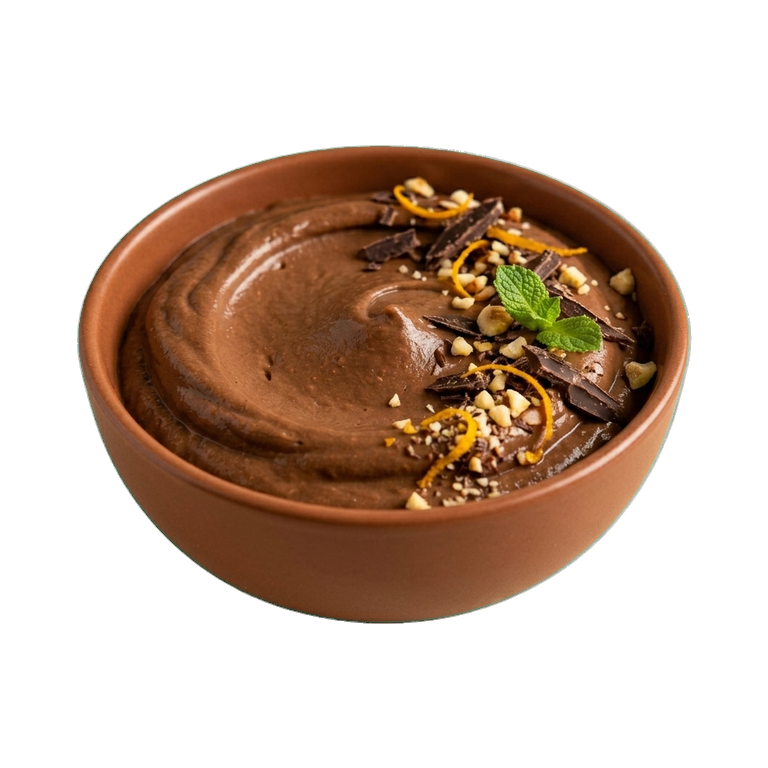
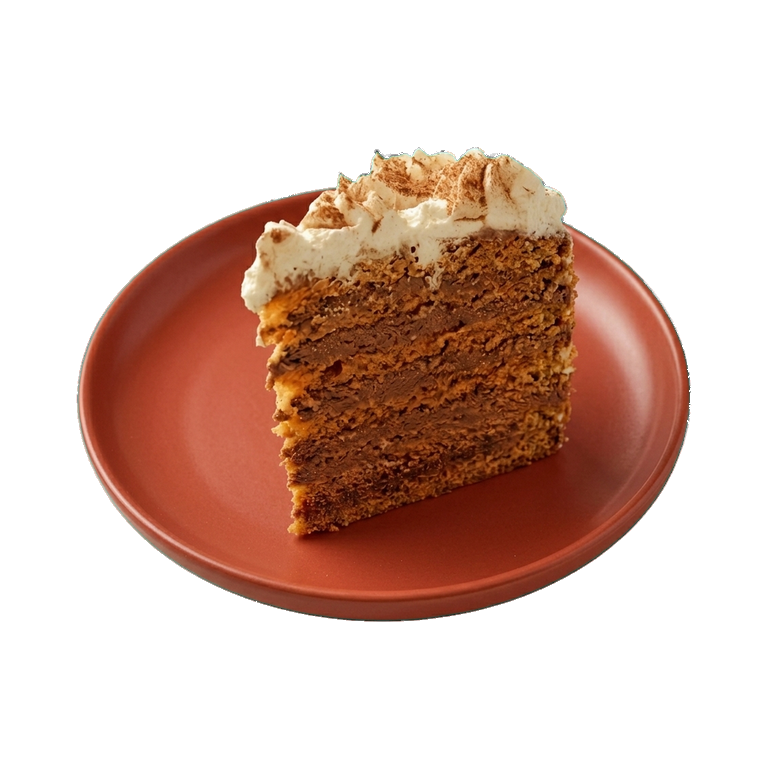
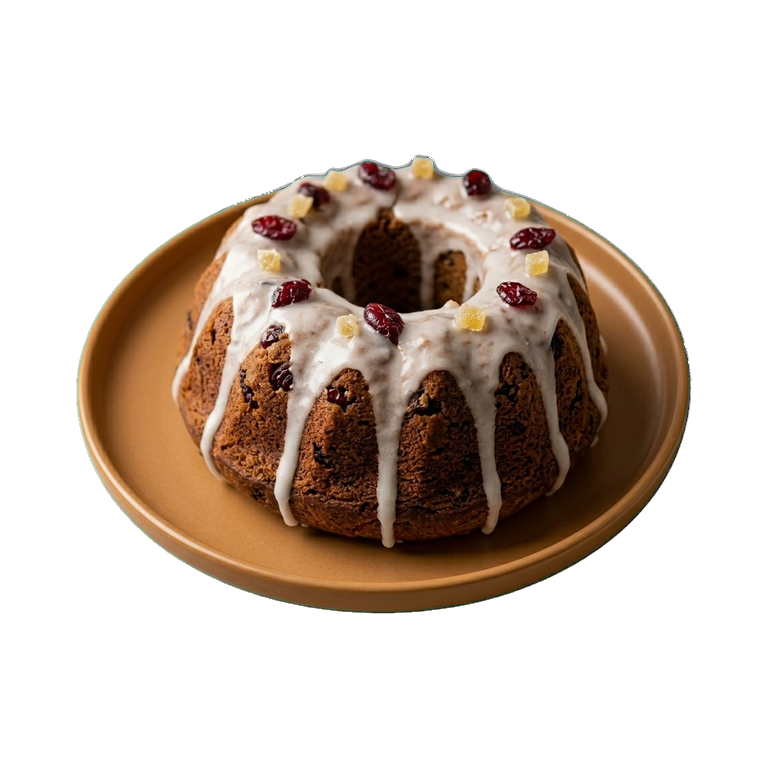
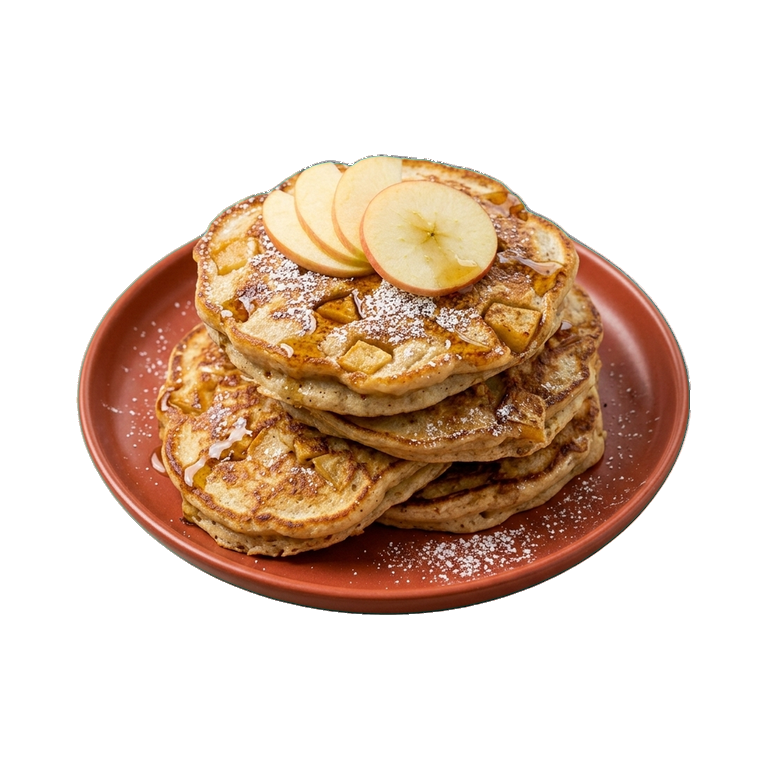
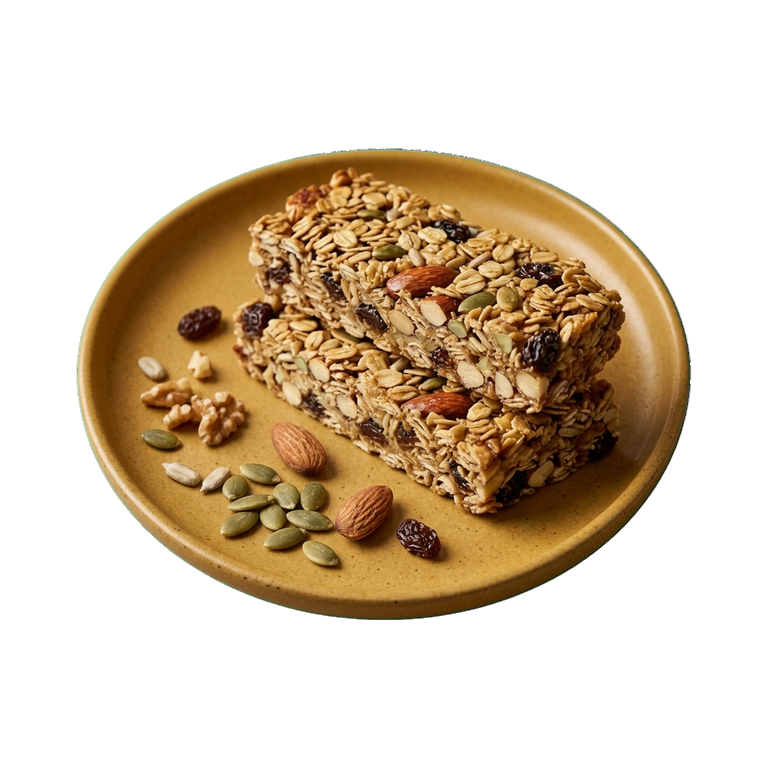
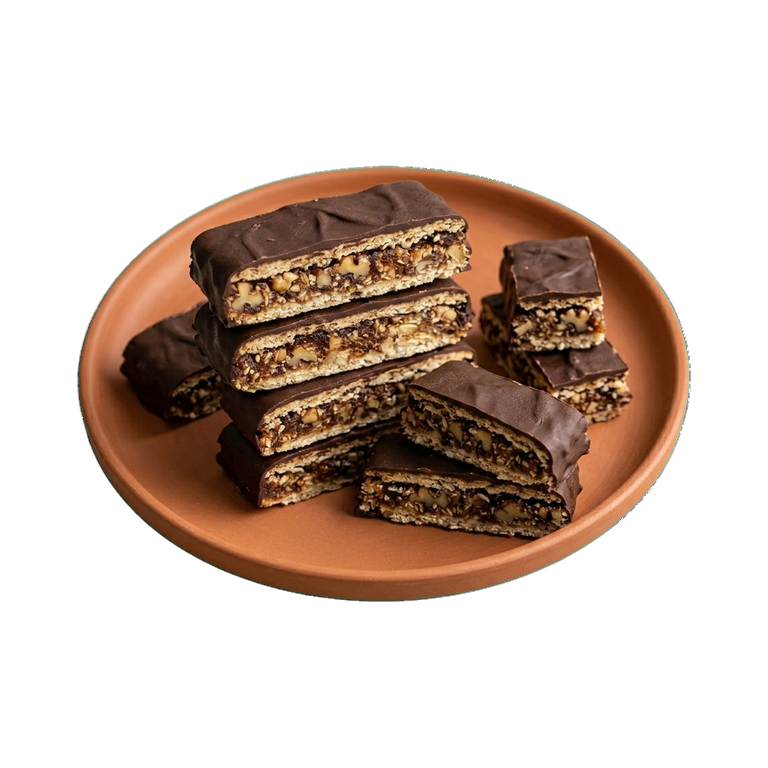
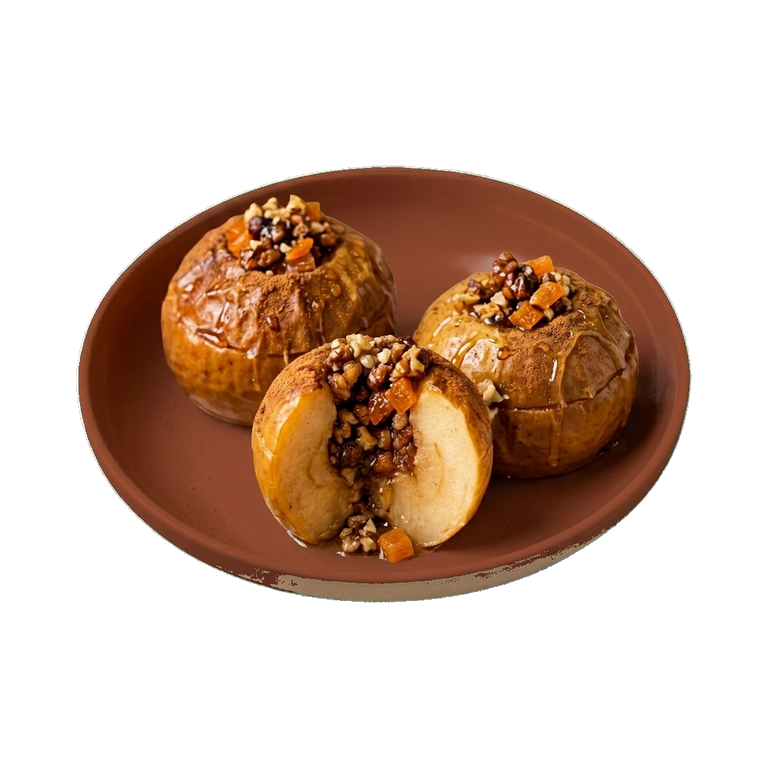
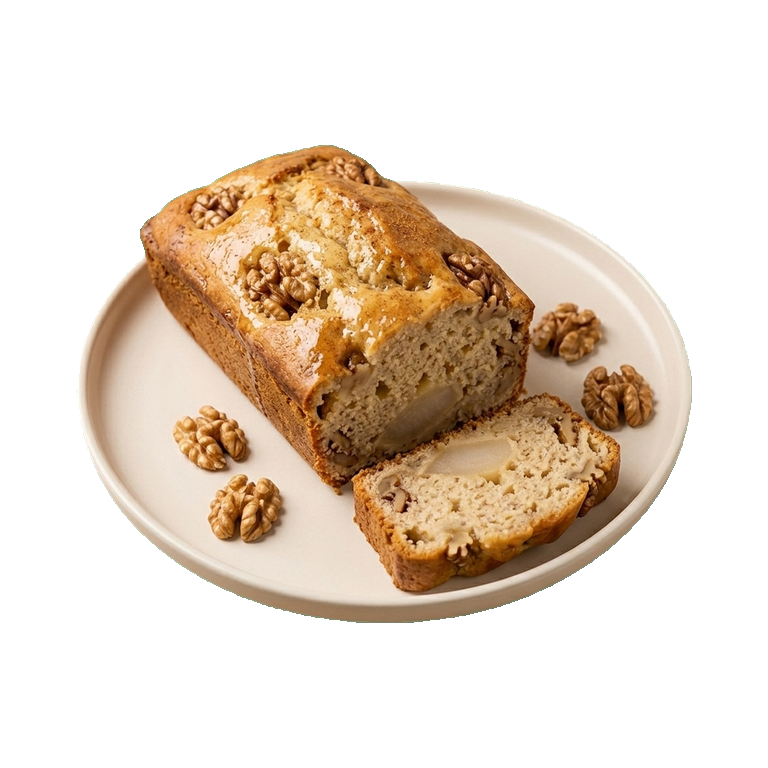
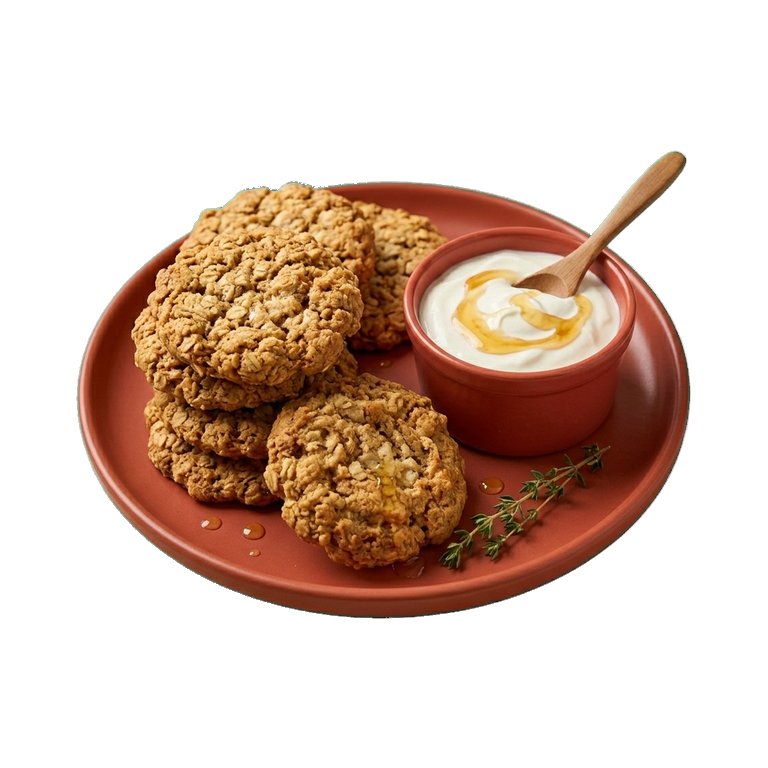
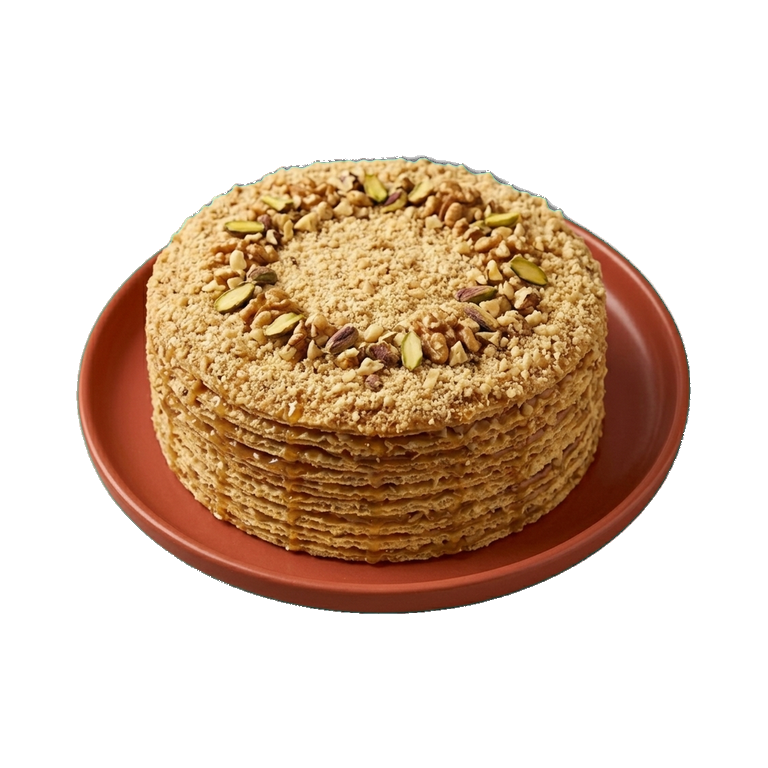
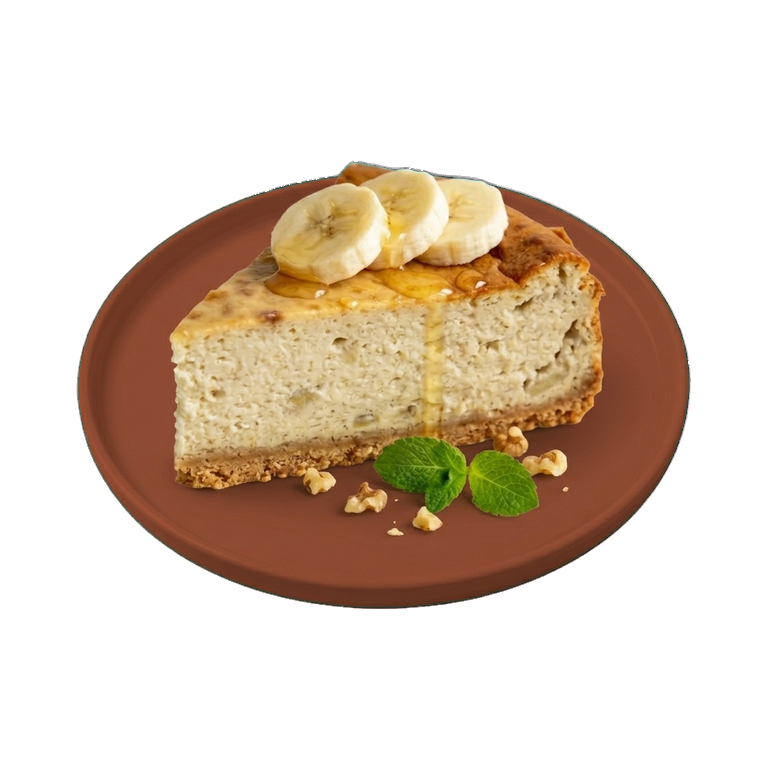
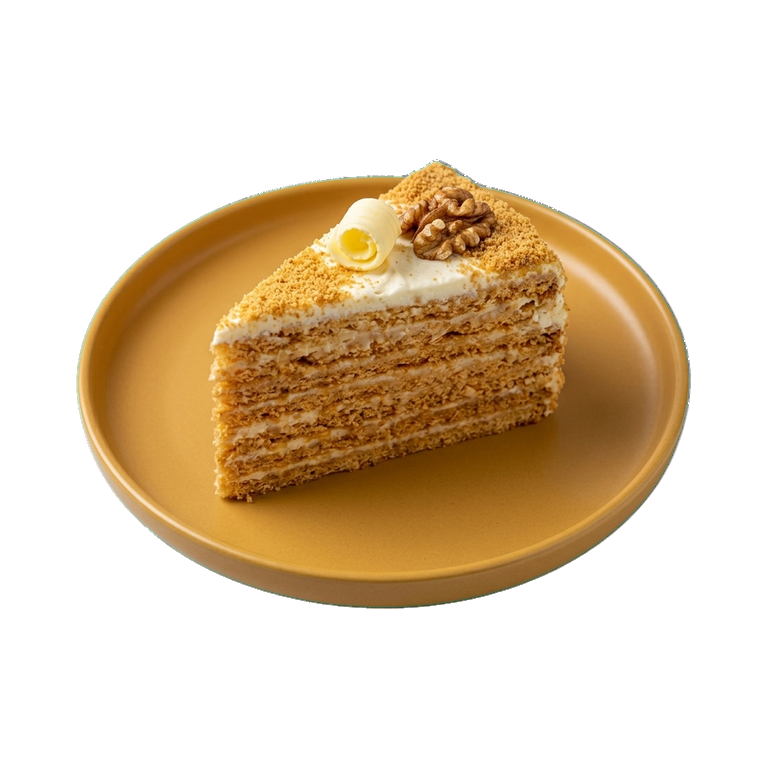
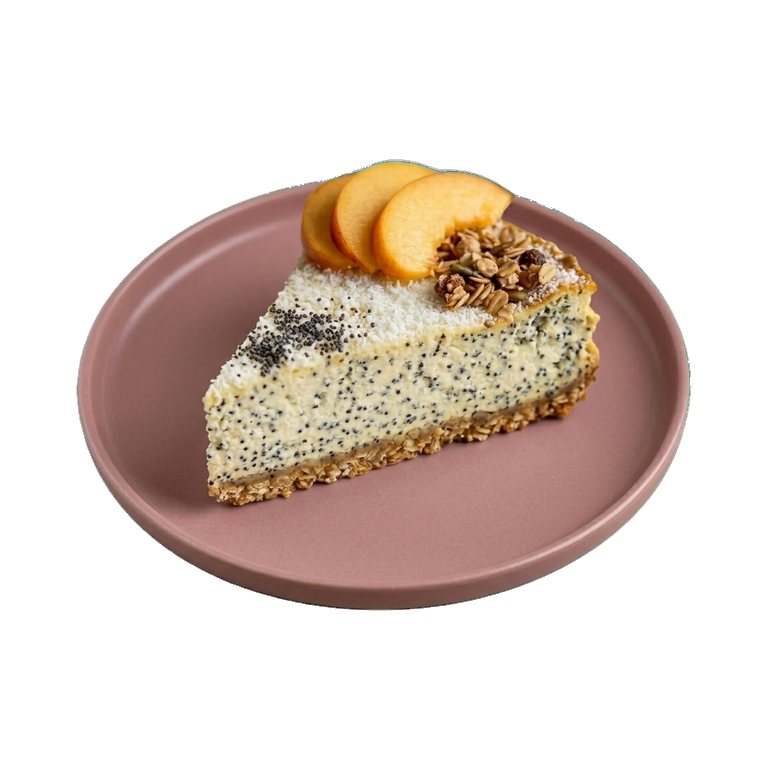
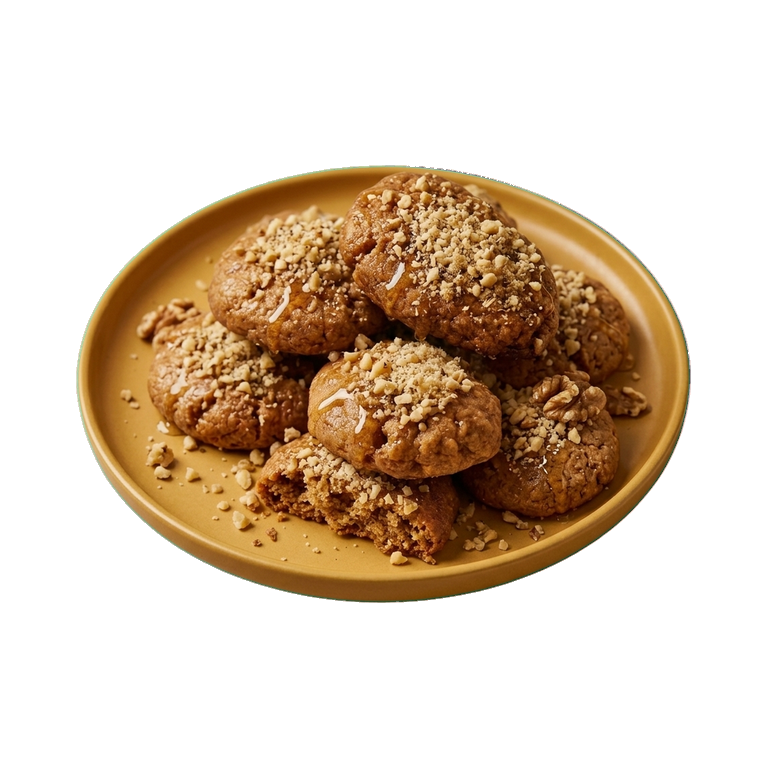
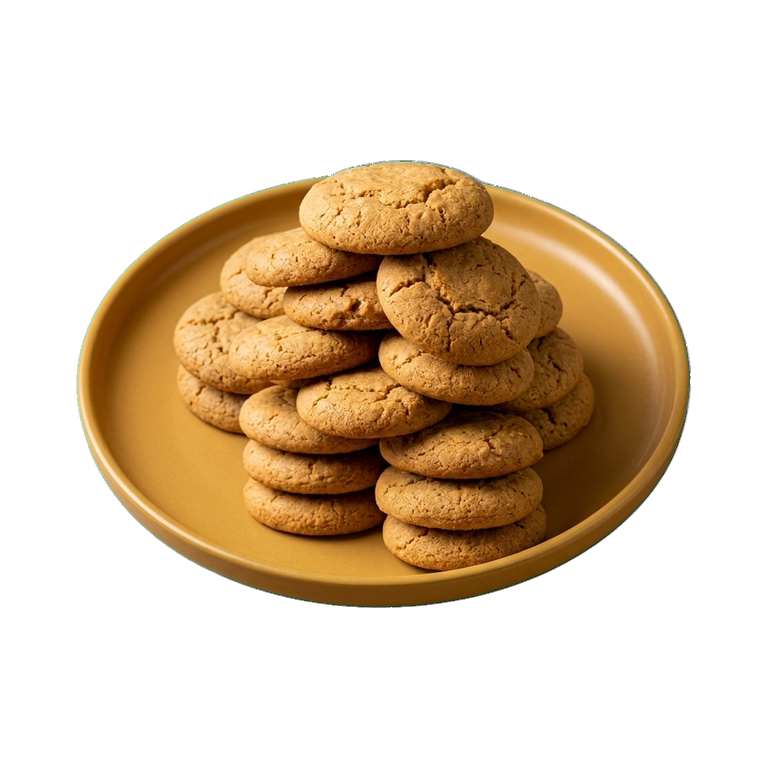
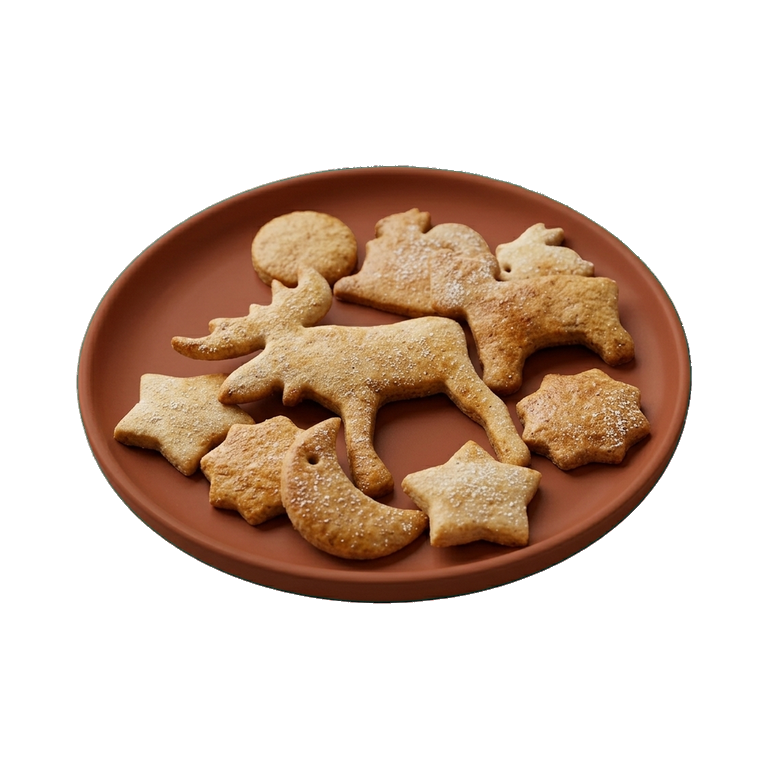
- Baking and desserts — light honey for delicate cakes, dark honey for gingerbread and honey cakes
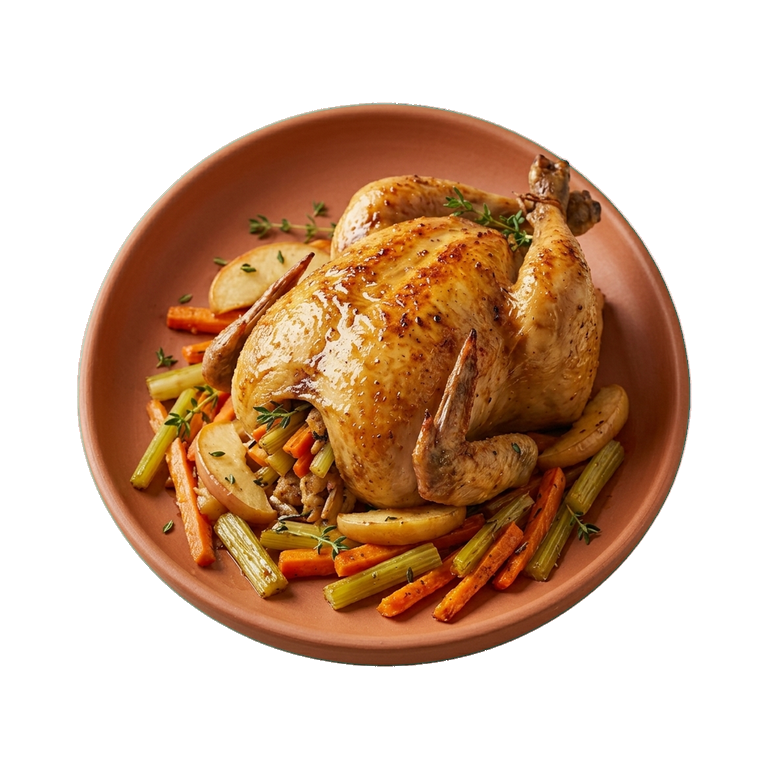
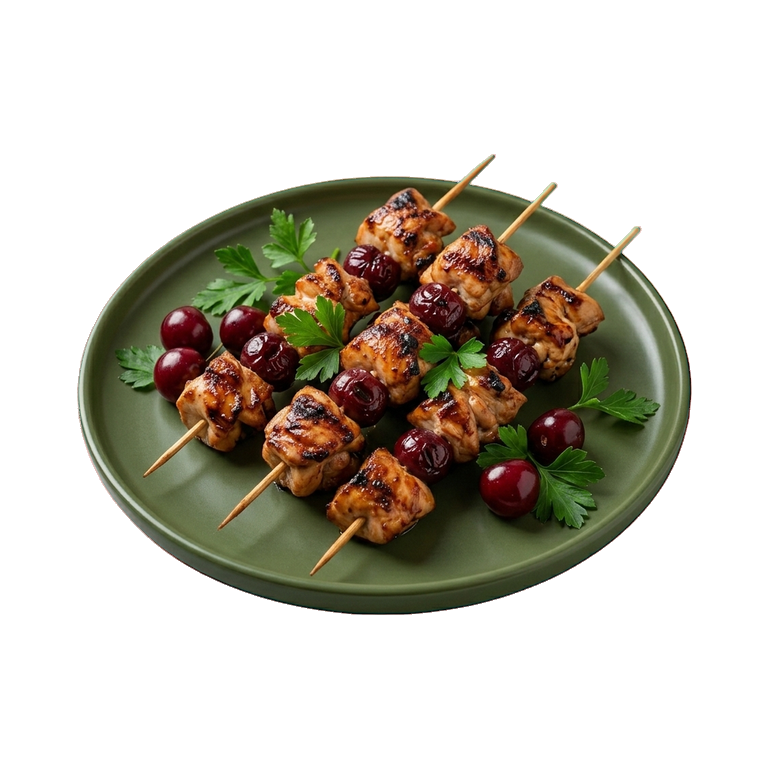
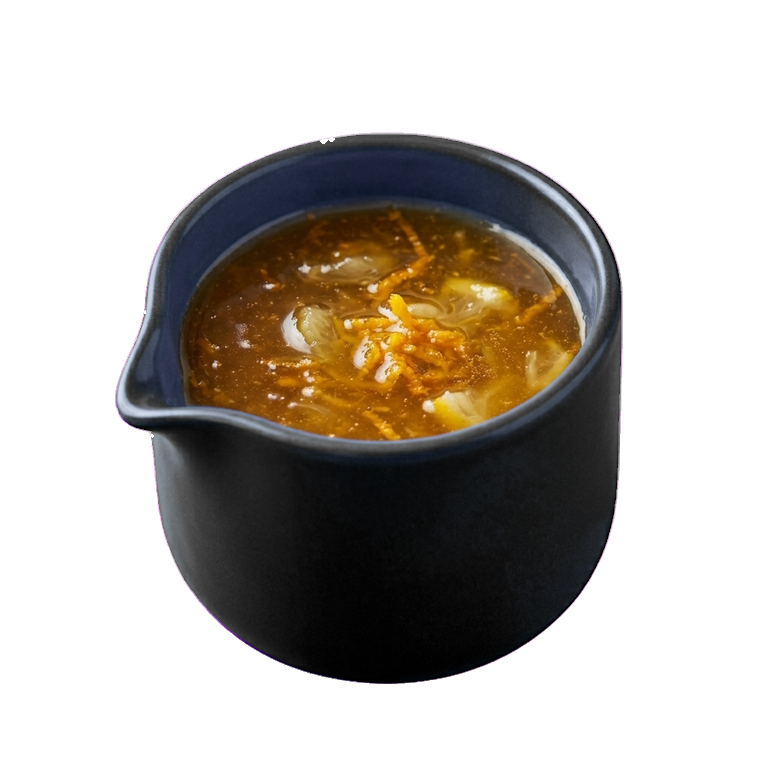
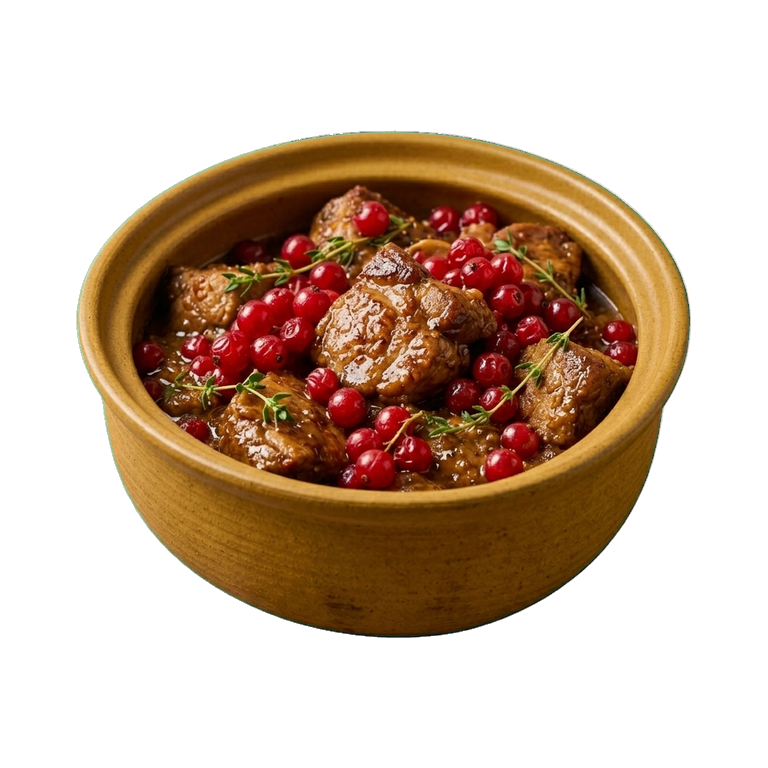
- Sauces and marinades — honey adds shine and caramel notes to meat and vegetables
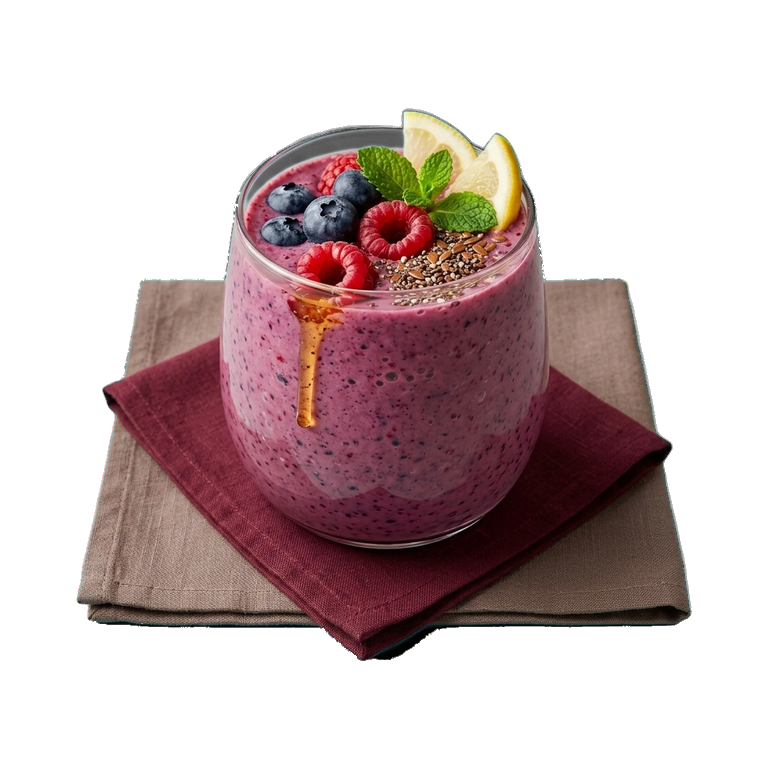
- Beverages — dissolves in hot water, creates sweetness without harshness
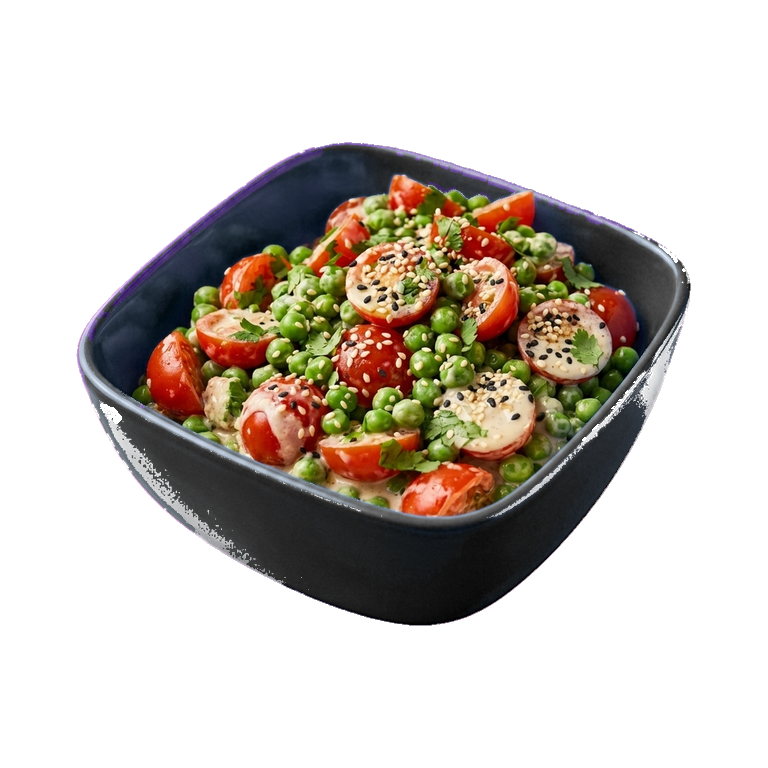
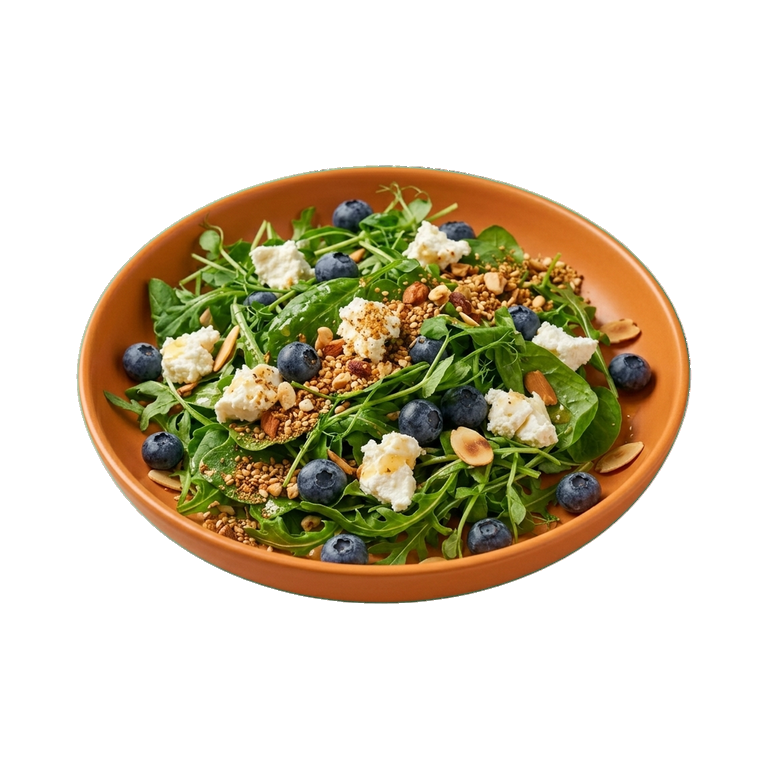
- Salad dressings — honey softens the acidity of vinegar and creates an emulsion
How to Choose and Store
When buying, look for transparency and uniformity. Good honey can be either liquid or crystallized — this is not a sign of poor quality, but a natural process. Avoid honey with layers or foreign impurities. If you don't know which one to choose for a specific dish, start with light universal honey — it won't let you down.
Honey keeps well thanks to its natural preservative properties. Store it at room temperature in a tightly closed container, away from direct sunlight. A refrigerator is not required, but it may accelerate crystallization. If honey has thickened or crystallized, that's normal — simply reheat it in a water bath before use. Never boil honey in a microwave or over an open flame, otherwise it will lose its aroma and beneficial properties.
Practical Tips
- Honey is hygroscopic — it absorbs moisture from the air, so seal the jar tightly
- For baking, it's often more convenient to use liquid honey — it distributes more evenly in the dough
- If a recipe calls for honey and you only have sugar, replace it in a 3:4 ratio (you need slightly less honey since it's sweeter)
- When replacing sugar with honey in baking, slightly reduce the amount of liquid in the dough
Nutrition
per 100 g
- Calories
- 304 kcal
- Protein
- 0.3 g
- Fat
- 0 g
- Carbs
- 82.4 g
Micronutrients
per 100 g
Macronutrients
- Fiber
- 0.2 g
- Sugars
- 82.12 g
- Saturated fat
- 0 g
- Monounsaturated fat
- 0 g
- Polyunsaturated fat
- 0 g
- Omega-3 (EPA + DHA)
- 0 g
- Cholesterol
- 0 mg
- Water
- 17.1 g
Minerals
- Sodium
- 4 mg
- Potassium
- 52 mg
- Calcium
- 6 mg
- Magnesium
- 2 mg
- Phosphorus
- 4 mg
- Iron
- 0.42 mg
- Zinc
- 0.22 mg
- Copper
- 0.04 mg
- Manganese
- 0.08 mg
- Selenium
- 0.8 mcg
Vitamins
- Vitamin A (RAE)
- 0 mcg
- Vitamin D
- 0 mcg
- Vitamin E
- 0 mg
- Vitamin K
- 0 mcg
- Vitamin C
- 0.5 mg
- Vitamin B1 (thiamin)
- 0 mg
- Vitamin B2 (riboflavin)
- 0.04 mg
- Vitamin B3 (niacin)
- 0.12 mg
- Vitamin B5 (pantothenic acid)
- 0.07 mg
- Vitamin B6
- 0.02 mg
- Vitamin B9 (folate, DFE)
- 2 mcg
- Vitamin B12
- 0 mcg
Measures and weight
- 1 tbsp
- 21.3 g
- 1 tsp
- 7.1 g
- 1 cup
- 355 g
Measure calculator
- Weight
- 100 g
- Calories
- 304 kcal