Usuba
Usuba
Spinach
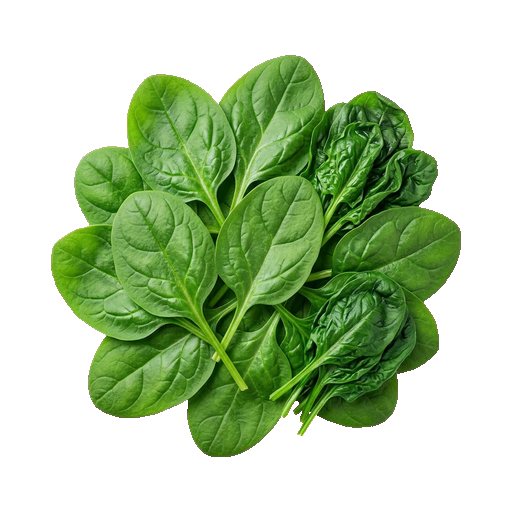
Leafy greens with a tender texture and slightly sweet, earthy flavor with a hint of bitterness. Spinach is versatile in cooking: add it to salads fresh, stew it as a side dish, use it in soups, sauces, and pie and pasta fillings. When selecting, prefer young leaves with a bright green color, and remember when cooking that spinach significantly reduces in volume when heat-treated.
Micronutrients
per 100 g
Minerals
Vitamins
- AVitamin A (RAE)469mcg55% DV
- EVitamin E2.03mg14% DV
- KVitamin K482.9mcg402% DV
- CVitamin C28.1mg28% DV
- B1Vitamin B1 (thiamin)0.08mg5% DV
- B2Vitamin B2 (riboflavin)0.19mg11% DV
- B3Vitamin B3 (niacin)0.72mg4% DV
- B5Vitamin B5 (pantothenic acid)0.07mg1% DV
- B6Vitamin B60.2mg10% DV
- B9Vitamin B9 (folate, DFE)194mcg49% DV
About
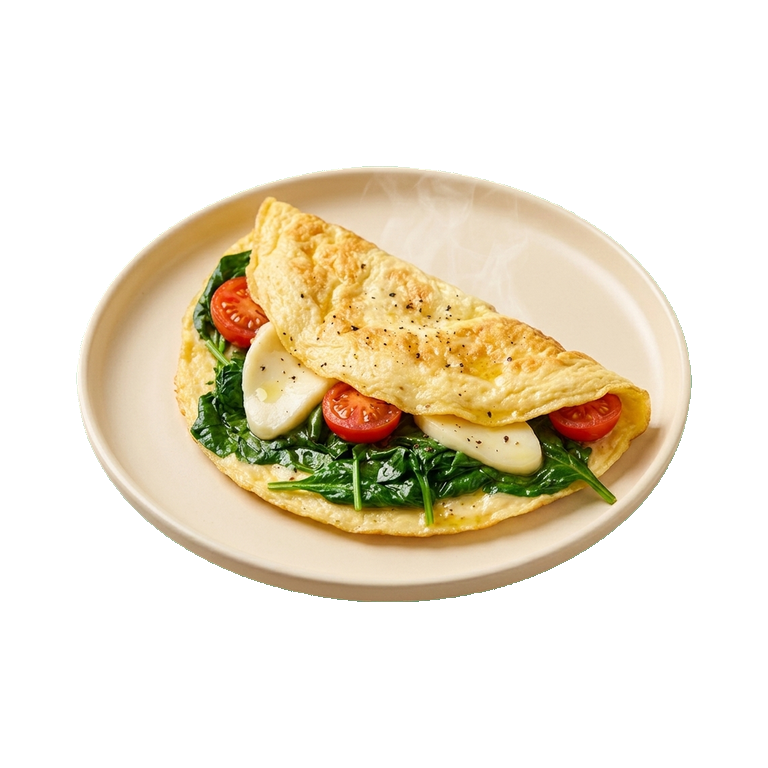
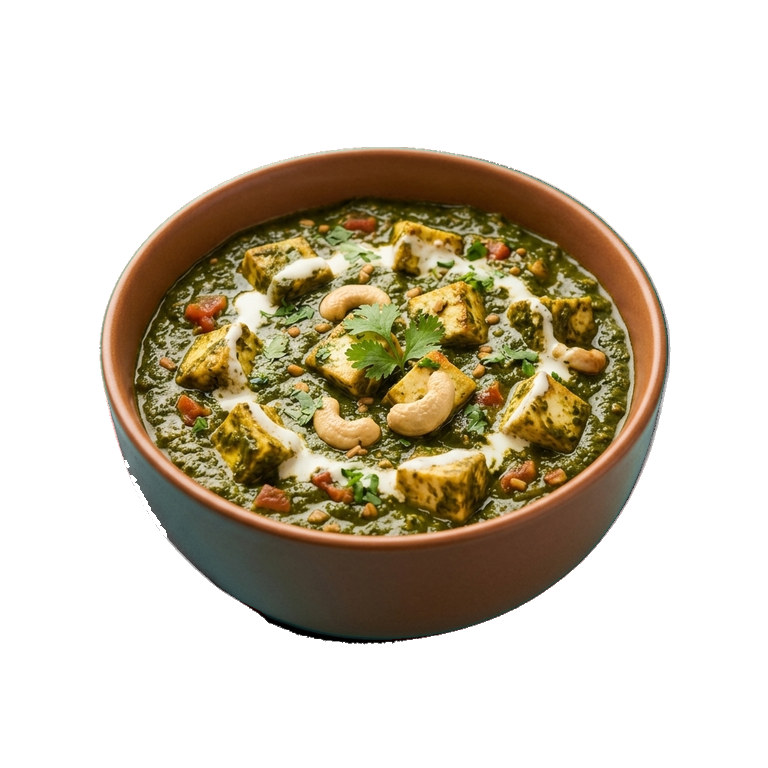
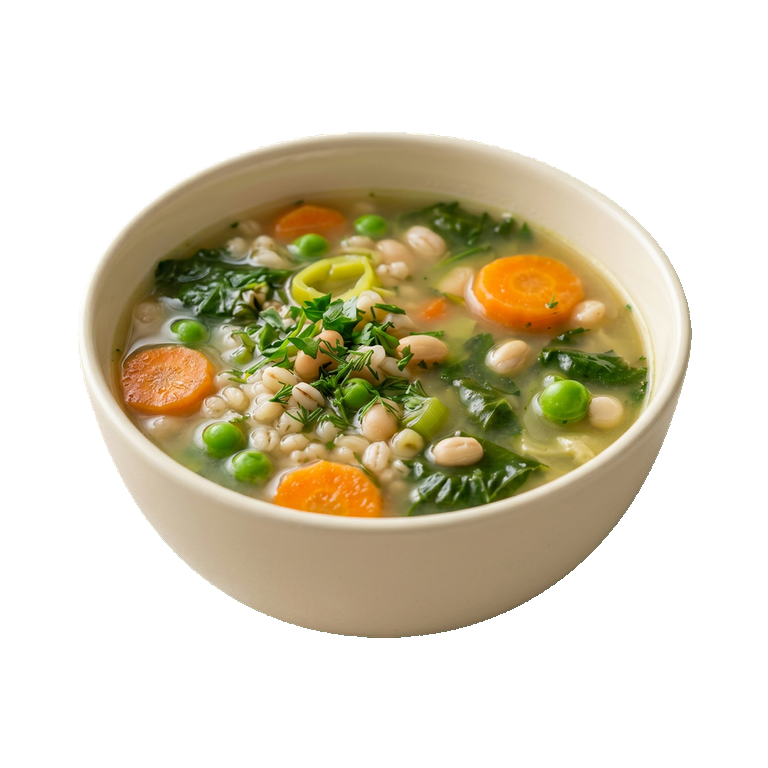
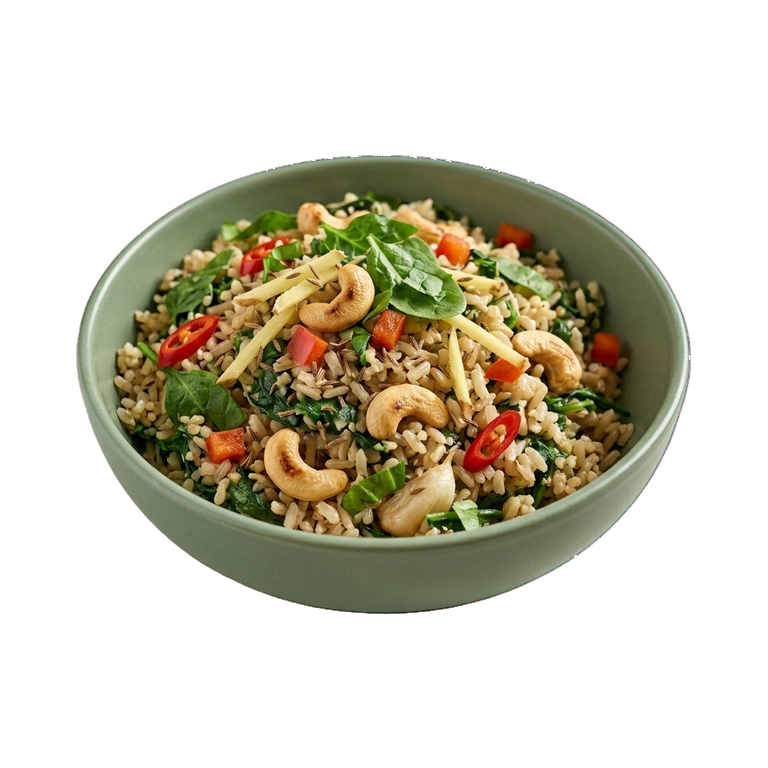
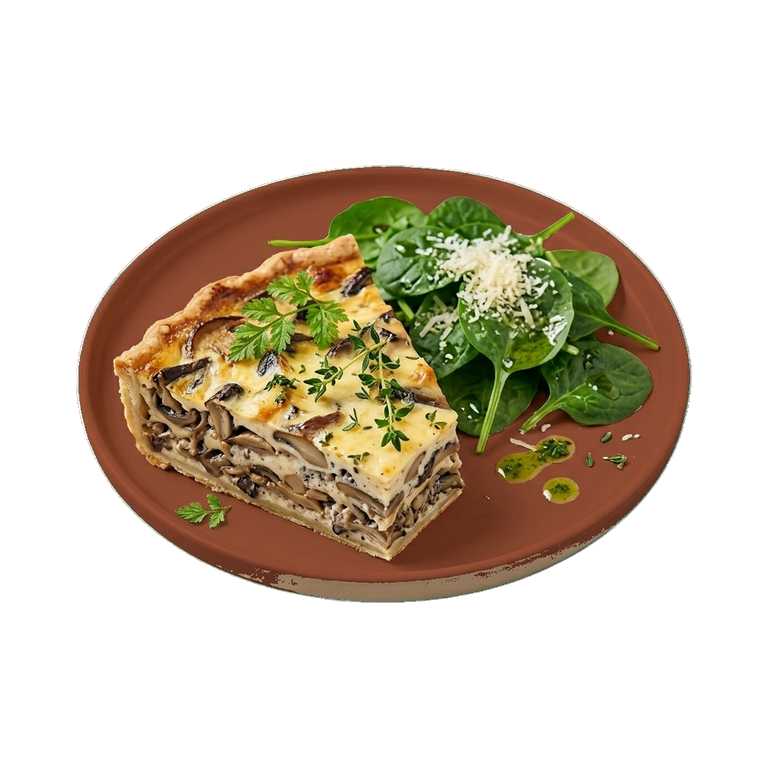
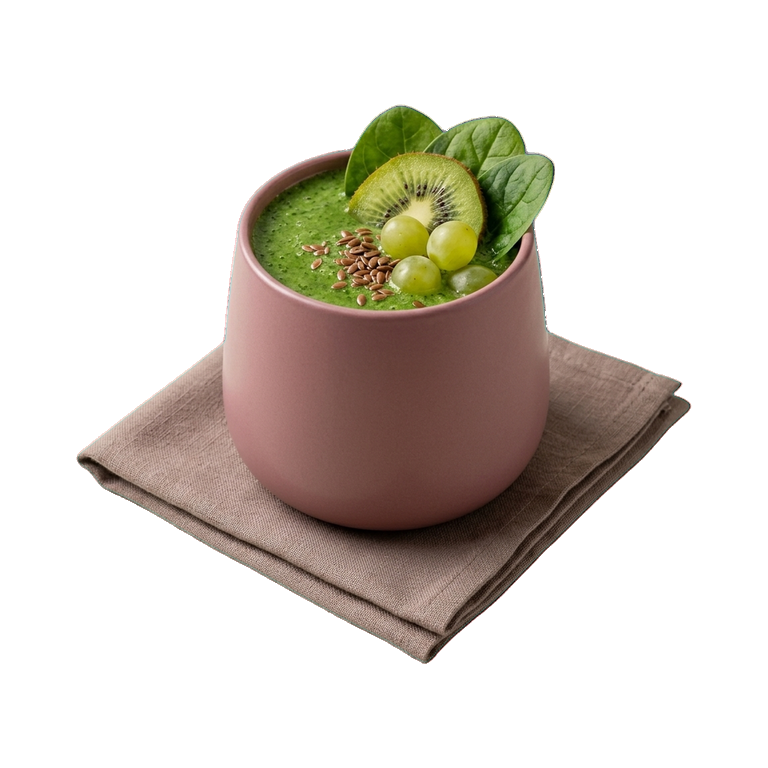
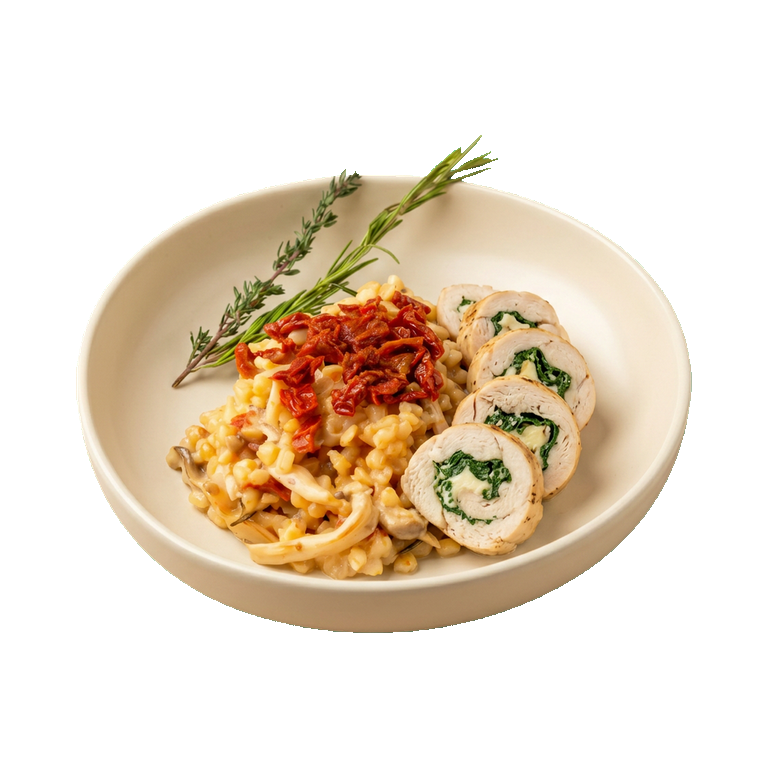
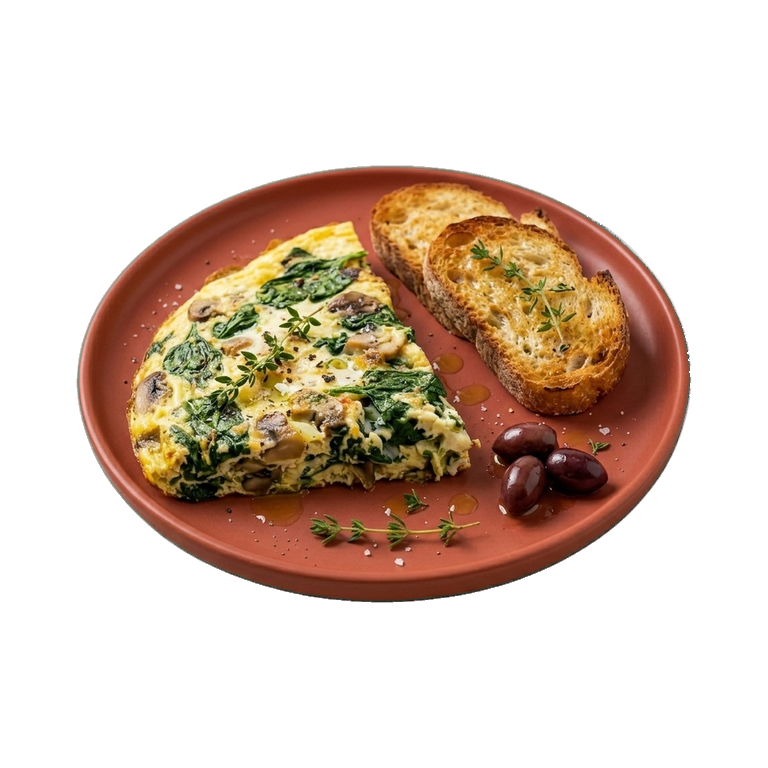
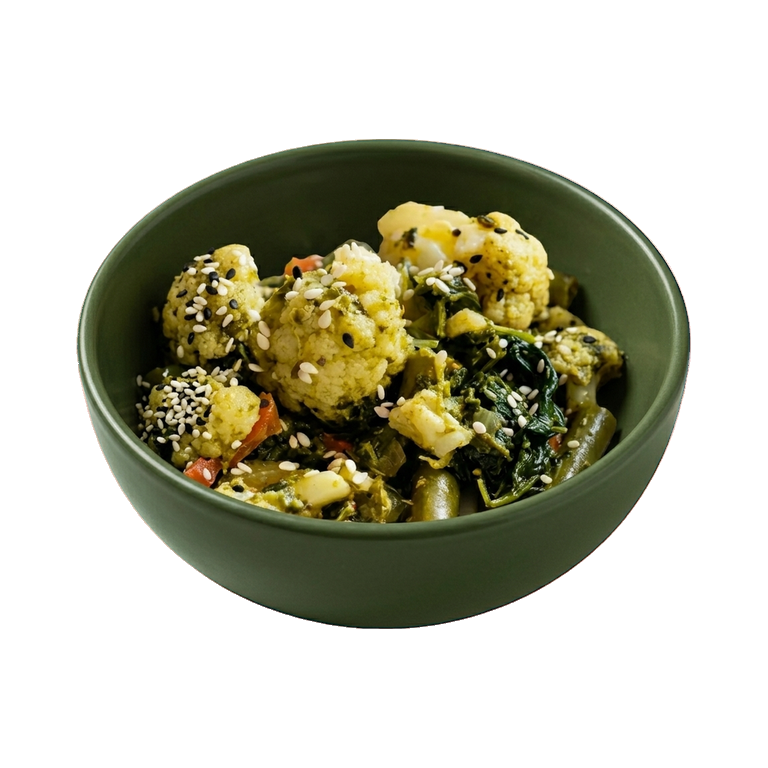
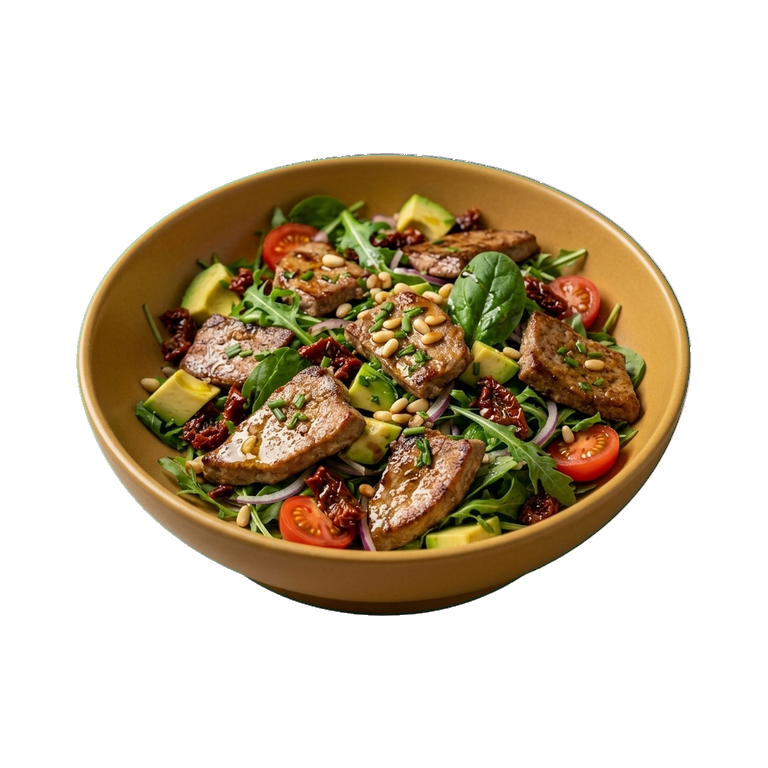
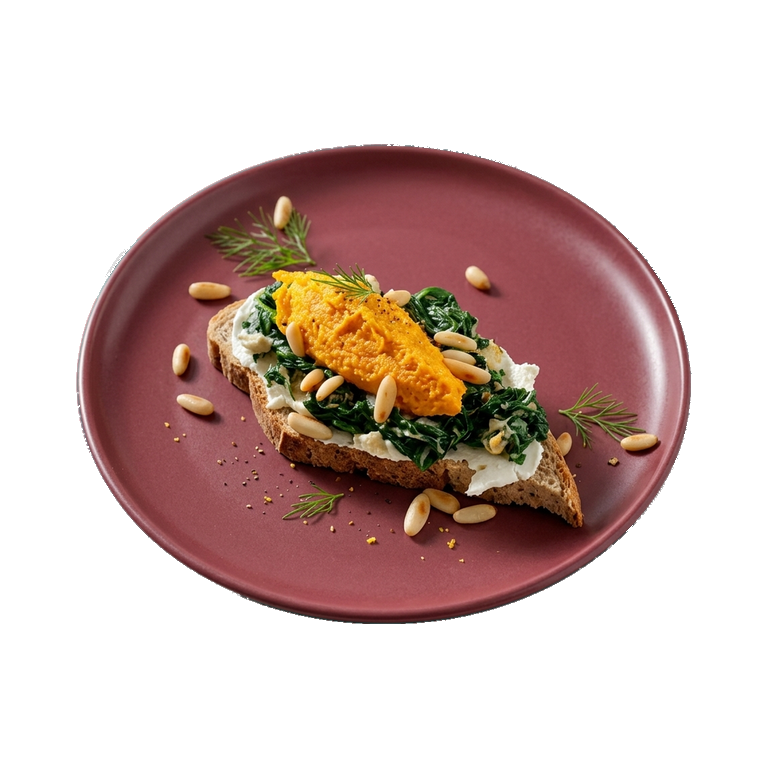
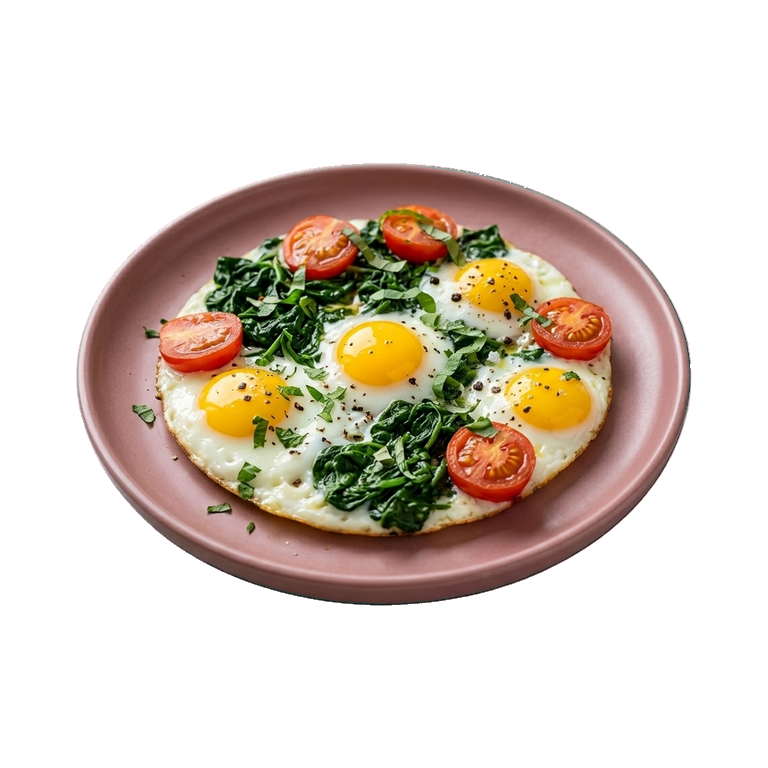
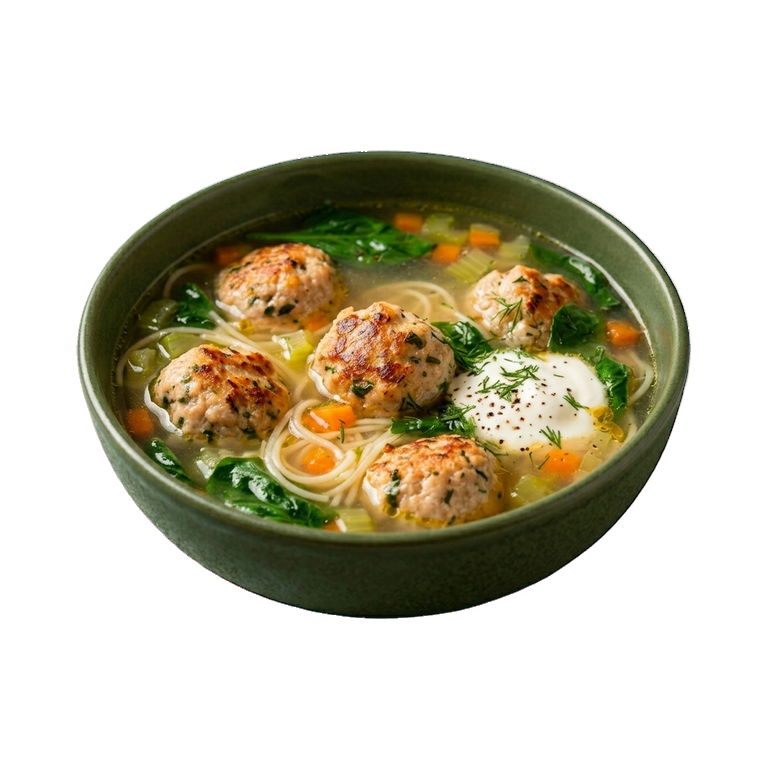
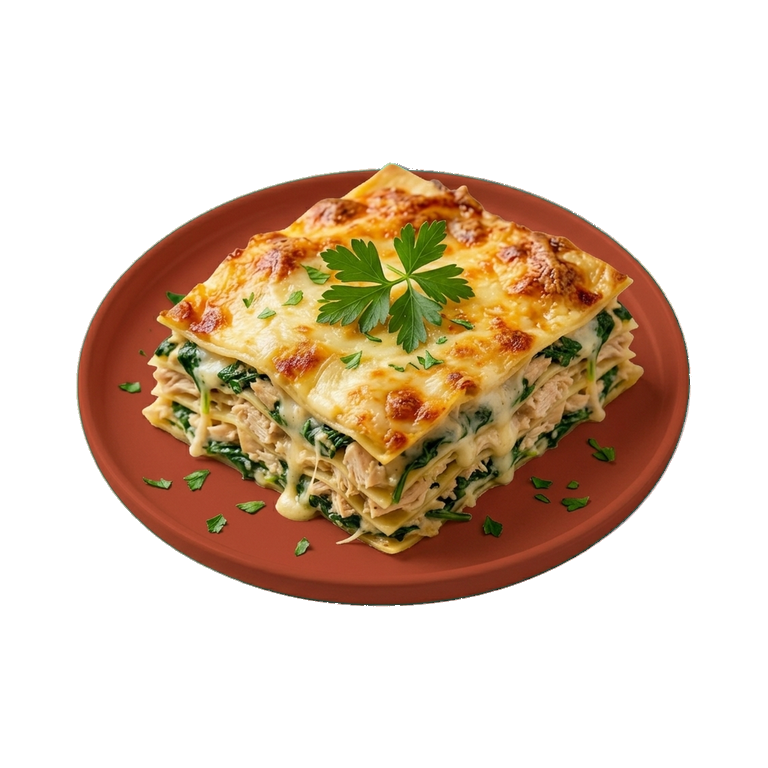
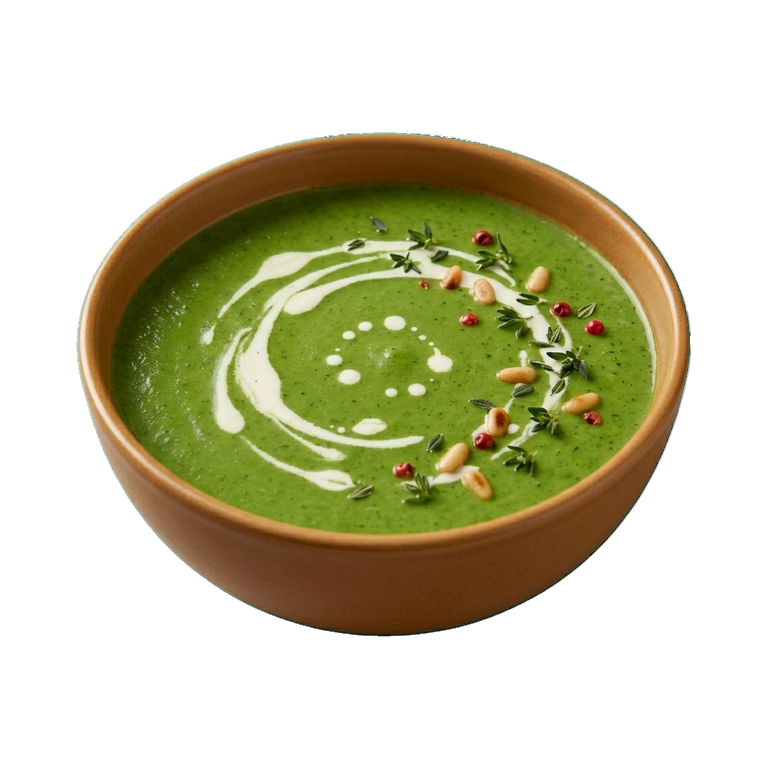
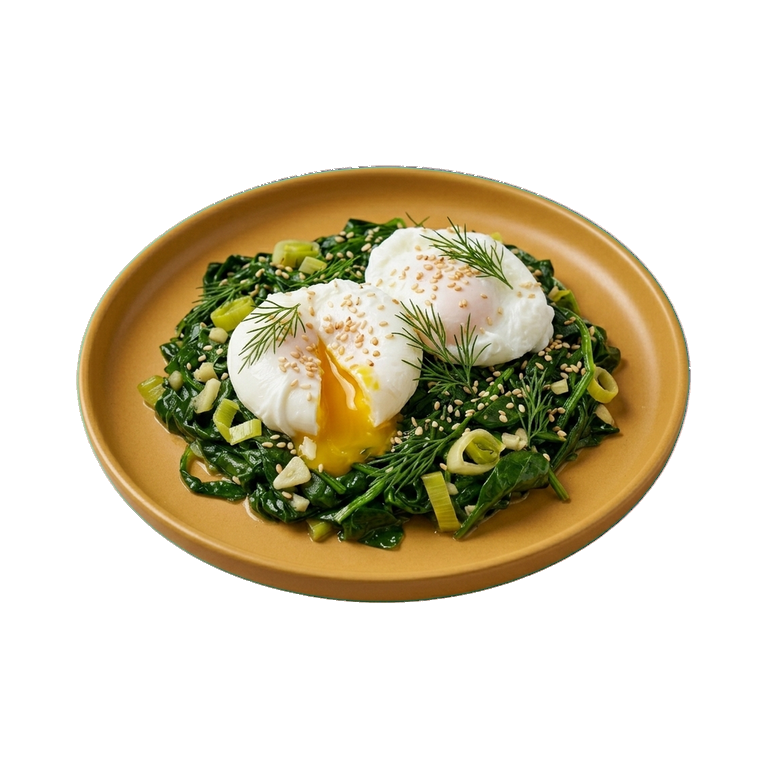
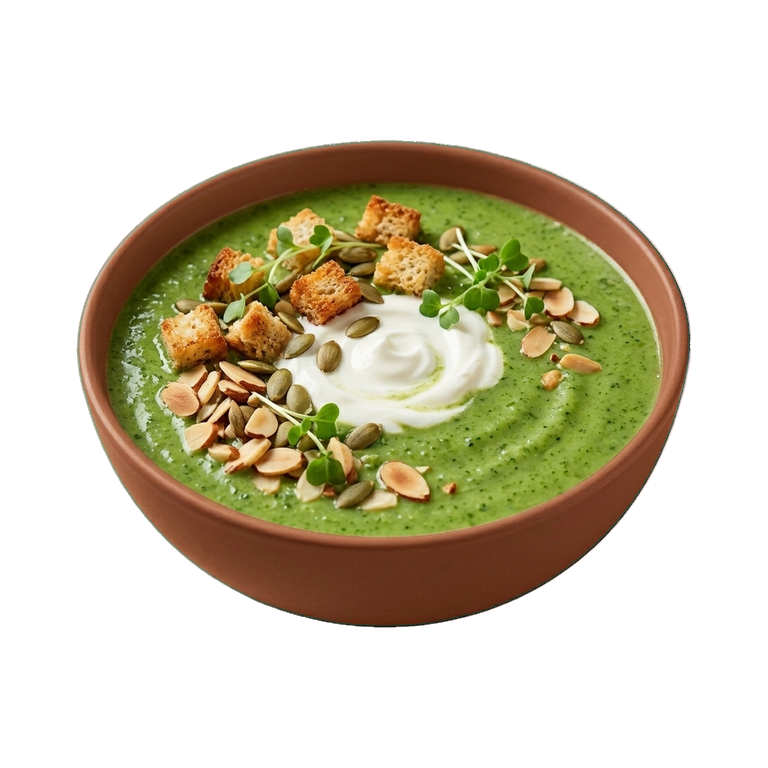
Spinach is one of those leafy vegetables that works everywhere: in salads, soups, pastas, omelets, and even in smoothies. Its soft dark green leaves cook easily, take up practically no space during heat treatment, and quickly absorb the flavors of neighboring ingredients. It's not just a garnish, but a full-fledged component that can become the foundation or a delicate backdrop for a dish.
Aroma and Taste
Fresh spinach has a light earthy flavor with barely perceptible bitterness and herbaceous notes. Young leaves are more tender and sweeter, mature ones are denser and more pronounced. With heat treatment, the bitterness softens, the leaves become softer, and the taste acquires sweet undertones. The aroma of fresh spinach is not very pronounced, rather fresh and clean.
Role in dishes
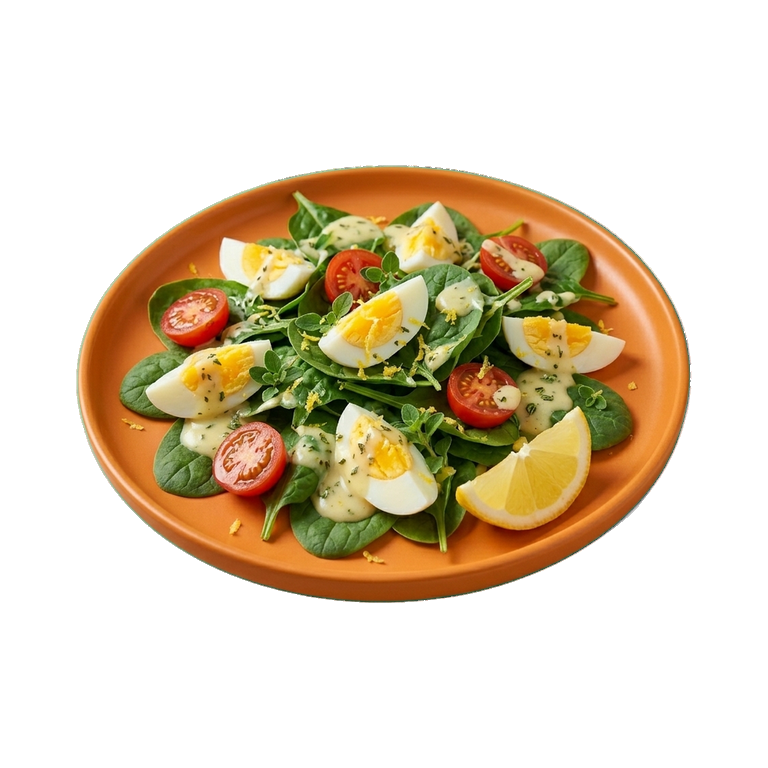
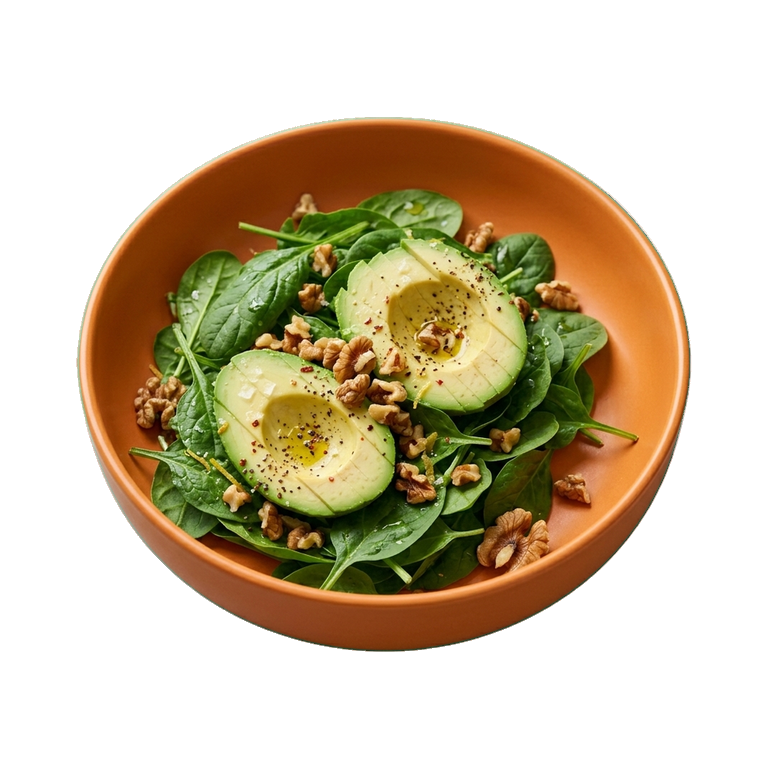
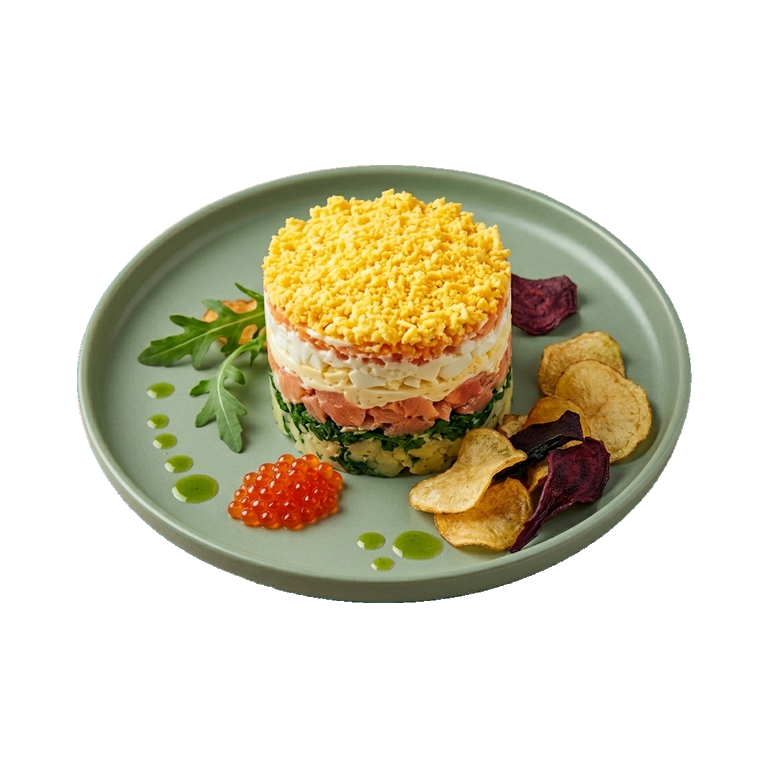
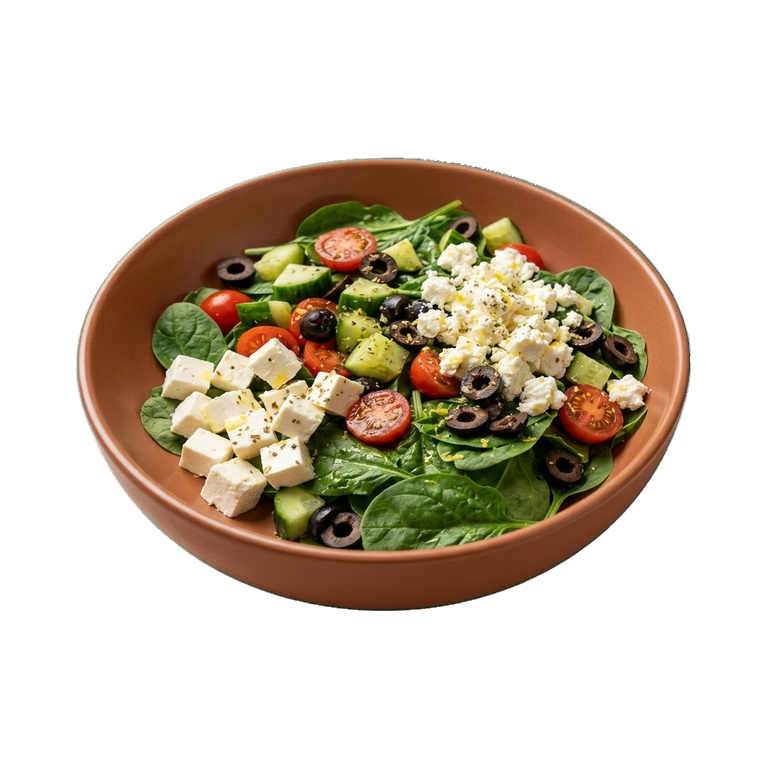
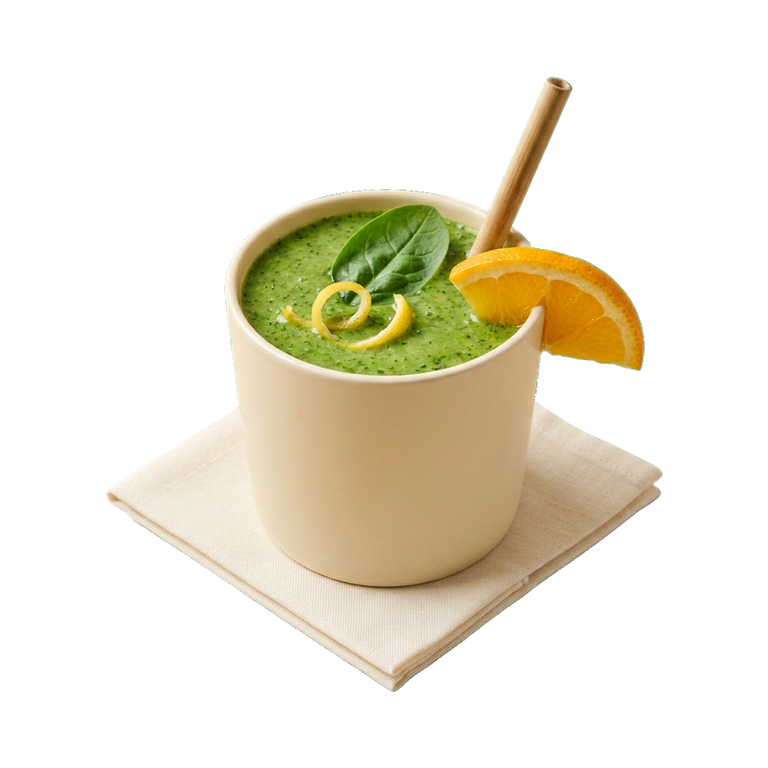
- Raw form — the base for vitamin salads, mix with other greens, addition to smoothies and juices
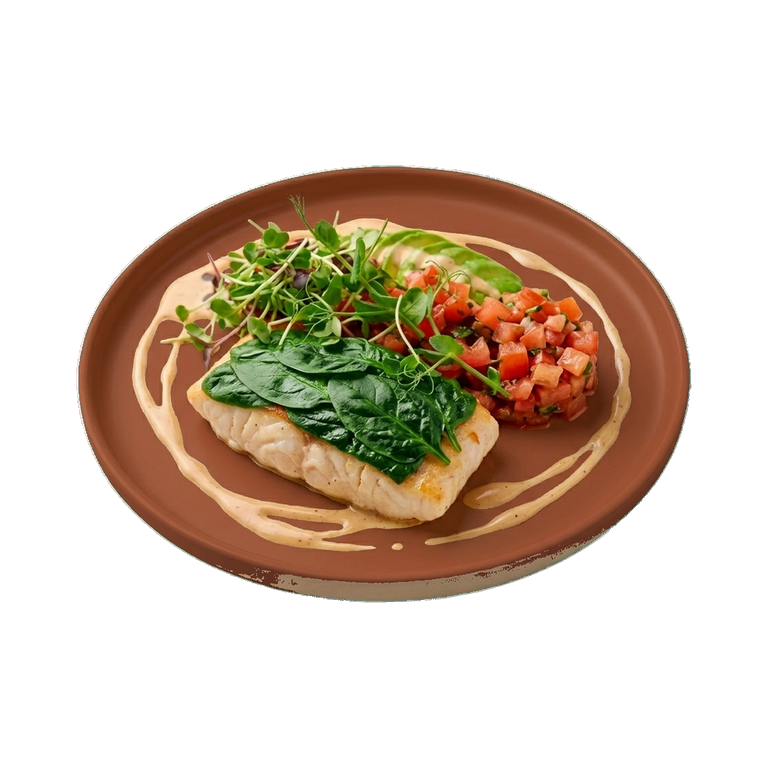
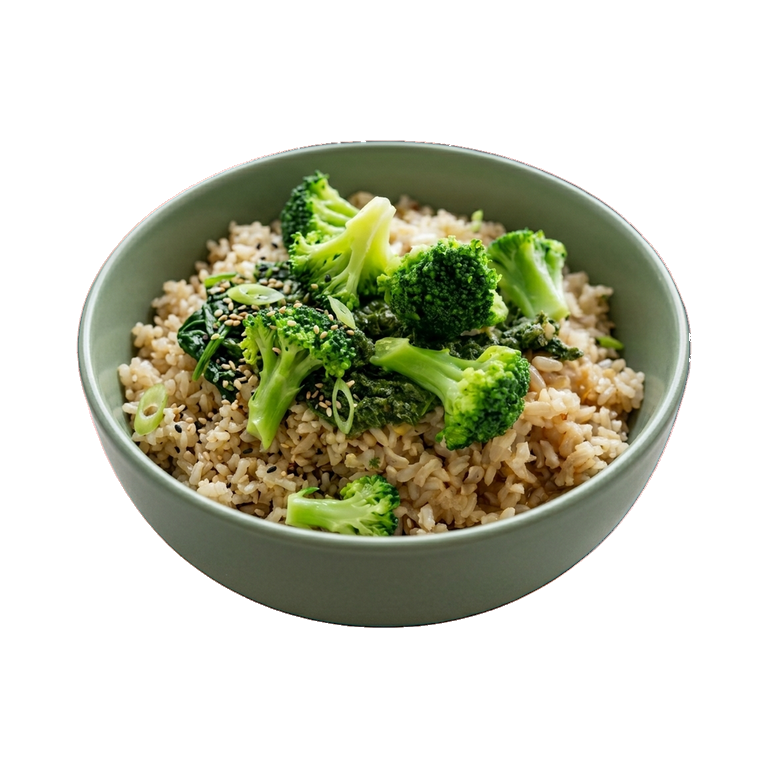
- Stewed or braised — garnish for meat, fish, complement to grain side dishes
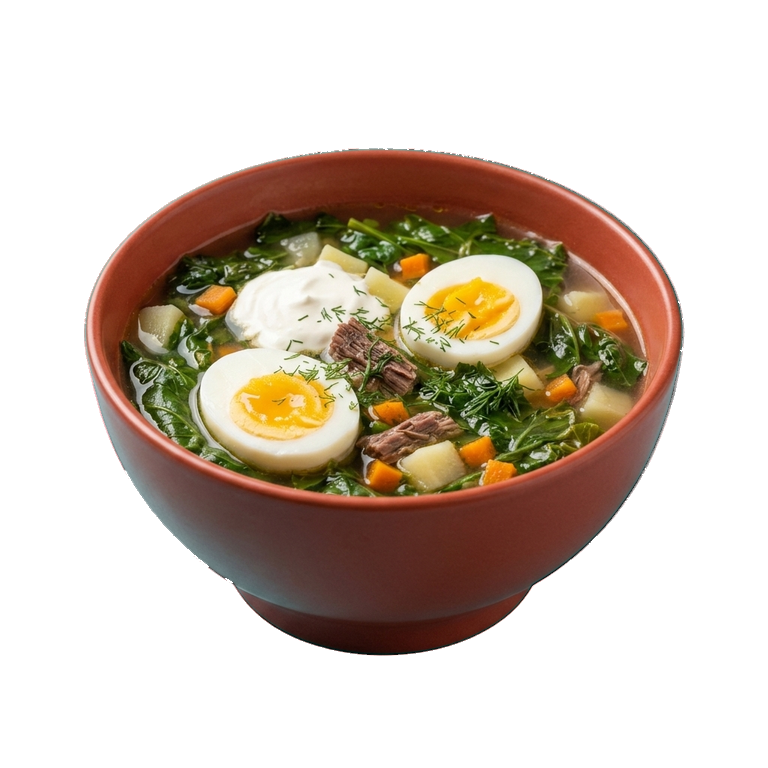
- In soups — added at the end of cooking to preserve the color and structure of the leaves
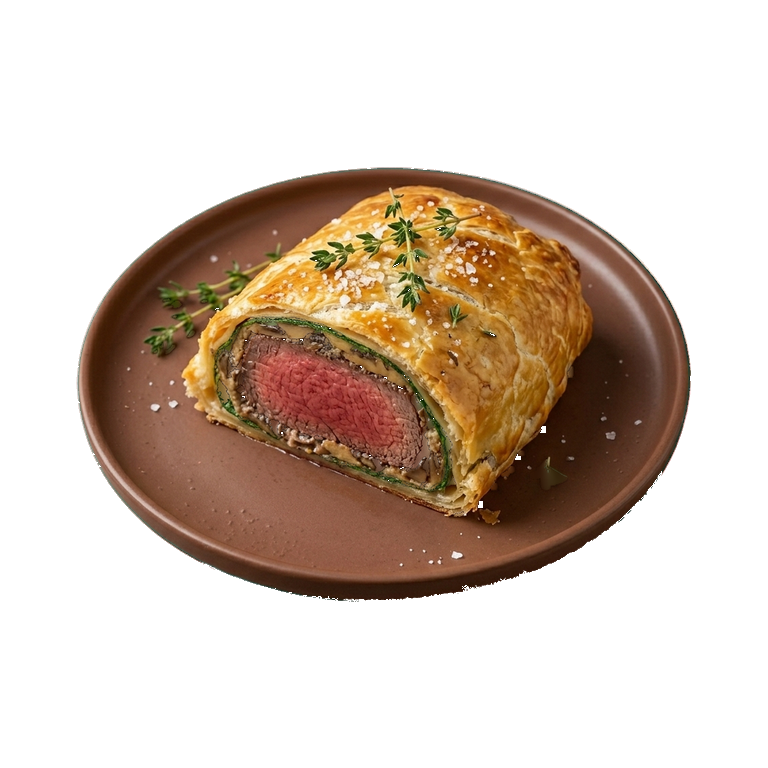
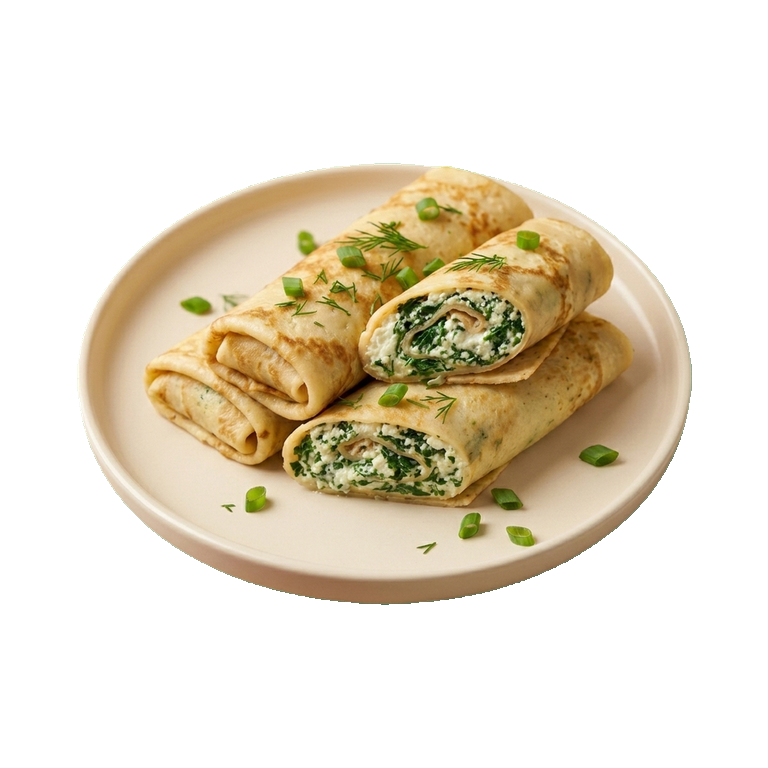
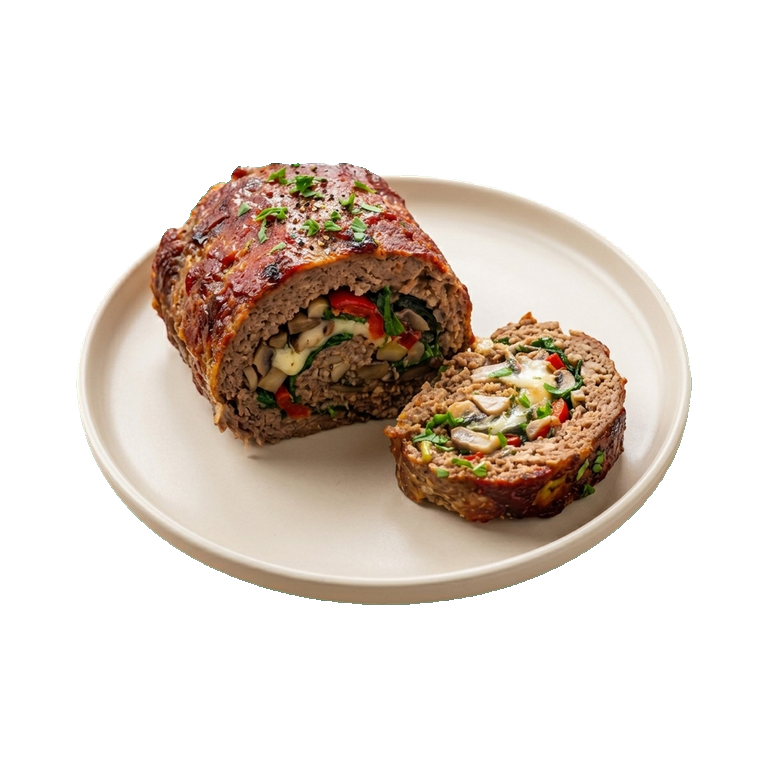
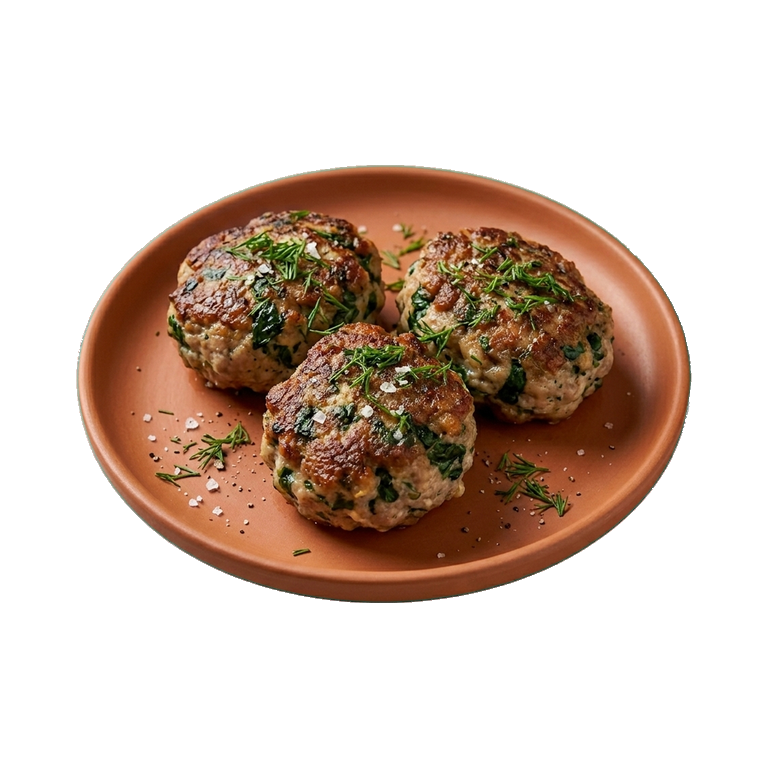
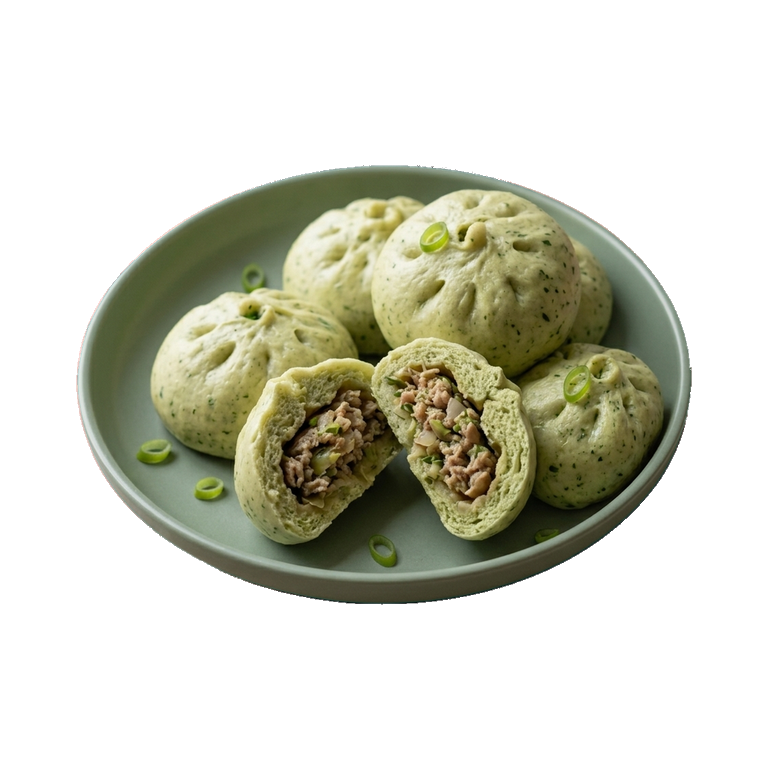
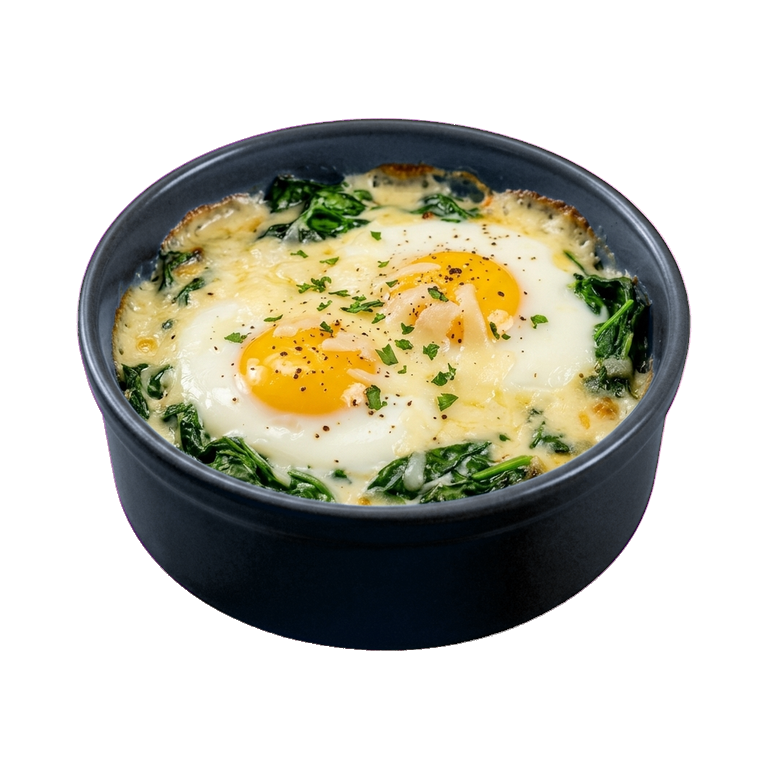
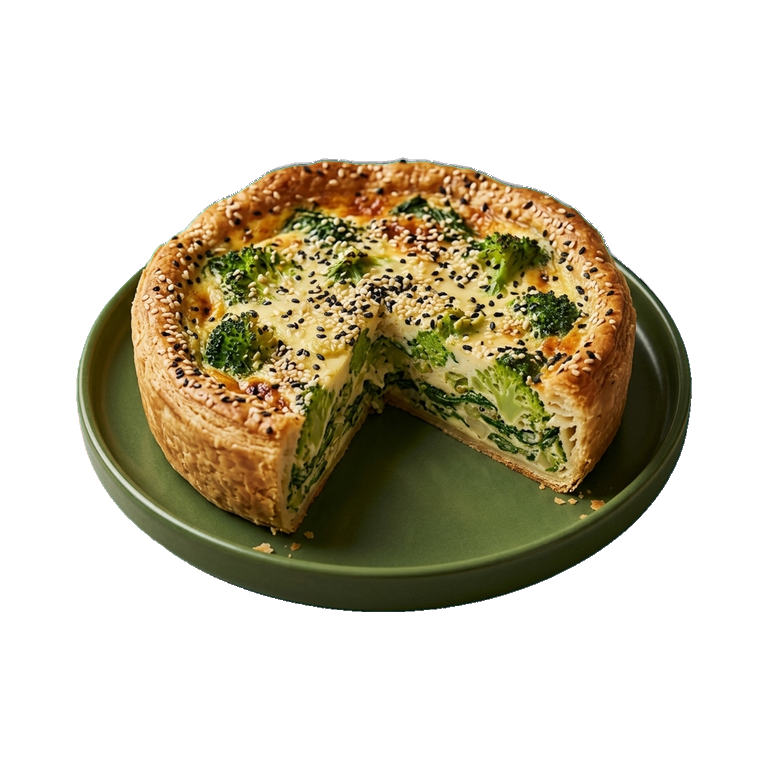
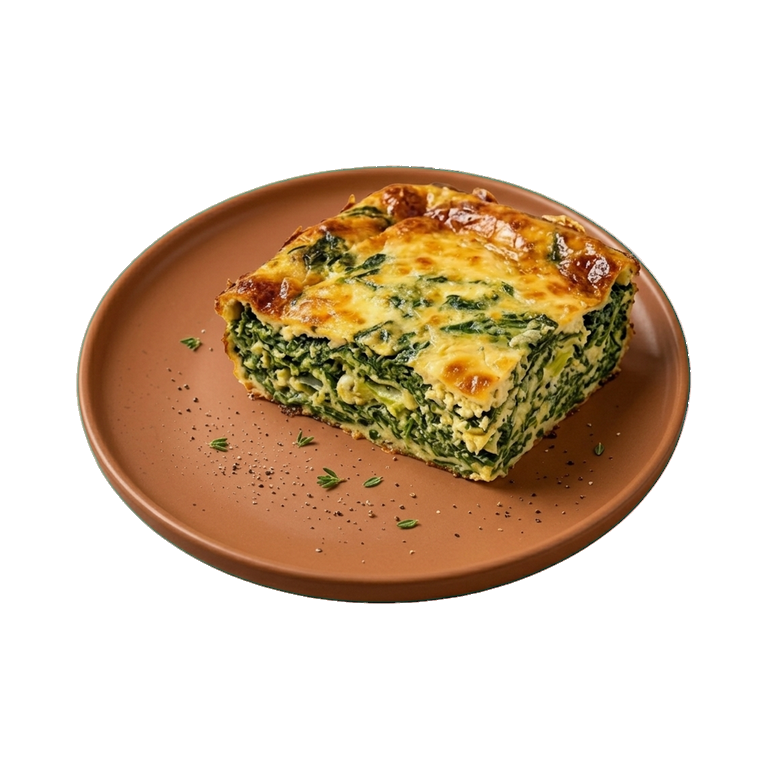
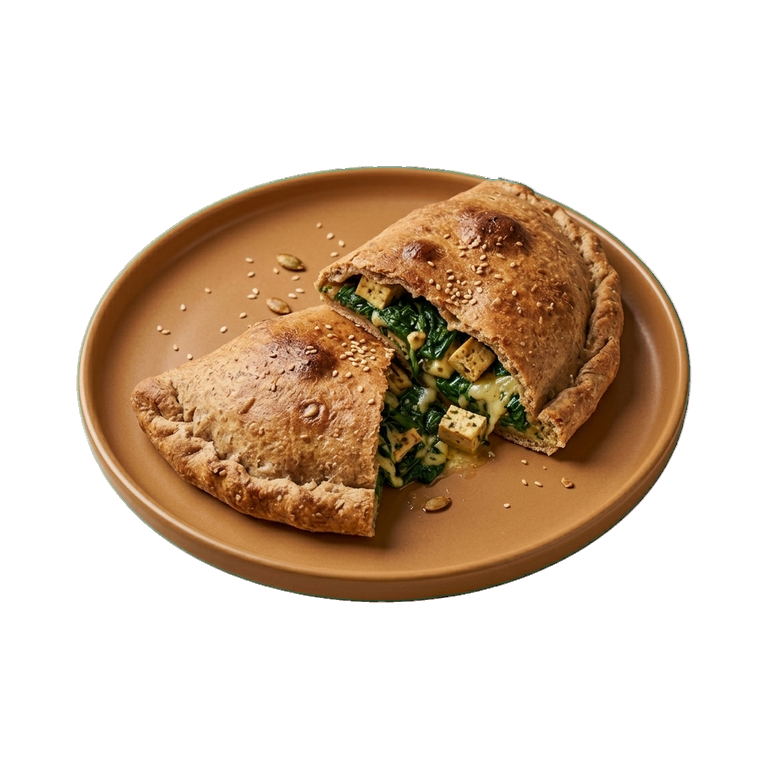
- In fillings and stuffings — for pies, ravioli, omelets, casseroles
- In purees and sauces — to add color and a light herbaceous background
Combinations and Harmony
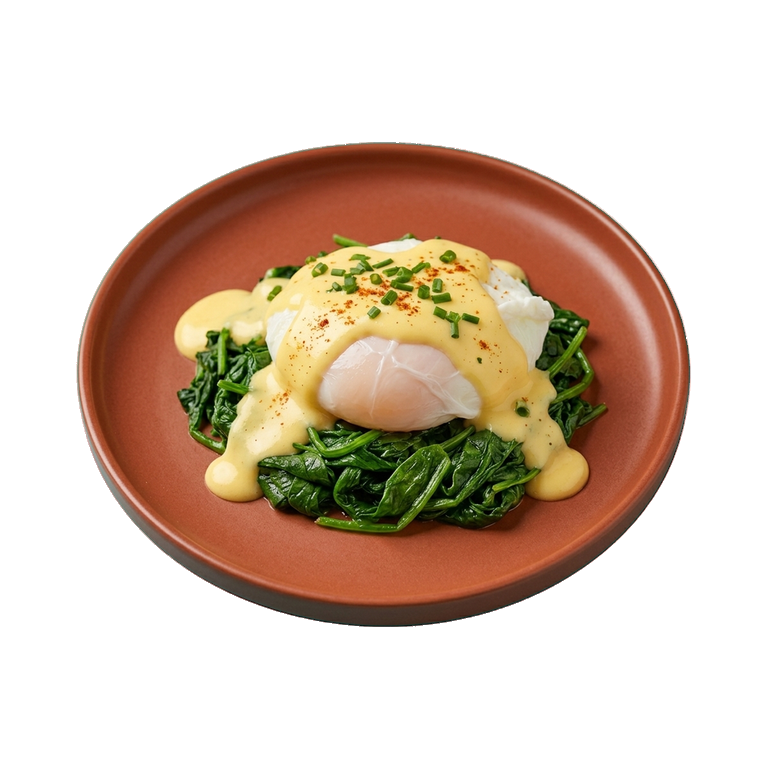
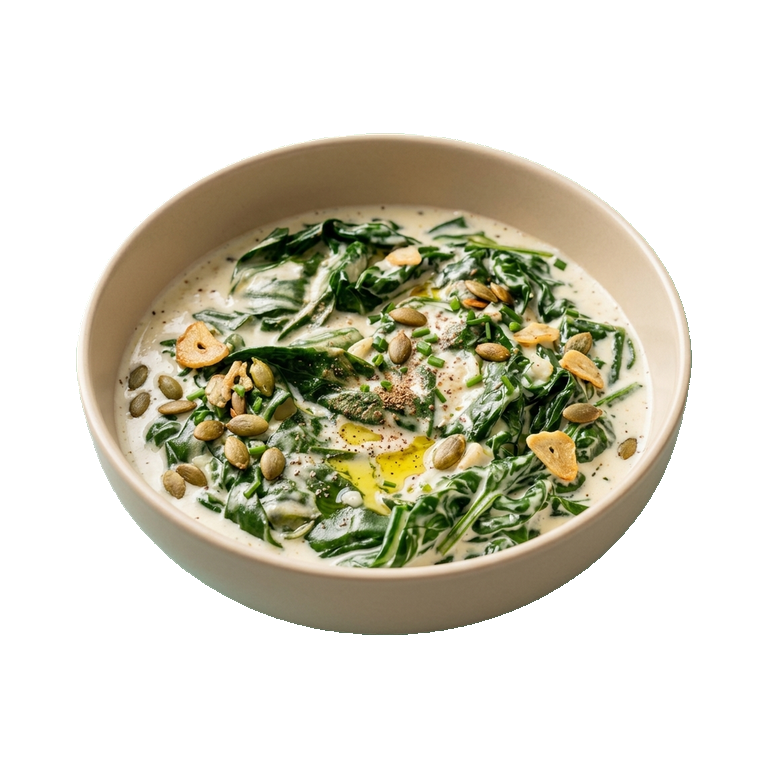
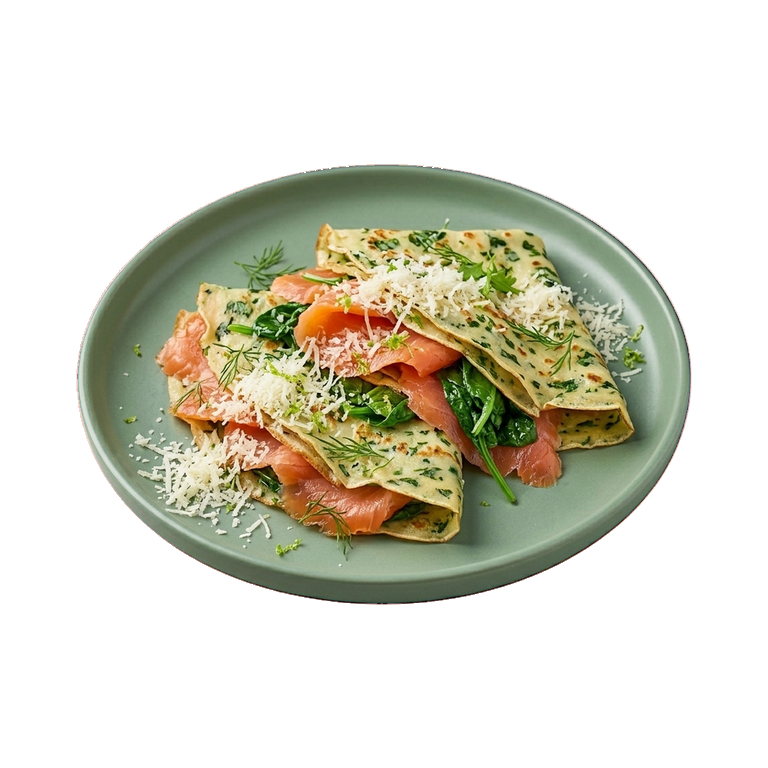
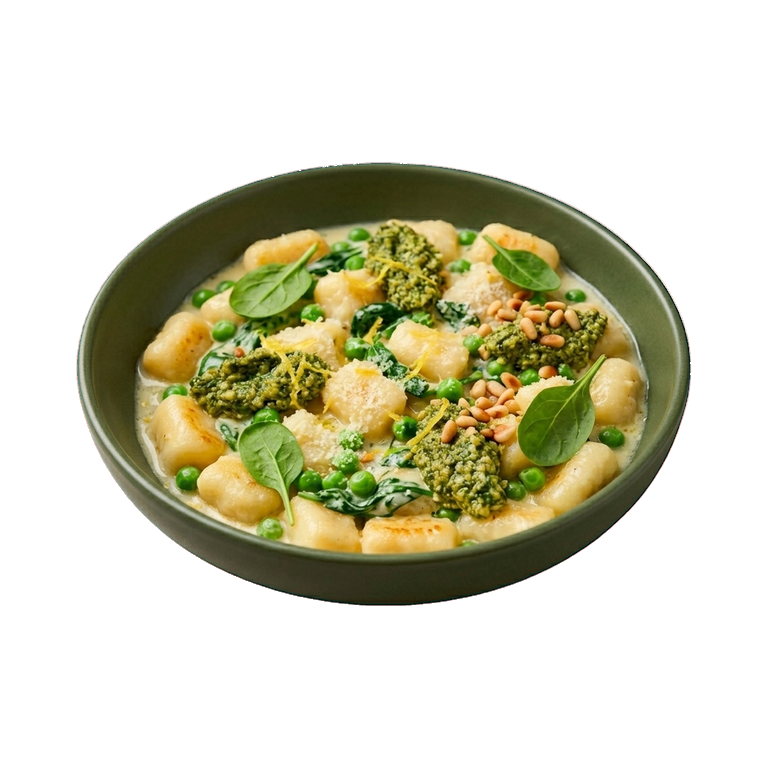
Spinach pairs well with acidity — lemon, vinegar, tomatoes highlight its freshness. It works well with dairy products: cream, cheese, cottage cheese soften the bitterness and enrich the flavor. Garlic, ginger, nutmeg add depth. Spinach doesn't conflict with either proteins (eggs, fish, chicken) or carbohydrates (pasta, rice, potatoes). A classic combination is spinach, cream and nutmeg.
Selection and Storage
When shopping, choose bunches with bright, firm leaves without spots, slime, or signs of wilting. Young spinach is more tender and requires minimal processing. Mature spinach with larger leaves is better suited for heat treatment. Fresh spinach keeps in the refrigerator for 3–4 days in a bag or container. For longer storage, it can be frozen: blanch first, squeeze out excess moisture, and arrange in portions. Frozen spinach keeps for several months and is perfect for soups, sauces, and fillings.
If spinach seems bitter to you, try young leaves, add cream or acid — they neutralize the bitterness and reveal its best qualities.
Nutrition
per 100 g
- Calories
- 23 kcal
- Protein
- 2.7 g
- Fat
- 0.4 g
- Carbs
- 3.6 g
Micronutrients
per 100 g
Macronutrients
- Fiber
- 2.2 g
- Sugars
- 0.42 g
- Saturated fat
- 0.063 g
- Monounsaturated fat
- 0.01 g
- Polyunsaturated fat
- 0.165 g
- Omega-3 (EPA + DHA)
- 0 g
- Cholesterol
- 0 mg
- Water
- 91.4 g
Minerals
- Sodium
- 79 mg
- Potassium
- 558 mg
- Calcium
- 99 mg
- Magnesium
- 79 mg
- Phosphorus
- 49 mg
- Iron
- 2.71 mg
- Zinc
- 0.53 mg
- Copper
- 0.13 mg
- Manganese
- 0.9 mg
- Selenium
- 1 mcg
Vitamins
- Vitamin A (RAE)
- 469 mcg
- Vitamin D
- 0 mcg
- Vitamin E
- 2.03 mg
- Vitamin K
- 482.9 mcg
- Vitamin C
- 28.1 mg
- Vitamin B1 (thiamin)
- 0.08 mg
- Vitamin B2 (riboflavin)
- 0.19 mg
- Vitamin B3 (niacin)
- 0.72 mg
- Vitamin B5 (pantothenic acid)
- 0.07 mg
- Vitamin B6
- 0.2 mg
- Vitamin B9 (folate, DFE)
- 194 mcg
- Vitamin B12
- 0 mcg
Measures and weight
- 1 bunch
- 150 g
- 1 sprig
- 5 g
Measure calculator
- Weight
- 100 g
- Calories
- 23 kcal