Usuba
Usuba

Onion
Onion is a staple vegetable with a sharp taste and distinctive aroma that becomes milder and sweeter when cooked. It serves as a base for sauces, soups, and stews, and can also be used raw in salads and appetizers. When selecting onions, look for firm bulbs without soft spots. If substituting with other onion varieties, keep in mind that white onions are milder, red onions are sweeter, and shallots have a more delicate flavor.
Micronutrients
per 100 g
Minerals
About
Onion is the foundation of any kitchen. It's found almost everywhere: in soups, sauces, meat and vegetable dishes. Its versatility is explained simply: onion works as a flavor enhancer and creates depth that's difficult to achieve any other way. When you slice an onion and place it on a hot pan, magic happens — the sharpness disappears, and sweetness and tenderness appear.
Aroma and flavor
Fresh onion has a sharp, slightly pungent taste with barely noticeable sweetness. The longer you cook it, the sweeter and more tender it becomes. With prolonged heat treatment — especially with slow caramelization — onion reveals completely different facets: a deep, almost sweet flavor with a light bitterness emerges. Raw onion is sharp and piercing, so it is often soaked in water or vinegar before serving.
Role in dishes
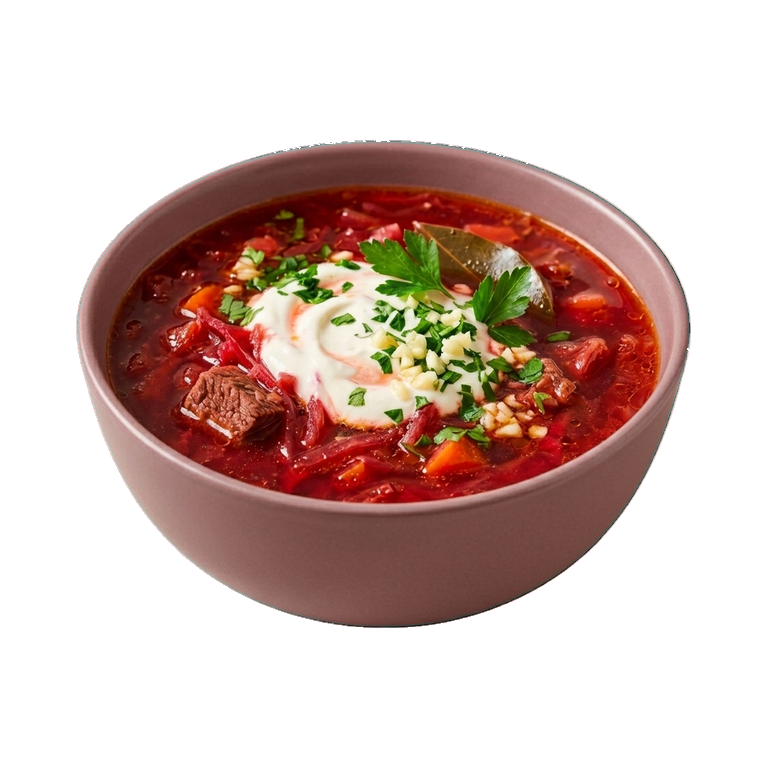
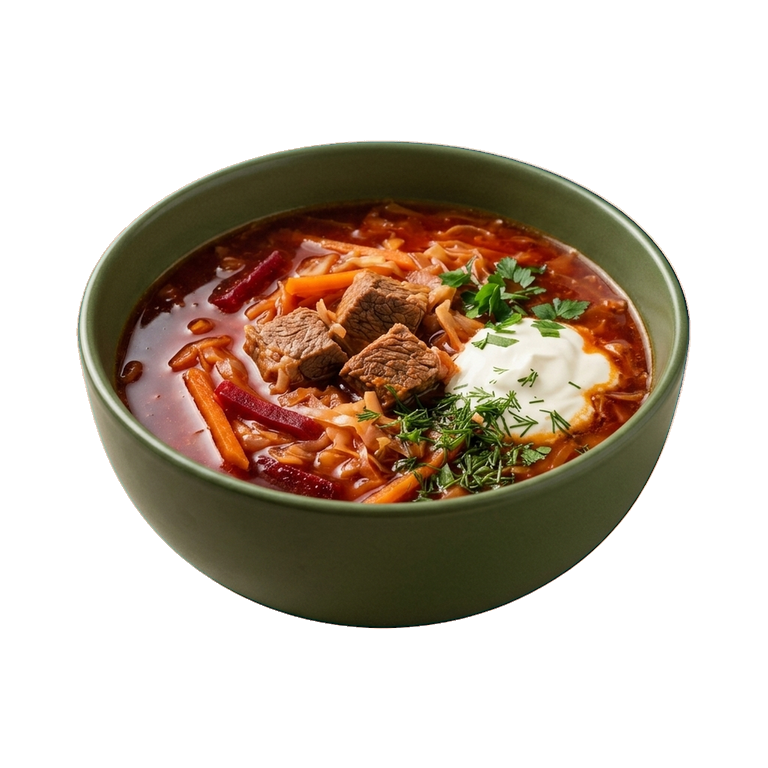
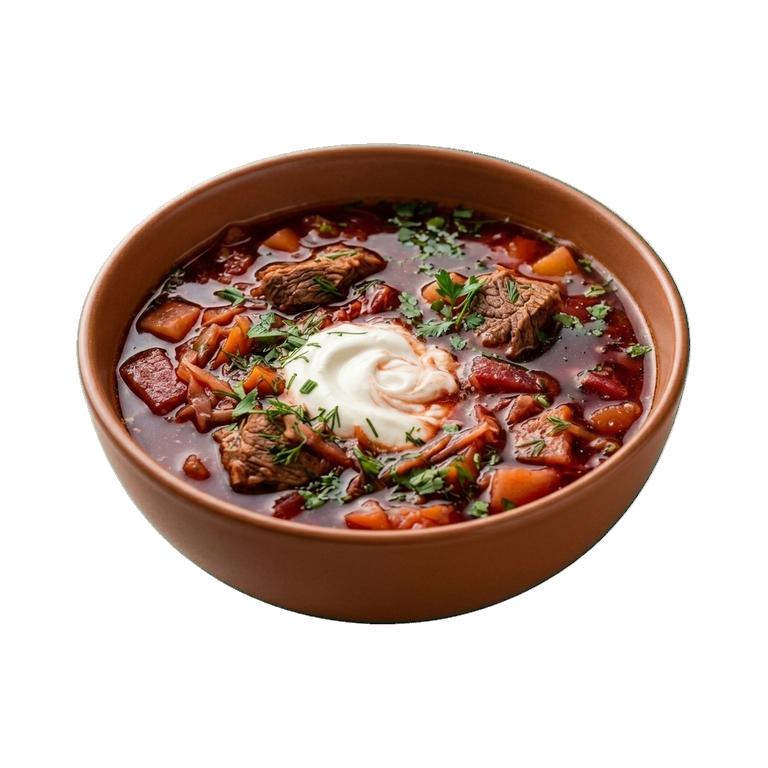
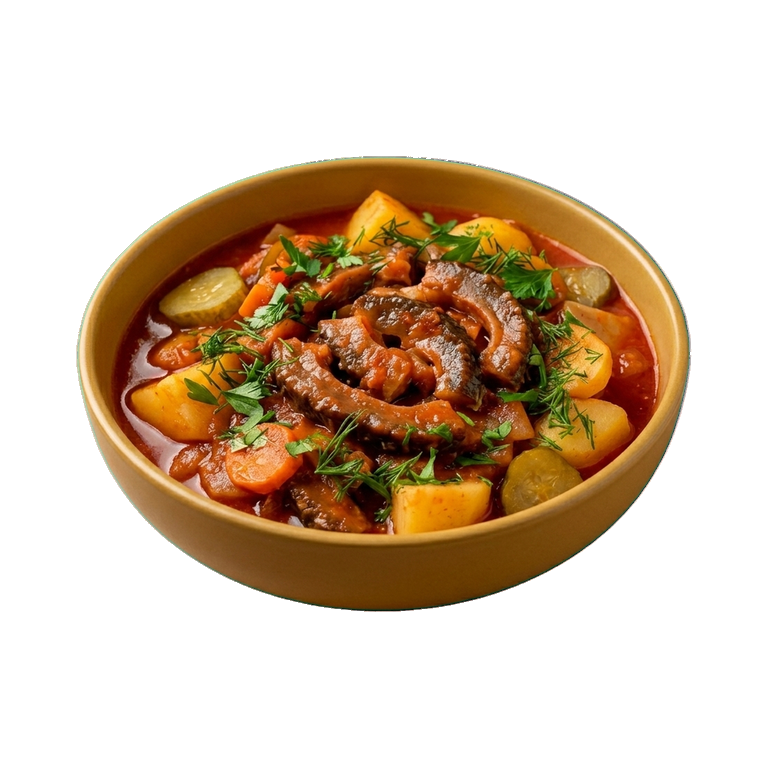
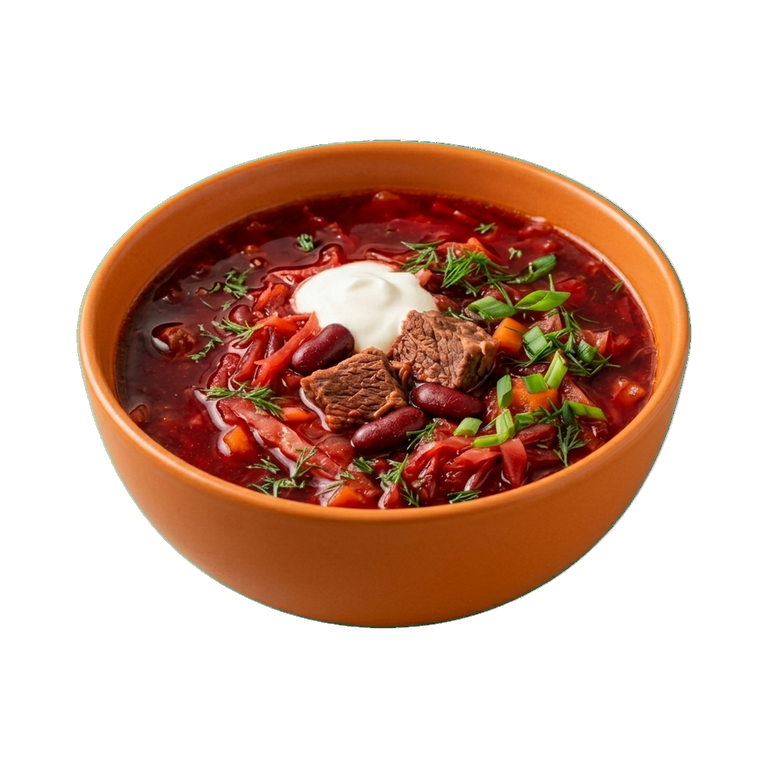
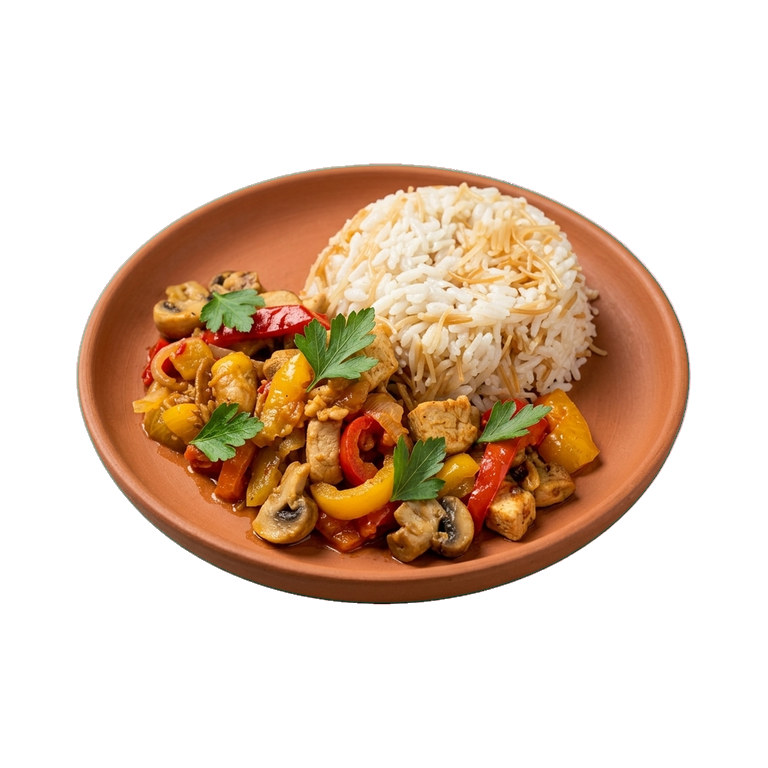
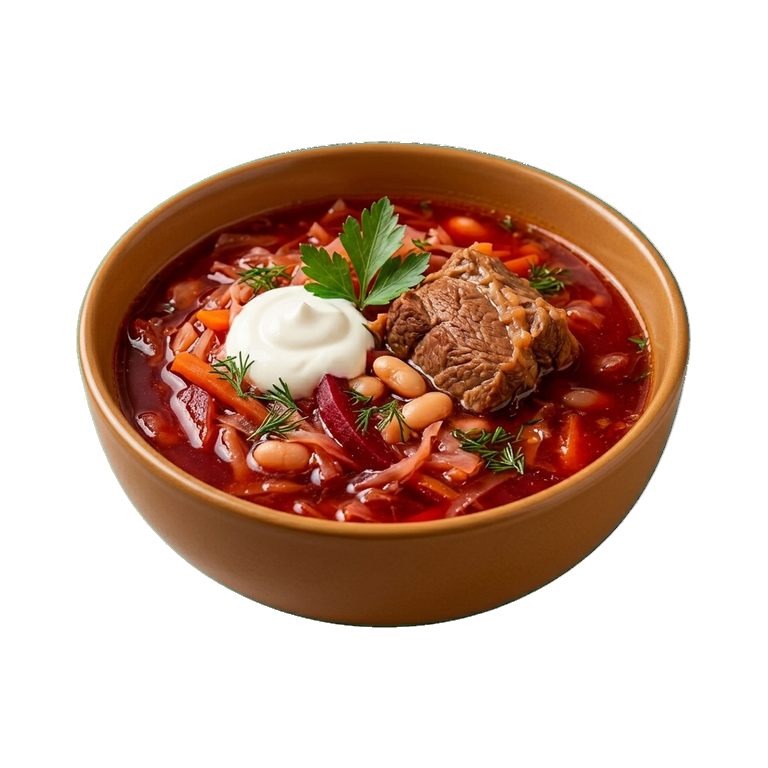
- Base for frying in soups and borscht — onion and carrot provide the foundation of flavor
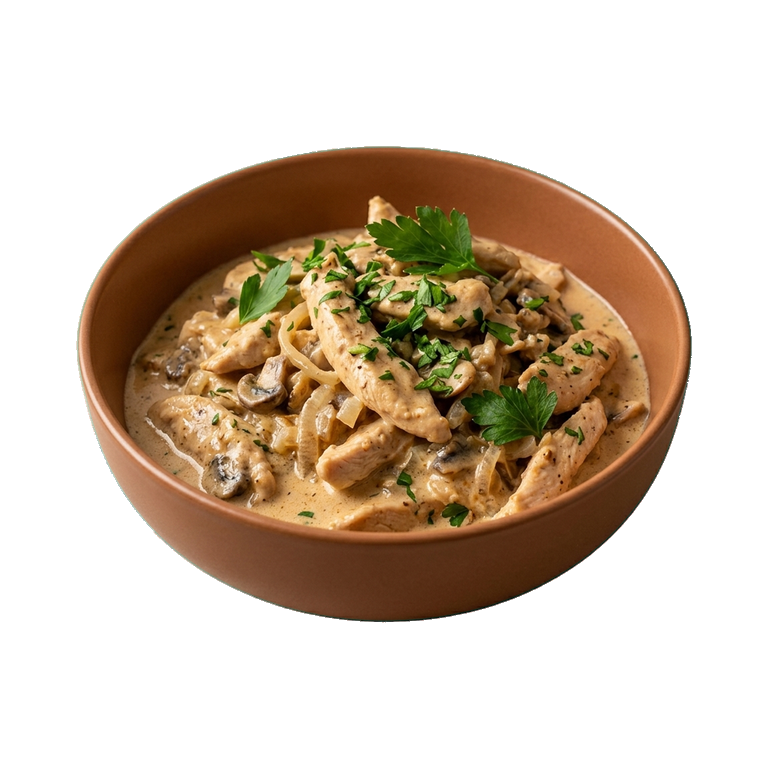
- Component of sauces and gravies — gives them roundness and cohesiveness
- Filling for pies and pancakes — especially when the onion is caramelized
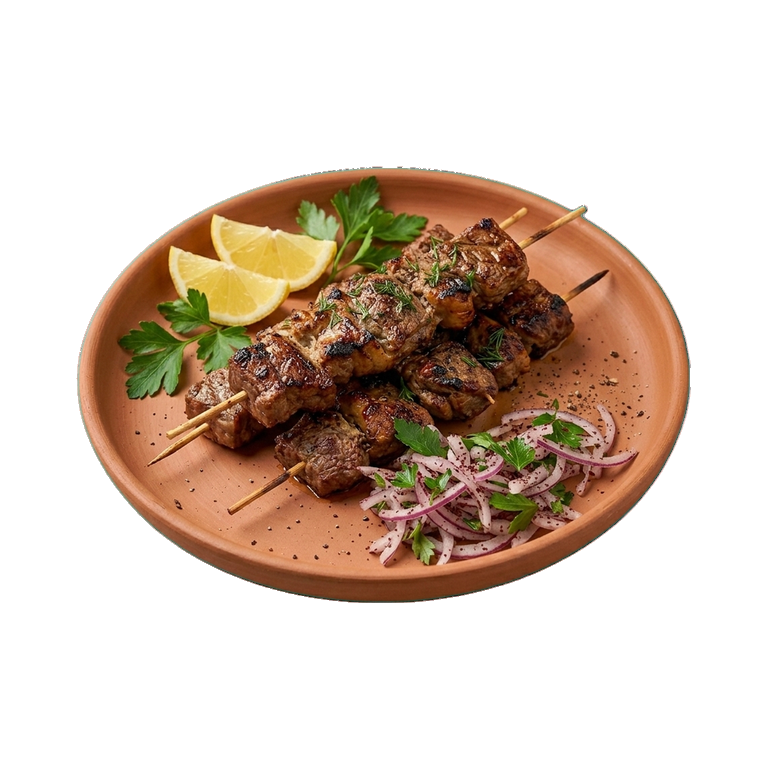
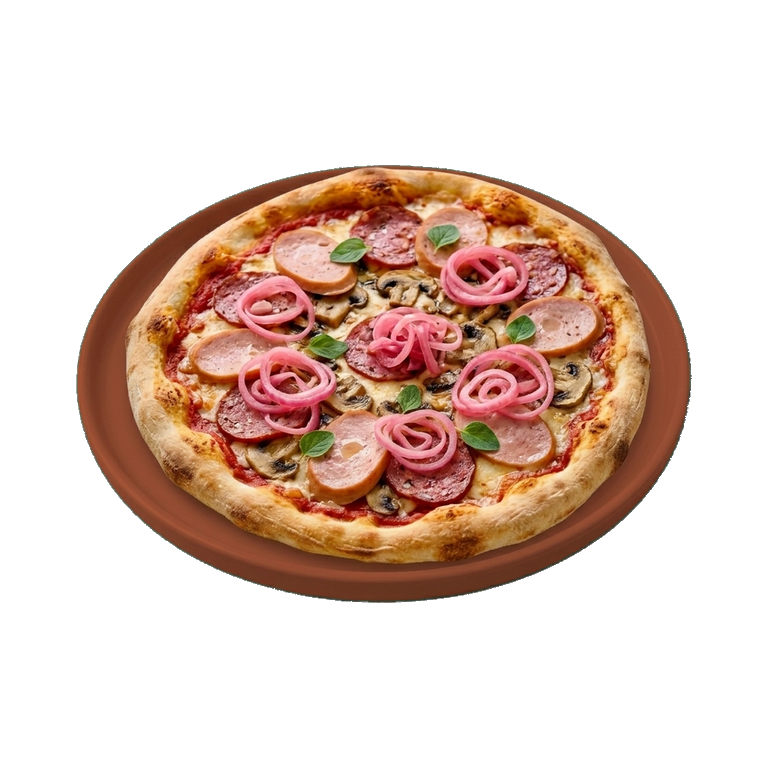
- Side dish and appetizer — marinated or fried onion is served separately
- Marinades and pickled vegetables — onion adds piquancy and aroma
Combinations with other products
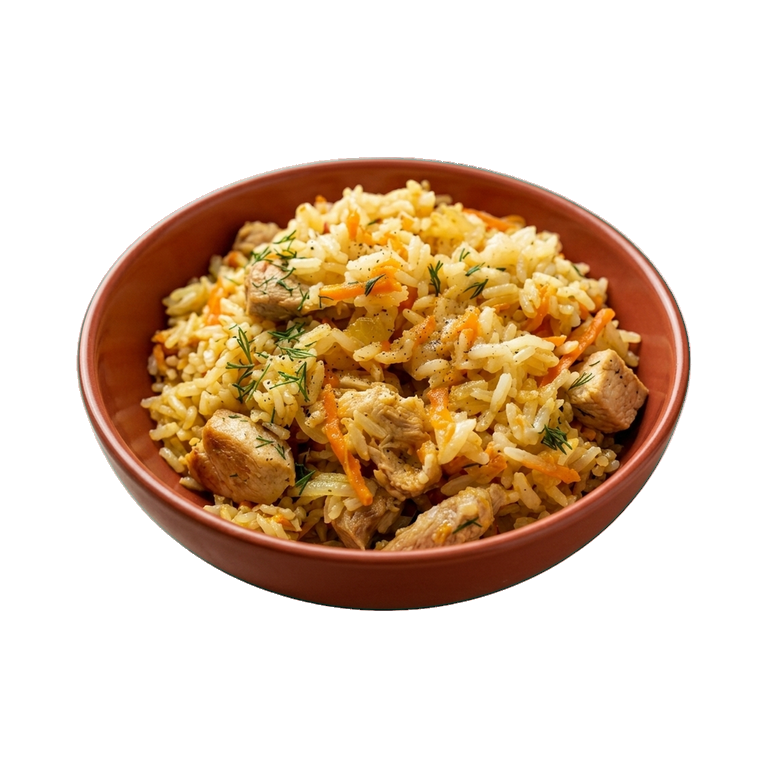
Onion pairs well with all vegetables — carrots, tomatoes, peppers, potatoes. With meat and poultry it is simply indispensable: it enhances their flavor and helps reveal the aroma of spices. It works well with garlic, herbs (parsley, dill, thyme) and acidity (vinegar, lemon juice). Even in sweet dishes, onion can appear — caramelized onion is sometimes added to jam or compotes for flavor complexity.
Selection and Storage
- Choose bulbs with dry, thin skin without soft spots and damage
- Onions should be firm to the touch, not yielding to pressure
- Store in a cool, dry, well-ventilated place — in a basket or net, not in plastic
- With proper storage, onions last for several months
- Sliced onions can be wrapped in plastic wrap and stored in the refrigerator for several days
Practical Tips
If you're cutting onions and tears are flowing, chill them in the freezer for 15 minutes before slicing — this reduces the release of sharp vapors. To caramelize onions properly, slice them thinly and cook over medium heat for 30–40 minutes, stirring occasionally. For a quick meal, cut onions into larger pieces — they'll be ready in 5–7 minutes. If onions are burning in the pan, add a little water or broth — this will help them cook through without burning.
Nutrition
per 100 g
- Calories
- 41 kcal
- Protein
- 1.4 g
- Fat
- 0.1 g
- Carbs
- 9.3 g
Micronutrients
per 100 g
Macronutrients
- Fiber
- 1.7 g
- Sugars
- 4.24 g
- Saturated fat
- 0.042 g
- Monounsaturated fat
- 0.013 g
- Polyunsaturated fat
- 0.017 g
- Omega-3 (EPA + DHA)
- 0 g
- Cholesterol
- 0 mg
- Water
- 89.11 g
Minerals
- Sodium
- 4 mg
- Potassium
- 146 mg
- Calcium
- 23 mg
- Magnesium
- 10 mg
- Phosphorus
- 29 mg
- Iron
- 0.21 mg
- Zinc
- 0.17 mg
- Copper
- 0.04 mg
- Manganese
- 0.13 mg
- Selenium
- 0.5 mcg
Vitamins
- Vitamin A (RAE)
- 0 mcg
- Vitamin D
- 0 mcg
- Vitamin E
- 0.02 mg
- Vitamin K
- 0.4 mcg
- Vitamin C
- 7.4 mg
- Vitamin B1 (thiamin)
- 0.05 mg
- Vitamin B2 (riboflavin)
- 0.03 mg
- Vitamin B3 (niacin)
- 0.12 mg
- Vitamin B5 (pantothenic acid)
- 0.12 mg
- Vitamin B6
- 0.12 mg
- Vitamin B9 (folate, DFE)
- 19 mcg
- Vitamin B12
- 0 mcg
Measures and weight
- 1 pcs
- 150 g
- 1 clove
- 5 g
- 1 head
- 150 g
Measure calculator
- Weight
- 100 g
- Calories
- 41 kcal