Usuba
Usuba
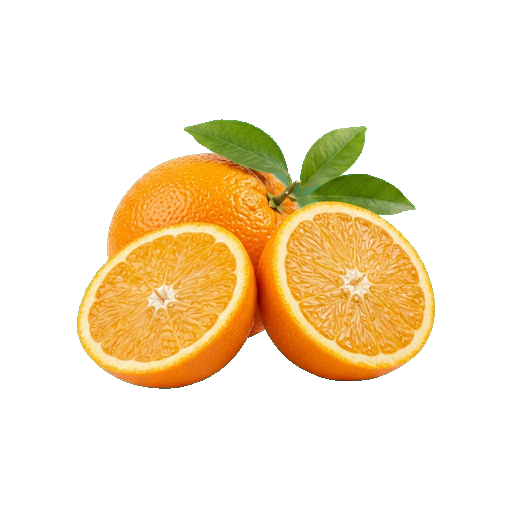
Oranges
Sweet citrus fruits with bright orange skin and juicy flesh, rich in vitamin C and natural sugars. Used in cooking both fresh and for preparing sauces, marinades, desserts, and beverages, imparting a bright tart-sweet flavor and aroma to dishes. When selecting, pay attention to fruit firmness and the absence of soft spots — soft oranges spoil quickly, while overly hard ones may be less juicy.
Micronutrients
per 100 g
Minerals
About
Oranges are one of the most versatile citrus fruits in the kitchen. They are equally good fresh, in juices, desserts, and main dishes. Their bright sweet and sour taste and rich aroma make them indispensable helpers for both simple breakfasts and complex culinary experiments.
Aroma and Taste
The taste of orange depends on the variety and ripeness. Ripe fruits provide sweet, juicy flesh with a pleasant acidity that doesn't bite your tongue. The aroma is fresh, slightly honeyed, with subtle floral notes. The peel contains essential oils — its zest adds depth and piquancy to baking, sauces, and beverages.
How to Use Oranges
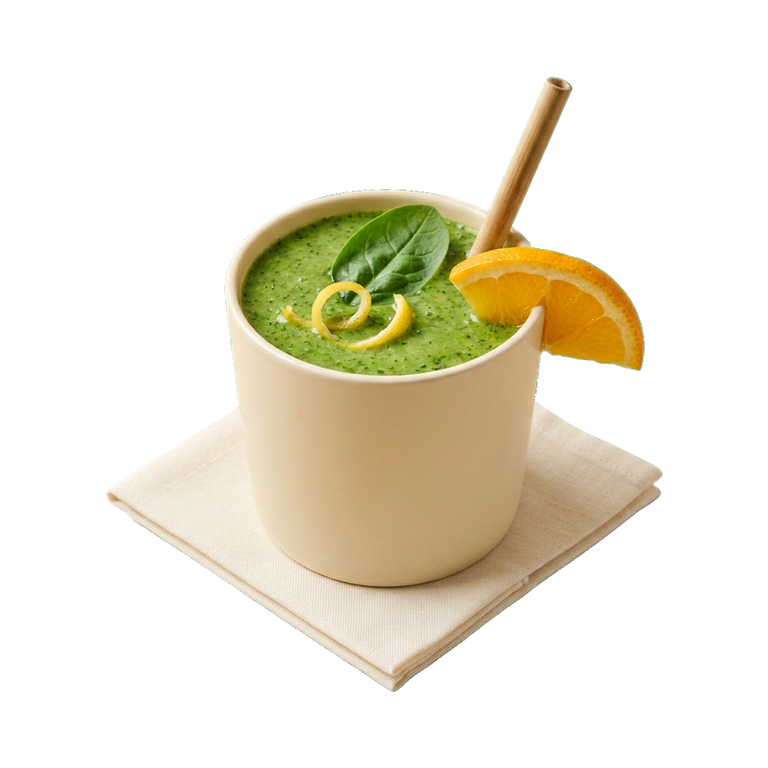
- Freshly squeezed juice — base for beverages, sauces, marinades and dressings
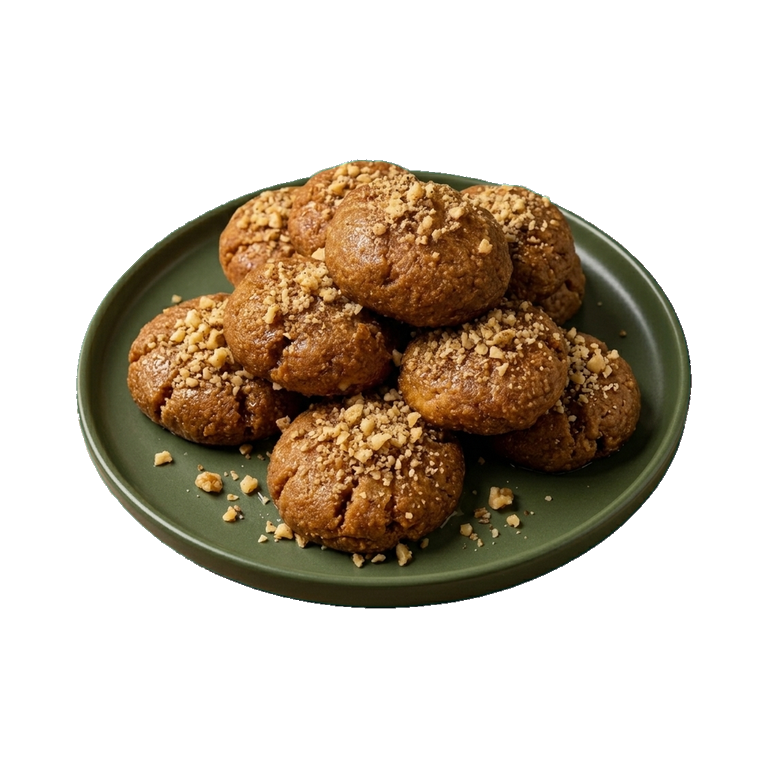
- Zest — decoration and flavoring for creams, mousse, cookies and caramel
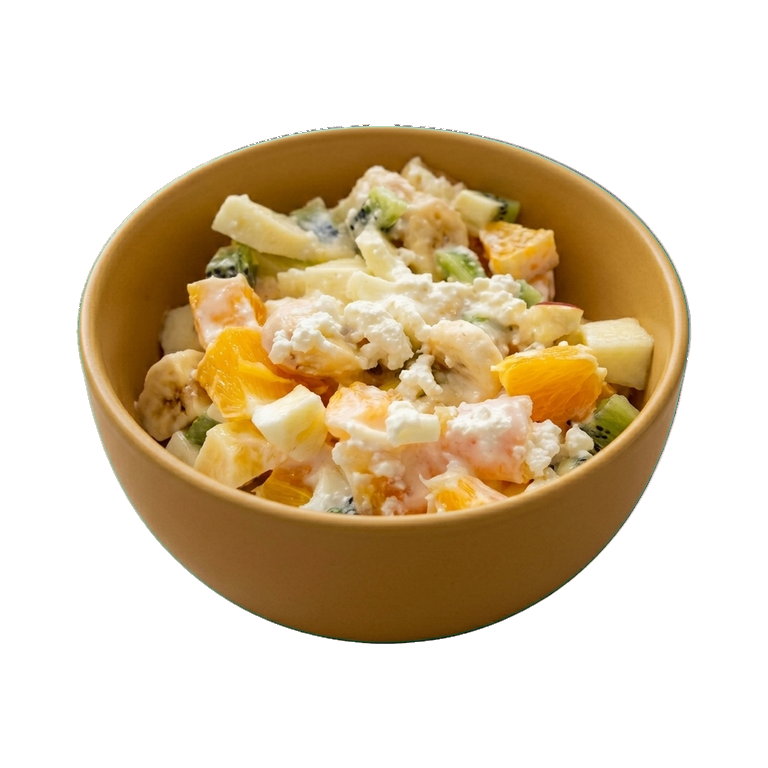
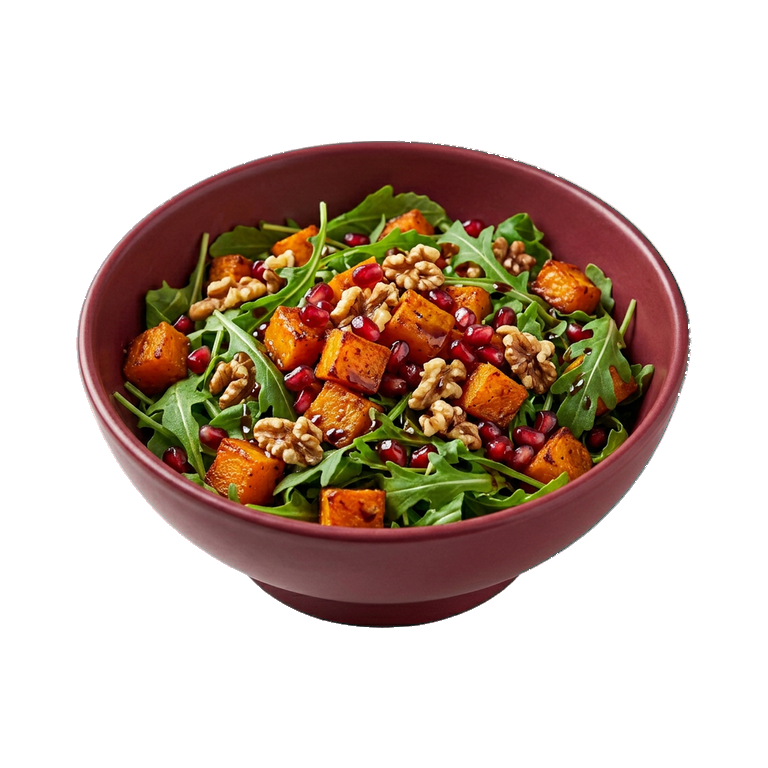
- Segments — addition to salads, meat dishes, especially with duck and pork
- Juice in sauces — ideal for glazing, vinaigrettes and oriental spices
- Jam, marmalade, preserve — classics of home canning
Successful Combinations
- Chocolate — a classic pairing in desserts and baking
- Spices — cinnamon, cloves, star anise emphasize sweetness
- Honey and caramel — enhance the honey notes of orange
- Seafood and white fish — juice adds lightness and freshness
- Ginger and hot spices — contrast and complement the flavor in Asian dishes
Selection and Storage
When choosing, pay attention to the weight of the fruit — it should be heavy for its size, which is a sign of juiciness. The skin of a ripe orange has a uniform orange color without green spots. Slightly soft fruits are sweeter than hard ones, but they spoil faster.
At room temperature, oranges are stored for 1–2 weeks. In the refrigerator, in the fruit compartment, they will last a month or longer. If you need juice, it's best to squeeze it fresh — in the freezer it loses some of its aroma, but remains beneficial. The zest can be dried and stored in an airtight container for several months.
Oranges are versatile: they work in sweet and savory dishes, in hot and cold beverages, in main courses and desserts. Always keep a few ripe fruits on hand — they will never be unnecessary in the kitchen.
Nutrition
per 100 g
- Calories
- 47 kcal
- Protein
- 0.9 g
- Fat
- 0.2 g
- Carbs
- 11.8 g
Micronutrients
per 100 g
Macronutrients
- Fiber
- 2.4 g
- Sugars
- 9.35 g
- Saturated fat
- 0.015 g
- Monounsaturated fat
- 0.023 g
- Polyunsaturated fat
- 0.025 g
- Omega-3 (EPA + DHA)
- 0 g
- Cholesterol
- 0 mg
- Water
- 86.75 g
Minerals
- Sodium
- 0 mg
- Potassium
- 181 mg
- Calcium
- 40 mg
- Magnesium
- 10 mg
- Phosphorus
- 14 mg
- Iron
- 0.1 mg
- Zinc
- 0.07 mg
- Copper
- 0.05 mg
- Manganese
- 0.03 mg
- Selenium
- 0.5 mcg
Vitamins
- Vitamin A (RAE)
- 11 mcg
- Vitamin D
- 0 mcg
- Vitamin E
- 0.18 mg
- Vitamin K
- 0 mcg
- Vitamin C
- 53.2 mg
- Vitamin B1 (thiamin)
- 0.09 mg
- Vitamin B2 (riboflavin)
- 0.04 mg
- Vitamin B3 (niacin)
- 0.28 mg
- Vitamin B5 (pantothenic acid)
- 0.25 mg
- Vitamin B6
- 0.06 mg
- Vitamin B9 (folate, DFE)
- 30 mcg
- Vitamin B12
- 0 mcg
Measures and weight
- 1 pcs
- 150 g
Measure calculator
- Weight
- 100 g
- Calories
- 47 kcal