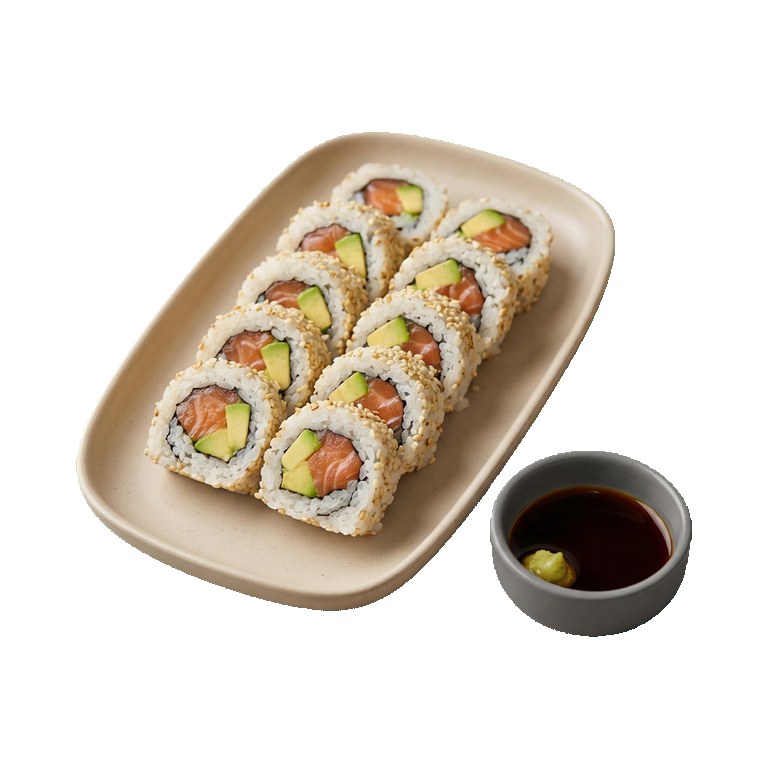
Usuba
Usuba
Sesame
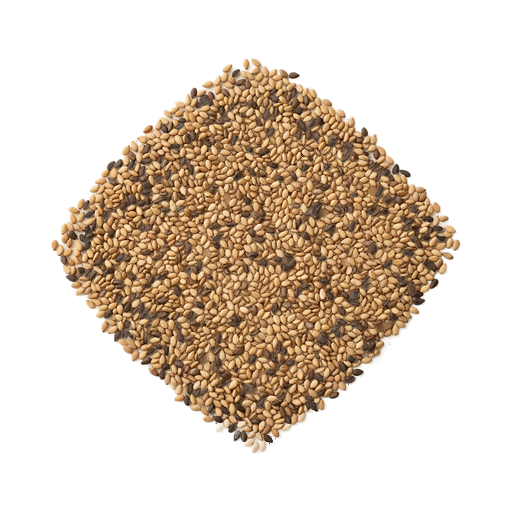
Sesame is a small seed with a nutty flavor and subtle sweetness, commonly used in Asian and Middle Eastern cuisine. White seeds have a more delicate taste, while black seeds have a more pronounced and slightly bitter flavor. They are added to sauces, sprinkled on baked goods and noodle dishes, and also used to make sesame paste and halva. When selecting sesame, it is important to pay attention to freshness and the absence of a rancid smell, as the seeds contain oil and can oxidize quickly with improper storage.
Micronutrients
per 100 g
Minerals
About
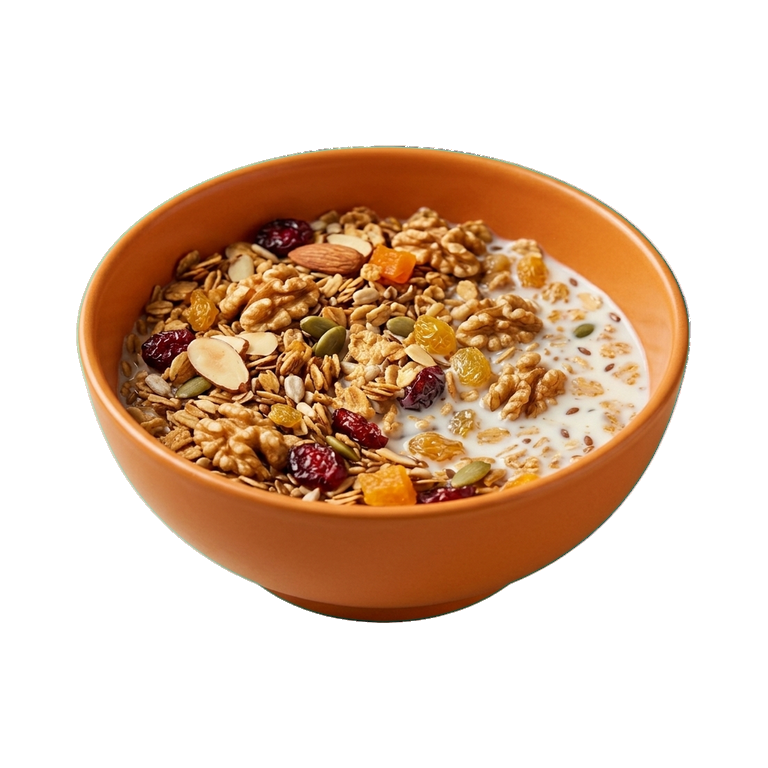
Sesame is a small seed that seems inconspicuous until you start using it. It works in a dish as a flavor and texture enhancer: crispy, nutty, with a barely noticeable sweetness. When placed in a hot pan or oven, the seeds reveal their full potential, filling the dish with a deep aroma.
Aroma and taste
Raw sesame has a mild, barely noticeable taste. But once you roast it — it transforms into a completely different product. Heat reveals nutty, slightly caramel notes in the seeds. The aroma becomes rich and inviting. This is an important point: roasted sesame is much more aromatic and interesting in a dish than raw sesame.
White and black sesame
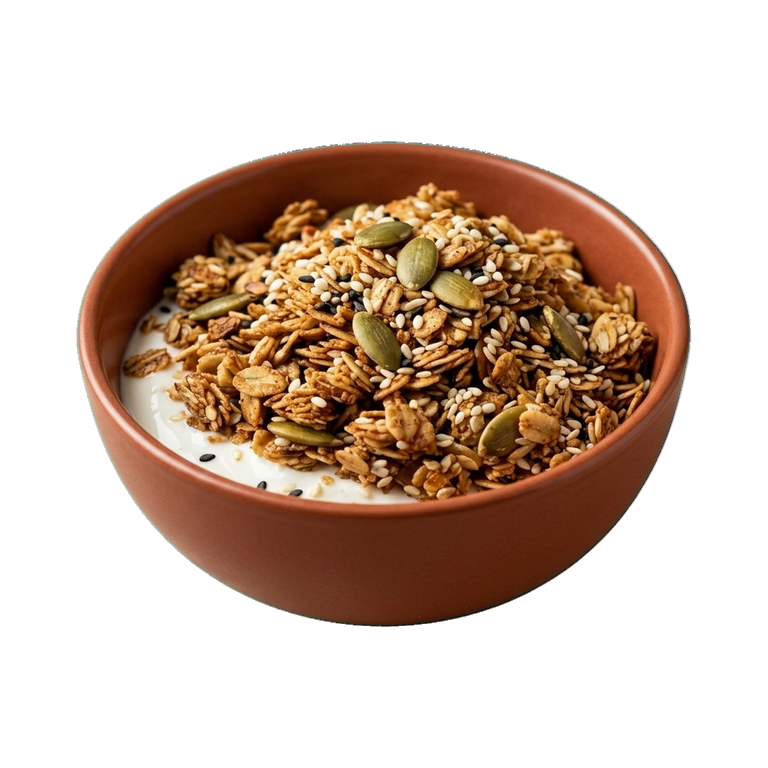
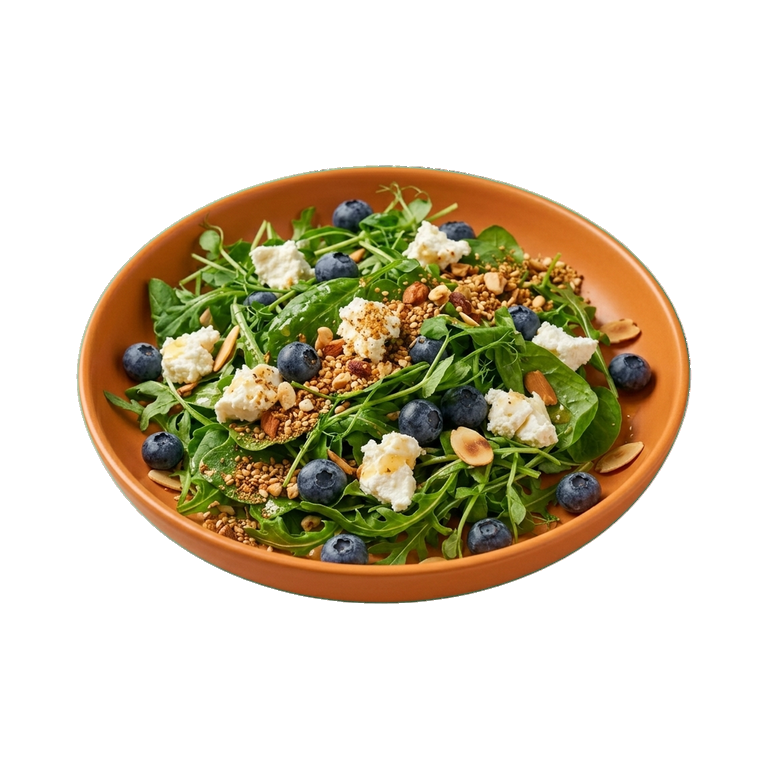
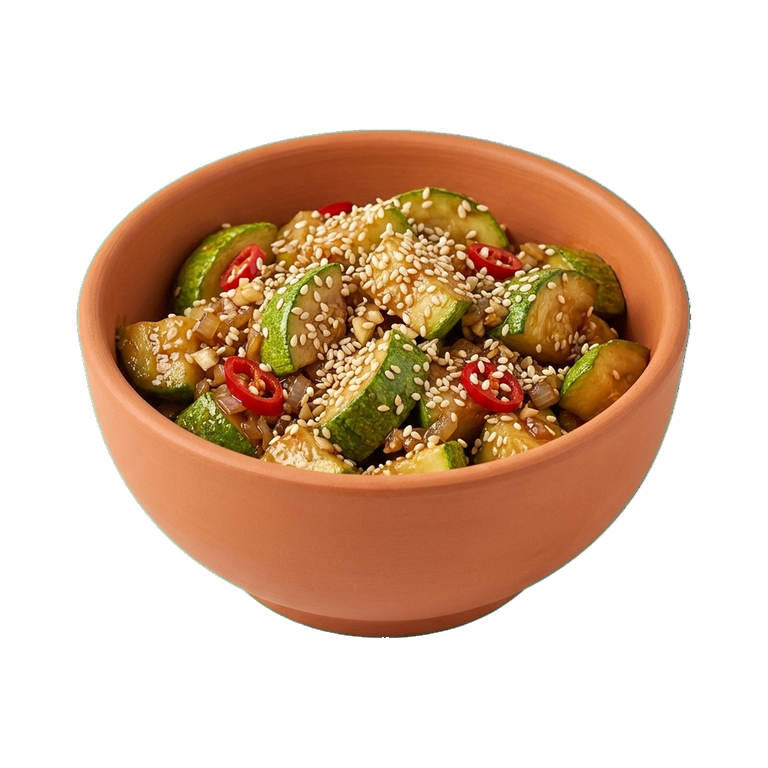
White sesame is the most common variety. It is versatile: suitable for sprinkling on bread, adding to dough, decorating sushi and salads. Its taste is milder and its appearance is neutral.
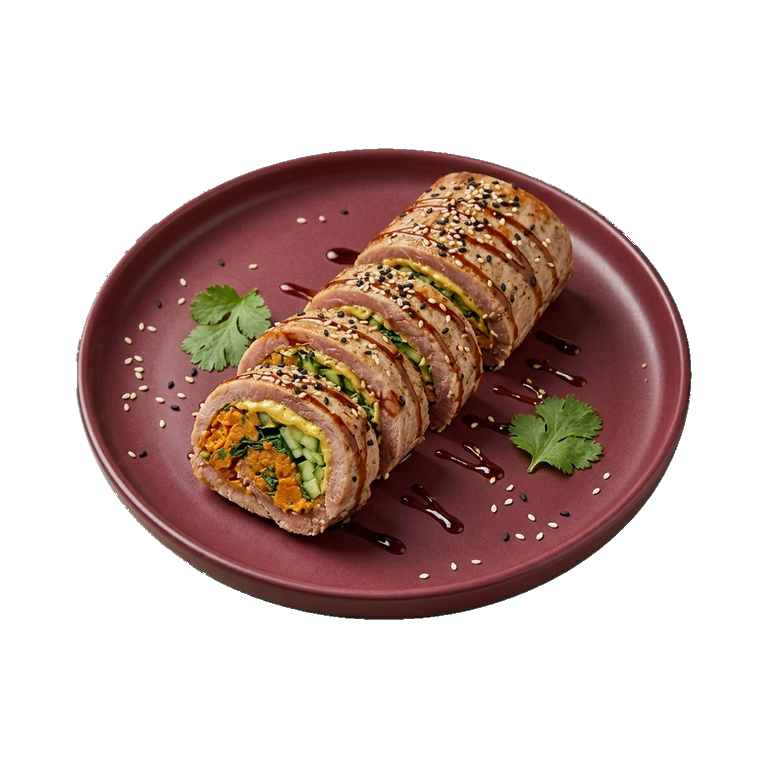
Black sesame is a more exotic option with a rich, almost smoky flavor. It looks beautiful in a dish and adds visual contrast. It is often used in Asian cuisine as a finishing touch.
Where to use
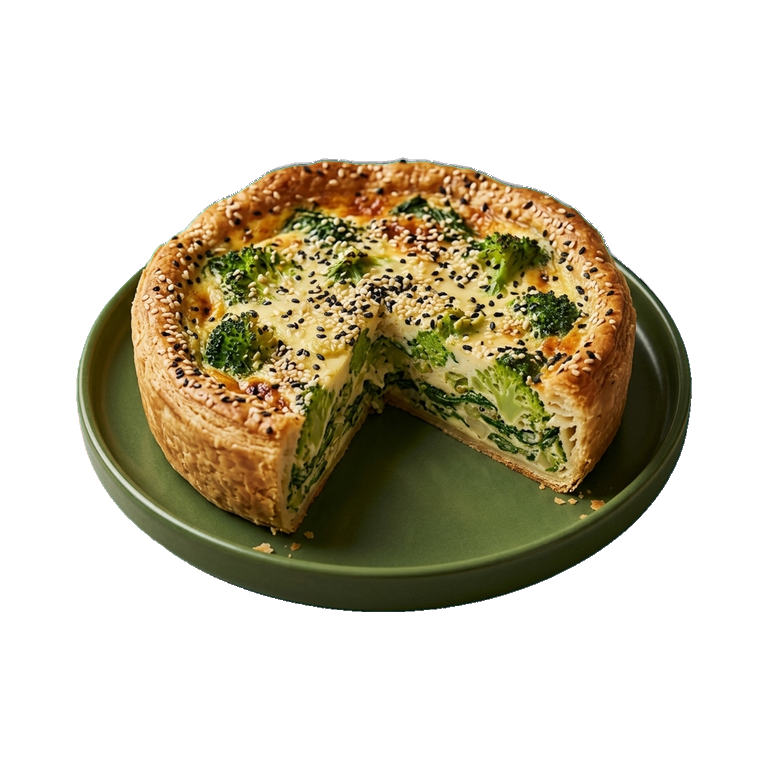
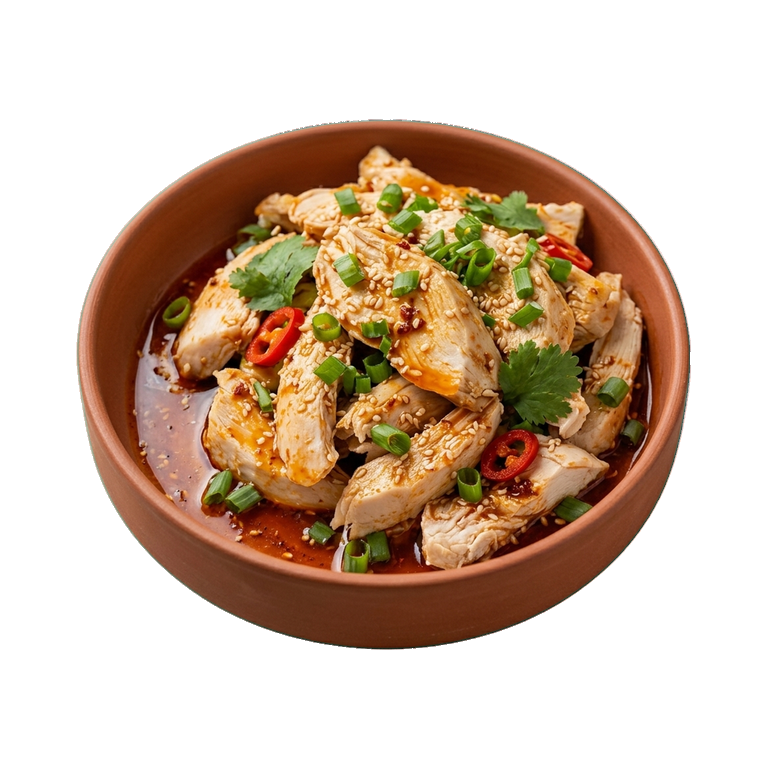
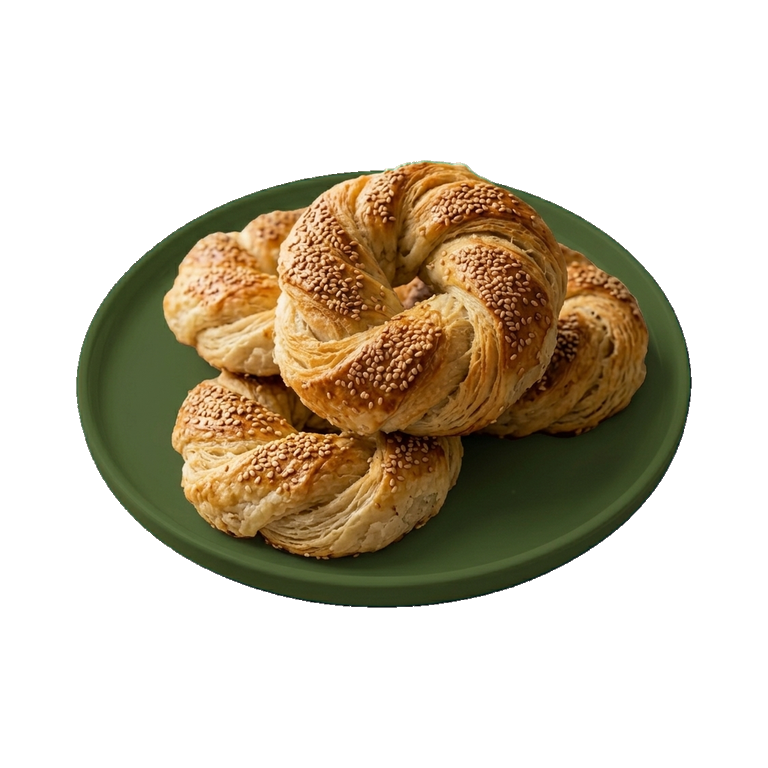
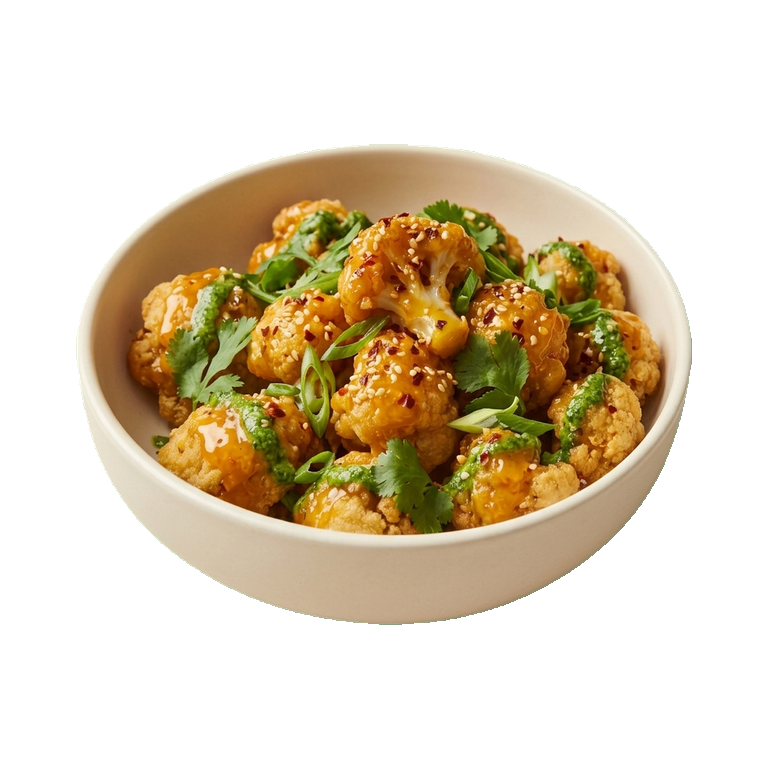
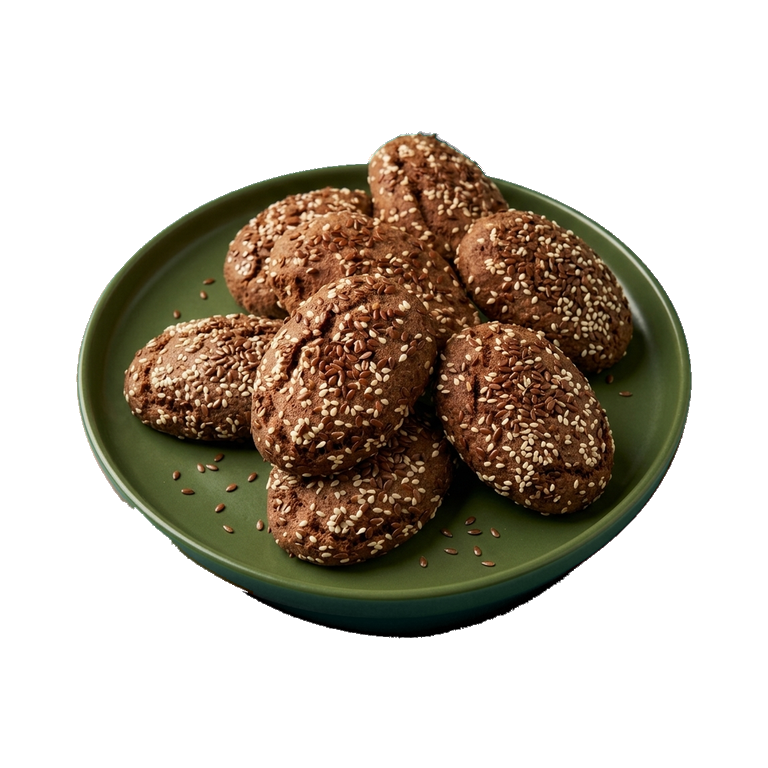
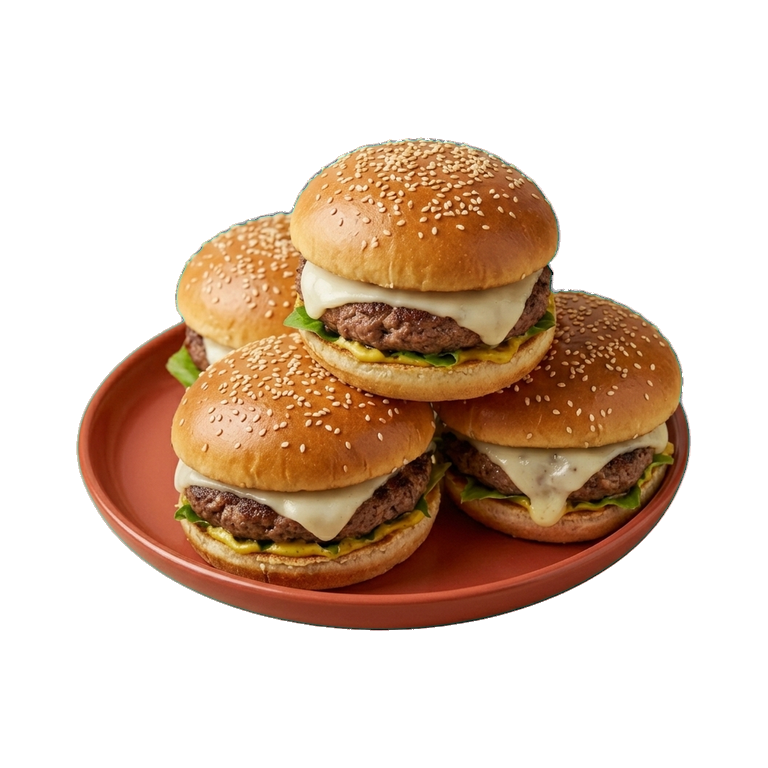
- Topping for buns, bread and pretzels — adds crunch and nutty flavor
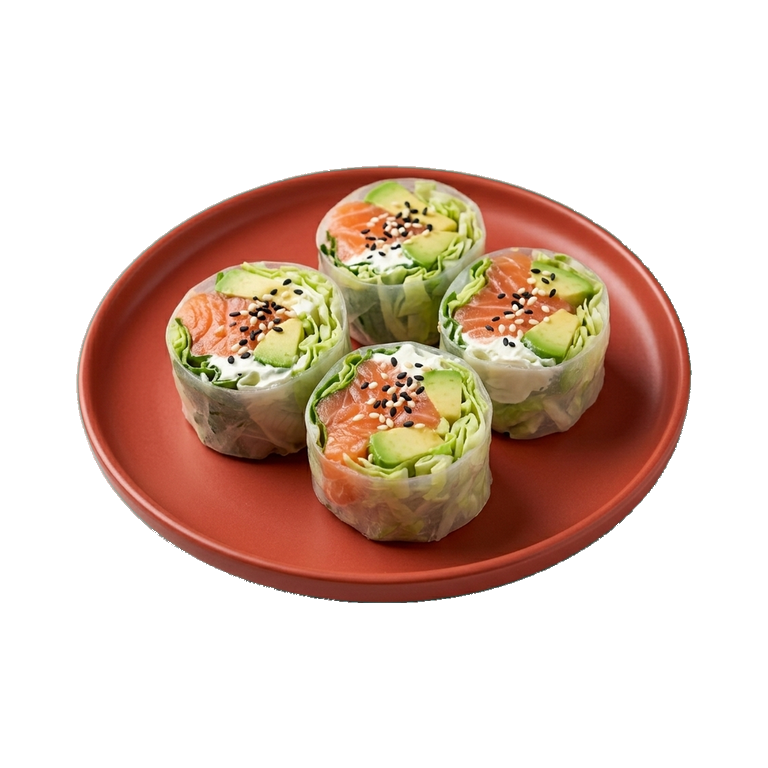
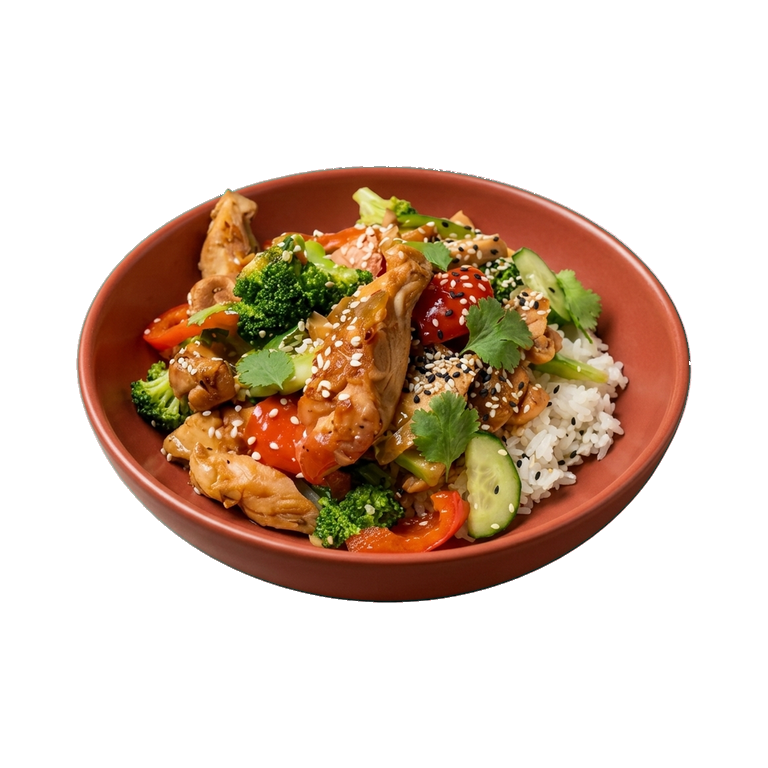
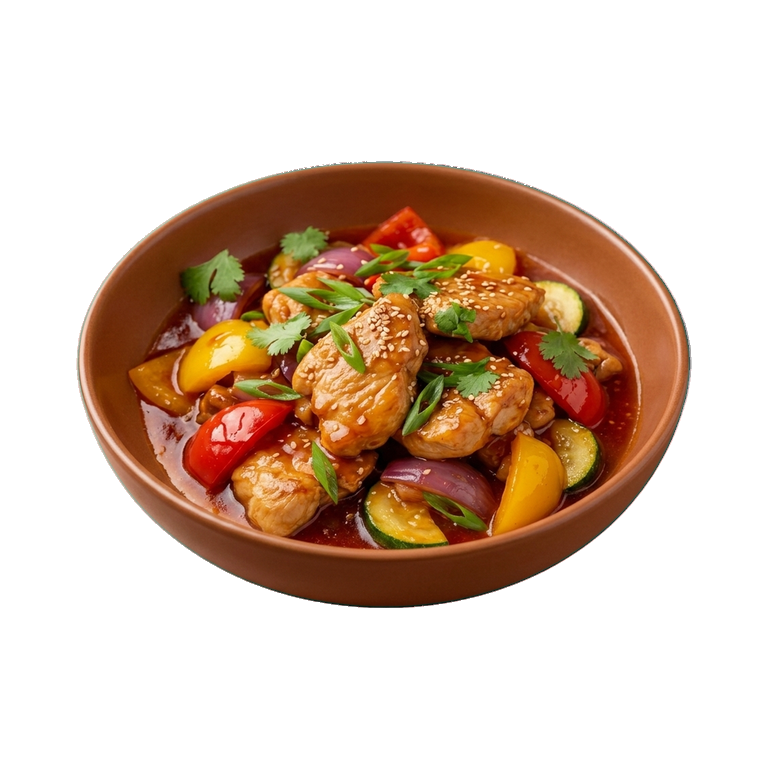
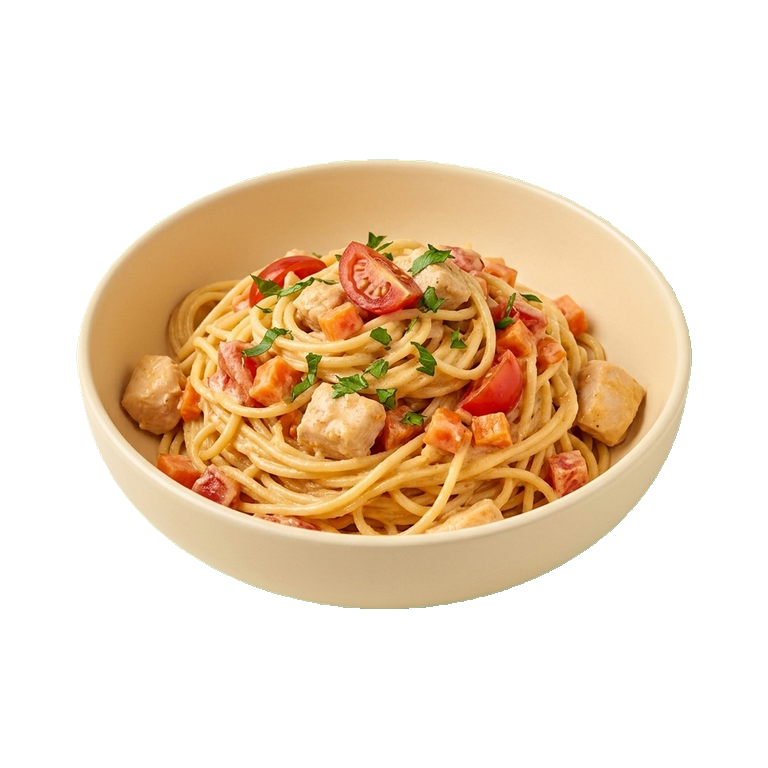
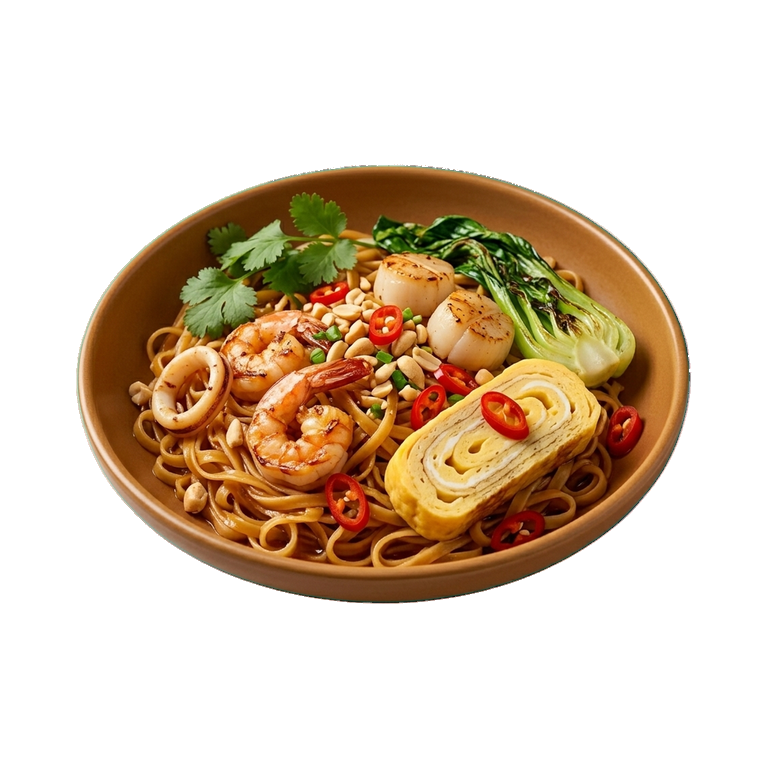
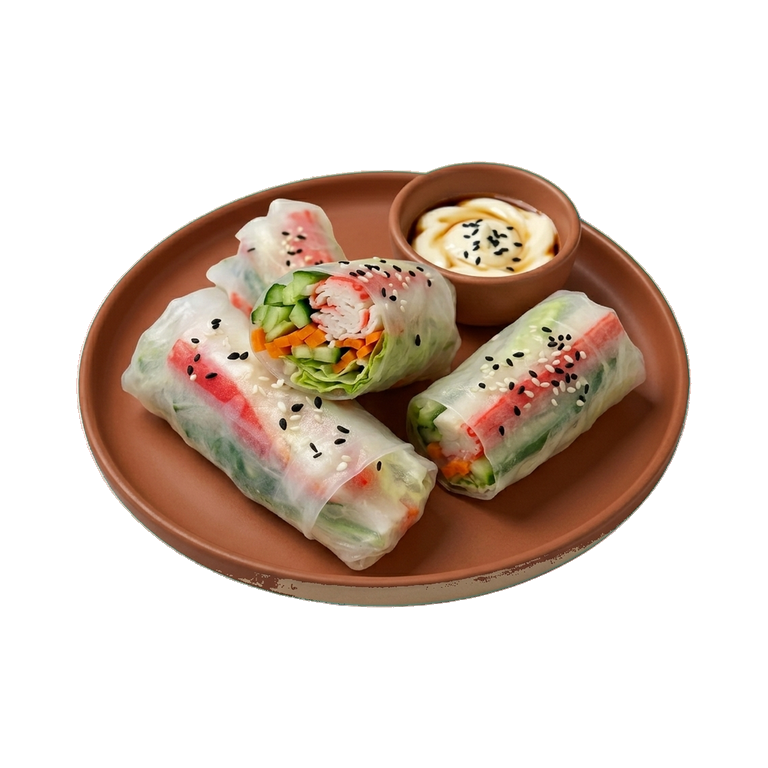
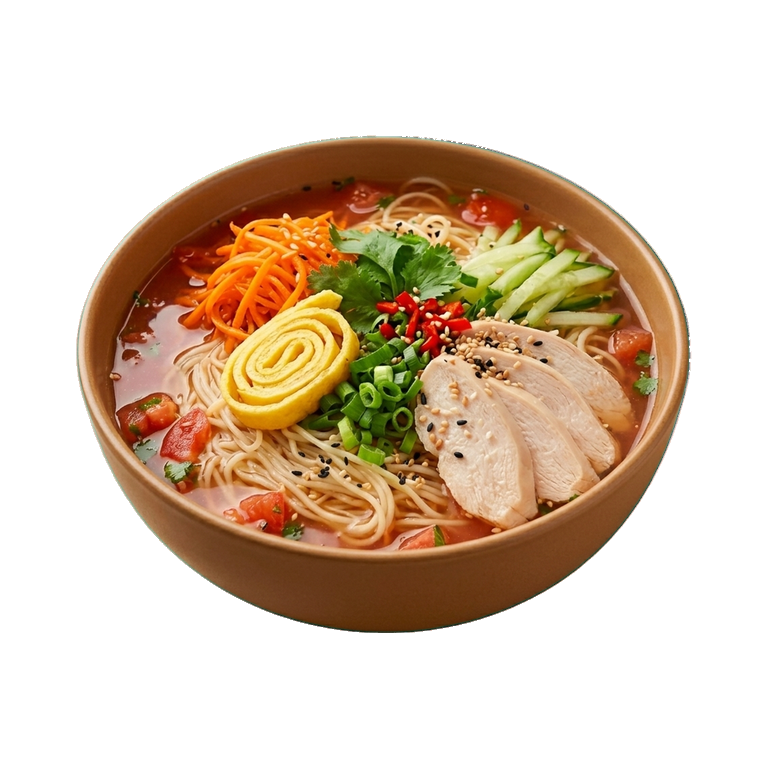
- In Asian dishes: sushi, rolls, noodles with vegetables, fried rice
- Breading for cutlets and fish — adds texture and aroma
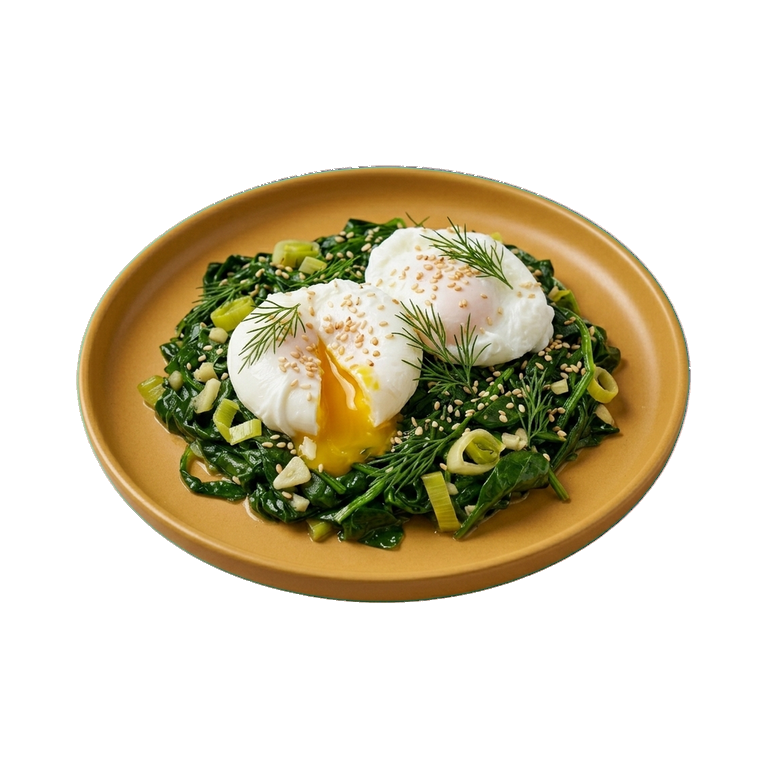
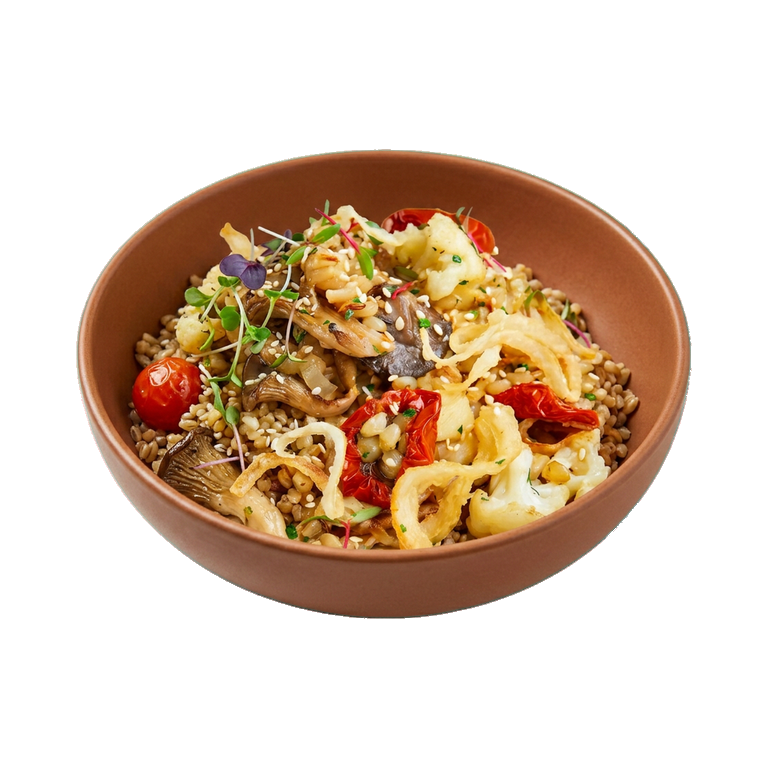
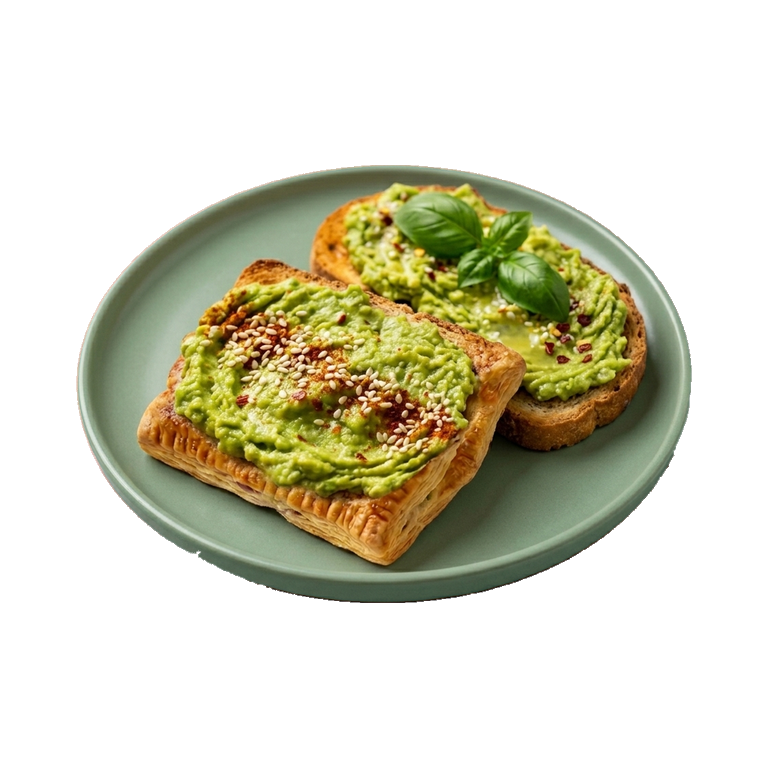
- Salads and appetizers — final touch for crispiness
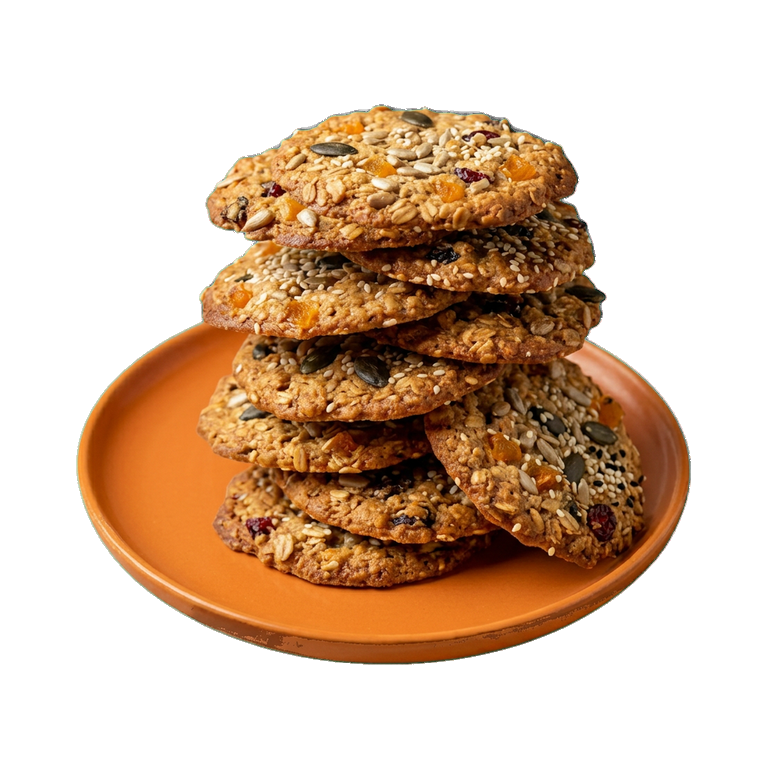
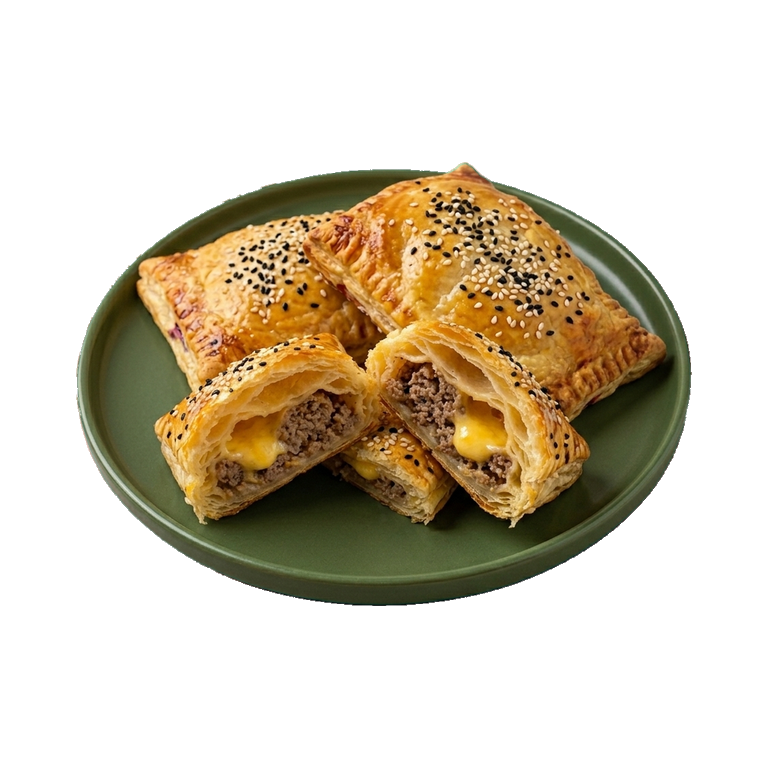
- Pastries and cookies — seeds add interest to the taste
- Sesame oil — concentrated aromatic ingredient for sauces and dressings
Pairings
Sesame works well with soy sauce, ginger, garlic, and lemon. It pairs nicely with seaweed, vegetables, and seafood. In European cuisine, it is often combined with herbs and cheese. Roasted sesame enhances the flavor of spicy dishes and balances acidity.
How to Choose and Store
Buy sesame seeds in airtight packaging or in bulk from a trusted seller. The seeds should be dry, without lumps and mold smell. White sesame color should be creamy, without darkening; black sesame should be uniformly black, without gray coating.
- Raw sesame is stored in an airtight container in a cool place for up to six months
- Roasted sesame is best used within a month — it oxidizes faster
- In the refrigerator, seeds retain their freshness longer, especially if it's warm at home
- Sesame oil should be stored in a dark bottle in a cool place or refrigerator
Practical tip
Toast the sesame seeds in a dry pan over medium heat for 2–3 minutes, stirring constantly. The seeds are ready when they start to emit a nutty aroma and become slightly darker. Don't overcomplicate it — overtoasted sesame becomes bitter. If you're preparing a dish that will undergo heat treatment, add the sesame at the end to preserve its crunch and aroma.
Nutrition
per 100 g
- Calories
- 517 kcal
- Protein
- 17.7 g
- Fat
- 48.7 g
- Carbs
- 23.4 g
Micronutrients
per 100 g
Macronutrients
- Fiber
- 11.8 g
- Sugars
- 0.3 g
- Saturated fat
- 6.957 g
- Monounsaturated fat
- 18.759 g
- Polyunsaturated fat
- 21.773 g
- Omega-3 (EPA + DHA)
- 0 g
- Cholesterol
- 0 mg
- Water
- 4.69 g
Minerals
- Sodium
- 11 mg
- Potassium
- 468 mg
- Calcium
- 975 mg
- Magnesium
- 351 mg
- Phosphorus
- 629 mg
- Iron
- 14.55 mg
- Zinc
- 7.75 mg
- Copper
- 4.08 mg
- Manganese
- 2.46 mg
- Selenium
- 34.4 mcg
Vitamins
- Vitamin A (RAE)
- 0 mcg
- Vitamin D
- 0 mcg
- Vitamin E
- 0.25 mg
- Vitamin K
- 0 mcg
- Vitamin C
- 0 mg
- Vitamin B1 (thiamin)
- 0.79 mg
- Vitamin B2 (riboflavin)
- 0.25 mg
- Vitamin B3 (niacin)
- 4.51 mg
- Vitamin B5 (pantothenic acid)
- 0.05 mg
- Vitamin B6
- 0.79 mg
- Vitamin B9 (folate, DFE)
- 97 mcg
- Vitamin B12
- 0 mcg
Measures and weight
- 1 tbsp
- 9 g
- 1 tsp
- 3 g
- 1 cup
- 150 g
Measure calculator
- Weight
- 100 g
- Calories
- 517 kcal