Usuba
Usuba
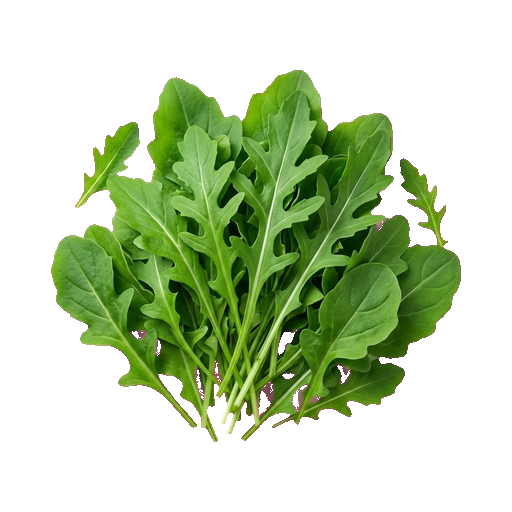
Arugula
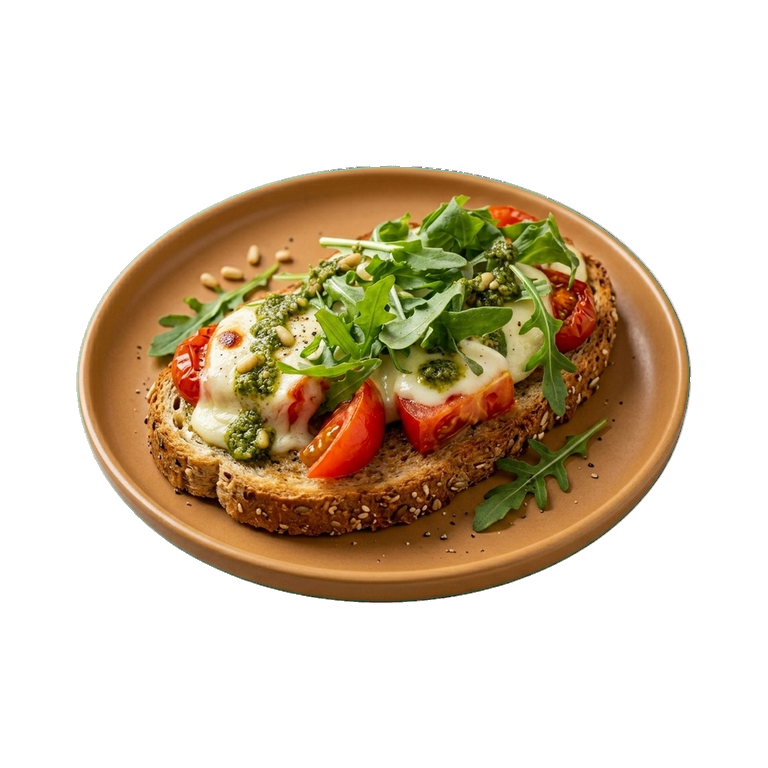
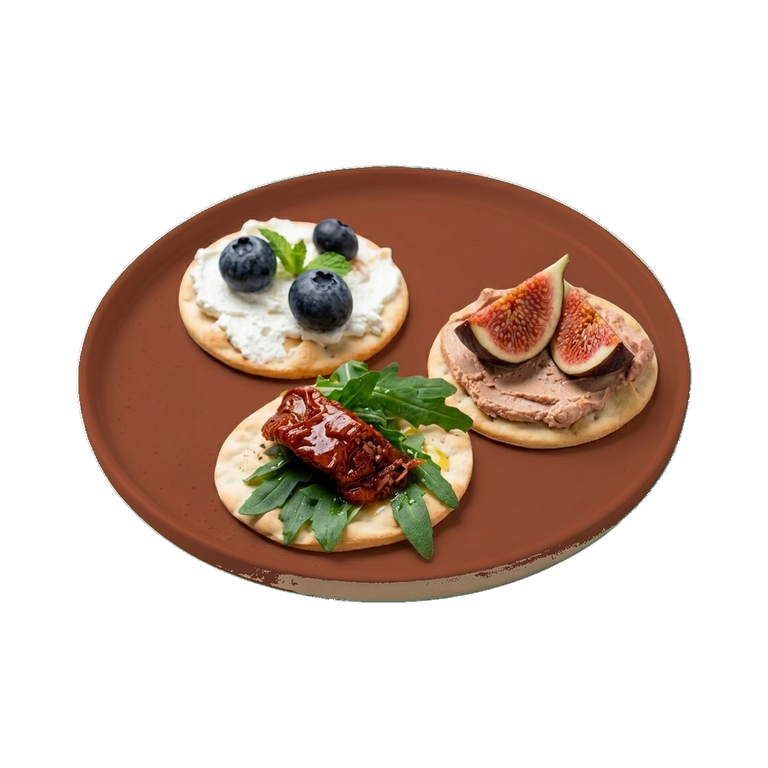
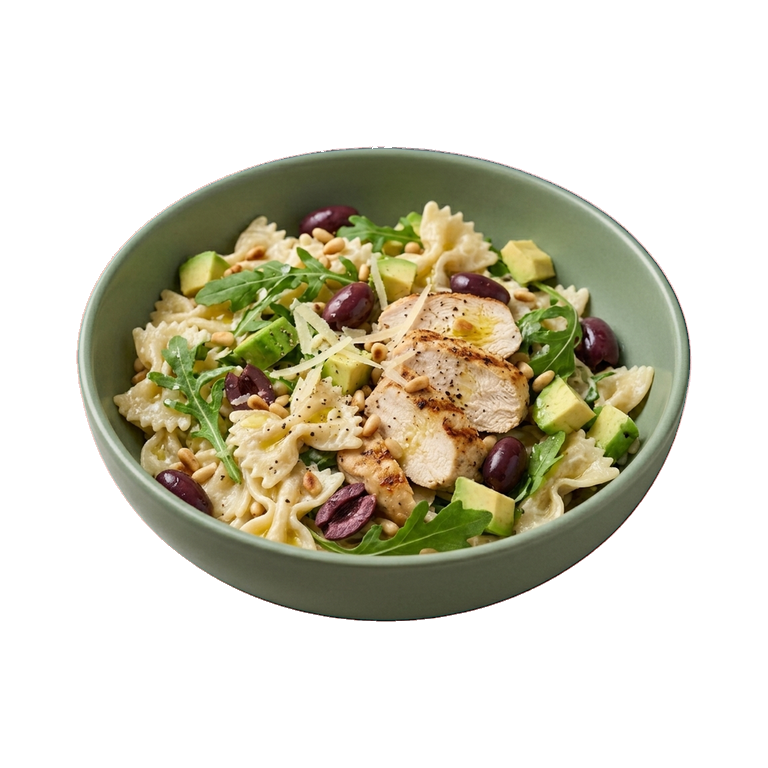
Arugula is a peppery green with a sharp, slightly bitter taste and a distinctive nutty aroma, easily recognized by its jagged leaves. It is added to salads, pasta, pizza, and appetizers in fresh form, as heating causes it to lose its vibrant flavor and become more bitter. When selecting arugula, pay attention to firm leaves without dark spots or slime — these are signs of freshness. Store arugula in the refrigerator in an airtight container to keep it juicy and aromatic for longer.
Micronutrients
per 100 g
Minerals
Vitamins
About
Arugula is a sharp peppery green with a characteristic nutty flavor and mustard-like pungency. The leaves are delicate, lacy, with deep cuts that are instantly recognizable on store shelves. The taste is bright and memorable, capable of transforming even the most modest salad. Its popularity in modern cuisine is explained by its simplicity of use and versatility — from cold dishes to hot ones.
Aroma and Taste
Young arugula leaves are softer and more delicate, with a subtle peppery bite. Mature leaves become sharper and more fibrous, with a richer flavor. The nutty note in the aroma becomes more pronounced if you gently rub the leaf in your hands. This green is never bland — even a small amount adds character and depth to a dish.
Role in dishes
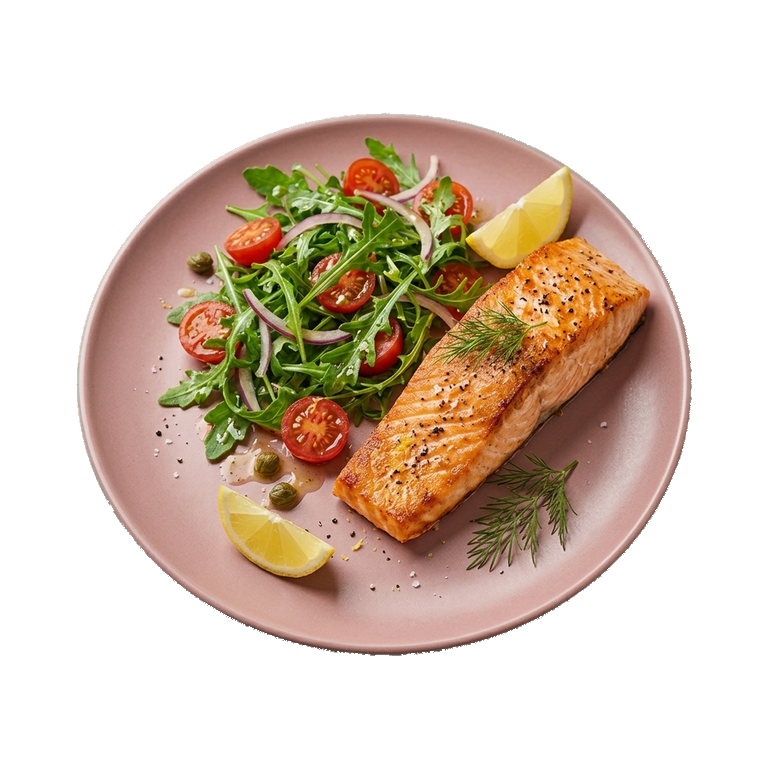
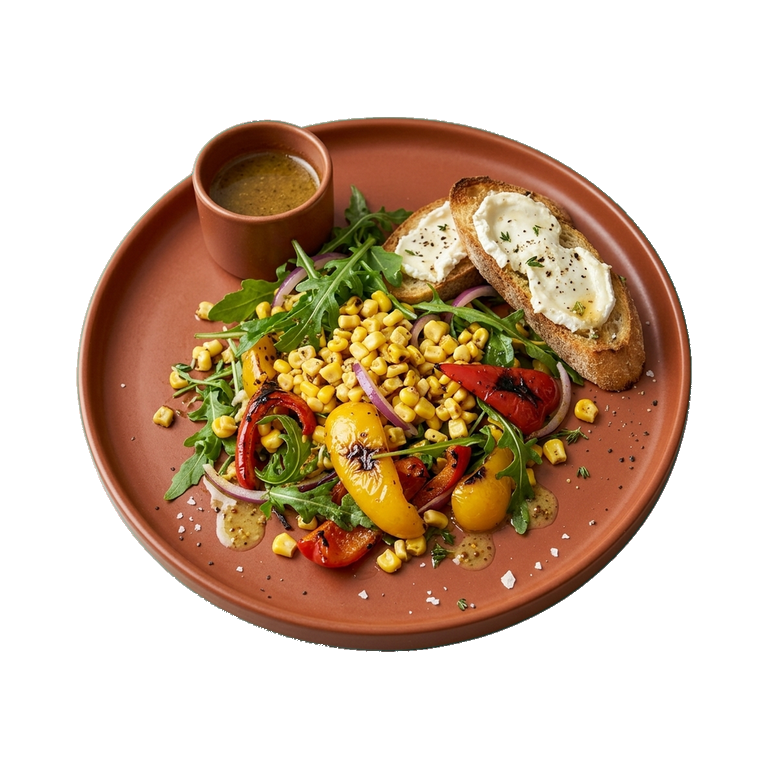
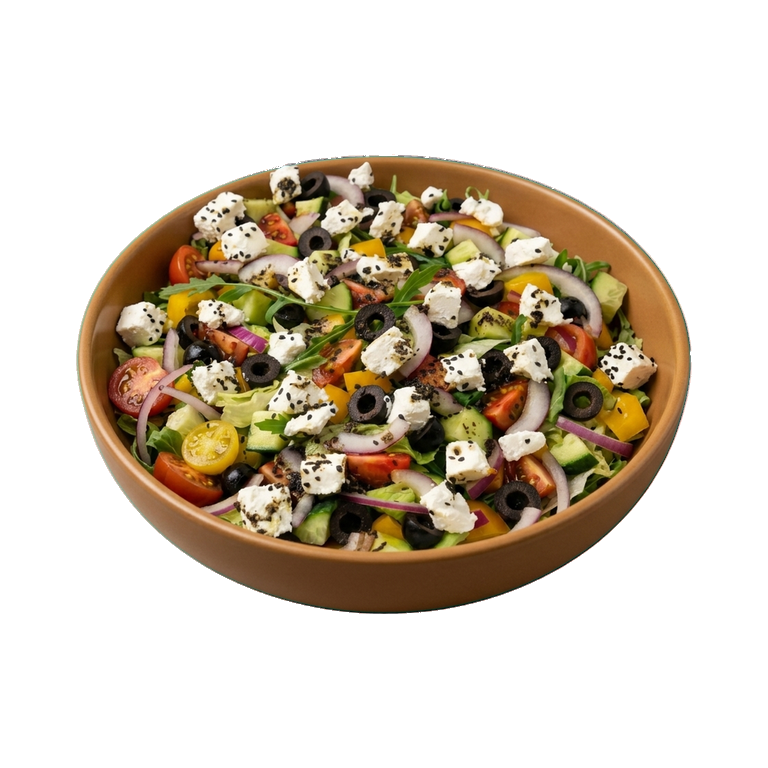
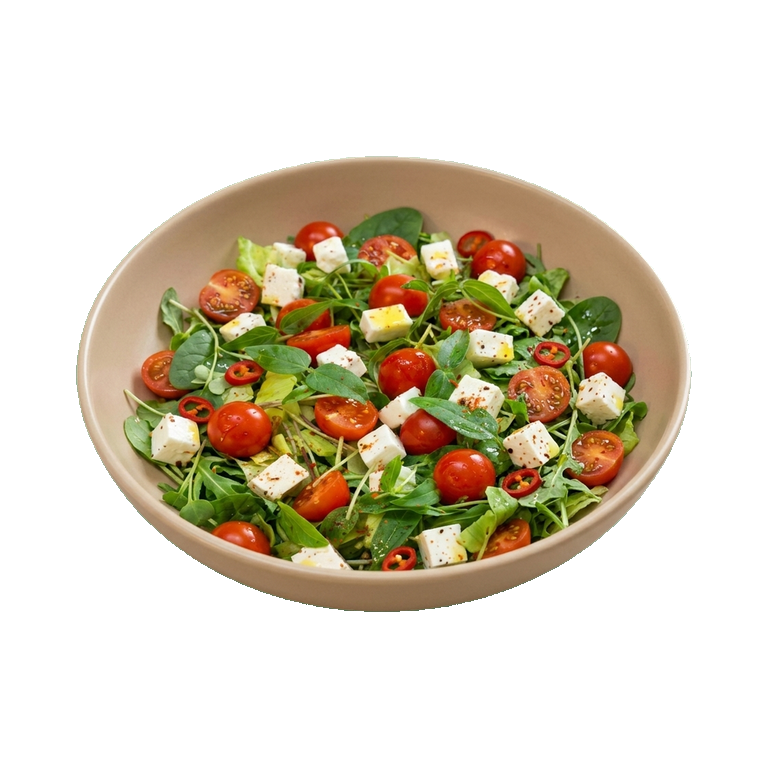
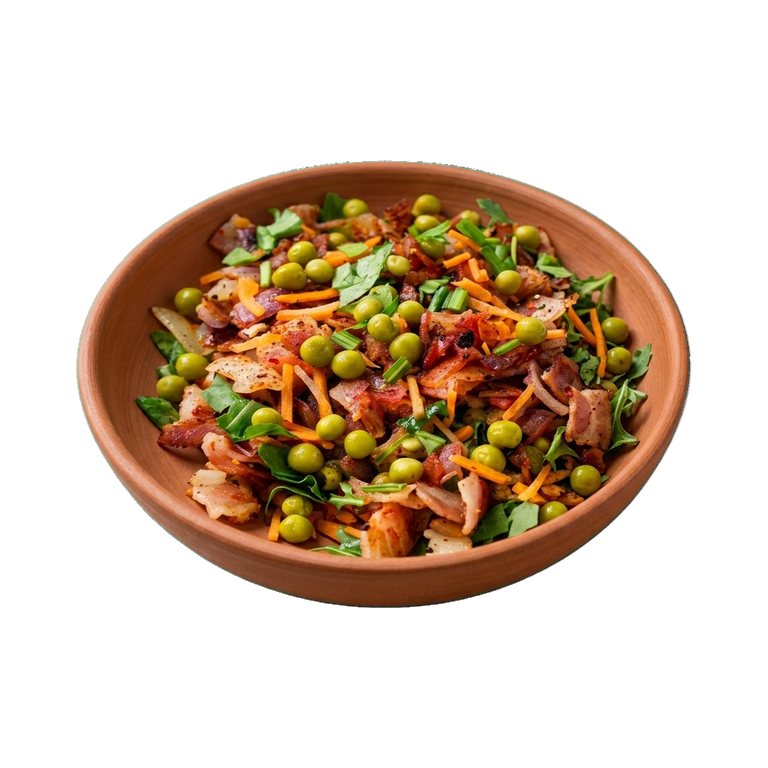
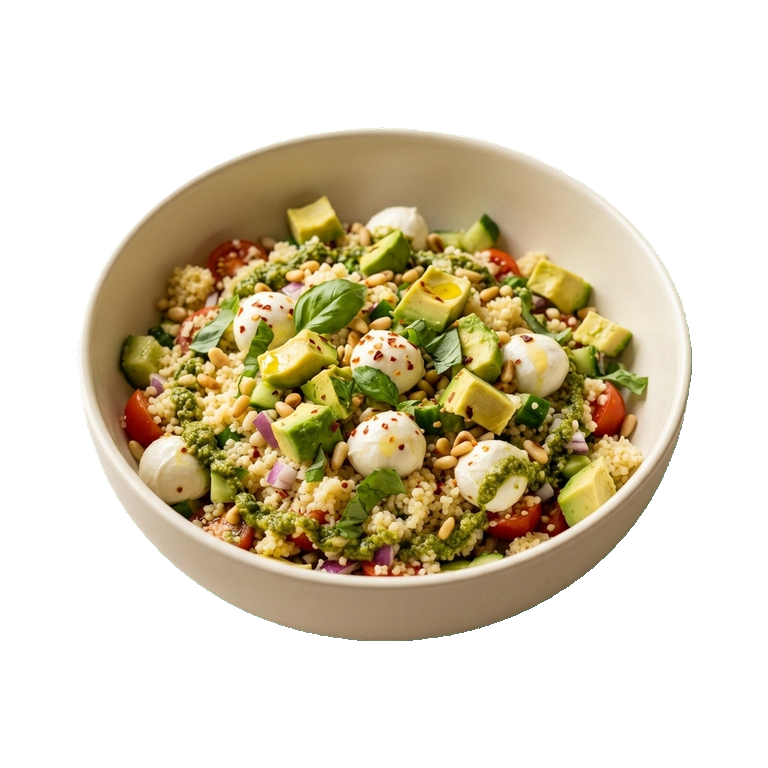
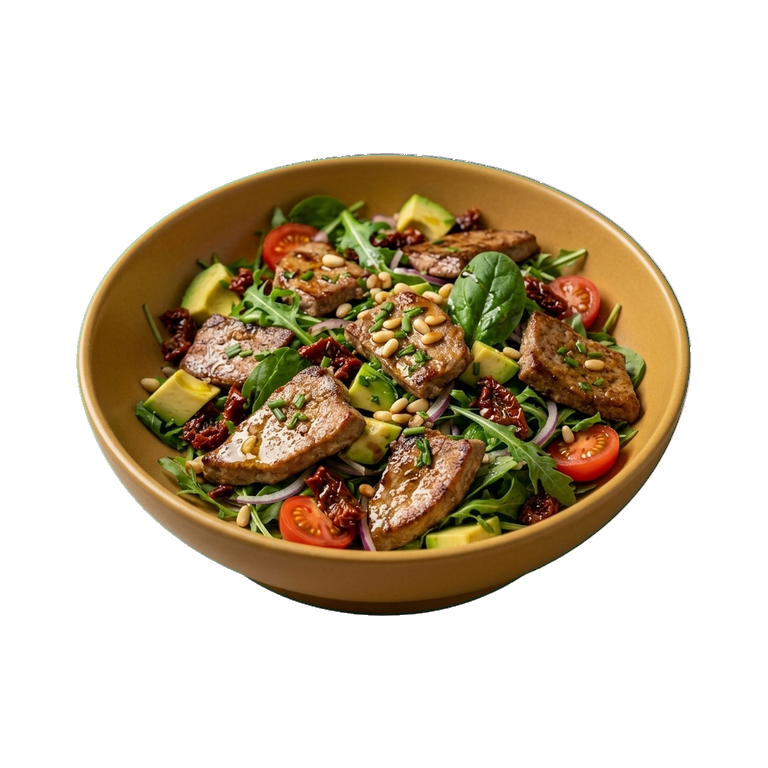
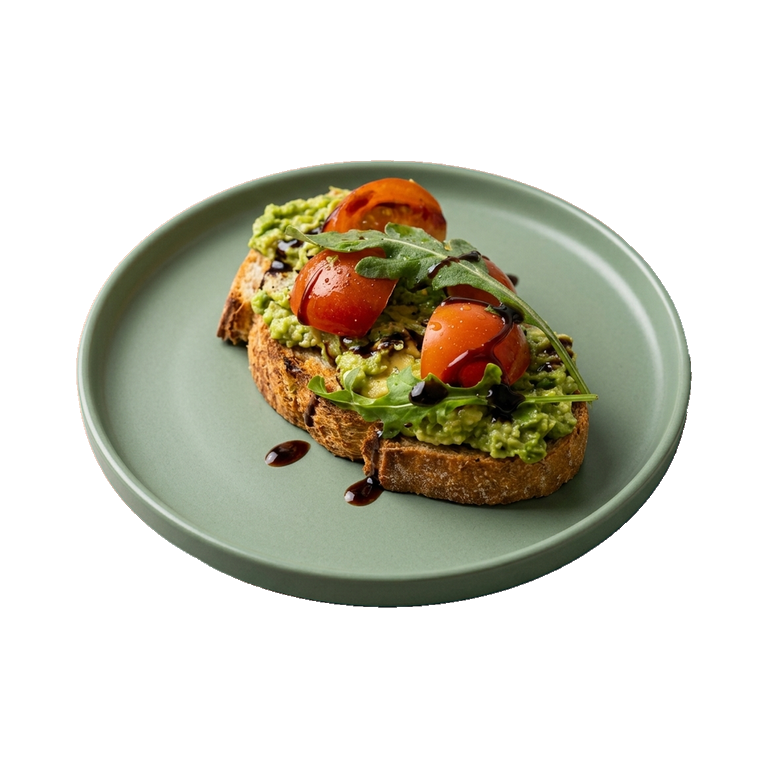
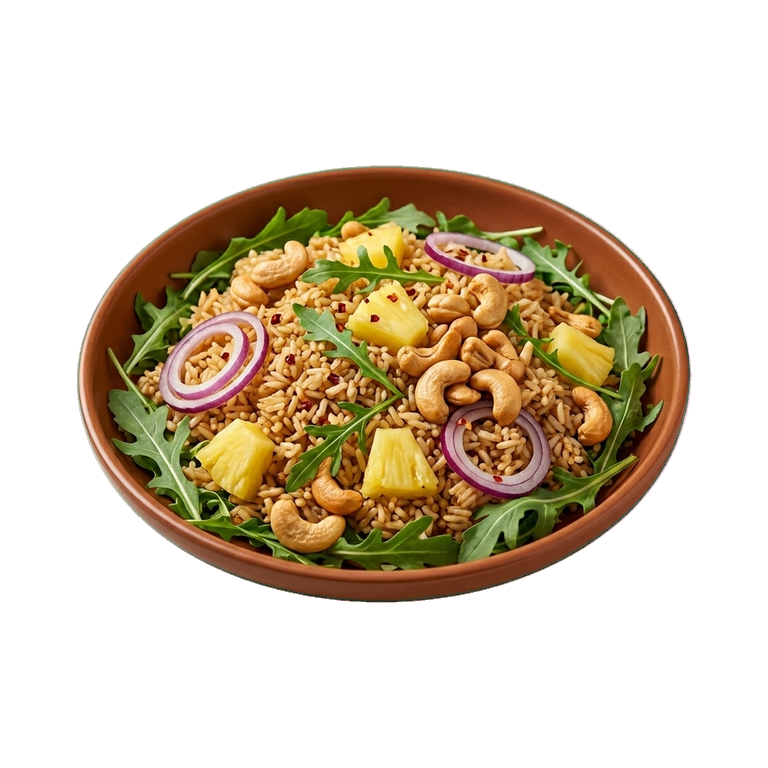
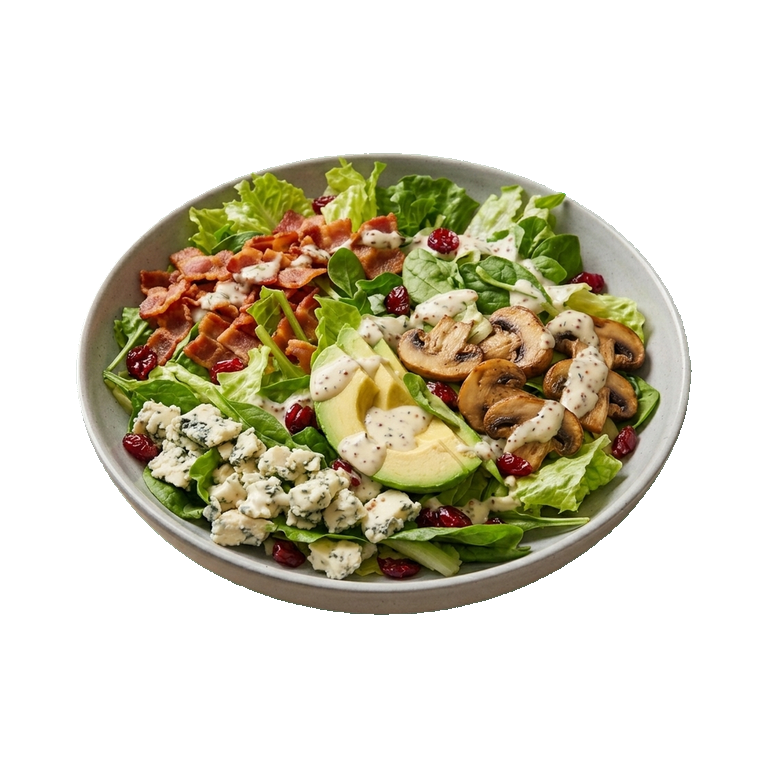
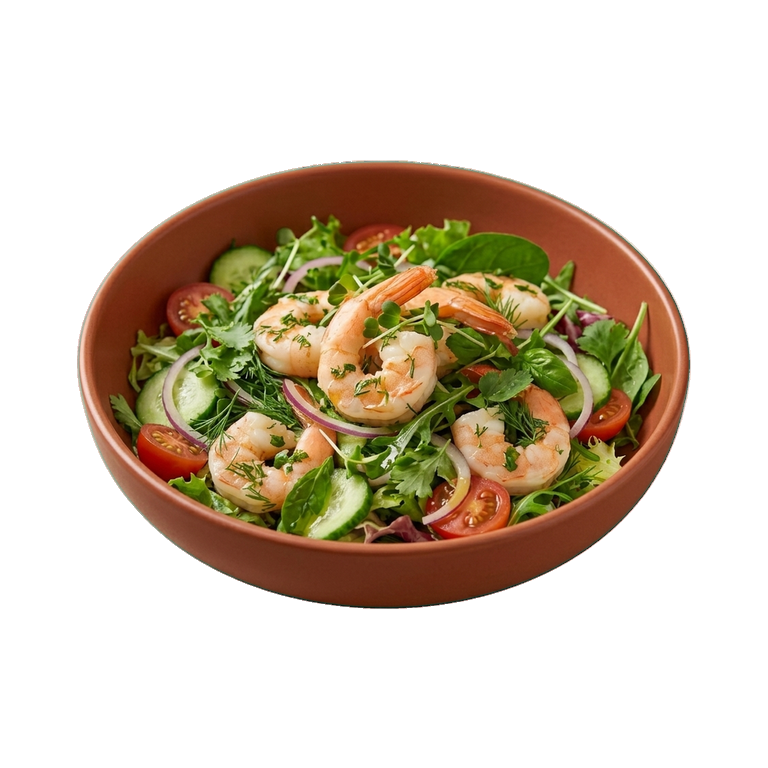
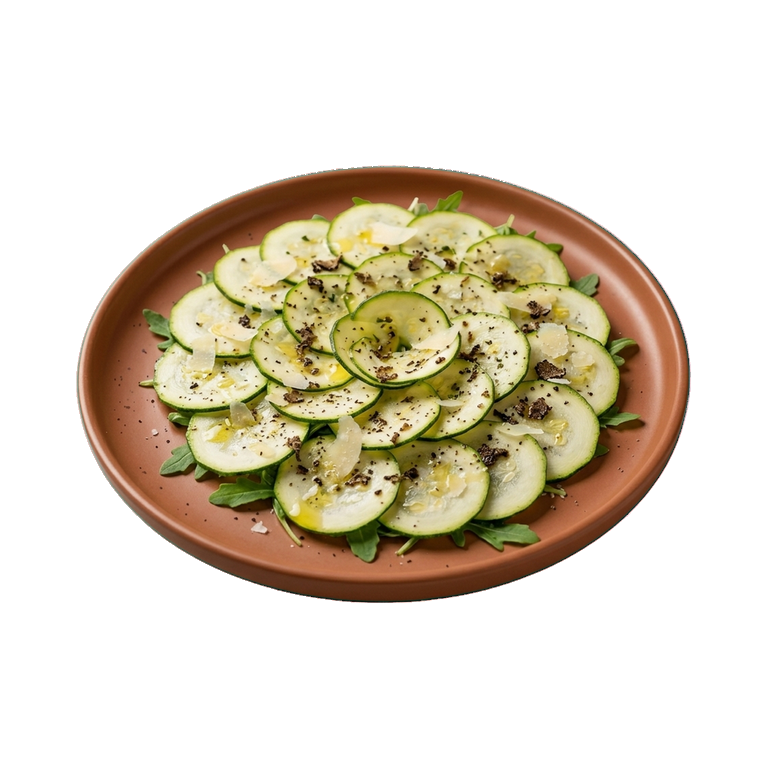
- In salads, arugula works as a base or a sharp addition — just a handful is enough to enliven a mix of tender greens
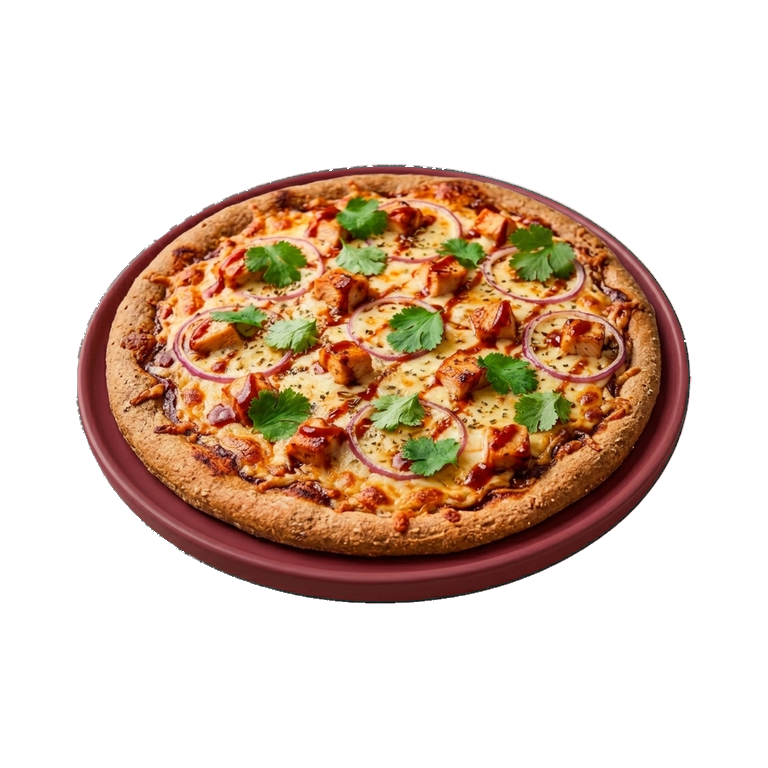
- On pizza or focaccia, add after baking to preserve crunchiness and freshness
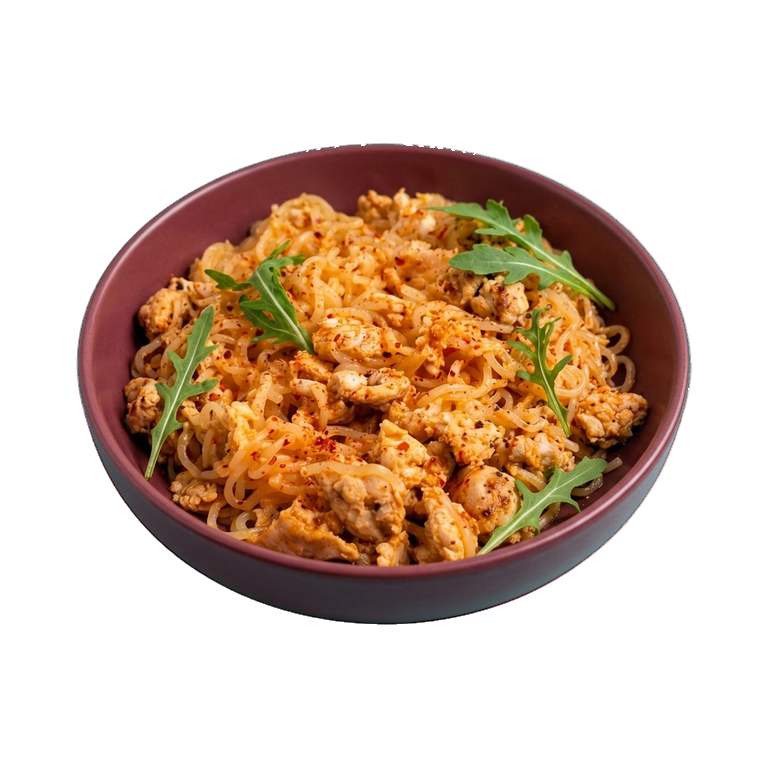
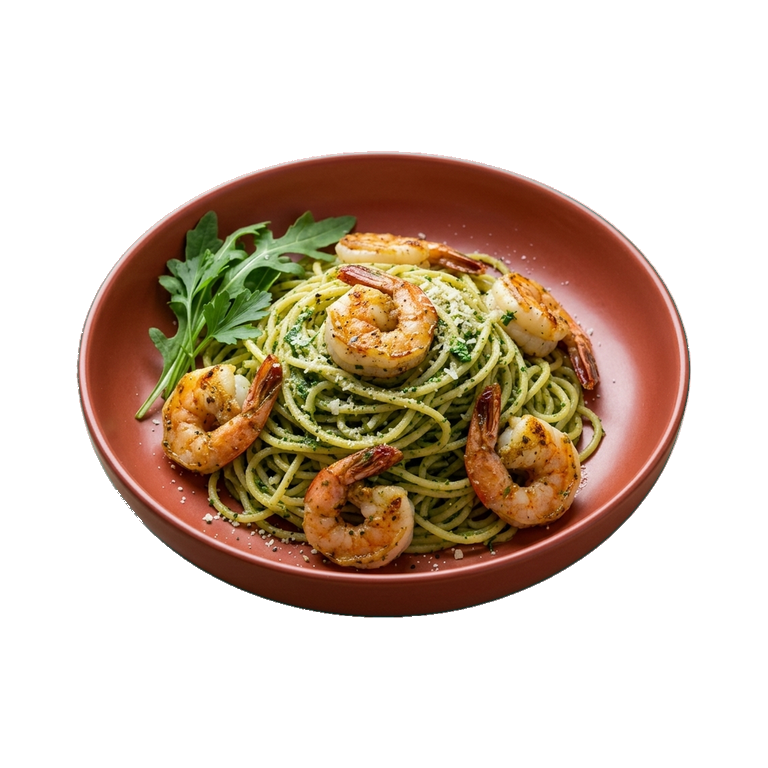
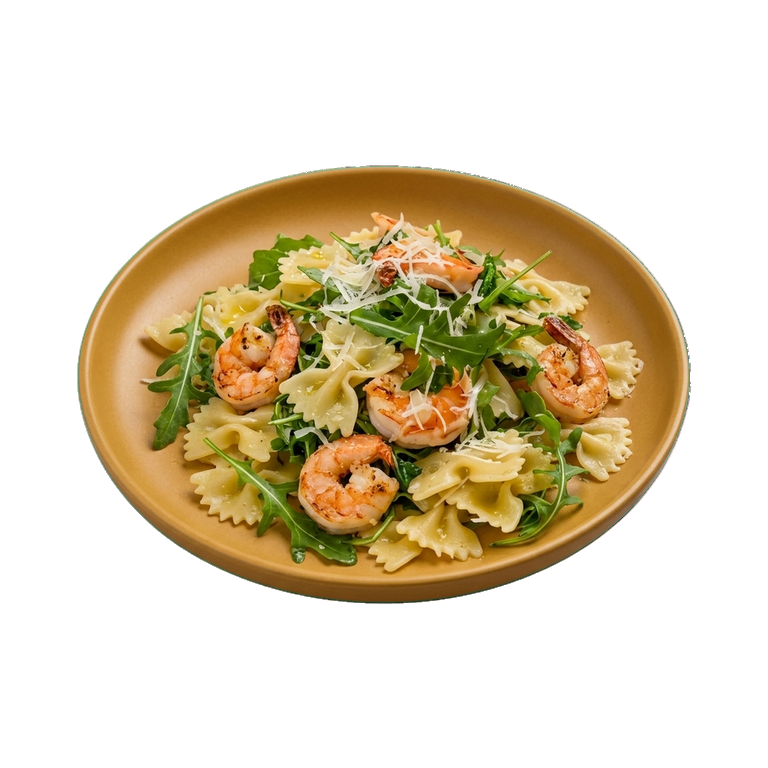
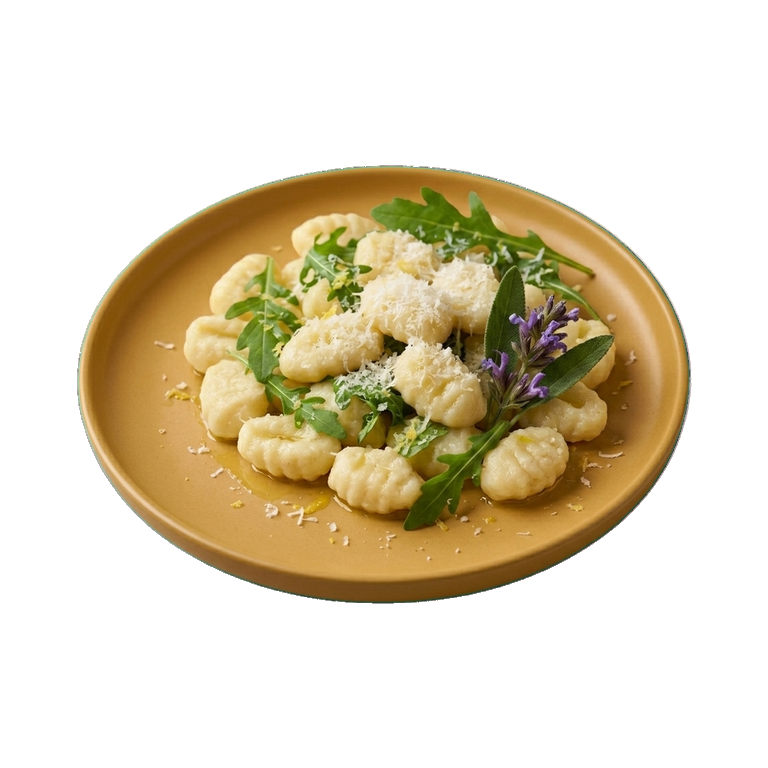
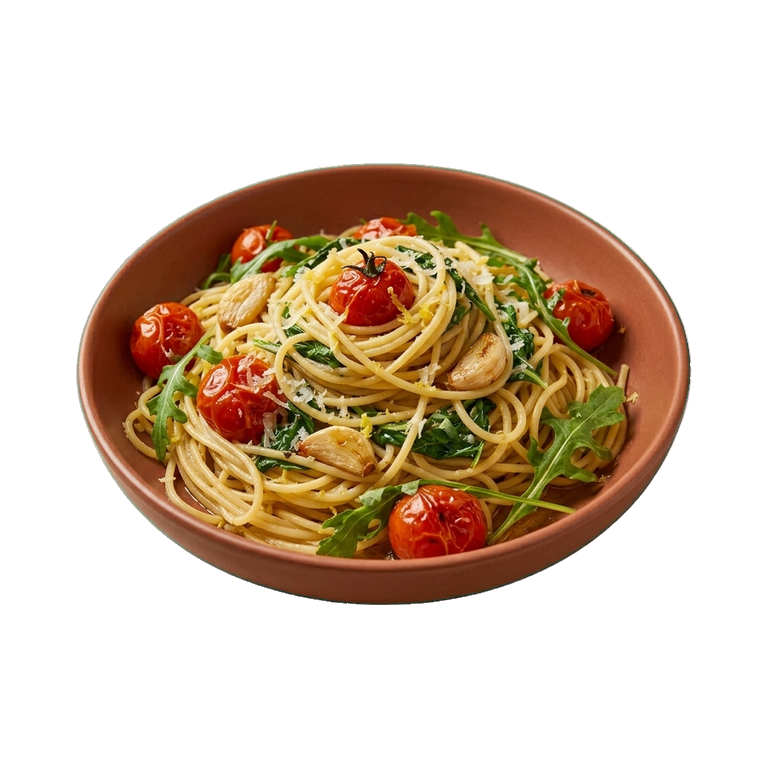
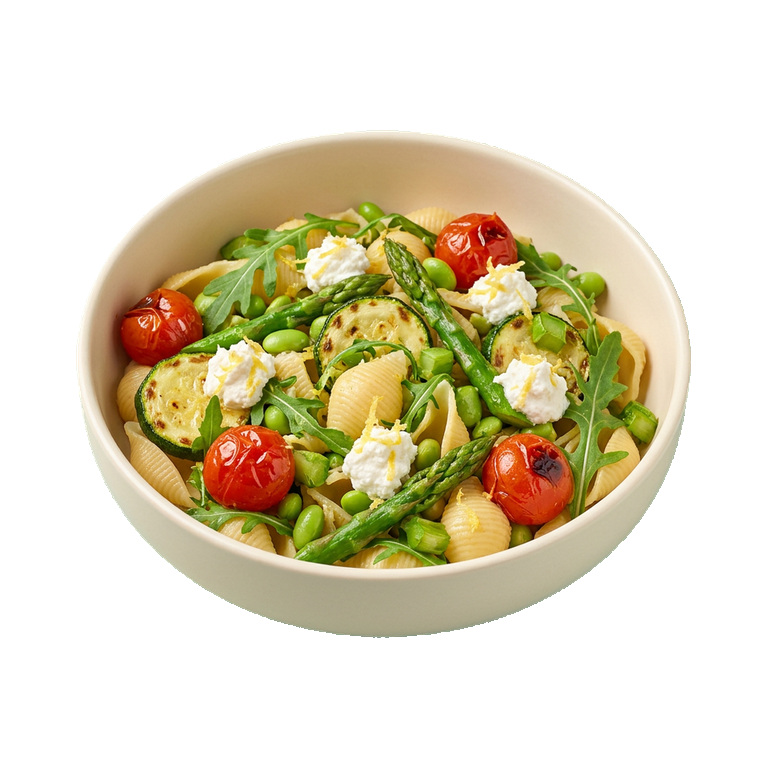
- In pastas and risotto, add at the end of cooking — it requires no boiling and gives the dish a fresh, contrasting flavor
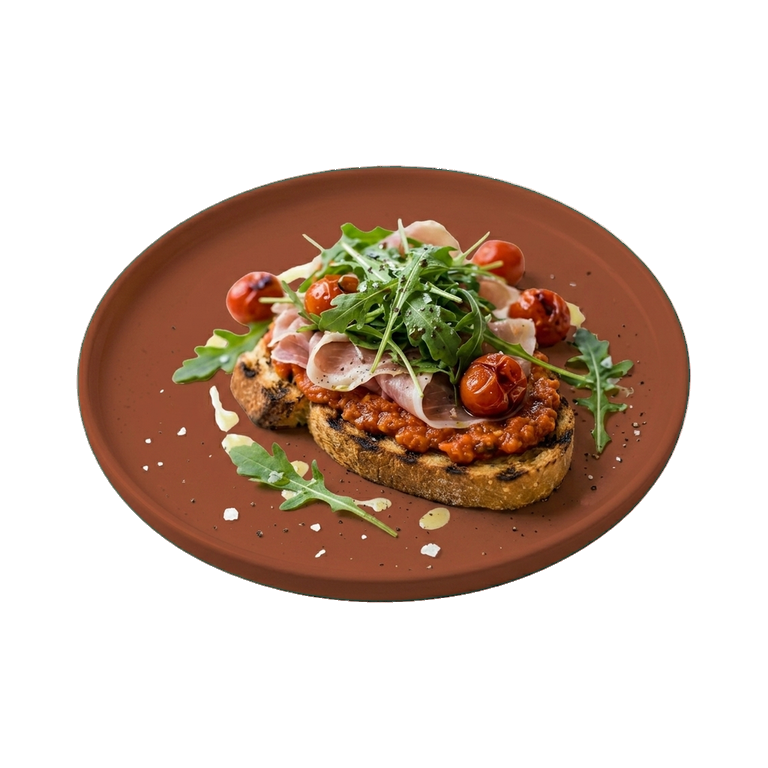
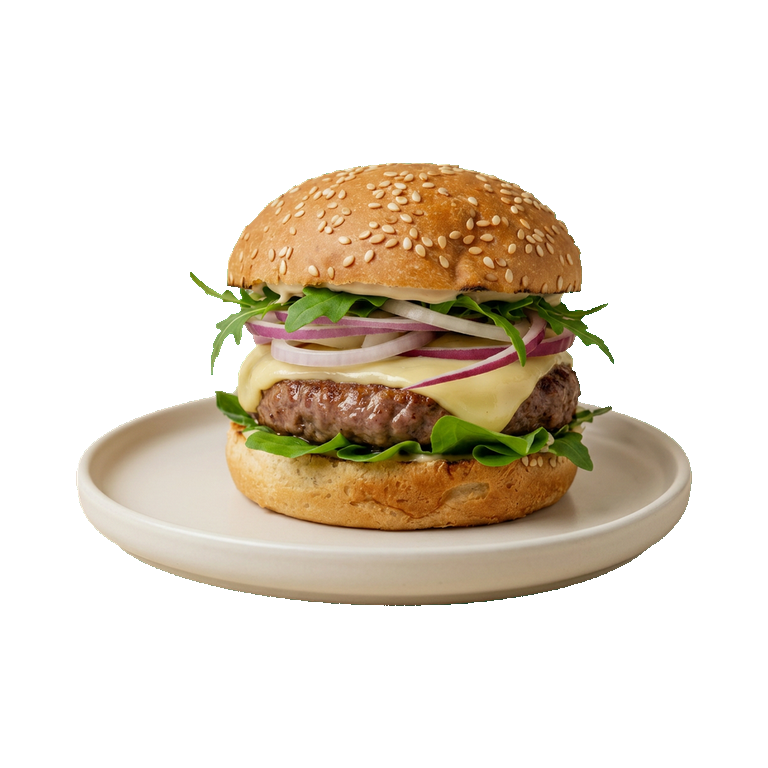
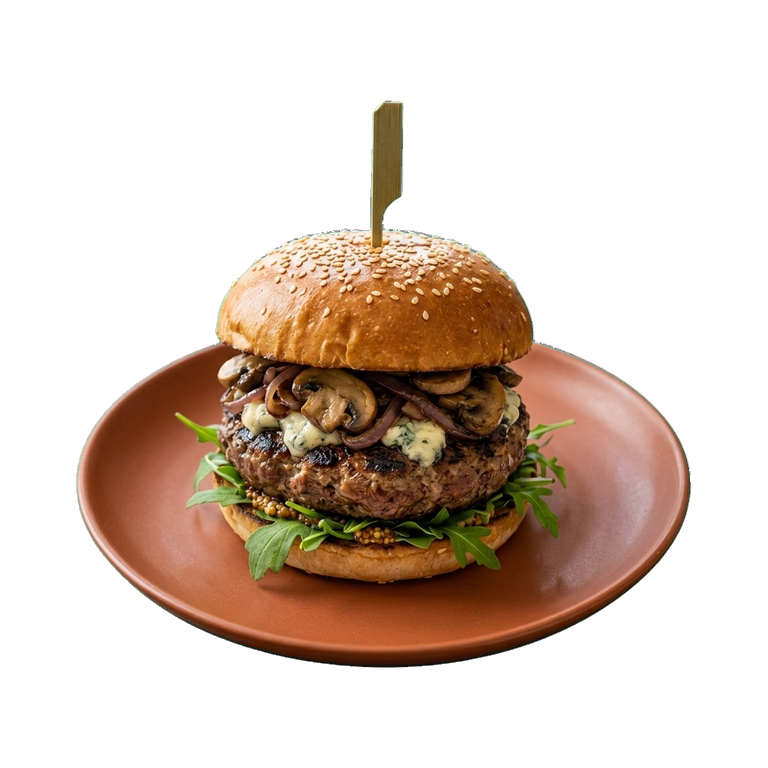
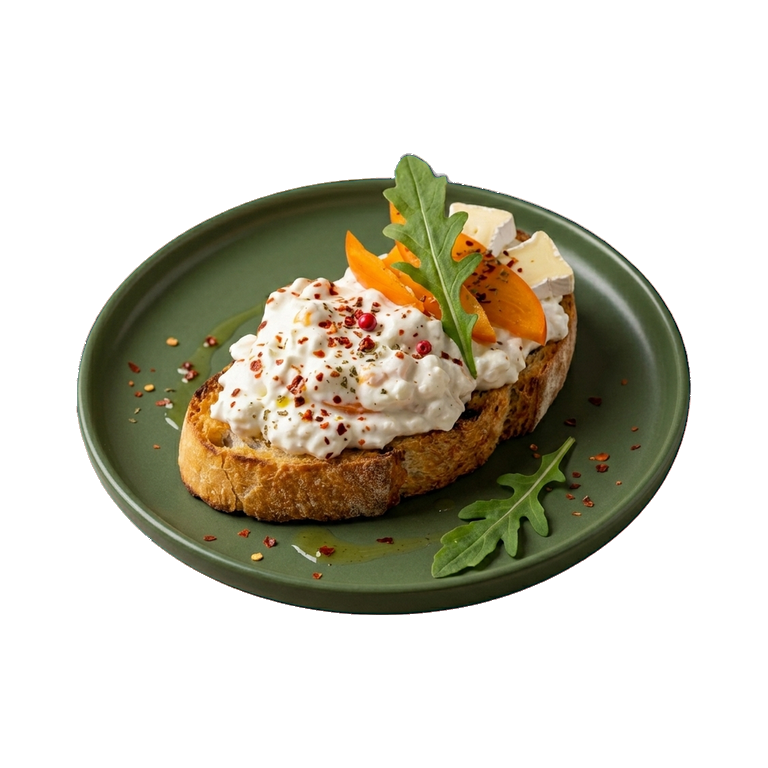
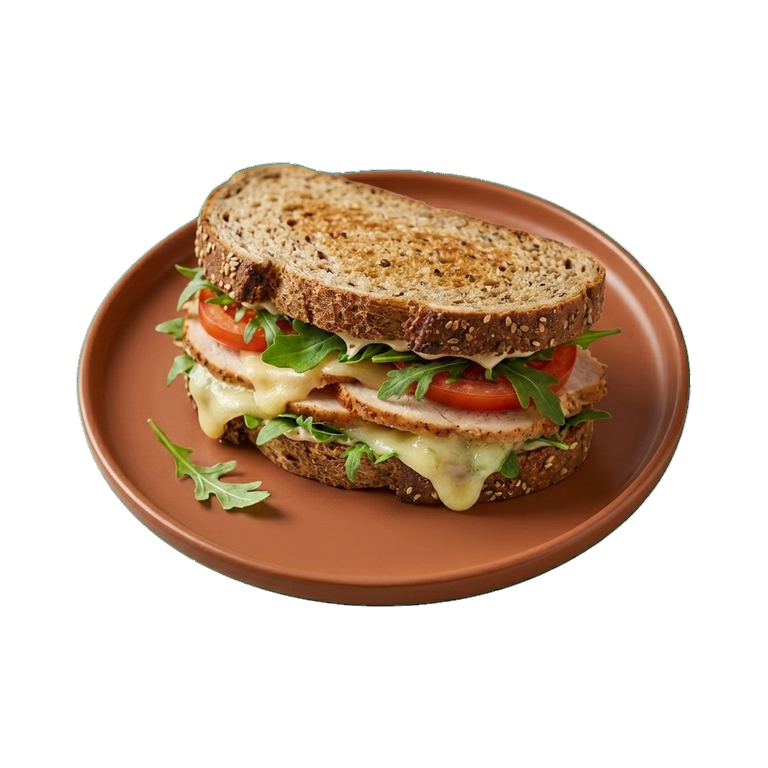
- On sandwiches and in wraps — instead of regular lettuce, with greater expressiveness
- In creamy soups or vegetable soups — add to the bowl before serving for aroma
Perfect Pairings
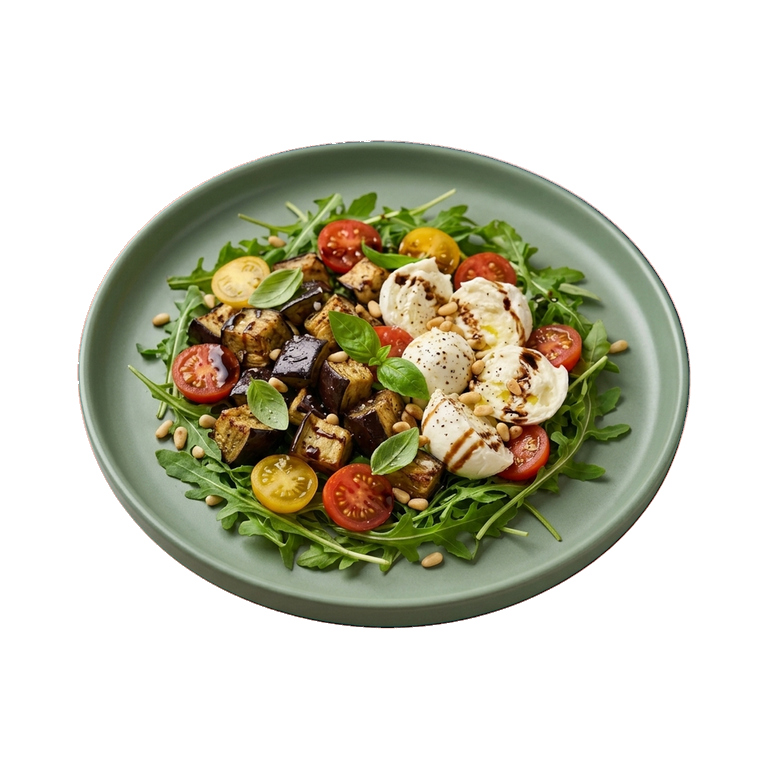
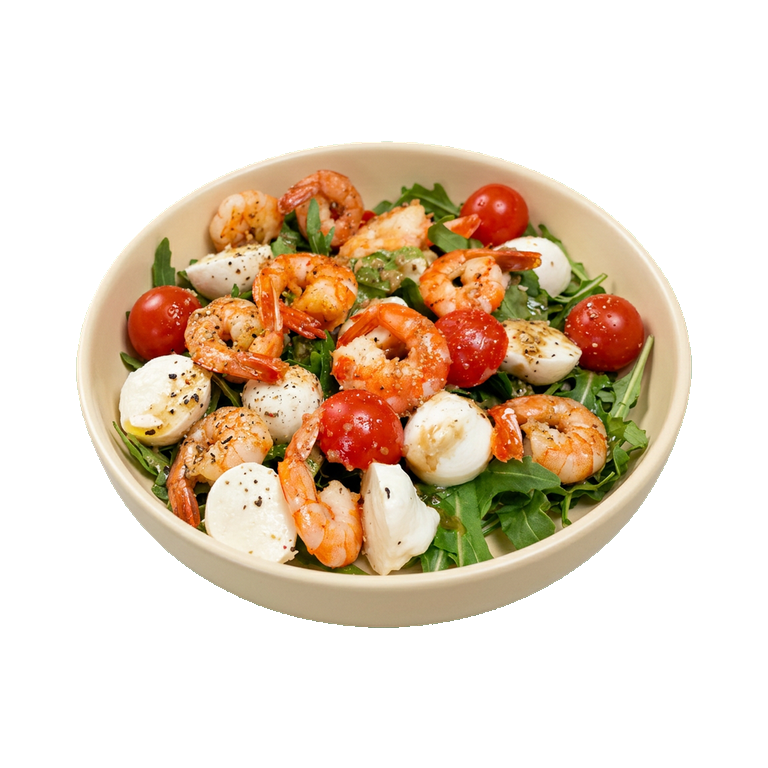
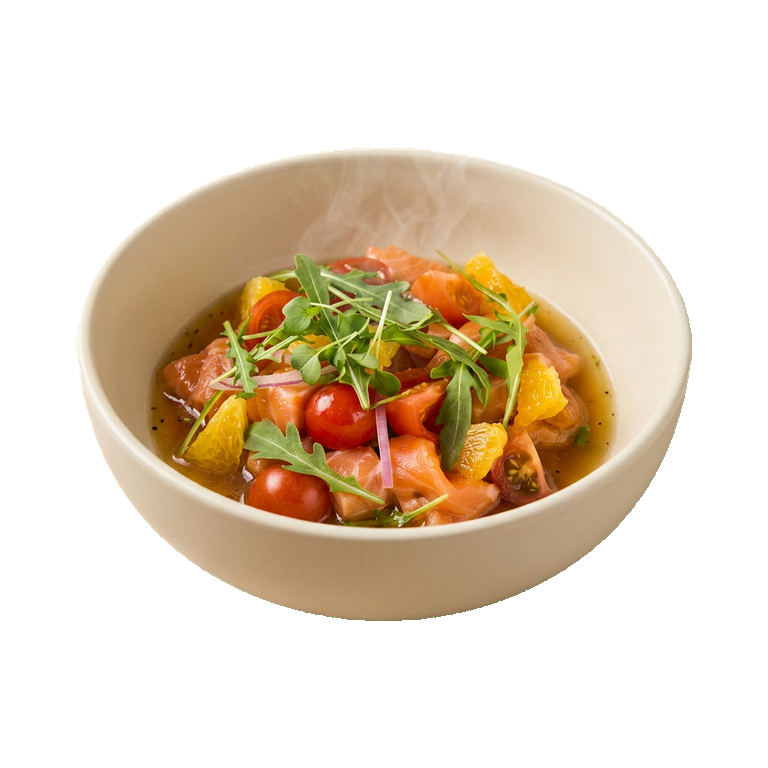
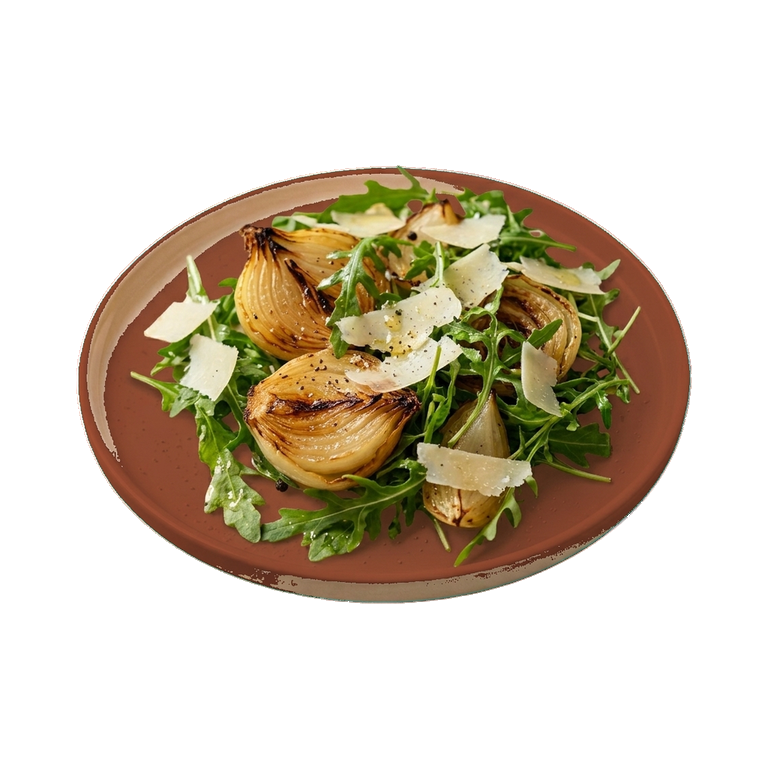
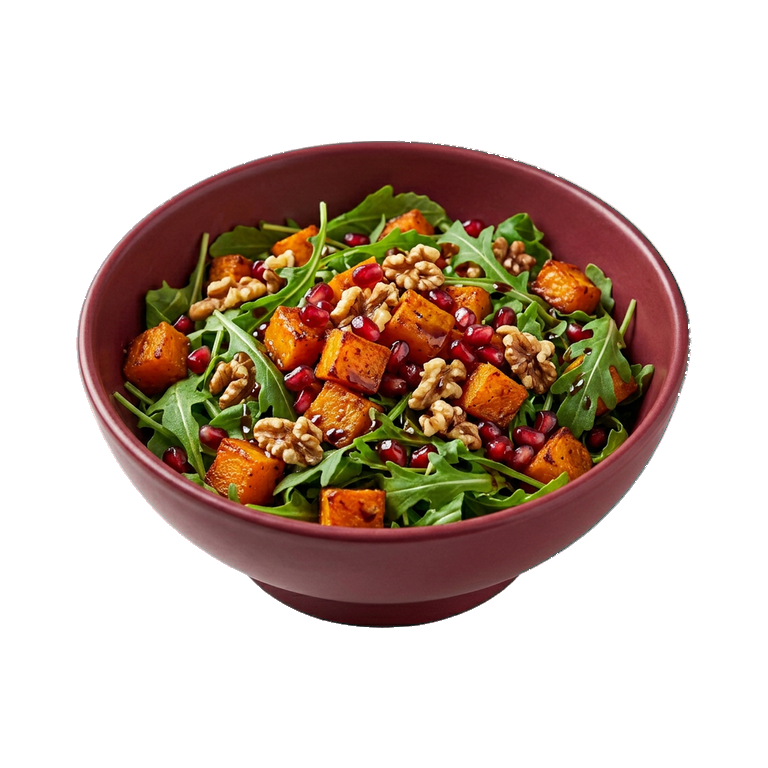
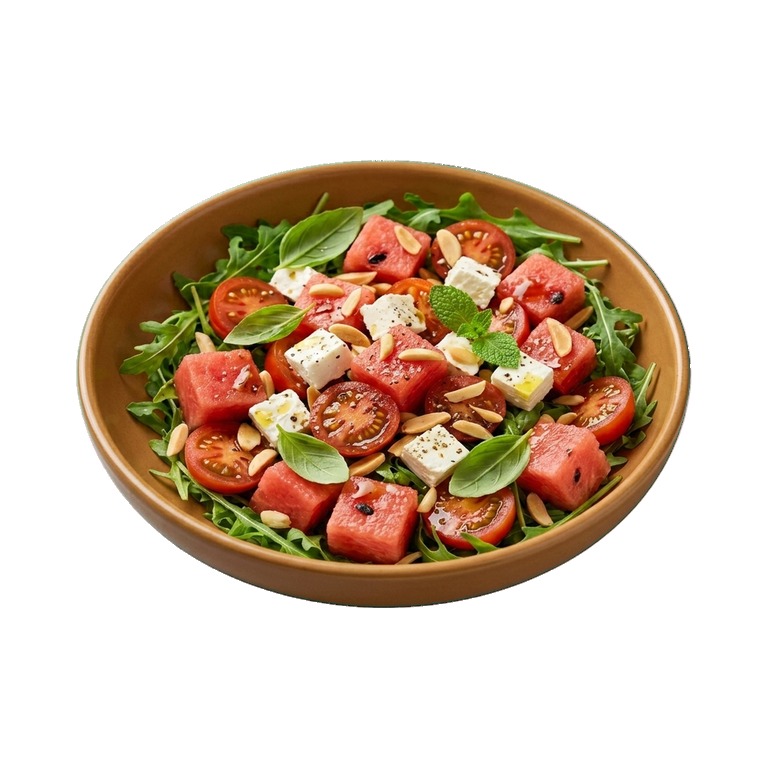
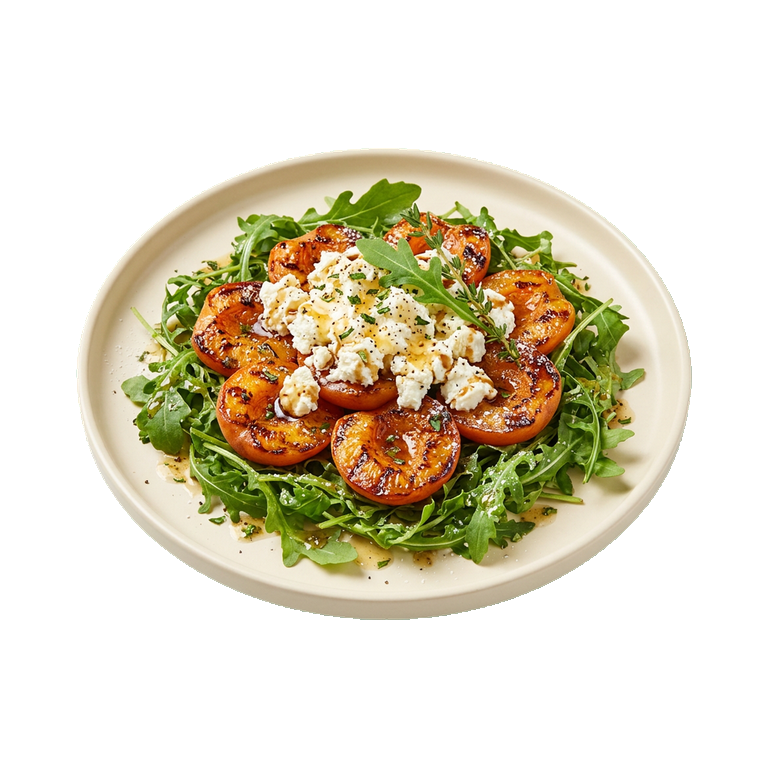
Arugula loves acidic notes — lemon juice, vinegar, sour berries. With soft cheeses — ricotta, mozzarella, parmesan — it creates classic harmonies. It pairs well with nuts: pine nuts, walnuts, almonds. The sharpness of the greens is balanced by the sweetness of pear, apple, orange. Olive oil highlights its nutty character.
Selection and Storage
- Choose fresh, bright green arugula without yellow or darkened leaves
- Leaves should be firm and crisp, not wilted — this is a sign of freshness
- Store in the refrigerator in a container or wrapped in a damp towel — 3–5 days maximum
- Do not wash before storage to avoid excess moisture and rotting
- Use young arugula from packages on the first day after purchase
Arugula is greens for the bold. It doesn't hide in a dish—it makes a statement. If you're cooking for those who prefer mild flavors, start with a small amount. But once you experience how it transforms a simple lunch, you'll become a devoted fan of it.
Nutrition
per 100 g
- Calories
- 25 kcal
- Protein
- 2.6 g
- Fat
- 0.7 g
- Carbs
- 3.7 g
Micronutrients
per 100 g
Macronutrients
- Fiber
- 1.6 g
- Sugars
- 2.05 g
- Saturated fat
- 0.086 g
- Monounsaturated fat
- 0.049 g
- Polyunsaturated fat
- 0.319 g
- Omega-3 (EPA + DHA)
- 0 g
- Cholesterol
- 0 mg
- Water
- 91.71 g
Minerals
- Sodium
- 27 mg
- Potassium
- 369 mg
- Calcium
- 160 mg
- Magnesium
- 47 mg
- Phosphorus
- 52 mg
- Iron
- 1.46 mg
- Zinc
- 0.47 mg
- Copper
- 0.08 mg
- Manganese
- 0.32 mg
- Selenium
- 0.3 mcg
Vitamins
- Vitamin A (RAE)
- 119 mcg
- Vitamin D
- 0 mcg
- Vitamin E
- 0.43 mg
- Vitamin K
- 108.6 mcg
- Vitamin C
- 15 mg
- Vitamin B1 (thiamin)
- 0.04 mg
- Vitamin B2 (riboflavin)
- 0.09 mg
- Vitamin B3 (niacin)
- 0.31 mg
- Vitamin B5 (pantothenic acid)
- 0.44 mg
- Vitamin B6
- 0.07 mg
- Vitamin B9 (folate, DFE)
- 97 mcg
- Vitamin B12
- 0 mcg
Measures and weight
- 1 bunch
- 100 g
- 1 sprig
- 5 g
- 1 stalk
- 1 g
Measure calculator
- Weight
- 100 g
- Calories
- 25 kcal