Usuba
Usuba
Semolina
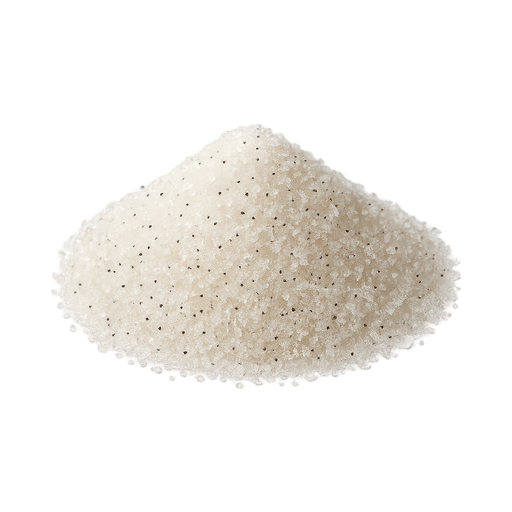
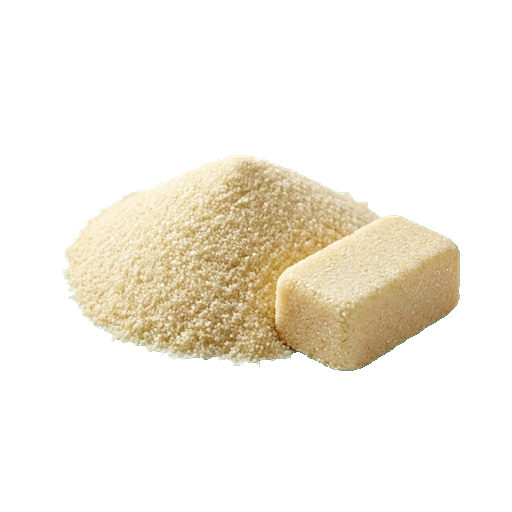
Semolina is a finely ground wheat cereal obtained from the endosperm of the grain, with a delicate texture and neutral taste. It is used for preparing porridges, casseroles, sweet and savory dishes, and also serves as a base for batter and breadcrumbs. When cooking, the cereal quickly absorbs liquid and becomes uniform, so it is important to stir constantly to avoid lumps and achieve the desired consistency.
Micronutrients
per 100 g
Minerals
About
Semolina is flour made from wheat, but not quite. It is made from medium-ground grains, leaving granules the size of sand grains. It is this structure that gives it special properties in the kitchen: it does not dissolve instantly like flour, but neither does it cook for hours like rice. This makes semolina a versatile helper for porridges, casseroles, sweet dishes, and even breading.
Texture and behavior in dishes
The main difference of semolina is that it absorbs liquid more slowly than flour, and creates a delicate, uniform consistency. When you cook the porridge, the granules swell but do not lose their shape, resulting in something between liquid and thick. As semolina porridge cools, it often becomes denser — this is normal and is used in classic casseroles.
Where semolina works best
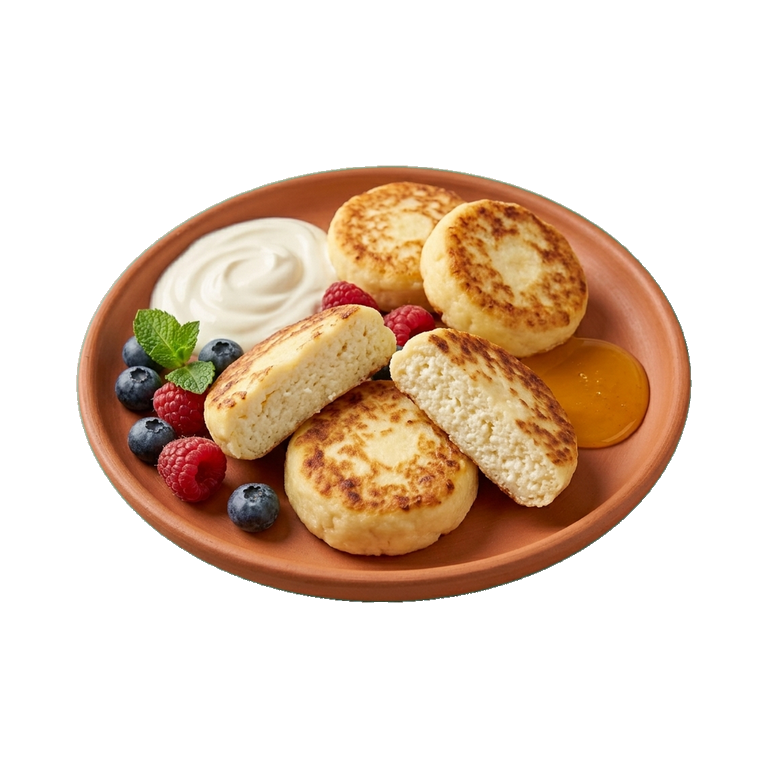
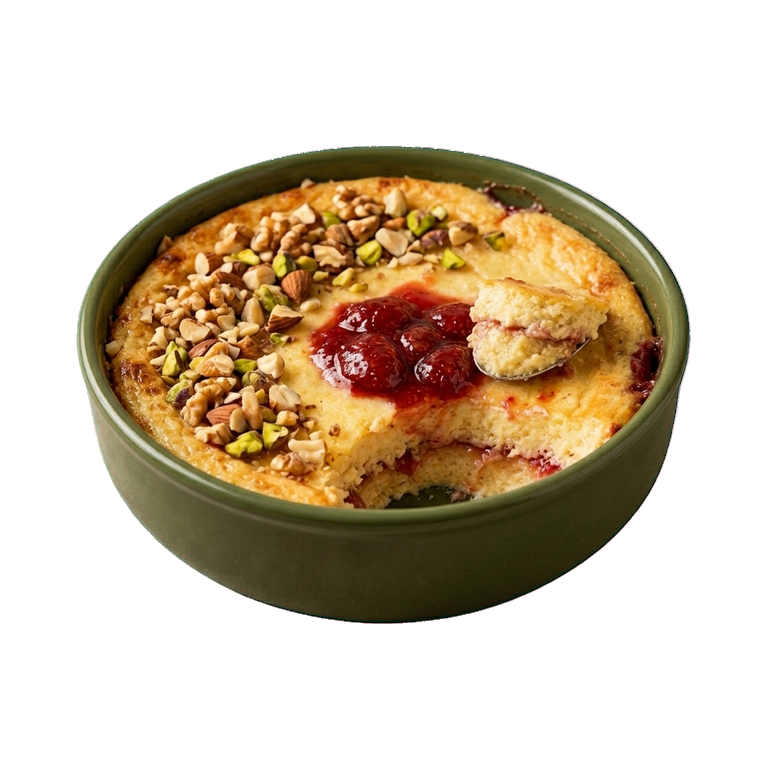
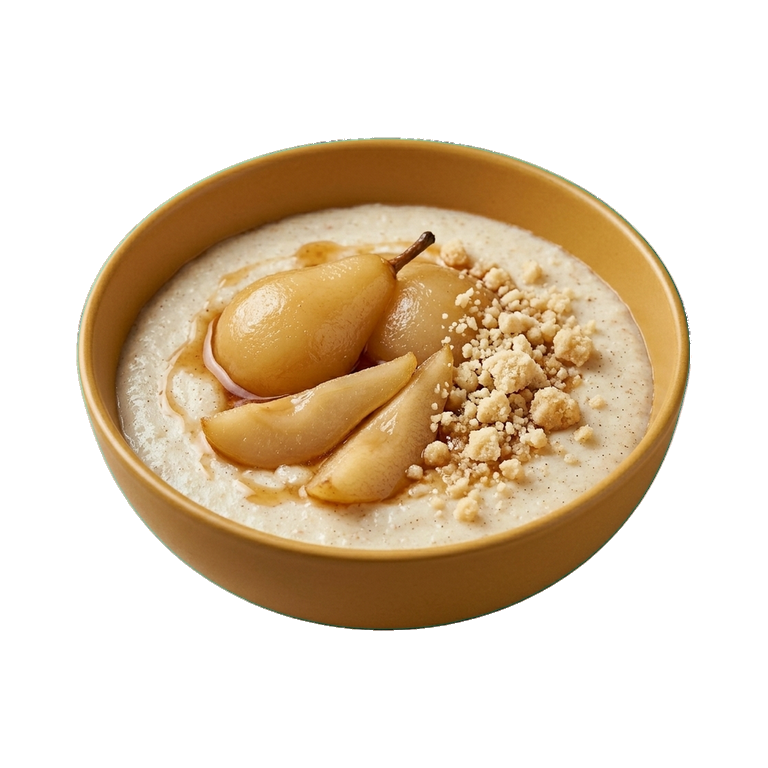
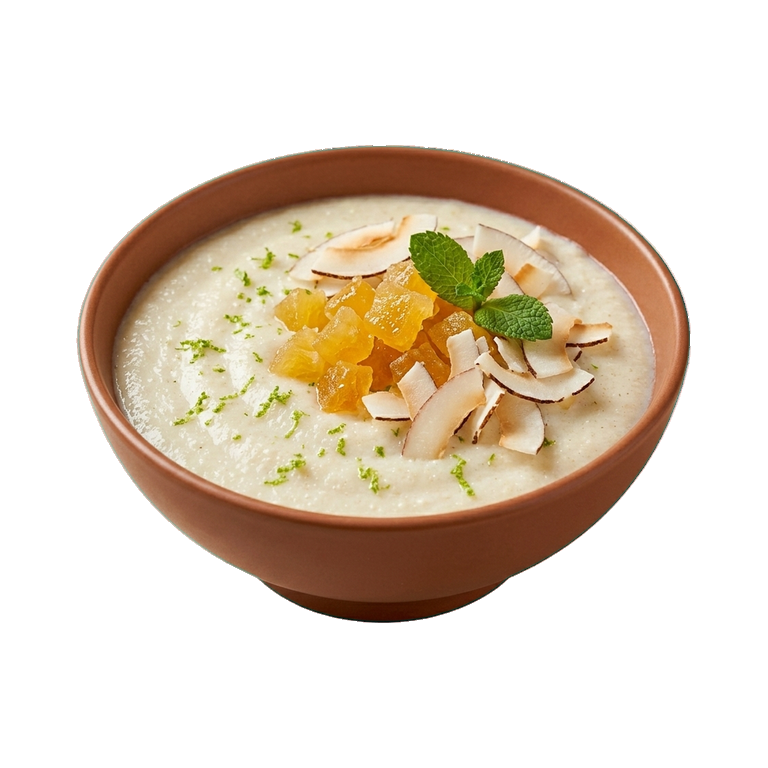
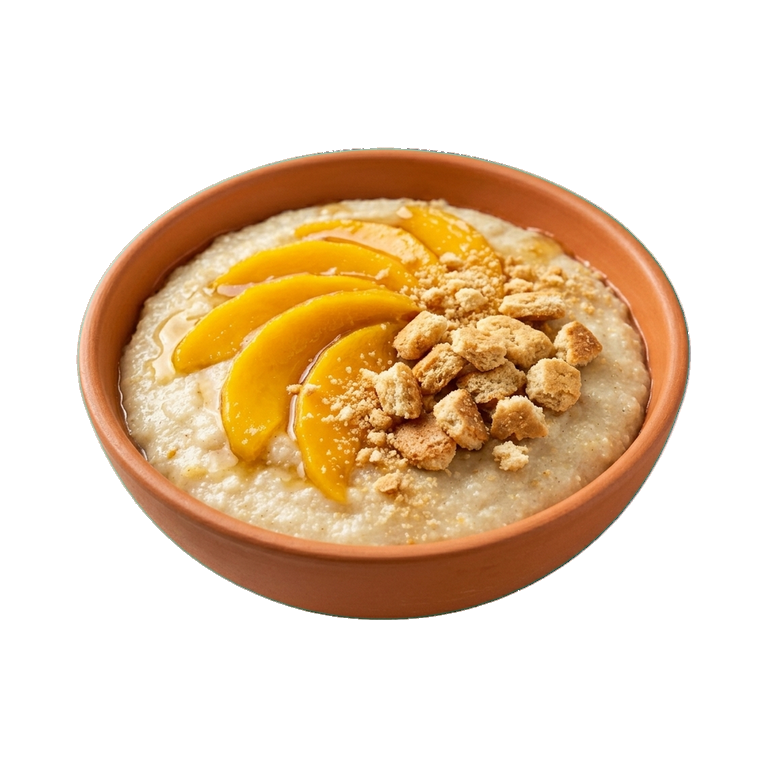
- Porridges — classic semolina porridge with milk, with fruits, with jam. Cooks quickly, without lumps, if you follow the proportions.
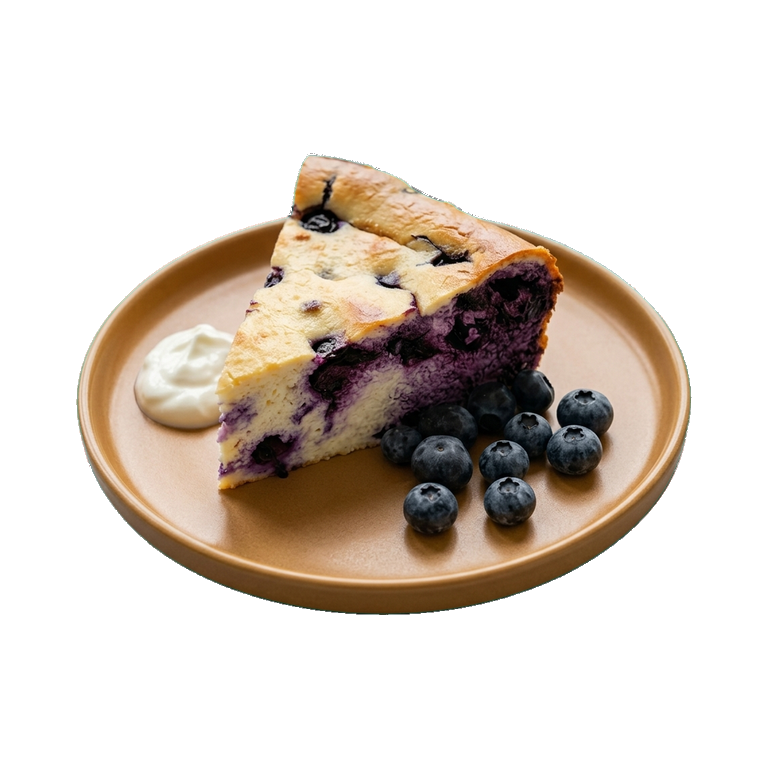
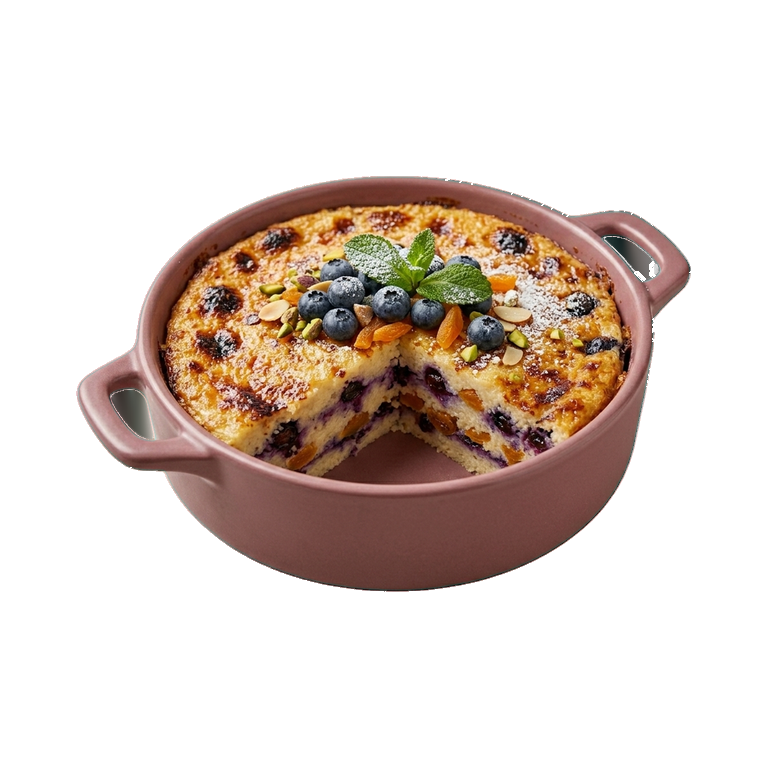
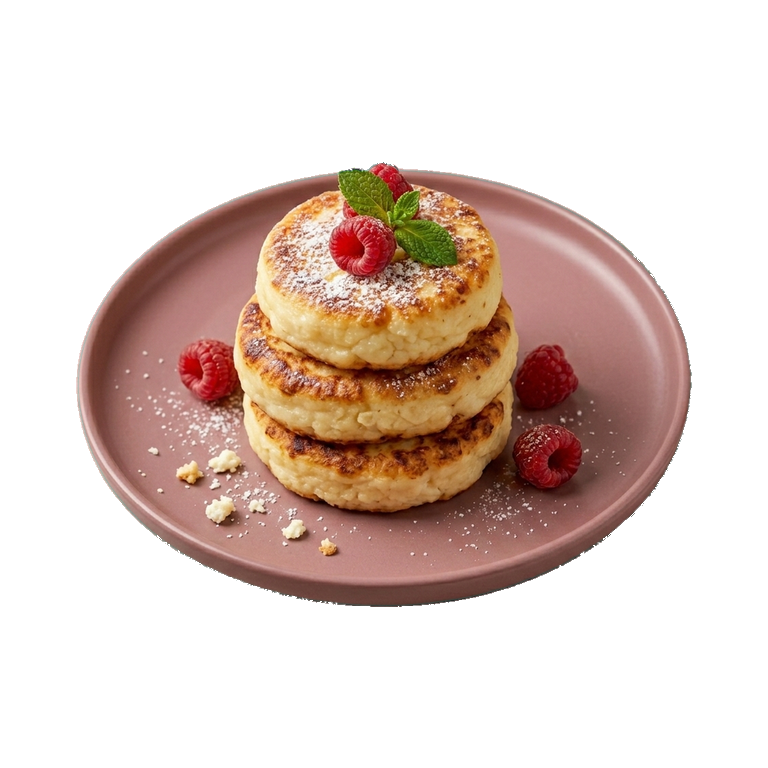
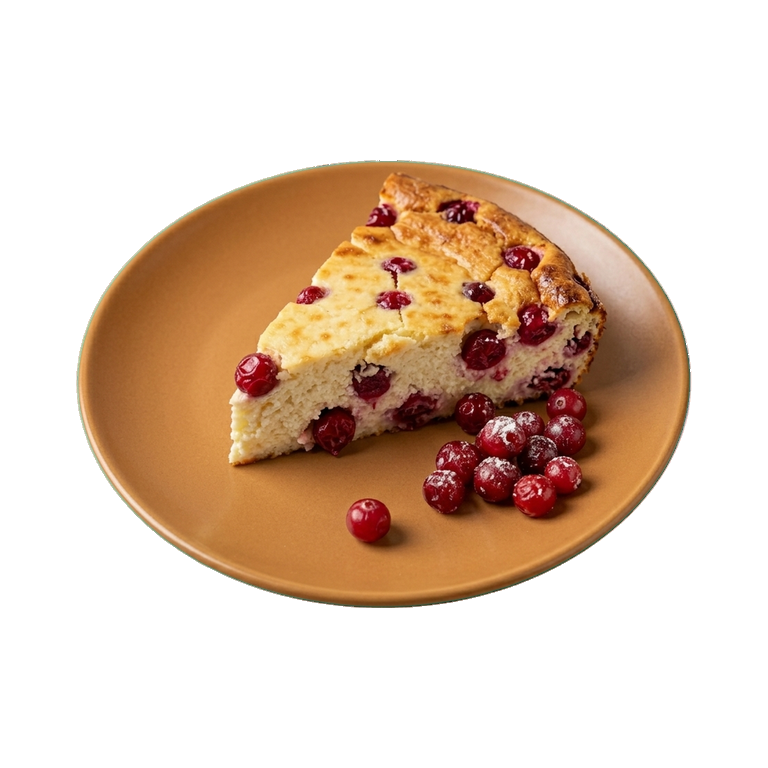
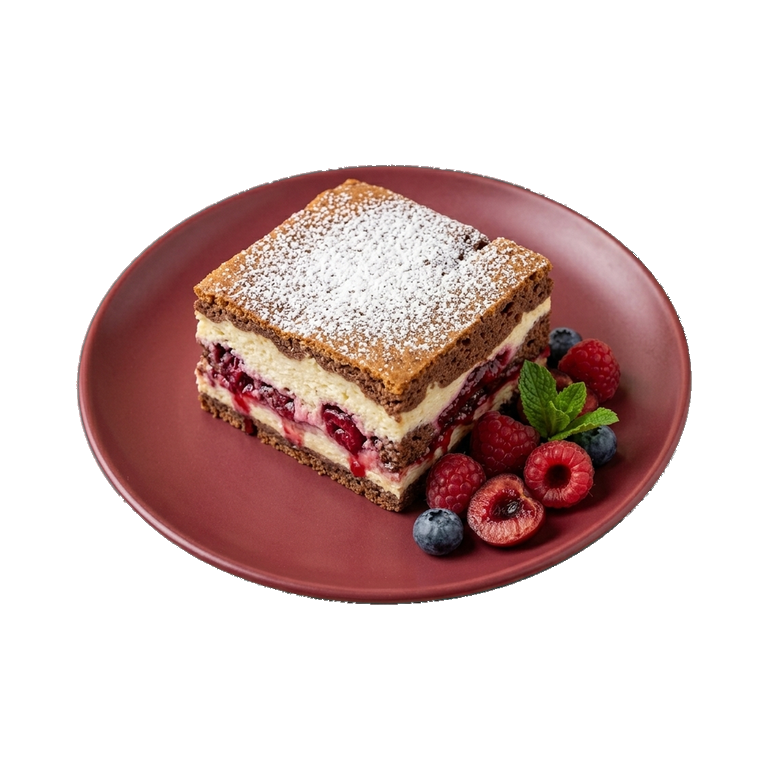
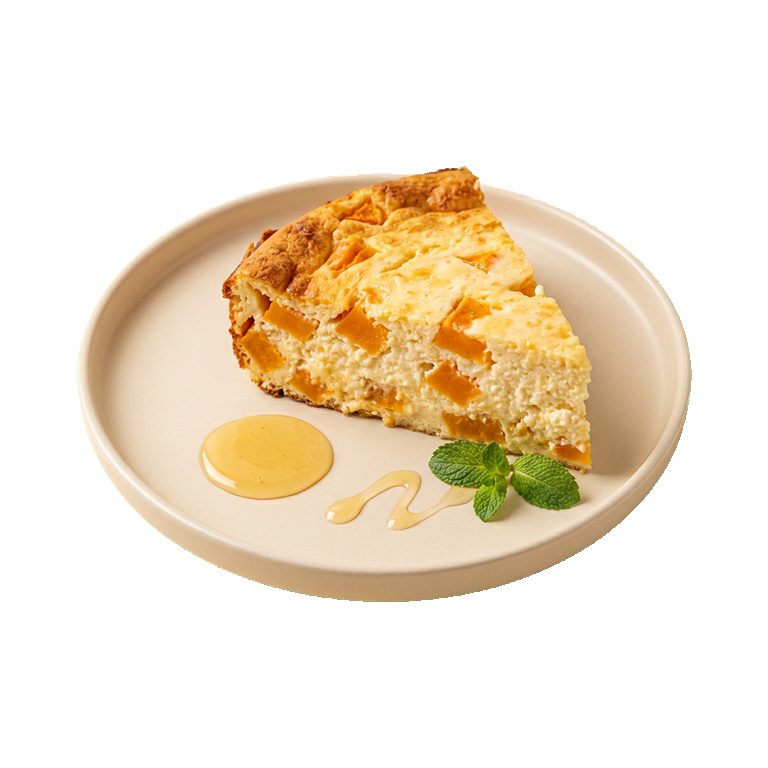
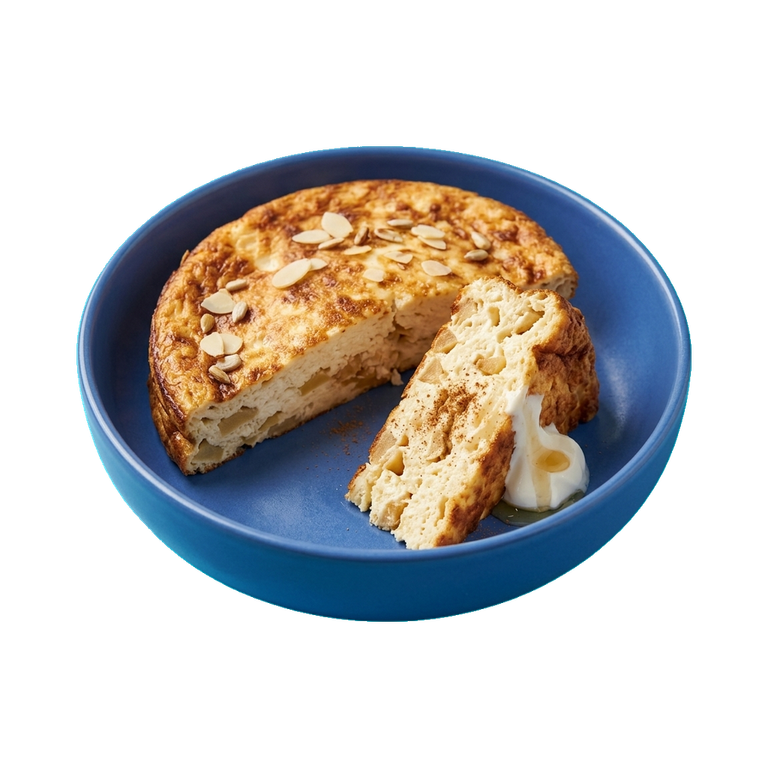
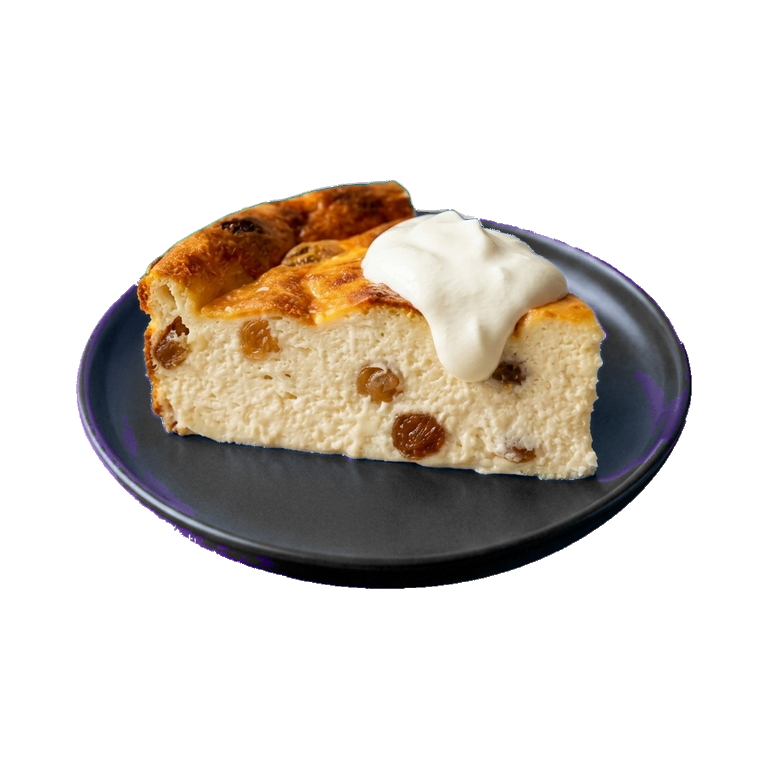
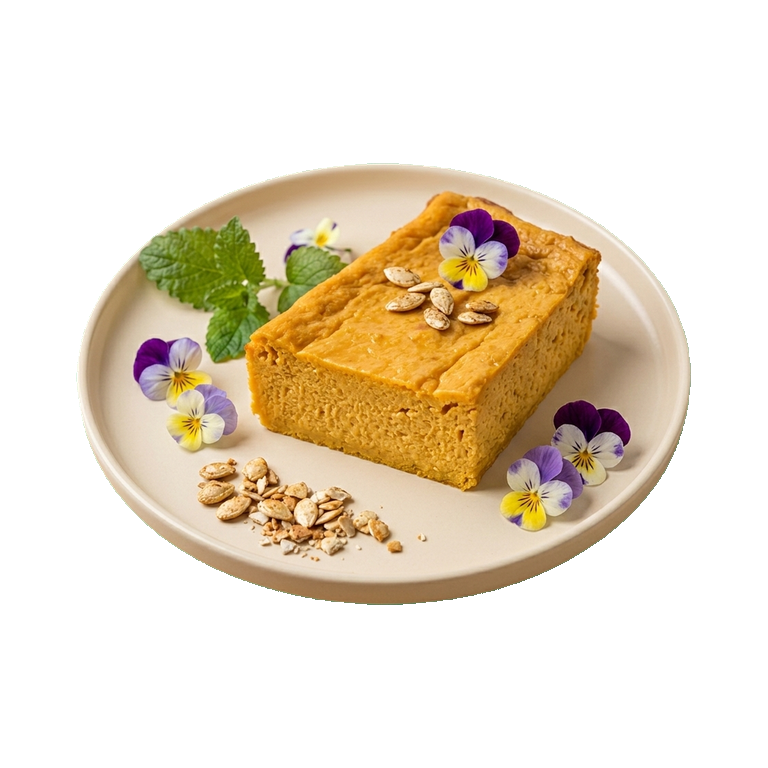
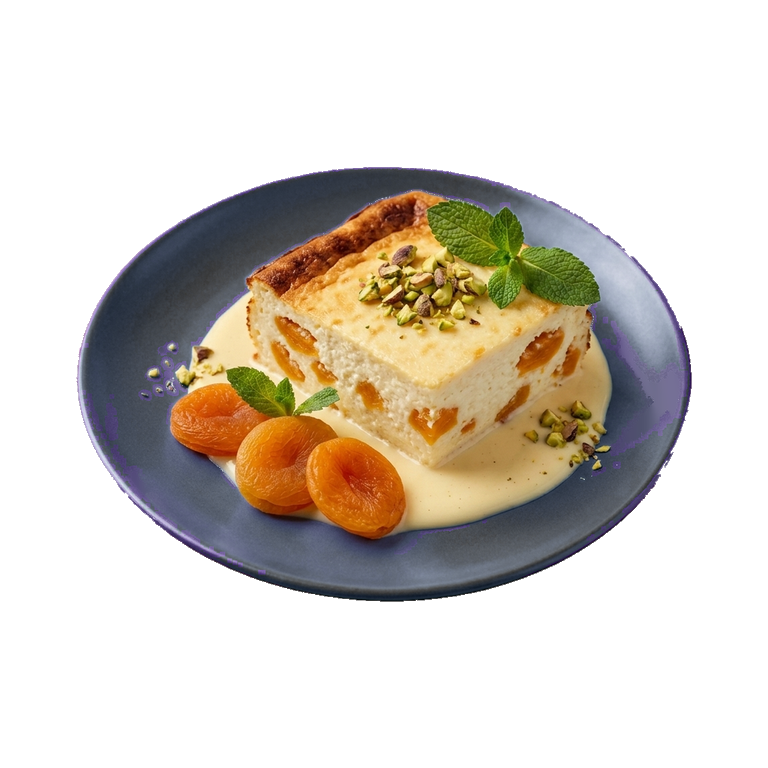
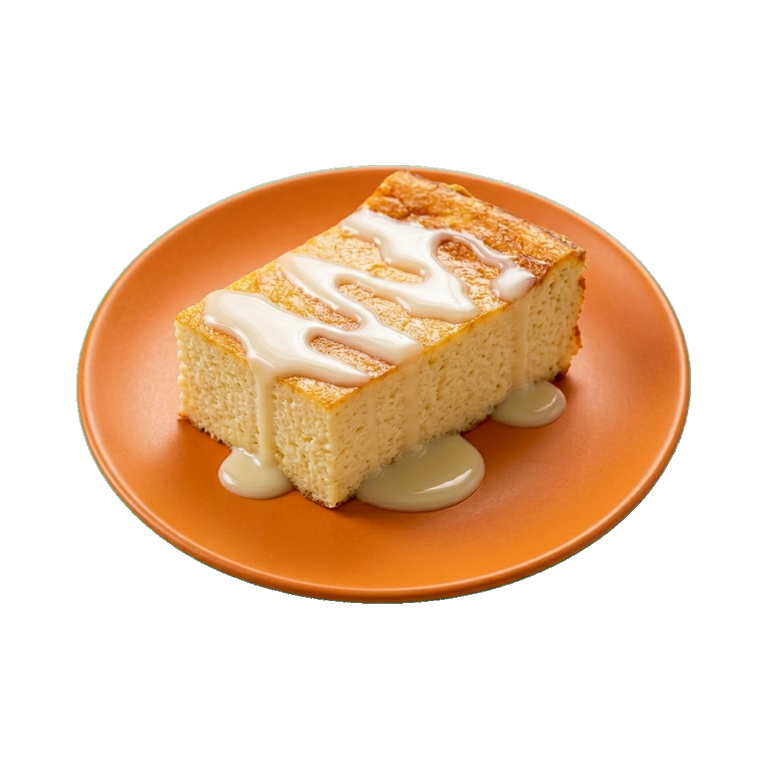
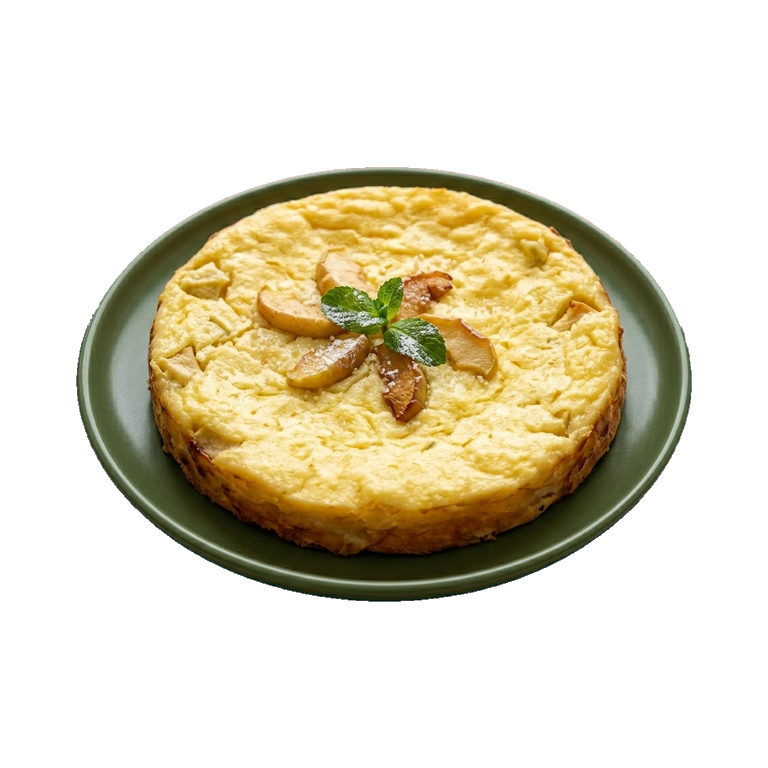
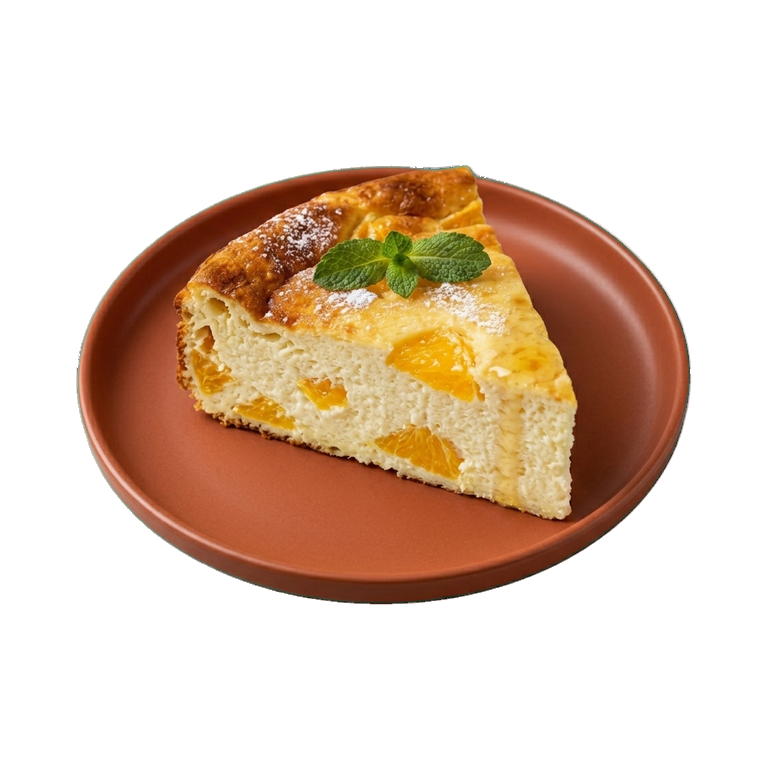
- Casseroles — cooled porridge is cut, layered and baked. Semolina holds its shape and doesn't fall apart.
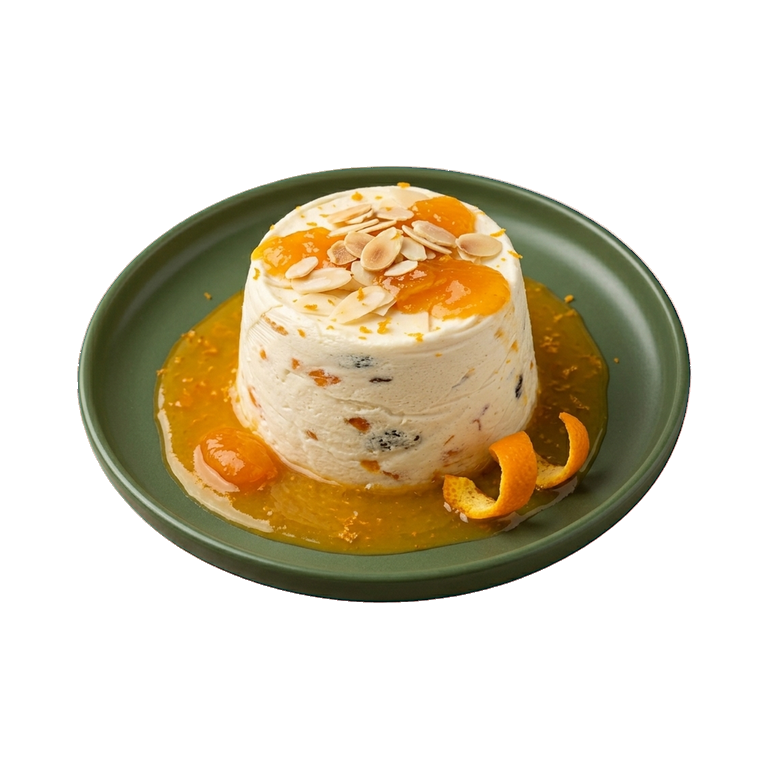
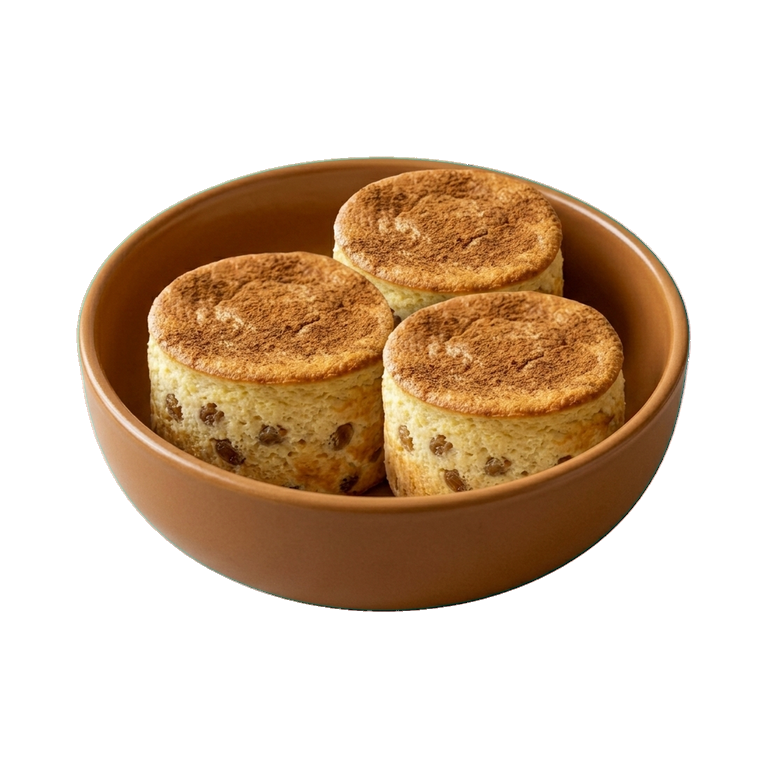
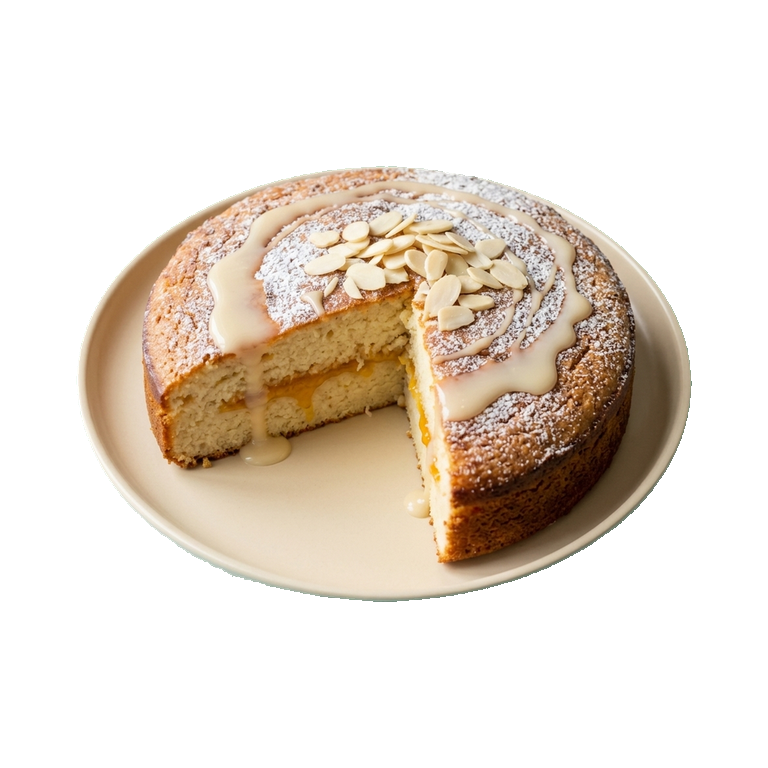
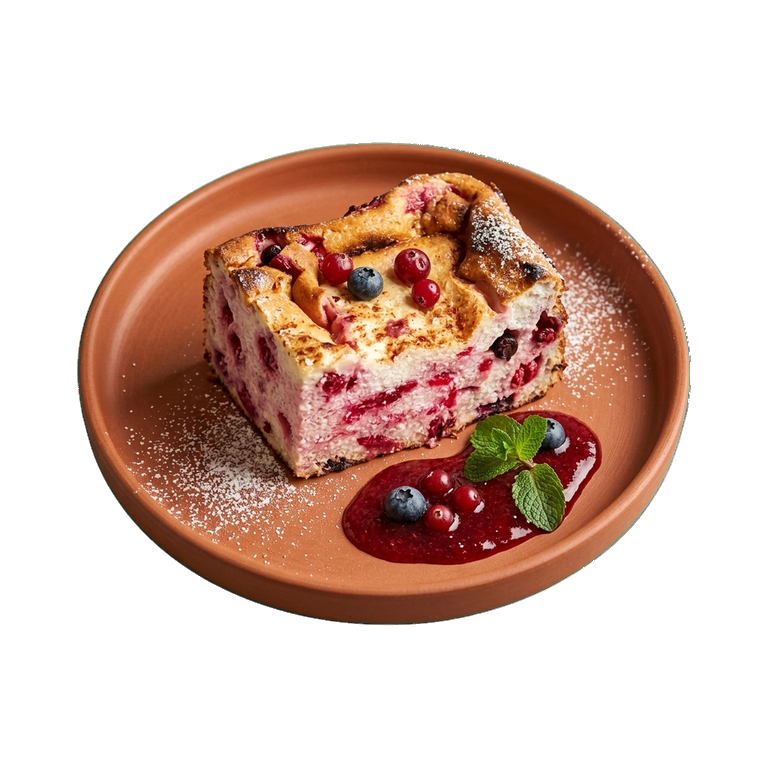
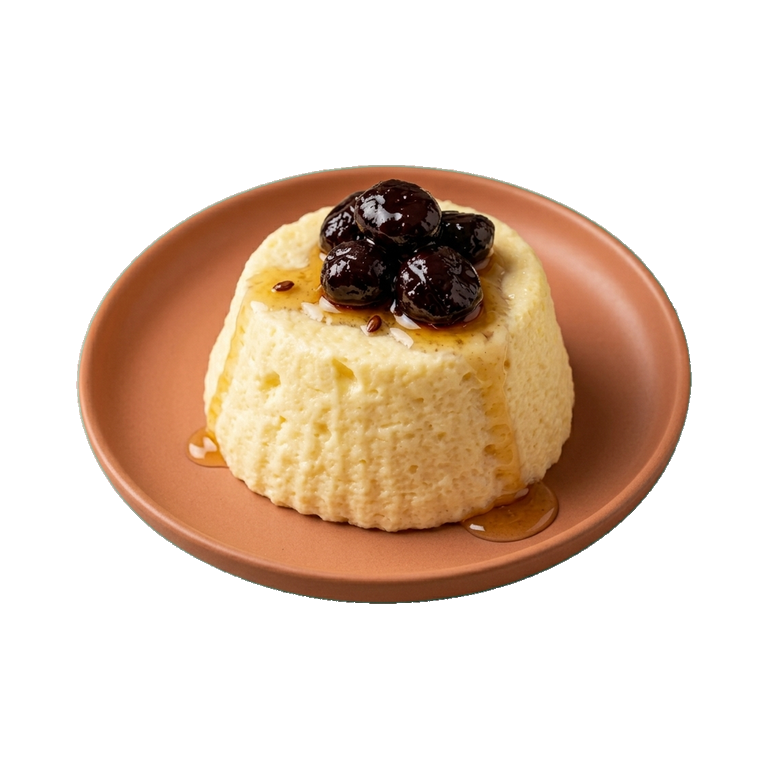
- Sweet puddings and soufflés — semolina gives airiness and tenderness due to even distribution in the dough.
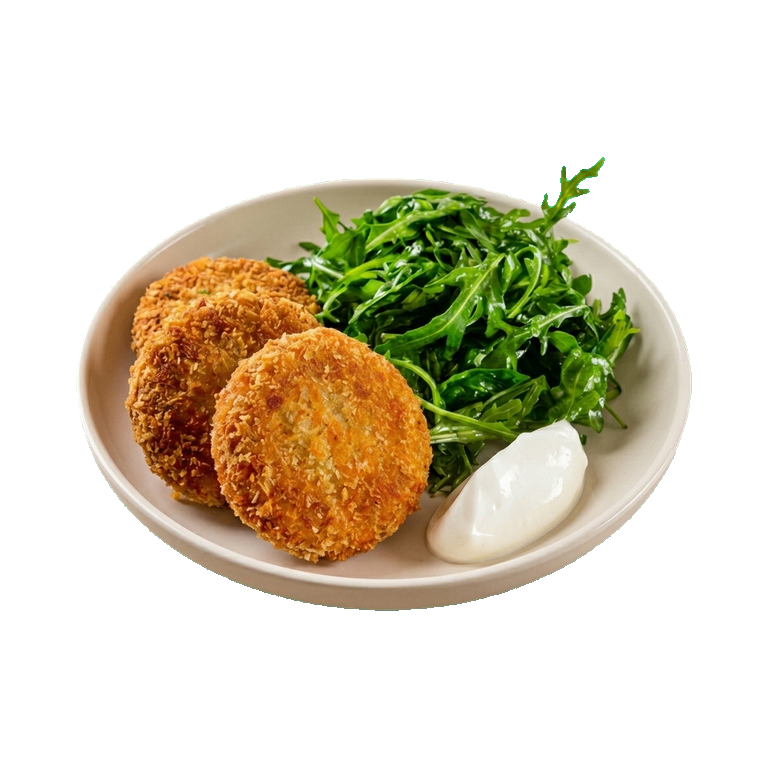
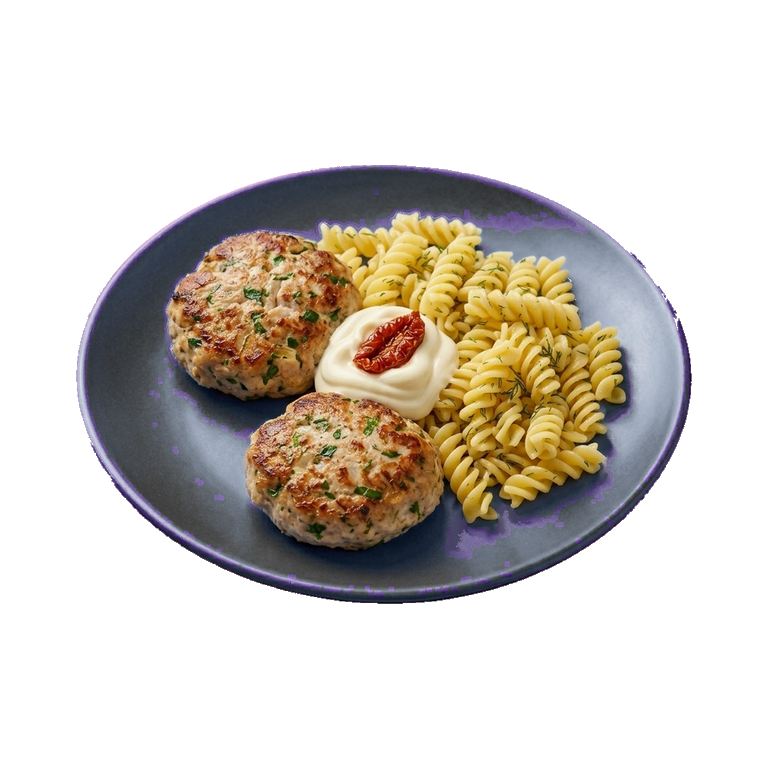
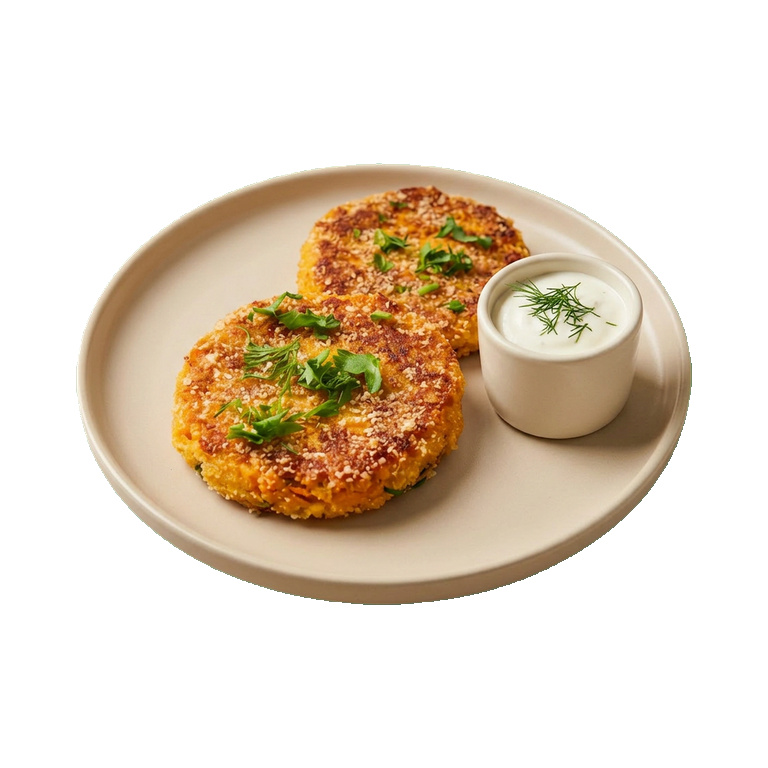
- Breading — fine grains stick well to cutlets, fish, vegetables, creating a crispy crust.
- Dumplings and gnocchi — semolina binds the dough, makes it more elastic and airy.
Proportions and Technique
For milk porridge, the standard proportion is one part semolina to four parts liquid. Important point: do not pour the cereal into boiling milk all at once. Mix it in cold water or milk separately to avoid lumps. Then slowly pour this mixture into the boiling liquid, stirring constantly. The porridge cooks for only 2–3 minutes.
Selection and Storage
- Choose semolina without the smell of mold and dampness — this is a sign of improper storage.
- The grains should be crumbly, without lumps or clumping.
- Color — cream-white or slightly yellowish depending on the wheat variety.
- Store in a tightly sealed container in a cool, dry place. Semolina stores for a long time, but it's best to use it within a year.
Pairings and Flavor Companions
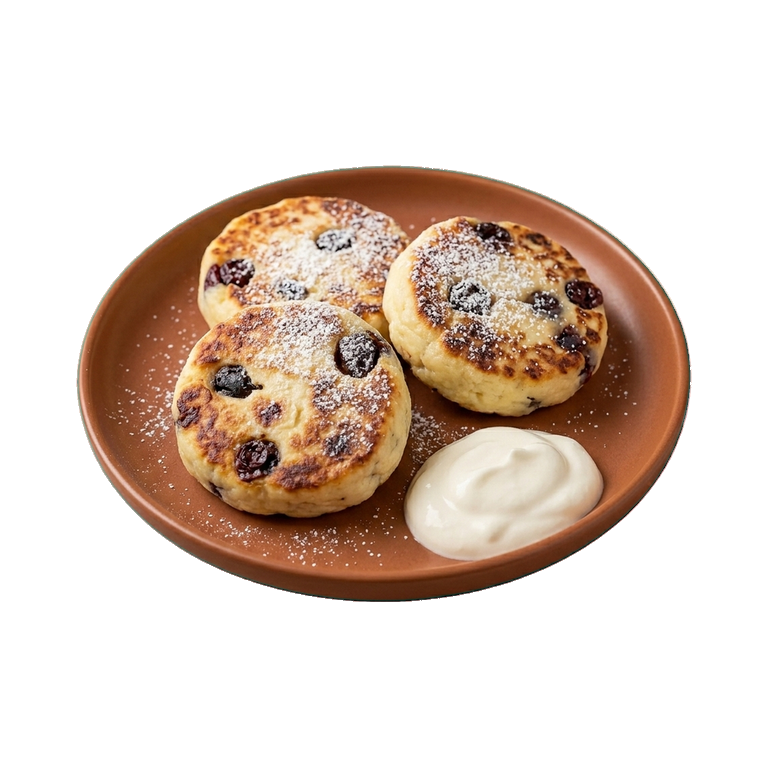
Semolina is neutral by itself, so it easily takes on the flavors of neighboring ingredients. With milk and sugar — a classic sweet porridge. With salt, butter, and broth — a base for a side dish. Works well with cinnamon, vanilla, cocoa, and condensed milk. In casseroles, it pairs excellently with cottage cheese, eggs, and berries. In breadcrumbs, it can complement flour or work on its own.
Semolina is not a complicated ingredient, but a convenient one. If you are afraid of lumps, remember: the main rule is one — mix the cereal in cold liquid before adding to hot.
Nutrition
per 100 g
- Calories
- 328 kcal
- Protein
- 10.3 g
- Fat
- 1.1 g
- Carbs
- 67.3 g
Micronutrients
per 100 g
Macronutrients
- Fiber
- 3.683 g
- Water
- 12.11 g
Minerals
- Sodium
- 0.43 mg
- Potassium
- 207.8 mg
- Calcium
- 19.76 mg
- Magnesium
- 46.28 mg
- Phosphorus
- 163.1 mg
- Iron
- 2.43 mg
- Zinc
- 1.24 mg
- Copper
- 0.29 mg
- Manganese
- 0.84 mg
- Selenium
- 44.1 mcg
Vitamins
- Vitamin B1 (thiamin)
- 0.7 mg
- Vitamin B2 (riboflavin)
- 0.34 mg
- Vitamin B3 (niacin)
- 5.6 mg
- Vitamin B6
- 0.11 mg
Measures and weight
- 1 tbsp
- 12 g
- 1 tsp
- 4 g
- 1 cup
- 200 g
Measure calculator
- Weight
- 100 g
- Calories
- 328 kcal