Usuba
Usuba
Bacon
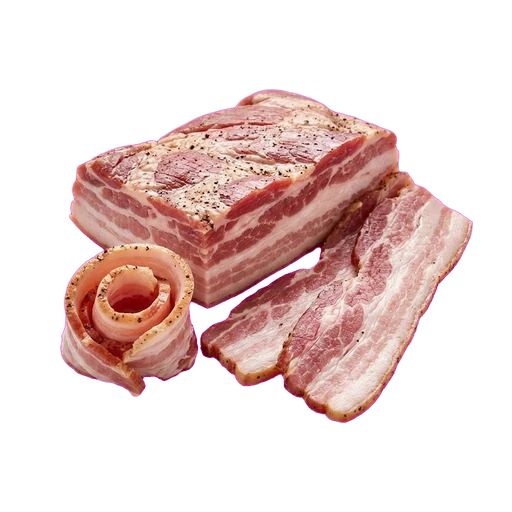
Smoked pork meat with fat layers that has an intense smoky aroma and salty taste with a slight sweetness. Bacon is used as a standalone dish, added to salads, soups, pasta, and casseroles to impart a rich meaty flavor and crispy texture. When choosing, pay attention to uniform color and smoke aroma, and when substituting, you can use prosciutto, pancetta, or smoked brisket depending on the desired intensity of flavor.
Micronutrients
per 100 g
Minerals
About
What is bacon and why chefs love it
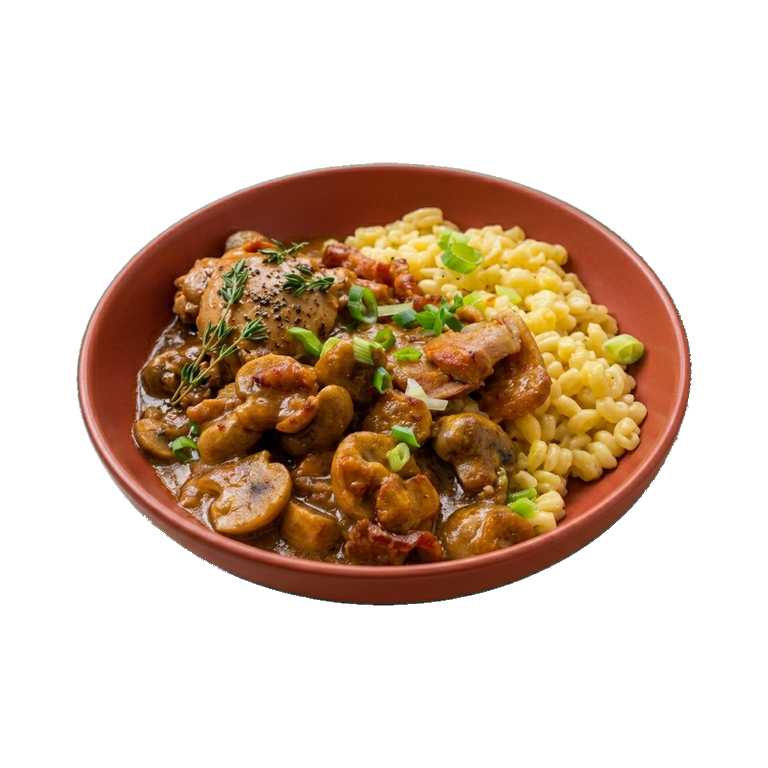
Bacon is smoked pork that has transformed from ordinary meat into one of the most versatile ingredients in the kitchen. Its strips of fat and meat, cured with smoke and salt, create a distinctive aroma and crispy texture that is recognized at first smell. When bacon is cooked in a pan, it becomes crispy, releases aromatic oils, and adds depth to any dish.
The taste of bacon is a complex composition: saltiness, smoky bitterness, subtle sweetness, and rich meaty undertones. The intensity depends on the smoking method and aging time. Thick strips of fat add creaminess to dishes, while the meat portion provides structure and satiety.
How to use bacon in cooking
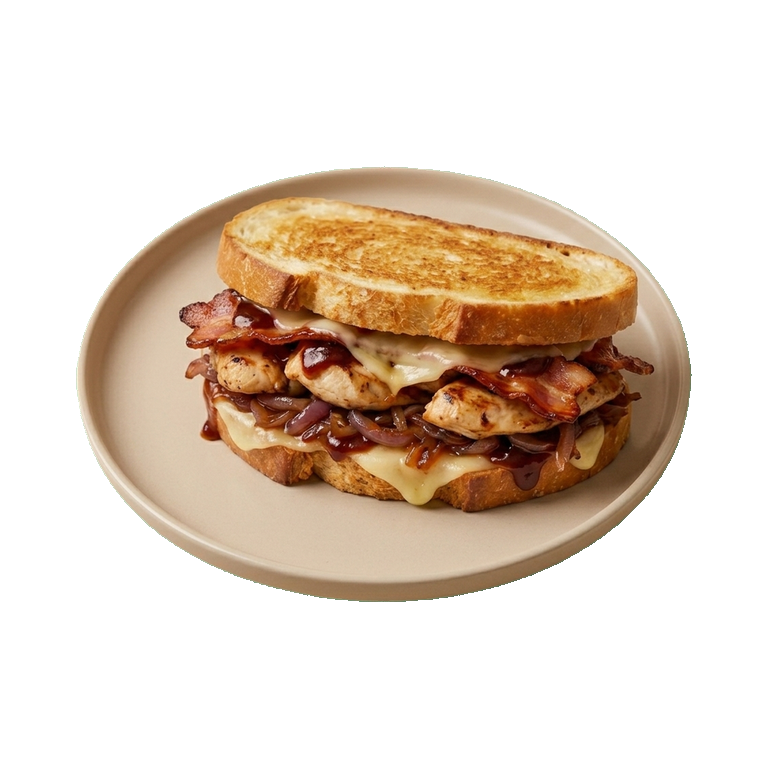
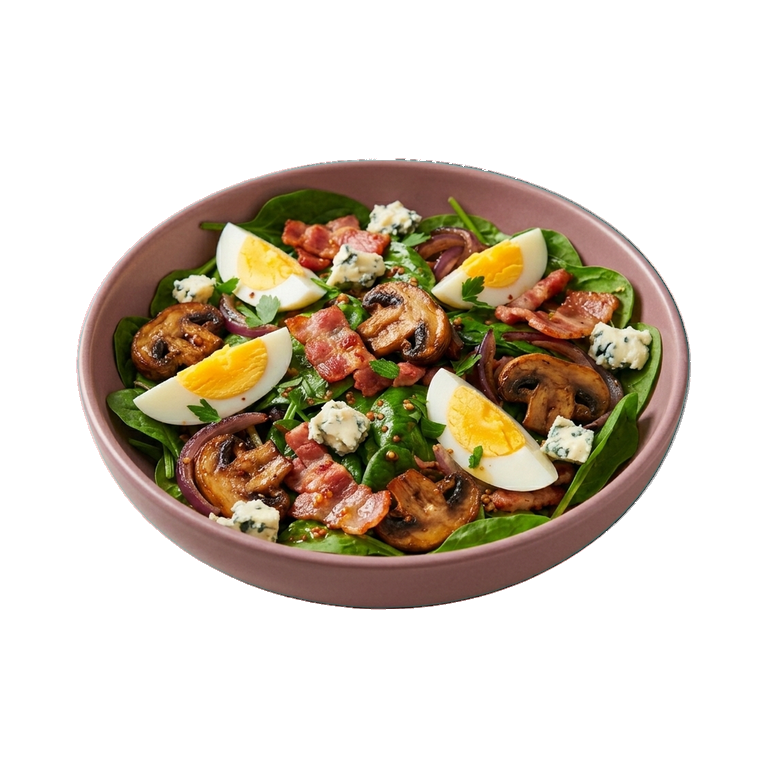
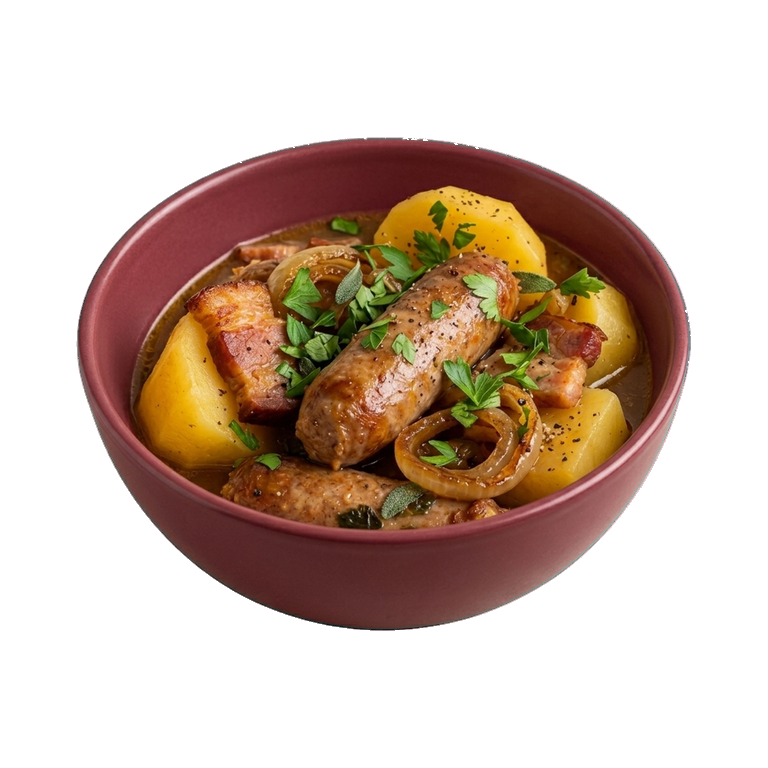
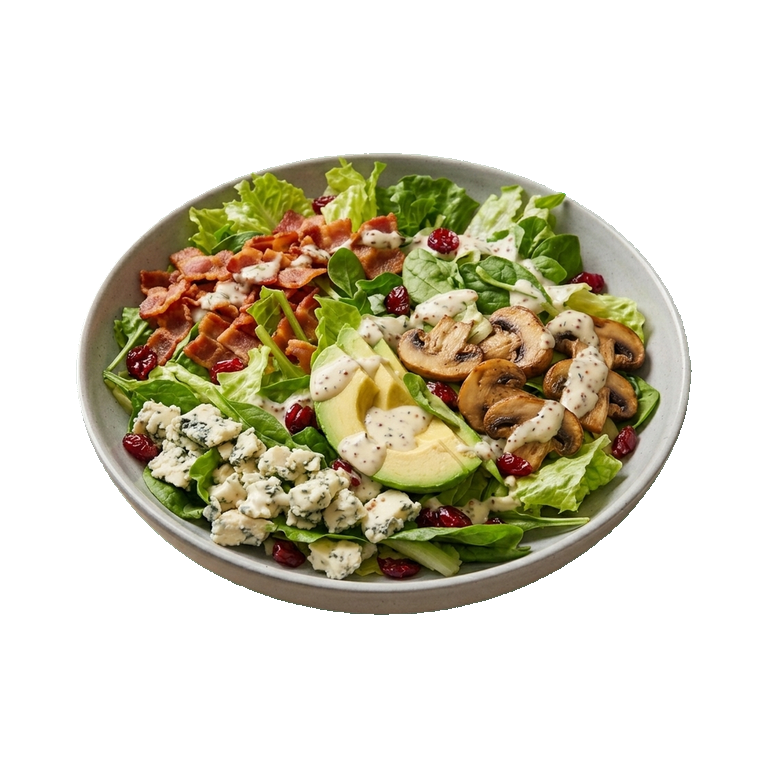
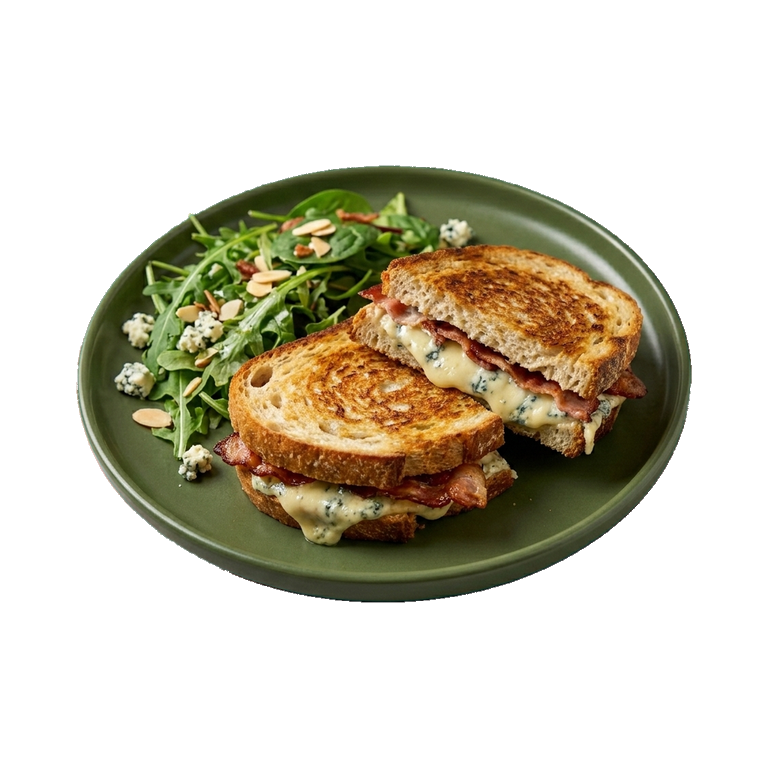
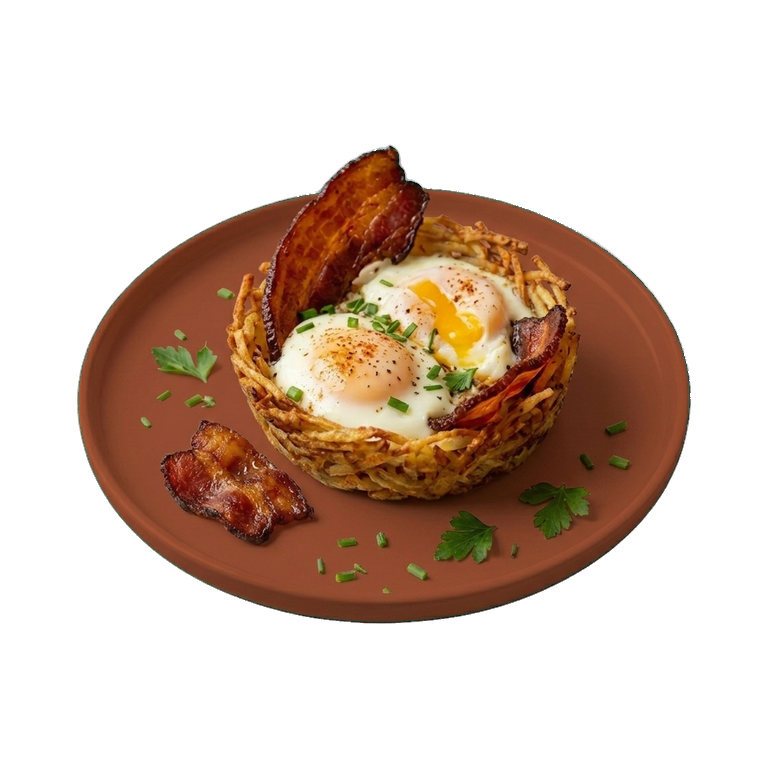
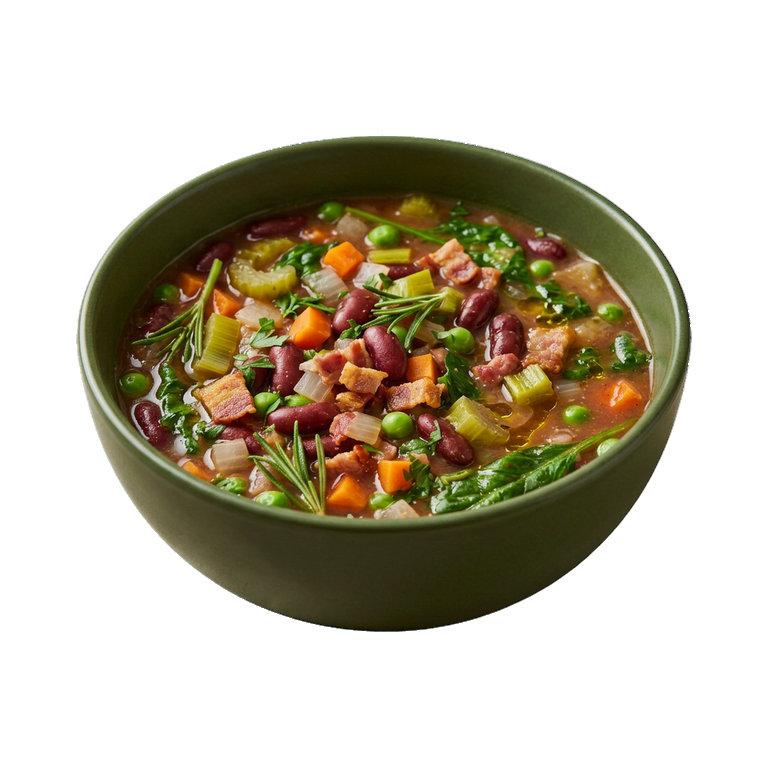
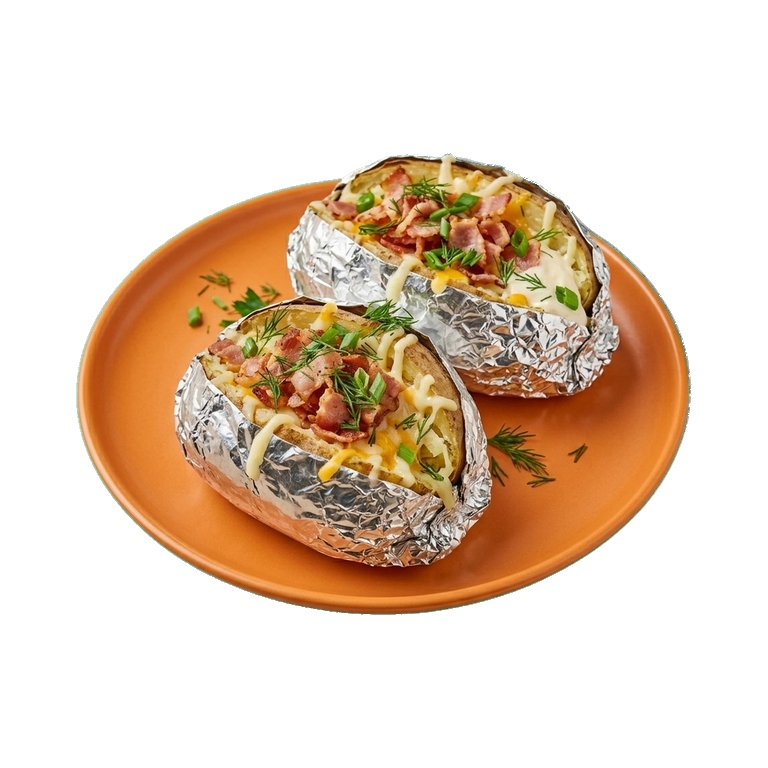
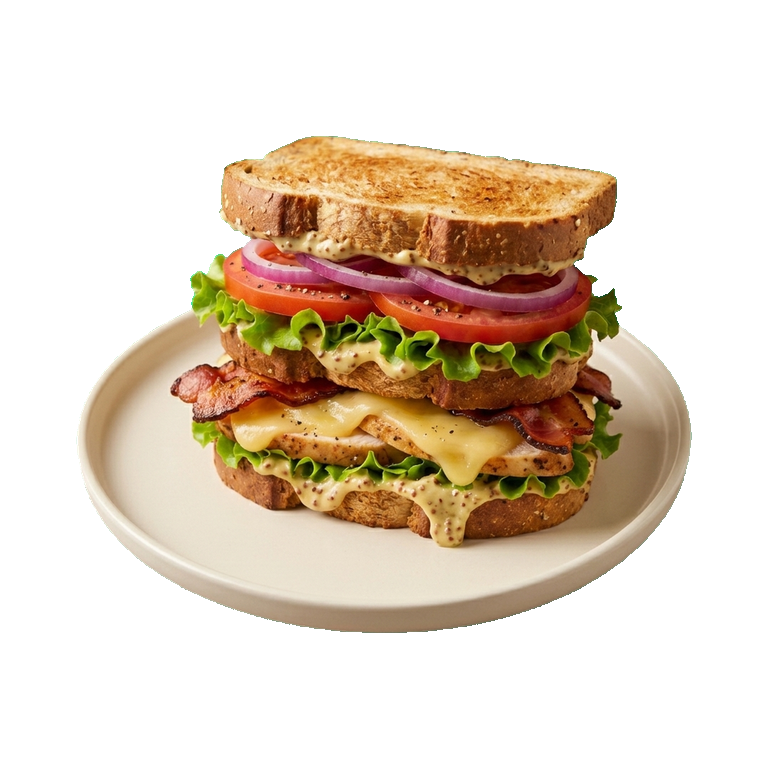
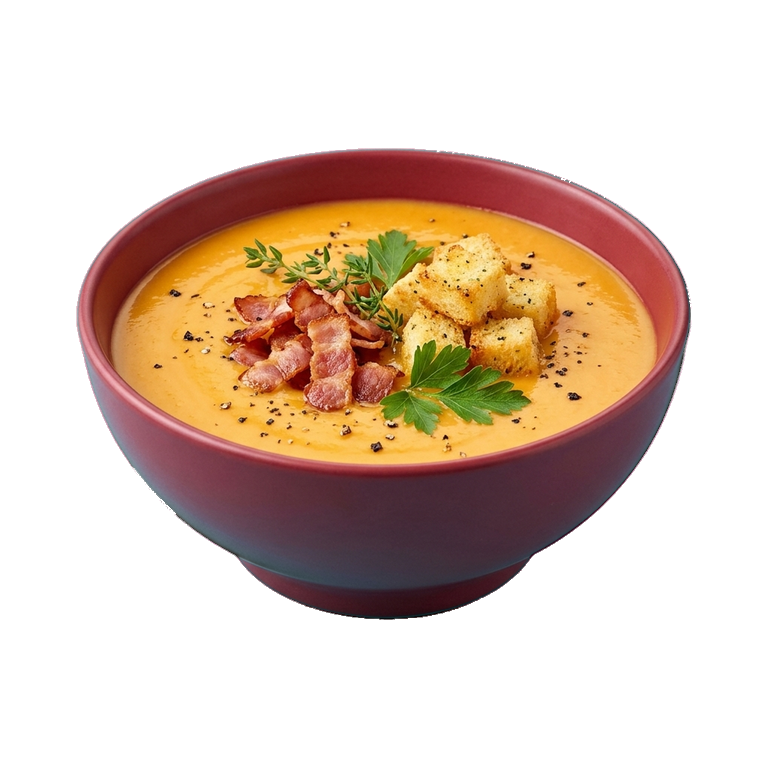
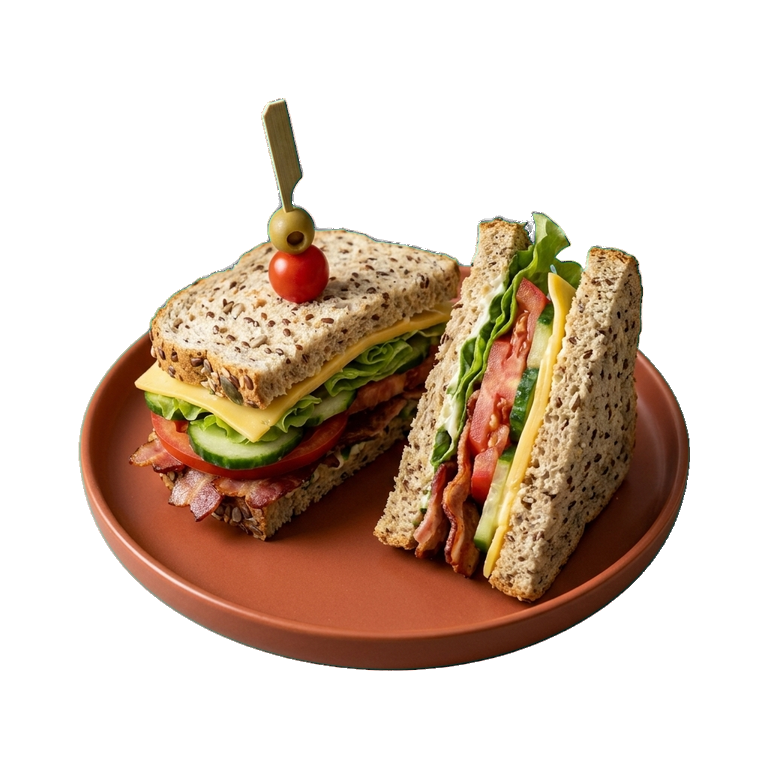
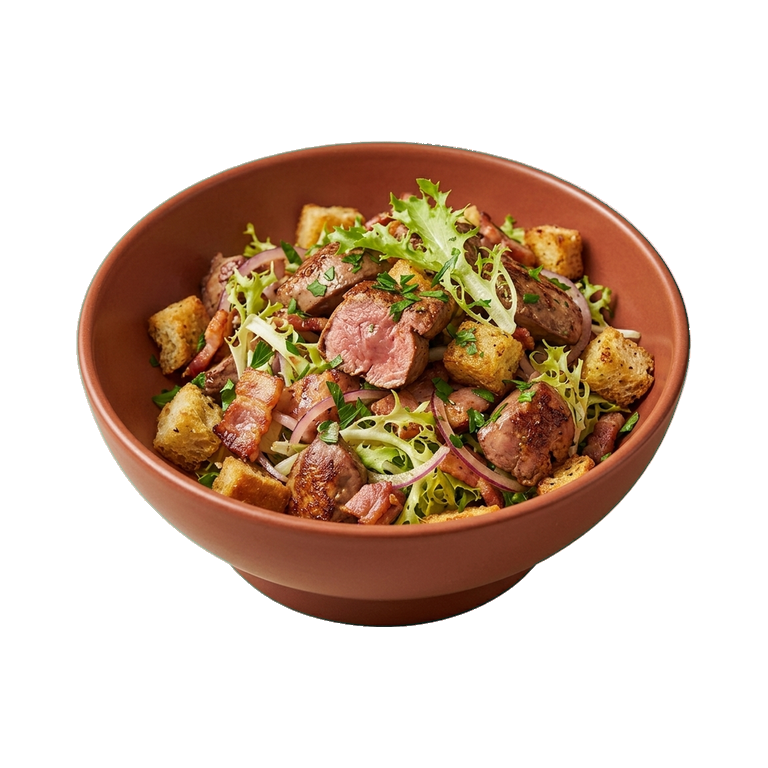
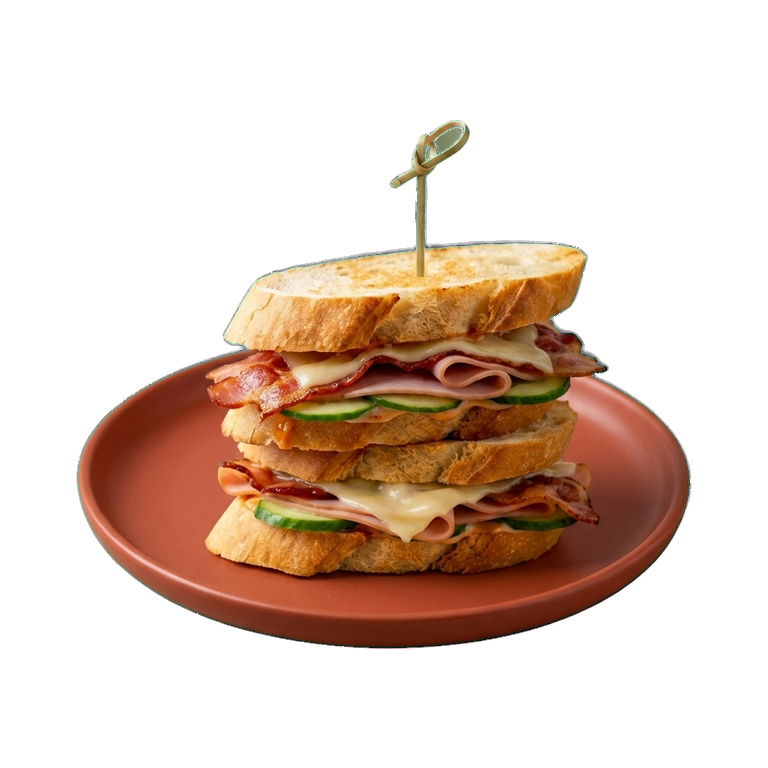
Bacon works in three modes: as a main ingredient, as a flavor base, and as a crispy garnish. For breakfast, it is fried until crispy, served alongside eggs, or placed in sandwiches. In soups and stews, a few slices create a foundation of flavor, imparting fat and aroma to the broth. In salads, it adds contrasting texture and saltiness.
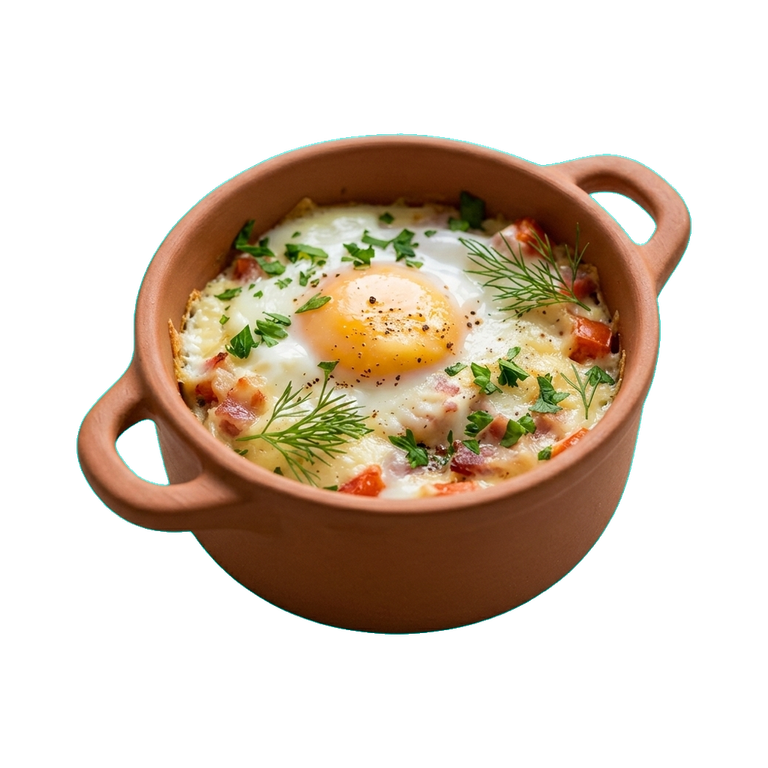
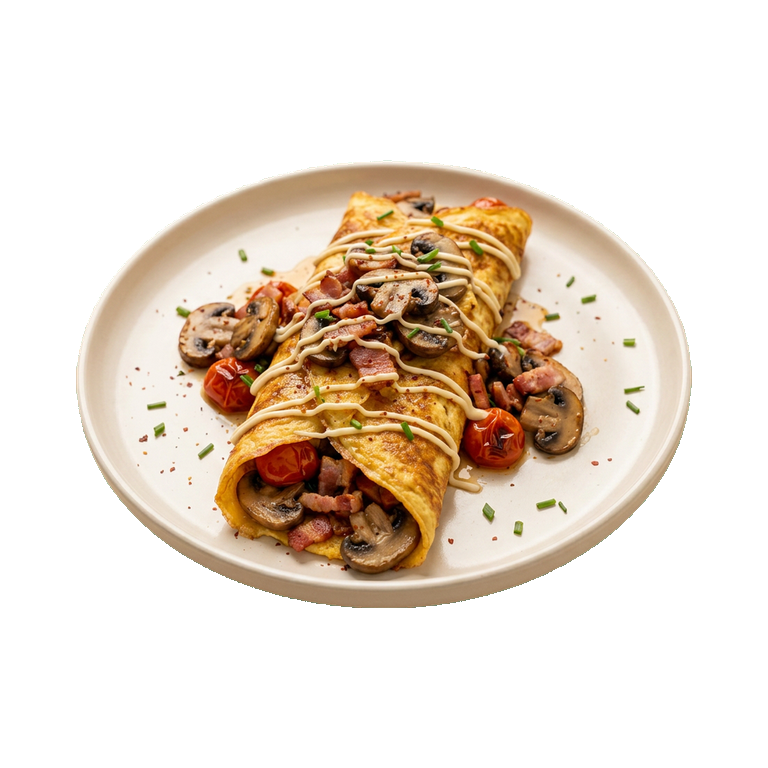
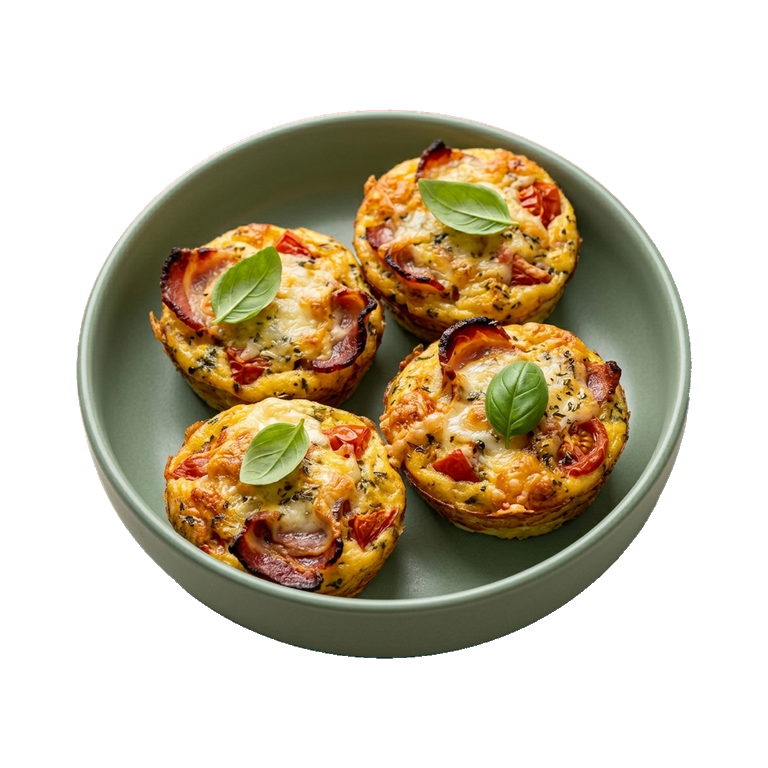
- Breakfasts: fried eggs, omelets, pancakes, French toast
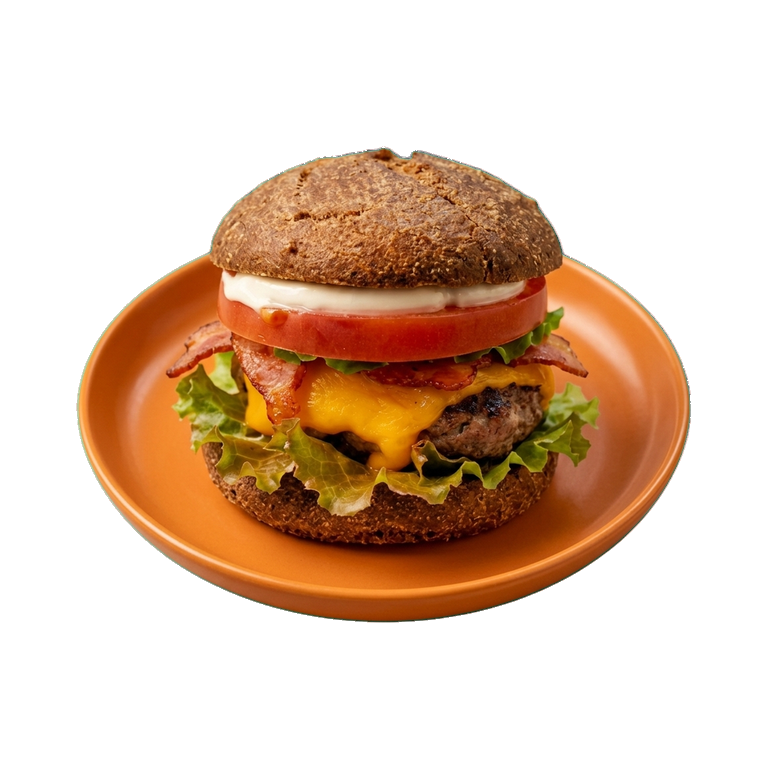
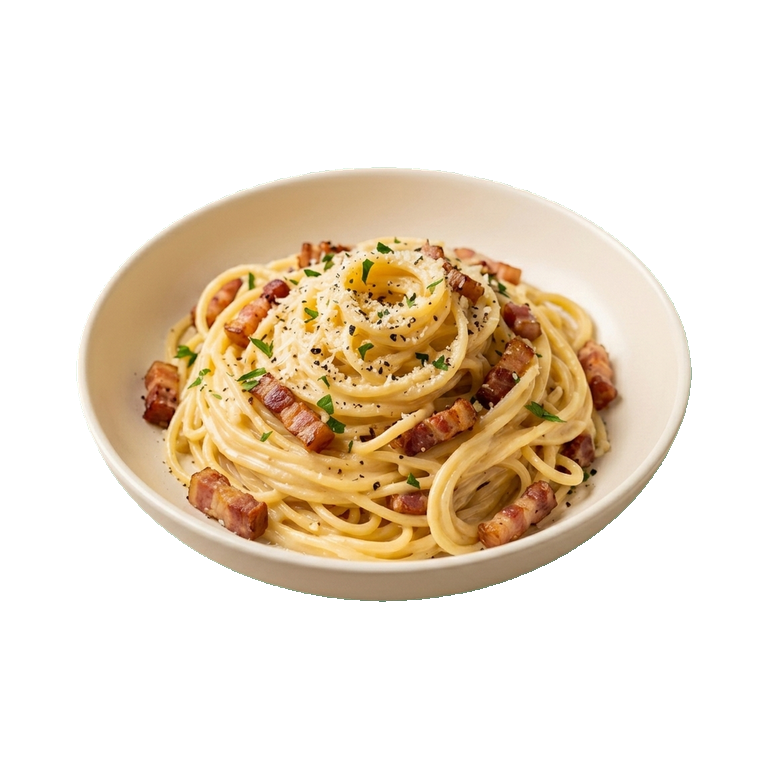
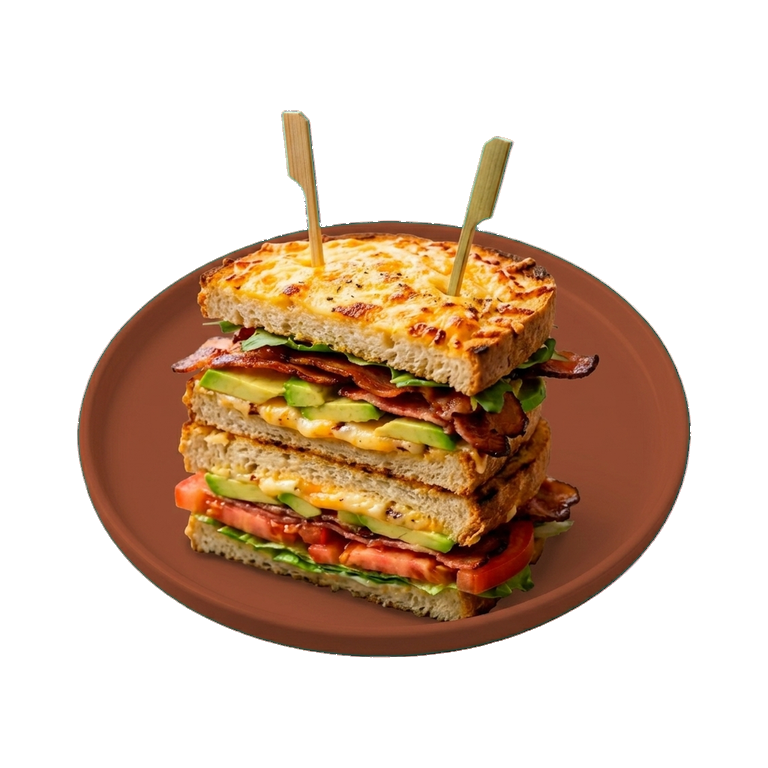
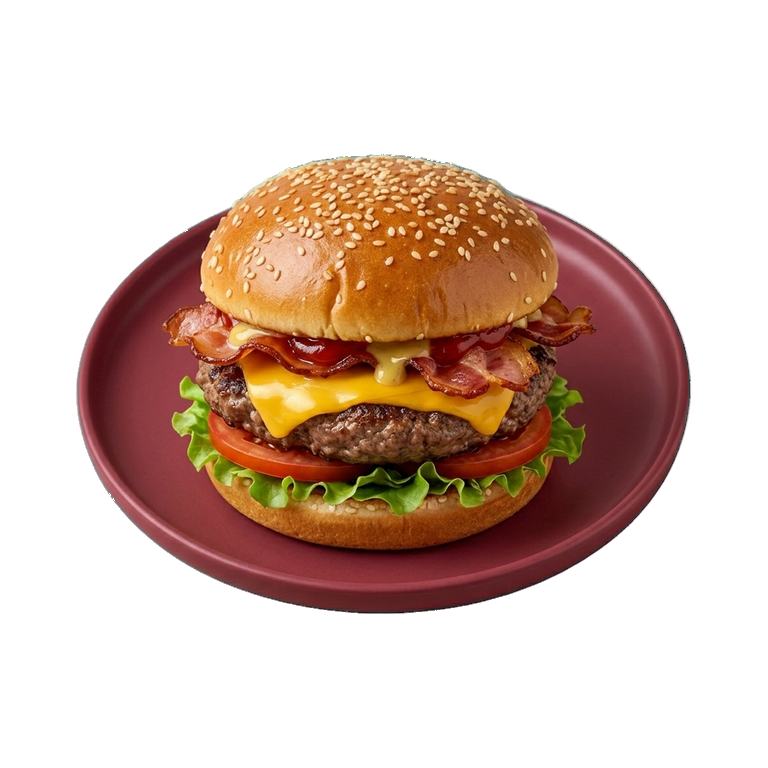
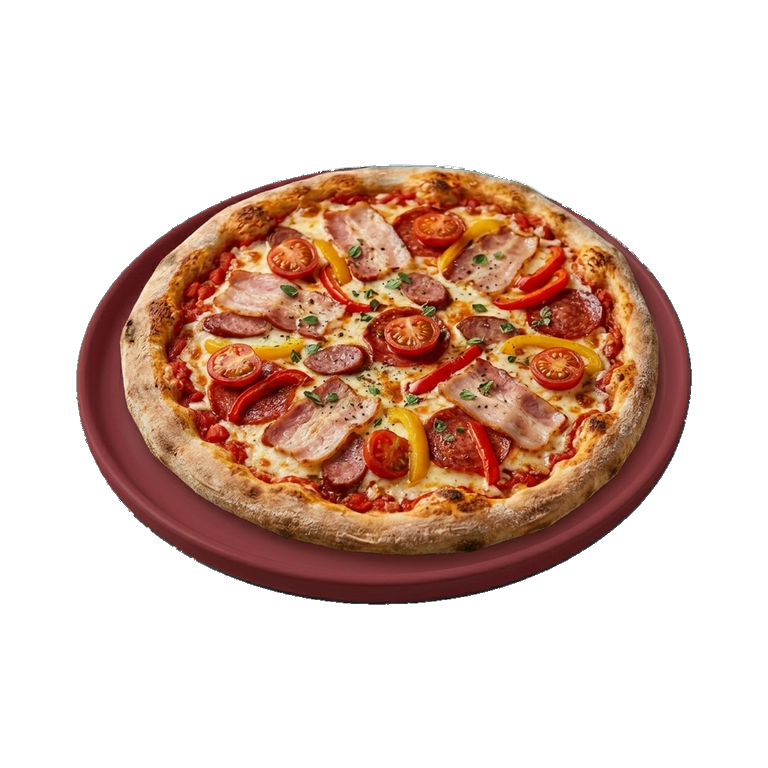
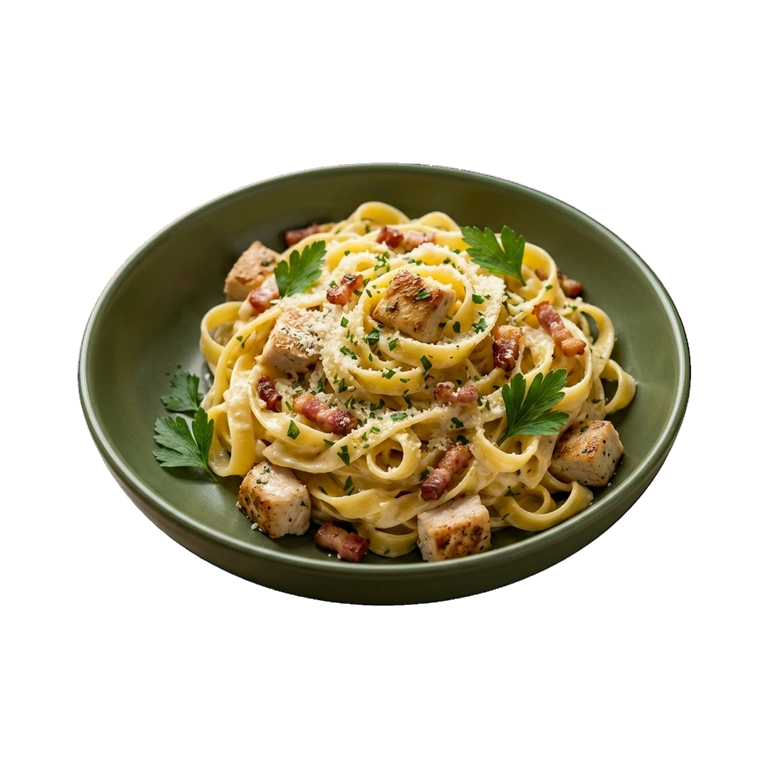
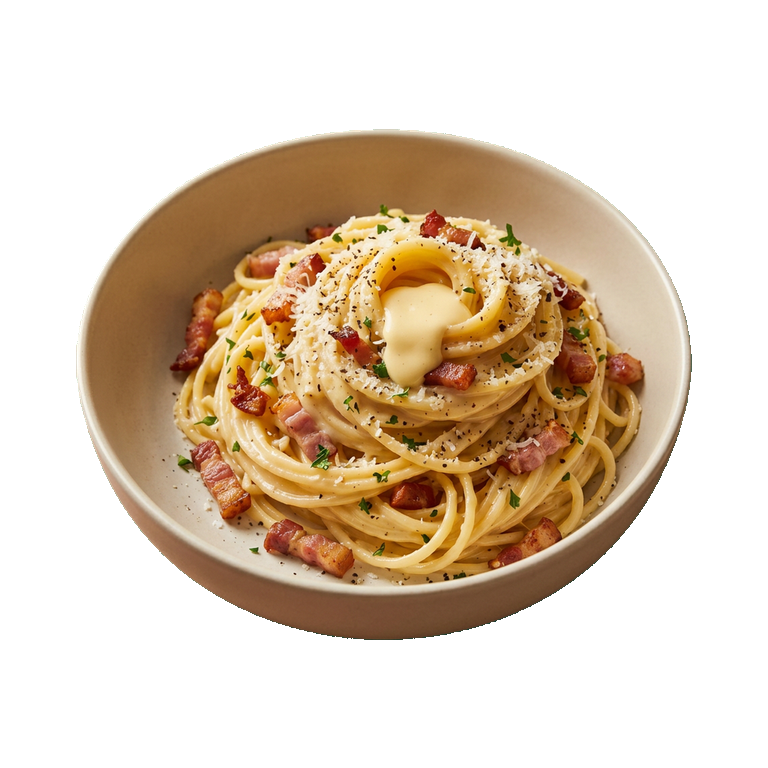
- Main courses: pasta carbonara, burgers, meat pies
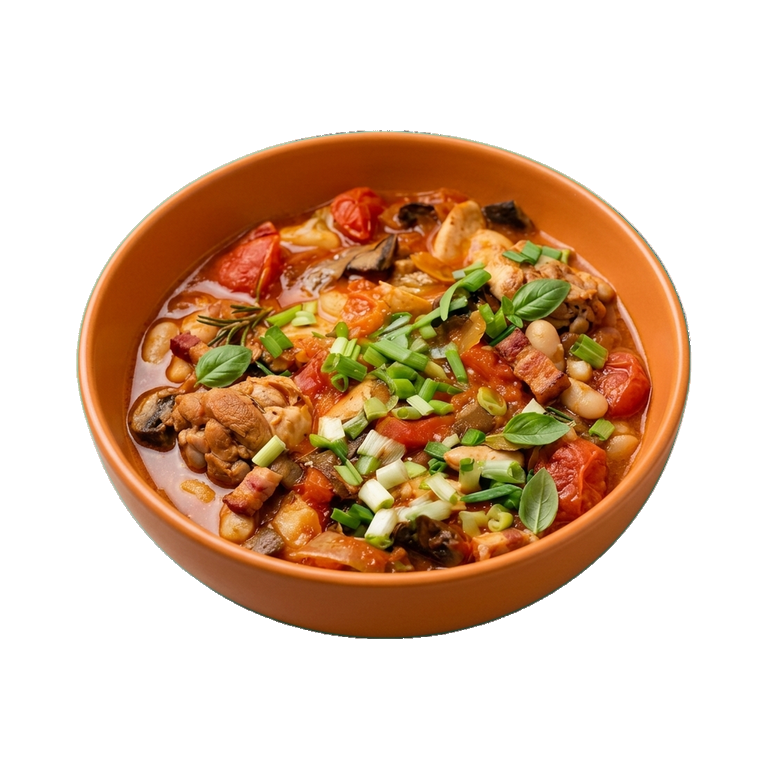
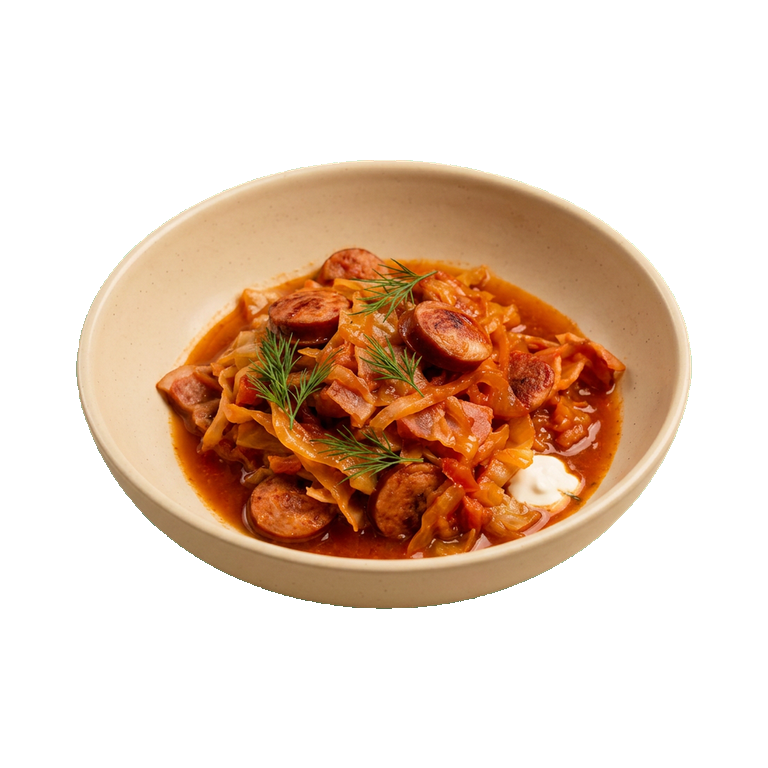
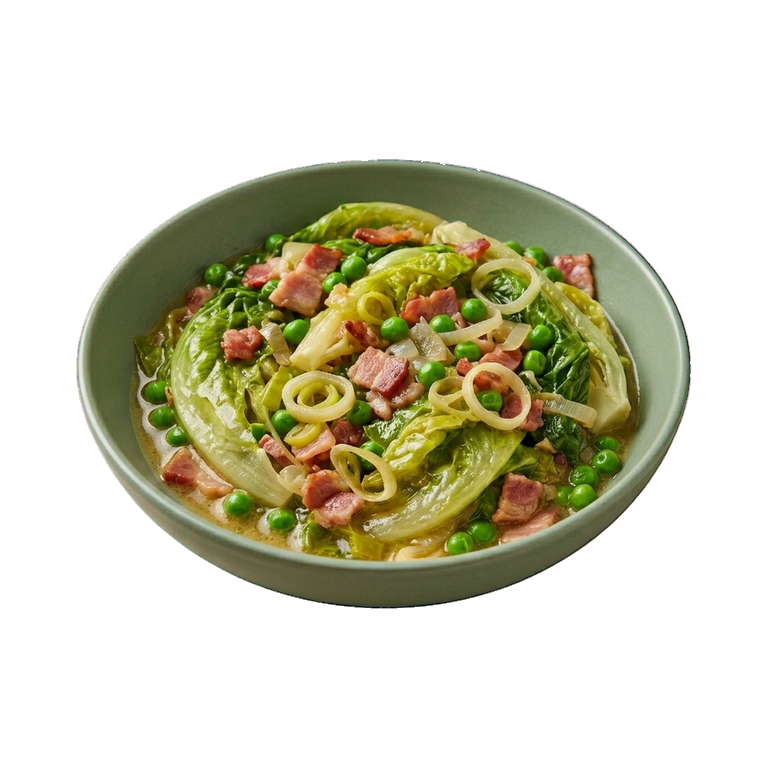
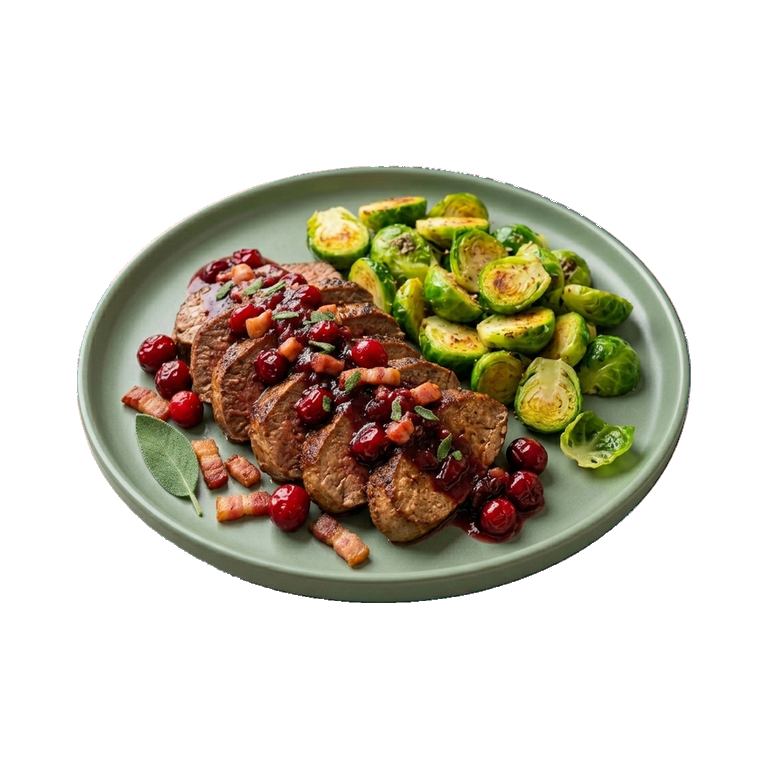
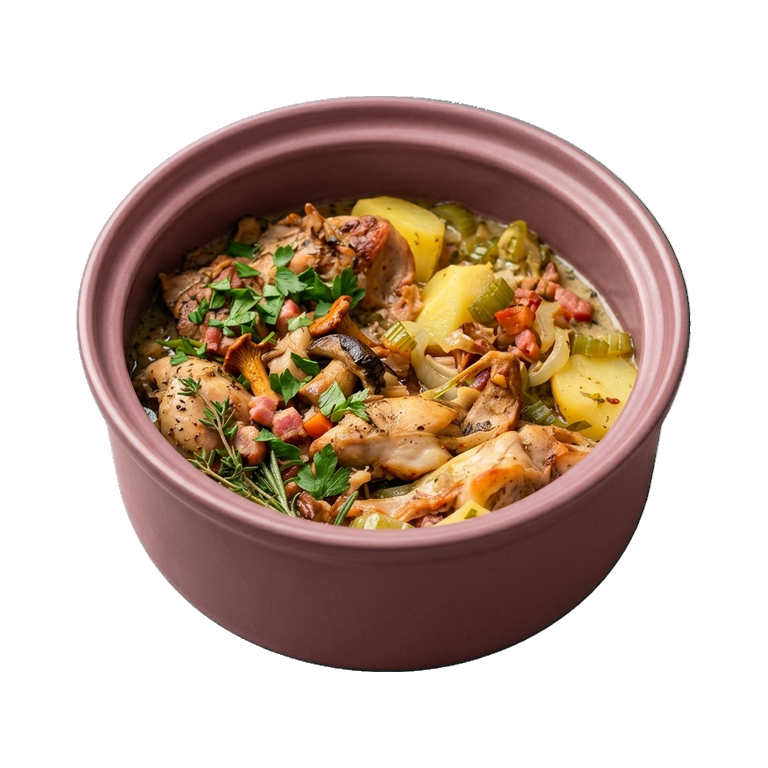
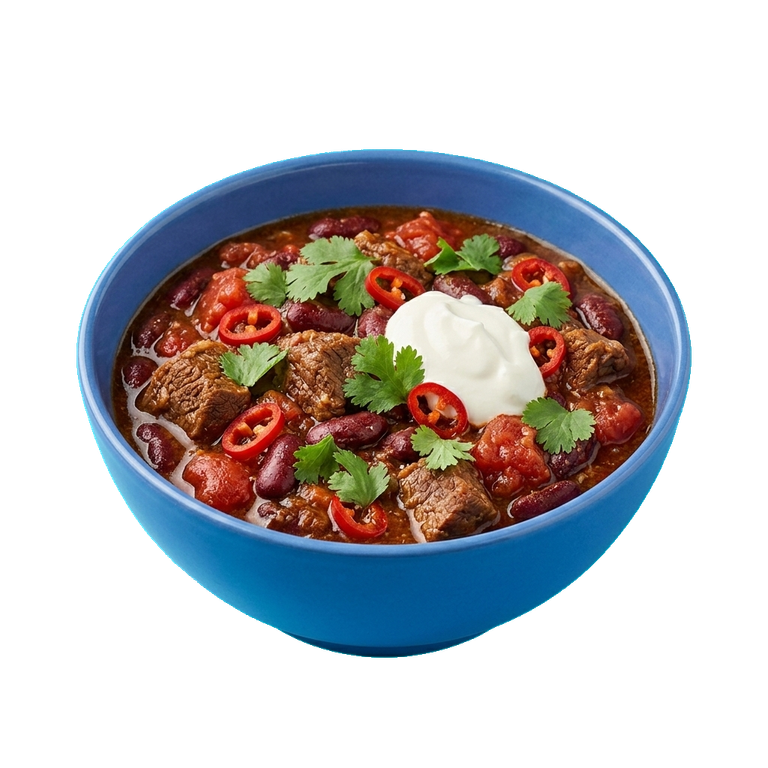
- Soups and stews: borscht, bean soup, stewed meat
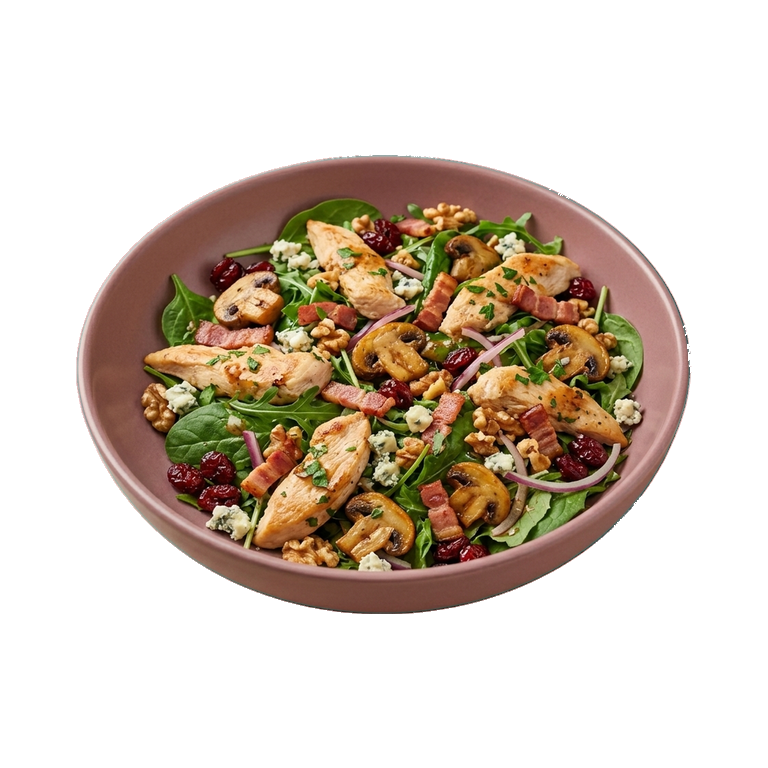
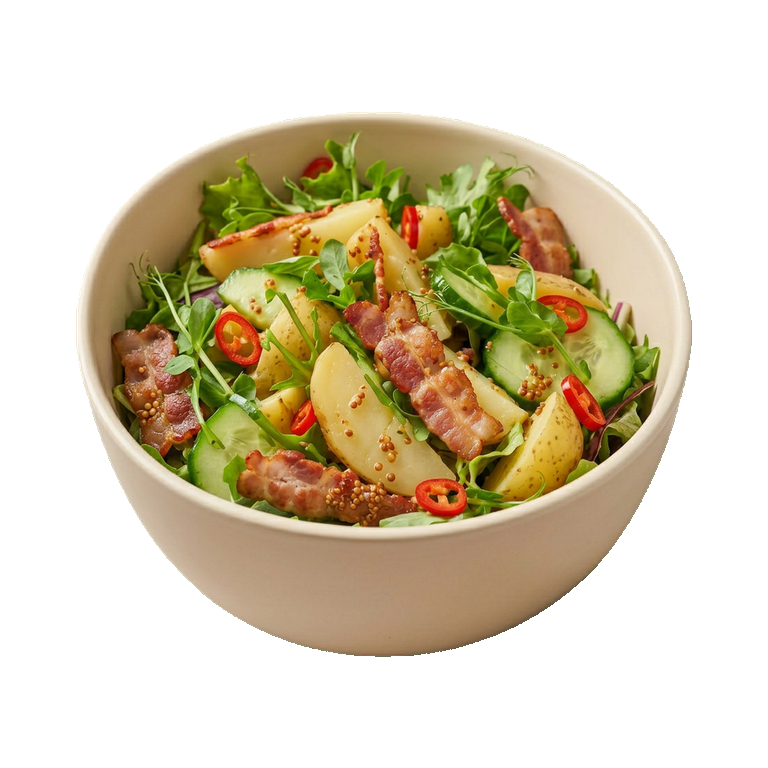
- Salads: Caesar, avocado salad, greens with bacon
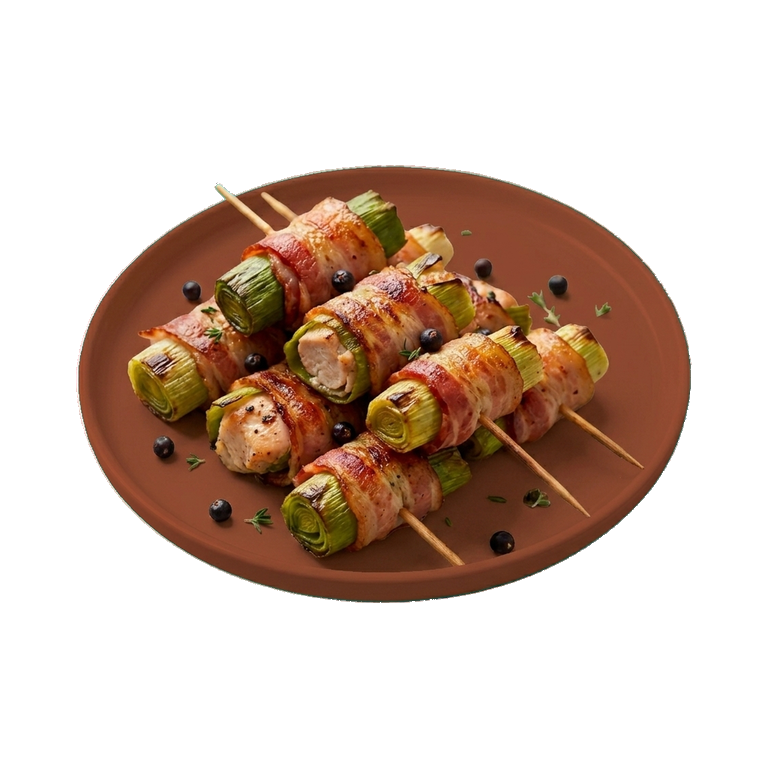
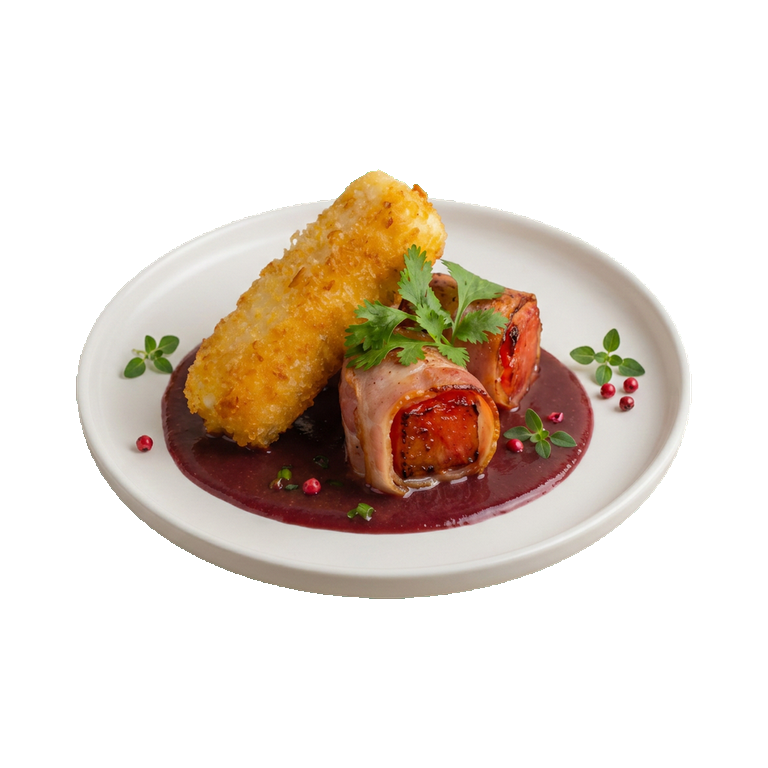
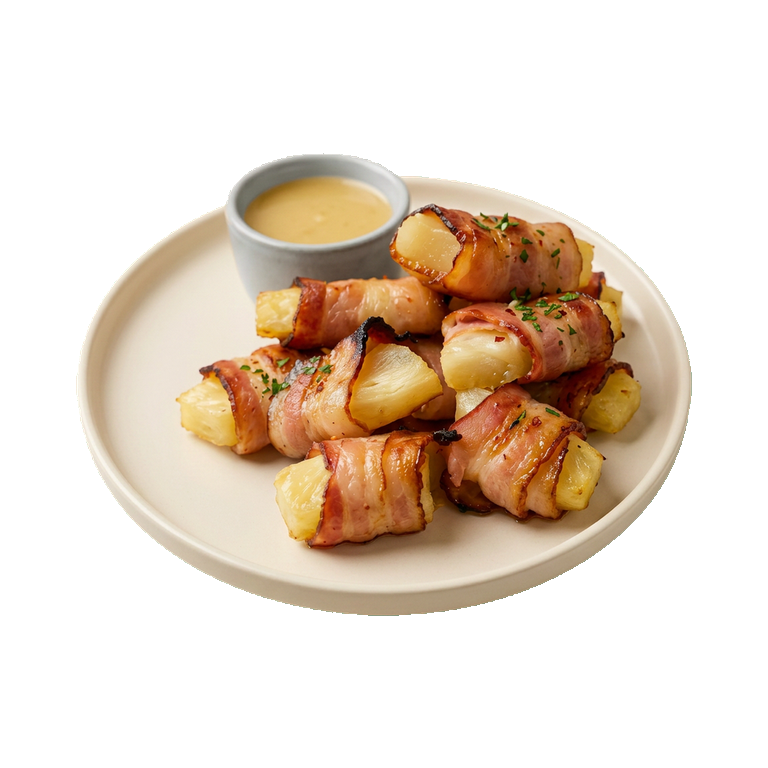
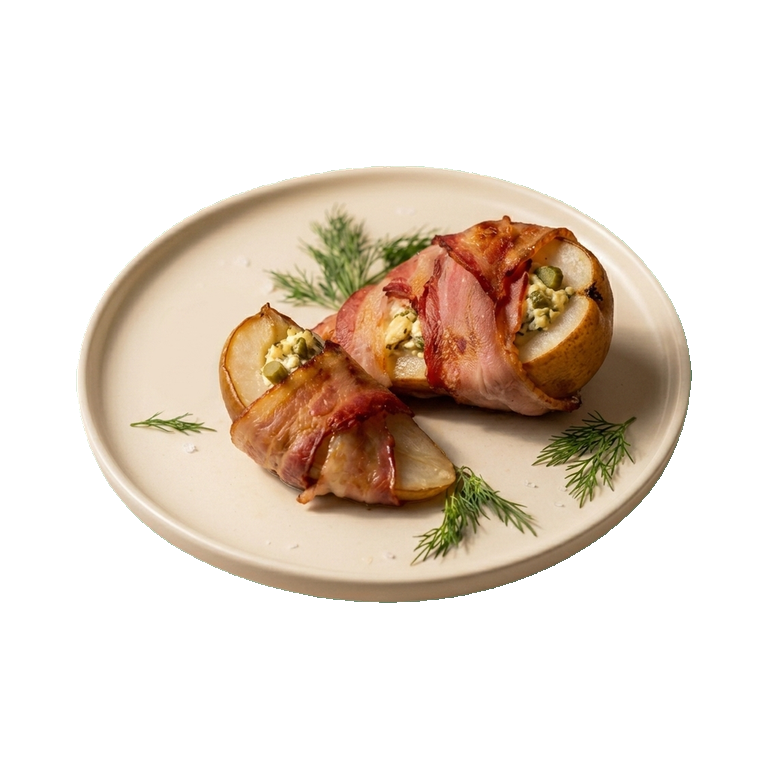
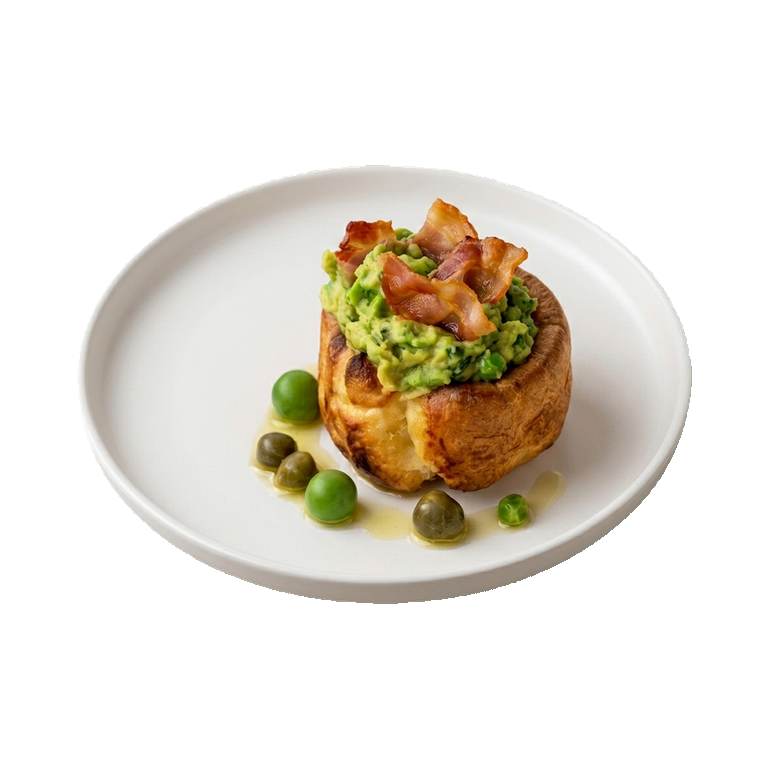
- Appetizers: bacon-wrapped vegetables, dates, shrimp
Selection and Storage
When choosing bacon, pay attention to the balance of meat and fat — slices that are too thin dry out when frying, while those that are too thick remain raw inside. Good bacon has pink meat color and white or cream-colored fat stripes, without gray coating or stickiness. The smell should be smoky and pleasant, without mustiness.
Bacon in the refrigerator keeps in its original packaging for up to a week, but it's better to transfer it to an airtight container so the smell doesn't transfer to neighboring products. Use an open package within 3–4 days. Frozen bacon maintains its quality for up to three months — it's convenient to take out a few slices as needed.
Practical cooking tips
- Fry over medium heat — high temperature burns the outside while leaving the inside raw
- Use a paper towel to absorb excess fat after cooking
- Don't pour out the bacon fat — it's perfect for sautéing vegetables or eggs
- Cook bacon in the oven at 200°C if you need a large amount at once
- Add sliced or crumbled bacon at the end of cooking to keep it crispy
Bacon is not just an ingredient, but a flavor enhancer that makes simple dishes more interesting and rich. A few slices can change the character of an entire dish, adding a smoky aroma, saltiness, and a crispy texture. Keep it always on hand for breakfasts, appetizers, and unexpected improvements to your favorite recipes.
Nutrition
per 100 g
- Calories
- 541 kcal
- Protein
- 37 g
- Fat
- 43 g
- Carbs
- 0 g
Micronutrients
per 100 g
Macronutrients
- Fiber
- 0 g
- Sugars
- 0.35 g
- Saturated fat
- 12.615 g
- Monounsaturated fat
- 15.922 g
- Polyunsaturated fat
- 5.757 g
- Omega-3 (EPA + DHA)
- 0.009 g
- Cholesterol
- 66 mg
- Water
- 46.74 g
Minerals
- Sodium
- 751 mg
- Potassium
- 201 mg
- Calcium
- 6 mg
- Magnesium
- 13 mg
- Phosphorus
- 166 mg
- Iron
- 0.38 mg
- Zinc
- 1.14 mg
- Copper
- 0.05 mg
- Manganese
- 0.01 mg
- Selenium
- 20.1 mcg
Vitamins
- Vitamin A (RAE)
- 11 mcg
- Vitamin D
- 0.4 mcg
- Vitamin E
- 0.43 mg
- Vitamin K
- 0 mcg
- Vitamin C
- 0 mg
- Vitamin B1 (thiamin)
- 0.28 mg
- Vitamin B2 (riboflavin)
- 0.08 mg
- Vitamin B3 (niacin)
- 4.02 mg
- Vitamin B5 (pantothenic acid)
- 0.56 mg
- Vitamin B6
- 0.27 mg
- Vitamin B9 (folate, DFE)
- 0 mcg
- Vitamin B12
- 0.5 mcg
Measures and weight
- 1 pcs
- 20 g
- 1 slice
- 20 g
Measure calculator
- Weight
- 100 g
- Calories
- 541 kcal