Usuba
Usuba
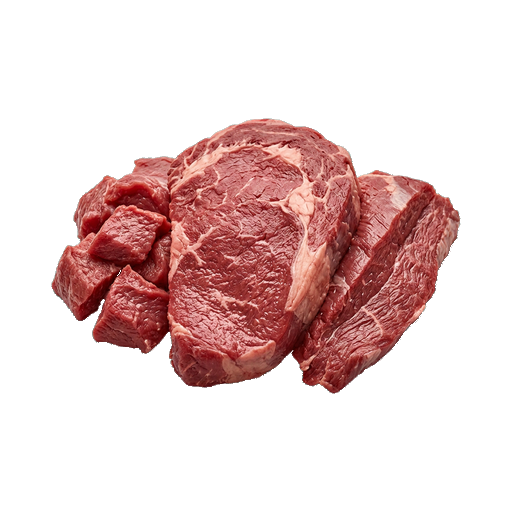
Beef
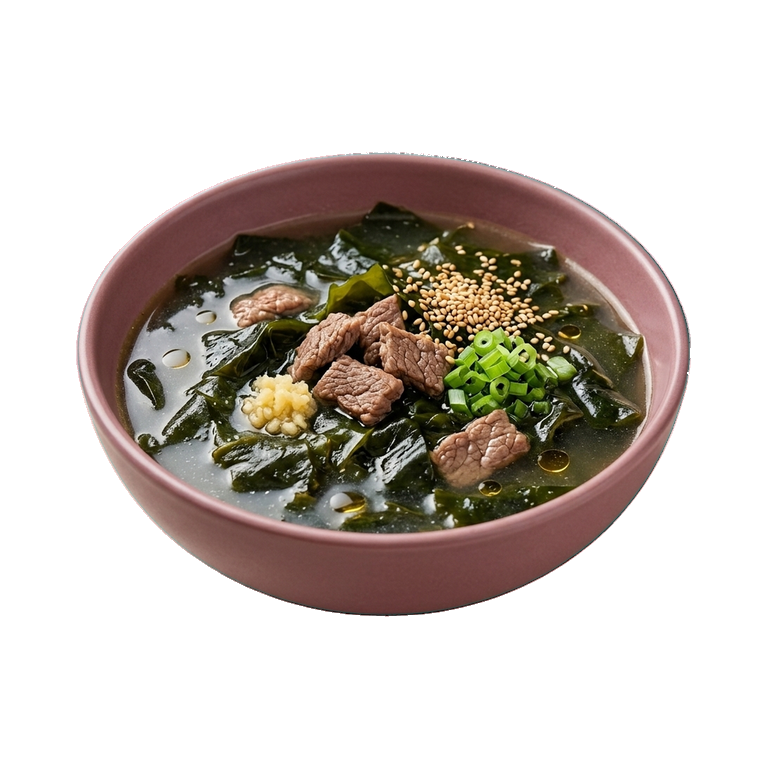
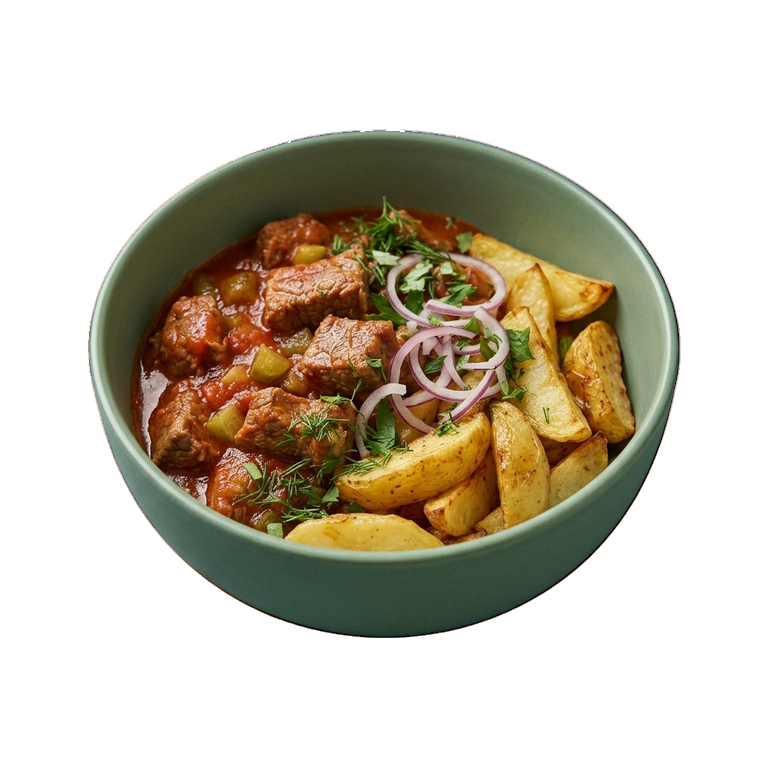
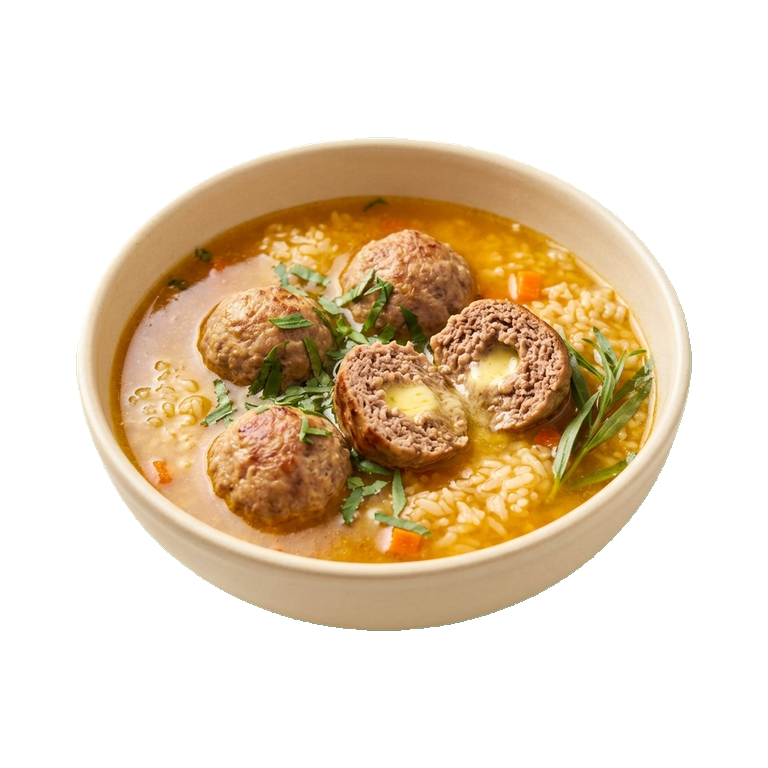
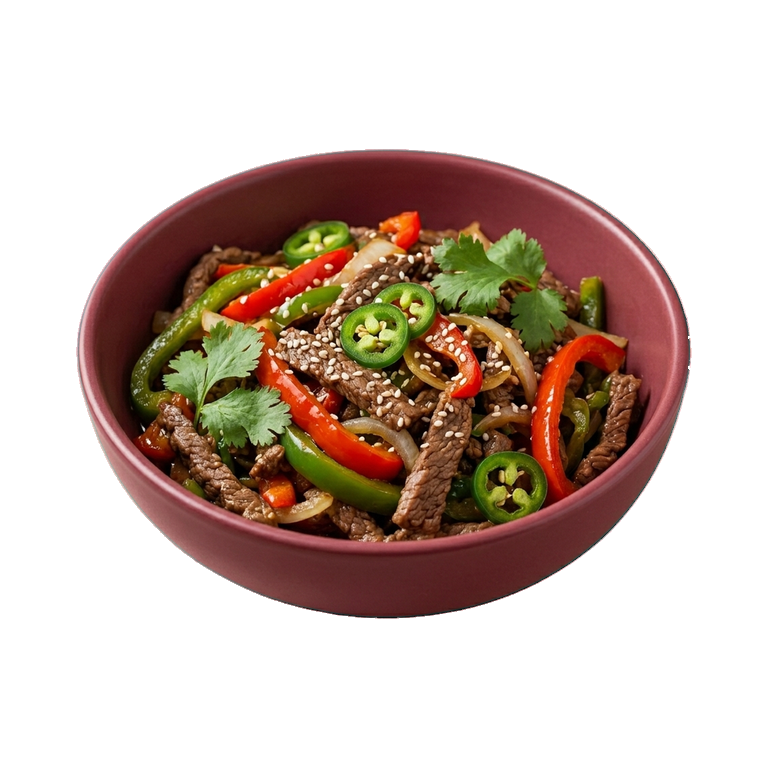
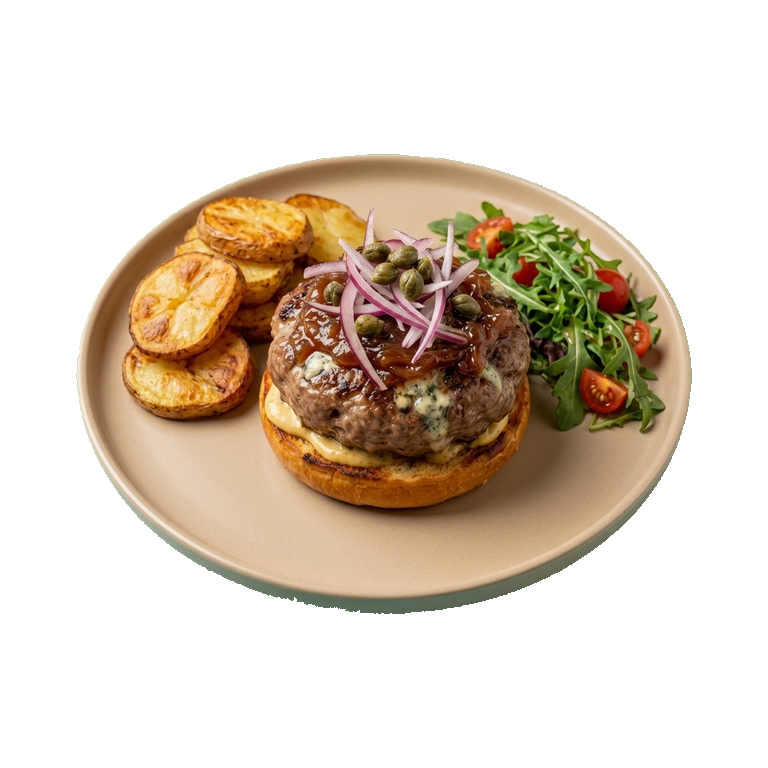
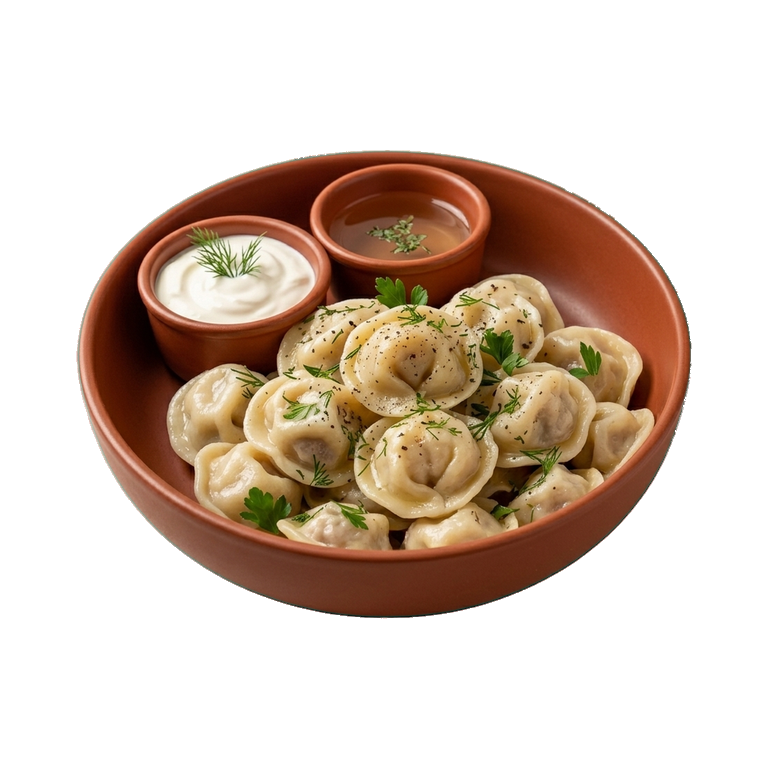
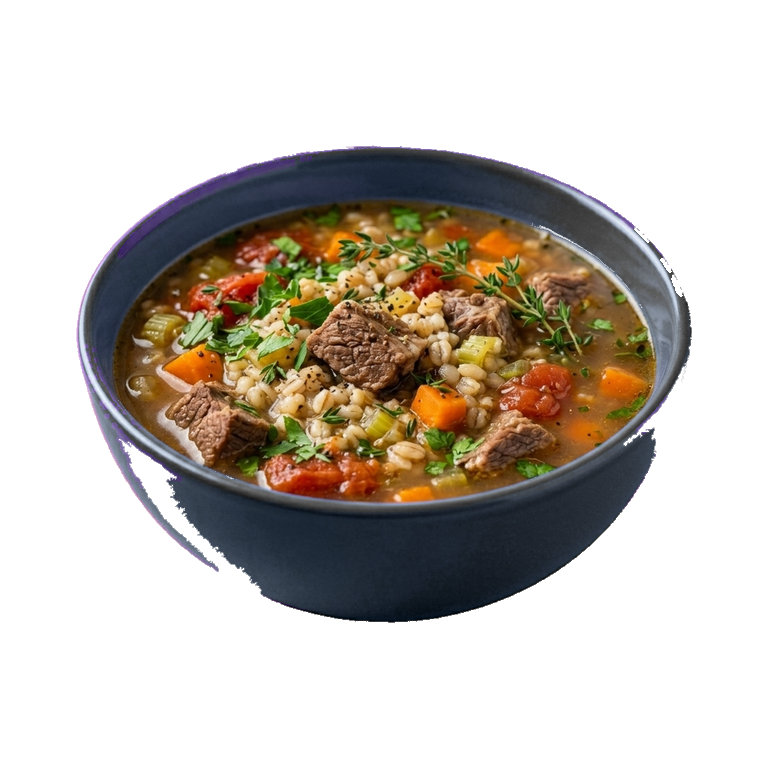
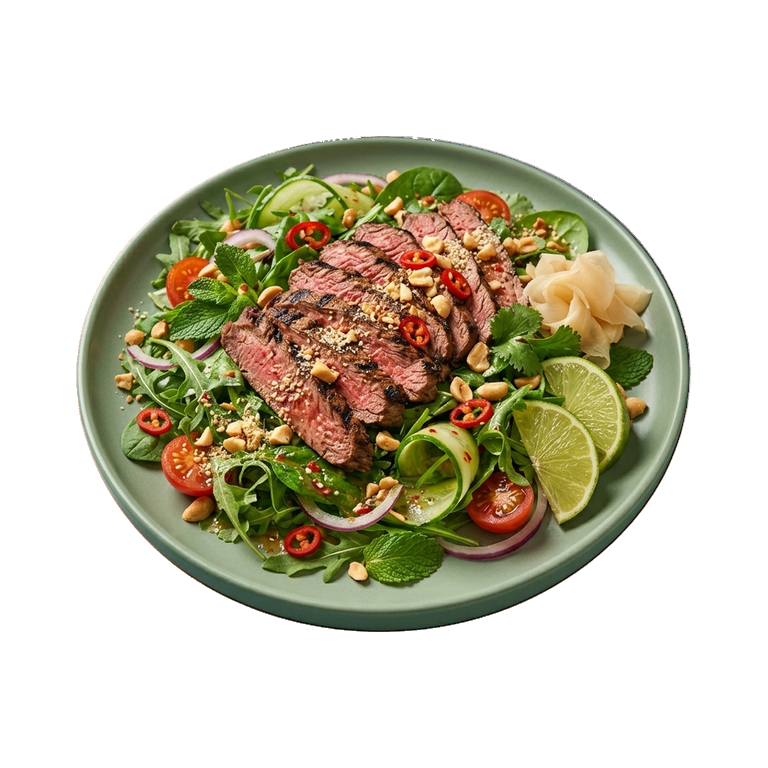
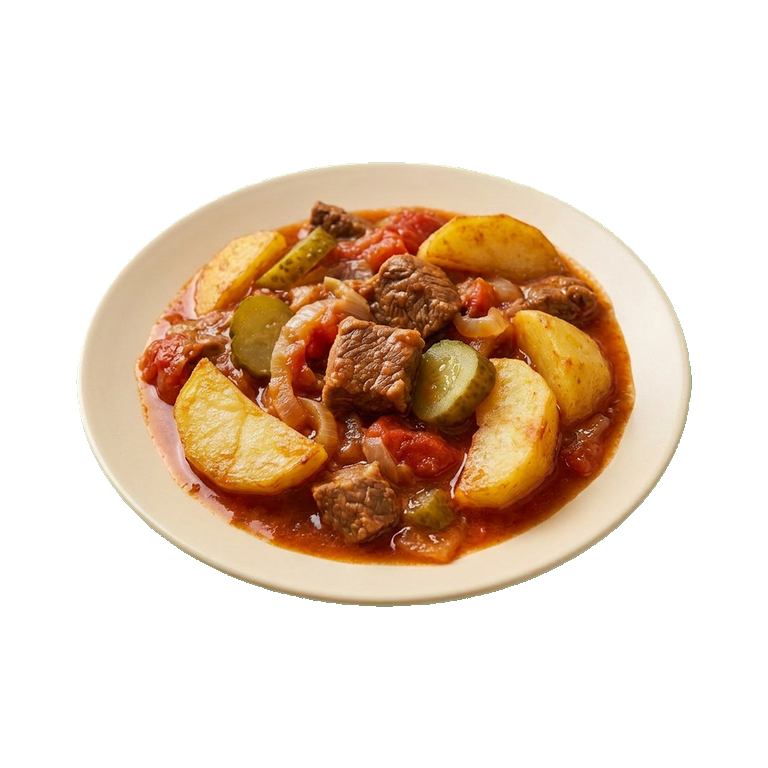
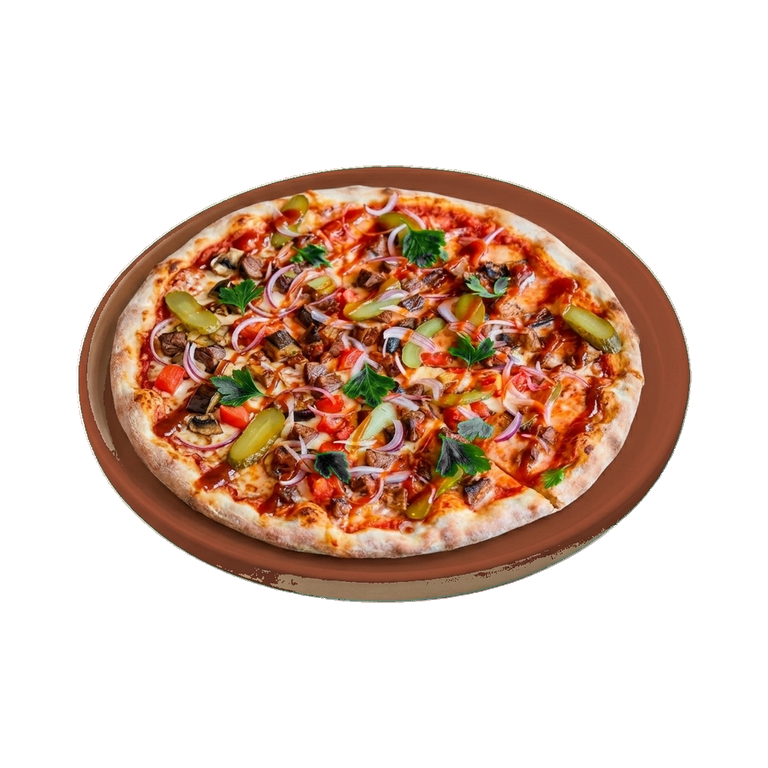
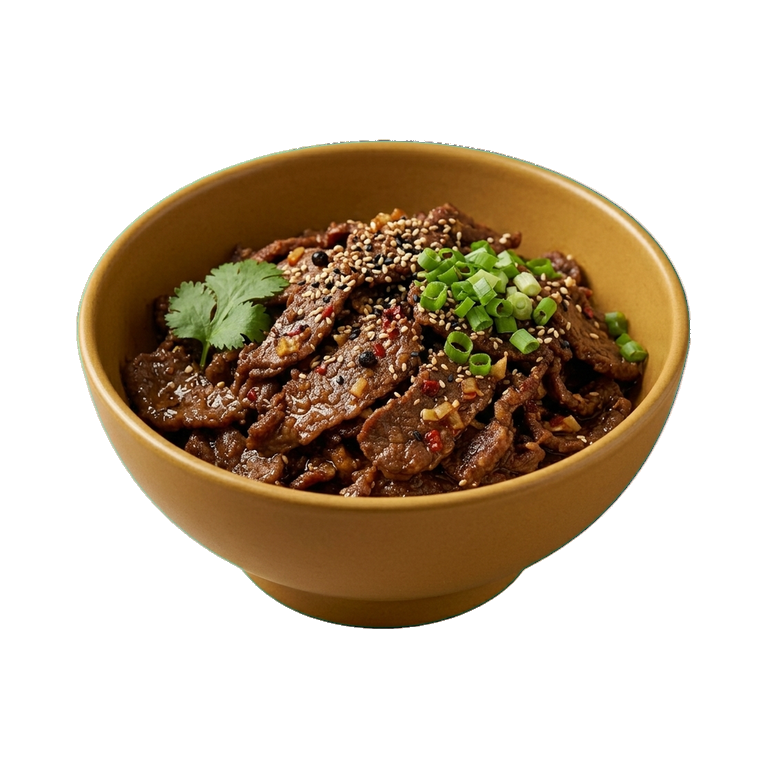
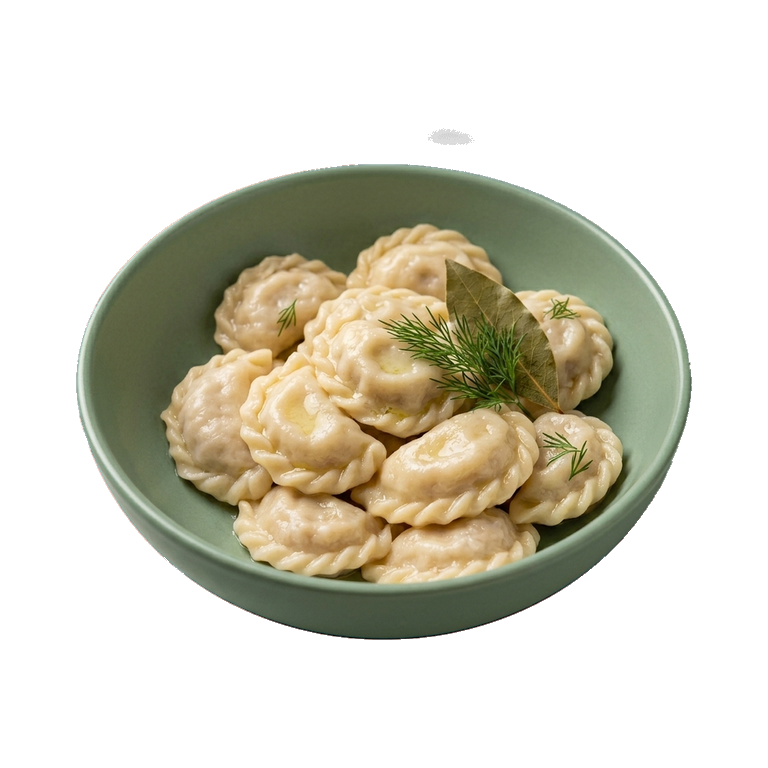
Beef from cattle with a pronounced meaty flavor and firm texture that becomes tender with proper heat treatment. Beef is rich in protein and iron, suitable for soups, stews, steaks, and ground meat — the choice of cut depends on the cooking method: tender cuts for quick searing, tough cuts for prolonged braising. When purchasing, pay attention to the color of the meat (bright red indicates freshness) and the absence of excess moisture on the surface.
Micronutrients
per 100 g
Minerals
Vitamins
- AVitamin A (RAE)4mcg0% DV
- DVitamin D0.1mcg1% DV
- EVitamin E0.17mg1% DV
- KVitamin K2.9mcg2% DV
- B1Vitamin B1 (thiamin)0.04mg3% DV
- B2Vitamin B2 (riboflavin)0.15mg8% DV
- B3Vitamin B3 (niacin)3.38mg17% DV
- B5Vitamin B5 (pantothenic acid)0.4mg8% DV
- B6Vitamin B60.28mg14% DV
- B9Vitamin B9 (folate, DFE)9mcg2% DV
- B12Vitamin B122.1mcg70% DV
About
What You Need to Know About Beef
Beef is the foundation of serious cooking. It is meat with character: dense, with a pronounced flavor that demands understanding and respect. Unlike chicken, beef doesn't hide under sauces; it becomes the star of the dish. It is valued for its ability to absorb marinades, hold its shape during prolonged cooking, and create deep, rich broths.
The quality of beef depends on the cut and the age of the animal. Young meat is more tender, while older meat has a more pronounced flavor. The color ranges from light red to dark burgundy: the older the animal, the darker the meat. Marbling — thin streaks of fat within the muscle — is a sign of good taste and juiciness.
Cuts of Meat and Their Uses
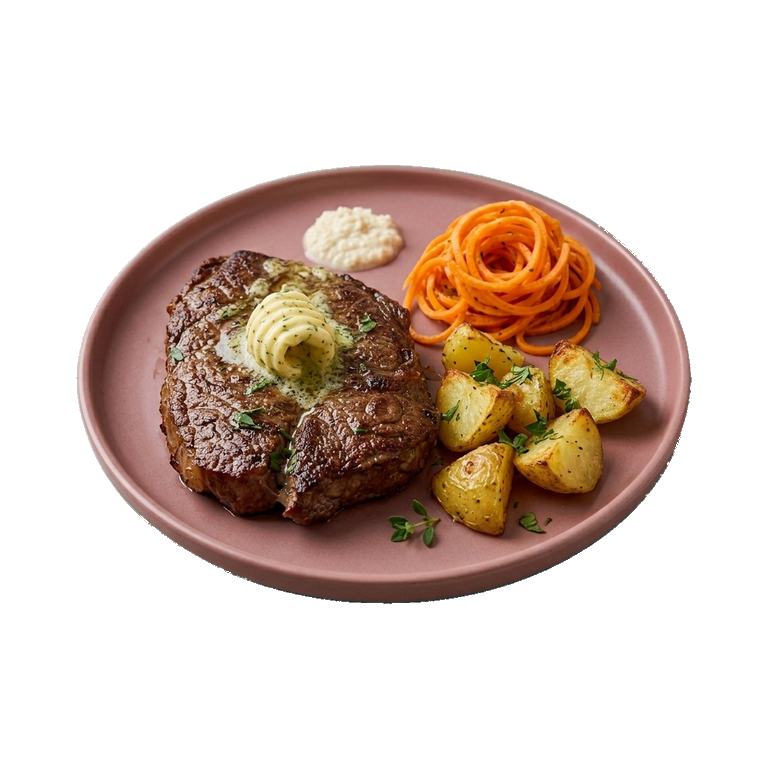
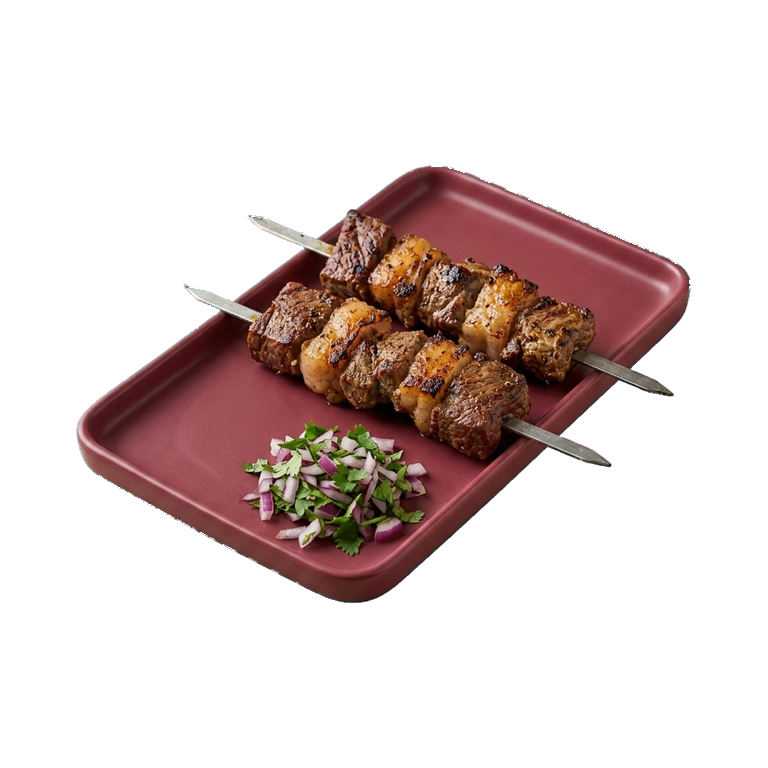
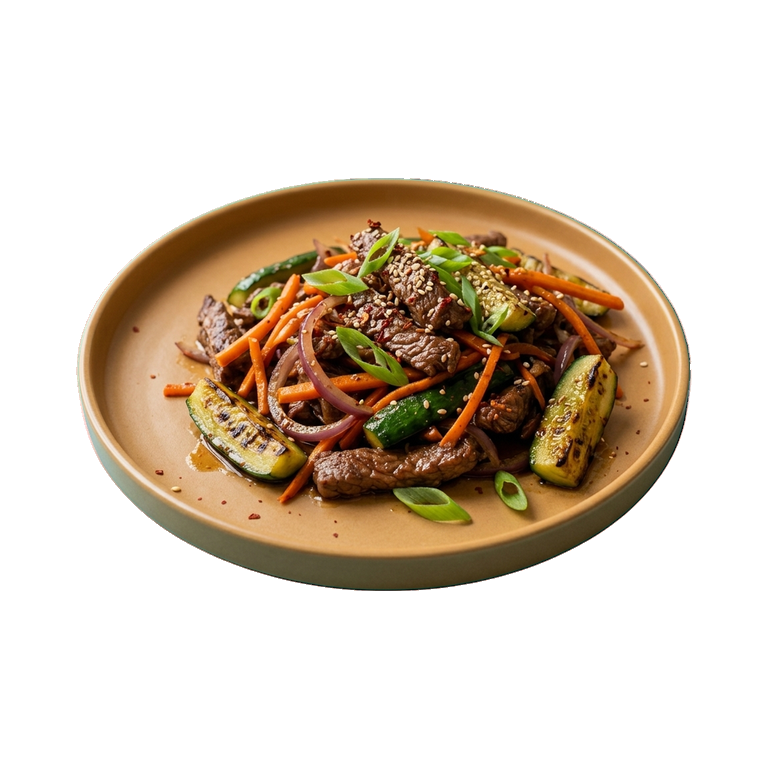
Each cut of beef requires its own approach. Tender cuts with minimal connective tissue — fillet, strip loin, ribeye — are suitable for steaks and quick cooking at high temperature. They are expensive, but justify the price with cooking speed and tenderness.
- Fillet (tenderloin) — the most tender cut, almost fat-free. Ideal for steaks and quick searing
- Ribeye and strip steak — with good marbling, retain juiciness during cooking
- Chuck — versatile, suitable for steaks and braising
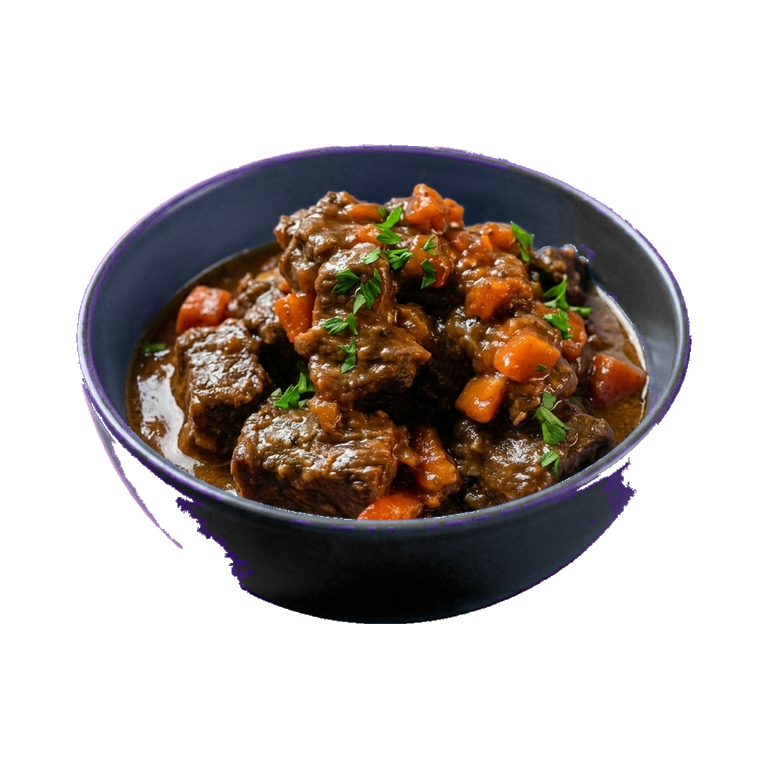
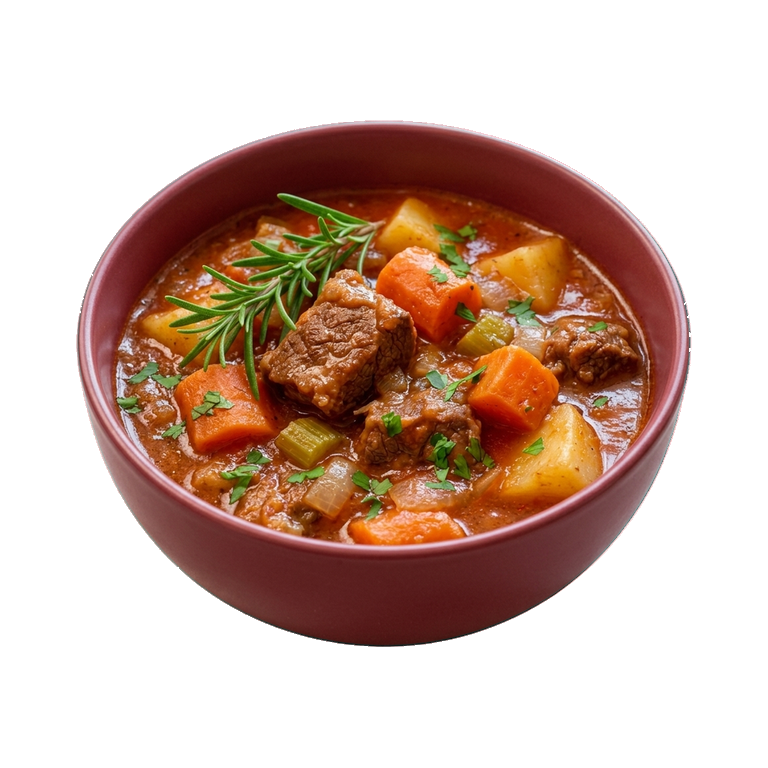
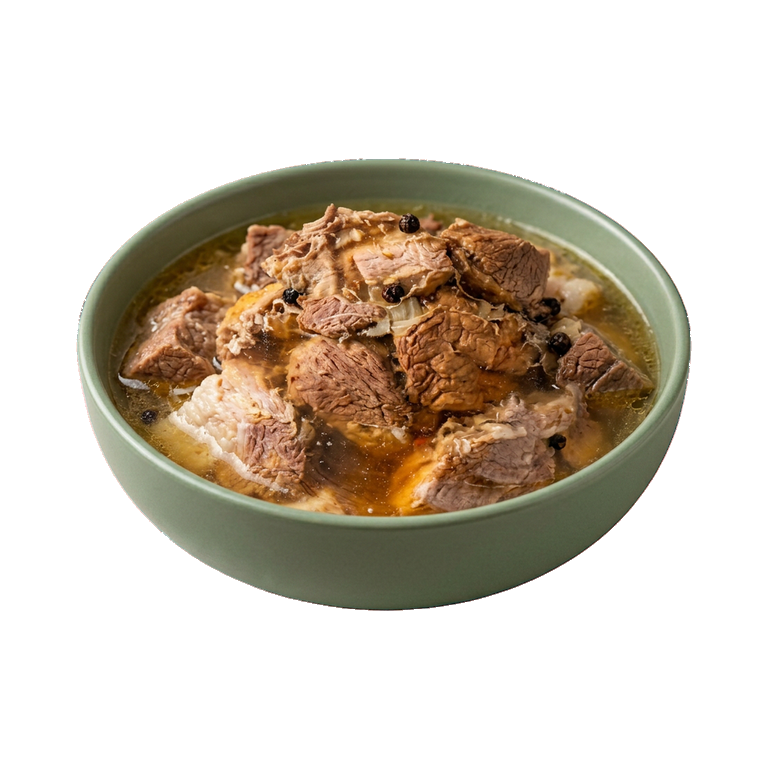
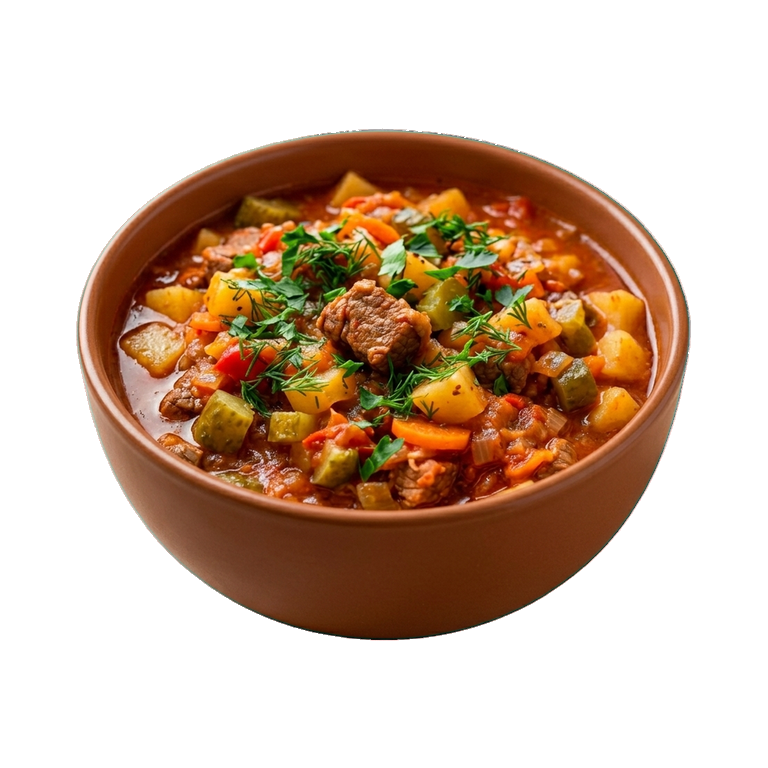
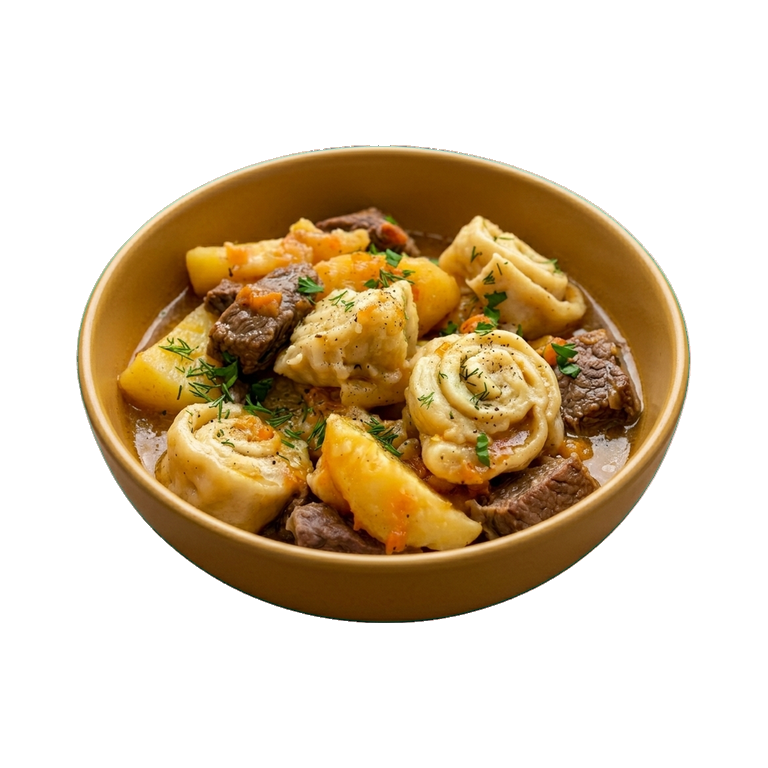
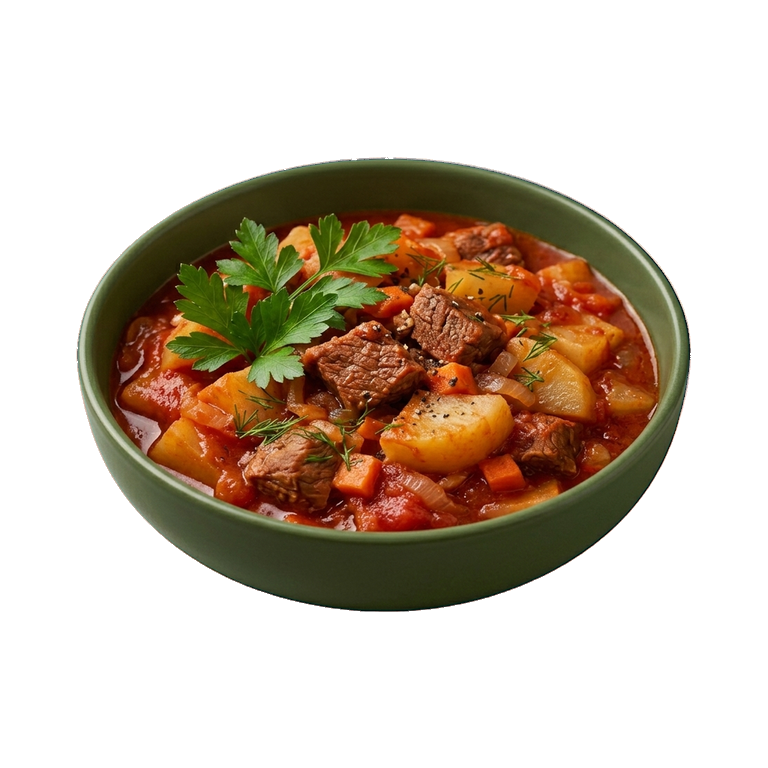
Tough cuts with plenty of connective tissue — cheeks, brisket, shank — require long, moist cooking. These are the cuts that make the most flavorful broth and become tender after hours of braising. These are working cuts that feed the family and fill the house with aroma.
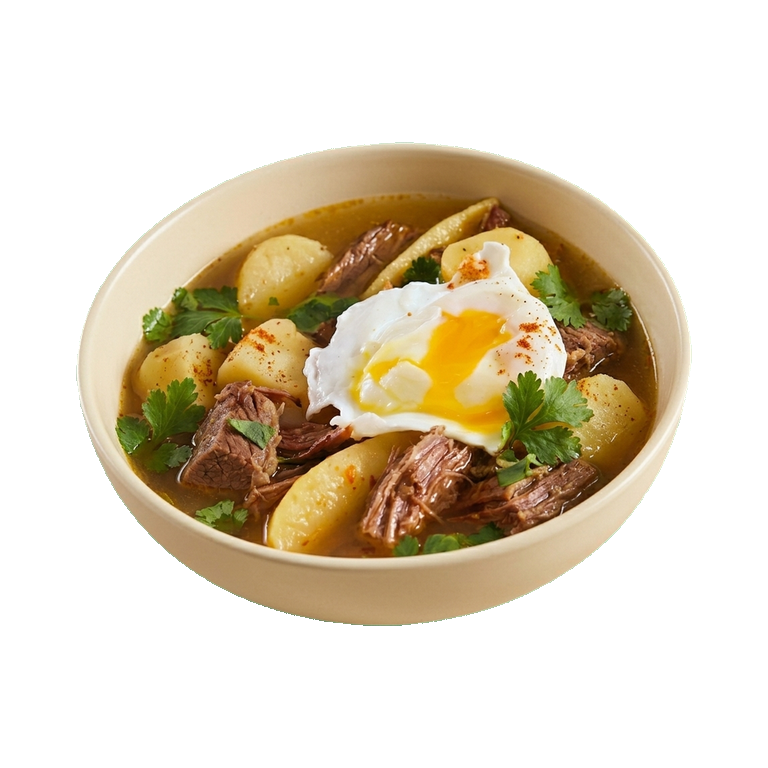
- Cheeks and forehead meat — for stewing, soups, ragus
- Brisket — for smoking, stewing, broths
- Shank and joints — for broths and long stewing
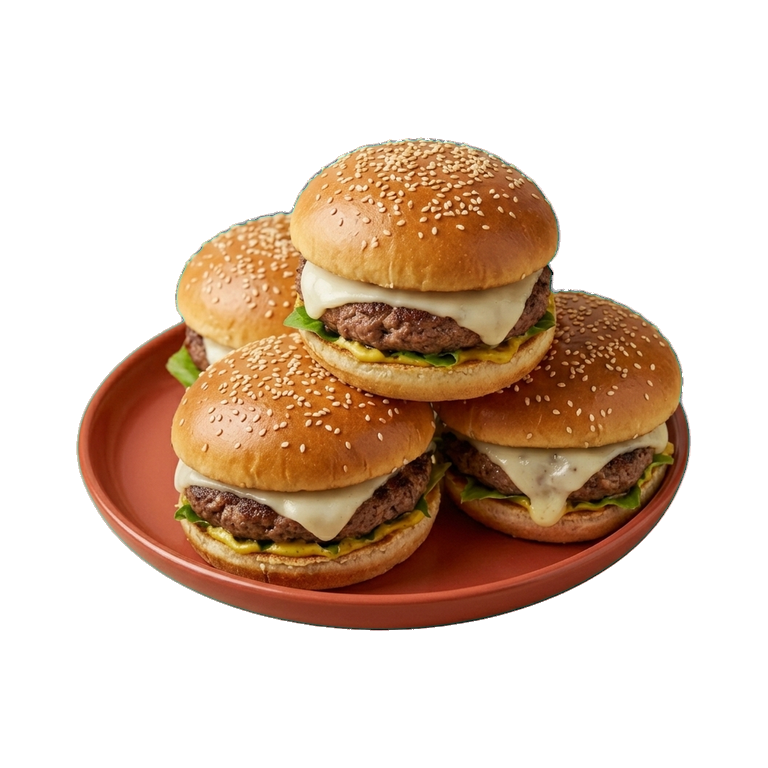
- Ground meat — versatile: from classic cutlets to bolognese sauces
Taste and aroma
Beef smells of metal and earth — this is normal and good. When heated, notes of toasted bread, nuts, and smoke appear. The taste depends on the degree of doneness: raw meat is almost tasteless, but when seared over high heat, a crispy crust forms with deep, almost caramel notes. Inside, if the meat is cooked to medium-rare, a pink juice remains — this is a guarantee of juiciness.
Fat in beef is not an enemy, but a helper. It carries flavor and aroma. That's why marbled meat tastes better than lean meat. During cooking, fat melts, soaks into the muscles, making every piece juicier. Don't be afraid of fat — it makes your food better.
How to Cook Beef
Main rule: remove the meat from the refrigerator 30-40 minutes before cooking. Cold meat cooks unevenly. Before frying, dry the surface with paper towels — moisture will prevent crust formation.
- For steaks: high heat, oil with high smoke point, salt at the end
- For stewing: low temperature, moisture (wine, broth), time — minimum 2-3 hours
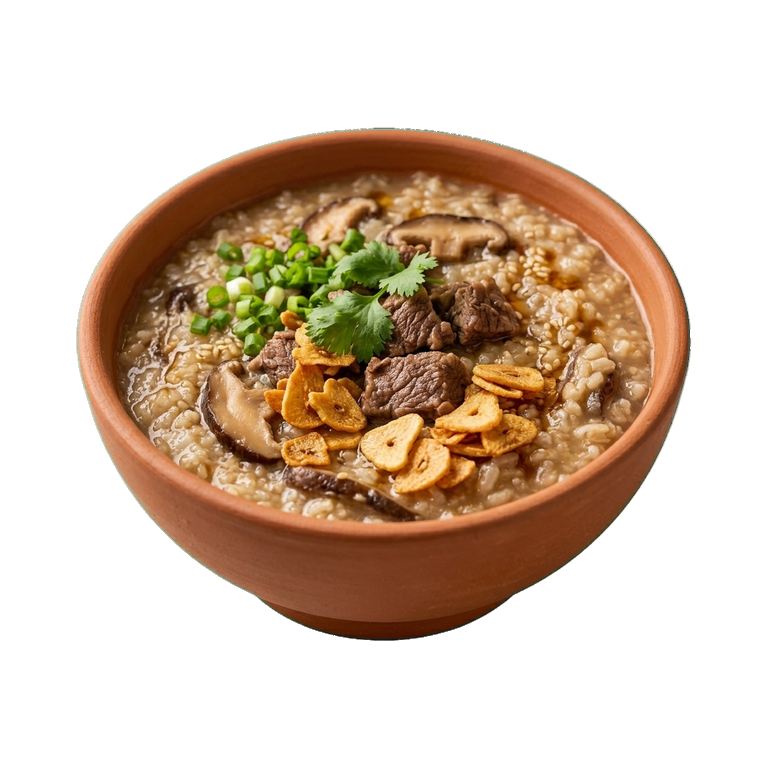
- For broth: meat with bones, cold water, low heat, 4-6 hours
- For ground meat: choose cuts with fat, grind at home if possible
After cooking, let the meat rest for 5-10 minutes under foil. During this time, the muscles relax and the juices distribute evenly. If you cut it immediately, all the juice will run onto the cutting board and the meat will be dry.
Selection and Storage
When choosing beef, look at the color — it should be bright, without brown spots. The smell should not be sour or musty. Feel the meat: it should be firm, not soft. A slight drying on the surface is acceptable — this is normal.
Store beef in the coldest part of the refrigerator, wrapped in parchment paper or in an airtight container. It will last 3-4 days this way. In the freezer — up to 3-4 months. Thaw in the refrigerator, not on the counter: this way the meat will remain juicy and safe.
What pairs well with beef
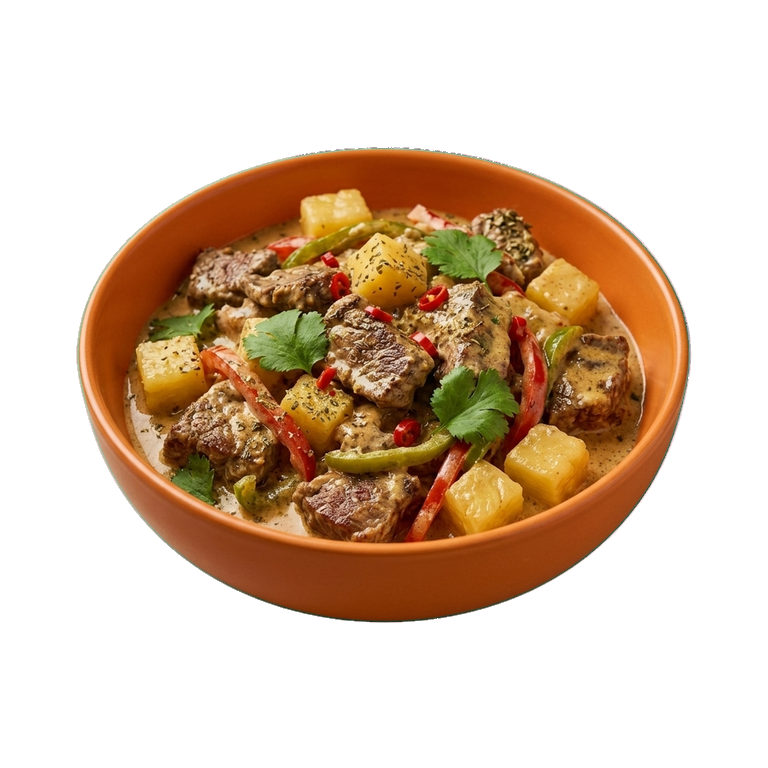
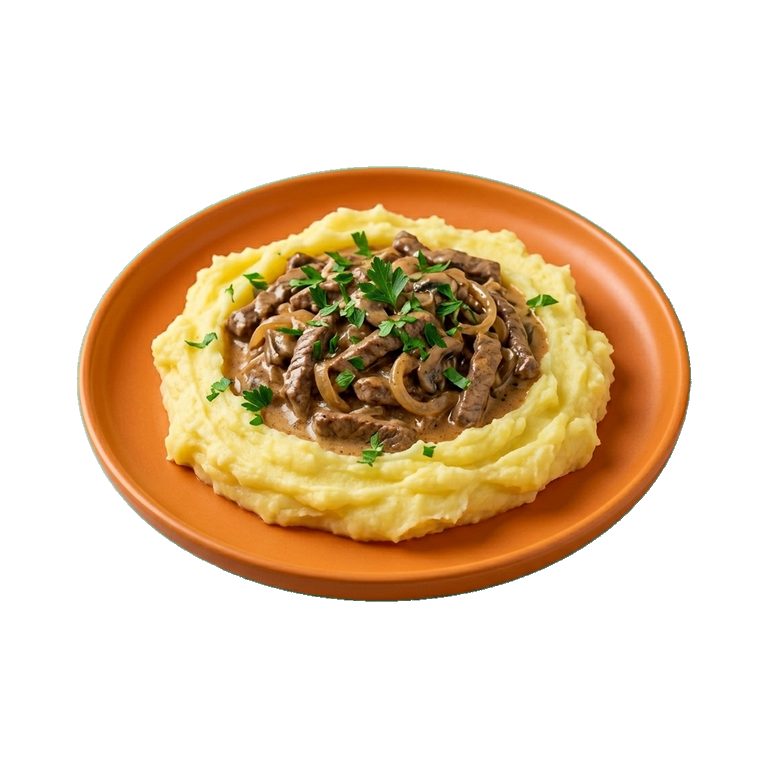
Beef is versatile and pairs well with a variety of ingredients. Red wine, onions, garlic, tomatoes, mushrooms — classic companions. They enhance the natural flavor of the meat without overpowering it. Sharp spices — pepper, mustard, horseradish — contrast with the meat's density and refresh the palate.
- Herbs: rosemary, thyme, oregano — add while cooking
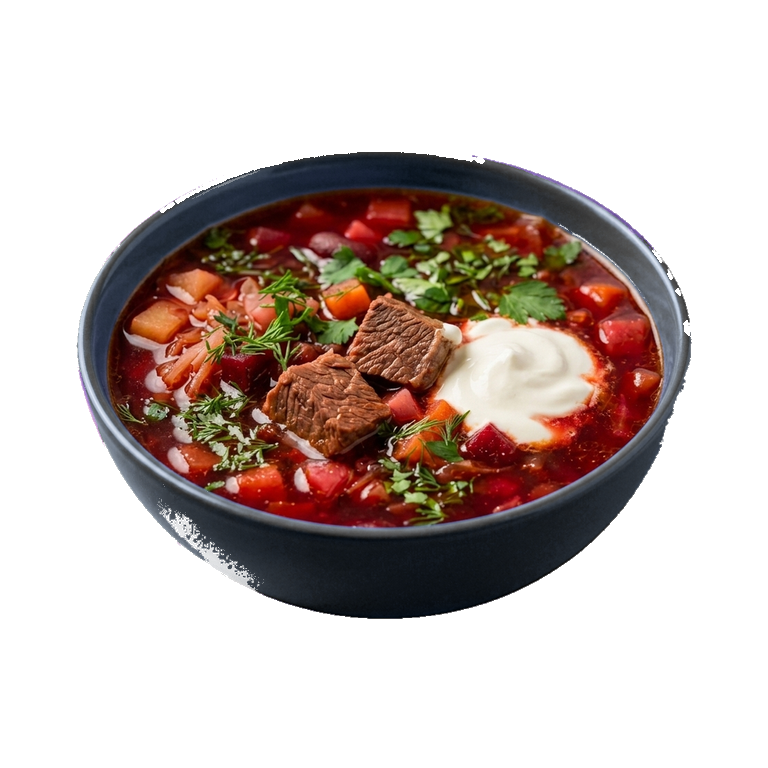
- Vegetables: carrot, celery, onion — base for stewing and broths
- Sauces: demiglace, mustard, horseradish, sour cream
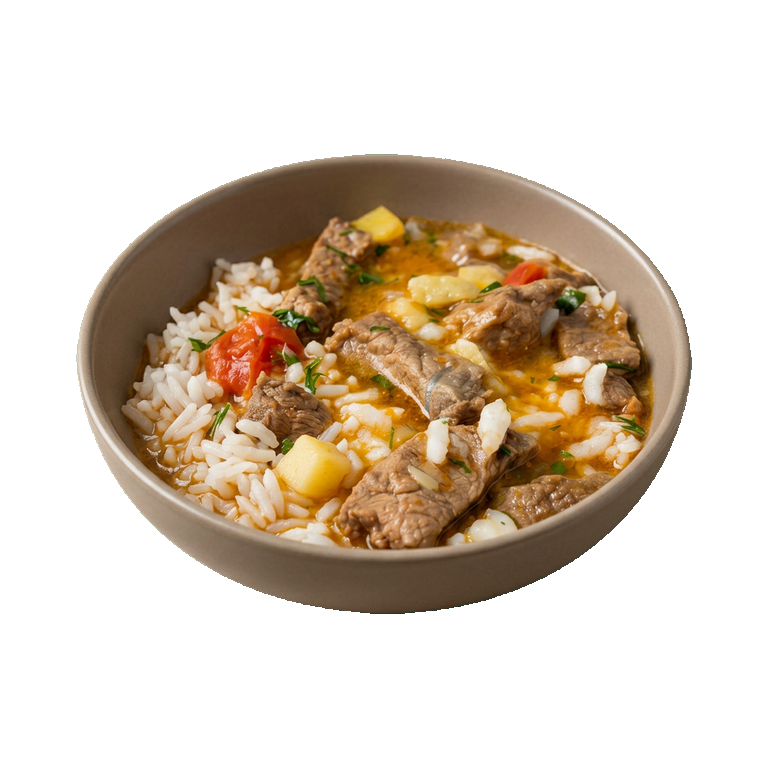
- Side dishes: potatoes, pasta, rice, grilled vegetables
Nutrition
per 100 g
- Calories
- 250 kcal
- Protein
- 26.3 g
- Fat
- 15 g
- Carbs
- 0 g
Micronutrients
per 100 g
Macronutrients
- Fiber
- 0 g
- Sugars
- 0 g
- Saturated fat
- 11.754 g
- Monounsaturated fat
- 14.171 g
- Polyunsaturated fat
- 0.697 g
- Omega-3 (EPA + DHA)
- 0 g
- Cholesterol
- 78 mg
- Water
- 54.3 g
Minerals
- Sodium
- 66 mg
- Potassium
- 218 mg
- Calcium
- 24 mg
- Magnesium
- 14 mg
- Phosphorus
- 132 mg
- Iron
- 1.64 mg
- Zinc
- 3.57 mg
- Copper
- 0.05 mg
- Manganese
- 0.01 mg
- Selenium
- 13.5 mcg
Vitamins
- Vitamin A (RAE)
- 4 mcg
- Vitamin D
- 0.1 mcg
- Vitamin E
- 0.17 mg
- Vitamin K
- 2.9 mcg
- Vitamin C
- 0 mg
- Vitamin B1 (thiamin)
- 0.04 mg
- Vitamin B2 (riboflavin)
- 0.15 mg
- Vitamin B3 (niacin)
- 3.38 mg
- Vitamin B5 (pantothenic acid)
- 0.4 mg
- Vitamin B6
- 0.28 mg
- Vitamin B9 (folate, DFE)
- 9 mcg
- Vitamin B12
- 2.1 mcg
Measures and weight
- 1 pcs
- 500 g
- 1 slice
- 50 g
Measure calculator
- Weight
- 100 g
- Calories
- 250 kcal