Usuba
Usuba
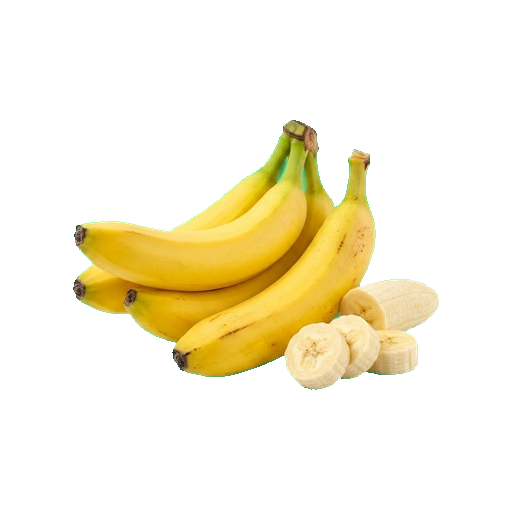
Bananas
Sweet tropical fruits with soft creamy flesh and delicate aroma that are easily digestible and rich in potassium. In cooking, they are used fresh for desserts and smoothies, as well as in baking, where their flesh serves as a natural sweetener and binding agent. When choosing, consider the ripeness level: yellow bananas are sweeter and softer, green ones hold their shape better, and brownish ones are ideal for purees and baking.
Micronutrients
per 100 g
Minerals
About
Aroma and Taste
Banana is one of the few fruits that becomes sweeter and more aromatic as it ripens. An unripe banana is astringent and starchy, a ripe one reveals sweetness with honey and vanilla notes, an overripe one smells intensely and almost fermented. The flesh is dense, creamy, easily mashed with a fork or spoon — this is its main advantage in the kitchen.
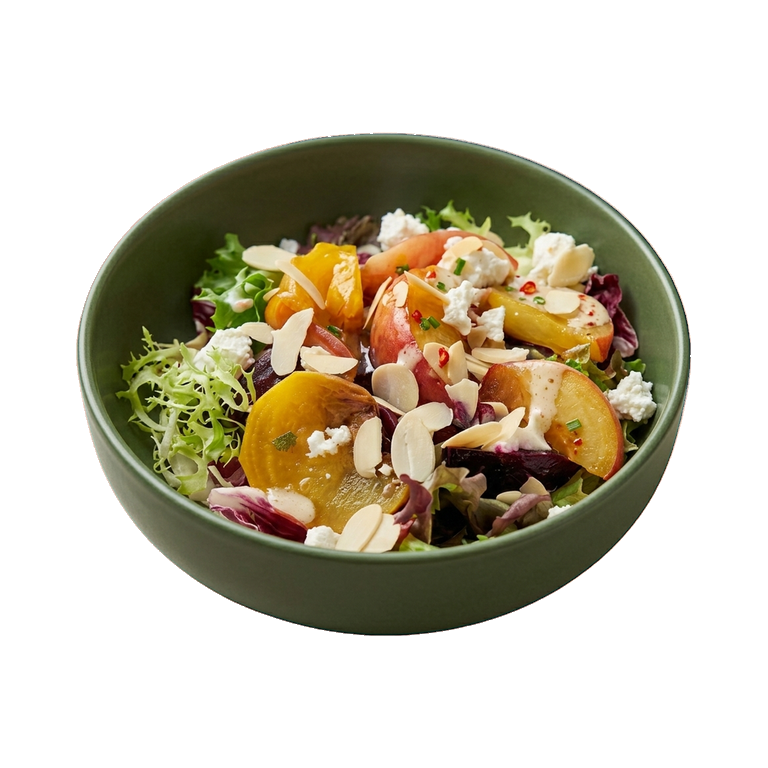
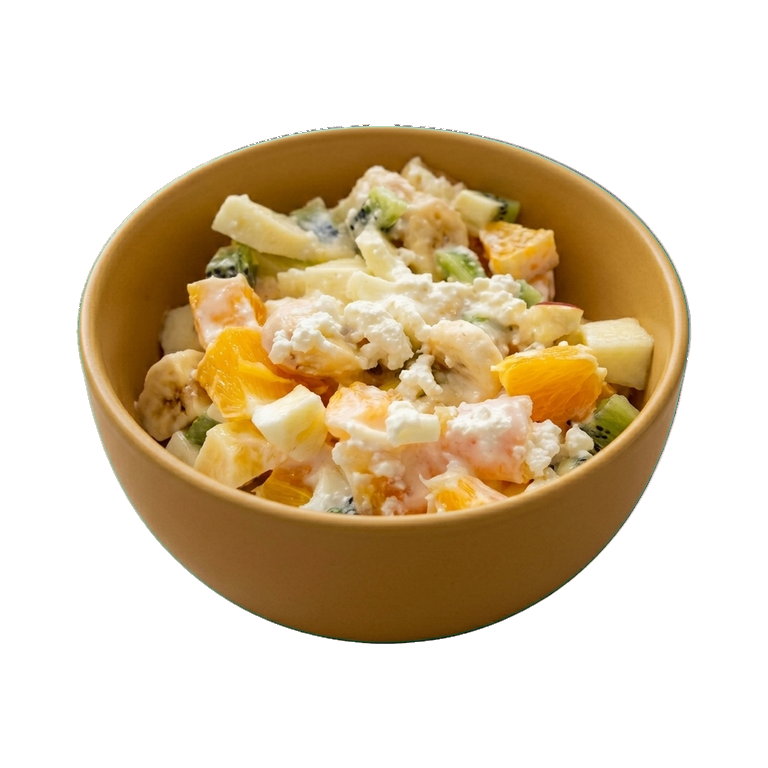
For sweet dishes, choose ripe bananas with yellow skin and barely visible brown speckles. For smoothies and purees, even overripe bananas work well — they are sweeter and don't require added sugar. If you need a banana for slicing in a salad or for stuffing, take a slightly underripe one: it won't fall apart and won't darken on the plate.
Role in dishes
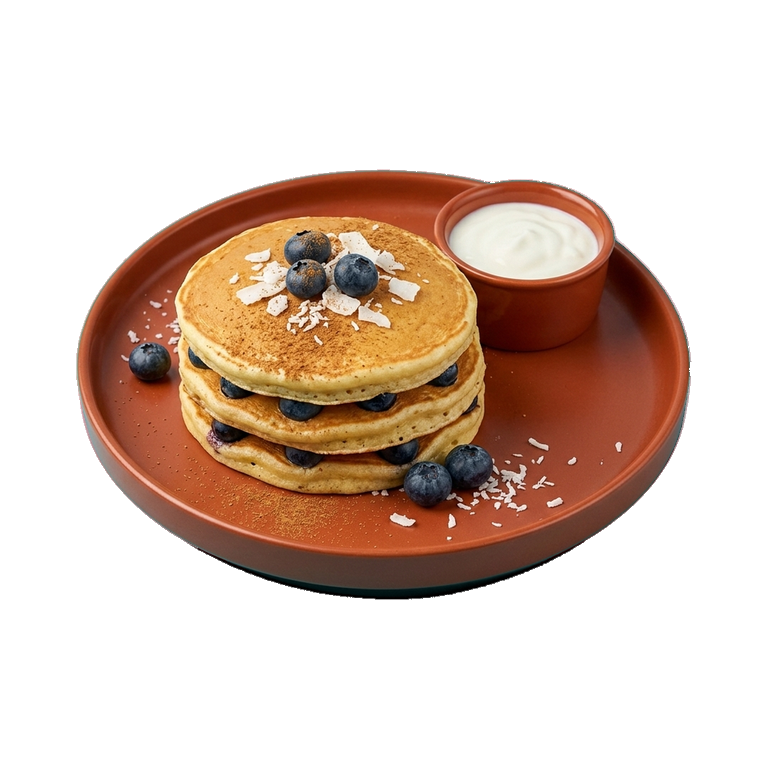
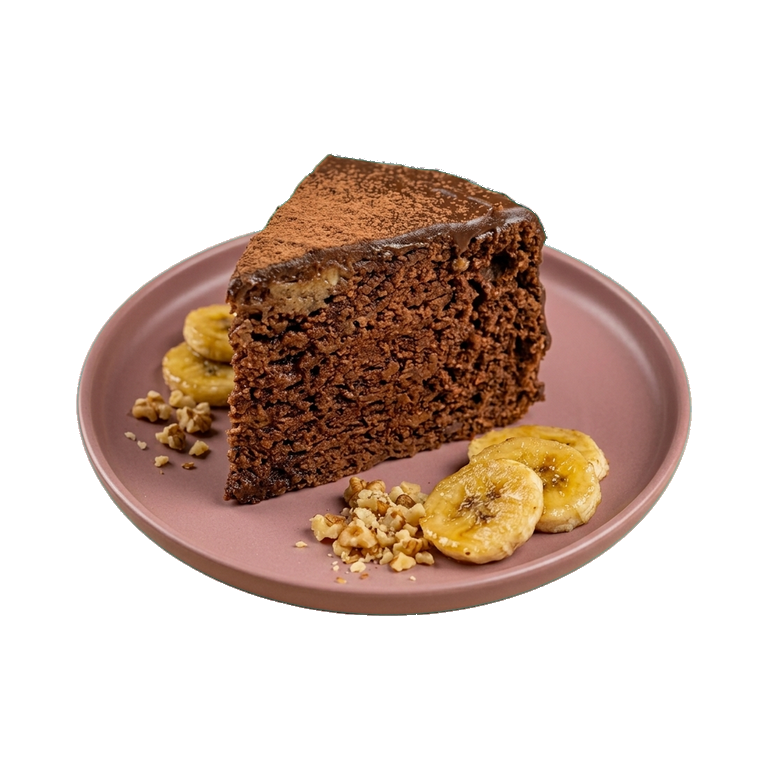
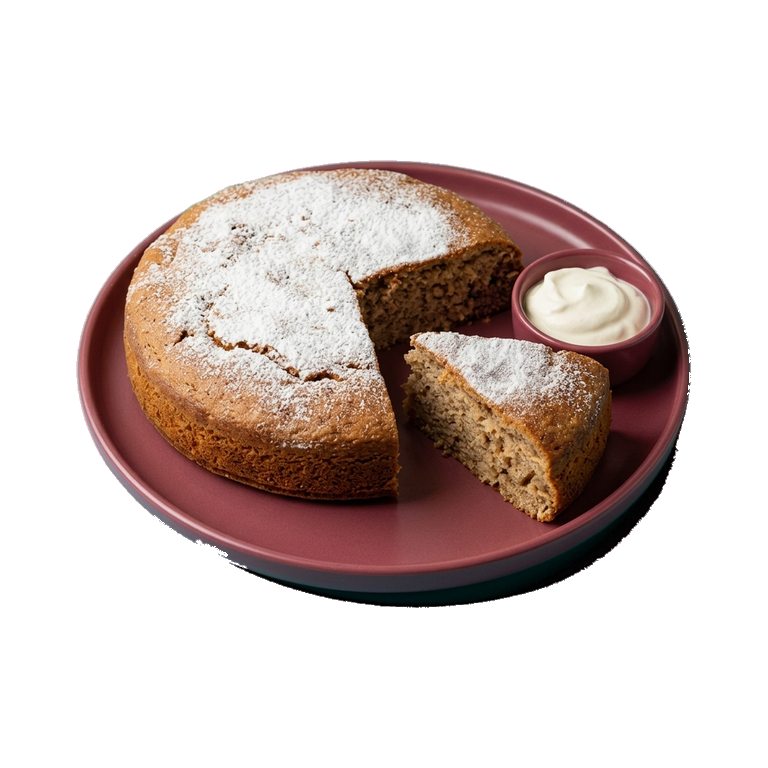
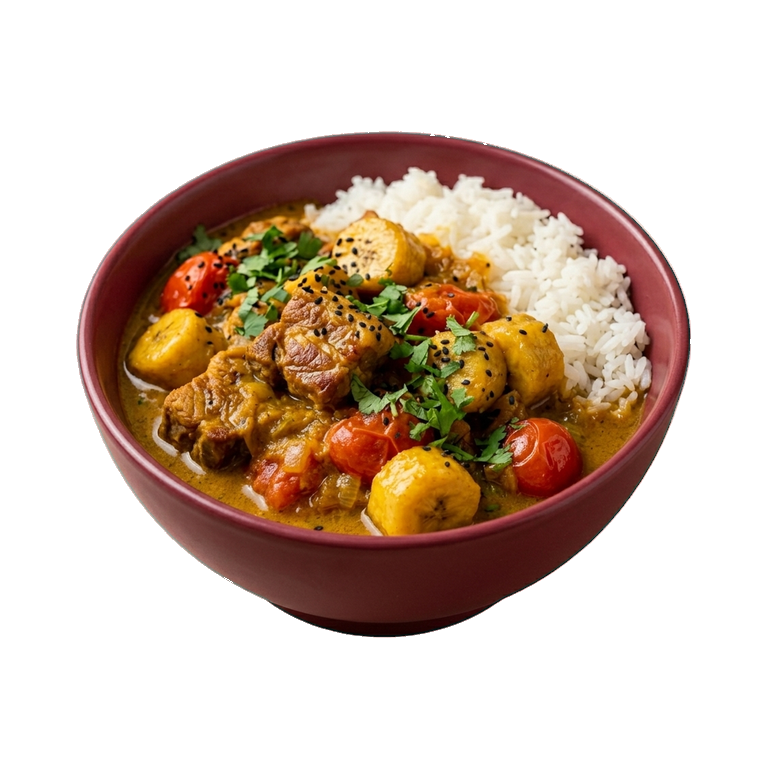
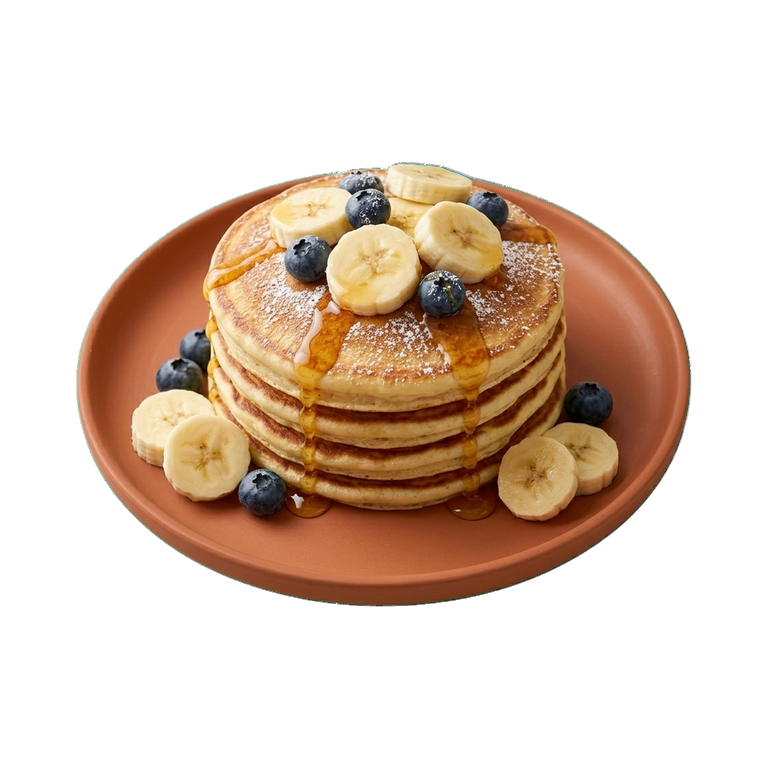
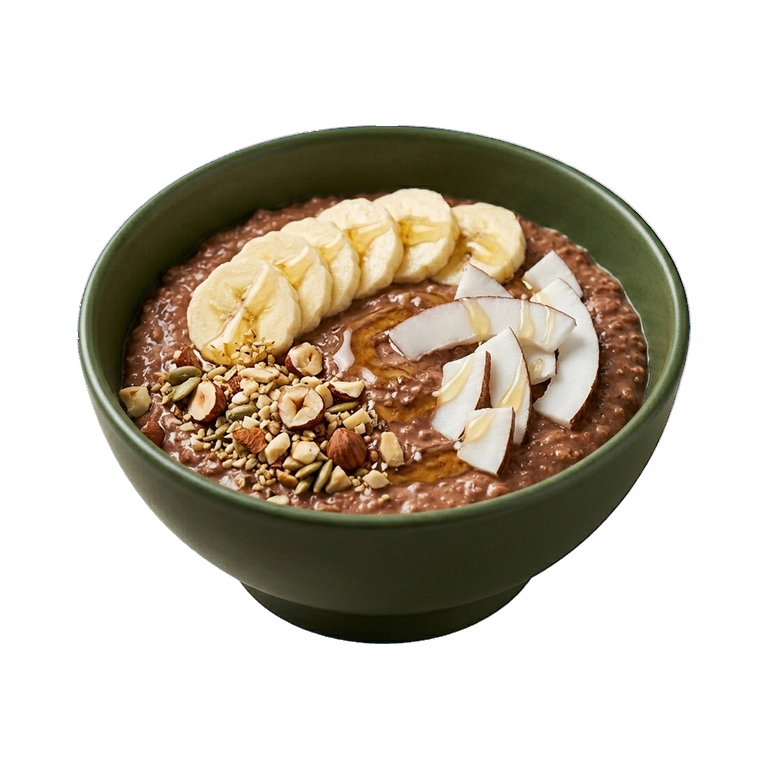
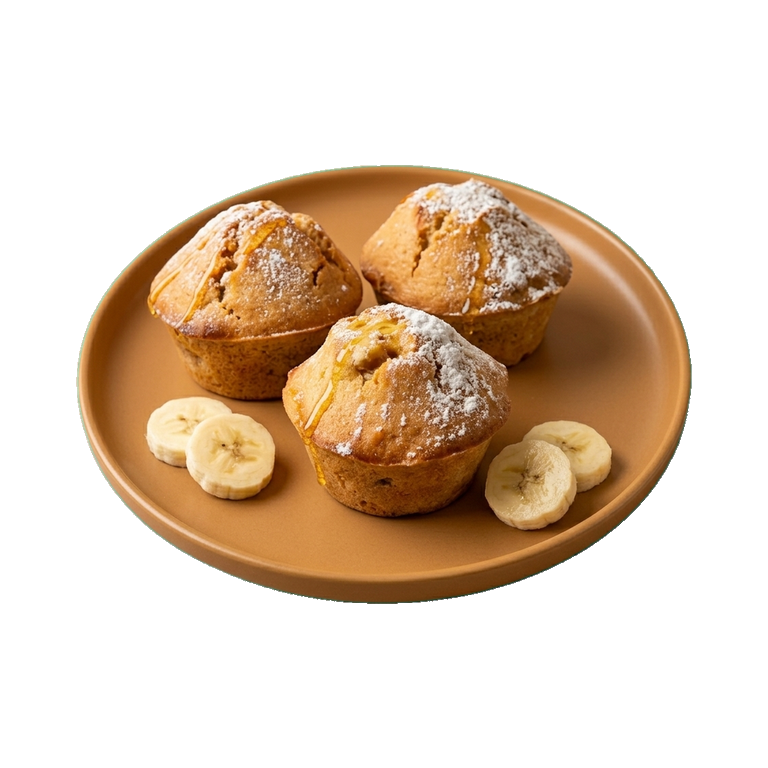
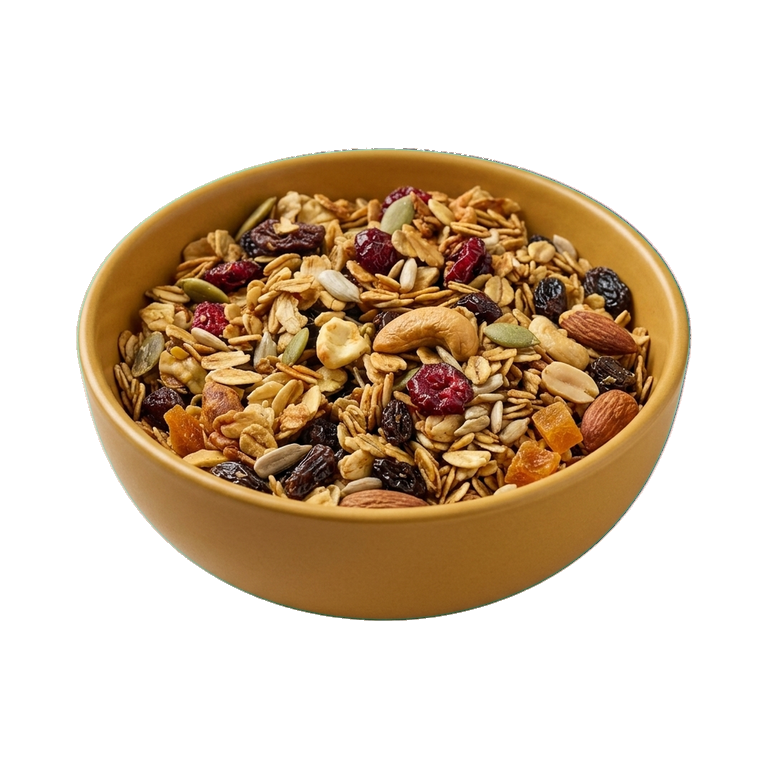
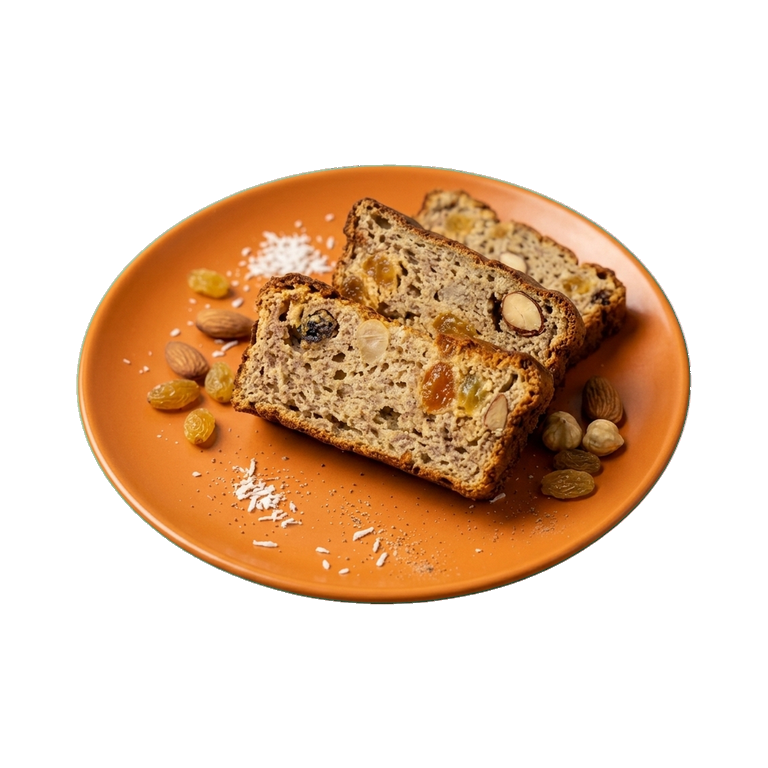
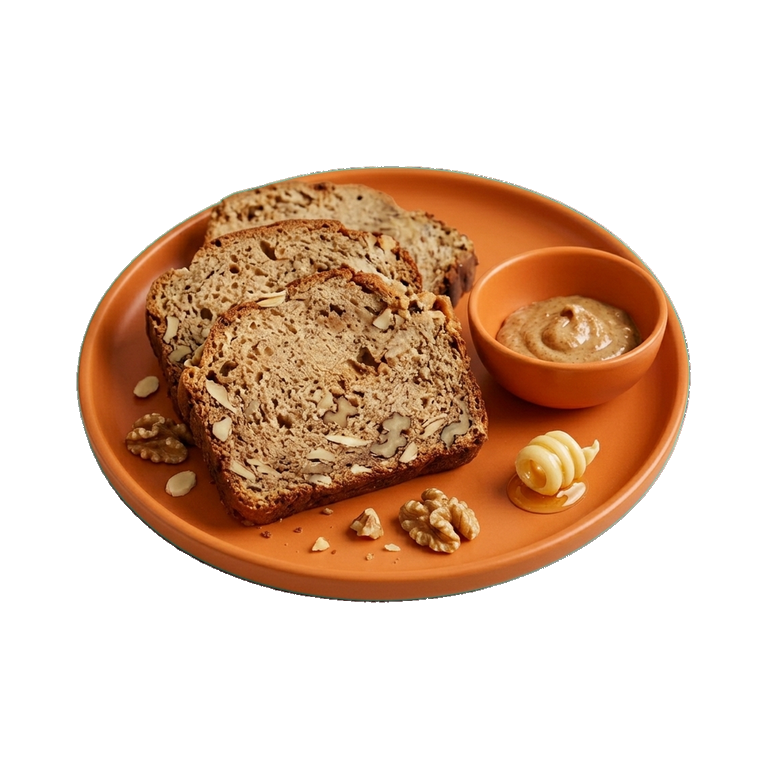
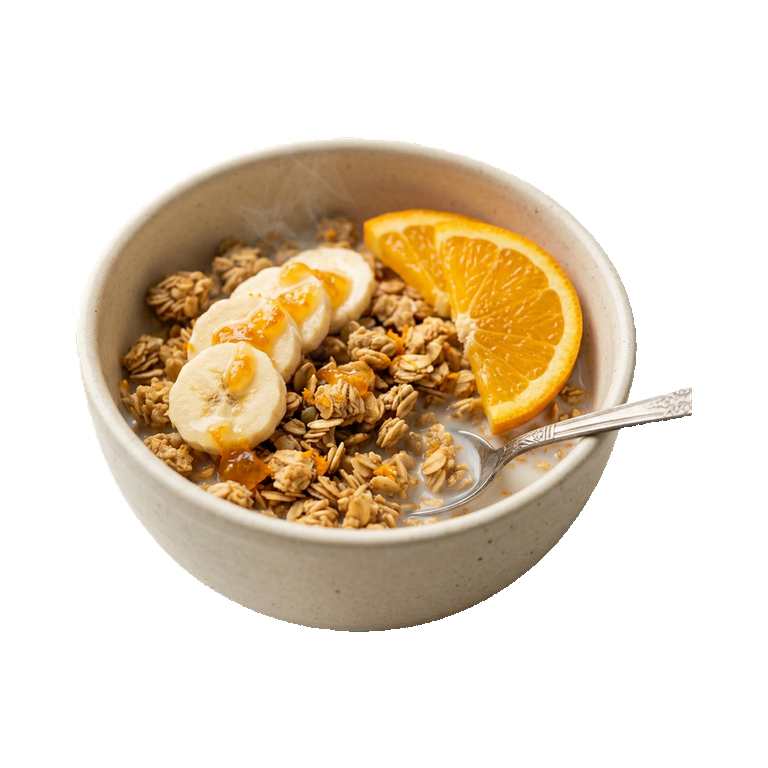
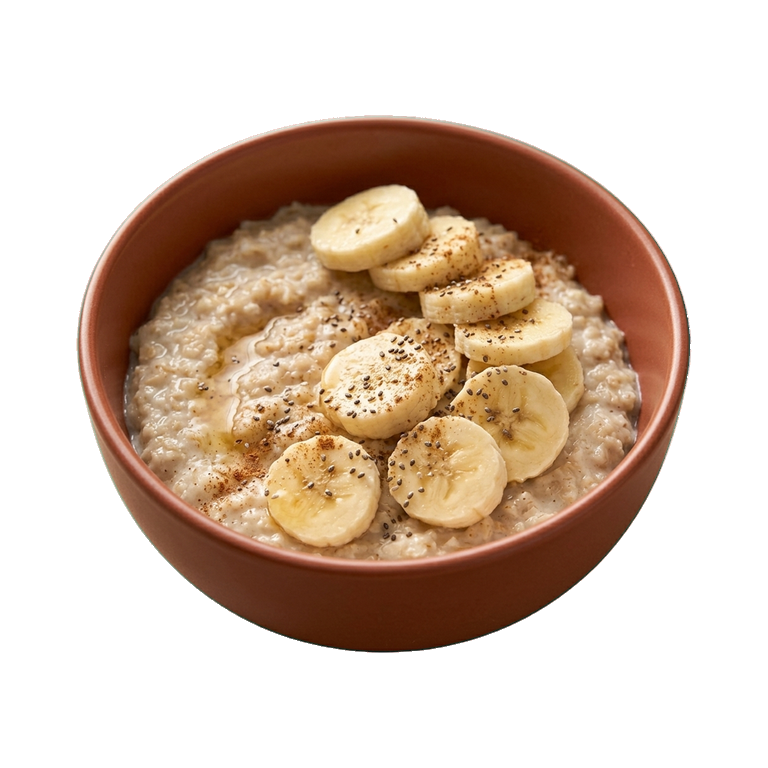
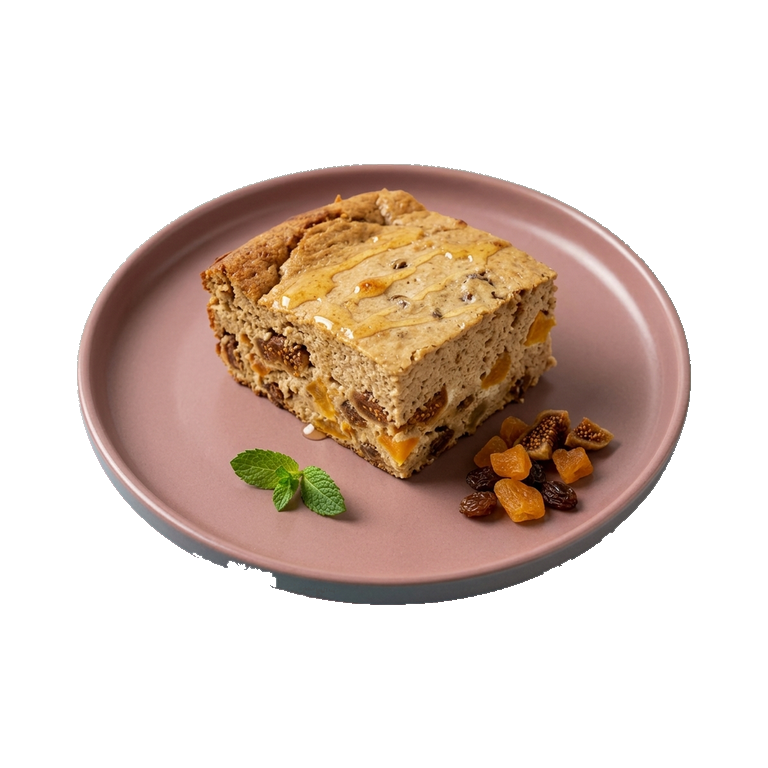
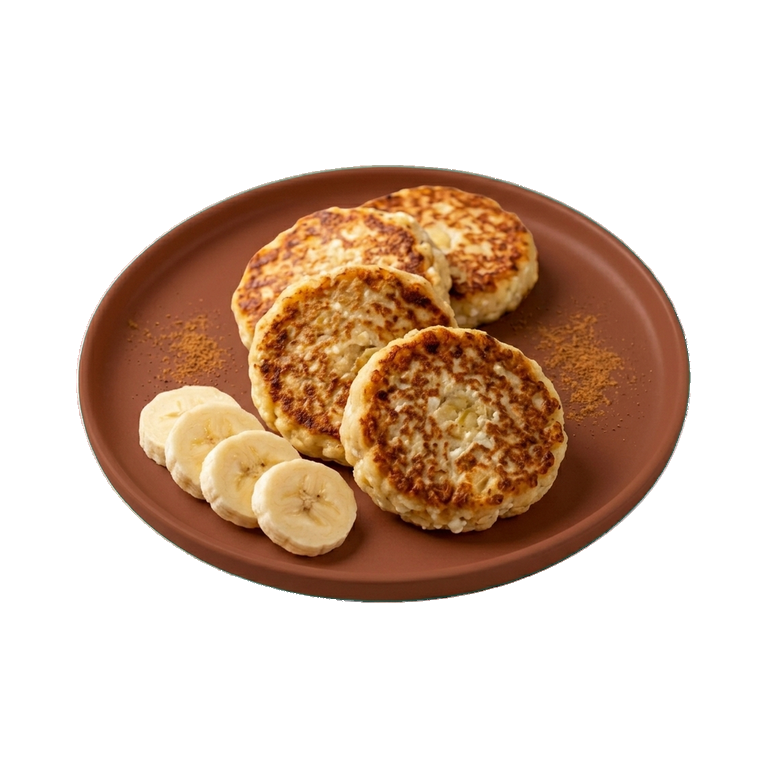
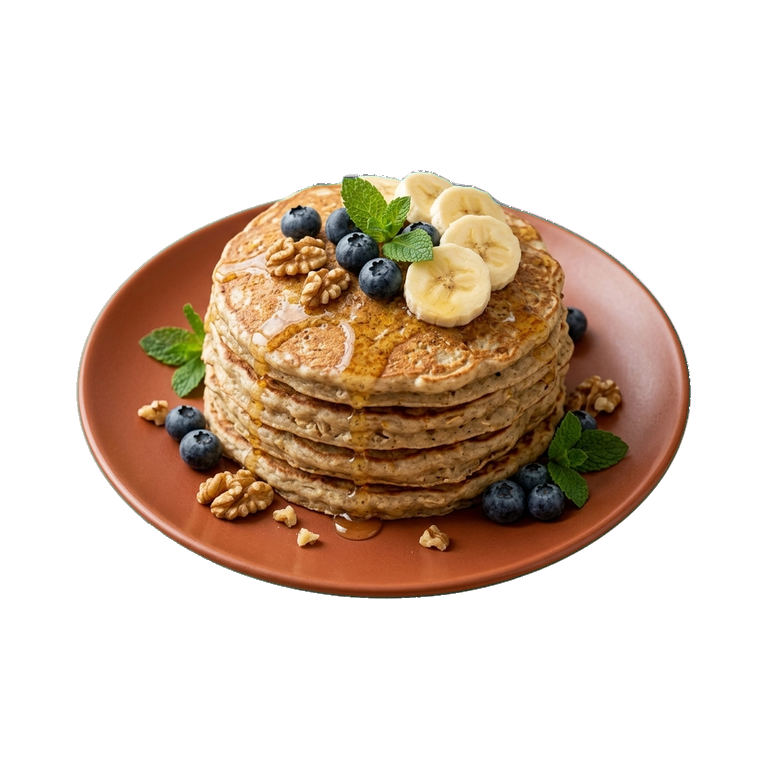
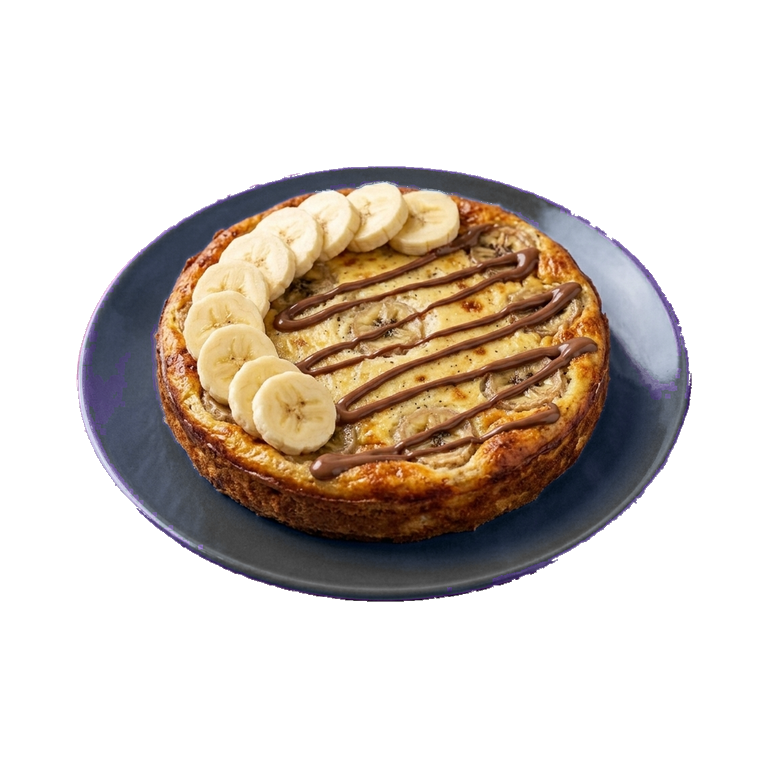
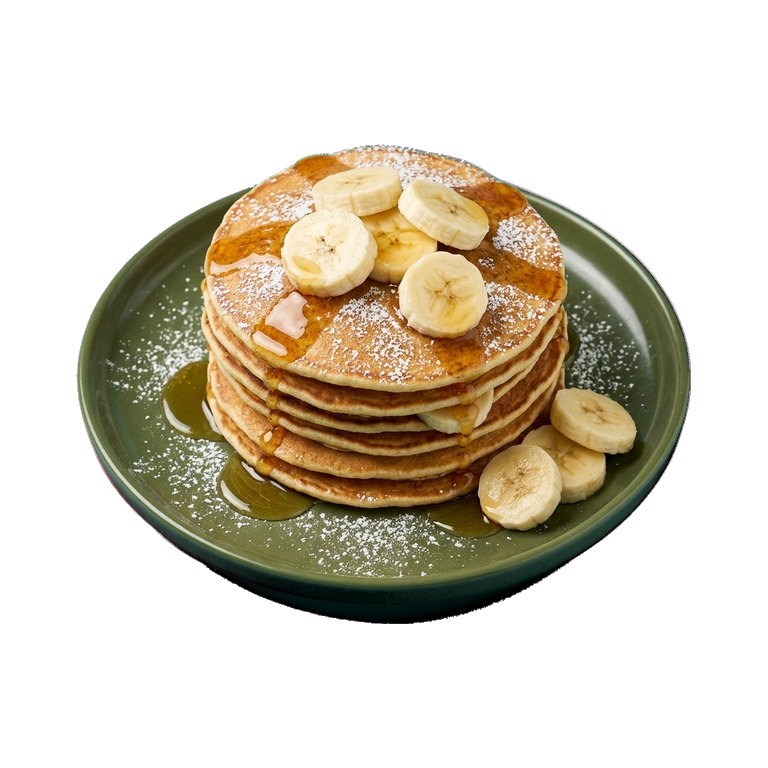
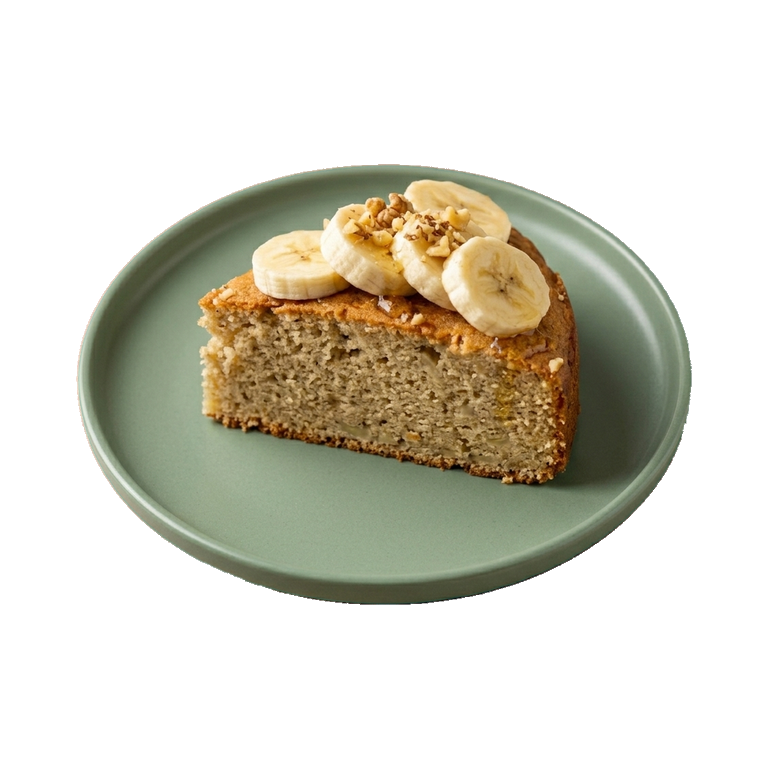
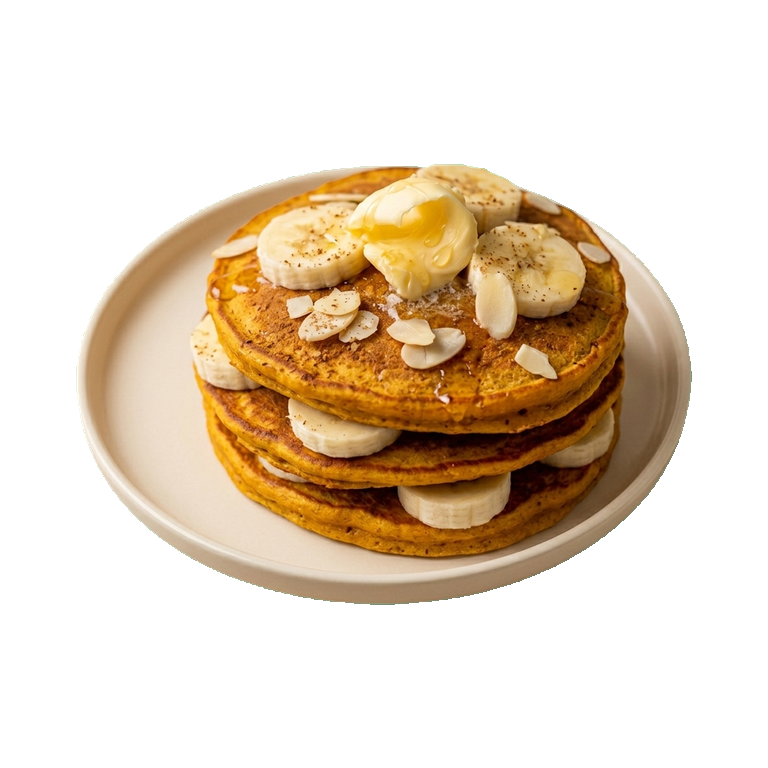
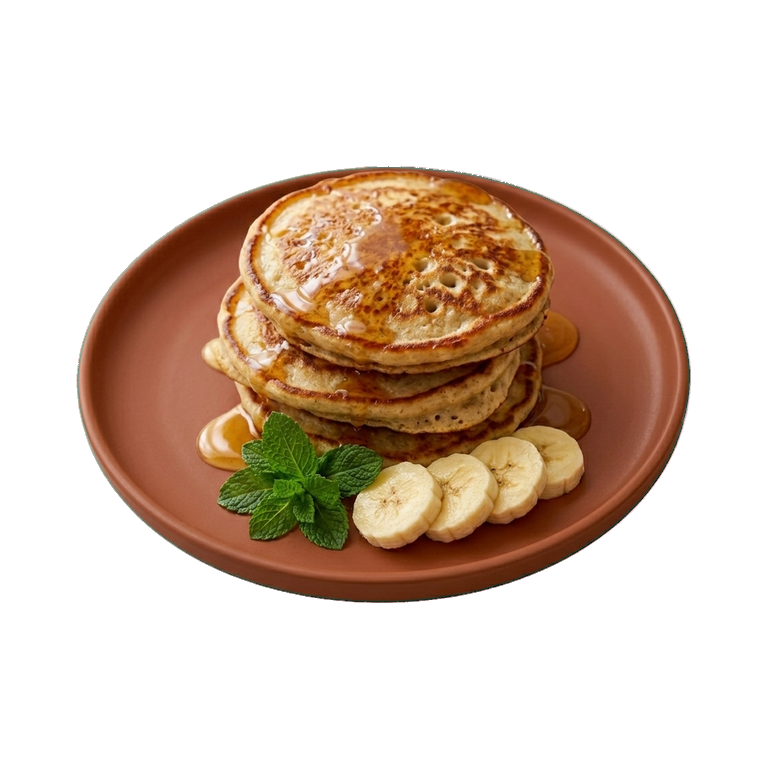
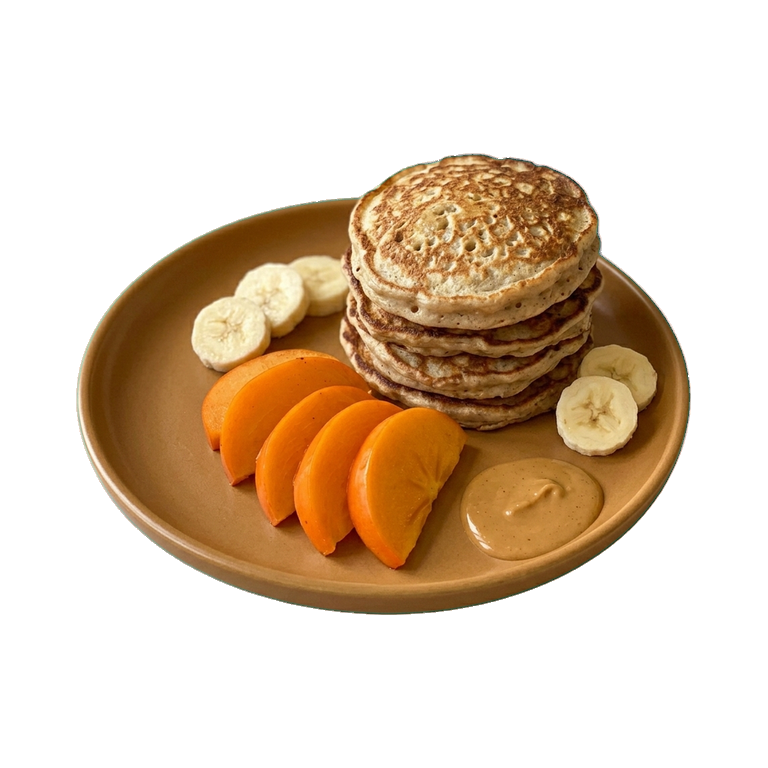
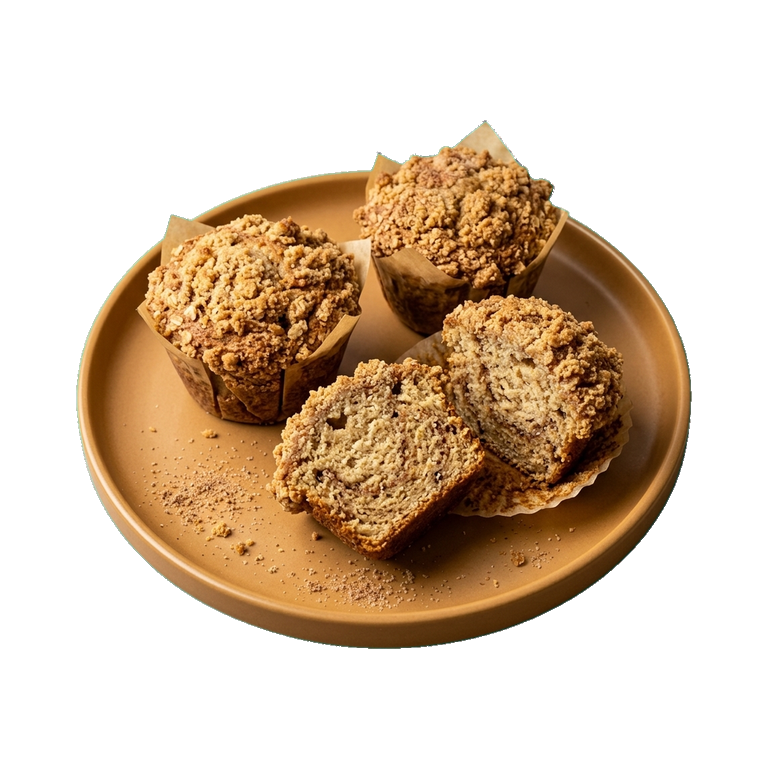
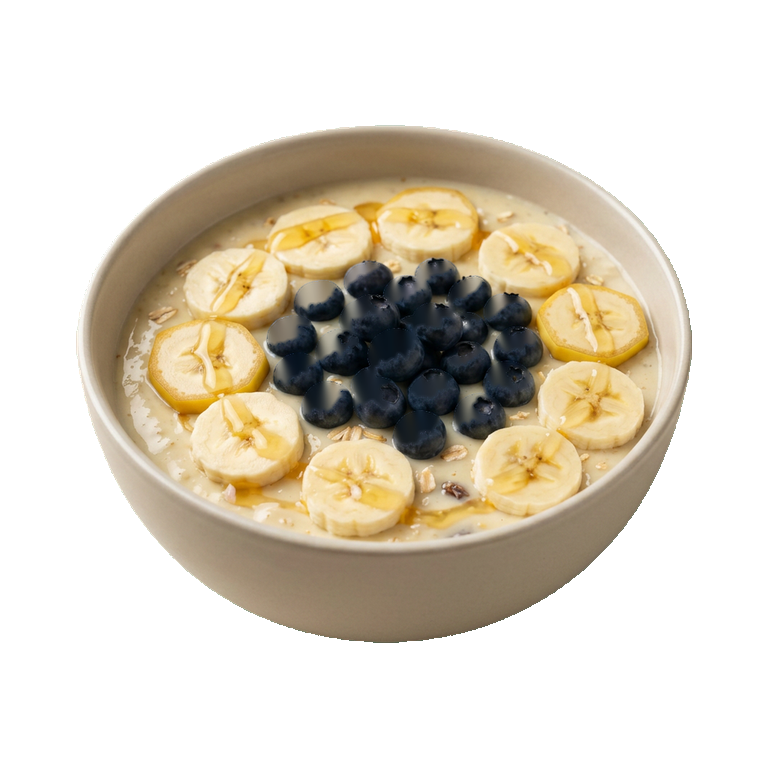
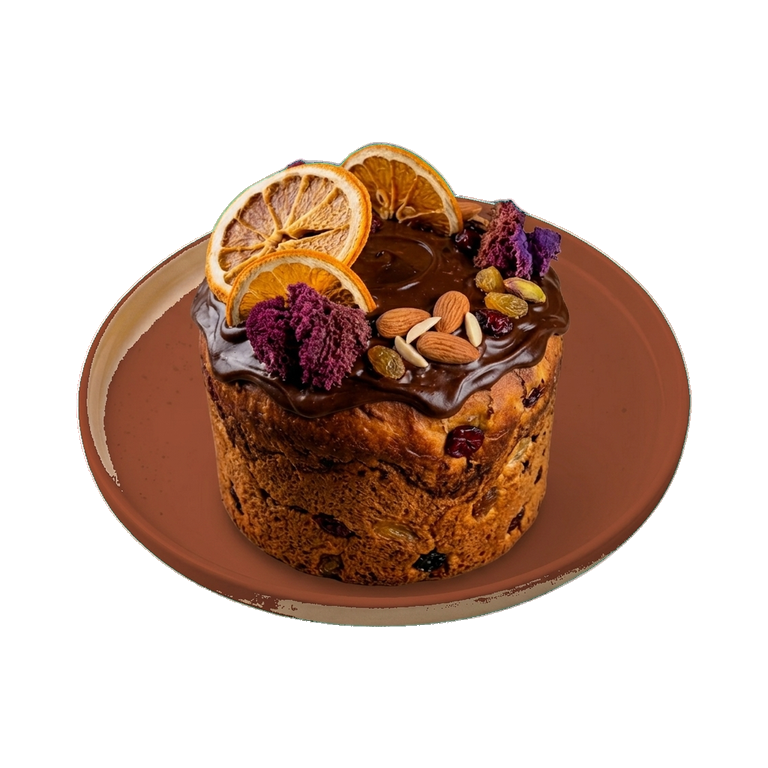
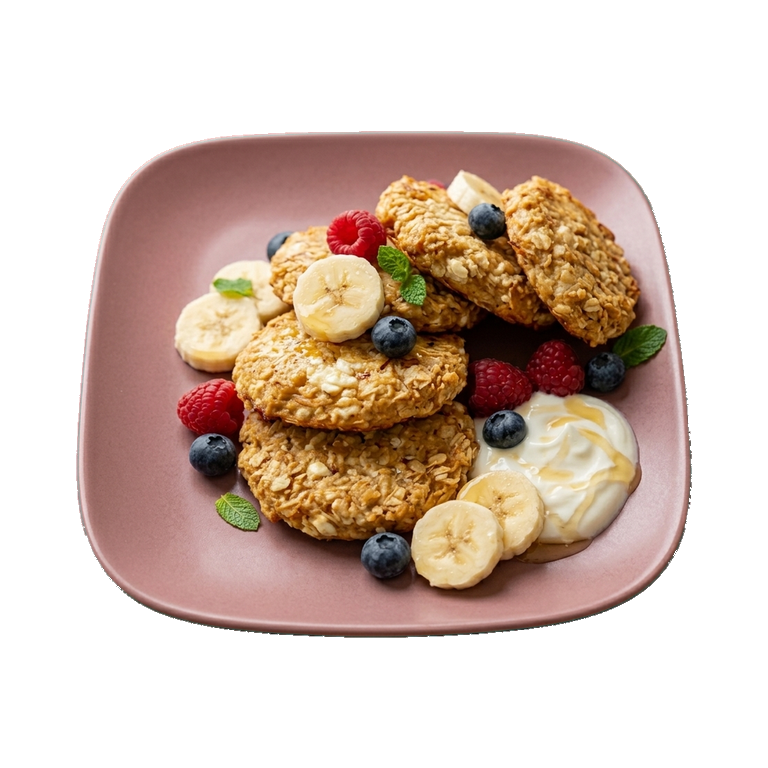
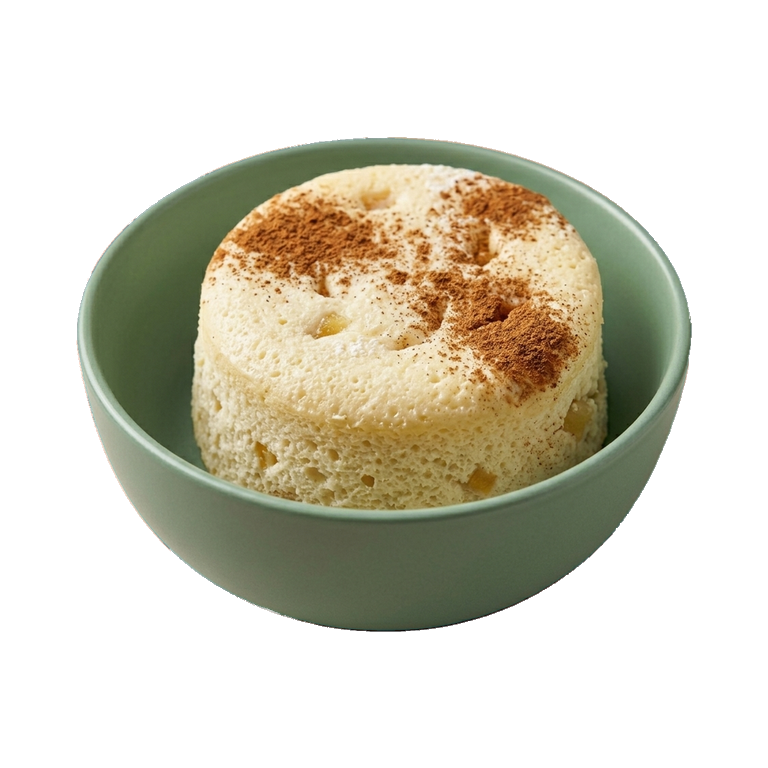
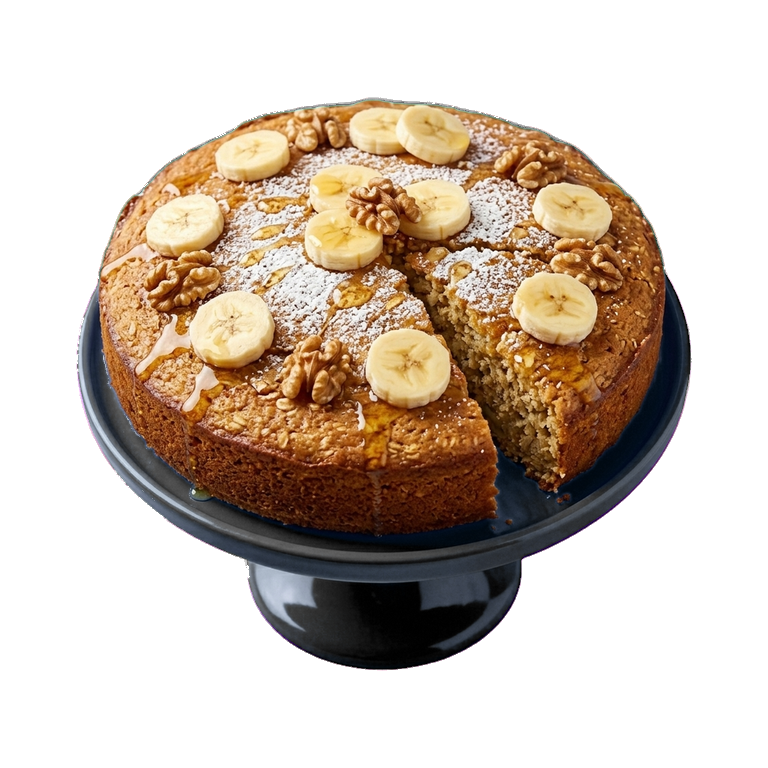
Banana works everywhere: in baking, it adds moisture and natural sweetness, allowing you to reduce the amount of sugar and oil. Mashed ripe banana is added to pancake, muffin, and bread batter — it binds ingredients better than eggs. In porridge, banana is the final touch that transforms a simple breakfast into a full meal.
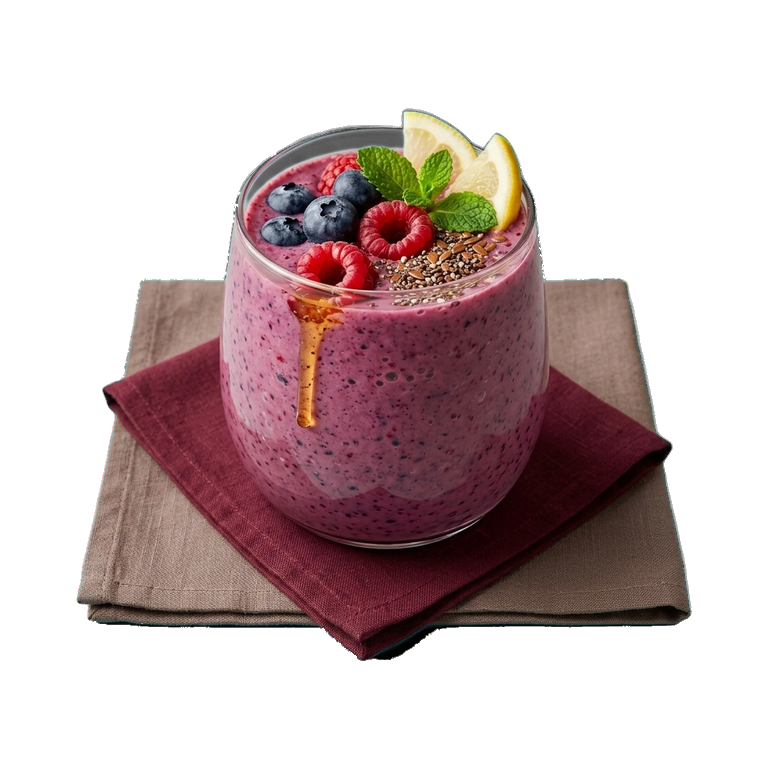
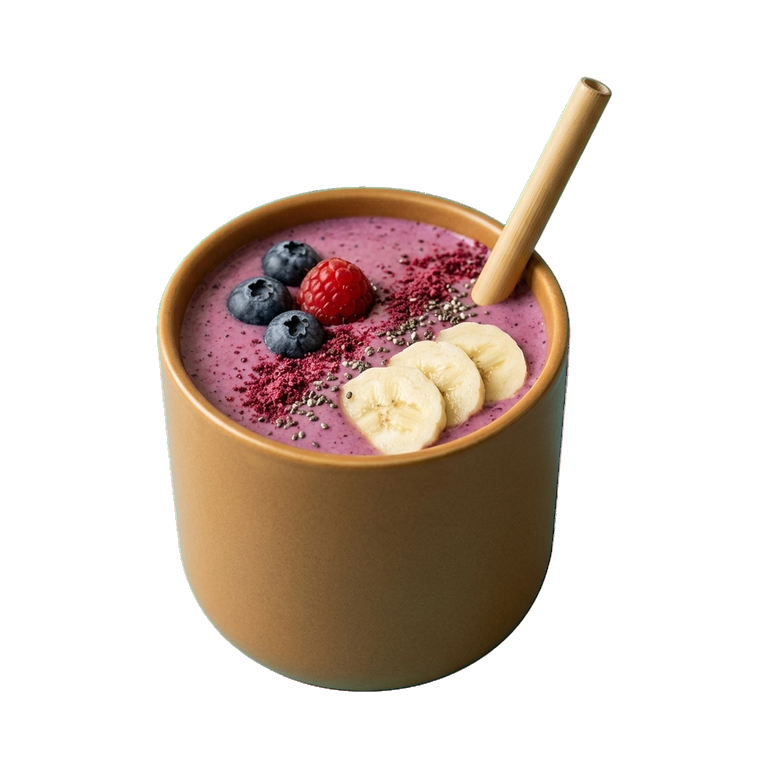
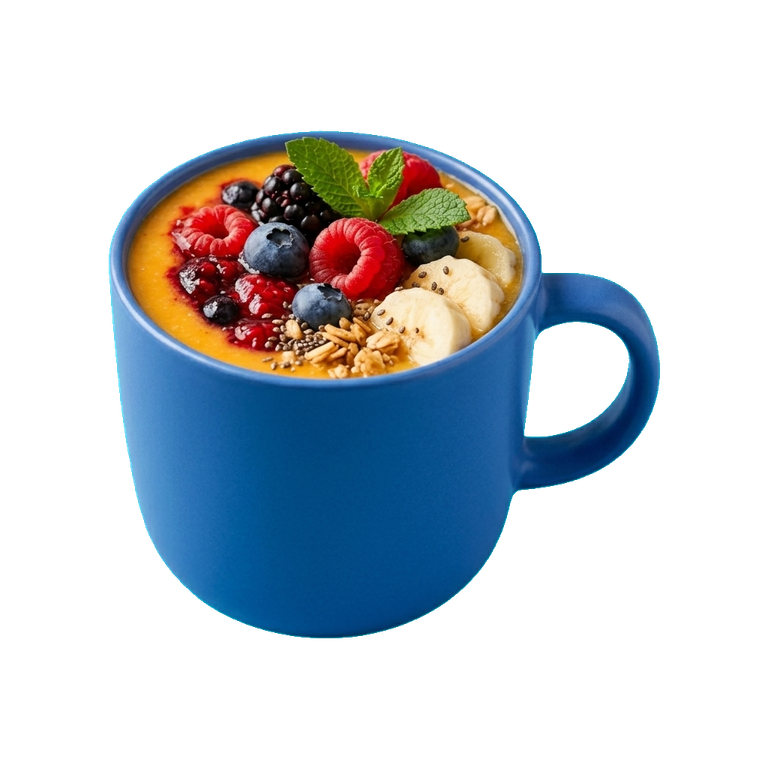
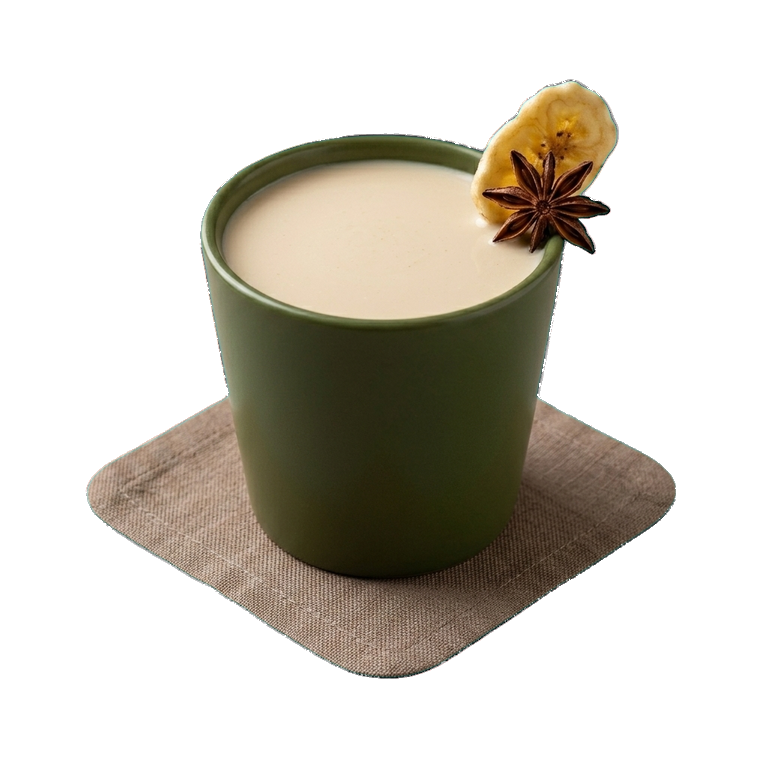
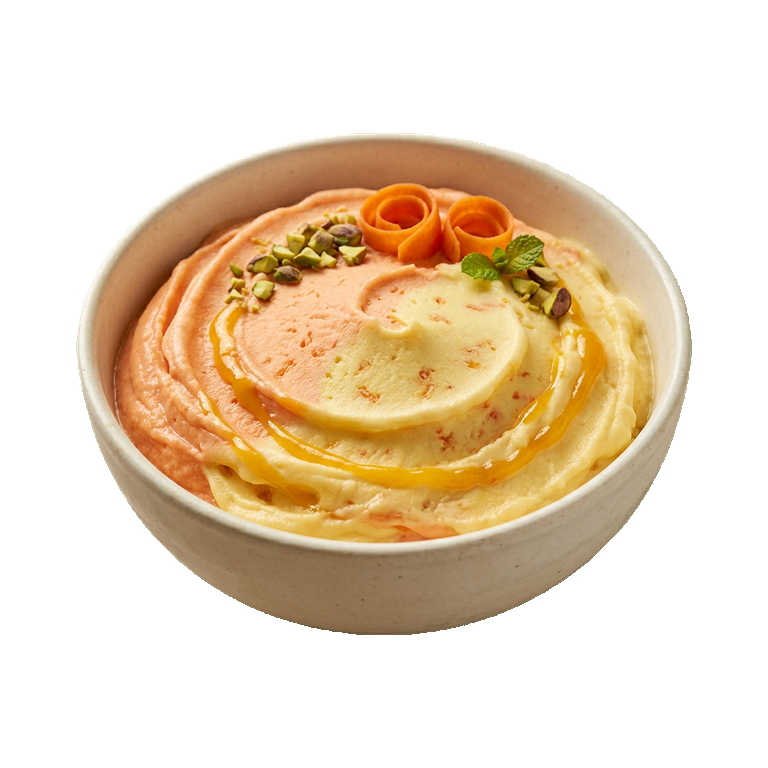
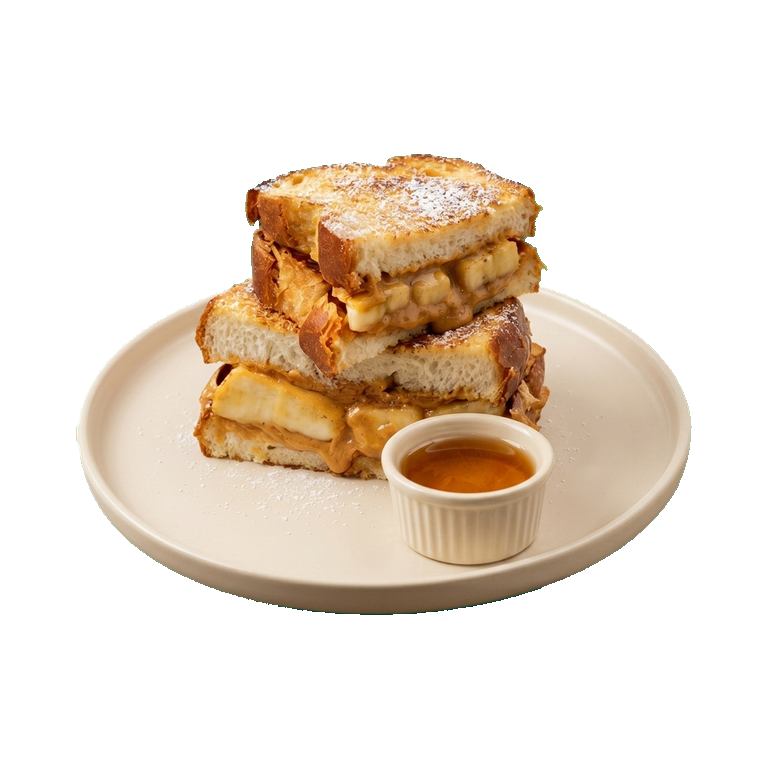
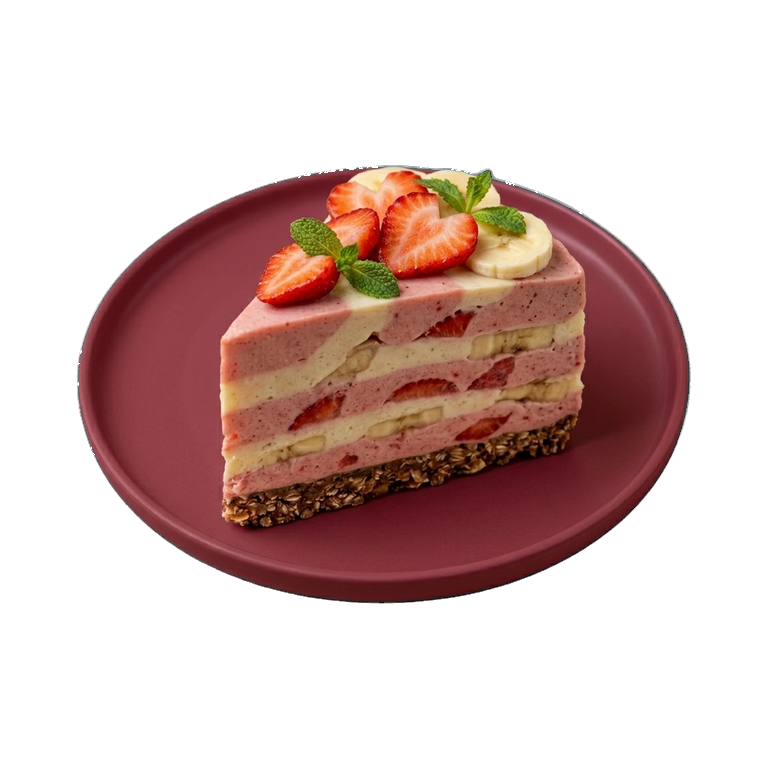
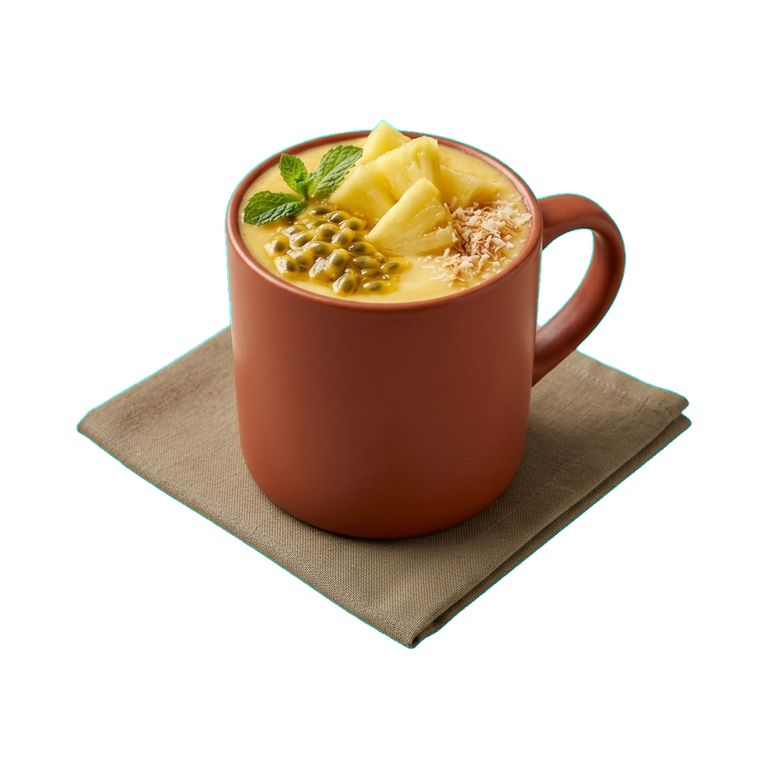
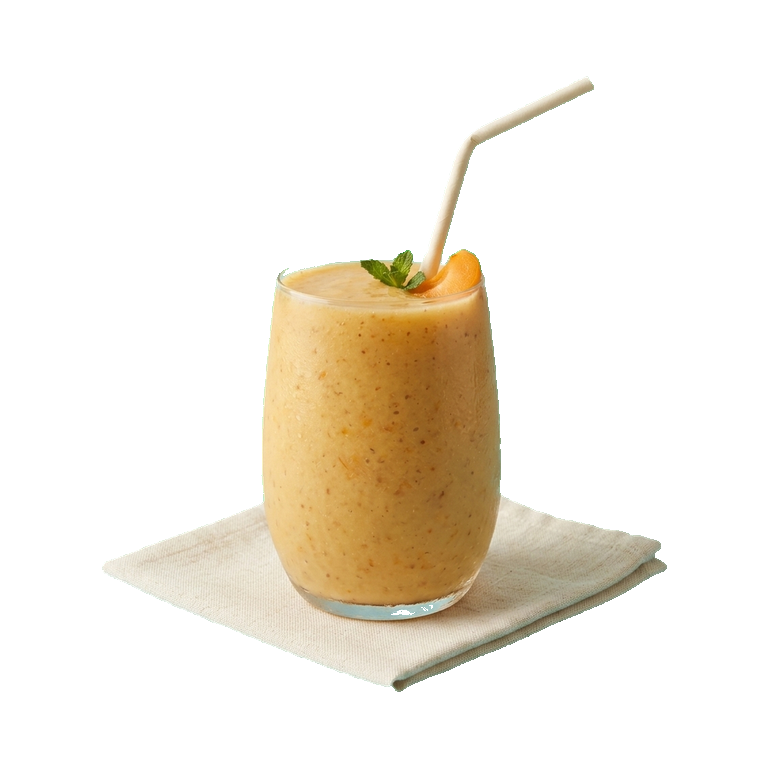
Cold desserts without banana are hard to imagine: smoothies, ice cream, mousses, panna cotta. Frozen banana, sliced into pieces, becomes the base for vegan ice cream — just blend it in a blender. Banana pairs well with cocoa, peanut butter, cinnamon, vanilla, and coconut.
Combinations and Techniques
- With acid: lemon juice or vinegar freezes oxidation and highlights sweetness
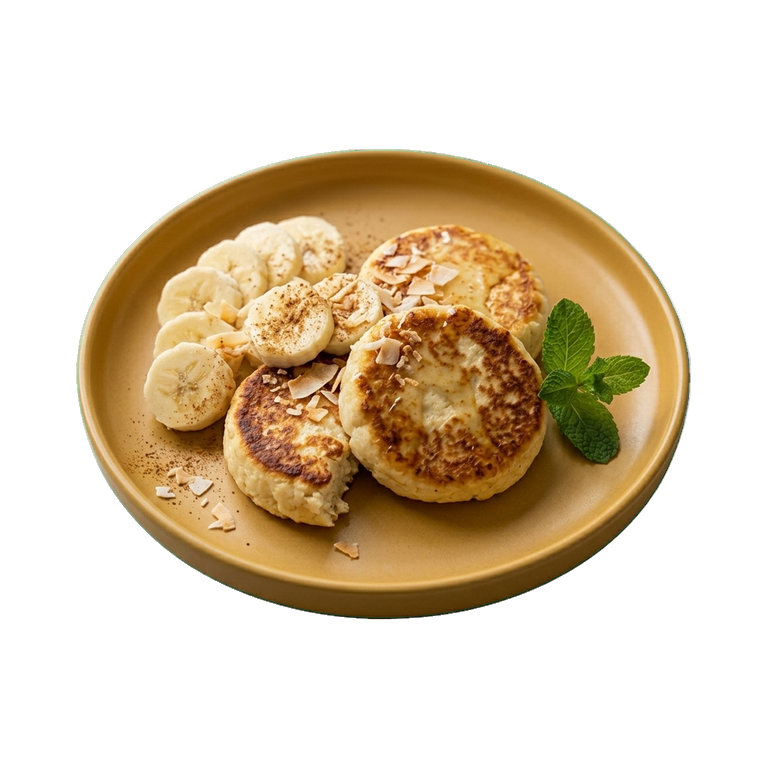
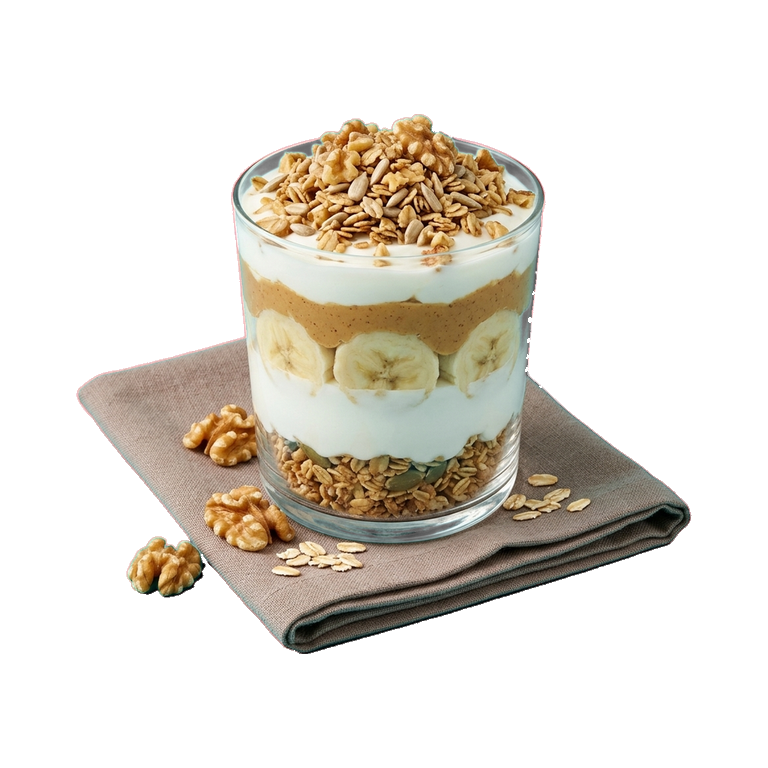
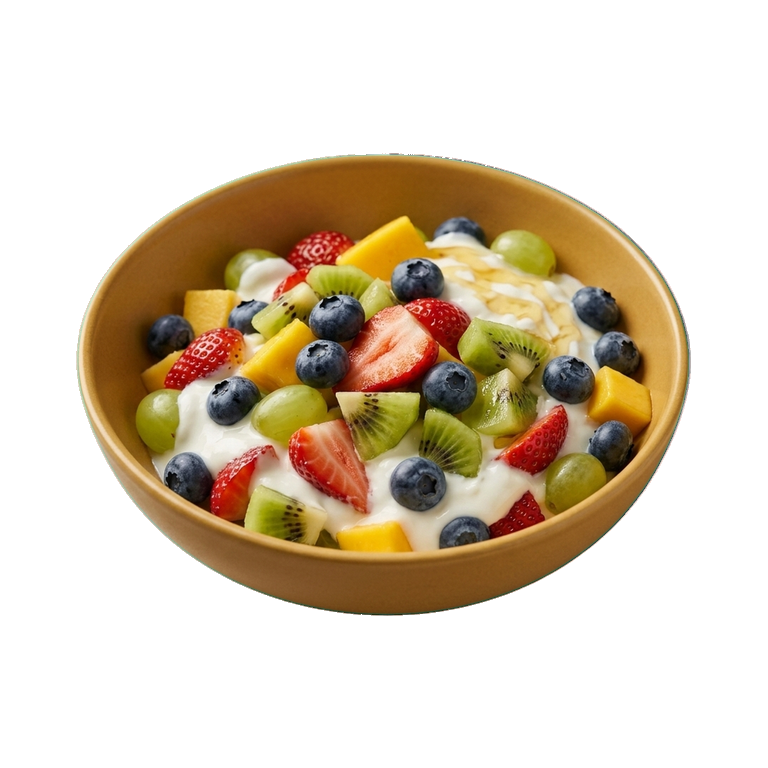
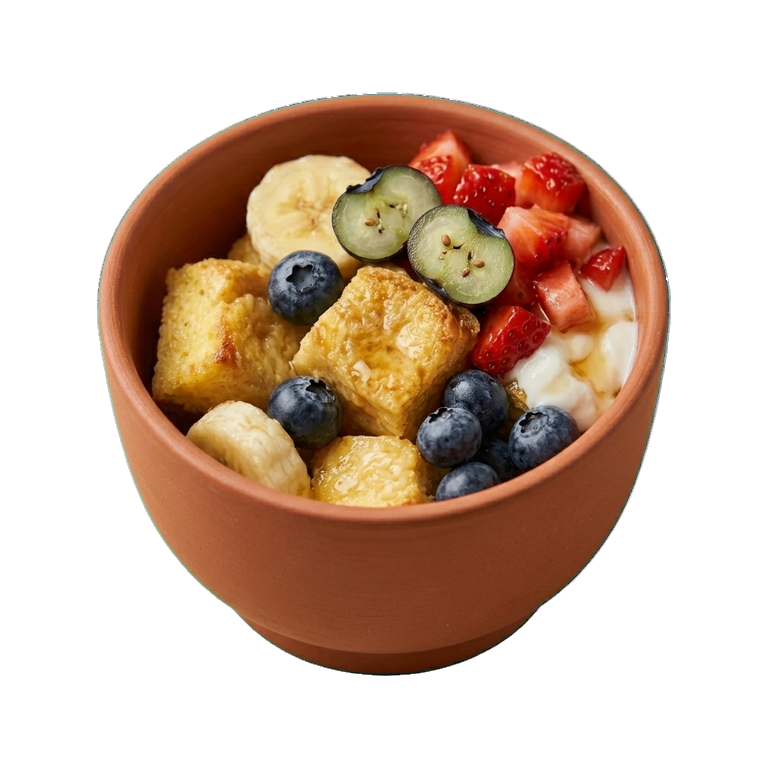
- With proteins: cottage cheese, yogurt, cream cheese create a hearty breakfast or light dessert
- With herbs: mint and basil refresh banana sweetness in smoothies and cocktails
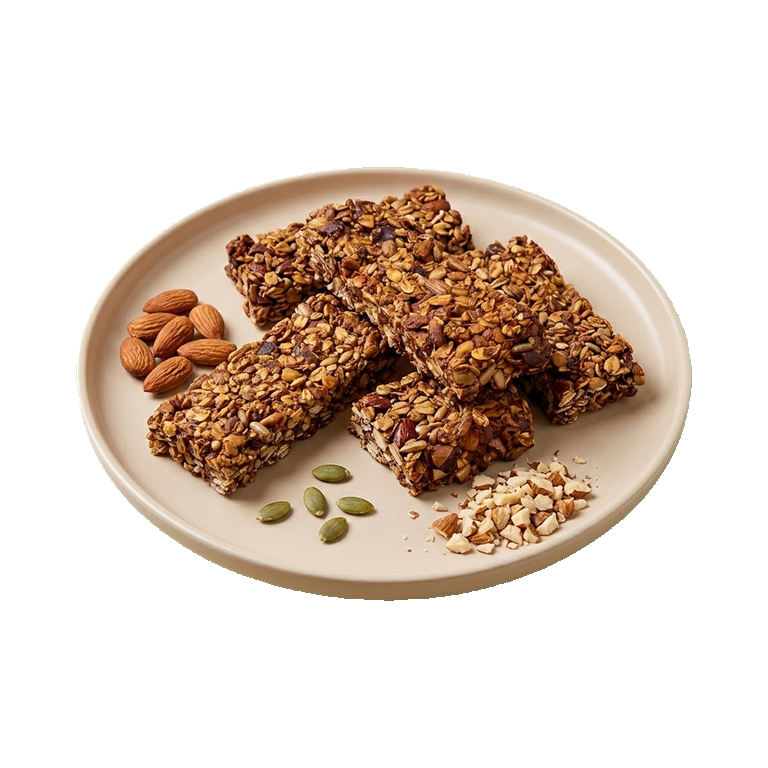
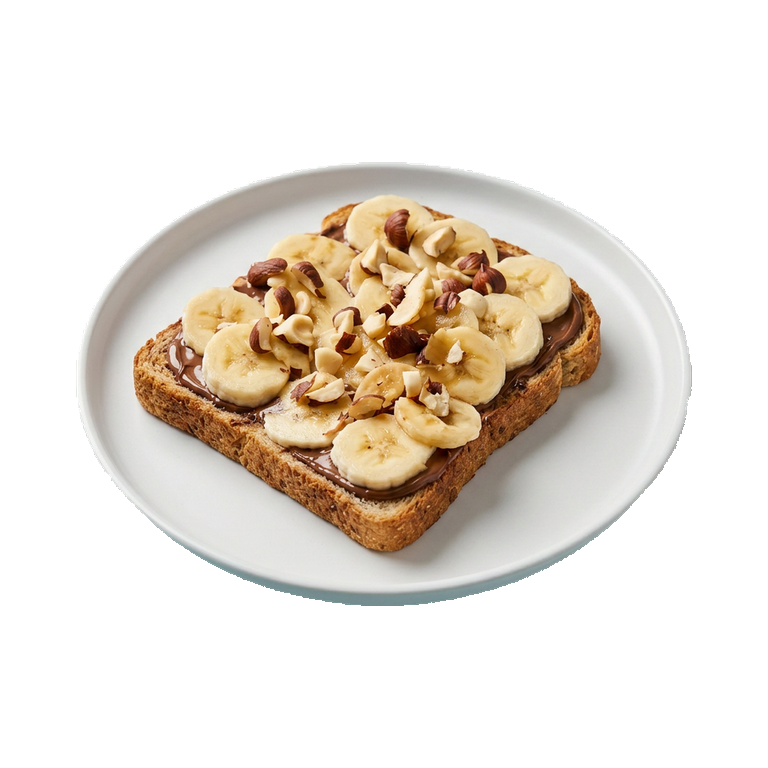
- With nuts: walnuts, almonds, pecans add texture and depth of flavor
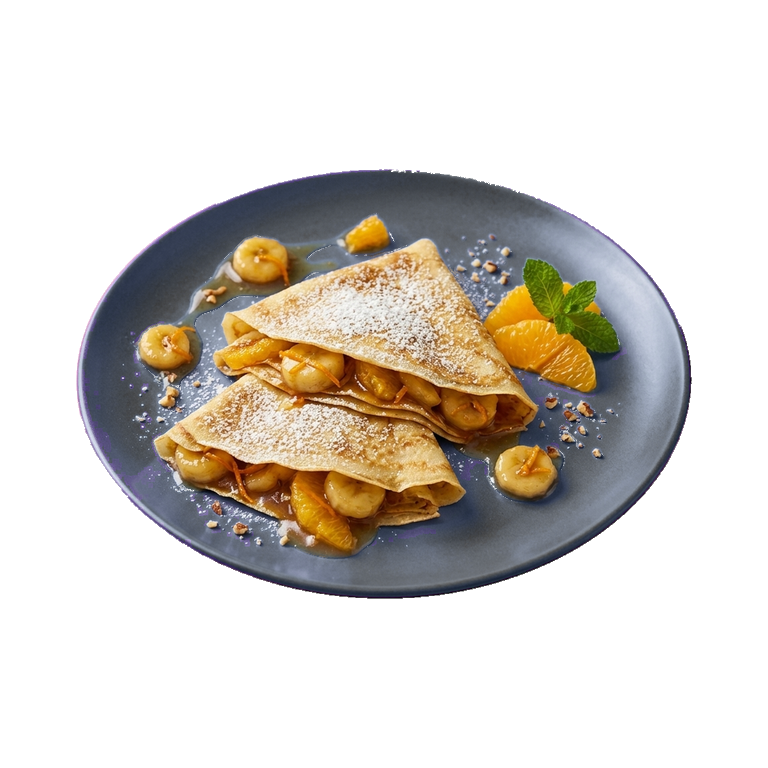
- Caramelized banana: sliced lengthwise and fried in butter with brown sugar — a great side dish for ice cream
Selection and Storage
When buying, look at the skin: it should be smooth, without dents and dark mold spots. A light blue coating on yellow skin is normal, it's a natural waxy layer. The weight of a banana indicates its ripeness: a heavy banana is ripe and sweet, a light one is still young.
Store a ripe banana in the refrigerator: the skin will darken, but the flesh will stay fresh for a week. If you need to slow down ripening, wrap the stem with film — the ethylene gas that the banana releases won't accelerate the process. Frozen banana (peeled and sliced into pieces) lasts for months and is ideal for smoothies and baking.
An overripe banana is not a defect, but a resource. Flesh with brown spots is ideal for bread, muffins, and any purees where maximum sweetness is needed without adding sugar.
Nutrition
per 100 g
- Calories
- 89 kcal
- Protein
- 1.1 g
- Fat
- 0.3 g
- Carbs
- 22.8 g
Micronutrients
per 100 g
Macronutrients
- Fiber
- 2.6 g
- Sugars
- 12.23 g
- Saturated fat
- 0.112 g
- Monounsaturated fat
- 0.032 g
- Polyunsaturated fat
- 0.073 g
- Omega-3 (EPA + DHA)
- 0 g
- Cholesterol
- 0 mg
- Water
- 74.91 g
Minerals
- Sodium
- 1 mg
- Potassium
- 358 mg
- Calcium
- 5 mg
- Magnesium
- 27 mg
- Phosphorus
- 22 mg
- Iron
- 0.26 mg
- Zinc
- 0.15 mg
- Copper
- 0.08 mg
- Manganese
- 0.27 mg
- Selenium
- 1 mcg
Vitamins
- Vitamin A (RAE)
- 3 mcg
- Vitamin D
- 0 mcg
- Vitamin E
- 0.1 mg
- Vitamin K
- 0.5 mcg
- Vitamin C
- 8.7 mg
- Vitamin B1 (thiamin)
- 0.03 mg
- Vitamin B2 (riboflavin)
- 0.07 mg
- Vitamin B3 (niacin)
- 0.67 mg
- Vitamin B5 (pantothenic acid)
- 0.33 mg
- Vitamin B6
- 0.37 mg
- Vitamin B9 (folate, DFE)
- 20 mcg
- Vitamin B12
- 0 mcg
Measures and weight
- 1 pcs
- 120 g
Measure calculator
- Weight
- 100 g
- Calories
- 89 kcal