Usuba
Usuba
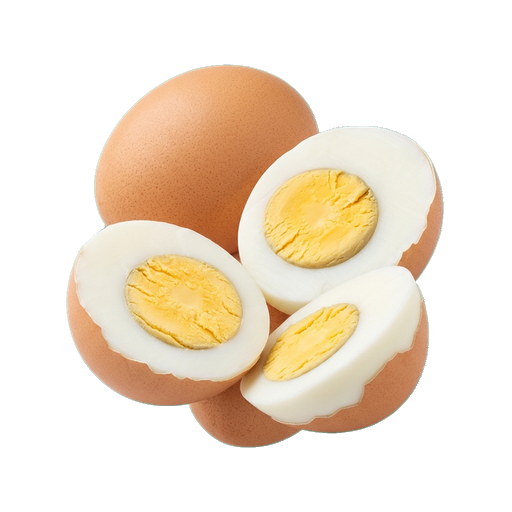
Chicken egg
A versatile ingredient with a neutral taste that serves as a binder in batters, an emulsifier in sauces, and a base for numerous dishes. Protein coagulates when heated and creates structure, while yolk enriches the dish with fat and lecithin. When selecting, pay attention to the shelf life and shell integrity — freshness affects the consistency of the whites and the rise of baked goods.
Micronutrients
per 100 g
Minerals
Vitamins
- AVitamin A (RAE)160mcg19% DV
- DVitamin D2mcg13% DV
- EVitamin E1.05mg7% DV
- KVitamin K0.3mcg0% DV
- B1Vitamin B1 (thiamin)0.04mg3% DV
- B2Vitamin B2 (riboflavin)0.46mg26% DV
- B3Vitamin B3 (niacin)0.08mg0% DV
- B5Vitamin B5 (pantothenic acid)1.53mg31% DV
- B6Vitamin B60.17mg9% DV
- B9Vitamin B9 (folate, DFE)47mcg12% DV
- B12Vitamin B120.9mcg30% DV
About
Chicken egg is one of the most versatile ingredients in the kitchen. It works everywhere: in baking as a binder, in omelets as a base, in sauces as a thickener. It's not just convenience, but a culinary necessity that keeps many dishes afloat. The white and yolk perform different functions, so sometimes they are separated, sometimes used whole — it all depends on what you are cooking.
Protein and Yolk: Different Roles
Egg white is almost pure protein, and it is responsible for structure. Whipped into foam, it raises sponge cakes and soufflés, creating airiness. In omelets or glazes, egg white gives delicacy and lightness. Egg yolk is rich in fat and lecithin, it makes dough softer, sauces thicker and smoother, and baked goods golden and aromatic.
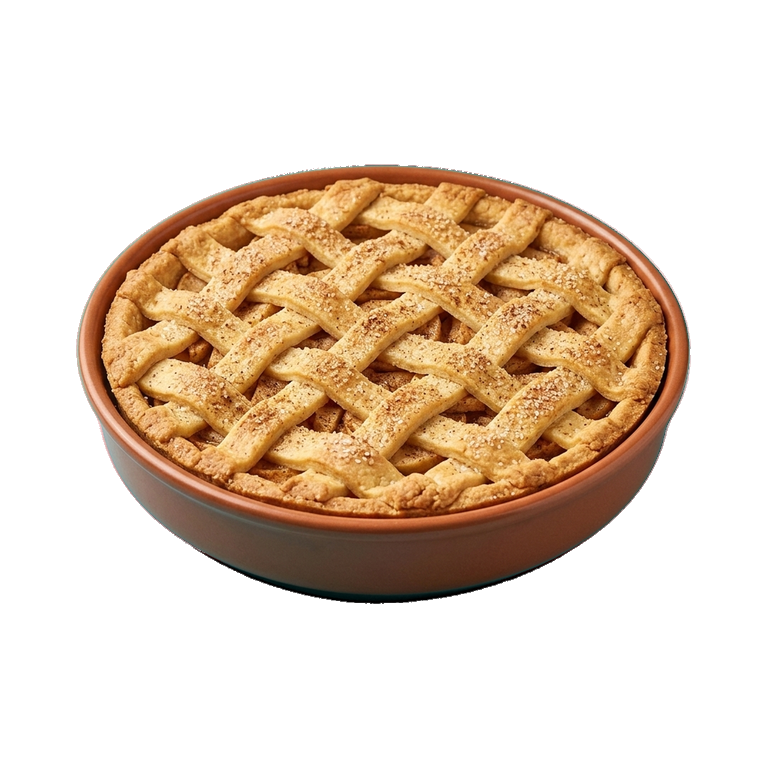
A whole egg is a balance. It works well in breading, in aspic pies, in batters for pancakes and fritters. Here you need neither the extra airiness of the white nor the richness of the yolk — you need harmony.
How to cook: basic techniques
- Raw — in dough, in sauces like mayonnaise or hollandaise, in breadcrumb mixtures
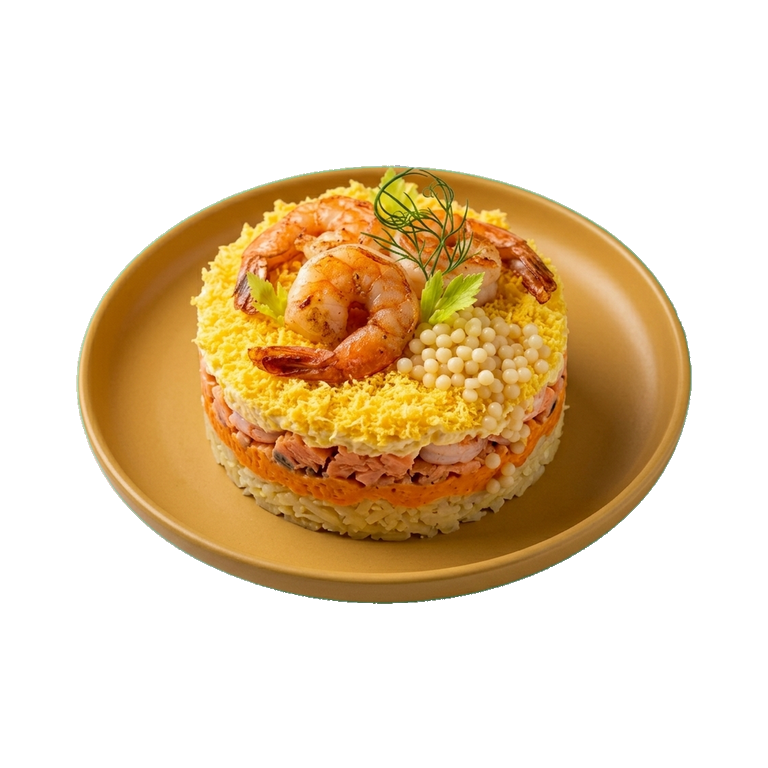
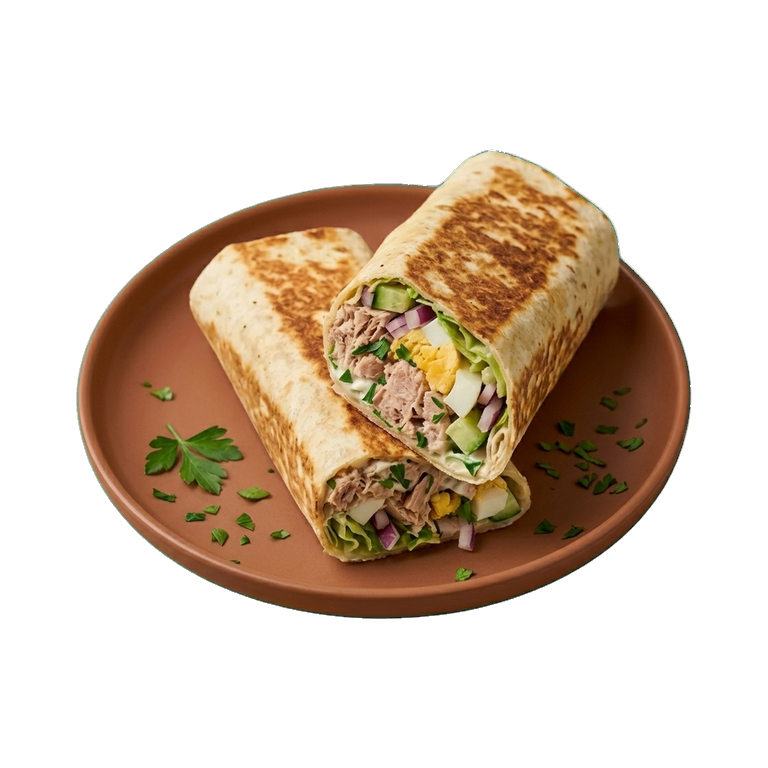
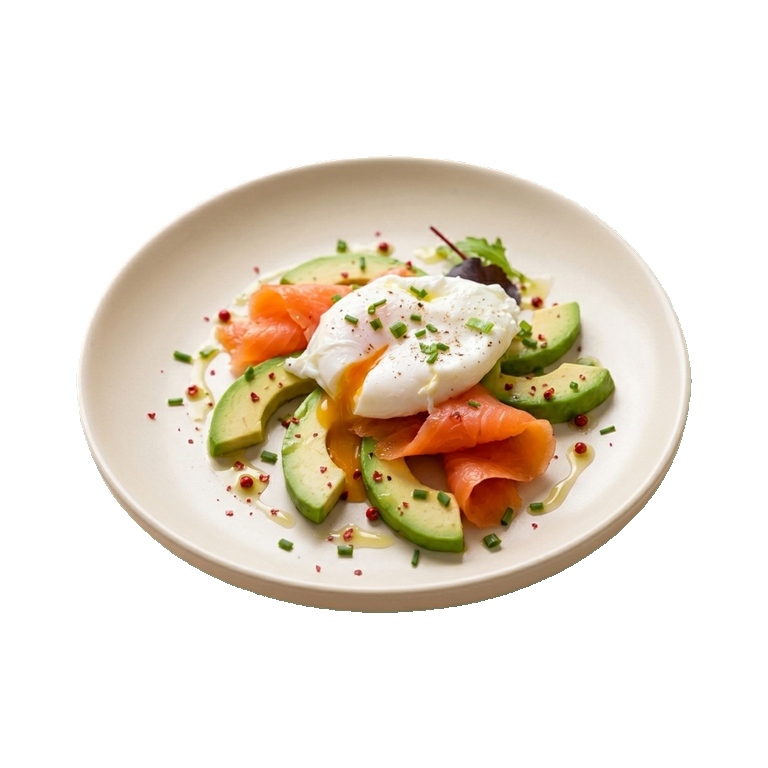
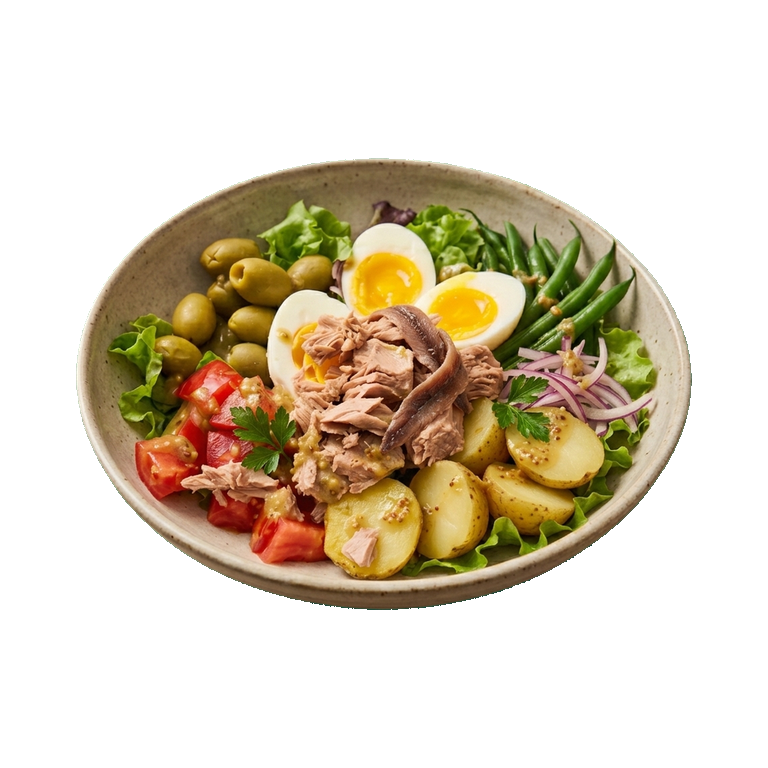
- Boiled — hard-boiled for salads and appetizers, soft-boiled for bread with butter, poached for a tender yolk
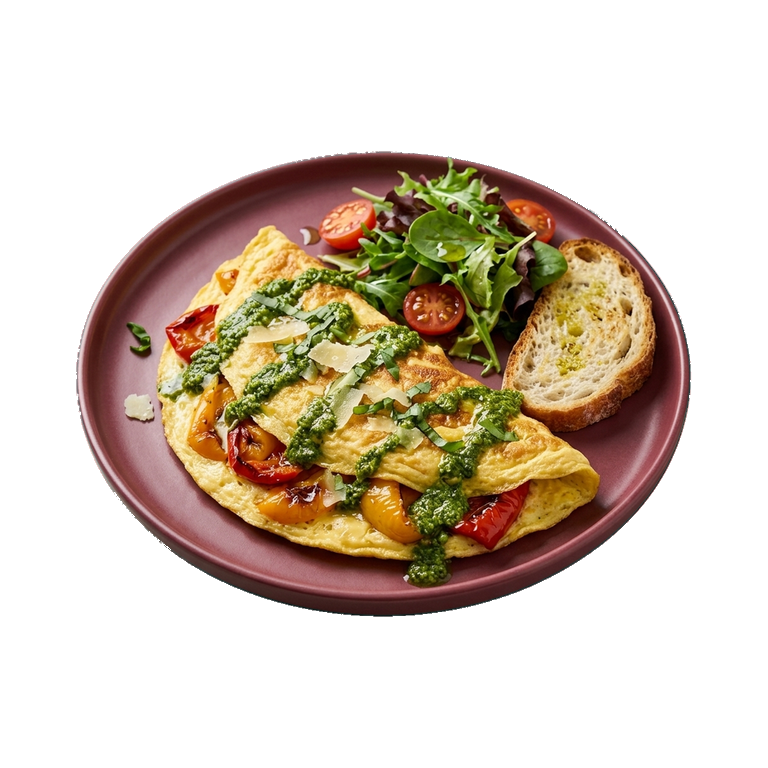
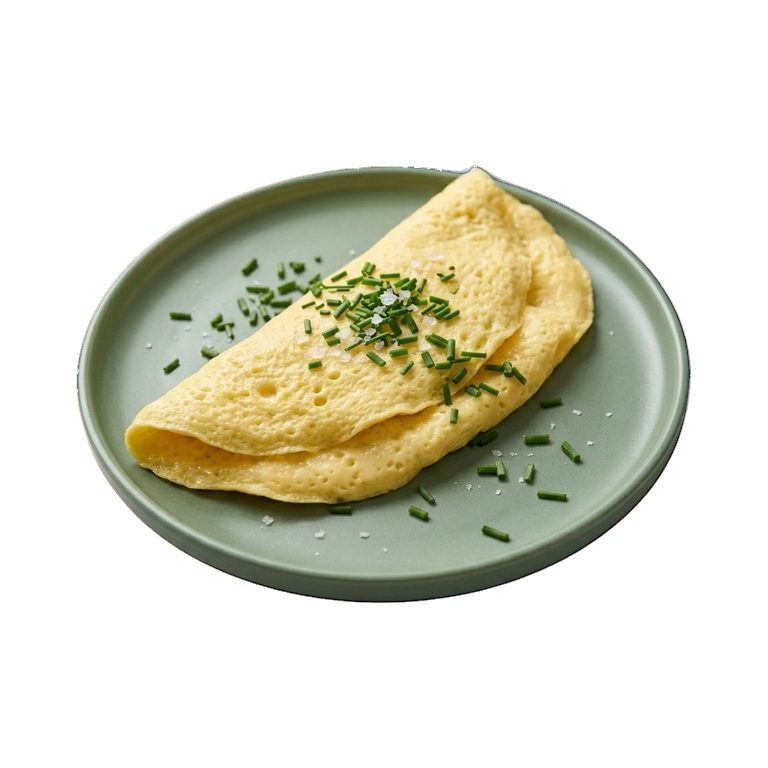
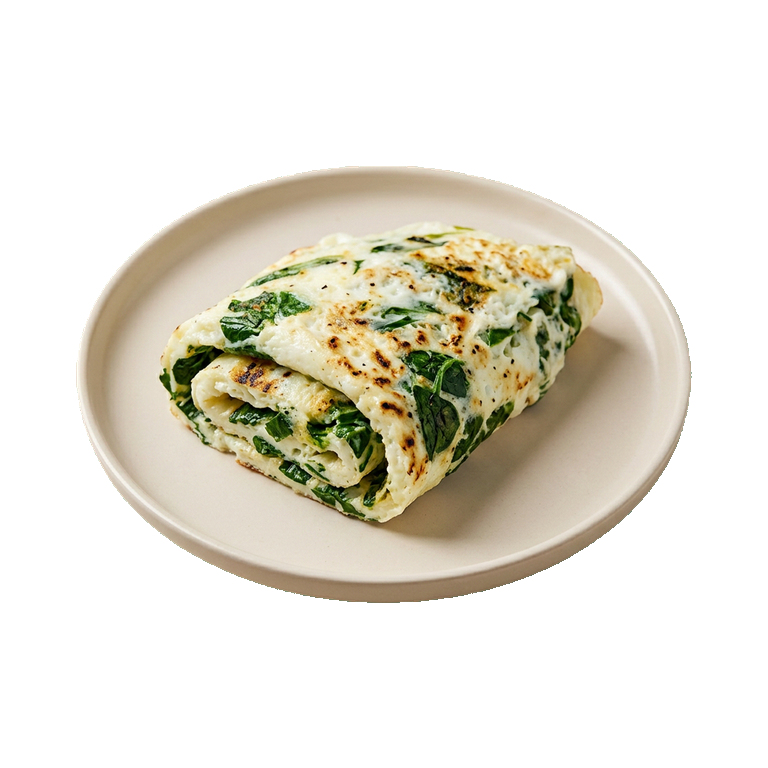
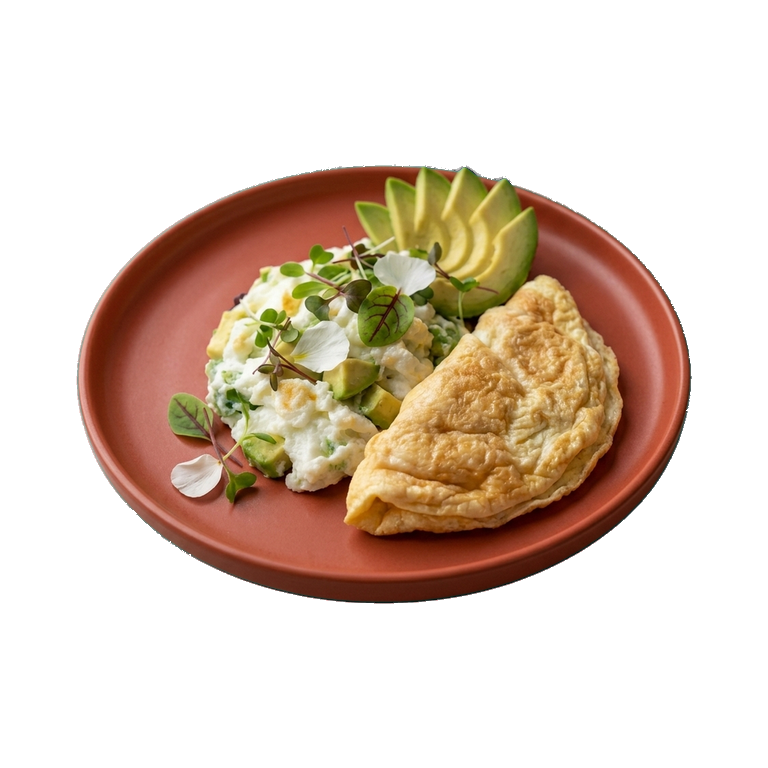
- Fried — sunny-side up with crispy edges, fluffy or dense omelet, creamy scramble
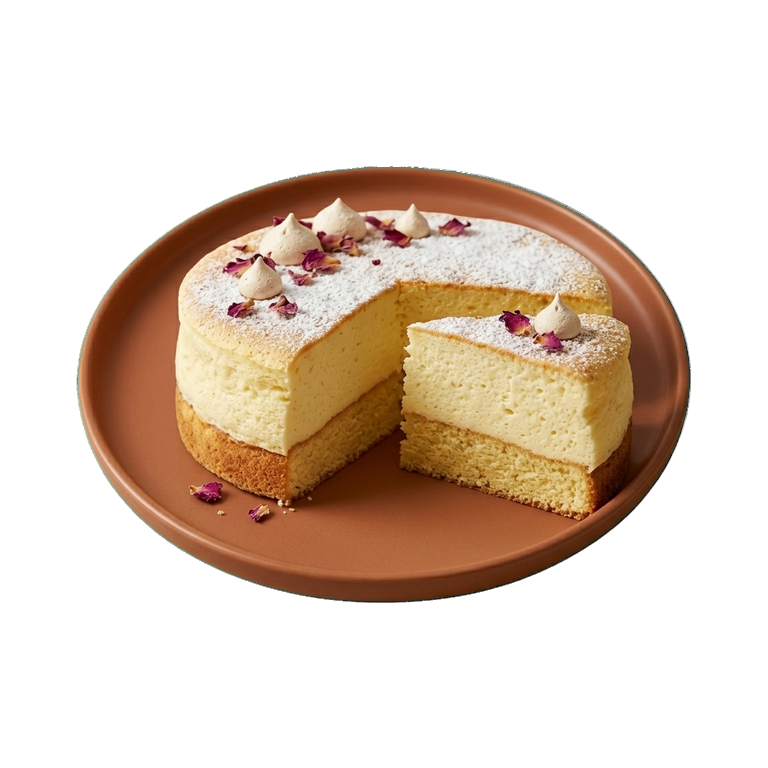
- Baked — in ramekins with cream, in pies as a binder and filling at the same time
- Whipped — egg whites in meringue, yolks in cream, both together in mousses and soufflés
Selection and Storage
What to look for: the shell should be clean, without cracks. If you shake the egg, nothing should slosh inside. A fresh egg, when you crack it, has a firm white and a convex yolk, not a runny one. Choose the size depending on the recipe — in baking this is important for proportions.
Store eggs in the refrigerator in a separate compartment or box, pointed end down. This way they last longer — usually 3–4 weeks. Broken eggs or separated egg whites and yolks should be stored in an airtight container for no more than 3–4 days. Before using in baking or whipping, it's helpful to remove eggs from the refrigerator half an hour in advance — they aerate and mix better.
Combinations and Proportions
Egg works with everything. With milk and cream — in fillings and creams. With flour — in doughs. With sugar — in creams and meringues. With salt, pepper and herbs — in omelets and scrambles. In baking, one medium egg is approximately equal to 50–60 grams, this is helpful for calculations if you adapt recipes.
A chicken egg is not just an ingredient, it's a tool. It binds, rises, thickens, and decorates. The better you understand what the white and yolk do separately and together, the more confident you'll be cooking everything—from a simple omelet to a complex French cream.
Nutrition
per 100 g
- Calories
- 155 kcal
- Protein
- 13 g
- Fat
- 11 g
- Carbs
- 1.1 g
Micronutrients
per 100 g
Macronutrients
- Fiber
- 0 g
- Sugars
- 0.37 g
- Saturated fat
- 3.126 g
- Monounsaturated fat
- 3.658 g
- Polyunsaturated fat
- 1.911 g
- Omega-3 (EPA + DHA)
- 0.058 g
- Cholesterol
- 372 mg
- Water
- 76.15 g
Minerals
- Sodium
- 142 mg
- Potassium
- 138 mg
- Calcium
- 56 mg
- Magnesium
- 12 mg
- Phosphorus
- 198 mg
- Iron
- 1.75 mg
- Zinc
- 1.29 mg
- Copper
- 0.07 mg
- Manganese
- 0.03 mg
- Selenium
- 30.7 mcg
Vitamins
- Vitamin A (RAE)
- 160 mcg
- Vitamin D
- 2 mcg
- Vitamin E
- 1.05 mg
- Vitamin K
- 0.3 mcg
- Vitamin C
- 0 mg
- Vitamin B1 (thiamin)
- 0.04 mg
- Vitamin B2 (riboflavin)
- 0.46 mg
- Vitamin B3 (niacin)
- 0.08 mg
- Vitamin B5 (pantothenic acid)
- 1.53 mg
- Vitamin B6
- 0.17 mg
- Vitamin B9 (folate, DFE)
- 47 mcg
- Vitamin B12
- 0.9 mcg
Measures and weight
- 1 pcs
- 50 g
Measure calculator
- Weight
- 100 g
- Calories
- 155 kcal