Usuba
Usuba
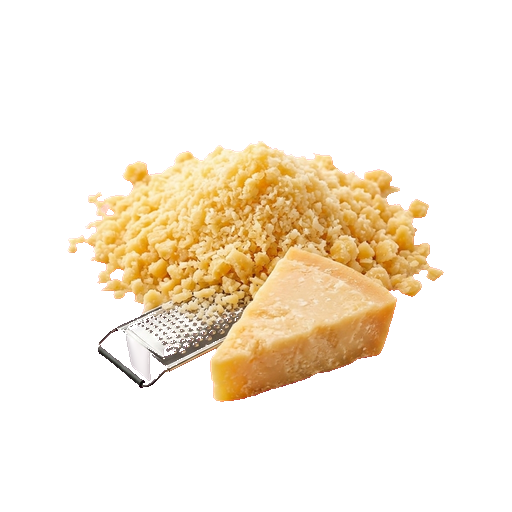
Grated hard cheese
Finely grated cheese with a dense structure that melts quickly and distributes evenly throughout dishes due to its small particle size. Used for topping pasta, baked dishes, soups and salads, and is also an ingredient in many sauces and fillings. When choosing, it's important to pay attention to moisture content — clumped cheese with lumps works worse than crumbly cheese, so it's better to grate cheese right before use.
Micronutrients
per 100 g
Minerals
About
Grated hard cheese is one of the most versatile helpers in the kitchen. It's not just an ingredient, but a ready-made tool that saves time and guarantees even distribution of cheese in a dish. When cheese is already grated, it melts faster, blends better with dough and sauces, and its aroma reveals itself more brightly.
Aroma and Taste
Hard cheeses in grated form offer a sharp, rich flavor with nutty notes. Thanks to the increased surface area of grated cheese, its aroma becomes more intense — this is especially noticeable when heated. The dryness of grated cheese allows it to better concentrate flavor compounds, which is why even a small amount creates a pronounced effect.
Role in dishes
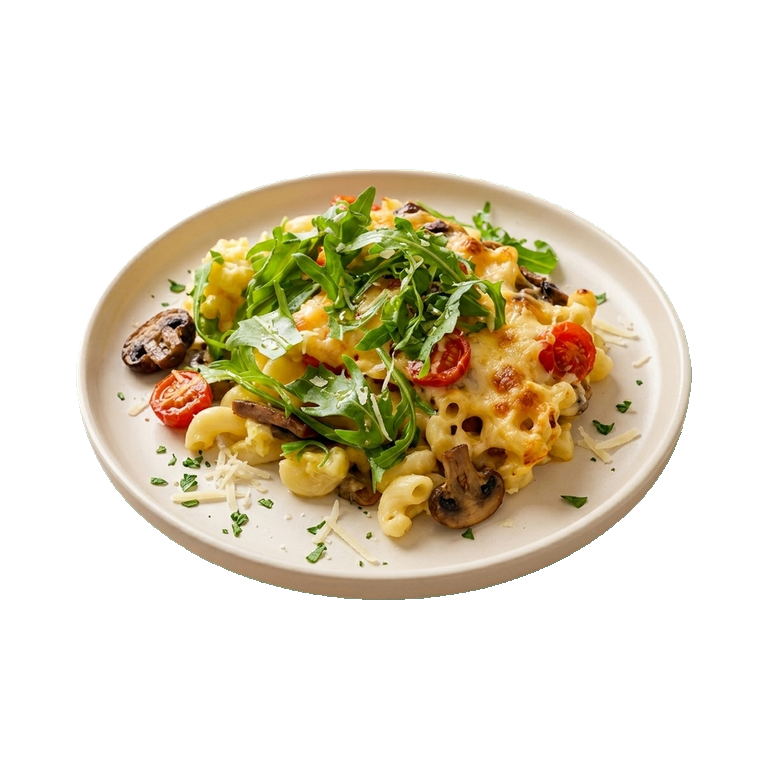
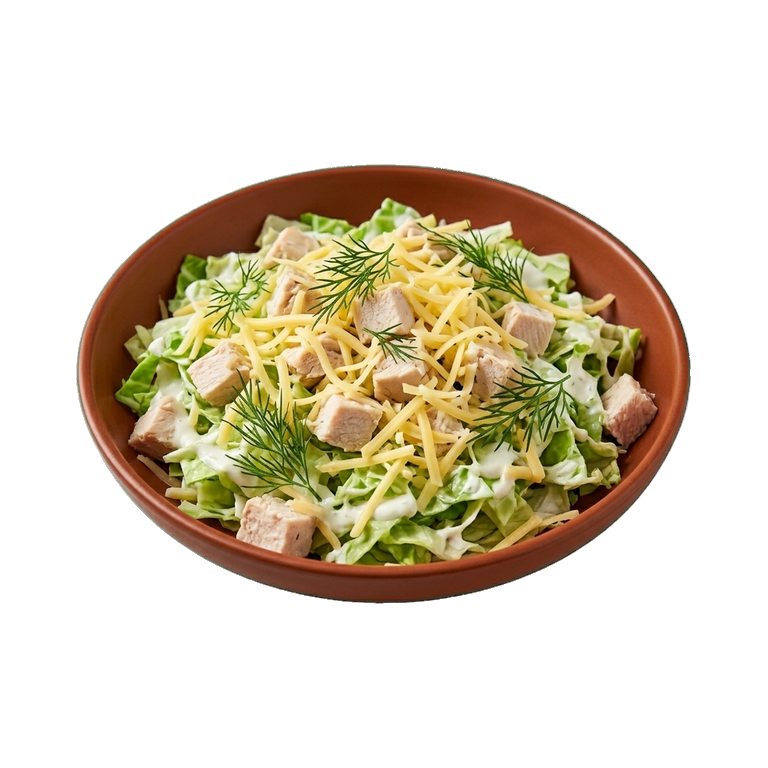
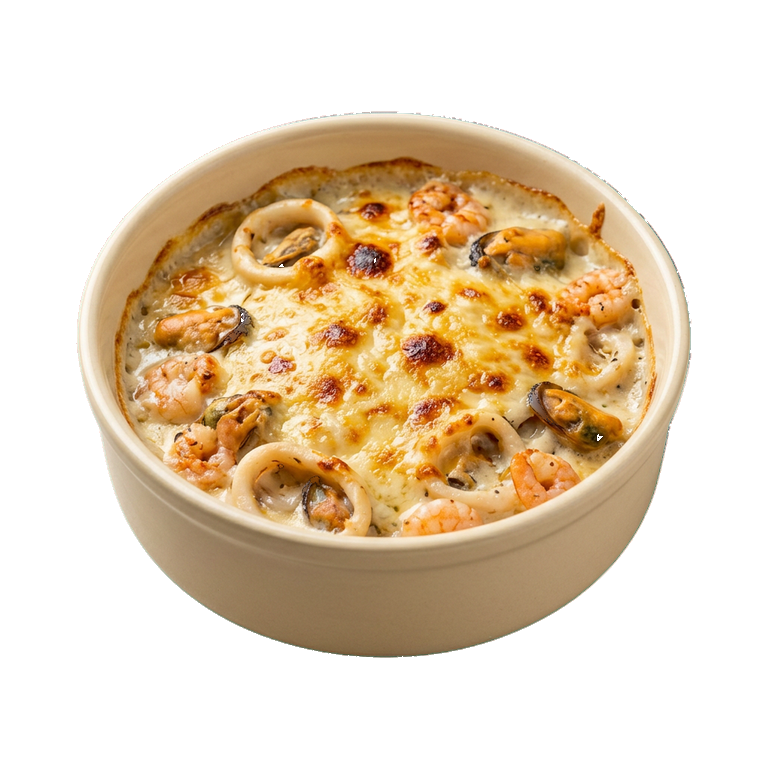
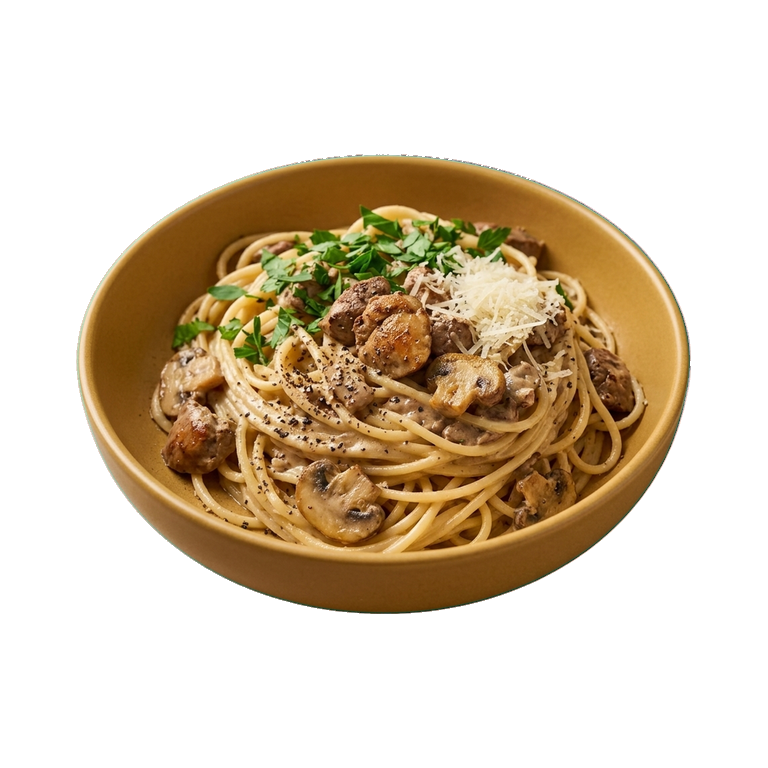
- Pasta and risotto — grated cheese melts instantly in a hot dish, creating a creamy consistency without lumps
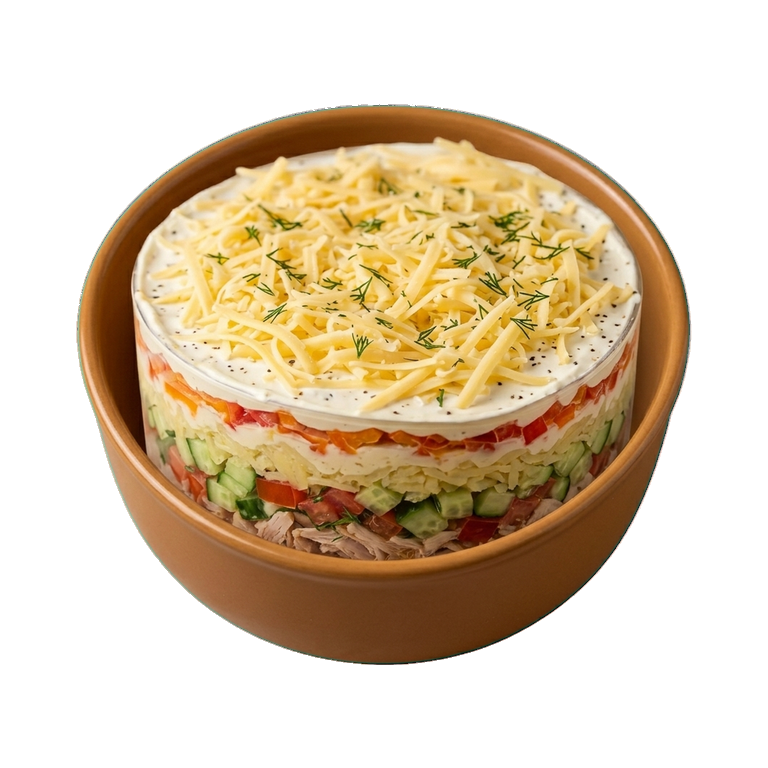
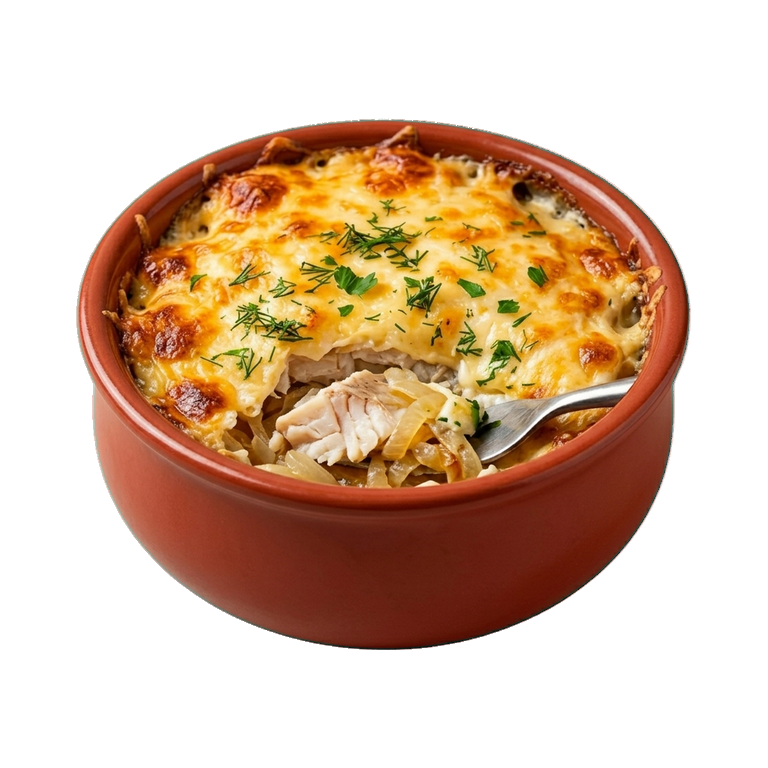
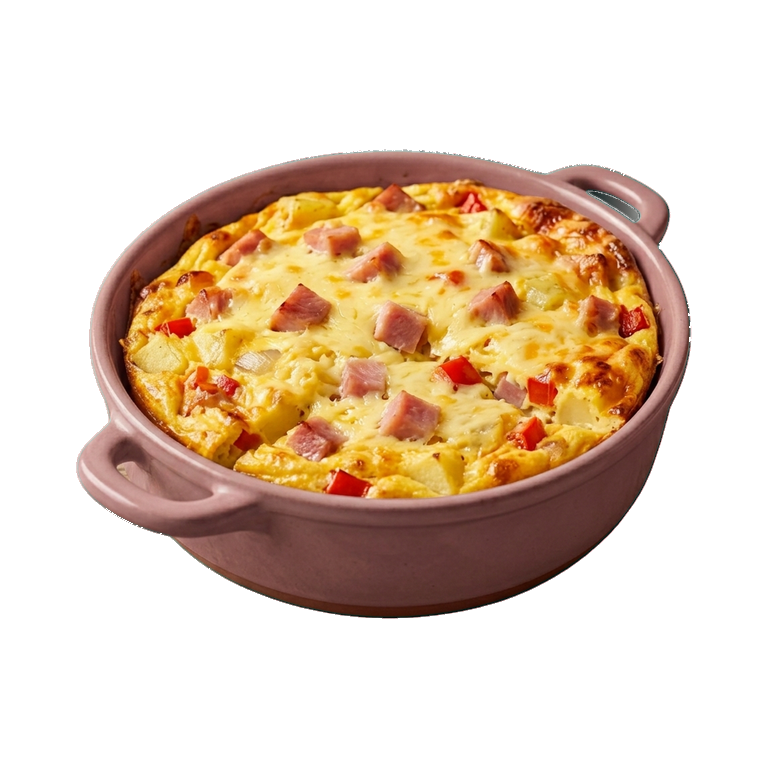
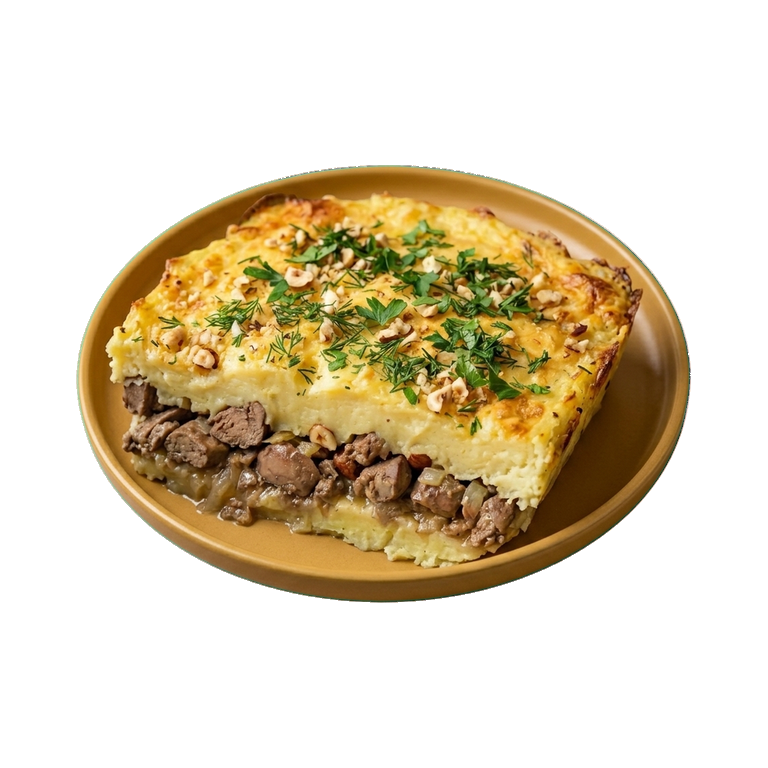
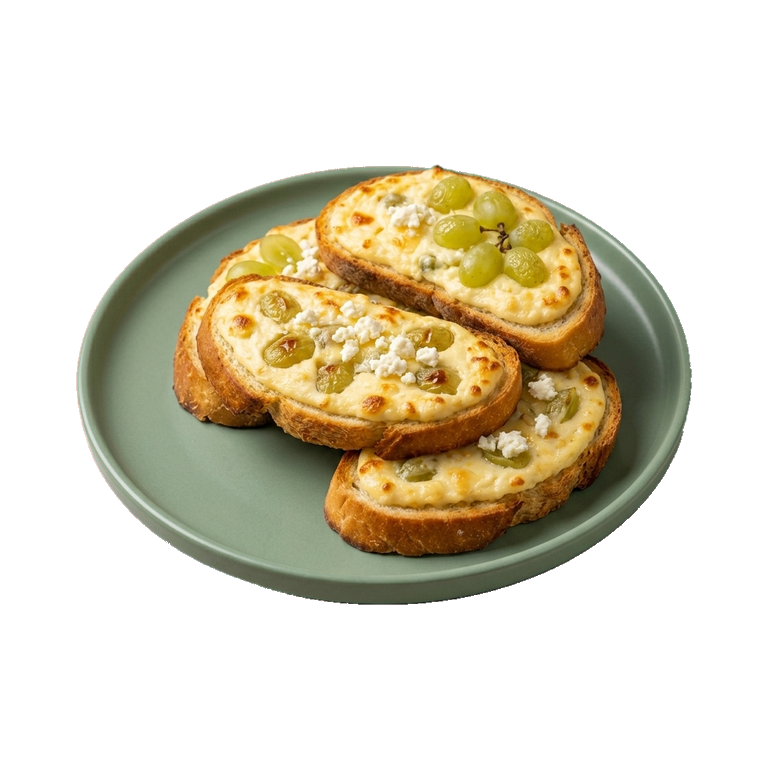
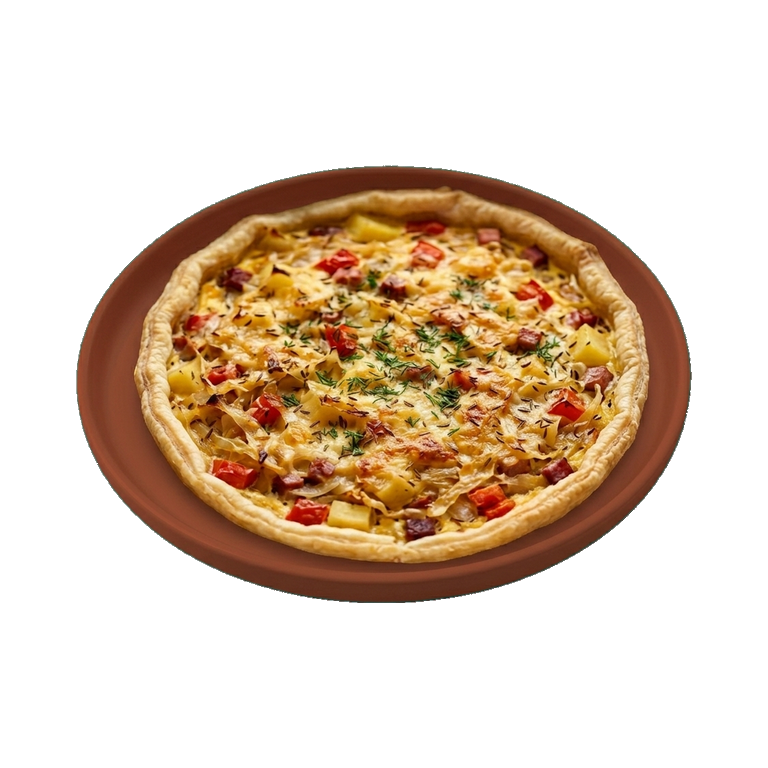
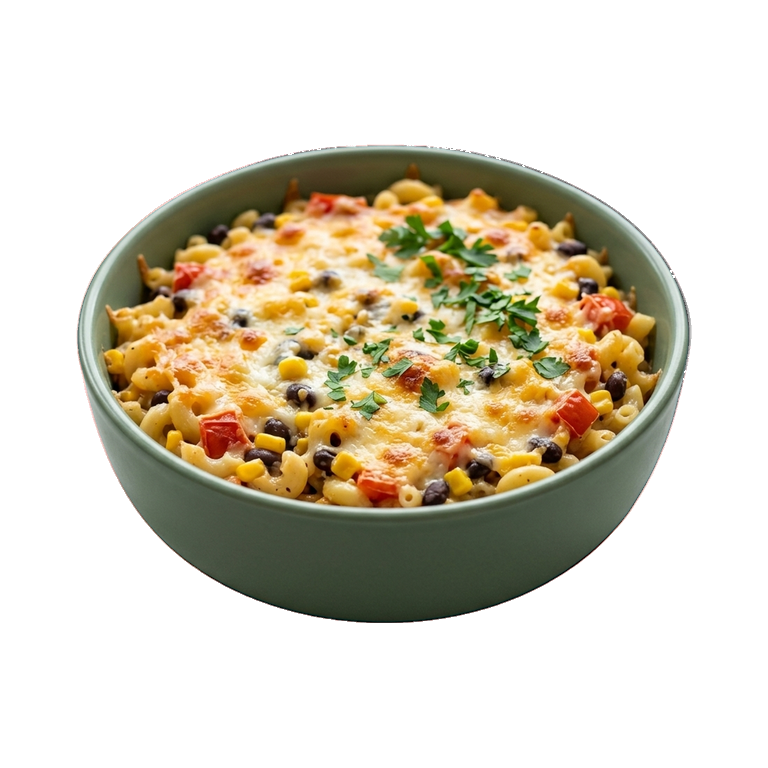
- Casseroles and lasagna — distributes evenly between layers, provides a beautiful crust on top
- Soups and sauces — add depth of flavor and help thicken liquid dishes
- Bread and buns — mix into the dough during kneading, require no additional processing
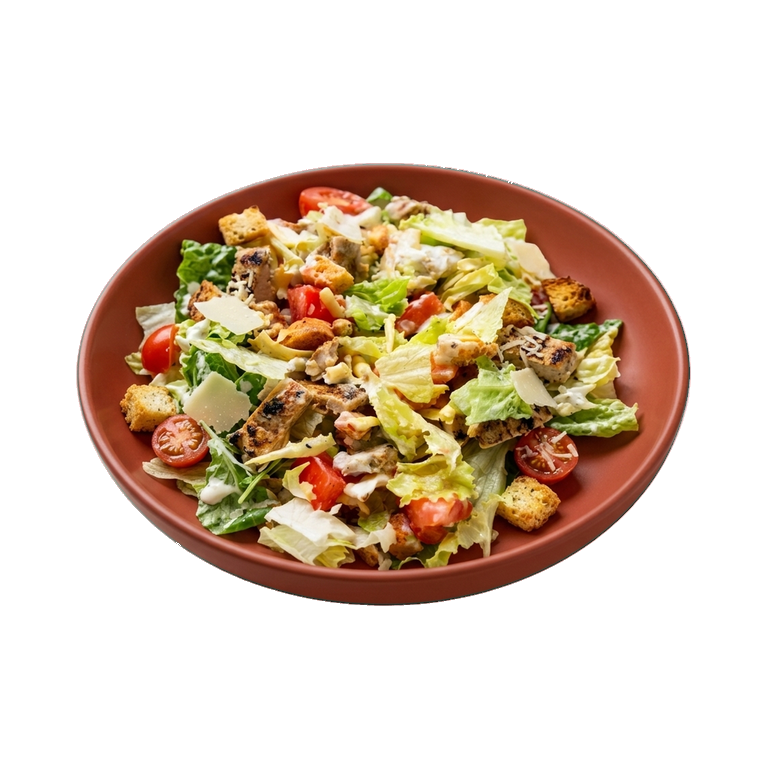
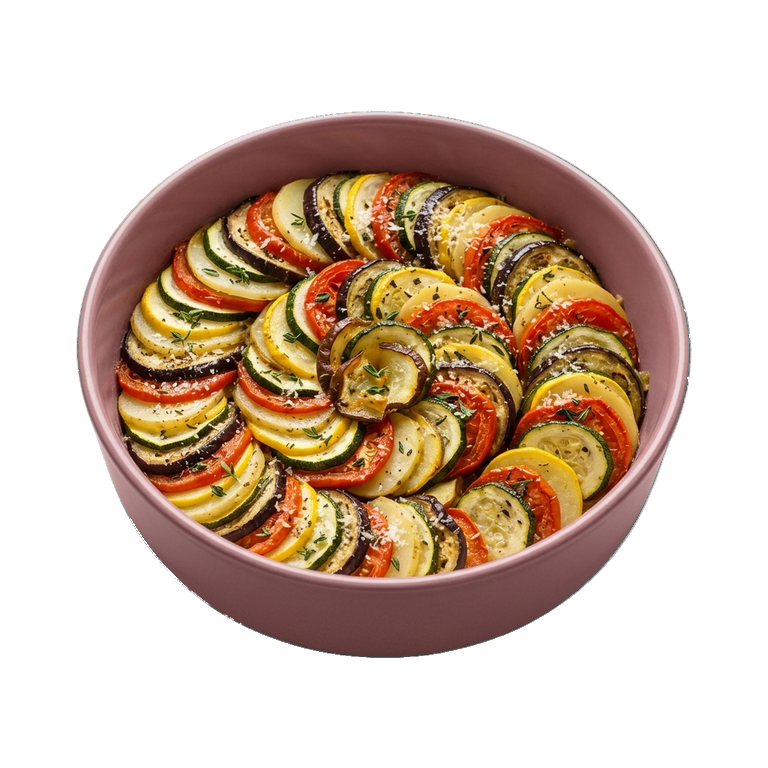
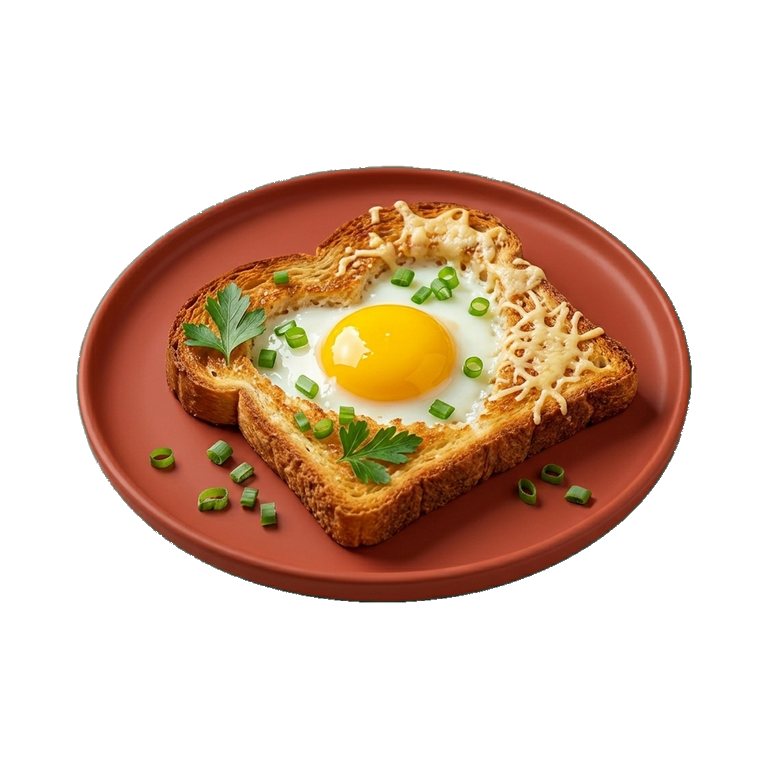
- Side dishes and vegetable dishes — topping before serving adds texture and richness of flavor
Combinations and Proportions
Grated hard cheese works perfectly with any tomatoes, garlic, herbs, and black pepper. It doesn't compete with butter — they complement each other. For pasta, usually 50–80 grams per serving is enough, for a casserole — 100–150 grams per layer. The main rule: add cheese at the end of cooking or directly to a hot dish so it doesn't lose its flavor or curdle.
Selection and Storage
When purchasing, pay attention to the color — it should be uniform, from light yellow to golden. Avoid packages with lumps and moisture inside: these are signs of improper storage or expired shelf life. Quality grated cheese should smell fresh, without any off-odors.
- In the refrigerator — in an airtight container or original packaging for up to 2 weeks
- In the freezer — in a plastic container for up to 3 months; no need to thaw, add directly to the dish
- Avoid moisture — store with a desiccant or paper towel
If you want maximum aroma, grate the cheese yourself right before using it — freshly grated cheese always wins on taste. But for everyday cooking, pre-shredded cheese from a package is an honest choice that requires no extra effort and always gives predictable results.
Nutrition
per 100 g
- Calories
- 402 kcal
- Protein
- 25.2 g
- Fat
- 33.3 g
- Carbs
- 1.3 g
Micronutrients
per 100 g
Macronutrients
- Saturated fat
- 15.5 g
- Monounsaturated fat
- 6.4 g
- Polyunsaturated fat
- 1.2 g
- Omega-3 (EPA + DHA)
- 0.008 g
- Cholesterol
- 87 mg
- Water
- 22.8 g
Minerals
- Sodium
- 1750 mg
- Potassium
- 184 mg
- Calcium
- 884 mg
- Magnesium
- 34.9 mg
- Phosphorus
- 634 mg
- Iron
- 0.45 mg
- Zinc
- 4.33 mg
- Copper
- 0.04 mg
- Manganese
- 0.07 mg
- Selenium
- 35 mcg
Vitamins
- Vitamin A (RAE)
- 228 mcg
- Vitamin E
- 0.51 mg
- Vitamin K
- 1.7 mcg
- Vitamin B1 (thiamin)
- 0.03 mg
- Vitamin B2 (riboflavin)
- 0.35 mg
- Vitamin B3 (niacin)
- 0.08 mg
- Vitamin B5 (pantothenic acid)
- 0.46 mg
- Vitamin B6
- 0.08 mg
- Vitamin B12
- 1.4 mcg
Measures and weight
- 1 tbsp
- 13.5 g
- 1 tsp
- 4.5 g
- 1 cup
- 225 g
Measure calculator
- Weight
- 100 g
- Calories
- 402 kcal