Usuba
Usuba
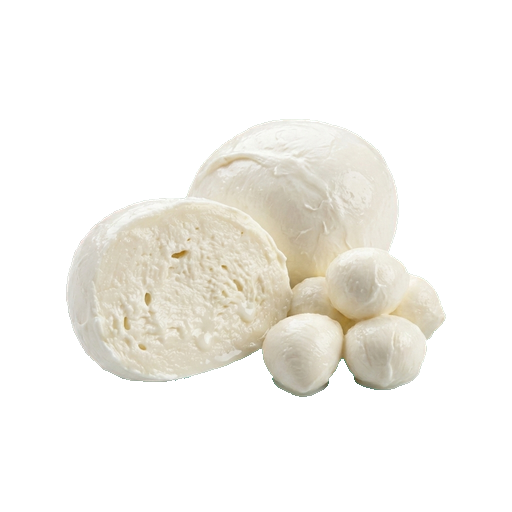
Mozzarella cheese
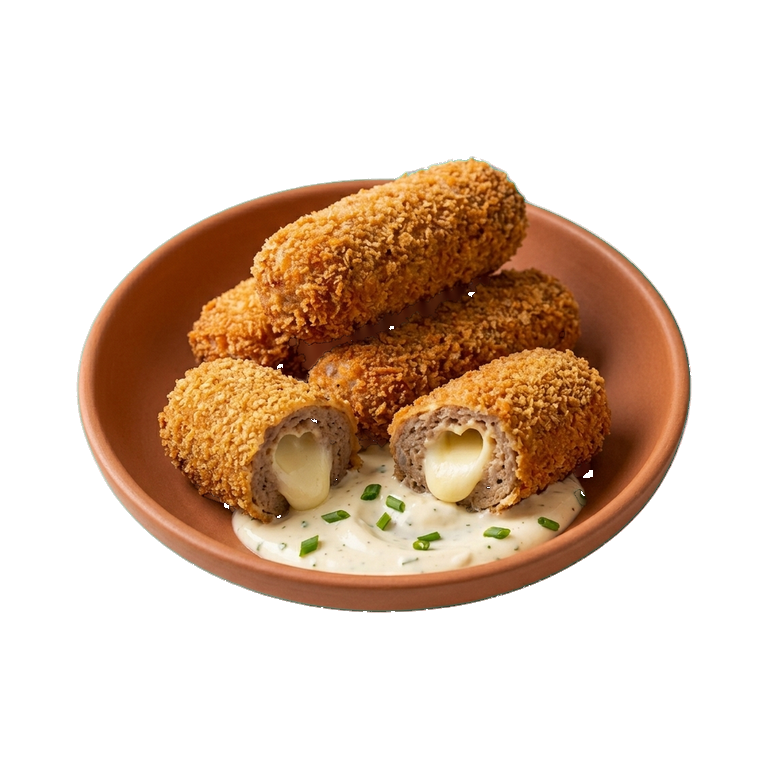
A delicate cheese with a soft texture and subtle milk flavor that melts when heated and stretches into beautiful strands. Perfect for pizza, salads, casseroles, and any dishes that require a soft cheese with excellent melting properties. When choosing, pay attention to freshness — mozzarella performs best in the first days after production, and it should be stored in brine or milk whey at refrigerator temperature.
Micronutrients
per 100 g
Minerals
Vitamins
- AVitamin A (RAE)179mcg21% DV
- DVitamin D0.4mcg3% DV
- EVitamin E0.19mg1% DV
- KVitamin K2.3mcg2% DV
- B1Vitamin B1 (thiamin)0.03mg2% DV
- B2Vitamin B2 (riboflavin)0.28mg16% DV
- B3Vitamin B3 (niacin)0.1mg1% DV
- B5Vitamin B5 (pantothenic acid)0.14mg3% DV
- B6Vitamin B60.04mg2% DV
- B9Vitamin B9 (folate, DFE)7mcg2% DV
- B12Vitamin B122.3mcg77% DV
About
Mozzarella is a cheese that works in the kitchen as a universal helper. Its main property is known to everyone who has ever made pizza: when heated, it melts evenly, stretches in long strands, and creates that very texture you want to see on the table. But mozzarella is interesting not only for its ability to melt.
Taste and Aroma
Fresh mozzarella has a soft, almost neutral flavor with a light milky sweetness. This is no accident — the cheese is deliberately made delicate so it doesn't overpower other ingredients in the dish. The aroma is delicate, reminiscent of fresh milk and cream. If you buy mozzarella in vacuum packaging, it may smell slightly more sour — this is normal and disappears when you open the package.
Consistency is the main thing that distinguishes mozzarella from other cheeses. It is soft, almost creamy, with characteristic stratification. At room temperature, the cheese is slightly viscous, and when heated it becomes stretchy, which makes it ideal for casseroles, sandwiches, and hot dishes.
Where to use mozzarella
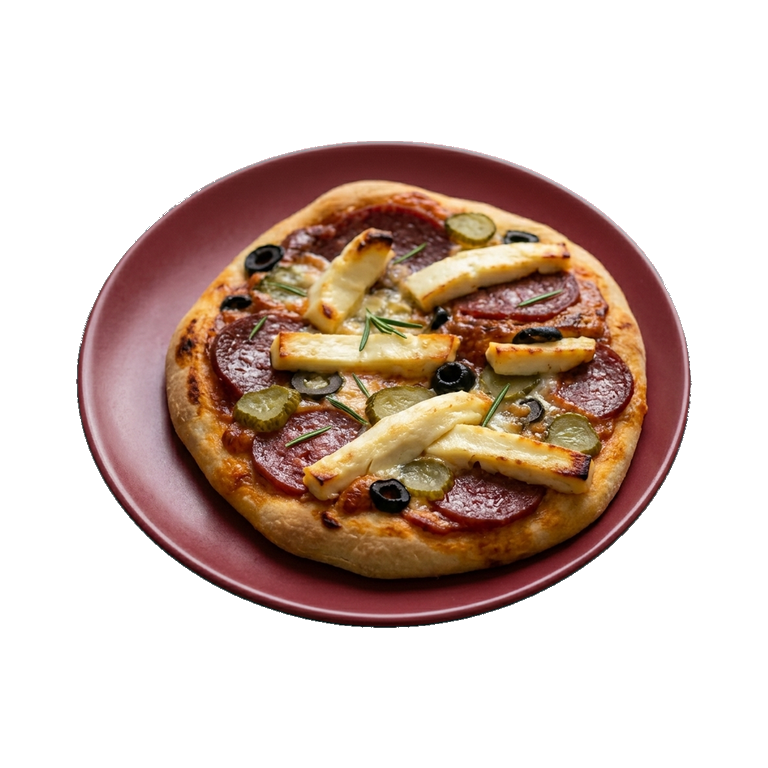
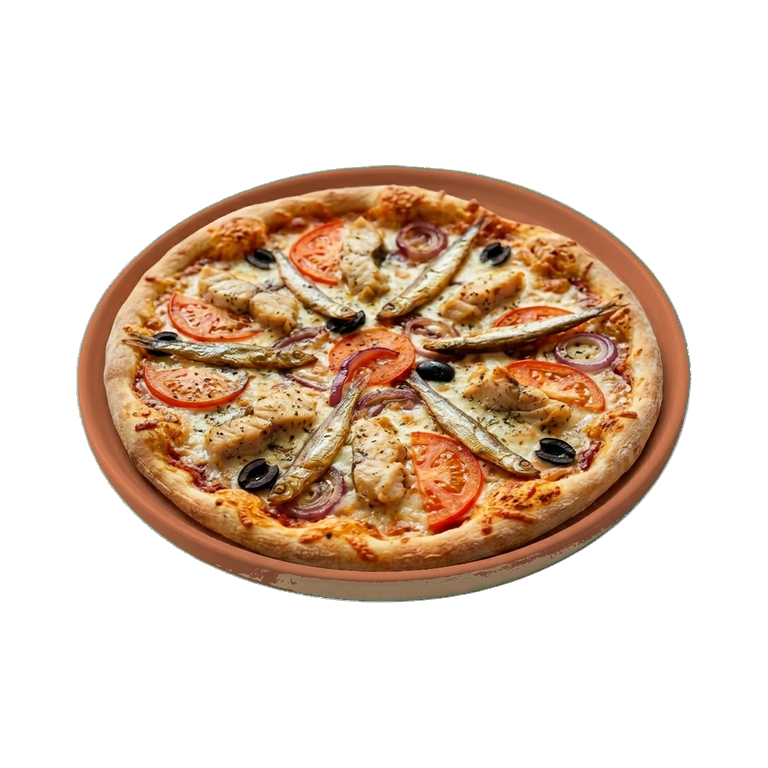
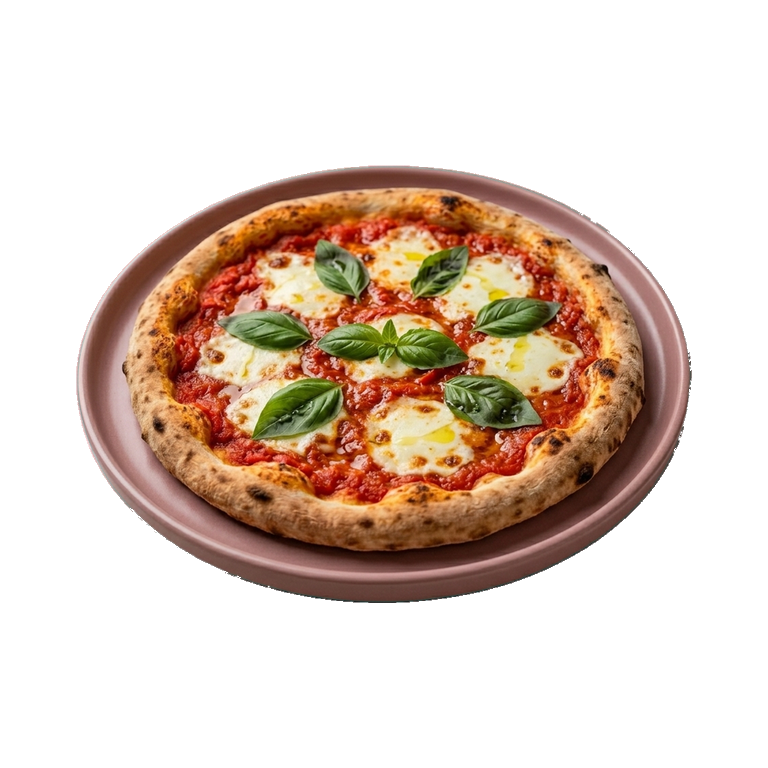
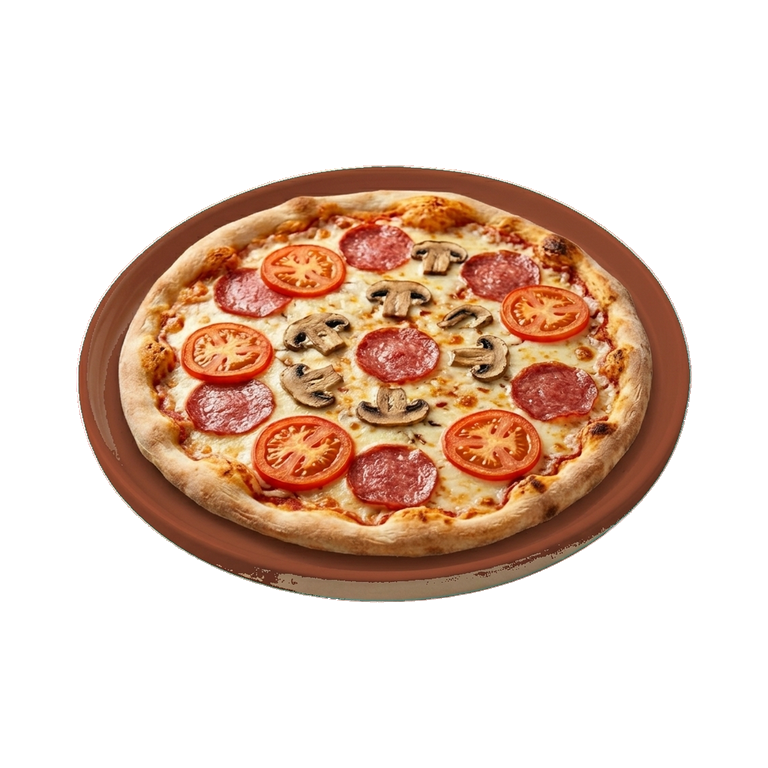
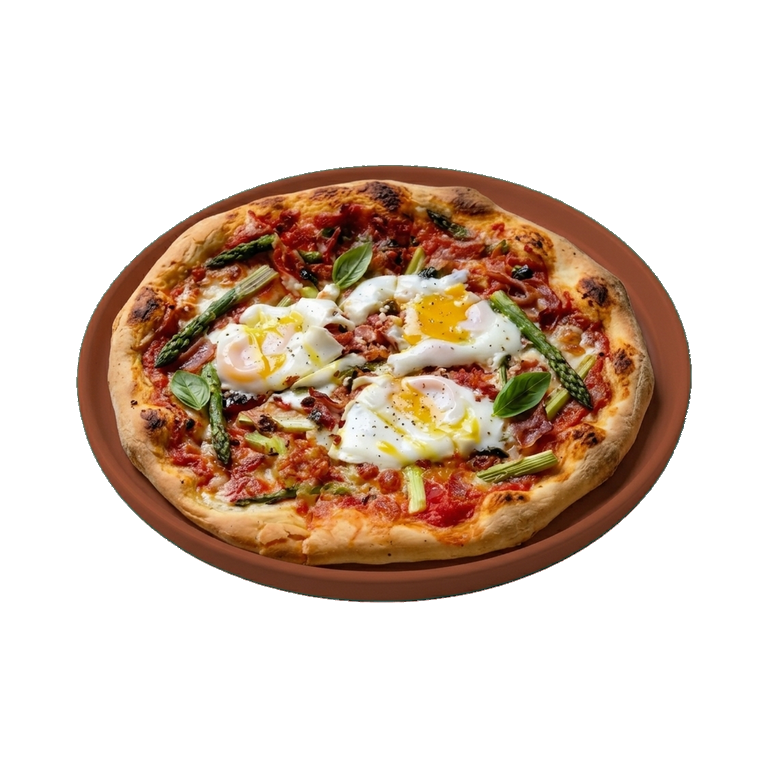
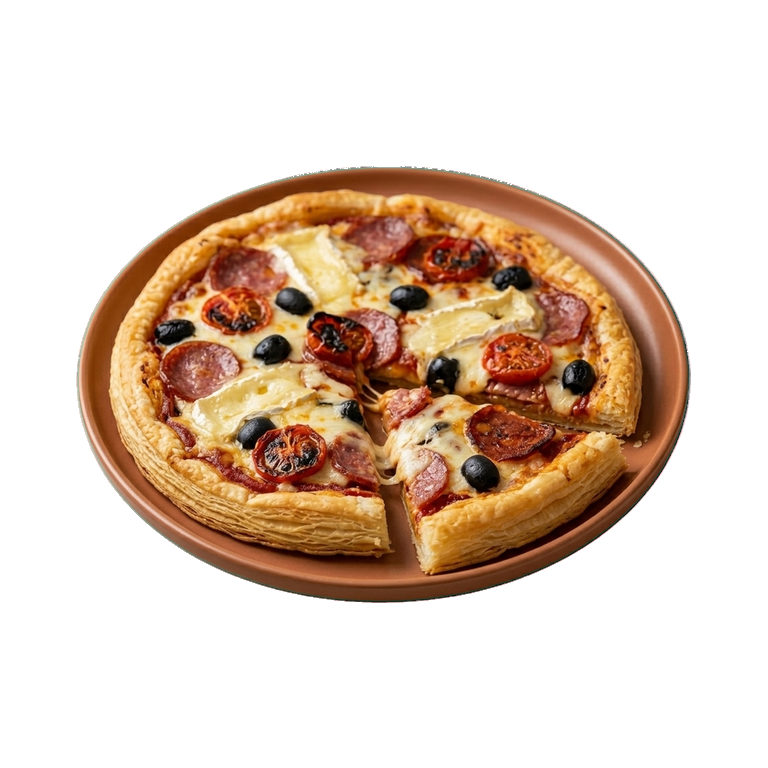
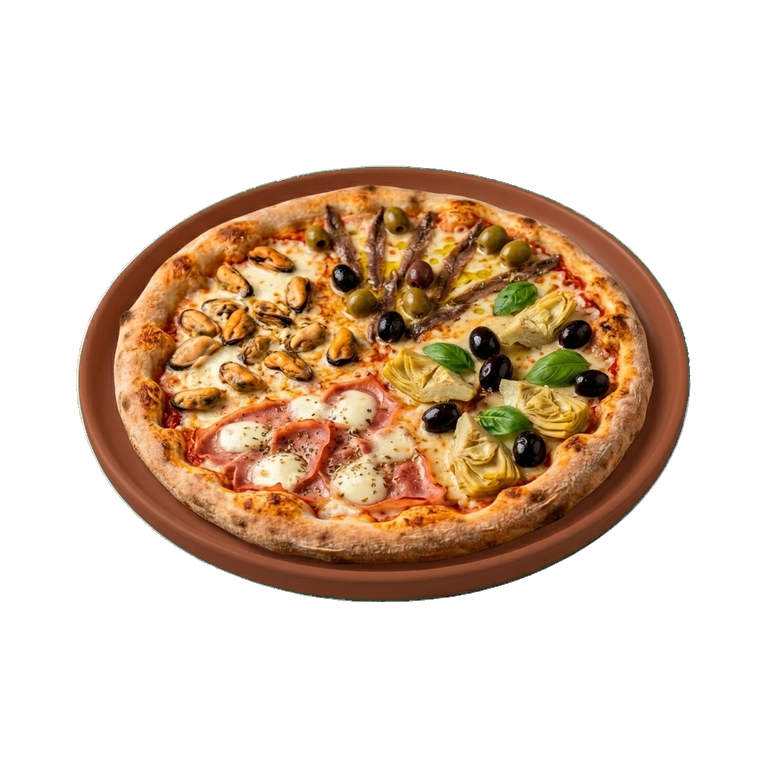
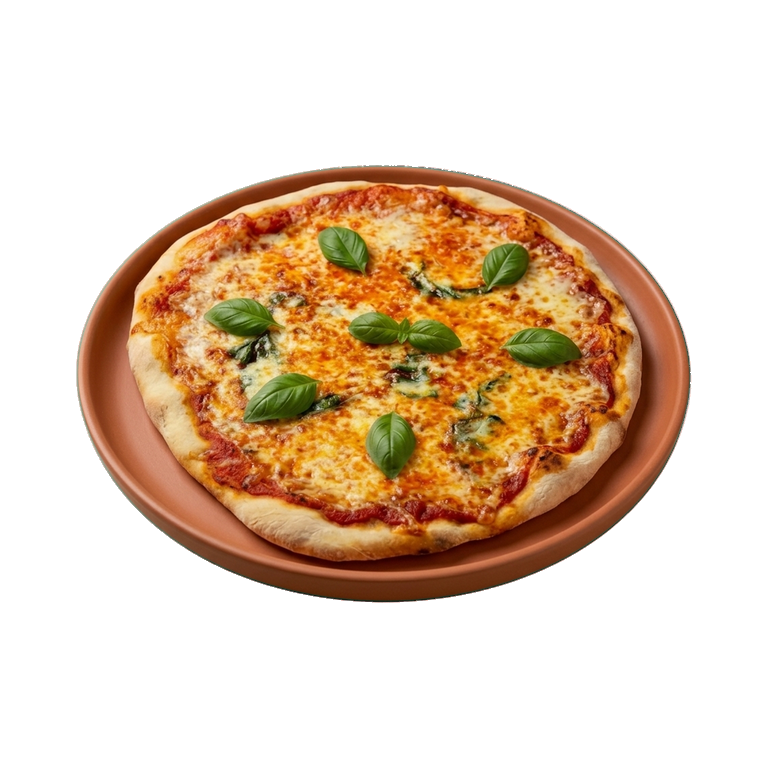
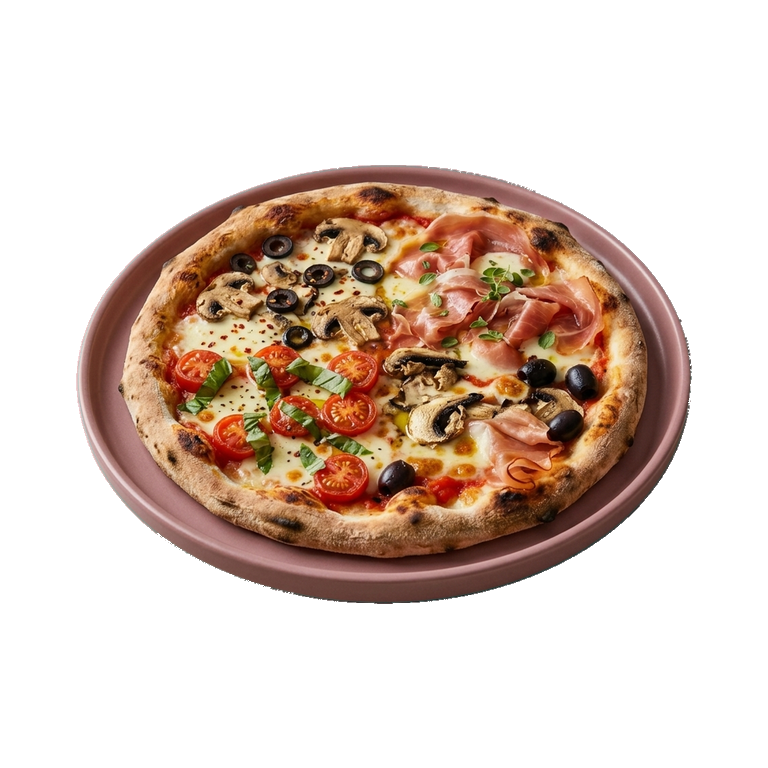
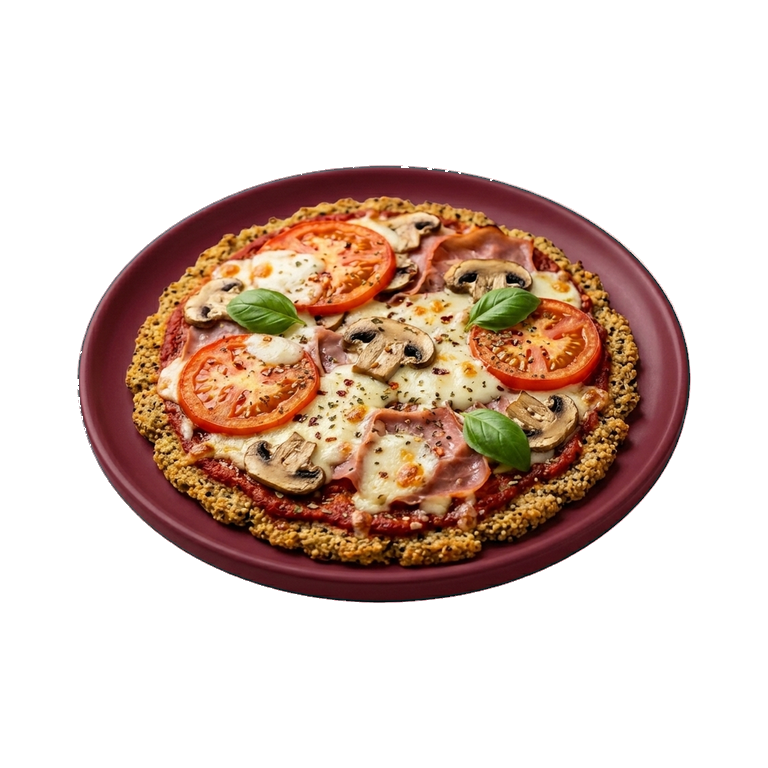
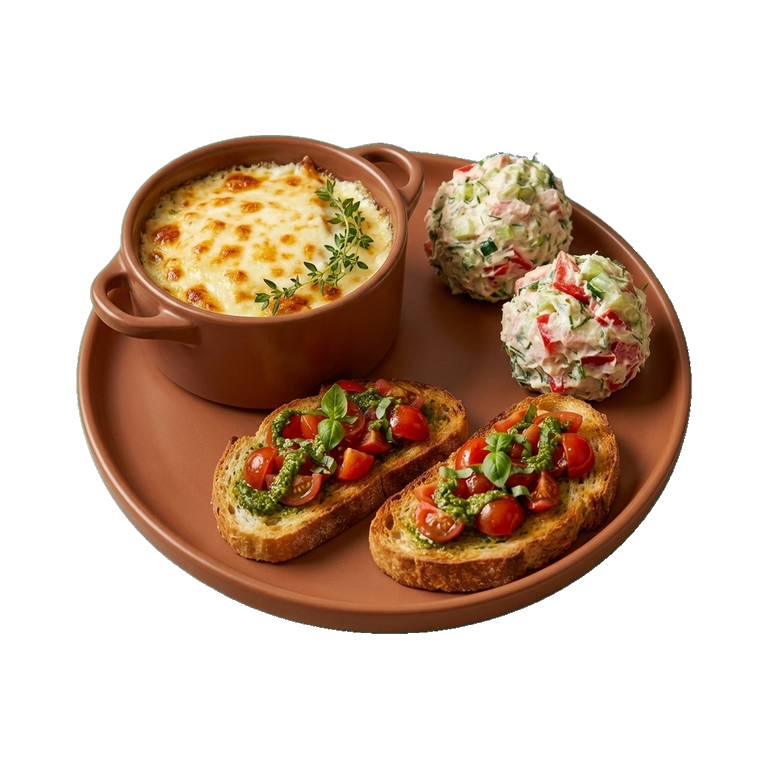
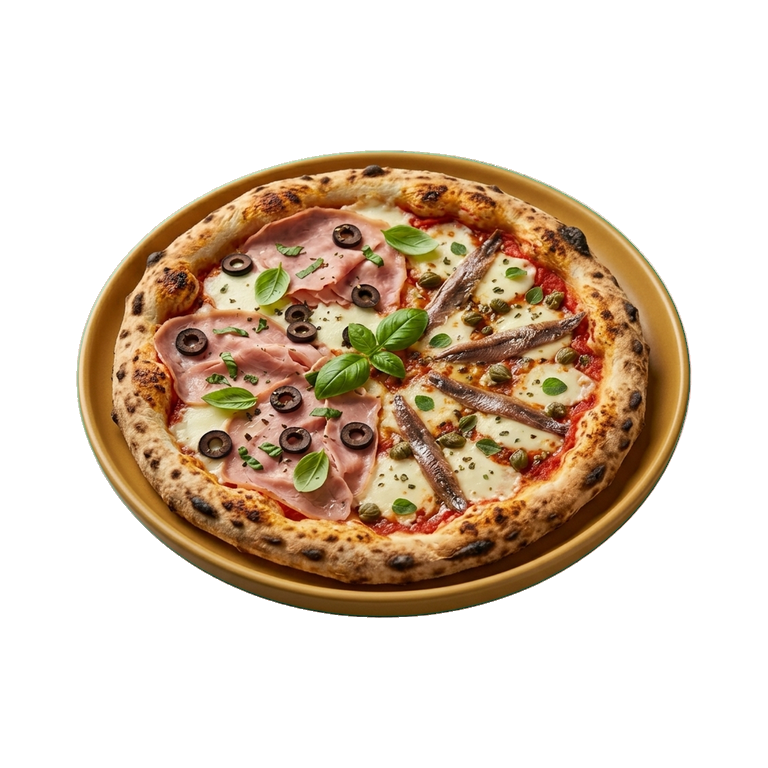
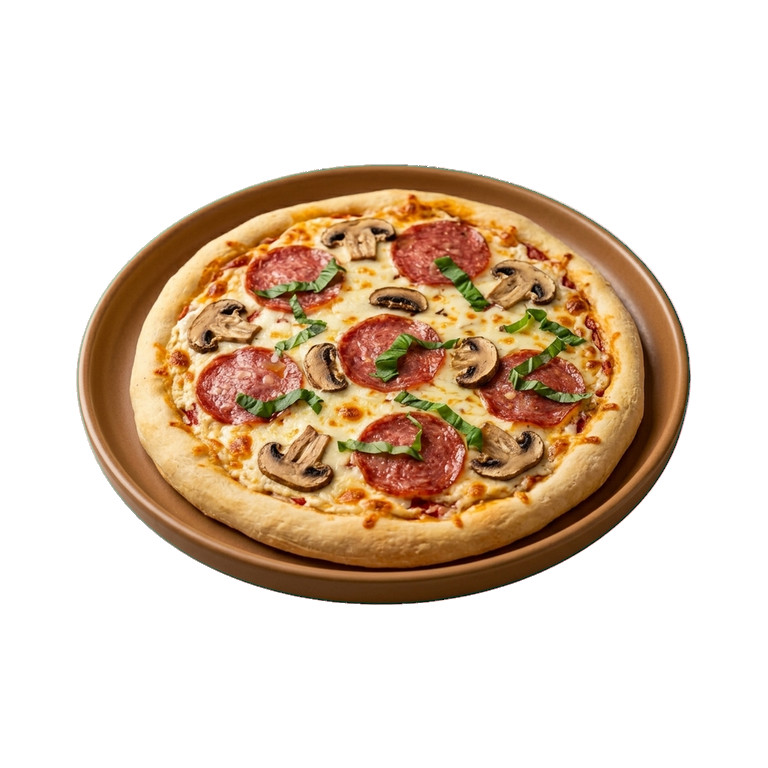
- Pizza and focaccia — a classic application, cheese melts and forms cheese with a crispy crust
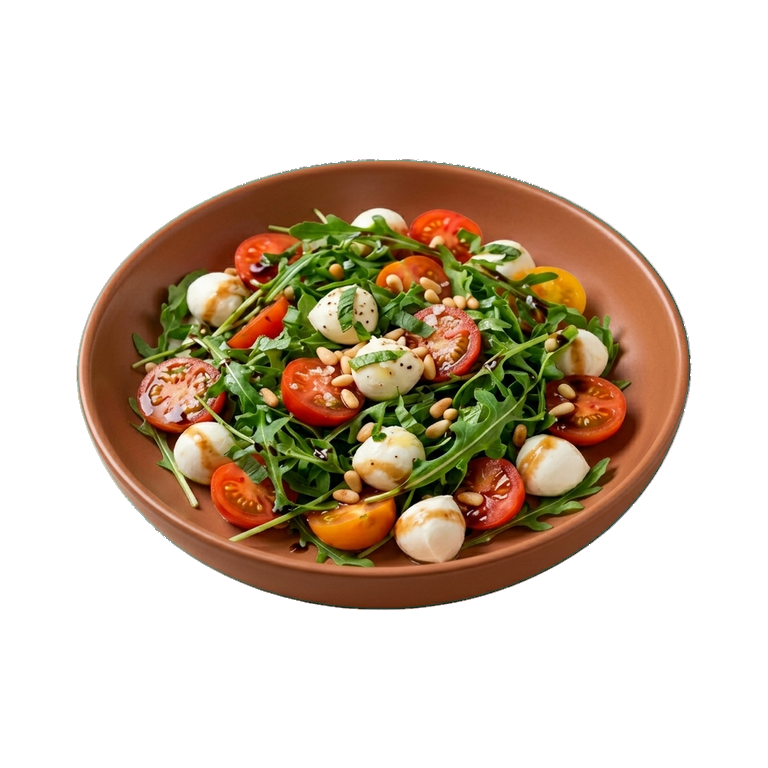
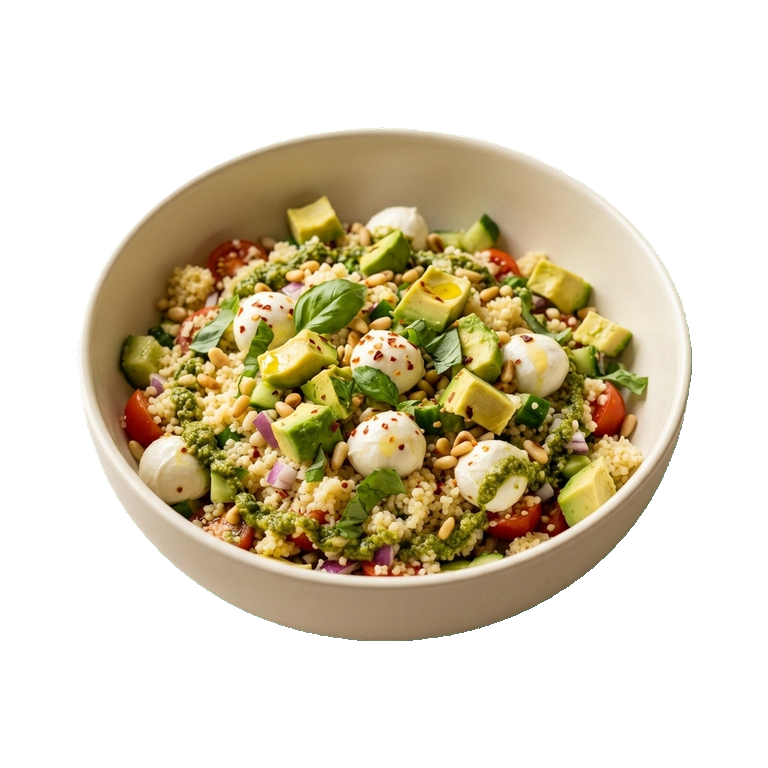
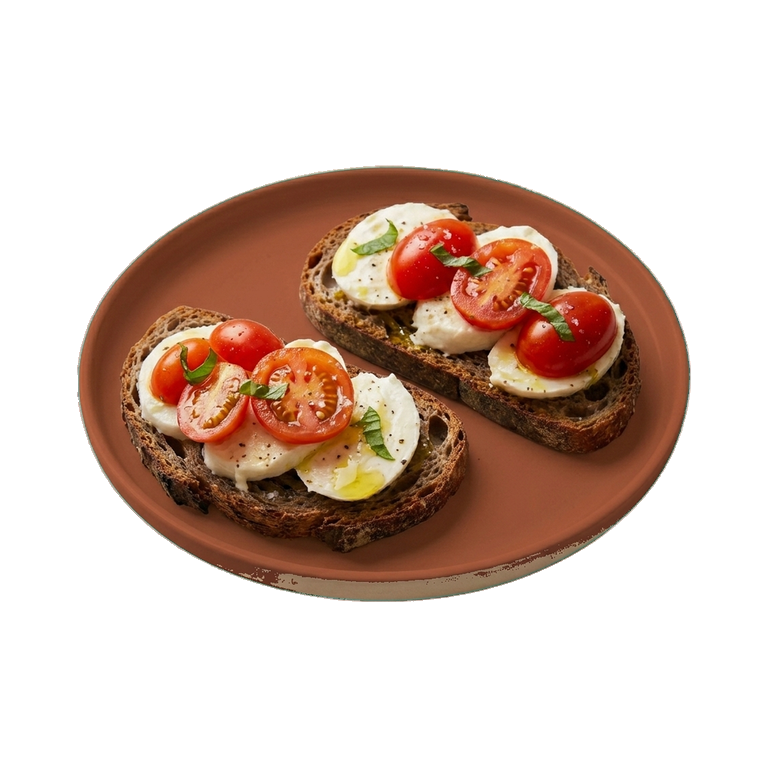
- Salads — fresh mozzarella is cut into cubes or balls and served with tomatoes, basil and olive oil
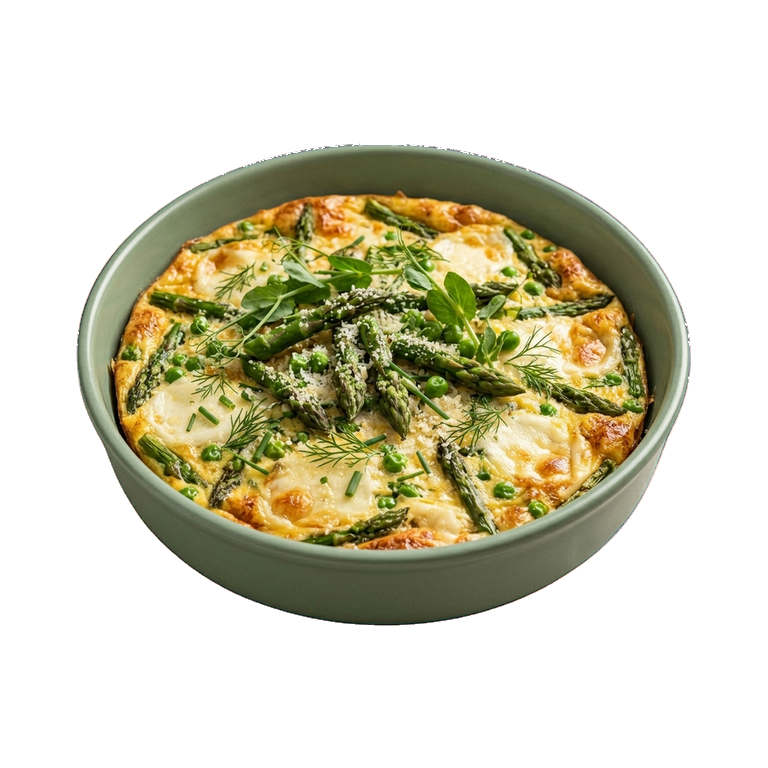
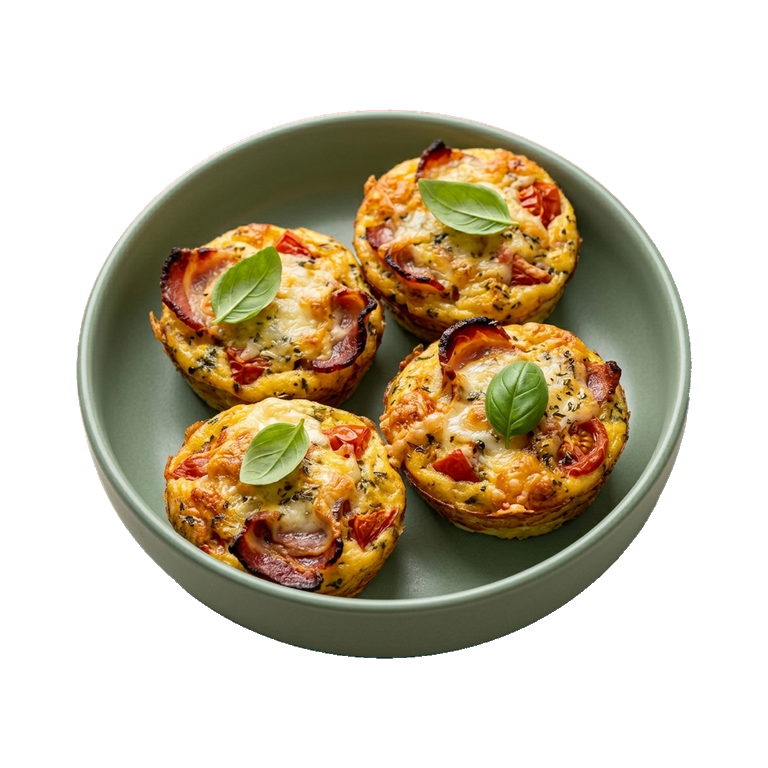
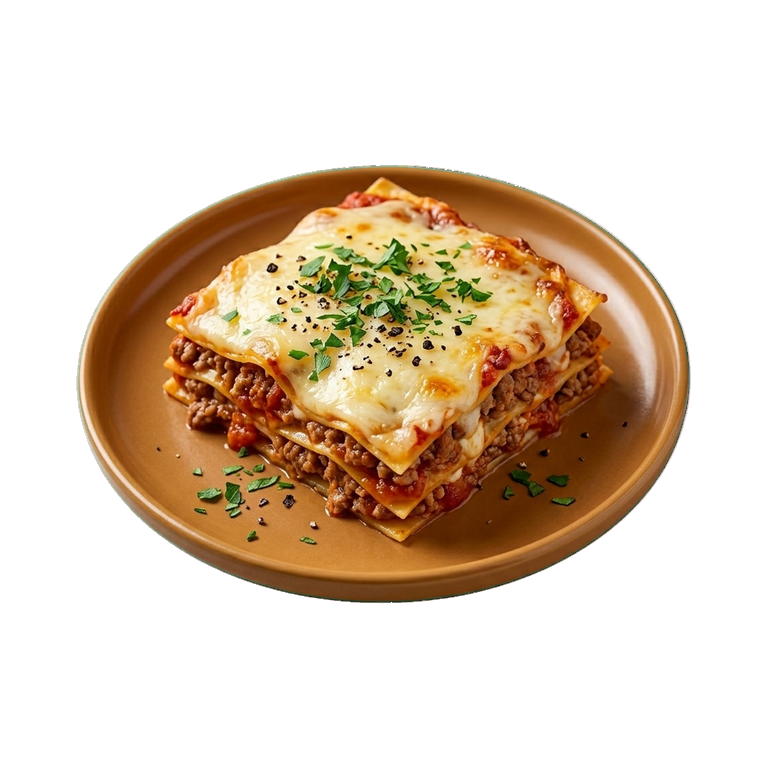
- Casseroles and lasagna — layers of mozzarella create a creamy texture and hold the pasta layers together
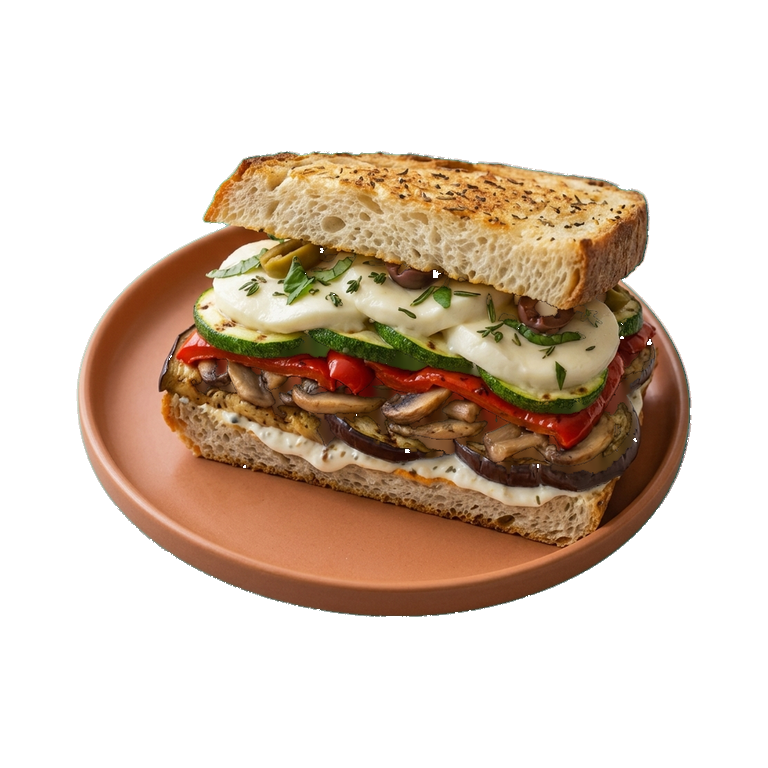
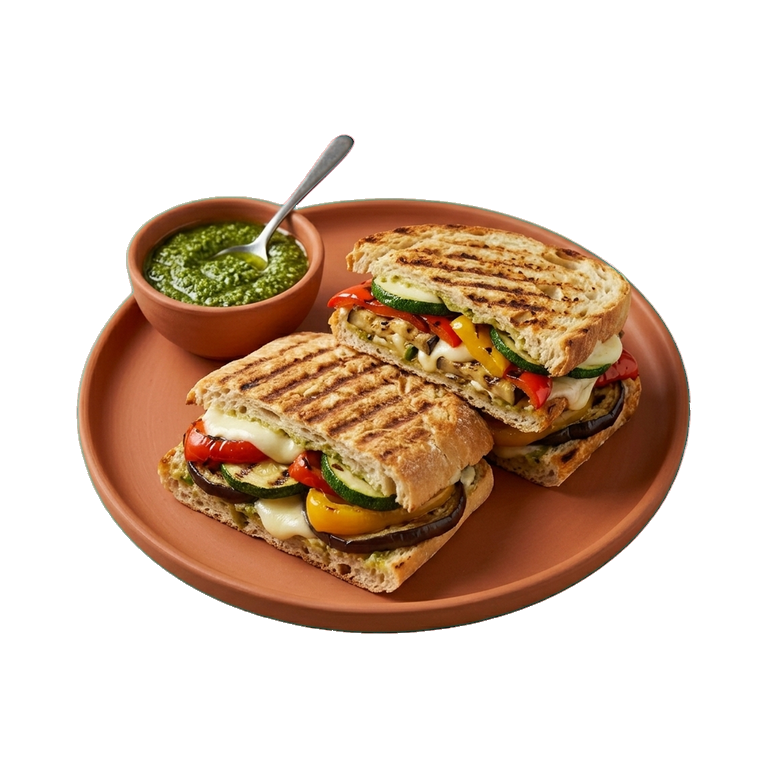
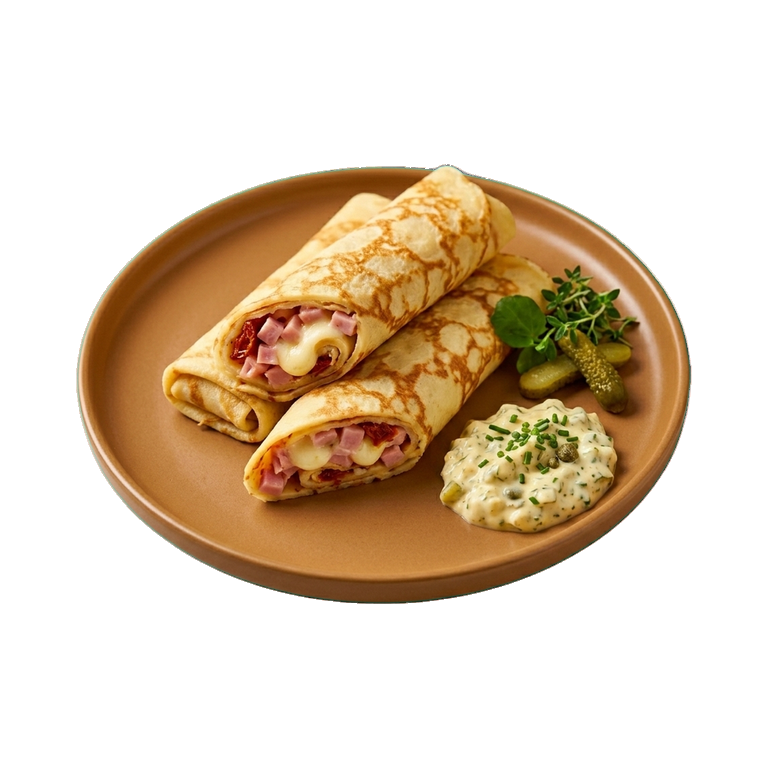
- Hot sandwiches and subs — melts evenly and does not separate into fat and whey
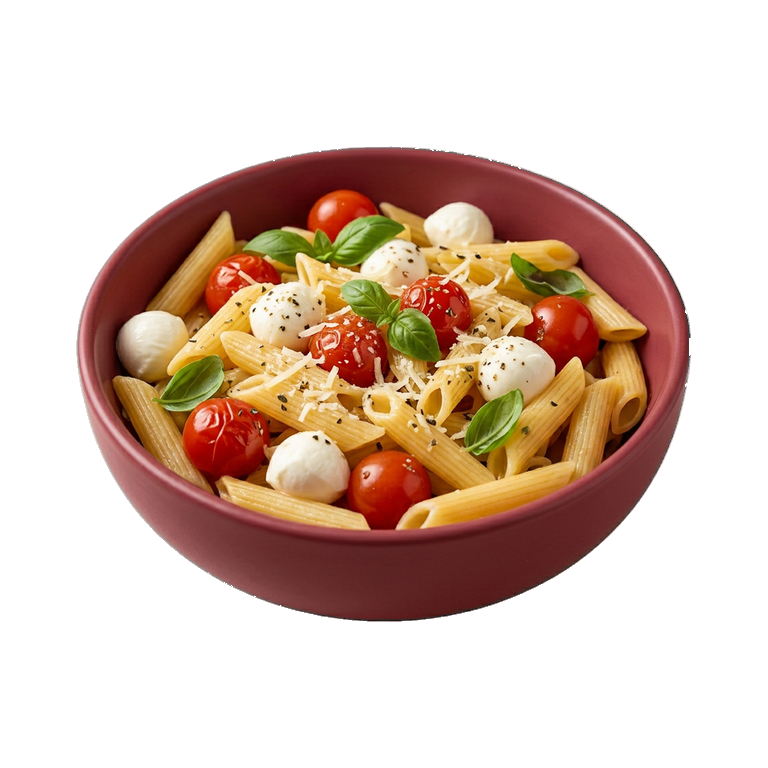
- Pasta — fresh mozzarella topping melts from hot pasta and creates a creamy sauce
How to Choose and Store
Mozzarella is sold in two main forms: in vacuum packaging (denser, longer shelf life) and in brine (more delicate and fresh). Either type works for hot dishes, but for salads it's better to choose mozzarella in brine — it's softer and tastier. Pay attention to the packaging date: the fresher, the better the taste.
Store mozzarella in the refrigerator. Keep cheese in brine in its original packaging or container with brine — this way it will remain moist and won't dry out. Vacuum-sealed cheese can be stored longer, but after opening the package, it's best to use it within a few days. If you've sliced the cheese, place it in a container with a small amount of brine or milk so it doesn't dry out.
Pairings with other products
- Tomatoes and basil — a classic Italian trio that works in salads and on pizza
- Olive oil and lemon — highlight the delicate flavor of fresh mozzarella
- Black pepper and sea salt — a simple seasoning that doesn't overpower the cheese
- Prosciutto and other cured meats — a contrast of salty and soft
- Honey — an unexpected but working combination for appetizers
The main rule: mozzarella is a cheese that reveals itself best in simple dishes where there is no competition from other strong flavors. Give it a supporting role, not a starring one, and the result will delight you.
Nutrition
per 100 g
- Calories
- 280 kcal
- Protein
- 28 g
- Fat
- 17 g
- Carbs
- 3.1 g
Micronutrients
per 100 g
Macronutrients
- Fiber
- 0 g
- Sugars
- 0 g
- Saturated fat
- 13.9 g
- Monounsaturated fat
- 6.573 g
- Polyunsaturated fat
- 0.765 g
- Omega-3 (EPA + DHA)
- 0 g
- Cholesterol
- 79 mg
- Water
- 50.01 g
Minerals
- Sodium
- 486 mg
- Potassium
- 76 mg
- Calcium
- 505 mg
- Magnesium
- 20 mg
- Phosphorus
- 354 mg
- Iron
- 0.44 mg
- Zinc
- 2.92 mg
- Copper
- 0.01 mg
- Manganese
- 0.03 mg
- Selenium
- 17 mcg
Vitamins
- Vitamin A (RAE)
- 179 mcg
- Vitamin D
- 0.4 mcg
- Vitamin E
- 0.19 mg
- Vitamin K
- 2.3 mcg
- Vitamin C
- 0 mg
- Vitamin B1 (thiamin)
- 0.03 mg
- Vitamin B2 (riboflavin)
- 0.28 mg
- Vitamin B3 (niacin)
- 0.1 mg
- Vitamin B5 (pantothenic acid)
- 0.14 mg
- Vitamin B6
- 0.04 mg
- Vitamin B9 (folate, DFE)
- 7 mcg
- Vitamin B12
- 2.3 mcg
Measures and weight
- 1 pcs
- 125 g
- 1 head
- 125 g
- 1 slice
- 20 g
Measure calculator
- Weight
- 100 g
- Calories
- 280 kcal